MENU
Close





A diamond can be rare and still make a poor investment. A watch can be mass-produced and still find a buyer almost anywhere in the world. So what, exactly, constitutes the best investment jewelry pieces?
A diamond can be rare and still make a poor investment. A watch can be mass-produced and still find a buyer almost anywhere in the world. So what, exactly, constitutes the best investment jewelry pieces?
August 10, 2026


From Rolex and Patek Philippe watches to Kashmir sapphires, Type IIa diamonds and signed Cartier jewelry, the logic behind the best investment jewelry pieces extends far beyond gold weight or retail price.
Gold has a spot price. A Cartier bracelet does not.
That distinction explains much of the confusion surrounding jewelry as an asset. Precious metal provides an underlying material value, yet most collectible watches and jewels trade far above the value of their components. Buyers are paying for design, workmanship, scarcity, brand history, condition and the accumulated confidence of other collectors.
Liquidity then separates rarity from investability.
A unique jewel by an obscure maker may be genuinely scarce, but scarcity means little when finding the next buyer becomes difficult. Conversely, certain Rolex professional watches can change hands across multiple countries because collectors already recognize the reference, understand its specifications and have access to extensive transaction histories.
The growing resale economy strengthens this infrastructure. The wider global secondhand fashion and luxury market was estimated at roughly $210 billion to $220 billion in 2025 and is projected to grow around 10% annually through 2030. Watches and jewelry sit naturally within that expansion because durable objects can pass through several owners while retaining physical utility and cultural desirability.
Investment quality therefore starts with a deceptively simple question: if you wanted to sell tomorrow, who already knows what this object is?
A steel watch can outperform a complicated gold watch when collectors want the steel one more.
Patek Philippe, Rolex, Audemars Piguet and Vacheron Constantin occupy an unusually powerful position because decades of watchmaking history meet large international collector networks. Within those houses, specific references develop economies of their own.
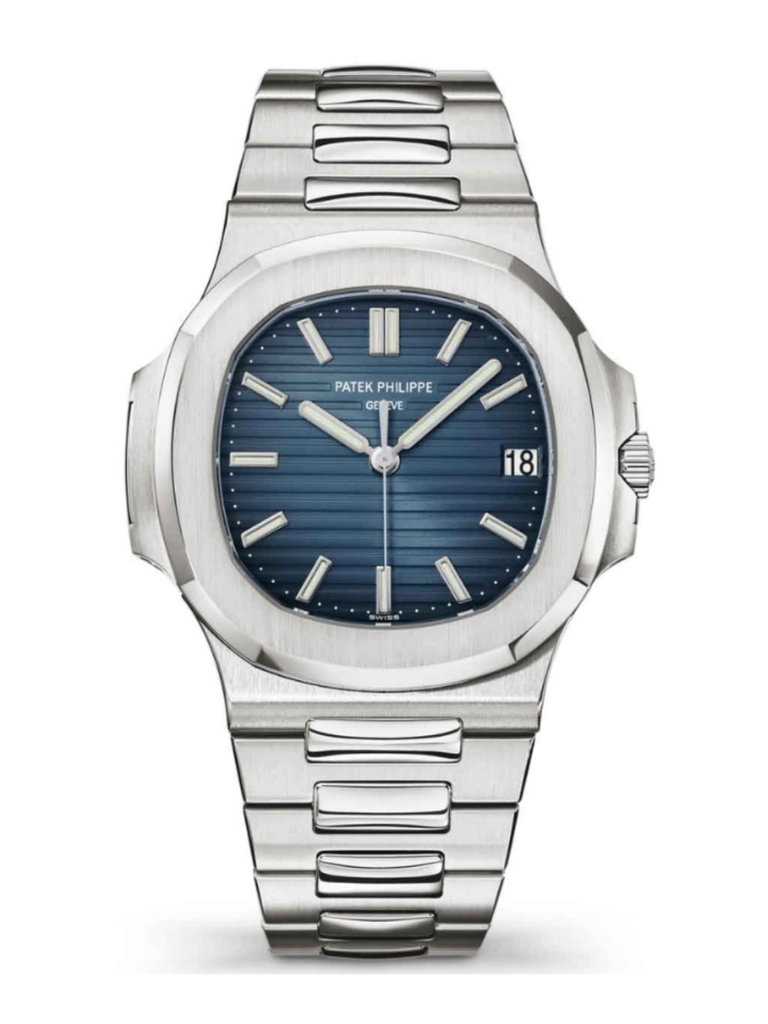
The discontinued Patek Philippe Nautilus Ref. 5711 demonstrates how production scarcity can amplify an already famous design. The Aquanaut family offers another form of recognition through its distinctive rounded-octagonal case and embossed strap language.
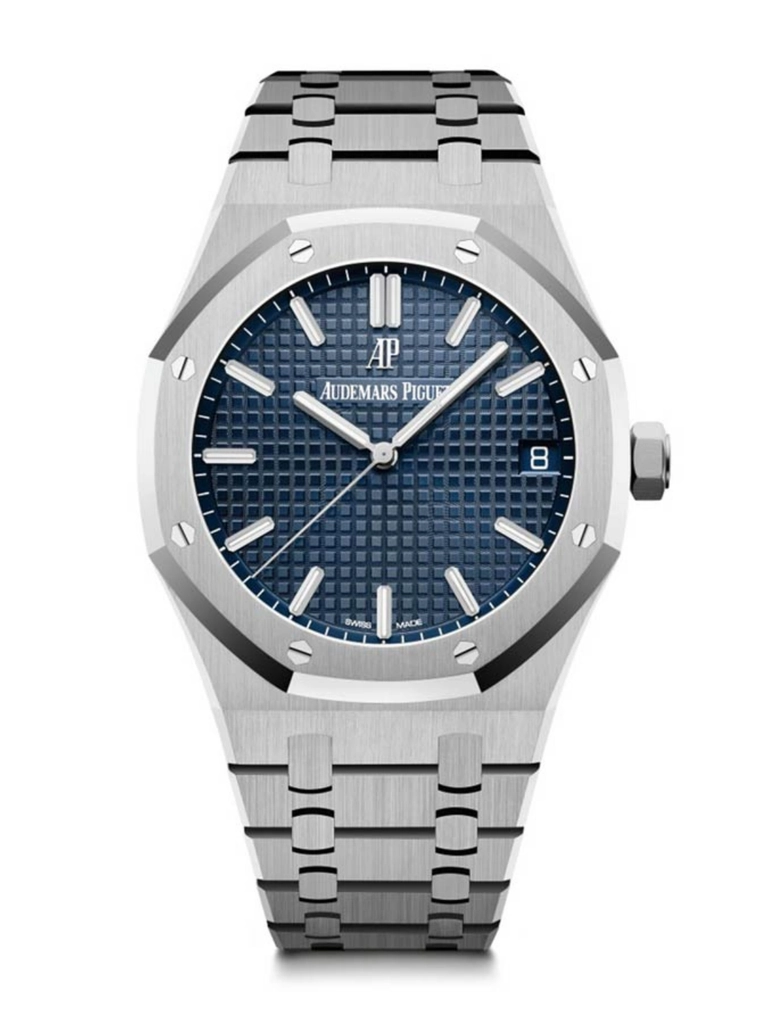
Audemars Piguet's Royal Oak carries an equally strong visual signature. Its integrated bracelet and octagonal bezel transformed the idea of the luxury sports watch after its 1972 introduction, making the design identifiable from across a room.
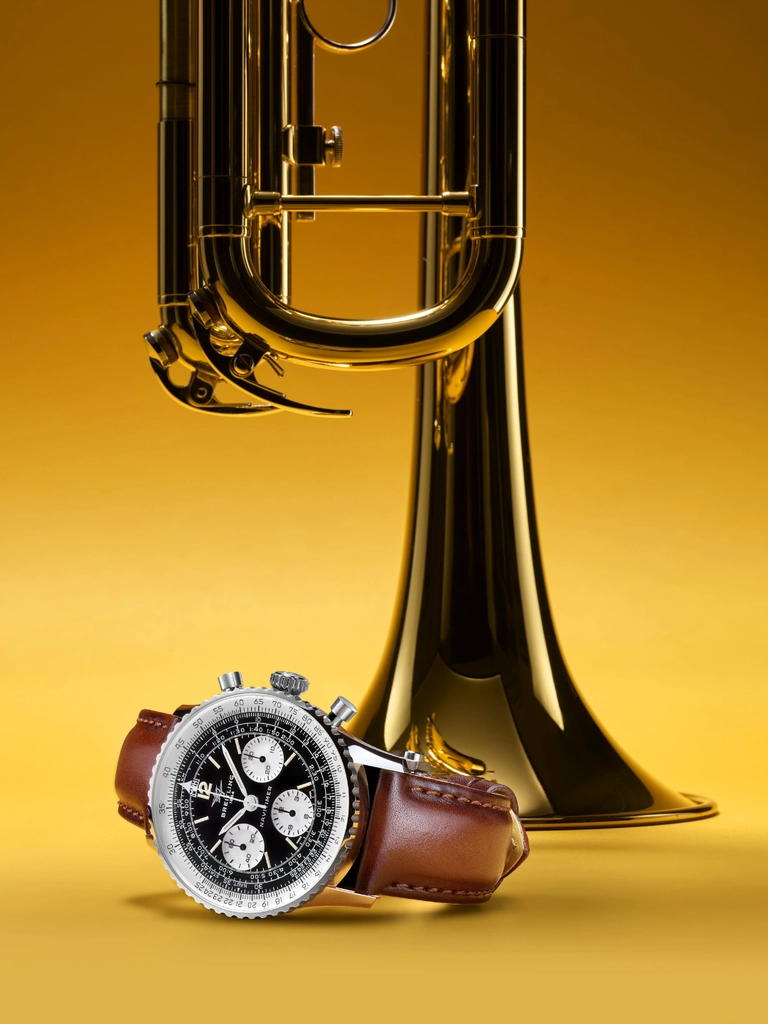
Rolex adds another advantage: depth of market. Daytona, Submariner and GMT-Master II references attract collectors at many levels, which can make resale easier than for technically rarer watches from less recognized manufacturers.
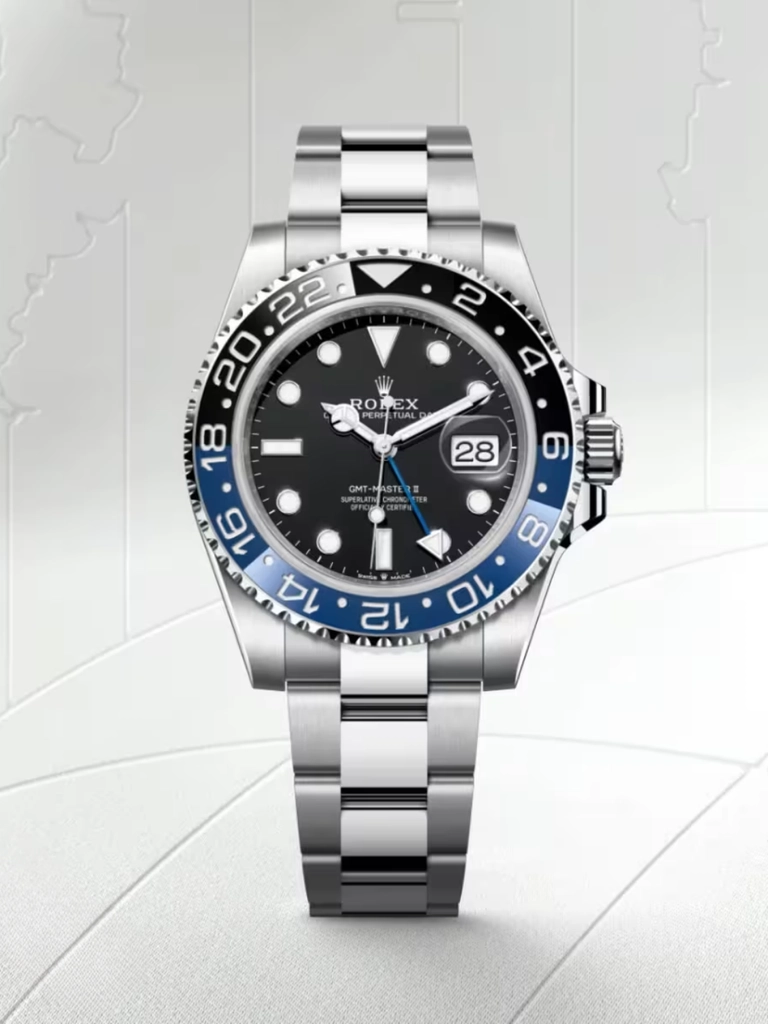
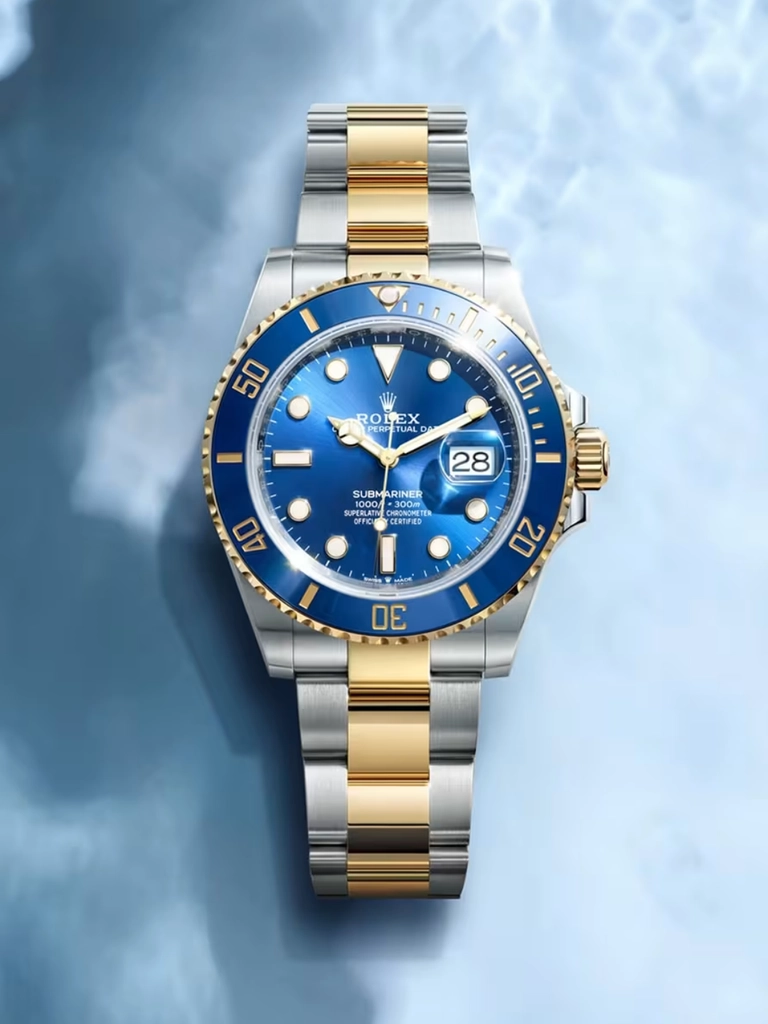
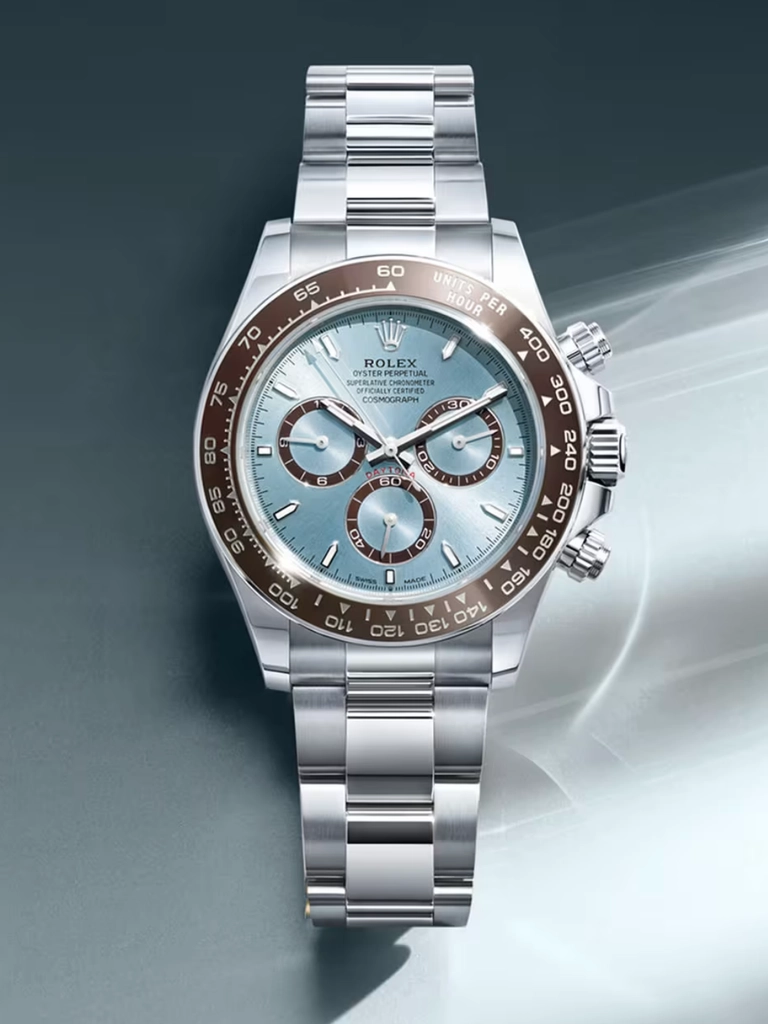
The distinction matters when identifying the best investment jewelry pieces. Prestige creates interest. Liquidity requires enough people to participate.
Industrial luxury can produce scarcity through controlled supply. Independent watchmaking can produce it because very few objects are physically made.
Independent masters occupy this territory. Their appeal comes from a mixture of limited production, recognizable authorship and unusually high levels of hand-finishing or mechanical individuality. Dr. Rebecca Struthers is a clear example: Along with her husband Craig, she produces only around two to three tailor-made watches a year, with individual pieces taking between one and six years to complete.
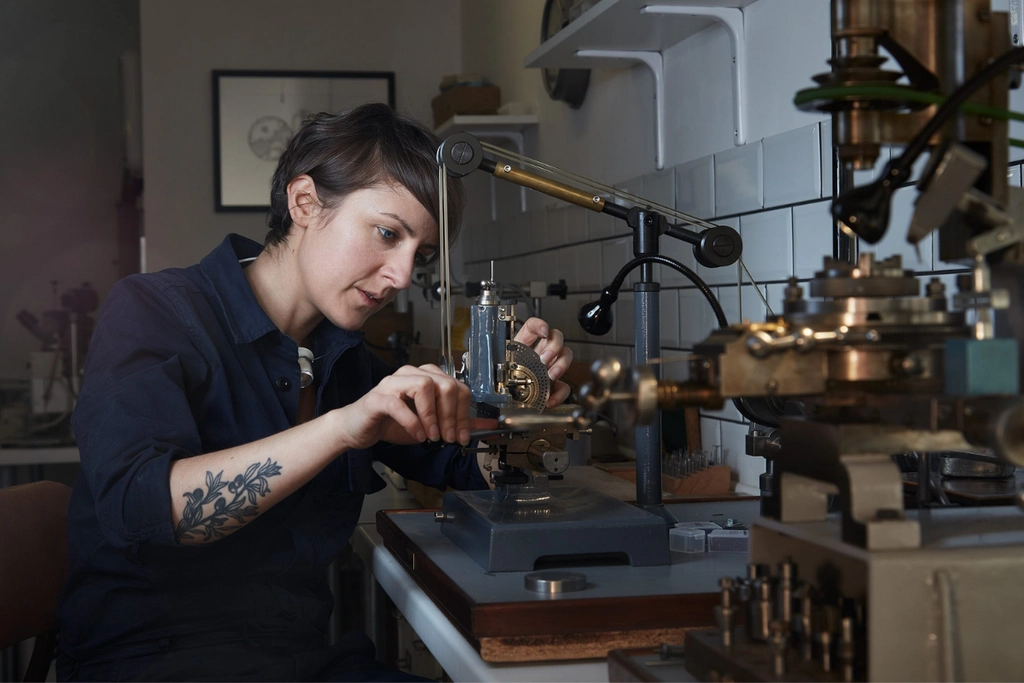
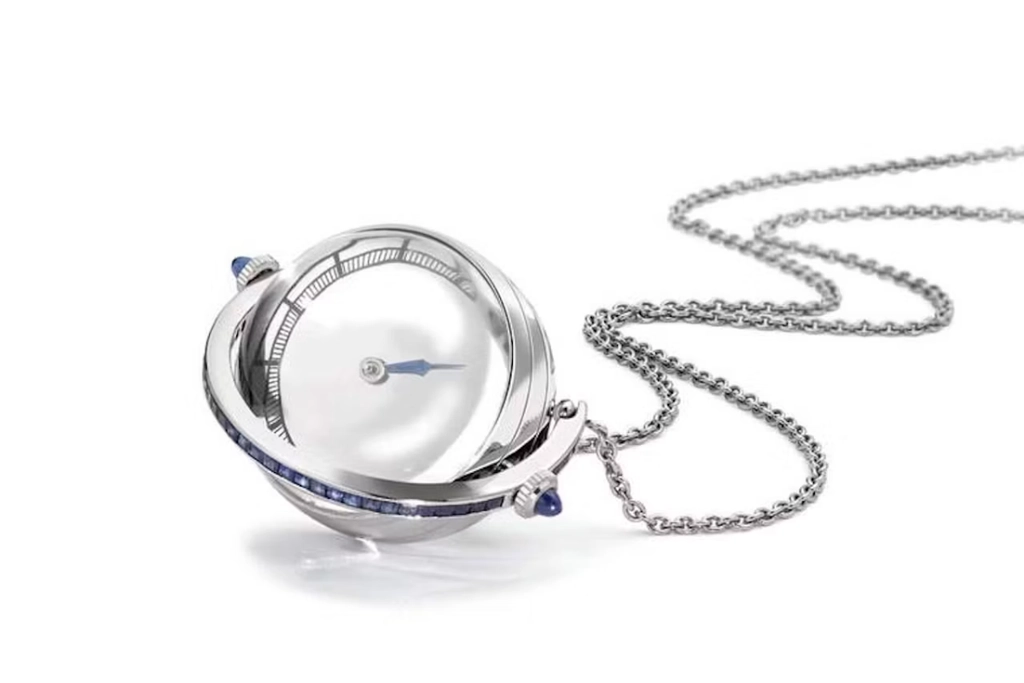
A collector can therefore identify who conceived the watch in much the same way an art collector recognizes an artist
That authorial quality has changed the hierarchy of horology. Brand size no longer determines collector prestige. A tiny workshop producing a small number of watches can generate extraordinary demand if knowledgeable buyers believe those watches represent an important chapter in modern watchmaking.
Scarcity here must still be read carefully. Production volume alone cannot create a market. The strongest independents combine low supply with critical reputation, auction visibility and a collector base sophisticated enough to distinguish one movement architecture or finishing technique from another.
Knowledge becomes part of liquidity.
A sapphire carries no logo, yet its birthplace can transform its price.
For important colored stones, investment logic shifts from branding towards gemology. Origin, treatment, color, clarity, carat weight and laboratory documentation can matter more than the setting around the stone.
Kashmir sapphire provides one of the clearest examples. The legendary historic deposits had an exceptionally short period of significant production during the late 19th century, and later output has been far more limited. That geological history gives important Kashmir stones a scarcity that cannot simply be replenished through increased manufacturing.
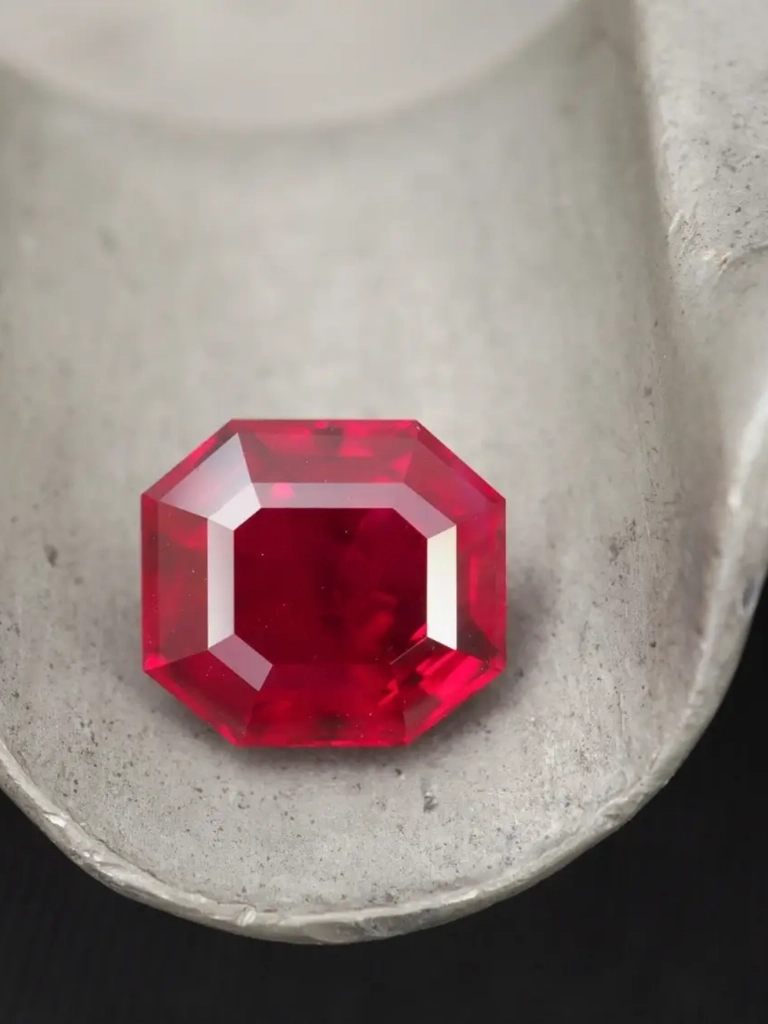
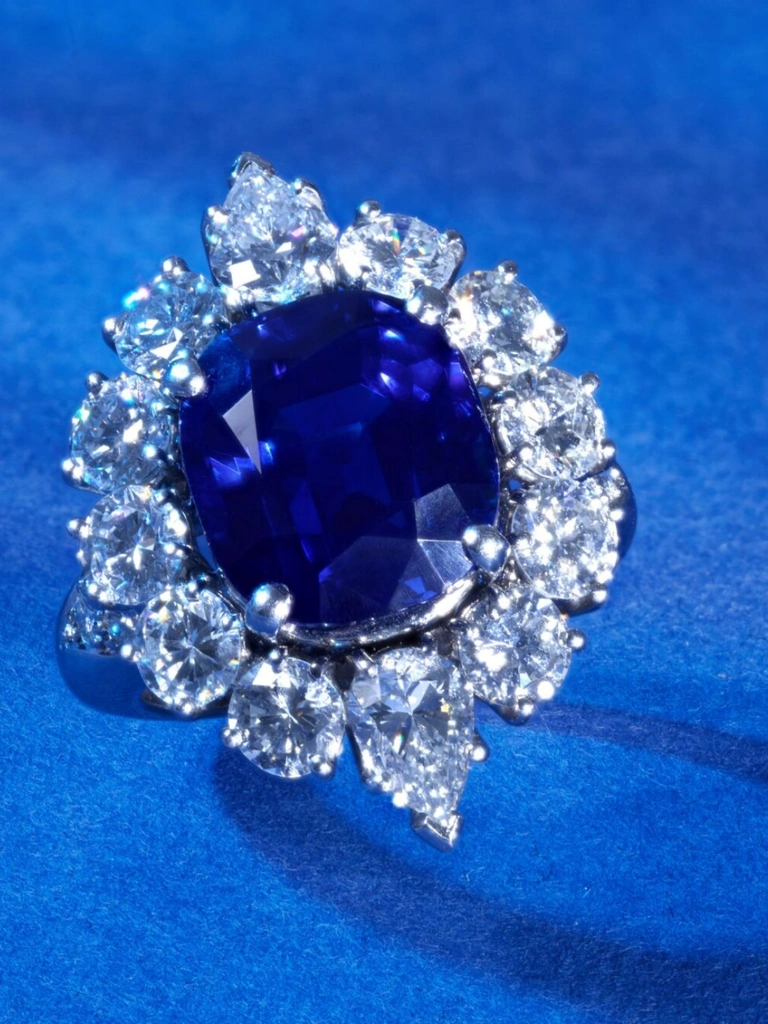
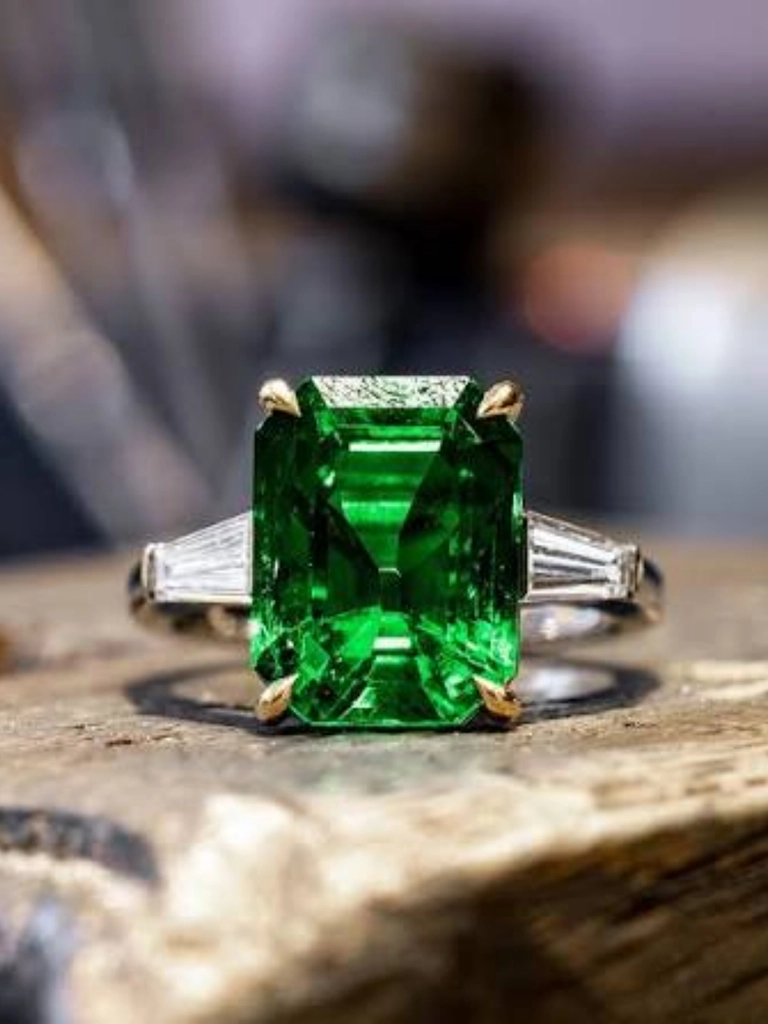
The same hierarchy applies to exceptional Burmese rubies and Colombian emeralds. Origin has historically influenced prices because particular deposits became associated with highly desirable color and quality characteristics. Treatment matters as well. Heating can alter ruby and sapphire appearance, while emeralds are frequently clarity-enhanced with oils or other fillers. The degree of treatment can materially influence how sophisticated buyers evaluate a stone.
For collectors, certification is almost inseparable from the gem.
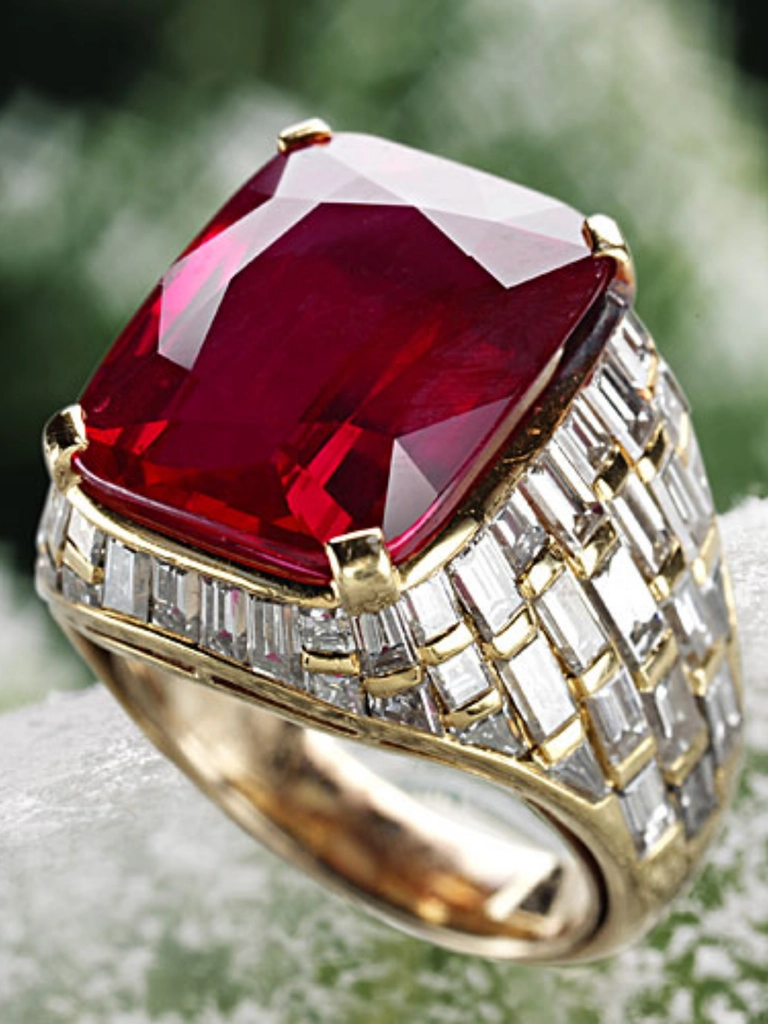
A verbal claim that a ruby comes from Mogok carries limited market authority. A respected laboratory report documenting origin and treatment history creates evidence that can travel with the jewel into its next transaction.
Two visually similar colorless diamonds can have very different geological identities.
Type IIa diamonds contain no measurable nitrogen or boron impurities and are considered the most chemically pure diamond type. Only around 2% of natural gem diamonds fall into this classification.
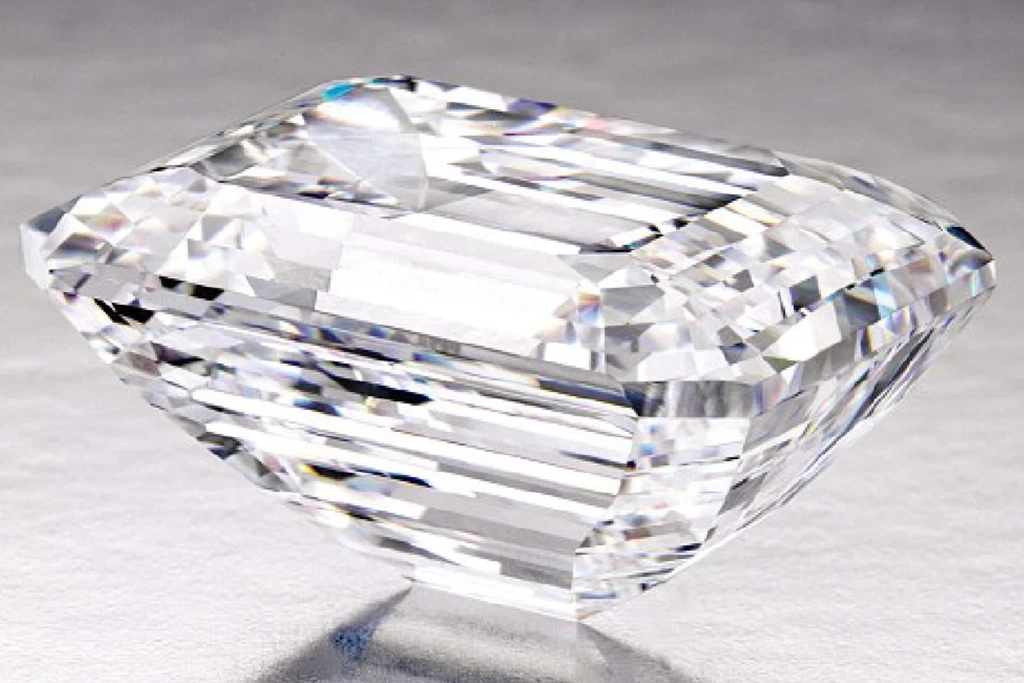
That number sounds like an obvious investment signal, although classification alone never determines price.
Carat weight, cut, clarity, color and provenance still shape desirability. Natural origin also requires careful verification because laboratory-grown diamonds can also be Type IIa. A sophisticated collector therefore reads the laboratory report as a group of interacting characteristics instead of treating one scientific term as a guarantee of exceptional value.
This illustrates a wider rule for the best investment jewelry pieces: rarity becomes financially meaningful when buyers understand exactly what is rare.
An unsigned Art Deco bracelet and a signed Cartier bracelet may contain comparable gemstones and precious-metal weight. The market can still treat them as fundamentally different objects.
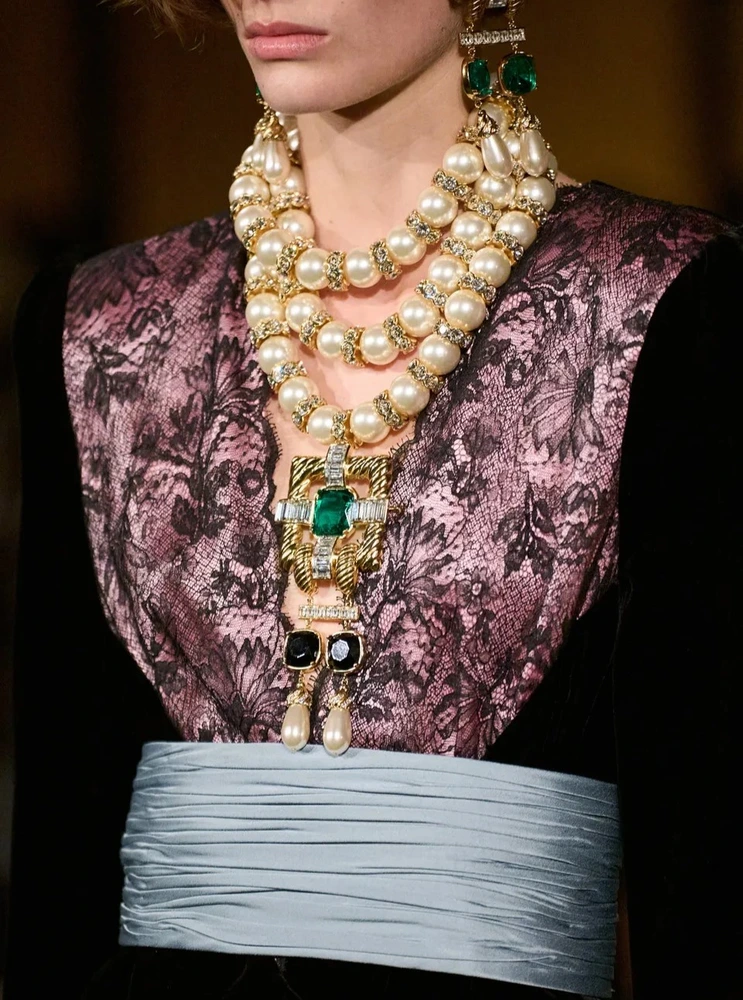
A house signature links jewelry to an archive, a design vocabulary and a documented history of collectors. Cartier, Van Cleef & Arpels, Bulgari and Harry Winston repeatedly appear in important jewelry auctions because buyers collect authorship alongside gemstones. Current major sales continue to foreground signed works and distinguished provenance as separate points of desirability.
Period makes the signature more powerful.
A Cartier jewel from an important Art Deco period, a vintage Bulgari Serpenti, or a Van Cleef & Arpels piece using historically significant techniques can sit within a more precise collecting category than a generic diamond necklace carrying the same retail value.
Archival verification can add another layer. Original invoices, fitted boxes, maker's marks, reference numbers, design drawings and documented ownership all help establish exactly where an object belongs.
The investor is effectively buying a biography.
Jewelry occasionally absorbs the identity of its previous owner so completely that separating objects from history becomes impossible.
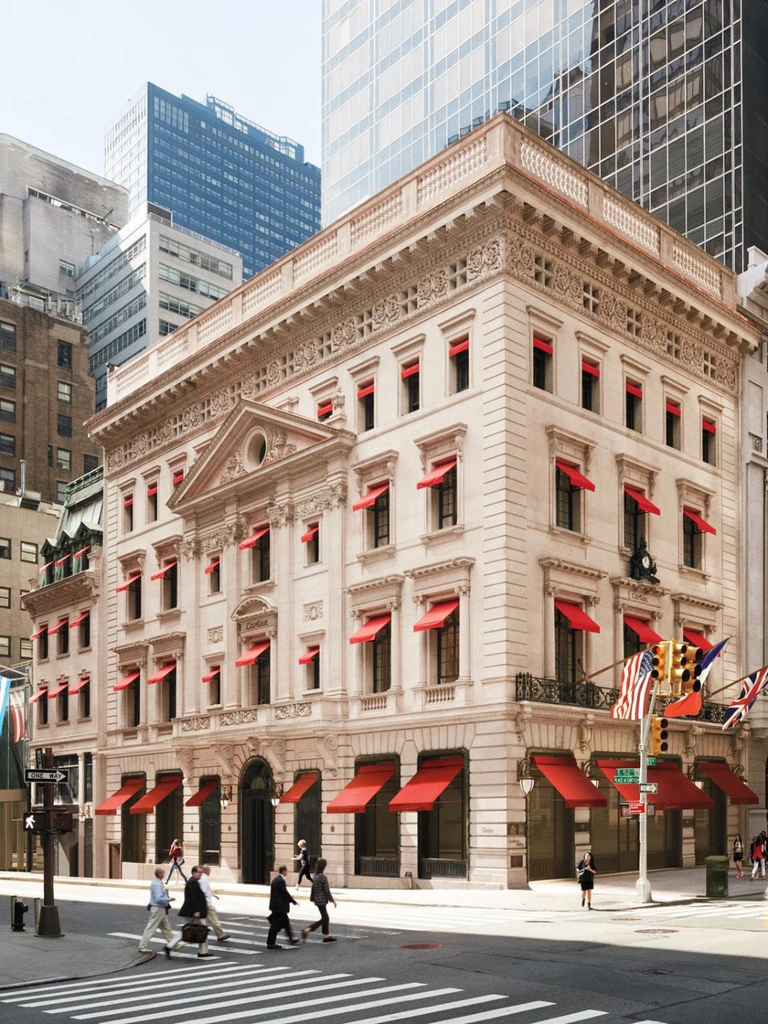
Cartier's Fifth Avenue mansion offers a remarkable historical illustration of how jewelry could function almost like portable capital. In 1917, Pierre Cartier acquired the mansion at 653 Fifth Avenue through a transaction involving an exceptional pearl necklace. The building remains Cartier's New York flagship more than a century later.
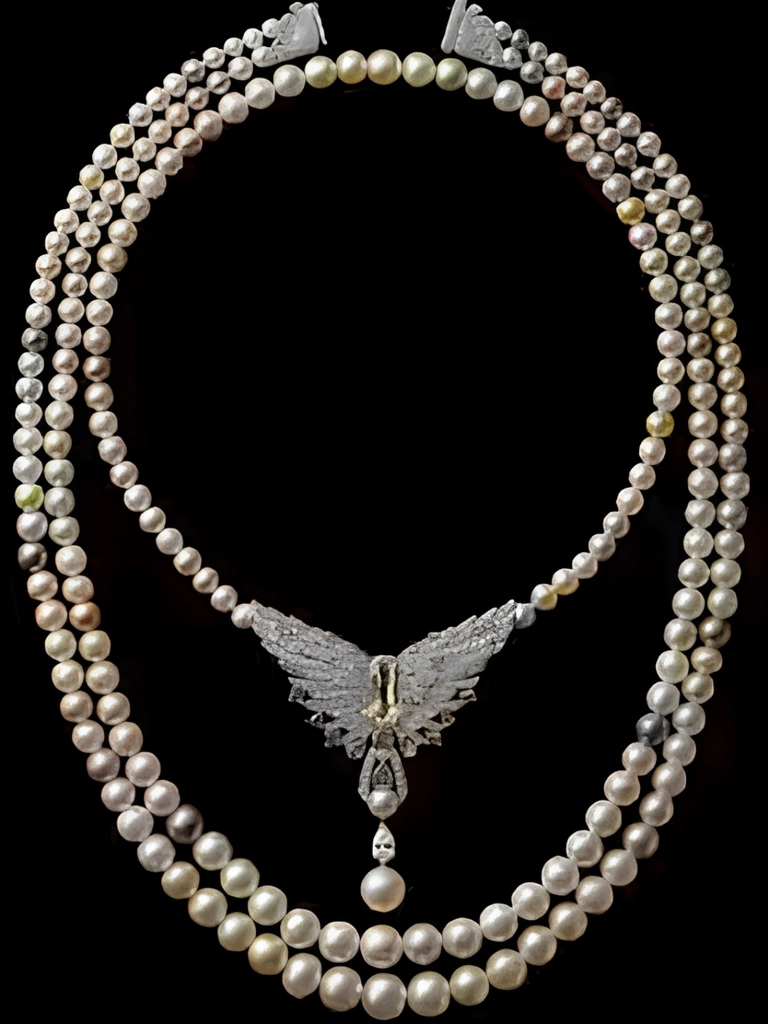
The story also reveals something about natural pearls.
Before cultured pearls transformed supply, exceptionally matched natural pearls represented extraordinary rarity. Value can therefore change when technology changes scarcity itself.
Provenance works similarly at auction. A jewel connected to an important collection, historical figure or documented commission can attract buyers interested in a story that no contemporary reproduction can recreate.
Gold can be melted and diamonds reset.
History cannot be manufactured quite so easily.
The wristwatch began in a different social category from today's male-dominated collector culture.
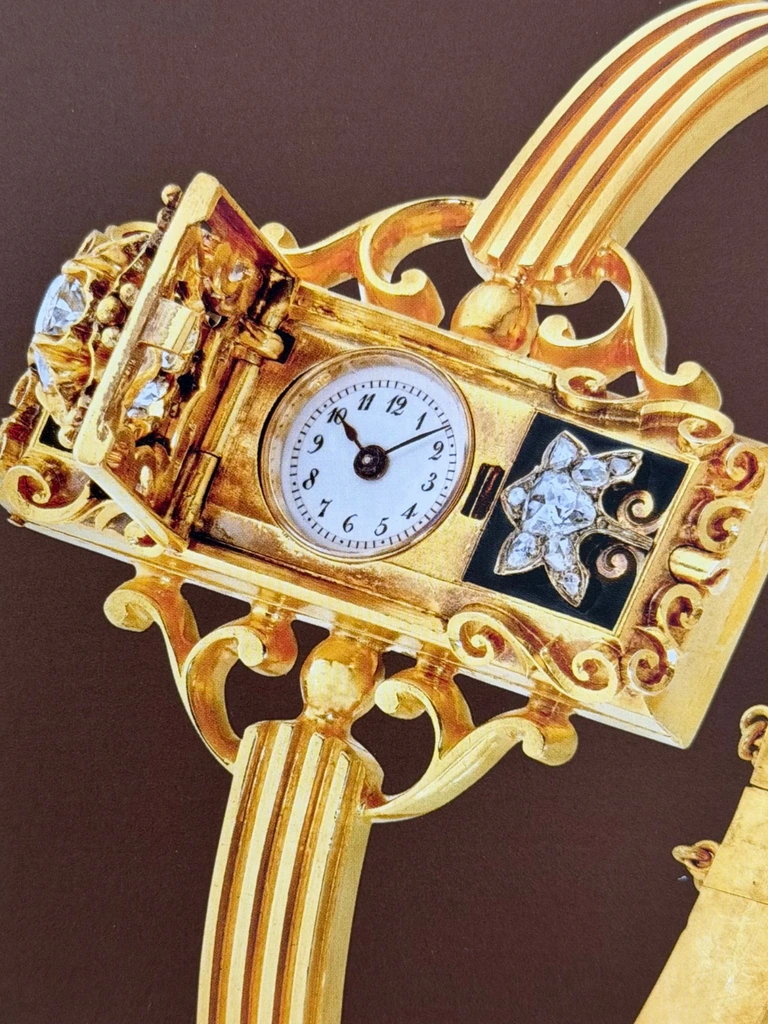
Patek Philippe records that it created a Swiss wristwatch for Countess Koscowicz of Hungary in 1868, at a time when pocket watches remained the dominant format.
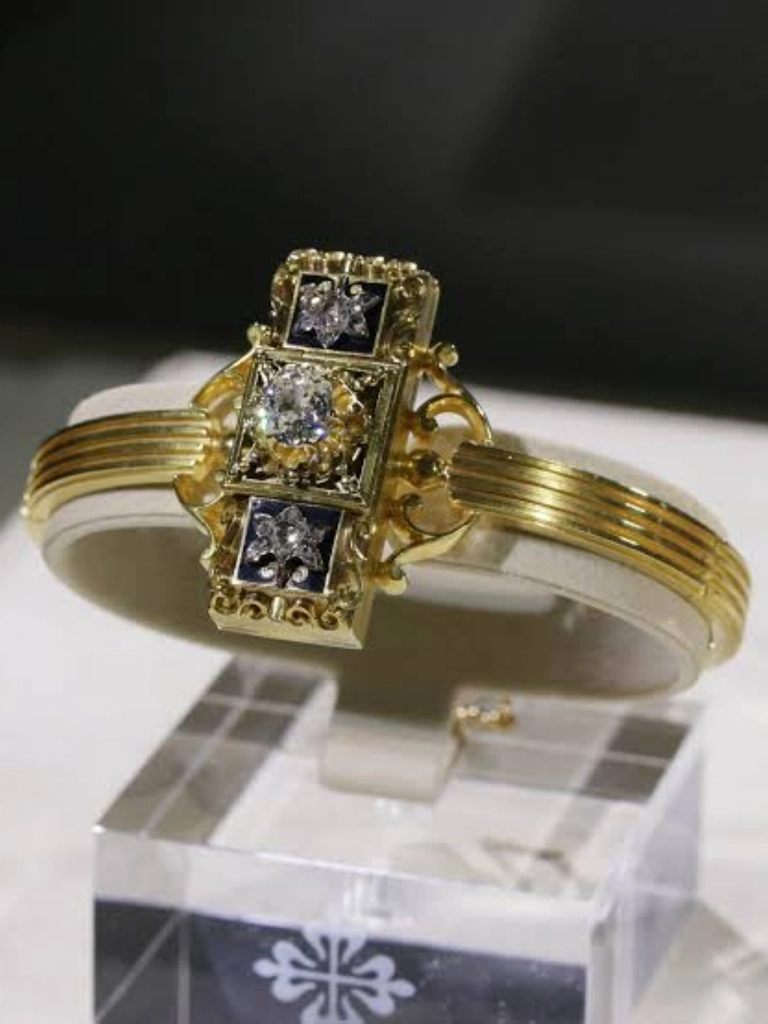
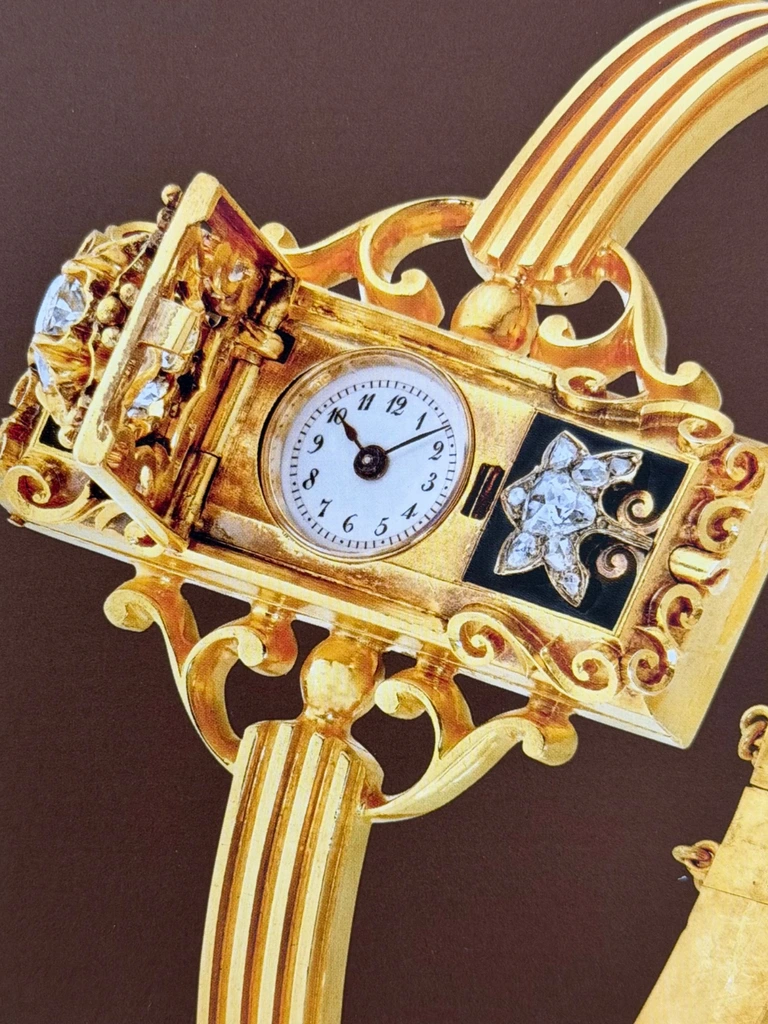
More than a century later, the company distilled the inheritance psychology of collecting into one of luxury's most recognizable lines:
“You never actually own a Patek Philippe. You merely look after it for the next generation.”
The campaign positioned a watch as an object moving across generations, giving emotional inheritance almost as much weight as mechanical sophistication.
That idea also explains part of the investment appeal of hard luxury. Watches and jewelry occupy an unusual space between personal objects and transferable assets. They can be worn for decades, inherited, auctioned, privately sold, reset or placed in collections.
Their return is never guaranteed.
Their portability is real.
Price appreciation should never be assumed from a famous logo alone. A more useful framework examines several signals together:
The interaction among these factors matters more than any single one.
A rare watch with no collector community can stagnate. A common reference purchased at an extreme speculative premium can fall. A superb gemstone without convincing documentation becomes harder to trade. An iconic signed jewel in poor or heavily altered condition can lose the historical integrity collectors expected to buy.
The best investment jewelry pieces therefore possess something more complicated than intrinsic value. They contain enough evidence for the next collector to understand why the object deserves its price.