MENU
Close





Glutathione is a three-amino-acid molecule made naturally by the body, yet its role in melanin chemistry has turned it into one of skincare’s most closely watched brightening ingredients.
Glutathione is a three-amino-acid molecule made naturally by the body, yet its role in melanin chemistry has turned it into one of skincare’s most closely watched brightening ingredients.
September 20, 2026
Advertisement

Advertisement



Glutathione is naturally present throughout the human body, where it participates in antioxidant defense, cellular redox balance and detoxification processes. In skincare, the same molecule has attracted attention for a different reason: research suggests that glutathione can influence several stages of melanin production.
This connection has placed it in products for pigmentation and uneven tone, while advances in formulation are addressing a fundamental challenge, delivering a chemically reactive molecule effectively through the skin.
Glutathione is a tripeptide composed of three amino acids: glutamate, cysteine and glycine. Human cells synthesize it naturally through a two-step enzymatic process.
Its biological activity is closely connected to cysteine. Cysteine contains a sulfur-based thiol group, represented chemically as –SH, which allows glutathione to participate in reduction and oxidation reactions. Through this chemistry, glutathione helps cells manage reactive molecules generated during normal metabolism and environmental stress.
The body also continually recycles glutathione between two chemical states.
GSH, or reduced glutathione, carries the free thiol group used in antioxidant reactions. When glutathione participates in oxidation reactions, two molecules can join through a disulfide bond to produce GSSG, or oxidized glutathione.
Enzymes can subsequently recycle GSSG into GSH. This GSH–GSSG cycle forms an important part of the body's redox system.
The distinction also matters in cosmetics. Both reduced and oxidized glutathione have appeared in topical research, so the broad word glutathione can describe chemically distinct forms depending on the formula.
The beauty interest in glutathione centers largely on melanogenesis, the biological process responsible for producing melanin.
Melanin formation involves an enzyme called tyrosinase. Tyrosinase contains copper within its active site and helps initiate reactions that eventually produce skin pigment.
Glutathione appears to interact with this pathway through several mechanisms.
Research has explored its ability to influence tyrosinase activity and oxidative conditions surrounding melanogenesis. Glutathione can also react with dopaquinone, an intermediate formed during pigment synthesis.
That reaction matters because skin produces different types of melanin.
Eumelanin contributes brown and black pigmentation. Pheomelanin contributes yellow and reddish pigmentation.
When dopaquinone reacts with sulfur-containing molecules such as glutathione or cysteine, the pathway can move toward intermediates associated with pheomelanin formation.
This gives glutathione a complex role in pigmentation. Its activity involves the chemistry surrounding melanin synthesis, including redox balance, tyrosinase and sulfur-containing reactions within the pigment pathway.
The biological importance of glutathione inside cells does not automatically translate into easy topical delivery. Its molecular characteristics create several formulation considerations.
Glutathione is highly water-soluble and chemically reactive. The reduced GSH form can gradually oxidize during storage, especially in environments involving oxygen, water, temperature changes and unsuitable pH conditions.
The outermost layer of skin, the stratum corneum, is designed to restrict the passage of many water-soluble molecules. Glutathione therefore requires a carefully constructed formulation to achieve useful deposition within skin.
Researchers have explored:
These systems can protect glutathione during storage and influence its delivery after application.
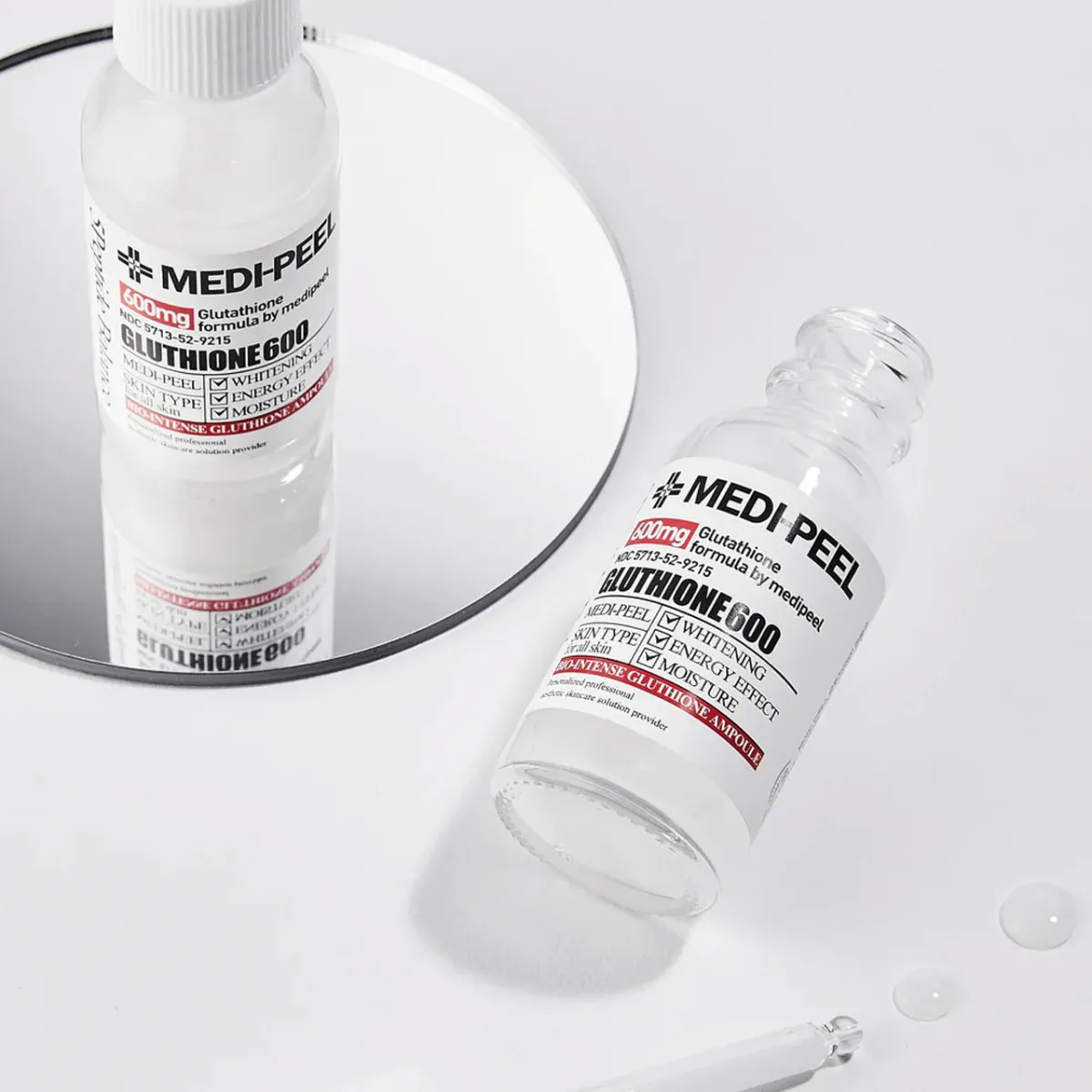
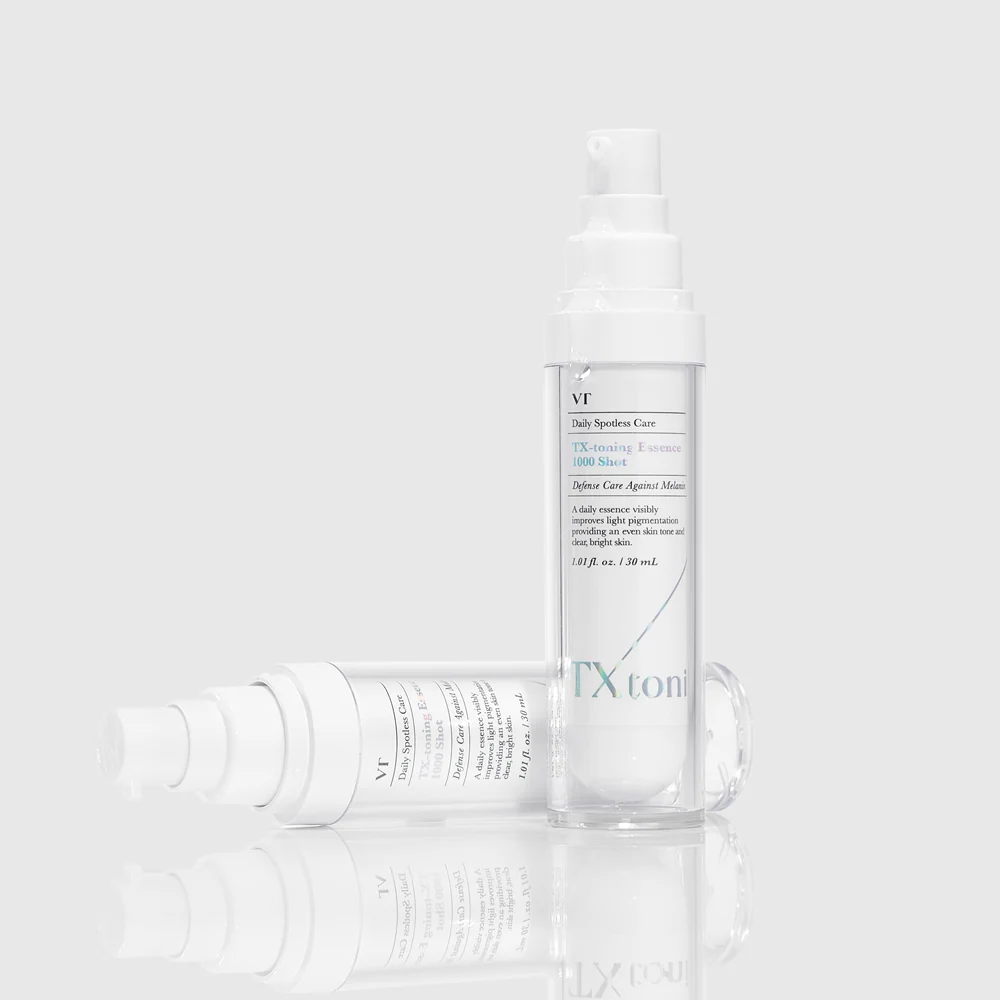
In an experimental human-skin model, a solid lipid nanoparticle system increased glutathione penetration through the stratum corneum by approximately 3.7-fold relative to a simple aqueous preparation.
Reduced glutathione contains a reactive sulfur group, and that same reactivity responsible for its antioxidant function also influences product stability.
Exposure to oxygen can promote conversion of GSH into oxidized GSSG. Temperature, water activity and pH can further affect how the molecule behaves throughout a product's shelf life.
Cosmetic chemists can address these issues through formulation design, including controlled pH, protective packaging and encapsulation technologies.
This makes packaging functionally relevant. Airless pumps, tightly sealed containers and systems that limit environmental exposure can support formulas containing oxidation-sensitive ingredients.
The ingredient list therefore tells only part of the story. A glutathione product also depends on the chemical environment surrounding the molecule.
Because human cells already synthesize glutathione from amino acids, researchers have investigated topical combinations that supply the necessary precursors.
Cysteine is especially important because its availability can influence glutathione synthesis. Glycine and glutamate-related compounds also participate in the pathway.
Research involving a topical precursor system has demonstrated increased glutathione levels in keratinocytes and changes in the balance between GSH and GSSG. Human work has also examined changes in skin glutathione following topical treatment and ultraviolet exposure.
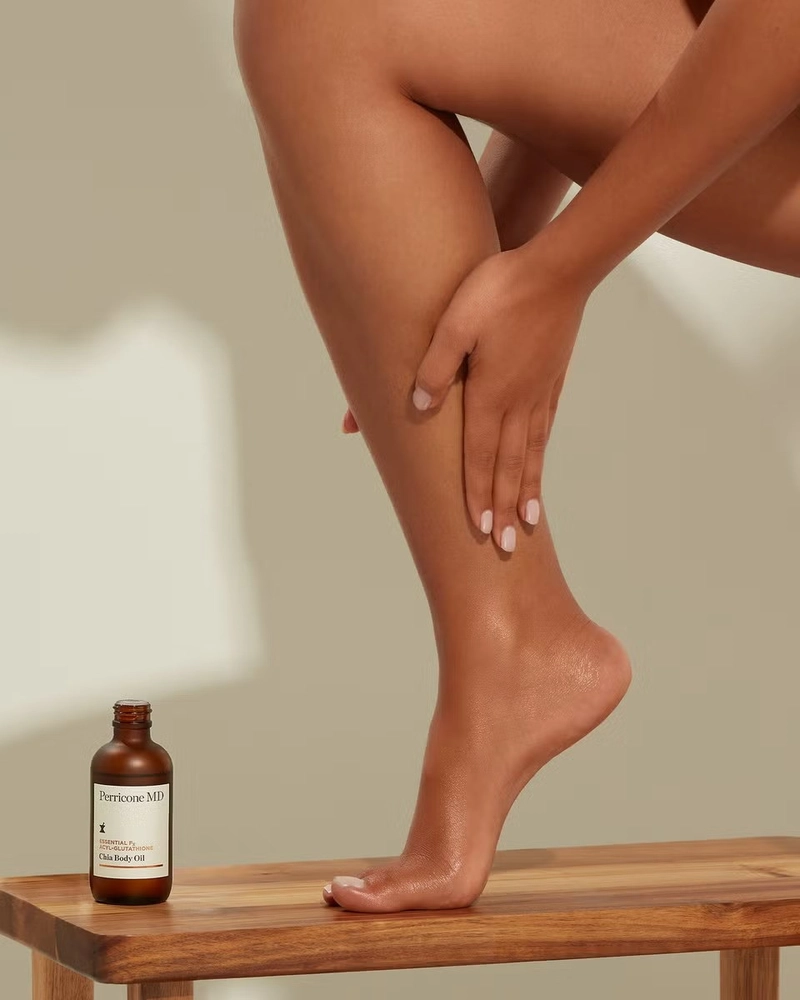
This creates a different formulation strategy. A cosmetic can deliver finished glutathione, support the cellular pathway that produces glutathione, or combine these concepts through advanced delivery technology. The idea expands glutathione skincare into a broader area of redox-supportive formulation.
The word glutathione now appears across skincare, supplements and injectable treatments, although each route operates through a different biological context.
Topical glutathione places the ingredient directly on skin and forms the main focus of cosmetic formulation research.
Oral glutathione passes through the digestive system and enters the conversation as a dietary supplement. Clinical studies have investigated daily doses including 250 mg and 500 mg in relation to systemic glutathione status and pigmentation. Absorption and bioavailability depend on formulation and individual physiology, which has encouraged research into liposomal delivery systems.
Intravenous glutathione delivers the molecule directly into circulation and belongs to a medical setting. Its cosmetic use for skin lightening has generated significant safety scrutiny. Regulatory authorities have raised concerns surrounding compounded injectable products, manufacturing quality and adverse reactions associated with cosmetic administration.
These delivery routes therefore require separate evaluation according to dose, evidence, formulation and safety profile.
Topical glutathione has its clearest role in products designed around pigmentation and antioxidant care.
A well-formulated glutathione product may be particularly relevant for concerns such as uneven tone and melasma-related discoloration. Formulas frequently combine glutathione with complementary ingredients addressing pigmentation, hydration or oxidative stress. Daily photoprotection remains an important part of this approach. Ultraviolet exposure stimulates melanogenesis and generates oxidative stress, directly affecting two biological processes associated with glutathione's cosmetic use.
Advertisement