MENU
Close





Kojic acid started as a discovery inside Japanese fermentation and ended up with one remarkably precise beauty job: interfering with the machinery skin uses to make excess pigment.
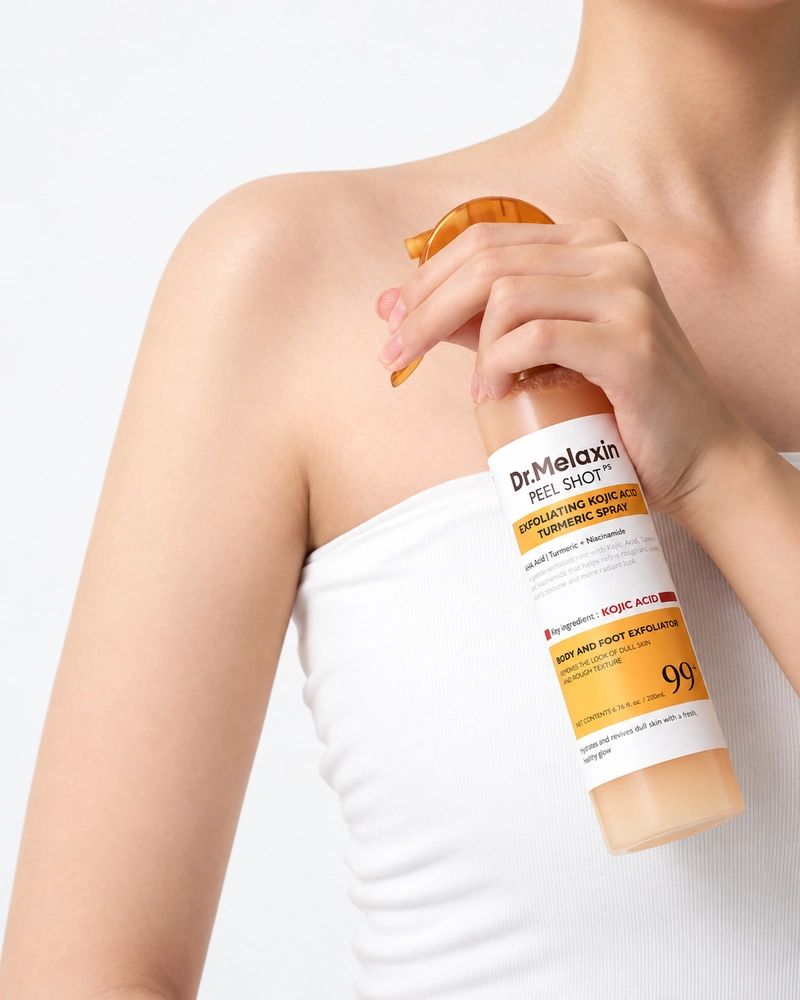
Kojic acid started as a discovery inside Japanese fermentation and ended up with one remarkably precise beauty job: interfering with the machinery skin uses to make excess pigment.
September 18, 2026
Advertisement

Advertisement



Japanese researchers first isolated the molecule in the early 1900s from Aspergillus oryzae, the koji fungus used in traditional fermentation for sake, miso, and soy sauce. Its beauty career came later, once scientists understood its unusual relationship with melanin production.
Kojic acid is a small organic molecule naturally produced by certain fungi during fermentation. In its raw cosmetic form, it appears as a white to pale-yellow crystalline powder that dissolves readily in water.
Its water solubility explains why kojic acid appears across such a wide range of body-care formats. Brands can formulate it into lotions, gels, cleansing bars, body washes, serums, and targeted dark-spot treatments.
The ingredient belongs to a category called tyrosinase inhibitors. Tyrosinase is an enzyme involved in the production of melanin, the pigment responsible for skin color.
That identity gives kojic acid a very focused cosmetic purpose: controlling excess pigment production. Kojic acid comes from microbial activity instead of a fruit, flower, seed, or mineral.
To understand kojic acid, it helps to understand one tiny part of melanin production.
Tyrosinase contains copper ions inside its active site. Those copper ions help the enzyme perform chemical reactions involved in turning amino acids into melanin.
Kojic acid can bind with this copper, reducing tyrosinase activity and slowing the formation of fresh pigment.
The important part happens gradually. Existing pigment moves through the skin's natural renewal cycle while kojic acid helps reduce the production of additional melanin. This explains why the ingredient belongs to routines measured in weeks and months.
A dark mark caused by an ingrown hair, shaving irritation, or body acne may slowly become less visible as old pigmented cells move toward the surface and fresh pigment production stays under greater control.
Kojic acid makes particular sense for pigmentation that follows inflammation.
Body acne can leave brown marks across the shoulders, chest or back. Ingrown hairs can leave spots along the bikini line and legs. Repeated shaving can trigger irritation followed by pigmentation. Friction around inner thighs or underarms can also stimulate melanin production.
These are situations where kojic acid has a logical role because excess pigment forms as part of the skin's response.
Persistent rubbing from tight clothing can keep stimulating pigmentation. Frequent aggressive shaving can repeatedly trigger inflammation. Thick, velvety darkening around the underarms can also accompany conditions such as acanthosis nigricans and deserves medical assessment.
For body care, the smartest use of kojic acid starts by identifying what keeps creating the pigment.
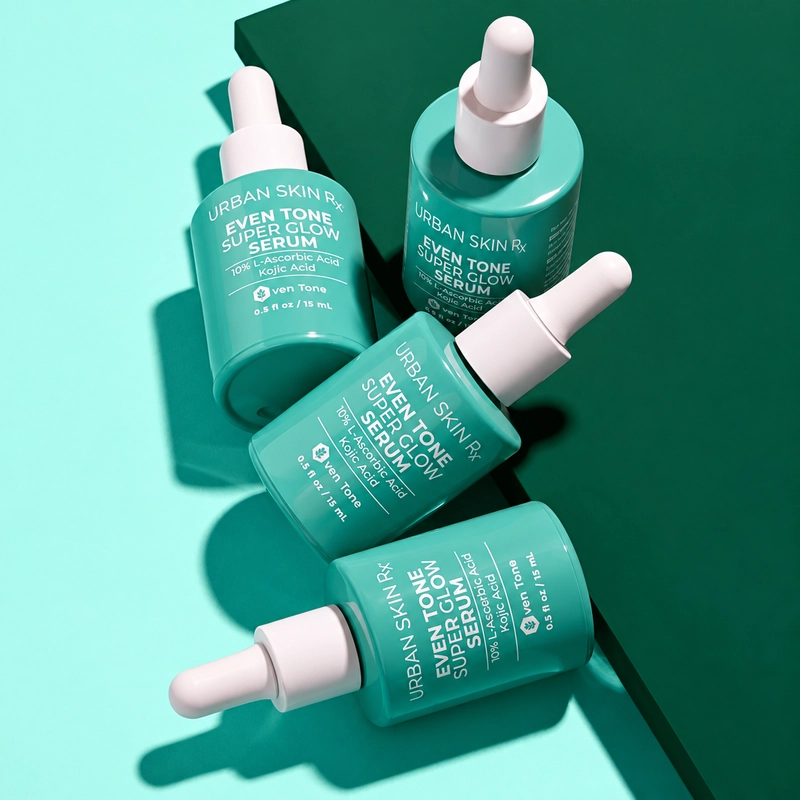
The orange kojic-acid bar became one of the ingredient's most recognizable forms for practical reasons.
A bar is easy to use across large areas such as the back, chest, thighs, elbows and underarms. It fits naturally into the shower and makes targeted body brightening feel simple.
This format also helped kojic acid become culturally recognizable. The bright orange color, square shape, and association with discoloration turned kojic soap into a product category of its own.
Clinical research around kojic acid has frequently involved leave-on creams, including formulas around the 1% range.
That approach makes intuitive sense. Tyrosinase inhibition requires the active to reach the skin and remain available long enough to interact with the pigment-making process.
Body lotions and serums can also surround kojic acid with moisturizing ingredients such as glycerin, panthenol, shea butter, or ceramides. This becomes especially valuable on areas already stressed by shaving, friction, or exfoliation.
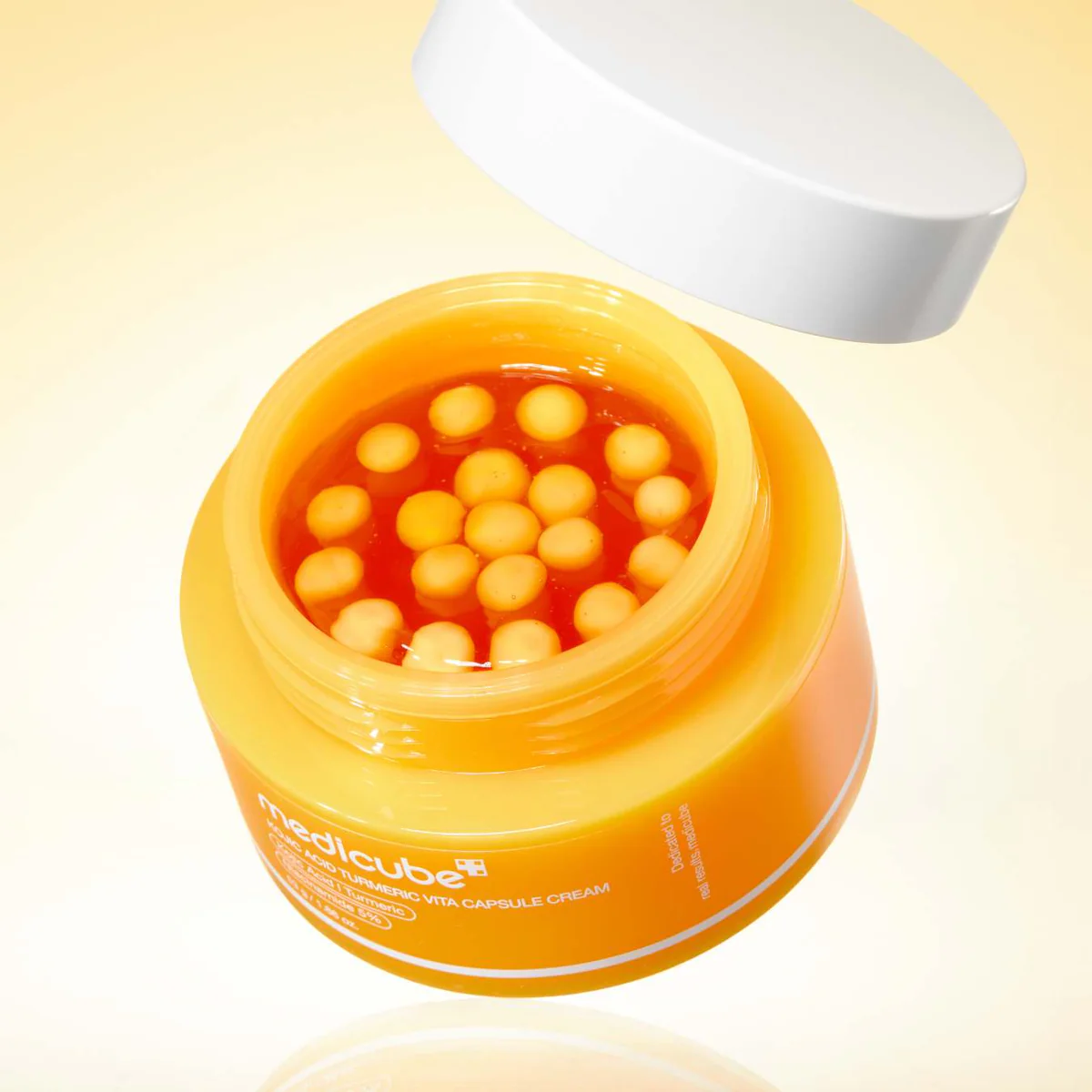
Kojic acid comes with an important formulation challenge: stability.
Light, heat, oxygen and metal ions can affect the molecule over time. Oxidation may gradually shift a formula toward yellow or brown and reduce the ingredient's quality.
Brands may control pH carefully, add antioxidants, use chelating agents or choose packaging that limits light exposure. The surrounding formula helps keep the active in useful condition from manufacturing through everyday use.
Storage matters at home too. A kojic-acid body product belongs away from strong sunlight and excessive heat.
Body pigmentation rarely comes from one process alone, so brands frequently place kojic acid beside actives with complementary roles.
Glycolic acid and lactic acid help loosen older pigmented surface cells while smoothing rough texture.
Niacinamide supports a more even-looking tone and skin barrier.
Tranexamic acid targets pigmentation through another pathway.
Azelaic acid fits especially well where discoloration follows breakouts or inflammation.
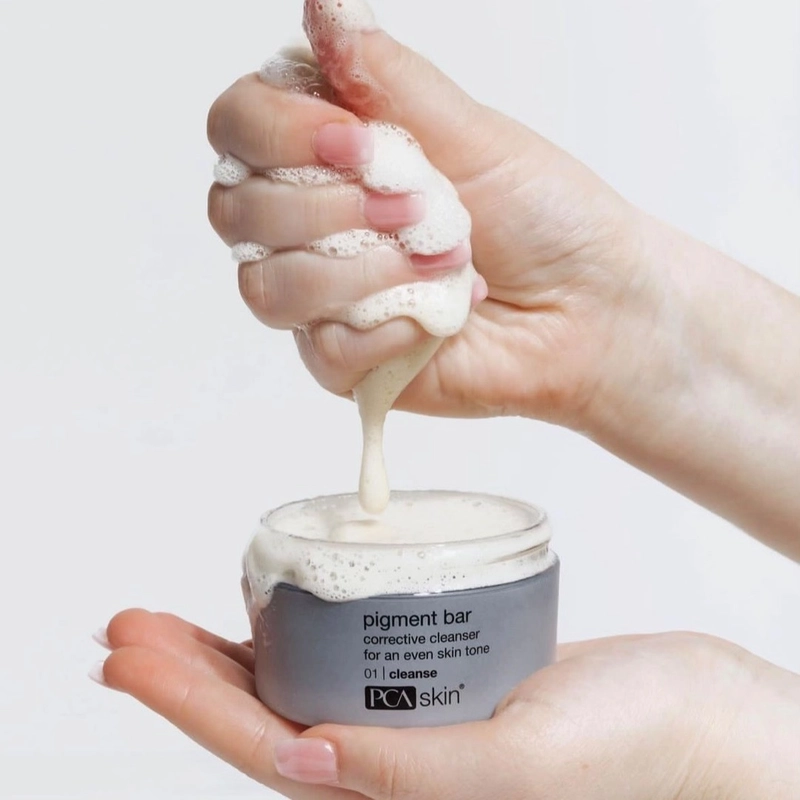
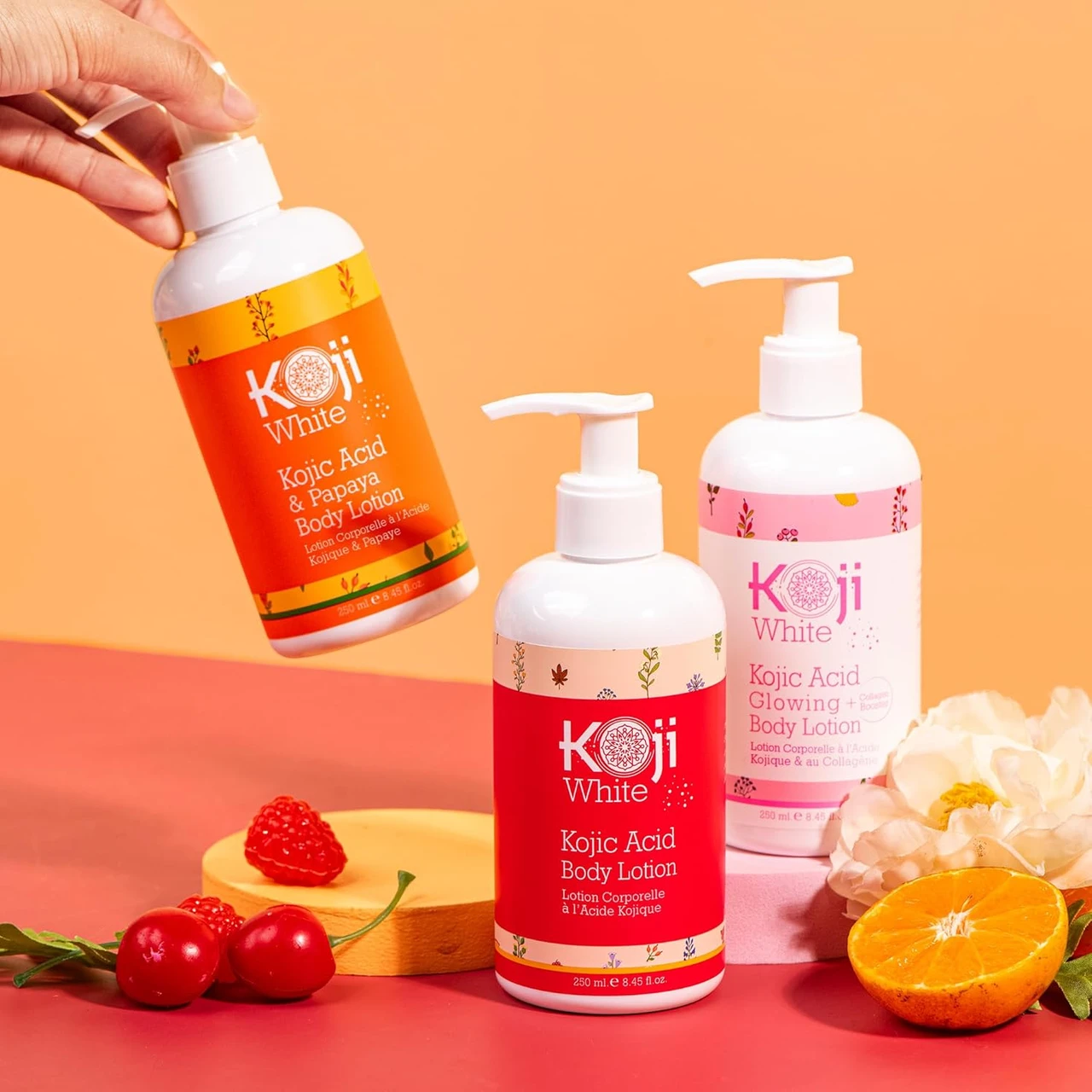
Moisturizing ingredients help maintain comfort throughout the routine. These combinations can make a formula feel highly sophisticated because each active has a clear assignment. Kojic acid focuses on melanin production while the surrounding formula addresses texture, hydration, and skin recovery.
The main practical issue with kojic acid is irritation. Stinging, dryness, redness, and contact dermatitis can occur, especially when the ingredient enters a routine already filled with exfoliation, shaving, and friction.
A freshly shaved underarm followed by strong exfoliating acids, a scrubbing glove, and a concentrated kojic acid treatment creates several sources of stress at once. A calmer routine gives the skin a better environment for pigment management.
Introducing kojic acid gradually, moisturizing consistently, and giving freshly shaved or waxed skin time to recover can make the experience much easier. Persistent burning, swelling or rash signals that the routine needs adjustment.
Advertisement