MENU
Close





Understanding bakuchiol starts with separating the ingredient itself from the plant that produces it, then looking at what happens after that molecule reaches the skin.
Understanding bakuchiol starts with separating the ingredient itself from the plant that produces it, then looking at what happens after that molecule reaches the skin.
September 18, 2026
Advertisement

Advertisement



Bakuchiol has become one of skincare’s most recognizable botanical actives, largely through its association with smoother texture, improved pigmentation and visible signs of skin aging. Its popularity has also generated a convenient nickname: “plant retinol.” The science behind the ingredient tells a broader story.
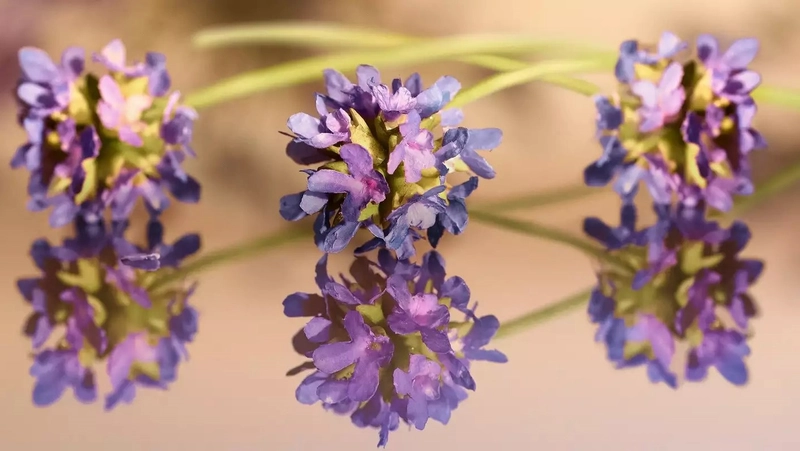
Bakuchiol is a naturally occurring compound most closely associated with Cullen corylifolium, a plant historically known as Psoralea corylifolia. It is also commonly called Babchi or Bakuchi and has a long history of use within traditional medicinal practices in parts of Asia.
Chemically, bakuchiol is classified as a meroterpene phenol. Scientists first isolated the compound in the 1960s, followed by decades of research into its structure and biological activity. Its development as a modern topical cosmetic ingredient came much later, with commercial skincare applications emerging during the 2000s.
One distinction is especially useful when reading an ingredient list. Purified bakuchiol refers to a specific chemical molecule. Babchi or Psoralea extract contains a collection of naturally occurring plant compounds, including other phenolic substances, flavonoids, and furocoumarins. Their compositions and biological properties, therefore, deserve individual evaluation.
Modern skincare research generally focuses on purified bakuchiol when studying the ingredient's cosmetic effects.
The relationship between bakuchiol and retinol developed through biological research.
Retinol belongs to the vitamin A family. Bakuchiol has a separate molecular structure and belongs to a different chemical class. Their connection comes from the ways skin cells respond to them.
A widely discussed 2014 study examined gene-expression patterns associated with both ingredients. Researchers found that bakuchiol influenced several genes involved in processes associated with skin aging, including pathways related to type I and type IV collagen.
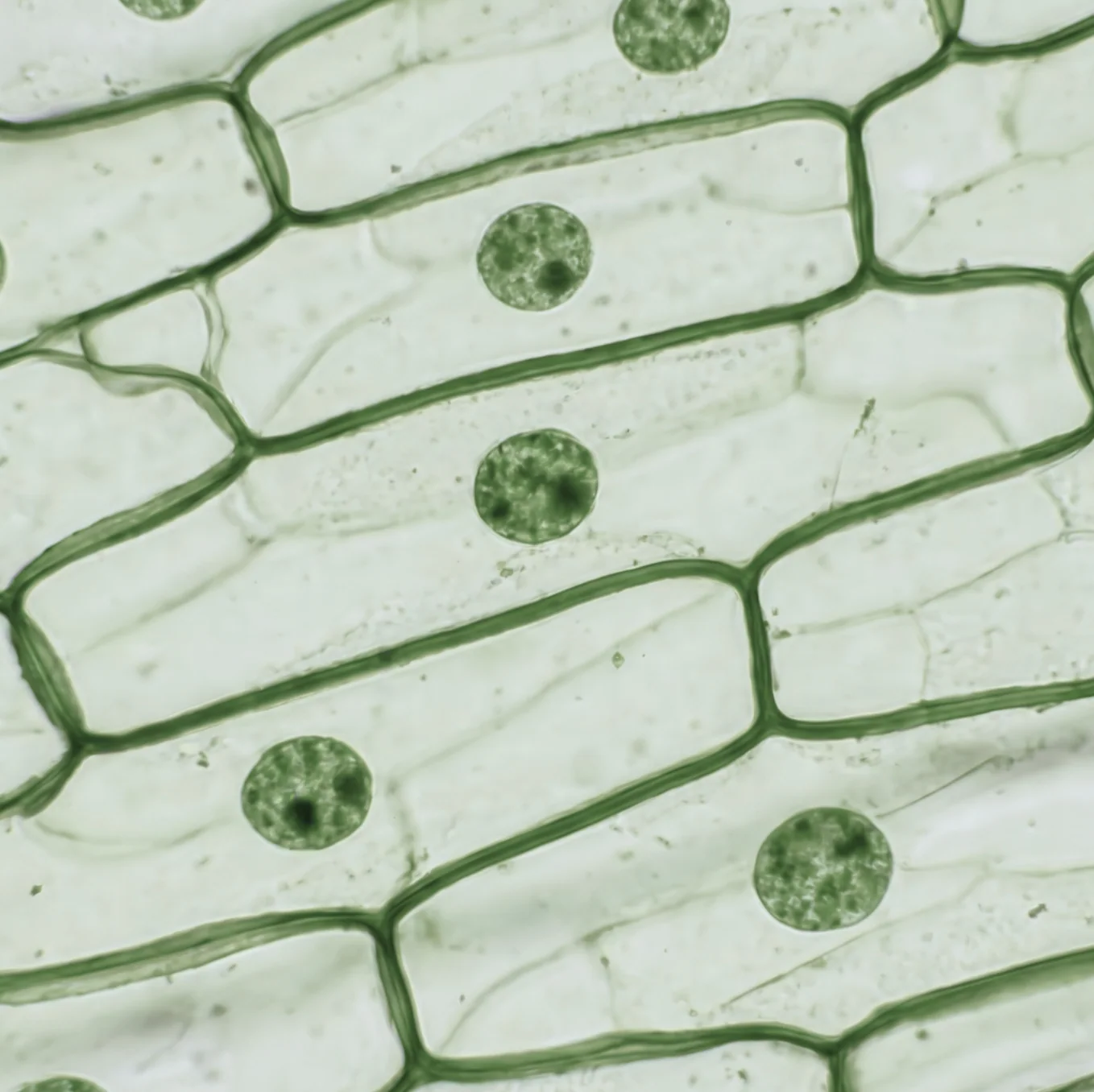
This created an important idea in cosmetic science: two chemically distinct molecules can influence some overlapping cellular processes.
Collagen is especially relevant because it forms part of the structural framework that supports the skin. Its production and organization gradually change with age and cumulative ultraviolet exposure. Ingredients capable of supporting collagen-related activity, therefore, attract considerable interest in photoaging research.
The retinol association helped introduce bakuchiol to a broad skincare audience. Current research increasingly examines bakuchiol through a wider biological lens.
The activity of bakuchiol can be understood through several connected areas of skin biology.
One involves the extracellular matrix, the network of proteins and other molecules surrounding skin cells. Collagen forms a major part of this structure. Laboratory research has investigated bakuchiol's influence on several collagen types as well as proteins involved in maintaining skin architecture.
A second area involves oxidative stress. Normal cellular metabolism, ultraviolet radiation, and environmental exposure generate reactive molecules capable of affecting proteins, lipids, and cellular structures. Skin possesses its own antioxidant defense systems to manage this activity.
Research has linked bakuchiol with the Nrf2 pathway, a cellular system involved in regulating antioxidant responses. Nrf2 can activate protective genes and enzymes, including NQO1, that help cells manage oxidative stress.
Bakuchiol has also been studied for its effects on inflammatory signaling and epidermal function. Keratinocytes, the primary cells of the epidermis, participate in barrier formation and communicate through complex signaling networks. Emerging research suggests bakuchiol may influence some of these processes.
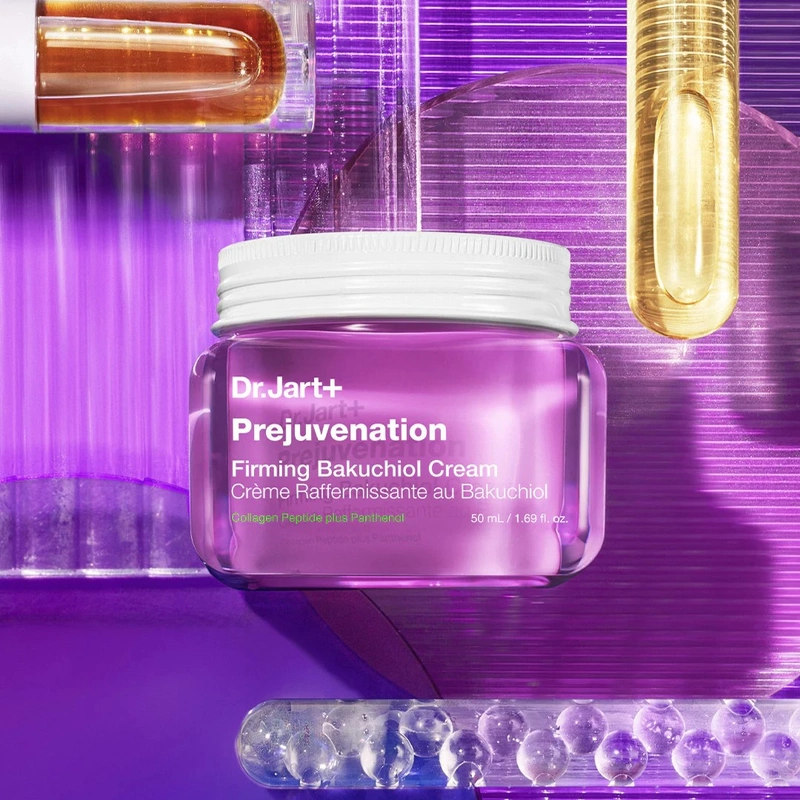
Pigmentation represents another area of interest. Melanin production depends on enzymes such as tyrosinase and a series of signals within melanocytes. Experimental research suggests bakuchiol can influence pathways involved in this process.
Together, these mechanisms help explain why one ingredient appears across anti-aging, brightening, acne, and texture-focused skincare.
Bakuchiol is especially relevant for skincare routines focused on early signs of aging, uneven tone, post-acne pigmentation, rough texture, and mild blemishes.
Its multifunctional biological activity also makes it attractive for formulations designed around several concerns at once. A single bakuchiol serum, for example, may be developed to target texture, pigmentation, and visible fine lines within the same routine.
Individual skin response still matters. Published cases of allergic contact dermatitis demonstrate that botanical origin and skin tolerance are separate considerations. Patch testing can provide useful information for people with highly reactive skin or a history of cosmetic allergies.
Bakuchiol frequently appears in discussions of skincare during pregnancy because vitamin A-derived retinoids carry established pregnancy restrictions. Direct clinical research establishing bakuchiol use during pregnancy remains limited. Medical guidance from a dermatologist, obstetrician, or other healthcare professional provides the appropriate basis for decisions during pregnancy and breastfeeding.
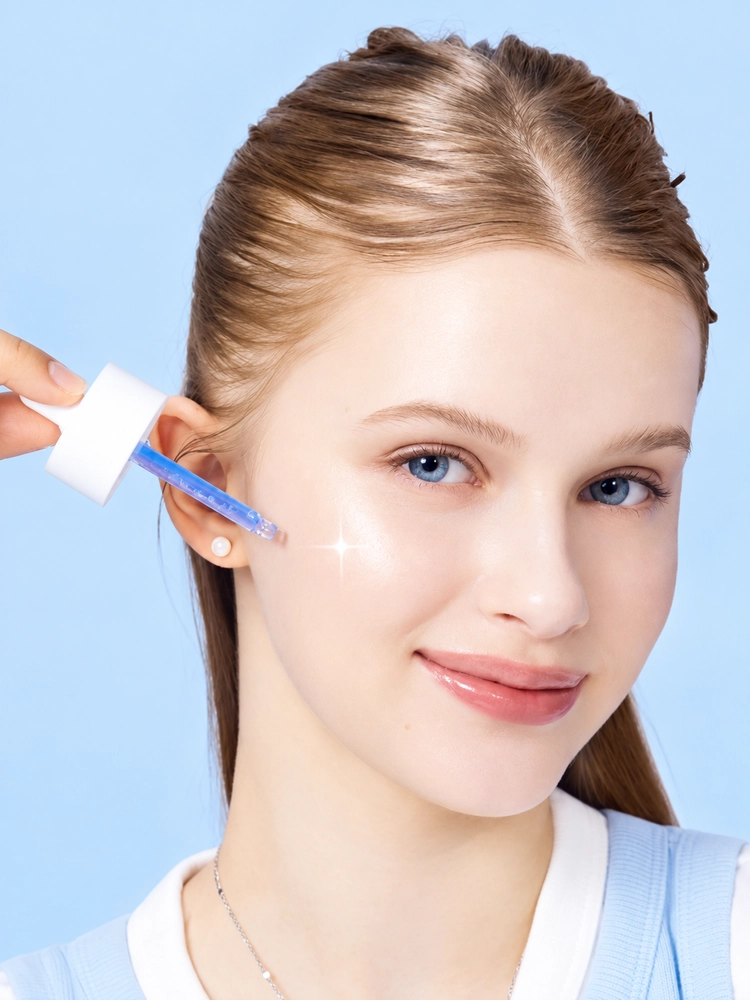
Bakuchiol appears in serums, moisturizers, facial oils, eye products, and targeted treatments.
Most routines can place a bakuchiol serum after cleansing and before moisturizer. A cream containing bakuchiol can serve as the moisturizing step, while facial oils generally sit toward the end of a routine depending on the formulation.
The ingredient is commonly formulated for morning or evening application. Some research has used twice-daily application, including the well-known 0.5% clinical study.
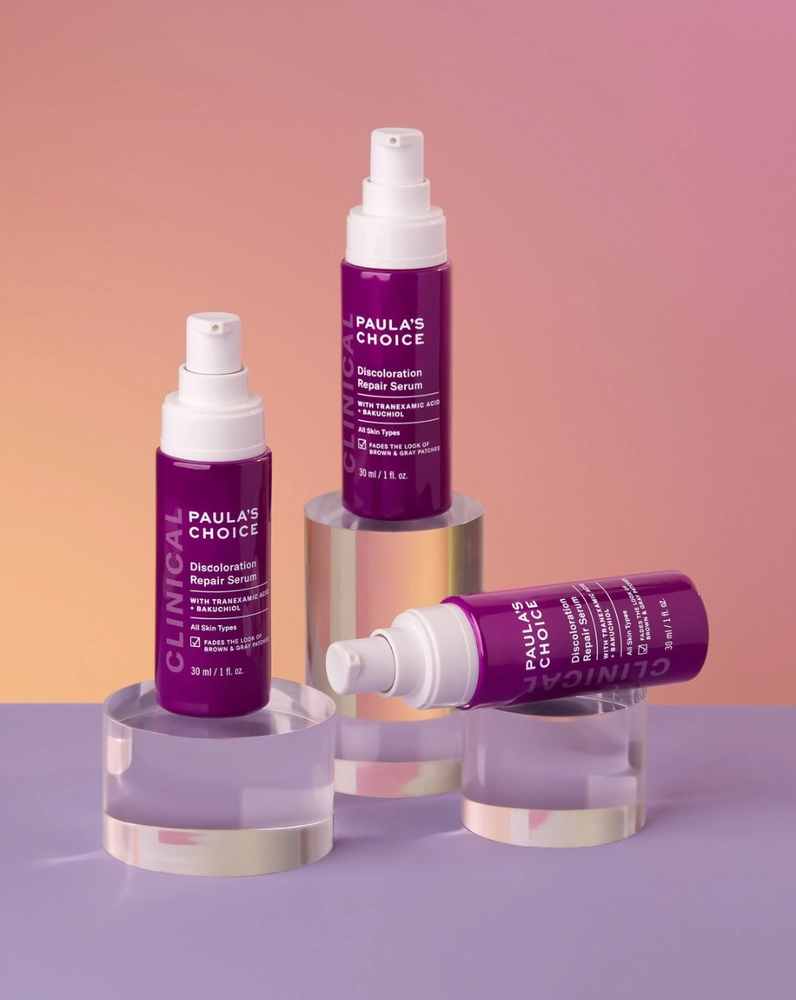
A concentration of 0.5% bakuchiol, therefore, has useful clinical precedent. Product performance also depends on the complete formulation, delivery system, ingredient stability, and consistency of application. Concentration alone provides only one part of the efficacy picture.
Bakuchiol can also appear alongside antioxidants, hydrators and other active ingredients. Vitamin C, peptides, ceramides, and humectants are common partners depending on the purpose of the formula.
For daytime routines, broad-spectrum sunscreen remains essential when the skincare goal includes pigmentation, photoaging, or overall protection from ultraviolet exposure.
Scientific interest in bakuchiol now reaches beyond wrinkles and pigmentation.
Recent research has examined its relationship with epidermal differentiation, extracellular-matrix remodeling, antioxidant signaling, inflammatory pathways, mitochondrial function, pigmentation biology, and the skin's endocannabinoid system. Researchers are also exploring how it interacts with processes connected to endogenous retinoid metabolism.
These areas position bakuchiol as a broader biological active with several potential routes of action inside the skin.
The familiar “plant retinol” label gave consumers an easy introduction. Modern research offers a more precise identity: bakuchiol is a distinct botanical molecule whose relevance comes from the range of skin pathways it can influence.
That distinction may shape the ingredient's next phase in skincare, as formulation science moves toward understanding what bakuchiol can accomplish according to its own chemistry.
Advertisement