MENU
Close





HOCl sounds like something from a chemistry lab and looks like something from a tap. Its real story sits somewhere much stranger: inside the body’s own defense system.
HOCl sounds like something from a chemistry lab and looks like something from a tap. Its real story sits somewhere much stranger: inside the body’s own defense system.
September 17, 2026
Advertisement

Advertisement



Clear liquid, watery texture, usually delivered through a fine mist, with none of the glossy oils, pearlescent serums or creamy textures beauty has trained us to associate with an active ingredient. Yet HOCl, short for hypochlorous acid, has a far more unusual story. The human immune system already produces it as part of its natural defense against microbes.
HOCl does not belong exclusively to skincare, body care or hair care. Its purpose follows the skin wherever the skin happens to be.
HOCl is hypochlorous acid, a substance produced naturally by certain white blood cells when the immune system encounters potential threats. In simple terms, the body can generate HOCl as part of the chemical defense it uses against microorganisms.
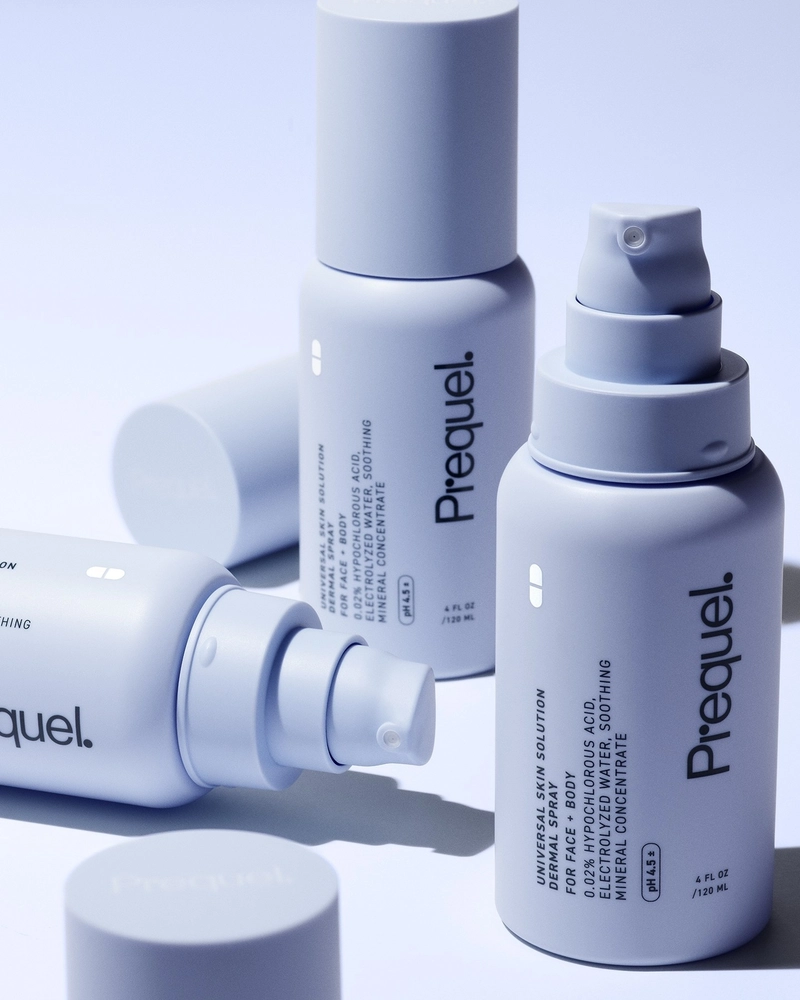
Topical HOCl products recreate that molecule in carefully formulated, water-based solutions. This explains why most HOCl products look remarkably simple. A mist may appear almost indistinguishable from water, yet the active chemistry is doing something very different from a conventional hydrating toner.

The word “chlorous” can understandably sound alarming. HOCl is part of chlorine chemistry, but a properly formulated topical HOCl product is not equivalent to household bleach. Concentration, pH and formulation change how chlorine-based chemistry behaves. Cosmetic and topical HOCl products are designed specifically for contact with skin.
What makes HOCl unusual in beauty is that the molecule itself was never invented for cosmetics. The body already knows how to make it.
HOCl is easier to understand when its main function stays front and center: it has antimicrobial activity.
HOCl can react with components inside microorganisms, disrupting the structures they need to survive. That property explains why hypochlorous acid has a longer history in wound cleansing and medical settings than in beauty routines.
For everyday users, this becomes relevant whenever sweat, friction and microbial buildup start sharing the same space. Think post-workout skin, a sweaty scalp beneath a hat, the back and chest after exercise, or skin that has just been shaved.
This does not make HOCl an acne medication, exfoliant or replacement for shampoo. Its role is more supportive. HOCl can help reduce unwanted microbial load on the surface and create a cleaner environment for stressed skin.
A person dealing with an occasional sweaty breakout and somebody managing persistent acne or a diagnosed scalp condition need very different levels of care.
Antimicrobial skincare often brings to mind strong cleansers, drying alcohols or treatments capable of leaving skin tight. HOCl has attracted attention partly because properly formulated topical solutions can offer antimicrobial action while remaining relatively well tolerated.
The concentration used in topical products is low, and HOCl is already part of the body's own immune chemistry. This combination helps explain why it can fit into routines built around sensitive or easily stressed skin.
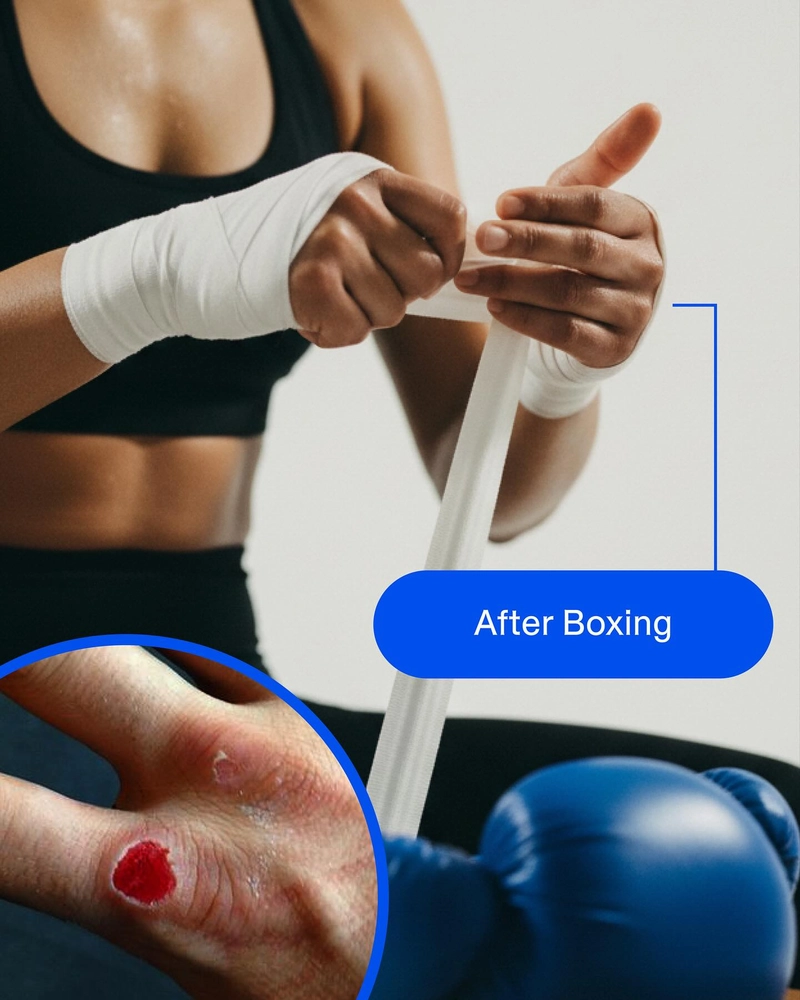
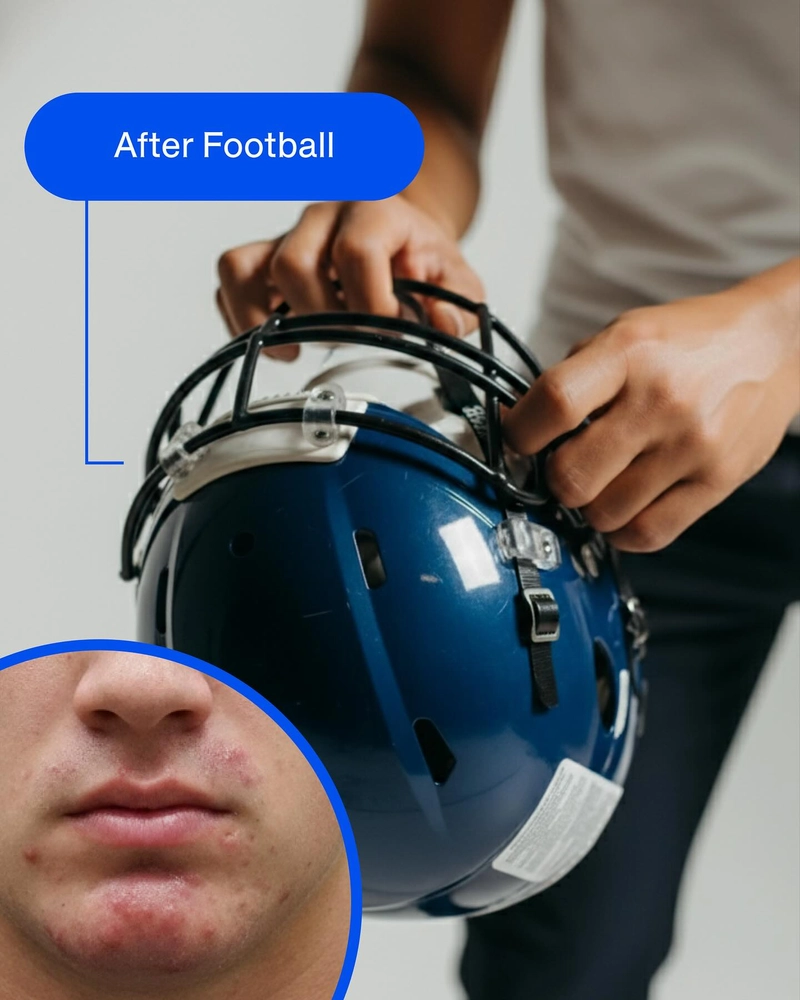
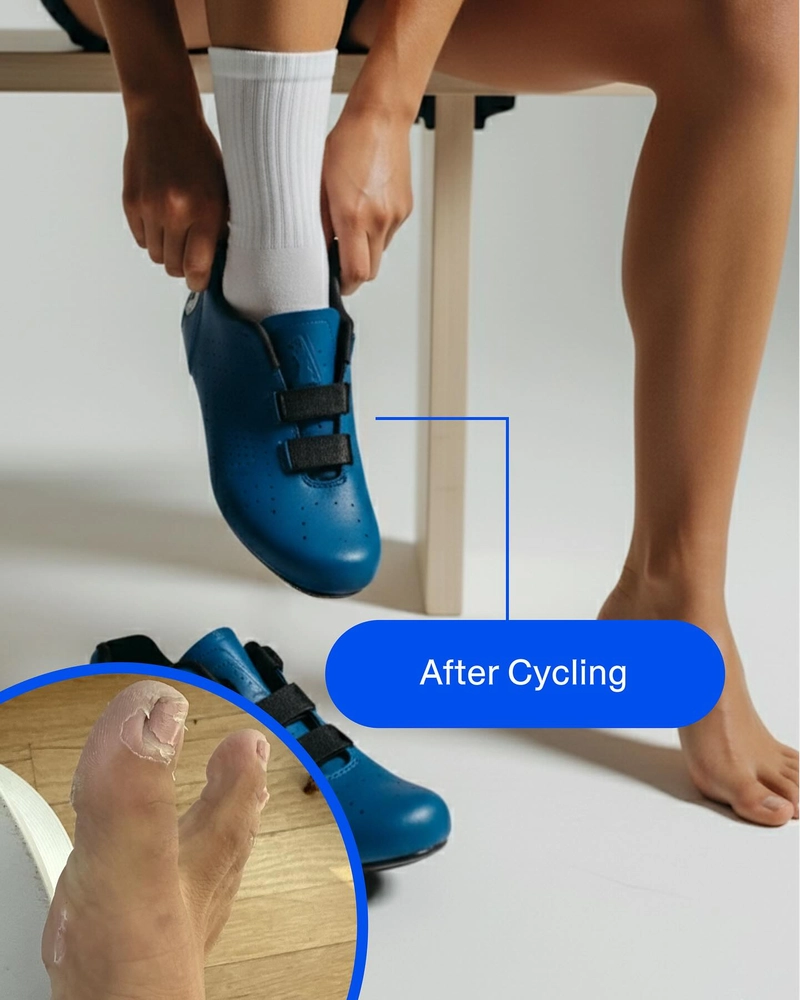
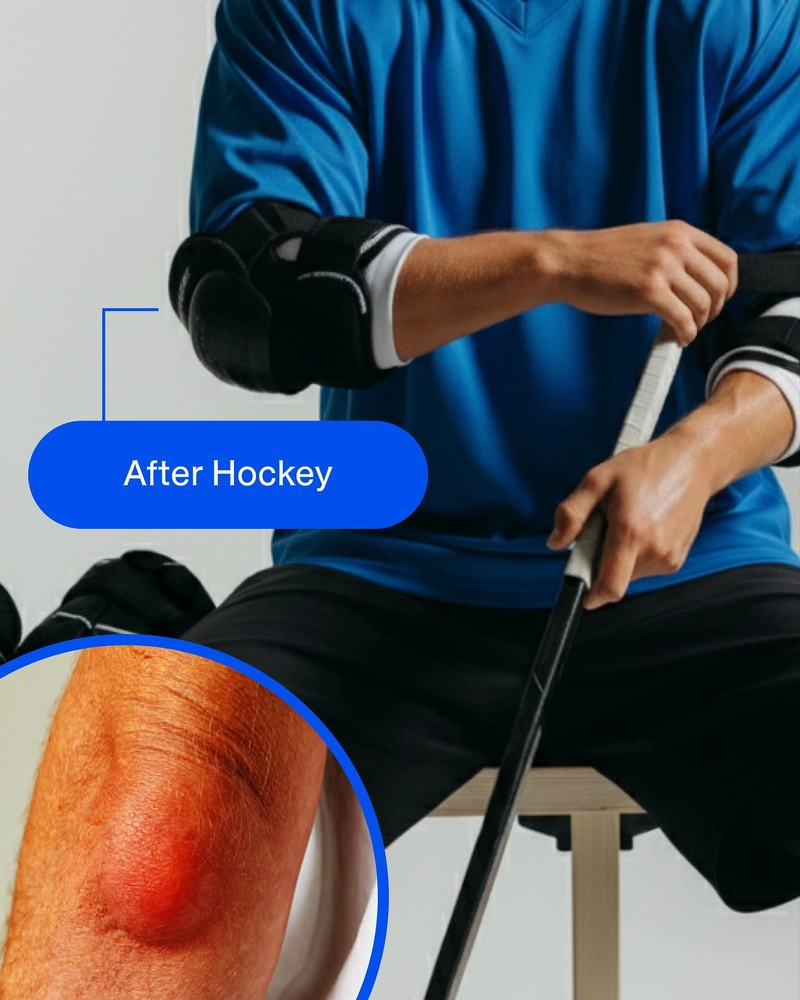
That gentleness is also what allows one bottle of HOCl to travel so easily around the body. The face may get misted after a commute. The chest and back may get the same treatment after exercise. The scalp may receive it after hours under a cap. Freshly shaved areas may also benefit from a simple, low-fuss formula.
Hypochlorous acid has also been studied in contexts involving inflammation, itching and wound care. Its established use in skin and wound cleansing gives HOCl a practical history that extends far beyond cosmetic marketing.
In everyday beauty, that can translate into situations involving heat, sweat, friction, shaving or general irritation. HOCl may be useful when skin needs something simple and lightweight instead of another layer of active treatment.
Still, a cosmetic HOCl mist should not be treated as a cure for eczema, infection, severe acne or an open wound unless the specific product is designed and indicated for that use. Persistent inflammation and infection belong with appropriate medical care.
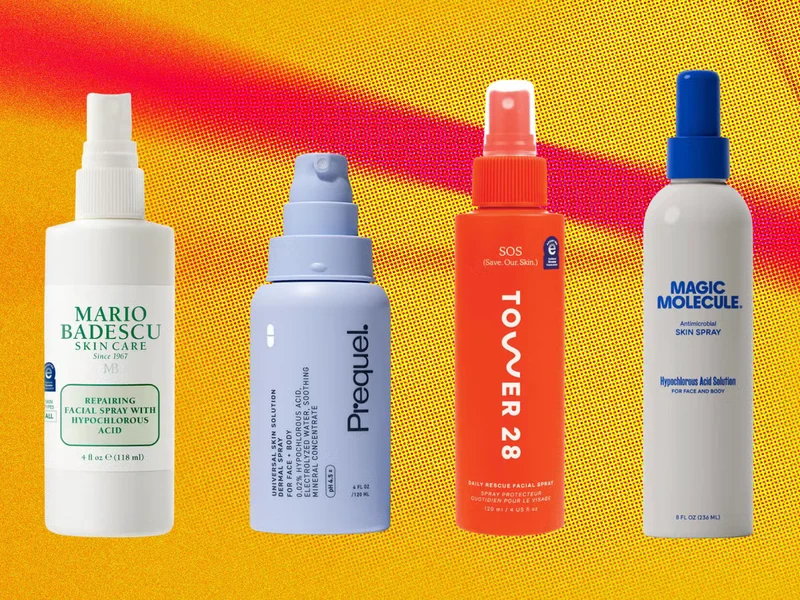
The flexibility of HOCl comes from its function.
A wrinkle serum targets one area. A dandruff treatment belongs to the scalp. A body lotion solves another set of problems. HOCl addresses microbial buildup and stressed skin, and those conditions can occur almost anywhere.
That is why HOCl works naturally across personal care without needing completely separate identities. A spritz after Pilates, across the hairline after sweating or over irritated skin after shaving all follow essentially the same logic.
For scalp use, HOCl makes the most sense as a refreshing or supportive step around sweat and irritation. It does not replace shampoo, dandruff treatments or prescription scalp care.
One of the most important things to know about HOCl is that it can be unstable.
Light, heat, air and pH can affect how well hypochlorous acid retains its activity. That makes formulation quality and packaging especially important.
A higher-looking concentration does not automatically mean a better HOCl product. Stability matters too. The product needs to keep the active molecule working throughout its intended shelf life.
Choose HOCl made specifically for topical use, follow its storage instructions and pay attention to the manufacturer's recommended period after opening.
HOCl works with chemistry the body already recognizes, helping skin navigate ordinary problems. The bottle may look like water. The idea inside it is considerably more intoxicating.
Advertisement