MENU
Close





Forget simple shampoo. The new frontier of haircare is here: AI diagnostics that scan your strands, wearable lasers for growth, and biomimetic proteins that rebuild from within. We analyze the high-tech revolution transforming haircare from guesswork into groundbreaking science.

Forget simple shampoo. The new frontier of haircare is here: AI diagnostics that scan your strands, wearable lasers for growth, and biomimetic proteins that rebuild from within. We analyze the high-tech revolution transforming haircare from guesswork into groundbreaking science.
December 9, 2025
Advertisement

Advertisement



For years, the haircare aisle promised miracles but delivered maintenance. We flattened, curled, and colored our way to the promised land of "good hair days," often at the cost of long-term health. The real breakthrough—actual repair—felt perpetually out of reach. "As an industry, we’ve been guilty of treating the symptom, not the cause," admits renowned colorist Josh Wood. "We smooth the cuticle, we add shine, but true structural change remained the holy grail."
That era is over. Fueled by cutting-edge biotechnology, diagnostic hardware, and a data-driven approach to beauty, we are witnessing a seismic shift. The focus is no longer just on styling, but on solving. Google Trends shows a sustained, significant surge in searches for "hair repair" and "damaged hair solutions," and the market is responding with tools more akin to a dermatologist's office than a traditional salon.
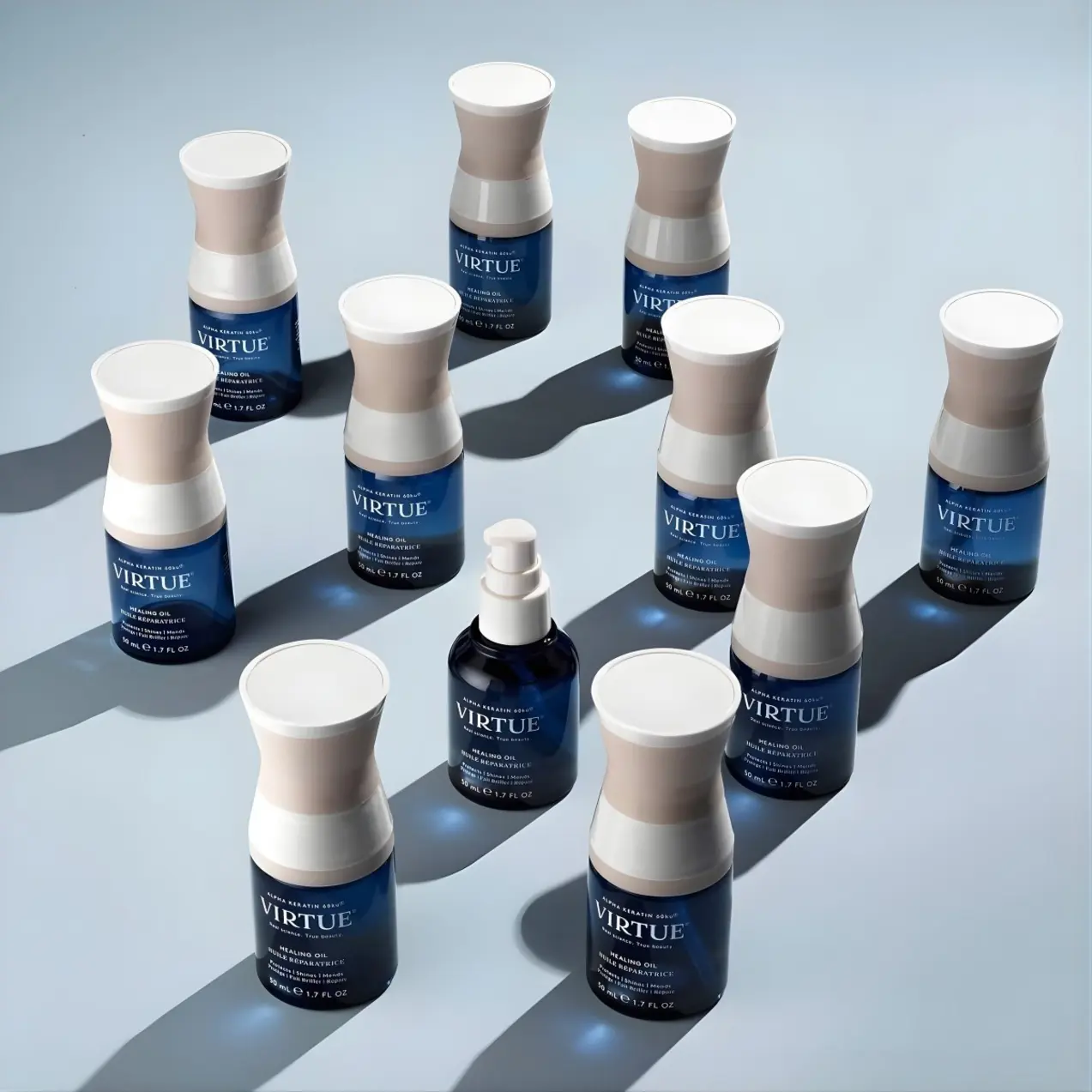
The first wave of change moved under the microscope, targeting the very building blocks of hair. The poster child for this movement is Virtue Labs, whose use of Alpha Keratin 60ku® rewrote the rules. Founder Melisse Shaban, former GM of Aveda, explains the genesis: "We discovered a method used in regenerative medicine to source human keratin protein. Unlike animal or synthetic versions that coat the hair, this identical protein finds broken bonds and integrates itself, like a perfect patch on a tire."
According to the brand's clinical trials, the data is staggering: 95% less split ends and 86% less breakage after just five uses. This isn't camouflage; it's reconstruction. Shaban calls it "the Botox moment for hair—a real, 'my biology is different' result."
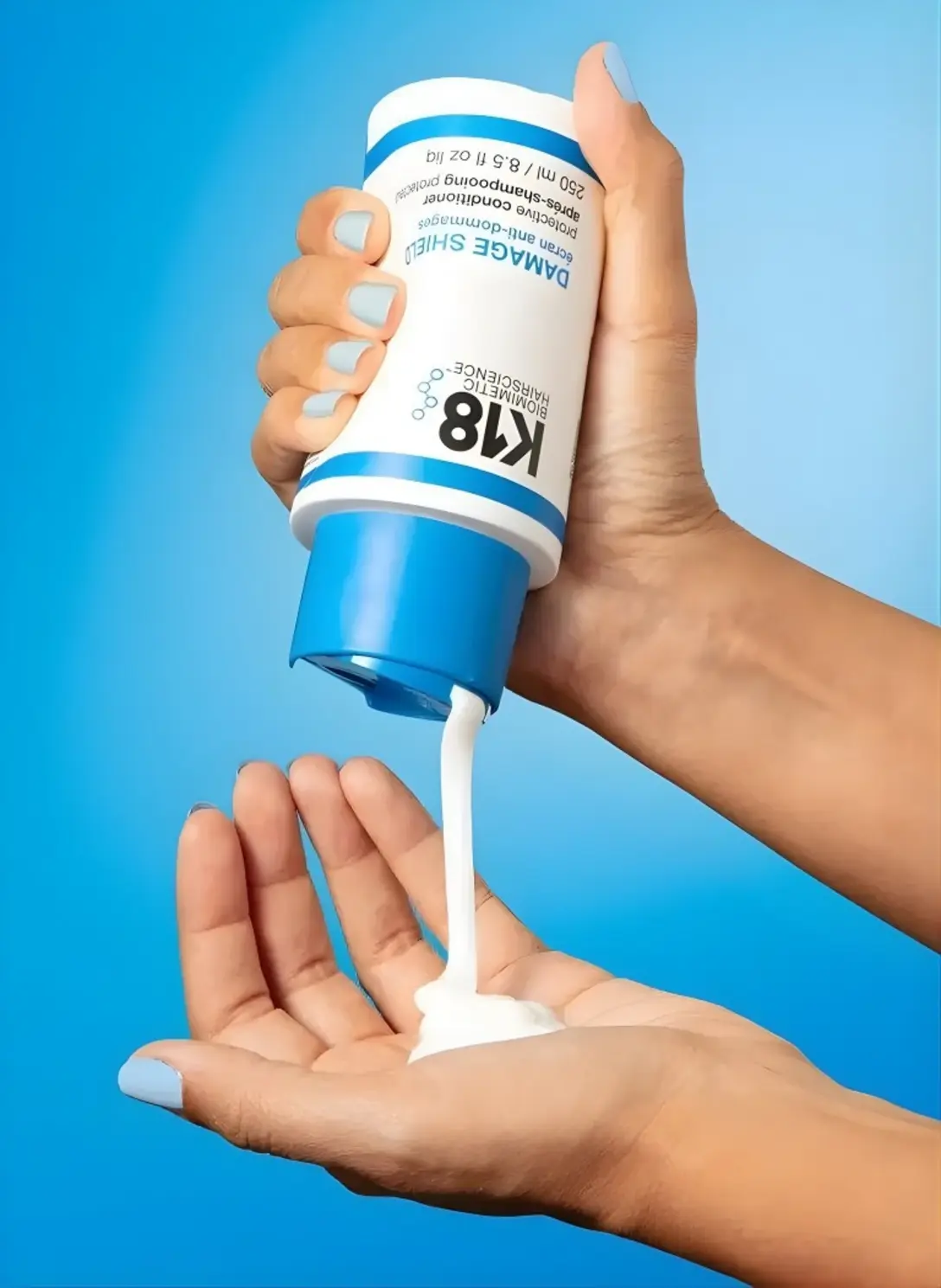
This molecular focus has become the new benchmark. Brands like K18 have followed with their patented K18Peptide™, a bioengineered signal peptide that claims to reverse damage from the inside out by re-linking the polypeptide chains broken during chemical services. As Dr. Steve Shiel, Chief Scientific Officer at Olaplex, notes, "The future is in identifying the precise point of breakdown and delivering a material that can rebuild at that exact location. It’s forensic haircare."
The next frontier moves beyond universal solutions to hyper-personalization. Imagine a tool that diagnoses your hair’s needs before you treat it.

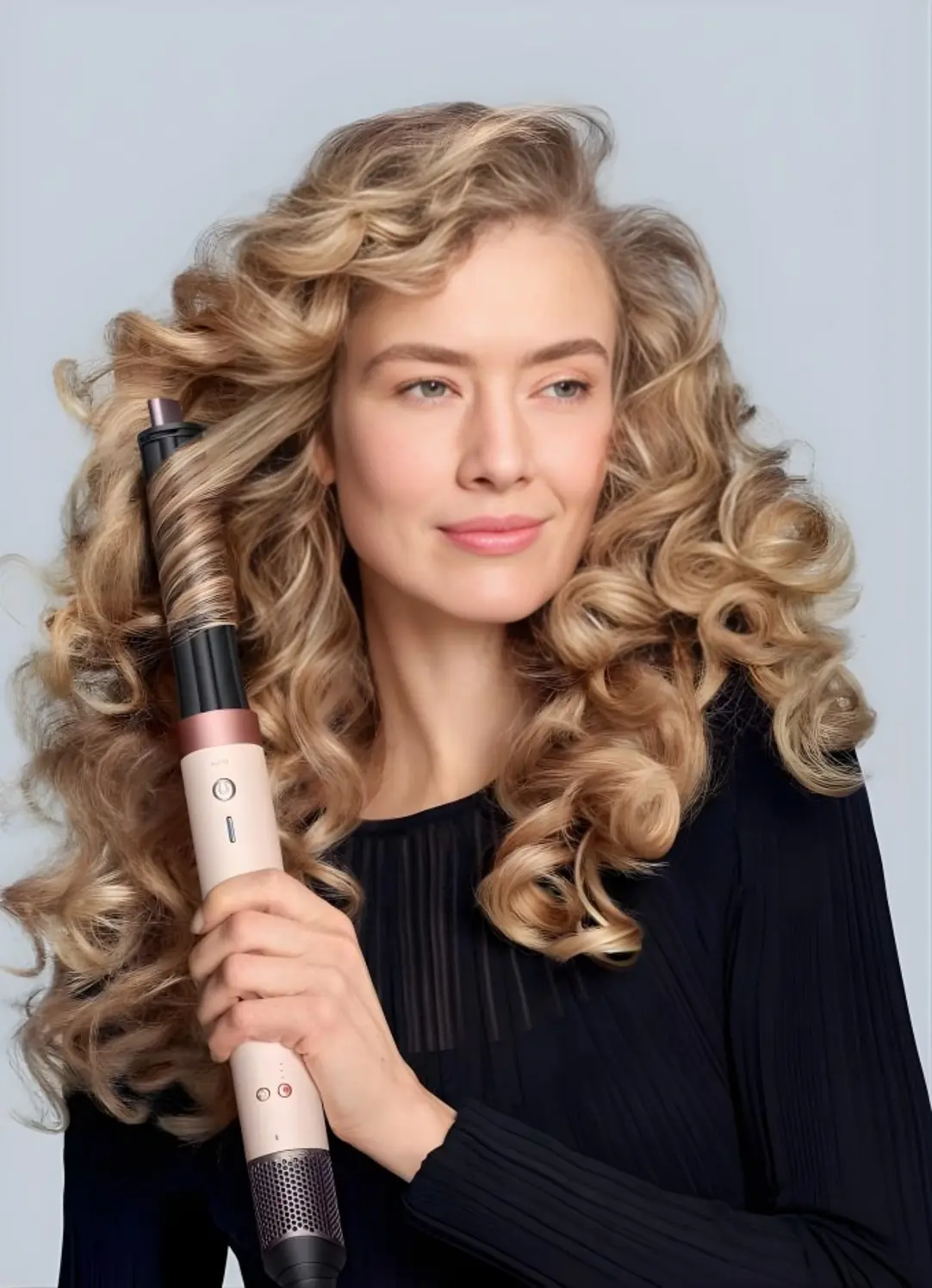
The tools we use are getting smarter, moving from blunt instruments to precise, protective devices.
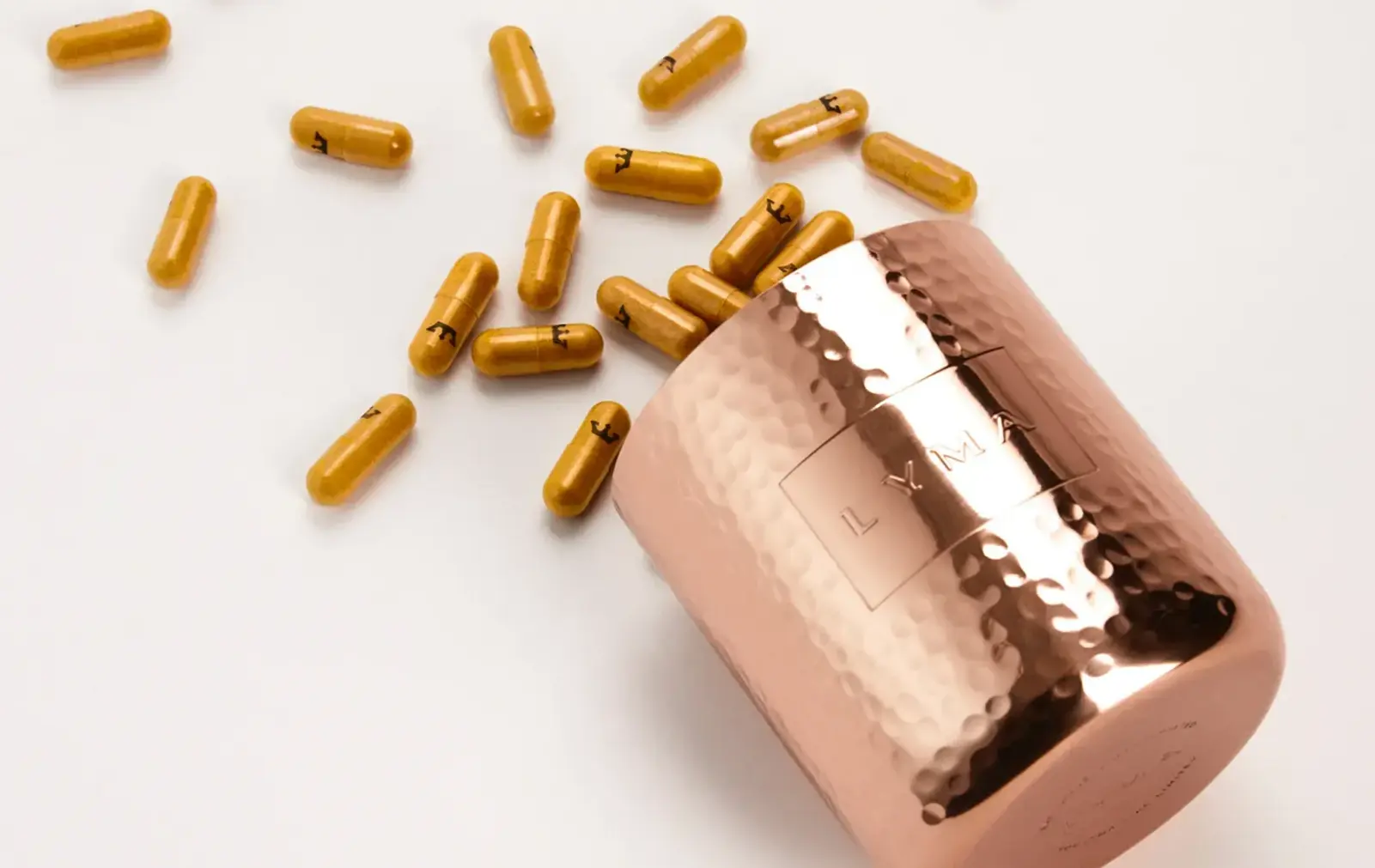
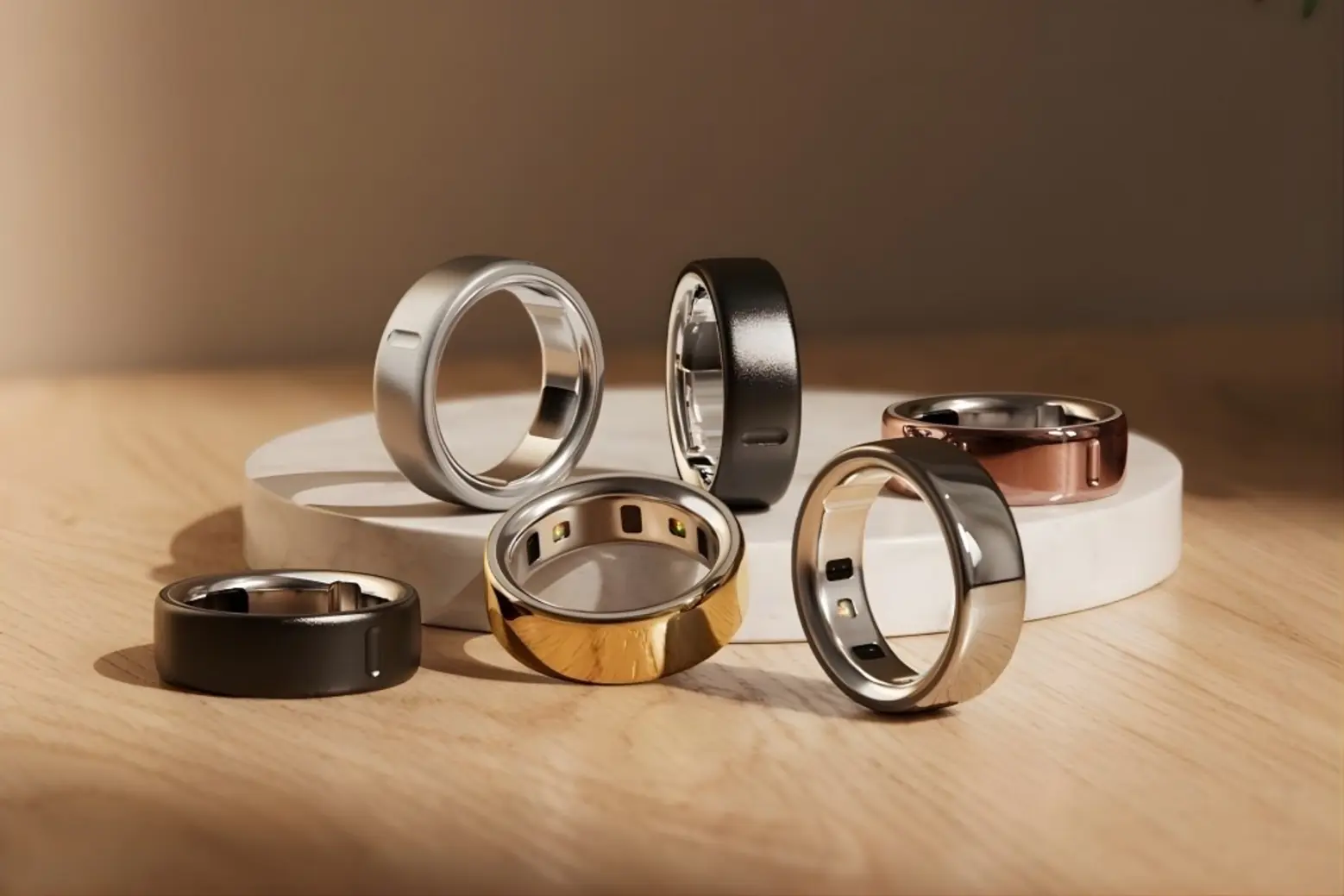
The final piece of the puzzle is systemic care, quantified.
The breakthrough isn’t a single product; it’s a new philosophy. Haircare is becoming predictive, personalized, and participatory. We are transitioning from passive consumers to active directors of our hair’s health, armed with diagnostic tools, biomimetic repair molecules, and intelligent devices.
"We are finally treating hair with the same sophistication we treat skin," concludes Melisse Shaban. "The future isn't about hiding damage. It's about building hair that is fundamentally stronger, from the follicle to the ends." The dream is no longer just a good hair day, but a resilient hair life
Advertisement