MENU
Close





Derived from pineapple, bromelain works by breaking down protein structures at the skin surface, making it one of skincare’s most recognizable enzymes for smoother texture and clearer-looking skin.

Derived from pineapple, bromelain works by breaking down protein structures at the skin surface, making it one of skincare’s most recognizable enzymes for smoother texture and clearer-looking skin.
September 20, 2026
Advertisement

Advertisement



A good exfoliant changes the way skin feels. Bromelain changes the way surface proteins are organized. That difference explains why this pineapple-derived enzyme has become such an important ingredient in masks, powders, and resurfacing treatments.
Bromelain is the collective name for a group of protein-digesting enzymes obtained from the pineapple plant, Ananas comosus. Its principal active components belong to a family called cysteine proteases.
Proteases perform a simple biological task: they break peptide bonds. These bonds connect amino acids together to form proteins. When a protease encounters a suitable protein substrate, it catalyzes the process that separates these structures into smaller fragments.
The term bromelain can refer to enzyme preparations derived from different areas of the pineapple plant. These preparations may also contain small quantities of other enzymes and plant-derived components, depending on how the material has been extracted and purified.
Bromelain also has a separate identity from general pineapple extract. Pineapple extracts can contain sugars, acids, phenolic compounds, vitamins, and various plant molecules. Bromelain specifically refers to the proteolytic enzyme component.
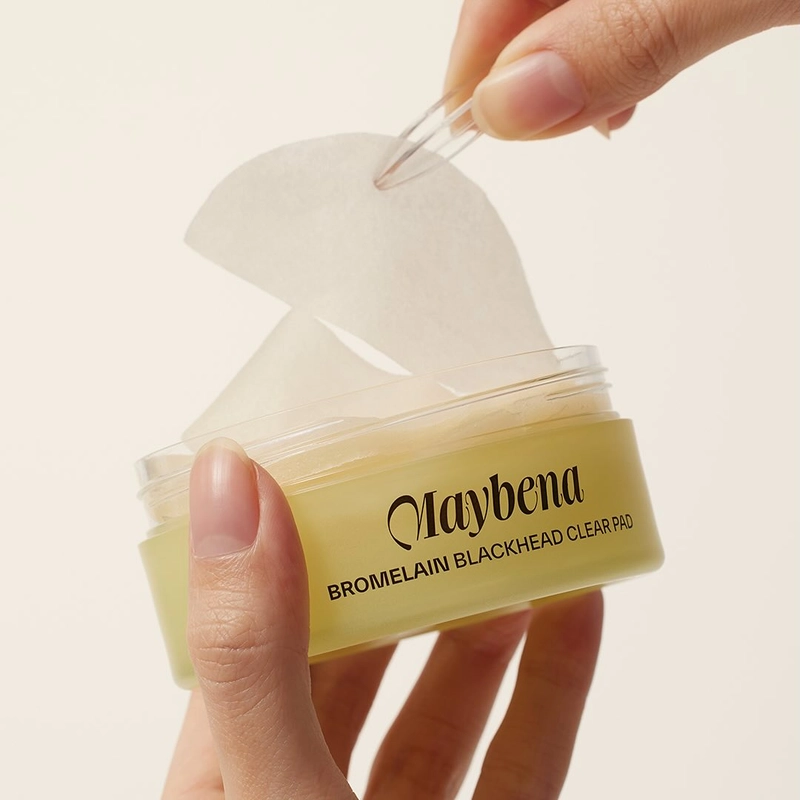
Pineapple contains several naturally occurring proteases. Two important forms are commonly described as stem bromelain and fruit bromelain.
Stem bromelain comes primarily from pineapple stems, while fruit bromelain comes from the edible fruit. Their molecular characteristics and preferred biochemical conditions vary slightly, including factors such as pH.
Pineapple also contains related proteases such as ananain and comosain.
The source creates an interesting opportunity for cosmetic manufacturing. Pineapple stems and peels are produced in significant quantities during agricultural and food processing. These materials can serve as sources for enzyme extraction and purification.
This allows material from pineapple production to enter cosmetic manufacturing as a functional skincare ingredient.
Once extracted, the enzyme requires careful processing because its biological activity depends on maintaining its protein structure.
The exfoliating action of bromelain starts at the stratum corneum, the outermost layer of the epidermis.
This layer consists primarily of flattened dead skin cells called corneocytes. These cells sit within a highly organized matrix of lipids and structural proteins that helps form the skin's protective surface.
Skin naturally releases old corneocytes through a process called desquamation. Enzymes already present in the skin participate in regulating this process.
Topical proteases such as bromelain can interact with protein-rich material at the surface. Through proteolysis, bromelain helps break peptide bonds within these structures.
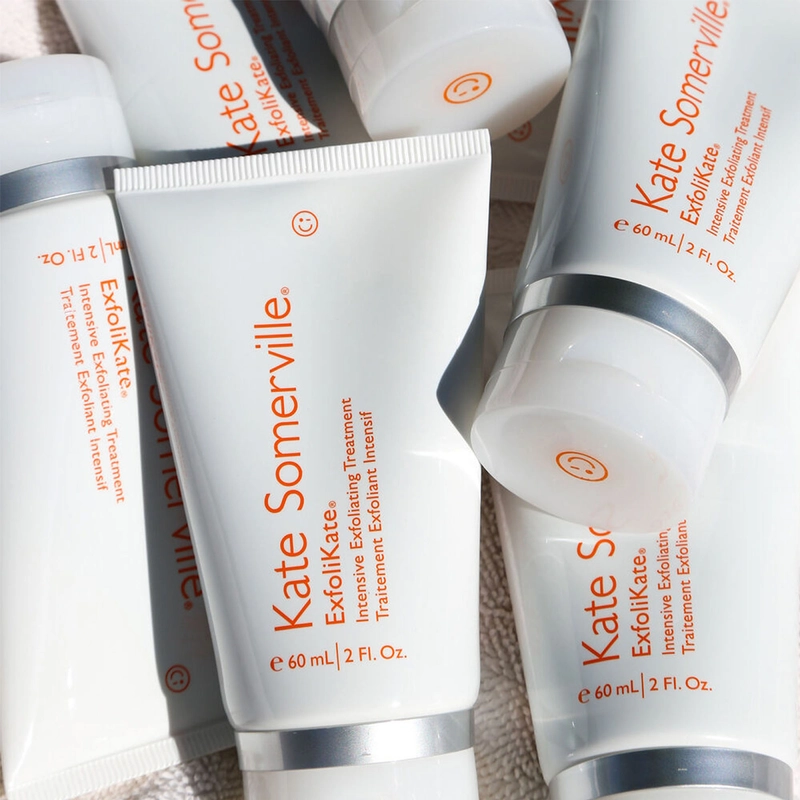
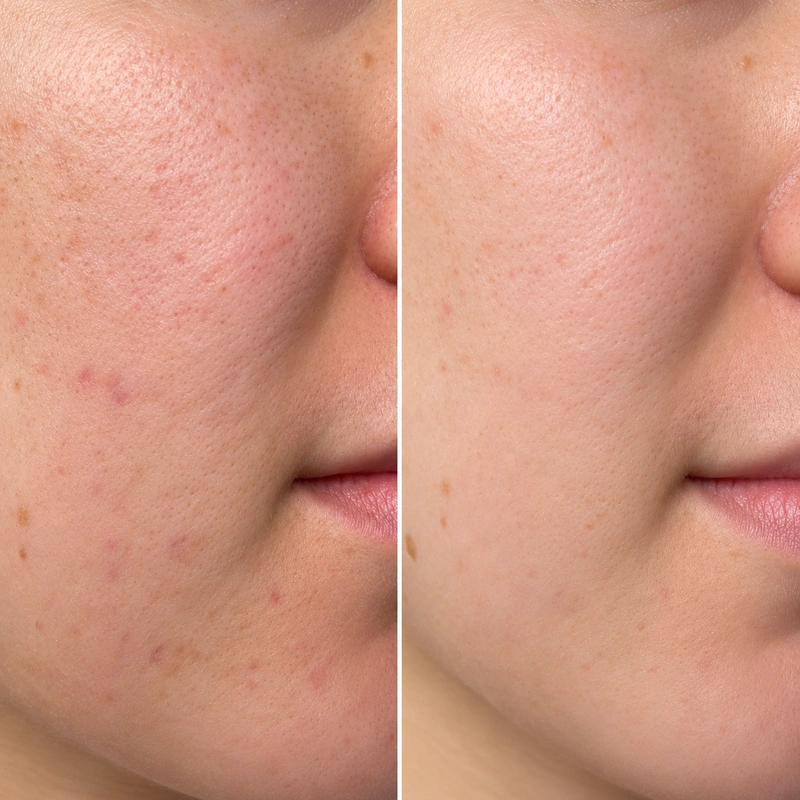
The sequence is straightforward:
protein structures are broken down → surface cells loosen → accumulated corneocytes release → skin texture becomes smoother.
This mechanism explains the frequent use of bromelain in enzyme powders, exfoliating cleansers, masks, peeling treatments, and professional resurfacing formulas.
Its activity focuses primarily on the skin surface, making it especially relevant to concerns created by accumulated keratinized cells.
Accumulated corneocytes can give the skin a rough or uneven surface. By assisting their release, bromelain can support a smoother texture and a softer skin feel. This makes the enzyme useful in routines targeting surface roughness, flaky buildup, and areas that appear uneven.
Surface renewal can also influence visible radiance. Melanin produced inside melanocytes is transferred into surrounding epidermal cells. As these cells gradually travel toward the skin surface, they eventually become part of the stratum corneum.
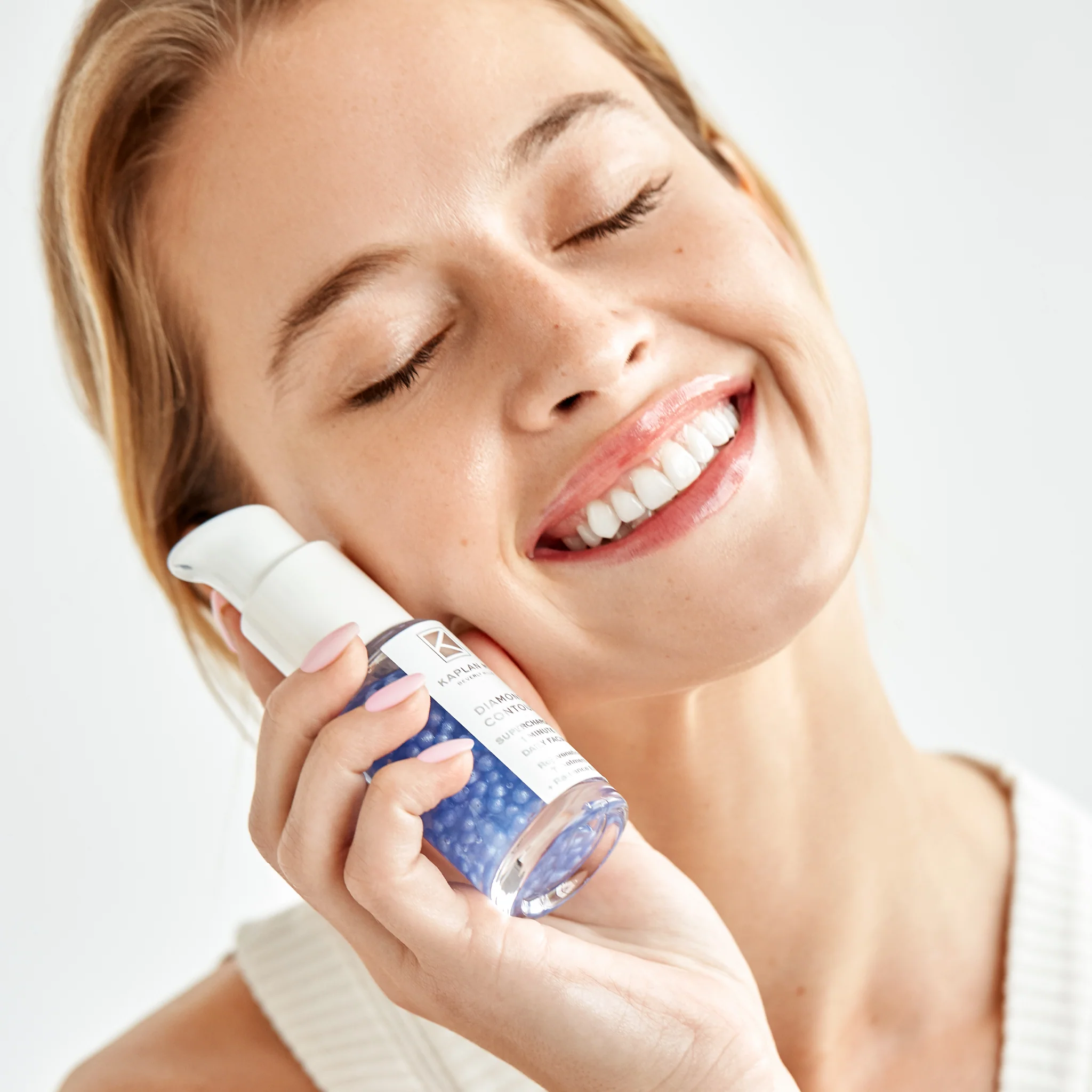
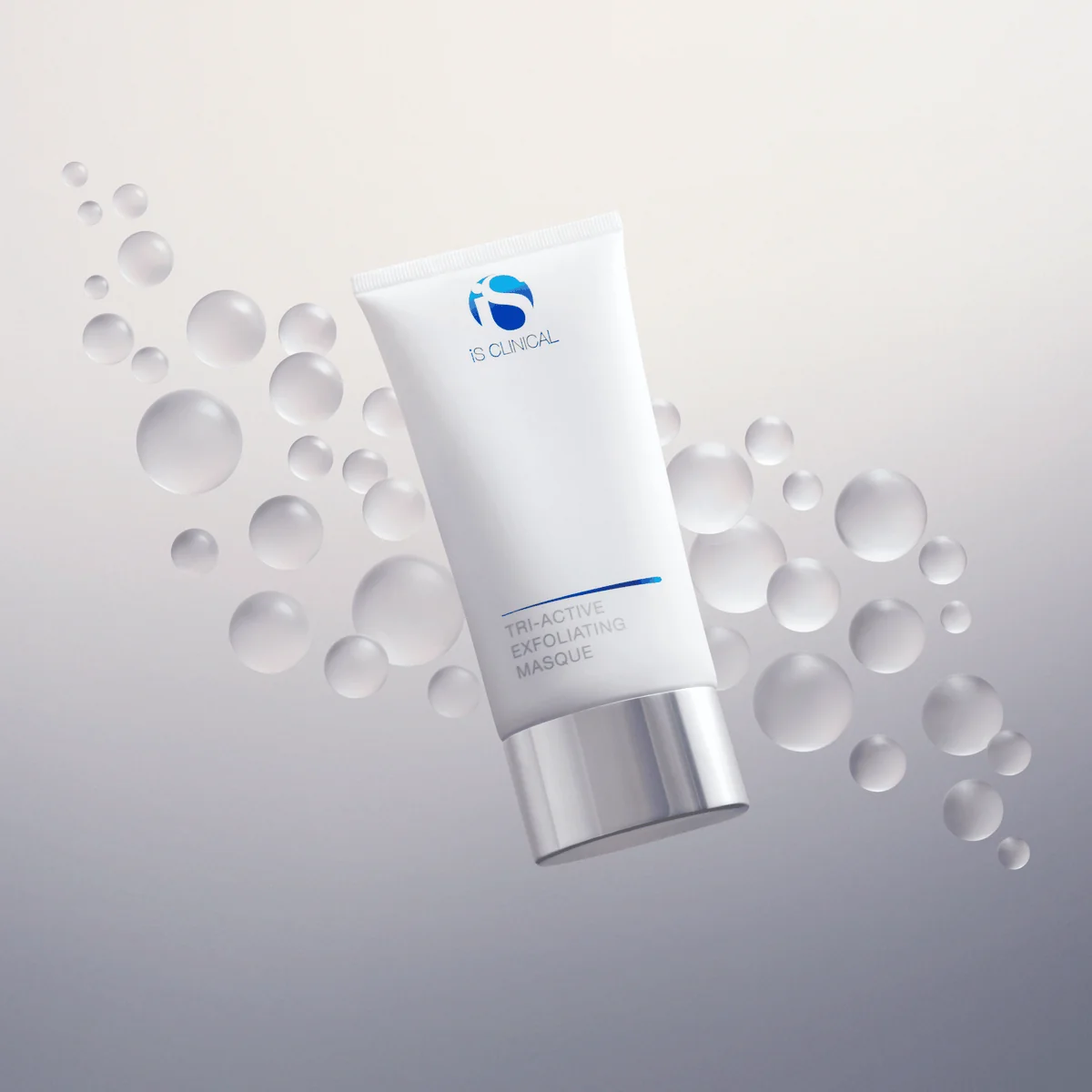
Supporting regular removal of these superficial cells can give the complexion a clearer, brighter appearance and improve the look of uneven tone.
Buildup of dead cells can contribute to a congested skin surface. Enzymatic exfoliation helps clear some of this accumulated material, making bromelain relevant to products developed for blemish-prone or congested skin.
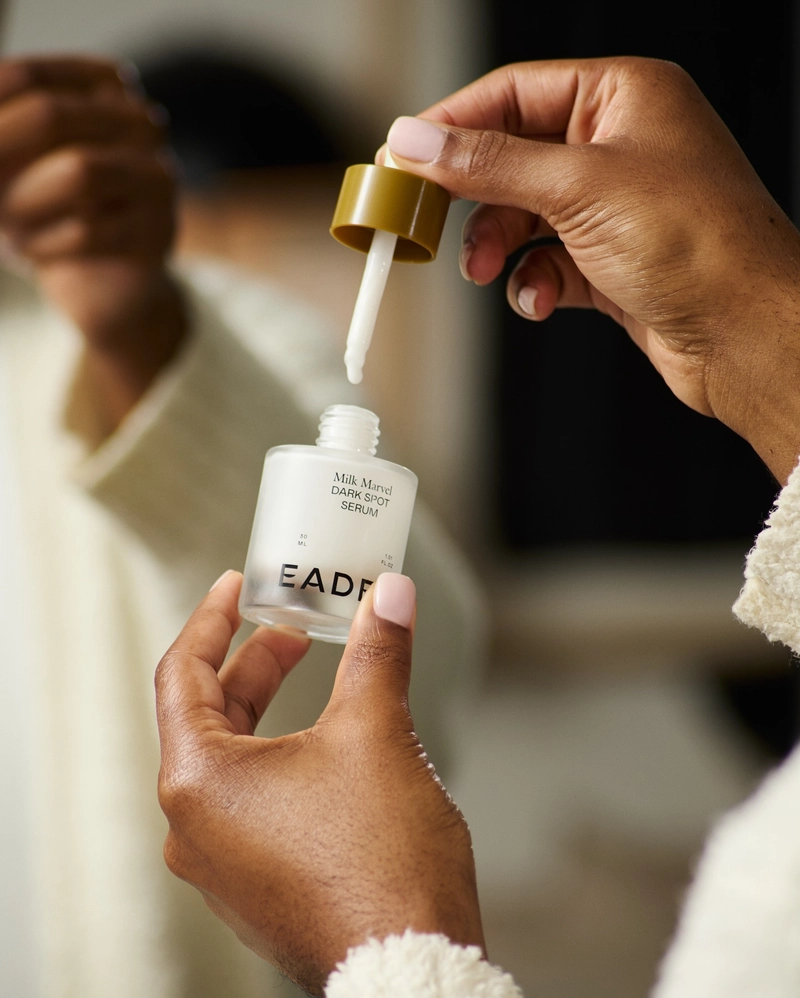
Research into bromelain also describes anti-inflammatory and antimicrobial biological activity. These properties have encouraged interest in its use within formulas designed for skin affected by inflammation and blemishes.
Clinical research specifically focused on facial acne remains relatively limited, so bromelain's established cosmetic role in this area centers on exfoliation and surface management.
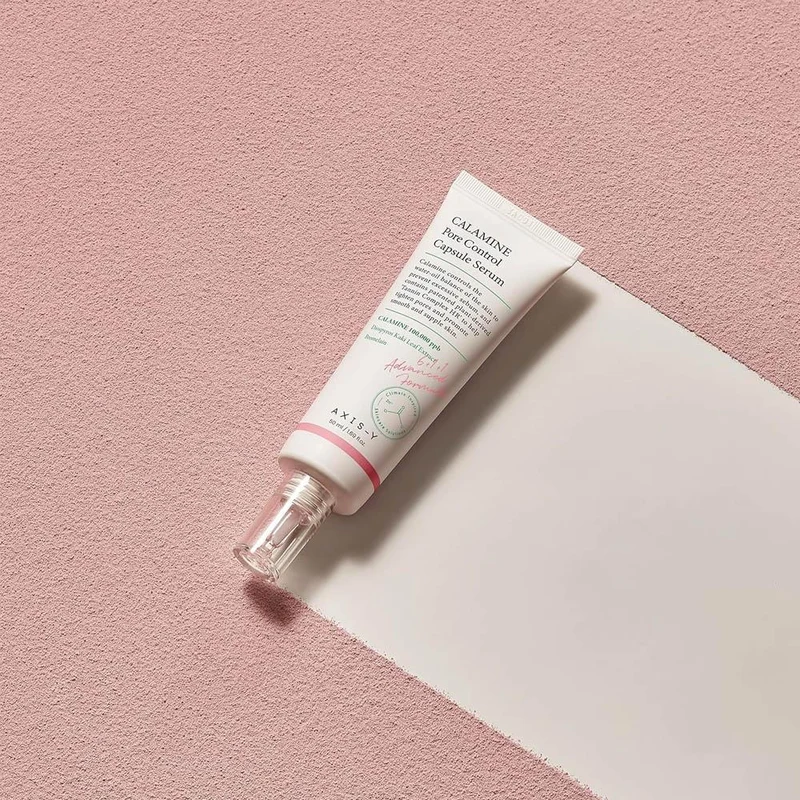
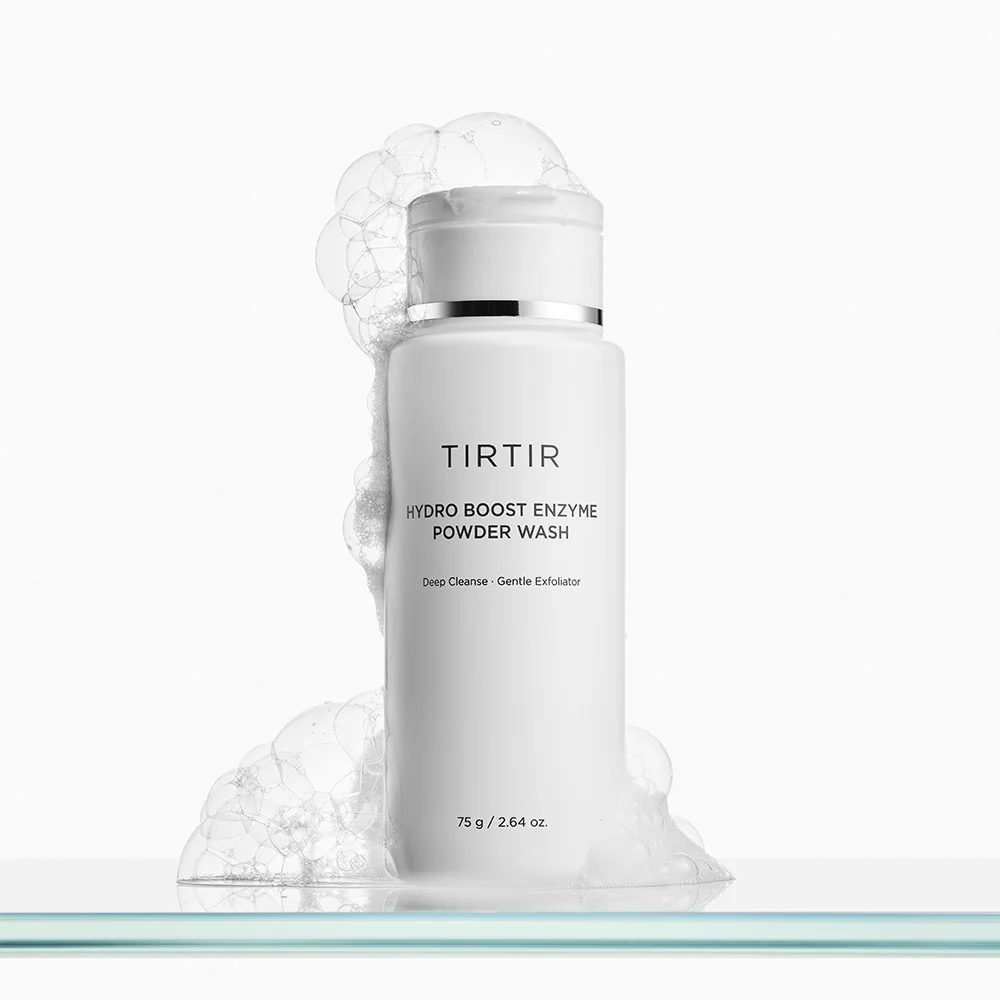
Bromelain has also been studied for activity involving cellular pathways associated with inflammation and oxidative stress.
Research has examined signaling systems including NF-κB, which participates in inflammatory responses, and Nrf2, which helps regulate cellular antioxidant defenses.
A defining characteristic of bromelain is that it is a protein enzyme. Proteins depend on their three-dimensional structure to perform specific biological functions. Changes in that structure can reduce enzymatic activity. This process is known as denaturation.
Several factors can influence bromelain stability:
These variables make enzyme skincare particularly dependent on formulation science.
Research has examined bromelain at concentrations including 0.5%, 1%, and 2% in topical systems while monitoring its stability over time. The findings highlight an important principle: the percentage printed on a formula represents only one part of enzyme performance.
The enzyme also needs to retain sufficient biological activity throughout manufacturing, storage, and application. For this reason, formulators may use specific delivery systems, stabilizers, emulsions, or encapsulation technologies to help preserve activity.
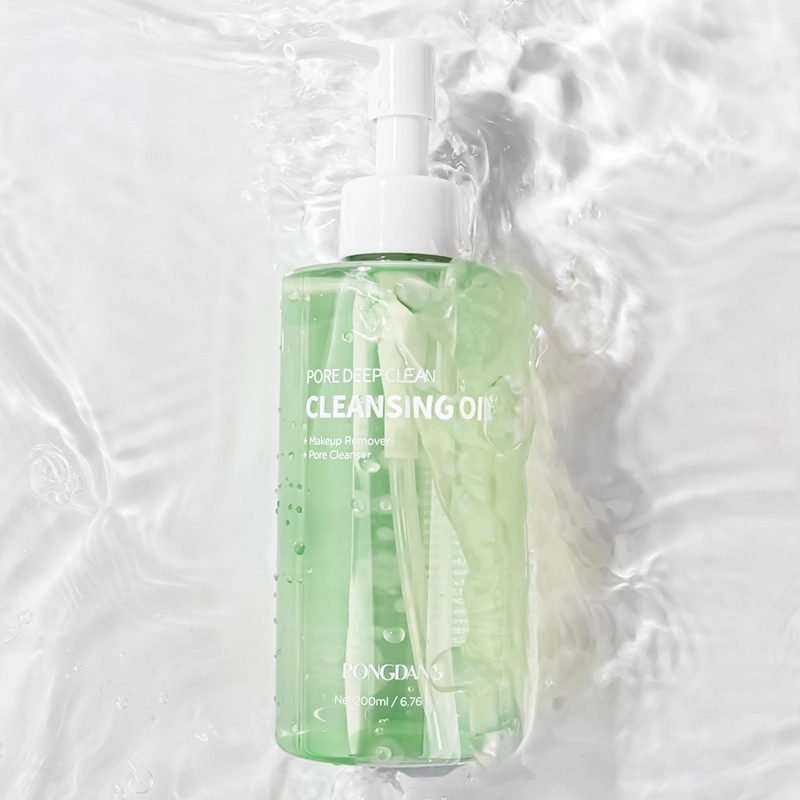
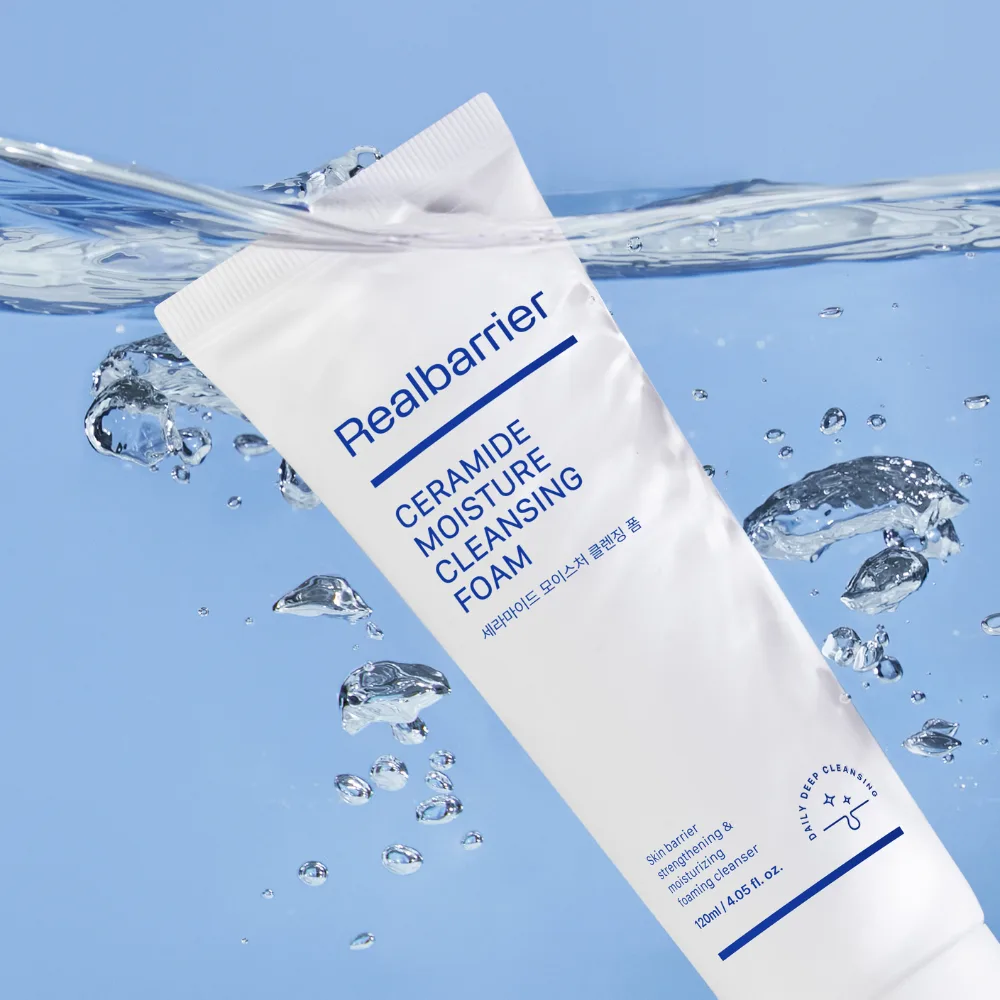
Product format plays an important role in determining the experience. A cleansing powder may expose skin to bromelain for a short period. A wash-off mask can provide a longer contact time. A professional enzyme peel may use a formulation designed for concentrated resurfacing.
Skin sensitivity also deserves consideration. Bromelain can trigger allergic responses in susceptible individuals, including people with sensitivity to pineapple proteins.
Cross-reactivity with other proteolytic enzymes such as papain has also been documented in sensitized individuals. Patch testing and gradual introduction can therefore be useful for reactive skin.
The appropriate frequency for bromelain depends on the individual formulation.
Enzyme powders and cleansers may be designed for regular use, while concentrated masks and peeling treatments may follow a weekly or occasional schedule.
Contact time also varies significantly between products.
Following the manufacturer's directions is especially important because enzyme activity, concentration, delivery system, and intended exposure time are developed together.
A routine containing bromelain can also include hydrating and barrier-supporting ingredients such as glycerin, hyaluronic acid, ceramides, and soothing botanical compounds.
During the day, broad-spectrum sunscreen supports skin exposed to ultraviolet radiation and is particularly relevant for routines focused on exfoliation, radiance, and uneven pigmentation.
As enzyme technology develops, bromelain has potential to move further into precisely controlled resurfacing products built around measurable enzyme activity, stable delivery systems, and a clearer understanding of how proteolytic exfoliation interacts with the human skin surface.
Advertisement