MENU
Close





Could the secret to a lighter body oil be hiding inside the seeds we usually spit out? Watermelon seed oil makes a strong case.
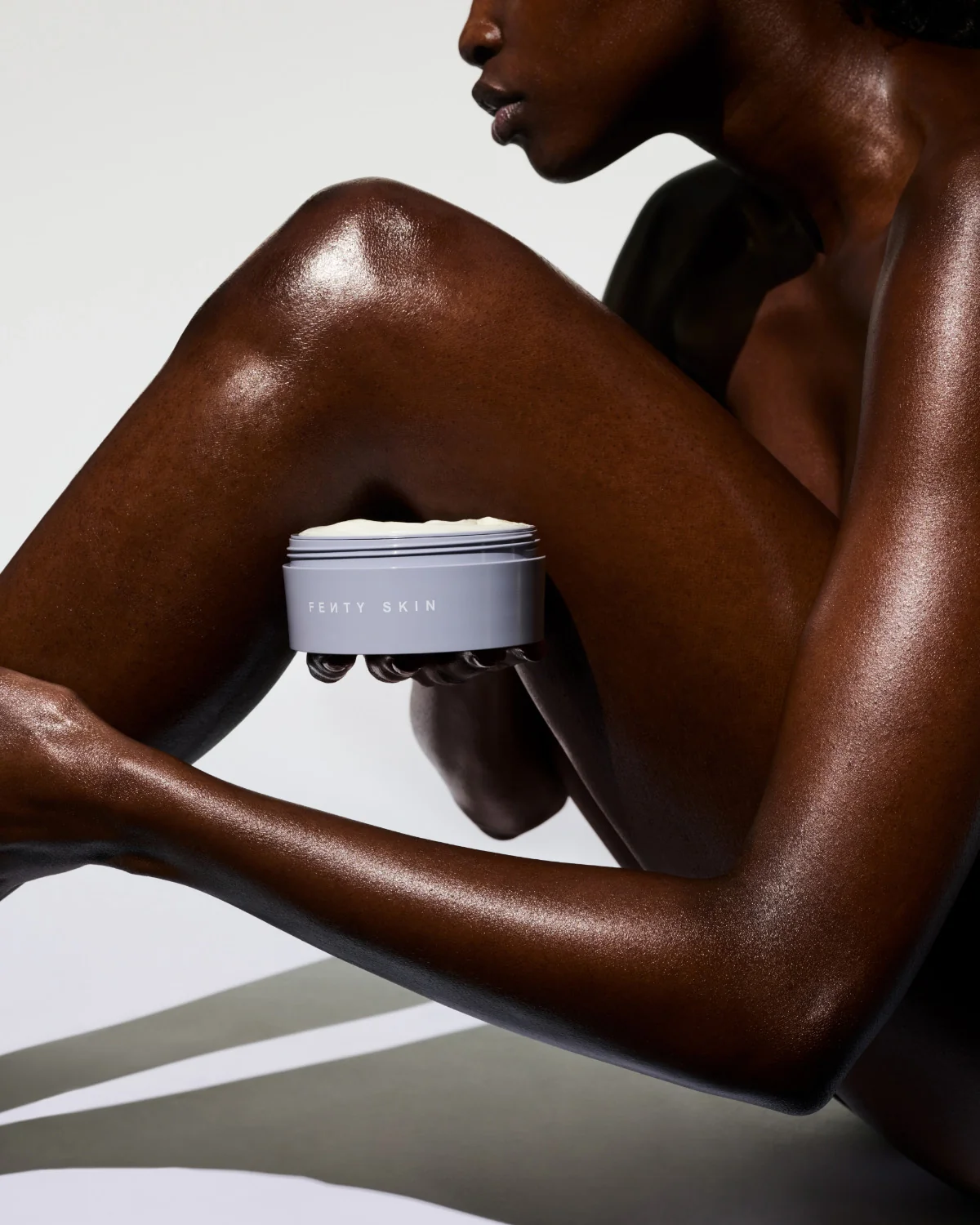
Could the secret to a lighter body oil be hiding inside the seeds we usually spit out? Watermelon seed oil makes a strong case.
September 18, 2026
Advertisement

Advertisement



Watermelon usually enters beauty through an image of freshness: chilled slices, pink flesh, summer water, clean sweetness. Watermelon seed oil tells a completely different story. Press the tiny seeds, and they yield a golden botanical oil packed with lipids.
Watermelon seed oil comes from the seeds of Citrullus lanatus, the botanical species behind watermelon. On an ingredient list, it usually appears as Citrullus Lanatus Seed Oil.
Kalahari melon seed oil can also appear under this botanical name. Kalahari melon belongs to the same Citrullus lanatus species and has a long history of use across southern Africa, where its seeds have been valued for food, oil, and skin applications.
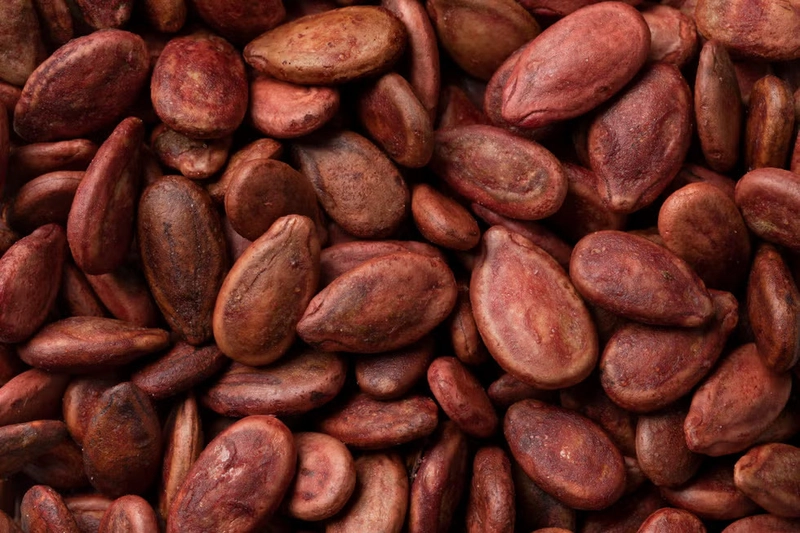
Cosmetically, watermelon seed oil is classified primarily as an emollient and skin-conditioning ingredient. That means its central job happens at the surface of the body: it coats dry skin with lipids, fills the tiny spaces between rough surface cells, and leaves the area feeling soft and supple.
The composition changes slightly according to cultivar, soil, climate, and processing. One characteristic appears consistently across research: watermelon seed oil is rich in linoleic acid, supported by oleic acid and smaller quantities of other fatty acids.
A bottle of watermelon seed oil can surprise anyone expecting a dense botanical oil.
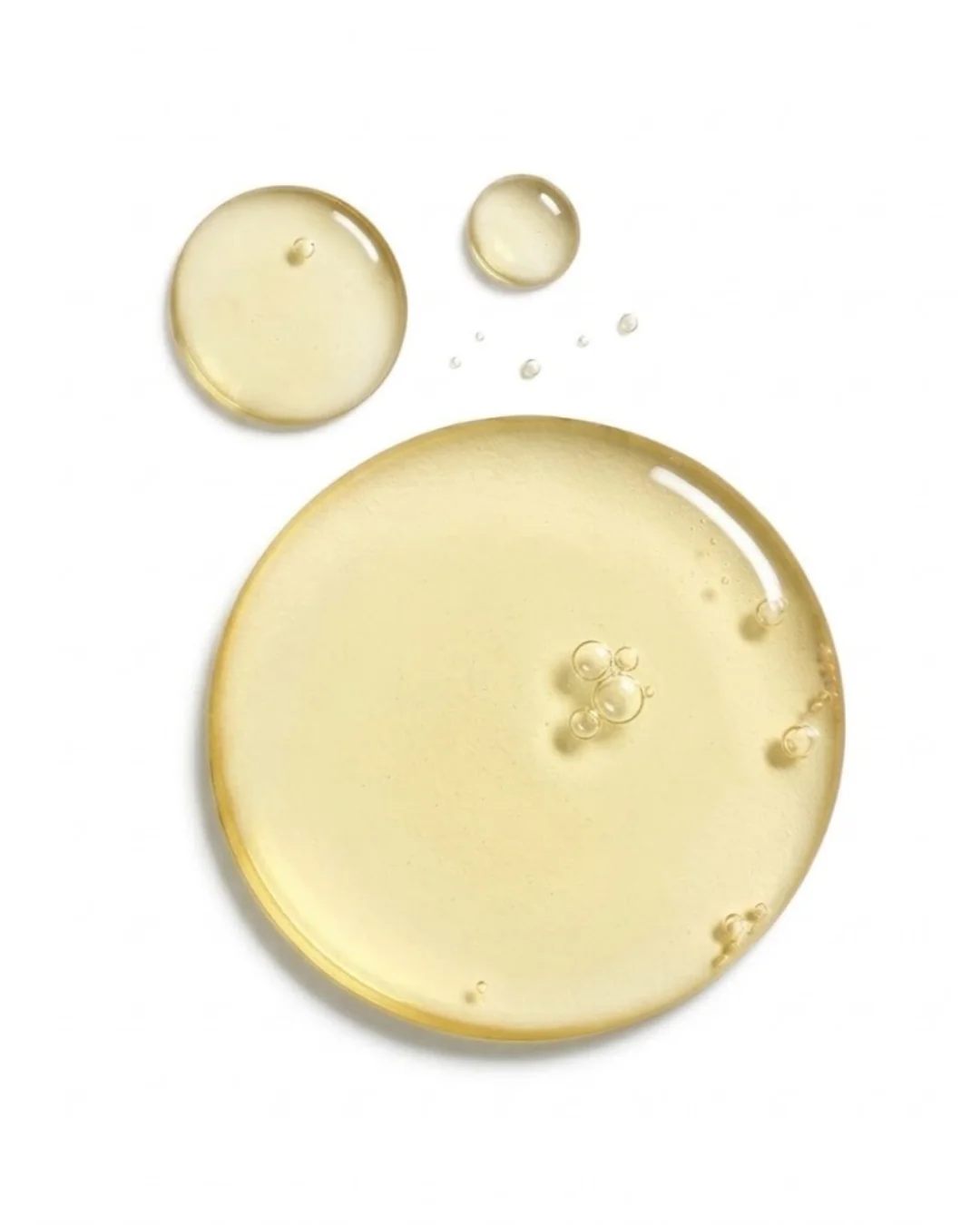
Its high proportion of unsaturated fatty acids creates a fluid oil with easy spread across large areas of skin. On arms, legs and shoulders, the oil slips smoothly without requiring much product. The finish can feel soft and satin-like, which is why ingredient suppliers often describe watermelon seed oil as suitable for lightweight and sensorial body formulations.
The term “dry-feeling oil” occasionally appears around ingredients like this. It refers to sensory finish: an oil that spreads cleanly and leaves a polished skin feel without a thick waxy coating.
Linoleic acid sits at the center of this personality. Depending on the watermelon variety and extraction process, studies have found it making up a large share of the oil's fatty-acid profile.
The seed also brings minor compounds such as tocopherols, including gamma-tocopherol, and plant phenolics. These naturally occurring components contribute to the wider antioxidant profile of the raw oil.
In a human topical study involving Kalahari melon seed oil, researchers measured increased skin moisture and reduced transepidermal water loss after application. Transepidermal water loss, usually shortened to TEWL, simply describes the water that continually escapes from skin into the surrounding air.
A healthy skin barrier helps slow that escape. Watermelon seed oil supplies emollient lipids to the outer skin, creating a softer surface environment and supporting moisture retention. This makes it particularly relevant to legs that feel dry after showering, rough arms, elbows, and body skin exposed to air conditioning, seasonal dryness, or frequent cleansing.

Its linoleic acid content adds another useful layer. Linoleic acid participates in pathways involved in producing important skin-barrier ceramides. These ceramides form part of the lipid structure that helps the outer skin remain cohesive and hold water effectively.
Ingredients such as glycerin, aloe, and hyaluronic acid bind water within the outer skin. Watermelon seed oil supplies emollient lipids and helps create an environment where that moisture can remain in place.
This explains why body lotions can pair watermelon seed oil with glycerin so naturally. One part of the formula addresses water. The other addresses lipids.
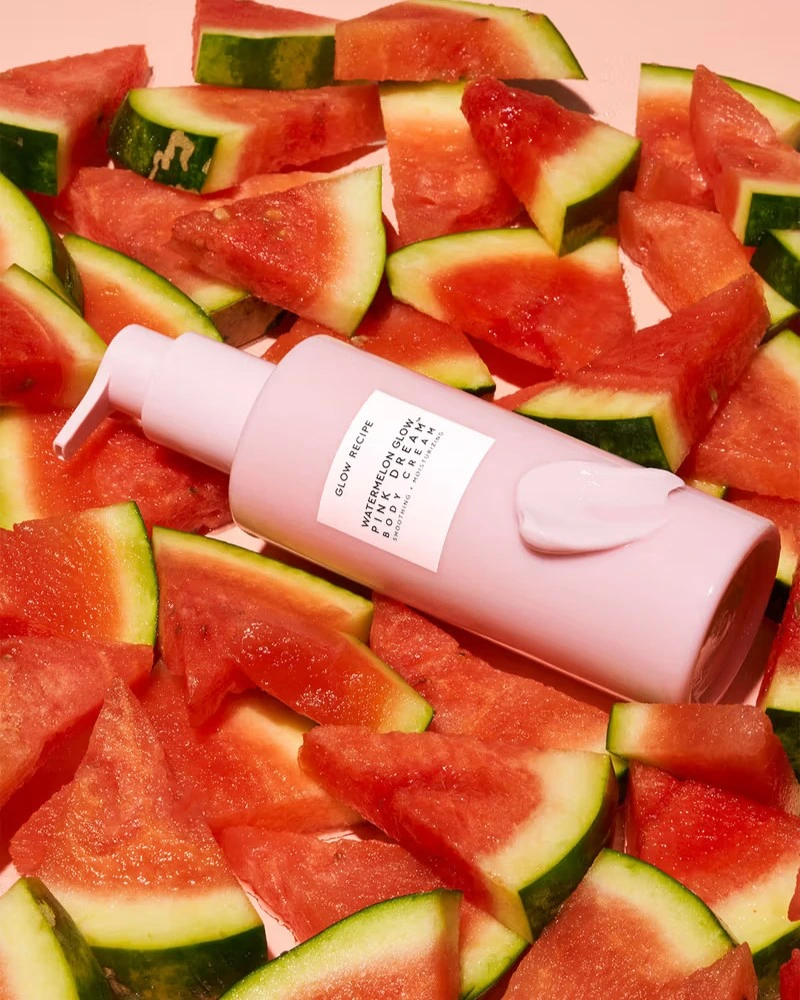
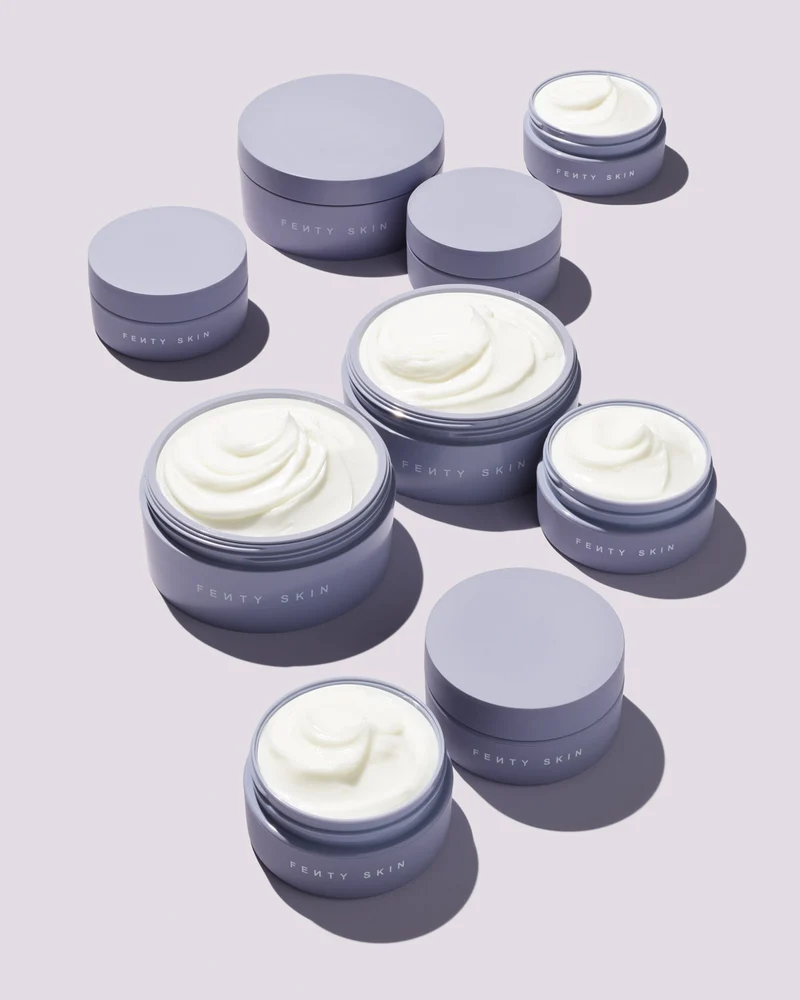
Body butters often add shea or mango butter to the same system, creating a dense cushion around the fluid seed oil. Botanical blends may pair watermelon seed oil with moringa, pomegranate, jojoba, or baobab oils, each contributing its own fatty-acid profile and sensory character.
The ingredient also has an interesting role alongside exfoliating acids. Glycolic acid and salicylic acid address rough surface buildup; watermelon seed oil adds conditioning lipids to the surrounding formula. One product can therefore smooth through exfoliation while also treating the body to an emollient finish.
Processing shapes the final character of watermelon seed oil.
Cold pressing physically extracts oil from the seed with minimal thermal processing. The finished oil can retain a natural golden tone, subtle seed aroma and a broader collection of minor plant compounds.
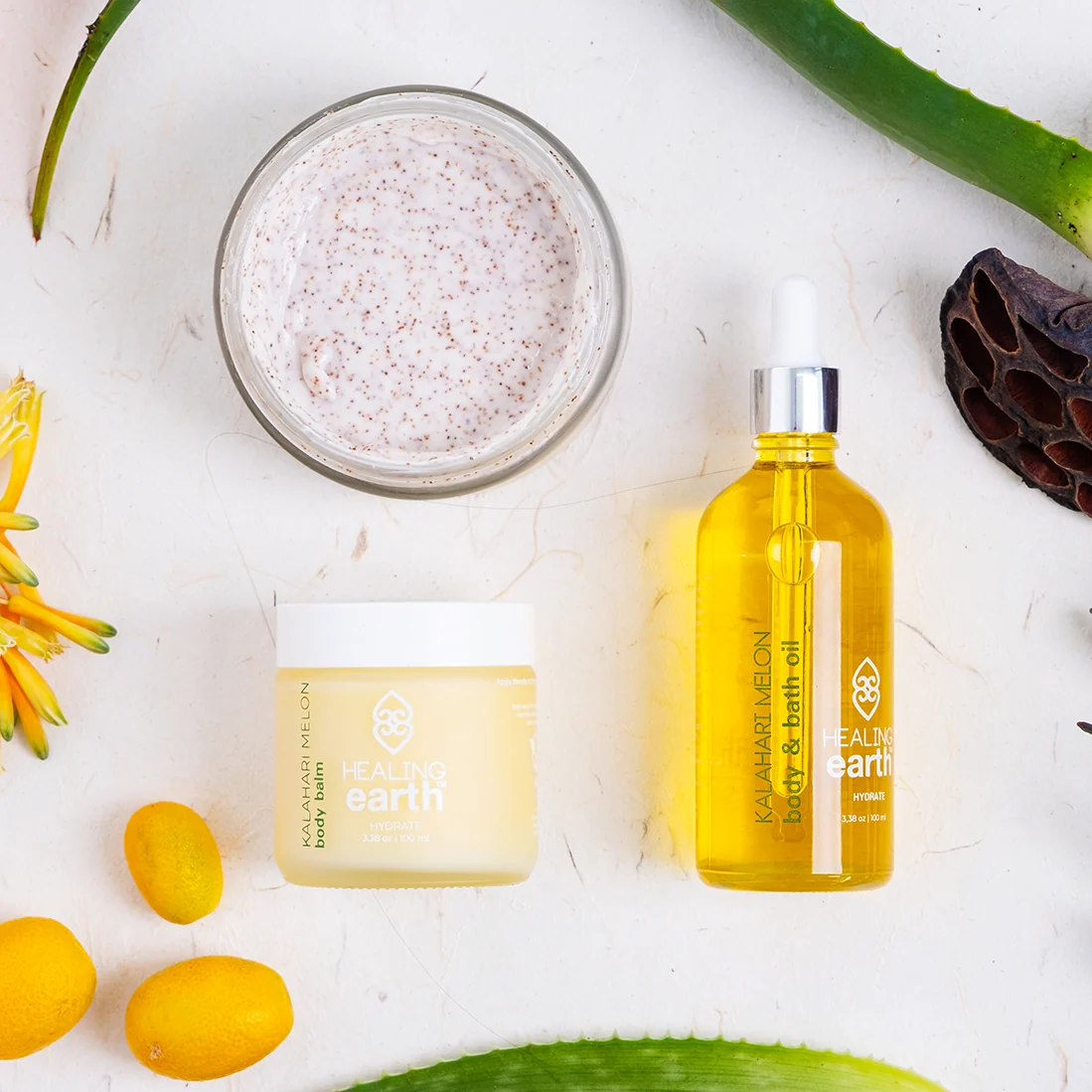
Refining produces an oil with a pale appearance, neutral scent and highly consistent sensory profile. This form fits especially well into fragranced body lotions and creams because the perfumer or formulator gains a quiet lipid base that sits comfortably behind the product's intended scent.
Both formats have useful places in body care.
The same unsaturated fatty acids that give watermelon seed oil its fluid texture also make oxidation an important formulation consideration.
Oxygen, prolonged light exposure and elevated temperatures can gradually affect the oil's quality. Over time, oxidation can change aroma and freshness.
Formulators often support watermelon seed oil with antioxidants such as tocopherol, or vitamin E, and select packaging that limits unnecessary exposure.
This also gives consumers one easy rule: keep body oils away from hot windowsills and strong direct sunlight.
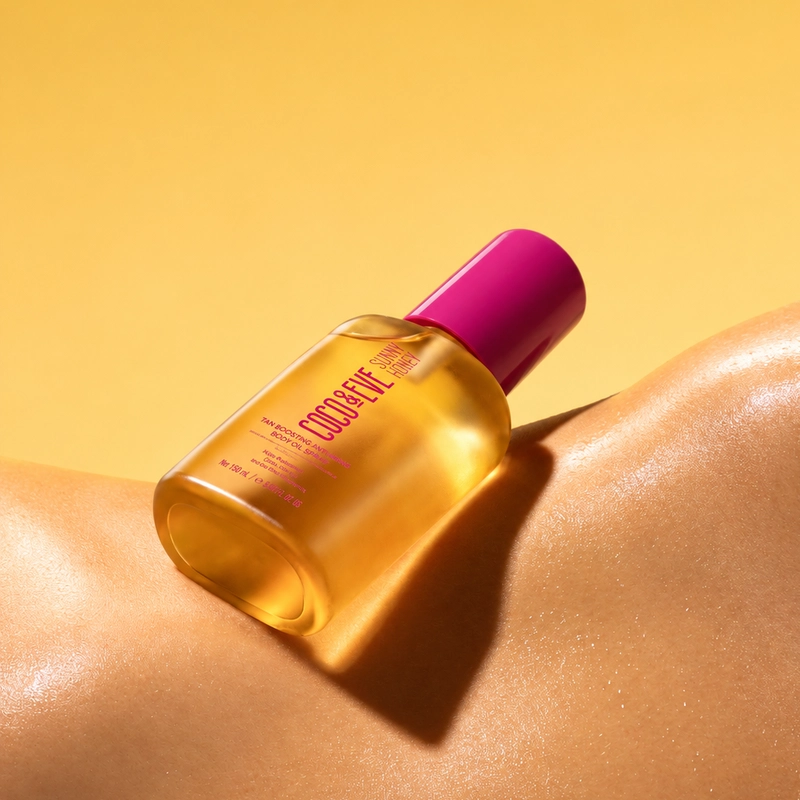
A well-made formula considers the entire life of the ingredient, from seed processing to the final bottle sitting on a bathroom shelf.
It works especially naturally for people who enjoy applying oil after showering, want comfortable hydration during warm weather or prefer a body product that spreads quickly across arms and legs. It also fits routines using exfoliating washes and lotions, where extra emollience can keep skin feeling supple.
Very dry body skin can benefit from formulas pairing watermelon seed oil with humectants, butters, and barrier-supporting ingredients. The oil becomes part of a complete moisture system with water-binding ingredients and protective lipids working together. The fruit may be famous for water. Its seeds have quietly mastered oil.
Advertisement