MENU
Close





Getting started with ceramic? First, you have to know your clay and your glaze!
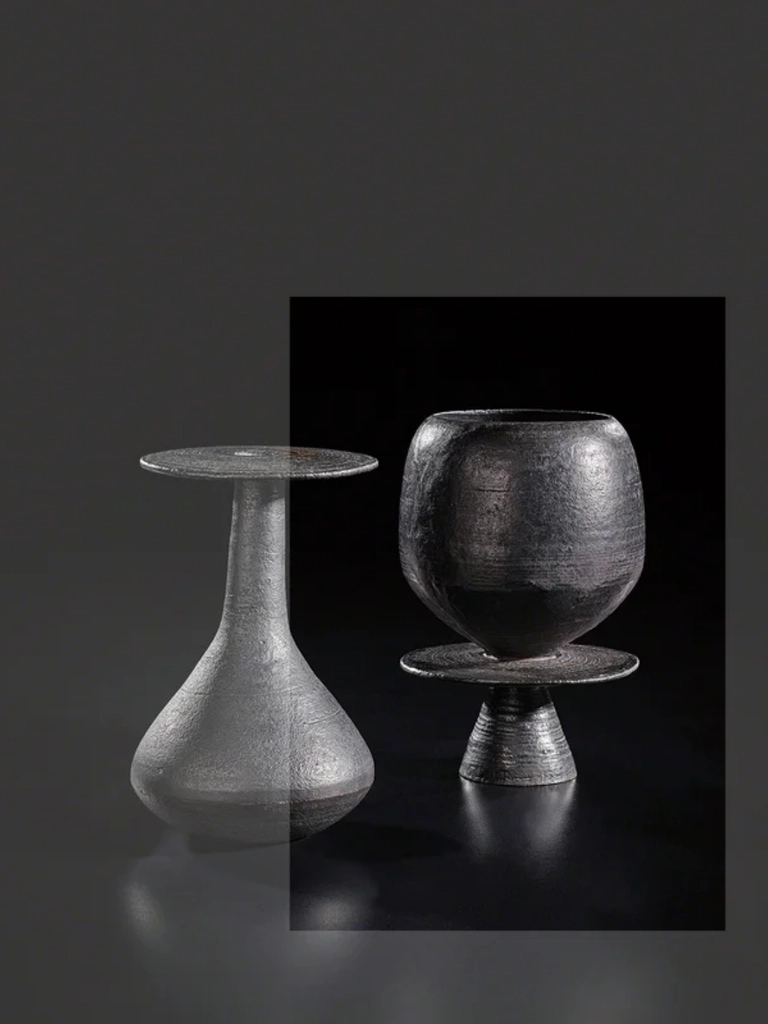
Getting started with ceramic? First, you have to know your clay and your glaze!
August 16, 2026


Any attempt to understand ceramic art requires looking beneath decoration and silhouette. Clay composition, firing temperature, porosity, atmosphere and glaze chemistry determine much of what eventually reaches the eye.
This is why two apparently similar white cups can belong to entirely different material traditions. One may be porcelain fired above 1,200°C until almost glass-like. Another may be bone china, strengthened and softened visually through calcined bone ash. A rustic red vessel and a glossy majolica plate may both begin with low-fired earthenware, while their surfaces tell completely different cultural stories.
Ceramic classification therefore operates through several overlapping systems. Some names describe the clay body itself. Others describe glaze chemistry, firing method, decoration or production technique. Together they form a vocabulary that stretches from prehistoric pottery to contemporary collectible design.
The clearest place to begin is with firing temperature.
The oldest foundation of ceramic production. Earthenware is fired at roughly 950 to 1100°C. It remains somewhat porous after firing. Its colour depends heavily on mineral composition, particularly iron, producing bodies that range from creamy buff to familiar brick red. Archaeological examples stretch back to at least 14,000 BCE, giving earthenware a history that reaches far beyond the decorative arts into cooking, storage, ritual objects, figurines and architecture.
Its low-temperature firing also gives makers decorative freedom. Coloured slips, underglaze painting and lustre can mature within the earthenware firing range. Because the body itself remains porous, functional pieces generally rely on glaze or another sealant when watertightness is required.
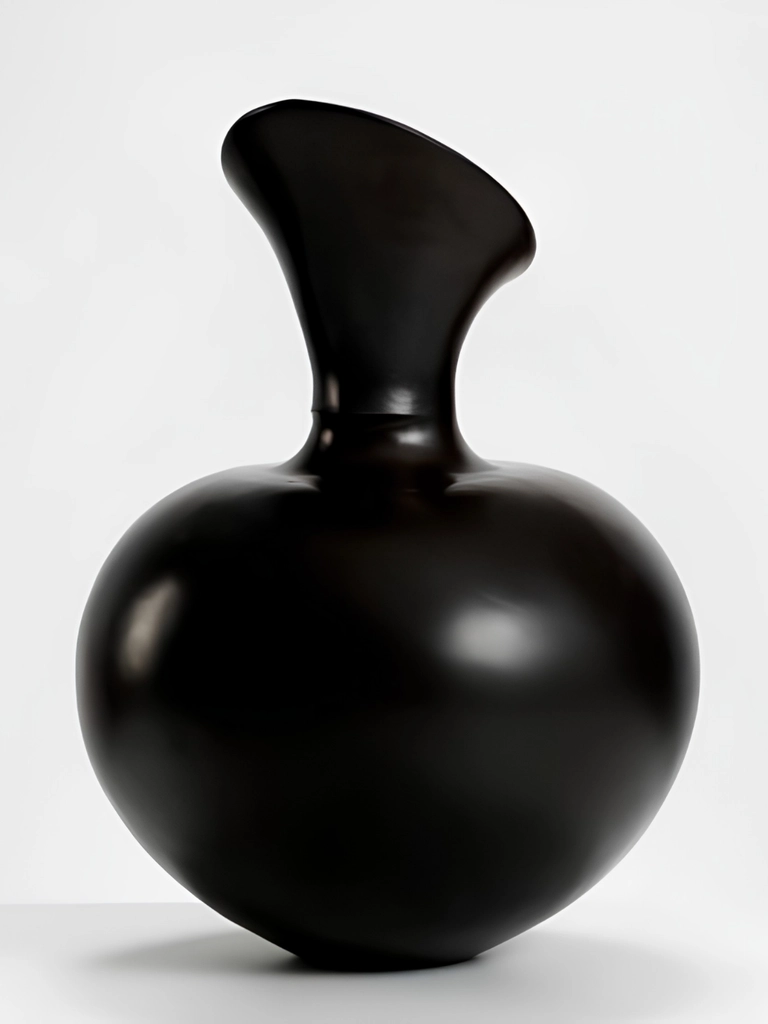
Terracotta belongs to this broad earthenware family, although its identity is so visually distinctive that it has developed a category of its own. Rich in iron, terracotta typically fires between 1000 and 1080°C and takes on deep oranges and brick reds. Its appeal frequently lies in what remains exposed: matte clay surfaces, hand-tooling, burnished areas and the gradual patina created by weather and use.
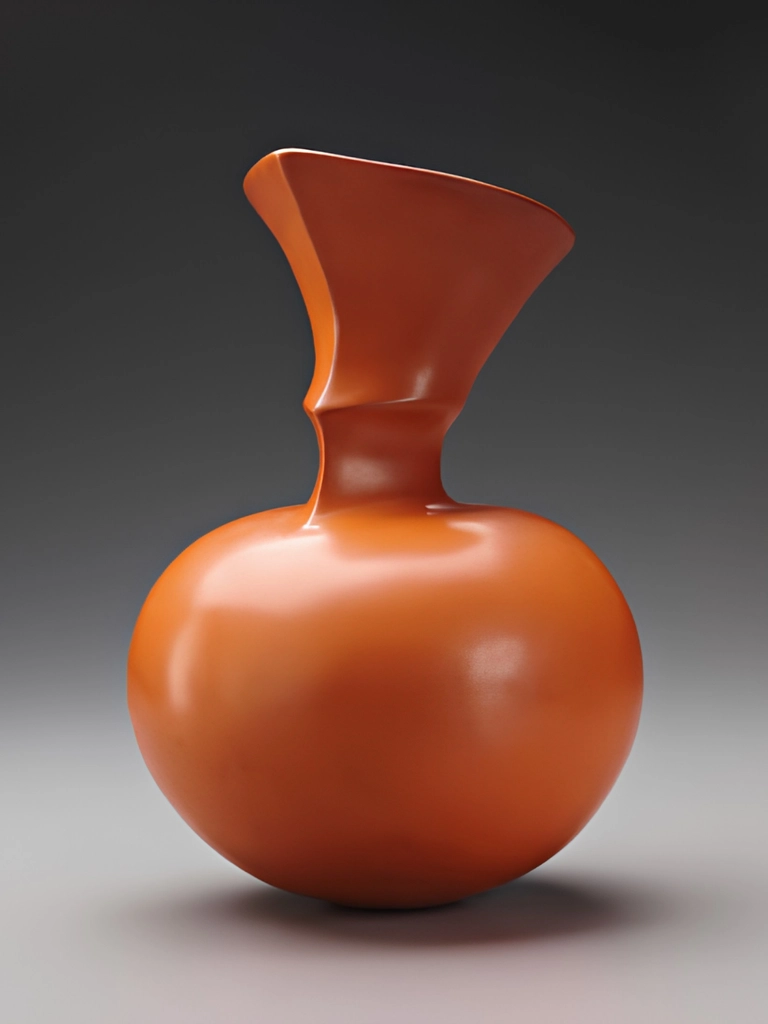
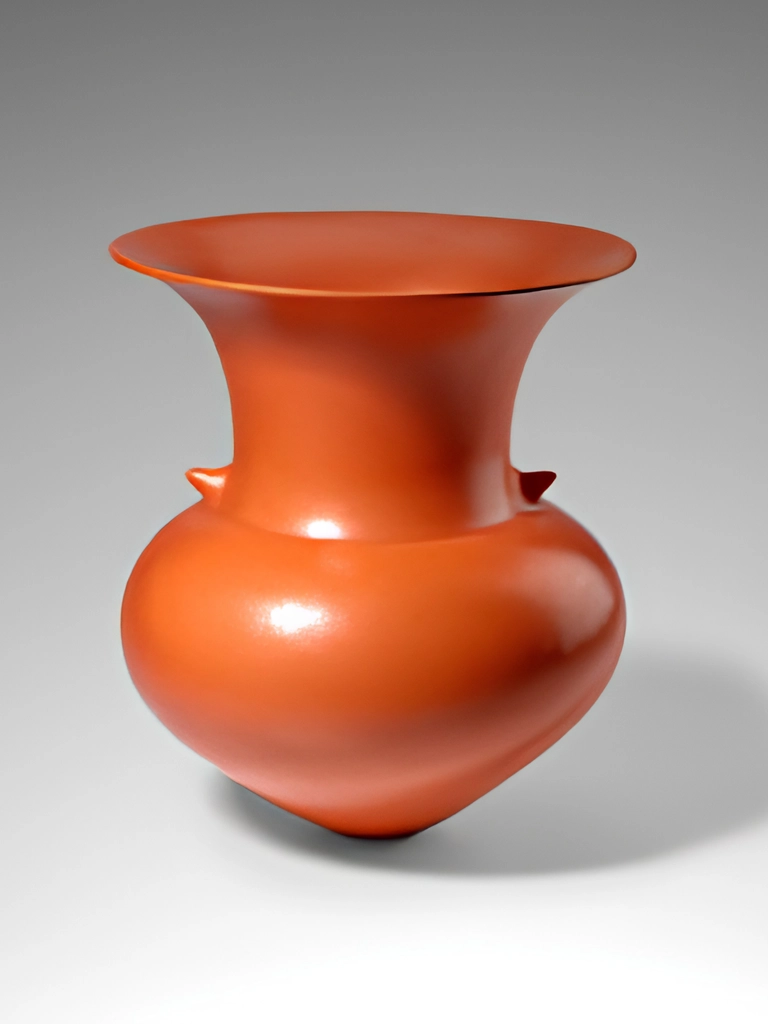
That vulnerability to atmosphere is part of terracotta's visual life. Lime deposits, moss and subtle surface blooms can accumulate over time, making ageing visible in a way that highly vitrified ceramics rarely allow. From Neolithic vessels to the Chinese Terracotta Army and Italian garden pots, terracotta demonstrates how deeply ceramic history is connected to architecture, landscape and daily life.
Generally fired around 1180 to 1280°C, stoneware becomes semi-vitreous or fully vitreous. Its dense body absorbs far less water and withstands the stresses of daily use well, explaining its long association with bowls, jugs, bottles, mugs and kitchen vessels. The clay can range from warm buff to grey, frequently retaining flecks of iron or grog that become part of its visual identity.
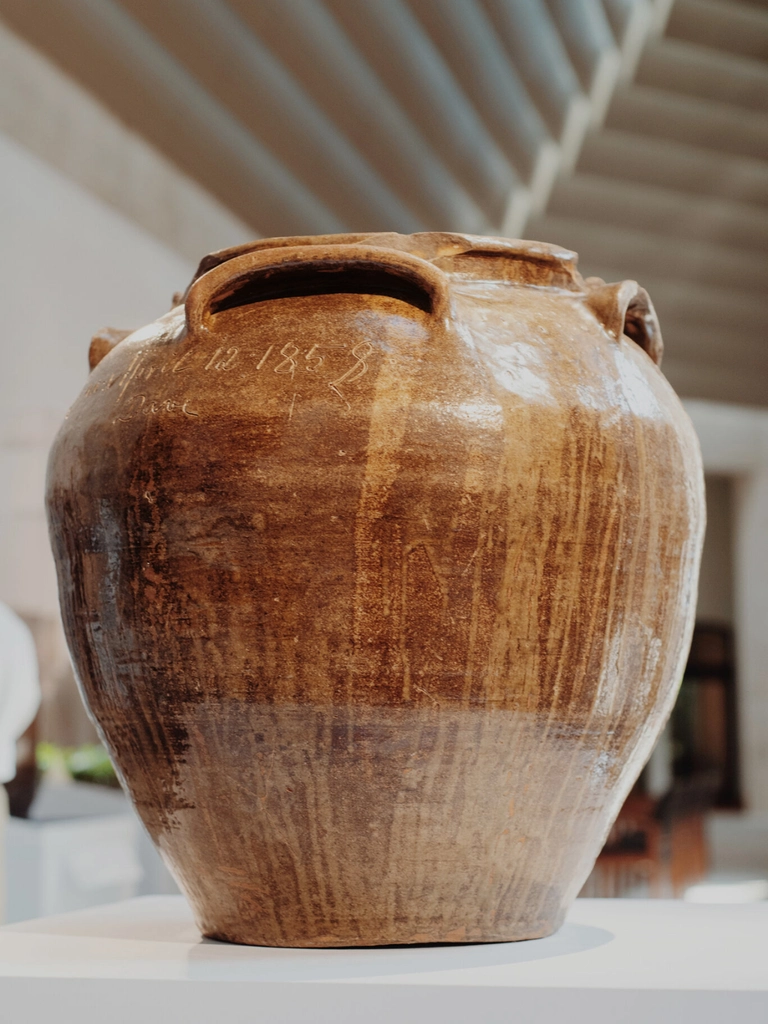
Stoneware also responds dramatically to atmospheric firing. Wood, soda and salt kilns can create flame marks, flashes and ash deposits that record what occurred inside the kiln. Here, firing becomes part of the surface design itself.
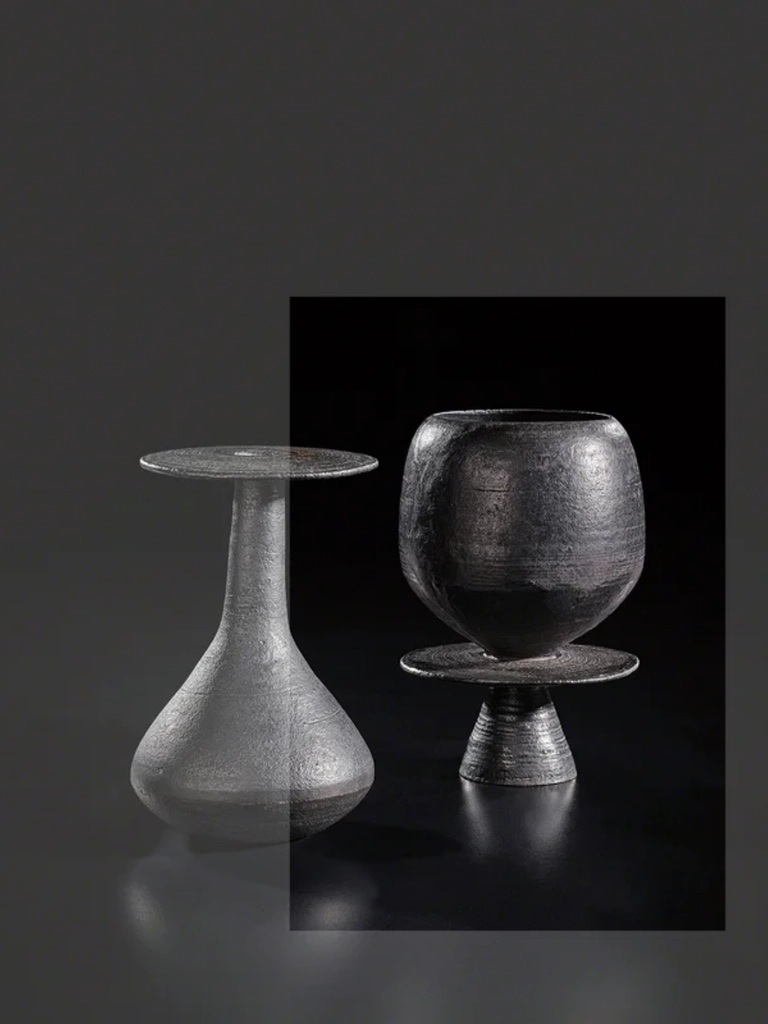
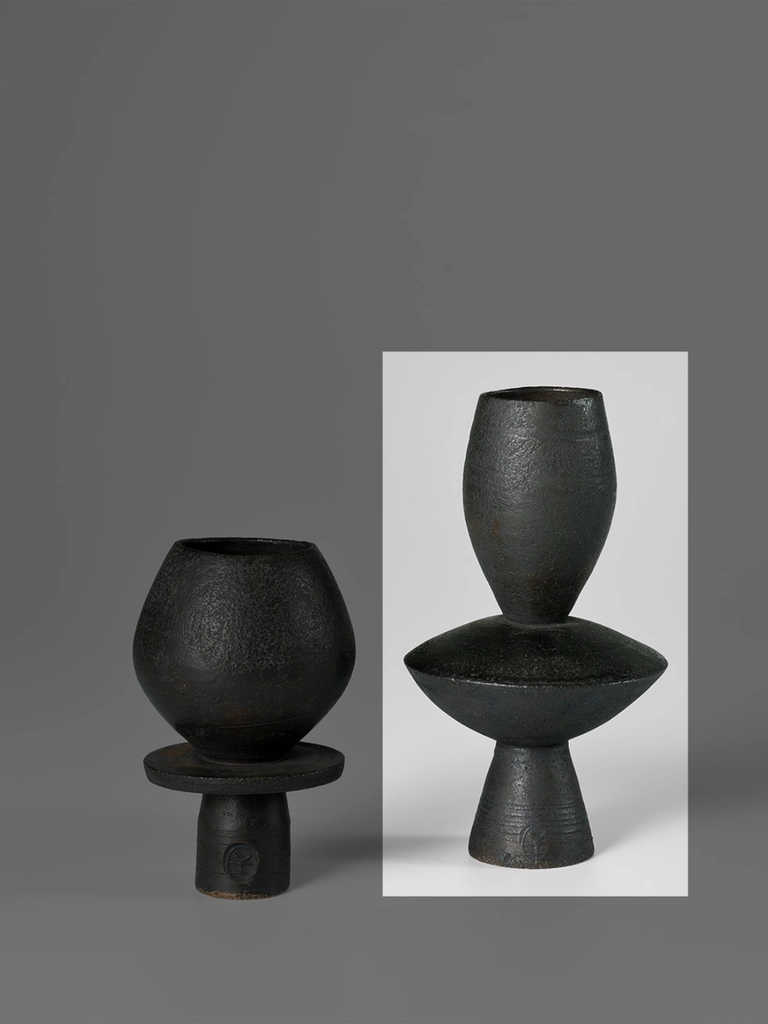
Perhaps the most culturally mythologised ceramic body of all, porcelain combines a high proportion of kaolin with very low impurity levels. Fired between approximately 1240 and 1400°C, it vitrifies almost completely, producing extraordinary density, whiteness and, when thin enough, translucency. A fine porcelain vessel can allow light to glow through its walls while producing the clear sustained ring traditionally associated with highly fired ceramic bodies.
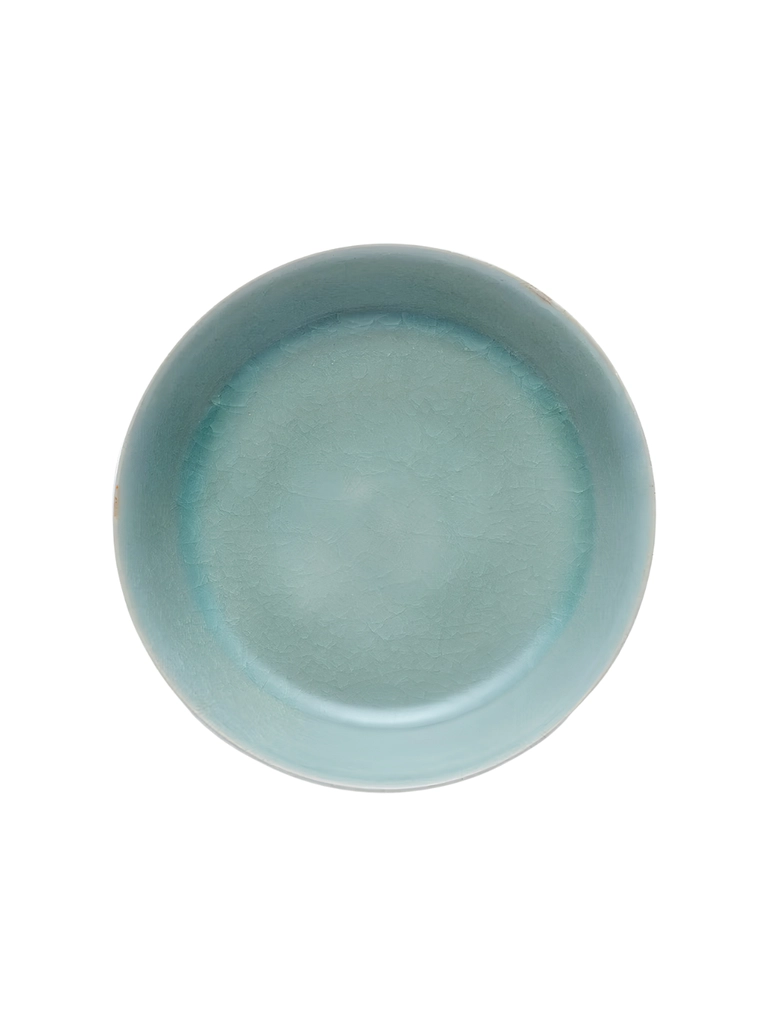
Its elegance comes with technical sensitivity. Porcelain has relatively little "tooth", so forming, drying and firing demand close control. Uneven moisture can invite cracking or warping, while delicate rims require careful support during high-temperature firing.
This difficulty helped turn porcelain into a historic symbol of technical mastery. Imperial Chinese production established an extraordinarily influential standard, and European factories later built their own reputations around mastering comparable white ceramic bodies.
Eighteenth-century England produced another important development: bone china.
Its formula incorporates calcined cattle bone ash alongside kaolin and feldspathic fluxes. Bone ash typically makes up around 20 to 45 percent of the body, helping create its characteristic creamy translucency and strength. Bone china matures at roughly 1180 to 1250°C, below the upper firing temperatures associated with hard-paste porcelain.
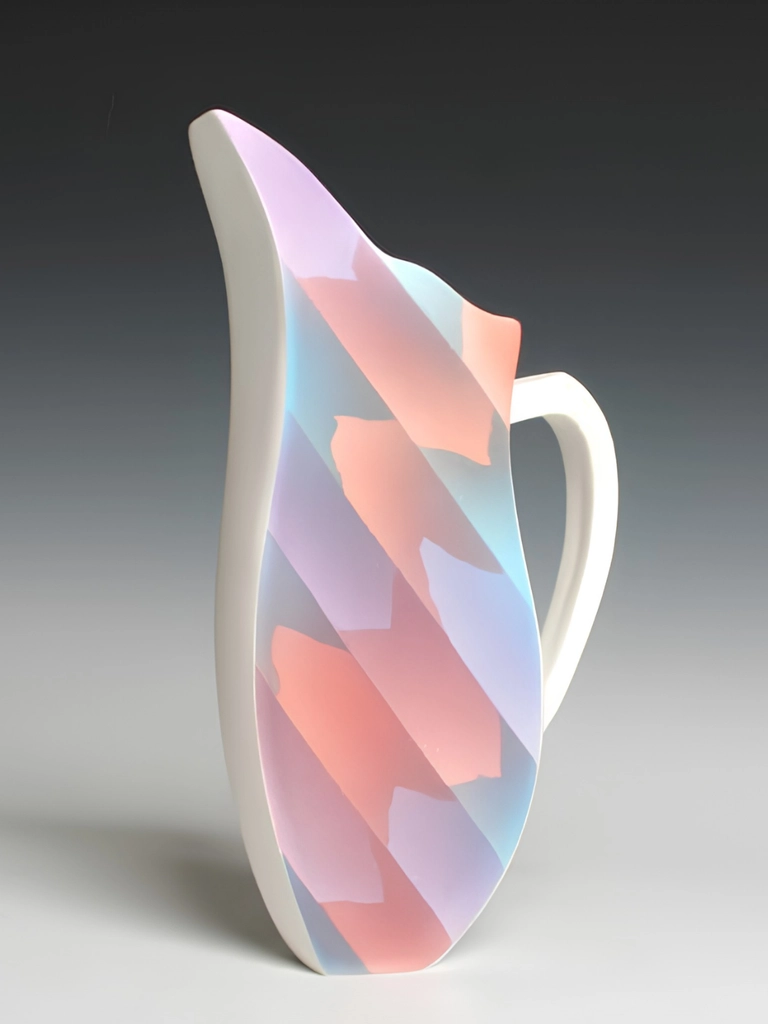
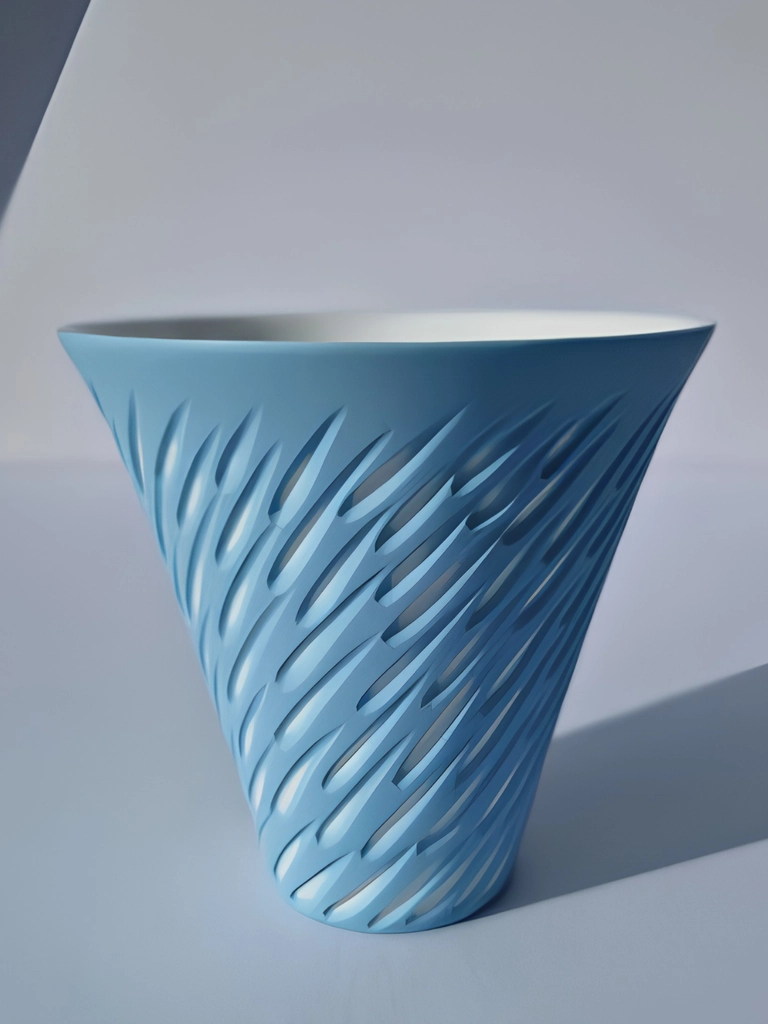
Viewed beside porcelain, the difference can be remarkably subtle until light and colour enter the comparison. Bone china often carries a warmer ivory cast, while porcelain tends toward a cooler white.
Its physical qualities encouraged extraordinarily thin tableware and finely detailed slip-cast pieces. The material later moved into lighting and jewellery, areas where translucency can become a functional part of the design.
For collectors, this material identity matters. Uniform translucency can indicate even distribution of bone ash, while hallmarks and backstamps provide essential evidence of origin. Historic makers including Royal Doulton, Wedgwood and Spode helped transform bone china into a language of British table culture and formal dining.
Clay bodies only explain part of ceramic history. Some of its most famous identities come from surface treatment.
Majolica and faience begin with earthenware, then radically change its appearance through an opaque tin glaze. The white glazed surface gives painters a luminous ground onto which cobalt blue, copper green, manganese purple, antimony yellow and iron red can be applied.
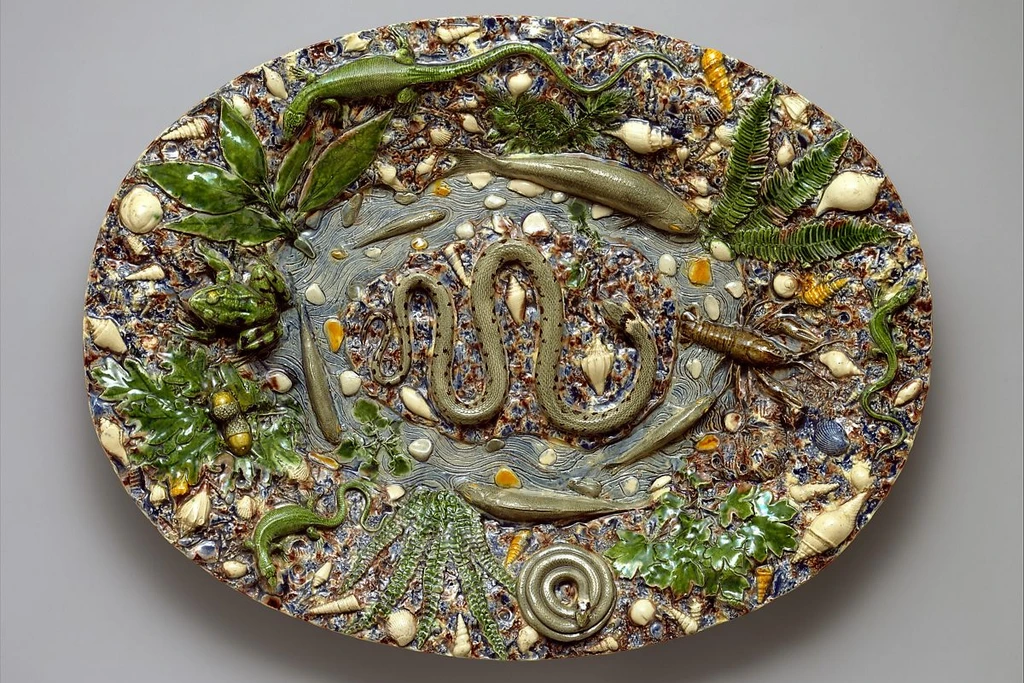
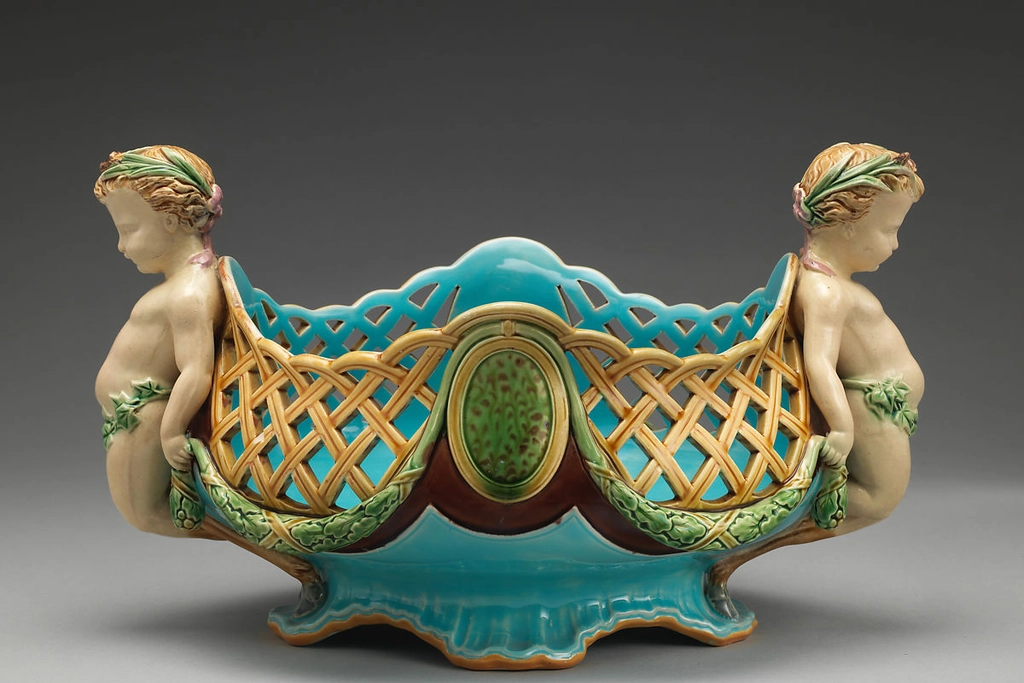
The technique effectively turns pottery into a painted surface.
Historically, this was enormously significant. An ordinary buff-coloured clay body could suddenly carry vivid figurative scenes, heraldic motifs, flowers, landscapes and elaborate geometric ornament. Centres including Deruta, Delft, Talavera de Puebla and Rouen developed highly recognisable regional vocabularies around the process.
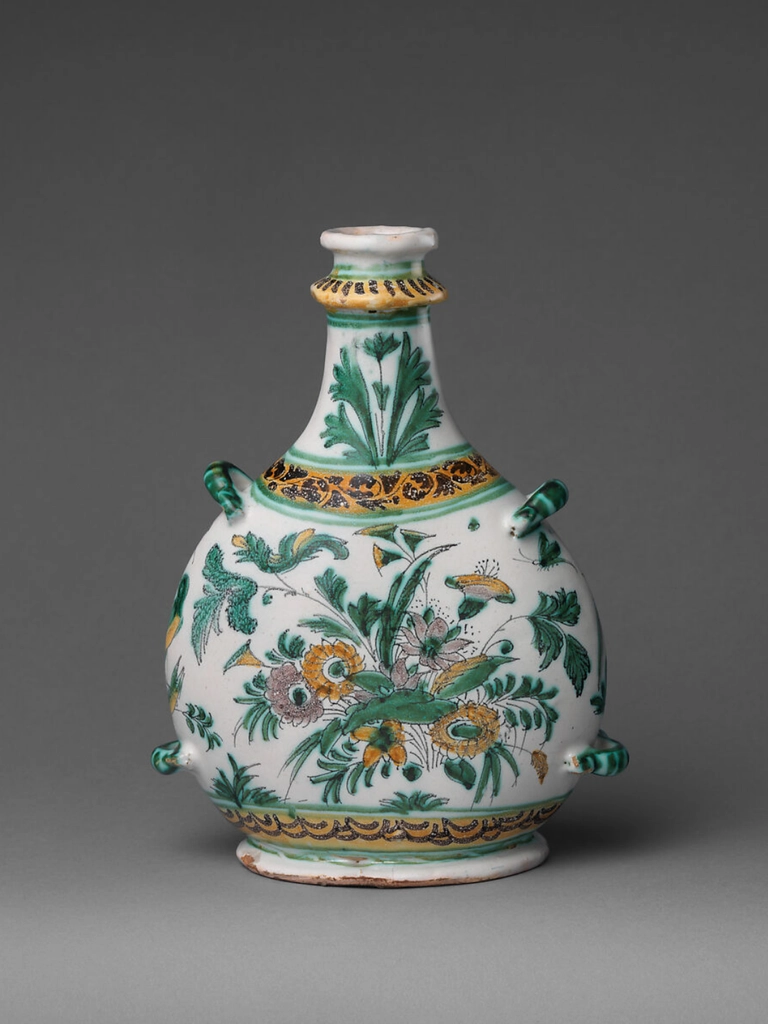
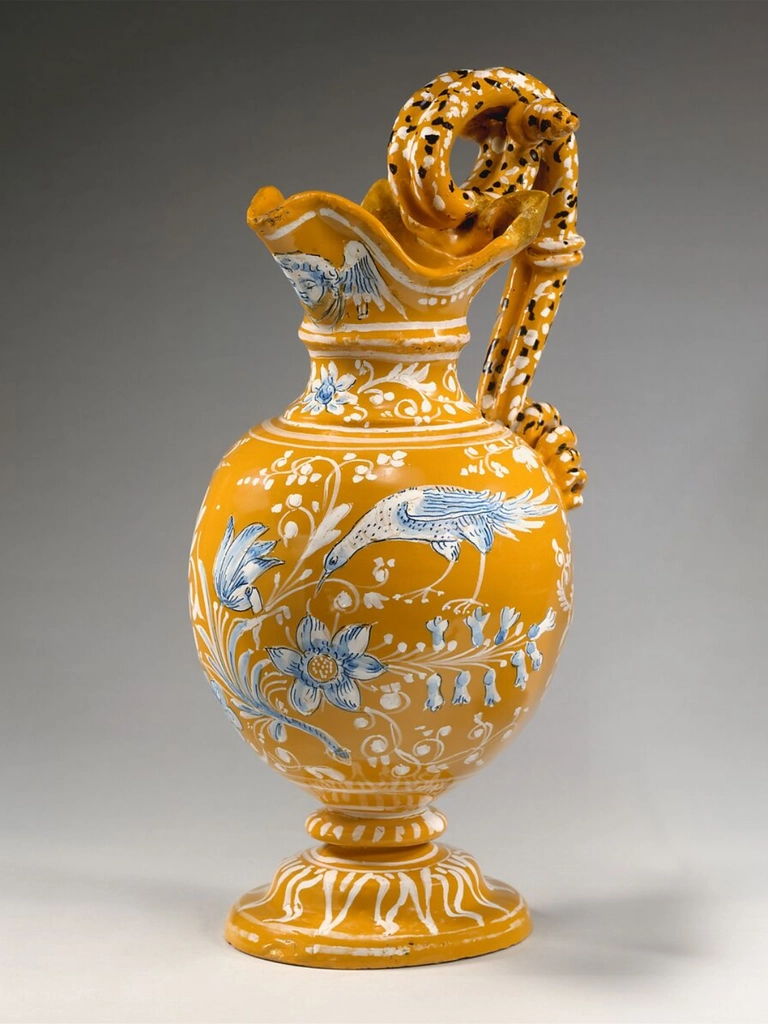
The slight crazing often visible across old tin-glazed surfaces can become part of their material character. Turn such a piece over and the unglazed foot frequently reveals the humble earthenware body underneath the brilliant painted façade.
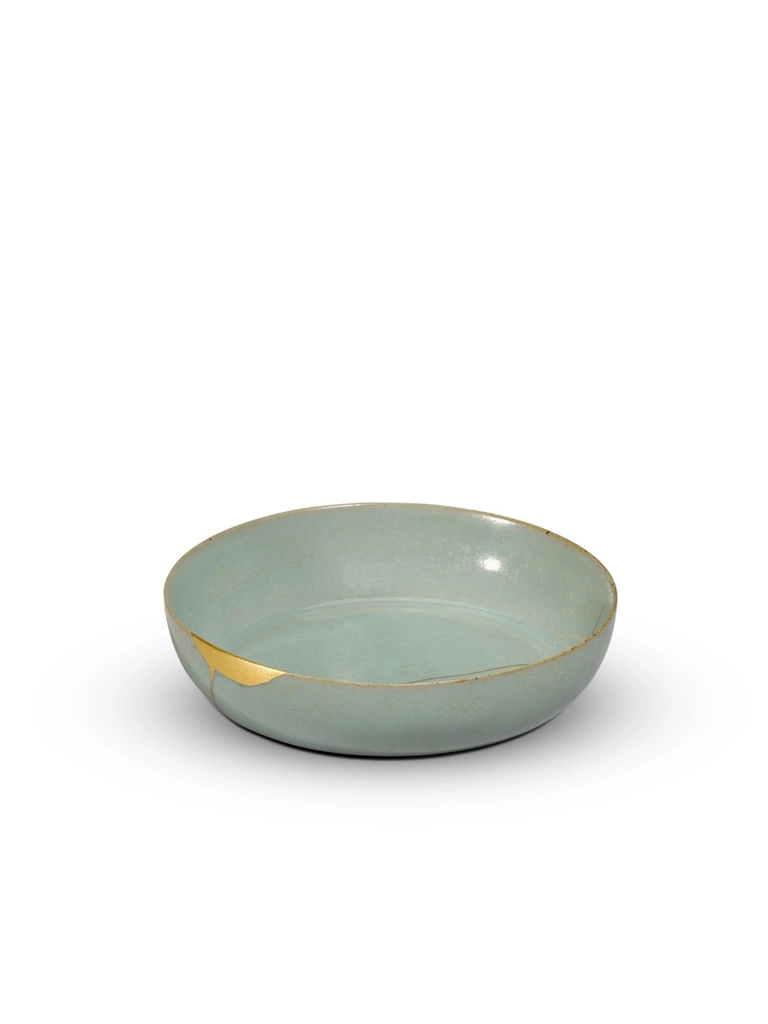
At first glance, celadon appears restrained. Technically, that serenity demands extraordinary precision.
A small amount of iron oxide in the glaze, approximately 0.5 percent according to the supplied source, can create colours ranging from quiet grey-green to pale blue-green when fired under carefully controlled reduction conditions. Historically associated with Chinese Song-dynasty ceramics and later with Korean and Japanese kilns, celadon became renowned for surfaces reminiscent of jade.
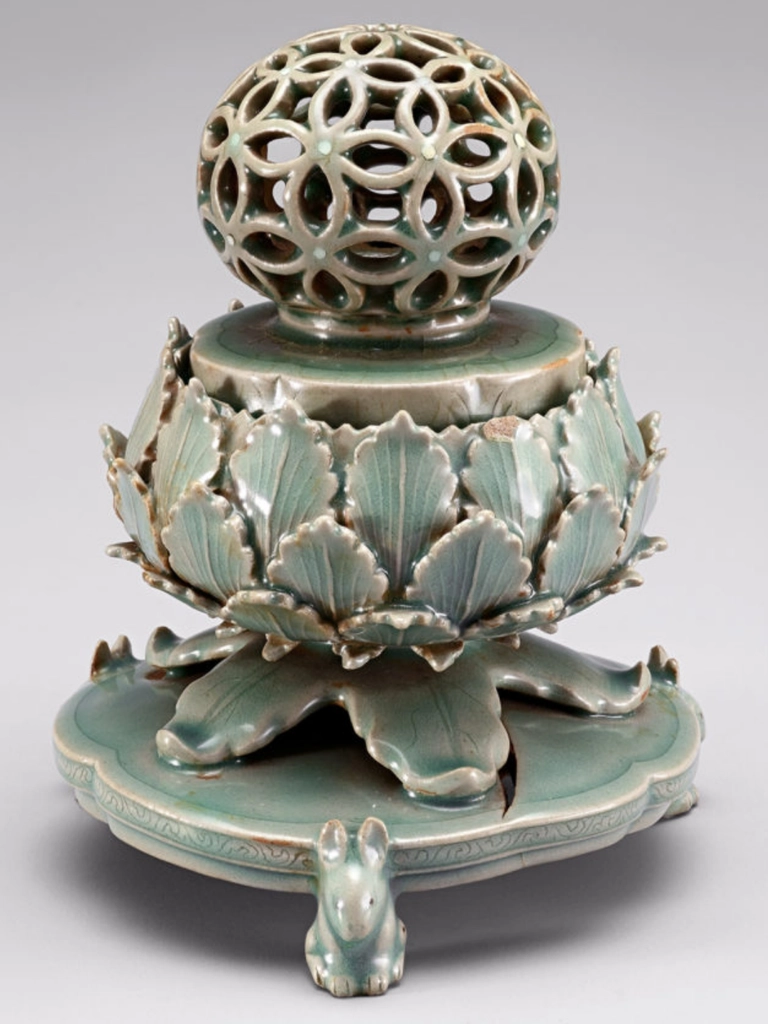
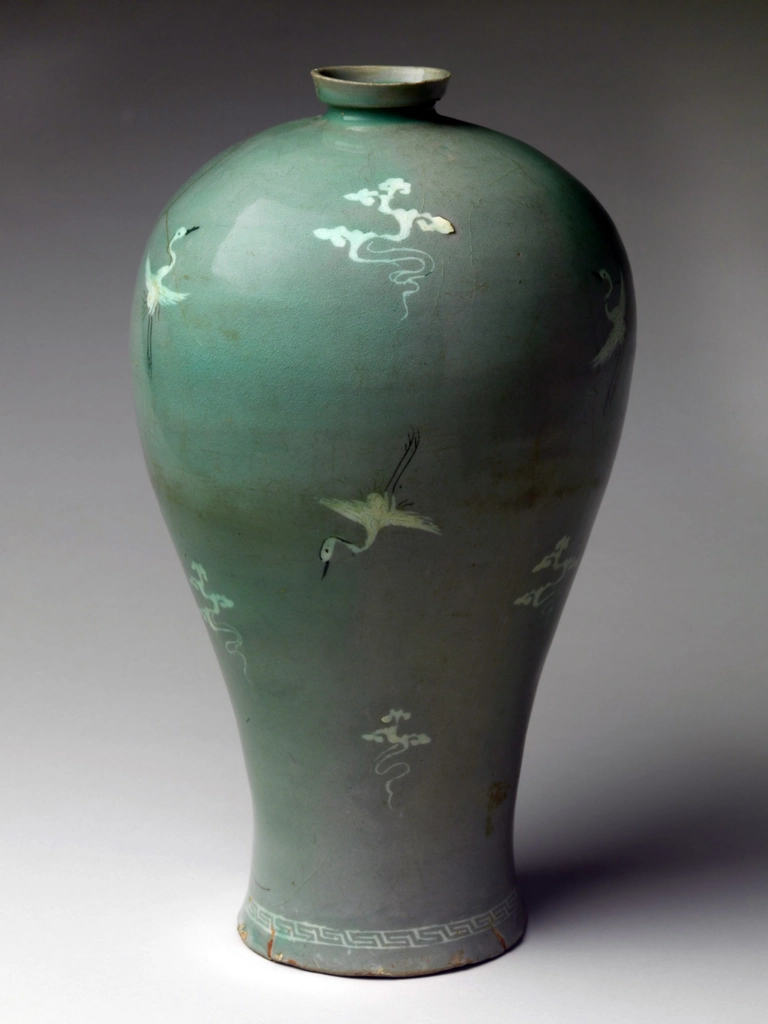
The glaze is often semi-translucent, allowing carved or moulded decoration below it to remain visible. Patterns seem suspended beneath a glassy layer, giving the ceramic unusual visual depth.
Here, colour emerges through chemistry, atmosphere and temperature. Trace contamination in the clay can muddy the glaze. Cooling speed can alter colour and crackle. The aesthetic calm of finished celadon therefore disguises an intensely technical process.
Few ceramic aesthetics travelled as widely as blue-and-white ware.
Its formula appears simple: porcelain or pale stoneware, cobalt decoration and transparent glaze. Yet cobalt oxide has one crucial property. It can retain a strong blue colour at temperatures above 1280°C, making it particularly suited to high-fired ceramics.
Jingdezhen became one of the most celebrated historic centres for blue-and-white porcelain. From China, the visual language travelled through trade, collecting and imitation. Delft in the Netherlands, Staffordshire in England and Arita in Japan developed their own relationships with the palette.
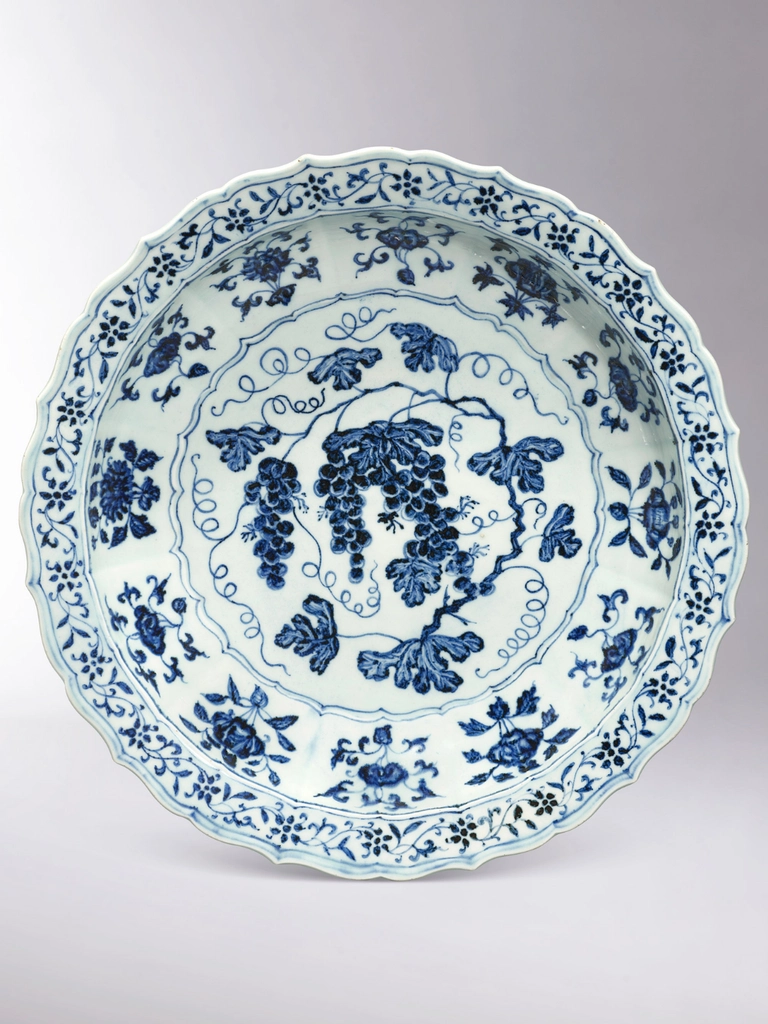
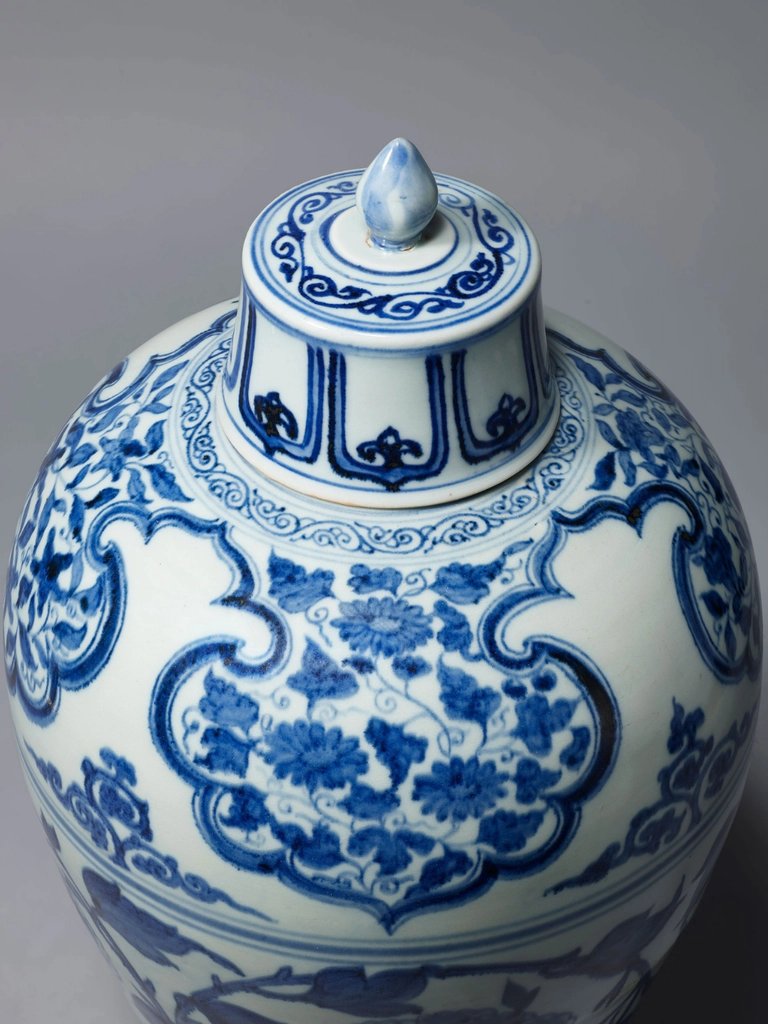
The result is one of ceramic history's clearest examples of visual migration. Cobalt motifs shifted between markets, techniques and cultures while the basic blue-on-white contrast remained immediately legible.
Industrialisation expanded to reach further. Transfer printing, developed around the mid-18th century, allowed engraved copper plates to reproduce patterns more efficiently than individual brush painting. What began as an artisanal decorative language could now circulate through mass-produced tableware.
With salt-glazed stoneware, glaze can be introduced through the atmosphere itself.
Rock salt enters a kiln at around 1200°C. Sodium vapour reacts with silica in the clay, creating a thin glassy surface characterised by its famous "orange-peel" texture. The glaze appears wherever vapour reaches the clay, while sheltered areas and foot rings may retain rougher matte surfaces.
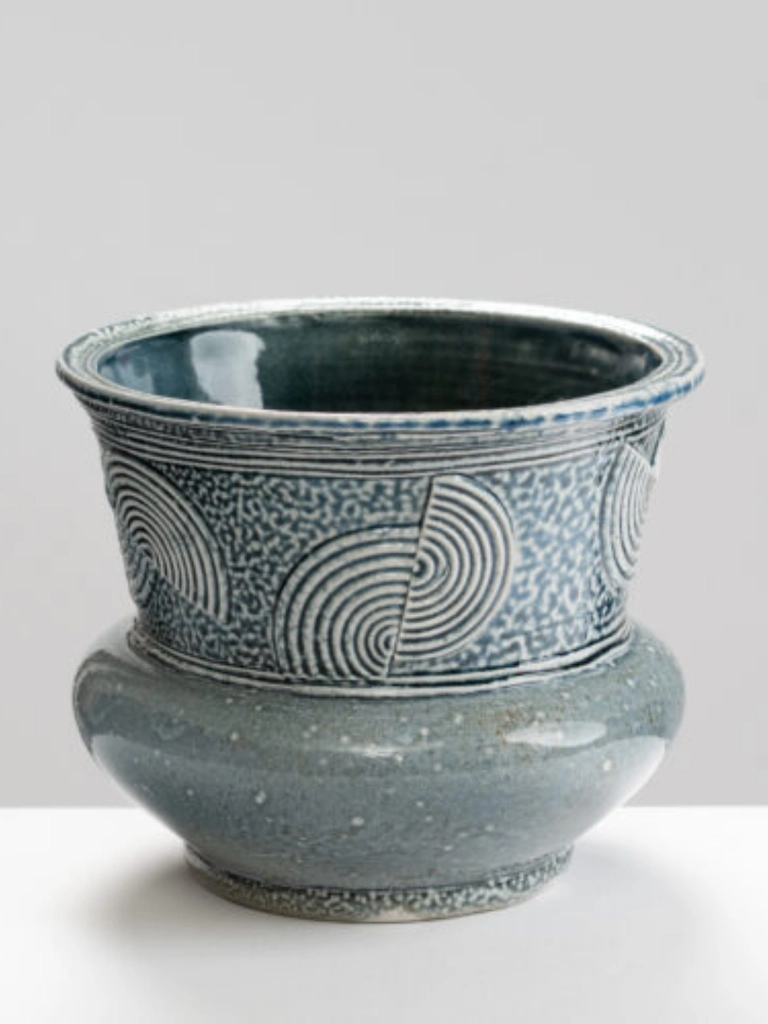
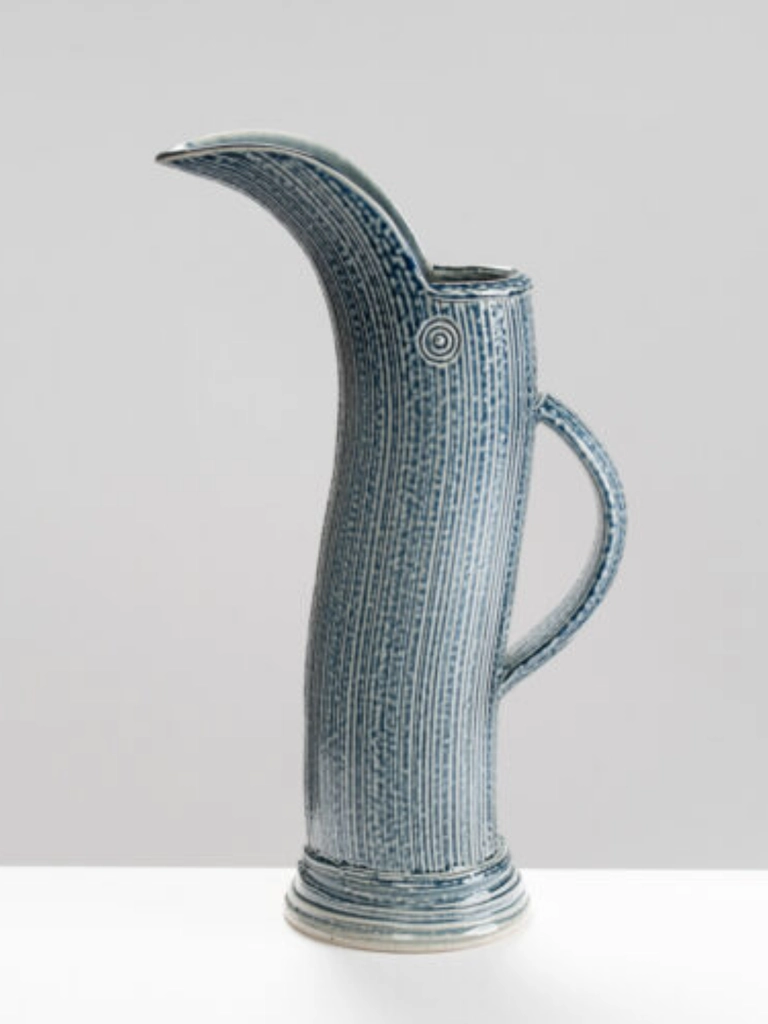
Historically, this durable treatment became associated with German beer steins, English jugs and utilitarian storage vessels. Cobalt sprigs and relief decorations often punctuated the warm buff and brown surfaces.
For collectors, these firing traces are part of the appeal. Glaze pooling around raised motifs, uneven atmospheric effects and exposed stoneware at the foot can reveal how closely the final appearance was shaped by its position inside the kiln.
Few processes make the drama of firing as visible as raku.
Originating in 16th-century Kyoto within the culture of the wabi-cha tea ceremony, raku developed around an unusually direct relationship between maker, kiln and finished object. Pieces may be removed while glowing at approximately 980°C before undergoing rapid cooling or reduction.
Contemporary Western raku often intensifies this theatricality. Hot vessels are placed into containers with combustible materials such as sawdust, paper or leaves. Smoke blackens exposed clay, while reduction affects metallic glazes and crackle patterns.
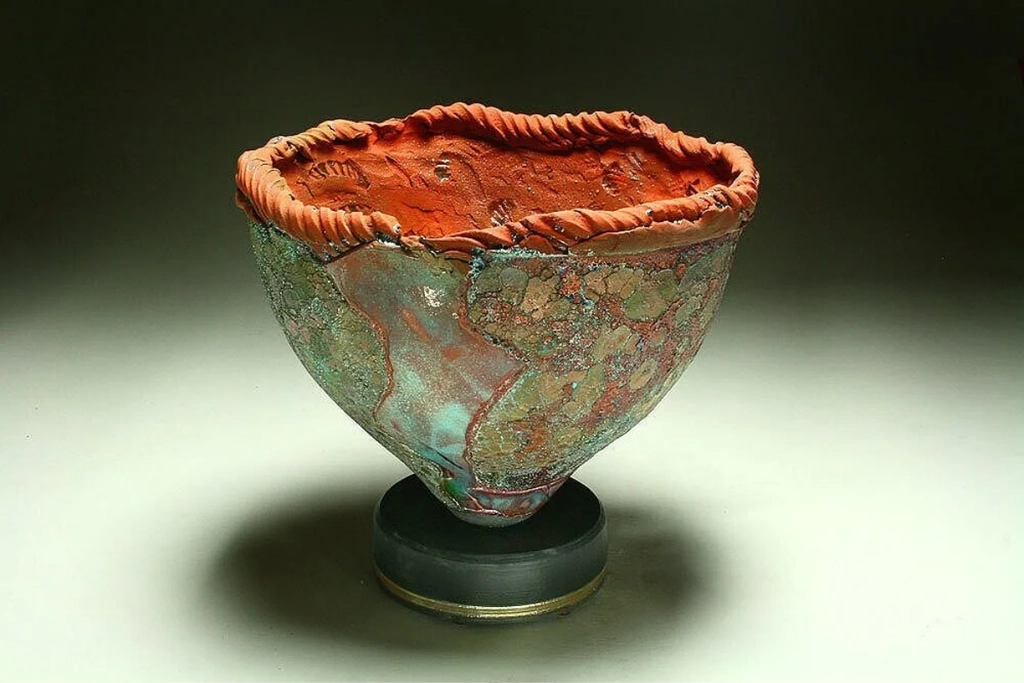
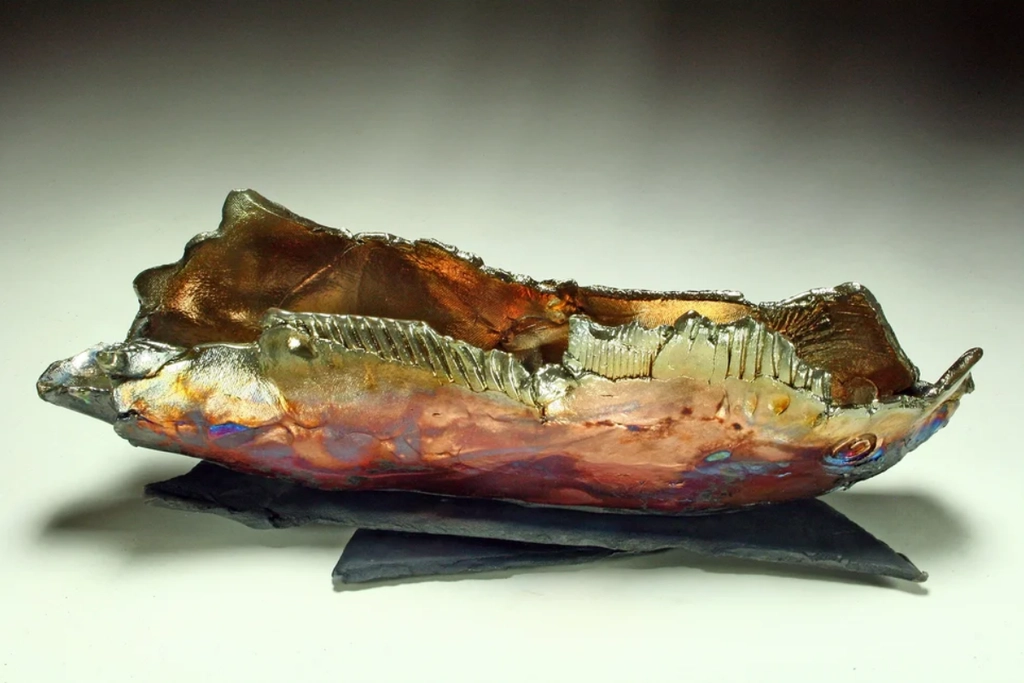
Every surface becomes evidence of a particular firing moment. Smoke trails, carbonised areas, tong marks and unpredictable metallic flashes turn process into ornament.
That unpredictability has helped raku retain a special position within studio ceramics. The finished piece records heat almost like a photograph records light.
Ceramic decoration can also remain remarkably close to the clay itself.
In sgraffito, a maker covers leather-hard clay with coloured slip and then cuts through that layer, exposing the body underneath. The resulting image is created through subtraction, with carved lines separating contrasting colours.
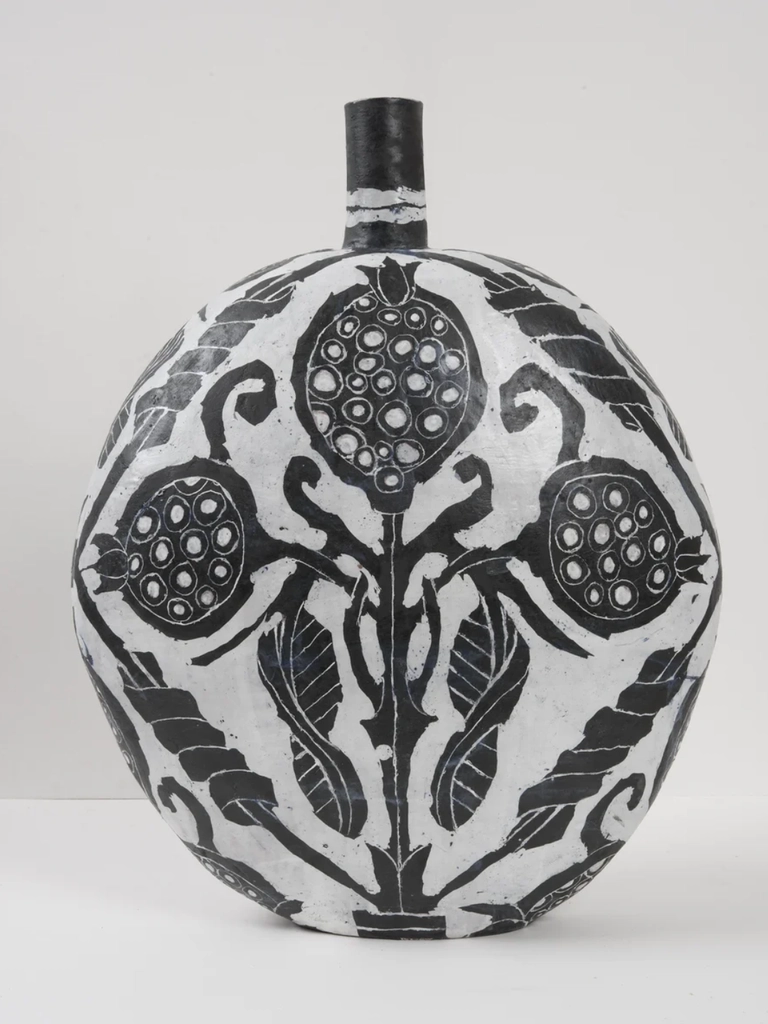
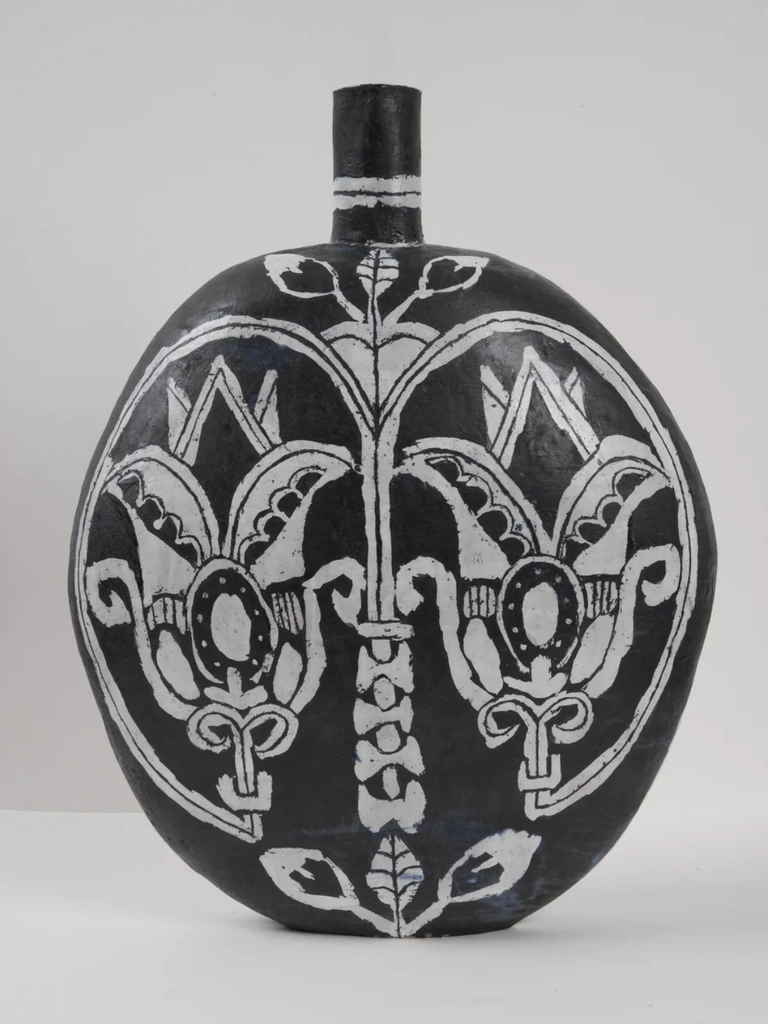
Slip trailing moves in the opposite direction. Liquid clay is applied through a fine nozzle to form raised dots, lines and scrolls. The process resembles piping icing, although controlling the consistency of the slip is critical to producing clean relief.
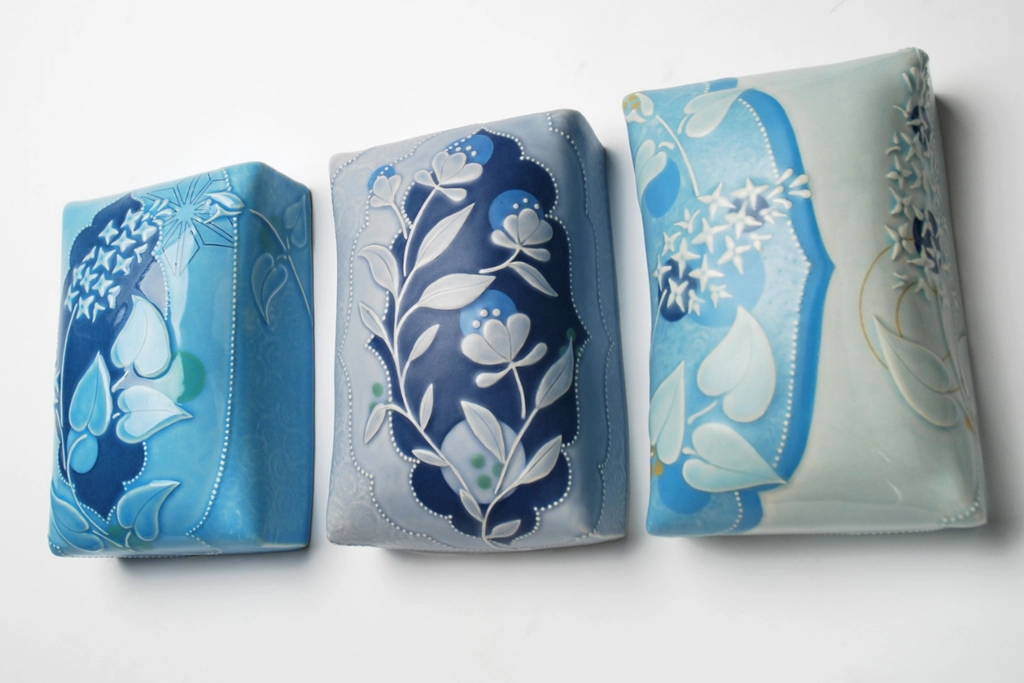
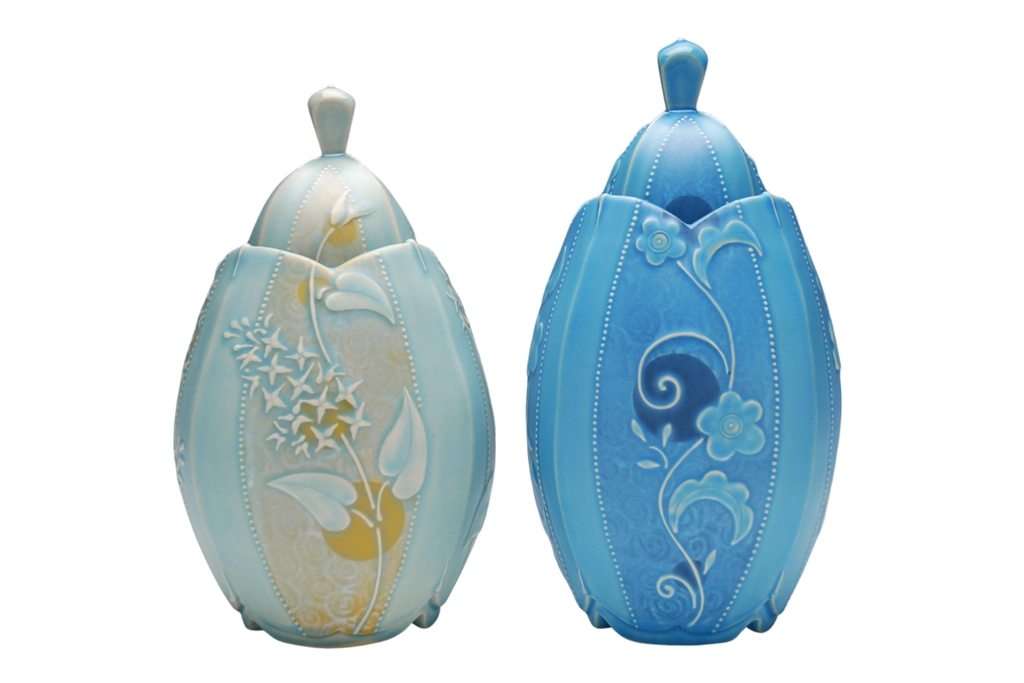
Both techniques prove that ceramic decoration can operate through material depth. An image can be carved into the body, built above it, sealed beneath glaze or left tactile enough to register under a fingertip.
Historic English harvest jugs demonstrate the longevity of slip decoration, while contemporary studio pottery continues to reinvent both processes through figurative drawing, graphic pattern and folk-inspired imagery.
Ceramic art also occupies an intriguing territory between unique handmade object and repeatable industrial form.
Slipcasting illustrates that relationship particularly well.
Liquid clay, known as slip, is poured into absorbent plaster moulds. The plaster gradually pulls water from the mixture, allowing clay to build against the mould wall. Excess slip is poured away, leaving a hollow shell that stiffens before removal. Wall thickness depends largely on how long the slip remains in the mould.
This process makes precise repetition possible, from tableware to complex sculptural objects. It also allows extremely thin walls, including delicate bone-china lighting forms measuring only a few millimetres.
Repeatability, however, does not erase craftsmanship. Mould design, seam finishing, fettling, handle attachment, drying and glaze application can still reveal the quality of an individual studio or maker.
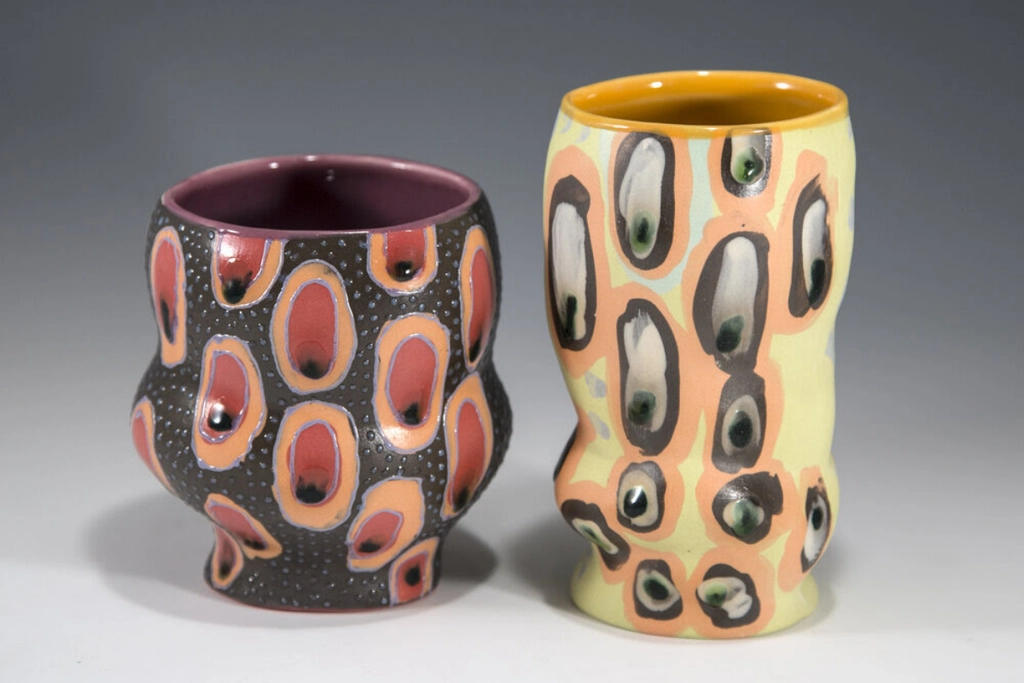
For contemporary collectors, edition size and finishing therefore become important. Slipcasting demonstrates how ceramic value can emerge through design discipline and controlled production as strongly as through the visible gesture of hand throwing.
Earthenware carries the memory of porous earth. Terracotta makes iron visible. Stoneware pushes clay toward vitrification. Porcelain turns mineral refinement into translucency. Bone china introduces another chemistry of light. Tin glaze produces a surface for painting. Celadon asks iron to become jade-like green. Salt enters the kiln as vapour. Raku invites smoke to leave its signature. Sgraffito cuts images into the clay itself.
The kiln connects all of them.
Every finished ceramic object is therefore both designed and transformed. A maker can choose the clay, prepare the glaze, control the atmosphere and calculate the firing schedule, yet heat remains an active participant. That tension between control and transformation may explain why ceramics have survived every shift from prehistoric utility through imperial luxury, industrial manufacturing and contemporary studio practice.
A vessel can begin as mud and end as something translucent enough to hold light. Few materials make transformation quite so literal like ceramic.