MENU
Close





The Asian zodiac has moved far beyond the annual Lunar New Year charm. Talisman jewelry is turning ancient symbols of the zodiac into objects of contemporary luxury, personal enough for daily wear, technically ambitious enough for collectors, and increasingly connected to a wider revival of Asian cultural design.
The Asian zodiac has moved far beyond the annual Lunar New Year charm. Talisman jewelry is turning ancient symbols of the zodiac into objects of contemporary luxury, personal enough for daily wear, technically ambitious enough for collectors, and increasingly connected to a wider revival of Asian cultural design.
September 22, 2026


For years, luxury’s relationship with the Asian zodiac followed a predictable rhythm. Lunar New Year approached, a dragon, rabbit or snake appeared on watches, pendants and limited-edition packaging, and the motif often disappeared from view once the festivities ended. That cycle is becoming more complicated.
Asian zodiac imagery is increasingly entering jewelry and watchmaking as an enduring design language: sculpted in precious gold, combined with jade and ornamental stones, translated through enamel or lacquer, and even incorporated into mechanical calendars capable of displaying the structures behind the traditional Asian measurement of time.
The change coincides with a wider appetite for Asian cultural references in design, as well as an increasingly self-directed jewelry market. In China, the World Gold Council found in 2025 that self-purchase remained a key jewelry-buying occasion, while heritage-inspired and Hard Pure Gold products continued to attract consumers through cultural value and increasingly intricate design. Hard Pure Gold was also the gold-jewelry category for which the largest share of surveyed retailers reported sales growth during the first half of 2025.
Within that environment, talisman jewelry offers something highly compatible with contemporary luxury: material value paired with private meaning.
The visual accessibility of the twelve animals can obscure how much cultural structure sits behind them.
Rat, Ox, Tiger, Rabbit, Dragon, Snake, Horse, Goat, Monkey, Rooster, Dog and Pig belong to the twelve Earthly Branches, which interact with the ten Heavenly Stems to form the traditional 60-year sexagenary cycle. The five phases or elements — wood, fire, earth, metal and water, add another layer to this cyclical system.
This gives Asian zodiac design considerably more material than a simple birth-year mascot. The animal can describe identity. The element can specify a particular year. Traditional associations connect different signs through affinities and tensions. In popular Feng Shui and folk practice, some wearers also choose symbols according to ideas such as San He, or compatible zodiac groupings, while red cords, auspicious motifs and protective amulets may be worn in relation to Tai Sui traditions.
These are cultural and spiritual belief systems, rather than scientifically established mechanisms for changing fortune. Yet from a jewelry perspective, their importance lies in the way they make the wearer’s relationship with the object highly specific.
A dragon pendant can refer to one person’s birth year, another person’s child, a particular cycle, an auspicious association or simply an affinity with the cultural symbolism of the dragon. The jewel gains a narrative before its carat weight is even considered.
The strongest contemporary Asian zodiac pieces increasingly look capable of surviving long after their designated year ends. That marks a significant design shift.
A seasonal charm can afford to be literal. A long-term object needs a stronger material identity. This helps explain the move toward dimensional gold animals, restrained diamond accents, jade components, sculptural medallions and sophisticated mechanisms that make the pieces wearable across years.
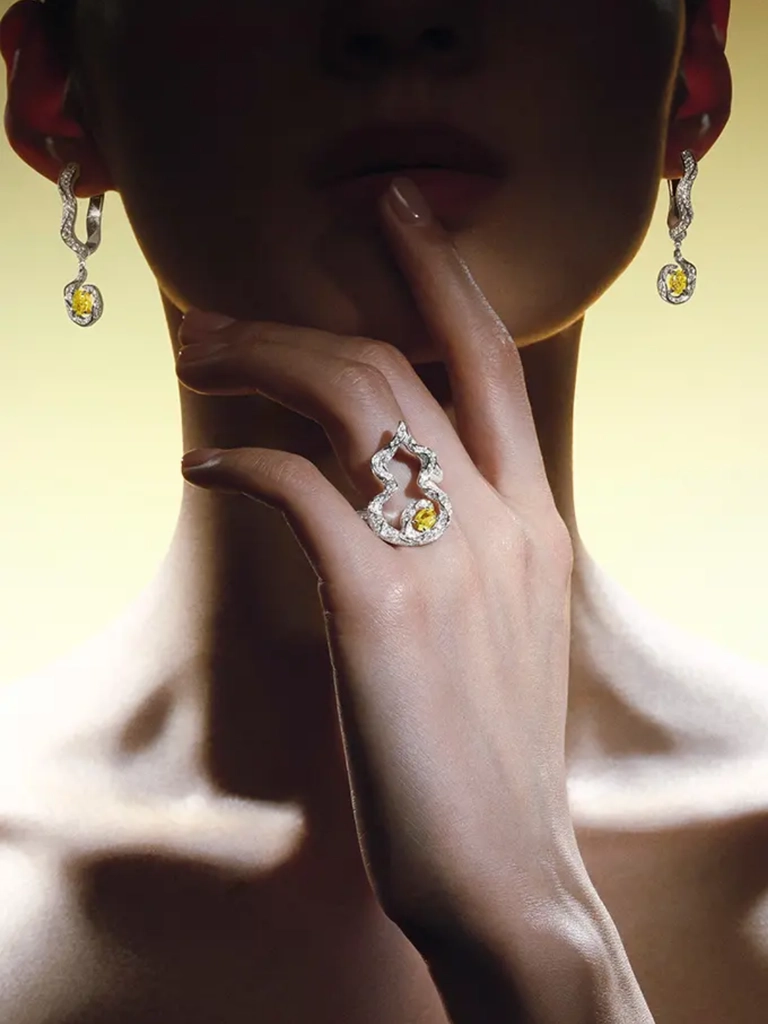
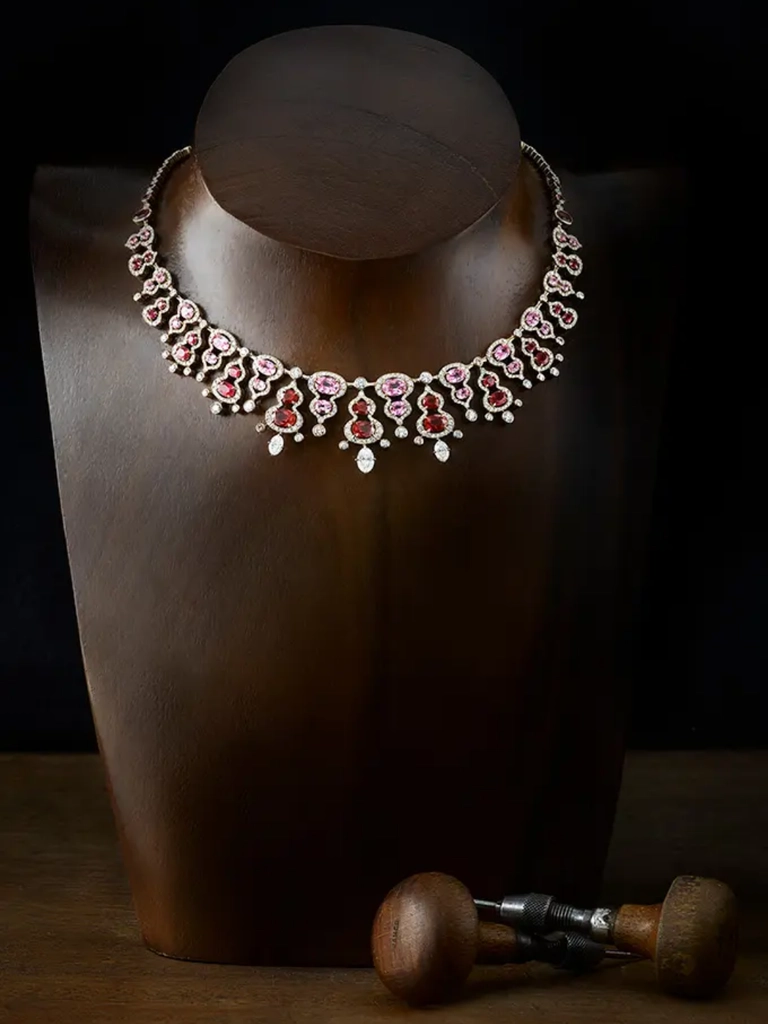
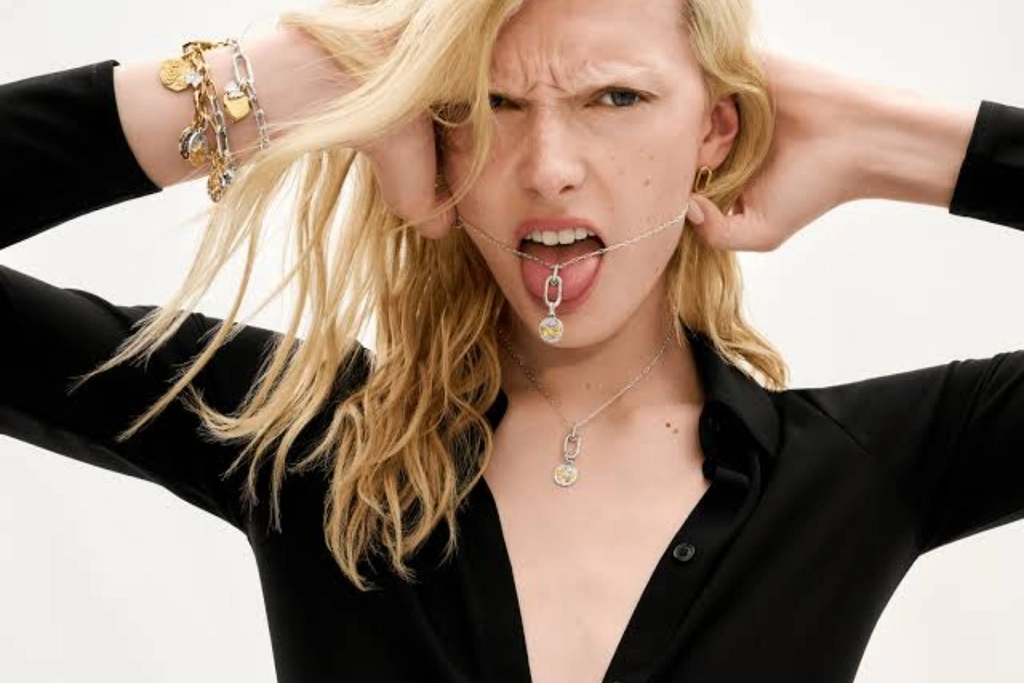
Qeelin offers a useful example of the wider phenomenon. Its jewelry language consistently modernises Asian symbols through 18K gold, diamonds, gemstones and articulated construction. The Wulu references the auspicious gourd, Qin Qin interprets the goldfish, Xi Xi draws on the Asian lion dance, while its King & Queen designs bring together the dragon and phoenix. Qeelin explicitly describes its high-jewelry approach as a contemporary expression rooted in Eastern philosophy.
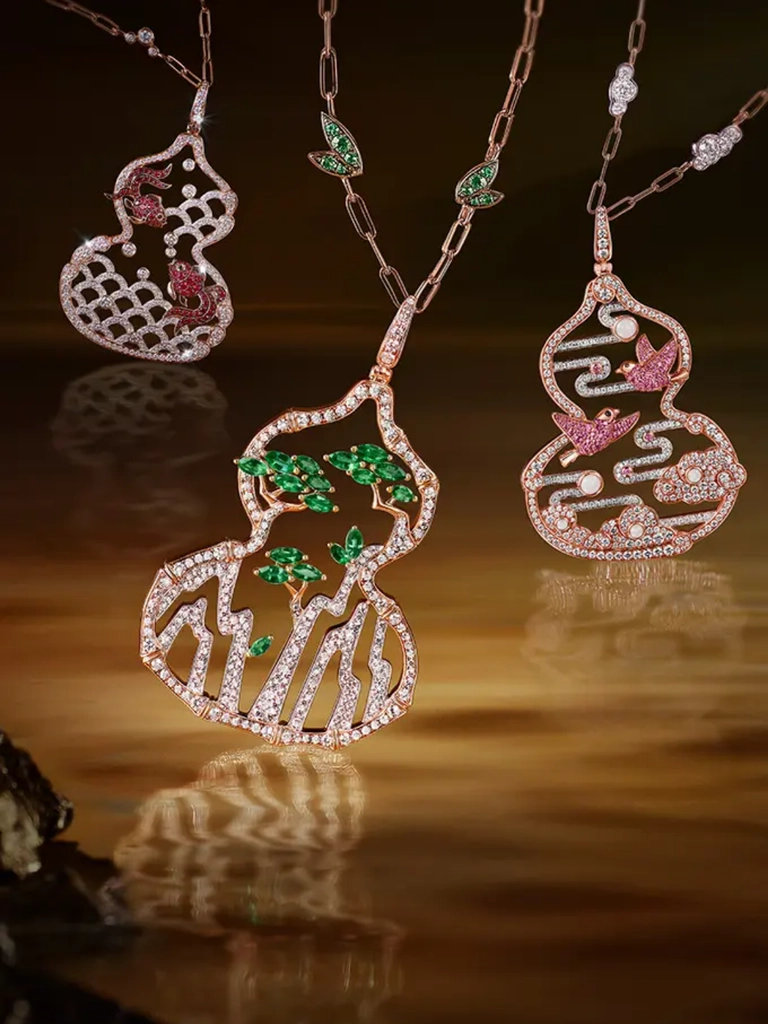
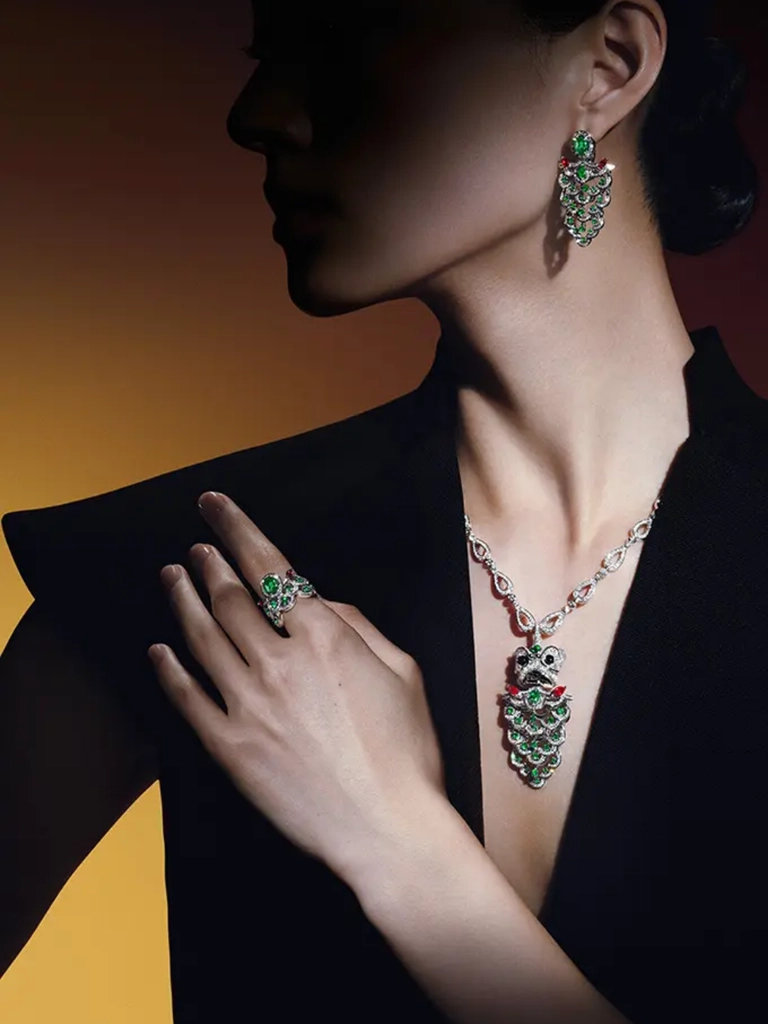
The significance extends beyond the zodiac alone. It shows how Asian symbolism can operate within luxury without being visually trapped in ceremonial styling. A talisman can be culturally specific and still function as a daily jewel.
Gold is particularly important to this evolution because its technology has changed.
Traditional high-purity gold is prized for its material purity but is relatively soft, restricting how sharply certain lightweight forms can be constructed. Newer Hard Pure Gold processes have expanded the design possibilities while retaining very high gold content. A Asian industry standard introduced in 2025 defines Hard Pure Gold jewelry as containing at least 990‰ gold with a Vickers hardness of at least 60HV. The World Gold Council notes that technologies, including electroforming and lost-wax casting, allow these pieces to be harder, lighter and capable of more complex form.
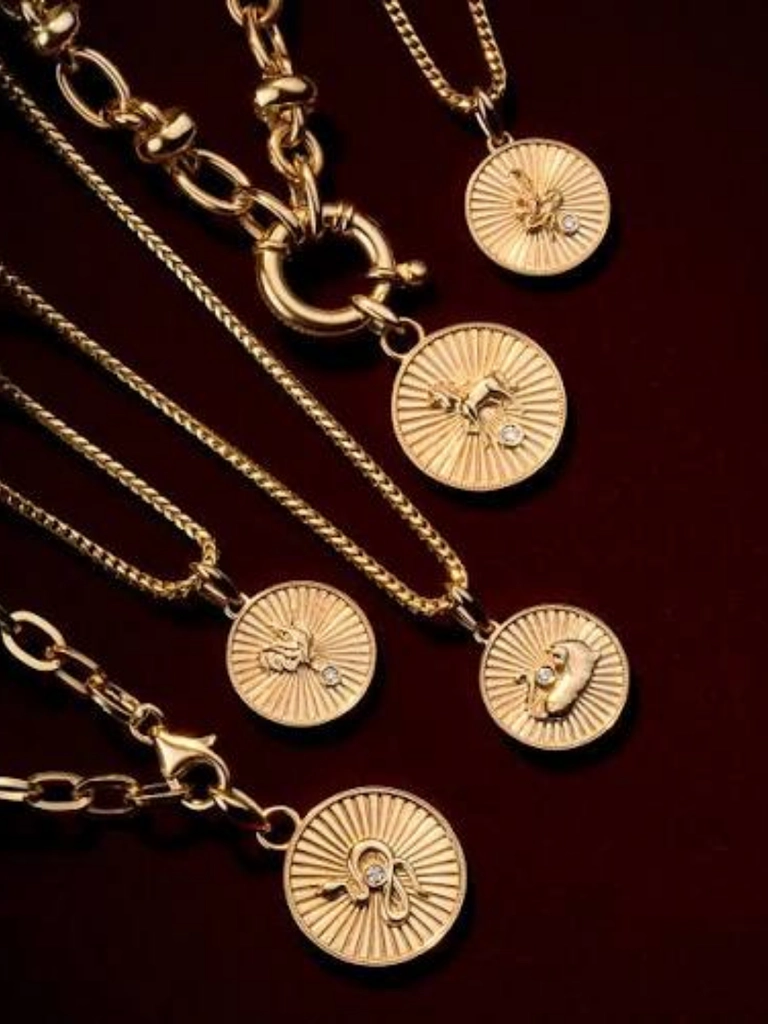
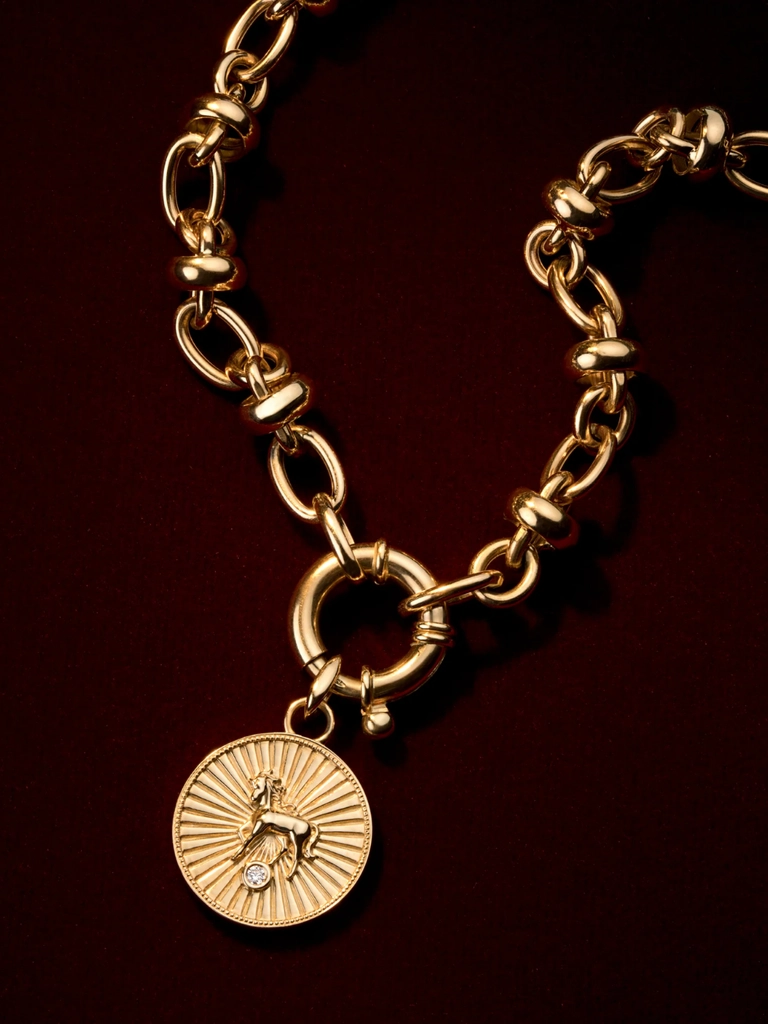
Gold prices reached extraordinary levels during 2025, placing pressure on jewelry volumes even as spending value remained high. Lighter-weight Hard Pure Gold consequently offered a way to preserve visual complexity and high purity while controlling the amount of metal required.
Technology is therefore changing the talisman aesthetically and commercially at the same time.
Fine watchmaking takes the Asian zodiac in another direction.
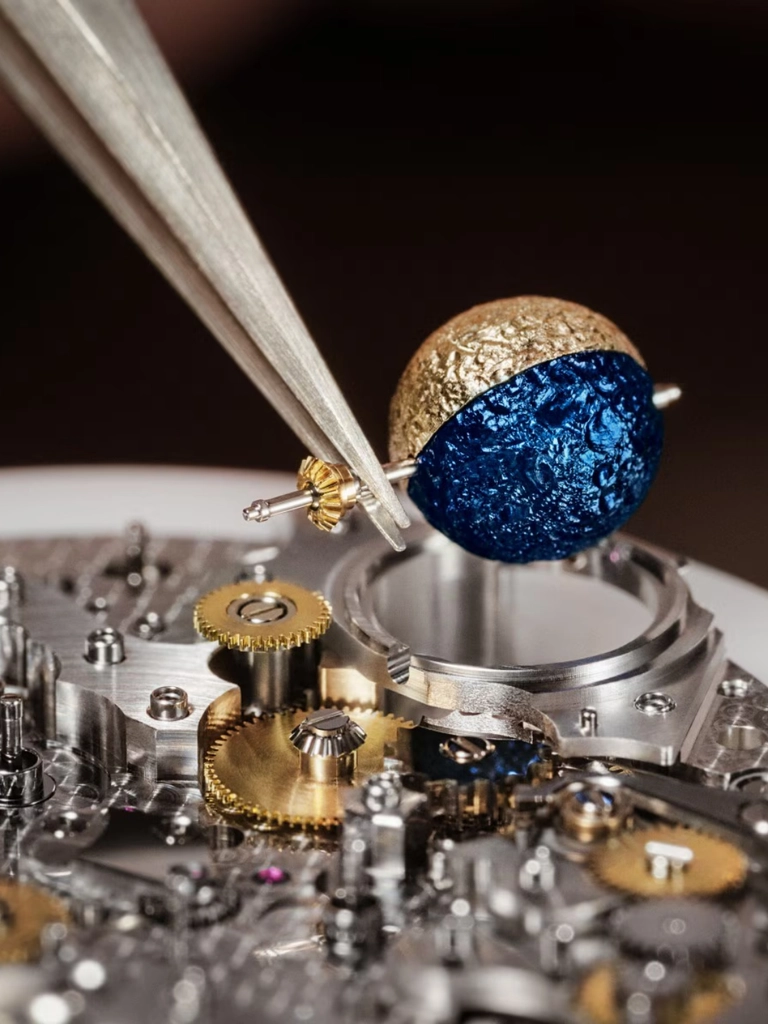
Instead of placing an animal on a dial, Blancpain’s Villeret Traditional Asian Calendar attempts to mechanically represent the calendar system around it. Introduced in 2012, Blancpain describes it as the first wristwatch equipped with a traditional Asian calendar. The movement displays Asian double hours, zodiac signs, Asian date and month, the five elements, Heavenly Stems and leap months, alongside a moon phase and a seven-day power reserve.
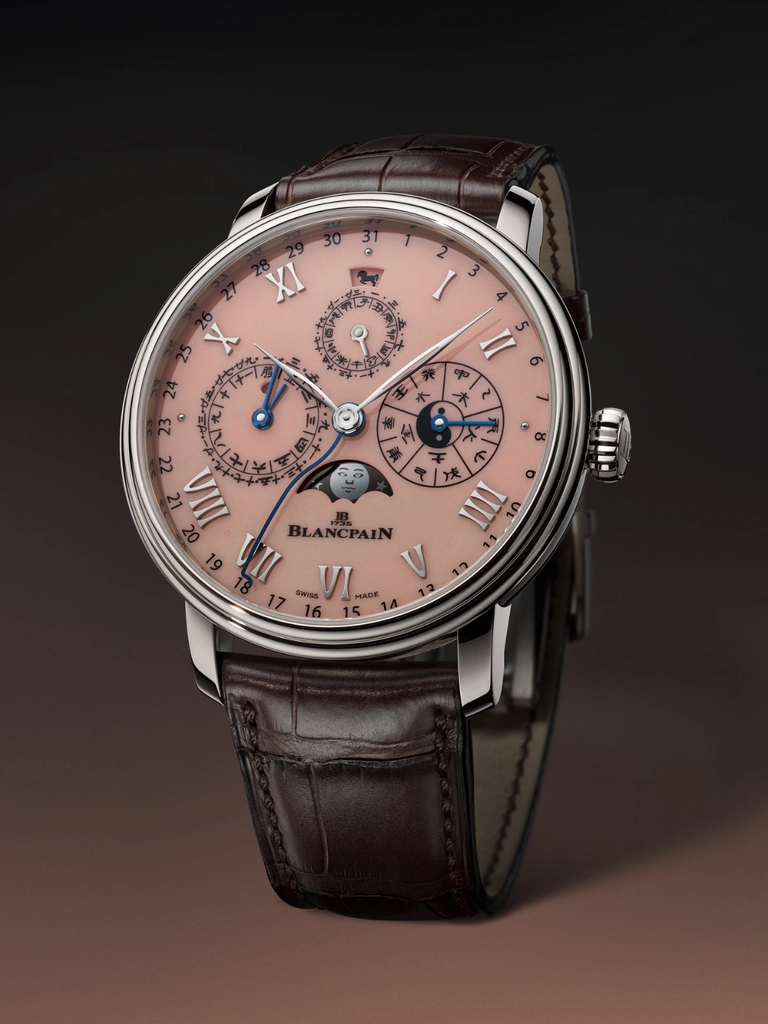
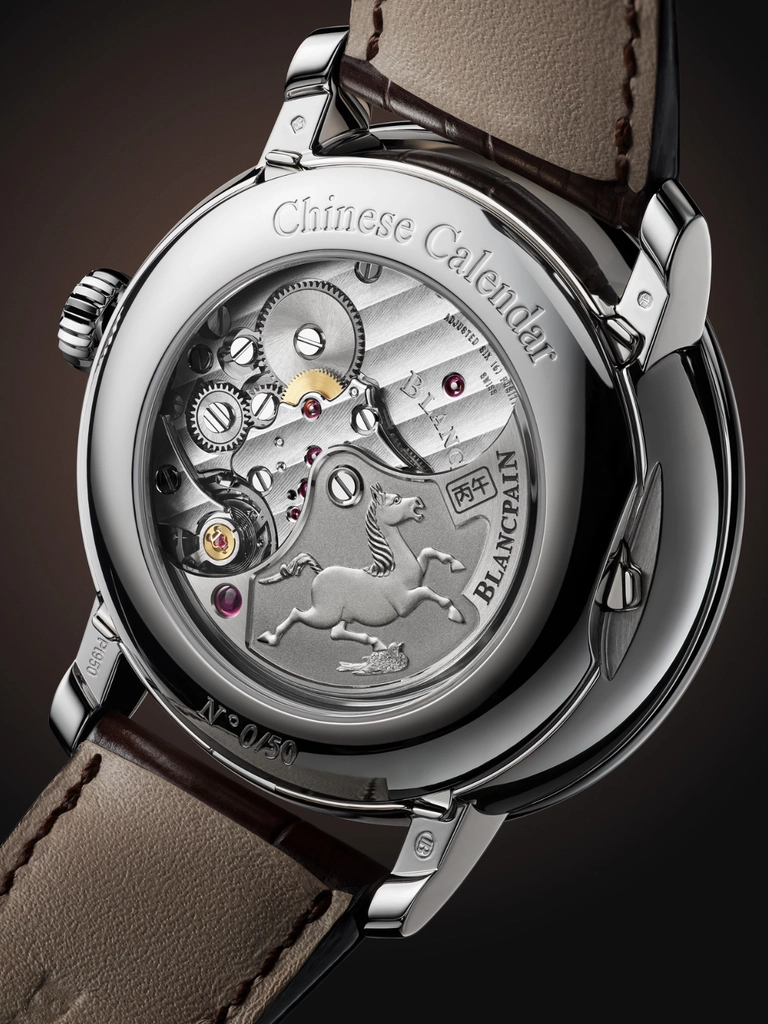
For the 2026 Year of the Fire Horse, for example, the horse appears alongside the element of fire, illustrating how the zodiac belongs to the interaction of multiple cycles instead of existing as an isolated annual emblem. The watch transforms cultural timekeeping into mechanical engineering. That is a very different proposition from adding an auspicious animal to an existing watch in February.
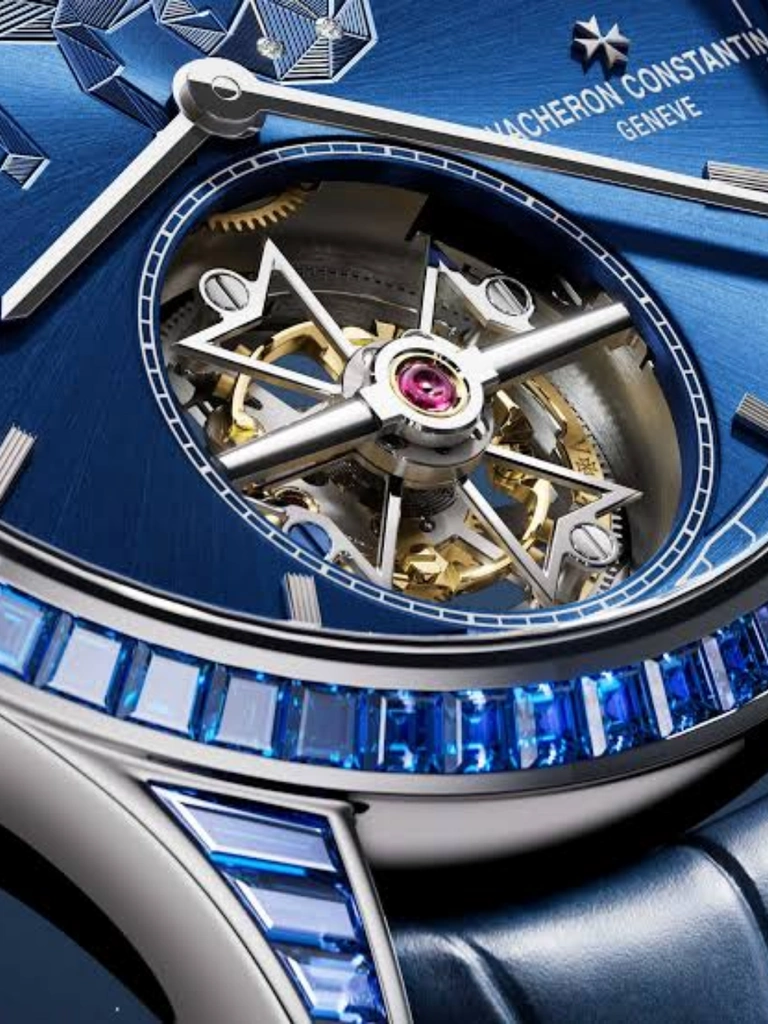
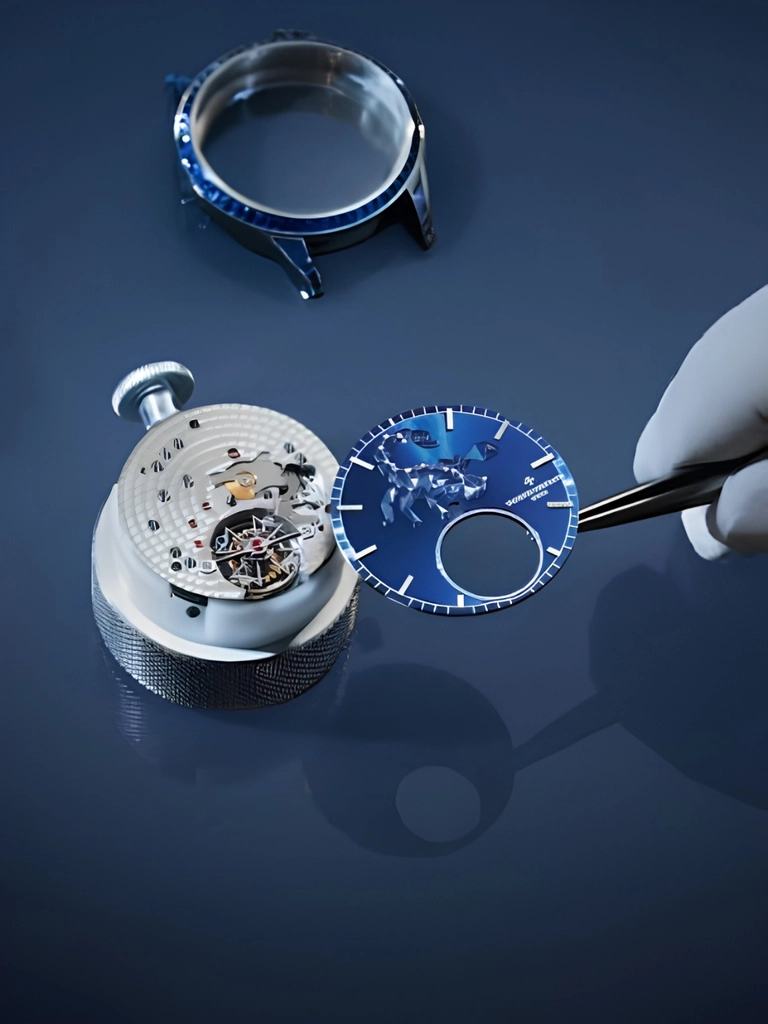
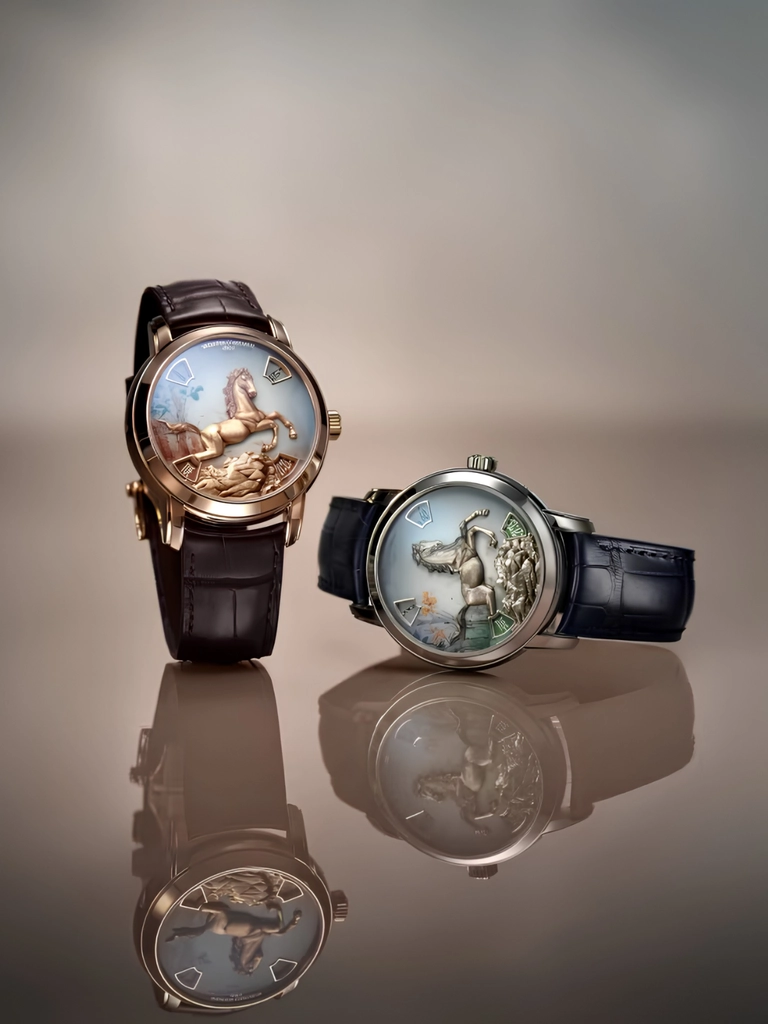
Vacheron Constantin approaches the subject from almost the opposite direction. Its Métiers d’Art The Legend of the Chinese Zodiac series gives the animal visual dominance, using the dial as a miniature decorative-arts surface.
The current Year of the Horse reference places a hand-engraved horse at the centre of a 40mm platinum watch, surrounded by flora rendered in opaque miniature enamel. Vacheron Constantin explicitly connects the animal with vitality and freedom in Asian culture, while the movement carries the Hallmark of Geneva.
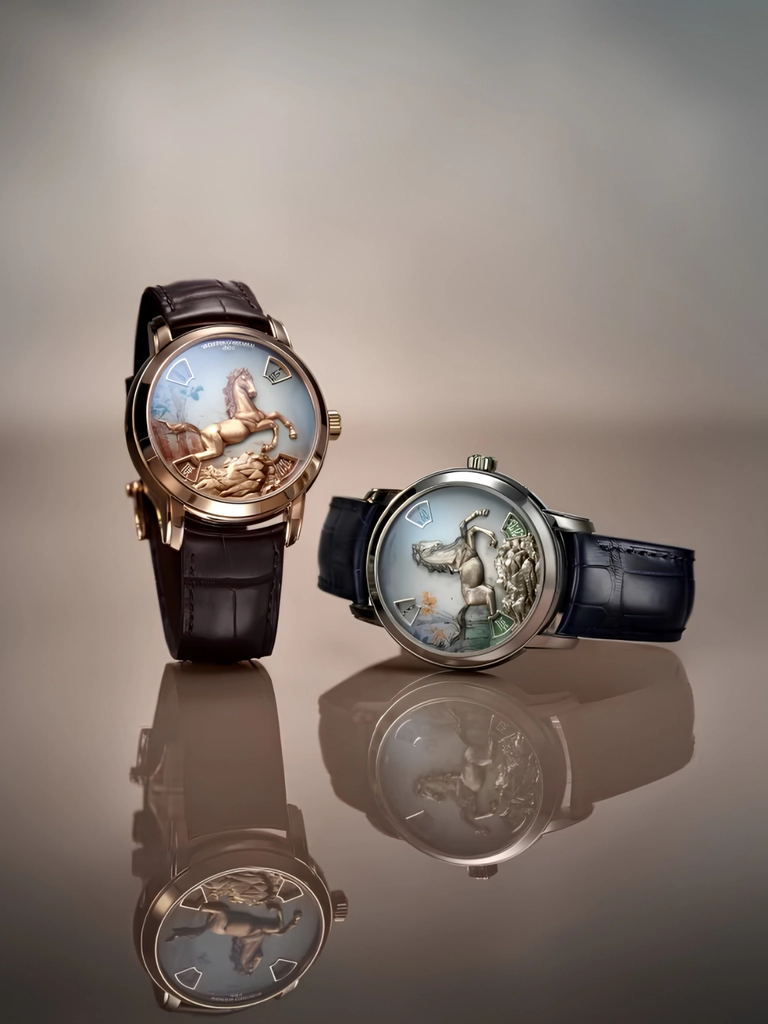
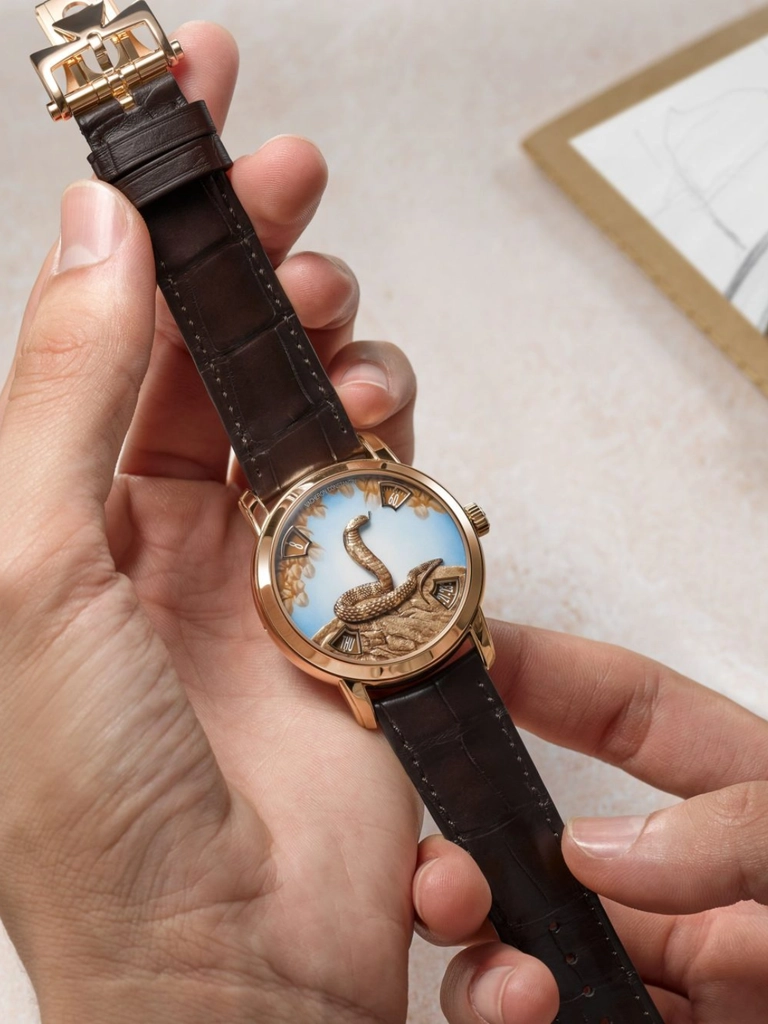
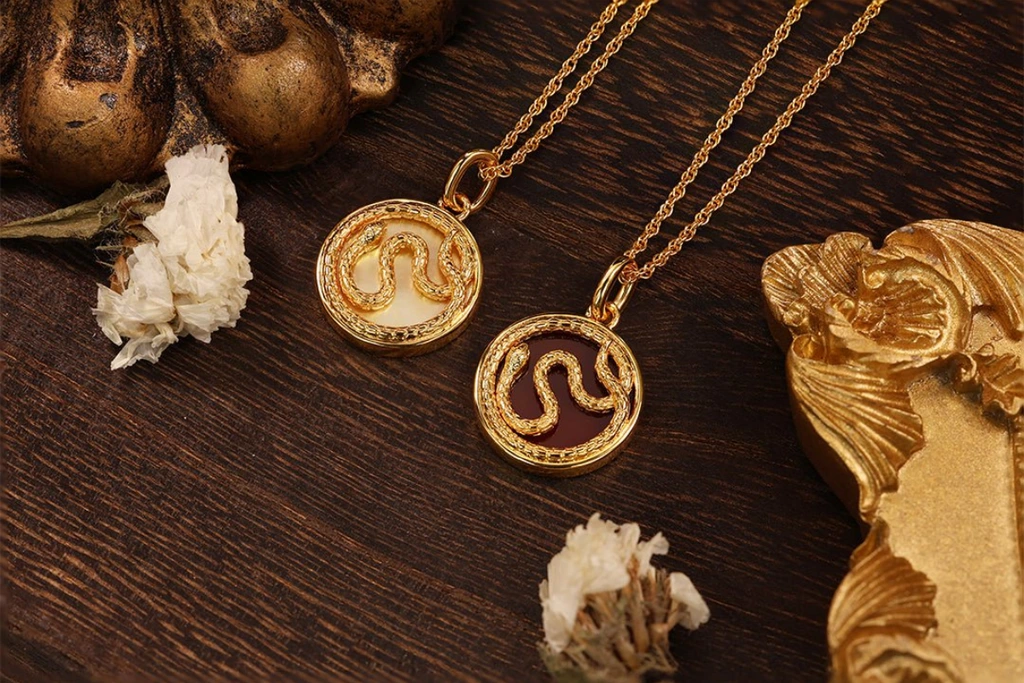
The Year of the Snake follows the same broader philosophy: hand engraving creates the central serpent, while miniature opaque enamel builds its surrounding landscape.
Here, zodiac symbolism becomes a reason to preserve time-intensive manual disciplines. The animal is simultaneously a cultural sign and a technical demonstration.
Chopard introduces another cross-cultural layer.
Since 2013, the Maison has dedicated L.U.C watches to successive Lunar zodiac years through its L.U.C XP Urushi series. The dials are handcrafted in Japan using Urushi lacquer and Maki-e, a technique involving materials such as gold powder applied within lacquer decoration.
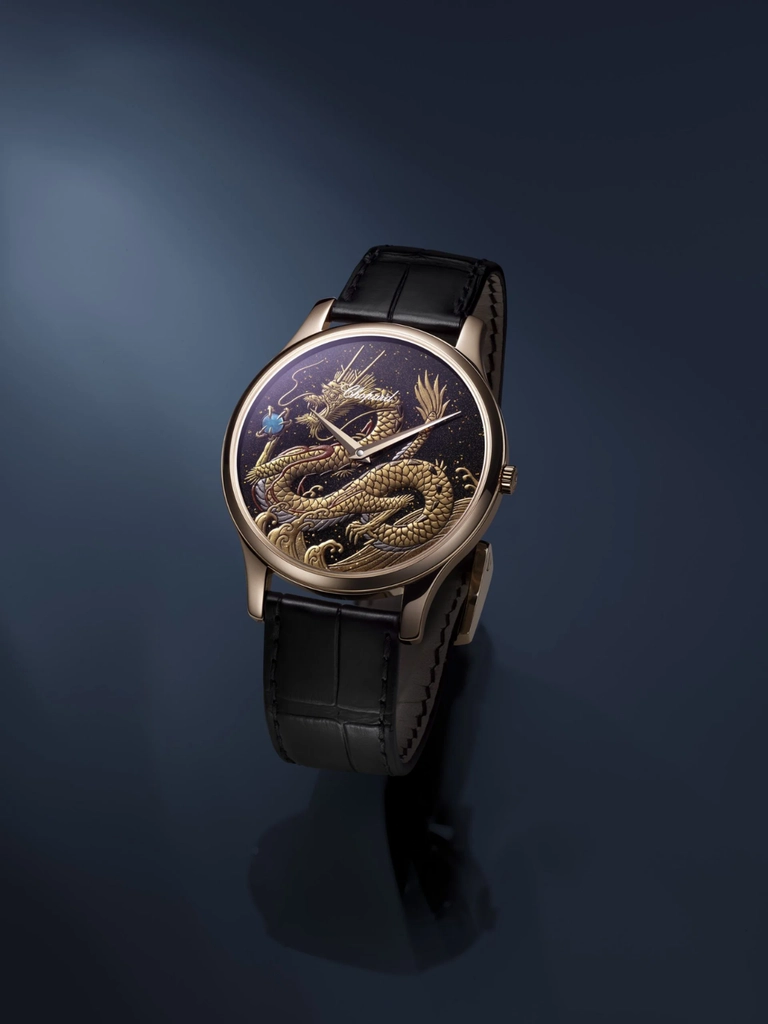
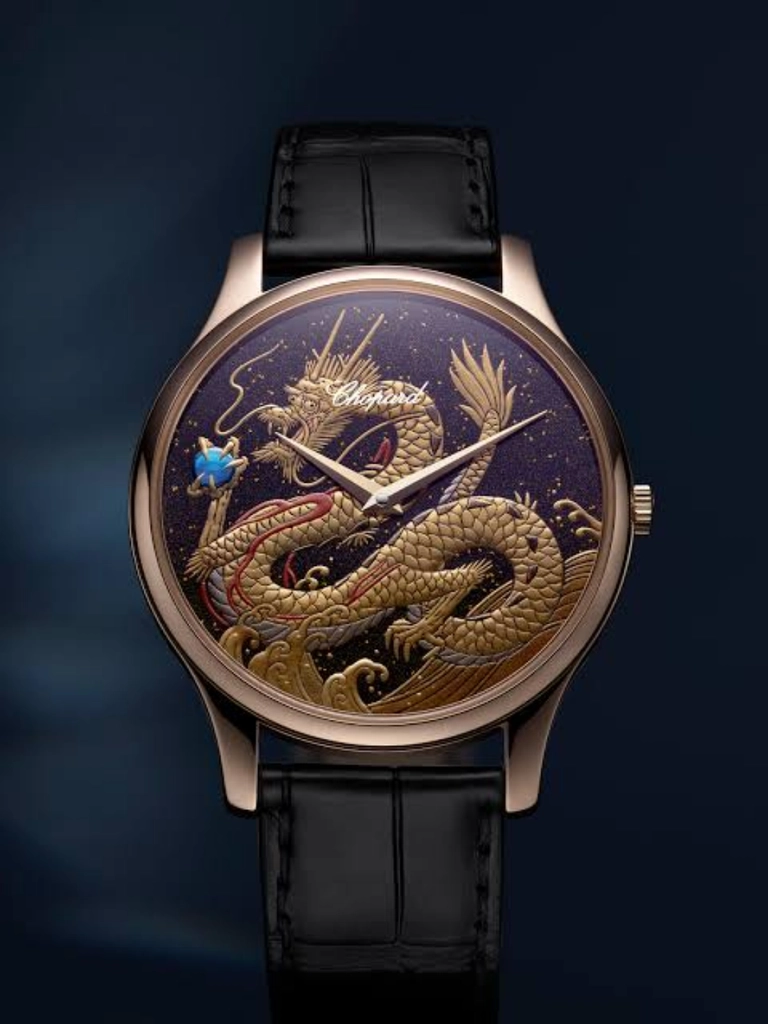
For the Year of the Dragon, Chopard combined the Japanese-made artistic dial with a 39.5mm ethical 18K rose-gold case and the ultra-thin L.U.C 96.17-L automatic movement. The dial uses Urushi lacquer, gold powder and mother-of-pearl inlays. The cultural exchange is notable.
A Asian zodiac subject passes through Japanese lacquer craftsmanship before entering a Swiss mechanical watch. Luxury becomes the meeting point between several traditions of making.
The next development may be kinetic.
A zodiac jewel does not have to remain a flat pendant facing outward. Reversible medallions can hide another motif on the back. Rotating elements can move between an animal and an auspicious sign. Articulated animals can transform a symbolic object into something physically interactive.
Applied to talisman jewelry, this interaction has particular resonance. Touching, turning or reversing the jewel creates a small ritual between wearer and object. Meaning becomes tactile.
That may be why the Asian zodiac currently feels so compatible with luxury’s direction. It can carry heritage without sitting motionless in the past. Ancient calendar systems can become mechanical complications. High-purity gold can be reshaped by new manufacturing technology. Lacquer, engraving and enamel can turn annual animals into miniature art. Jade can enter contemporary settings. Personal belief can coexist with styling.
The zodiac remains twelve animals. Everything built around them is evolving.
The strongest talisman jewelry emerging from this movement therefore has little need to announce itself as a Lunar New Year souvenir. Its animal can identify a birth year, invoke an auspicious association, preserve a craft tradition or simply become a piece worn long enough to accumulate private memories.