MENU
Close





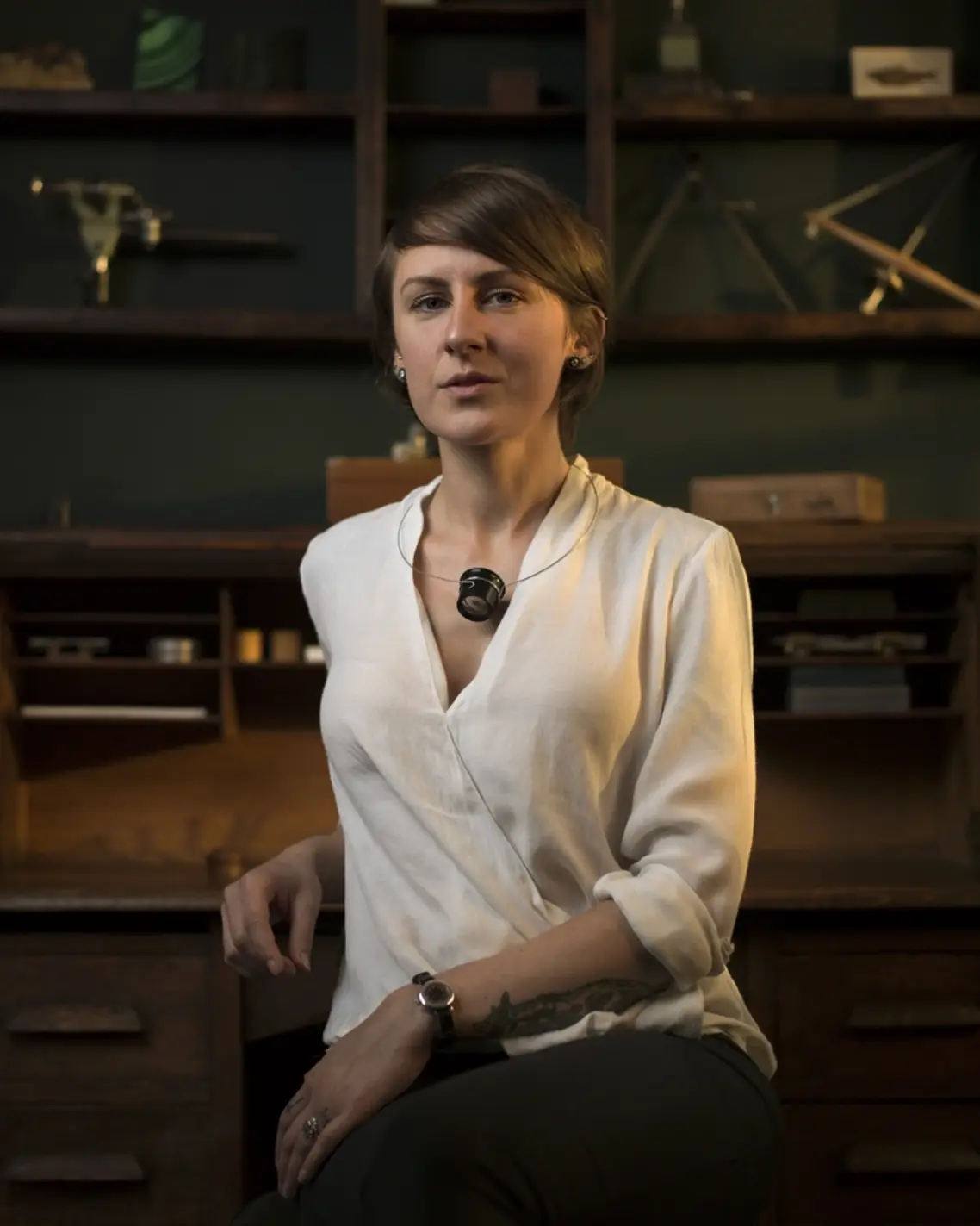
The first watchmaker in British history to earn a PhD in horology, Dr. Rebecca Struthers, is one of a kind. She has transformed the historical research of horology into fiercely personal objects, where every mechanism feels like a conversation between the past and the future.
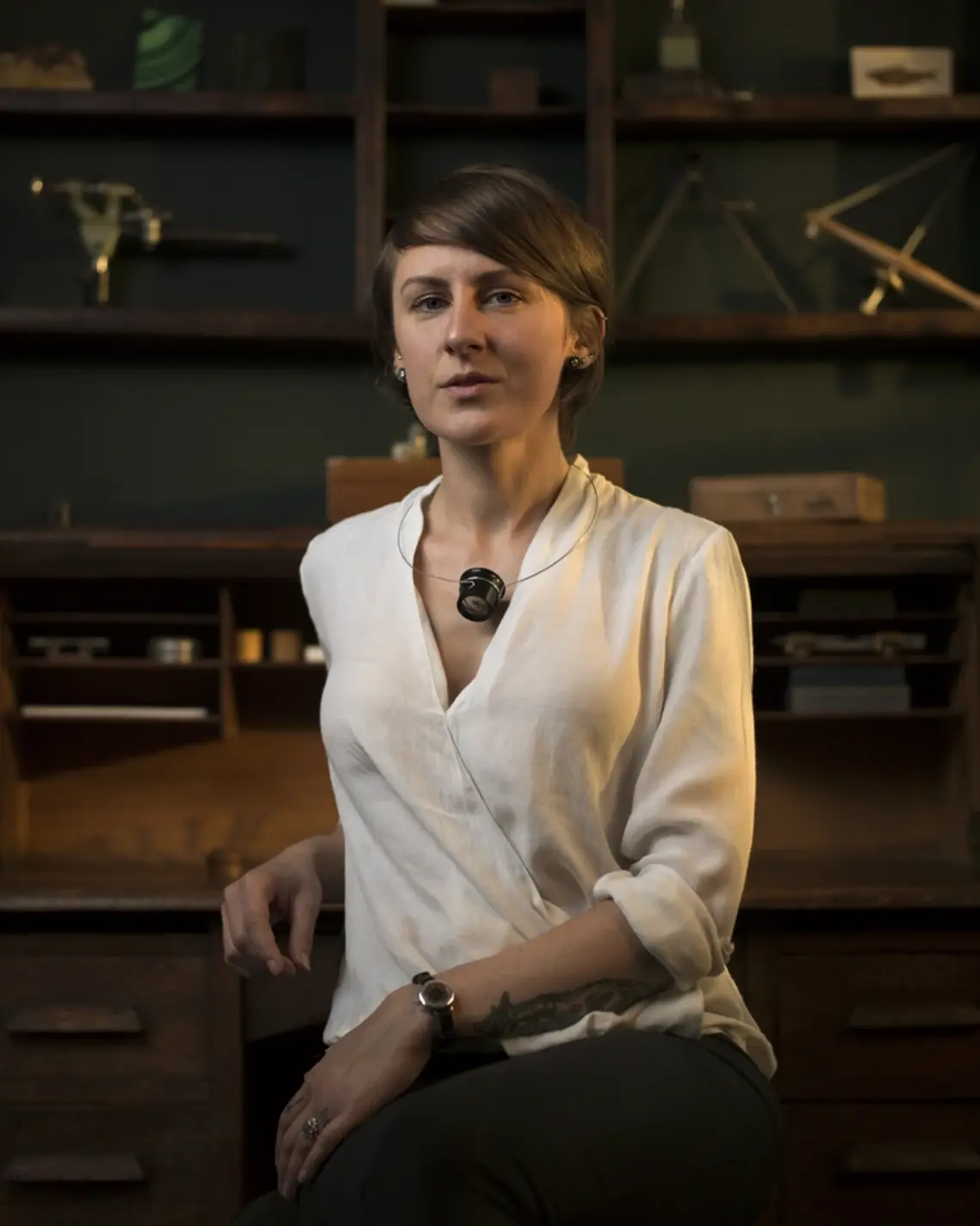
The first watchmaker in British history to earn a PhD in horology, Dr. Rebecca Struthers, is one of a kind. She has transformed the historical research of horology into fiercely personal objects, where every mechanism feels like a conversation between the past and the future.
April 11, 2026


Independent luxury watchmaking often hides behind Swiss mountains, inherited prestige, polished boutiques, the soft tyranny of waiting lists. Rebecca Struthers, on the other hand, built authority from the damaged old calibres and forgotten industrial histories. What makes her singular is that she does not merely make watches and she does not merely write about them. She studies horology with academic seriousness, restores it with forensic patience, and then turns that knowledge into new objects.
Rebecca Struthers’ route into watchmaking was gloriously indirect, which is precisely why it feels so modern. Born and raised in Birmingham, she discovered horology at 17 while training as a jeweller and silversmith, drawn to the way watchmaking fused the two domains she already loved most: Science and art.
Her academic breakthrough made that duality official. In 2017, Struthers became the first watchmaker in British history to earn a PhD in horology. The research behind it focused on so-called “Dutch forgeries,” watches long dismissed as low-value fakes. Her work argued that these objects were far more important than collectors and historians had assumed, because they revealed the early emergence of mass production in the European watch industry and the wider commercialisation of portable timekeeping. In other words, she did not choose a decorative niche. She chose a subject that showed how cheap, dubious, widely circulated watches helped reshape access to time itself.
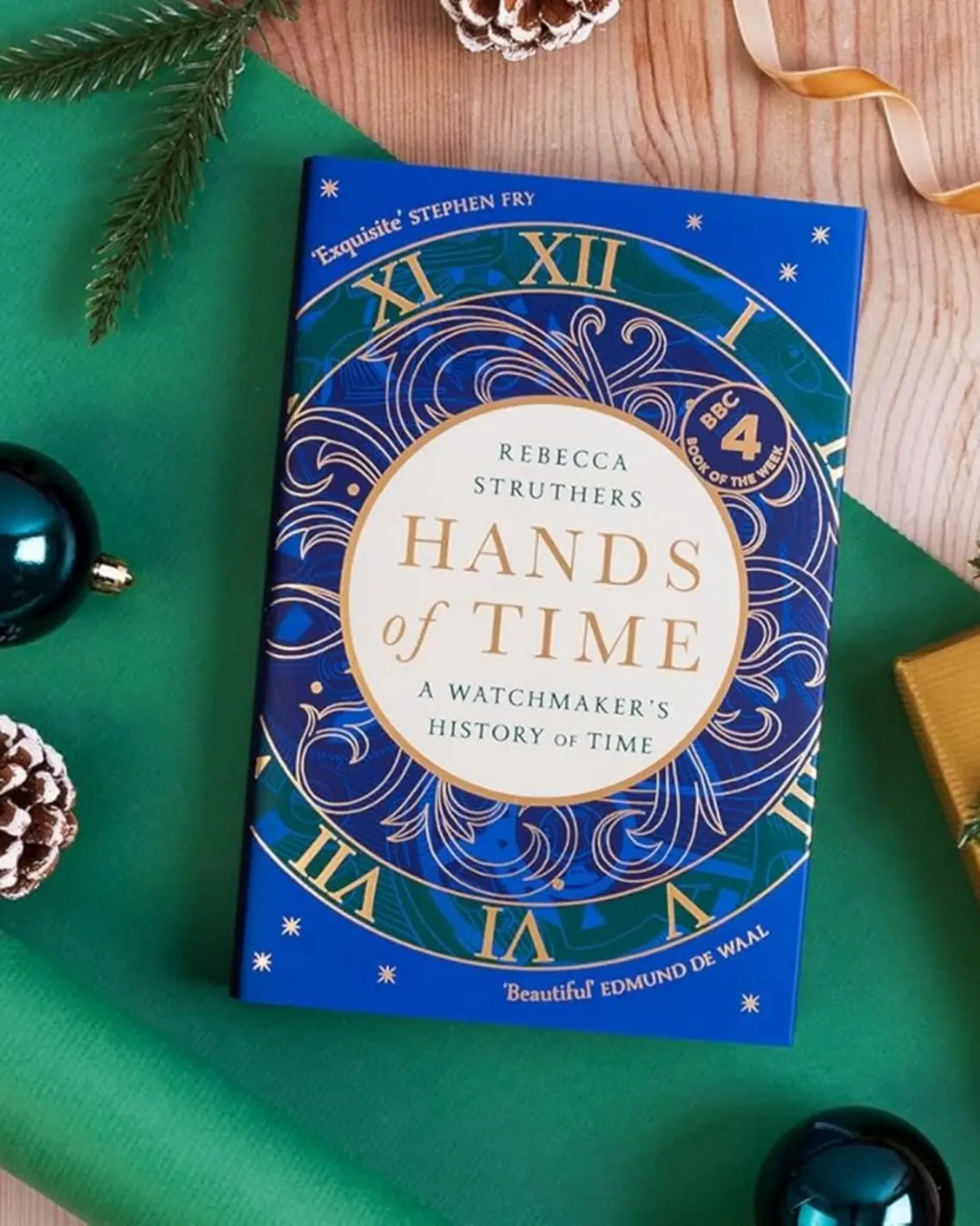
That argument expands beautifully in Hands of Time, her 2023 book, which became a BBC Radio 4 Book of the Week and was published as a sweeping history of timekeeping across centuries and continents. The book’s central achievement is that it refuses to treat watches as mere accessories. Struthers positions them as instruments that altered work, trade, leisure, politics, exploration, and social life. That broader cultural lens matters, because it reveals the exact kind of maker she is: one who sees every mechanism as a social document as much as an engineered device.
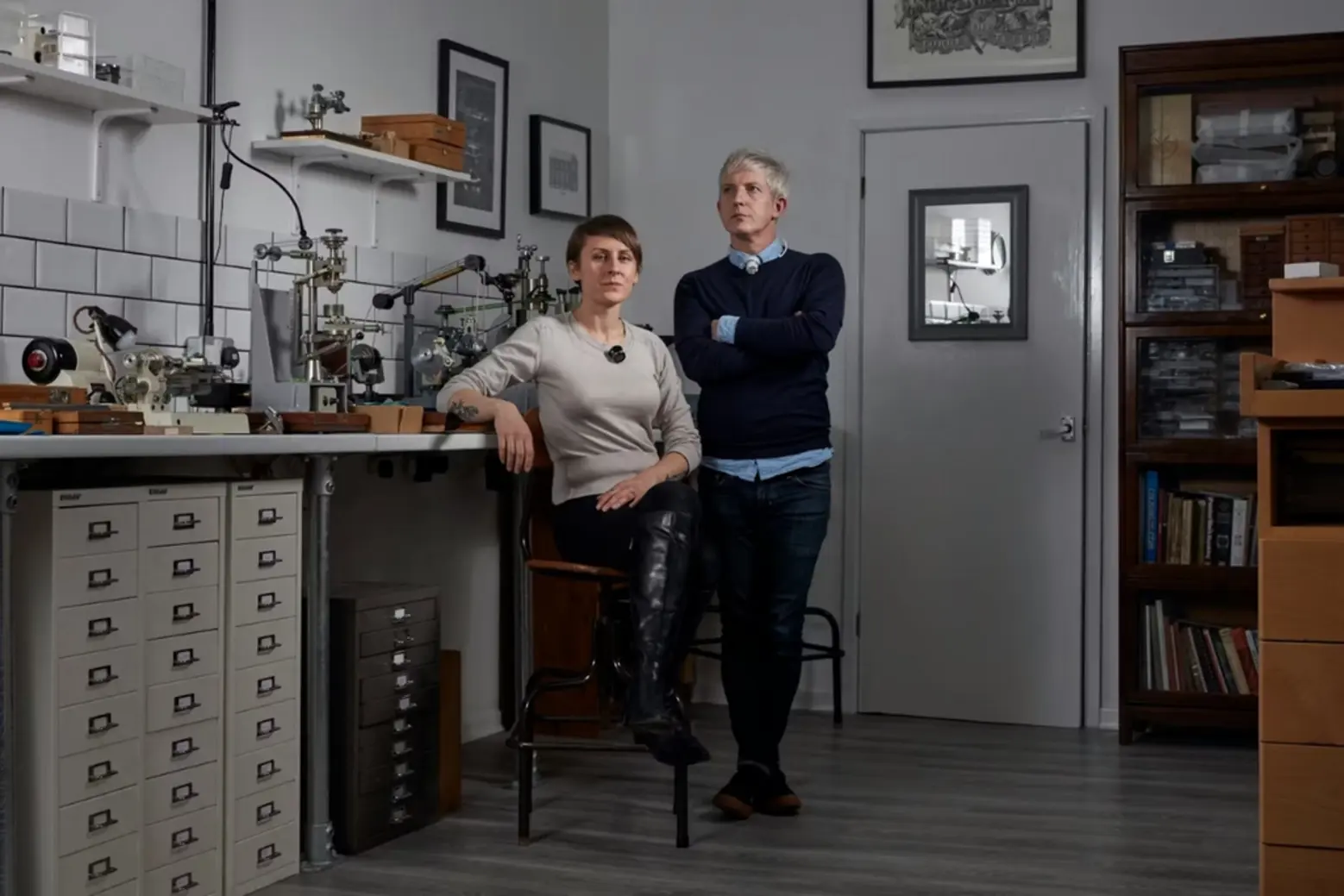
Struthers Watchmakers, founded by Rebecca and Craig Struthers in 2012, has always been built on that fusion of research and hand skill. The business grew out of years spent in vintage and antique restoration, the workshop combines restoration experience, design research, heritage machinery, and traditional case making in precious metals. Their current base is a restored 19th-century factory building in the Staffordshire Moorlands, though the Struthers story remains deeply tied to Birmingham and its Jewellery Quarter craft culture.
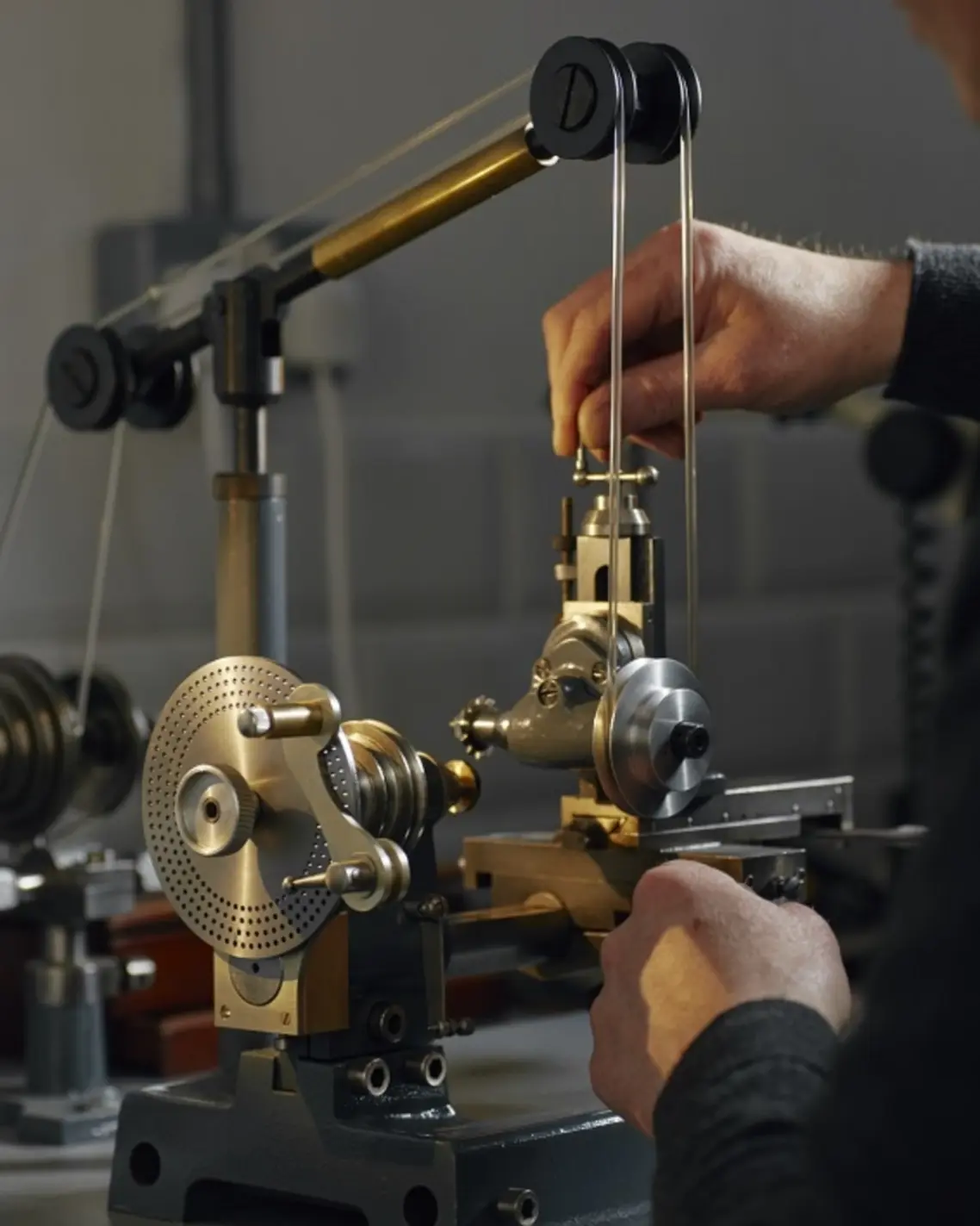
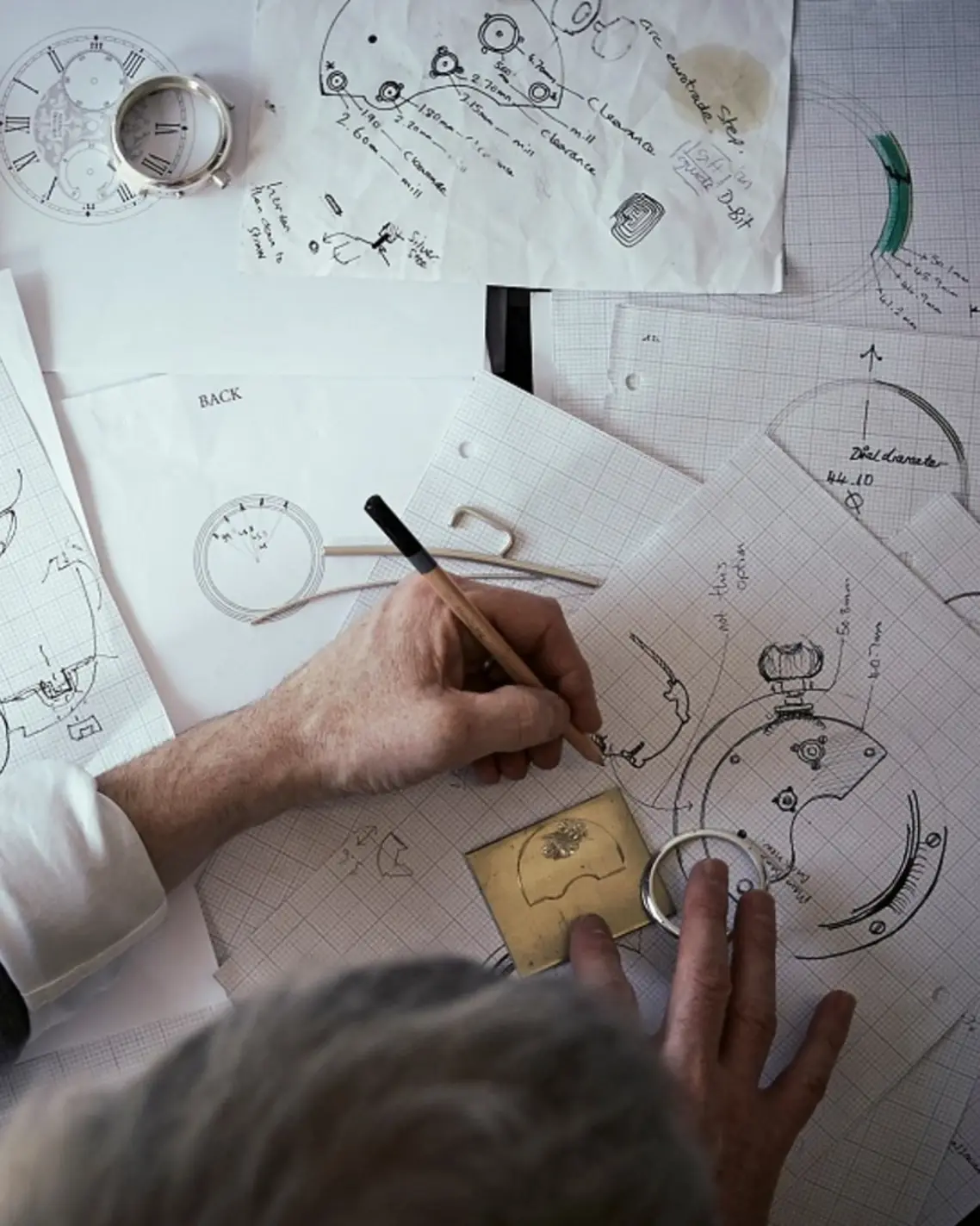
The phrase most associated with their design philosophy is “looking back to look forward,” and it is one of those rare mottos that feels entirely earned. Rebecca has explained that studying horological history gives a maker a vast catalogue of engineering and aesthetic ideas: What worked, what failed, what can be revived, what can be reinterpreted. Constant contact with historic English and Swiss movements trained their eye toward proportion, finishing, restraint, and the deep intelligence that sits inside old mechanical solutions.
That is why the Struthers aesthetic never reads as nostalgia for nostalgia’s sake.
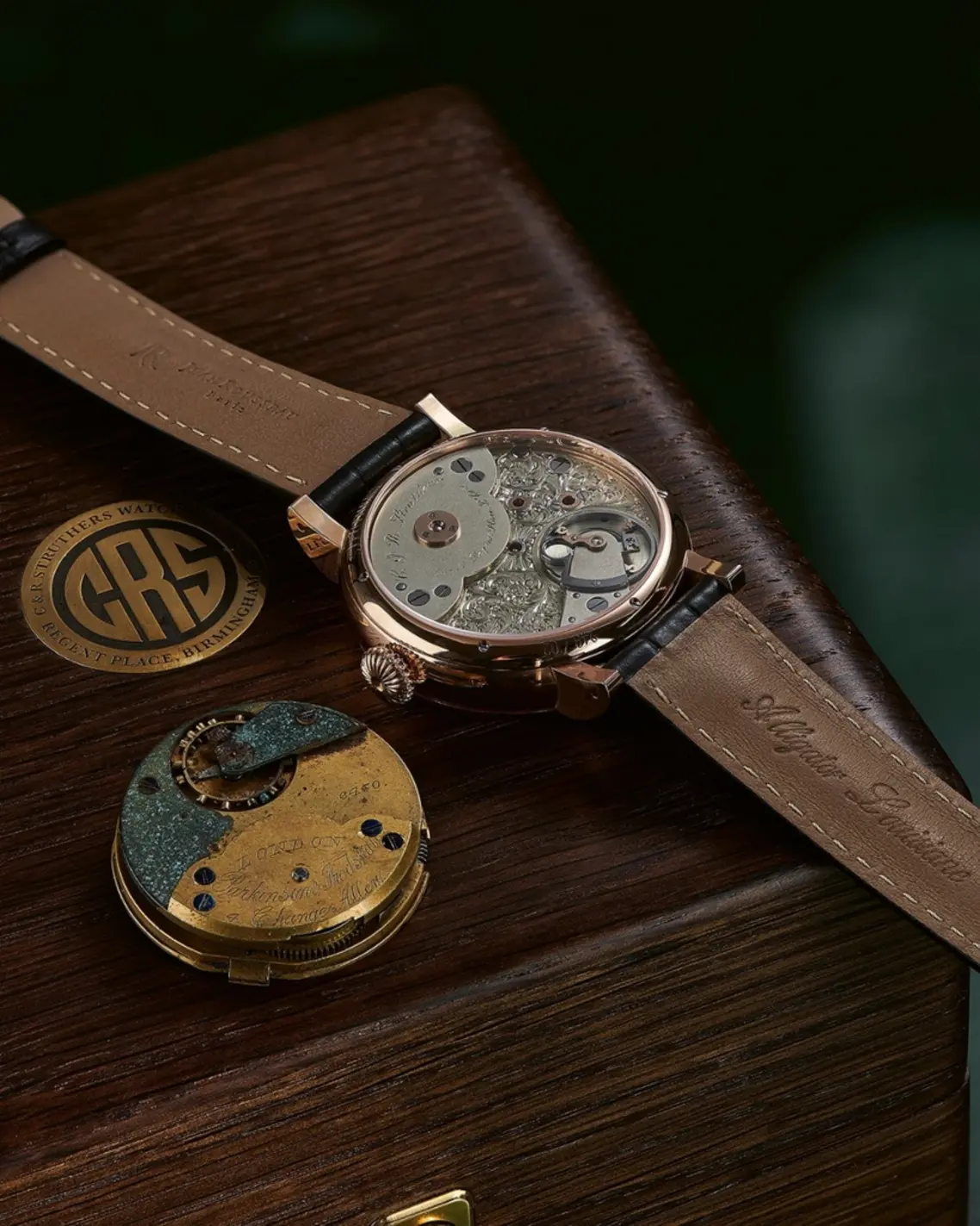
Nothing expresses that philosophy more clearly than Project 248, the Struthers’ first completely in-house movement. Its name is charmingly literal: 2 watchmakers, 4 hands, and an 8mm lathe. Yet the project itself is anything but quaint. After years restoring the work of others, Rebecca and Craig decided to create a movement of their own, and in 2023, after eight years of planning and development, they completed the first edition. The first five watches became the foundation for a future rooted in where British watchmaking left off in the late 19th century.
Project 248 revives forgotten technical languages rather than merely borrowing historical styling. Its design incorporates the commercially extinct English lever escapement, a fully functional parachute shock setting inspired by Abraham-Louis Breguet, and, in later evolutions, wolf’s teeth gearing associated with high-level traditional watchmaking.
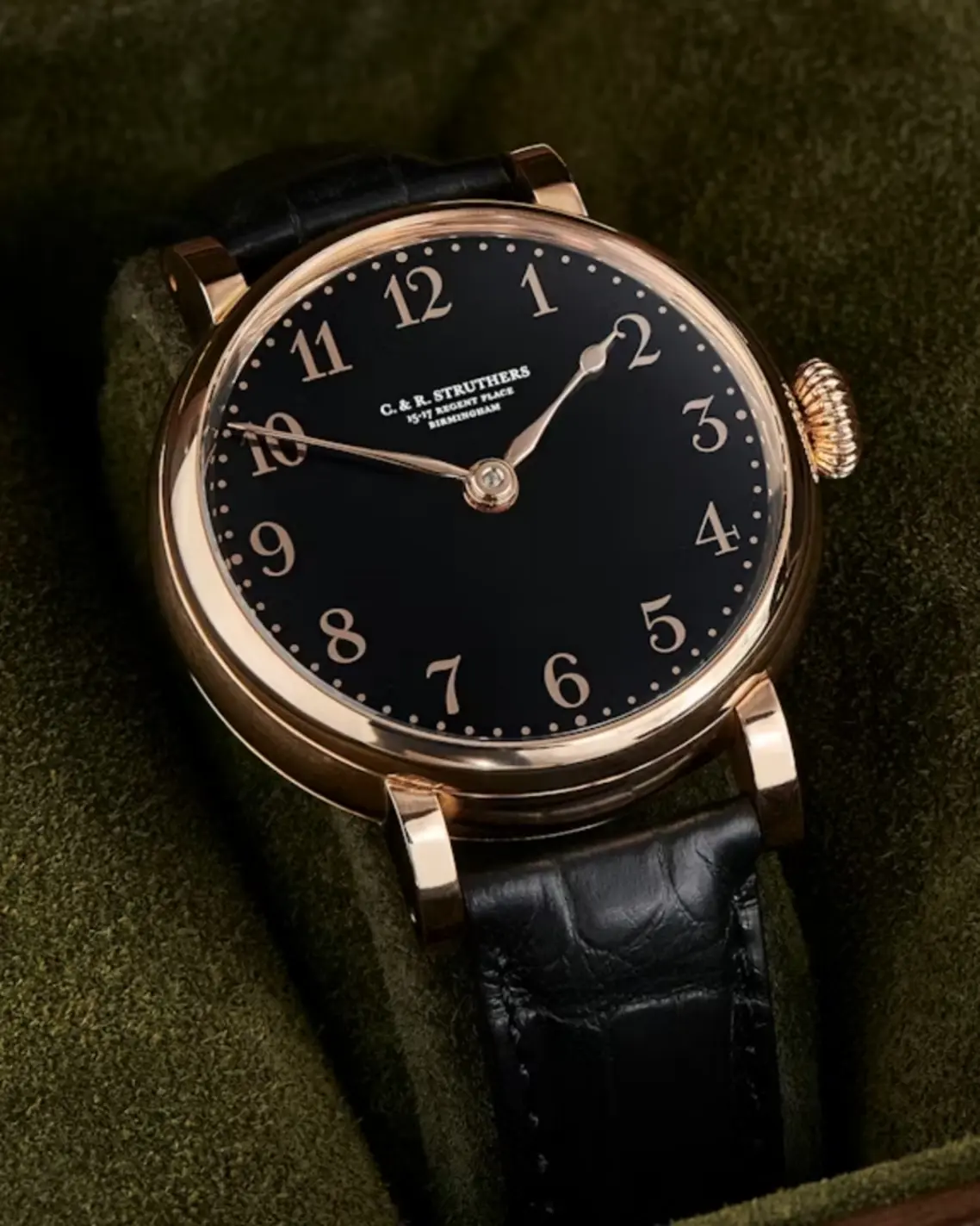
This is where the idea of slow luxury becomes truly persuasive. The Struthers have said their watches are hand-built using traditional skills in a process that has taken between one and six years per piece. Their tailor-made range has typically been limited to only two to three watches per year, and even The Kingsley, the more entry-level bespoke proposition, is still a made-to-order object that usually takes 12 to 18 months. In an industry addicted to scale, hype cycles, and industrialised exclusivity, that pace feels almost radical. Time is not only what they measure. It is also what they spend.
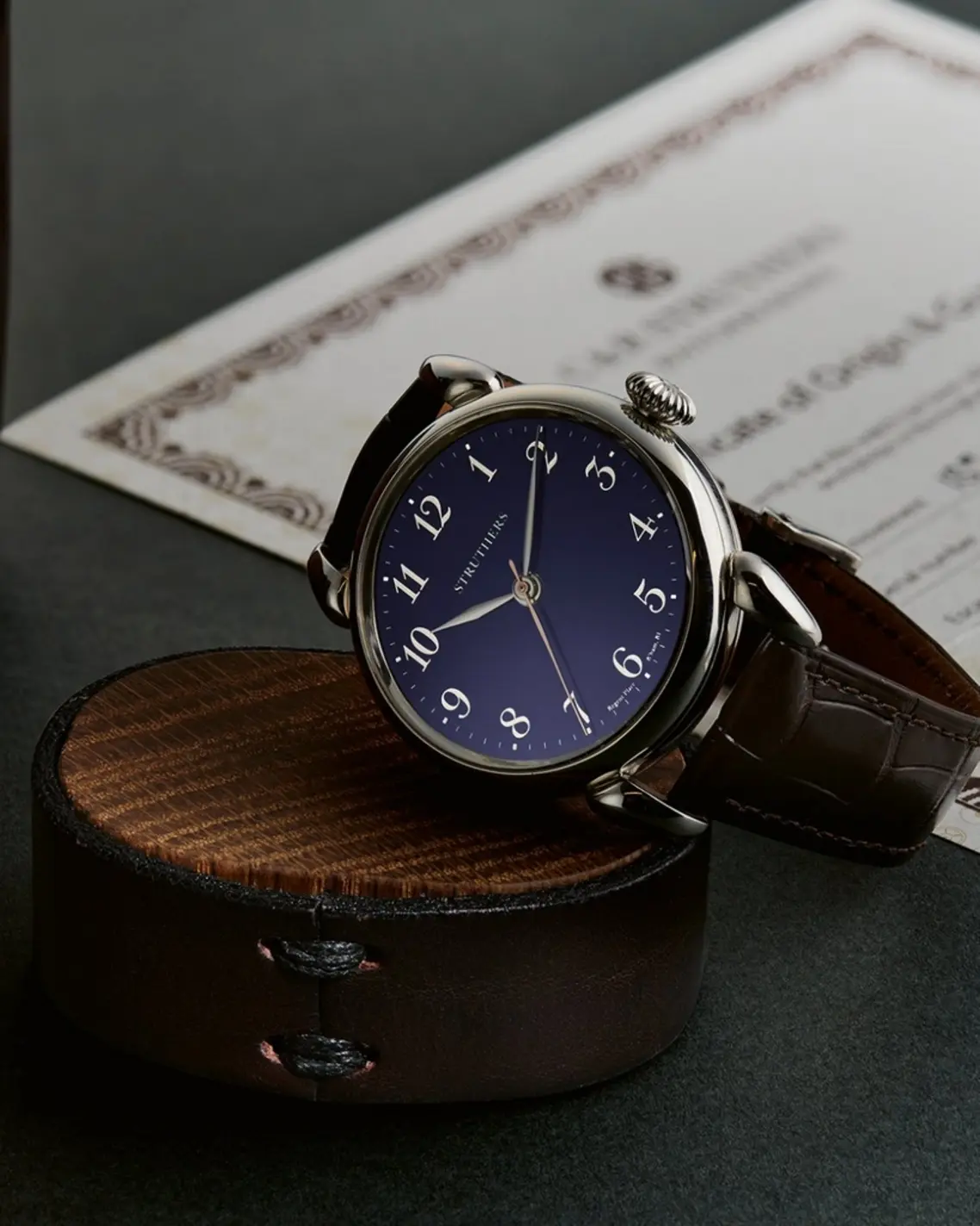
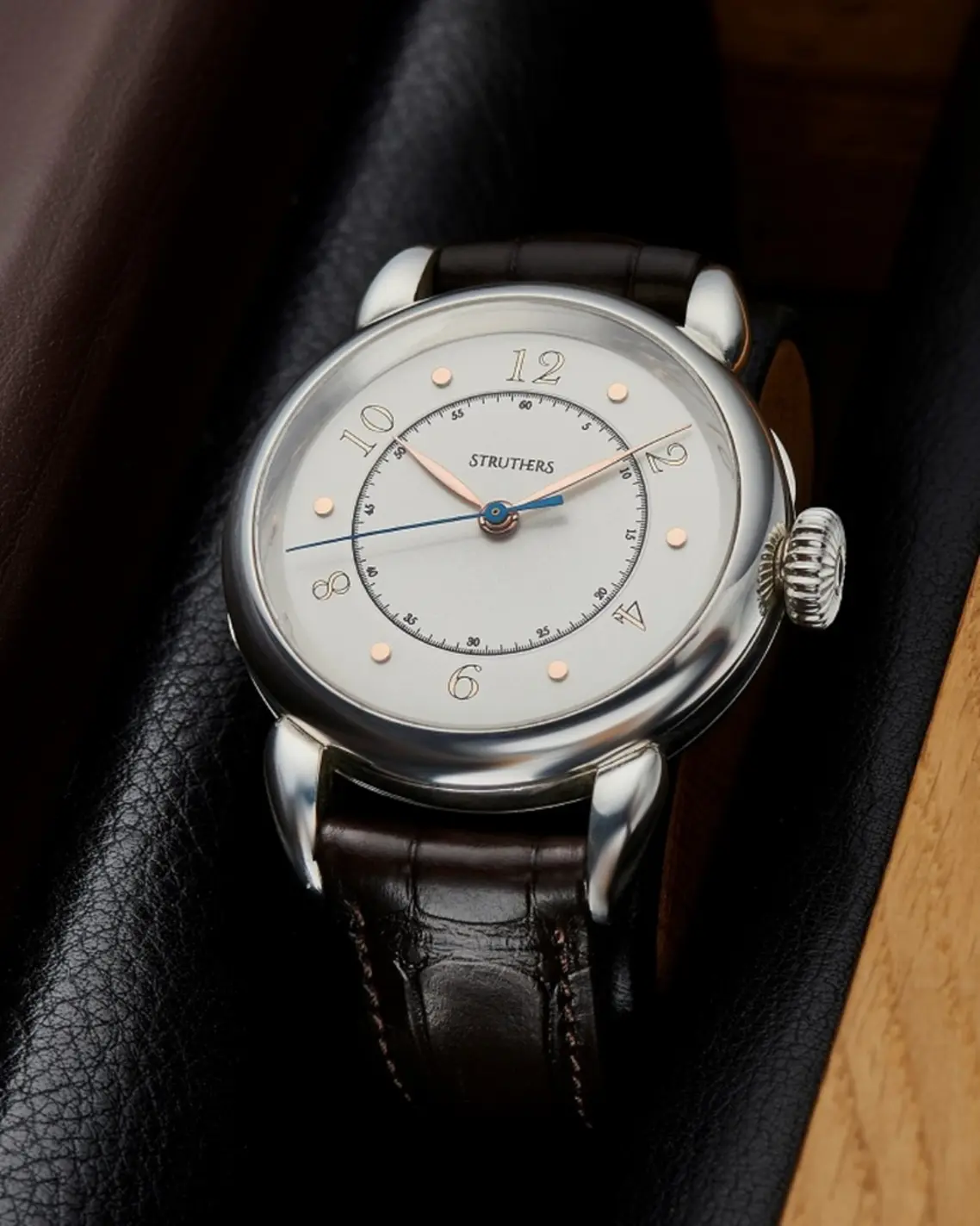
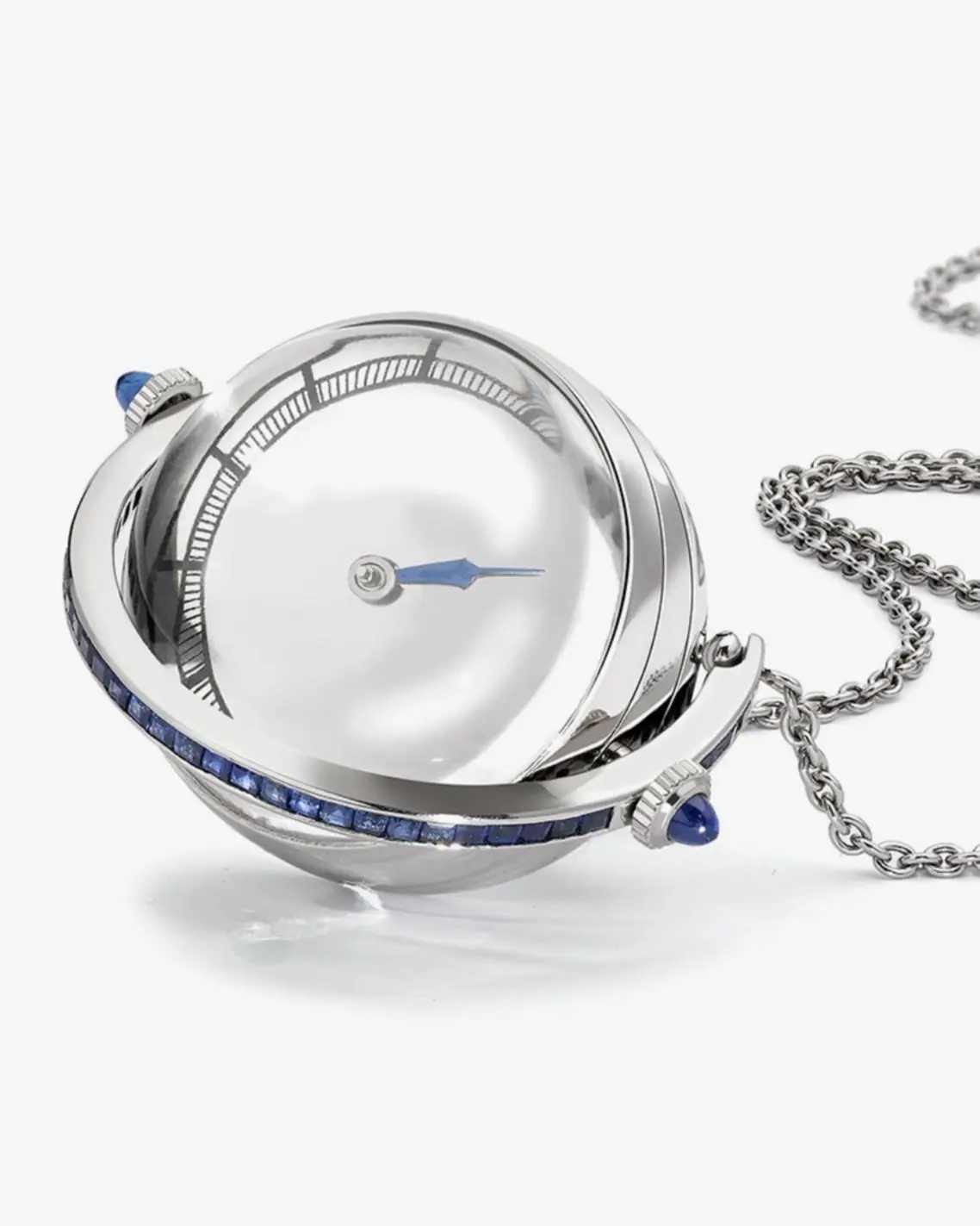
The Stella, by contrast, announced the Struthers imagination with more theatrical force. The piece is a pendant watch based on a vintage microrotor movement, suspended within rock crystal and a platinum gimbal, celebrated for pushing self-winding design into unfamiliar territory. One proved their discipline. The other proved their nerve.
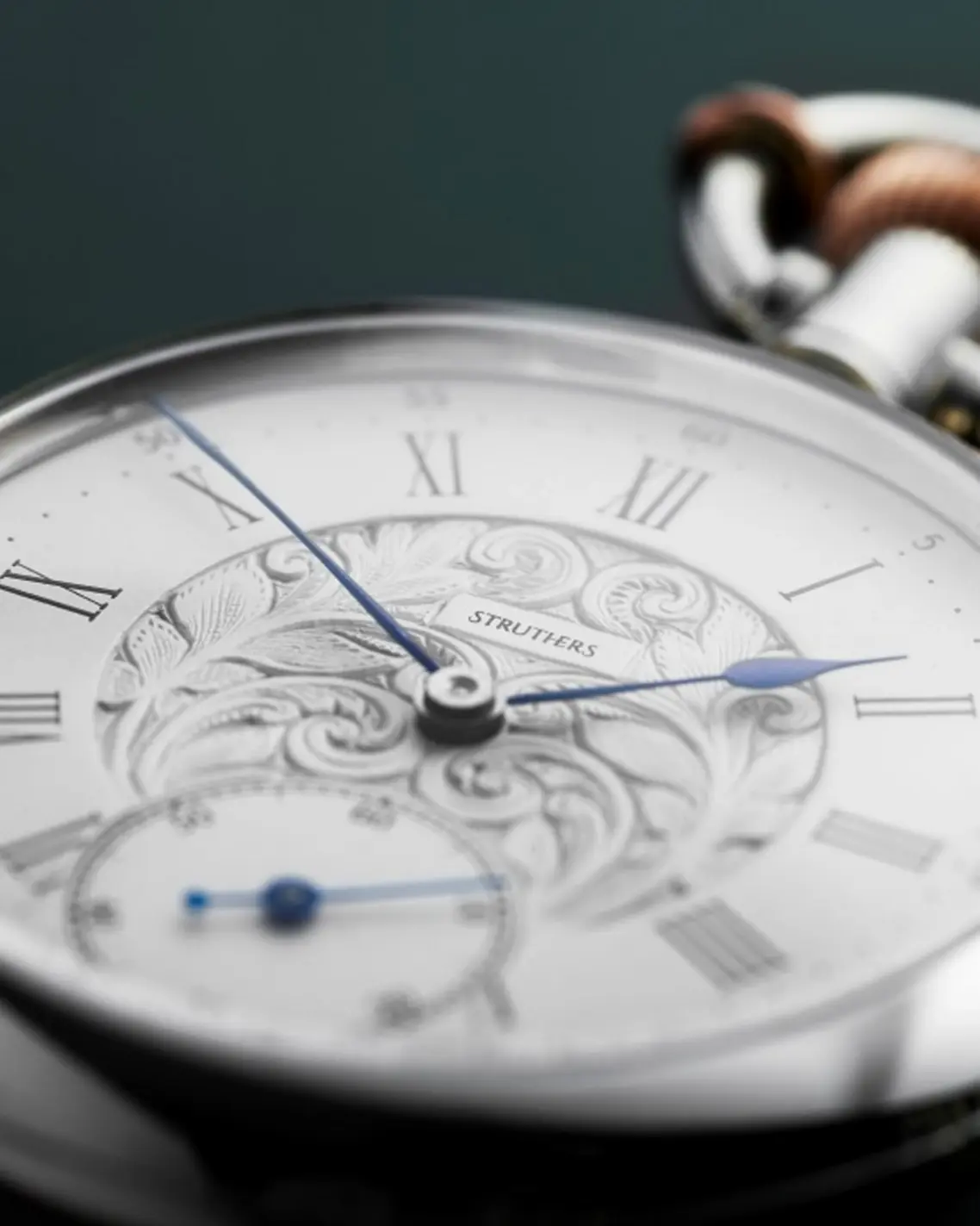
As one of the rare, true "cultural makers", Dr. Rebecca Struthers has built a form of luxury whose glamour is intellectual before it is ostentatious. She has spoken openly about the obstacles facing women in watchmaking, arguing that the industry still has too many women in junior roles, too few pathways upward, and a persistent failure to take female watchmakers seriously. That candour matters because it comes from someone who has already crossed one of the field’s highest barriers. Her advocacy has not been abstract either, the Heritage Crafts President’s Award recognised her role in preserving endangered skills, and the bursary supported the creation of the Watchmakers’ Café, a free educational resource intended to help practitioners develop skills and share knowledge.
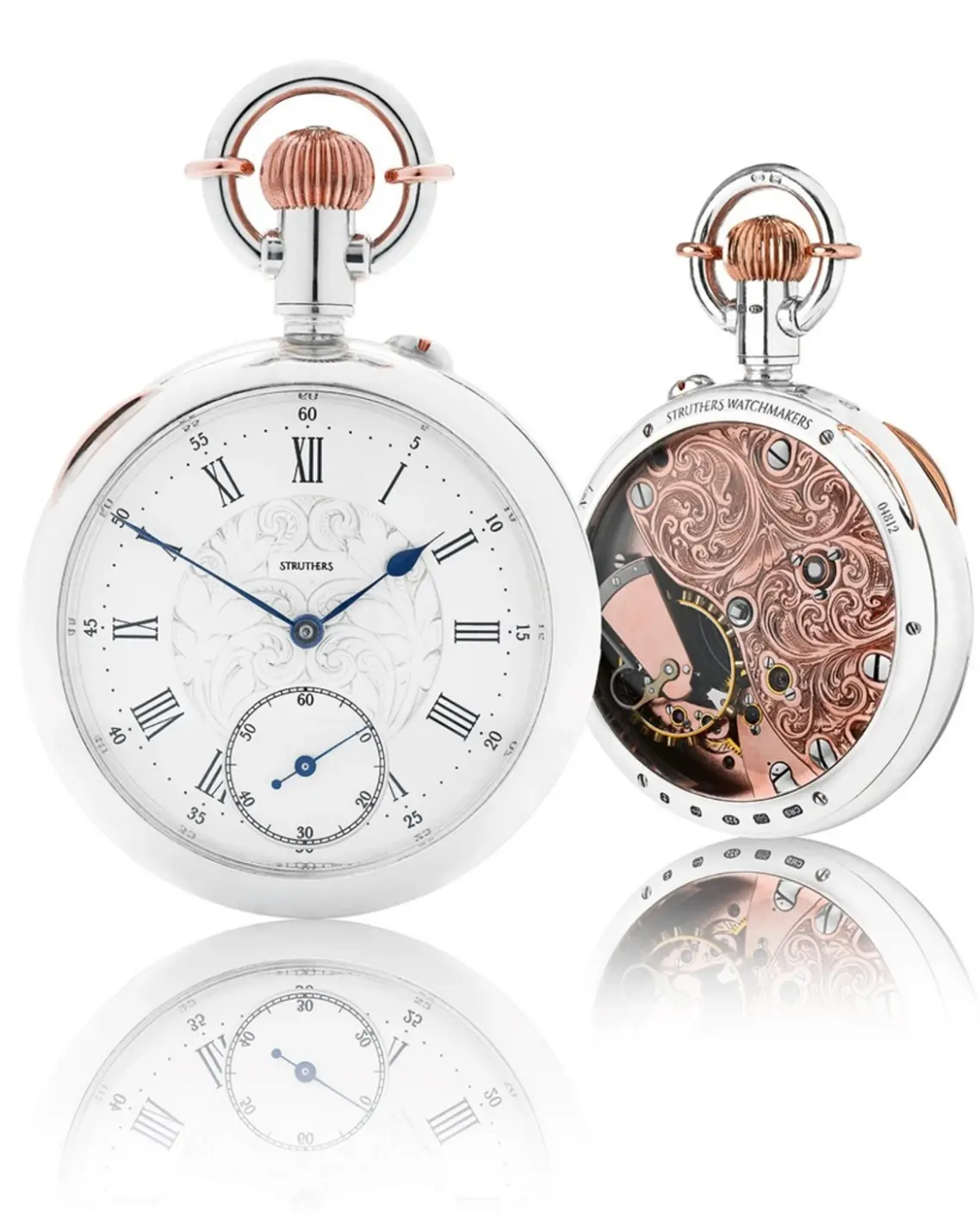
Her wider impact also lives in the ecosystem she helps sustain. Struthers projects regularly draw in other specialised craftspeople, from engravers to dial makers, because the workshop treats watchmaking as a networked art rather than a solitary genius myth. A 2024 collaboration for Watches of Switzerland’s centenary brought together designer Tommy Morrison, historic dial maker Bedford Dials, and gun engraver Sam Faraway, while the case itself was crafted using traditional boxwood turning. Rebecca Struthers is not simply making watches. She is helping keep an entire endangered craft vocabulary alive.
In the world of Dr. Rebecca Struthers, a watch is never just a status symbol, and never just a machine. It is research, inheritance, labour, storytelling, and design compressed into a few centimetres of metal and motion. That is why a Struthers piece carries such unusual weight. It offers thought. And in an era where so much luxury is built on the surface, Rebecca Struthers reminds us that the most seductive objects are often the ones with a mind of their own.