MENU
Close





In 2026, the most compelling story in elite watchmaking is not simply who wears the watch, but who now shapes its meaning: a cohort of women in high horology and women in leadership who are directing mechanical innovation, high-jewelry imagination, sustainability standards, and the afterlife of luxury itself.
In 2026, the most compelling story in elite watchmaking is not simply who wears the watch, but who now shapes its meaning: a cohort of women in high horology and women in leadership who are directing mechanical innovation, high-jewelry imagination, sustainability standards, and the afterlife of luxury itself.
March 20, 2026


For decades, haute horlogerie was presented as a world of lineage, workshop mythology, and masculine authority, a culture where technical legitimacy seemed to pass from one patriarchal hand to the next. By early 2026, that old framing feels increasingly incomplete. Some of the most consequential decisions in contemporary watchmaking are now being made by women in leadership who are shaping not only corporate strategy, but also the aesthetic language, material experimentation, sustainability logic, and collector culture surrounding the watch itself. Women in high horology are no longer a sidebar to the industry’s story; they are writing its next chapter.
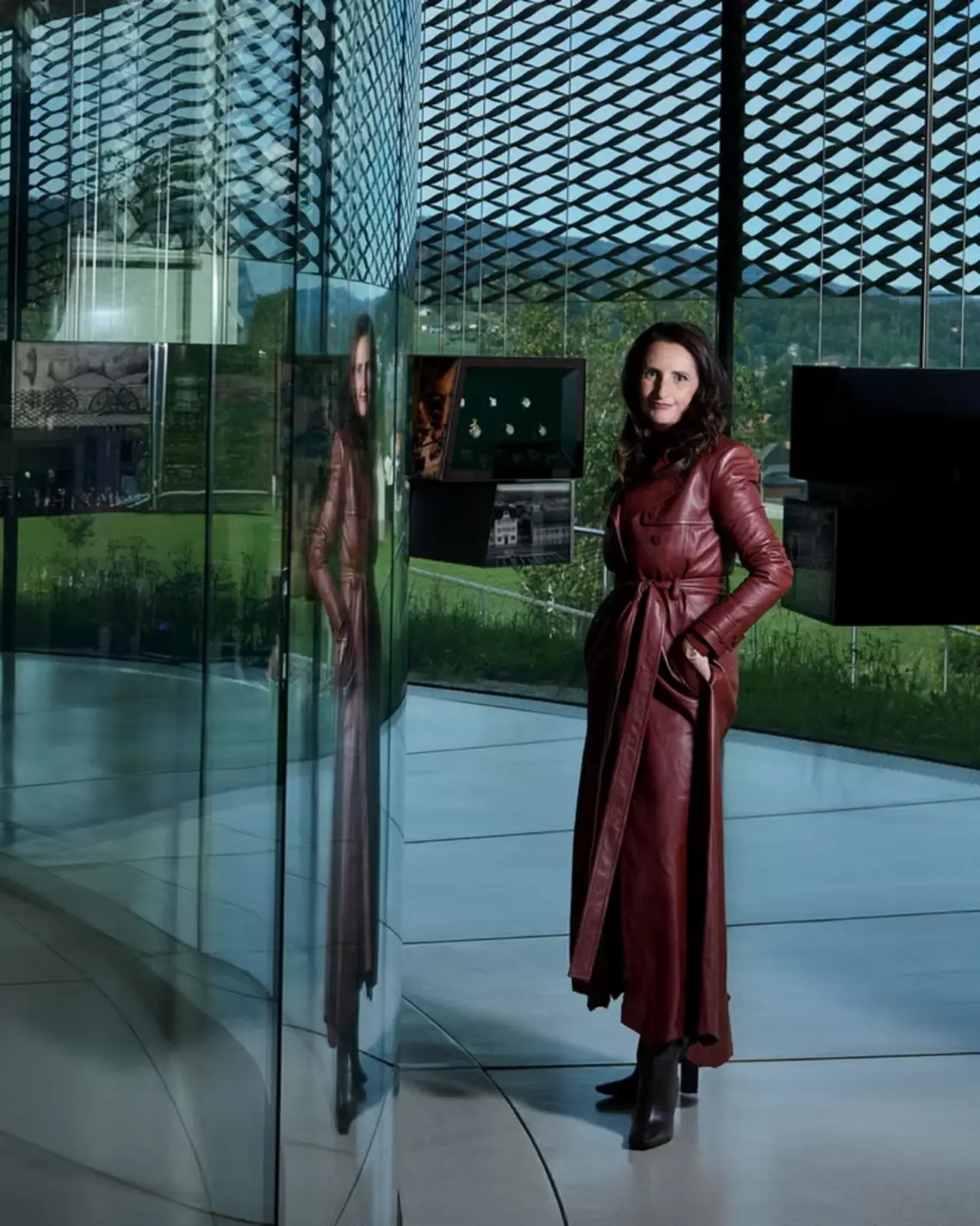
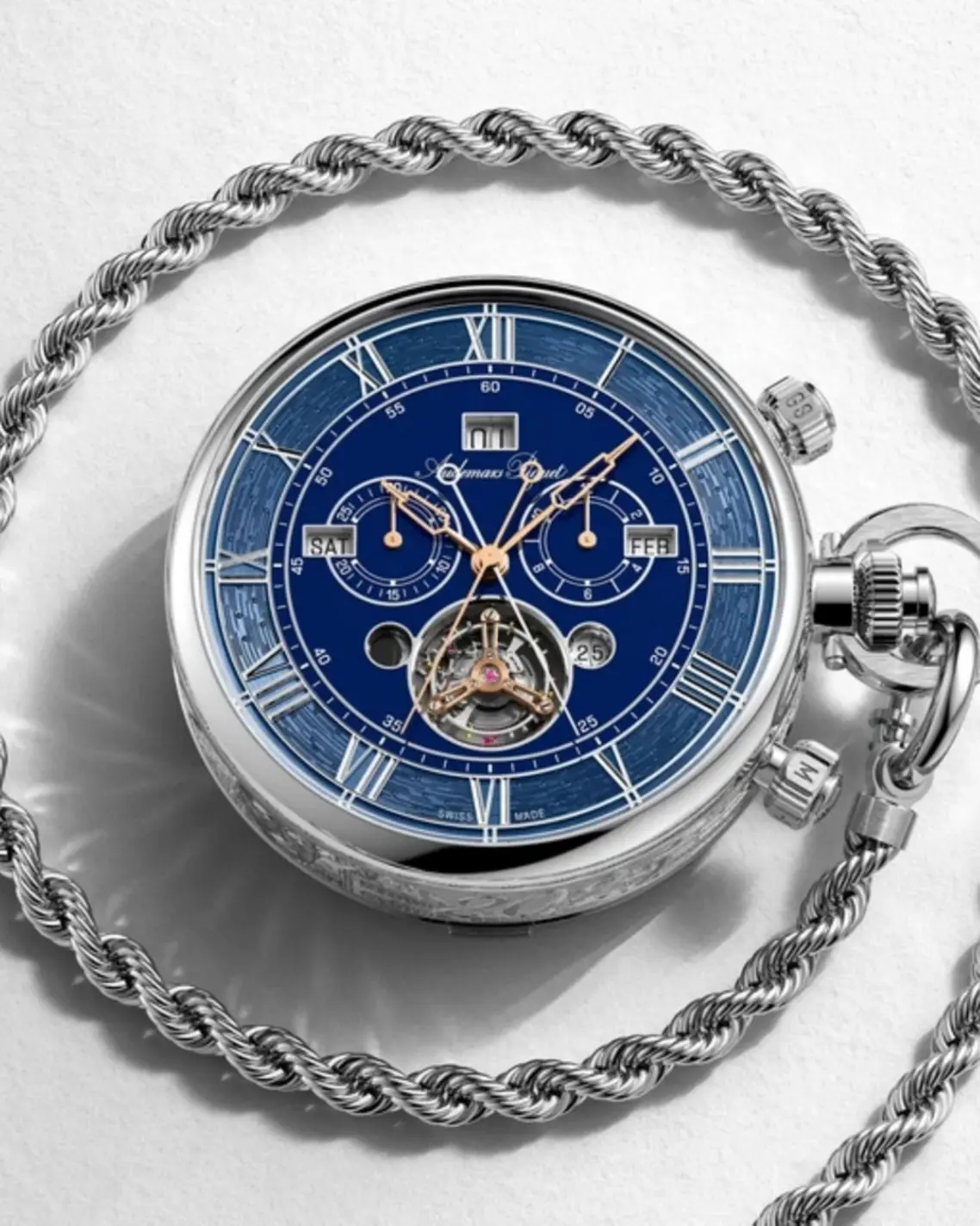
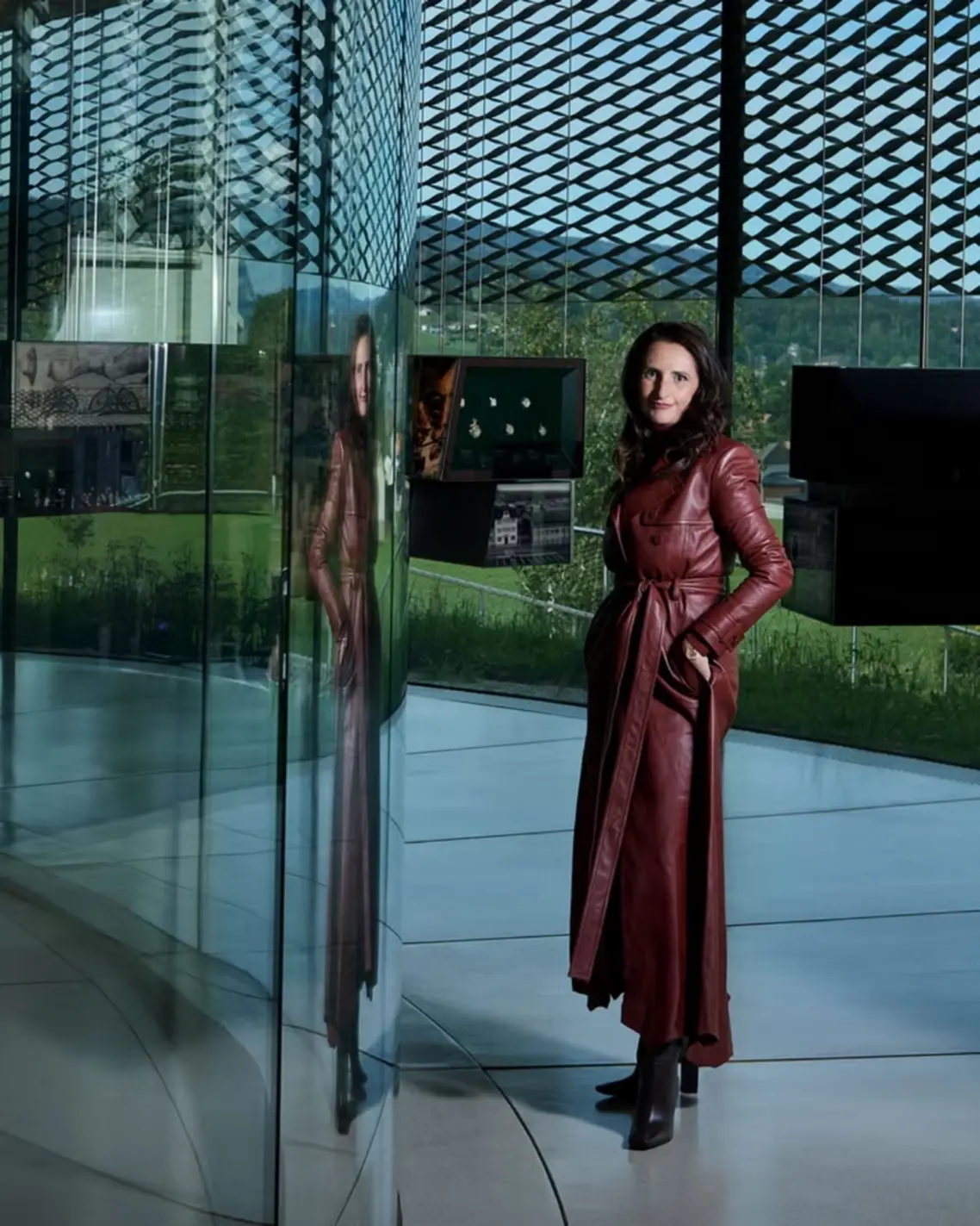
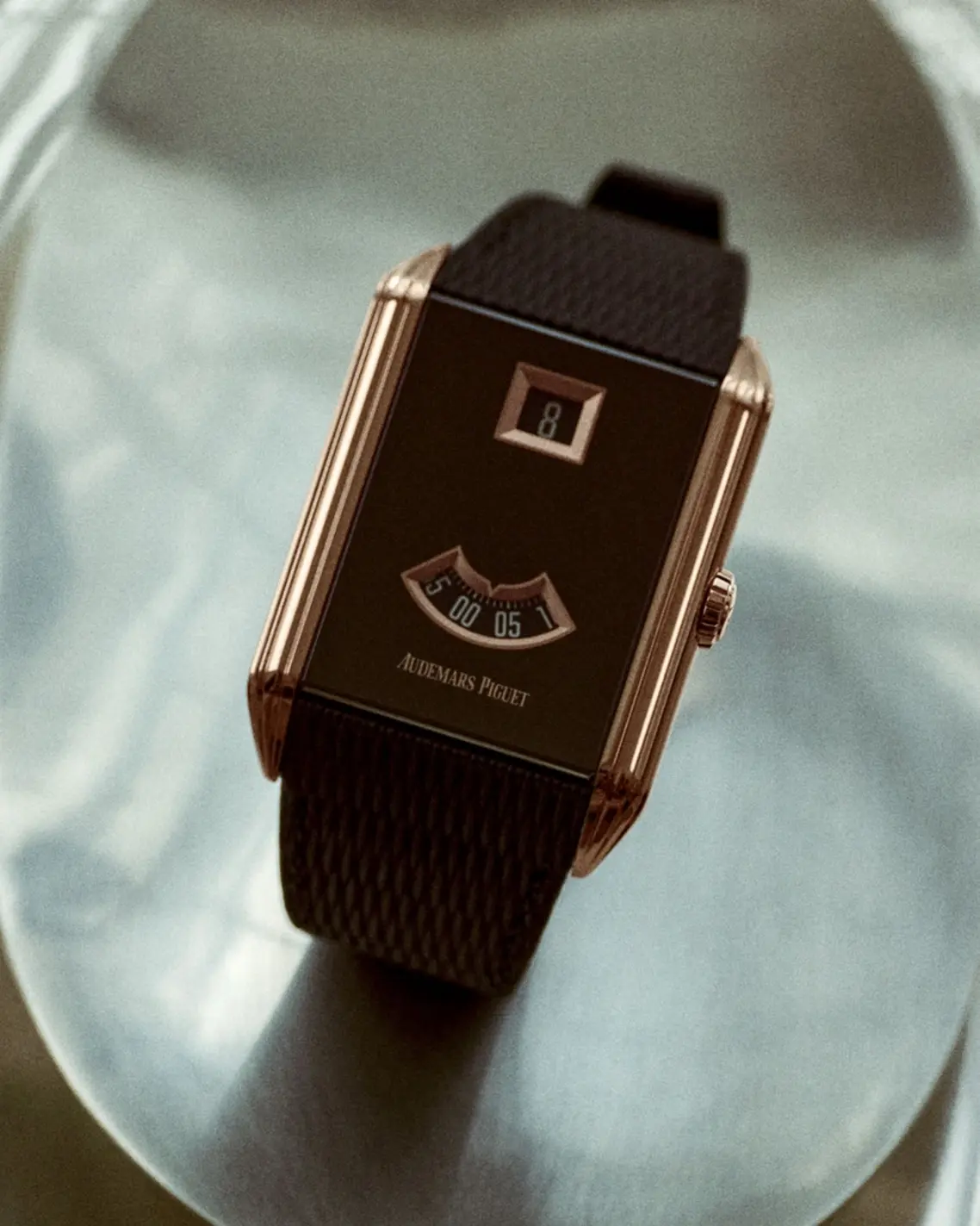
Among the clearest examples is Ilaria Resta at Audemars Piguet, one of the most closely watched chief executive roles in Swiss watchmaking. Public interviews from 2025 and 2026 show her steering the maison through a distinctly future-facing program built around manufacturing excellence, a cross-generational customer strategy, and what she calls “radical openness.” Just as important, her public comments reject the old habit of designing women’s watches as a separate, softened category. She has explicitly linked Audemars Piguet’s growth among female clients to a strategy that foregrounds complications, materials, innovation, and ergonomics rather than putting women “in a box.” That philosophy has shown up materially in Audemars Piguet’s emphasis on research, from reactive “Fab Labs” to the launch of sand gold, a new 18-carat alloy that extends the Royal Oak into a more experimental territory of light, tone, and surface. In Resta’s hands, women in leadership are reframing luxury watchmaking as both technically serious and culturally porous.
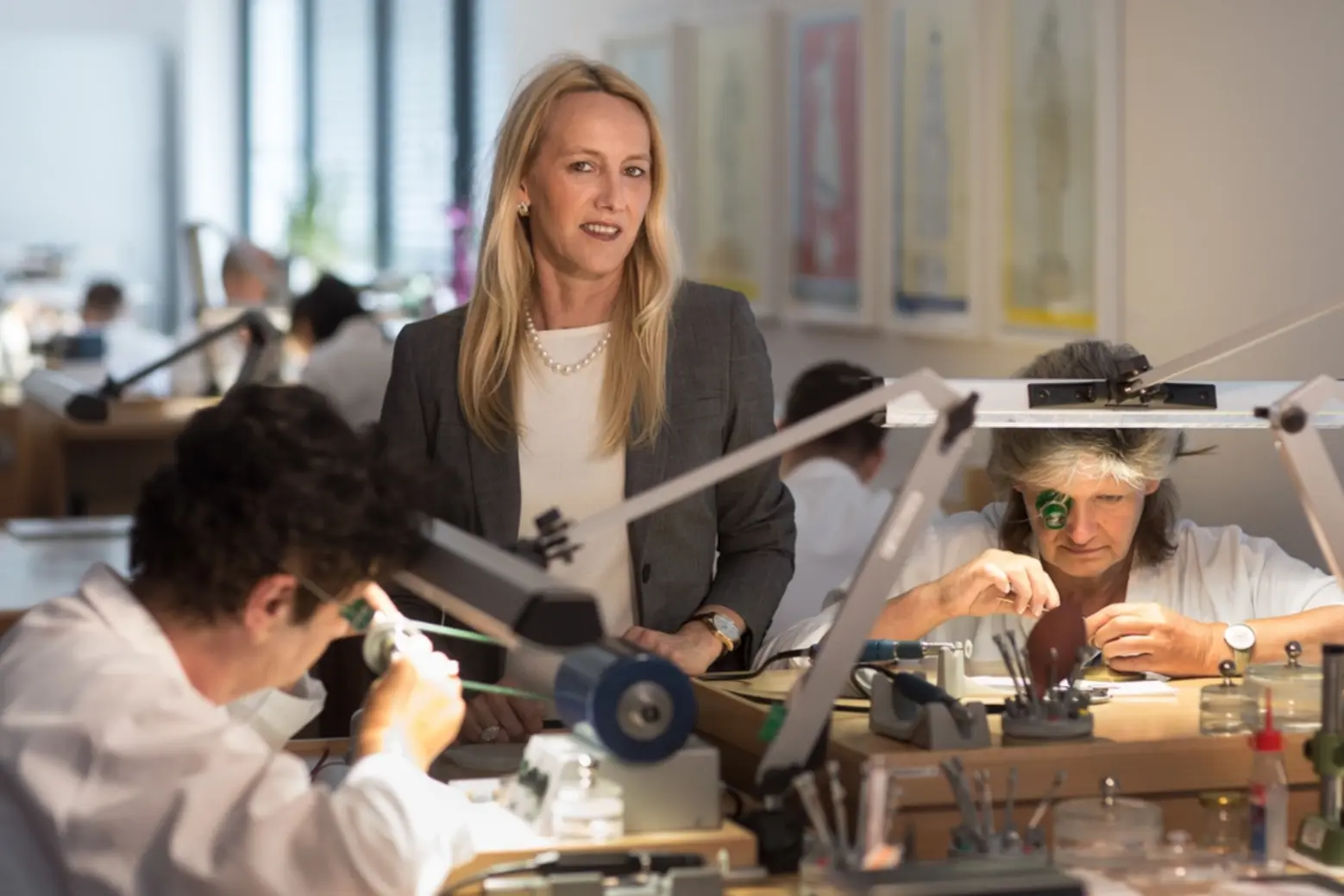
Christine Hutter represents a different, equally powerful model of authority. At Moritz Grossmann, she is not merely an executive steward but a trained watchmaker who rebuilt a historic name from the ground up. The brand’s own history states that she established Grossmann Uhren GmbH in Glashütte on 11 November, 2008, after rediscovering Moritz Grossmann’s legacy and resolving to create a new manufacture around it. What makes Hutter so central to any discussion of women in high horology is the clarity of her philosophy: Handwork is not ornamental rhetoric at Moritz Grossmann, but a conviction. The maison describes its watches as the meeting point of ancestral craftsmanship and modern technology, with “made by hand” positioned as a governing idea rather than a nostalgic flourish. In an industry that often talks about heritage as branding, Hutter has turned it back into practice.
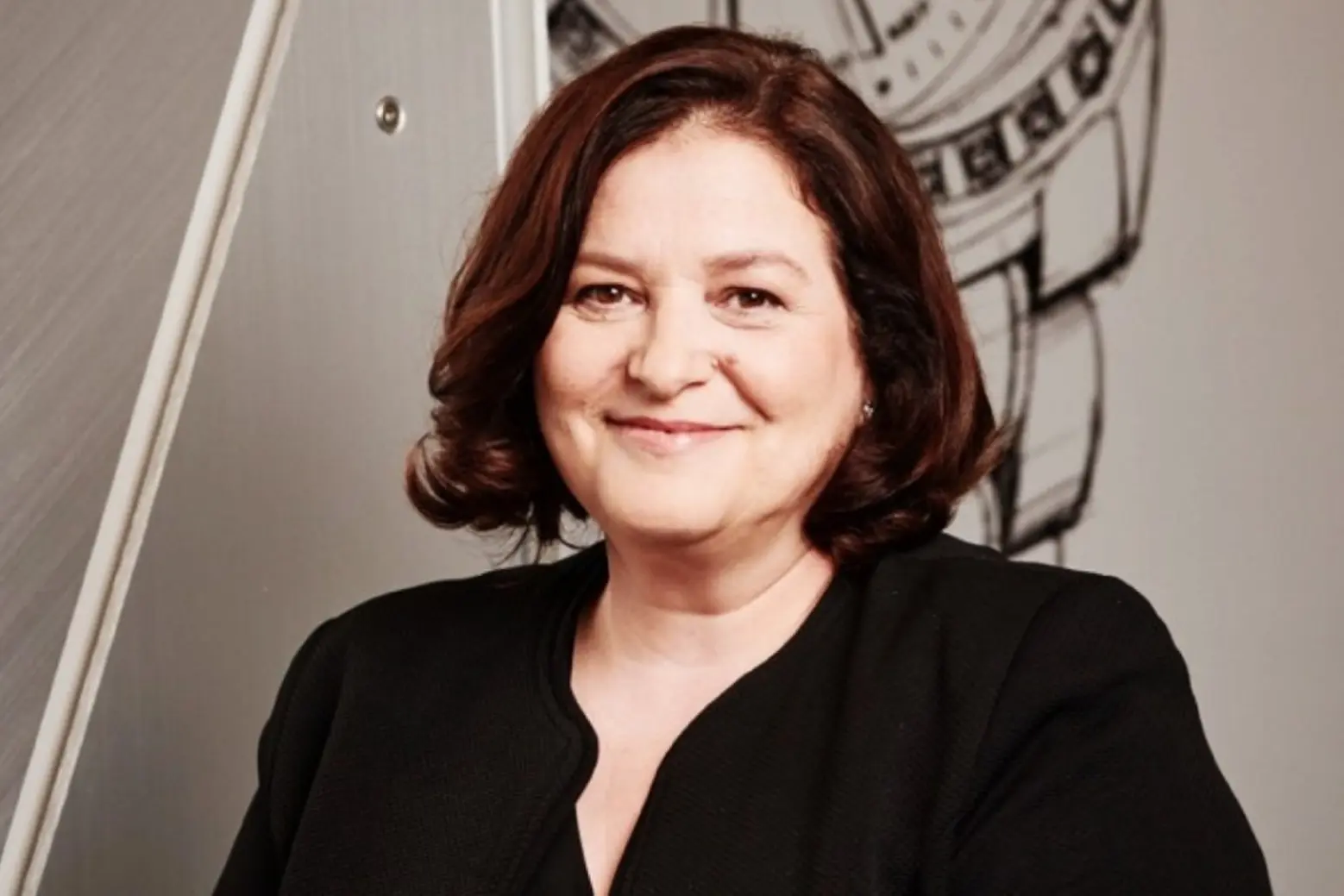
If Hutter stands for artisanal purity, Carole Forestier-Kasapi stands for conceptual and mechanical audacity. TAG Heuer’s own materials describe her as the brand’s Movements Director, responsible for movement strategy and the development of mechanisms, while recent reporting traces her career from the Breguet prize-winning tourbillon concept that helped inspire the Ulysse Nardin Freak to fifteen years at Cartier, where she oversaw the development of nearly thirty in-house calibres. At TAG Heuer, her recent agenda has been strikingly precise: improve reliability, extend power reserve, build client-centric durability, and push material science where it genuinely serves performance. The 2026 conversation around her work centers on the TH-Carbonspring, antimagnetic solutions, Solargraph, and the pursuit of what she calls more “durability and quality,” even describing solar as a smart answer for clients because it reduces maintenance and extends autonomy. This is why women in leadership matter so much here: Forestier-Kasapi does not merely symbolize inclusion in a technical field, she actively defines what technical ambition should look like.
Caroline Scheufele’s influence at Chopard shows how women in high horology can reshape the field through a more fluid exchange between jewelry, watchmaking, and ethics. Precision matters here, because Chopard’s official L.U.C history credits Karl-Friedrich Scheufele with founding Chopard Manufacture in 1996 and establishing the L.U.C line’s watchmaking vision. Caroline Scheufele’s power lies elsewhere, and it is no less transformative.
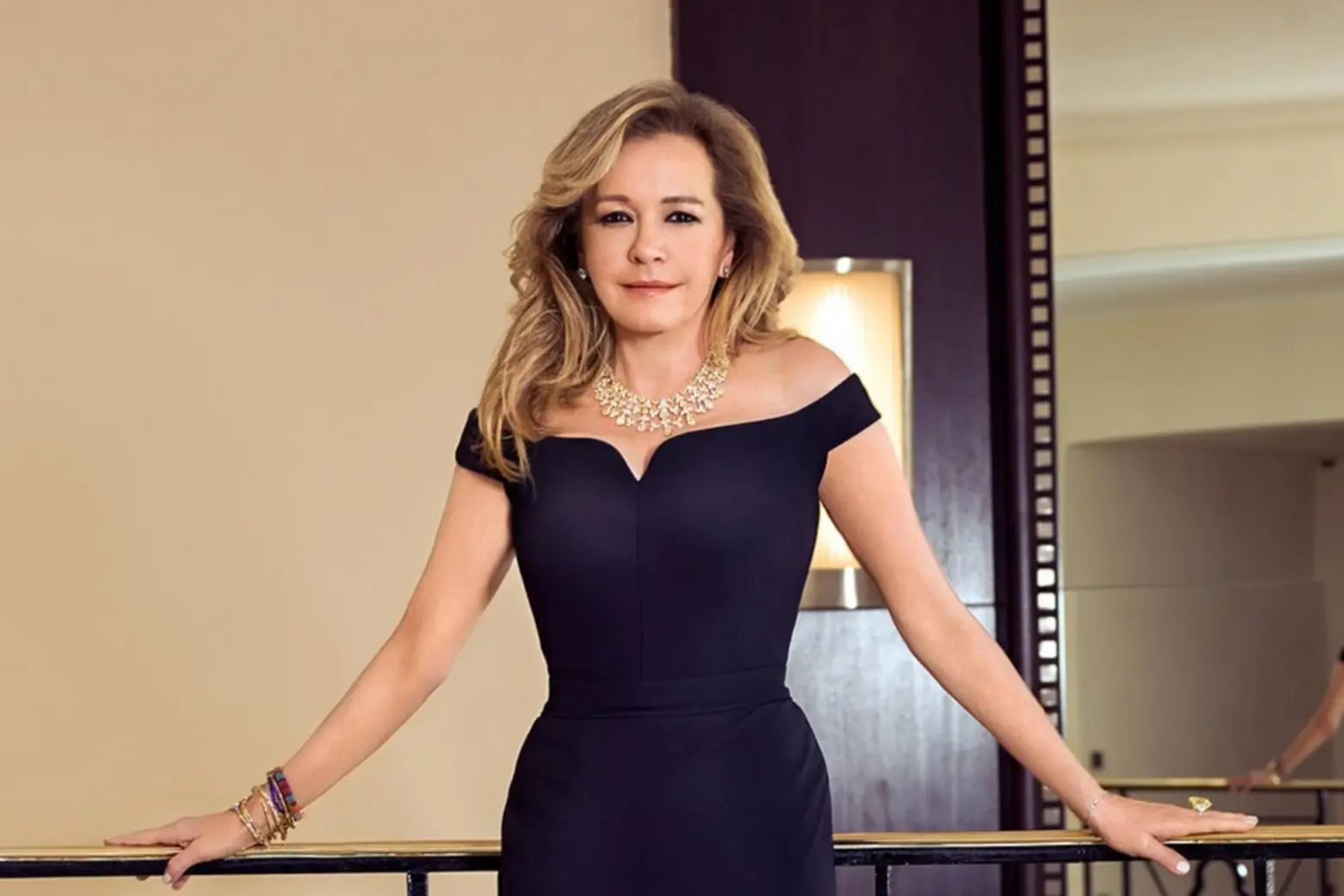
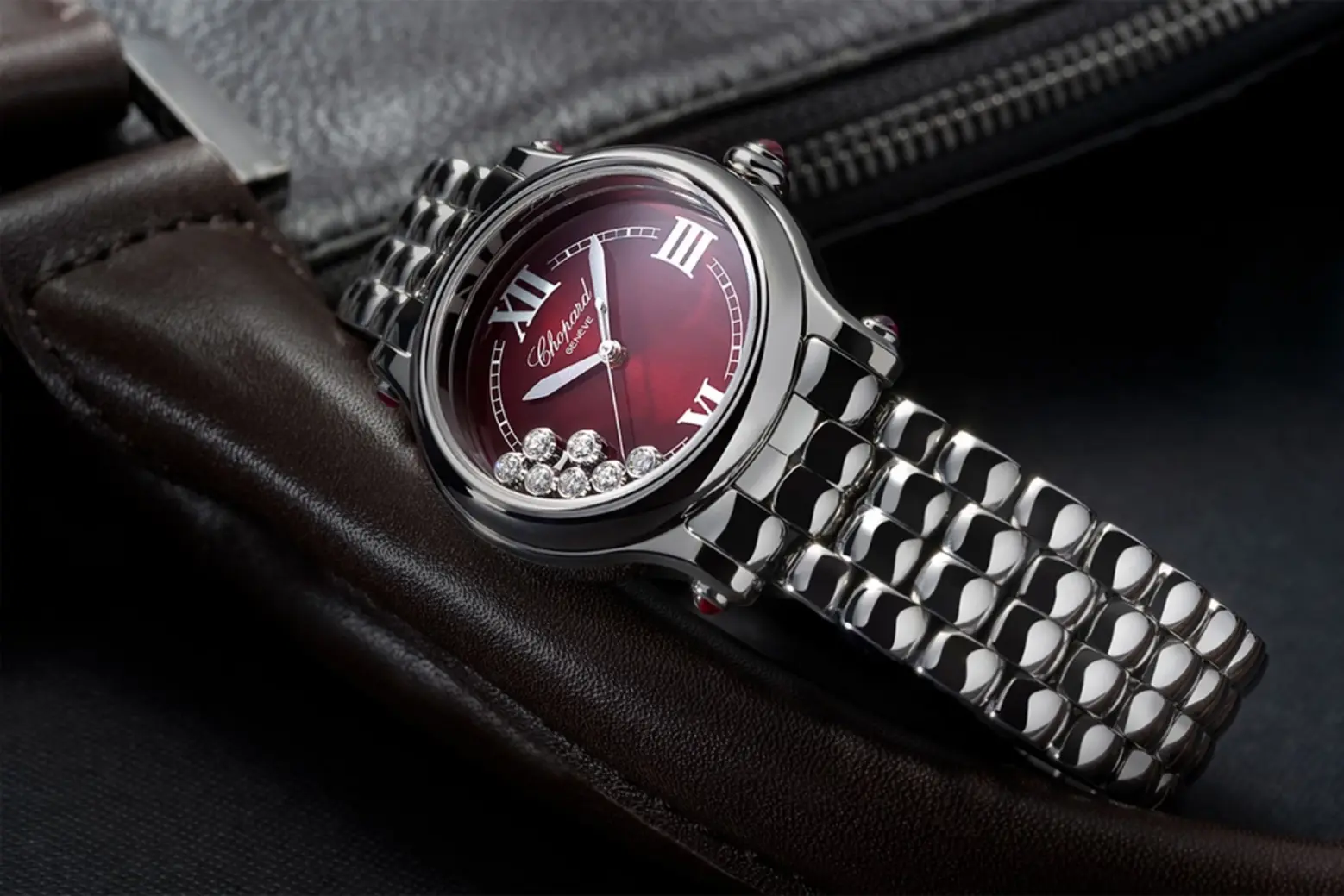
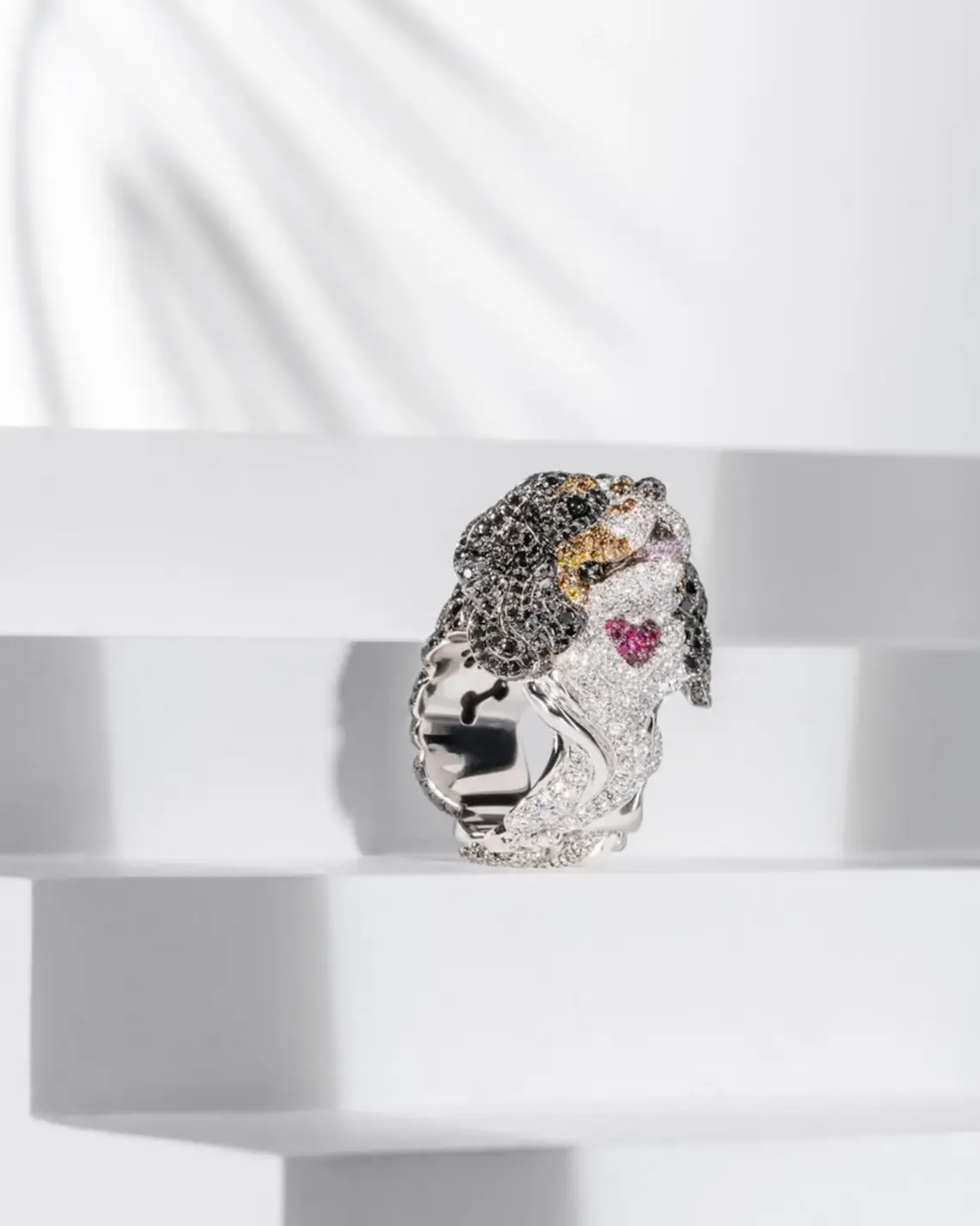
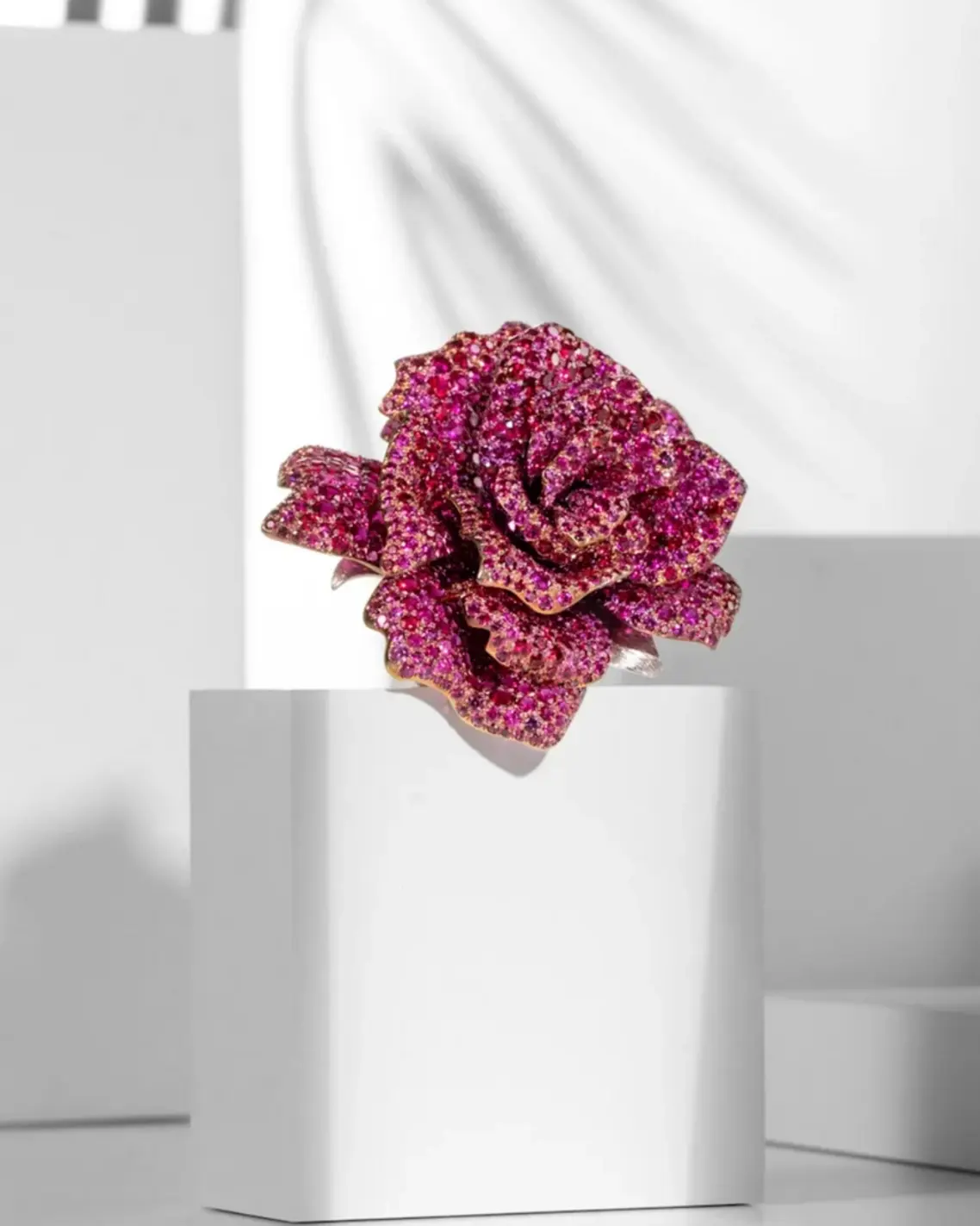
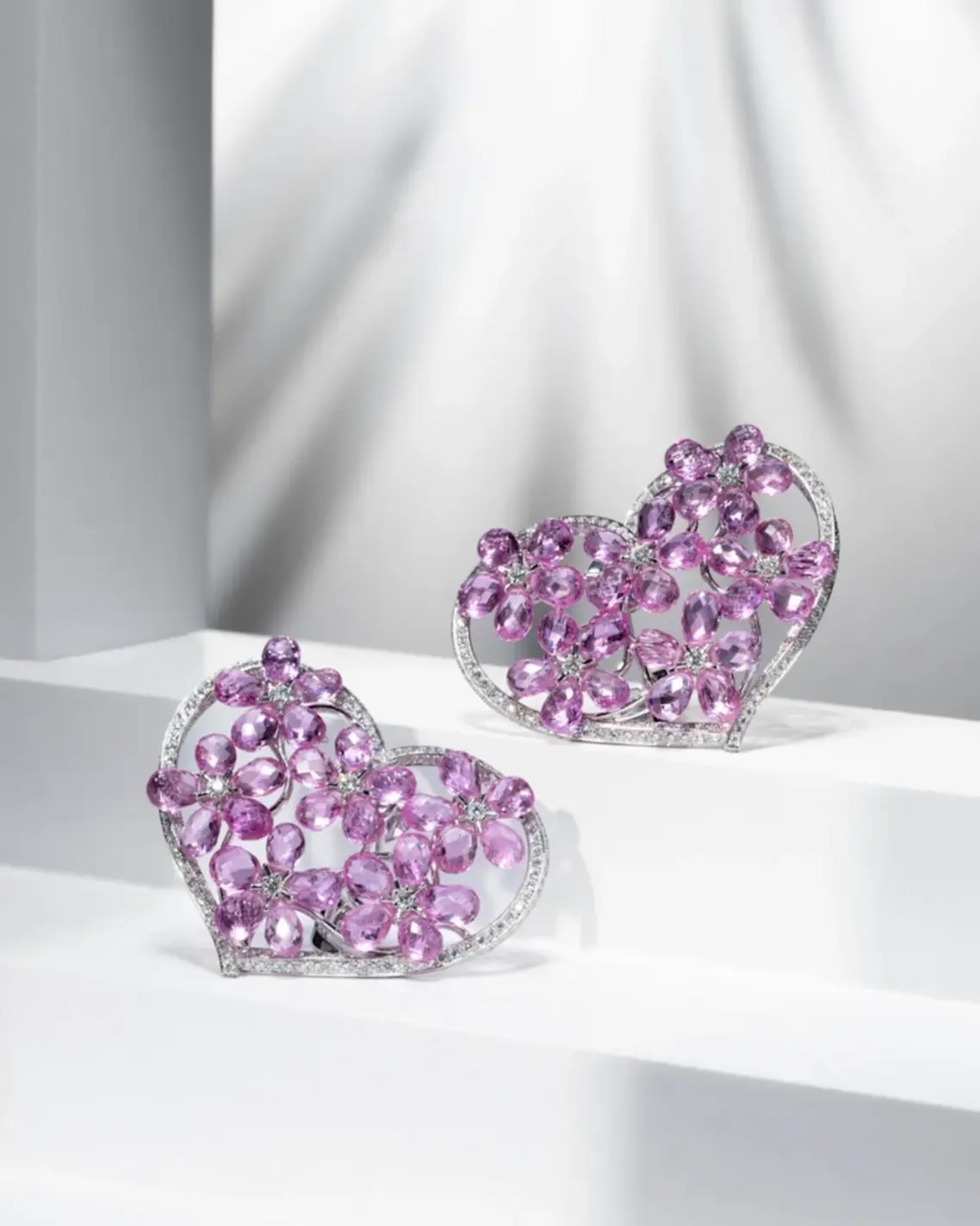
Chopard’s history credits her with designing Happy Sport in 1993, a watch that fused steel, diamonds, and motion into one of modern luxury’s most enduring hybrid objects, while the maison’s sustainability materials state that Chopard has used 100 percent ethical gold in its watches and jewelry since 2018. Chopard also repeatedly presents Caroline Scheufele as the artistic force behind its high-jewelry universe, its jewelry lace codes, and the annual Red Carpet collection. In other words, her leadership has helped make beauty, gem knowledge, and responsible sourcing central to the maison’s authority. Women in leadership here are expanding what counts as horological seriousness by insisting that artistry and ethics belong inside the core proposition, not around its edges.
At Speake-Marin, Christelle Rosnoblet illustrates another form of contemporary authority: the ability to turn an independent house into a more vertically integrated manufacture without flattening its creative identity. Speake-Marin’s official materials describe her as CEO and owner, note her investment in Le Cercle des Horlogers beginning in 2014, and explain that this move was meant to secure independence in movement sourcing, define quality standards, and fully execute the brand’s creativity. The maison’s own calibre and product materials underline the result: A signature world of openworked movements, in-house calibres, and tourbillon pieces that foreground visible mechanics as part of the watch’s allure. Rosnoblet’s importance lies in showing how women in leadership can bring structure, capital, and manufacturing strategy to independents without sacrificing design character.
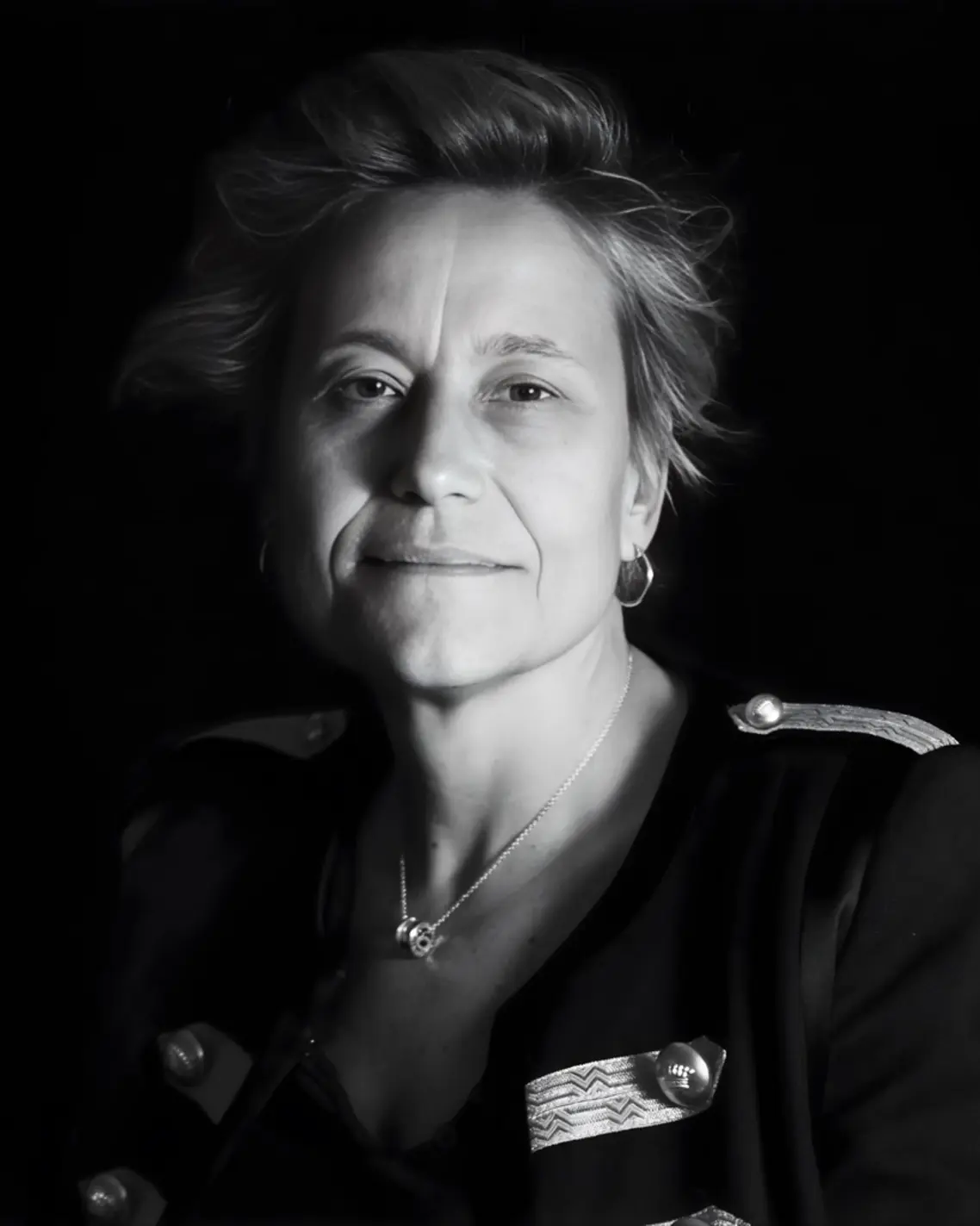
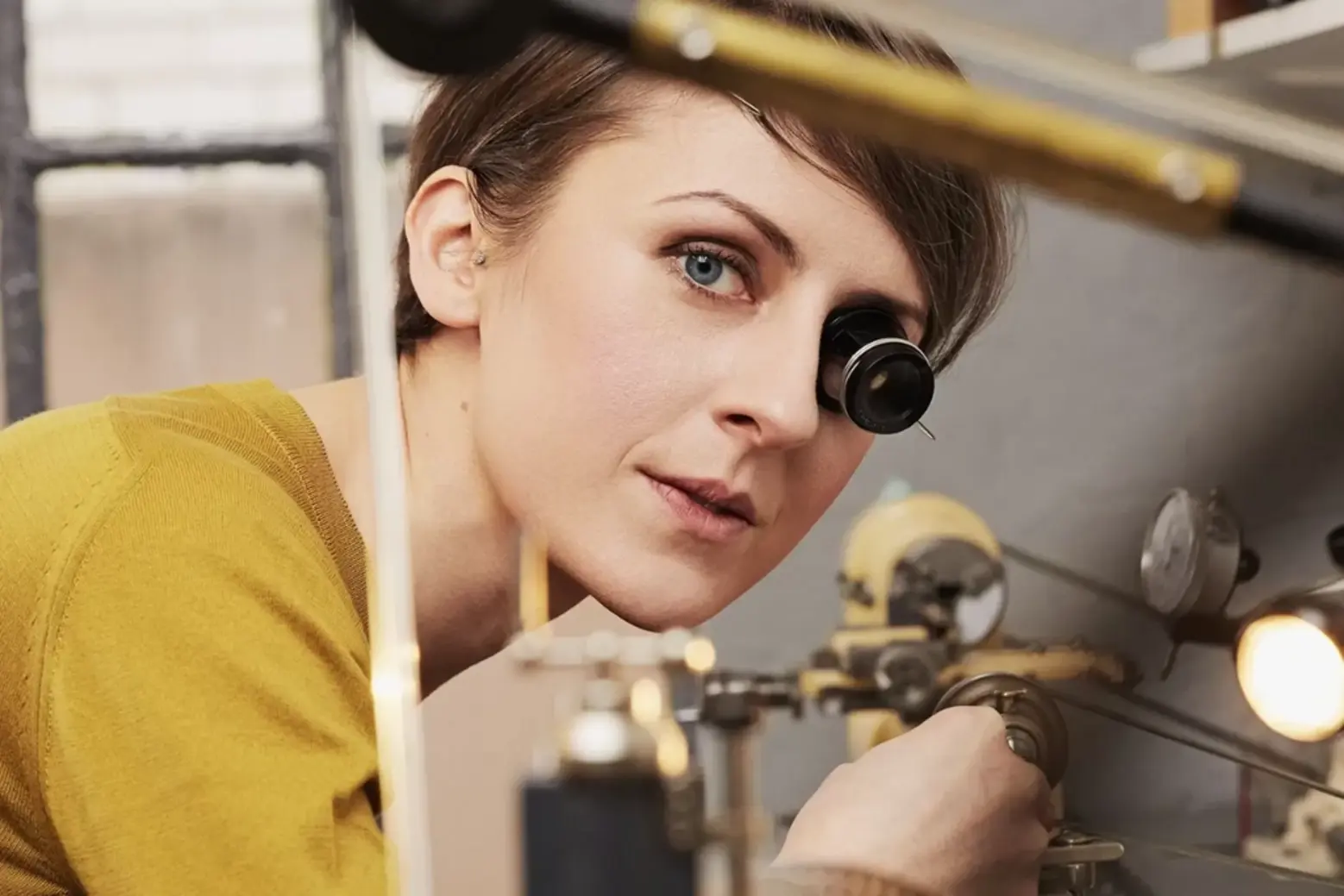
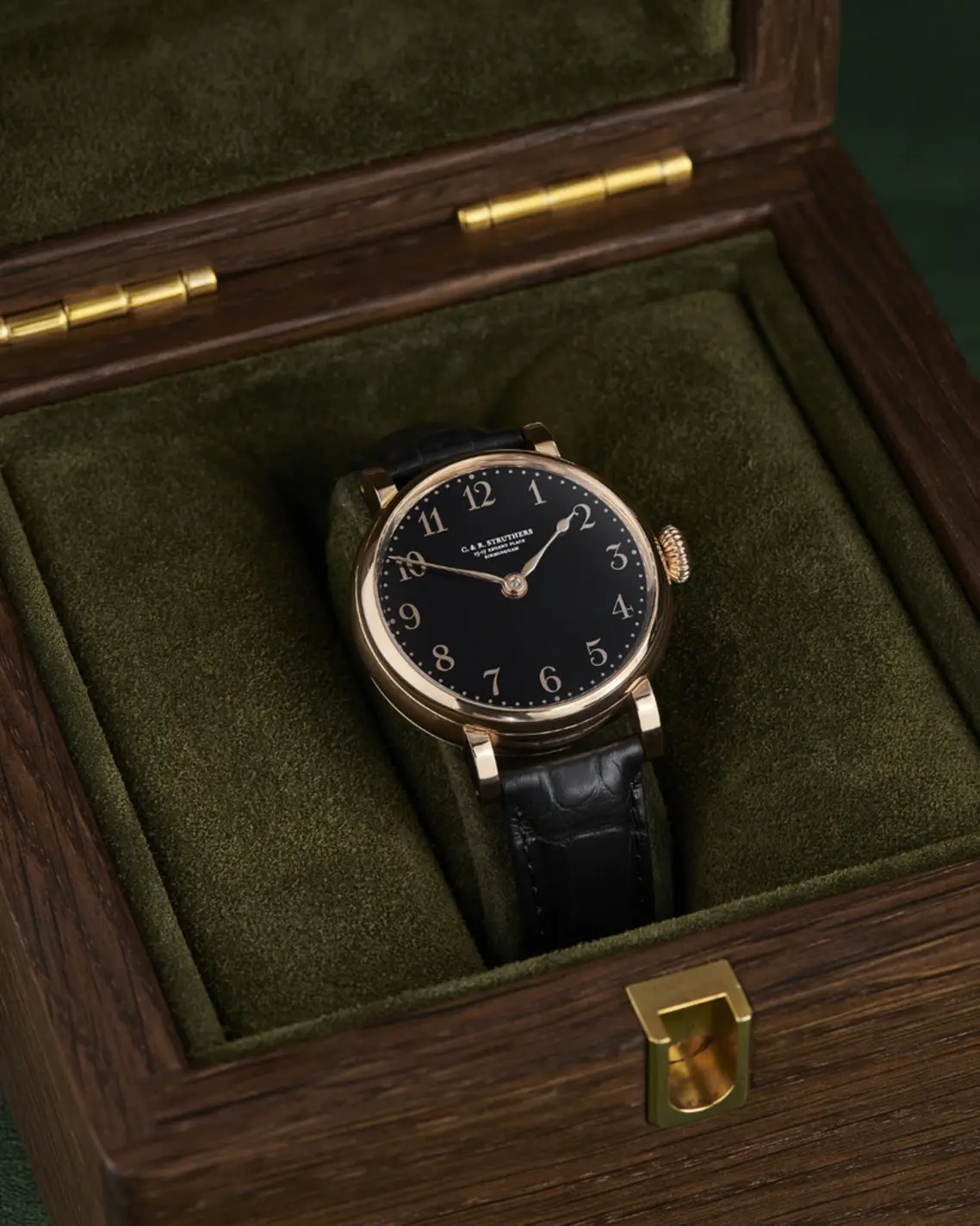
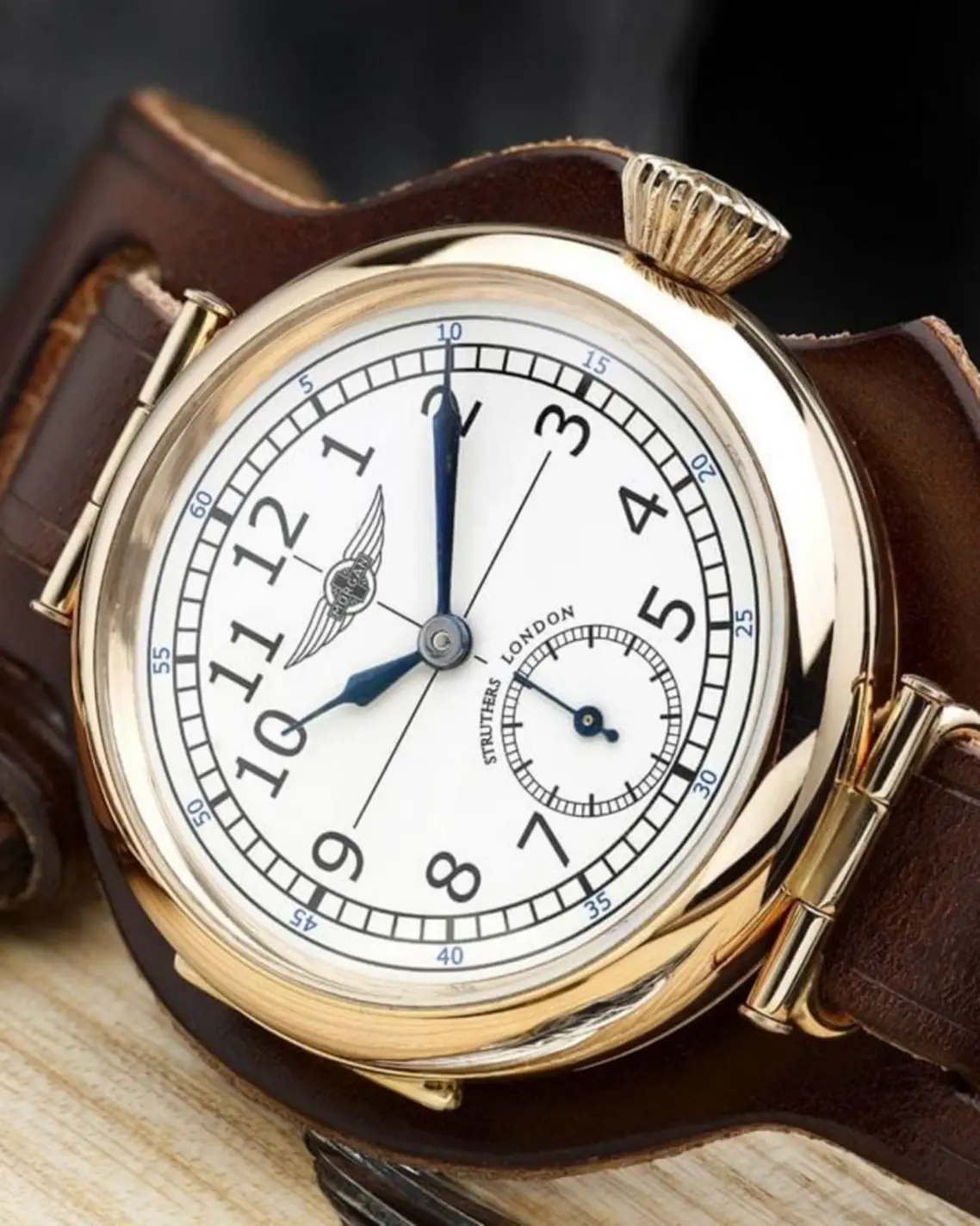
The independent master scene makes this shift even more vivid, standing alongside big household names like Phillipe Dufour and Vianney Halter is Rebecca Struthers, who remains one of the clearest examples of scholarship becoming practice. Her own profile states that in 2017 she became the first watchmaker in British history to earn a PhD in her field, with expertise spanning the development of the European watch industry in the eighteenth and nineteenth centuries. That research now informs the production journey of Struthers watches themselves. Her position in the culture of independent watchmaking matters because she joins restoration, historical method, design, and authorship in one figure, proving that women in high horology are shaping the discipline intellectually as well as commercially.
Then there is the “secondary loop,” the part of the story that stretches beyond manufacture and boutique into resale, auctions, and long-term value. Chabi Nouri, former CEO of Piaget, became Bonhams’ Global CEO in 2024, and by 2025 she was already publicly framing auctions as a space being reshaped by digital access, younger collectors, sustainability, and circularity.
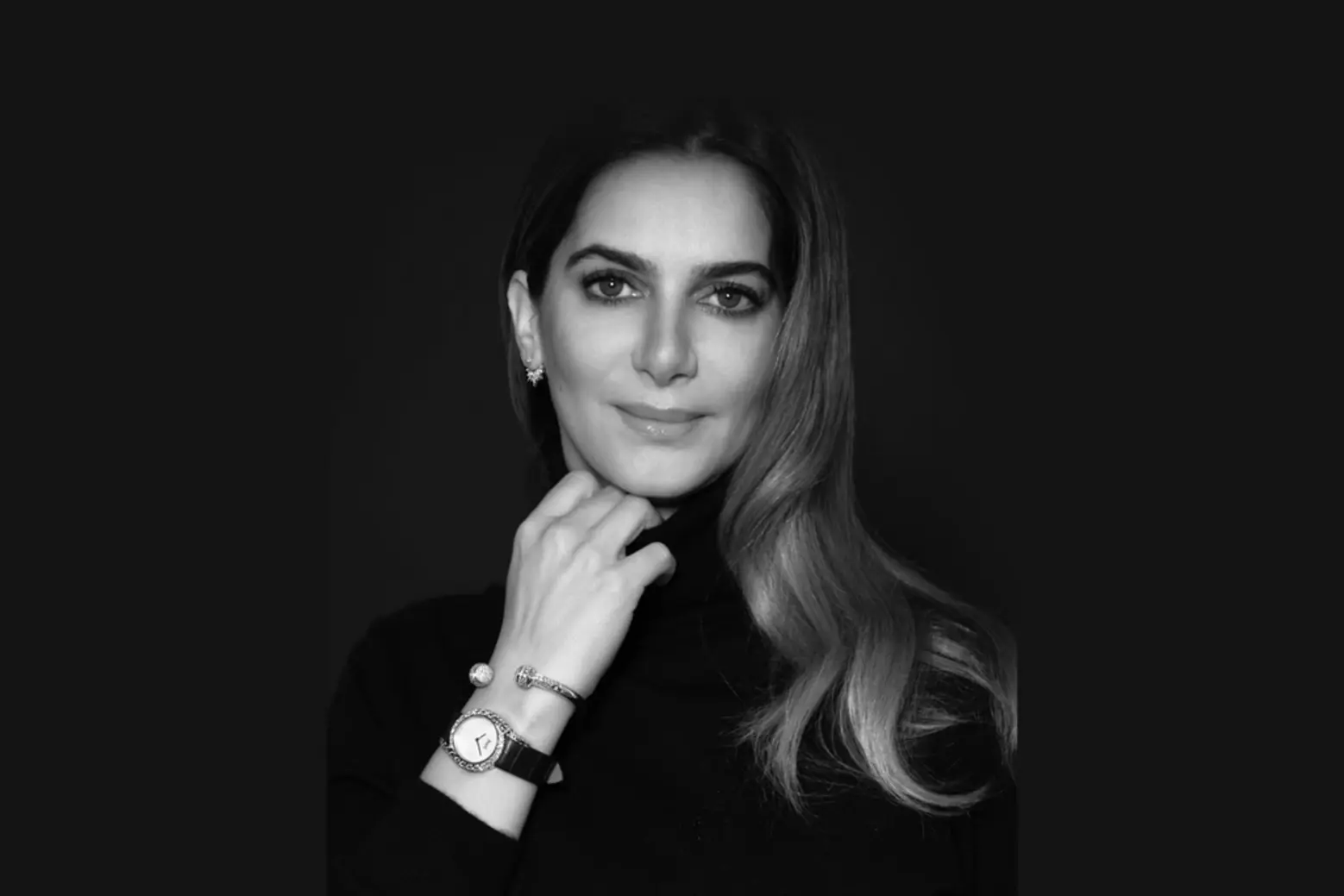
Luxury Society reports that Millennials and Gen Z now represent up to a third of major auction-house bidders, while Nouri herself has emphasized the power of online access, richer storytelling, and the circular-economy appeal of collectible objects. Her move is significant because it shows women in leadership expanding their influence across the whole life cycle of the luxury watch. The contemporary timepiece now has to succeed at birth, in wear, in cultural memory, and in resale. That broader ecosystem is becoming just as important as manufacture.
What unites these women is a refusal of the old idea that female influence belongs only to decoration. Across high horology, women in leadership are shaping movement strategy, craftsmanship, materials, sustainability, and even the secondary market. The shift extends beyond watchmaking, because women are also redefining high jewelry with their new creative direction, gemstone authority, and sourcing ethics. Together, women in high horology and high jewelry are changing luxury from within, making it more intelligent, more expansive, and far more powerful.