MENU
Close





The act of sleeping carries a history stitched with vanity, diplomacy, mourning, class theater, and astonishing wealth. In 2026, luxury beddings have turned the bed into one of the last true theaters of private luxury, where comfort, craftsmanship, and heritage meet in silence rather than spectacle.
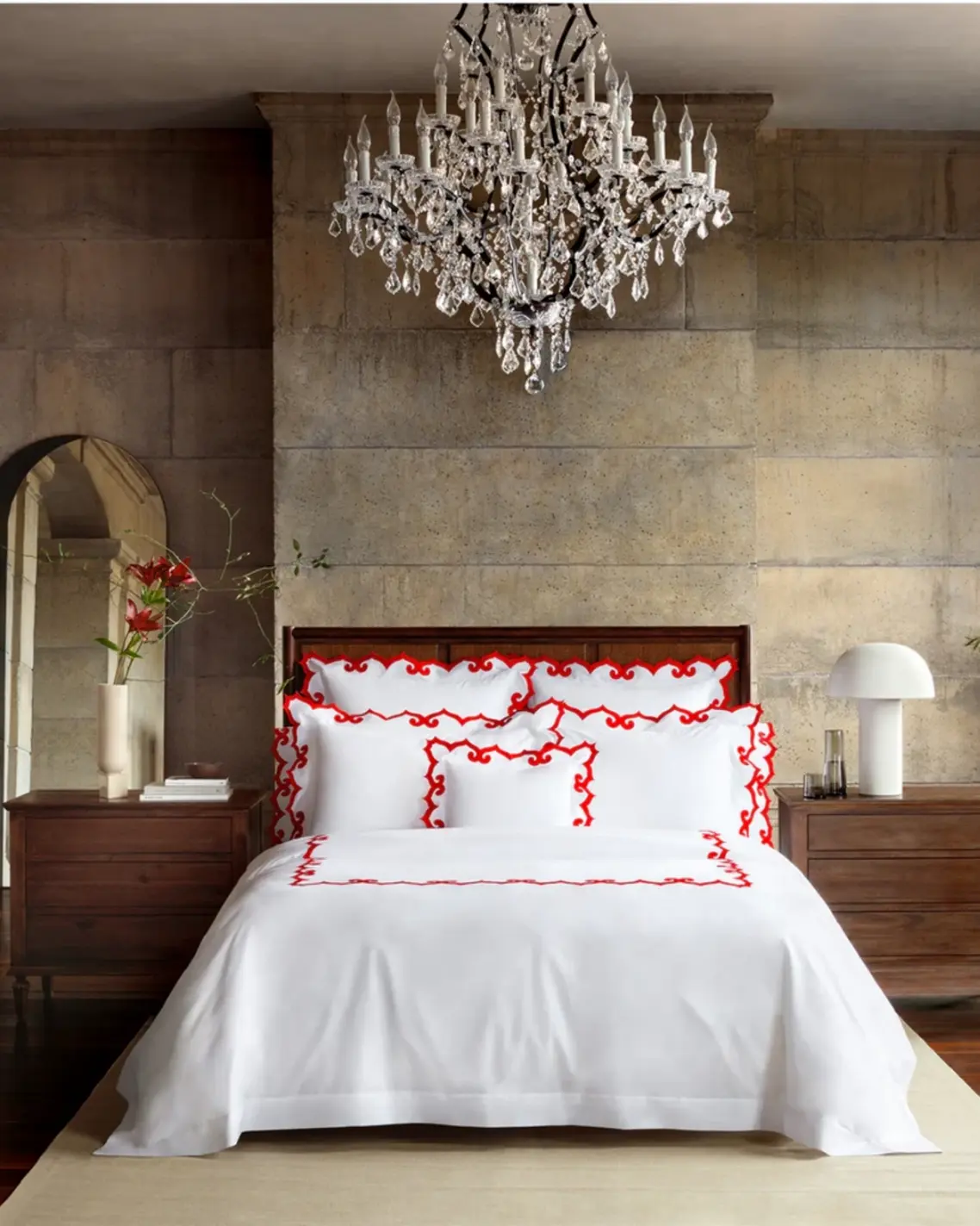
The act of sleeping carries a history stitched with vanity, diplomacy, mourning, class theater, and astonishing wealth. In 2026, luxury beddings have turned the bed into one of the last true theaters of private luxury, where comfort, craftsmanship, and heritage meet in silence rather than spectacle.
April 6, 2026


We spend nearly a third of our lives beneath sheets, suspended between waking and surrender. Adults are advised to sleep at least seven hours a night, yet more than one in three still drift through life with less than that vital measure. Sleep remains the body’s most intimate ritual of restoration, a quiet return to balance, healing, and rest. For those drawn to the luxury lifestyle, even this hidden portion of life deserves true investment. Under these luxury beddings, the body softens and the mind unravels.
Long before wellness culture wrapped sleep in the glossy language of self-care, luxury beddings already belonged to the grammar of power.
In the Renaissance and Baroque eras, luxury beddings were so laborious to produce, so dense with handwork and status, that it functioned almost like liquid currency. Seventeenth-century royal inventories often placed lace-trimmed sheets in the same category as gold bullion and jewels, which says everything about how closely fabric and fortune once touched.
Catherine de’ Medici, in mourning after her husband’s death, was said to have kept a Black Bedroom dressed in black velvet and silk, a spectacle of sorrow so opulent it became political theater, grief performed through textile excess.
By the time of the French monarchy, the bed had shed even the illusion of privacy. Under Louis XIV, the levée and the couchée turned the king’s waking and retiring into formal ceremonies, with crowds of courtiers pressing into the royal bedchamber to witness the choreography of authority. He reportedly owned 413 beds, many so heavily embroidered with gold that their curtains required reinforced pulleys to move, as if even rest, in the hands of absolute power, had to arrive dressed for the ceremony.
That history still lingers in the modern language of luxury beddings. Today’s finest sheets and duvets may arrive through the rhetoric of wellness, craftsmanship, and bespoke living, yet the deeper seduction remains the same. These luxury beddings promise more than comfort. They promise a private elevation of life itself. Their value lies partly in rarity, partly in performance, and partly in the fantasy that perfect rest can be cultivated through exquisite materials.
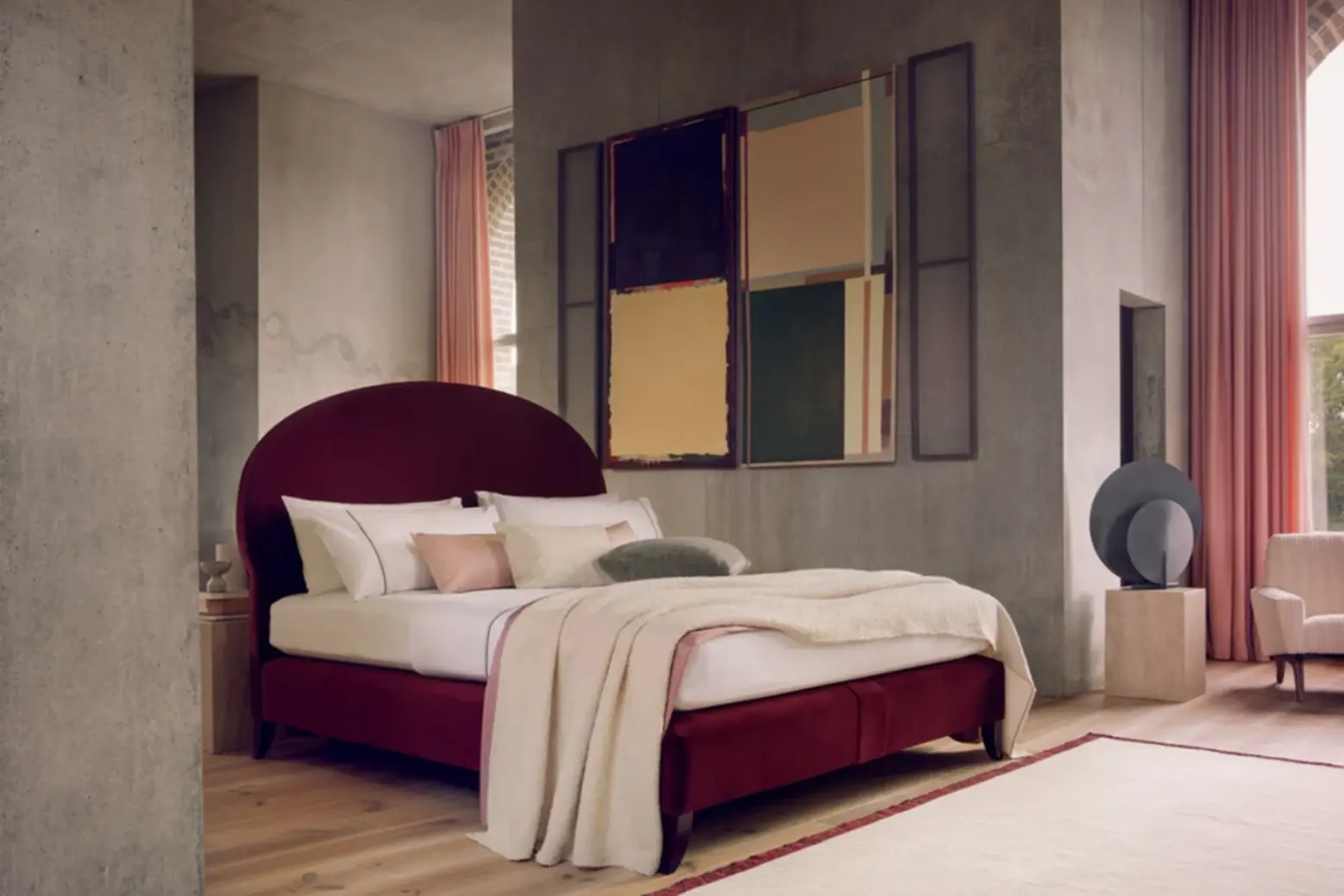

Science, for once, supports romance. The need for the perfect bed is scientifically-validated
At the intersection of biological necessity and artisanal mastery lies the science of thermoregulation, the silent guardian of deep REM cycles. Superior natural fibers, such as the rare Giza 45 extra-long staple cotton, utilize sophisticated capillary action to wick moisture away from the skin with surgical precision, effectively neutralizing the "clammy" discomfort that often triggers mid-night wakefulness. Similarly, the high-momme Mulberry silk serves as a dynamic thermal buffer, a breathable membrane that remains crisply cool during the height of summer while retaining just enough ambient warmth in winter to stave off the body’s shiver response.
Texture matters just as much. The nervous system responds powerfully to tactile sensation, and sleep quality often improves when the body encounters a smoother, quieter surface. Luxury bedding brands use longer cotton fibers, which create fewer broken ends within the weave. The result is a fabric with less surface friction, less pilling, and a far more fluid relationship with the skin. The body turns more easily. The sheet glides rather than resists. Even the duvet’s weight becomes part of the equation. The body feels held, yet free.
Hypoallergenic purity also plays an important role in the prestige of luxury bedding brands. Cheaper sheets often rely on short-staple cotton reinforced by chemical resins and temporary softeners, which gradually wash away and leave behind lint, roughness, and a more dust-prone surface. By contrast, long-staple cotton, high-quality linen, and silk offer a cleaner and more stable textile structure. Linen and silk also carry natural resistance to dust mites and mold, qualities that matter enormously for sleepers with sensitivities. Better air around the face, fewer irritants in the fabric, and a cleaner sensory field can all shape a night of deeper, more uninterrupted rest.
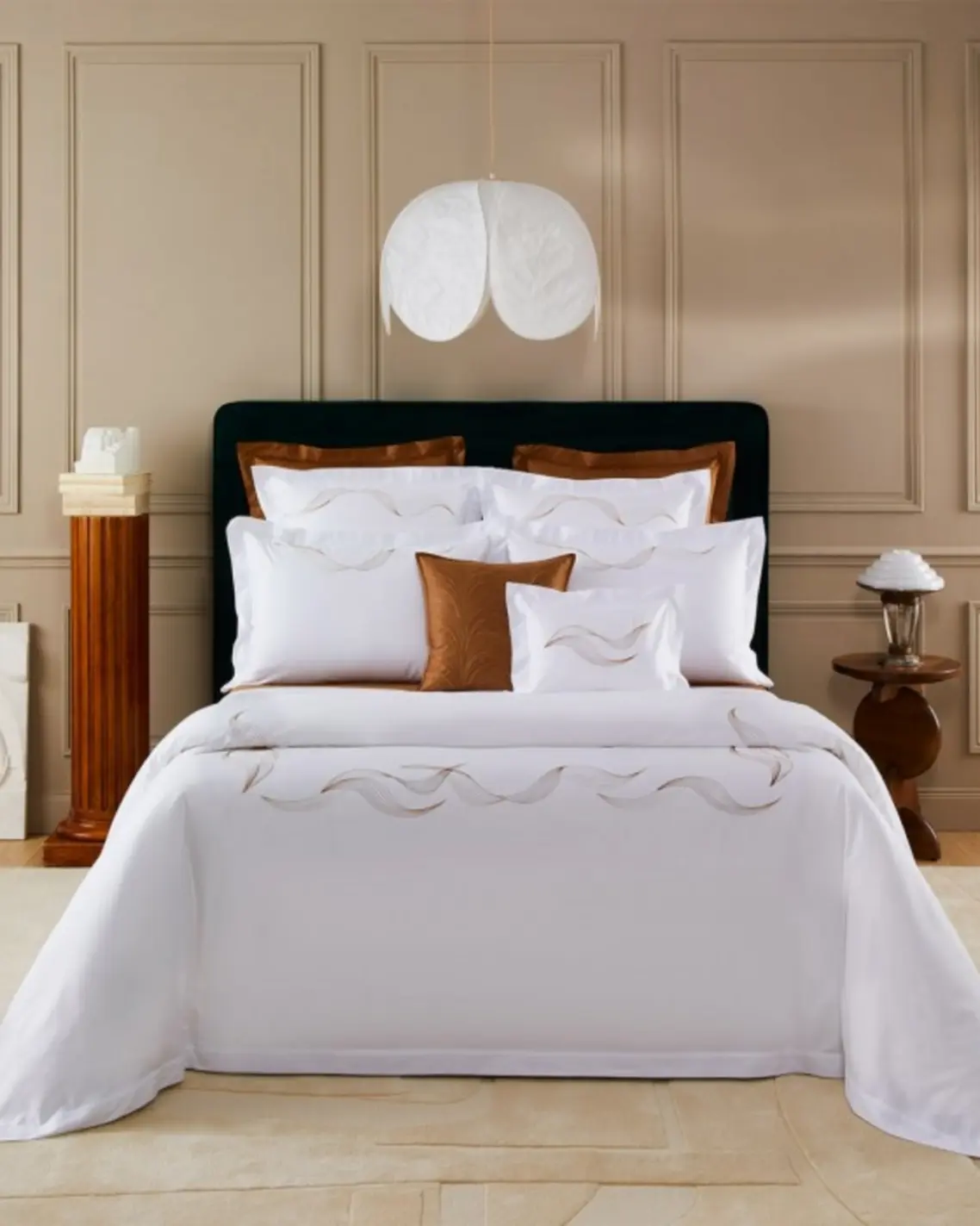
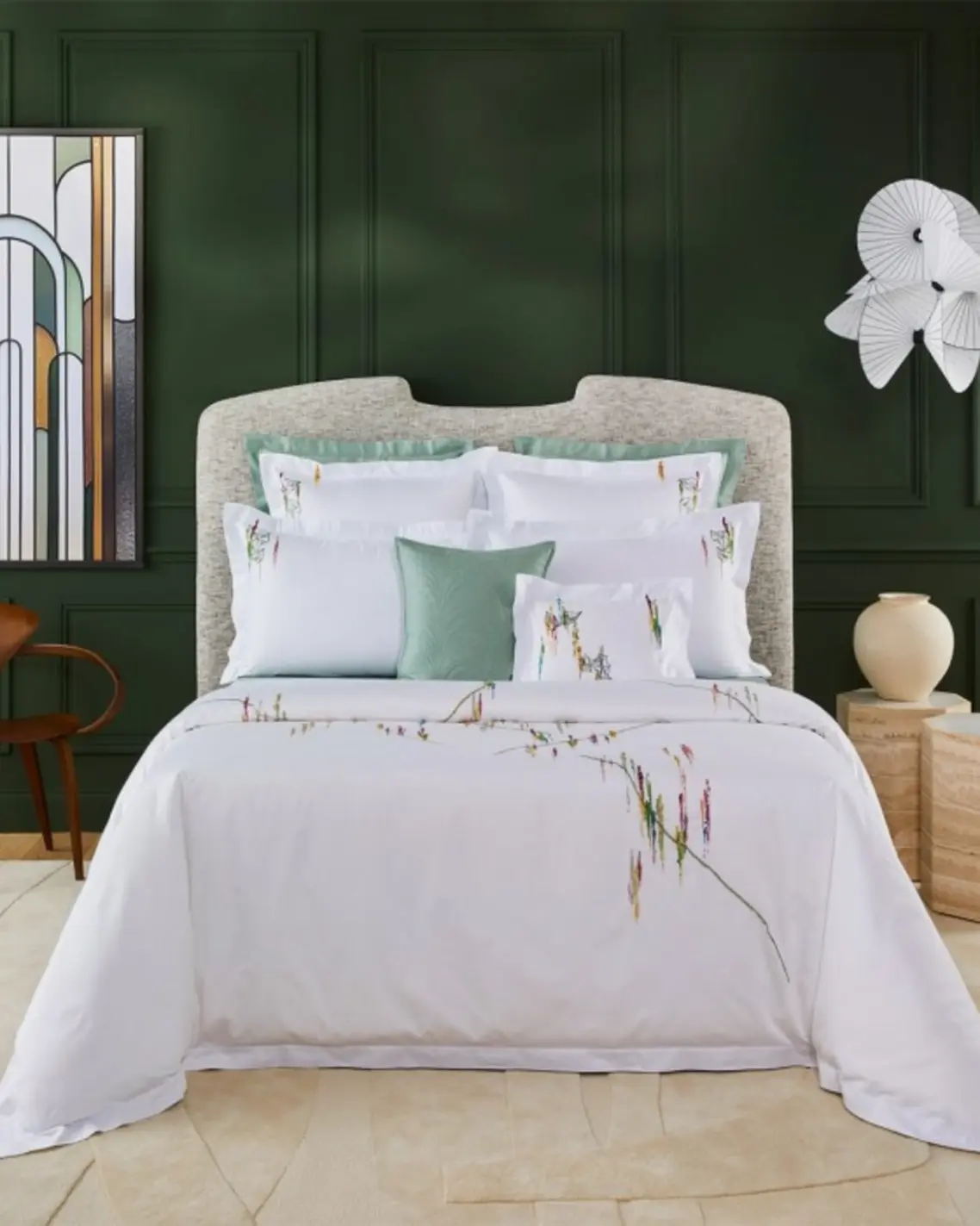
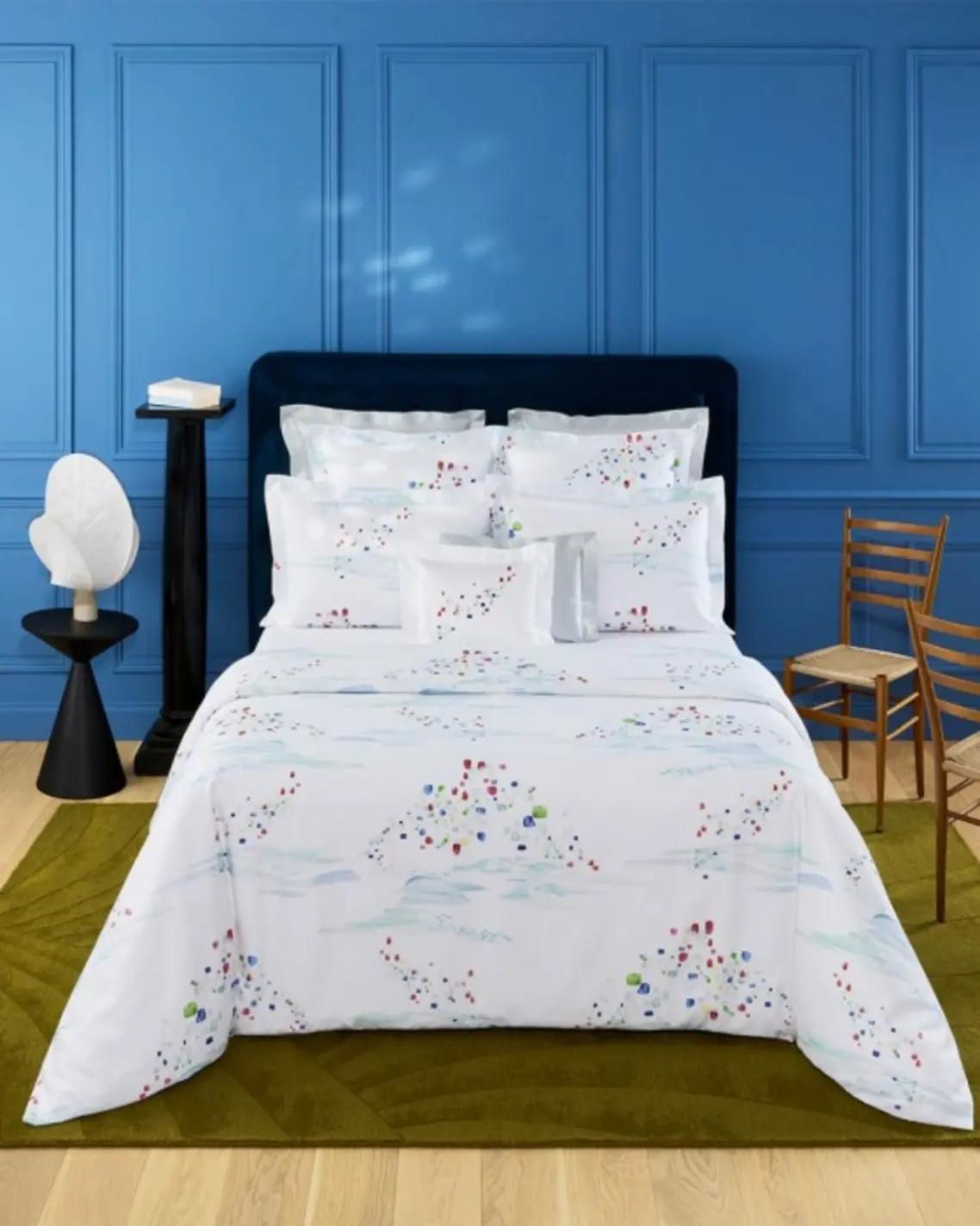
Part of the allure of luxury beddings lives in the mind, and that may be its most intoxicating trick. In high-end hospitality, the bed has become a sanctuary composed of cinematic language. The crisp snap of percale, the liquid fall of sateen, the airy loft of a fine duvet, the cool hush of silk against the skin. Luxury bedding brands understand this instinctively. They are selling fabric, certainly, though also atmosphere, memory, fantasy, and the promise of a life softened at the edges.

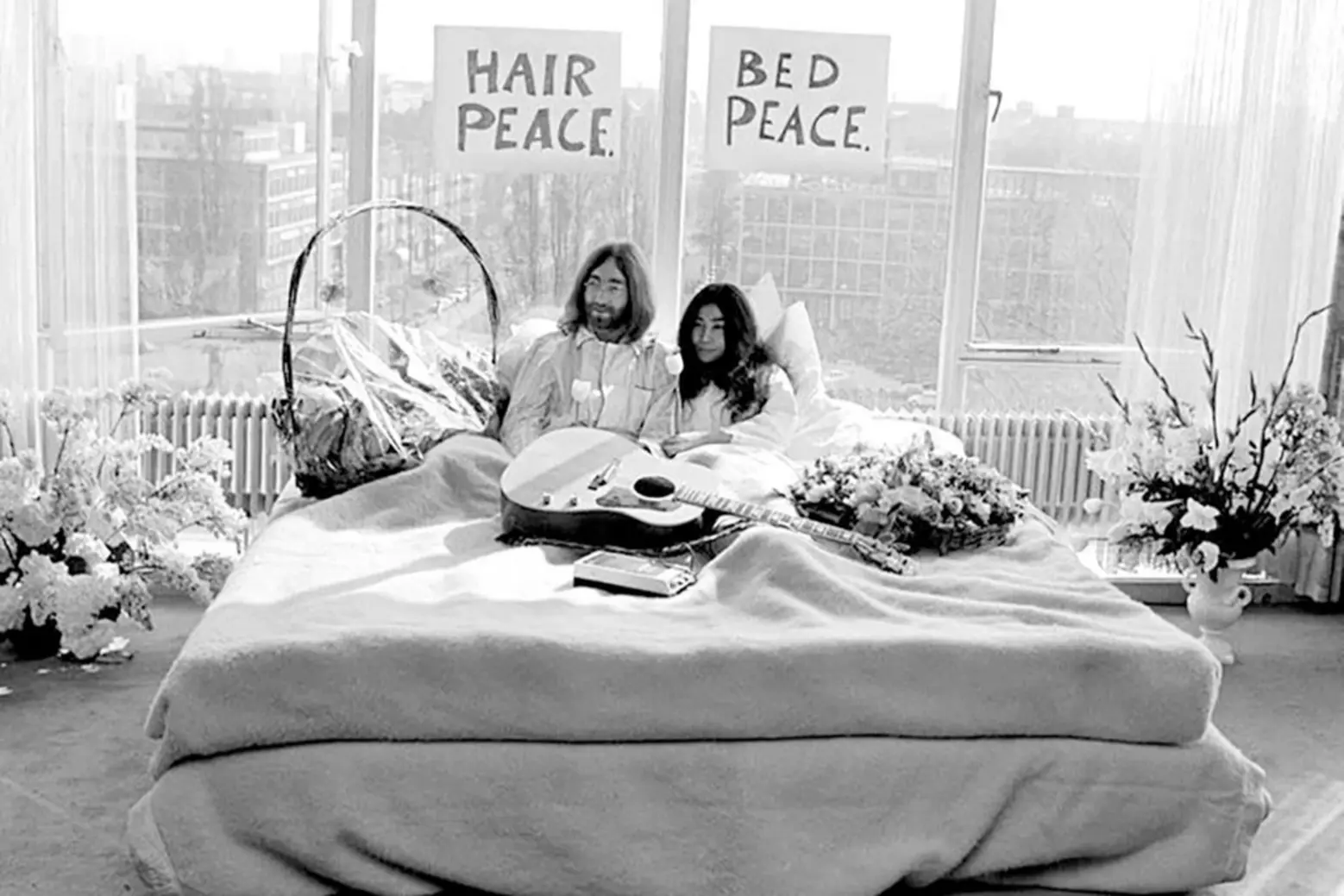
Culture has always known that the bed carries meanings far beyond rest. In 1969, John Lennon and Yoko Ono turned it into a stage of protest with their Bed-In for Peace, proving that even stillness could become a public act. In The Princess and the Pea, layers of bedding became a test of refinement, turning comfort into a measure of sensitivity and discernment. Sofia Coppola’s Marie Antoinette wrapped the bed in silk, sugar, and pastel excess until it became both dreamscape and gilded cage. Even the heart-shaped bed, first sold as honeymoon fantasy in the 1960s, entered popular culture as a symbol of camp glamour and stylized seduction.
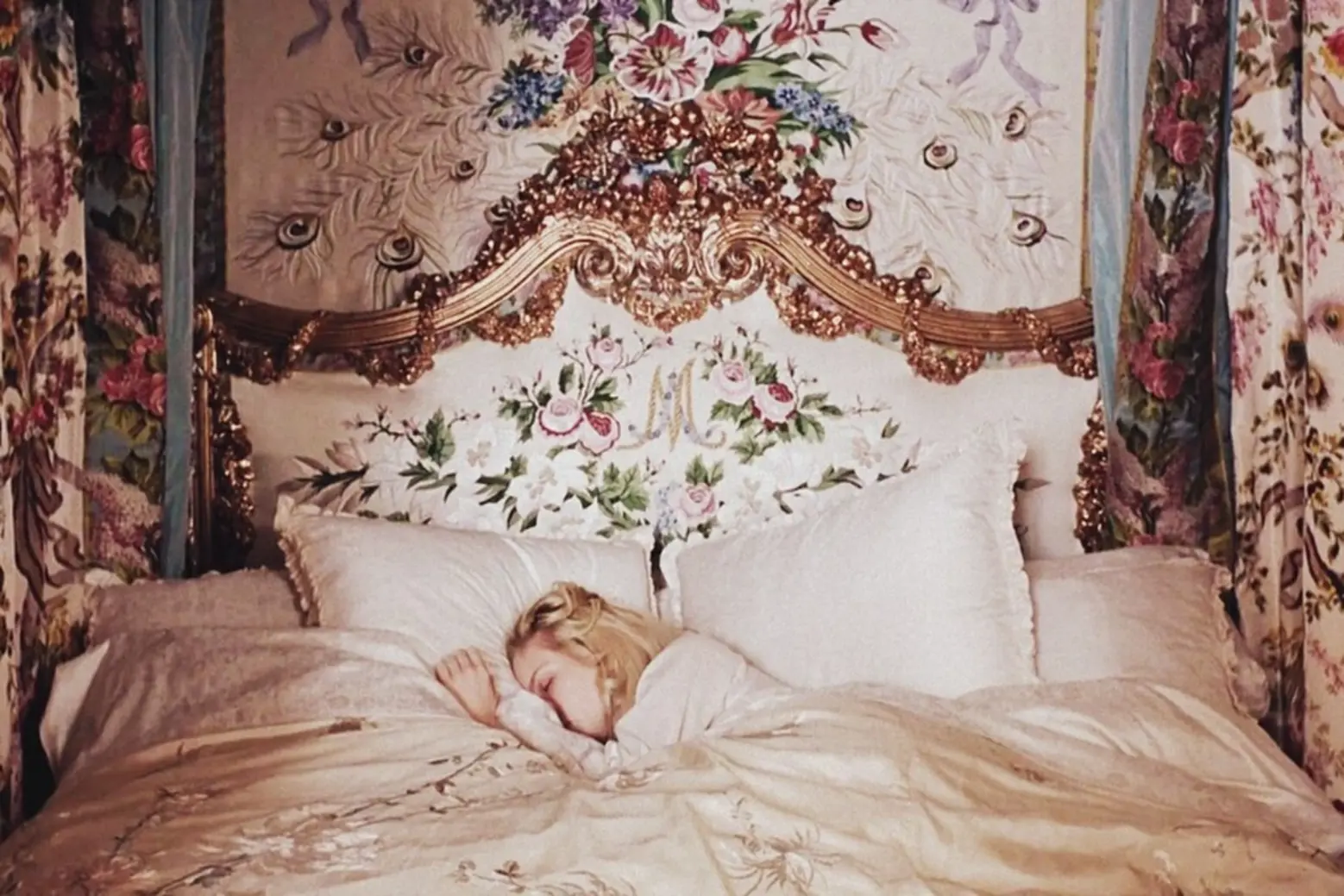
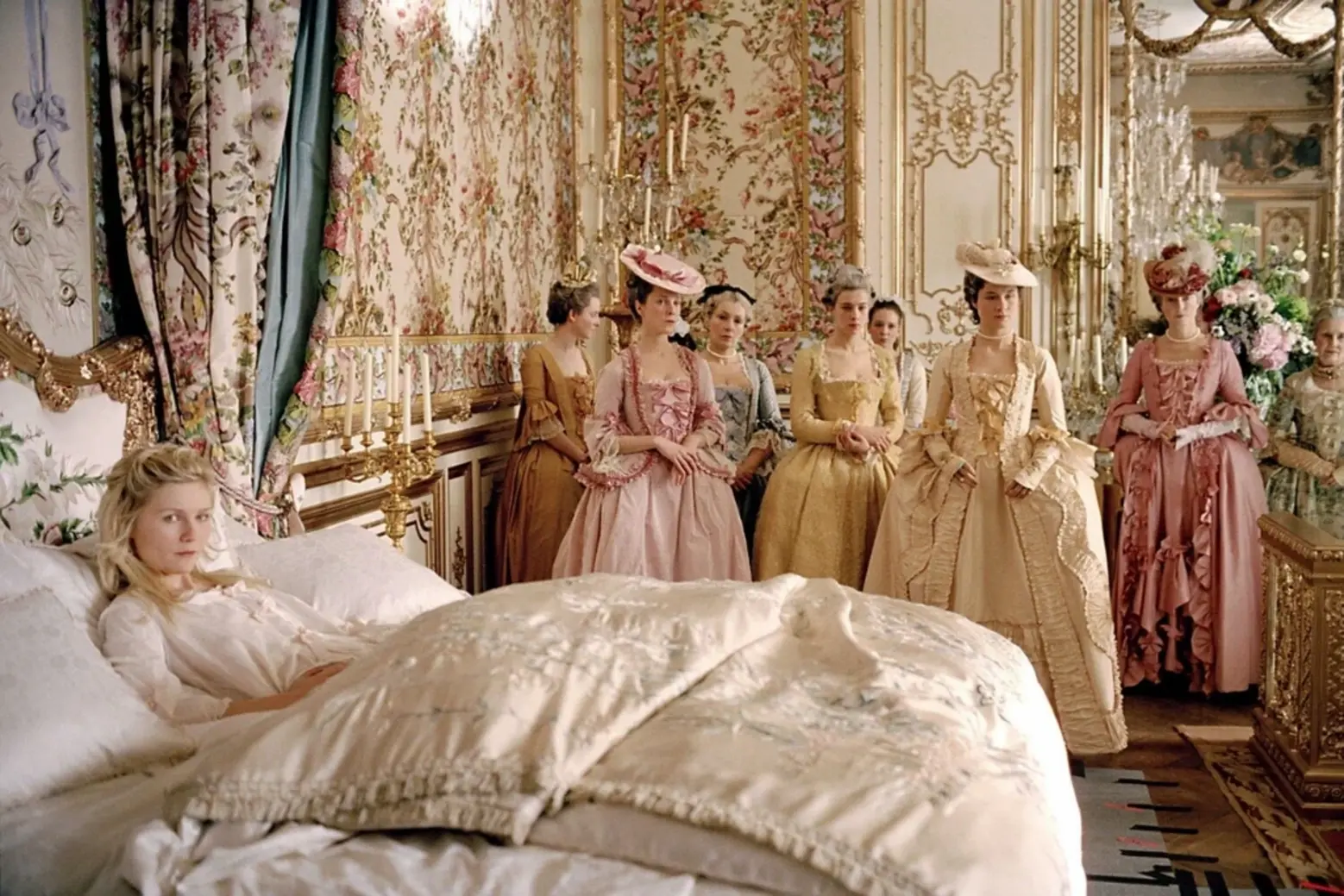
Again and again, the bed reappears as a place where desire, performance, power, and fantasy converge. The real-life example of this convergence is undoubtedly Eiderdown, the almost mythic peak of bedding luxury. Gathered by hand from abandoned nests of Icelandic Eider ducks, it is one of the rarest natural insulators in the world, so scarce and delicate that a duvet can cost between $15,000 and $20,000.
A $20,000 bedding sheet? How?
The most important luxury statistic is rarely thread count. It is scarcity. Giza Cotton says Giza 45 is now cultivated only according to demand because of its low crop yields. Its fibers measure 36 millimeters, with a uniformity index of 89.8 and a micronaire around 3.0. Across Egyptian production more broadly, extra-fine and extra-long staple varieties such as Giza 45, Giza 87, and Giza 93 represent less than 1 percent of local cotton production. In other words, the aura surrounding Giza 45 is not pure mythology. It is an agricultural bottleneck turned into textile prestige.
Then comes finissage, the refined world of textile finishing. This is where the fabric receives its final personality. Italian mills in particular are renowned for proprietary methods involving specialized rollers, careful washing, and water quality that affects touch and drape. One sheet emerges crisp and cool like a beautifully ironed shirt. Another arrives battery, fluid, and almost luminous. Luxury bedding brands often differentiate themselves through these subtleties, because luxury is very often a matter of the hand before it becomes a matter of the eye.
One might think provenance only matters in the realms of luxury art collecting, but the price of luxury beddings also depends on their tags. Indeed, “Made in Italy” or “Made in France” often signals access to historic weaving and finishing mills, many family-owned and centuries old. The label carries technical meaning, cultural memory, and the accumulated authority of regions that have turned textile excellence into inheritance.
In the end, luxury beddings feel compelling because it touches life at its most unguarded hour. Beneath the sheen of Italian finishing, rare cotton, silk, and Eiderdown lies the desire for safety, intimacy, and care. The bed has always carried more than bodies. It has carried power, grief, fantasy, ritual, and the private dream of a finer life.