MENU
Close





Luxury bedding brands have turned the bed into one of the most sophisticated stages of private indulgence, where heritage, rarity, craftsmanship, and sensory pleasure meet in silence. From Italian cotton royalty to collectible French linens and a new generation of wellness-minded indulgence, the modern bed has become a place where status softens into intimacy.
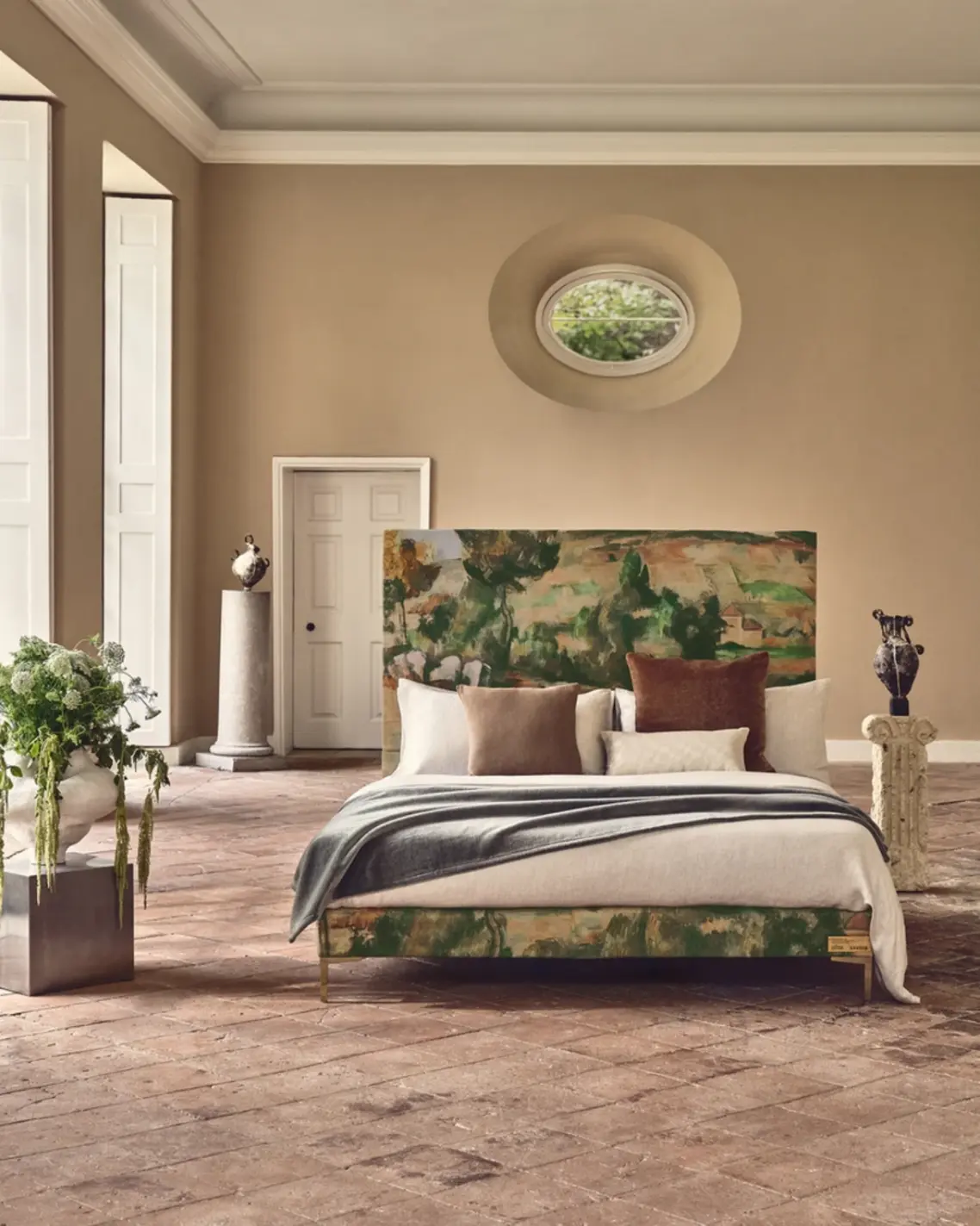
Luxury bedding brands have turned the bed into one of the most sophisticated stages of private indulgence, where heritage, rarity, craftsmanship, and sensory pleasure meet in silence. From Italian cotton royalty to collectible French linens and a new generation of wellness-minded indulgence, the modern bed has become a place where status softens into intimacy.
April 6, 2026


Few things express the luxury lifestyle more intimately than a beautifully made bed. In the world of luxury bedding brands, fabric becomes a way of living, a way of feeling, and a way of curating the private self. The modern luxury lifestyle no longer belongs only to what is seen in public. It lives just as vividly in the unseen hours, in the cool glide of fine cotton, the hush of mulberry silk, the loft of a superior duvet, and the quiet satisfaction of a room composed of care.
Among luxury bedding brands, the heritage houses of Italy and France remain the closest thing to royalty. They carry the authority of old ateliers and grand hotels, of linen closets in villas where elegance has been habitual for generations rather than recently acquired.
Sferra stands near the summit of that world. Its Giza 45 Egyptian Cotton collection has become almost liturgical in discussions of elite bedding, a phrase spoken with the reverence usually reserved for vintage silk or first-growth wine. The material is harvested from a small area of the Nile Delta, and its fibers are extraordinarily long, fine, and uniform. Better fibers produce smoother, stronger yarns, which in turn create fabrics with greater luster, fewer interruptions, and a softness that feels fluent rather than fluffy. A king set in Giza 45 Egyptian Cotton collection can easily move into the $3,000 to $5,000 range, and the price begins to make sense the moment one understands that rarity, here, is literal.
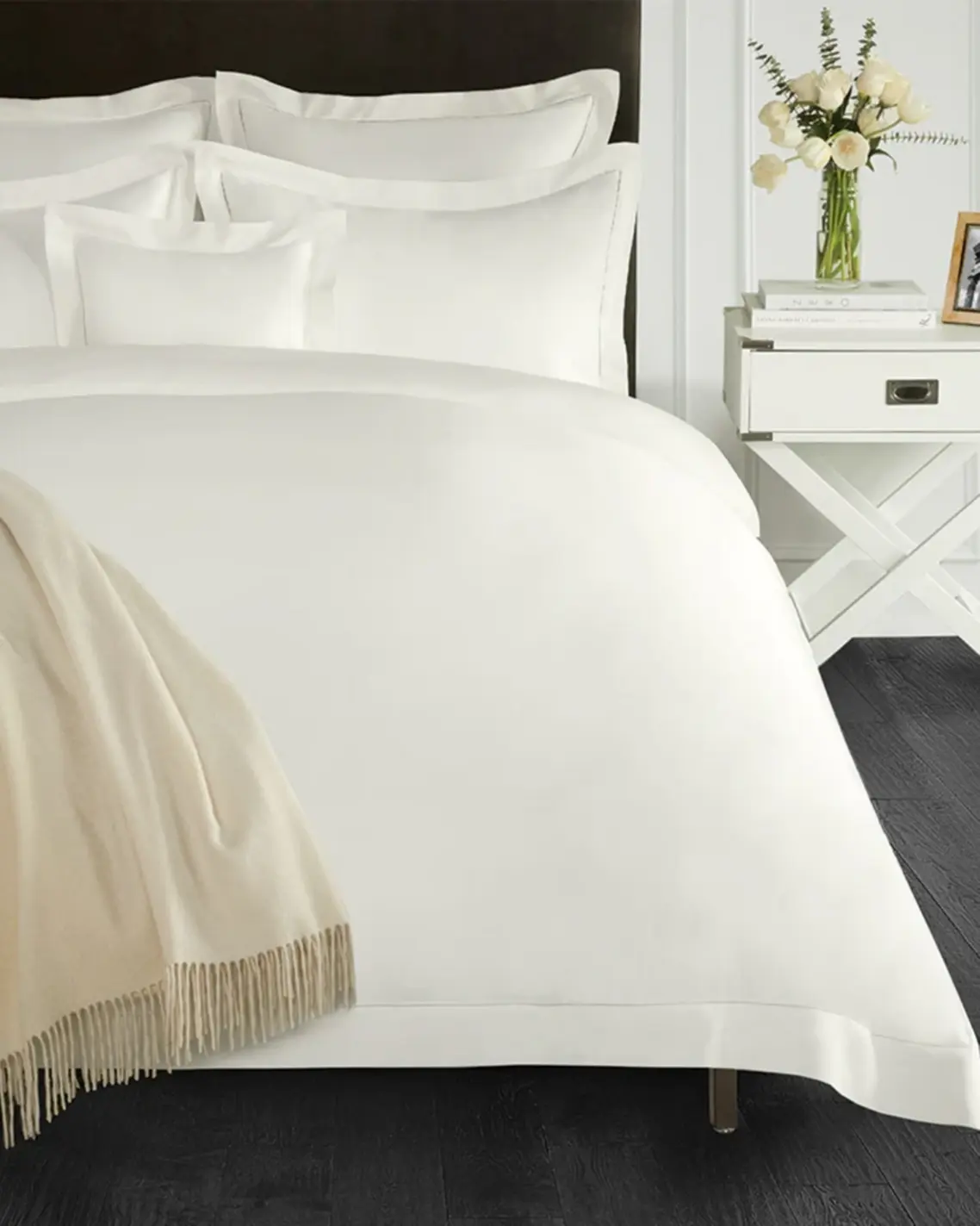
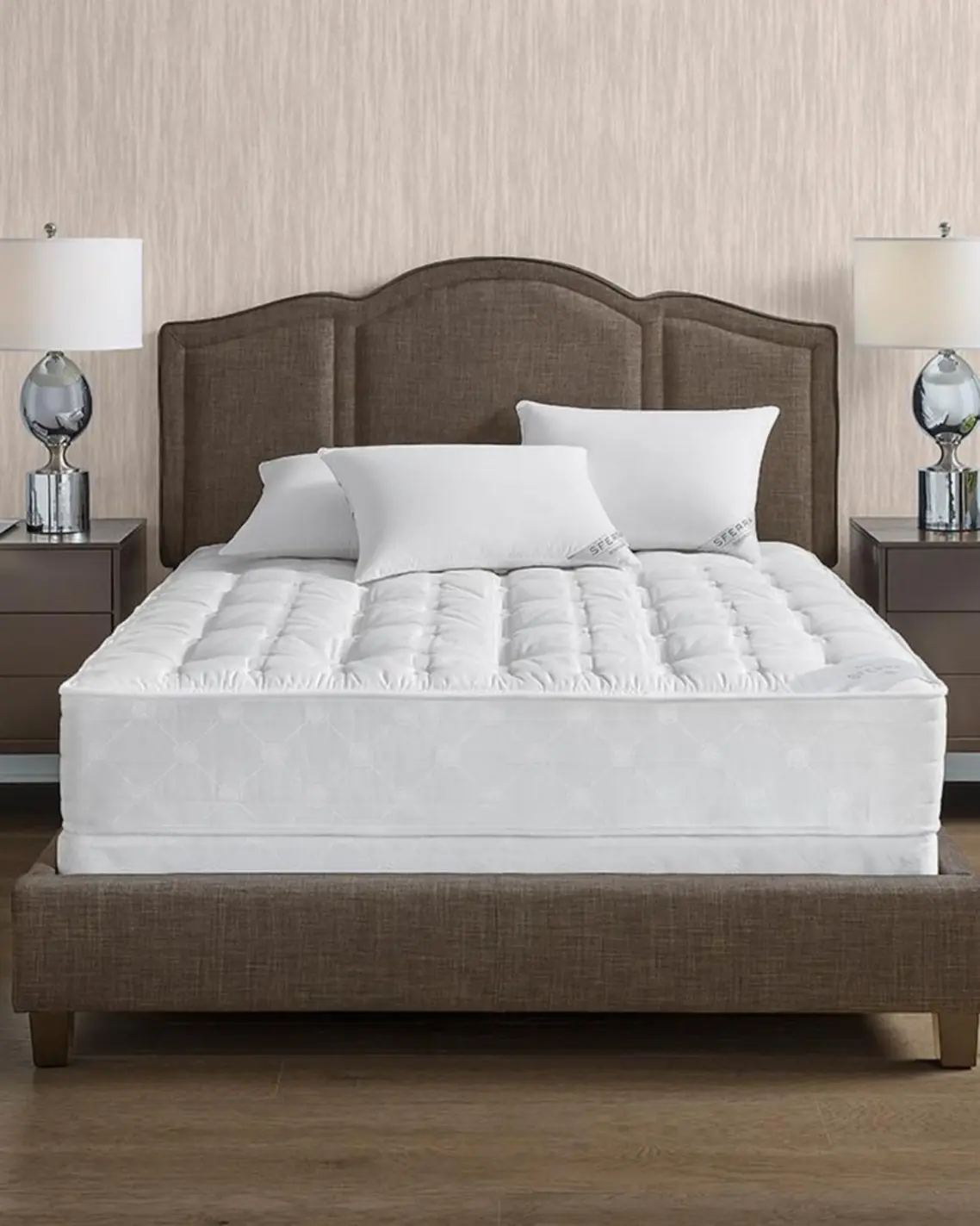
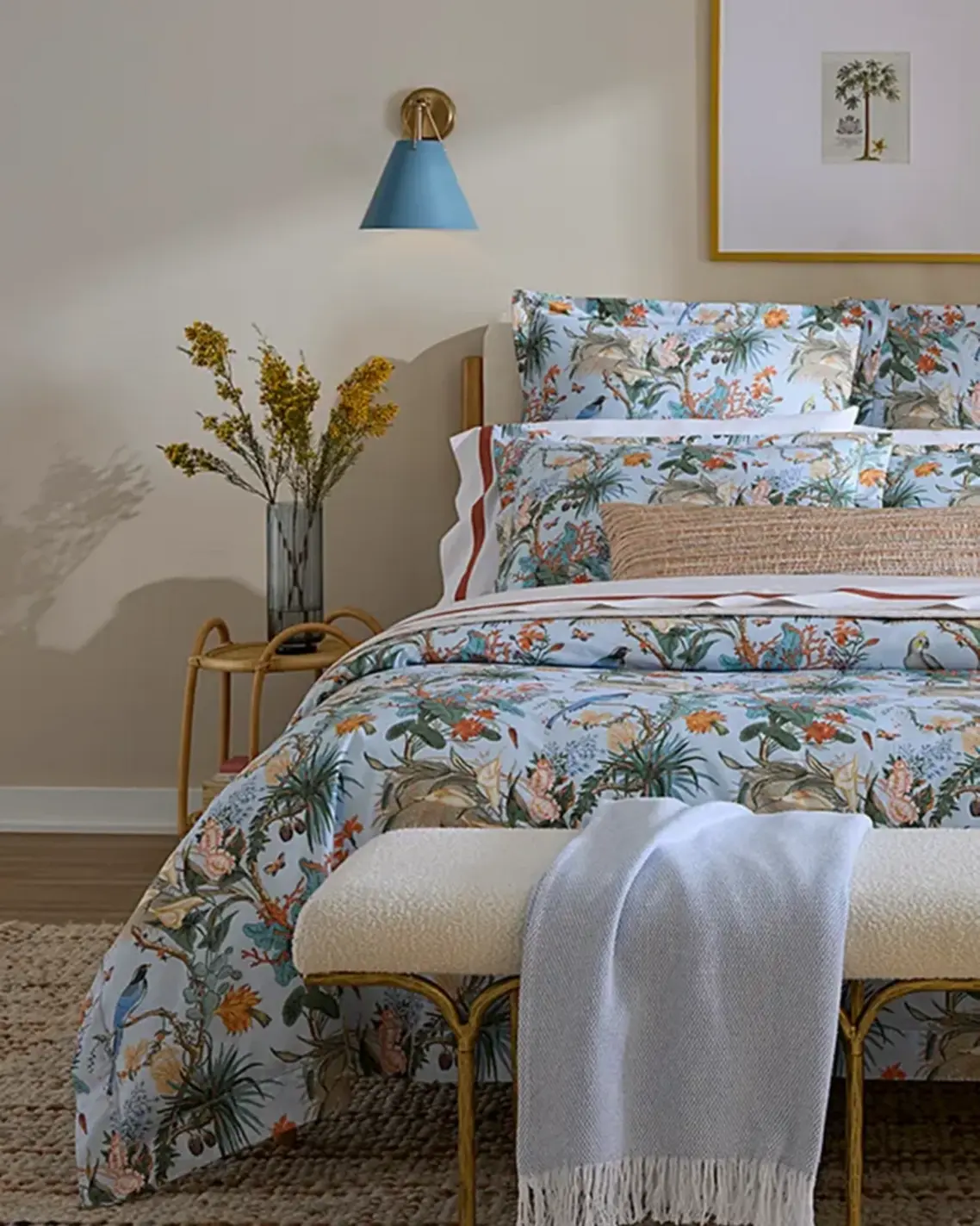
Frette speaks a slightly different dialect of prestige. Founded in 1860, supplied to the Vatican and European royal households, it occupies a powerful territory where product and institution become inseparable. Frette’s high-density sateens, refined jacquards, and silk-rich constructions embody a kind of ceremonial luxury, one that feels perfectly at home in suites with frescoed ceilings and perfectly polished silver trays. Luxury bedding brands often promise elegance; Frette delivers grandeur with memory attached.
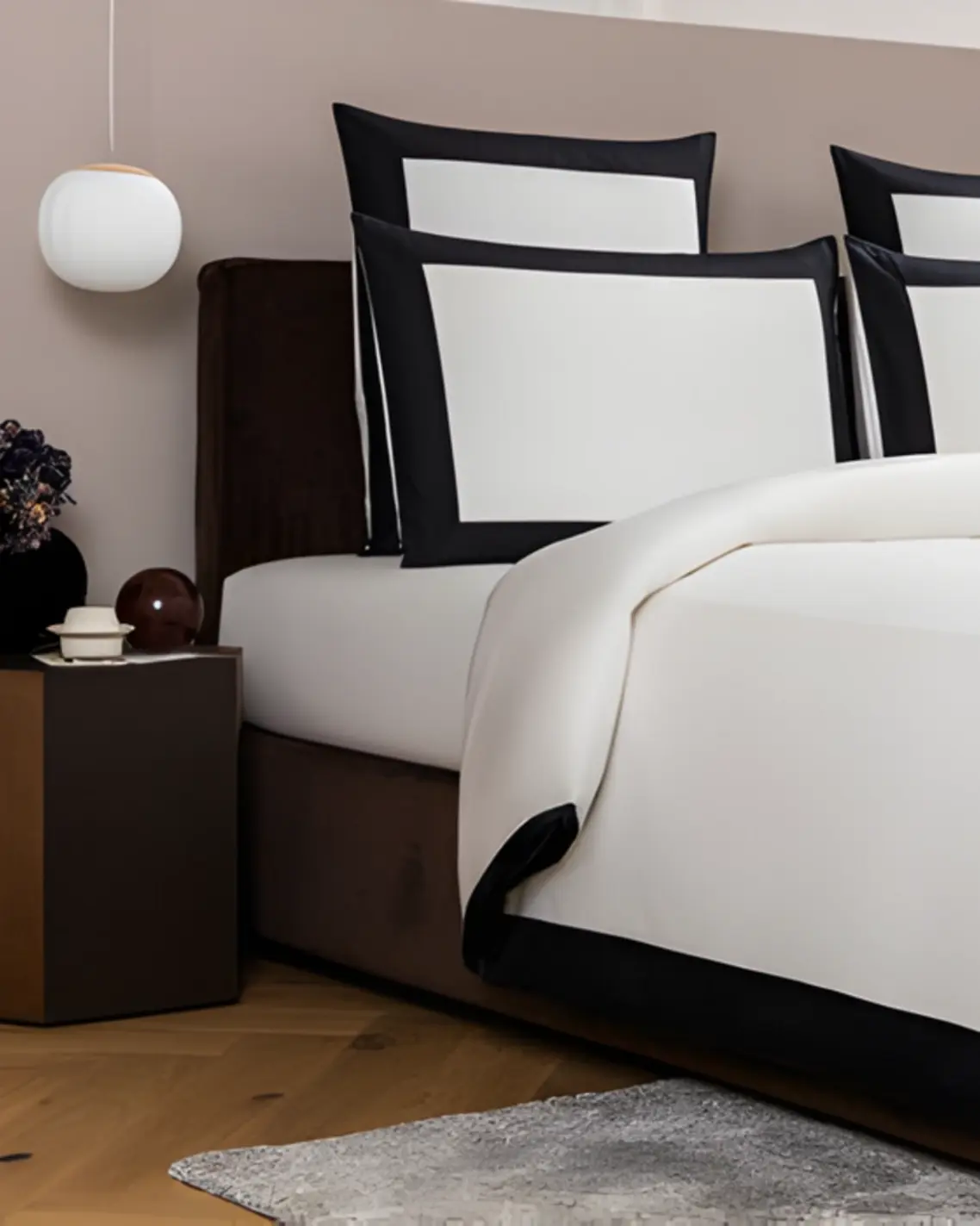
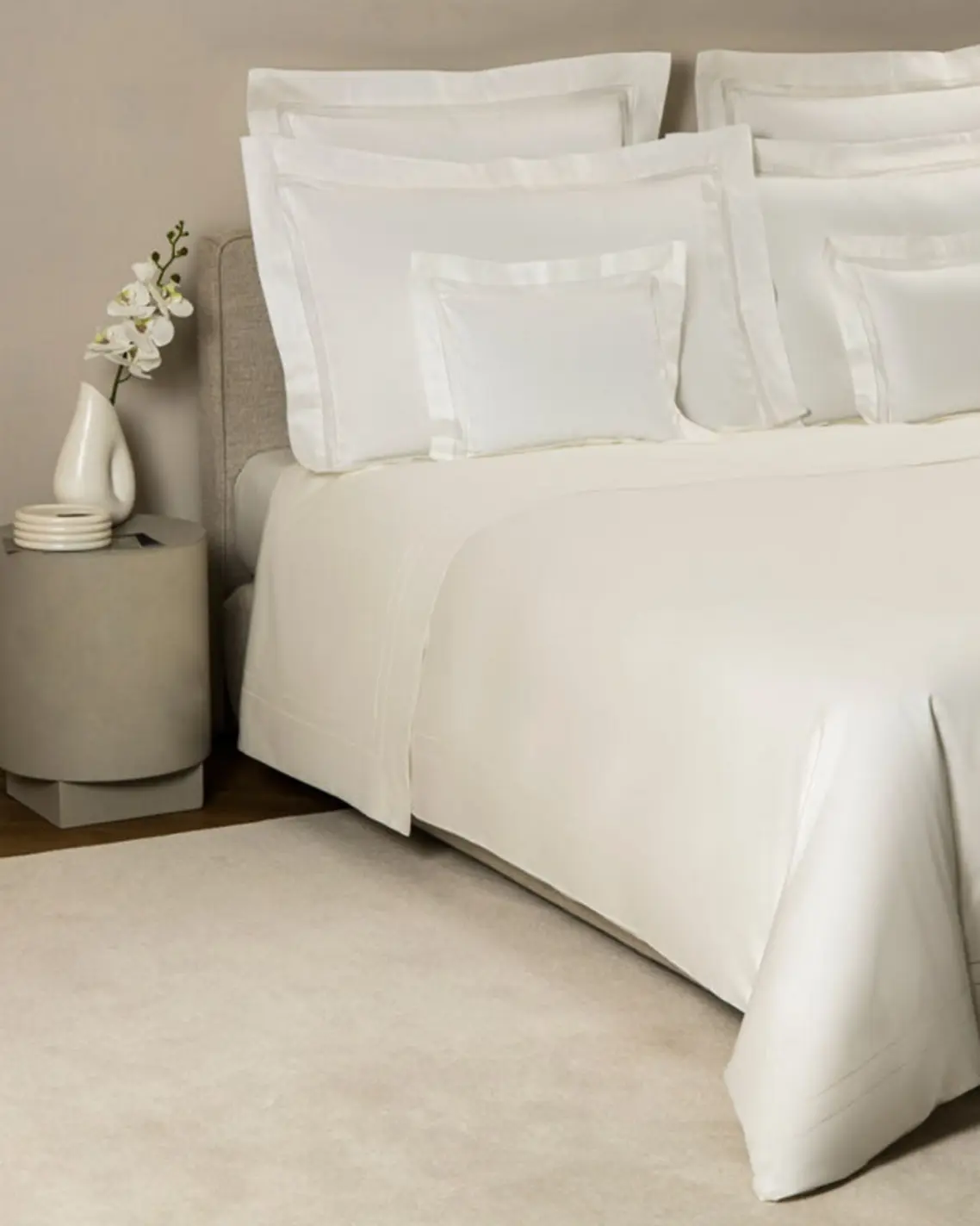
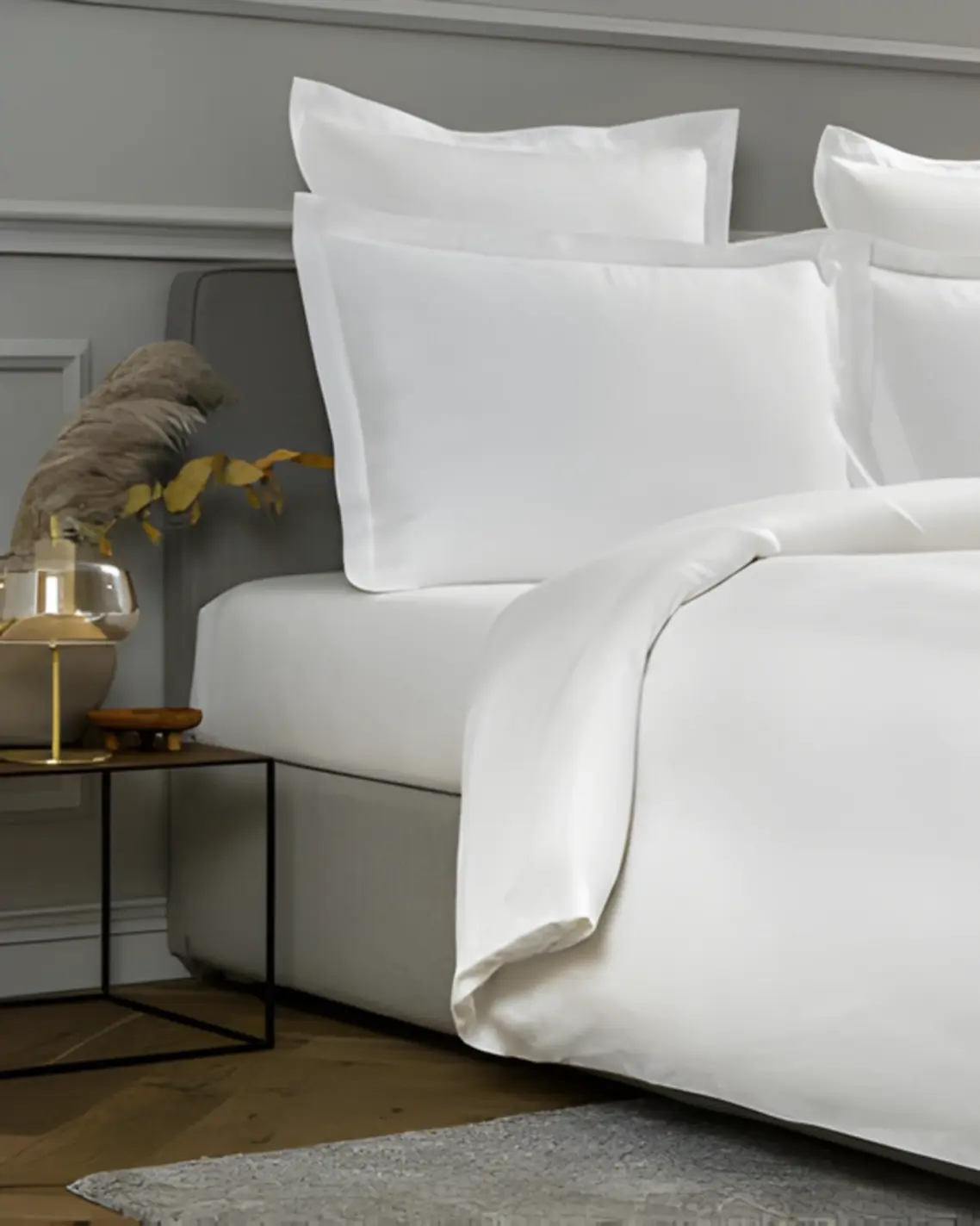
Then there is Yves Delorme, where the French instinct for decoration takes over. If Sferra is purity and Frette is prestige, Yves Delorme is composition. The house approaches bedding as visual culture, with couture-like embroidery, painterly prints, and a tactile understanding that the bed functions as one of the largest canvases in the home. In the upper tier, a set can run to $2,500. Luxury bedding brands often oscillate between minimalism and opulence, yet Yves Delorme makes a case for artistry.
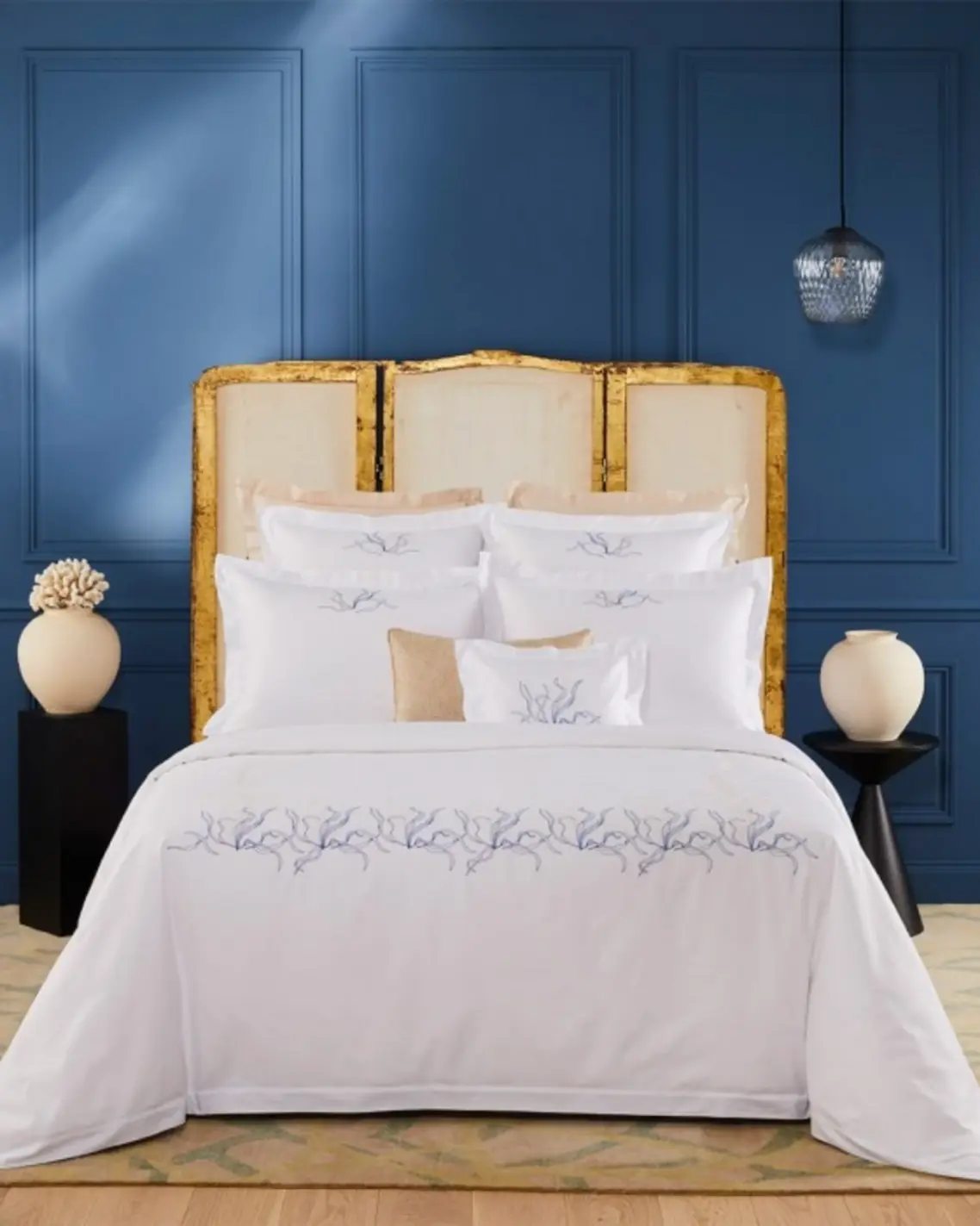

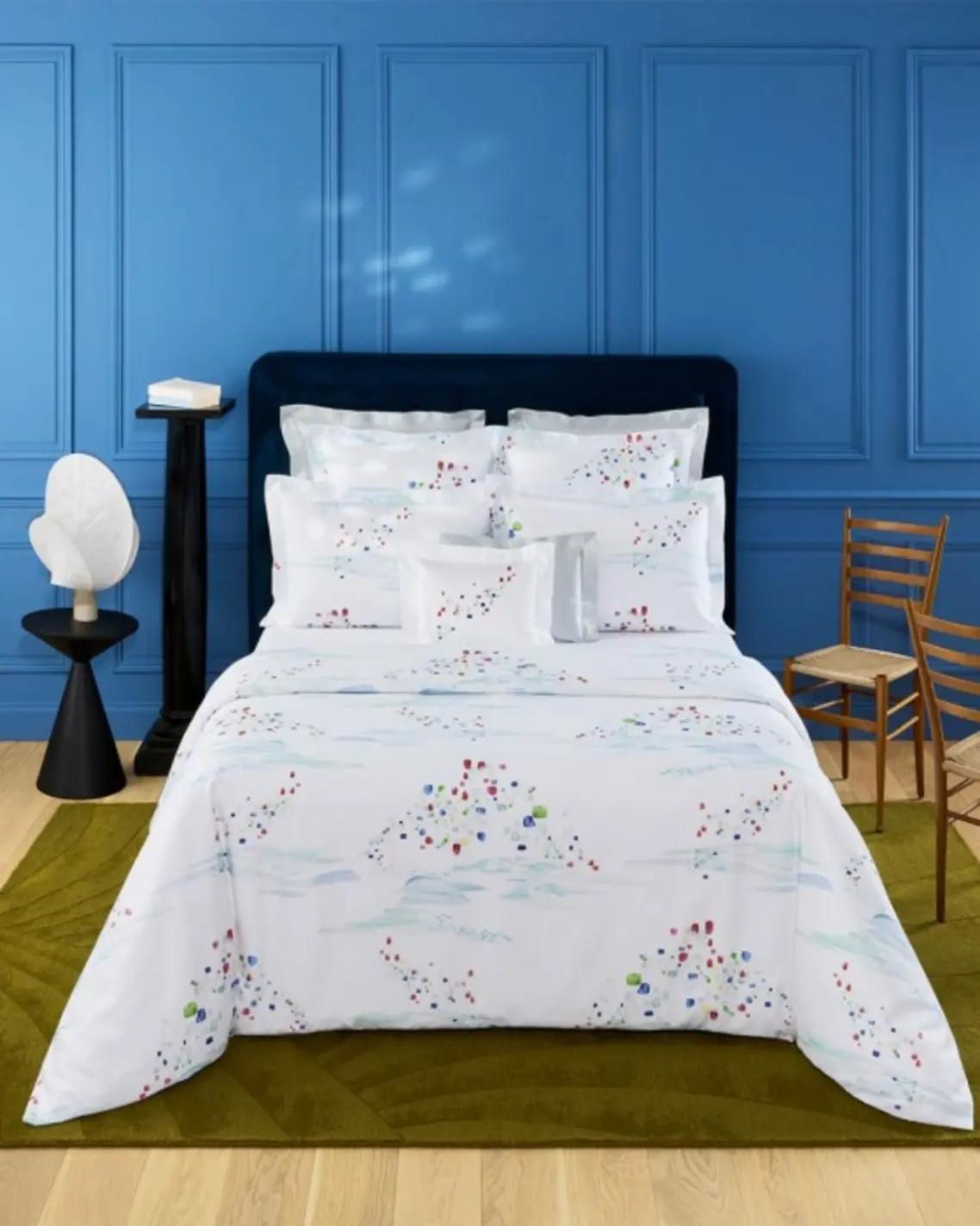
The most fascinating luxury bedding brands often live slightly outside mainstream recognition. They are the names whispered by decorators, collectors, hoteliers, and those connoisseurs who view fabric the way others view art. Their prestige feels less advertised and more discovered.
D. Porthault belongs to that rarefied category. Famous for hand-screened floral prints, scalloped edges, and a visual language that feels both aristocratic and alive, the French house has cultivated a clientele that prizes intimacy over branding. A D. Porthault bedding looks composed, almost painted into existence. Much of the work remains artisanal and hand-finished, which explains why bespoke sets can climb from $5,000 toward $10,000. My personal favorite is the Trousseau Voile Bed Linens, which can run up to $8,400. The collection was sold out shortly after its debut, signifying the love for artisanal craft.
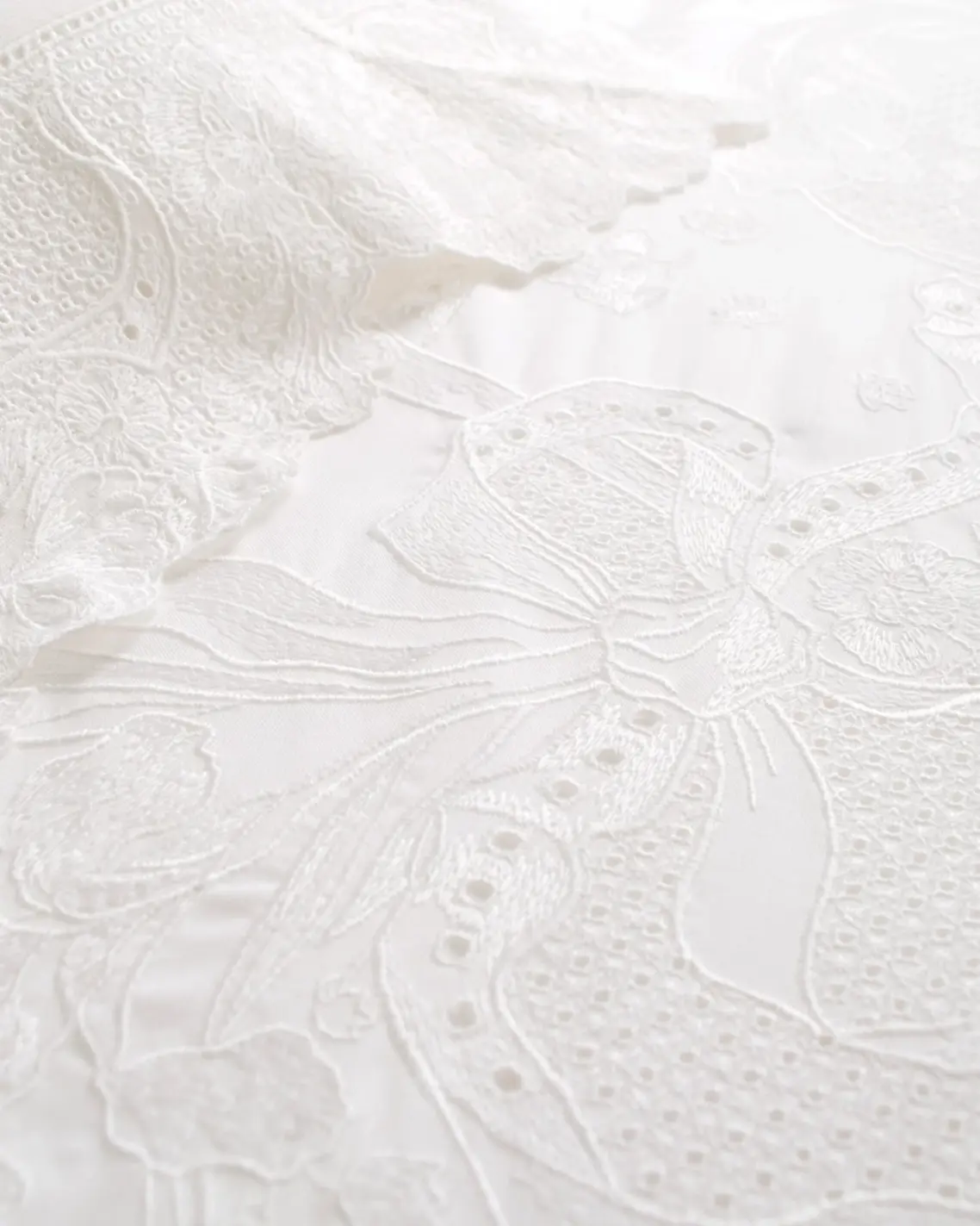
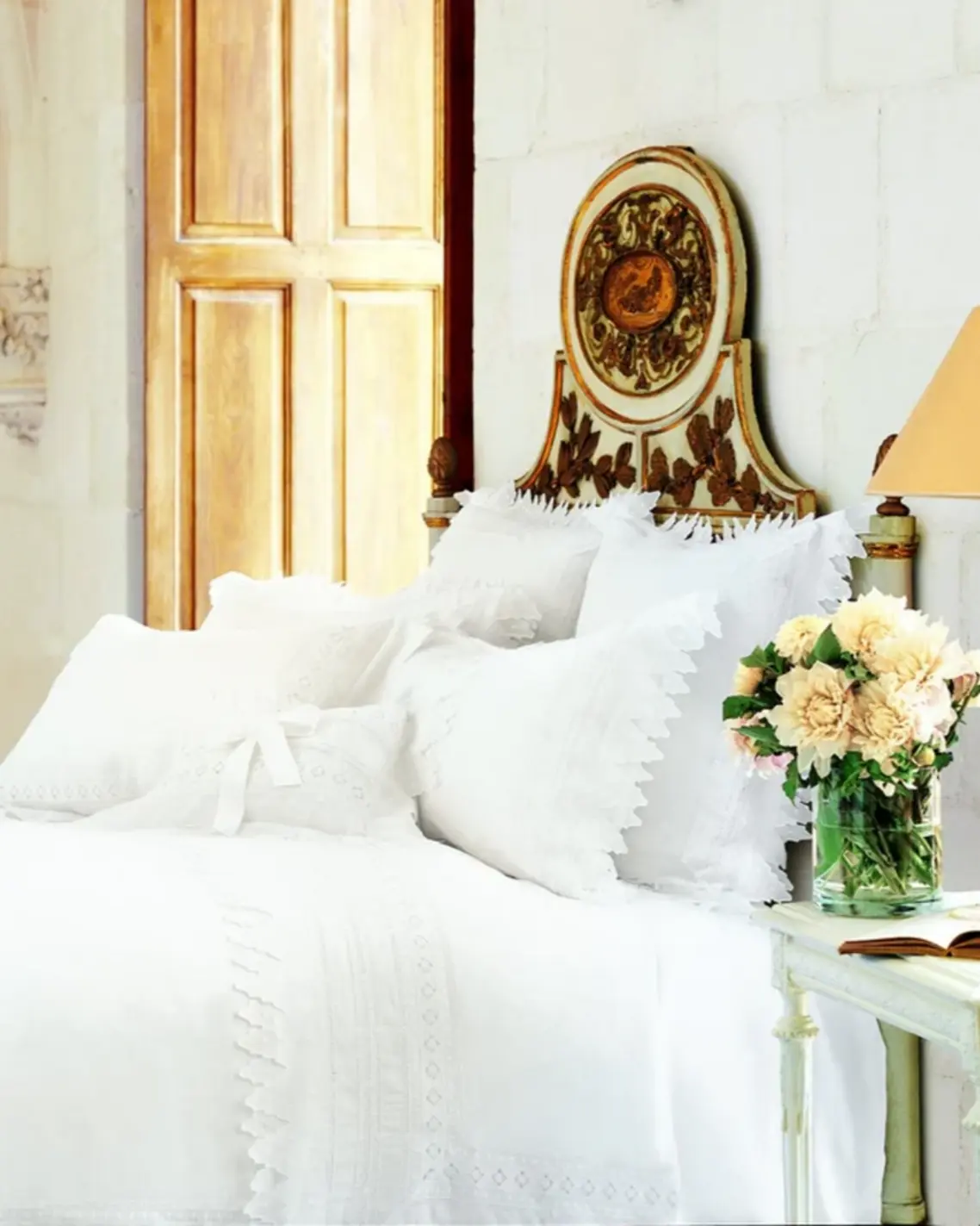
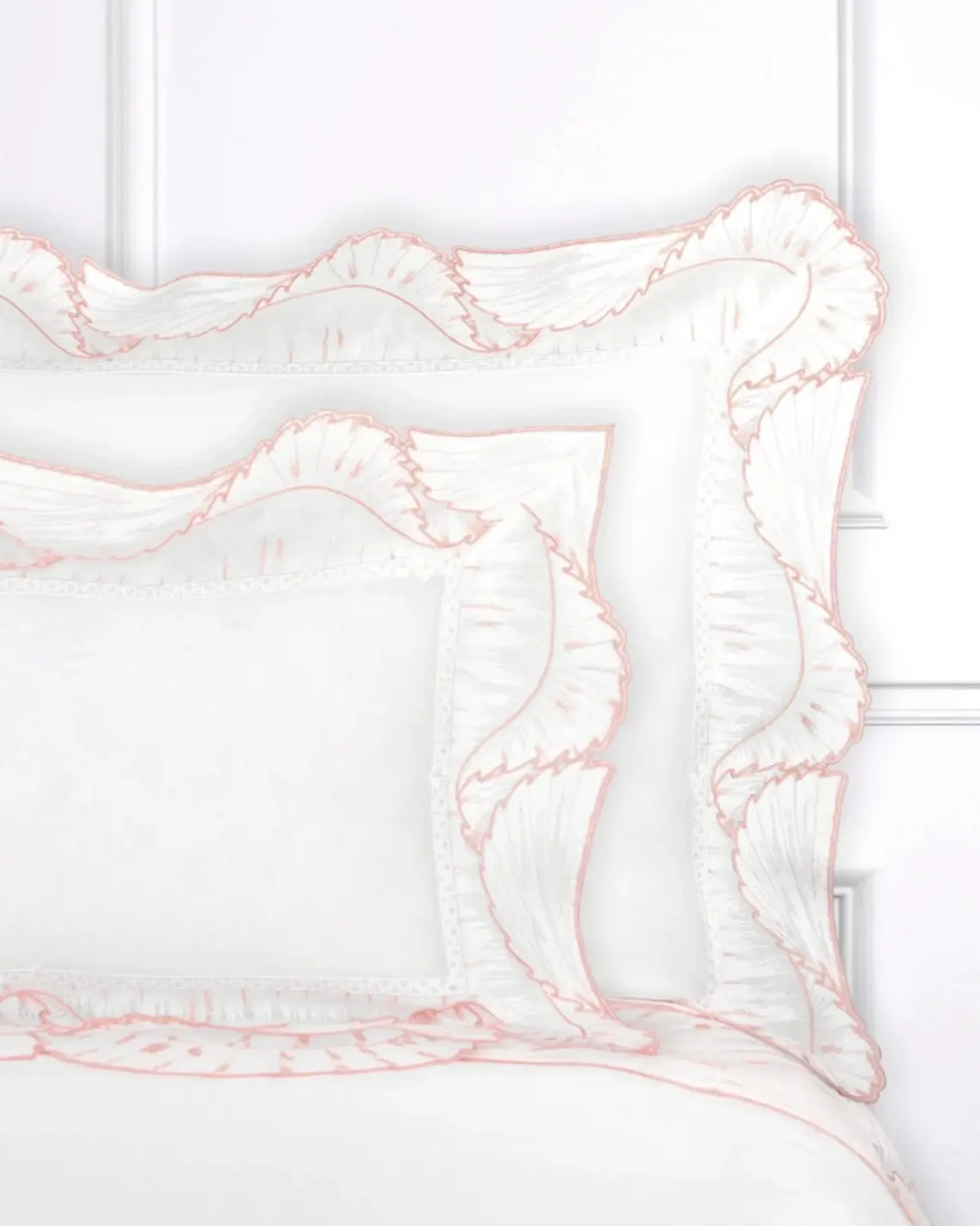
Pratesi, by contrast, offers a more hushed form of seduction. Long associated with Italian excellence, the brand is celebrated for its “Angel Skin” finish, a phrase that could easily drift into cliché if the product itself did not justify the poetry. The point of such finishing lies in hand-feel, that intimate moment when the skin meets the sheet and instantly registers quality without needing explanation.
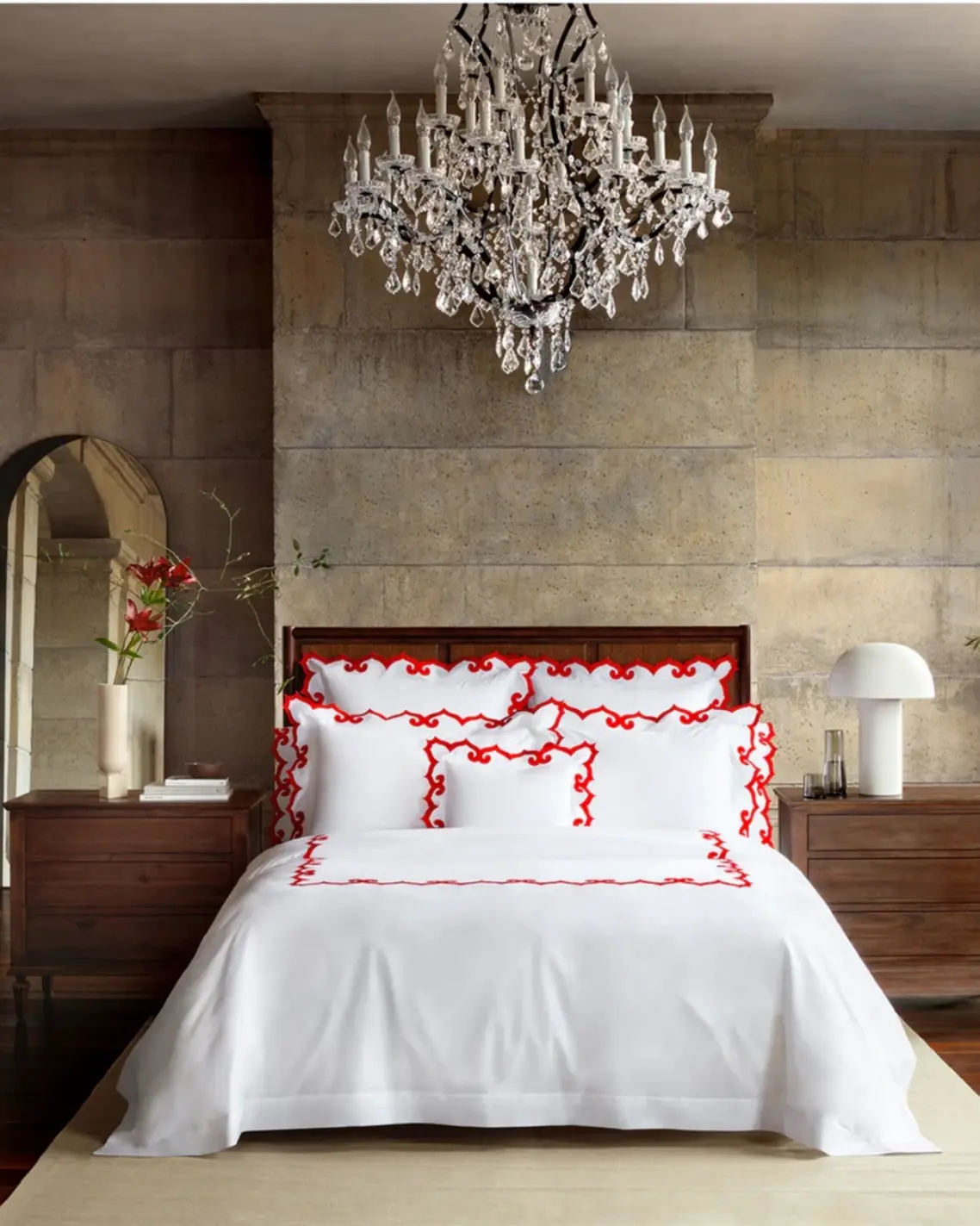

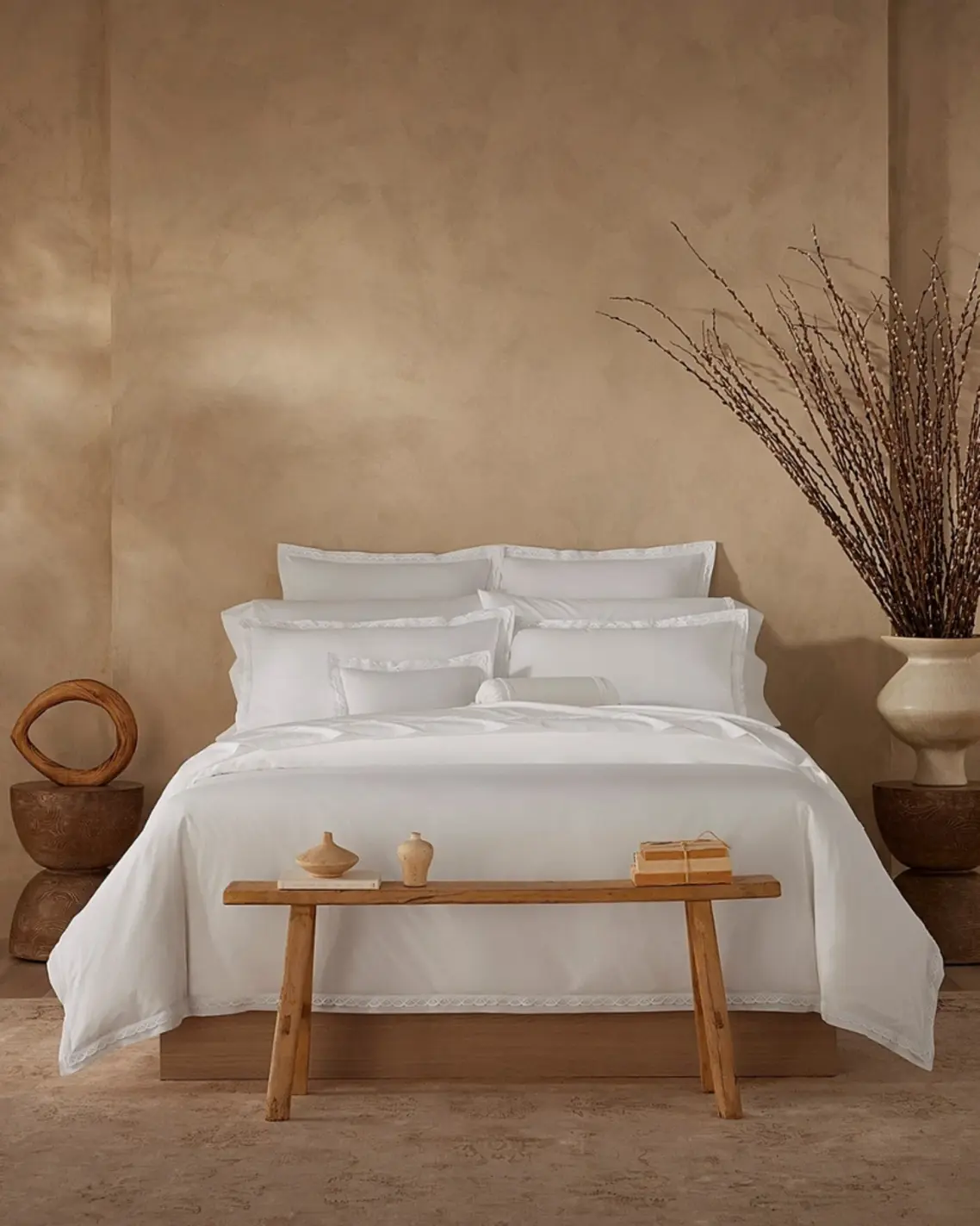
Pratesi’s Treccia collection, inspired by Florentine architecture, illustrates the house’s gift for turning quiet detail into status. Prices for entry sets begin around $1,500, which places the brand below the stratosphere of the most extravagant names, though still firmly within the realm where luxury bedding brands operate as objects of discernment rather than household basics.
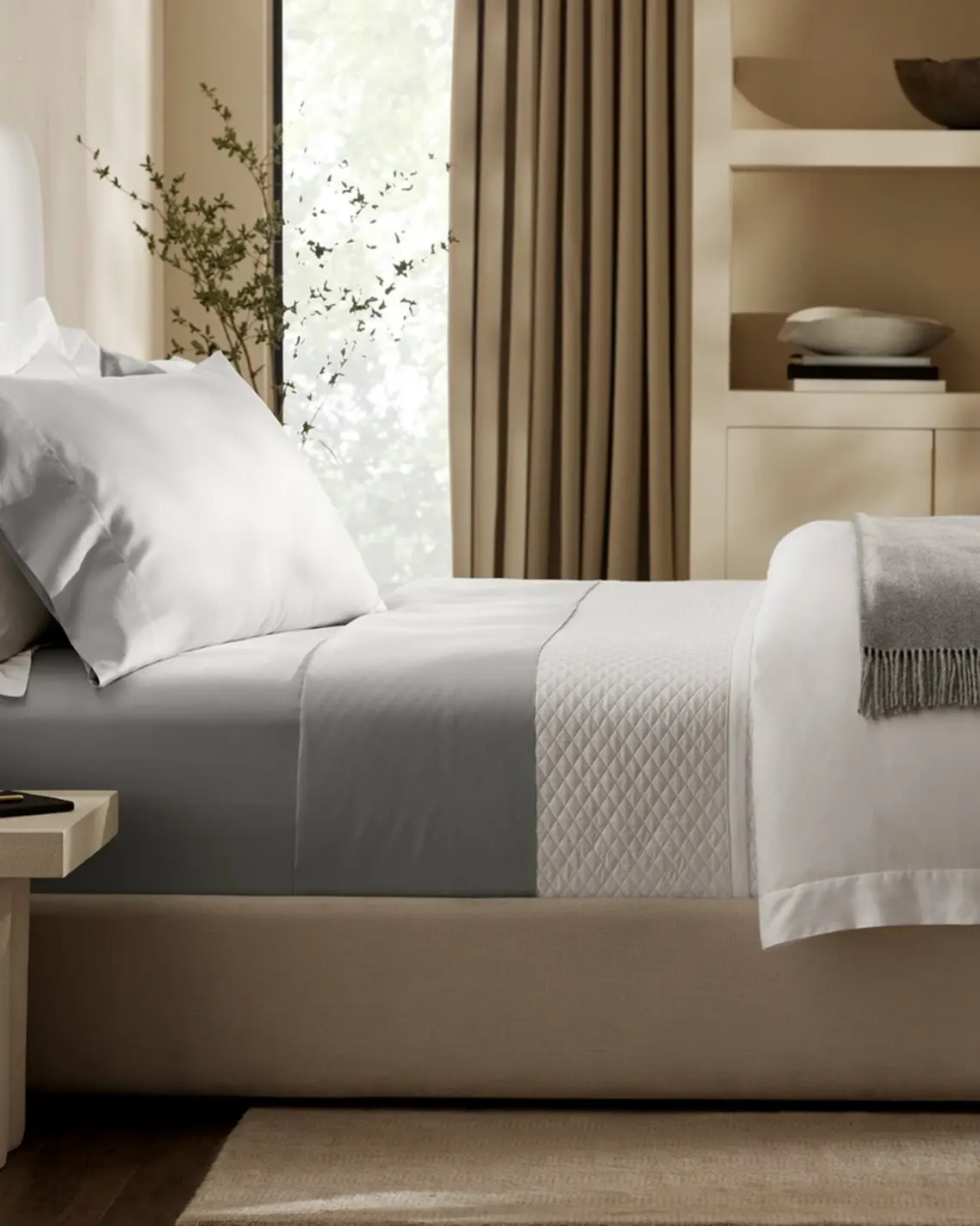
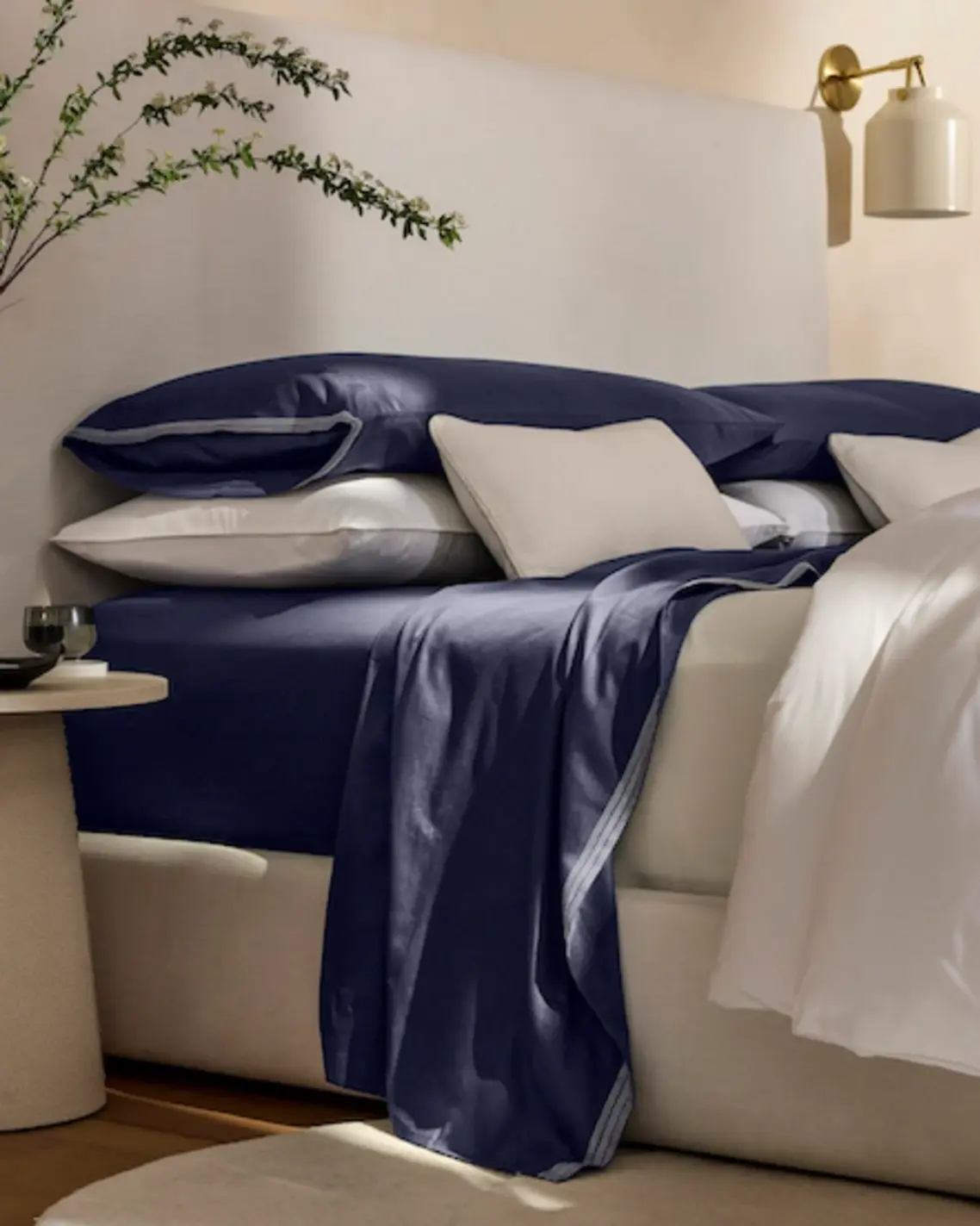

A newer group of luxury bedding brands has emerged around a different kind of desire. Their clients may still want rarity and softness, though they also want performance, sustainability, customization, and the discreet thrill of optimization. This is luxury reframed for an age obsessed with wellness, privacy, and curated retreat.
Ploh has built its identity around down, especially oversized pillows and plush duvets filled with exceptionally high-grade Siberian down and, at the uppermost edge, Eiderdown. That focus makes sense. In luxury bedding, fill matters as much as fabric. A superior duvet creates a peculiar magic of weightlessness and warmth, one of the purest bodily pleasures domestic life can offer. Luxury bedding brands that specialize in down speak to the sleeper who wants to feel cocooned without burden, insulated without heaviness.


Another staple of new luxury bedding brands, Boll & Branch, translates luxury into the language of ethical scarcity. Its proposition centers on the top 1% of organic cotton, finished with a particularly smooth, slow-crafted hand. The appeal here lies in the merging of purity and prestige.
Last but not least, Savoir, best known for its legendary beds, extends the concept further by tailoring linens to the dimensions and architecture of its mattresses, some of which exceed $50,000. This is luxury as calibration.
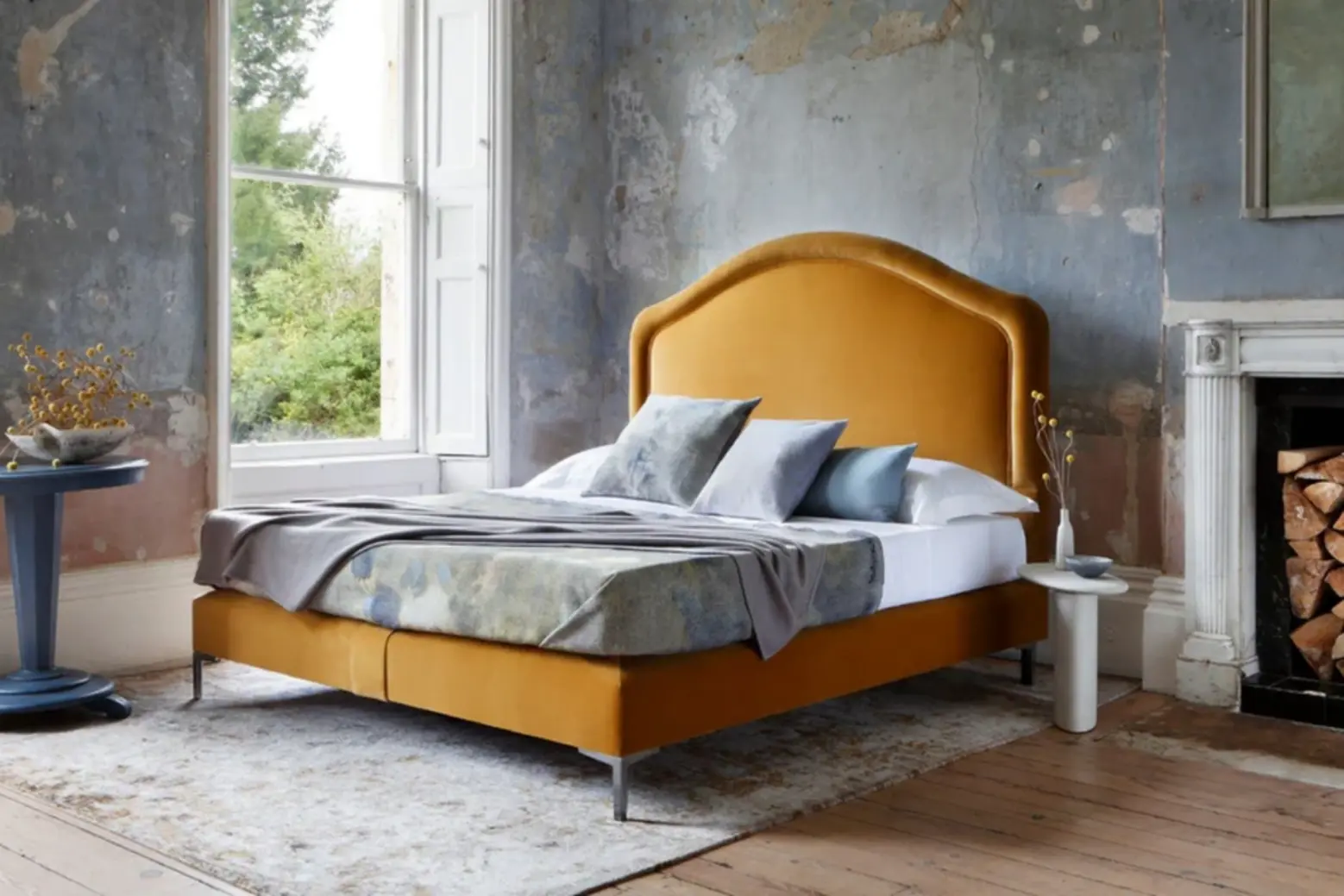

In the end, the finest luxury bedding brands succeed because they translate the luxury lifestyle into its softest, most personal form. They turn the bed from a functional object into a private indulgence shaped by rarity, touch, memory, and atmosphere. That is the enduring seduction of the luxury lifestyle at home: Beauty kept close to the skin, craftsmanship felt rather than announced, and comfort elevated into something quietly magnificent.