MENU
Close





The finest Met Gala jewelry shines from the distance. Here, take a closer look!

The finest Met Gala jewelry shines from the distance. Here, take a closer look!
May 4, 2026


At the Met Gala 2026, jewelry had one of its richest red-carpet chapters in years. The Costume Institute’s exhibition, “Costume Art,” gave guests permission to think beyond gowns and suits, and the most memorable jewels answered with intelligence. They did more than finish a look. They carried history, technical audacity, cultural inheritance and sculptural force. The strongest Met Gala jewelry moments turned the body into a moving museum, where diamonds, pearls, emeralds, archival goldwork and rare stones behaved like art objects in flash photography.
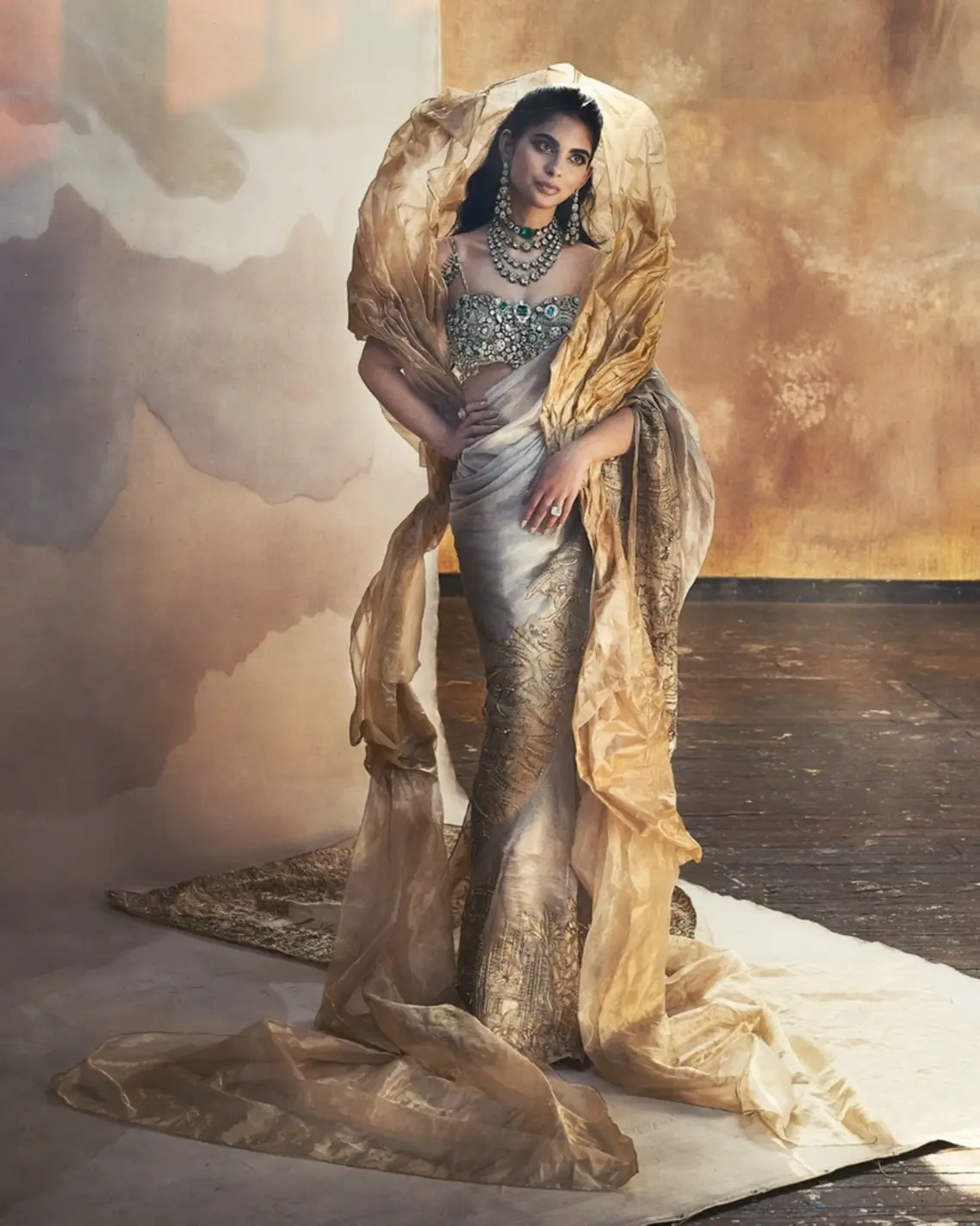
Isha Ambani’s Met Gala 2026 look was one of the evening’s grandest statements because it refused to separate fashion from jewelry. Her custom Gaurav Gupta sari reportedly featured a blouse adorned with more than 1,800 carats of diamonds and precious stones, created by 40 artisans across India. The result was less a gown with embellishment than a jeweled textile, a surface where couture, craft and heritage became one language.
The most powerful detail was the way the look mixed contemporary spectacle with older Indian jewelry traditions. Her Lorraine Schwartz four-tier necklace featured more than 150 carats of old mine-cut diamonds and a 50-carat emerald centerpiece, while the wider styling drew from heirloom pieces belonging to Nita Ambani’s private collection. Old mine-cut diamonds carry a softer glow than modern brilliant cuts because they were hand-faceted for candlelight, not LED glare. On the Met steps, that meant the diamonds had a warmer, more historical radiance, as if the jewels had brought their own atmosphere with them.
The use of polki diamonds gave the look even deeper cultural weight. Polki refers to raw, uncut diamonds traditionally set in gold, often associated with Indian royal jewelry and Mughal-era craftsmanship. Ambani’s look placed that language beside modern high jewelry, making the body a site of continuity rather than costume. Even the sari’s back carried history through a sarpech once belonging to the Nizam of Hyderabad, set with antique emerald beads and diamonds through traditional techniques.
Calling the look a “moving museum” feels accurate because it did what museums often try to do: Preserve, contextualize and reanimate craft. Ambani did not simply wear diamonds. She wore a genealogy of jewelry-making.
Oh, and she is also carrying a mango in her mesh bag.

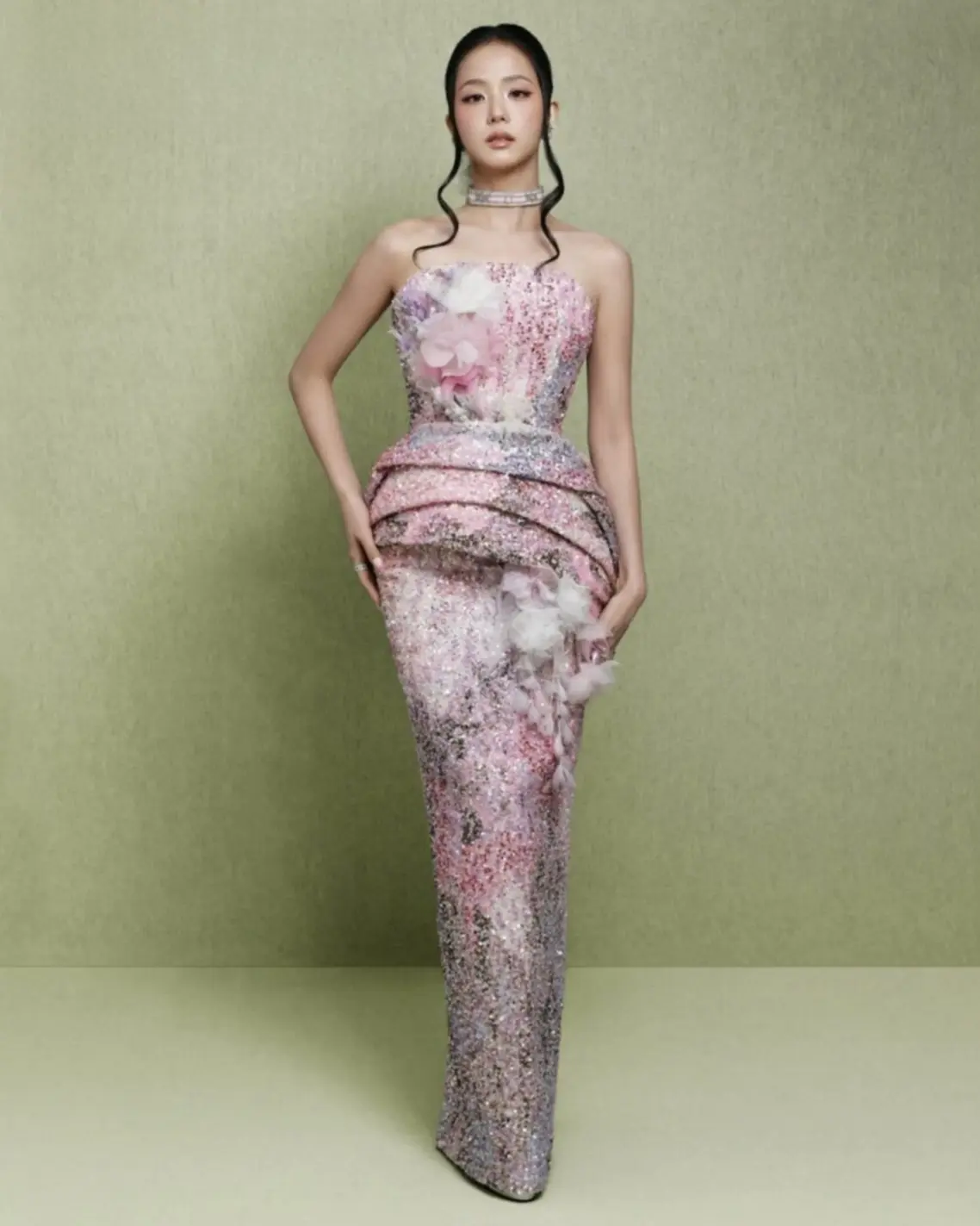
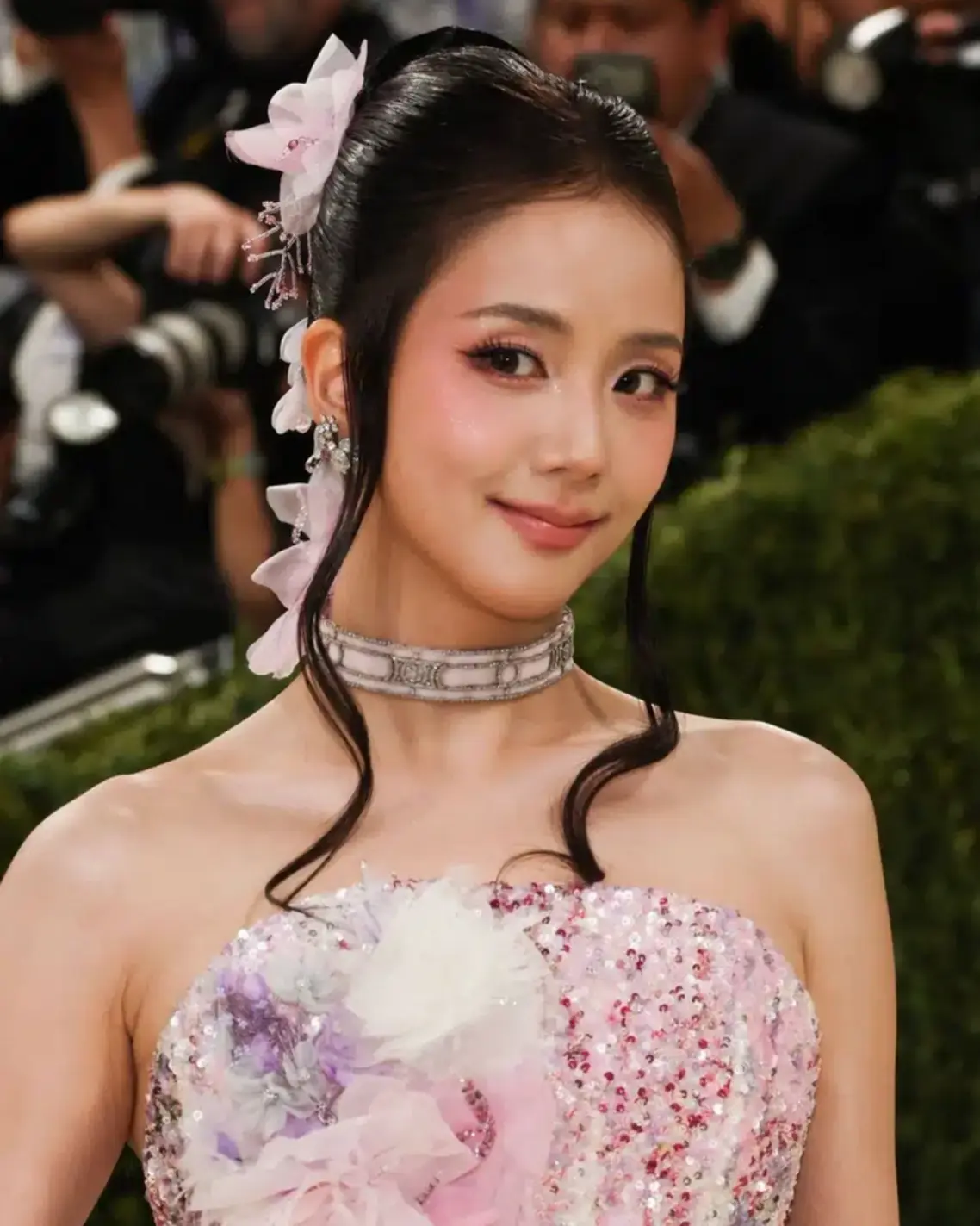
Jisoo’s jewelry told a different story, quieter but equally potent. For her Met Gala debut, she wore archival Cartier pieces from the Cartier Collection, including a choker from circa 1905 set on pink velvet and Foliate ear clips from 1948. That pairing placed more than a century of Cartier design around one look, turning the red carpet into a temporary extension of the maison’s private museum.
The 1905 choker belongs to the era of Cartier’s Garland Style, a defining jewelry language of the early 20th century. Platinum was essential to this style because it allowed jewelers to create delicate, lace-like structures strong enough to hold diamonds without the heaviness of gold or silver.
The 1948 Foliate ear clips brought the story forward into the postwar period, when jewelry often turned toward naturalism. Leaves, flowers and vines became ways to reintroduce movement, softness and organic irregularity after years of restriction and conflict. The Foliate clips did not mimic nature with stiff symmetry. They suggested the slight asymmetry of living leaves, making gold feel almost botanical.
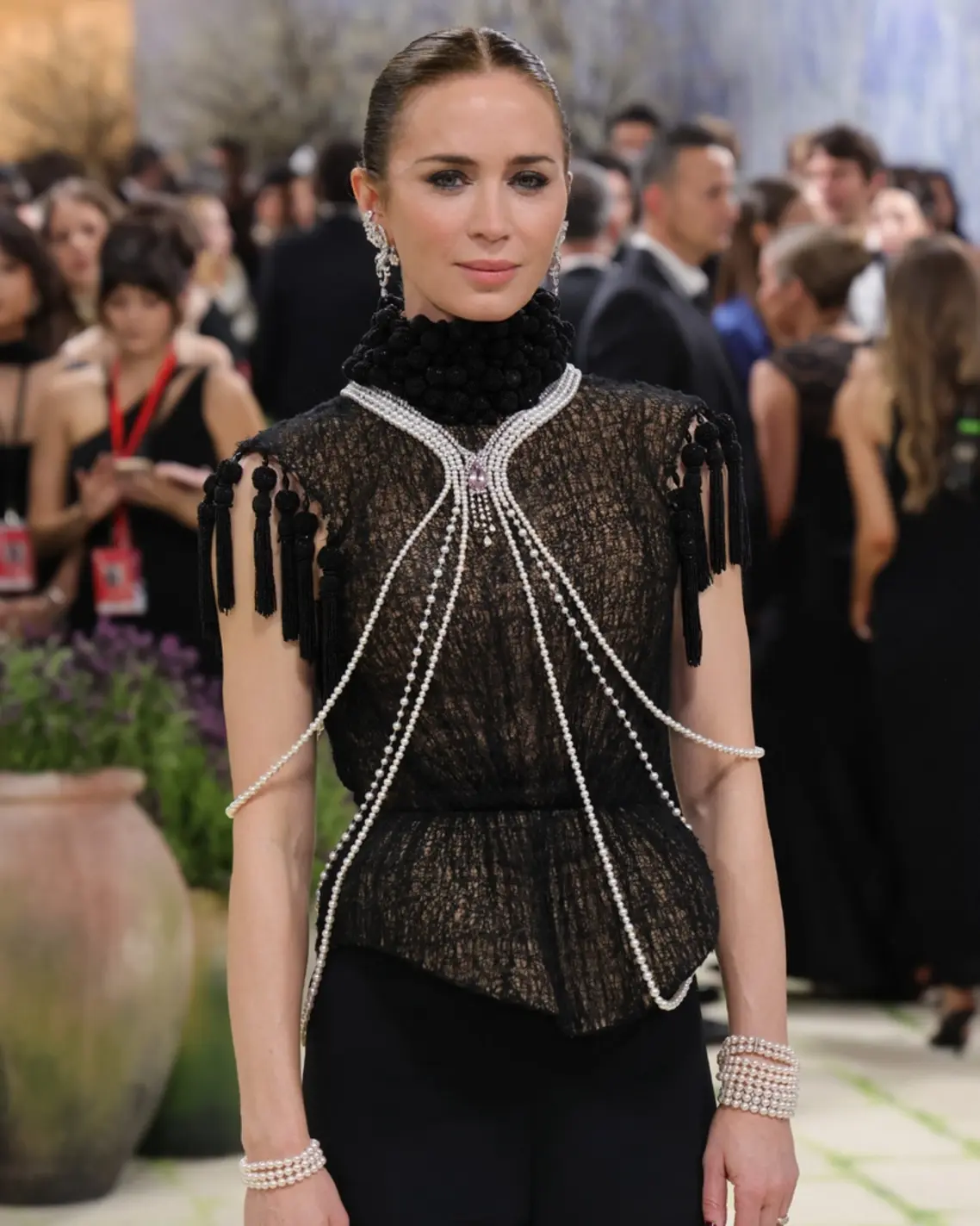
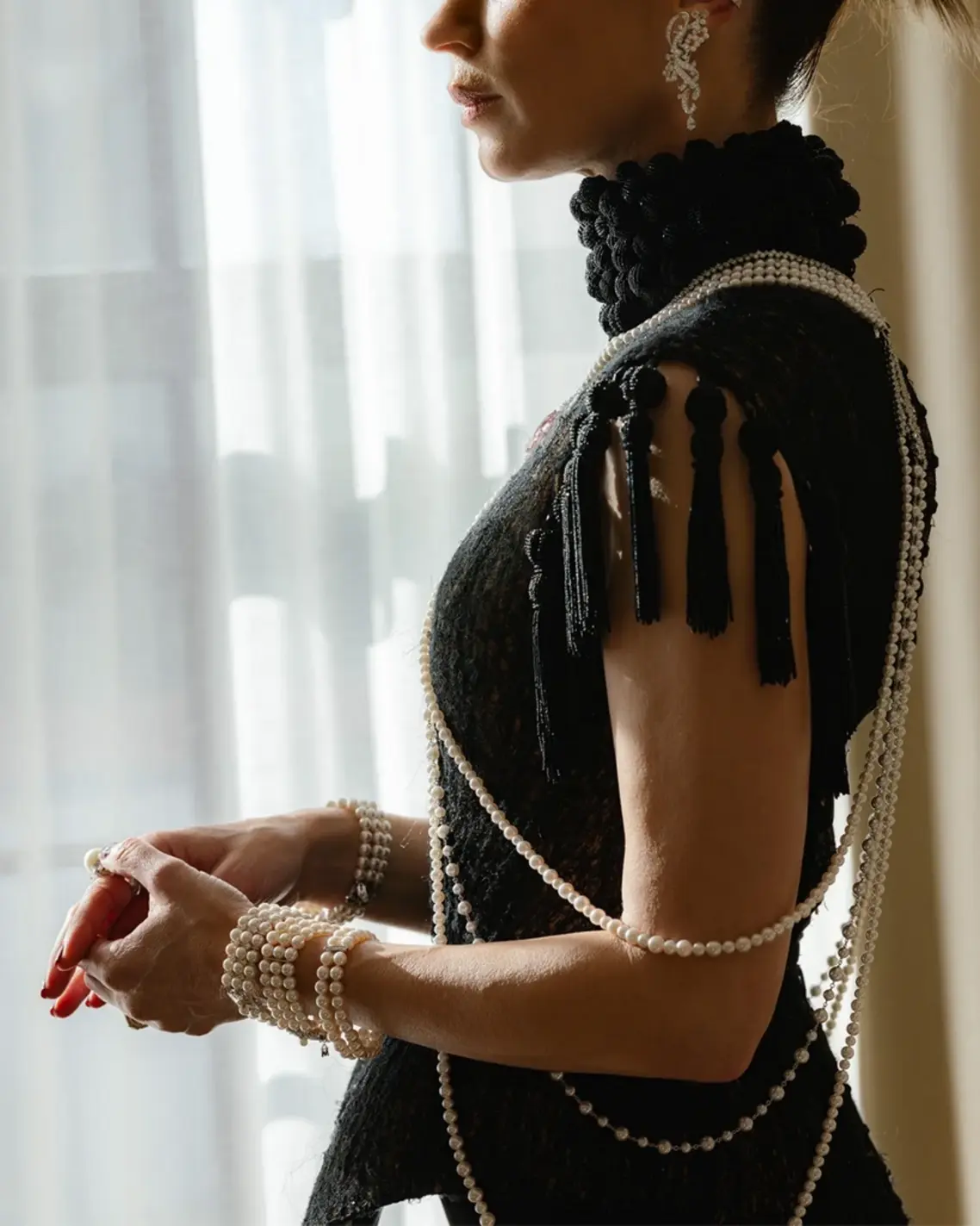
Emily Blunt delivered one of the most innovative pearl moments of the night with a custom Mikimoto pearl body necklace. The piece, valued at about $500,000, was worn over her custom Ashi Studio look and turned the pearl from a classic strand into a full-body structure.
That transformation mattered. Pearls are often framed as polite, traditional and almost conservative. Blunt’s Mikimoto piece rejected that expectation. Rather than sitting at the collarbone, the pearls draped across her torso, shoulders and arms in a multi-strand formation that behaved like a bodice, harness and jewel at once.
The technical and historical symbolism was equally strong. Mikimoto is inseparable from the origin story of cultured pearls, pioneered by Kokichi Mikimoto in the late 19th century. Before cultured pearls changed the industry, natural pearls were rare treasures found by divers in the wild. In that sense, Blunt’s body piece became a tribute to the “engineering of nature”: Human skill guiding an organic process, then turning its result into couture-scale structure.
The morganite center stone added warmth to the pearls’ cool luster. Together, the materials made the piece feel like a living shell, soft in surface but rigorous in construction. Among the night’s Met Gala jewelry, this was one of the clearest examples of jewelry crossing into sculpture.
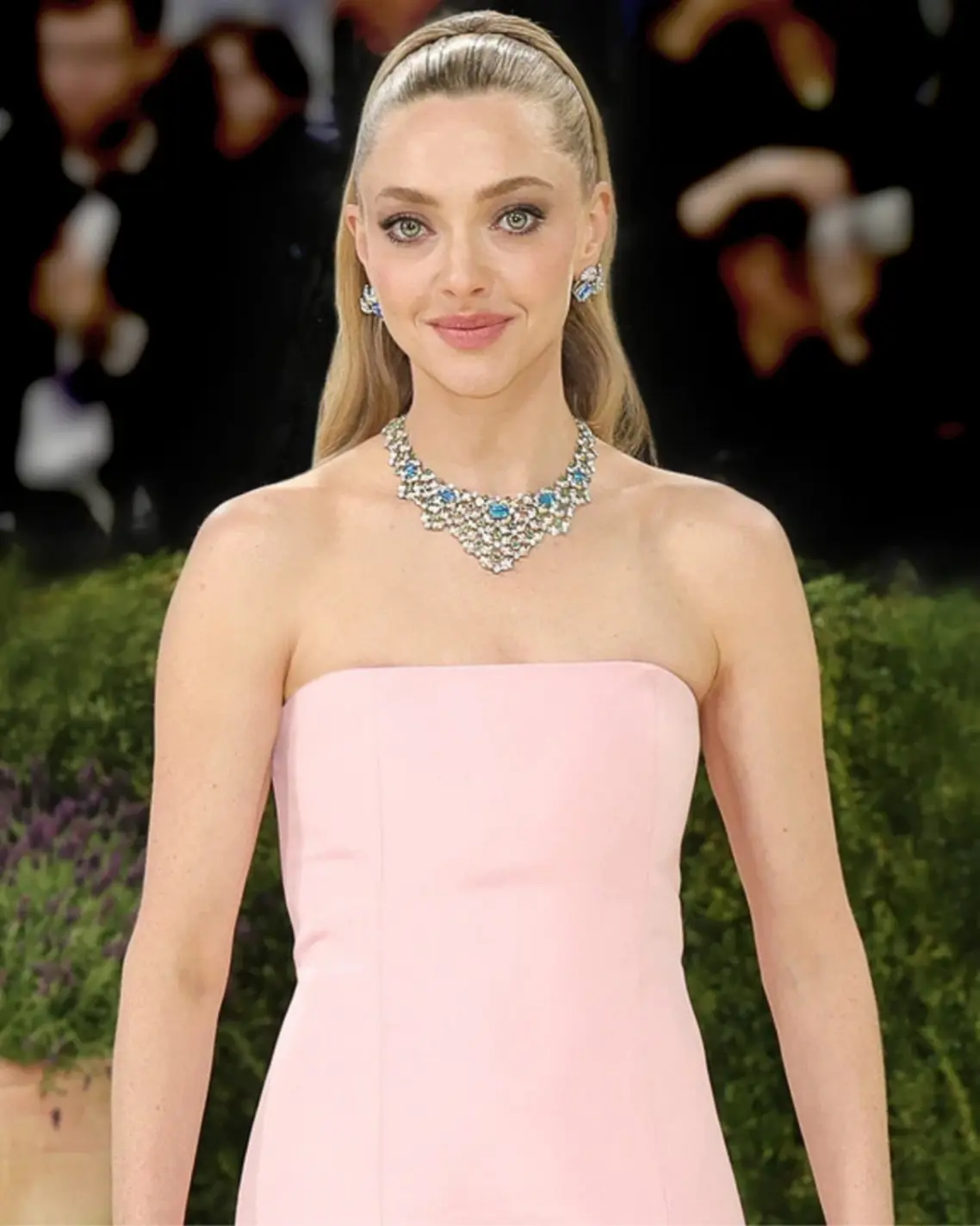
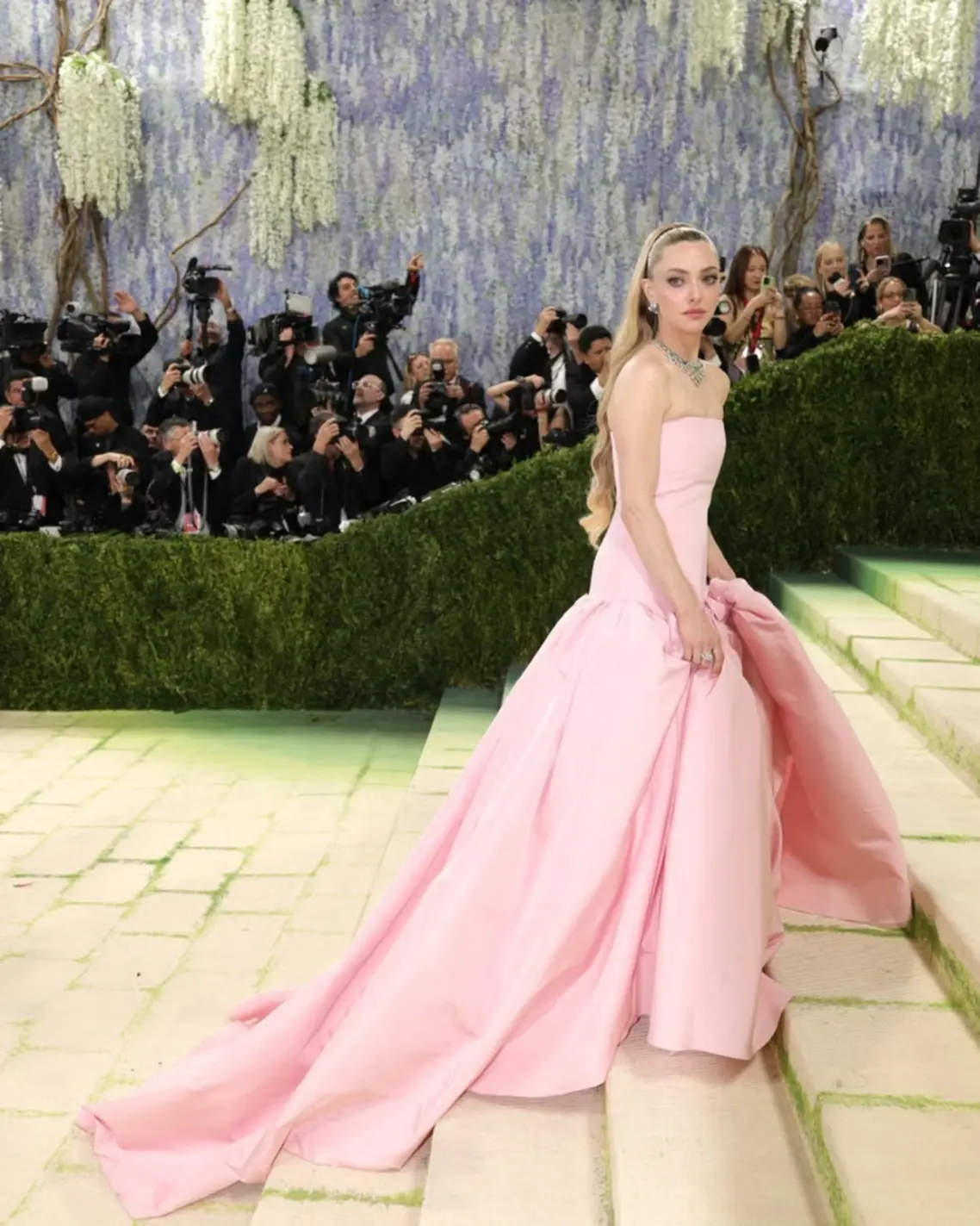
Amanda Seyfried’s Tiffany & Co. look brought color and mineral history to the carpet. Her Blue Book necklace featured five emerald-cut blue zircons, round cabochon emeralds and natural diamonds, paired with Jean Schlumberger by Tiffany & Co. Five Leaves earrings set with aquamarines and diamonds.
Blue zircon was a smart choice because it is often misunderstood. Despite the similar name, natural zircon has nothing to do with cubic zirconia. It is a real gemstone, and zircon crystals are among the oldest known minerals on Earth. In Seyfried’s necklace, the stones gave the look an electric, almost ancient-blue intensity. Their color cut through the softness of her Prada gown, creating a tension between fairy-tale prettiness and geological depth.
The Schlumberger earrings completed the mood. Jean Schlumberger’s Tiffany designs are famous for botanical wit, fantasy and movement, qualities that made the Five Leaves earrings feel especially right for a night devoted to costume as art.
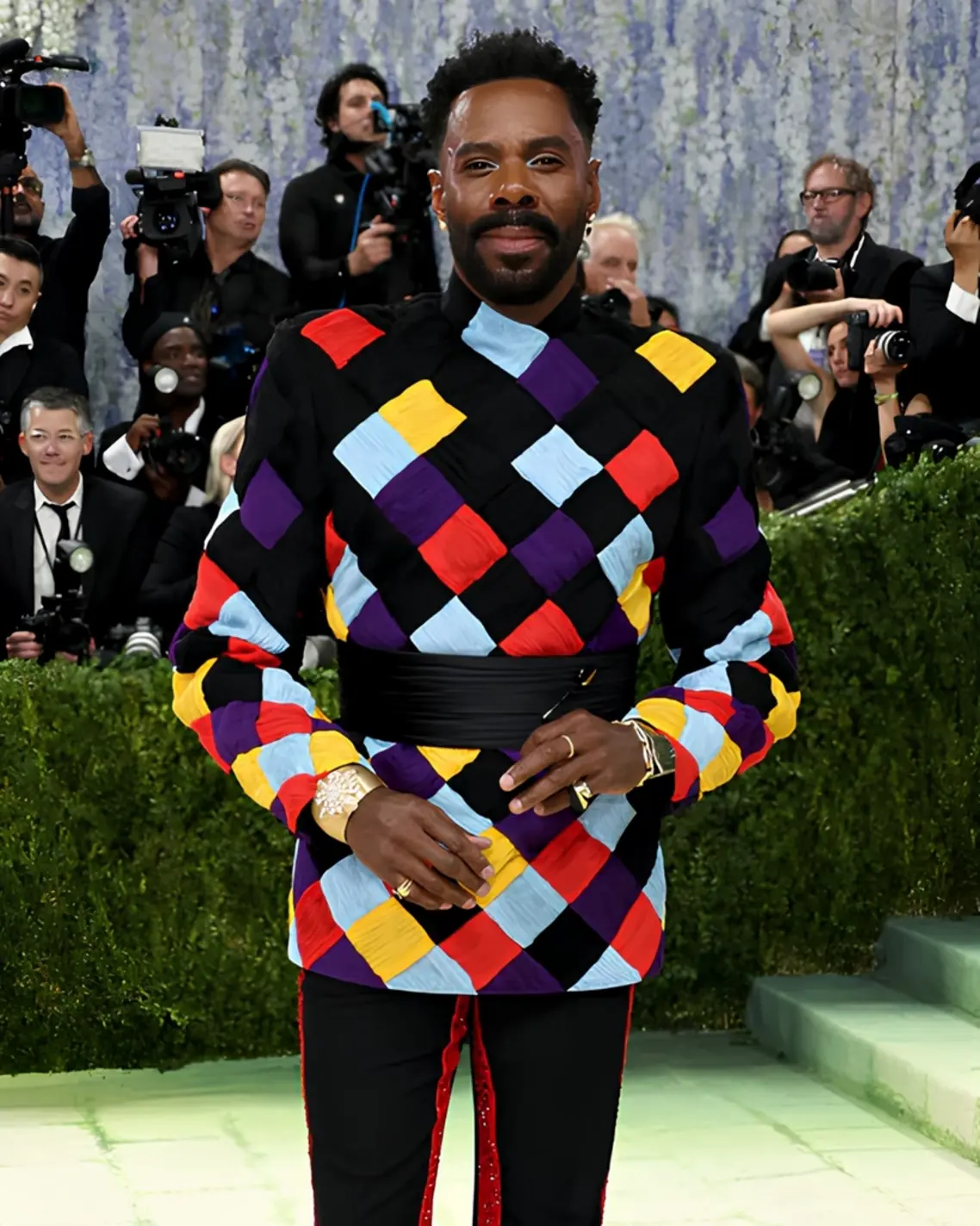
Colman Domingo continued his reign as one of the most important red-carpet jewelry wearers because he treats adornment as authorship. At Met Gala 2026, he wore Boucheron pieces, including designs connected to the maison’s Serpent Bohème language, along with a vintage 1982 Omega Constellation watch.
Boucheron’s Serpent Bohème collection was born in 1968 and is known for translating the snake into an abstract drop motif rather than a literal reptilian body. The maison describes it as a gold sculpture rooted in craft, with the drop symbolically evoking the serpent’s head. On Domingo, that abstraction mattered. It allowed the jewelry to feel sensual, graphic and masculine without relying on old rules about what men’s jewelry should be.
His styling also reflected a larger red-carpet shift: Men reclaiming high jewelry as a complete visual language, not an occasional brooch or borrowed necklace.
The vintage Omega Constellation added another archival note. The 1982 Manhattan-era Constellation is known for its side “claws,” originally designed as functional elements to help secure the sapphire crystal and gasket. On Domingo, that watch detail sat beautifully beside Boucheron’s jewelry codes.
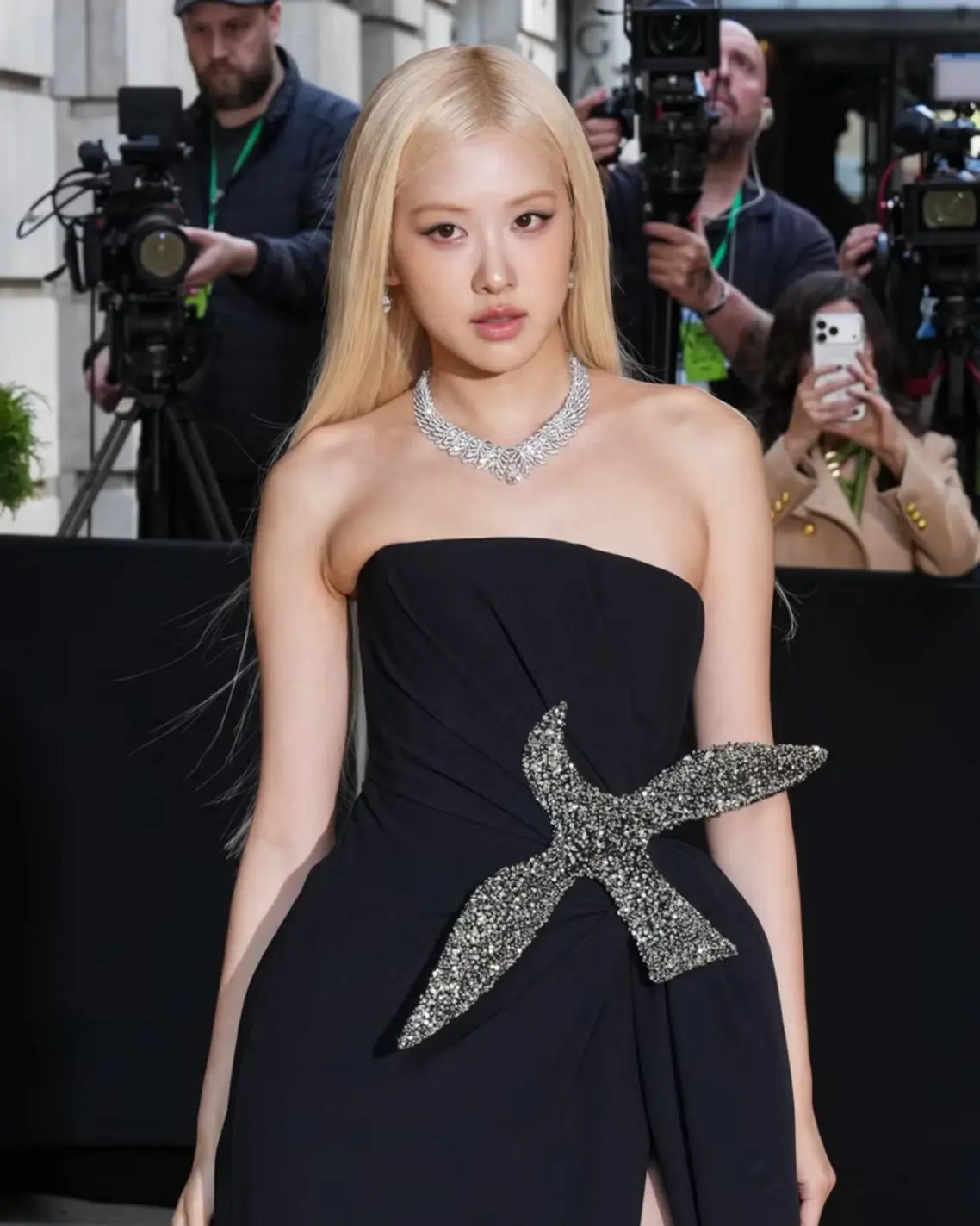
Rosé offered one of the evening’s most elegant examples of quiet symbolism. Her black Saint Laurent gown by Anthony Vaccarello featured a dramatic bird-shaped brooch, and she accessorized with Tiffany & Co. jewelry including a diamond necklace. The look was restrained by Met Gala standards, but restraint was precisely its force.
The bird motif immediately invited comparison to Jean Schlumberger’s famous Bird on a Rock, first introduced by Tiffany in 1965. Tiffany describes Bird on a Rock as one of the house’s most celebrated brooches, a design now associated with joy, optimism and possibility. The original image of a bird perched atop a gemstone has always worked because of contrast: lightness sitting on weight, whimsy balanced against immense value.
Rosé’s interpretation was less literal and more atmospheric. The brooch did not overwhelm the gown. It punctuated it. Against the black Saint Laurent silhouette, the bird became a signal of movement and freedom, while the diamond choker kept the look crisp, expensive and controlled.
Her jewelry proved that Met Gala jewelry did not need maximum volume to command attention. Sometimes the strongest piece is the one that gives the eye a single symbol to follow.
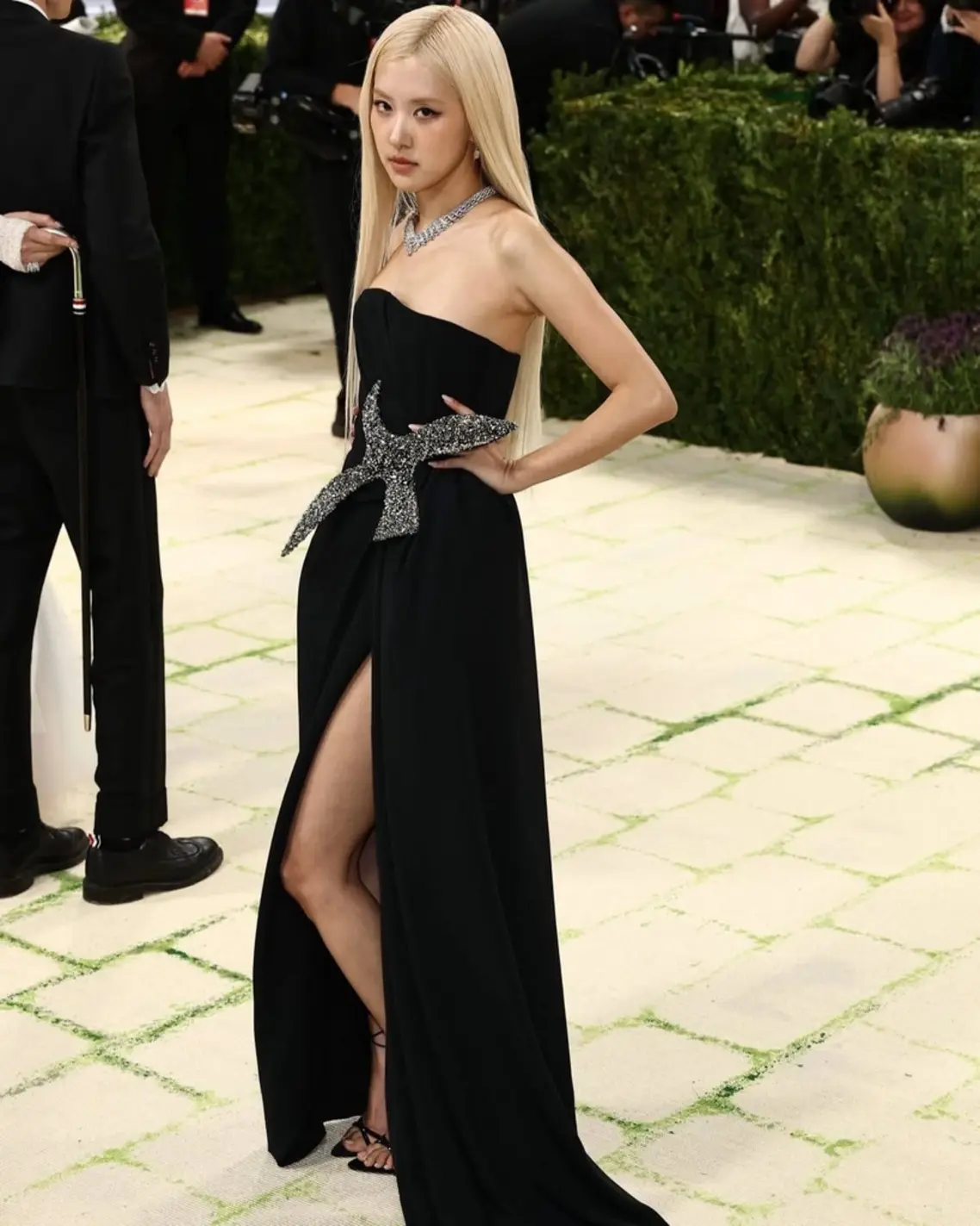
The best jewels at Met Gala 2026 shared one quality: intention. Isha Ambani used diamonds to carry heritage. Jisoo used Cartier’s archive to wear time. Emily Blunt turned pearls into architecture. Amanda Seyfried gave gemstones a botanical and geological story. Colman Domingo made high jewelry gender-fluid, deliberate and powerful. Rosé used one bird to give quiet sophistication a sense of flight.
Together, these moments proved that jewelry can be one of fashion’s most complex art forms. It holds material value, but it also holds technique, memory, symbolism and risk. At the Met Gala 2026, where a gown can dominate the first photograph, the finest jewels rewarded the second look.
This year, the red carpet sparkled with an abundance of Met Gala jewelry moments. All of them felt less like accessories and more like artworks that happened to touch the skin.