MENU
Close





This year September’s haute horlogerie releases did something more interesting than deliver another round of vintage-colored dials and anniversary references.
This year September’s haute horlogerie releases did something more interesting than deliver another round of vintage-colored dials and anniversary references.
August 9, 2026


Across Geneva Watch Days and the first autumn presentations, high watchmaking became smaller, stranger, more materially ambitious and increasingly interdisciplinary. This month did not produce one dominant watch trend. It produced a change in priorities.
Bvlgari has spent years turning the Octo Finissimo into one of contemporary haute horlogerie's most recognizable exercises in thinness. At Geneva Watch Days 2026, the conversation moved from breaking records toward reconsidering scale.
The Octo Finissimo 37 contracts the familiar architecture to 37mm while keeping the case only 6.45mm thick. Inside sits the newly developed BVF 100 automatic caliber, itself measuring just 2.35mm thick, with a platinum micro-rotor and 72 hours of power reserve.
The titanium version preserves the sandblasted monochromatic character associated with the Octo Finissimo, yet the smaller diameter changes how its geometry behaves on the wrist. Broad planes, layered octagons and sharply defined surfaces suddenly occupy a far more concentrated space.
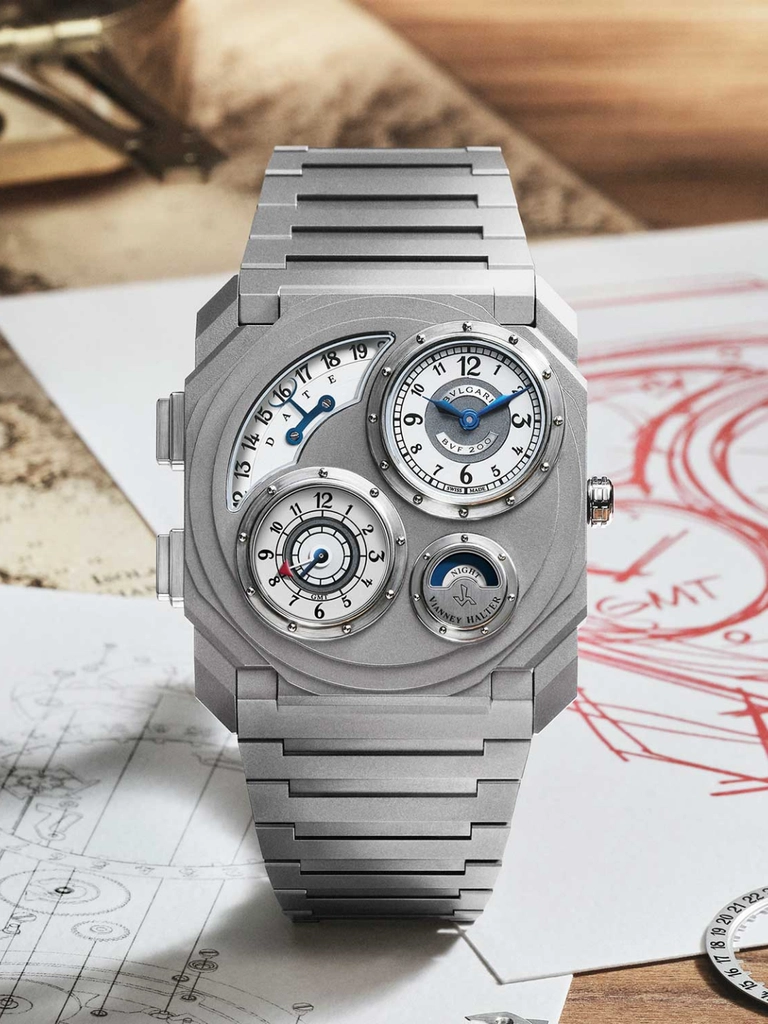

For the Octo Finissimo Dual Time × Vianney Halter, Bvlgari gave an independent watchmaker access to one of its defining contemporary designs. Halter divided the dial into four displays and participated in developing the ultra-thin BVF 200 micro-rotor caliber, which incorporates dual time, date and day-night indications.
Thirty examples are produced in titanium and another 15 in rose gold.
The collaboration works through the friction between two recognizable visual languages. Halter's mechanical futurism occupies the face of the watch, while Bvlgari's flat octagonal architecture remains unmistakable underneath.
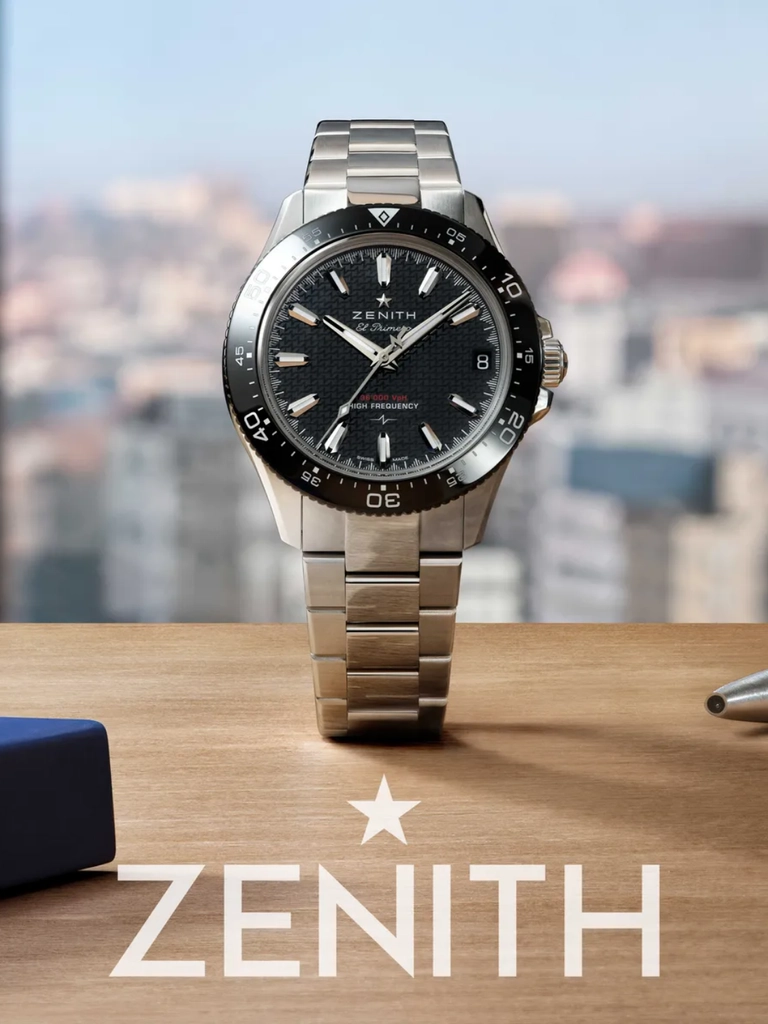
The Chronomaster Solo Sport is the first three-hand watch within the Chronomaster collection. The name El Primero has spent more than half a century attached to chronographs, so removing the chronograph counters could easily have stripped the watch of its reason to exist.
Instead, Zenith retained the most fundamental characteristic: frequency. The automatic El Primero 3620 continues to run at 5 Hz, or 36,000 vibrations per hour, with a 60-hour power reserve. It sits inside a 40mm steel case with a ceramic bezel, 200 meters of water resistance and Zenith's micro-adjustable ZENCLASP bracelet. Black, white and brown ceramic-dial versions are available, alongside a black no-date model.
The interesting idea is that high frequency becomes an identity even when there is no chronograph hand measuring tenths of a second. Zenith has essentially separated the El Primero concept from the complication that made it famous.

The month's most ambitious artistic and luxury craftsmanship statement may barely qualify as conventional dial-making. For Métiers d'Art Tribute to the Animal Kingdom, presented during Homo Faber in Venice, Vacheron Constantin invited six artisans whose disciplines traditionally exist outside watchmaking to work at wristwatch scale.
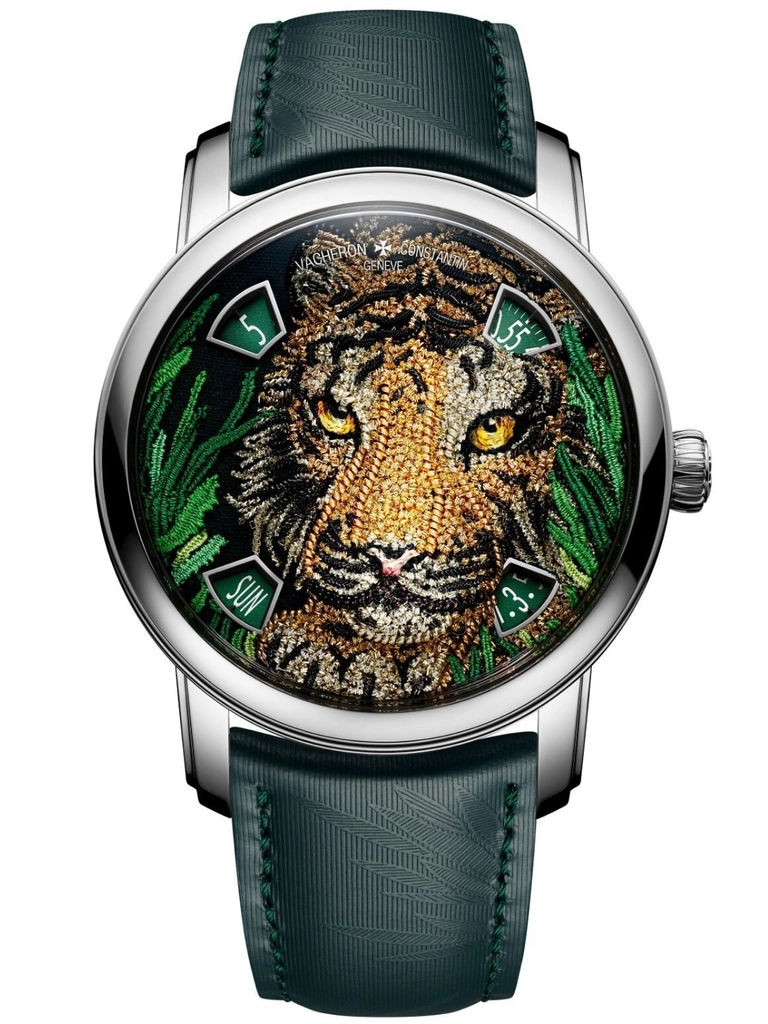
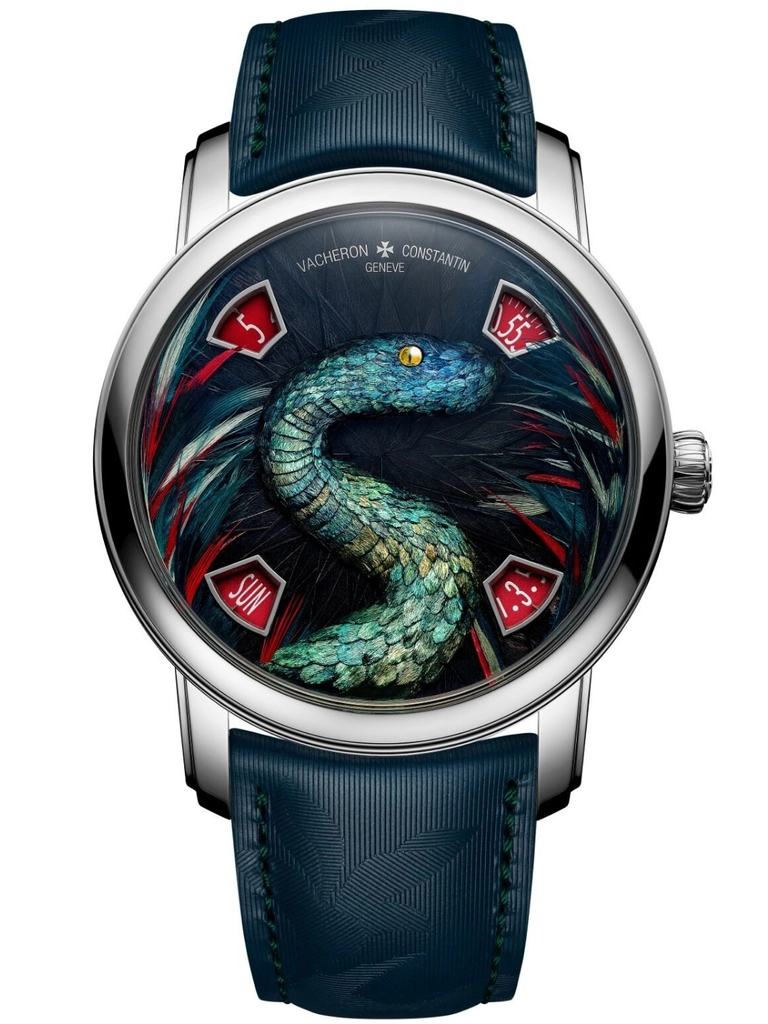
The six concept watches employ featherwork, glass sculpting, micro-origami, gold embroidery, paper sculpture and wood marquetry. Each fits inside a 42mm case, with a maximum of just four millimeters between the dial surface and sapphire crystal.
The gold-embroidered tiger required a specially perforated titanium dial so embroidery could be stitched directly into the watch architecture. Gold and ceramic-coated wires form the animal, while silk creates additional depth. Vacheron Constantin says the dial required roughly 210 hours of work. Elsewhere, a sculpted glass octopus rises only a few millimeters above its dial, while the featherwork snake uses a specially engineered support to create three-dimensional volume.
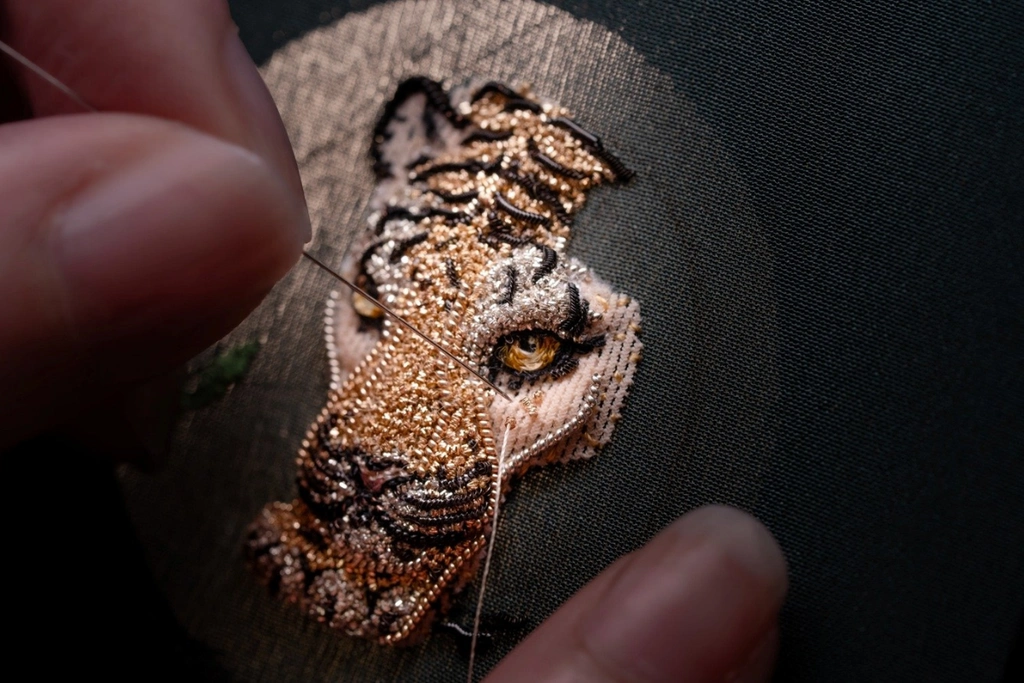
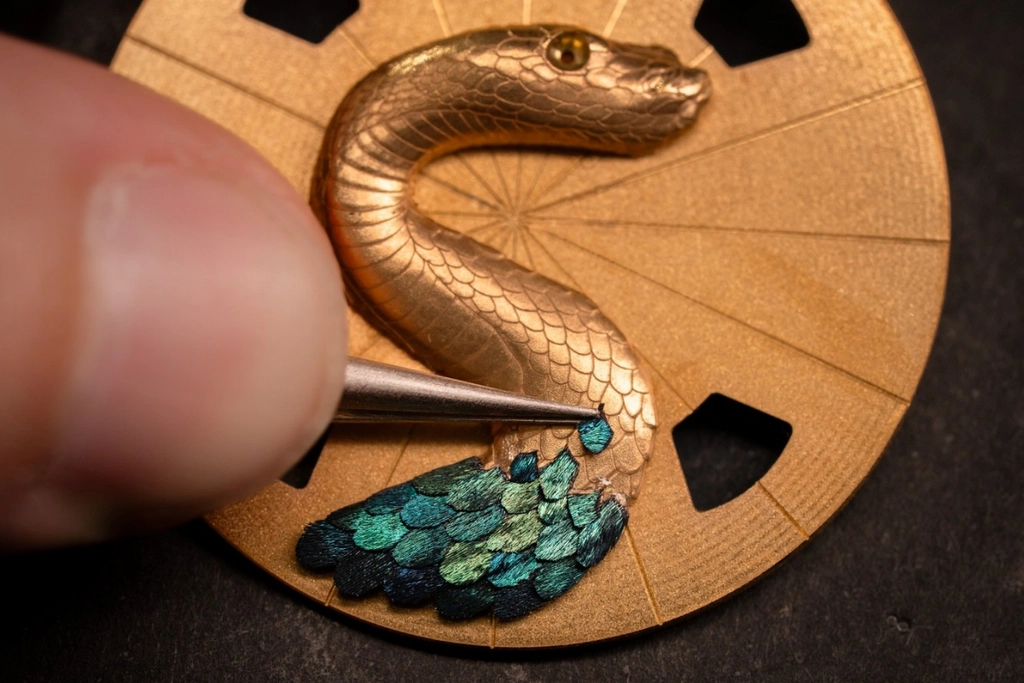
This is where métiers d'art is becoming more interesting in 2026. Watch brands have spent decades proving that enameling and engraving can survive. Vacheron Constantin is now asking what other luxury craftsmanship can become when forced through horology's scale and mechanical constraints.
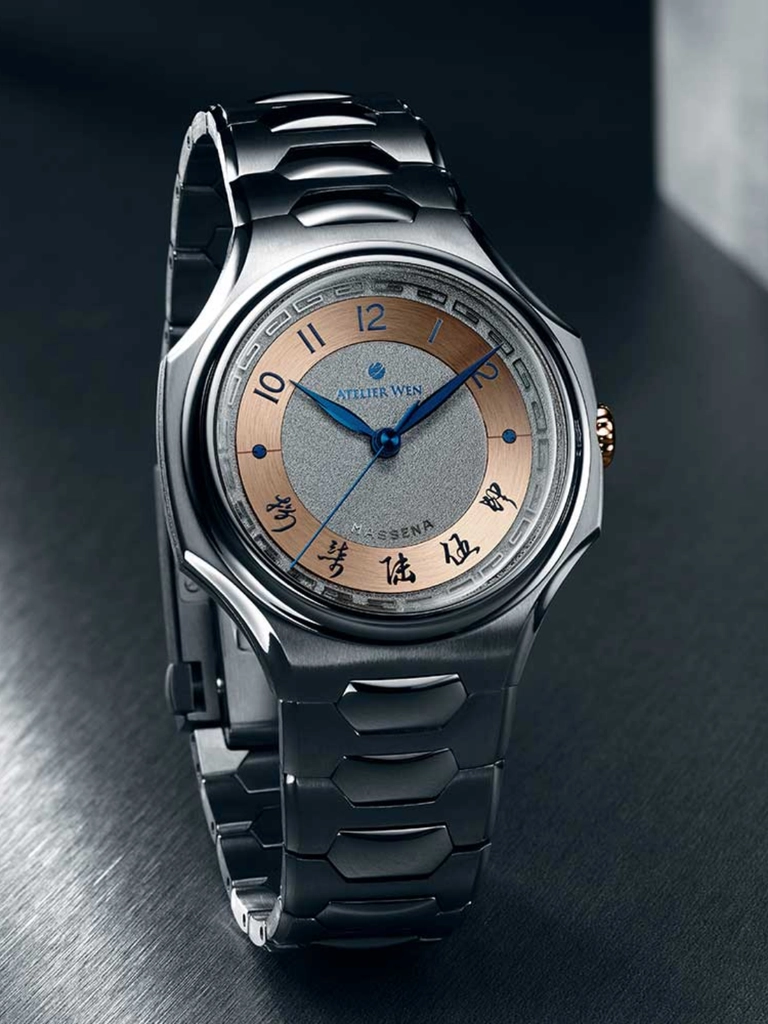
Material experimentation appeared in a very different form at Atelier Wen × Massena LAB. The Inflection Shuò uses a case and integrated bracelet made from 99.9% pure tantalum, a dense, corrosion-resistant blue-gray metal notorious for the difficulty involved in machining it. The watch measures 40mm across and 10.2mm thick.
The dial creates an intentional contradiction. Its base is solid 18k gold and receives tremblage, a demanding hand-engraving technique that creates a granular surface by repeatedly moving the engraving tool across the metal. Arabic numerals meet hand-calligraphed Chinese characters, while the outer section incorporates a traditional huiwen pattern. The hand engraving is executed by specialist Coralie Mercier.
Only 50 watches will be produced, with deliveries scheduled to begin in early 2027.

Girard-Perregaux also used September to rethink how much haute horlogerie can fit into moderate proportions.
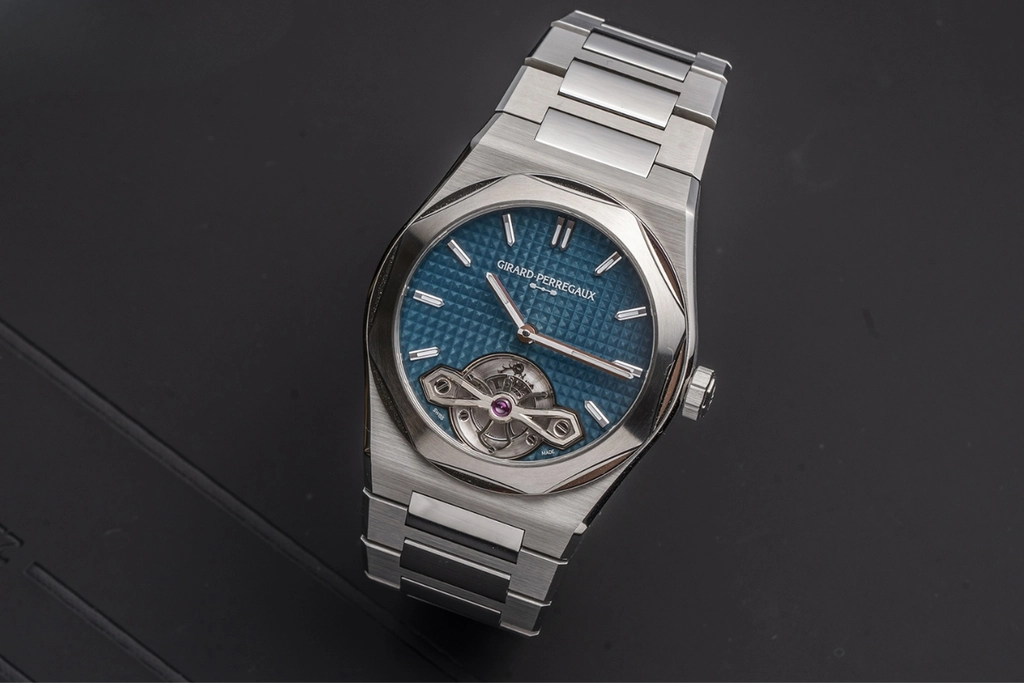
The Laureato Fifty Tourbillon Micro-Rotor measures just 39mm across and 10mm thick. Its new automatic GP8410 caliber combines a tourbillon with the Maison's lyre-shaped cage and a micro-rotor constructed from platinum and pink gold. The movement contains 207 components and operates at 3 Hz.
The important detail is packaging. Tourbillons frequently announce themselves through large cases and overt mechanical spectacle. Girard-Perregaux has instead placed one inside the dimensions of a contemporary integrated-bracelet sports watch.
That 39mm number connects the watch to the broader downsizing visible in September, but the movement makes the shift more interesting. Smaller is no longer synonymous with mechanically simpler.
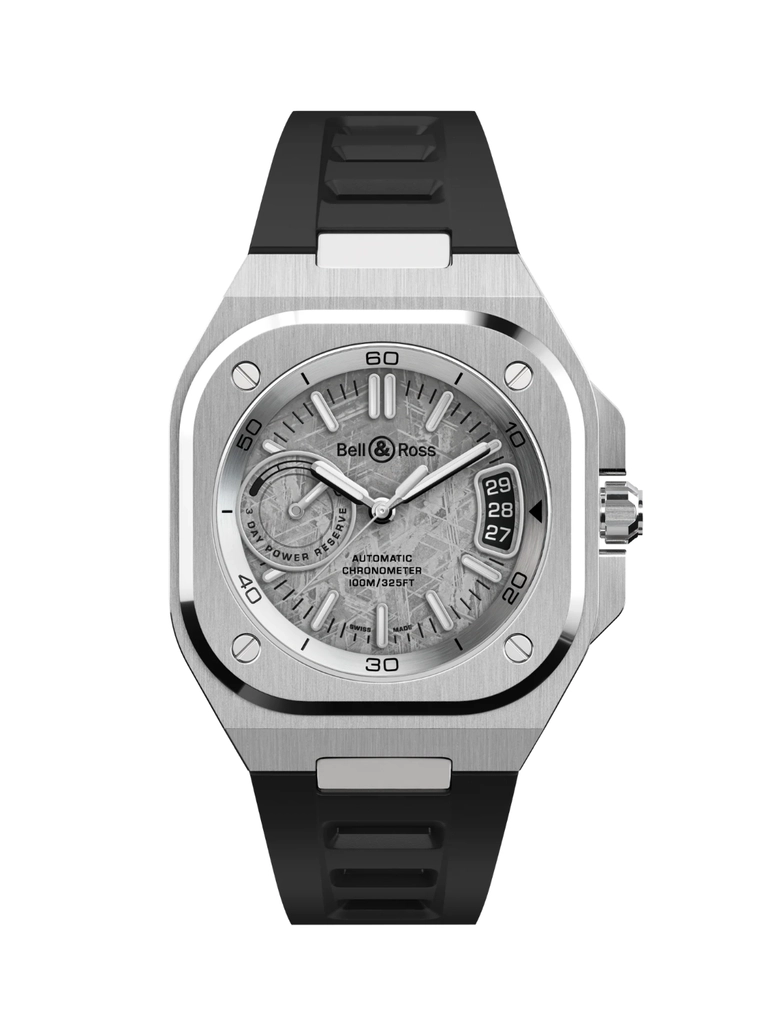
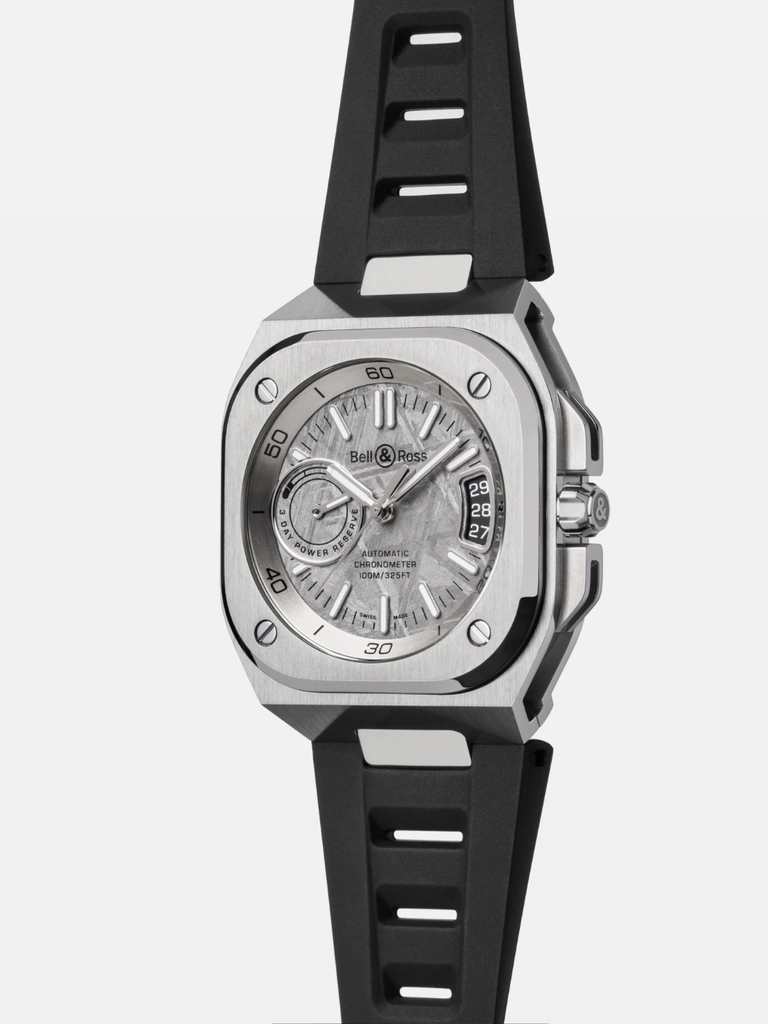
Not every interesting material needs to be newly engineered. Bell & Ross went in the opposite temporal direction with the BR-X5 Meteorite, whose dial is cut from Muonionalusta meteorite estimated by the brand to be approximately 4.5 billion years old. Each dial displays a naturally occurring Widmanstätten structure, so the crystalline pattern varies from watch to watch.
Crucially, the meteorite is not a thin decorative slice glued onto a conventional brass dial. Bell & Ross uses the celestial material directly, stabilizing it with a thin matte protective lacquer.
The 41mm steel watch is limited to 250 examples and contains the COSC-certified BR-CAL.323 automatic caliber, with around 70 hours of power reserve.
The watch was announced in late August with deliveries scheduled for mid-September, making it part of the same early-autumn launch cycle.
Meteorite has appeared often enough in luxury watches that the material itself is no longer automatically surprising. The better question now is whether a manufacturer treats it as substance or print.
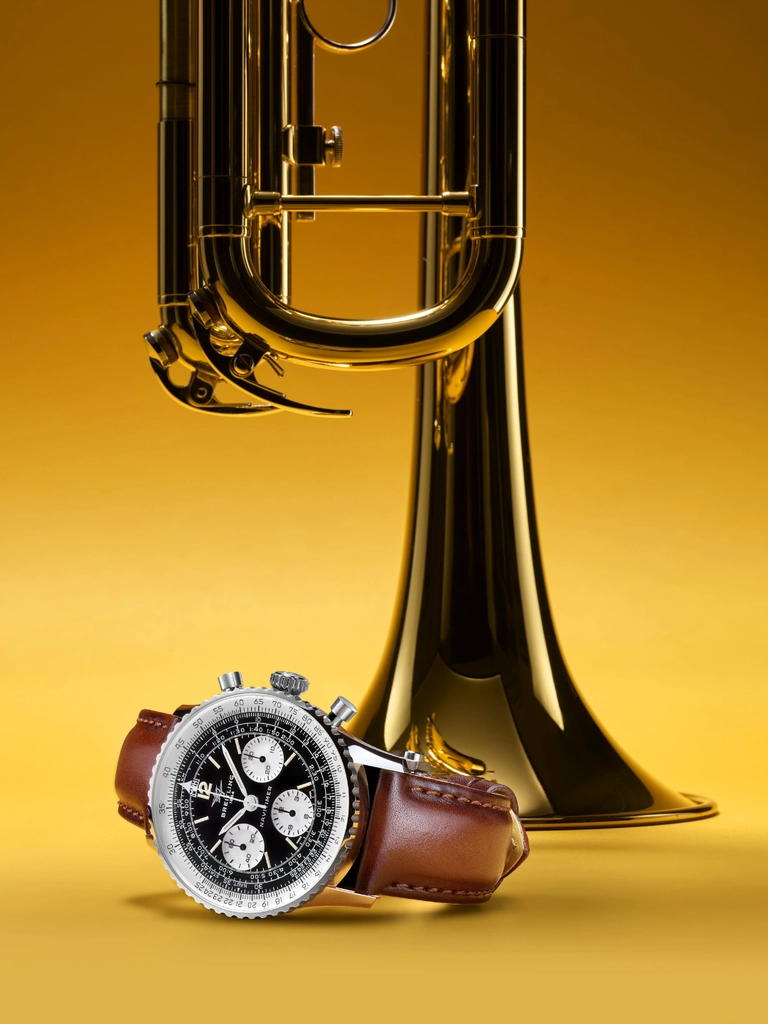
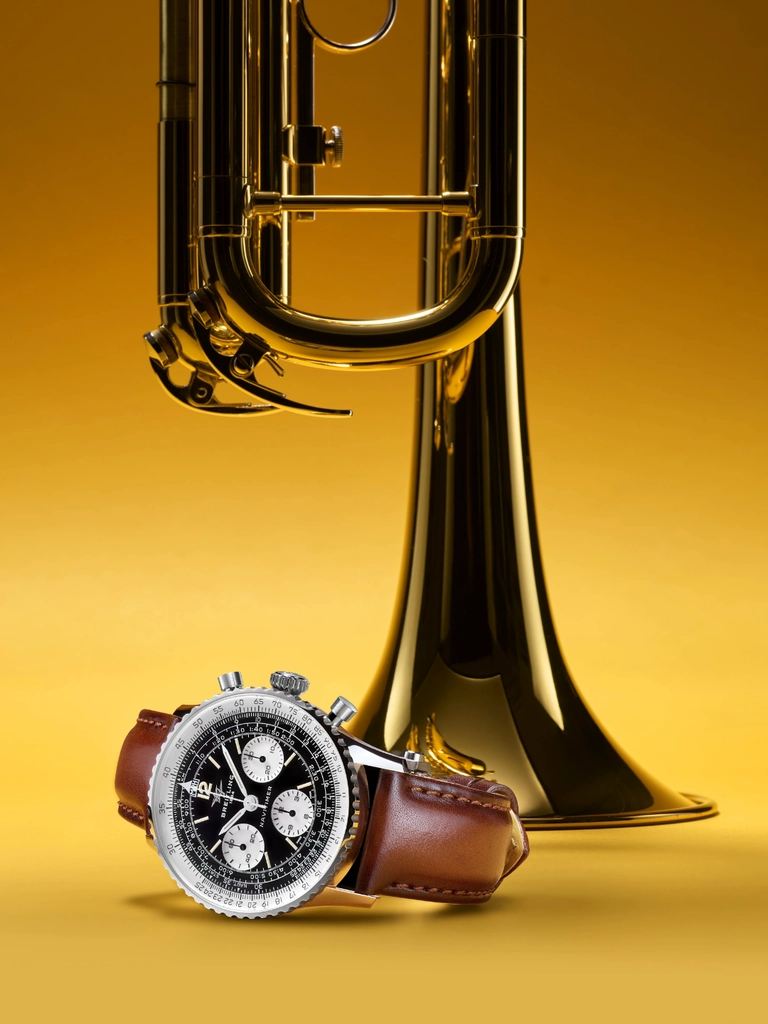
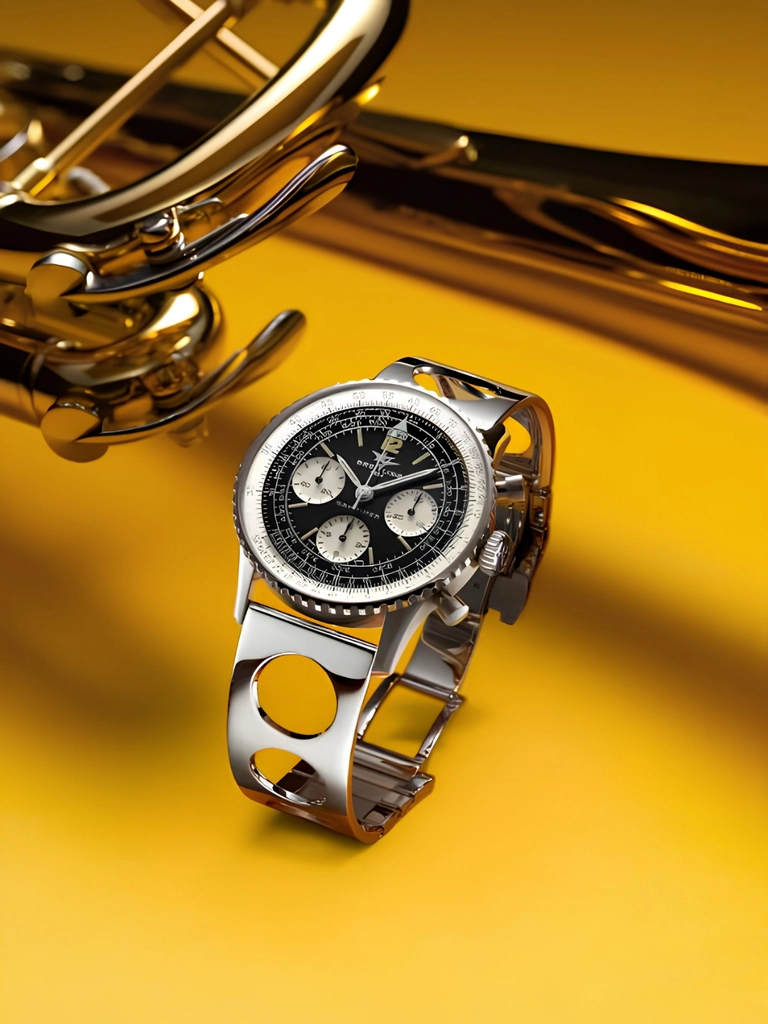
Breitling's Navitimer B09 Chronograph 41 Miles Davis demonstrates another way to use the past.
Miles Davis genuinely wore a reverse-panda Navitimer Ref. 806 Mk5 in the 1960s. For the centenary of his birth, Breitling recreated elements of that watch in a 500-piece steel edition, including the vintage-style Twin Jet logo, cream-colored luminous material and a manual-winding B09 manufacture caliber. The case measures 41mm and the movement supplies approximately 70 hours of power reserve.
The new watch consequently says something larger about how tool watches migrated into fashion. A pilot's chronograph became part of Davis's wardrobe decades before luxury sports watches were routinely styled as cultural objects.
The historical reference is doing more than supplying dial colors. It explains a shift in how watches were worn.
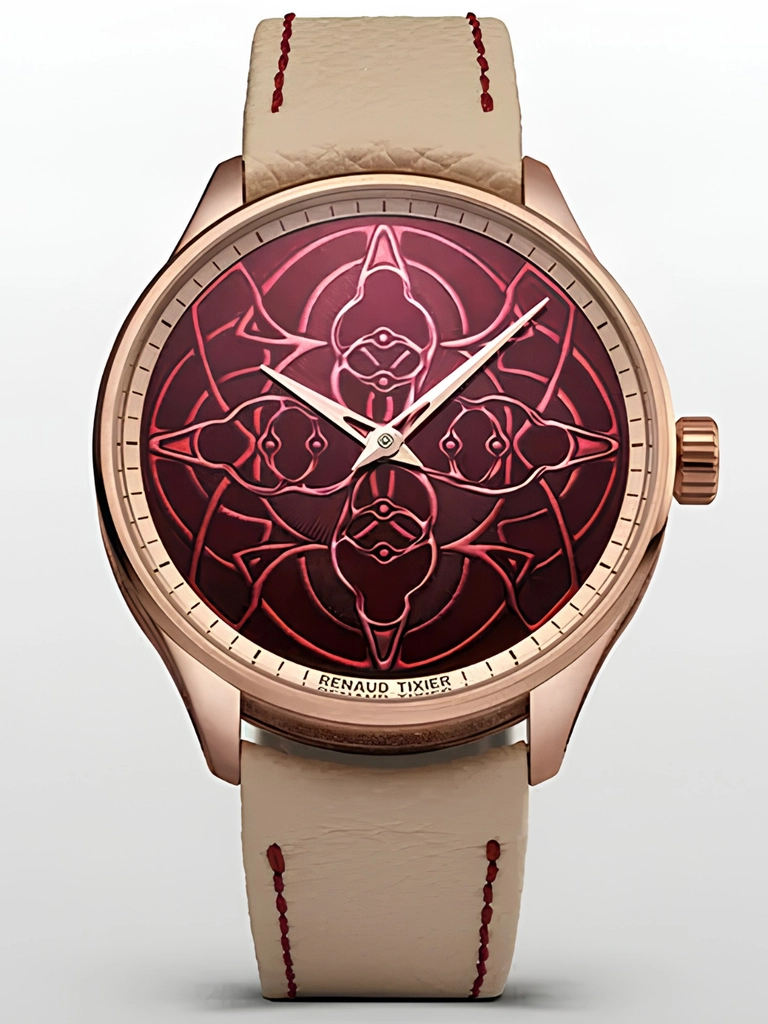
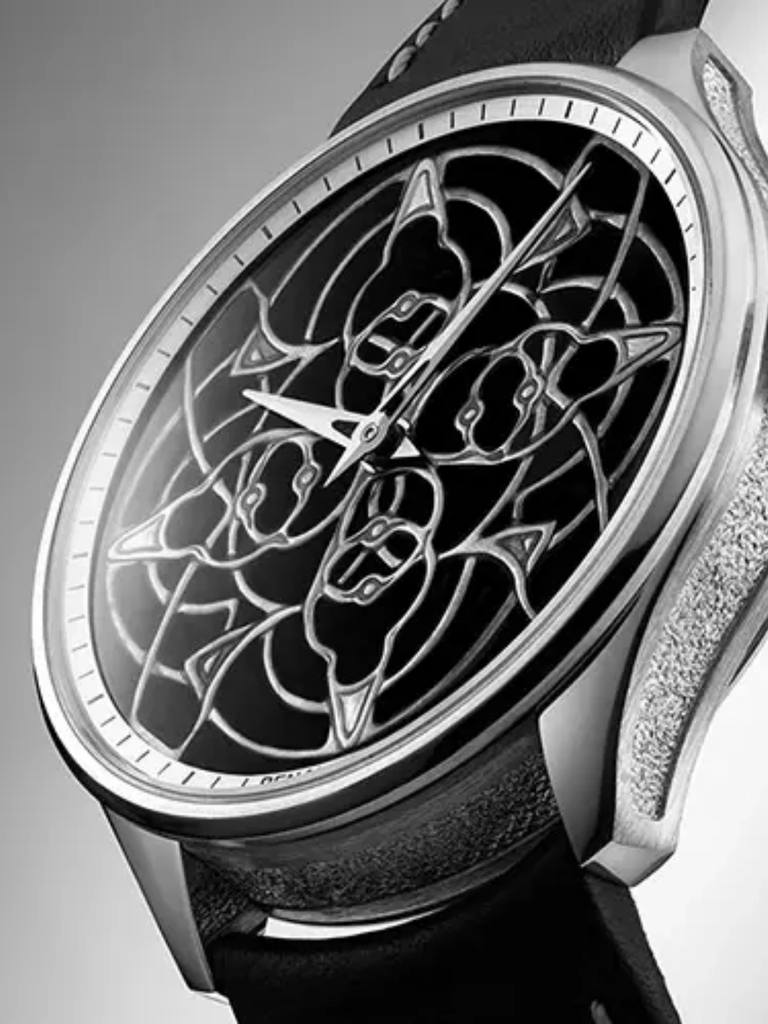
Even the independent releases surrounding Geneva reinforced the same pattern. Renaud Tixier extended the Monday Organica with black Grand Feu enamel in platinum and burgundy enamel in 5N rose gold. Each dial requires around 112 hours of engraving, chiseling and enameling, while the RVI2023 movement uses the house's unusual “dancer” micro-rotor architecture.
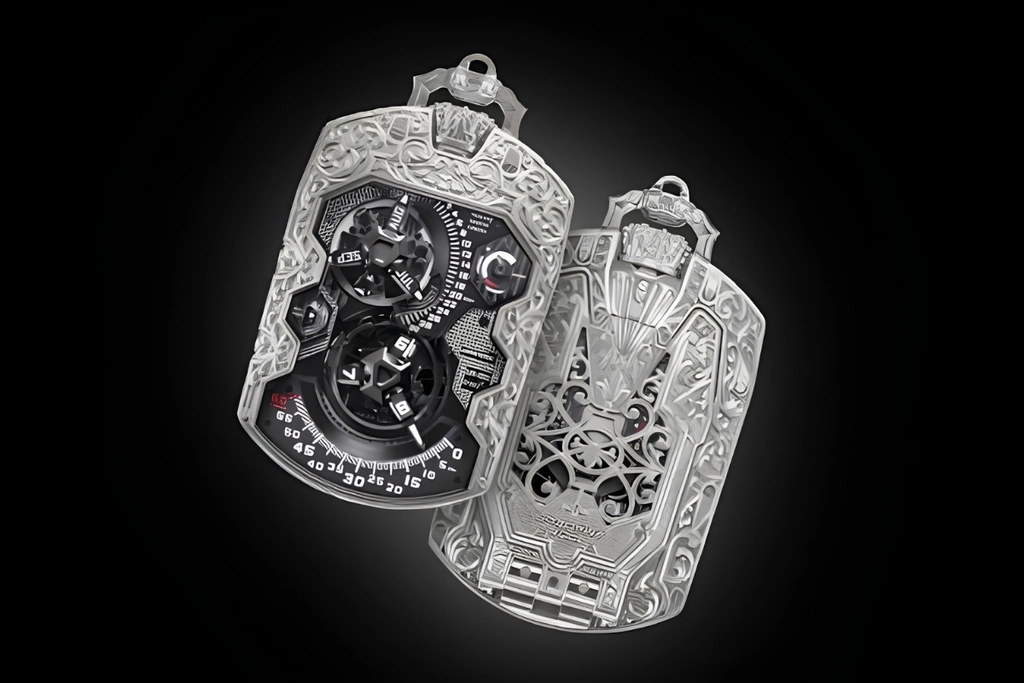
URWERK's monumental UR-1001 Amadeus, announced at the end of August and shown into the September season, took a very different route: a one-off titanium pocket device hand-finished by engraver Florian Güllert, combining short-term time indications with counters conceived to measure years, centuries and even a millennium of operation.
Together, these watches clarify what made the early-autumn season interesting. Thin watches are becoming smaller. Sports watches are absorbing tourbillons. Micro-rotors are being used for packaging and aesthetics. Ancient meteorites sit beside almost pure tantalum. Traditional embroidery is entering dials. A 1950s Universal Genève can return without pretending the last 70 years never happened. For haute horlogerie, history is becoming raw material.