Seventy-one brands, nearly 400 new watches and more collectors than ever before: Geneva Watch Days 2026 offered a remarkably clear snapshot of where the luxury watch market is heading next.
Seventy-one brands, nearly 400 new watches and more collectors than ever before: Geneva Watch Days 2026 offered a remarkably clear snapshot of where the luxury watch market is heading next.
September 6, 2026


What began in 2020 as an unconventional response to cancelled trade shows has become one of Geneva’s major horological gatherings. Running from September 2–6, the seventh Geneva Watch Days brought together a record 71 maisons, nearly 400 new releases, more than 2,500 collectors and private clients, over 500 international media and content creators, and more than 300 retailers. The number of collectors alone more than doubled from 2025.
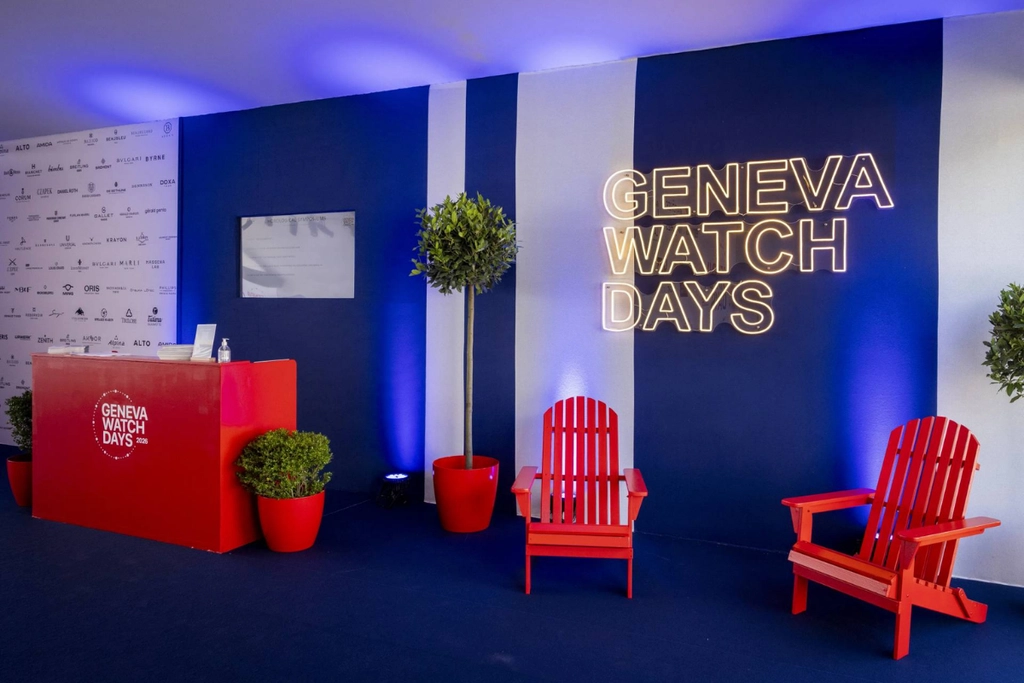
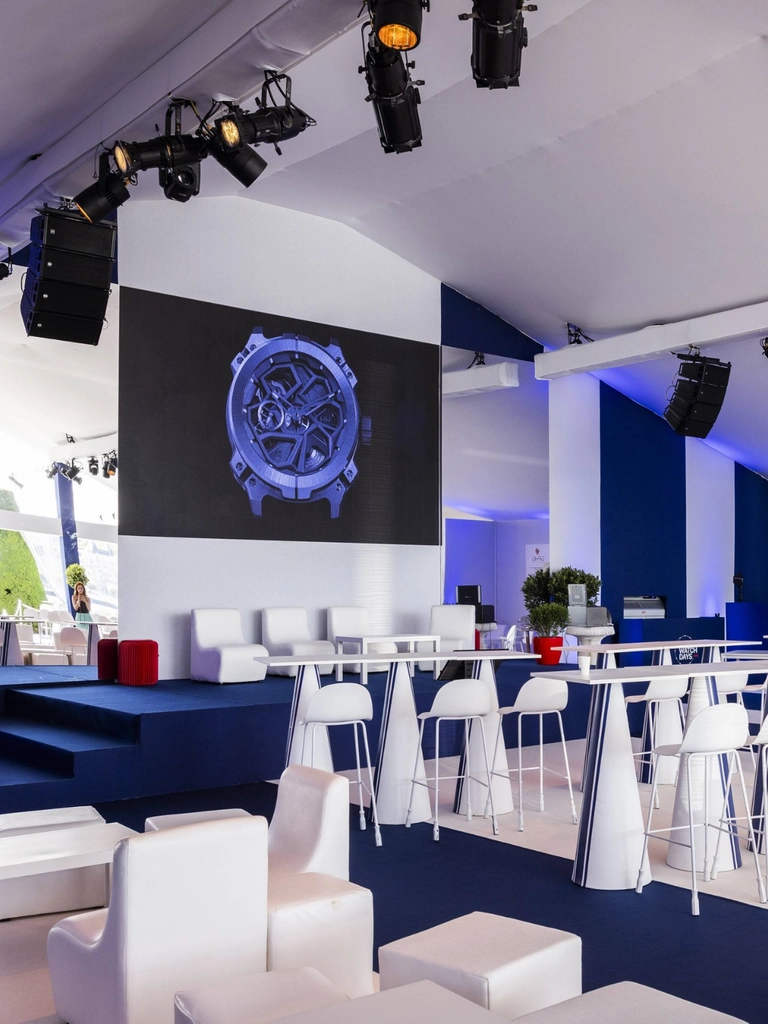
Its decentralized format still separates it from a traditional fair. The Pavilion and Blue Box at Rotonde du Mont-Blanc form its public heart, while launches spill into boutiques, hotels and private showrooms across Geneva. The format places collectors unusually close to founders, watchmakers and prototypes, making the event increasingly useful as a live reading of the luxury watch market itself.
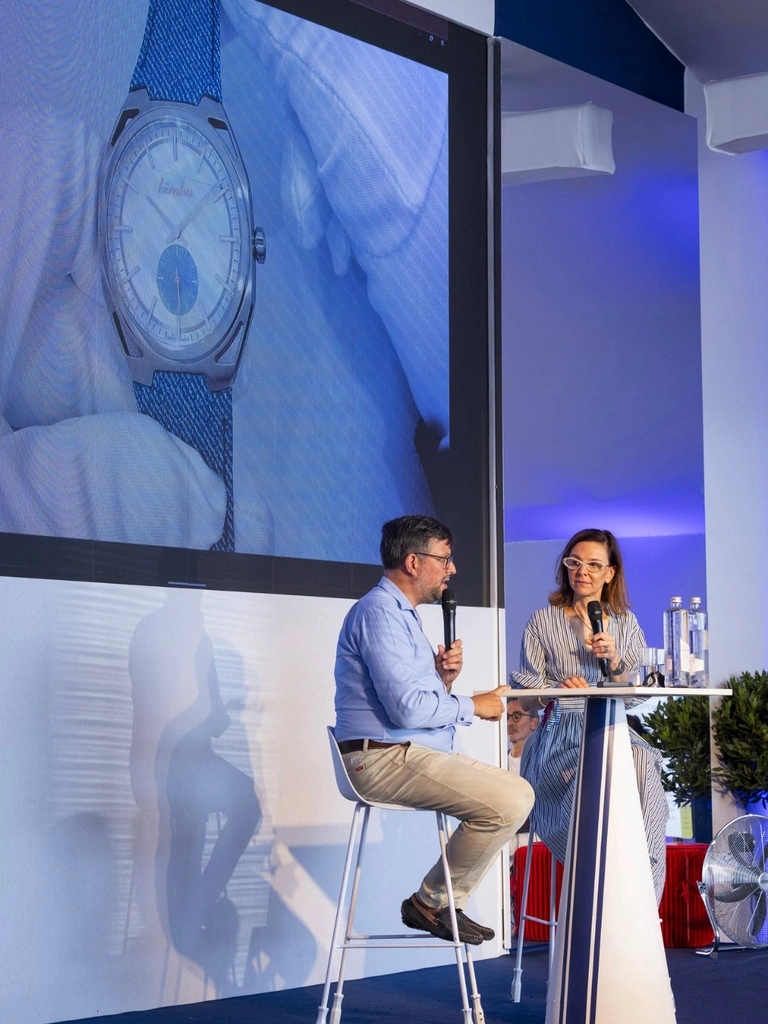
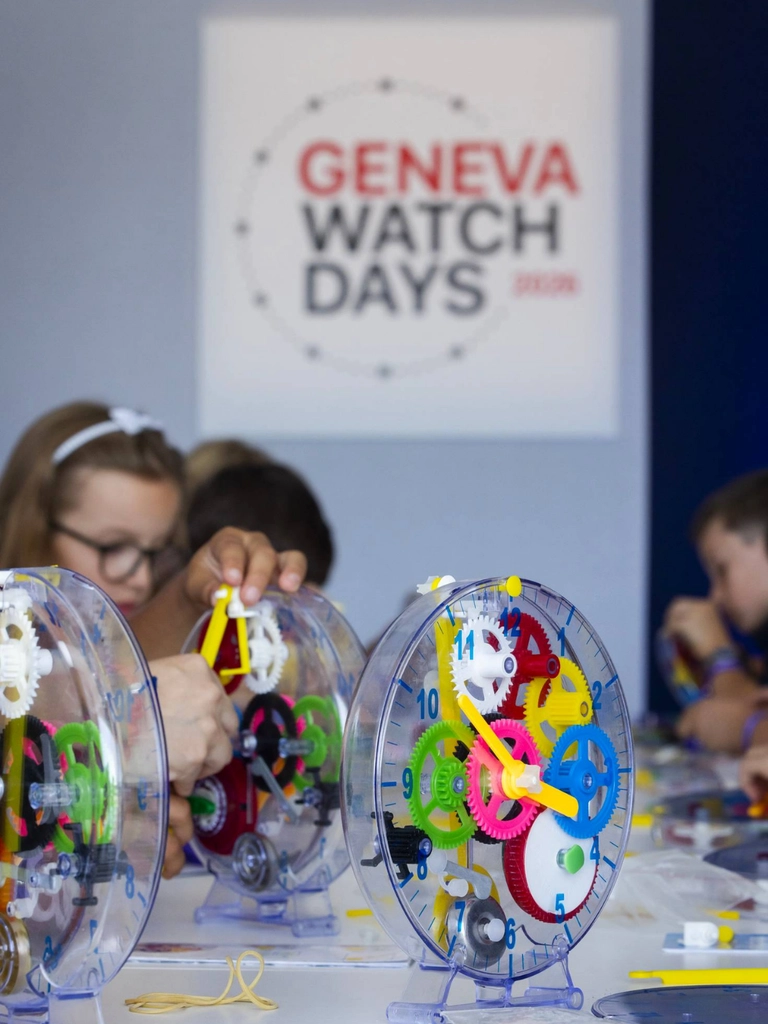
That community aspect extended beyond selling watches. Visitors could attempt movement regulation through the CaliberShip Challenge, working on Sellita movements before evaluation by COSC, while a Phillips charity auction raised CHF 115,500 for watchmaking education and apprentices.
Many of the fair’s strongest releases came from brands willing to make time difficult to read in the best possible way.
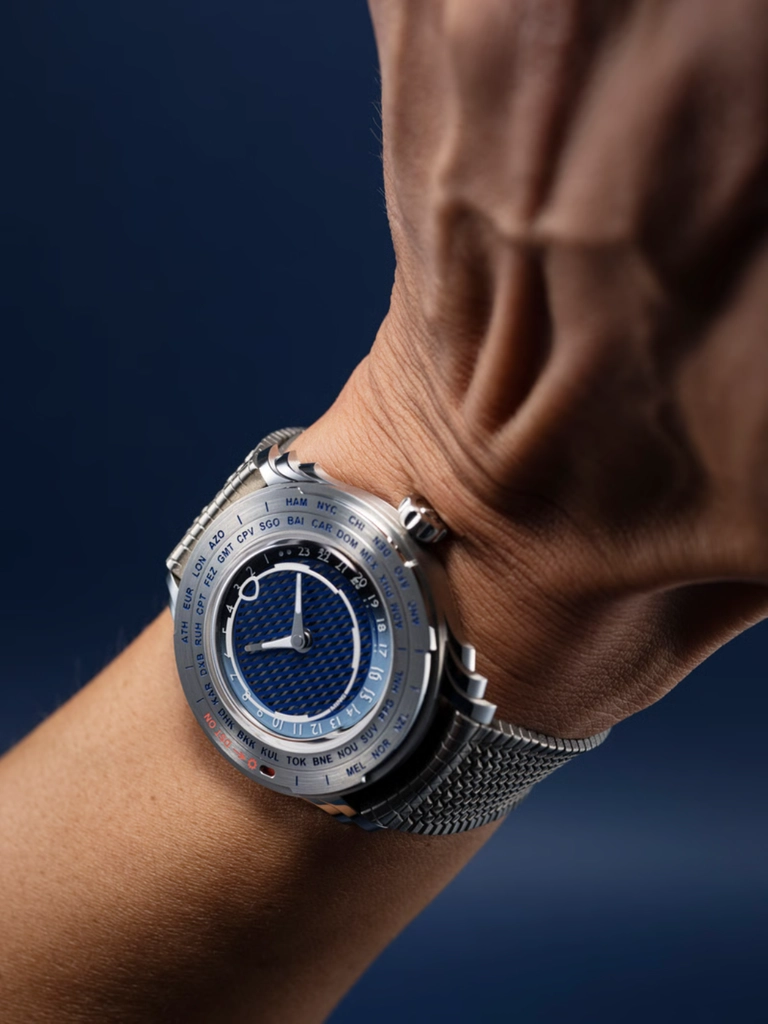
MING debuted the 57.05 Comet with a patent-pending world-time system capable of adjusting for Daylight Saving Time without disturbing the rest of the display. Inspired by early commercial aviation, the MING 57.05 Comet is restricted to only 200 pieces globally.
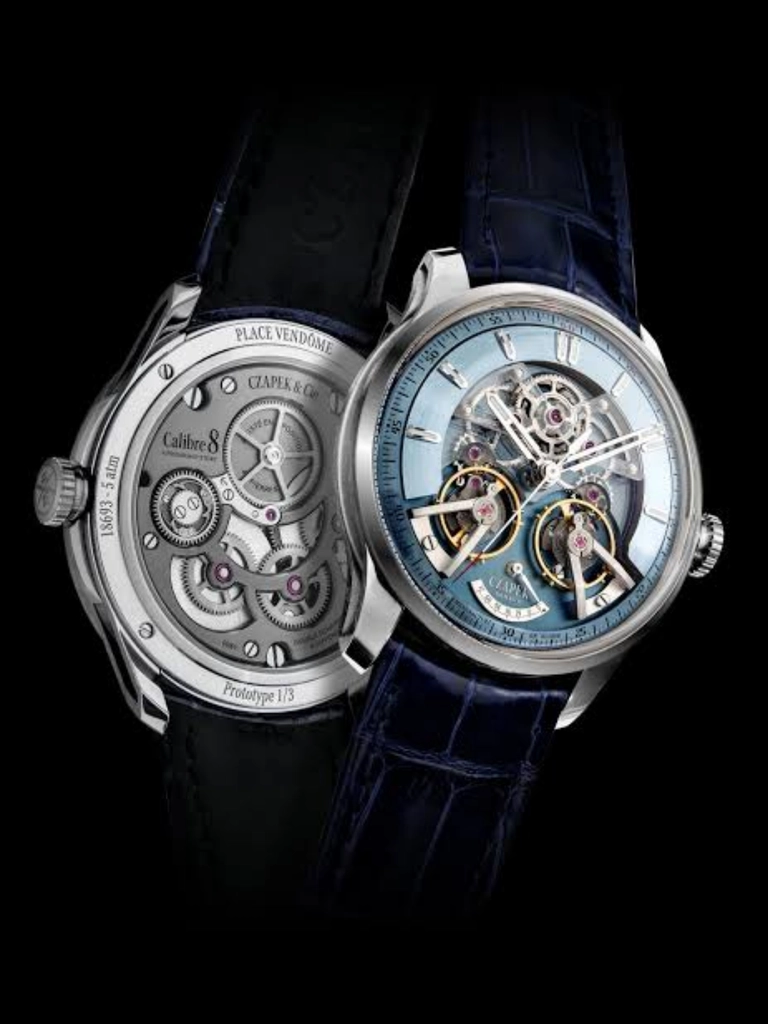
At the higher extreme, Czapek’s Place Vendôme Complicité Glacier Blue uses two independent balance wheels and escapements beating in opposite directions, with a differential reconciling their rates. Limited to ten pieces and priced at CHF 103,000, it shows how far contemporary independent watchmaking can travel when mechanical architecture itself becomes spectacle.
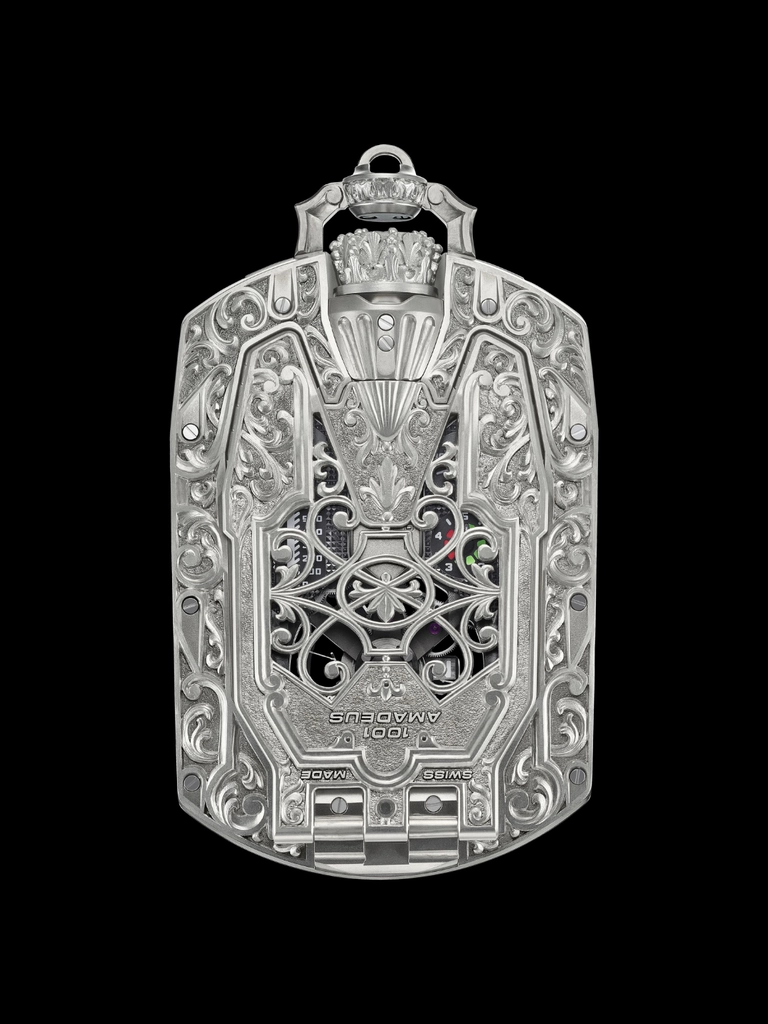
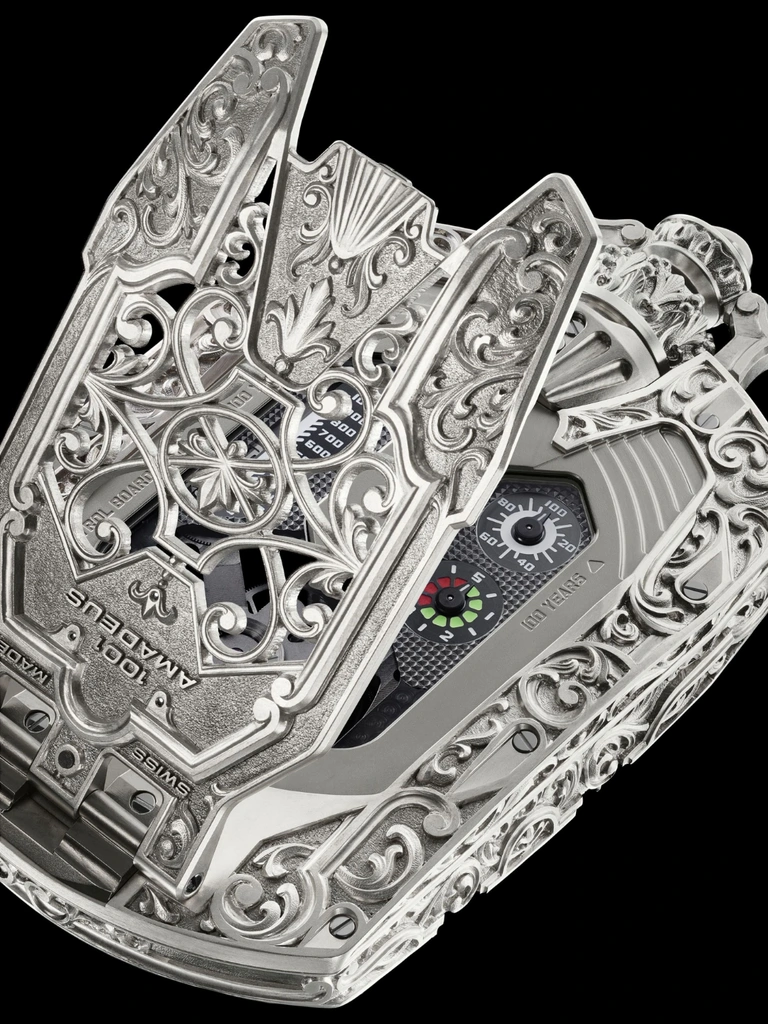
Then there was URWERK’s UR-1001 Amadeus, a monumental hand-engraved titanium time object measuring 106mm long, taking the idea of a wristwatch almost back toward sculpture. Created with engraver Florian Güllert, its solid titanium case demanded nearly three months and around 500 hours of work, an exceptional challenge given the hardness of the material. Beneath the hand-engraved surface sits URWERK’s remarkable Zeit Device, capable of recording time from seconds and months to 100-year and 1,000-year running-time indicators. It is less a watch for one lifetime than a mechanical object imagined to outlive generations.
Geneva also exposed a fascinating polarization. Ultra-complicated independents continue to court serious collectors, yet accessibility has become equally important. Mechanical watches at comparatively approachable price points shared attention with six-figure complications, suggesting that entry into contemporary watch culture no longer requires following one narrow luxury hierarchy.
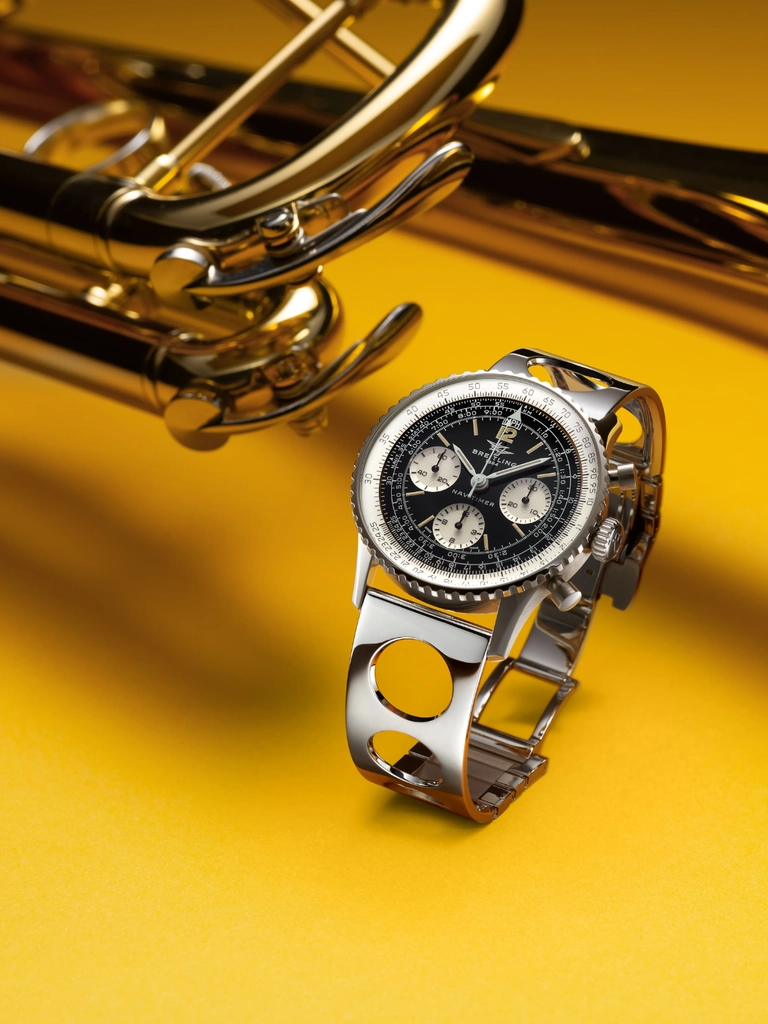
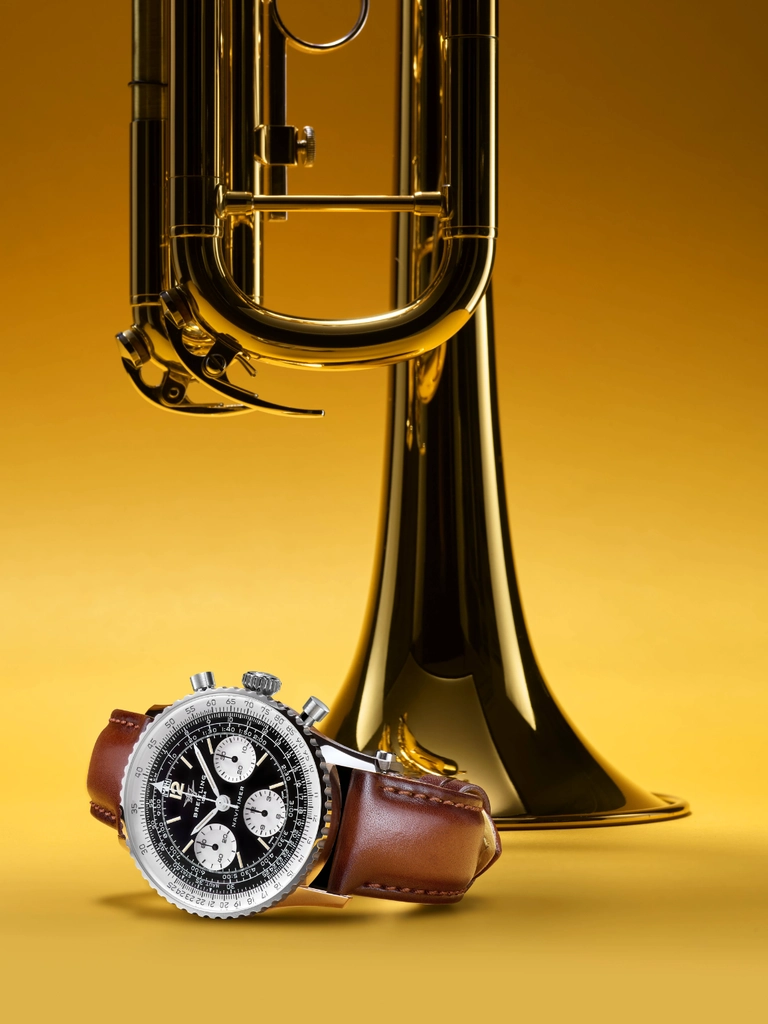
Even Breitling’s Navitimer B09 Miles Davis, limited to 500 pieces, looked backward to move forward: a 41mm manually wound chronograph reviving vintage proportions, the Twin Jet logo and period references while connecting the watch to the centenary of one of jazz’s great innovators.
Visually, deep burgundy emerged across brands including Doxa, Bremont and Trilobe, while jumping hours, stone dials and smaller case proportions repeatedly surfaced throughout the week.
The bigger message from Geneva Watch Days 2026, however, was less about one colour or complication. The luxury watch market increasingly rewards personality: strange mechanics, independent thinking, tactile craftsmanship and watches with enough character to make collectors stop and ask how they work. Geneva proved that in 2026, curiosity may be horology’s most valuable complication.