MENU
Close





One viral eye patch dispenser would have looked clever. Four appearing almost simultaneously looked suspicious.
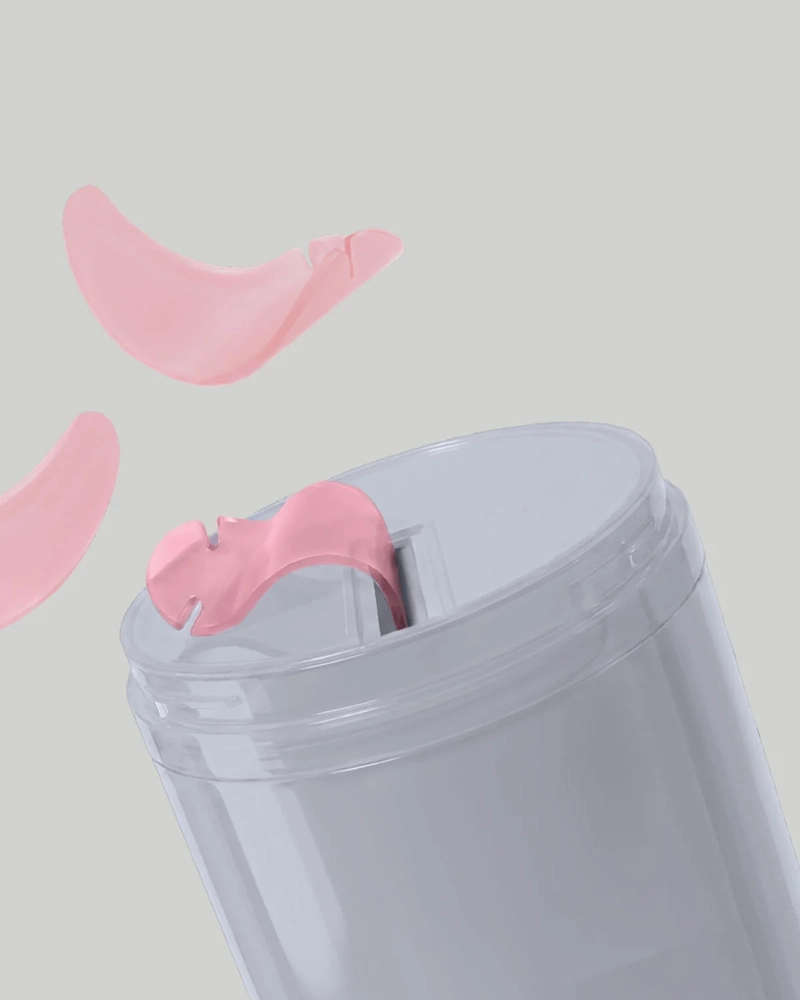
One viral eye patch dispenser would have looked clever. Four appearing almost simultaneously looked suspicious.
September 25, 2026


September 2026 gave the beauty industry one of those delicious moments when the curtain accidentally moved.
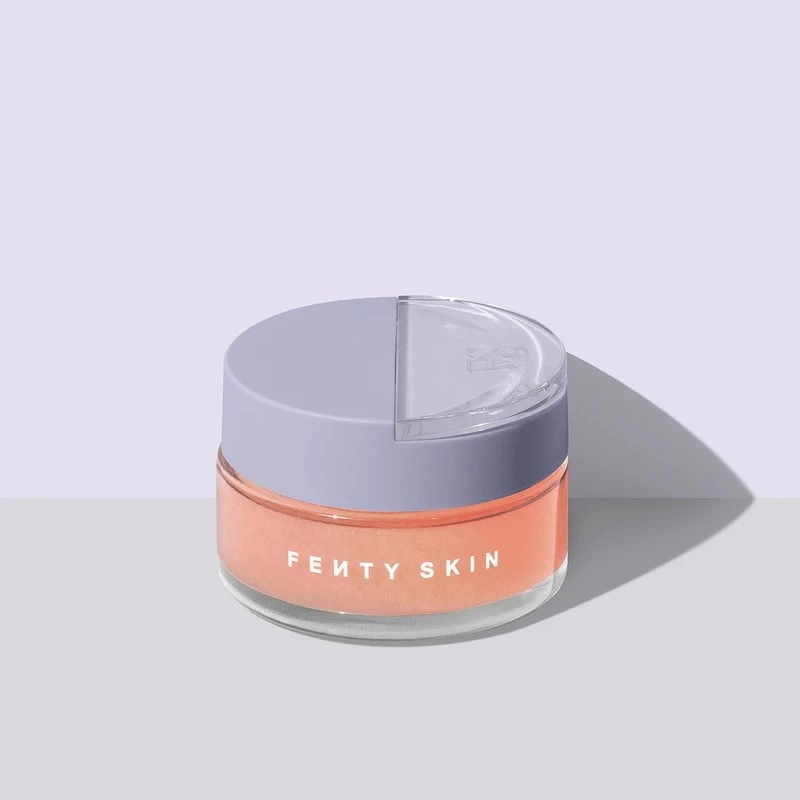
Fenty Skin introduced a twist-up eye patch dispenser that pushes a solid hydrogel block toward an internal cutter, producing one fresh crescent with every turn. Within days, Glow Recipe appeared with an eerily familiar cylinder. Huda Beauty entered the conversation. Vitamasques teased another. Beauty TikTok immediately pulled out the magnifying glass.
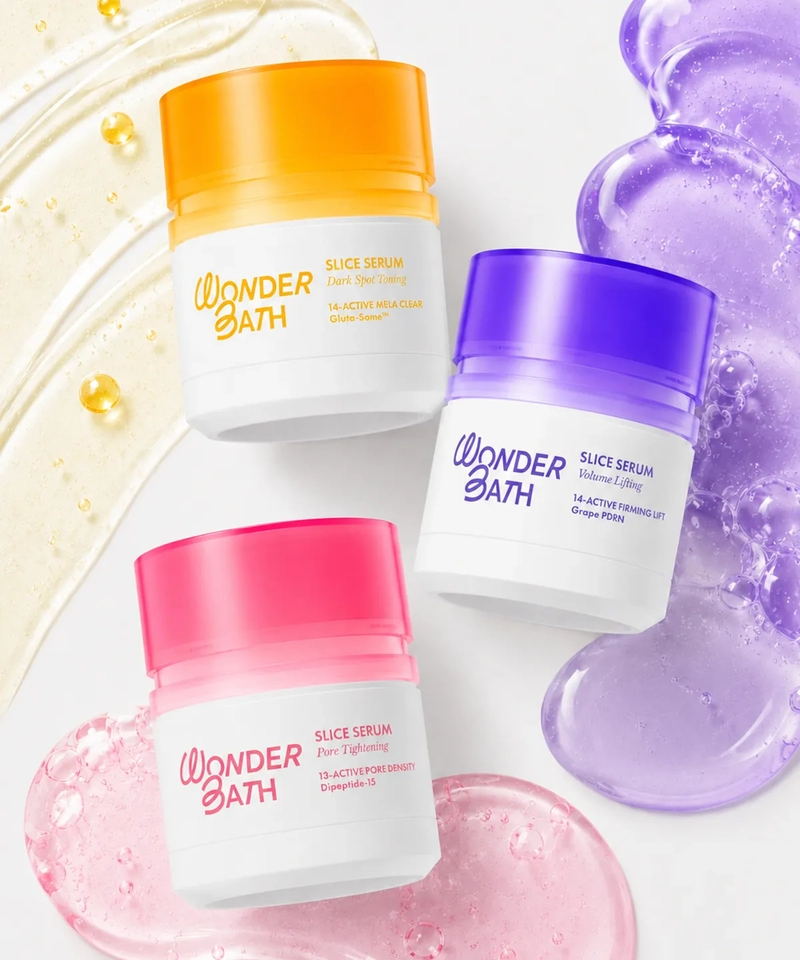
Then came the plot twist: Korean brand Wonder Bath had already launched its Slice Serum on July 16. So who copied whom? Following the branding leads to gossip. Following the plastic leads somewhere much more interesting.
One of the closest publicly documented matches for the viral eye patch hardware comes from Samhwa, a South Korean cosmetics-packaging specialist founded in 1977.
Its catalogue includes a 100 ml polypropylene Fresh-Slice Hydrogel Eye Patch Dispenser with a grind-cut twist mechanism. The minimum order is listed at around 5,000 units. In industrial beauty terms, that quantity makes an unusual piece of packaging accessible to established global companies and significantly smaller brands alike.
Samhwa also happens to be a serious player. It supplies more than 300 cosmetics brands, operates its own R&D capabilities and was acquired by KKR in 2025 at a valuation of roughly $528 million.
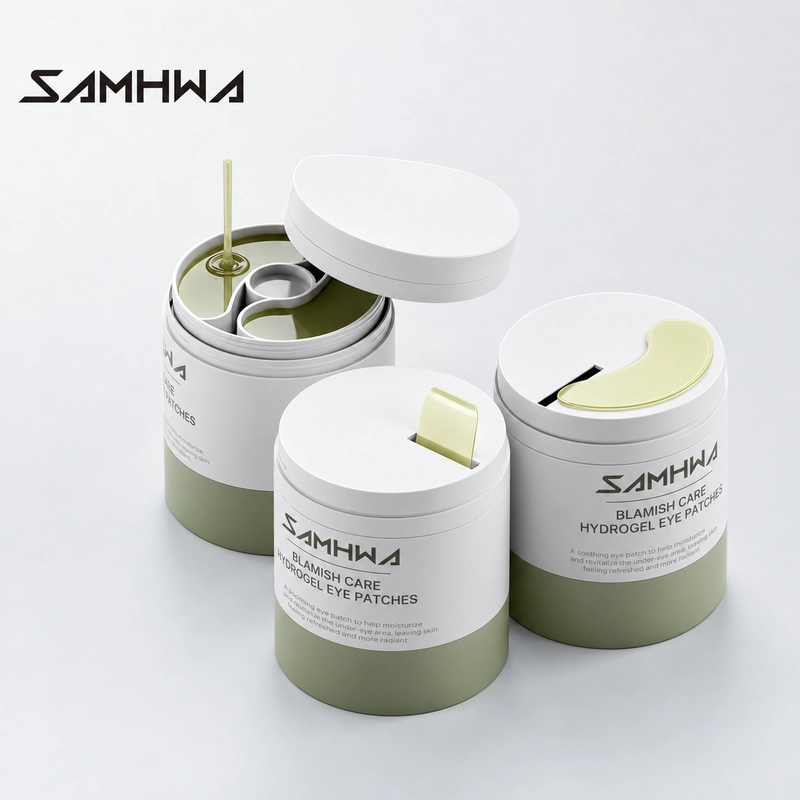
Even better: Samhwa's refillable grinding eye patch package won a 2026 Korean Ministry of Trade, Industry and Energy packaging prize. Its engineering pitch already included hygiene, refillability and reduced hydrogel-processing waste before Western beauty feeds turned the mechanism into a viral novelty.
That changes the whole mood of the scandal. The clever part may have been sitting in a supplier showroom first.
Beauty audiences usually meet innovation through a logo. Product-development teams often meet it months earlier through packaging fairs, supplier presentations and component catalogues.
Samhwa has also been developing patented grinding-container technology for years, with related U.S. patent activity tracing back to 2023. The patent trail does not automatically prove ownership of every viral eye patch package now on social media, yet it establishes something important: grinding-and-dispensing cosmetics had an engineering history well before launch week.
Yes, that H2 is necessary. Right now the article explains why the packages look the same, but readers also need one clean section answering the practical question: are these actually the same product once you look past the jar?
I would insert this after “The Formulas Lead to Different Factories” and before the exclusivity drama.
Once the packaging is stripped away, these products start separating quickly.
Wonder Bath Slice Serum comes in three versions for pore care, dark spots, and volume, with 60 slices per jar. The formulas also reach for recognisable treatment ingredients including niacinamide, caffeine, and zinc PCA in the pore version, kojic acid and glutathione in the dark-spot version, and panthenol plus sodium DNA in the volume formula.
Fenty Skin Dew N Plump Fresh-Sliced Hydrogel Eye Patches are listed at about $44.52 on one current Fenty regional storefront, making them substantially more premium than Wonder Bath’s Korean pricing. The ingredient list reads like hydration and makeup prep: glycerin, niacinamide, panthenol, hyaluronic acid, betaine, and squalane, with escin joining the formula for an eye-area treatment angle. Fenty itself describes the product around refreshing and prepping tired-looking eyes.
Glow Recipe Exopeptide Caffeine Brighten & Depuff Fresh Slices Eye Mask is built around caffeine and exopeptide language, with brightening and depuffing written directly into the product name.
The package itself also solves several real manufacturing and consumer problems. Samhwa says its refillable system reduces plastic consumption per cycle and tackles hydrogel waste created when traditional sheet patches are cut from larger material.
Huda Kattan supplied the quote that transformed awkward coincidence into full beauty drama.
She publicly suggested that the brands had been told the packaging would be exclusive and said the formulas were different. Glow Recipe cofounder Christine Chang offered a calmer interpretation: several companies simply became excited about the same piece of innovation.
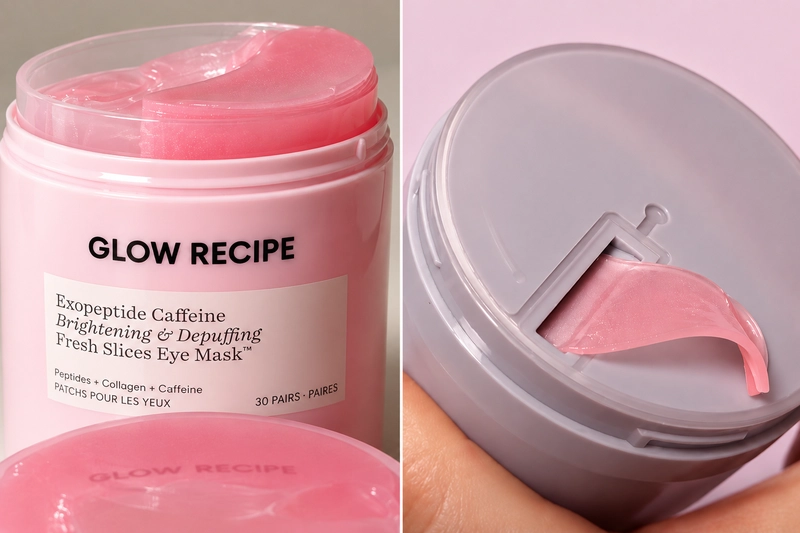
Without seeing the contracts, the word exclusive hides several possibilities. A brand can commission proprietary tooling. It can buy a supplier's existing stock component. Or it can negotiate temporary exclusivity covering a territory, retailer, configuration or period.
One product-development consultant estimated that meaningful exclusivity on a component with this level of commercial potential could require commitments reaching millions of units, because a supplier gives up every competing order it accepts to protect one client.
Suddenly, the question becomes less “Who stole the eye patch?” and more “Who was willing to pay enough to keep everybody else away from it?”
Fenty's initial publicity called its fresh-sliced format “first of its kind.” Wonder Bath's July launch means consumers quickly had grounds to interrogate that wording. A decade ago, that overlap might have stayed inside buyer meetings and trade show gossip.
The 2026 beauty audience has different hobbies. Consumers reverse-image-search packages, compare Korean launches, read INCI lists, locate OEM manufacturers, and screenshot supplier catalogues. Within hours, an eye patch can travel backward from Sephora-adjacent marketing to the factory ecosystem that made it possible.
Perhaps brands expected formula, colour, and branding to create enough distance between products. Instead, the dispenser became so visually distinctive that the package overwhelmed everything inside it.
The industry taught beauty shoppers to become ingredient detectives. Now those shoppers are becoming procurement detectives too.
Here is the funniest economic twist: once everybody had been caught wearing the same dress, changing outfits would have wasted an extraordinary amount of free publicity.
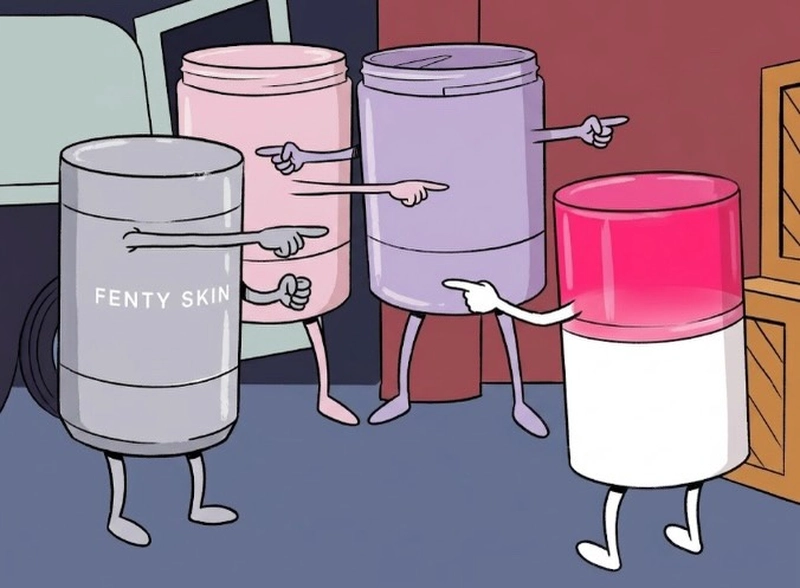
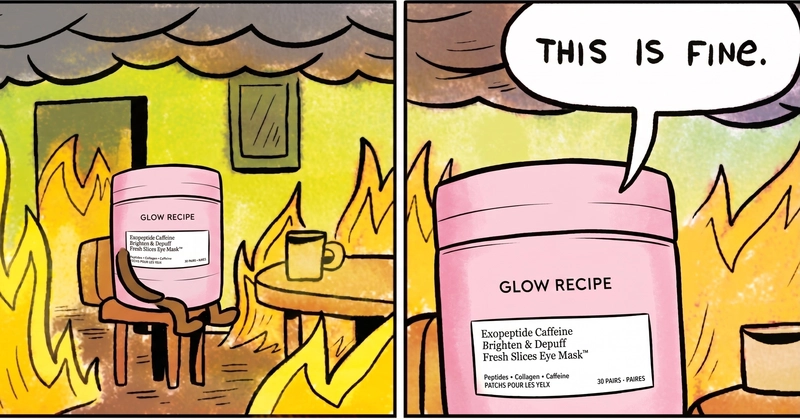
Fenty leaned straight into the chaos with a Spider-Man-pointing meme. Glow Recipe answered with “This is fine” humour. Huda Kattan joined the comment sections. Creators started dismantling the dispensers on camera to reveal the giant hydrogel block hidden inside.
Suddenly, every competitor was helping explain the product format for everyone else. One brand teaches viewers how the eye patch slices. Another demonstrates the texture. A third fuels the supplier scandal. Every reaction increases curiosity around the category. From a marketing-economics perspective, that is almost beautiful: rival companies accidentally shared the cost of consumer education.