MENU
Close





Follow the Atlantic wind beyond the crowded southern summer, and Wales, a viable spot for 2026 coolcationing, appears through slate mountains, cold lakes, empty coves and evenings dark enough for the Milky Way.
Follow the Atlantic wind beyond the crowded southern summer, and Wales, a viable spot for 2026 coolcationing, appears through slate mountains, cold lakes, empty coves and evenings dark enough for the Milky Way.
July 9, 2026


The European summer was once built around a simple promise: travel south and surrender to heat. Warm seas, dry afternoons and permanent sunshine supplied the visual language of escape. Yet the same climate that once guaranteed pleasure now increasingly dictates where visitors can walk, when they can dine and how long they can remain outdoors.
In July 2026, parts of Portugal and southern Spain were forecast to reach 43°C, while another heatwave later pushed temperatures toward 40°C across several Spanish regions. Extreme heat has entered the practical calculation of summer travel, turning shade, air conditioning and overnight temperatures into factors as decisive as beaches or hotel design.
Coolcationing describes the growing movement toward destinations where summer remains temperate enough for sustained outdoor life. A 74 per cent annual increase in searches for cooler destinations during 2026. Within that dataset, Wales registered a reported 141 per cent increase in global flight-search interest for the June-to-August period, the strongest growth among the European destinations measured. The number records digital interest, not confirmed arrivals, though it reveals how quickly the old geography of summer desire is being revised.
Coolcationing in Wales succeeds because the country offers climate relief without reducing the holiday to weather avoidance. Ocean, mountain, forest and industrial heritage exist at unusually close range. The traveller can move from a glacial lake to a slate mine, then reach a coastal village before evening, experiencing several versions of coolness within one itinerary.
Wales possesses a temperate maritime climate shaped by Atlantic air, elevation and rapid changes in weather. Summers can still become hot, and the country recorded its second-warmest June in 2026, including unusually warm nights. Coolcationing therefore offers relative relief instead of a guarantee of permanently low temperatures.
The contrast with southern Europe remains significant. North Wales recorded an average maximum temperature of 19.91°C during summer 2025, creating conditions suited to walking, cycling and coastal exploration across much of the day. Cloud and rain remain possible, yet these elements increasingly appear preferable to spending the afternoon sealed behind hotel shutters.
Cool weather changes the traveller’s relationship with the landscape. A mountain path becomes a central event instead of an early-morning obligation. Seaside air can be enjoyed through a long coastal walk, while swimming is followed by a sauna, warm meal or fire-lit cabin. Comfort comes from movement, sleep and sensory clarity instead of the passive consumption of sunshine.
Welsh hospitality is already absorbing this new wellness language. Beachside saunas, guided outdoor experiences and remote cabins convert the climate into a product, packaging cold water, wind and woodland as restorative luxuries. The risk lies in turning every natural condition into a purchasable ritual. Wales remains most compelling when the landscape retains some resistance, requiring suitable clothing, patience and attention rather than performing like a climate-controlled resort.
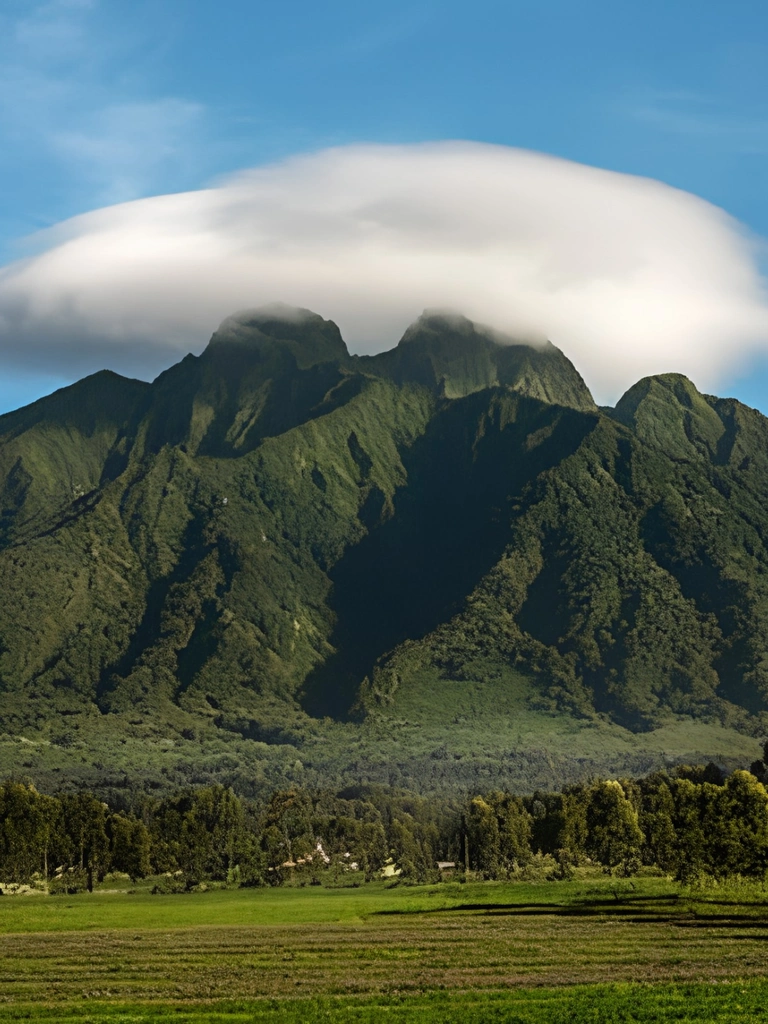
Eryri National Park provides the most dramatic image of coolcationing in Wales. Its slate peaks, glacial valleys and dark lakes can resemble a compressed Alpine landscape, though the region carries an industrial and linguistic identity entirely its own.
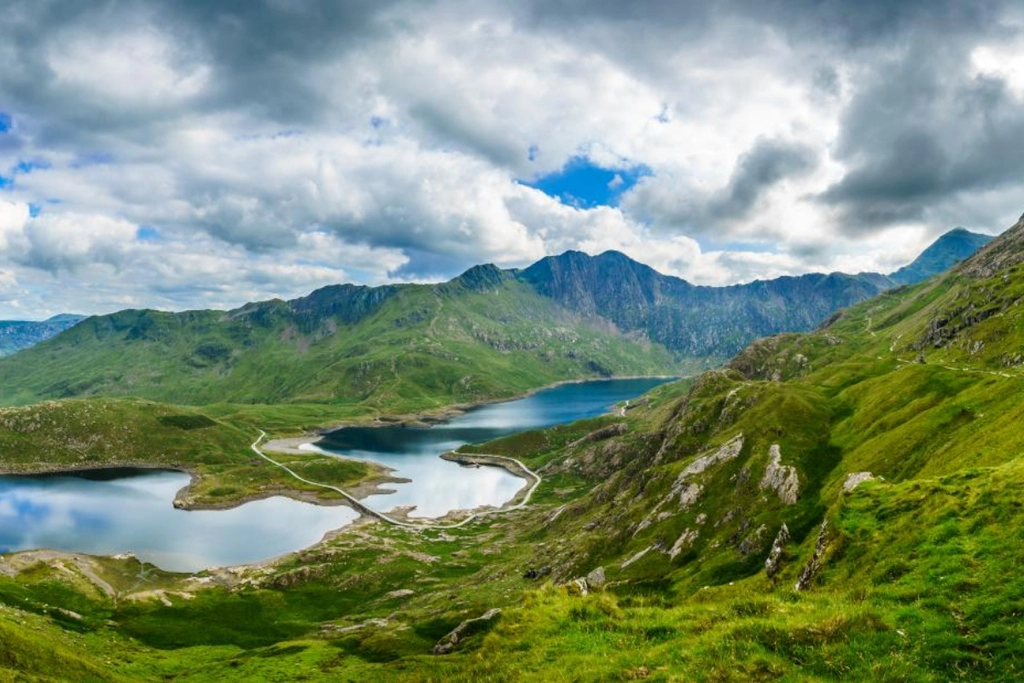
Cwm Idwal gives visitors access to a powerful mountain environment without making Yr Wyddfa the sole objective. The circular route enters a glacial hollow enclosed by rock, water and steep slopes, while the wider region contains the 83-mile Snowdonia Slate Trail, disused quarries and communities shaped by the international slate industry. Underground tours extend the coolcation concept beneath the landscape, where temperature, darkness and industrial memory replace the conventional summer beach.

Yr Wyddfa remains the highest point in Wales at 1,085 metres and attracts intense demand. During spring and summer, car parks around Llanberis, Pen y Pass and Nant Peris can become heavily congested, with advance booking required at Pen y Pass. The Sherpa’r Wyddfa bus network provides an alternative, yet the crowding demonstrates the central problem facing cool destinations: travellers escaping overtourism can quickly recreate it around another famous view.
The greater opportunity lies in dispersal. Estuary cycling near Barmouth, quieter walks around Cader Idris and journeys through slate towns can extend stays while distributing spending beyond the summit economy.
Pembrokeshire offers another form of temperature relief, shaped by sea wind, exposed cliffs and narrow coves. Its national park is the United Kingdom’s only one designated primarily for its coastal landscape, combining beaches with estuaries, woodland, offshore islands and the Preseli Hills.
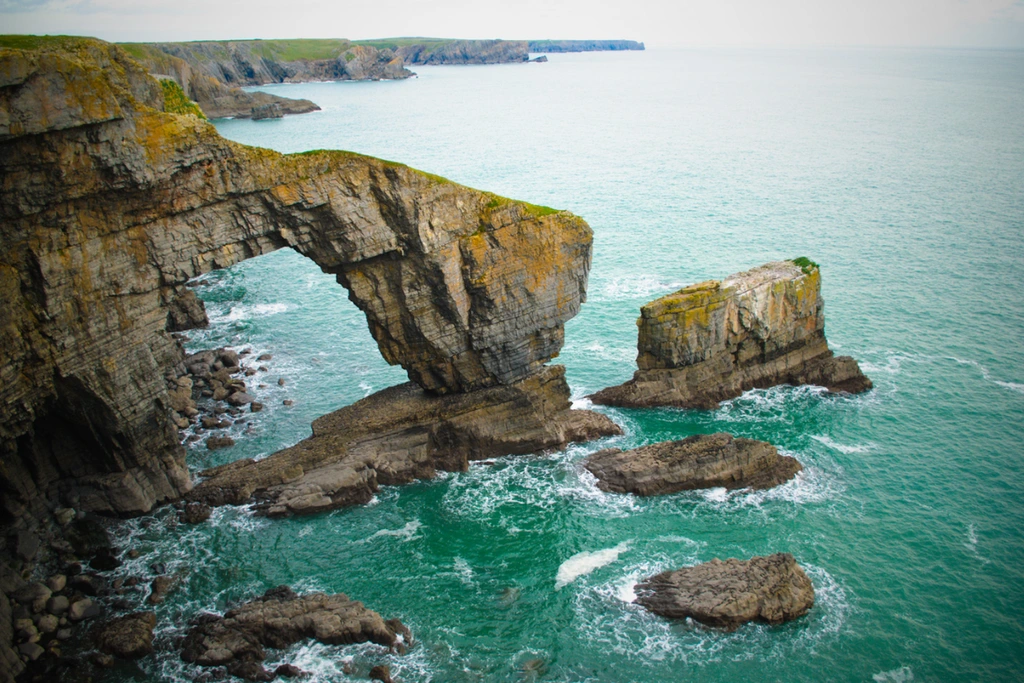
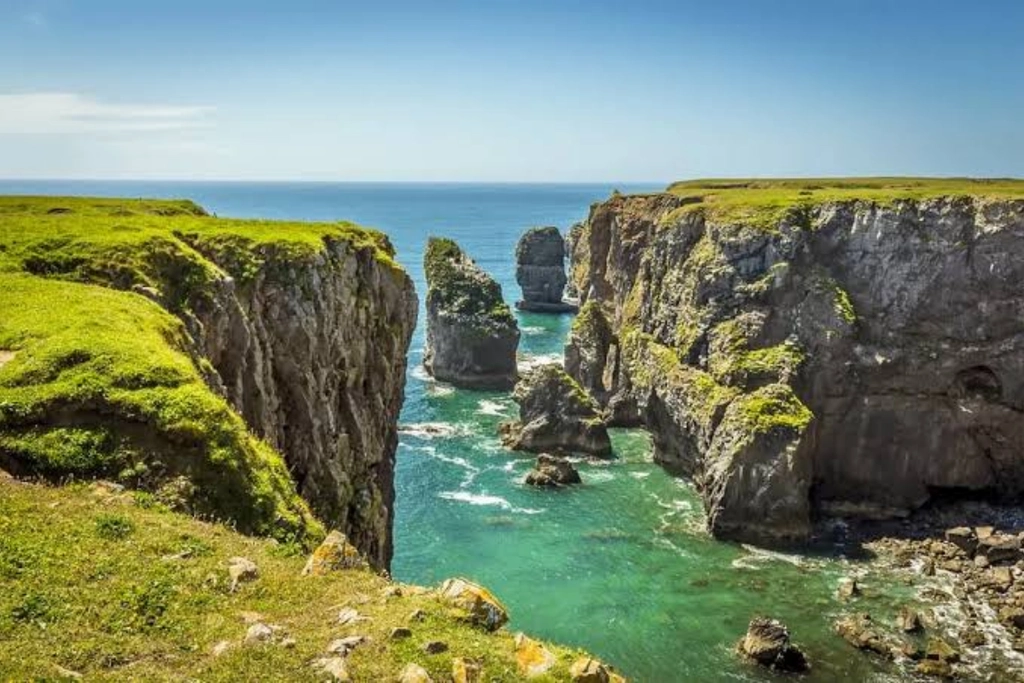
The 186-mile Pembrokeshire section of the Wales Coast Path creates a journey measured through walking days instead of hurried viewpoints. St Davids, the country’s smallest city, supplies cultural weight through its cathedral and surrounding heritage, while offshore trips reveal puffins, seals, porpoises and other marine wildlife according to season. Guided coasteering and sea kayaking place the body directly inside the coastline, turning summer into an active encounter with water and rock.

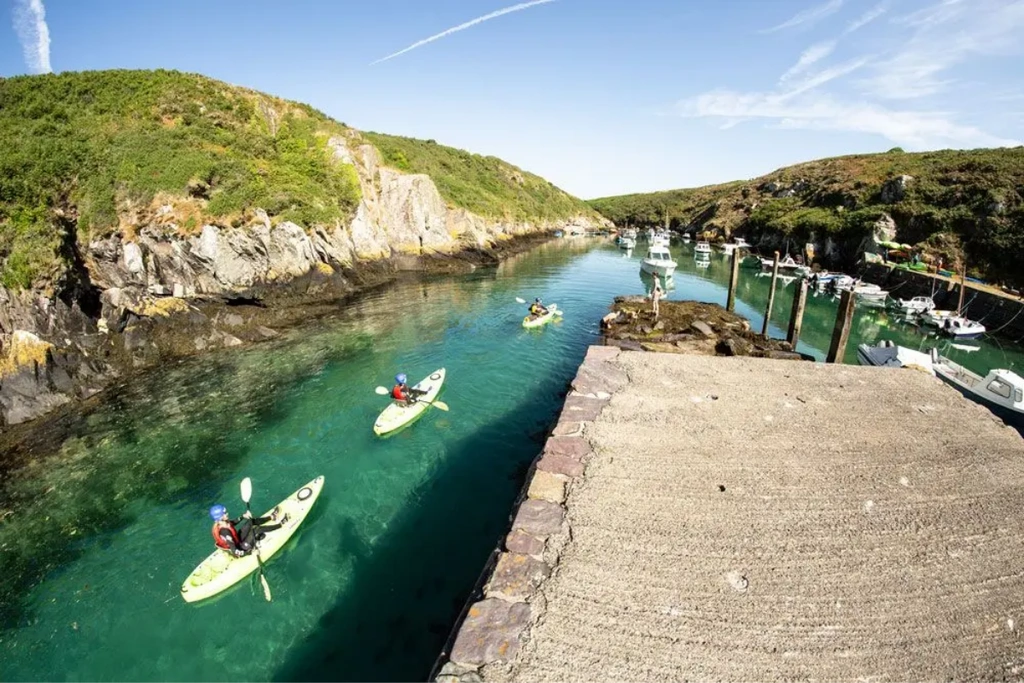
Here, the Atlantic performs the work once assigned to the hotel pool. Water may appear turquoise, though its temperature and movement preserve the character of the western coast. The experience carries visual beauty without pretending to be tropical.
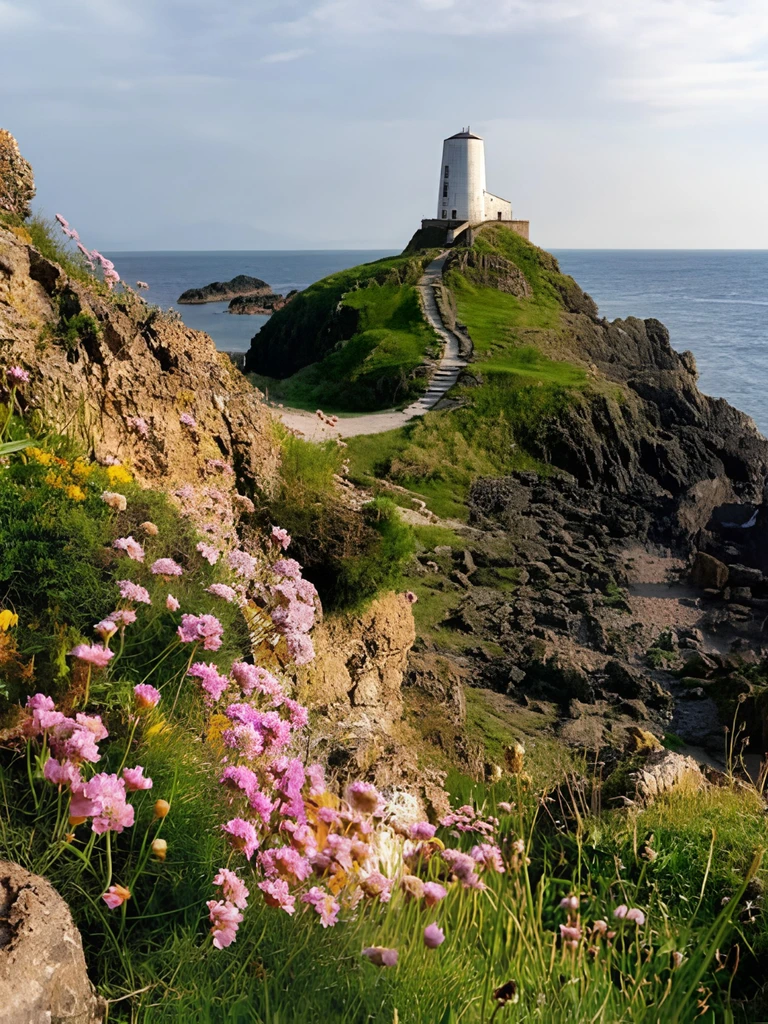
Ynys Môn and the Llŷn Peninsula deliver the quieter edge of the trend. Llanddwyn combines sand dunes, woodland, coves and views toward Eryri, while much of Anglesey’s coastline holds protected landscape status. Pen Llŷn contains almost 100 miles of shore and remains less explored than Wales’s major mountain and coastal landmarks, particularly outside the busiest summer weeks.
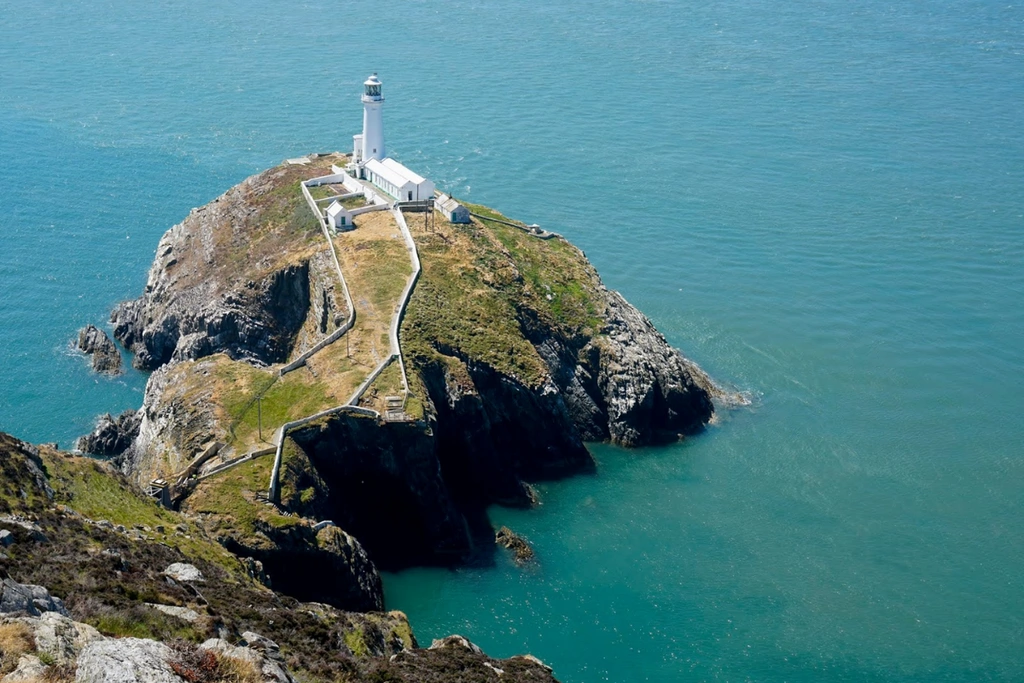
Their isolation also protects another luxury increasingly absent from dense tourist centres: darkness. Wales contains three protected International Dark Sky Places at Bannau Brycheiniog, Eryri and the Elan Valley. Ynys Enlli, off the Llŷn Peninsula, became Europe’s first certified International Dark Sky Sanctuary in 2023.
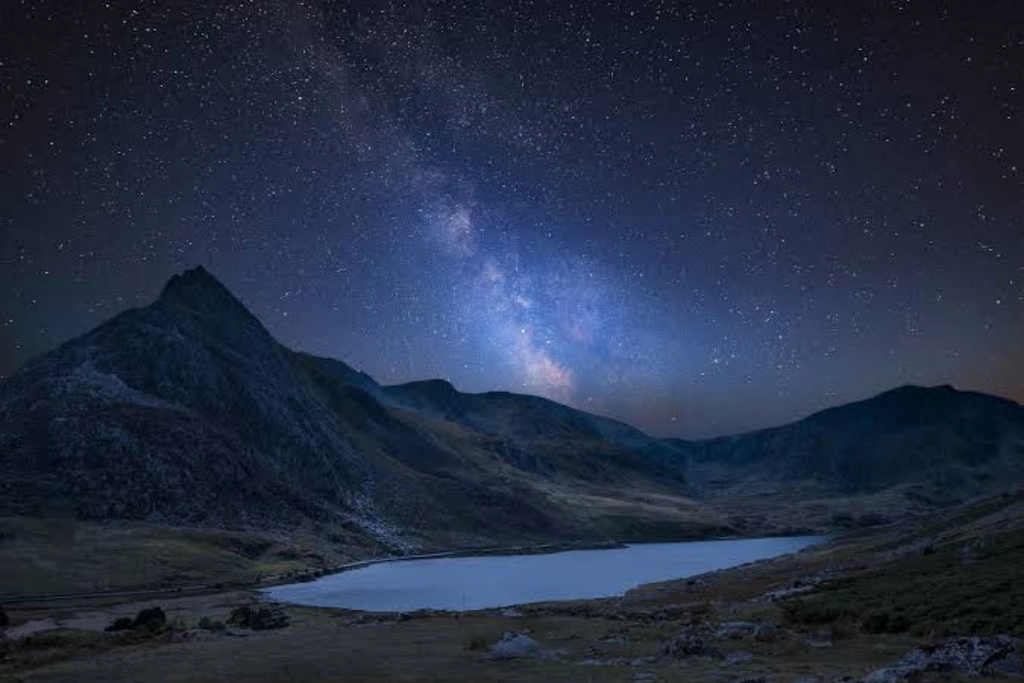
This creates a summer schedule that continues after the coastal walk has ended. The absence of heavy light pollution allows stargazing to become part of the destination’s identity, joining mountain air and ocean sound within a wider economy of sensory relief.
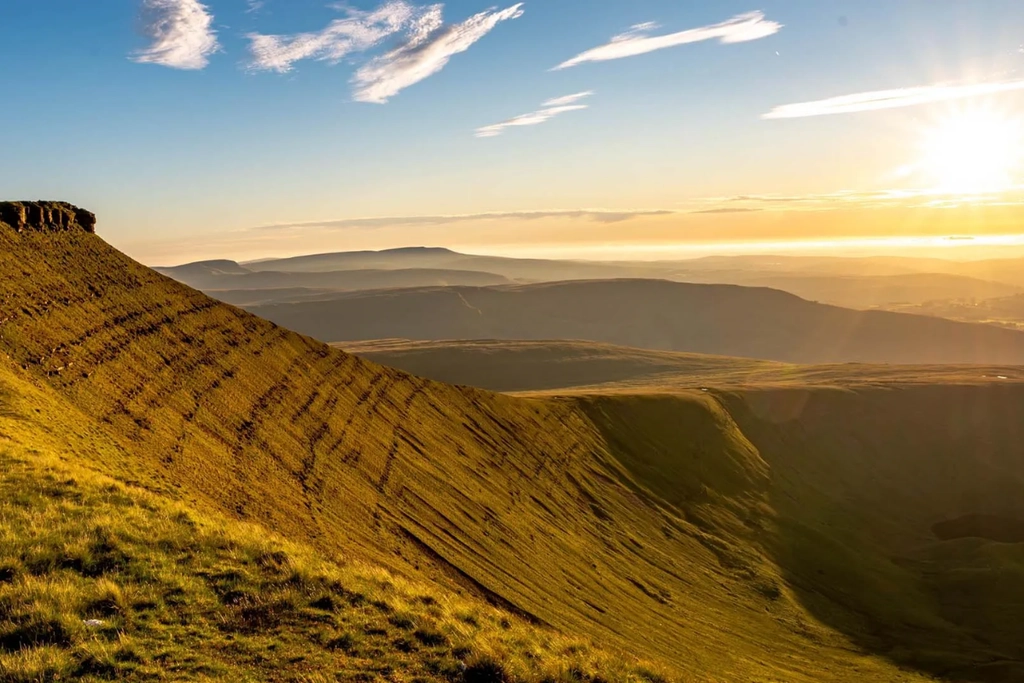
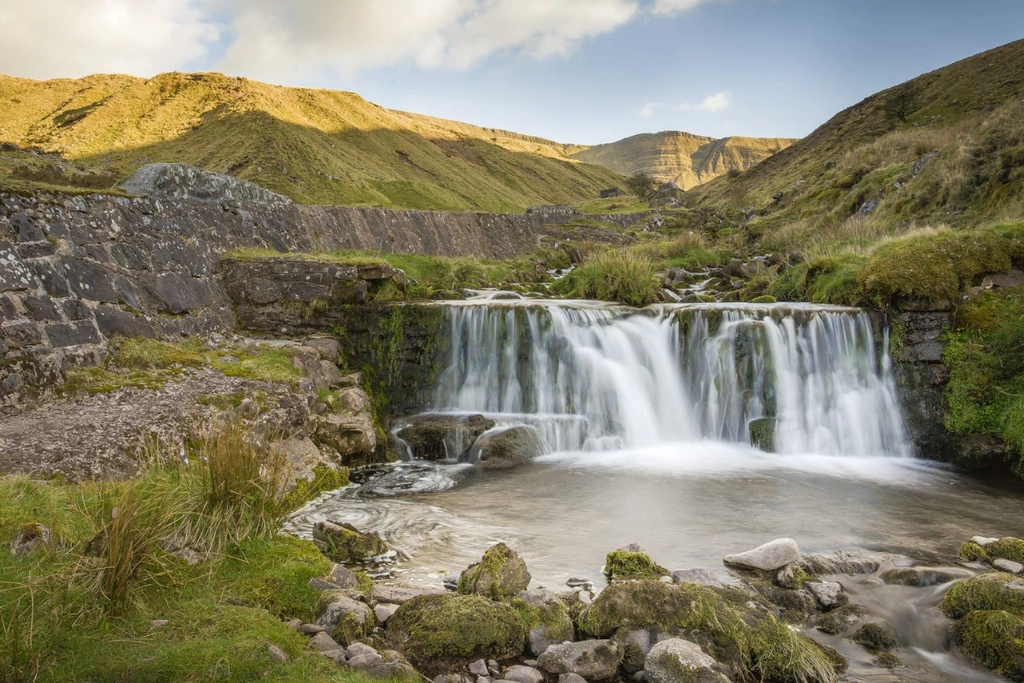
Bannau Brycheiniog adds waterfalls, wooded valleys and open uplands to that proposition. Its Dark Sky Reserve status dates from 2012, while Waterfall Country around Ystradfellte introduces shaded routes and river landscapes into the Welsh coolcation map.
Tourism already holds substantial economic weight in Wales. British residents made 7.61 million overnight trips to the country in 2024, spending an average of £295 per trip. Provisional figures for 2025 recorded a further two per cent increase in overnight-trip volume and a three per cent rise in expenditure.
Coolcationing could push visitors toward longer stays, independent accommodation and regional experiences. It can also intensify parking pressure, housing shortages, footpath erosion and seasonal employment problems in communities whose infrastructure was never designed for sudden international visibility.
The strongest strategy involves directing travellers toward Ceredigion, the Cambrian Mountains and the Elan Valley, while extending demand into May, June, September and October. Welsh tourism policy has already identified year-round, Wales-wide spending as a priority, framing growth through benefits to communities, culture, health and the environment.
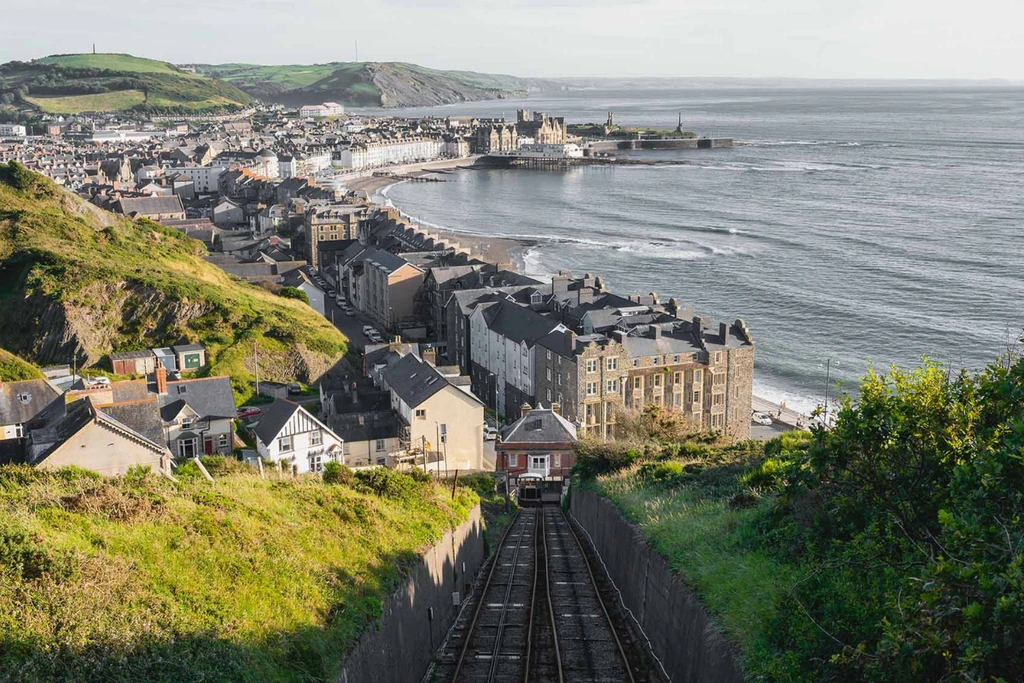
Coolcationing in Wales ultimately offers more than an escape from heat. It proposes another idea of summer, one built around movement, cold water, weather and landscapes whose value continues after the photograph. The destination gains little by promising perfect conditions. Its strength lies in offering a holiday vivid enough to survive clouds, rain and the sudden arrival of Atlantic wind.