MENU
Close





When the invitation never arrives, the fashion watch party creates its own address. A screen, a crowd, a drink, a debate, and suddenly fashion’s most exclusive ritual belongs to everyone who cared enough to show up.
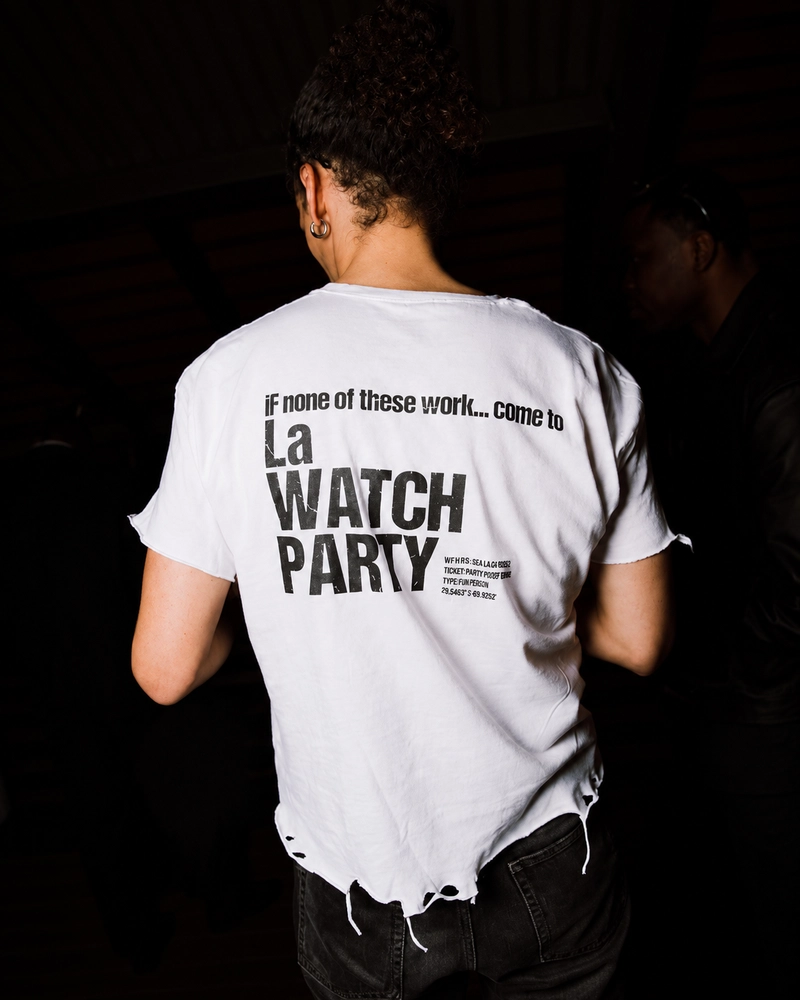
When the invitation never arrives, the fashion watch party creates its own address. A screen, a crowd, a drink, a debate, and suddenly fashion’s most exclusive ritual belongs to everyone who cared enough to show up.
June 8, 2026
Advertisement
Advertisement



The velvet ropes of the fashion industry have long been guarded by an invisible, yet impenetrable, fortress of exclusivity. For decades, the measure of one's cultural capital was determined by a seating chart: a coveted spot on the front row, a nod from a legacy editor, or an embossed invitation delivered by a silent courier. Yet, as we observe the shifting tectonic plates of modern luxury, a quiet, rumbling rebellion is taking place, not within the gilded salons of Paris or the stark, industrial warehouses of Milan, but on the sidewalks, in the dive bars, and across the illuminated screens of a new generation.
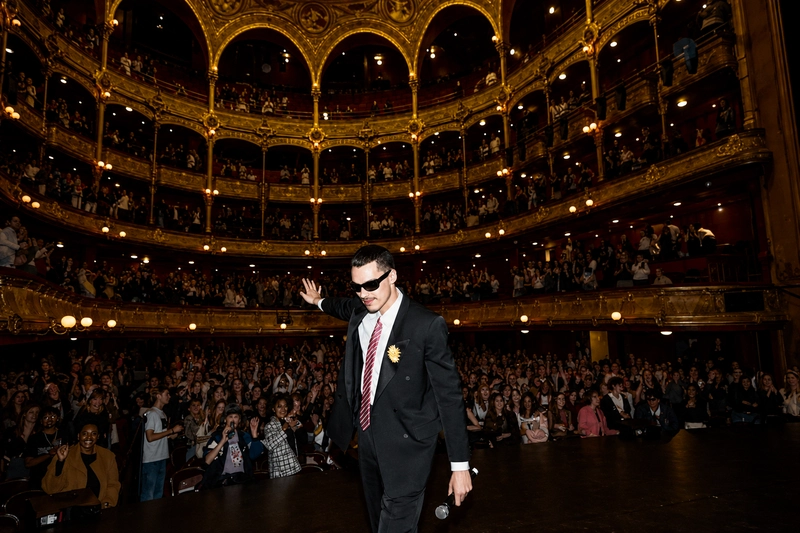
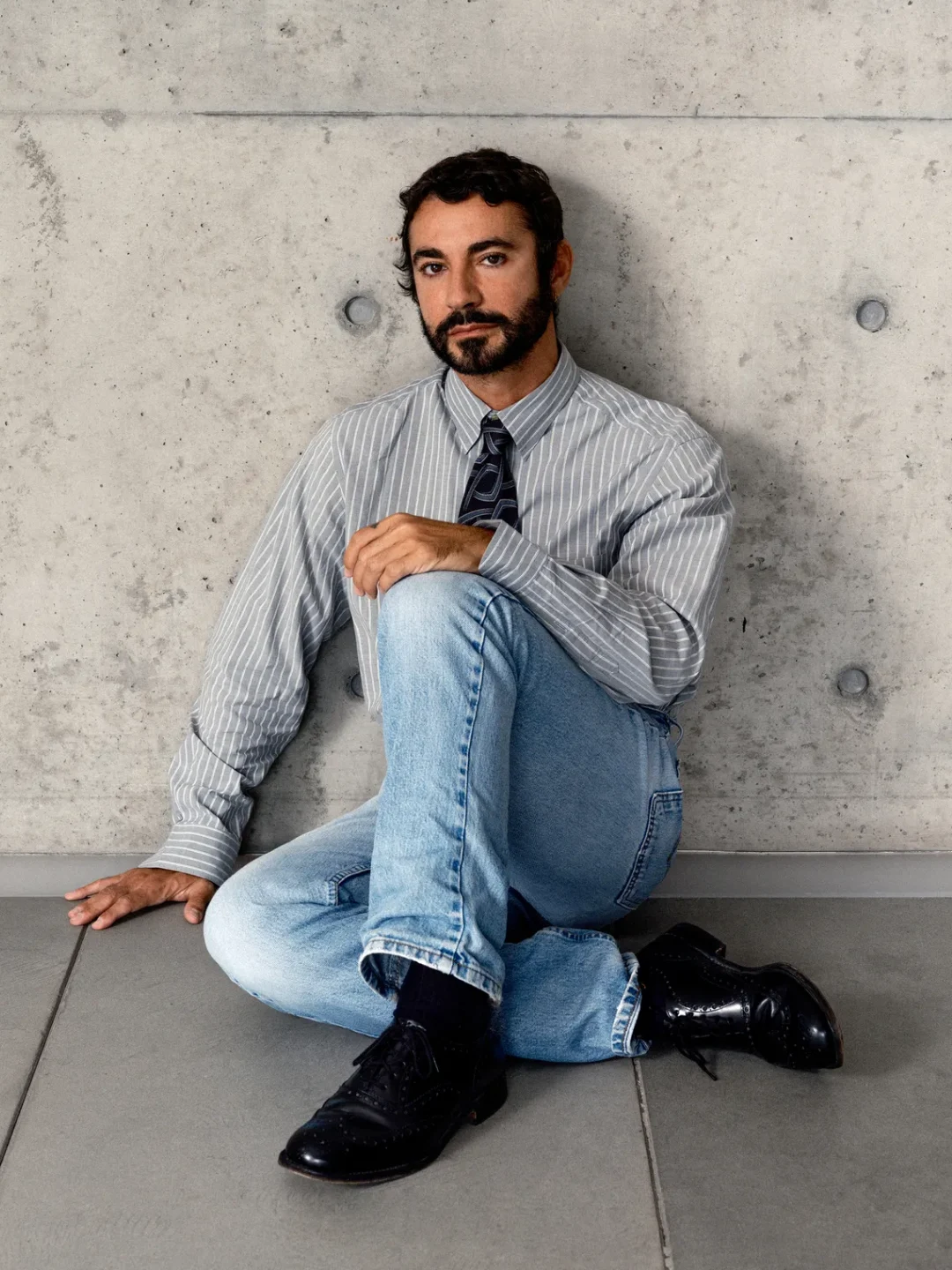
Amidst the frenetic energy of Fashion Week, where the debuts of new creative directors dictate the financial futures of heritage houses, an entirely different kind of spectacle has emerged. Enter the fashion watch party, the "LA Watch Party," orchestrated by fashion critic and digital native Elias Medini, known to the internet as Lyas. Devoid of glamorous runways, exclusive front rows, and suffocating dress codes, this gathering of diverse, boisterous, and fiercely energetic youth is posing a profound question to the old guard.
To understand the fashion watch party, we must first detach fashion from its pedestal of solitary reverence. The concept of the "watch party" is deeply ingrained in our collective social fabric. Consider the visceral, electric energy of cheering for the national team during the World Cup, surrounded by strangers in a bustling restaurant, our eyes glued to a projector screen. Picture the corner pubs in England, practically vibrating with tension and camaraderie during the Premier League season. In the realm of sports, shared passion demands shared space. We gather to react, to dissect, to mourn, and to celebrate in real-time.
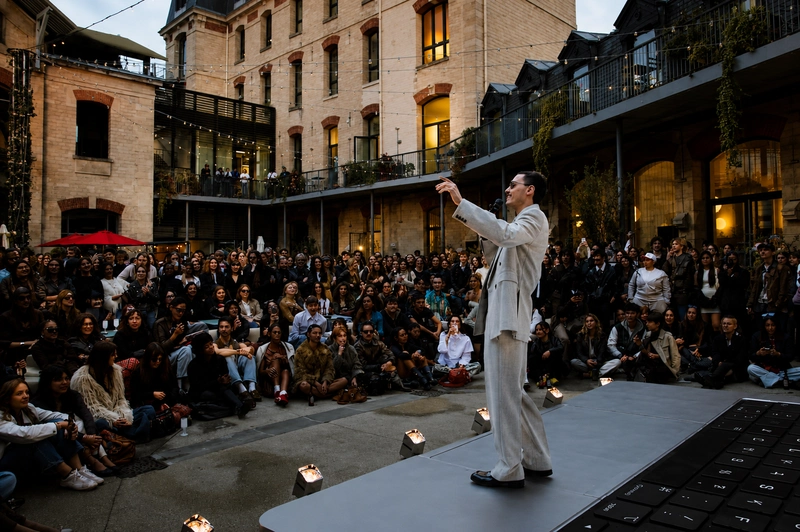
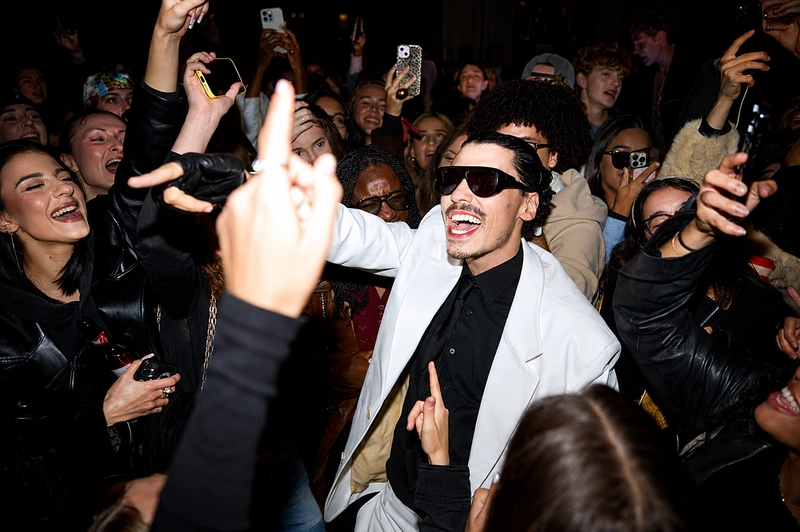
Historically, high fashion has rejected this communal raucousness. It demanded hushed tones and polite, golf-clap applause. But at a fashion watch party, the atmosphere is entirely revolutionized. Imagine a dimly lit Milanese bar. The room is packed with fashion students, independent designers, street photographers, avant-garde artists, and industry insiders. They are dressed with a meticulous, expressive flair that often outshines the traditional runway attendees. They arrive three hours before the livestream begins. The soft clinking of wine glasses harmonizes with lively, intellectual murmurs; cigarette smoke dances in the warm, amber light; and thousands of eyes are fixed onto a makeshift television screen hauled out onto the pavement. They are counting down the seconds to a debut collection at Bottega Veneta, not as passive consumers, but as active participants.
There is an uncanny, grounding sense of authenticity here. Surrounded by a myriad of styles, ages, personalities, and tax brackets, the attendees share a deeply ingrained sense of community. Their common denominator? A passionate, almost academic love for fashion, coupled with the distinct absence of a formal invitation to the very event they are celebrating.
Does removing the physical, exclusionary barrier of the live runway diminish the aspirational aura of luxury, or does it breathe necessary, oxygenating life into a format that has grown dangerously stagnant?
To trace the origins of this fashion watch party movement, we must look to its architect. If you have spent any time navigating the fashion corridors of TikTok or Instagram, you have likely encountered Lyas. Elias Medini has carved out a unique digital fiefdom by exploring the historically hidden, often unglamorous aspects of the industry. He reviews collections with a refreshing blend of candid humor and sharp, analytical insight. Whether he is hosting honest, unfiltered conversations with exhausted models off-duty, capturing raw behind-the-scenes footage, or delivering biting sartorial observations, Lyas's mission is clear: to drag the world of high fashion, often perceived as intimidating, sterile, and distant, into the vibrant, messy reality of the wider public.
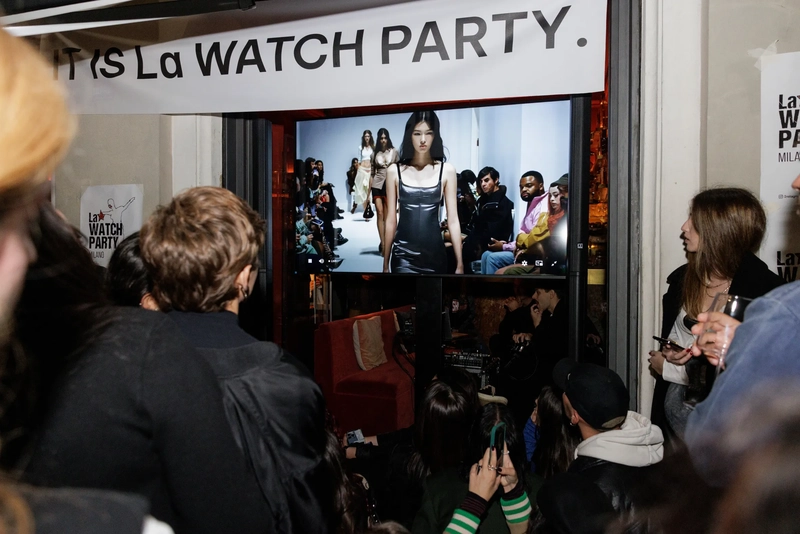
The true genesis of the LA Watch Party, however, was born from a moment of traditional industry rejection. In June 2025, Jonathan Anderson was set to debut his highly anticipated collection for Dior. It was undeniably one of the hottest tickets of the decade. Lyas, despite his massive digital footprint and influence, did not receive an invitation.
Instead of accepting the snub with quiet resignation or vocal bitterness, he made a delightfully subversive pivot. Lyas announced across his platforms that he would livestream the Dior show from a casual bar in Paris, opening the invitation to the entire city. The industry expected a localized stunt; what they got was a fashion watch party movement. Over 300 people descended upon the venue, spilling out into the streets, united in their desire to witness Anderson’s debut on a standard television set Lyas had literally carried from his own living room.
When traditional gatekeepers deny access to digital pioneers, do they inadvertently accelerate the creation of alternative institutions that might one day render the original gatekeepers obsolete?
Why did this impromptu, somewhat scrappy fashion watch party gathering receive such fervent support? The answer lies in the psychological exhaustion of the modern fashion enthusiast. The industry has long sold a dream based on artificial scarcity. But young people are no longer buying into the idea that their worth or their understanding of art is dictated by their proximity to Anna Wintour.
The impromptu gathering was precisely what the cultural zeitgeist was hungering for. The LA Watch Party became an instant phenomenon because it fundamentally dismantled the traditional architecture of fashion attendance:
For an industry pathologically obsessed with exclusivity, these fashion watch party events are a cleansing breath of fresh air. They sweep away the archaic, rigid notions of who "belongs" in fashion. You simply show up, sip a drink, and debate the merits of a bias-cut gown with a thousand like-minded individuals.
Perhaps the most fascinating aspect of the fashion watch party is how it redefines the role of the fashion critic. Historically, fashion critique was a monologue delivered from on high by a select few newspaper columnists. Today, it is a vibrant, chaotic dialogue.
The Watch Party blurs the lines regarding who possesses the authority to judge design. You do not need a masthead title at a legacy publication to be heard. As the adage goes, "Art is always interpreted from each person's perspective." And what could be more intellectually stimulating than debating the semiotics of a runway show with peers who are deeply knowledgeable, highly opinionated, and acutely aware of the socio-economic undercurrents of this multi-billion dollar machine?
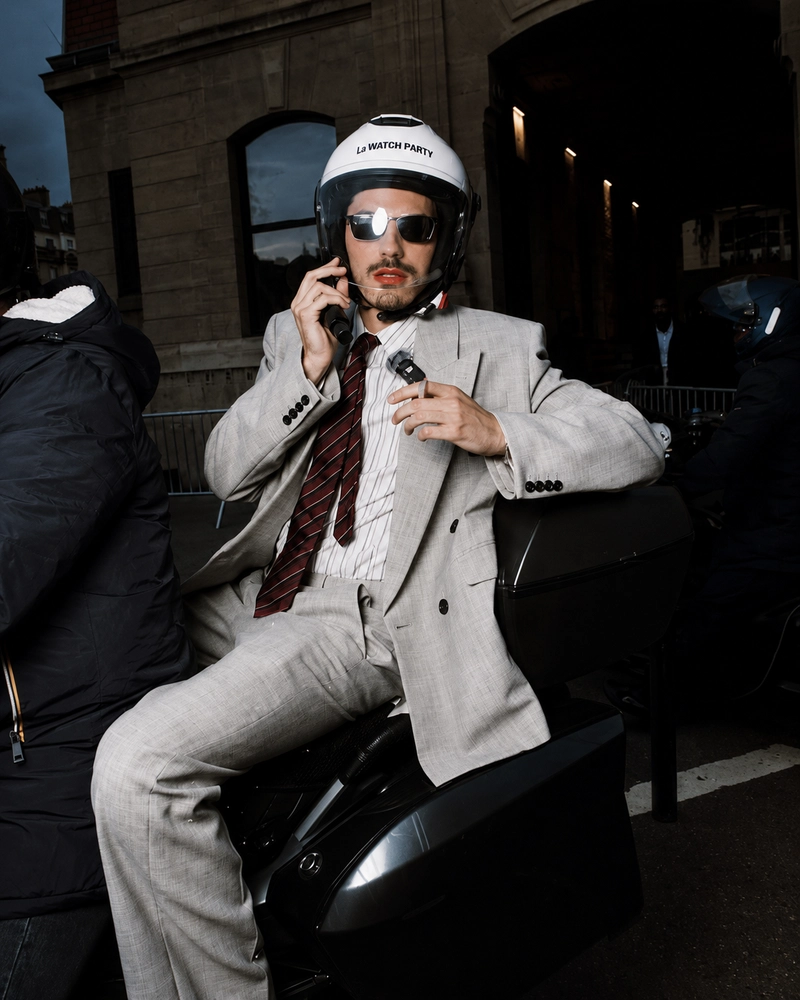
However, democratization does not mean a lack of standards. Lyas operates with the discerning eye of a renegade editor-in-chief. He is notoriously strict about which shows are granted the privilege of his audience's time. "If I don’t watch the show at home, I won’t show it," he states bluntly. This is a profound declaration of independence. It reflects not only his curated aesthetic taste but a refusal to bend to corporate pressure.
"I’ve always been an insider," Lyas reflects, "but I don’t follow the rules and I do things my own way." By acting as an independent filter, he also creates a vital launching pad for emerging talent. He frequently dispatches his own film crews to broadcast underground or avant-garde shows, like those of Fecal Matter or Dilara Findikoglu, live to his massive audience. In doing so, he bypasses the traditional fashion media apparatus entirely, building a self-sustaining ecosystem rooted in genuine, unbridled passion rather than paid advertorials.
If the value of art is subjective, does the immediate, collective consensus of a fashion watch party crowd offer a more accurate assessment of a collection's cultural impact than the isolated review of a veteran critic?
Through a spontaneous fashion watch party fueled by a desire to share, Lyas has organically achieved the holy grail of modern marketing: a deeply loyal, highly engaged community. This is something luxury conglomerates spend billions of dollars and decades of strategic planning attempting to fabricate, often with limited success.
It is important to acknowledge that the technology of livestreaming is not the innovation here. Helmut Lang famously revolutionized the format by livestreaming his collection via CD-ROM and the early internet in 1998. Alexander McQueen’s "Plato's Atlantis" in 2010 broke the internet with its live broadcast. Furthermore, the COVID-19 pandemic forced the entire industry into a digital-first format, with titans like Louis Vuitton, Burberry, and Miu Miu producing highly polished cinematic streams.
Simultaneously, digital commentary was thriving. Discord servers became late-night salons for fashion nerds; TikTok and YouTube live chats moved at the speed of light during major shows. But there was a glaring flaw: all of this was experienced individually. We were connected digitally, but physically isolated in our bedrooms.
The true genius of the LA Watch Party is that it took the decentralized, democratic energy of the internet and materialized it into physical space. It bridged the ultimate gap, providing access, a tactile sense of belonging, and a literal community. It acts as the physical bridge between the untouchable fashion elite and the dedicated scholars of the street.
We must also look at the fashion watch party through a distinctly analytical, commercial lens. What started as an act of subversion has rapidly evolved into an entity with formidable media power. The sheer mathematics are staggering: scaling from a scrappy 300 people in Paris to 1,000 in Milan, and most recently surging past 2,000 attendees for Chanel's Métiers d'Art collection in New York.
This is no longer a fringe gathering; it is a critical mass. By bringing the first wave of reactions out of the digital ether and into a physical space, Lyas has created a new, highly visible metric for brand success. At a Watch Party, the verdict of a collection is immediate and visceral. You do not have to wait for the morning papers to know if a show landed; you can feel it in the room. The collective gasps, the spontaneous applause, or conversely, the bored chatter and checking of phones, provide an instant, unvarnished focus group.
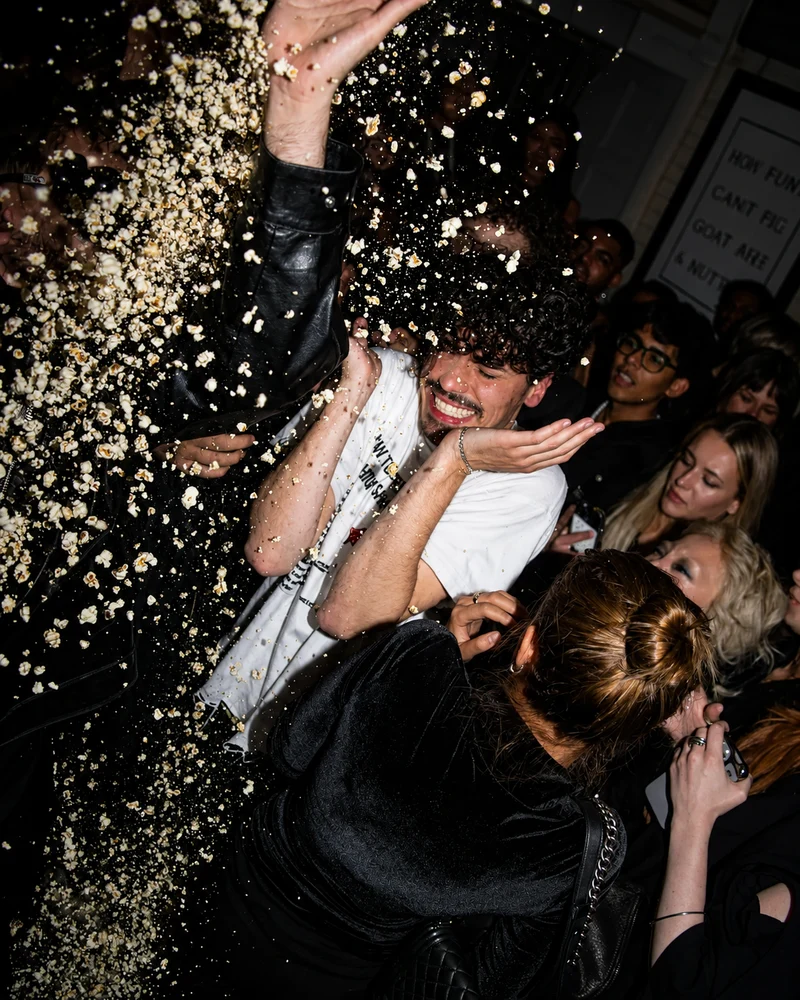
Given its skyrocketing popularity, the secondary social media ripples generated by these physical screenings carry massive weight. Thousands of attendees are simultaneously posting their reactions, outfits, and commentary, creating a localized trending topic that rivals the official PR push of the brand itself.
Brands are inevitably watching this fashion watch party phenomenon with a mix of anxiety and intense interest. There is a vast commercial landscape here waiting to be explored. However, the delicate balance of power remains in the hands of the creator. Lyas has remained remarkably steadfast in protecting the rebellious, independent spirit of his events.
If luxury brands successfully co-opt and sponsor these watch parties as official marketing activations, will the very anti-establishment spirit that made them cool instantly evaporate? How does an underground movement survive its own success?
How far can this potential for growth extend? Could we see this format democratized even further, expanding beyond the "Big Four" fashion capitals? The success of such expansion relies on a delicate alchemy. First, the core event must possess enough cultural gravity to warrant collective viewing. Second, and perhaps more importantly, it requires a charismatic, trusted, and financially capable facilitator, a local equivalent to Lyas, who can curate the experience without compromising its authenticity.
Currently, Lyas stands as the undisputed pioneer of this format. But the blueprint he has drawn is universally applicable. It is entirely plausible, and perhaps inevitable, that we will soon see similar fashion watch party gatherings sprouting up globally.
The fashion watch party has proven that the magic of a runway show does not reside solely in the garments themselves, but in the human connection they inspire. Whether the legacy houses like it or not, the velvet rope has been cut. The conversation has moved to the streets, the volume has been turned up, and the whole world is finally invited to watch.
Advertisement