MENU
Close





December's dark horse? Chanel’s Métiers d’Art: where artisans finally grab the mic. The sole house turning master hands into the headliners of a truly global couture roadshow.

December's dark horse? Chanel’s Métiers d’Art: where artisans finally grab the mic. The sole house turning master hands into the headliners of a truly global couture roadshow.
November 13, 2025
Advertisement
Advertisement



Métiers d'Art, meaning "art professions" in French, in fashion, refers to artisan crafts such as embroidery, featherwork, and shoemaking that are used by luxury houses, especially in French haute couture. These maisons apply traditional, often ancestral techniques to turn raw materials into unique, high-end pieces essential to couture and luxury fashion.
While most luxury houses dedicate December to Early Fall collections, Chanel turns the spotlight on its artisans with Métiers d’Art - an annual showcase of craftsmanship first launched in 2002. This is no ordinary fashion line; it is a tribute to the hands that weave magic into every stitch, feather, and pleat. It was Gabrielle Chanel who wrote the first chapter in the story between the house and its craftsmen. She knew innovative designs required exquisite quality. Since the 1980s, Chanel has quietly acquired century-old ateliers, later uniting them under Paraffection in 1997 by Karl Lagerfled.
However, in 2022, all famous ateliers in France culminating in a complex named Le19M, which Chanel owned Lesage (embroidery), Massaro (shoemaking), and Lemarié (feathers and flowers). Meanwhile, Chanel also cooperates with independent ateliers under Le19M such as: Montex (embroidery), Goossens (jeweller), Lognon (pleating), and Michel (hat-maker and custom-maker). Until now, Chanel has been a pioneer of preservation and the only house to dedicate a Ready-to-Wear collection to this precious savoir-faire that contributes so much to the influence of French luxury and fashion around the world.
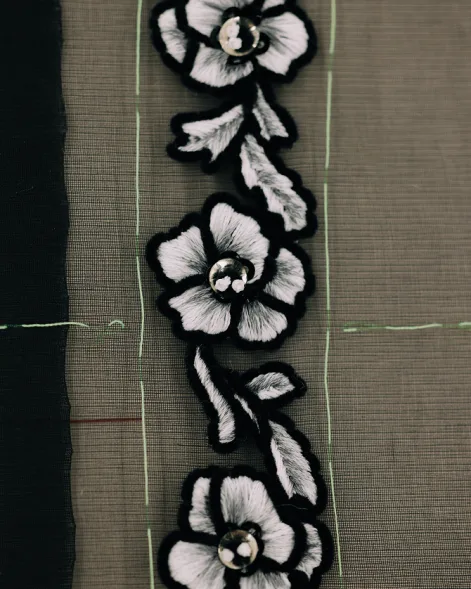
Until the era of Karl Lagerfeld, his vision transformed fashion into wearable art, sparking endless collaborations where artisans reimagined techniques, pioneered materials, and invented new expressions of craft. While not fully custom-made like haute couture, Métiers d’Art creations integrate couture-level techniques and exquisite detailing, making them a tier above traditional ready-to-wear. Creation is alchemy: every stitch an ode to the hands that turn thread into transcendence.
Lagerfeld emphasized:
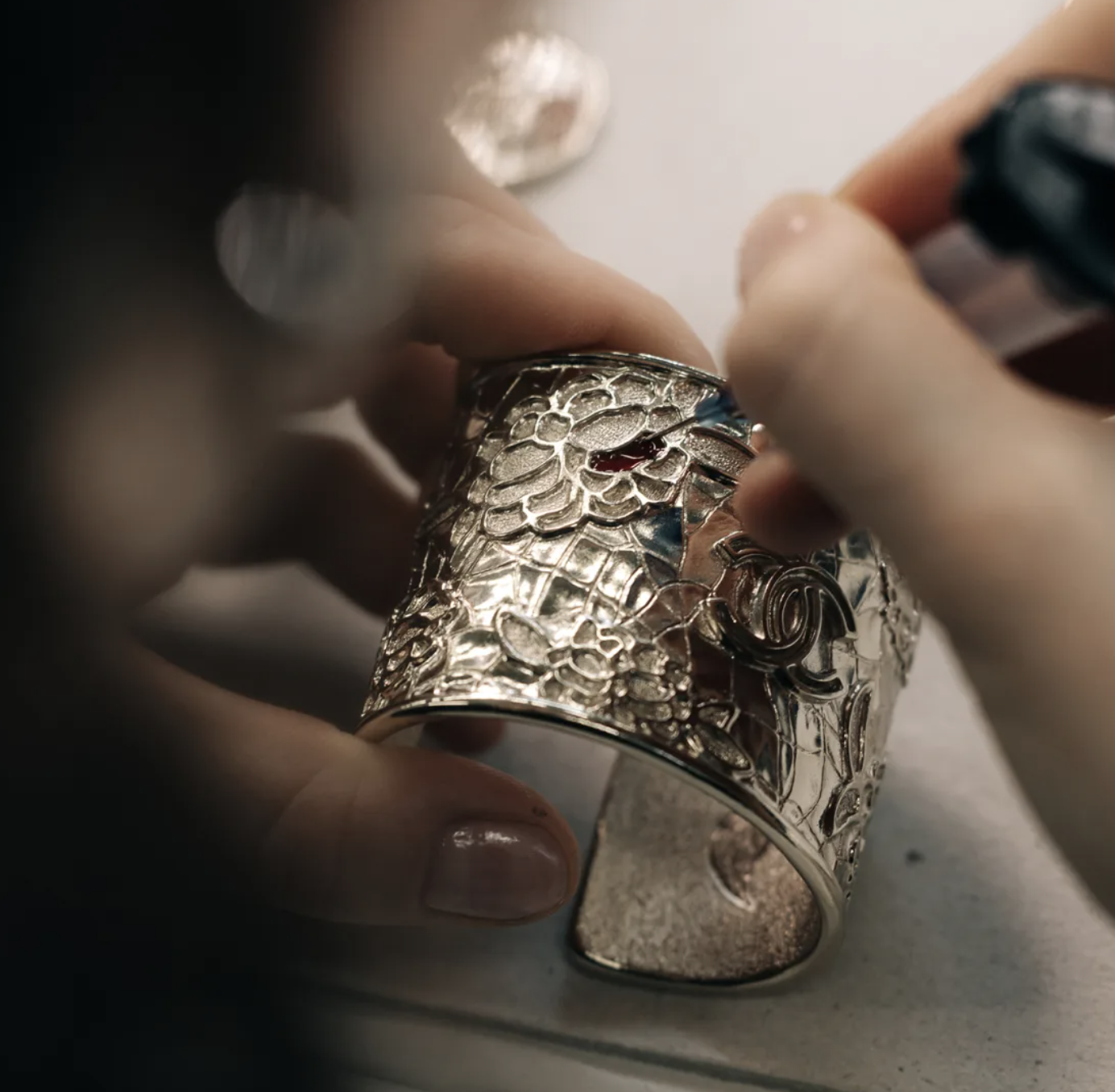
It is made in a very artisanal way… because in artisanal, there is art. The art of doing it well. An applied art. And it really is astounding. 'Its' refinement should be seen close up, almost touched, to understand… the beauty of this work.
Each December, Métiers d’art escapes the fashion calendar, drawing inspiration from destinations echoing Chanel’s heritage: Tokyo, New York, Shanghai, Byzantium, Edinburgh, Paris, and beyond. Karl Lagerfeld transformed these locales into sartorial poetry: not merely designing, but storytelling, reimagining history for the modern woman. His genius made fashion a true métier: a cultural alchemy fusing philosophy, pop motifs, and cross-border dialogues. In these collections, destinations merge with emotion, creativity, and technical artistry, proving craftsmanship itself can be a compass guiding timeless elegance.
During his lifetime, late Director Karl Lagerfeld chose a different location each year to stage his show, one that was either in keeping with his vision or that had a significant connection to the life and work of Gabrielle Chanel.
For example, in Métiers d’Art "Paris-Moscow" 2008 collection, Coco Chanel’s 1920s ties to Russian émigrés—Grand Duke Dmitri, Duchess Maria, ignited this homage to her "Slavic period." Lagerfeld, never literal, transmuted Tsarist grandeur into haute couture: Lesage embroidered Orthodox motifs onto velvet kaftans, while Lemarié crowned models with feathered kokoshniks. Cashmere coats brushed against gold-braided tunics; Massaro’s boots echoed cavalry elegance. Michel’s pillbox hats nodded to émigré chic. The silent film Coco 1913 Chanel 1923 underscored this dialogue between Parisian rigor and Russian romance, proving exile, when filtered through Chanel’s métiers, becomes eternal opulence.

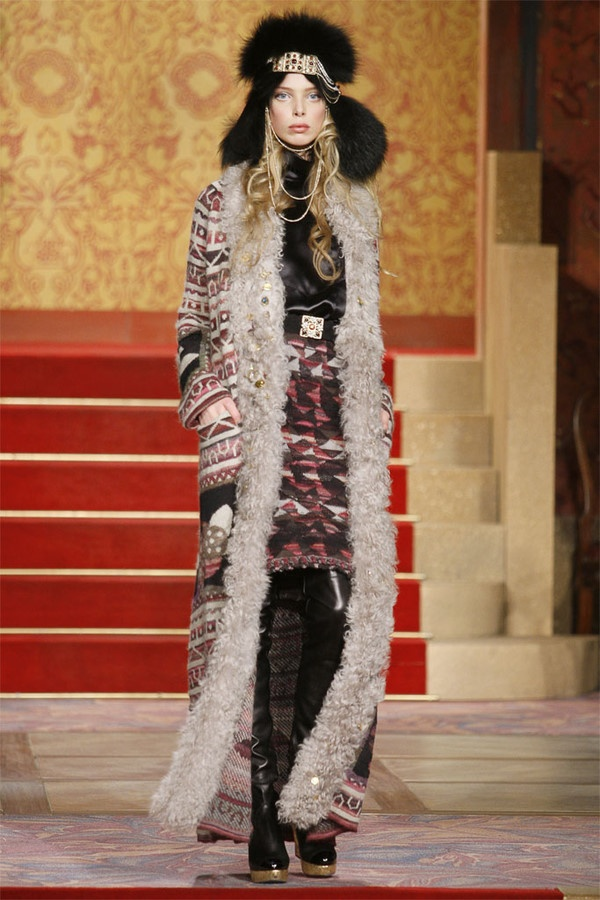
Looks of Chanel's Métiers d’Art "Paris-Moscow" 2008
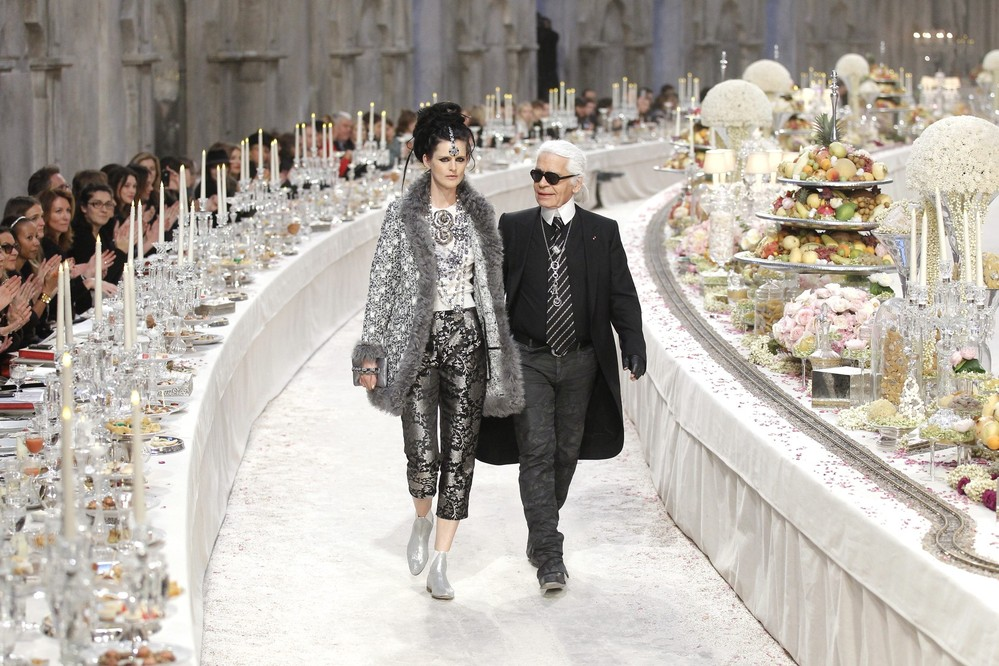
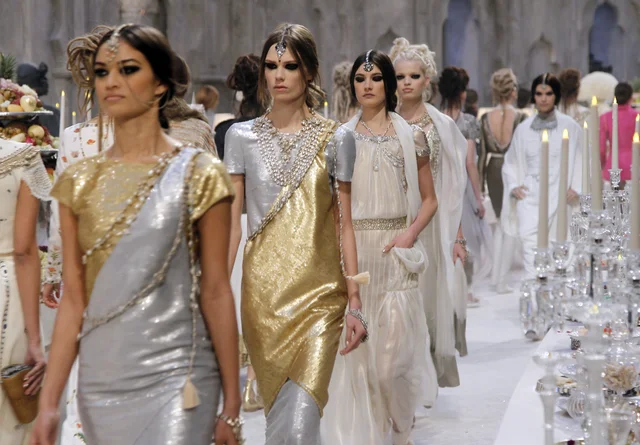
Next came another cultural voyage, this time eastward, into India. In 2012, presented by Karl Lagerfeld in Paris, Métiers d’Art "Bombay" collection reimagined India through a Chanel lens which was inspired by Maharajas’ palaces, traditional dress, and royal jewels, yet conceived as "a Parisian version of an India that doesn’t exist." Lesage’s mirrored embroidery adorned Nehru-collared jackets and sari-draped gowns, while maison Massaro crafted henna-painted boots. Ivory and black silhouettes were accented with turquoise, ruby, and Mughal-inspired gold jewelry. Staged in a banquet-transformed Grand Palais, it fused Franco-Indian fantasy with artisanal virtuosity.
From Bombay’s dreamscape, Lagerfeld next conjured Scottish moors. Chanel’s Métiers d’Art 2013 show took place at Scotland’s Linlithgow Palace where was the birthplace of Mary, Queen of Scots. This collection is also inspired by Coco’s 1920s retreats with the Duke of Westminster, the collection honored Scottish heritage: Barrie Knitwear cashmeres, heritage tweeds, and tartans reimagined as sleek skirts and capes. Artisanal highlights included Lesage-embroidered argyle, and sporran-inspired minaudières. Avoiding cliché, Lagerfeld fused Highland motifs (tams, plaids) with couture precision, proving a kilt is not just a kilt when Chanel’s métiers transform wool into poetry.
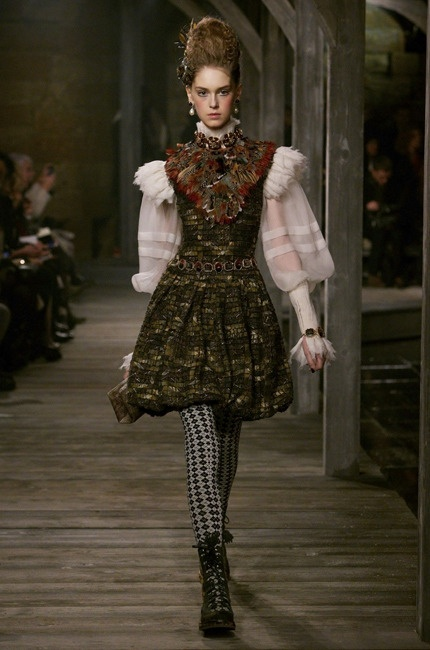
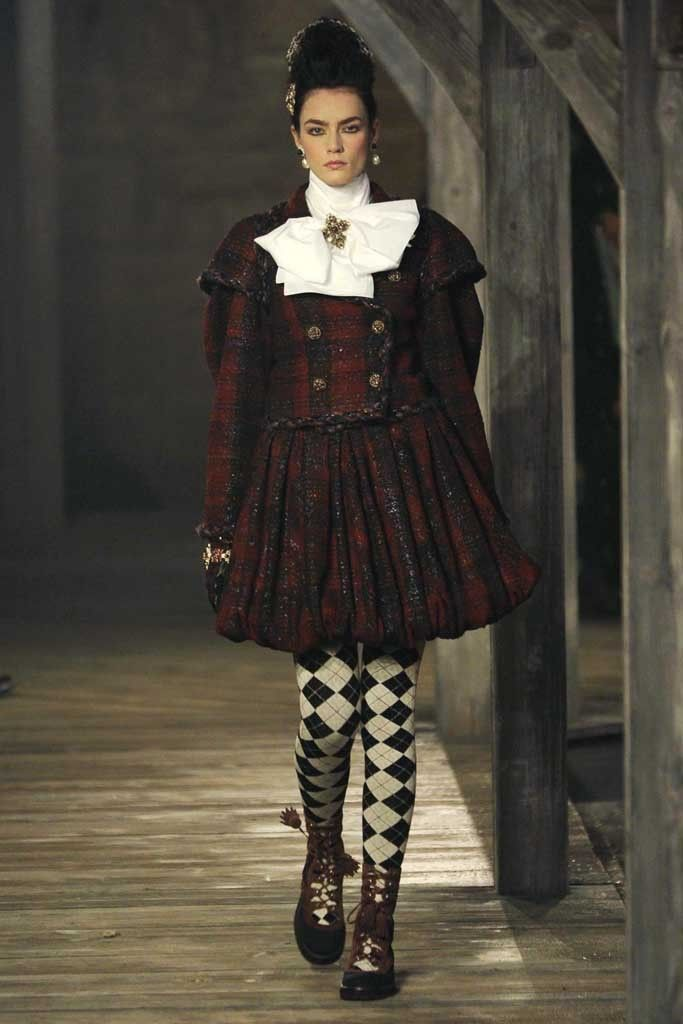
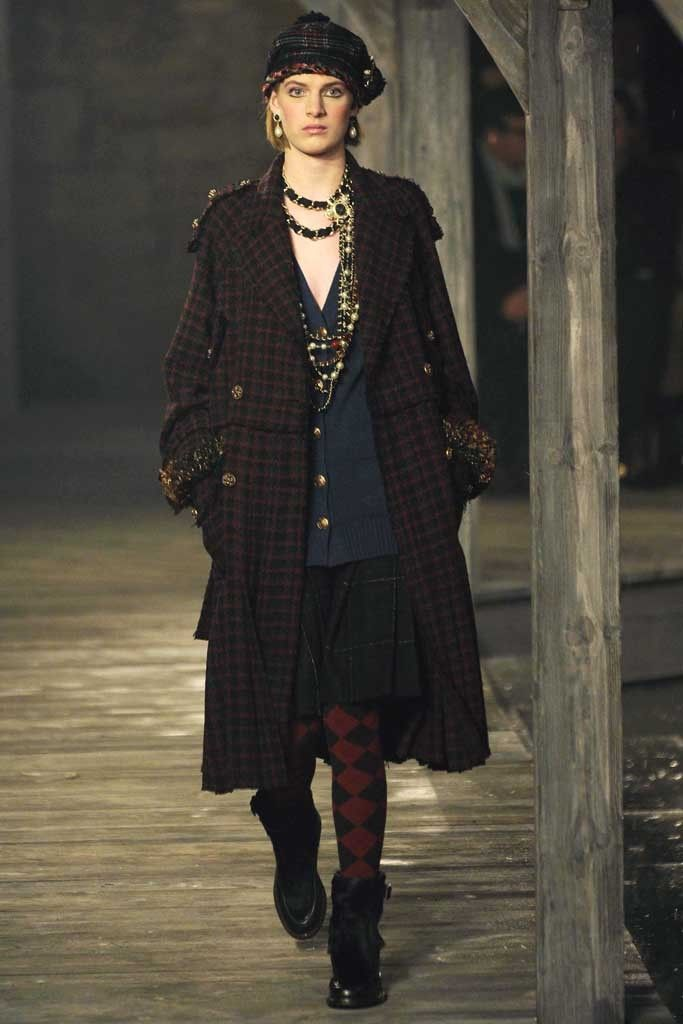
Looks of Chanel’s Métiers d’Art 2013
From tartan moors, his vision sailed toward Pharaonic sands. In Métiers d'art Chanel Paris – New York 2018, ancient Egypt met Manhattan at New York’s Met Museum, where Lagerfeld staged the collection within the Temple of Dendur - a UNESCO treasure symbolizing cultural dialogue. Only Lagerfeld could rework scarabs and lotus motifs into Lesage-embroidered jackets and ankh symbols. The palette fused Nile turquoise with desert gold on muslin tunics and metallic pants. Cleopatra's inspriration accessories highlight the show: pyramid minaudières, Eye-of-Horus collars, and Massaro’s gladiator sandals. It was reborn in gilded Chanel savoir-faire.
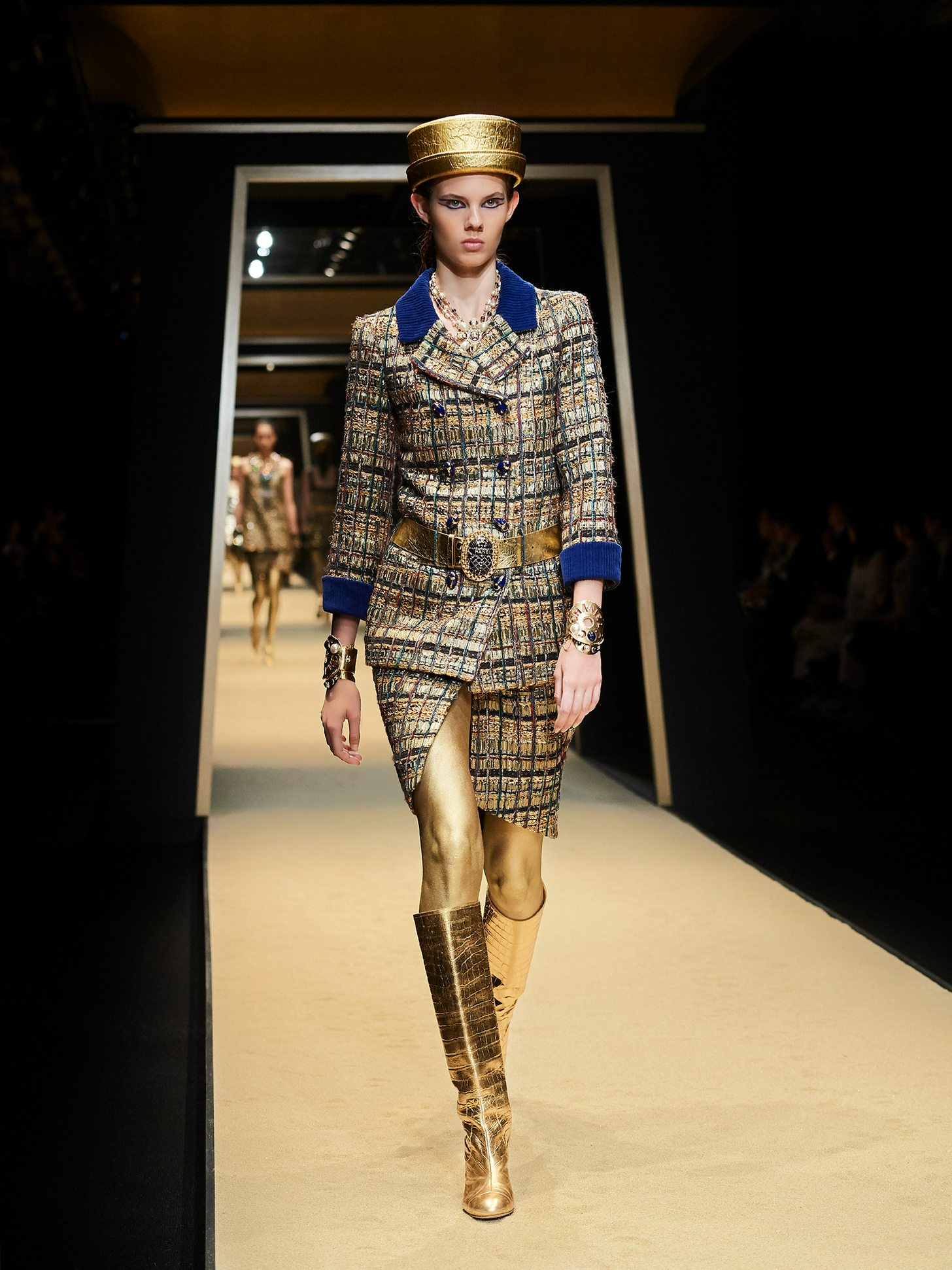
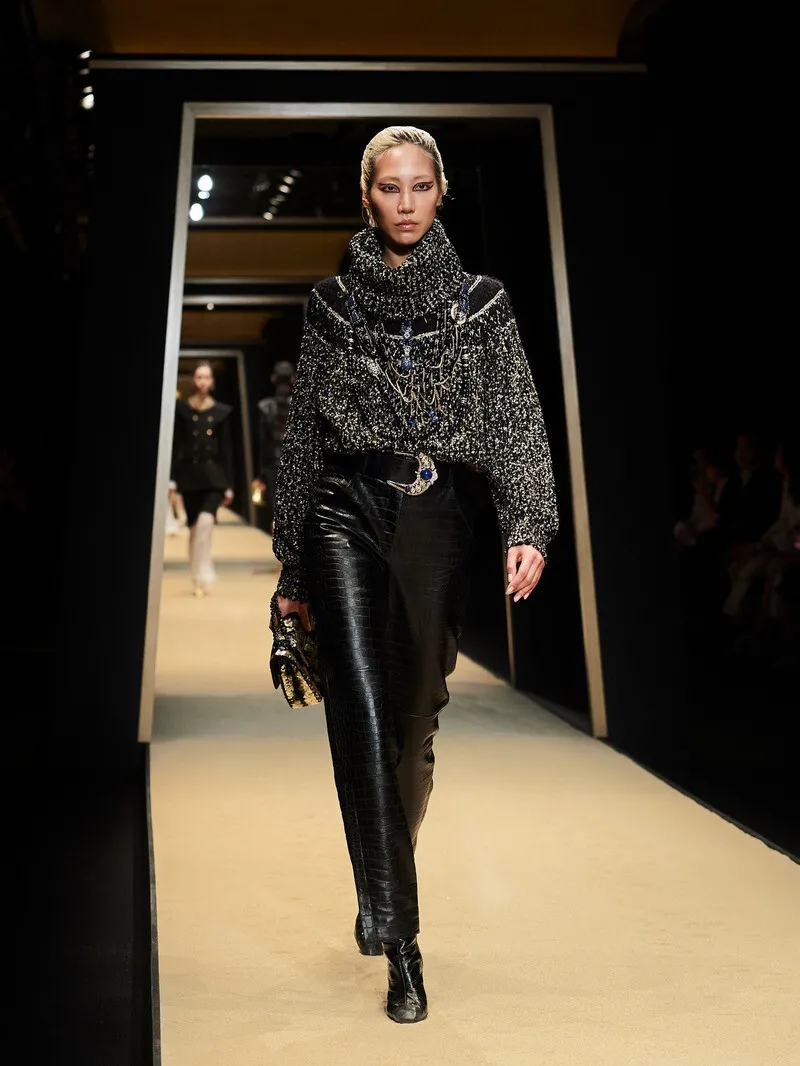
Looks of Chanel's Métiers d'art Chanel Paris – New York 2018
Nearestly, Gabrielle Chanel’s cherished Coromandel screens, depicting Hangzhou’s West Lake, ignited the voyage where Chinese poetry met Parisian rigor in Métiers d'art Chanel 2024. Presented in Hangzhou itself, lacquered florals bloomed on Lesage-embroidered tweeds, while Montex threaded glow-in-the-dark braids into pagoda-sleeved jackets. Lemarié traced feather-light blossoms over velvet, echoing screens in Coco’s rue Cambon apartment. Heritage whispered through Massaro’s reboot of Chanel’s archival boots and Michel’s structured headwear. Mandarin collars framed satin landscapes, transmuting centuries-old craftsmanship into silhouettes both austere and opulent. This was a dialogue between Hangzhou’s mist and Chanel’s métiers, rendered in jade greens and ink-black dusk.
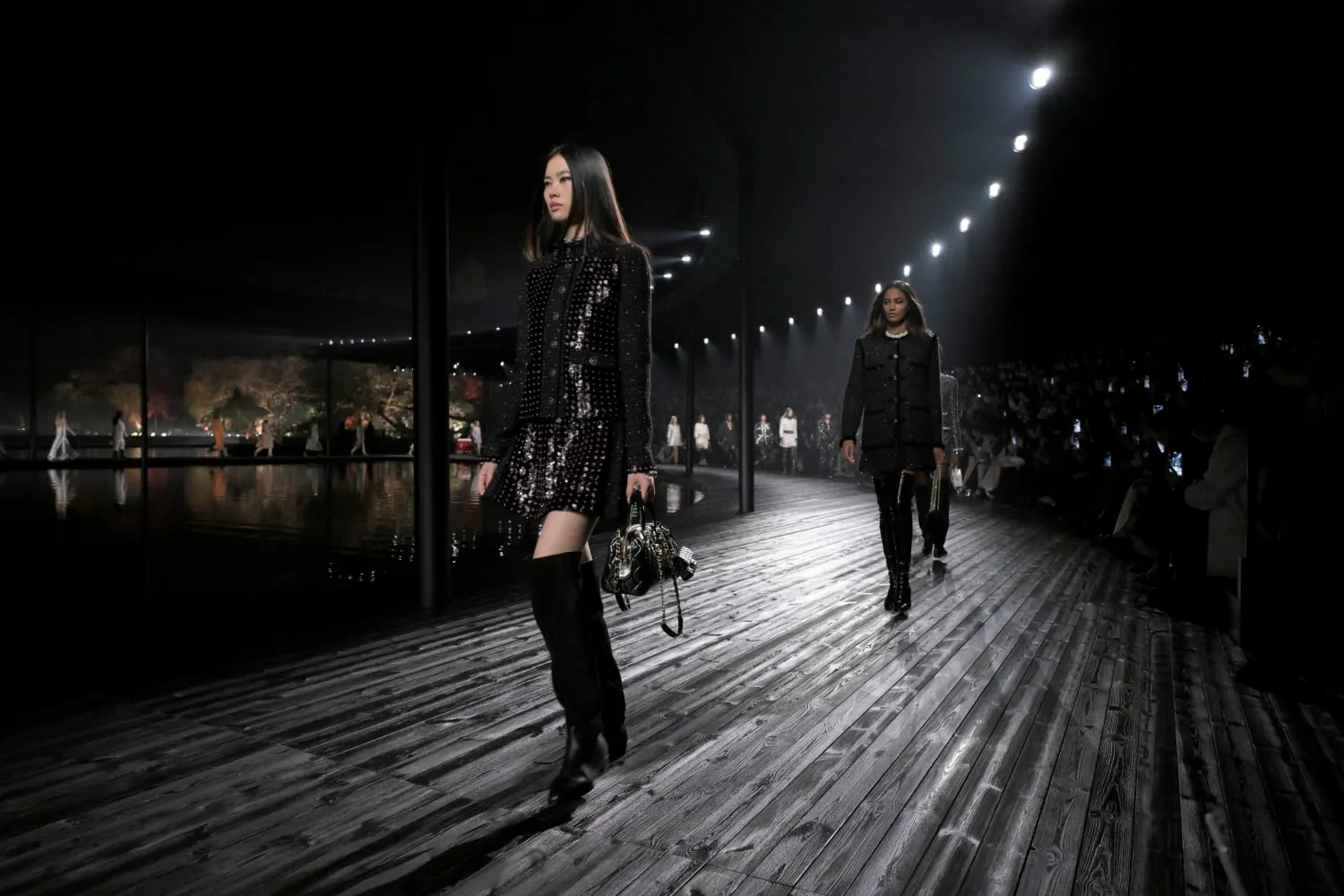
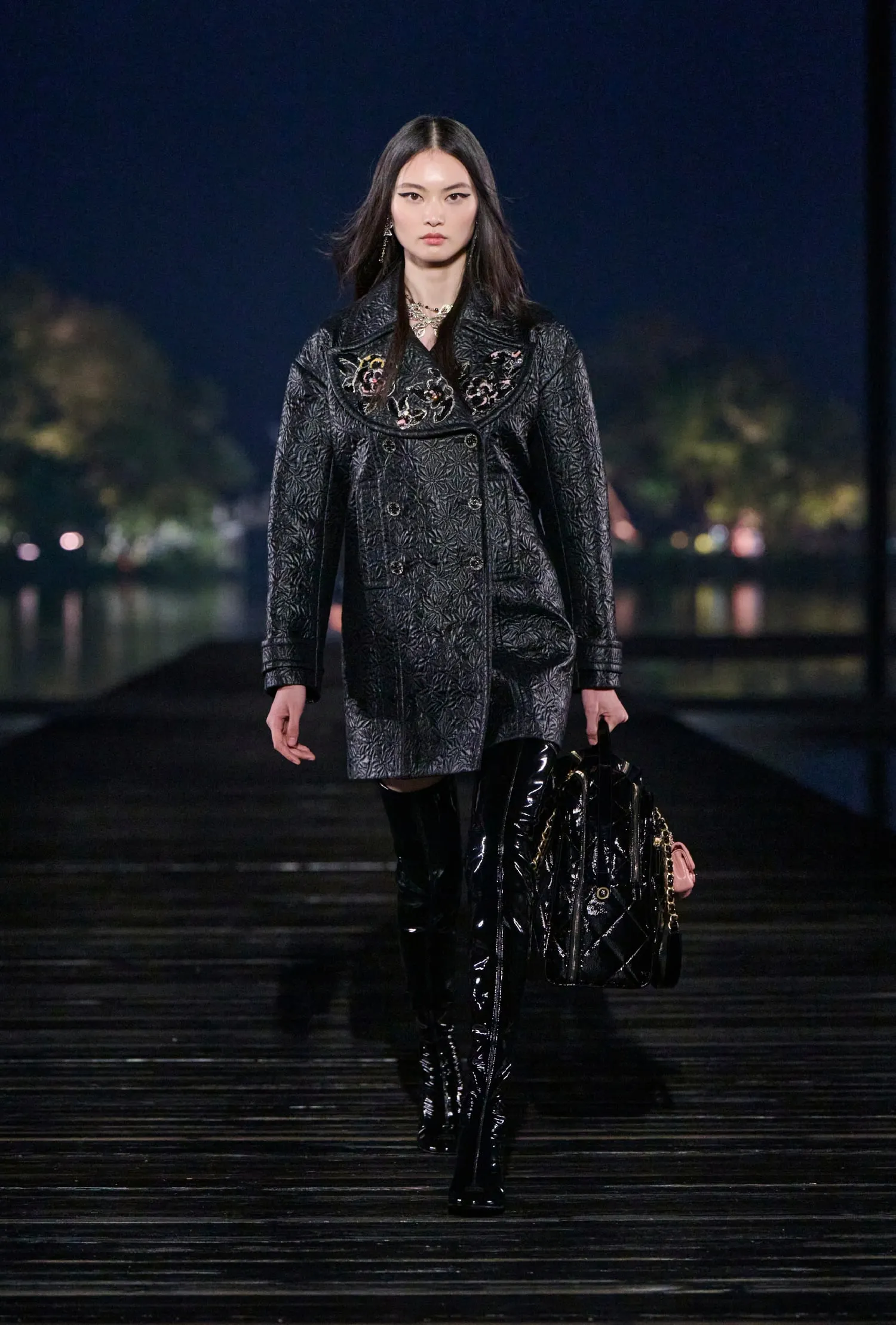
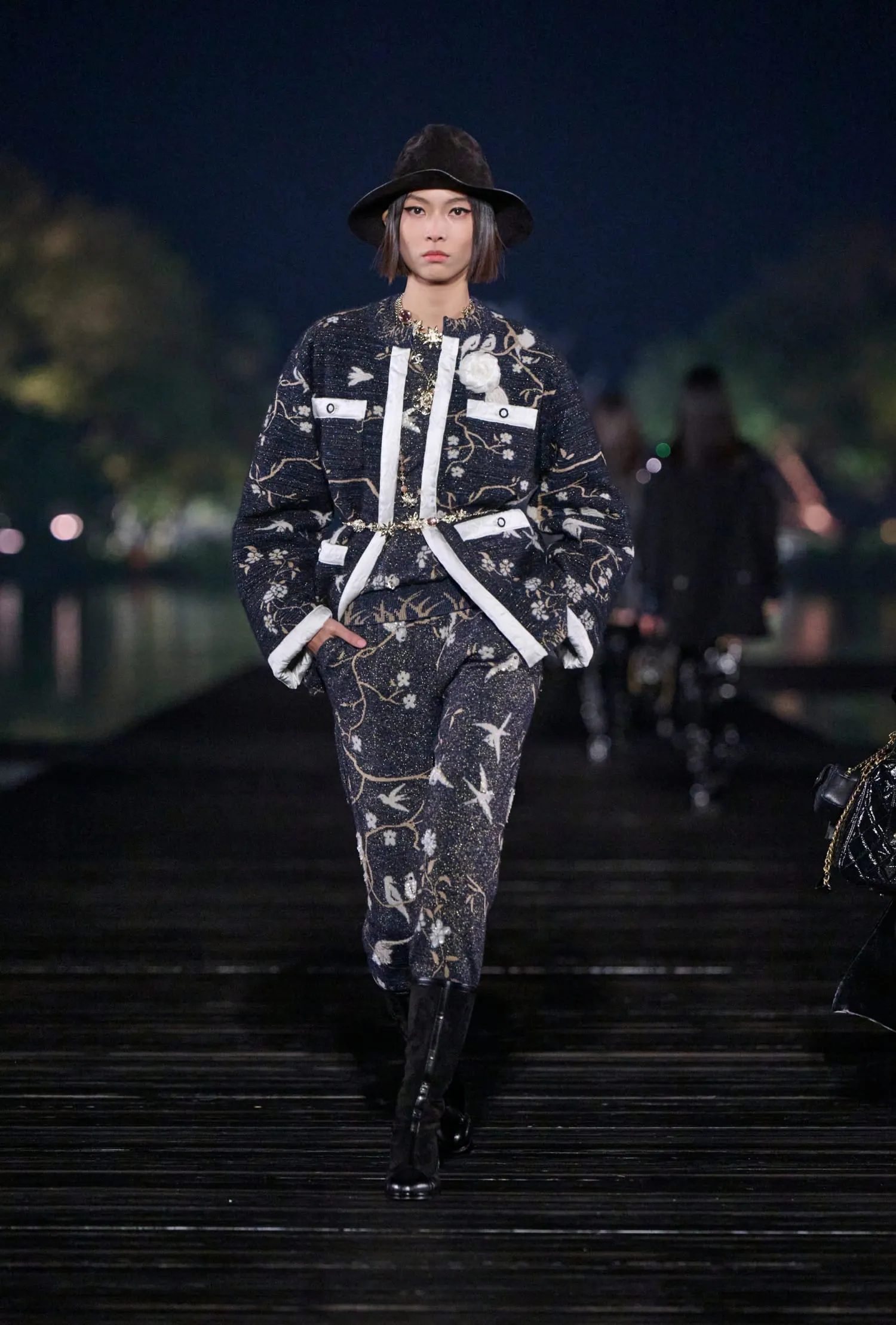
Looks of Chanel's Métiers d'art Hangzhou 2024
Chanel’s Métiers d’Art transcends mere preservation; it redefines heritage as a living dialogue between past mastery and future possibility. These collections prove that true luxury lies not in stasis, but in the audacious reinvention of tradition. By elevating artisanship to a global language of emotion and innovation, Chanel ensures that human hands remain fashion’s most vital compass—guiding us toward an elegance where every stitch whispers both history and tomorrow.
Bruno Pavlovsky, the brand's president of fashion told
He steadfastly promoted the talent and expertise of Chanel’s ateliers and Métiers d’Art, allowing this exceptional know-how to shine throughout the world. The greatest tribute we can pay today is to continue to follow the path he traced by – to quote Karl – ‘continuing to embrace the present and invent the future.’”
Advertisement