MENU
Close





Luxury wellness retreats now sell space, distance, ice, less people and more silence.
Luxury wellness retreats now sell space, distance, ice, less people and more silence.
August 7, 2026


The newer frontier of luxury wellness retreats pushes farther away. Up Himalayan valleys. Into volcanic cloud forests. Across northern peatlands. Through mountain villages reached on foot. Distance becomes part of the product, while temperature, population density and access to wilderness carry almost as much weight as thread count.
Two travel impulses sit naturally inside this shift. Quietcation describes the desire for genuine mental and acoustic distance from everyday life. Coolcationing follows a climatic instinct, sending travellers towards northern latitudes, higher elevations and temperate landscapes when conventional summer destinations become intensely hot.
They frequently overlap with regenerative travel, where the destination attempts to leave its ecosystem or surrounding community stronger through restoration, conservation and locally embedded economic activity.
Four remote properties show how far the idea can travel.
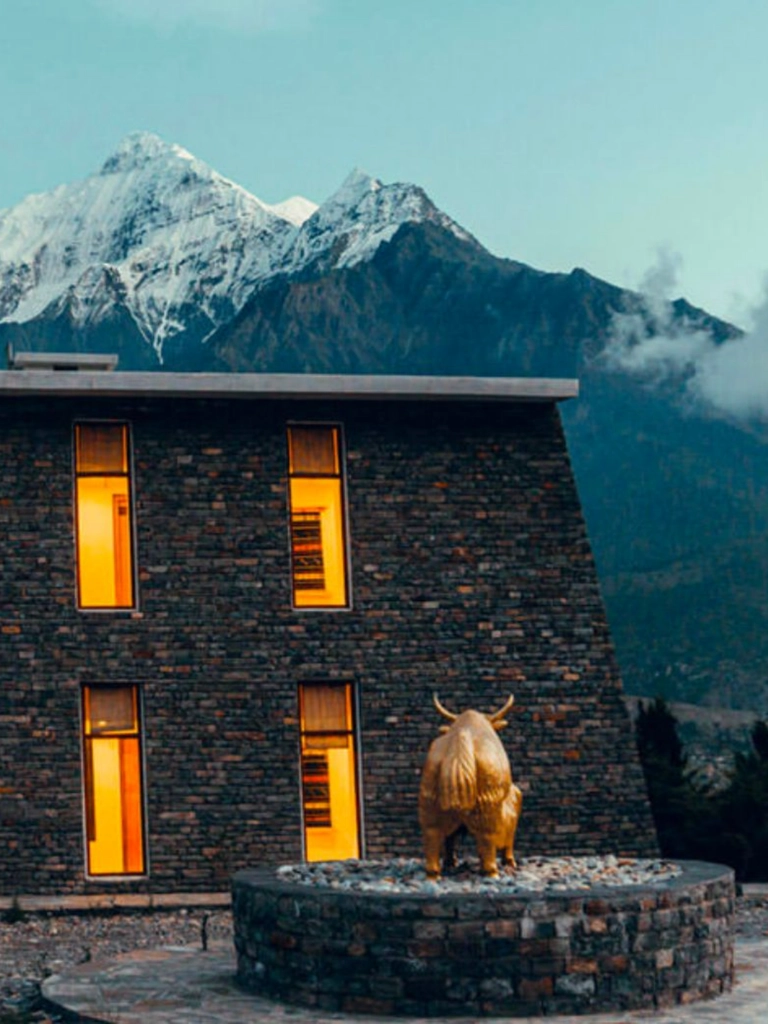
At approximately 2,800 metres above sea level, the air around Shinta Mani Mustang already announces that the traveller has left conventional resort territory.
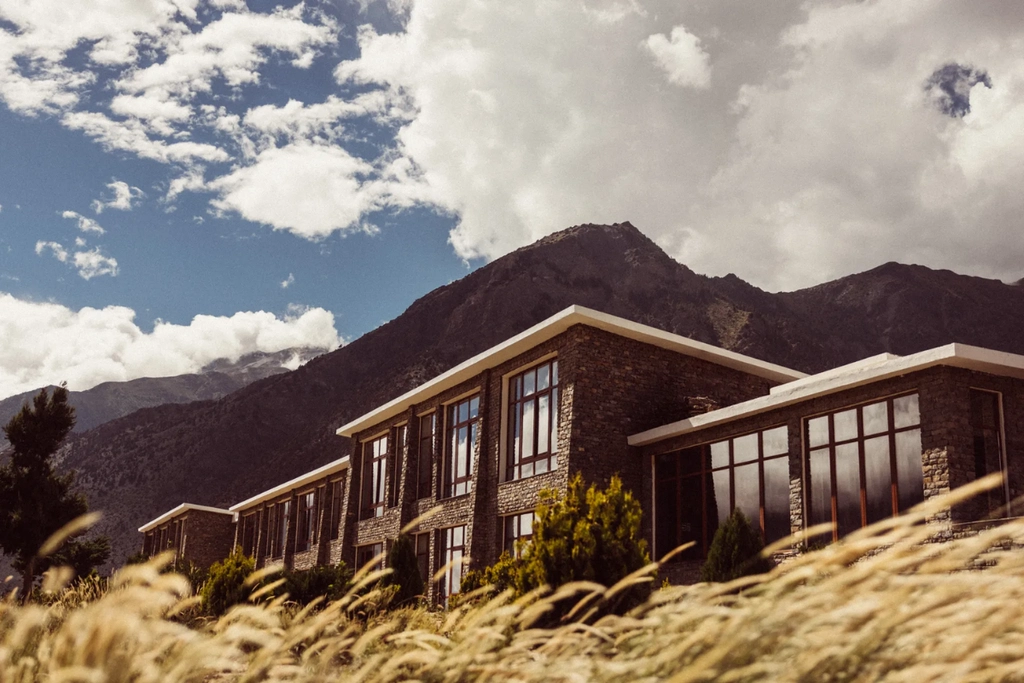
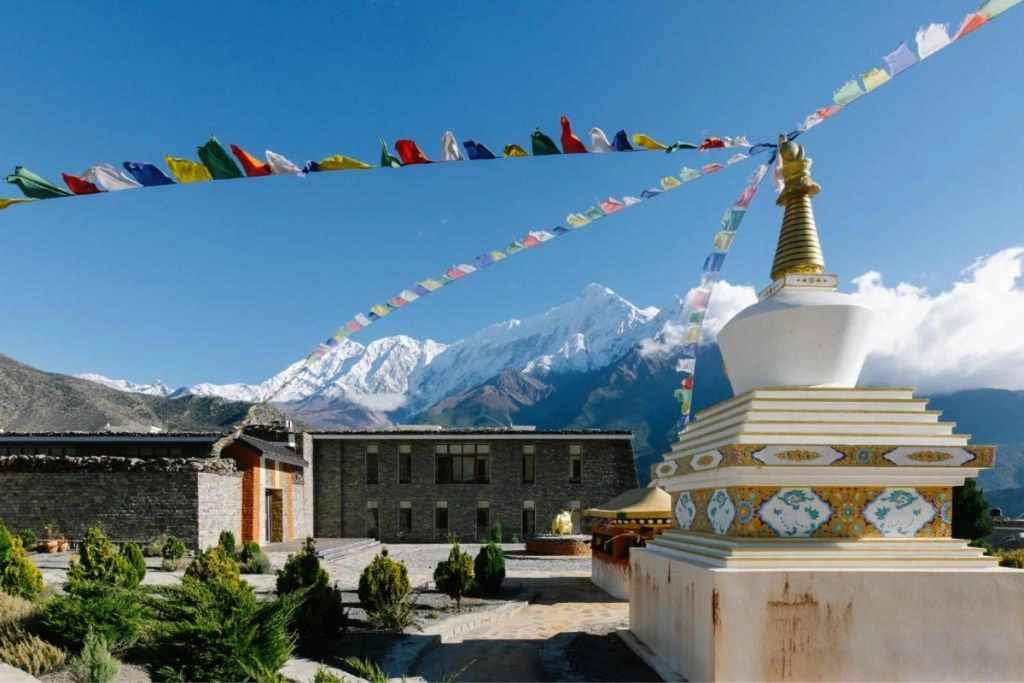
The 29-suite sanctuary sits in Jomsom, facing the snow-covered Nilgiri range within Nepal's Upper Mustang region. Architect Bill Bensley approached the existing structures as material worth preserving, reportedly retaining and upcycling almost all of the original stone buildings. Local slate, timber and references to Tibetan visual culture give the property a physical relationship with its surroundings before Bensley's characteristically theatrical interiors enter the frame.
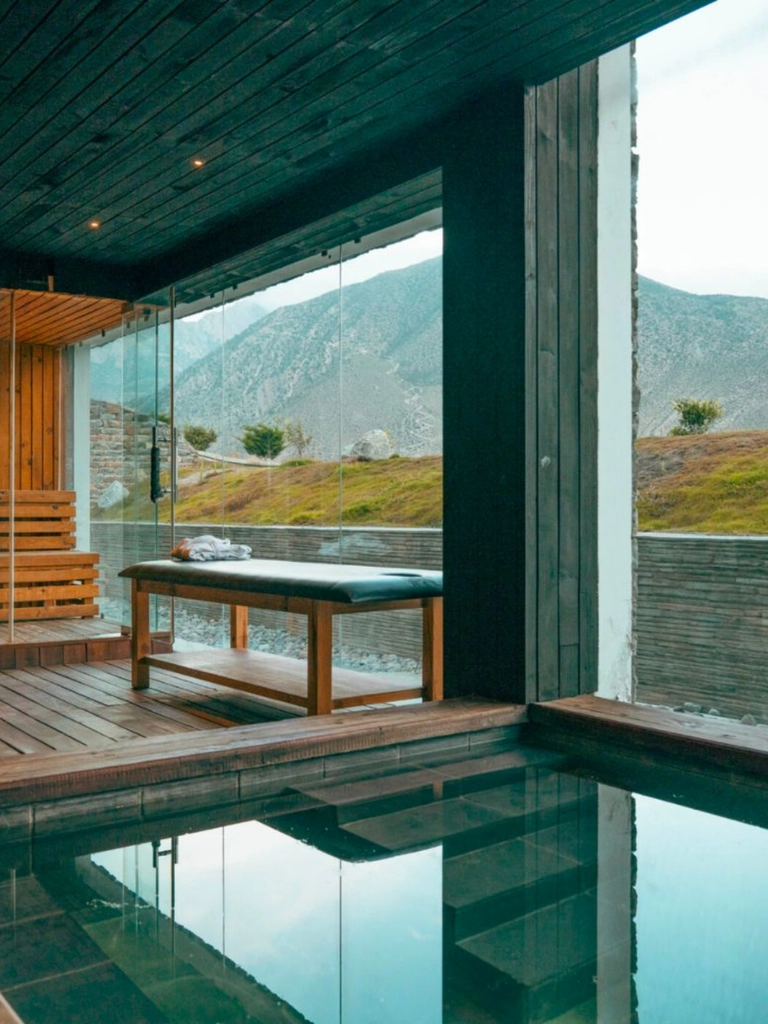
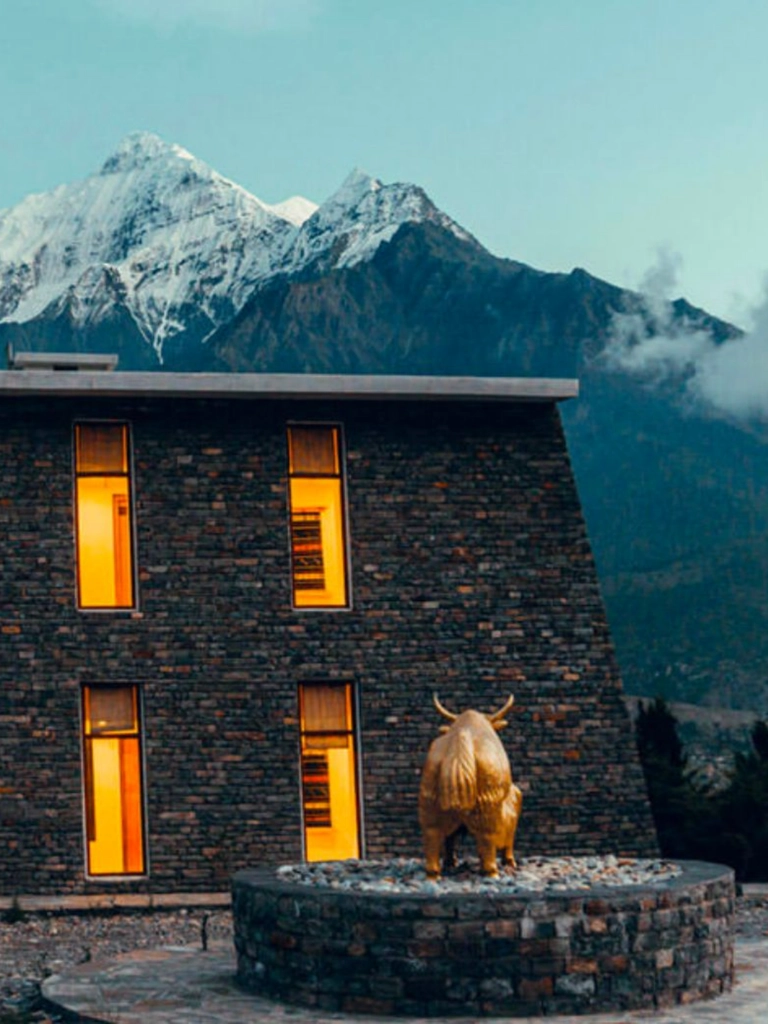
Wellness moves equally close to place. Stays include spa treatments connected to Tibetan Amchi healing traditions, alongside guided excursions, trekking, dining and beverages within an all-inclusive model.
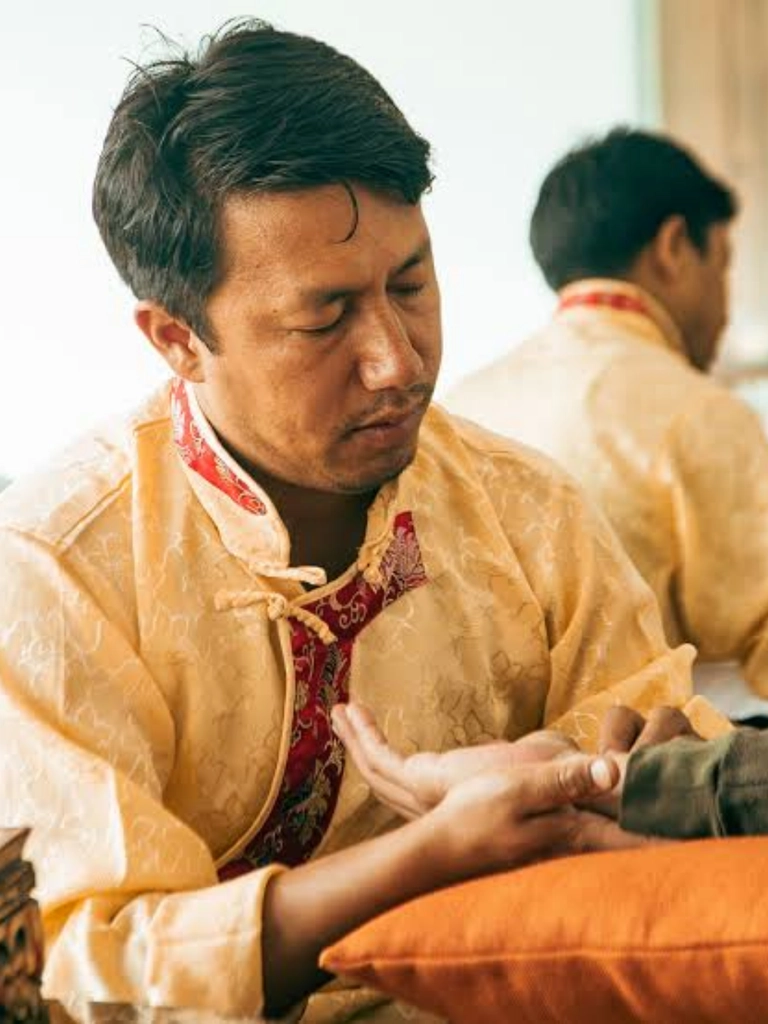
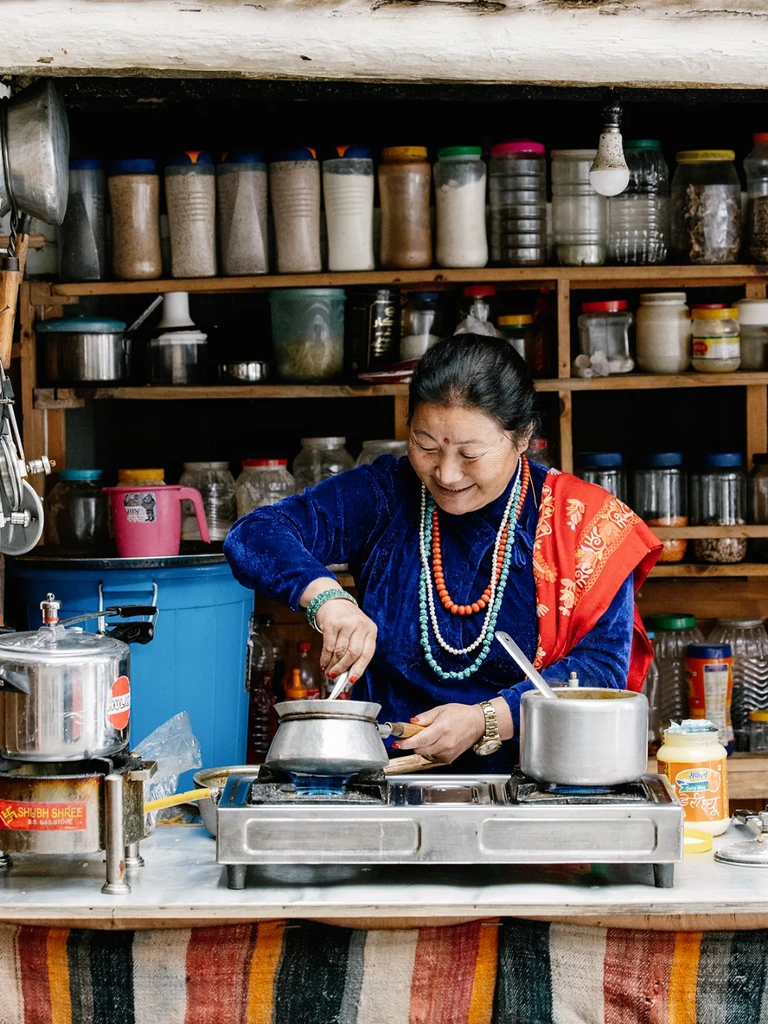
Rates sit roughly around $1,900 to $2,500 or more per night, placing the lodge firmly at the highest end of Himalayan hospitality.
For a quietcation, Shinta Mani Mustang scores exceptionally high. Upper Mustang's sparse settlement and monastery culture produce a sense of remoteness that a soundproofed urban wellness suite can imitate only superficially.
It also makes a persuasive case for coolcationing. Summer temperatures commonly sit around 15°C to 22°C, creating a radically different July or August experience from the furnace conditions found across many lower-altitude Asian destinations.
Quietcation score: 9.5/10 Coolcationing score: 9/10
Mist hangs differently around the Virunga mountains.
Singita Kwitonda Lodge occupies 178 acres on the edge of Rwanda's Volcanoes National Park, approximately 2,300 metres above sea level. Its eight suites and four-bedroom Kataza House place guests within one of Africa's most important conservation landscapes, where the major attraction requires physical participation: tracking mountain gorillas.
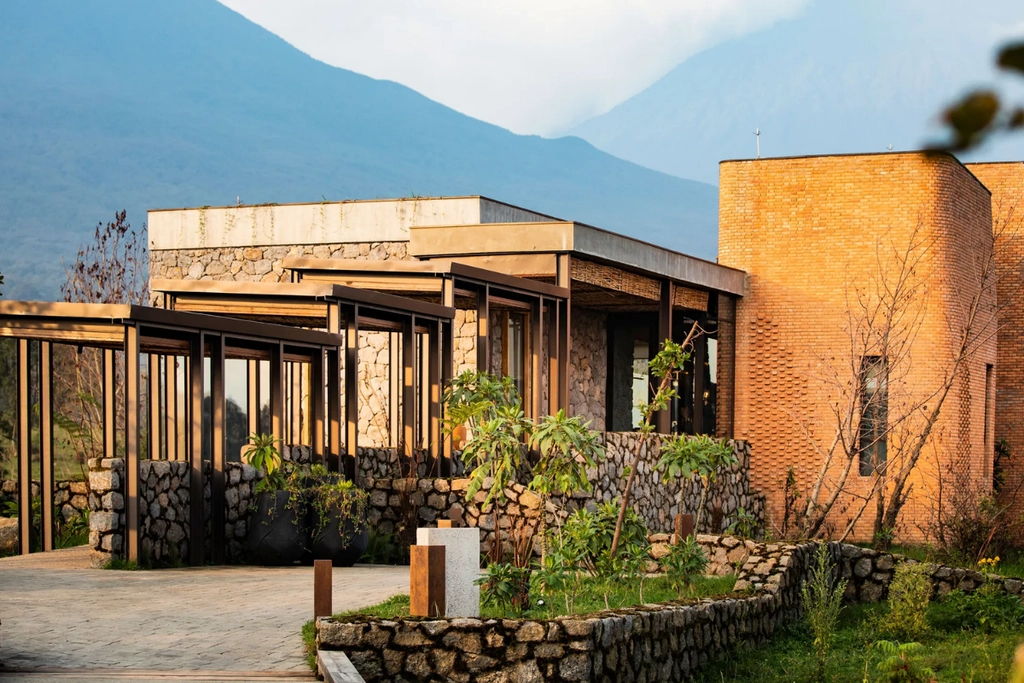
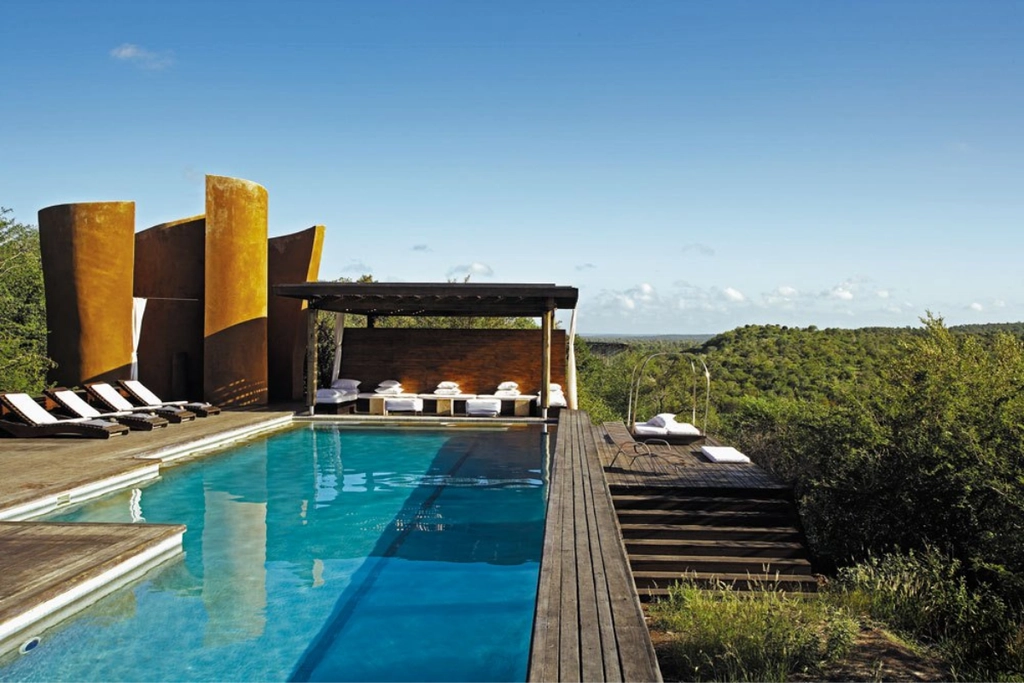
The lodge's material palette pulls volcanic geology directly into its architecture through lava rock and volcanic stone, while locally produced tiles and craft work soften the interiors.
Its deeper contribution happens outdoors. Singita's nursery and reforestation programme have planted more than 250,000 indigenous trees, expanding and restoring habitat around the protected ecosystem.
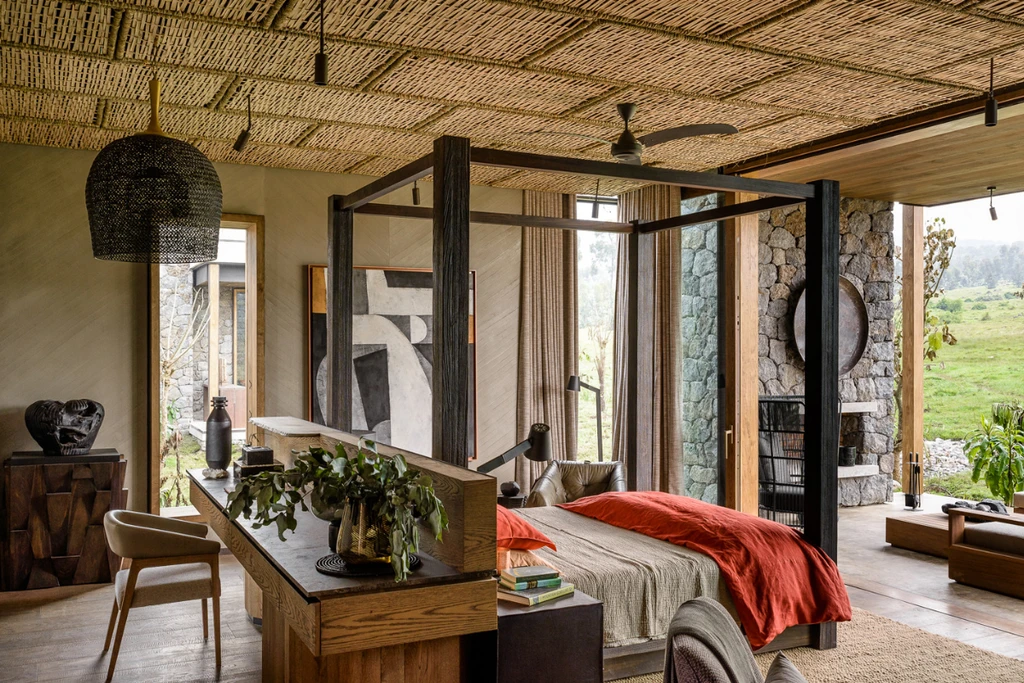
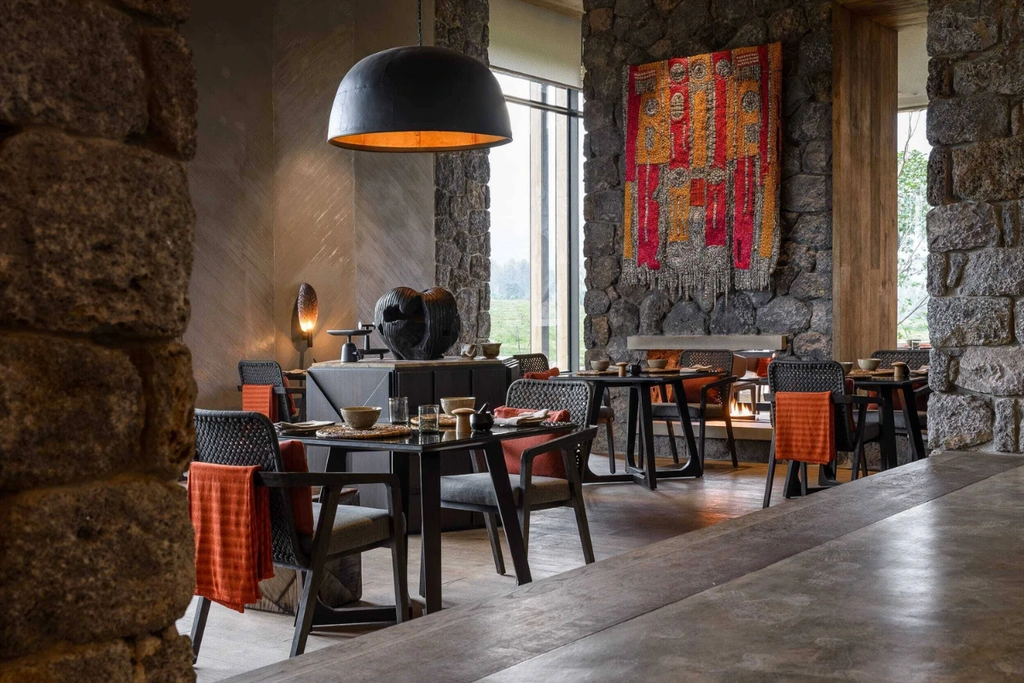
The name itself carries a conservation history. Kwitonda was a silverback gorilla remembered for his gentle temperament, with the Kinyarwanda name translating approximately to "humble one."
Luxury here is expensive even before the headline experience begins. Rates can reach roughly $2,800 to $5,300 or more per person per night, while gorilla trekking permits add around $1,500 per person.
Temperature strengthens its coolcationing credentials. Elevation holds daytime conditions around the low 20s Celsius, while nights can fall towards 10°C to 12°C.
Quietcation score: 8/10 Coolcationing score: 8.5/10
A hidden underground car park may sound like an extravagant design gesture until the reasoning becomes visible above ground.
Hope Lodge sits within the wild northern reaches of Sutherland in Scotland, a pinnacle of coolcationing, surrounded by the vast Highland landscape associated with Anders Holch Povlsen's WildLand conservation initiative. The restored 19th-century hunting lodge contains only seven guest rooms and operates largely as an exceptionally private house stay.
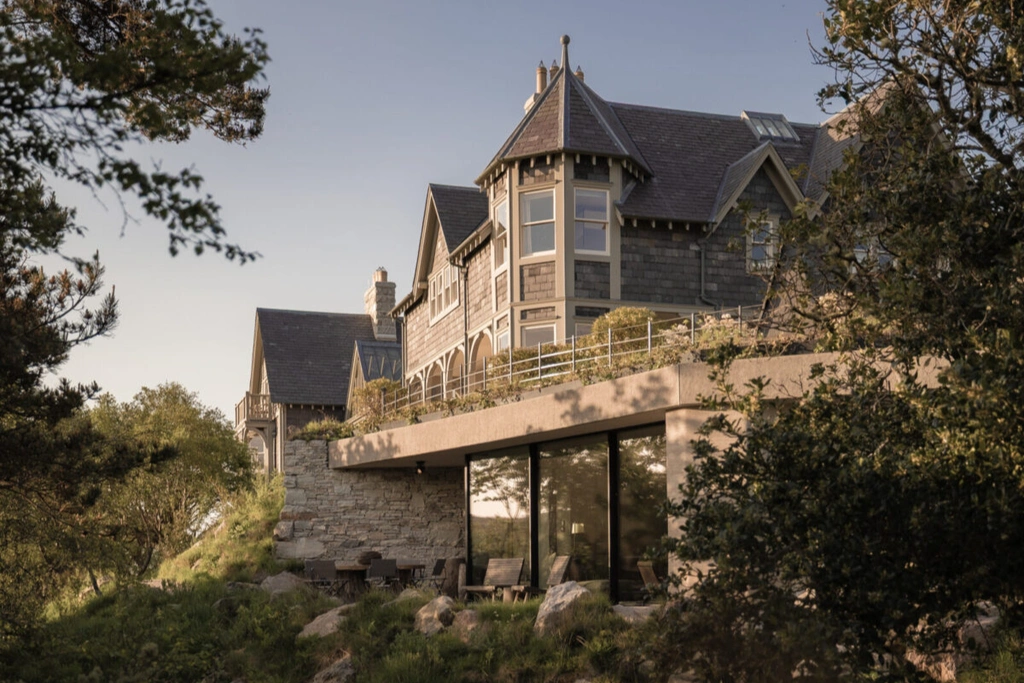
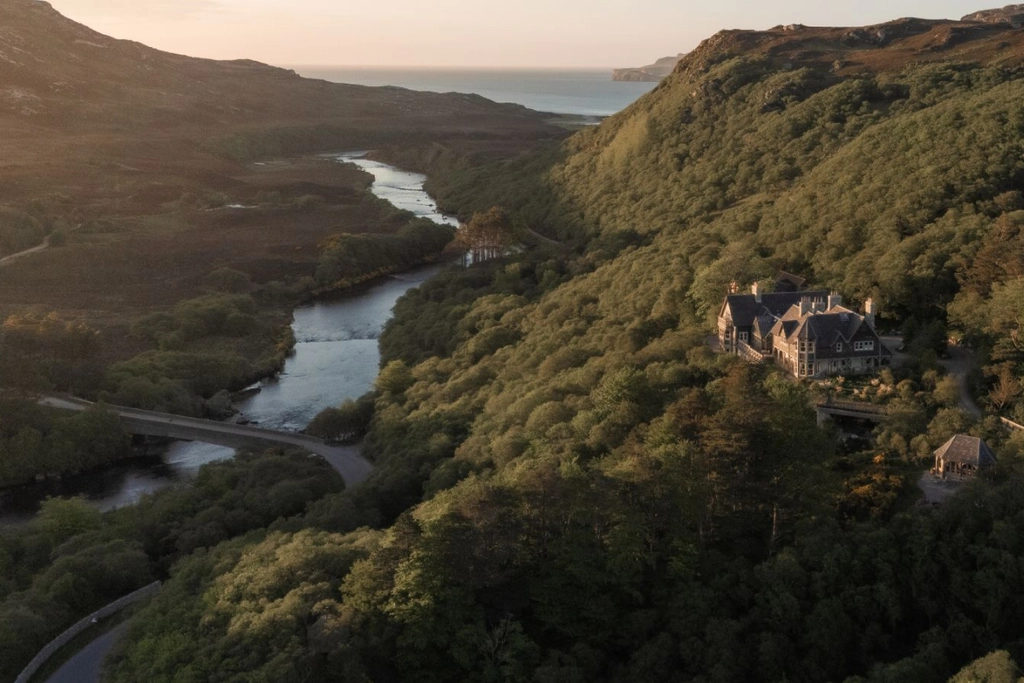
Hope Lodge therefore represents an unusually literal version of the quietcation. Luxury emerges from the removal of interruptions. Few neighbours. Little traffic. Almost no visual clutter. The soundscape contracts towards wind, rain, wildlife and water.
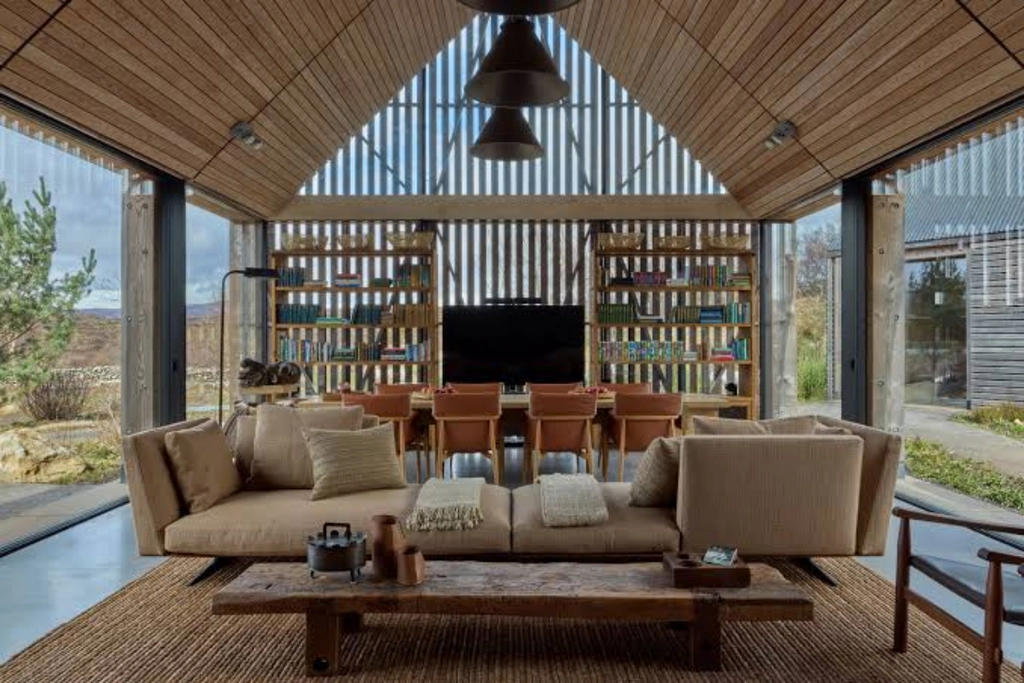
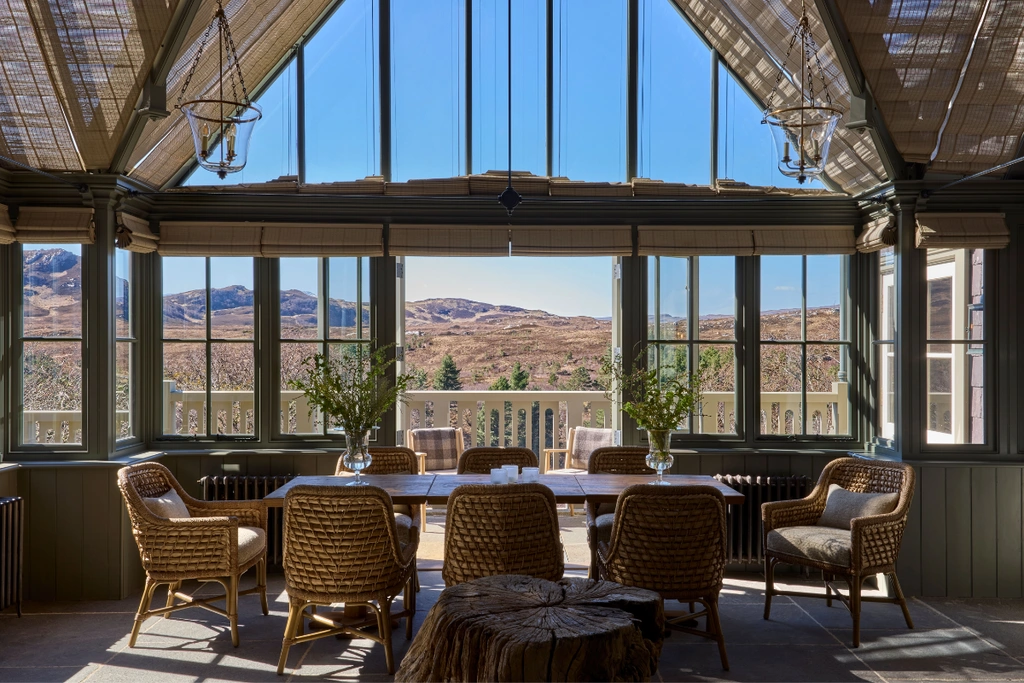
Its wider estate context also pushes the property into the territory of regenerative travel, with WildLand focused on long-term rewilding and ecological restoration across substantial areas of the Scottish Highlands.
Summer temperatures around this part of Scotland frequently stay below 20°C. Sea air, cloud, rain and cool evenings turn July into a season of knitwear and fireplaces rather than air-conditioning.
For travellers embracing coolcationing specifically because southern Europe has become uncomfortably hot during peak summer, the attraction is almost mathematical.
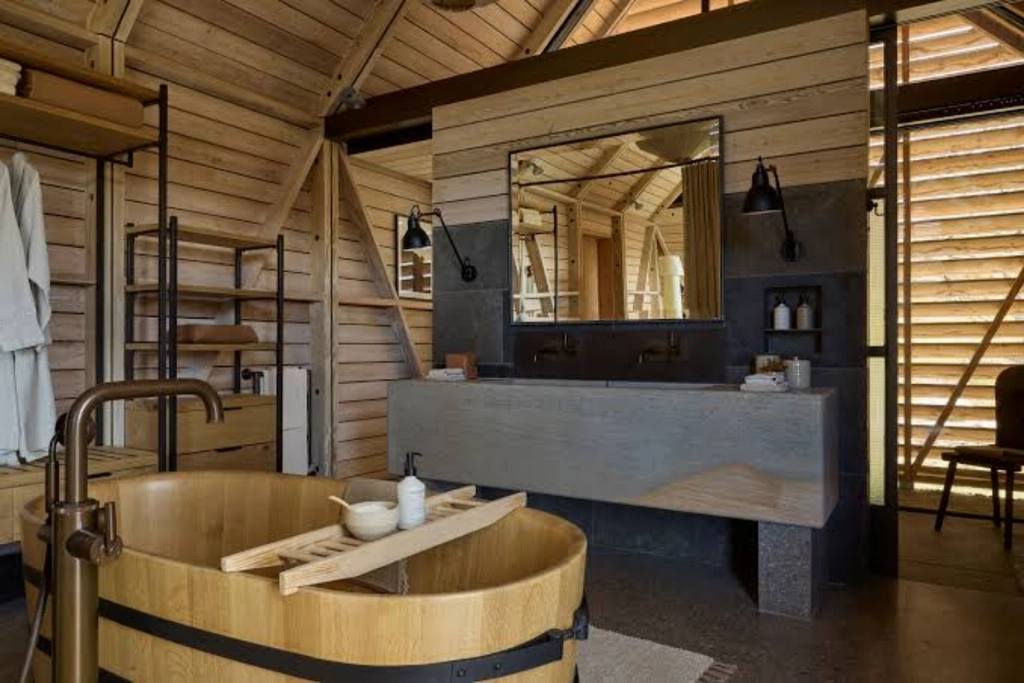
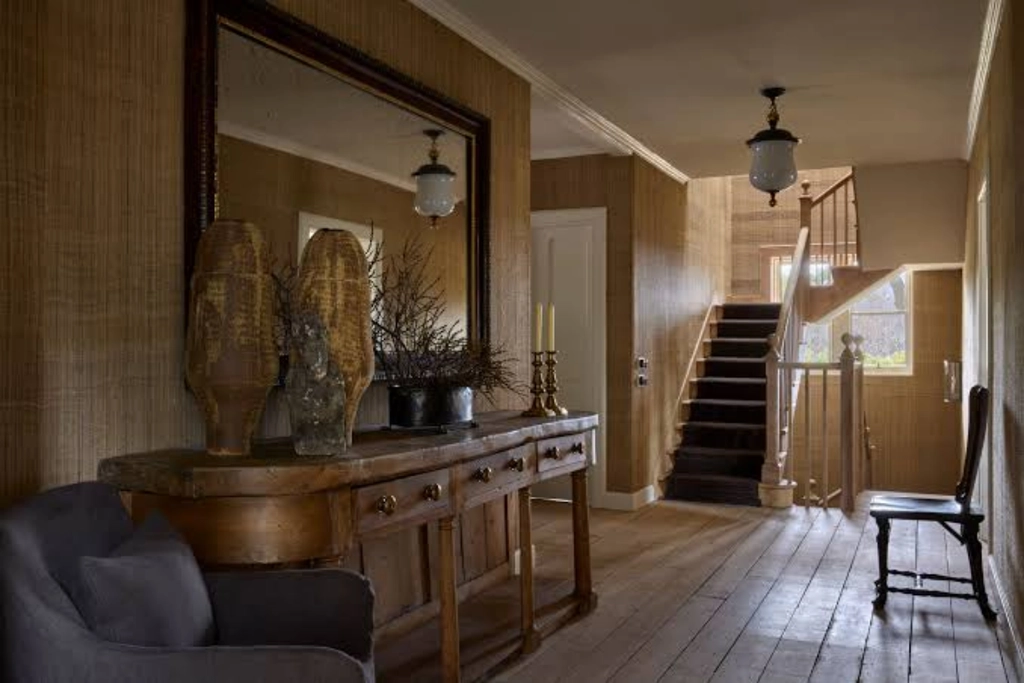
Rooms are estimated from approximately £1,100 per night on an all-inclusive basis, while nearby self-catered cottages can start around £425.
Quietcation score: 10/10 Coolcationing score: 10/10
Some of the most persuasive luxury hotels barely resemble hotels.
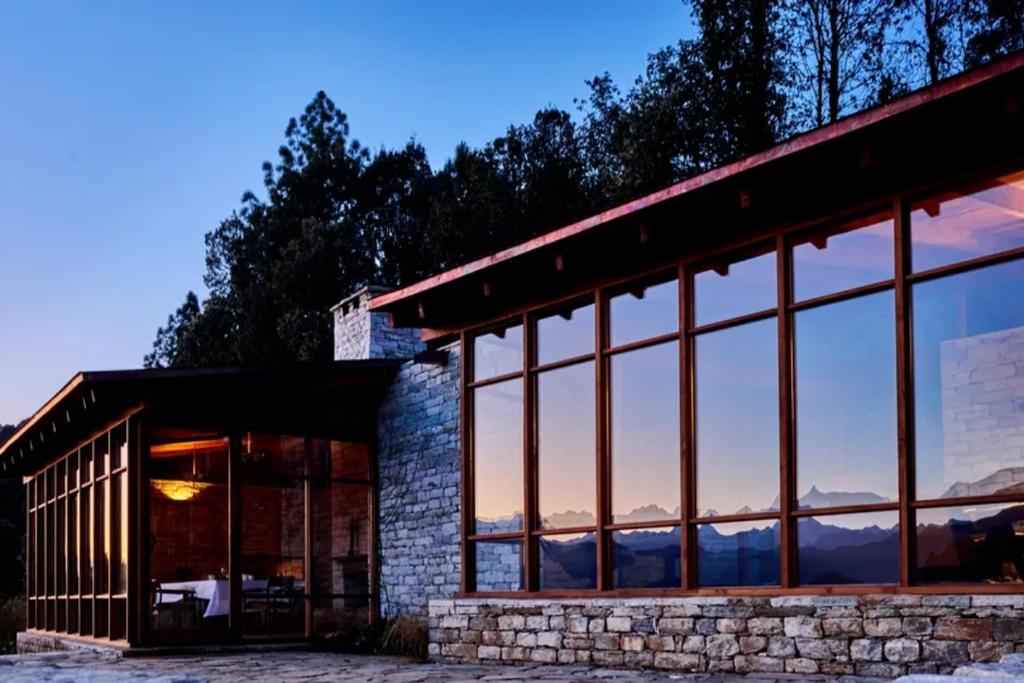
Shakti Himalaya built its model around journeys through remote Himalayan communities, with Shakti Prana experiences extending through regions including Kumaon and Ladakh. Travellers move between carefully restored village houses at elevations ranging roughly from 2,000 metres to above 3,500 metres.
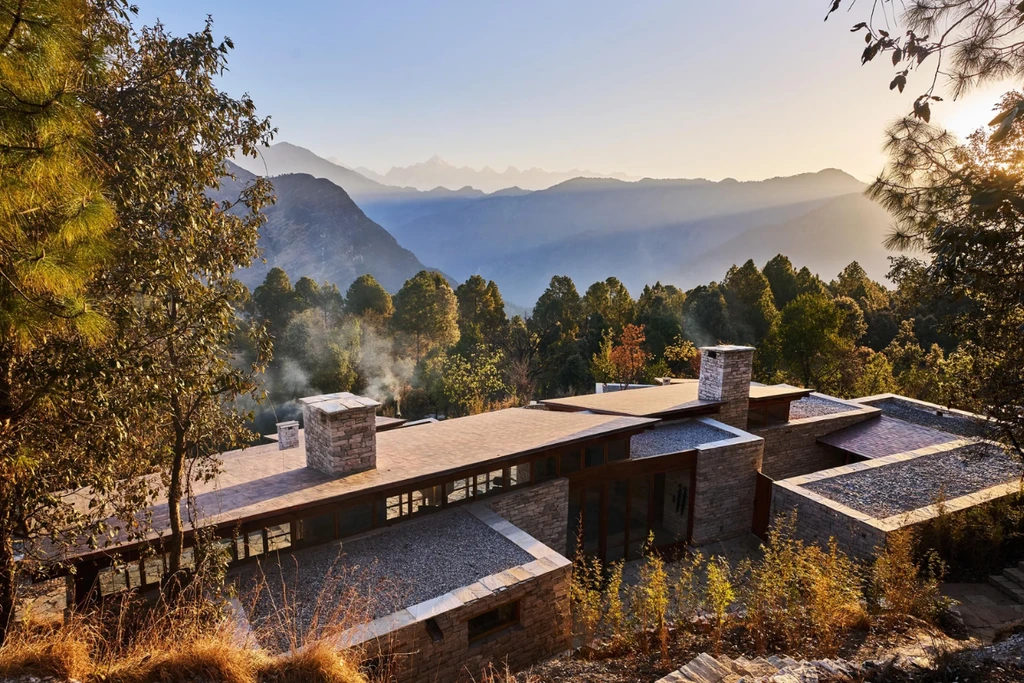
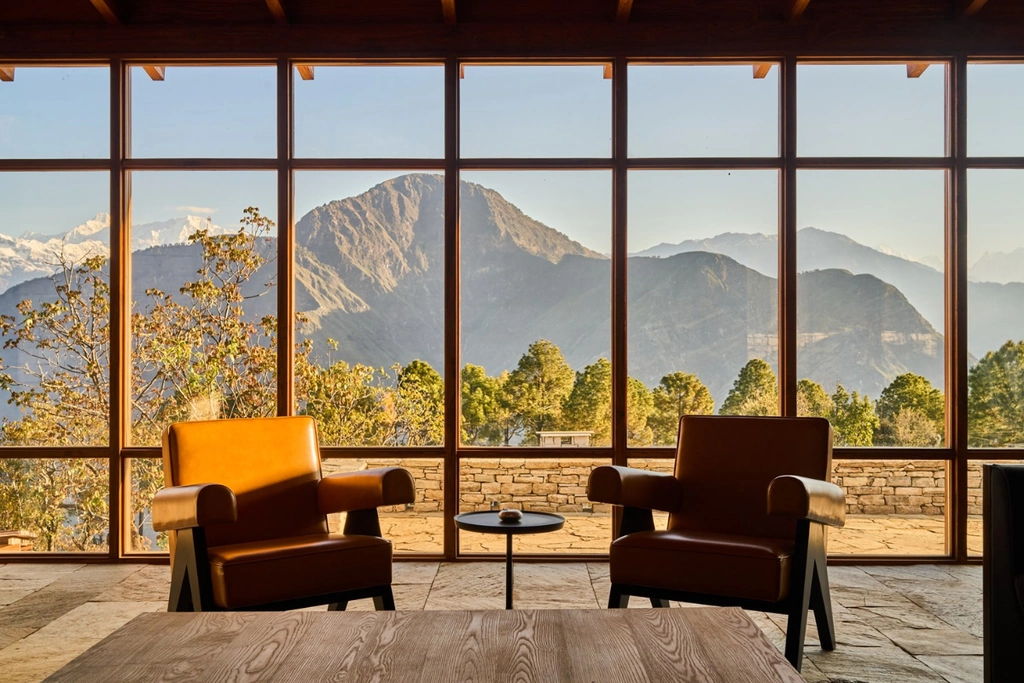
Inside, the contrast is deliberate. Traditional stone architecture can contain Egyptian cotton, heating, copper bathtubs and highly personalised service. Each journey can involve a private chef, local guide, porter team and driver.
The operating model gives regenerative travel one of its strongest expressions among these retreats. Shakti works with existing village properties and channels income into local economies, allowing hospitality to exist inside inhabited landscapes instead of constructing an isolated resort compound beside them.
Walking between villages lengthens the psychological distance from airports, inboxes and normal routines. Tourist infrastructure thins out. Roads disappear. The pace of travel becomes human again.
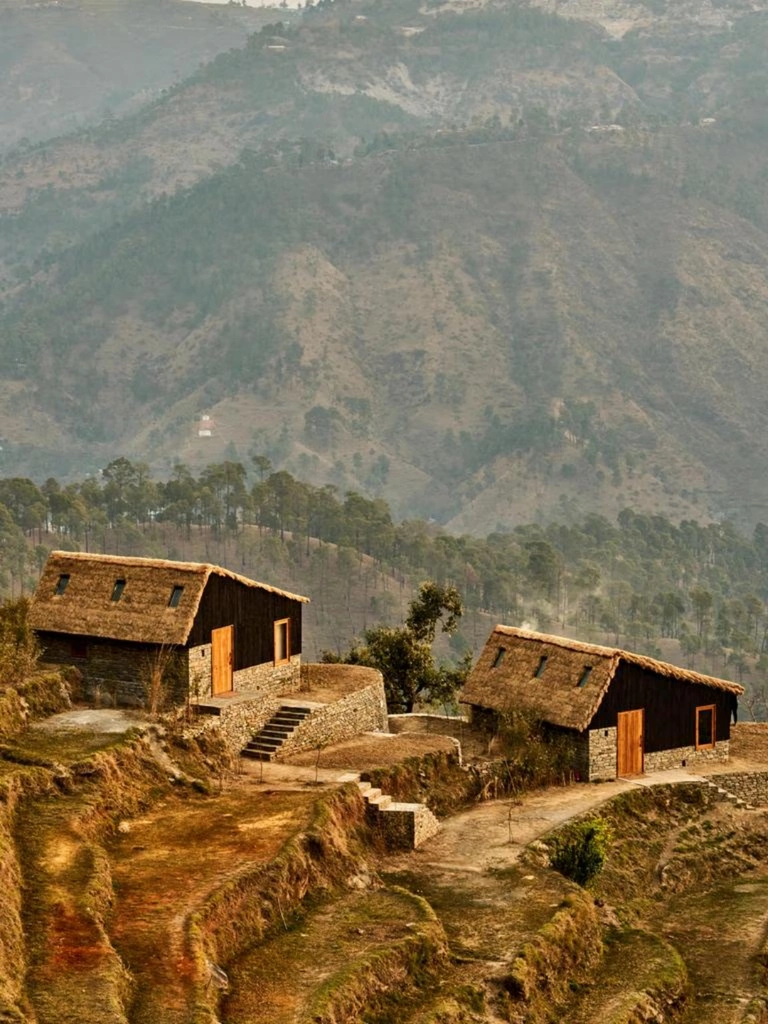
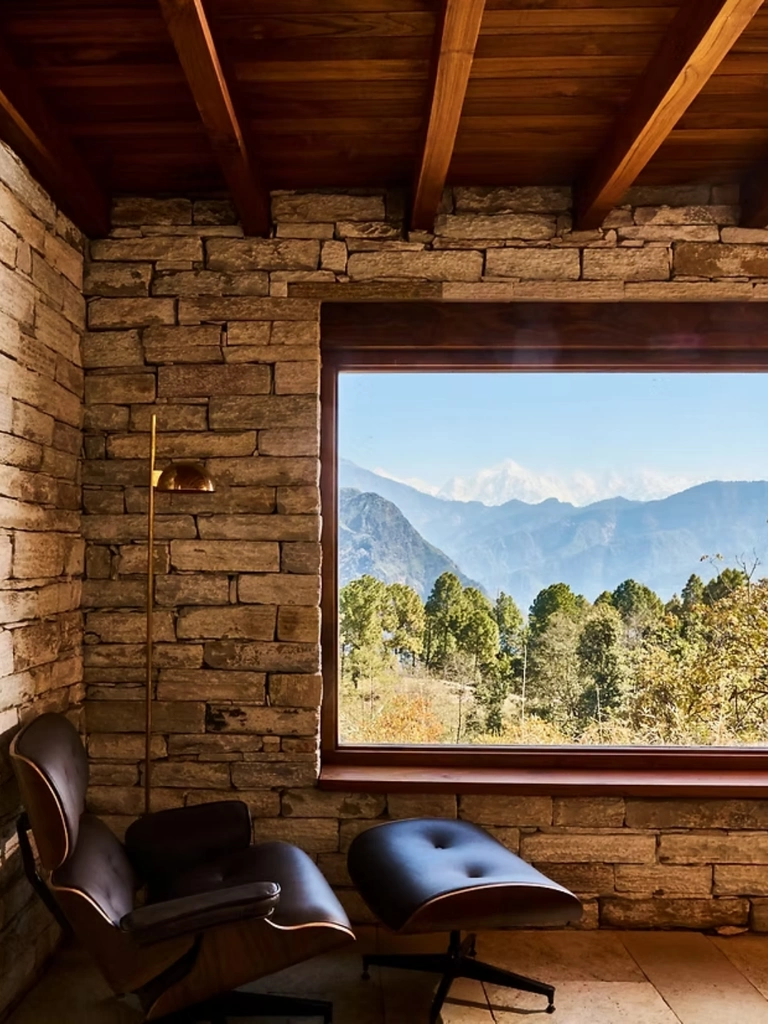
That makes Shakti particularly potent as a quietcation. Silence comes through physical separation, though the experience remains socially connected through guides, hosts and village life.
Altitude provides the second luxury. Ladakh can stay distinctly alpine and dry, while Kumaon's trekking periods offer cooler, spring-like conditions. For travellers turning coolcationing into a serious summer strategy, the Himalayas provide temperature relief alongside extraordinary scale.
Typical three-to-five-night itineraries are estimated around $3,200 to $4,800 or more per person.
Quietcation score: 10/10 Coolcationing score: 9.5/10
The appeal of luxury wellness retreats is shifting towards places where restoration extends beyond the guest. Regenerative travel gives the journey an ecological and social purpose, while quietcation and coolcationing answer more immediate desires for silence, space and climatic relief. Together, they suggest a version of luxury defined by how deeply a destination can reconnect travellers with its landscape.