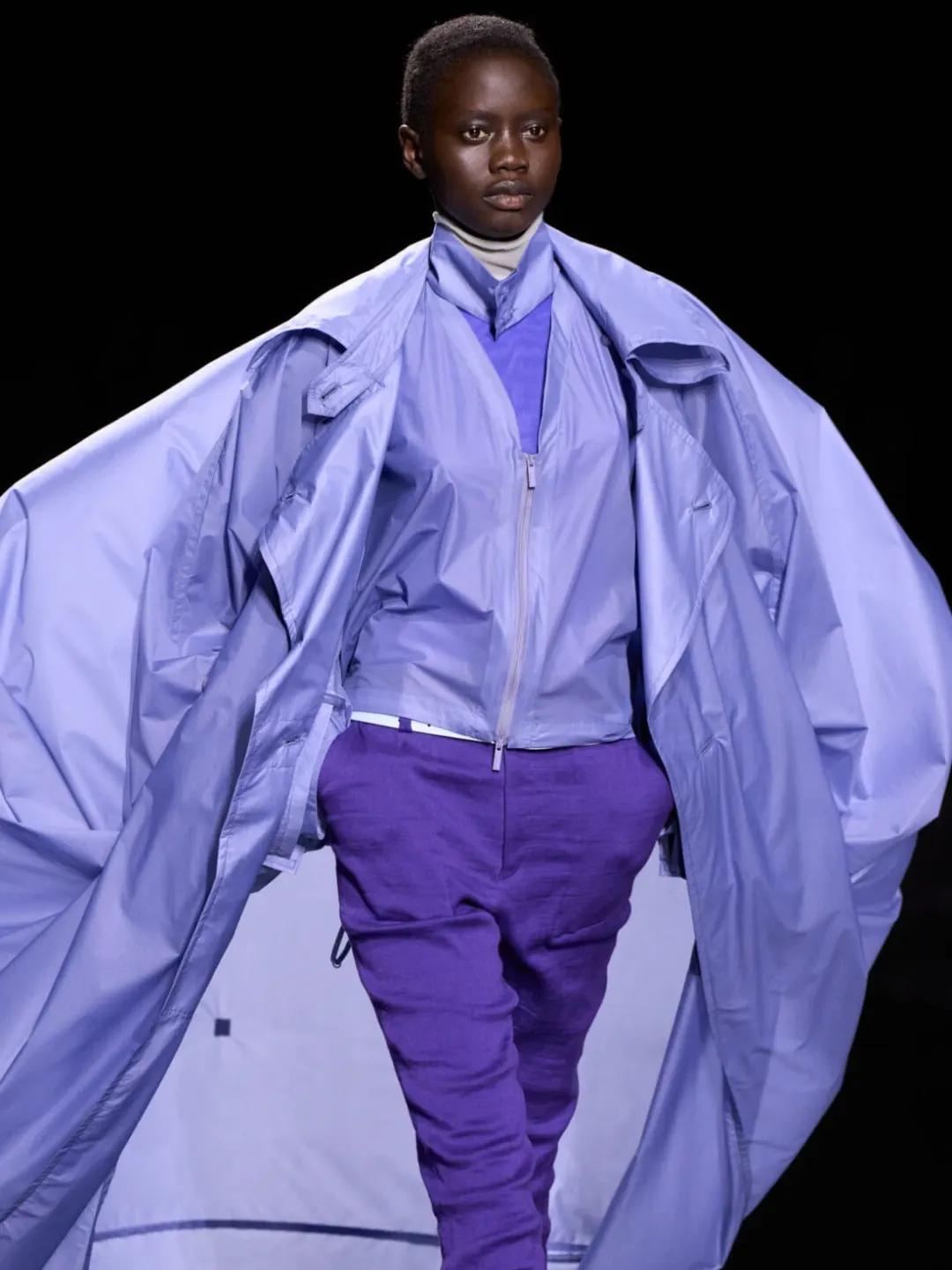
On March 10, 2018, fashion lost Hubert de Givenchy, a couturier whose legacy lives in every clean line, quiet silhouette, and enduring lesson in elegance without noise.

Hubert de Givenchy and The Philosophy of Purity
On March 10, 2018, fashion lost Hubert de Givenchy, a couturier whose legacy lives in every clean line, quiet silhouette, and enduring lesson in elegance without noise.
March 10, 2026


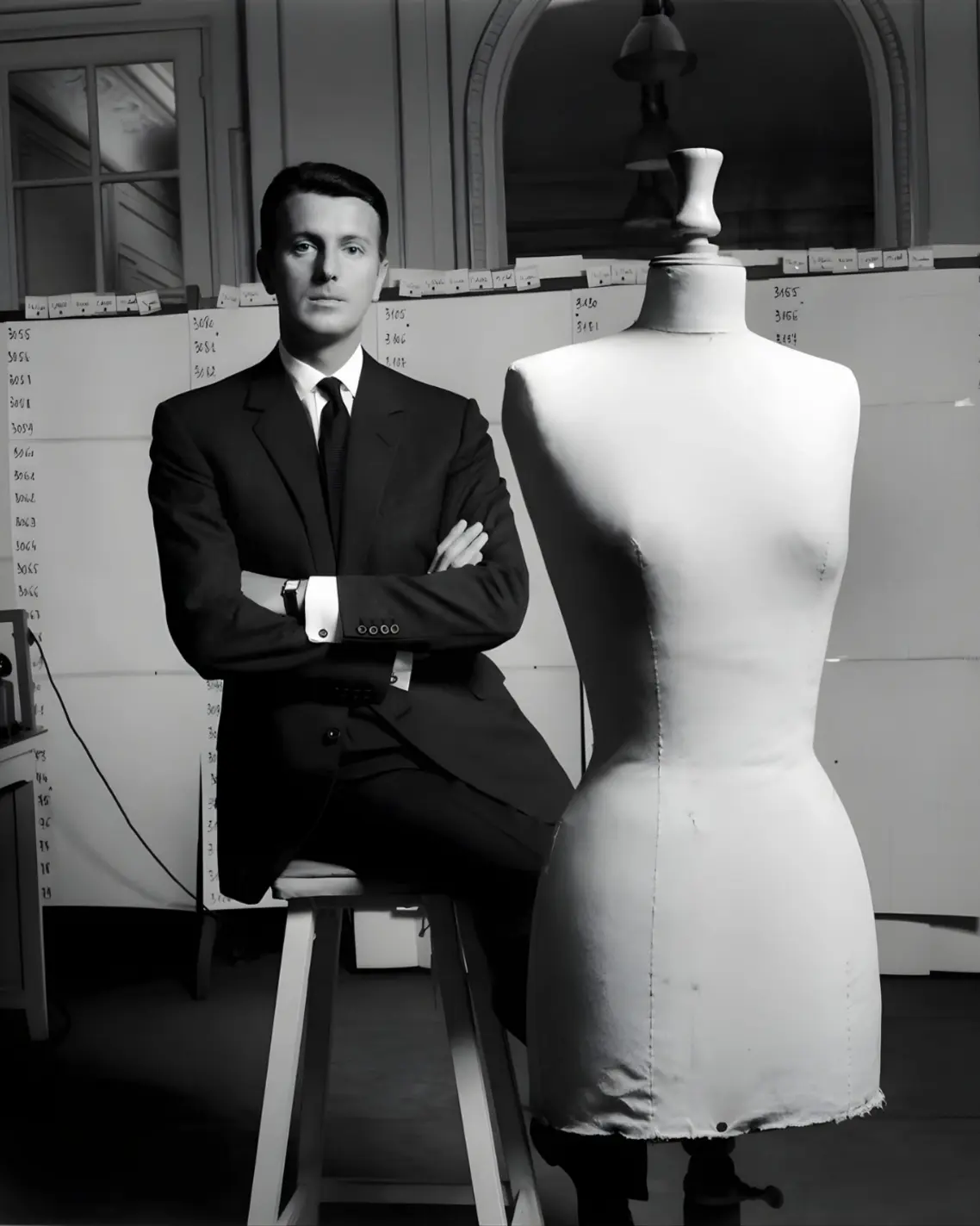
It has been 8 years since the fashion world bid a final, quiet farewell to Hubert de Givenchy on a spring day in 2018, yet his presence remains as palpable as ever. He was one of the industry's most disciplined and aristocratic minds, a man who stood for something increasingly rare in an era of noise: purity. He believed elegance could speak in a lower voice and still command the entire room.
Hubert de Givenchy: The Architect of Aristocratic Purity
That belief shaped a body of work built on clarity. His designs favored clean lines, elongated proportions, and a serene sense of balance. There was always structure, yet never stiffness. There was femininity, yet it arrived with intelligence, composure, and ease. Givenchy understood that fashion could frame a woman beautifully while still allowing her presence, rather than the garment alone, to hold power.
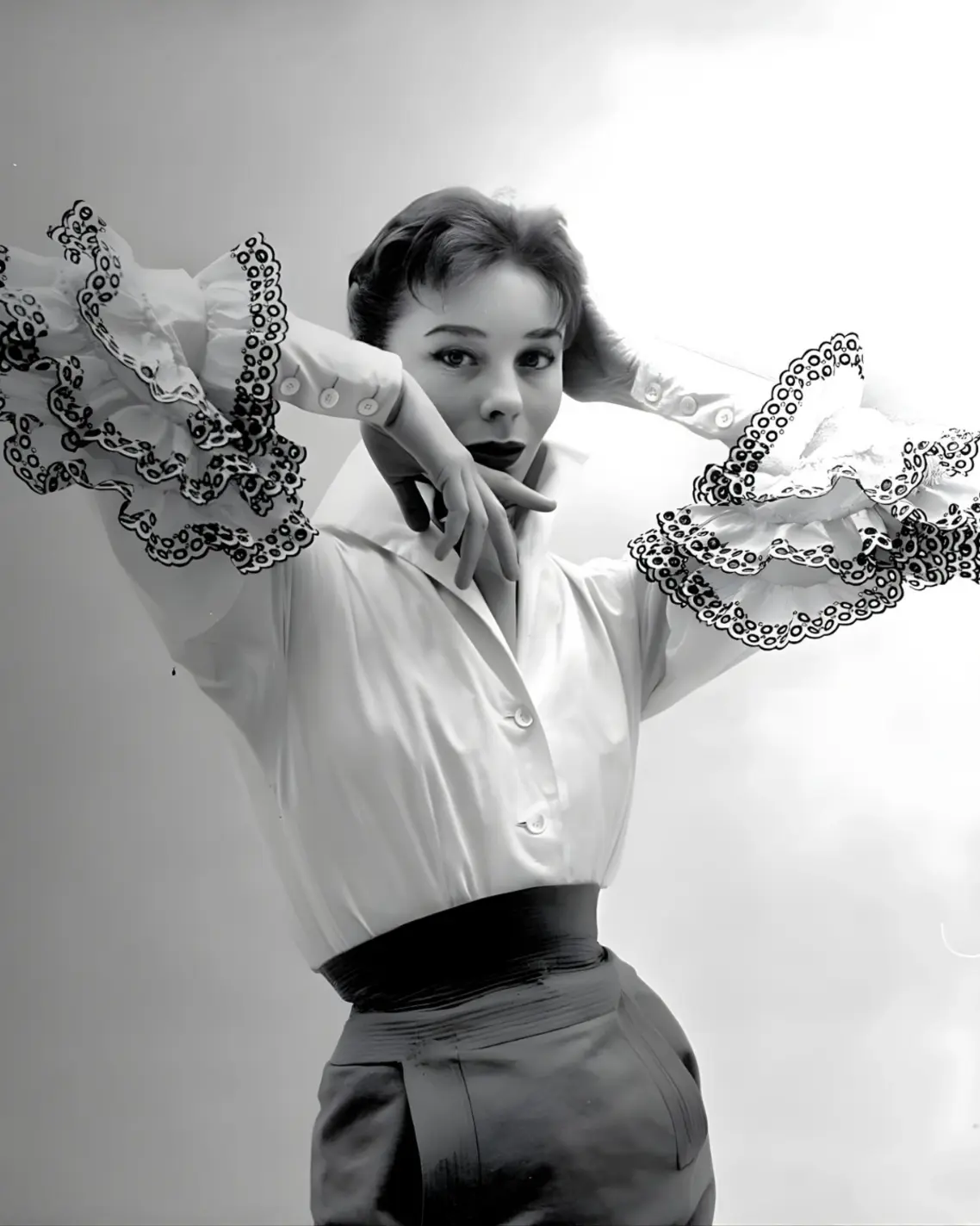
In the golden age of Haute Couture, a young Hubert de Givenchy began composing a new visual language that felt like a breath of fresh air. His 1950s archives are more than just historical records; they represent a delicate symphony of silk and revolutionary lines that sought to liberate the female form. The early years of the decade were defined by a spirited sense of youth, where the flamboyant ruffles of the Bettina blouse challenged the era's rigid formality. It was a time when luxury began to find its voice through simplicity, proving that true elegance whispered rather than shouted.
As the decade progressed, this vision evolved into an architectural dream of pure minimalism. The signature boat necks and clean-cut sheath silhouettes became a masterclass in balancing French restraint with a modern, effortless grace. Even in the structural play of a bow-accented hip or the radical shift toward the 1957 Sack Dress, the focus remained entirely on the rhythm of movement rather than the garment itself. Every stitch in these couture pieces serves as a quiet testament to his belief that fashion should never overshadow the woman, but simply become the canvas for her to be remembered.
The Poetry of Clarity and the Hepburn Legacy
No relationship expressed this vision more perfectly than his lifelong bond with Audrey Hepburn. Their collaboration became one of fashion’s most poetic creative partnerships, shaping an image of modern femininity that still feels astonishingly current. Through Sabrina, Funny Face, and especially Breakfast at Tiffany’s, Hepburn appeared as the living embodiment of Givenchy’s philosophy: refined, graceful, and self-possessed. While the iconic little black dress became their most recognizable symbol, Givenchy’s contribution reached much deeper. He defined a new ideal of womanhood rooted in discretion and inner authority, a woman who didn't need spectacle to be unforgettable because she arrived already complete.
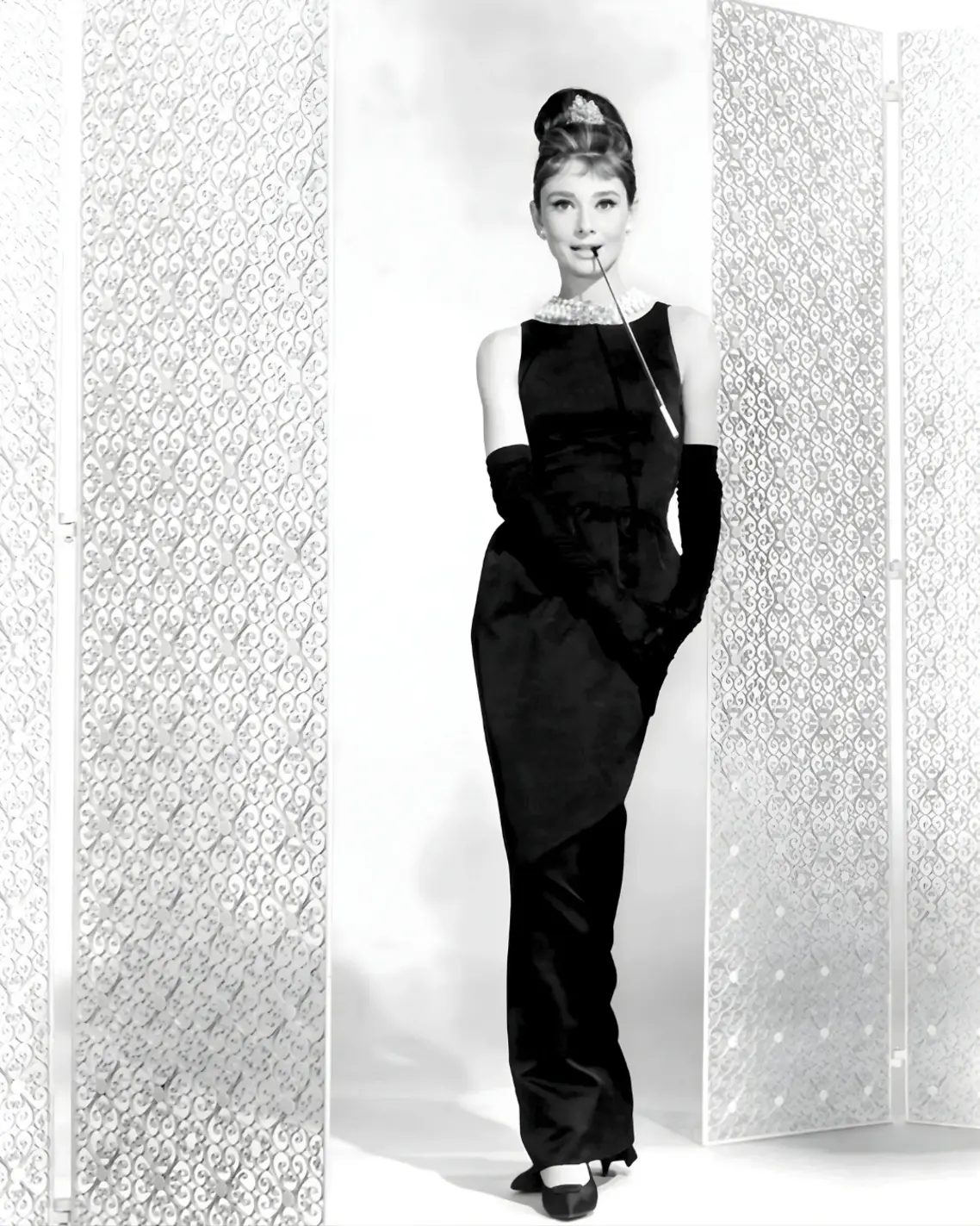
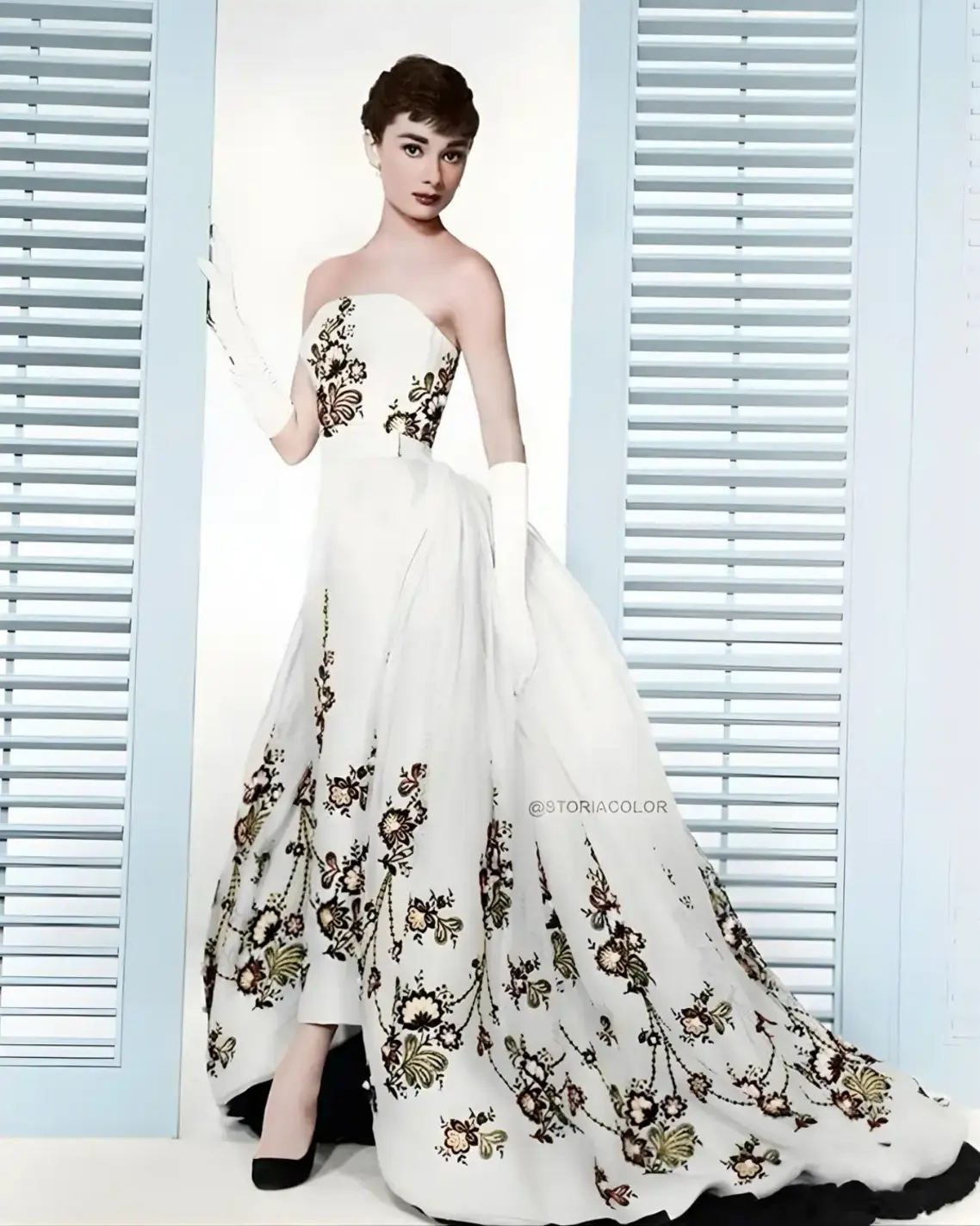
That is why Hubert de Givenchy remains an enduring compass for the soul of fashion. His work is a timeless reminder that restraint can be radical, and that the most profound emotional force often lives in what is quiet, refined, and beautifully resolved. He remains the definitive master of precision, showing that grace is a quiet authority that never fades.