MENU
Close





On May 3, 1949, Mariano Fortuny died in Venice, closing the life of the artist-designer whose pleated silk, luminous textiles, and total vision turned dress into one of the great art forms of the twentieth century.
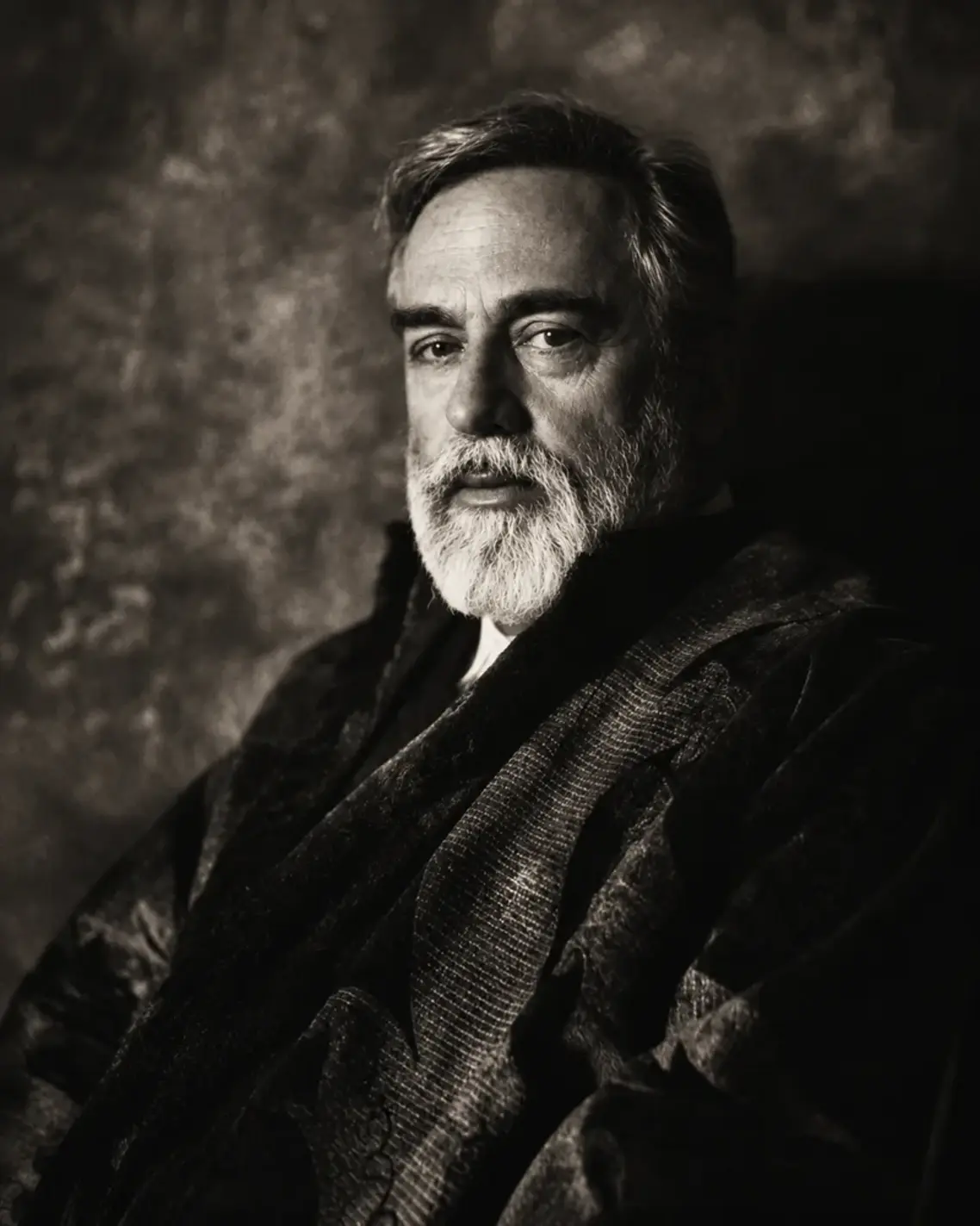
On May 3, 1949, Mariano Fortuny died in Venice, closing the life of the artist-designer whose pleated silk, luminous textiles, and total vision turned dress into one of the great art forms of the twentieth century.
May 3, 2026


His influences moved across painting, photography, invention, stagecraft, textile design, and dress. That range matters because Fortuny never worked like a conventional couturier. He built atmospheres, surfaces, and entire visual worlds, then let clothing become the place where all of them met.
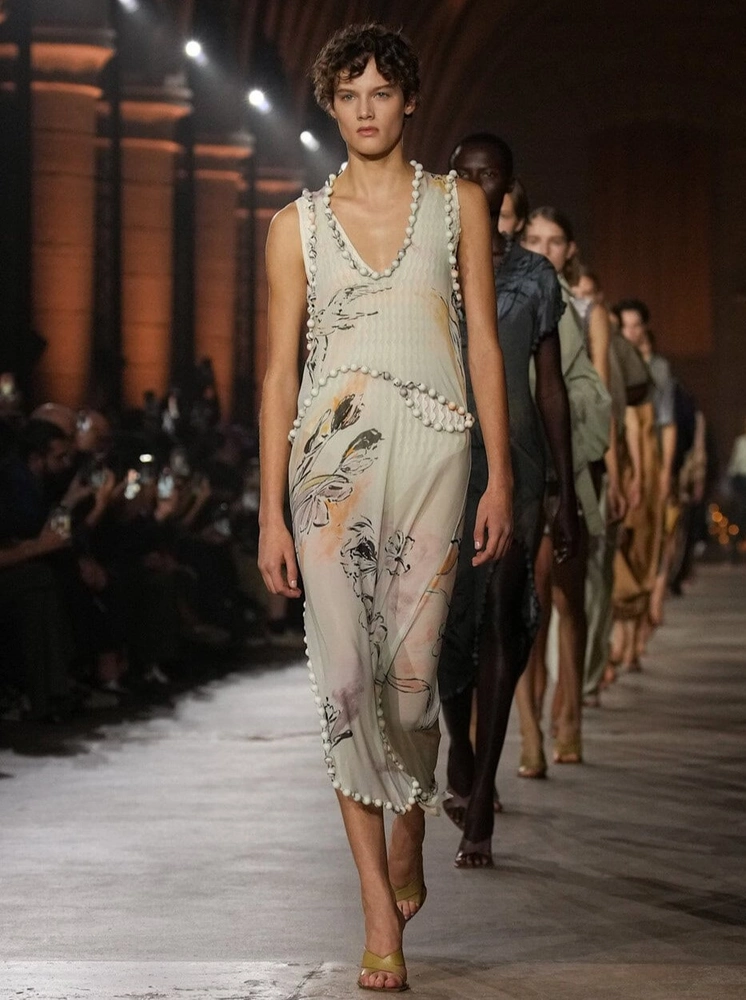
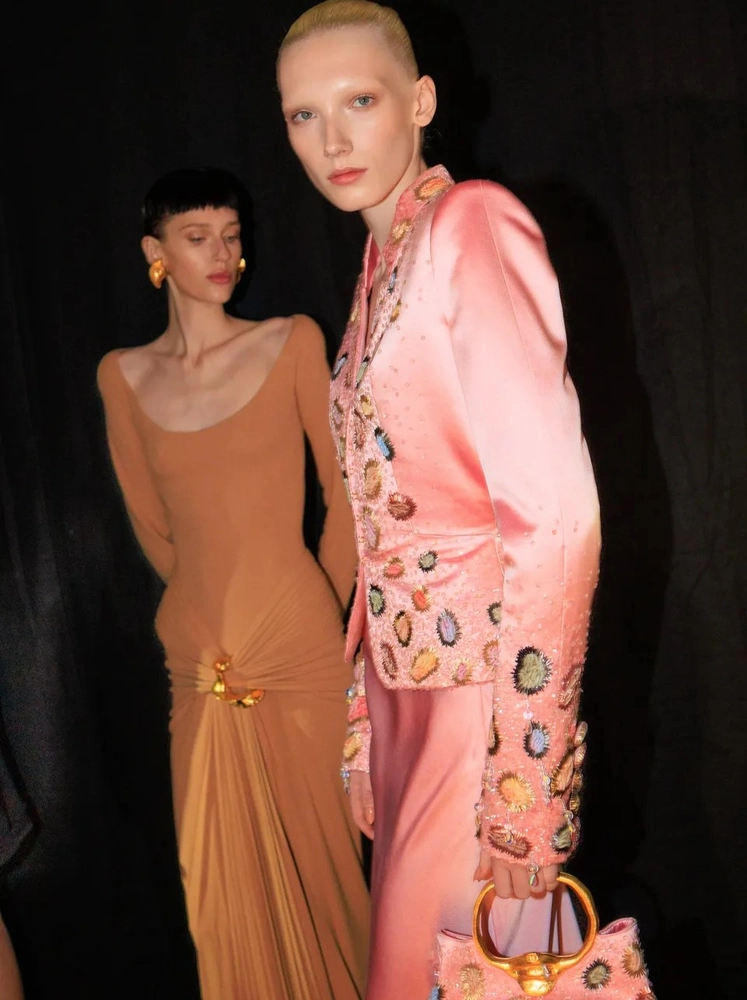
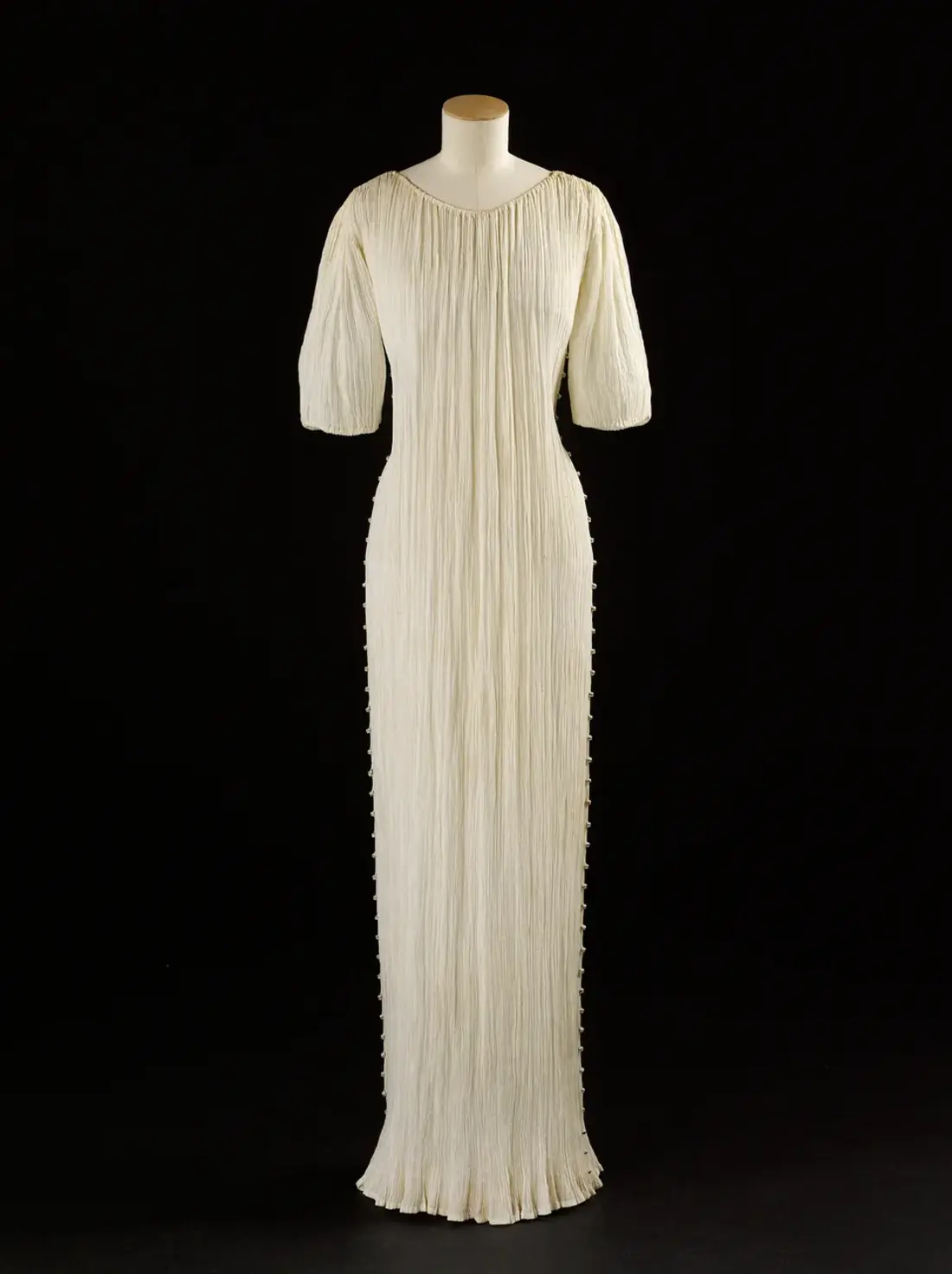
What keeps Mariano Fortuny so alive in fashion memory is the Delphos gown. Inspired by ancient Greek dress and the Charioteer of Delphi, the Delphos transformed pleated silk into something almost liquid on the body, weighted with small glass beads and freed from the rigid structure that dominated earlier fashion. It carried antiquity, modernity, sensuality, and ease in the same gesture, which is why it still reads less like costume history than a permanent idea of elegance.
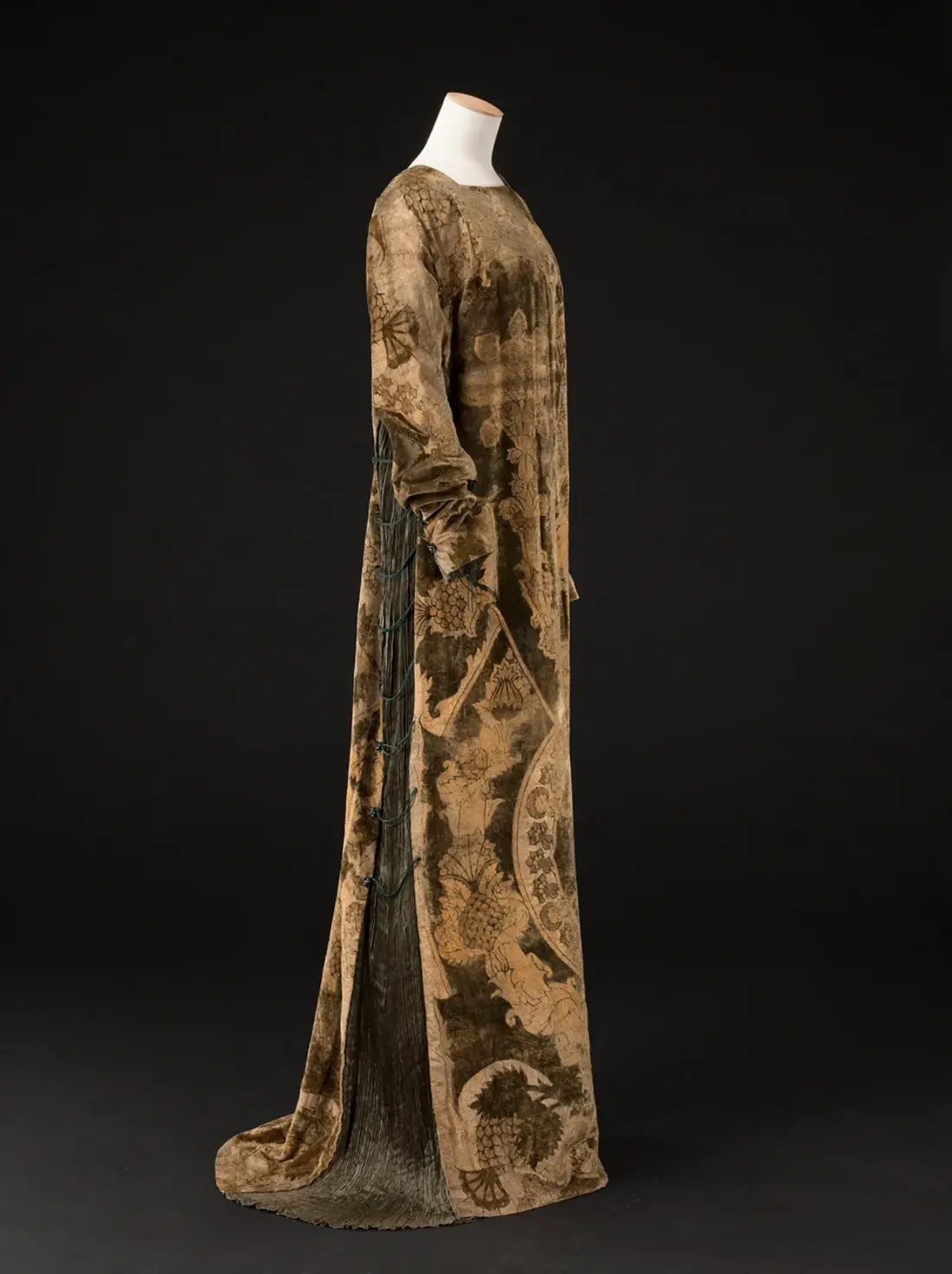
His real gift sat in the way he treated material as light. Fortuny oversaw fabric selection, dyeing, printing, and pleating with unusual intensity, creating textiles admired for their shimmer, depth, and almost painterly change under shifting illumination. Silks, velvets, and gauzes under his hand felt charged with color rather than merely colored, as though Venice itself had seeped into the cloth.
His house opened in 1906, though the work was deeply bound up with Henriette Negrin, his collaborator and wife, whose role in the creation of the famous pleating process has become increasingly clear. Fortuny’s world was never only about authorship in the singular. It was about invention, intimacy, and a shared devotion to making beauty feel almost alchemical.
His influence traveled far beyond dress. Fortuny’s work touched interiors, theatrical lighting, printed textiles, and the broader idea that modern design could draw from the ancient world without becoming stiff or nostalgic. Mariano Fortuny made classicism feel sensuous. He made decoration feel intellectual. He made the handmade feel visionary. That is why his name still moves so easily between museums, fashion history, and design culture.