MENU
Close





A homecoming always sounds romantic until the city has to prove there is still something worth returning to. As McQueen prepares to return and Mulberry re-enters the schedule with Christopher Kane, could London Fashion Week be entering a different kind of revival?
A homecoming always sounds romantic until the city has to prove there is still something worth returning to. As McQueen prepares to return and Mulberry re-enters the schedule with Christopher Kane, could London Fashion Week be entering a different kind of revival?
August 18, 2026
Advertisement

Advertisement



London has rarely struggled to produce compelling designers. Its schools, clubs, magazines, subcultures and independent scenes have repeatedly fed the industry with people who later became some of its most influential creative figures. The city can make experimentation feel almost native, giving designers permission to be difficult, eccentric, unfinished, provocative or simply too strange for a safer commercial environment.
However, keeping that creativity close has been more complicated.
Success often changes what a designer needs from a city. International buyers become more important, production grows, press expectations increase and commercial infrastructure begins carrying as much weight as a creative community. Paris has long concentrated on many of those advantages, which helps explain why British talent can remain culturally attached to London while presenting its most important collections elsewhere.
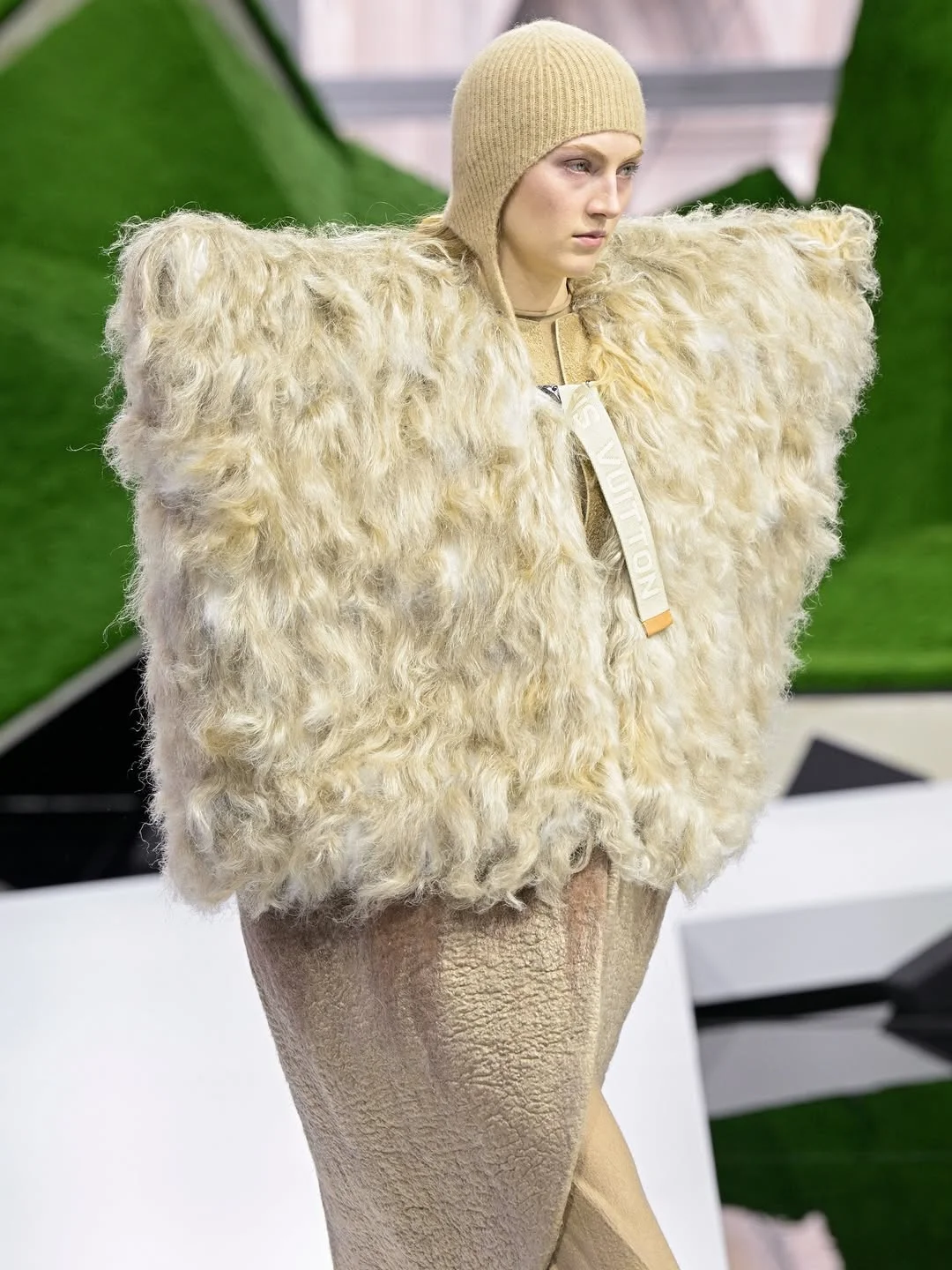
Spring/Summer 2027 introduces a small but interesting reversal. McQueen is returning to the London Fashion Week schedule, with Seán McGirr presenting both womenswear and menswear in the city for the first time during his tenure. Mulberry is also returning with Christopher Kane’s debut collection, placing one of British fashion’s most distinctive designers inside one of its most recognisable heritage names.
Two shows can hardly rewrite the hierarchy of the four capitals. They can, however, make an old question feel newly relevant: what happens when London starts bringing some of its weight back home?
The story usually begins before the runway. Central Saint Martins, the Royal College of Art, Fashion East and NEWGEN have supplied generations of designers with education, visibility and early financial support, while the city around them provides something harder to institutionalise. Music, nightlife, street style, theatre and youth culture continuously leak into clothes.
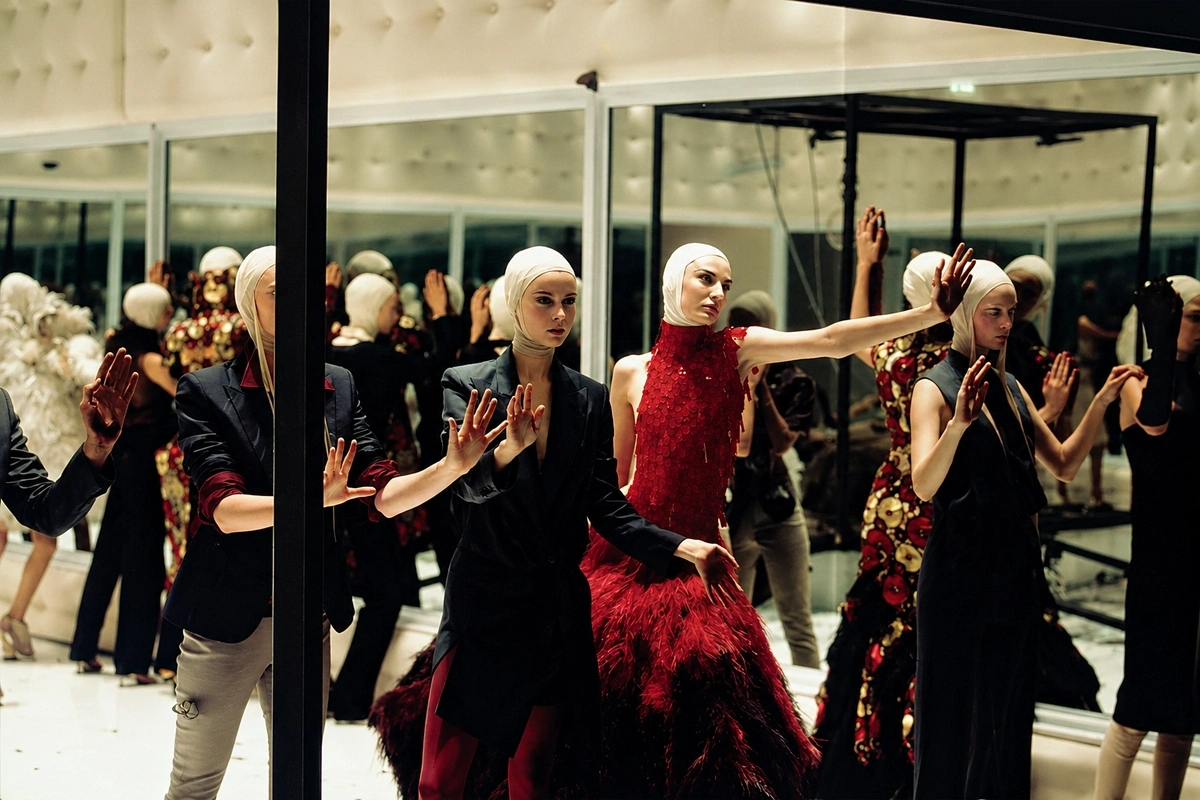
Alexander McQueen remains one of the most extreme examples of that relationship. His early London shows transformed limited resources into mythology, with Highland Rape, No. 13 and Voss eventually becoming inseparable from the rebellious image attached to his name. London functioned as creative material as much as geographical location.
Then scale arrived.
As McQueen became an international luxury house, Paris became its runway home. Other British names have followed different versions of the same path. Stella McCartney has long presented in Paris, while Victoria Beckham eventually moved her runway there as her label pursued a more established luxury position. Jonathan Anderson’s career was nurtured through London even as Loewe placed him firmly within the Paris system.
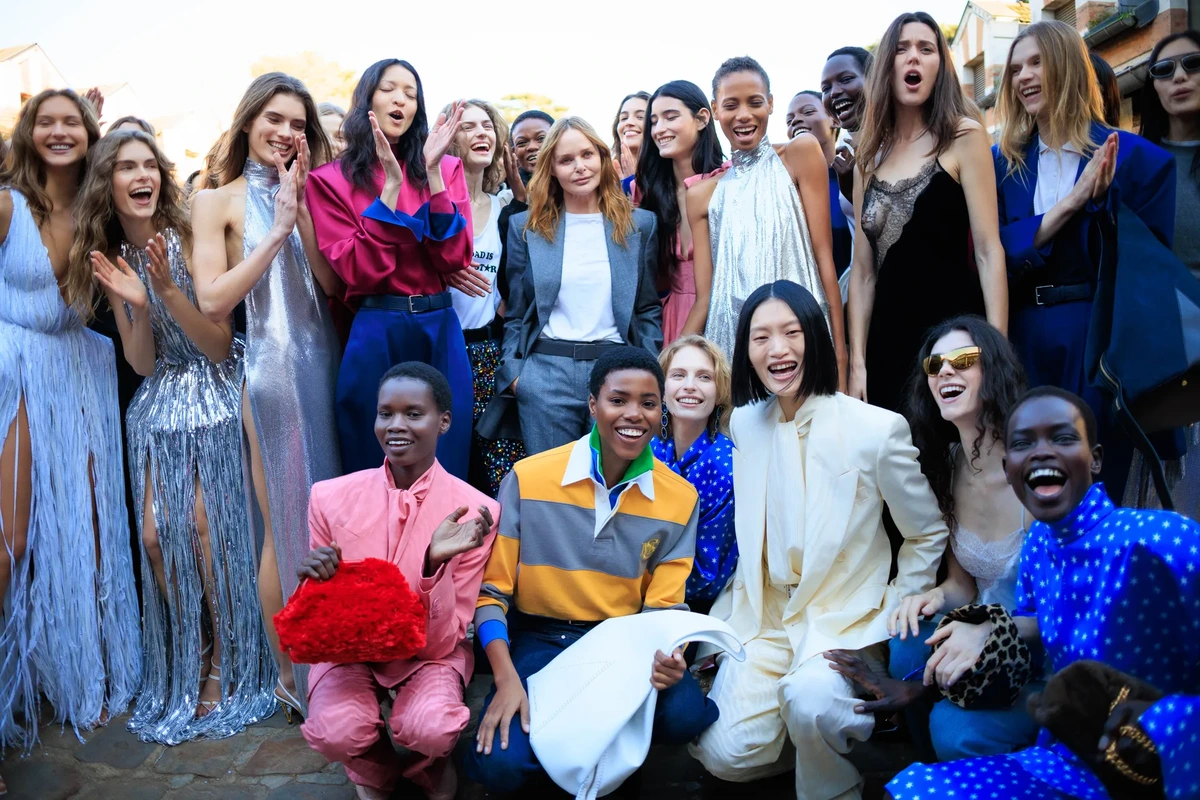
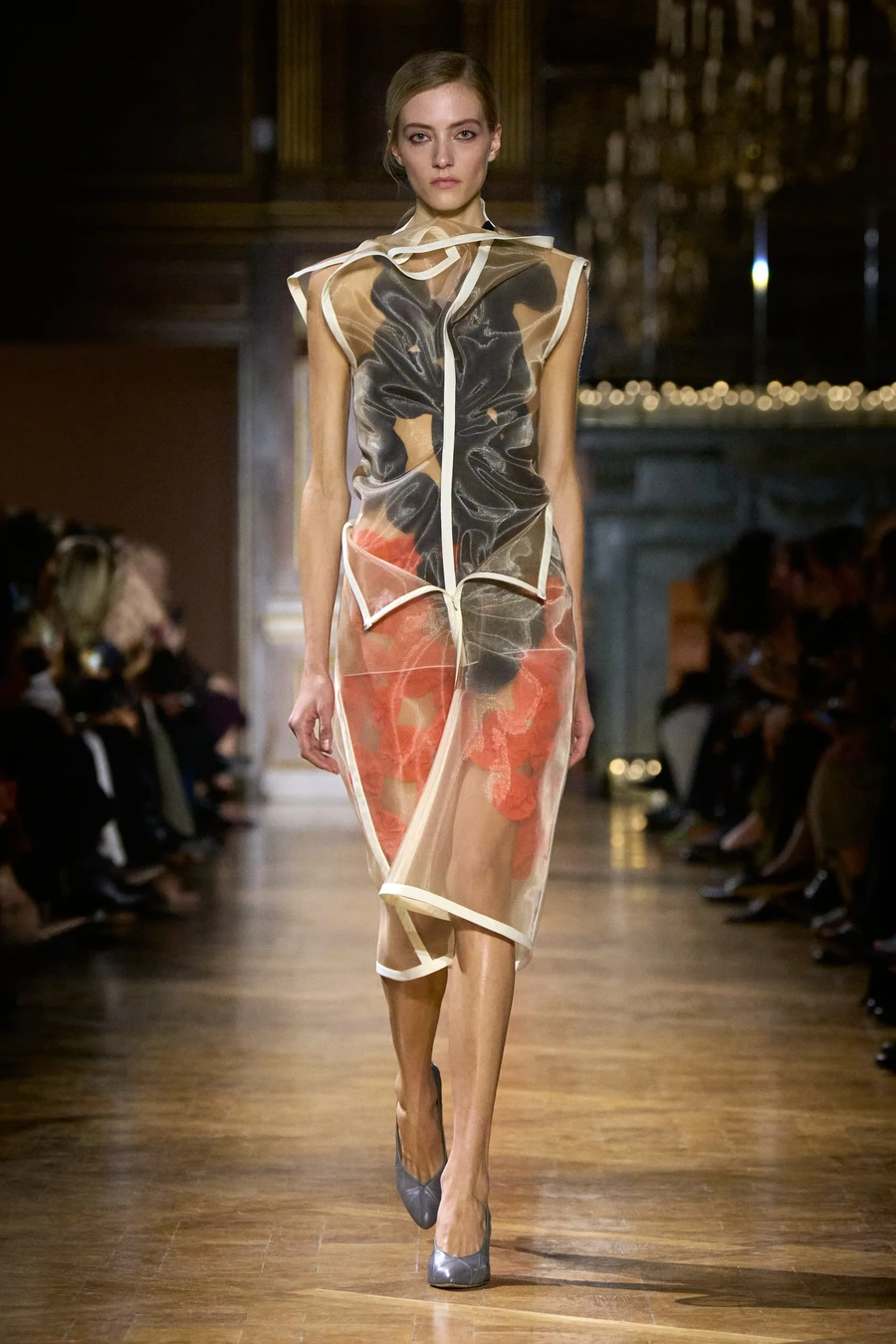
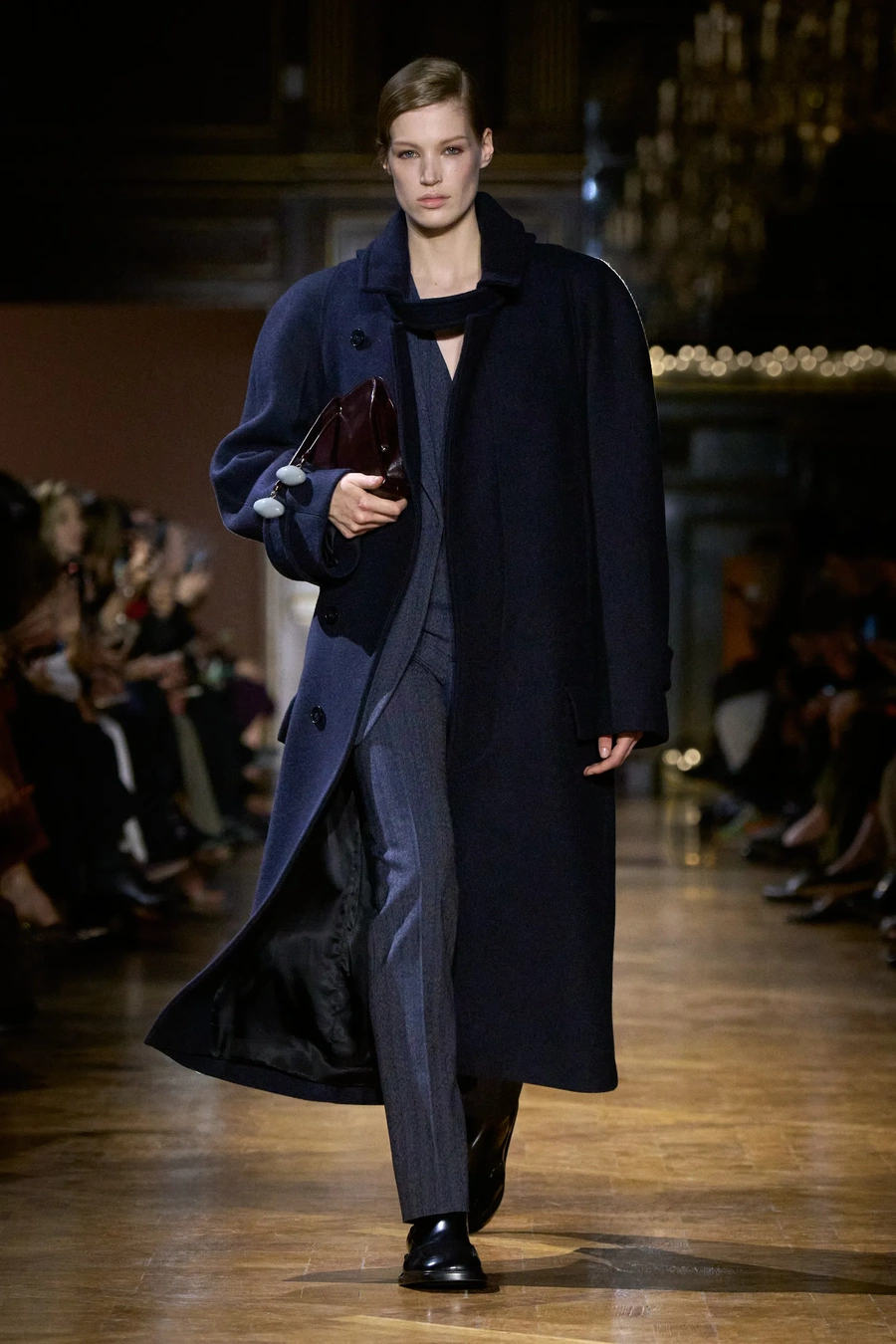
The pattern creates an unusual paradox. London can be exceptionally good at producing the future of industry while having less control over where that future eventually chooses to operate.
Even the commercial infrastructure around young British labels acknowledges this reality. The British Fashion Council has committed to maintaining London Show Rooms in Paris through 2027, explicitly treating the French capital as an important gateway to international buyers and expansion. The initiative strengthens British designers, yet its location quietly illustrates the structural problem London Fashion Week continues to negotiate.
A city can generate creativity. Keeping growing businesses there requires something more durable.
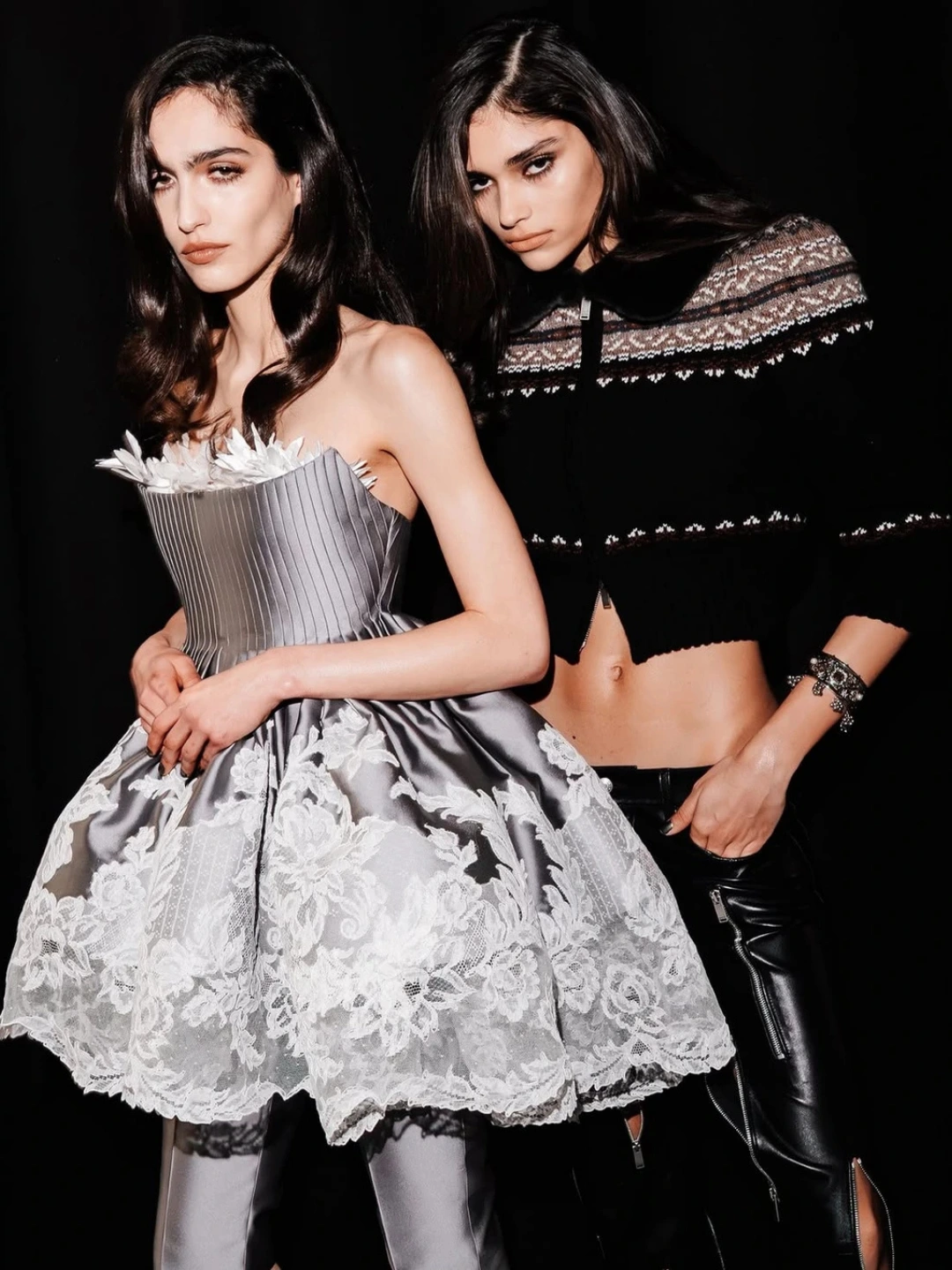
September will place McQueen back inside the city that still occupies so much of its mythology. Seán McGirr has already spent several seasons developing a vocabulary around compressed tailoring, aggressive sensuality, historical references and a certain unruly British energy. London gives those ideas a setting with far more emotional baggage than another season in Paris.
The commercial picture has been difficult. Kering does not disclose McQueen’s revenue separately, yet its 2025 reporting points to a sharp decline in footfall across all regions, with lower sales in stores, online and wholesale. Losses at McQueen also weighed on the profitability of Kering’s wider Other Houses division, which recorded €2.9 billion in revenue, down 10 percent reported, and a recurring operating loss of €112 million for the year. By the first half of 2026, the group was openly describing McQueen as being repositioned around its authority in British tailoring and occasional wear, alongside a rightsized distribution network and a newly streamlined organisation.
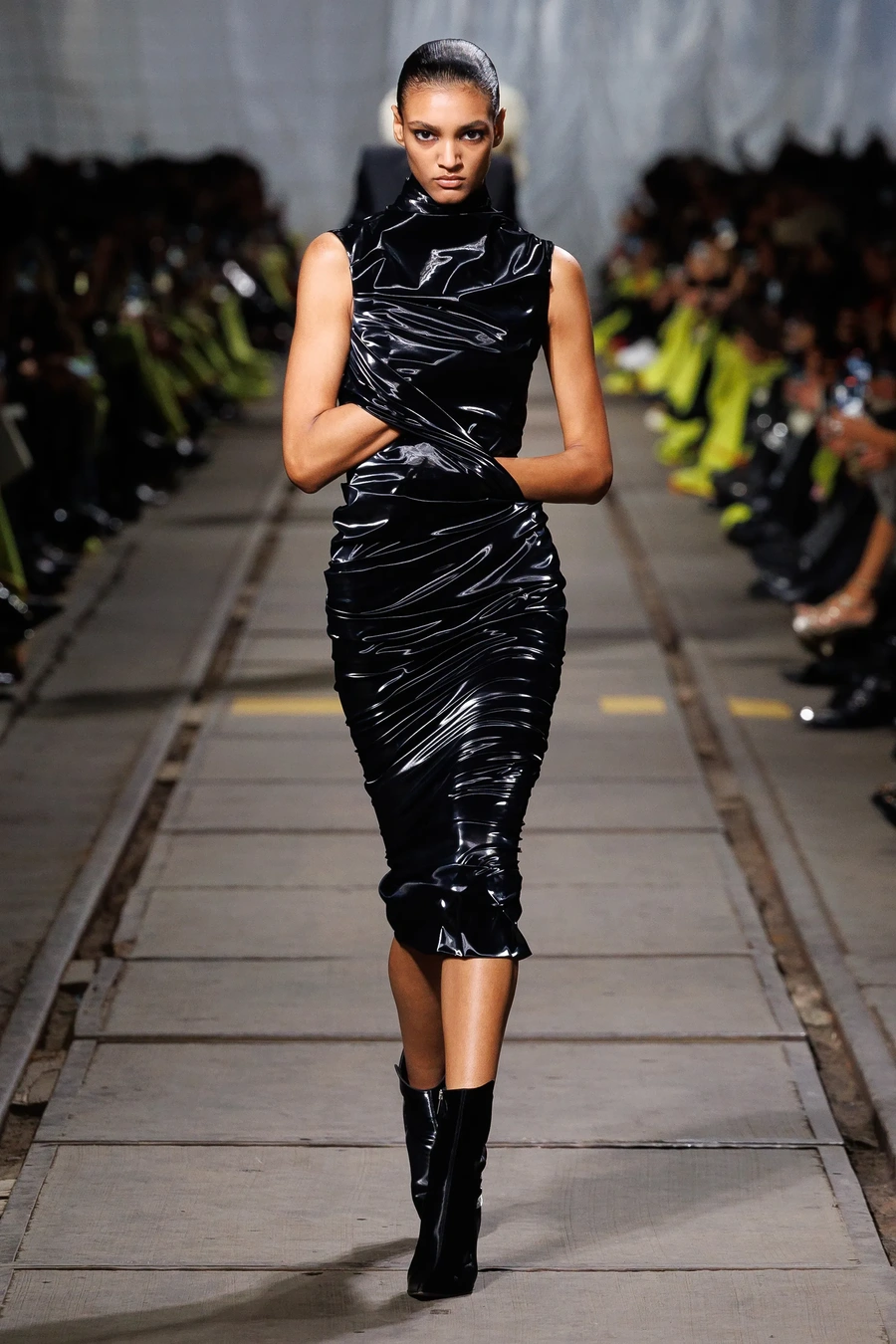
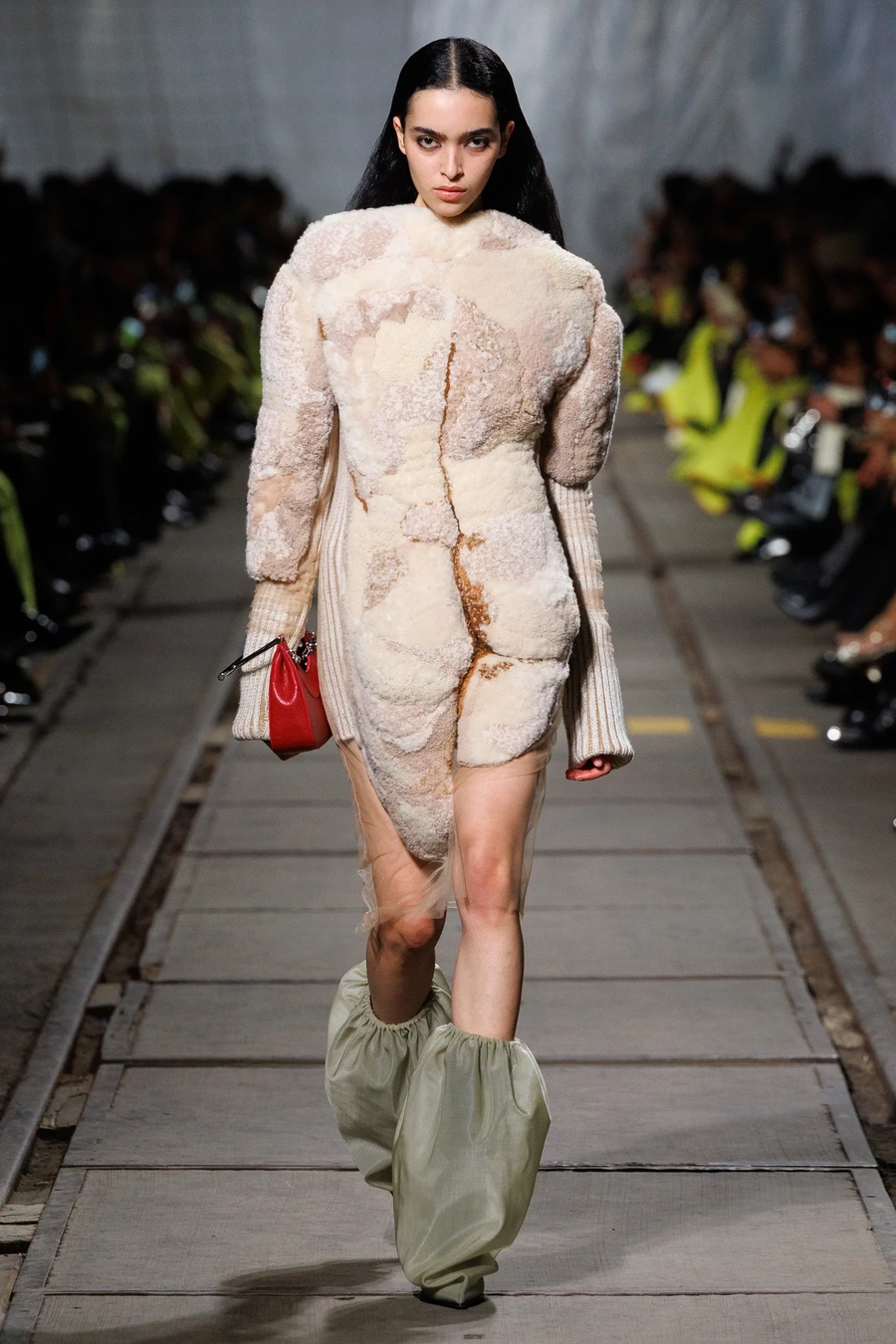
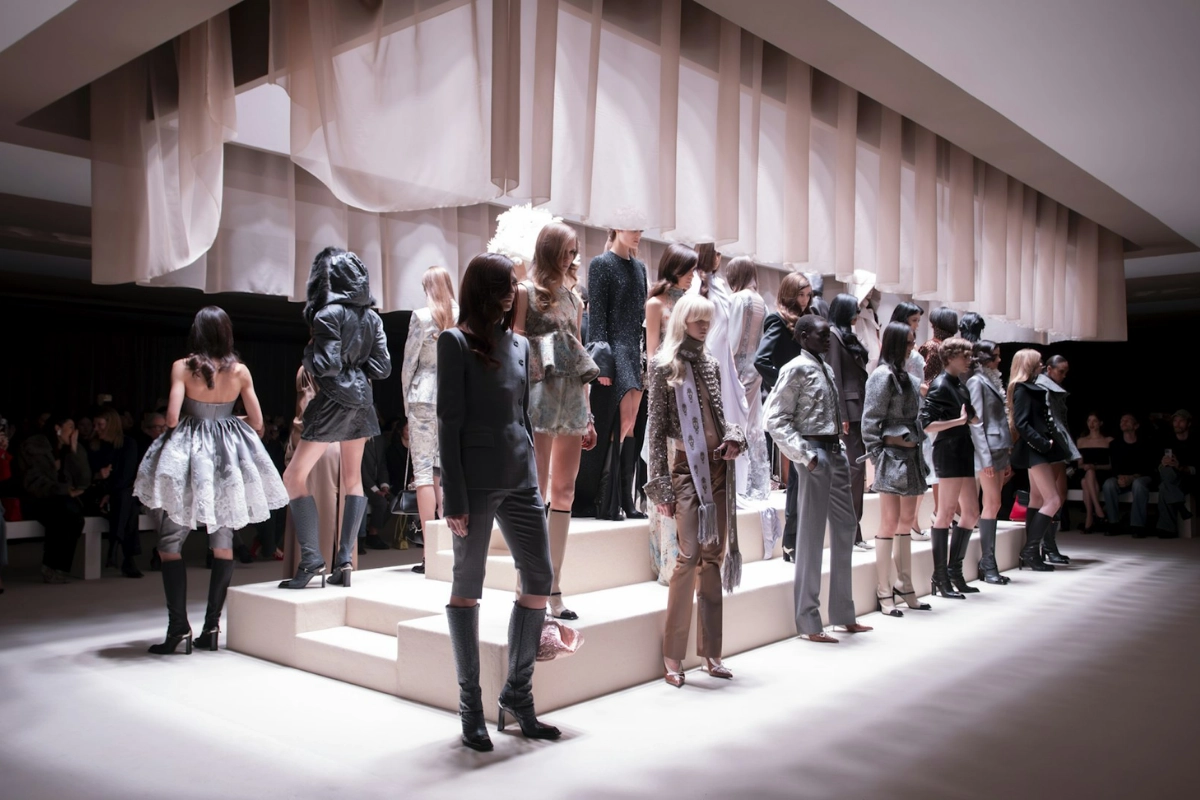
That context makes the London return difficult to read purely as nostalgia. There is no official indication that weaker sales directly prompted the move, yet the decision fits remarkably well with the broader effort to sharpen what McQueen stands for. The design studio and atelier remain based in London, Savile Row tailoring sits close to the origins of the house, and Kering is increasingly emphasising its British identity as part of the brand proposition. Bringing the runway home can therefore function as both cultural reconnection and positioning: a way of making “British McQueen” visible again at the exact moment the business is trying to make that identity commercially legible.
That still leaves McGirr with something harder than staging a homecoming. History can attract attention for one evening; a repositioning strategy has to give the house a reason to remain relevant afterwards. Spring/Summer 2027 will show whether London becomes useful material for his McQueen, carrying the friction between tailoring, youth culture, polish and abrasion into something strong enough to support both the creative image and the business behind it.
Christopher Kane returning through Mulberry gives the season another layer of British circularity. Kane emerged from the London system, built one of the city’s defining independent labels of the 2000s and 2010s, and became known for finding seduction in materials and ideas that could initially appear awkward, vulgar or deliberately strange.
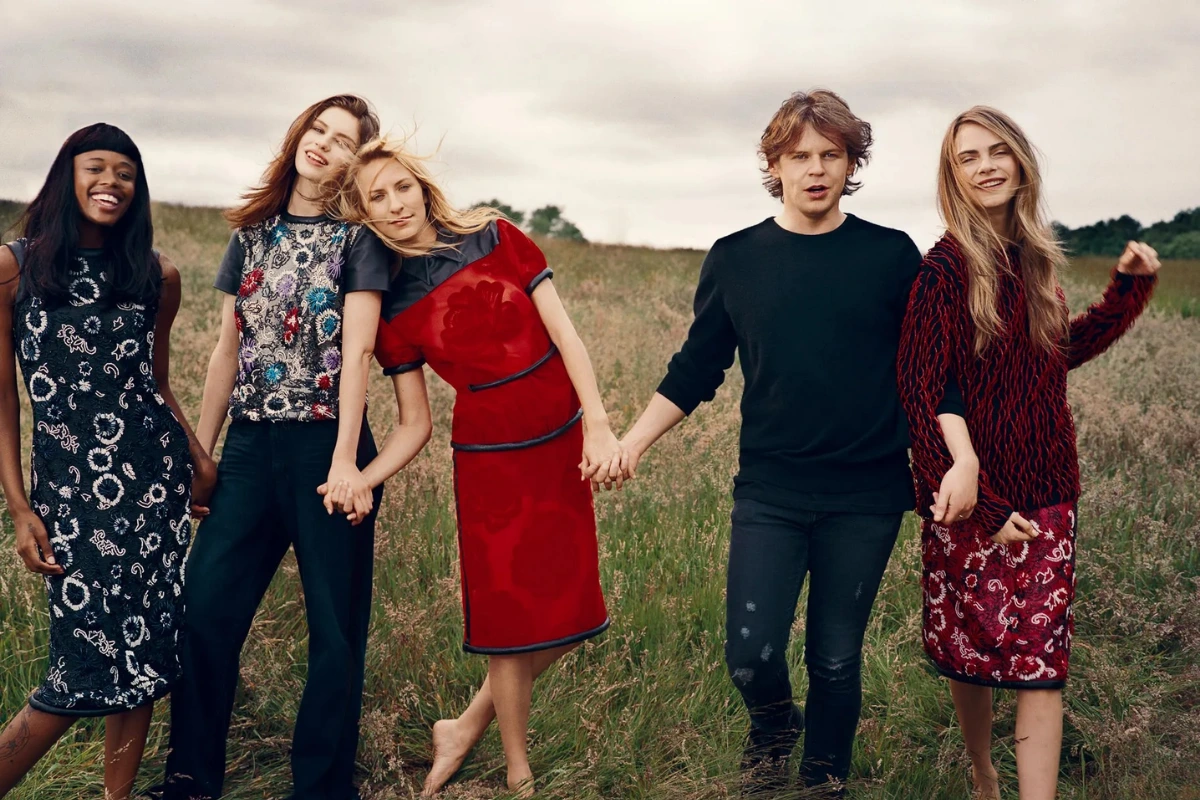
Mulberry is entering that partnership from a period of considerable restructuring. Group revenue had fallen 21 percent to £120.4 million in FY2025, alongside a pre-tax loss exceeding £30 million. The following year offers a more encouraging picture: FY2026 revenue rose 4 percent to £125.5 million, while reported losses before tax narrowed to £8.9 million. Momentum accelerated into FY2027, with group revenue rising 23 percent during its first 13 weeks.
Kane therefore arrives at an interesting point in the turnaround. Mulberry’s current “Back to the Mulberry Spirit” strategy explicitly aims to restore profitability while rebuilding cultural relevance around British craftsmanship and lifestyle. The company has also said that putting creativity back at the centre is one of its priorities, naming Kane’s appointment as Ready-to-Wear Creative Director among the investments intended to broaden the house into adjacent categories. In the same report, management places Mulberry by Christopher Kane and its London Fashion Week presence among the milestones expected to drive the next stage of the brand.
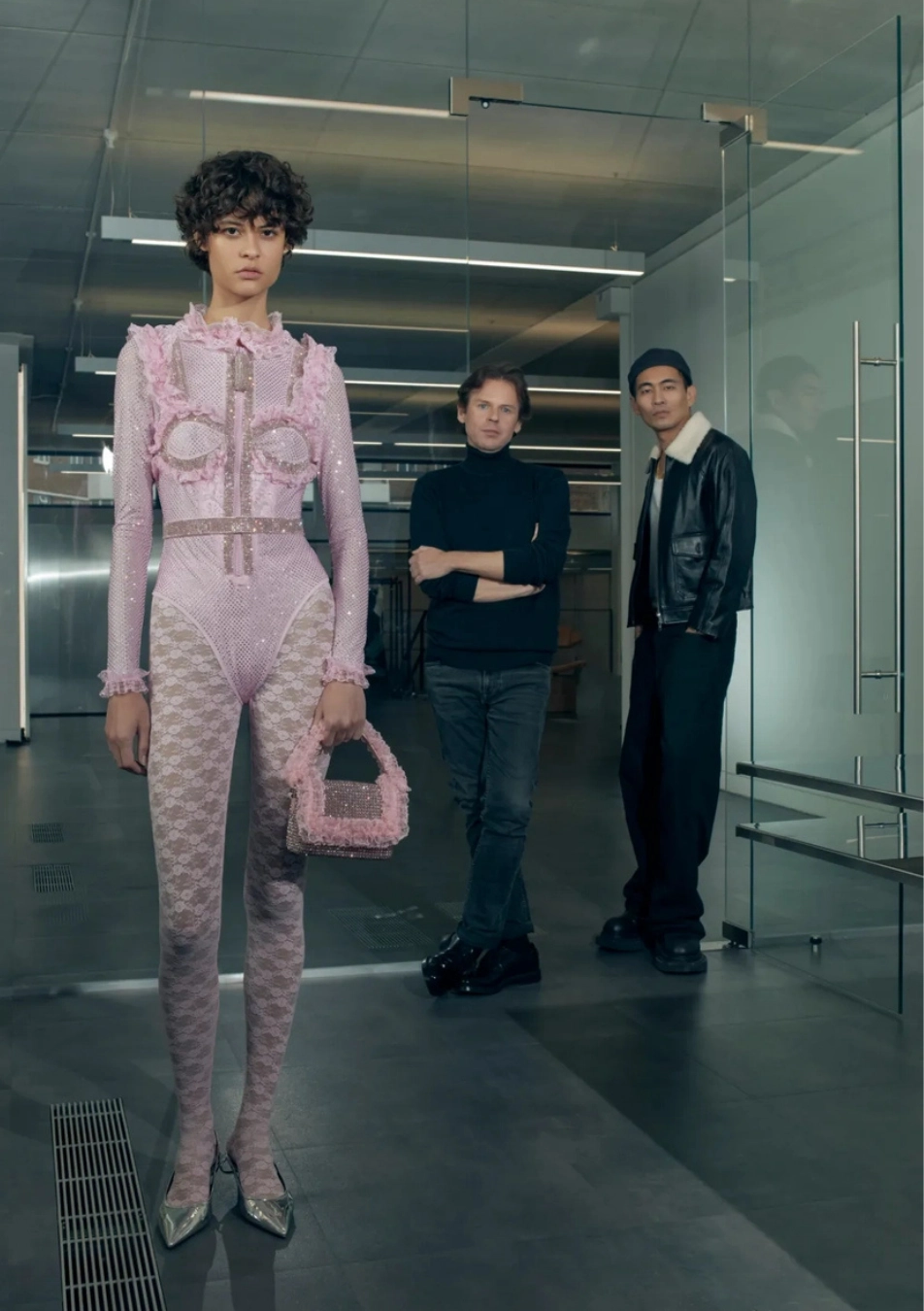

Mulberry needs Kane to help turn improving financial momentum into cultural momentum, while Kane gains a platform capable of supporting the kind of experimentation that became increasingly difficult to sustain through an independent label. The relationship almost reverses one of London’s oldest problems: instead of watching an ambitious designer outgrow the city’s infrastructure, an established British business is giving one of its designers a structure to return through.
London’s problem was never a shortage of original ideas. The harder issue has been converting creative influence into enough economic gravity to keep established names invested in the calendar.
That distinction makes Spring/Summer 2027 worth watching without declaring a victory too early. McQueen could return for one symbolic season. Mulberry’s renewed ready-to-wear ambitions still have to prove commercially sustainable. Several globally visible British designers continue to show elsewhere, and Paris remains deeply embedded in the business architecture surrounding international luxury.
A genuine revival would therefore look less dramatic than one packed September schedule. It would mean designers finding reasons to return, then reasons to stay. It would mean emerging labels developing without treating departure as the natural consequence of success. Established British houses would need to see London as commercially useful alongside its obvious cultural appeal.
The city already knows how to make a designer interesting. It has been doing that for decades.
The next test for London Fashion Week is whether the designers it helps send into the world might increasingly decide that coming home can also be a way forward.
Advertisement