MENU
Close





NAD+ is naturally present inside skin cells and helps power essential processes from energy metabolism to DNA repair. Its role in cellular function makes it increasingly relevant to skincare science.
NAD+ is naturally present inside skin cells and helps power essential processes from energy metabolism to DNA repair. Its role in cellular function makes it increasingly relevant to skincare science.
October 5, 2026
Advertisement

Advertisement



NAD+ has spent years in conversations around cellular biology, metabolism, and longevity. Now it is appearing in skincare, where words such as “cellular energy,” “repair,” and “skin longevity” naturally attract attention. The science behind NAD+ inside the body is substantial. The science behind applying it to skin is still developing. Understanding that distinction makes the ingredient far easier to assess.
NAD+ stands for nicotinamide adenine dinucleotide. It is a molecule naturally present inside cells throughout the body, including skin cells.
Its main role is helping cells carry out essential chemical reactions. One of the easiest ways to understand NAD+ is as a cellular helper. When the body breaks down carbohydrates, fats, and proteins, NAD+ participates in the reactions that allow cells to turn those nutrients into usable energy.
NAD+ also supports enzymes involved in DNA repair and cellular stress responses.
It works closely with NADH, another form of the same molecule. NAD+ can accept electrons during a chemical reaction and become NADH. NADH can later release those electrons and return to NAD+. This constant exchange supports normal cellular metabolism.
Skin is constantly working. Its cells renew, repair damage, maintain a protective barrier, respond to ultraviolet exposure, and manage oxidative stress from the environment. All of these processes require energy and carefully controlled cellular signaling. NAD+ participates in several of those systems.
Two groups of enzymes are particularly important. Sirtuins help regulate metabolism, cellular stress responses, and other processes associated with aging. PARPs participate in repairing damaged DNA. Both use NAD+ as part of their activity.
Research into aging has therefore paid close attention to changes in NAD+ metabolism over time. Studies in animals and human tissues suggest that NAD-related pathways can change with age, although researchers are still mapping exactly how this occurs across different human tissues.
Many visible characteristics of healthy skin depend on processes that require well-functioning cells. Skin needs energy to renew itself. It needs repair systems to respond to environmental damage. It needs an effective barrier to retain water. It also needs balanced inflammatory and oxidative-stress responses.
Since NAD+ participates in these cellular systems, skincare researchers have become interested in whether supporting NAD metabolism could influence visible skin quality.
Scientists already understand that NAD+ is essential inside skin cells. A cosmetic product has a different challenge: it must deliver an ingredient through the outer skin barrier and reach an area where it can produce a useful effect.
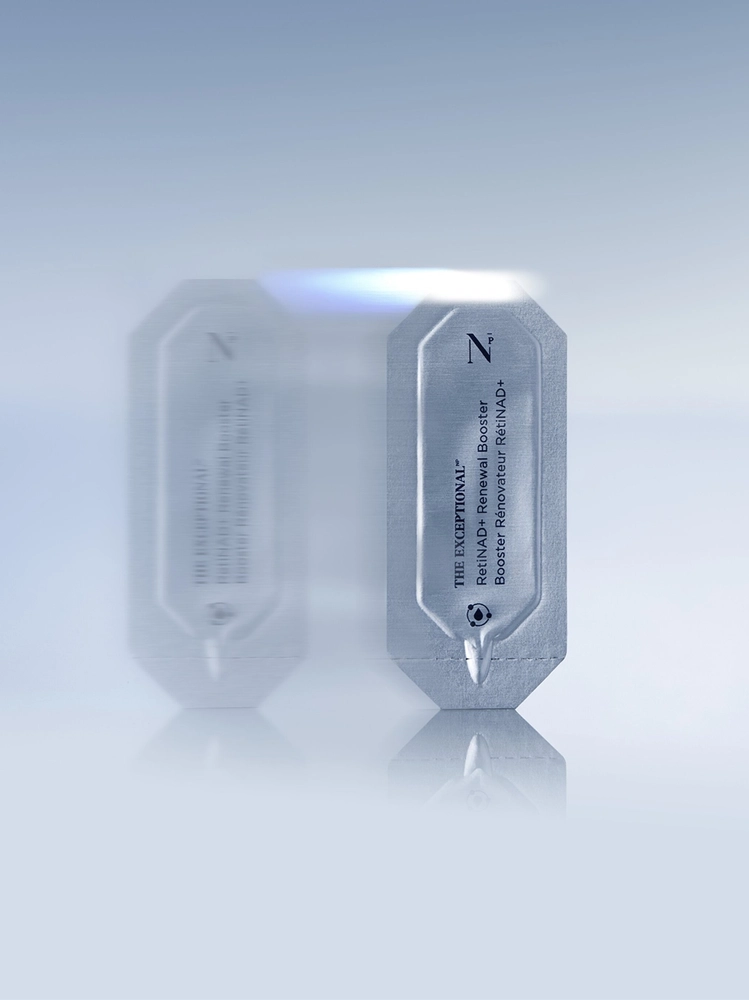
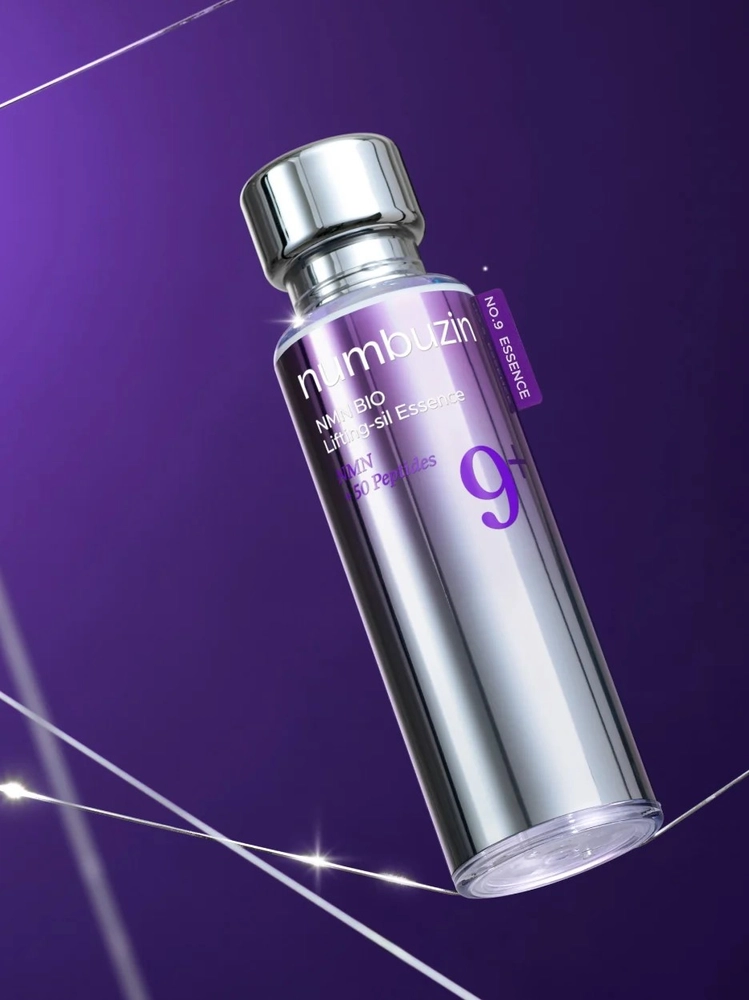
Skin is designed to act as a barrier. Its outermost layer, the stratum corneum, helps keep water inside while limiting the entry of external substances.
NAD+ presents a formulation challenge because it is a relatively large and electrically charged molecule. Getting meaningful quantities through intact skin is therefore more complicated than simply mixing NAD+ into a serum.
A 2026 study involving women with melasma used microneedling followed by topical sterile NAD+. Participants received several treatment sessions, and researchers reported improvements in pigmentation measurements.
The delivery method is important. Microneedling creates temporary microscopic channels through the skin, giving the topical material a different route of entry.
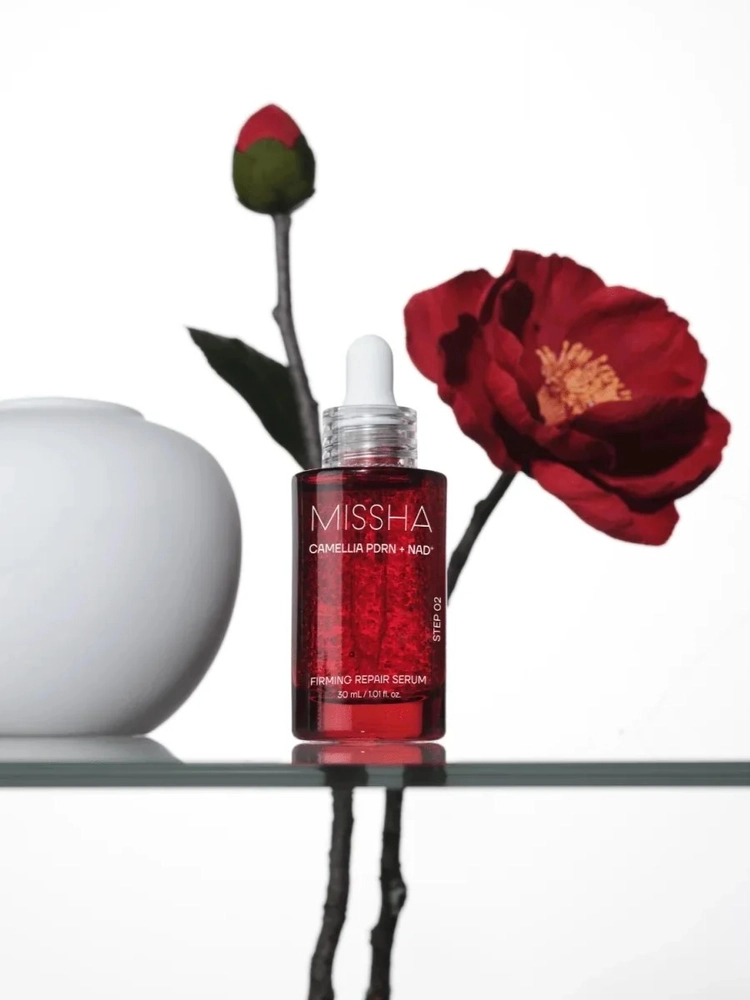
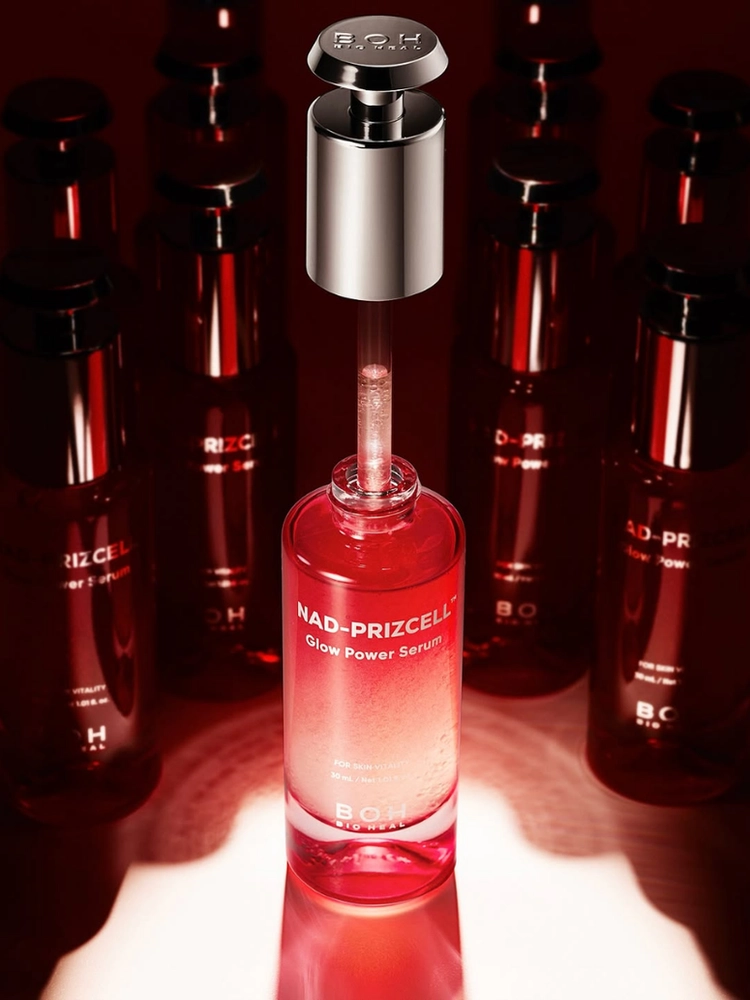
That study provides an interesting signal for professional NAD+ treatment. A conventional serum applied to intact skin represents a different delivery situation.
For consumers, this is one of the most useful questions to ask of any NAD+ product: how is the formula designed to deliver the ingredient?
Niacinamide, also called nicotinamide, is a form of vitamin B3. Skin cells can use it as a building block in pathways that produce NAD+. This connection helps explain why niacinamide has such broad effects in skincare.
Research on topical niacinamide supports benefits involving skin-barrier function, moisture retention, uneven pigmentation, inflammation, and signs of photodamage. Its relationship with cellular NAD metabolism forms part of the biological explanation behind these effects.
Niacinamide is a precursor that cells can use to make NAD+. NAD+ is the cellular coenzyme itself. Niacinamide already has decades of cosmetic use and human skin research behind it. Direct topical NAD+ represents a much newer area of development.
NAD+ participates directly in reactions that allow cells to produce energy. This is the scientific basis behind much of the “cellular energy” language appearing around NAD-focused skincare.
NAD metabolism is connected with normal epidermal function. Research using niacin derivatives has shown changes in epidermal renewal and water-loss measurements, suggesting that supporting NAD-related pathways may help skin maintain an effective barrier.
PARP enzymes require NAD+ while participating in DNA-repair processes. Since skin receives constant exposure to environmental stress, this connection has particular relevance to dermatology and aging research.
The NAD+/NADH system helps cells manage redox reactions. It forms part of the wider network that maintains cellular balance during oxidative stress.
Research involving NAD-related pathways and niacinamide already connects this area of biology with pigmentation. Direct NAD+ has also entered early clinical investigation, including the recent microneedling-assisted melasma study.
These names often appear together in longevity conversations.
NAD+ is the coenzyme cells ultimately use.
Niacinamide is a vitamin B3 form that cells can use to produce NAD+.
NMN, or nicotinamide mononucleotide, is another NAD+ precursor.
NR, or nicotinamide riboside, is also a precursor.
NMN and NR currently have a much larger presence in supplement and longevity research. Niacinamide has the longest history in conventional topical skincare. Direct NAD+ products represent the newer cosmetic category.
NAD+ is compelling because the fundamental biology is real. Skin cells already depend on it for essential processes involving metabolism, repair, and cellular stress.
An ingredient that performs an important job inside a cell still needs an effective route from a bottle to that cell. Formulation technology, stability, concentration, and delivery will therefore determine how meaningful the current NAD+ skincare movement becomes.
The future of NAD+ in beauty will be shaped by evidence from finished formulations, not simply by the impressive biology already happening beneath the skin.
Advertisement