MENU
Close





Space tourism is no longer science fiction. From NASA’s commercial cargo contracts to suborbital flights, private astronaut missions and the dream of seeing Earth from orbit, it reveals how space is becoming the next frontier of travel.
Space tourism is no longer science fiction. From NASA’s commercial cargo contracts to suborbital flights, private astronaut missions and the dream of seeing Earth from orbit, it reveals how space is becoming the next frontier of travel.
June 15, 2026


There was a time when space belonged almost entirely to nations. Rockets carried flags, astronauts carried political dreams, and every launch beyond Earth was a declaration of scientific, military and industrial power. But in the 21st century, that picture began to change. Space was no longer only the domain of NASA, Roscosmos or other state agencies. It started to become a market — one in which private companies could build rockets, deliver cargo, transport astronauts and, eventually, sell the experience of spaceflight to those able to afford it.
That is when a phrase that once sounded like pure science fiction entered the real world: space tourism.
But space tourism did not emerge simply because a handful of billionaires wanted a more unusual holiday. It is the glamorous visible tip of a much larger transformation: the commercialization of space infrastructure. Before a passenger can look down at the curve of Earth through a spacecraft window, there must first be reliable rockets, reusable spacecraft, civilian training protocols, insurance frameworks, safety procedures, legal regimes and a supply chain mature enough to turn space from a national symbol into a service that can be purchased.
If space tourism is defined strictly as a private individual paying to travel into space without being a professional government astronaut, its modern history usually begins in 2001. That year, American businessman Dennis Tito became the first paying private citizen to make an orbital journey. He launched aboard Soyuz TM-32 on April 28, 2001, and travelled to the International Space Station.
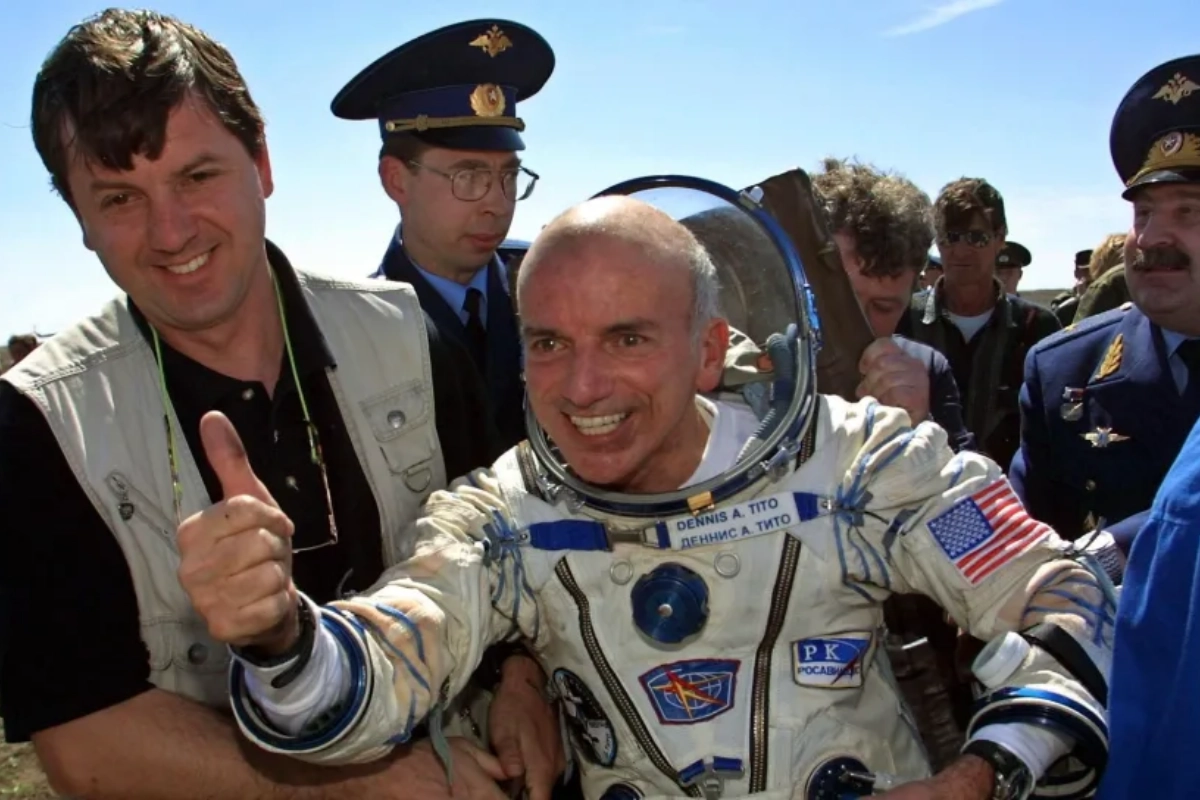
From 2001 through the late 2000s, a small number of ultra-wealthy individuals also flew to the ISS aboard Russian Soyuz spacecraft. Yet this period still felt more like a series of exceptional cases than the birth of a true tourism industry. Tickets were extraordinarily expensive, opportunities were rare, logistics were complex, and passengers entered a world designed primarily for professional astronauts rather than leisure travellers.
In that sense, Dennis Tito was the first spark. But for that spark to become a market, the world needed something deeper: commercial space infrastructure.
The major turning point came from NASA itself. After the Space Shuttle era, and amid the high cost of operating human spaceflight systems, NASA began shifting parts of low-Earth-orbit transportation to the private sector. Rather than building and operating every vehicle itself, the agency created public-private programmes that encouraged commercial companies to develop spacecraft capable of carrying cargo, equipment, scientific experiments and supplies to the International Space Station.
One of the most important programmes was Commercial Orbital Transportation Services, better known as COTS. The logic was simple but transformative: NASA would become a major customer, while private companies would design, build and operate the transportation systems. By 2012, NASA’s own COTS press kit noted that SpaceX’s Falcon 9 rocket and Dragon spacecraft would begin delivering cargo to and from the ISS under a $1.6 billion Commercial Resupply Services contract for at least 12 missions; the same document also stated that Falcon 9 and Dragon were designed with the future possibility of carrying astronauts in mind.
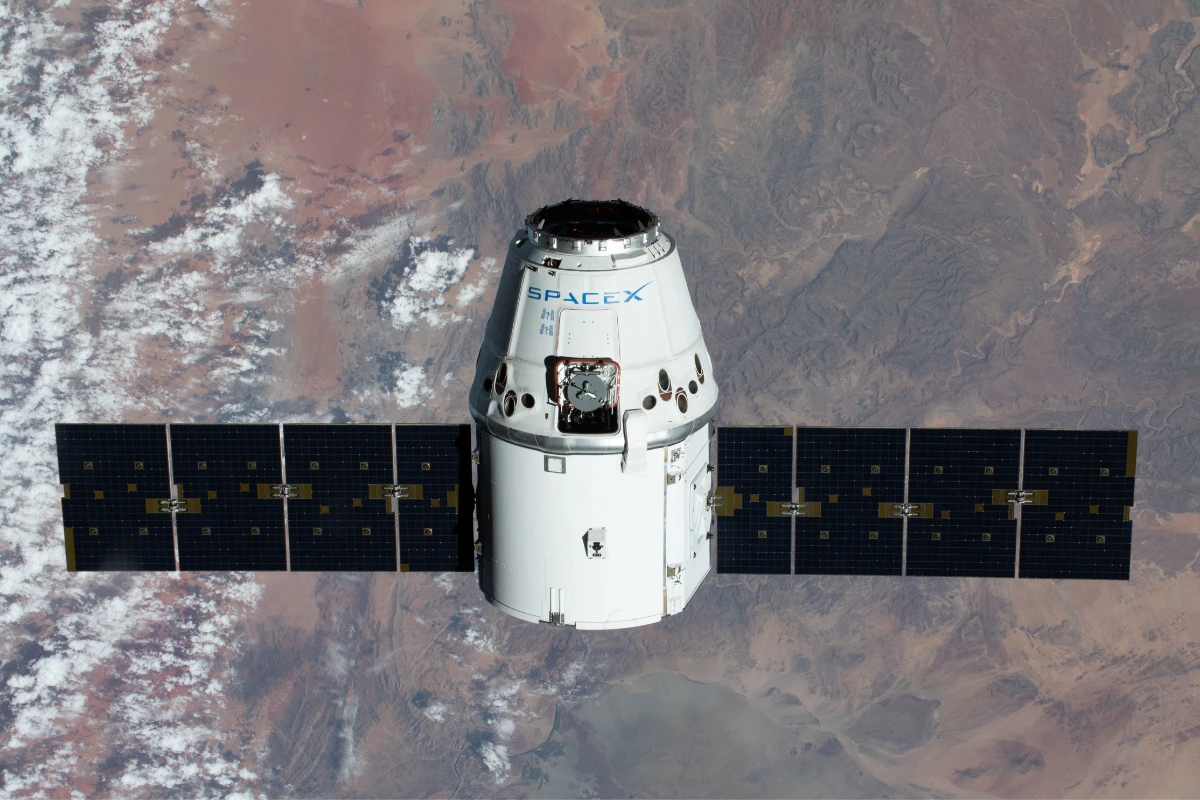
This detail matters. NASA was not merely outsourcing work to cut costs. It was acting as an anchor customer, creating stable demand so private companies had a reason to invest in rockets, spacecraft, launch systems, safety procedures and operations teams. First came cargo. Then came people.
NASA’s Commercial Crew Program took the next step. Its stated goal is safe, reliable and cost-effective human transportation to and from the ISS through a partnership with American private industry. NASA also explains that as commercial companies provide transportation to low Earth orbit, the agency is freed to focus on deep-space missions.
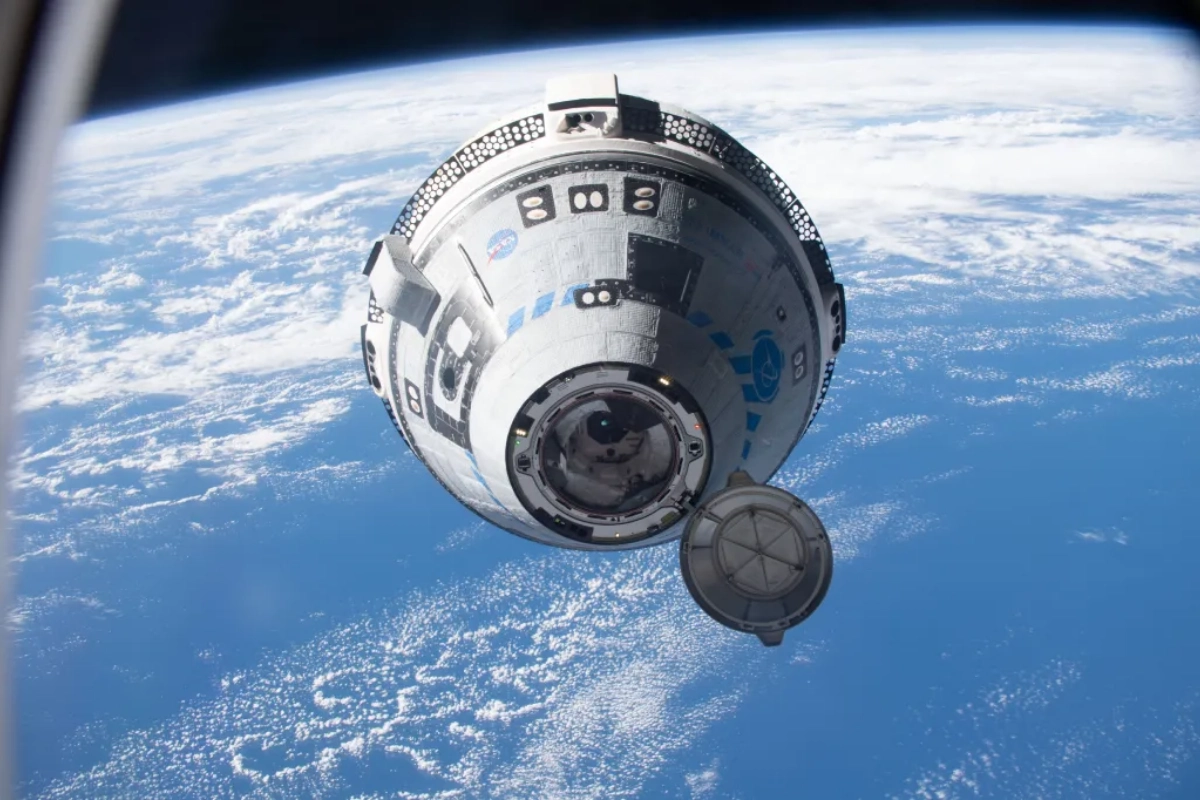
It is here that the logic of modern space tourism becomes clear. Once a company has learned how to carry cargo to the ISS, and then how to carry professional astronauts, the next question almost inevitably appears: who else might become a passenger?
If 2001 was the birth of paid private spaceflight, 2021 was the year space tourism entered the popular imagination. In the span of a few months, the world saw images that had previously belonged mostly to technological promise: Richard Branson flew with Virgin Galactic on Unity 22; Jeff Bezos flew with Blue Origin on New Shepard’s first human flight; and SpaceX’s Inspiration4 became the first all-civilian mission to orbit.
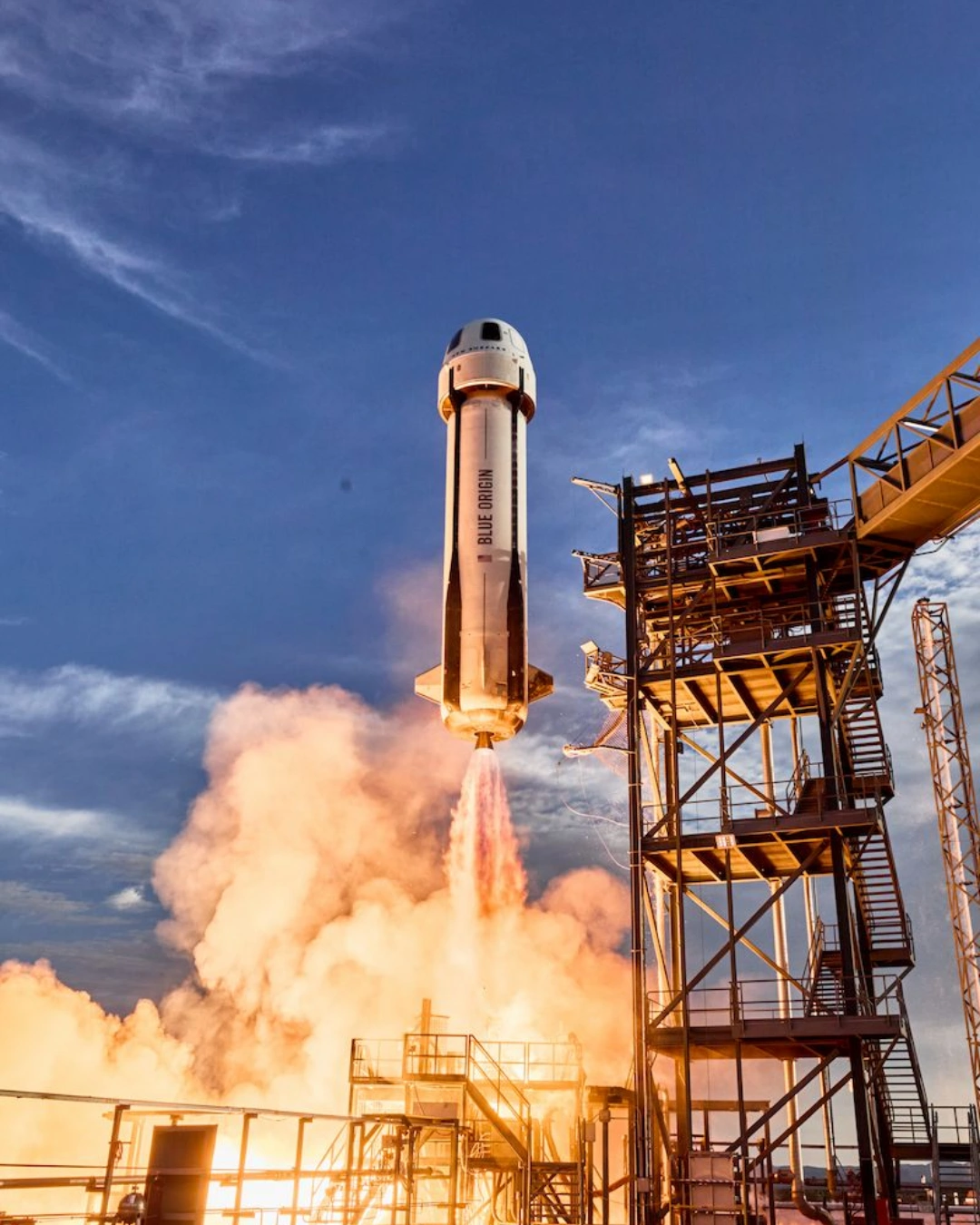
Virgin Galactic described Unity 22 as its first fully crewed spaceflight, flown on July 11, 2021, with three mission specialists, including Sir Richard Branson. Blue Origin’s New Shepard NS-16 flight on July 20, 2021, was the system’s 16th flight and its first with astronauts on board.
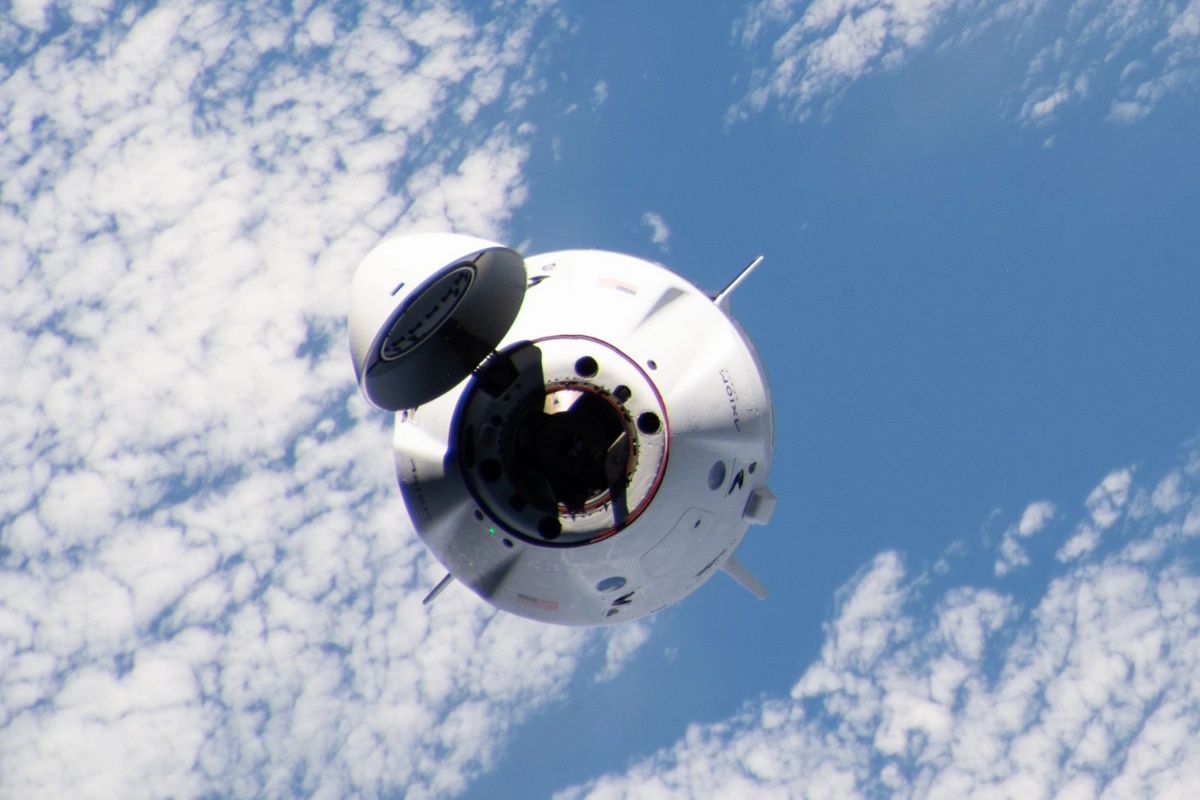
In symbolic terms, however, SpaceX’s Inspiration4 went even further. After three days orbiting Earth, Dragon and the Inspiration4 crew safely splashed down off the coast of Florida; SpaceX presented the mission as the world’s first civilian mission to orbit. It was not a brief suborbital hop to the edge of space, but a true orbital mission — one that suggested private citizens could live inside a spacecraft, look back at Earth from orbit and return as part of a new commercial space era.
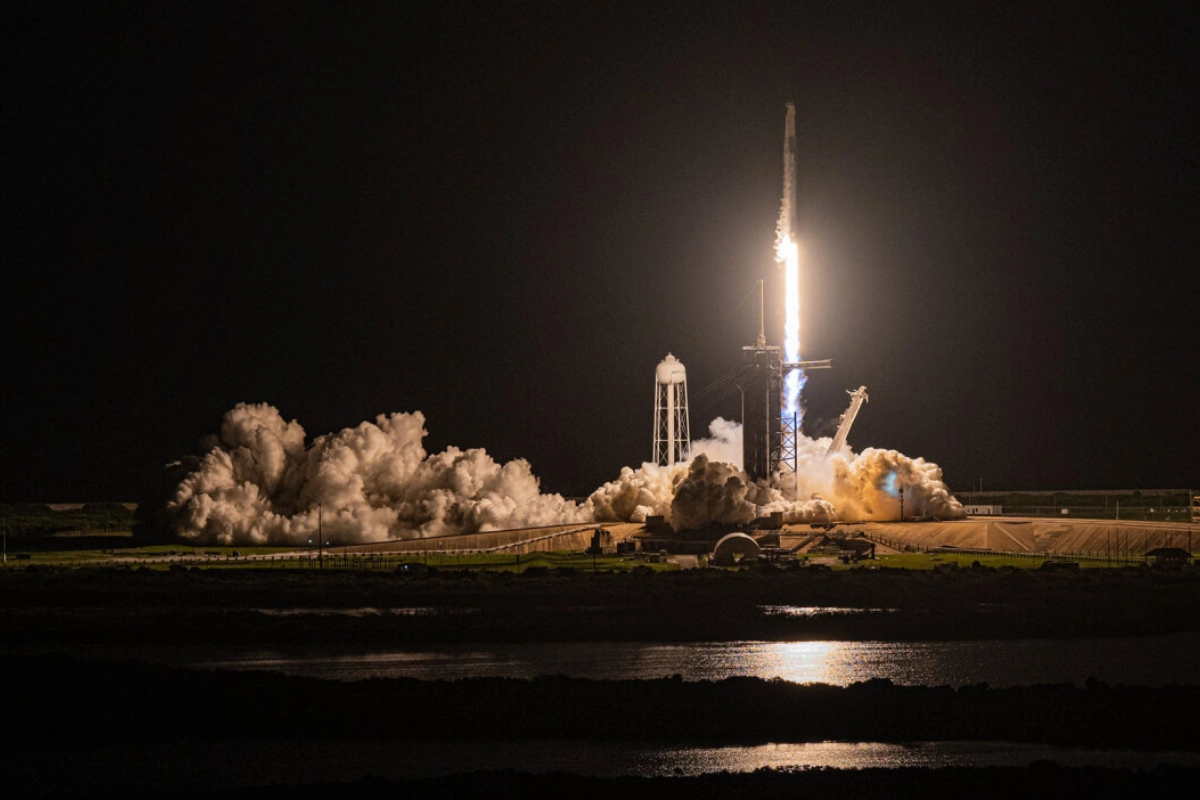
From that moment, space tourism became one of the most powerful symbols of “future travel”. It no longer asked only where humans might go next. It asked something more provocative: what happens when the most exclusive destination is no longer on Earth?
As of 2026, space tourism is real, but it is still far from mass-market travel. It remains small, expensive, technically complex and dependent on launch schedules, regulatory approvals, vehicle readiness and each passenger’s appetite for risk.
In the suborbital segment, Blue Origin’s New Shepard is designed as a fully reusable, autonomous rocket-and-capsule system. The company describes the experience as an approximately 11-minute journey past the Kármán line at 100 kilometres, with several minutes of weightlessness and views of Earth from space.
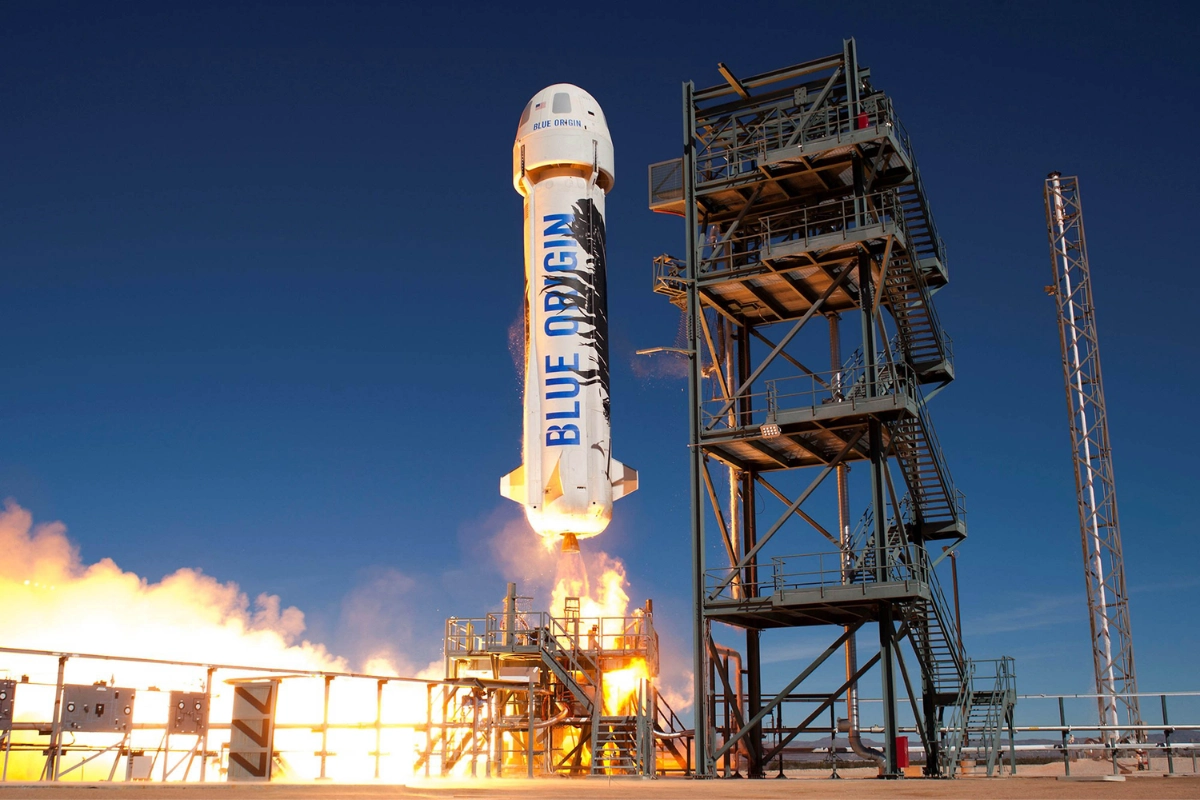
But the market has not expanded in a straight line. In January 2026, Blue Origin announced that it would pause New Shepard flights for no less than two years and redirect resources toward its human lunar flight programme.
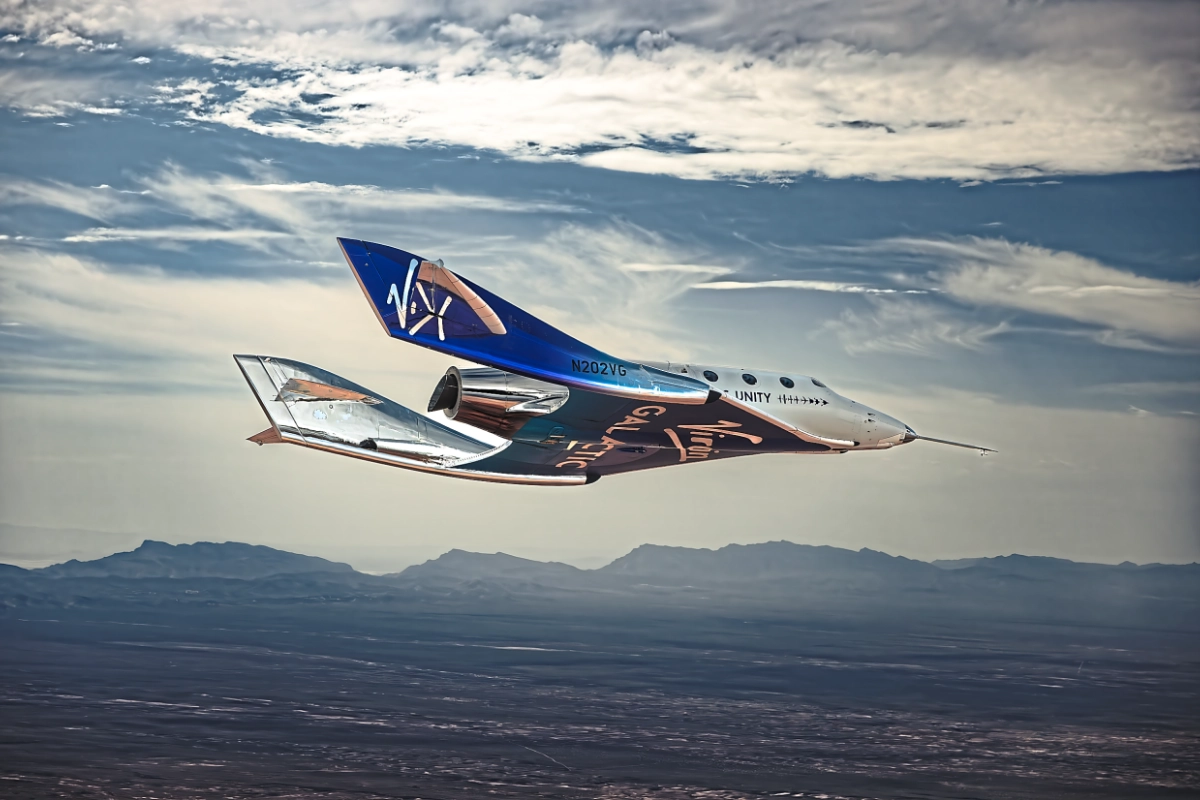
Virgin Galactic is also in a transitional phase. The company has been moving from VSS Unity toward its next-generation Delta-class spacecraft. In March 2026, Virgin Galactic announced that sales had opened for a limited number of Spaceflight Expeditions, priced at $750,000, while the first new spaceship was moving toward ground testing and commercial operations were still being targeted for late 2026.
In the orbital segment, private astronaut missions to the ISS are developing in a more selective and structured way. NASA notes that Axiom Mission 1 launched to the station in 2022, Axiom Mission 4 launched in June 2025 for an 18-day stay, and additional private astronaut missions involving Axiom Space and Vast have been targeted for no earlier than 2027.
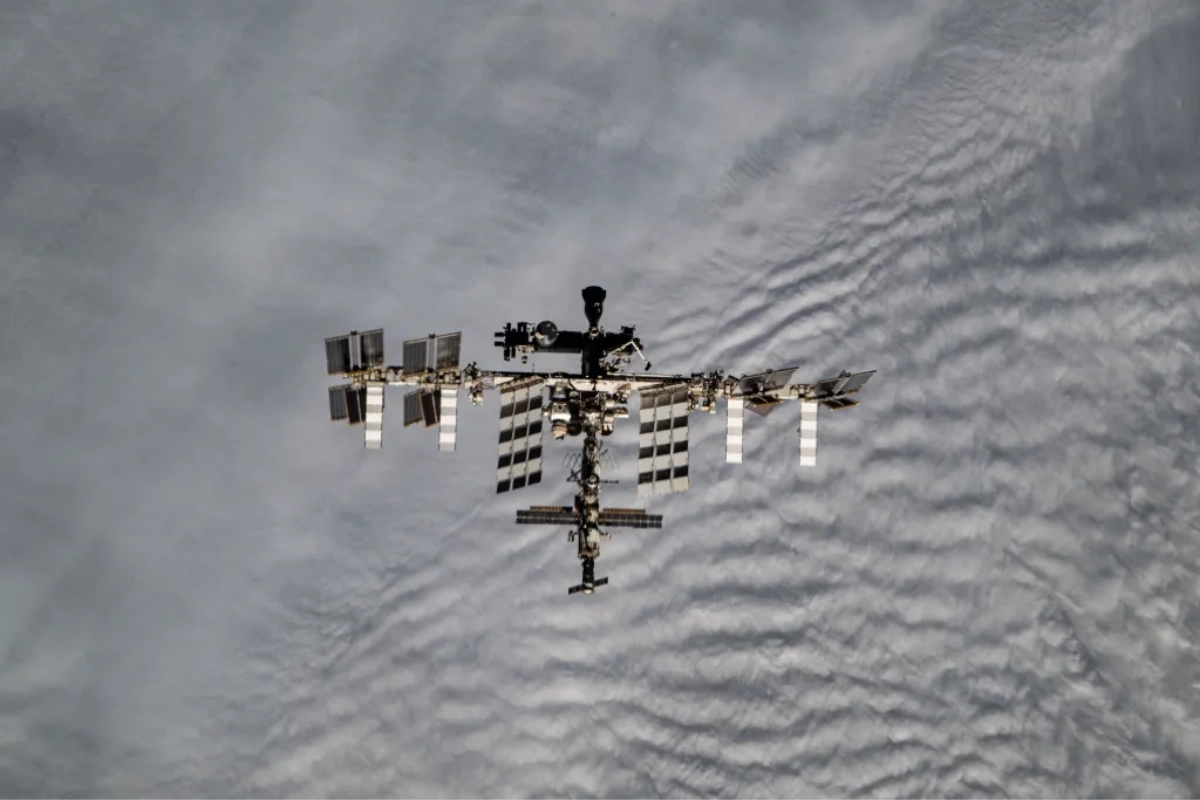
This shows that space tourism today is not simply a matter of buying a ticket and taking a ride. It exists between several overlapping worlds: personal experience, microgravity research, diplomacy, commercial use of the ISS, media, education and the future development of private space stations.
The most obvious reason is rarity. For the ultra-wealthy, many of Earth’s traditional frontiers — private islands, Antarctica, the Arctic, remote safaris, expedition yachts, even the deep sea — have already been turned into purchasable experiences. Once almost every destination on Earth can be priced, space becomes the final frontier of luxury.
But the deeper reason is not simply expense. It is the experience of seeing Earth from the outside.
Many astronauts describe a profound shift in awareness after seeing the planet suspended in the blackness of space. This phenomenon is known as the overview effect. NASA describes it as a powerful change in the way astronauts think about Earth and life after seeing the planet from orbit; the agency also notes that the ISS cupola, with its seven Earth-facing windows, has become a place of observation and reflection for astronauts.
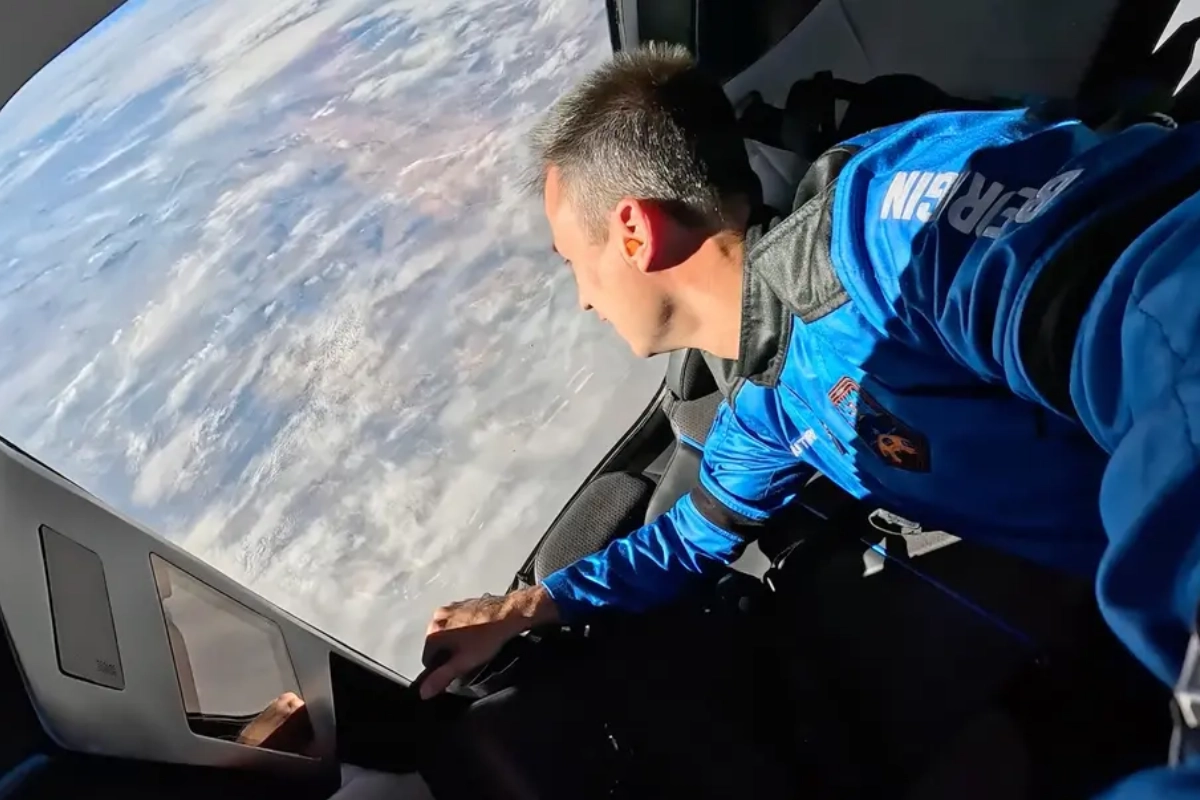
For a traveller, that is the emotional core of the product. The point is not merely a few minutes of weightlessness, but the moment of seeing Earth’s curve, the thin blue atmosphere and a home planet that is no longer a city, country or continent, but one fragile whole.
At the industry level, space tourism exists because it helps expand the market. If rockets can be reused, spacecraft can fly repeatedly, and launch operations become more regular, each potential seat becomes a product. Private passengers help prove market demand, generate revenue, attract media attention and support the larger commercial ecosystem around low Earth orbit.
In other words, space tourism is both a dream and a business model.
The first requirement is money. This remains the greatest barrier. Virgin Galactic’s 2026 Spaceflight Expeditions were priced at $750,000 per seat. Orbital flights or missions to the ISS are far more complex and typically far more expensive, because they involve not only the seat itself but also training, mission operations, medical support, insurance, ground teams and, in some cases, time aboard the station.
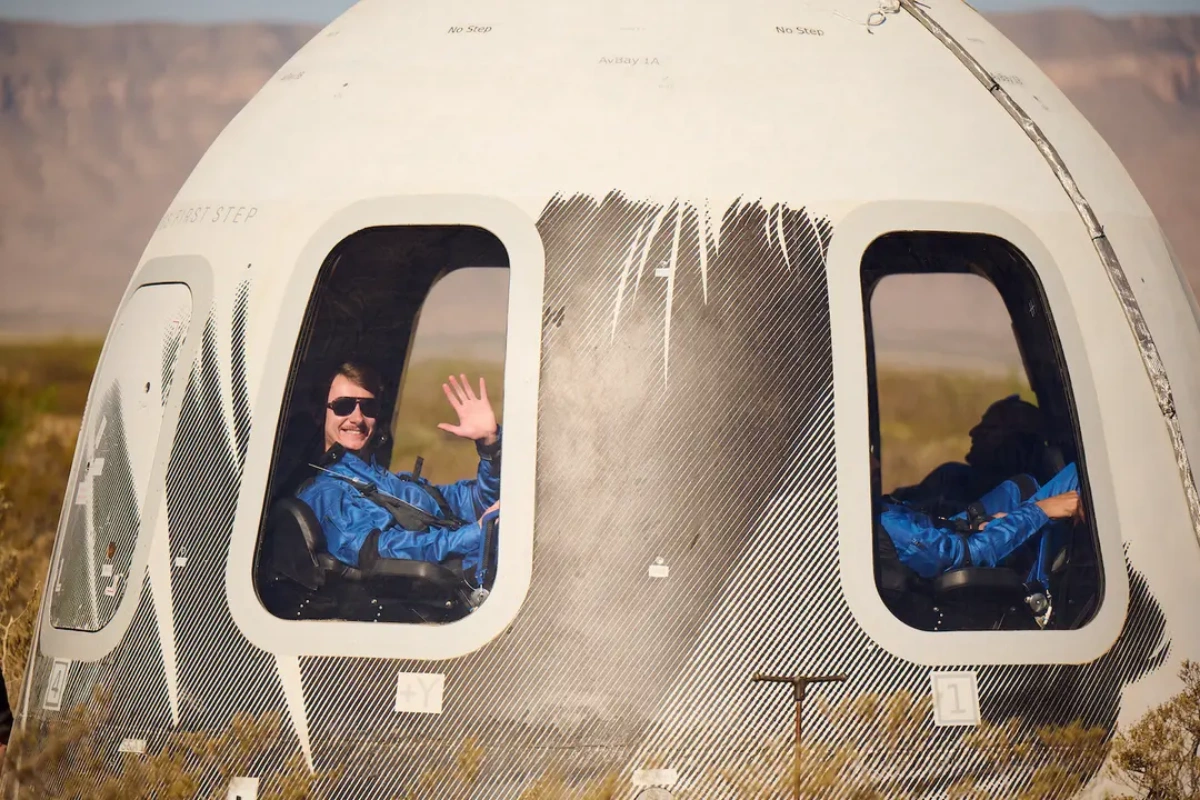
The second requirement is written acceptance of risk. Under U.S. federal regulations, operators must inform each spaceflight participant in writing about the risks of launch and re-entry, including known hazards, unknown hazards and the possibility of death, serious injury or loss of physical or mental function. The same regulation requires operators to tell participants that the U.S. government has not certified the launch or re-entry vehicle as safe for carrying crew or spaceflight participants.
The third requirement is mandatory training. FAA rules state that each spaceflight participant must be trained before flight on how to respond to emergency situations, including smoke, fire, loss of cabin pressure and emergency exit. The regulations also require security measures to prevent passengers from jeopardizing the safety of the crew or the public, including restrictions on weapons and dangerous items.
The level of training depends heavily on the journey. For a suborbital flight, preparation may focus on acceleration, seat restraints, cabin familiarisation, weightlessness and emergency procedures. For an orbital mission or a stay on the ISS, the training burden is much greater, involving spacecraft systems, station safety, mission operations, communications and scientific payloads.
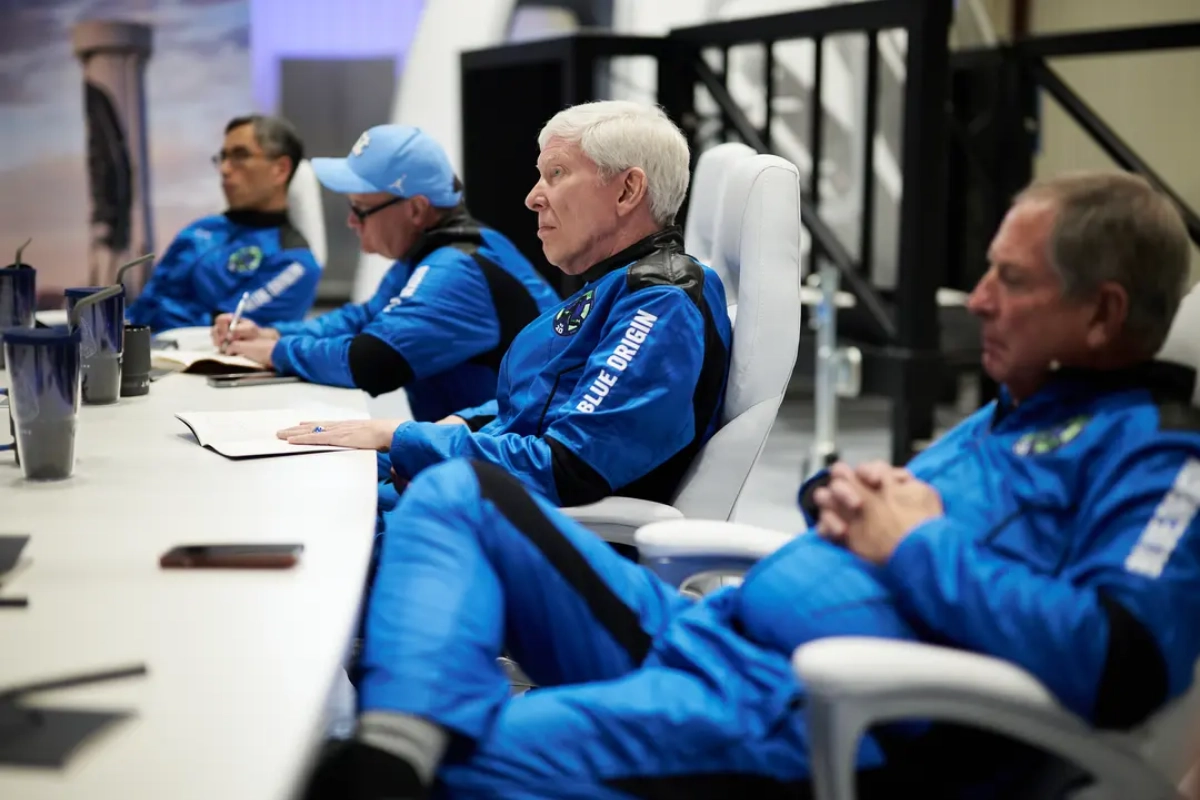
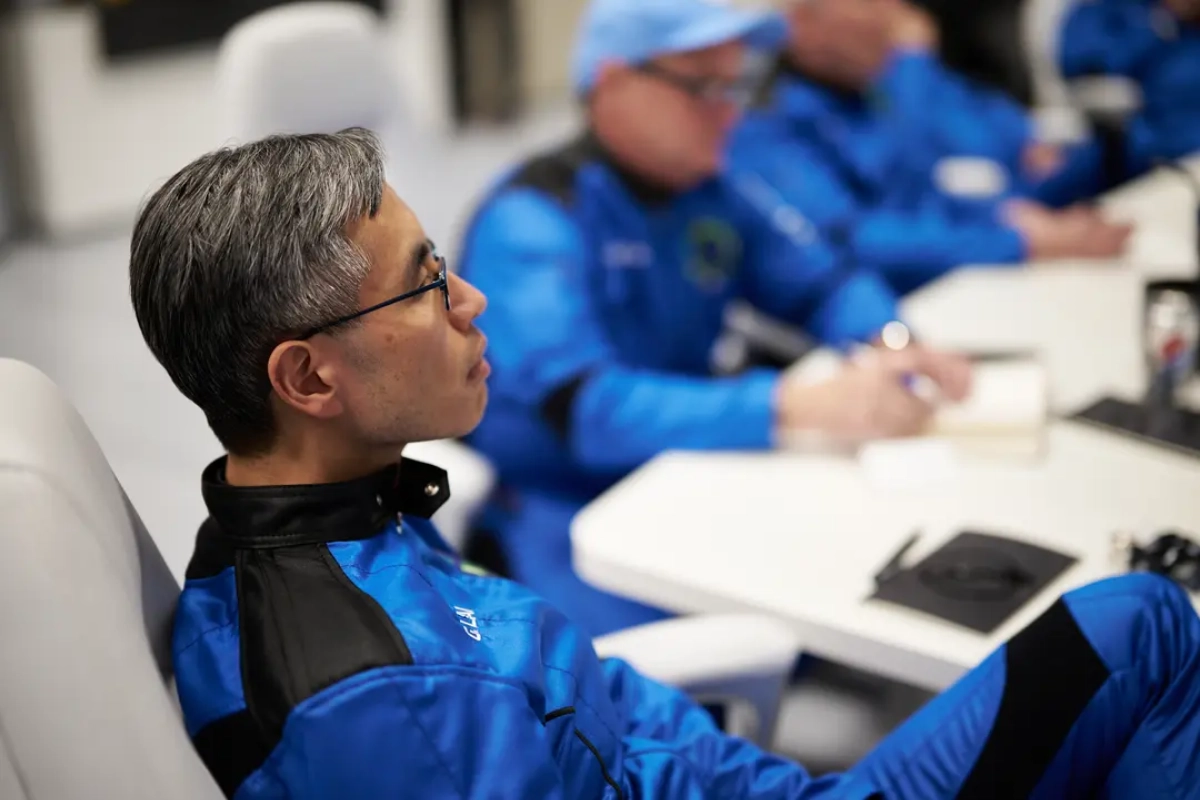
The fourth requirement is adequate health. A passenger does not necessarily need the physical conditioning of a career NASA astronaut, but they must be able to tolerate launch acceleration, vibration, microgravity, confinement, noise, psychological pressure and re-entry.
Finally, there is behavioural discipline. This is not a normal commercial flight where a passenger boards, reclines a seat and waits for meal service. In space, every object can float, every movement matters, and every passenger must follow instructions precisely.
A space tourist, then, is not quite a professional astronaut — but neither are they simply a tourist. They occupy a new category: a buyer of an extraordinary luxury experience who must temporarily accept the discipline of a space mission.
Space tourism is fascinating because it feels like a promise from the future. Yet it also raises very present questions. Who gets access to space? Will it remain the preserve of the ultra-rich? What is the environmental cost of commercial spaceflight? Will low Earth orbit become a laboratory, a hotel, a media stage, a diplomatic platform or the next status symbol?
The answers are still being written.
What is certain is that space tourism is no longer fiction. It has a history, infrastructure, customers, laws, delays, failures and companies trying to turn the sky into a market. But perhaps what makes it unlike any other form of travel is the silence after the engines cut off — the moment when a passenger floats inside a spacecraft and looks down.
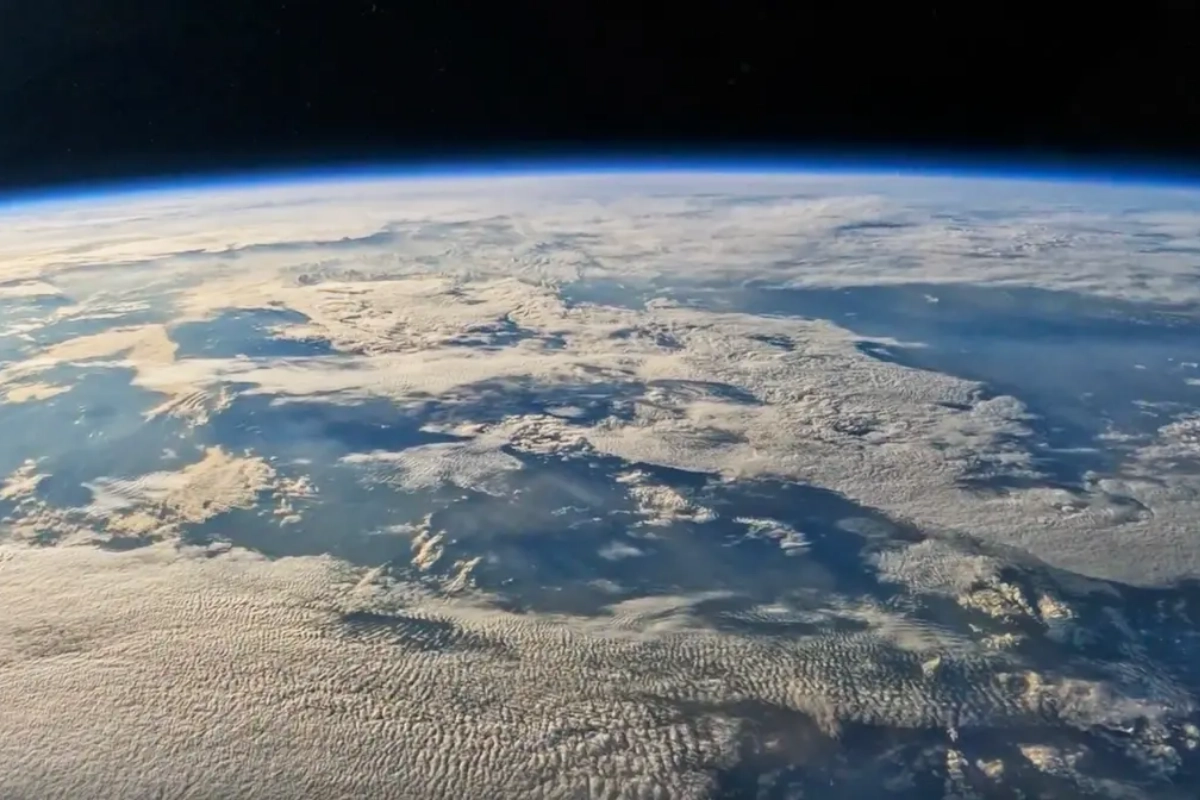
There is no resort there, no beach, no city to check into. There is only Earth: small, blue, luminous and fragile, drifting in darkness.
And perhaps that is the most beautiful paradox of space tourism. Humans may have to leave their planet in order to understand just how precious it is.