MENU
Close





At Venice Biennale 2026, the strongest national pavilions answered Koyo Kouoh’s In Minor Keys not by shouting over the surrounding chaos, but by making listening, memory, craft, migration, and historical unease feel newly alive.
At Venice Biennale 2026, the strongest national pavilions answered Koyo Kouoh’s In Minor Keys not by shouting over the surrounding chaos, but by making listening, memory, craft, migration, and historical unease feel newly alive.
May 18, 2026


The odd thing about Venice Biennale 2026 is that it often felt as though the institution itself was trying very hard to distract from art. Yet amid all that beautifully upholstered instability, several pavilions still managed to turn quietness, slowness, historical residue, and material memory into forms of real force.
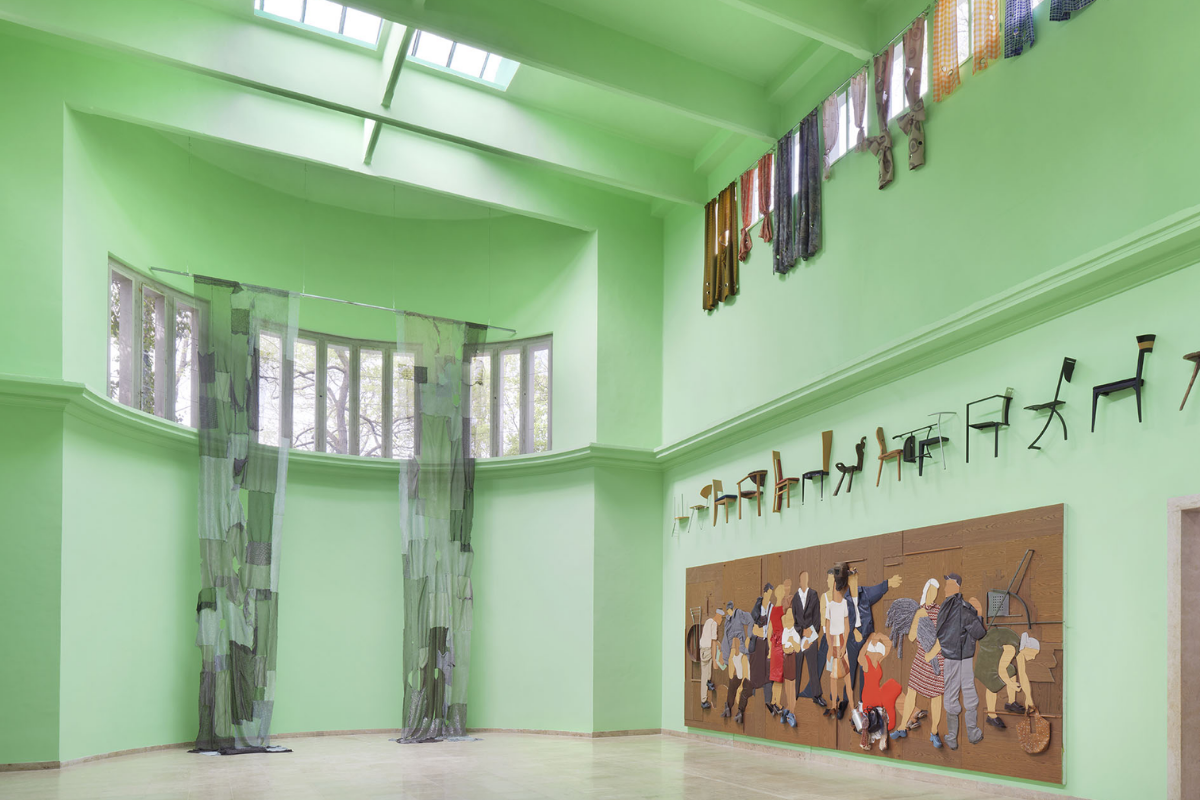
One of the clearest standouts of Venice Biennale 2026 is the British Pavilion, where Lubaina Himid presents Predicting History: Testing Translation. Commissioned by the British Council, the exhibition is built around new multi-paneled paintings, layered sound, text, and staged unease, exploring belonging, migration, and the impossibility of ever perfectly translating one place into another. The official framing is telling: Britain appears welcoming, light, and open, yet something remains awkward, unresolved, and unspoken. It is a very British premise, really, that the room may be airy but the atmosphere is still faintly hostile.
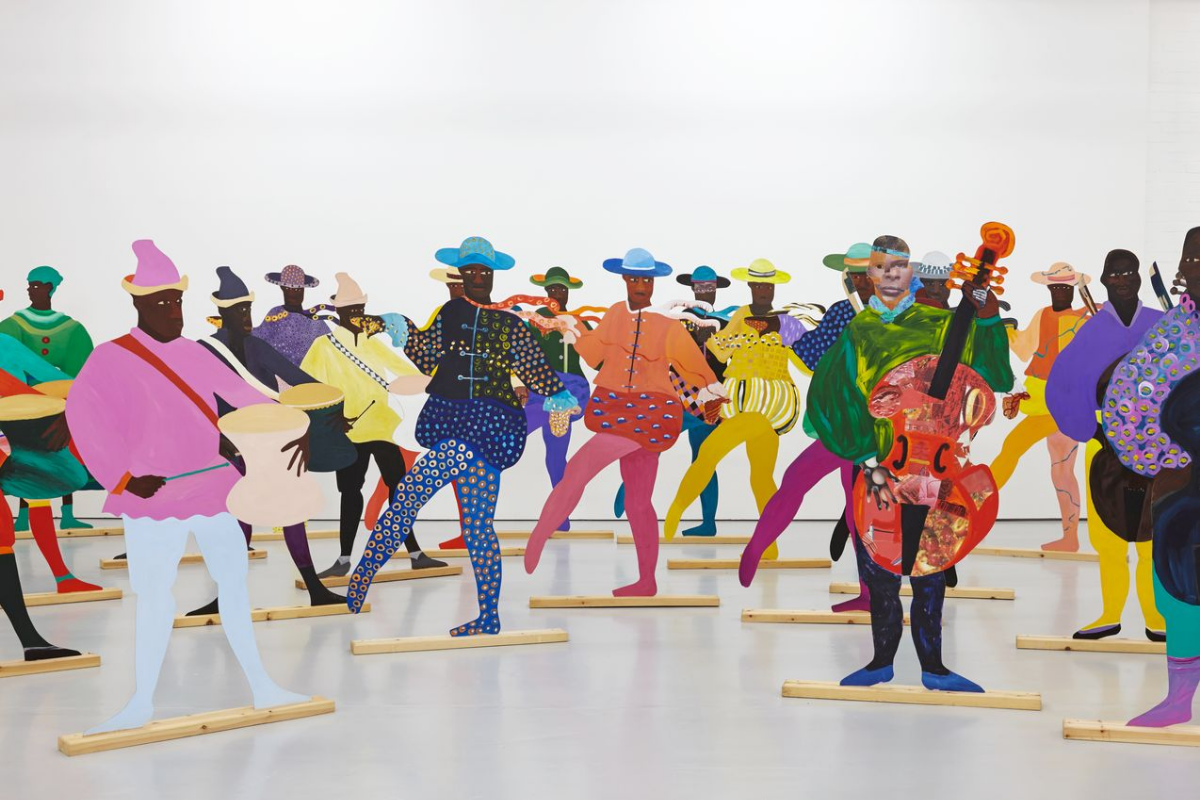
What gives Himid’s pavilion its strength is that it resists turning the migrant condition into a spectacle of injury. Instead, she works through domesticity, labor, repetition, and mood. Frieze called Britain one of the most incisive and moving pavilions of the edition, while The Guardian described the presentation as an anxious portrait of belonging in a “green and pleasant land,” noting the tension between its calm soundscape and the unease on the faces of Himid’s Black figures. That friction is precisely what makes the pavilion so good. It never overstates its thesis. It lets discomfort accumulate. In a Biennale full of institutions performing moral seriousness at theatrical volume, Britain achieves something subtler and sharper: it makes alienation feel architectural.
There is also a formal confidence to the show that matters. Himid’s work does not need Venice to become monumental, because it already understands how scale can operate through narrative rather than size alone. The pavilion’s neo-classical shell becomes part of the argument, not a backdrop to be “activated” in the usual biennial sense. Here, architecture holds memory, but it also exposes the strain of trying to fit too many histories into one national image. Britain’s great achievement this year is that it looks open while sounding unsettled, and that contradiction feels far more truthful than patriotic coherence ever could.
Germany’s pavilion is among the most intellectually forceful at Venice Biennale 2026, precisely because it refuses the tired theater of “confronting” the pavilion’s Nazi-era architecture by simply denouncing it at close range. Instead, Sung Tieu’s contribution wraps the neoclassical façade in a trompe-l’oeil image of the ruined Gehrenseestraße housing complex in Berlin, the artist’s childhood home and a site associated with Vietnamese contract workers in East Germany before and after reunification. The gesture is brilliant because it adds rather than subtracts. Germany does not strip the building back to reveal its ideological history. It overlays that history with another one, forcing migration, labor, and socialist afterlife onto a structure usually read through fascist architecture alone.
That makes the pavilion especially powerful in 2026, when the question of Europe’s memory has become both more urgent and more bureaucratized. Tieu’s work has long examined paperwork, power, and the violence hidden inside administrative order, and the German Pavilion allows those concerns to scale outward into national form. The project, titled Ruin, as a counter-narrative to conventional German heritage, foregrounding the lives of Vietnamese migrant communities and the structural racism that marked their existence. It was also co-conceived by the late Henrike Naumann, whose death earlier this year gave the project another layer of fragility and unfinished intensity.
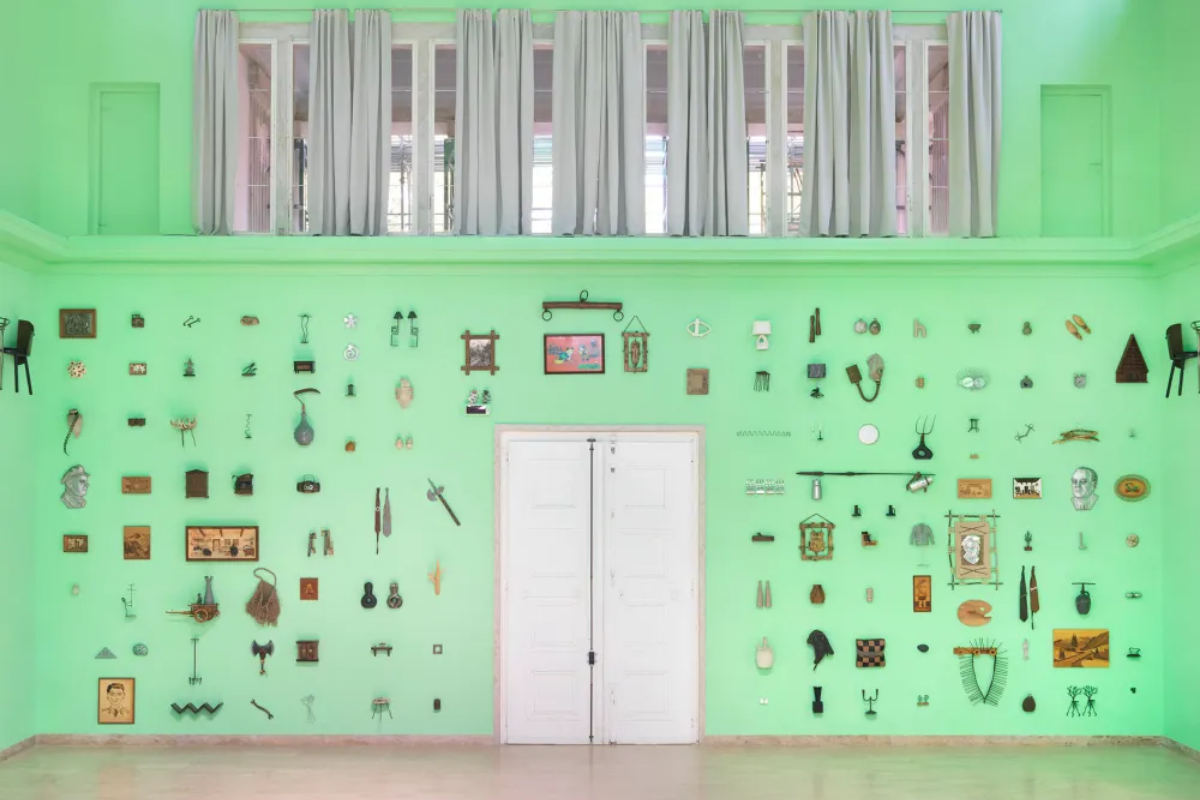
Frieze singled Germany out as one of the strongest pavilions of the edition, and the praise makes sense. The show is dense without becoming didactic, political without reducing itself to a slogan, and formally rigorous without retreating into chilly abstraction. Germany’s pavilion works because it understands that national identity is not a stable inheritance but an accumulation of exclusions, repairs, labor systems, and afterimages. In a Biennale crowded with pavilions trying to appear morally awake, Germany actually feels historically alert. That is a rarer achievement.
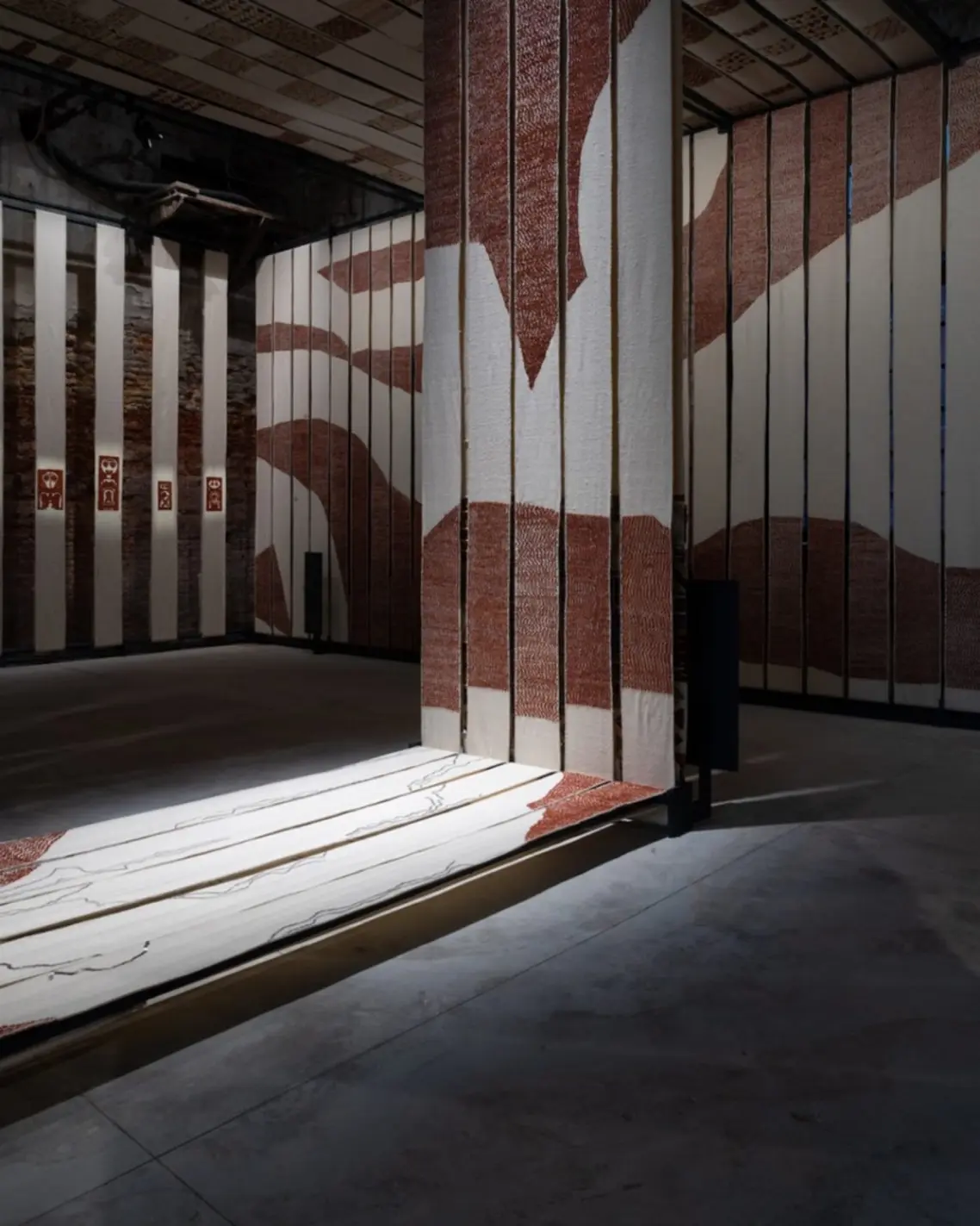
Morocco’s first official national pavilion at the Venice Biennale is also one of the most memorable. Officially represented by Amina Agueznay, the pavilion brings Moroccan vernacular knowledge, artisan collaboration, and material intelligence into the Arsenale through a practice grounded in weaving, transmission, and site-responsive form. La Biennale’s own description emphasizes Agueznay’s long dialogue with artisans and local communities, presenting her works as processes of transformation rather than fixed objects. Which is refreshing. Venice, as a rule, likes to treat craft as something to admire politely before running back to theory. Morocco insists that craft already contains its own theory.
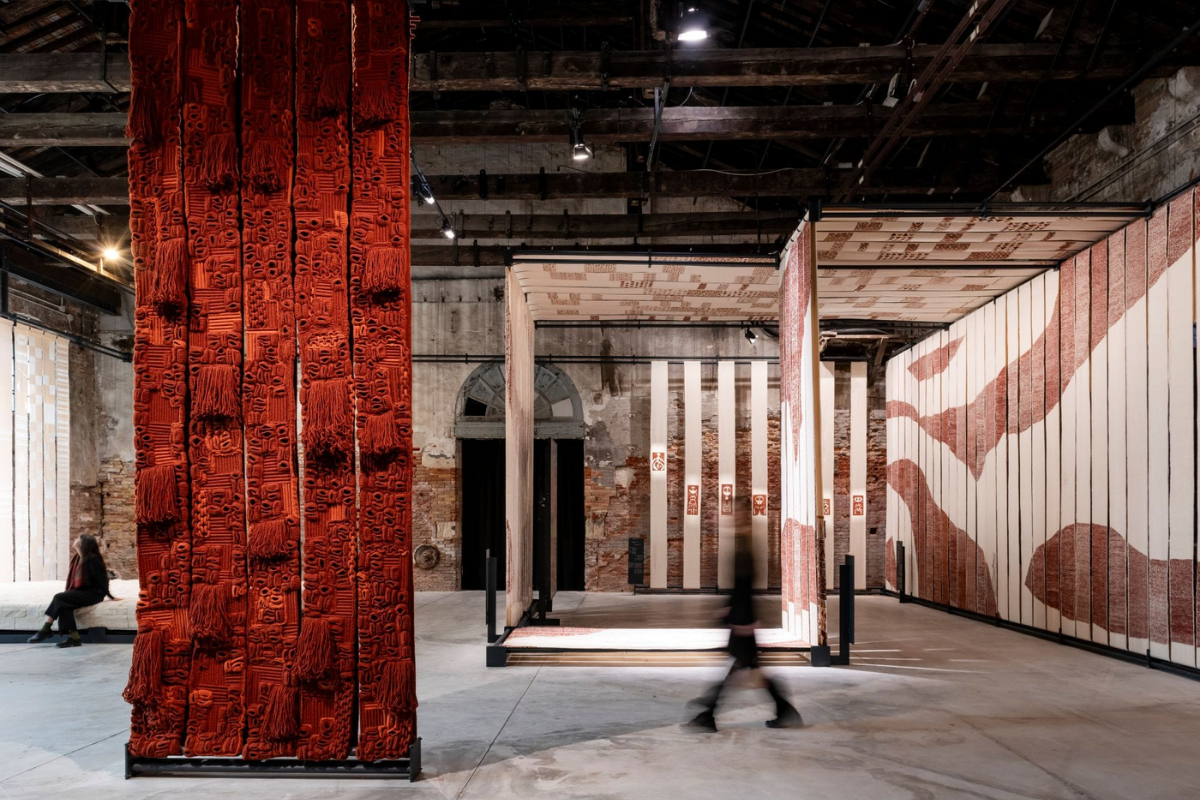
The project, titled Asǝṭṭa, has been widely framed as one of the most resonant responses to Kouoh’s curatorial mood. The Art Newspaper reports that the installation occupies around 300 square metres and builds on Morocco’s craft traditions at monumental scale, while Vogue notes that Agueznay worked with 166 artisans across the country, turning the pavilion into a collective statement about memory, touch, and inherited knowledge. The result is not quaint, folkloric, or apologetically handmade. It is spatially ambitious and conceptually assured, one of the few pavilions this year where quietness feels expansive rather than timid.
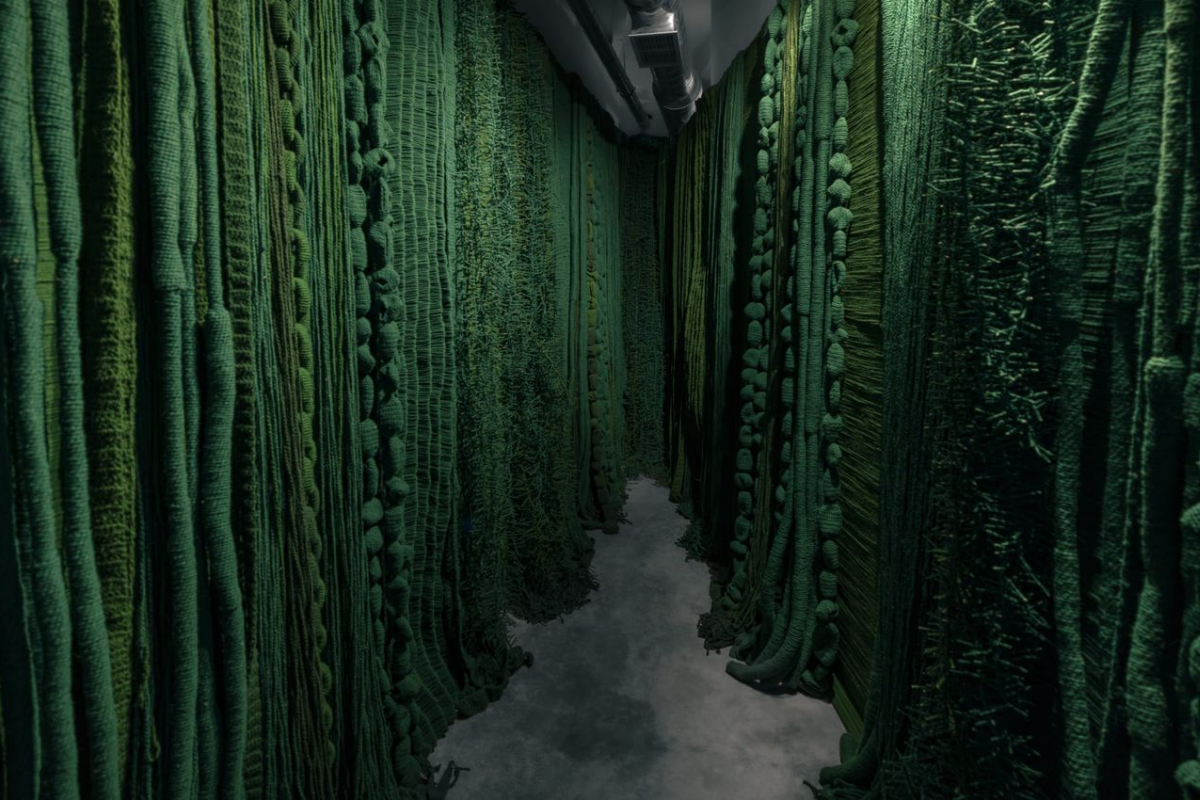
That matters because Morocco’s strength lies in refusing the false split between indigenous continuity and contemporary ambition. The work’s woven forms and suspended structures do not ask to be read as nostalgic repairs to modernity. They appear instead as another model of modernity altogether, one rooted in relation, repetition, and the collective intelligence of making. Artsy included Morocco among its ten standout pavilions of the Biennale, and the choice feels right. In a year obsessed with crisis, Morocco’s pavilion offers something both rarer and harder: composure with density. It does not need to scream to leave a mark.
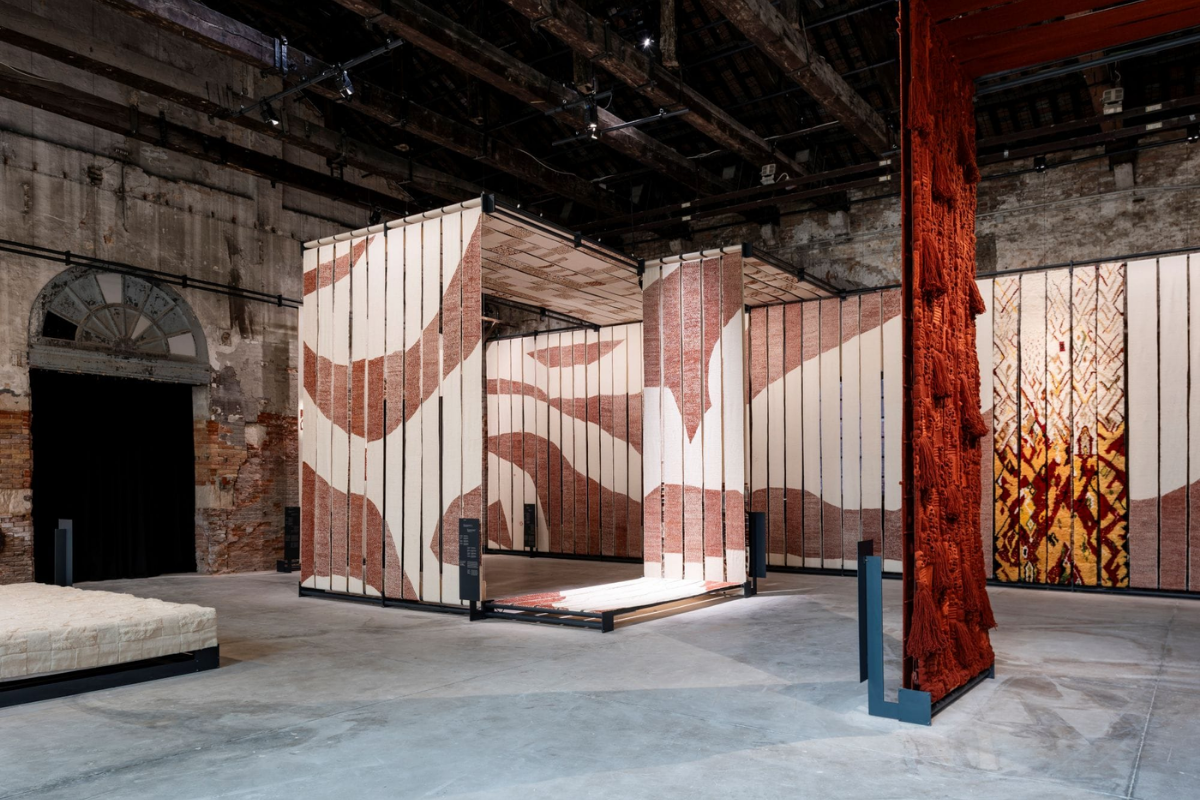
India’s pavilion is one of the strongest at Venice Biennale 2026 because it avoids the trap of trying to summarize a civilization in a room, which is usually how these things go when states get nervous and overcompensate. Official Biennale materials describe an exhibition shaped by five artists rooted in India’s material cultures, addressing a country undergoing rapid urban transformation. Alwar Balasubramaniam’s clay works attend to the fragility of land, Sumakshi Singh reconstructs a demolished family house in thread, and Ranjani Shettar creates a suspended garden that speaks to flora, growth, and psychic ecology. This is not nationalism as branding. It is nationhood approached through matter under pressure.
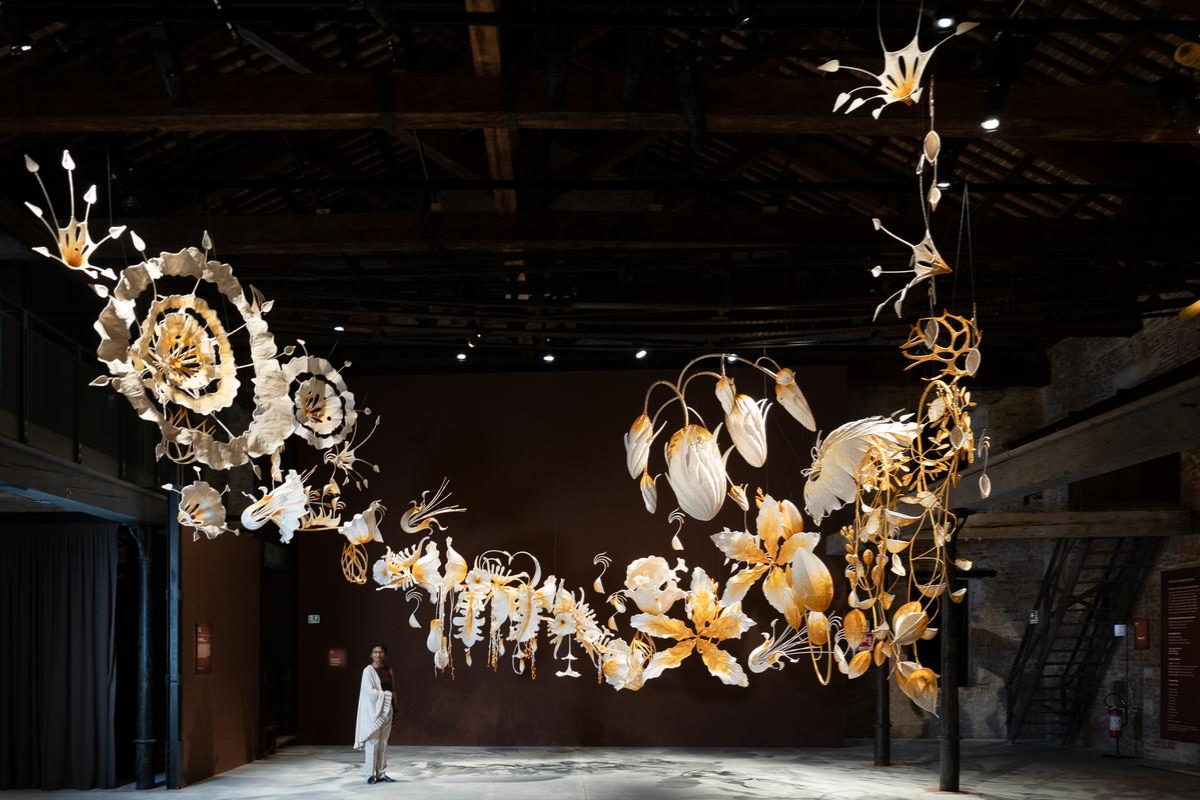
That emphasis on material memory has been central to how the pavilion has been received. Artsy listed India among the ten best pavilions of the edition, and recent coverage in Indian outlets has stressed the exhibition’s concern with home, distance, and multiplicity rather than state messaging alone. What emerges is a presentation that is recognizably Indian without turning Indianness into a single emblematic style. That should not be revolutionary, but in the Venice pavilion system, where countries often arrive dressed as their own brochures, it still feels almost radical.
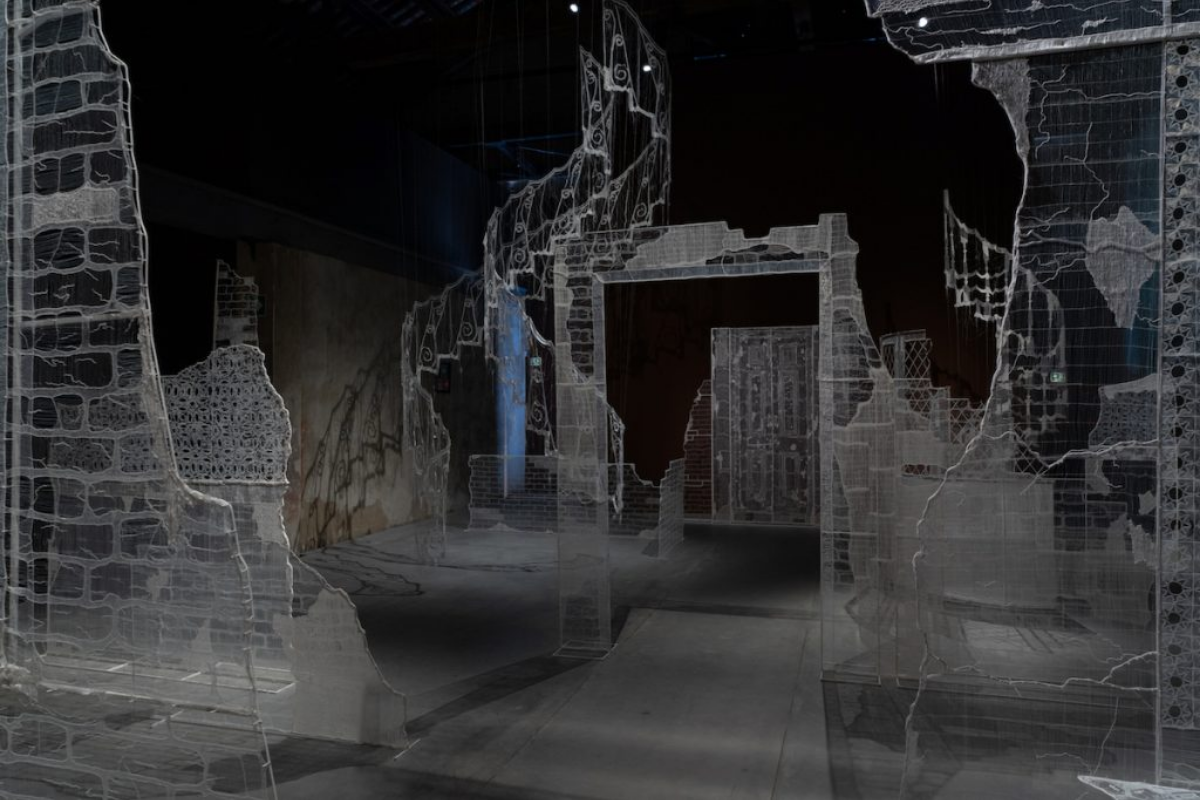
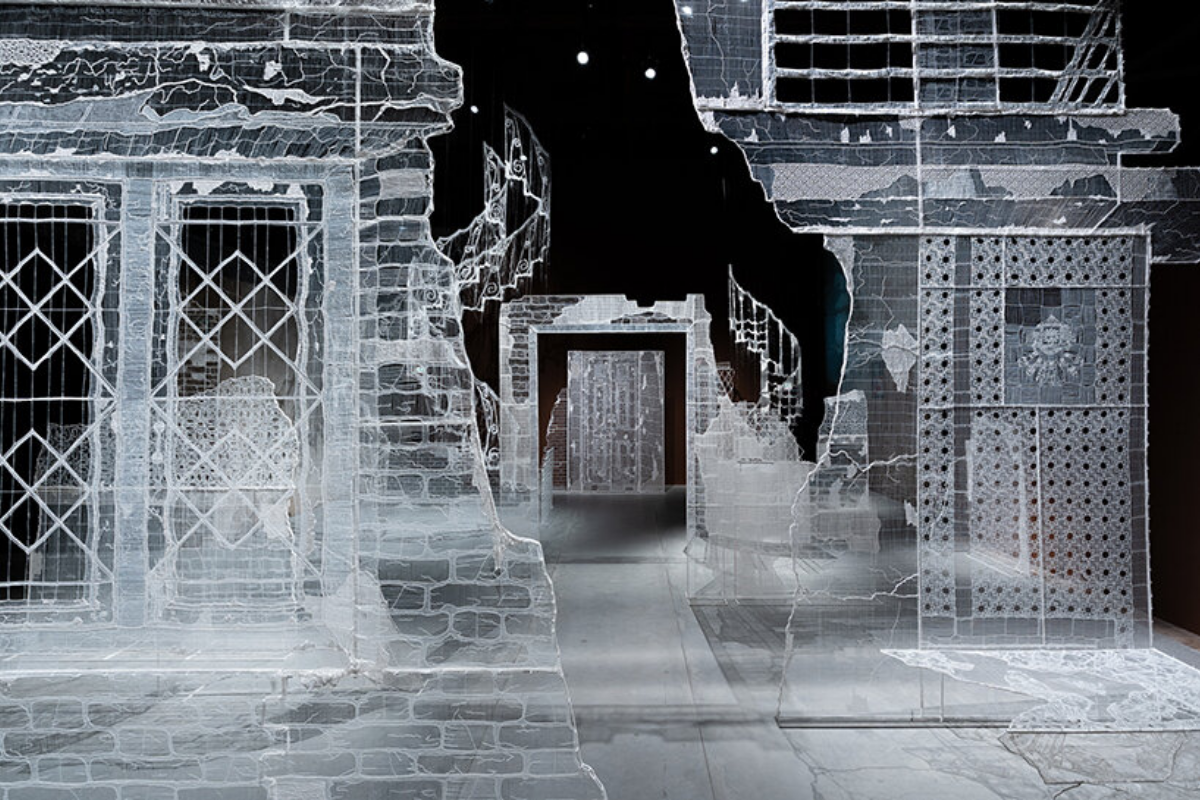
India also benefits from the fact that In Minor Keys was never really asking for louder national myths. Kouoh’s framework privileged smaller registers, indirect forms, and practices that work through relation rather than dominance. India’s pavilion understands that. Its clay, thread, organic material, and fragile structures all suggest that memory is not a monument but a condition of continual repair. In a Biennale year when so many nations seemed trapped between propaganda and protest, India found a third register: durability without bombast. That makes it one of the few pavilions whose intelligence lingers after the immediat
If you find the magnitude of the pavilions overwhelming and hard to navigate during these times of crisis, the city Venice offers alternatives.
Abramović is presenting Transforming Energy at the Gallerie dell’Accademia from 6 May to 19 October 2026, becoming the first living woman to receive a major exhibition there. The show emphasizes participation, “transitory objects,” crystals, reenactments, and the idea that the public must complete the work through bodily and sensory engagement, which does align closely with the Biennale’s broader mood of inwardness and attention.
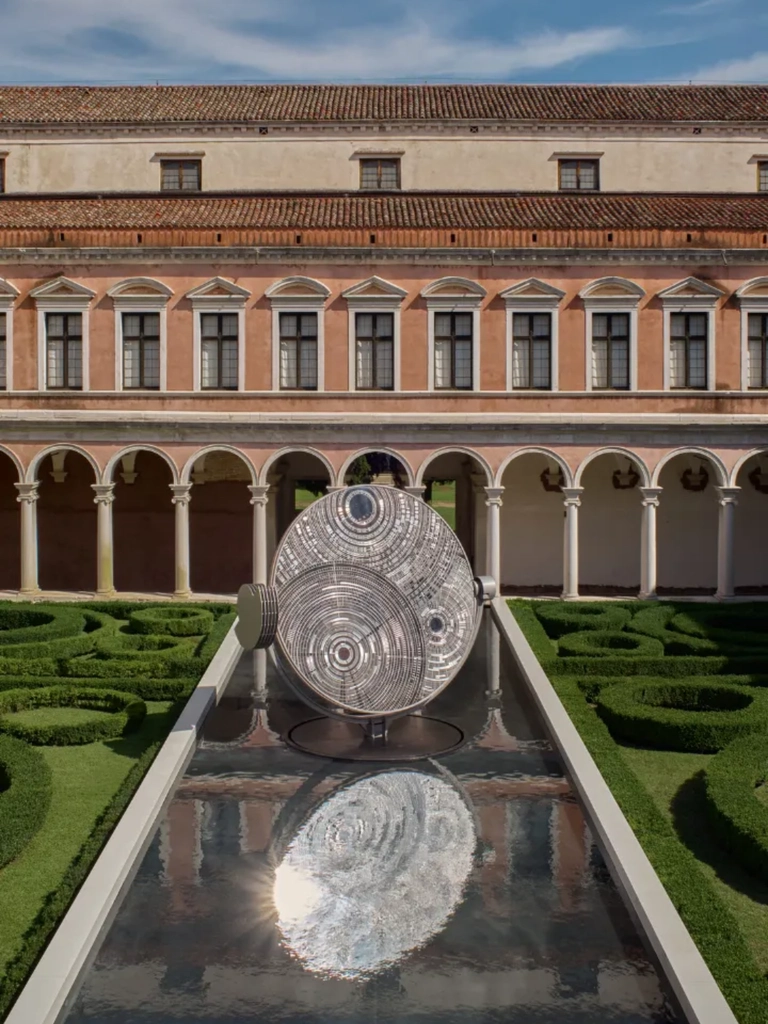
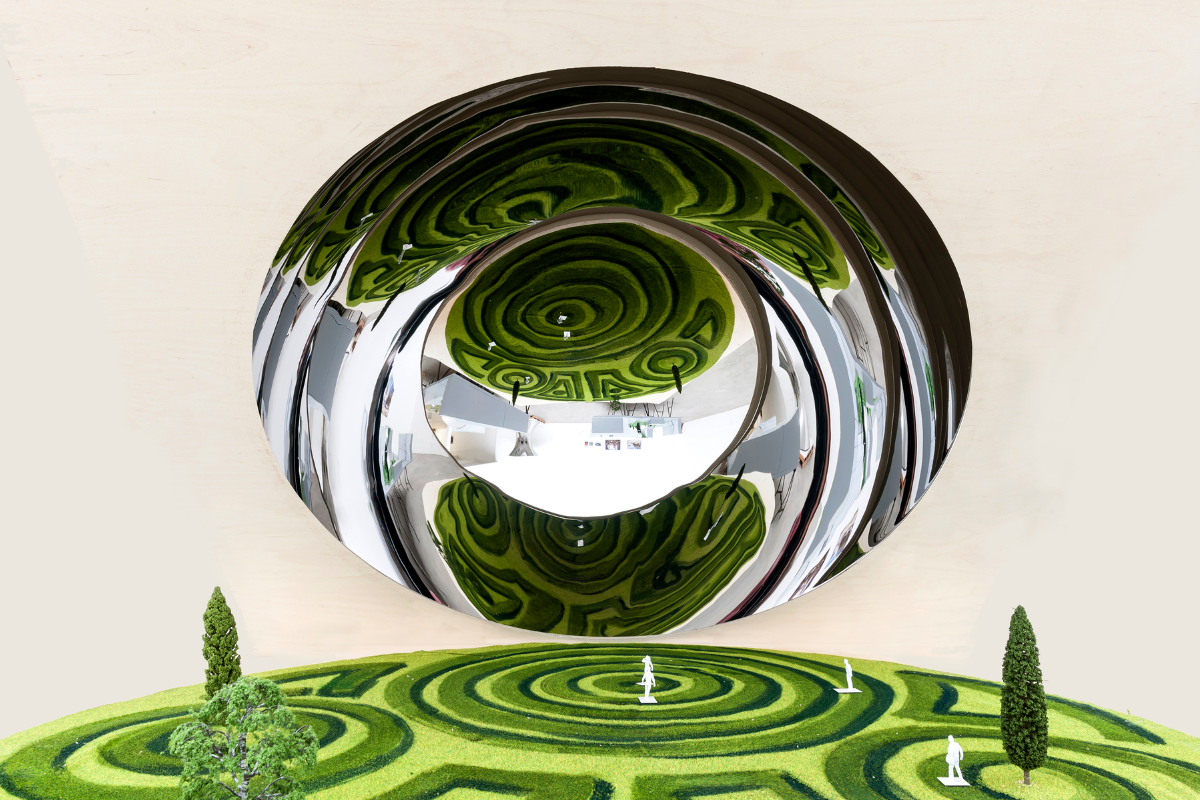
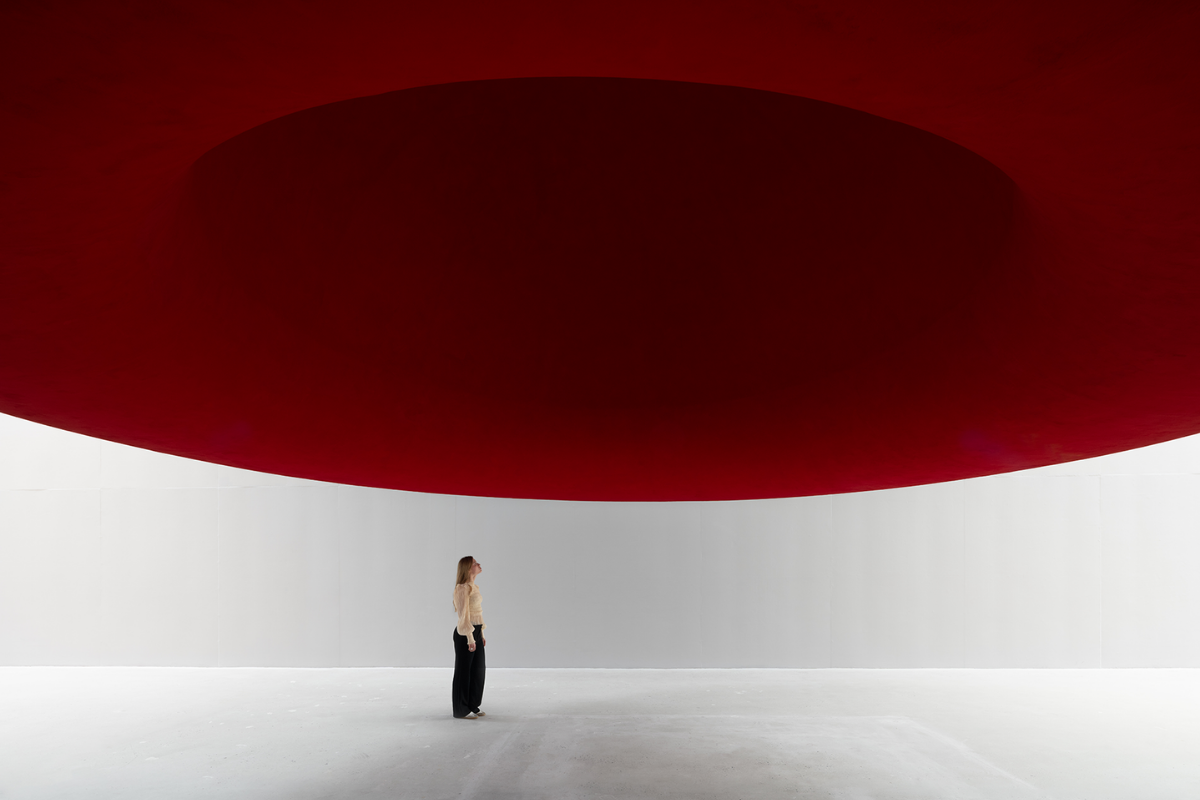
Anish Kapoor, meanwhile, is not confirmed as having an official central Biennale installation in the Arsenale, but he is presenting a major concurrent exhibition at Palazzo Manfrin from 6 May to 8 August 2026, bringing together architectural models, mirrored sculptures, Vantablack works, and immersive environments that extend his long fascination with voids, reflection, and perceptual instability.
The great pavilions of Venice Biennale 2026 are not great because they solved the problems of the pavilion form. Nobody has managed that, and Venice remains too attached to its architectural diplomacy game to try very hard. They are great because, within that compromised structure, they found ways to make the form less stupid.