MENU
Close





Why does abstraction still provoke the same exhausted accusation, “my kid could do that,” more than a century after it rewired modern vision?
Why does abstraction still provoke the same exhausted accusation, “my kid could do that,” more than a century after it rewired modern vision?
May 21, 2026


The funniest complaint about abstraction is also the laziest: “My kid could do that.” It arrives with the smug confidence of someone who has mistaken recognition for intelligence. A horse is art because it looks like a horse. A queen is art because she looks expensive. A bowl of fruit is art because nobody has to panic. But a red square, a black grid, a trembling field of blue, a violent loop of line? Suddenly civilization is in danger.
Abstraction has always been a trap for lazy looking. It removes the obvious subject and leaves the viewer standing there, exposed, with no king, landscape, saint, flower vase or reclining nude to cling to.
That is why abstraction became one of the most important visual revolutions of the modern age. It did not simply change painting. It changed the job of the viewer. Suddenly, looking required participation. Meaning was no longer served like dessert. One had to make it, survive it, argue with it.
Abstraction did not fall from the sky in a heroic splash of genius. It arrived slowly, pushed by technology, war, psychology, spirituality and a quiet boredom with painting the world as everyone already knew it. Photography had made realistic representation feel less urgent. Why spend months proving you can copy reality when a camera can do it in seconds and still have time to ruin your self-esteem?
The Impressionists began loosening the grip of literal depiction by chasing light, atmosphere and perception. Monet did not abolish the object, but he made it dissolve. Post-Impressionists pushed further, using color as mood rather than obedience. Gauguin and others made nature look emotionally unstable, which, to be fair, was probably more honest.
By the 1910s, the break became decisive. Wassily Kandinsky and Hilma af Klint began producing works with no recognizable subject, though history, being history, initially gave the trophy to the man and asked the woman to wait in the storage room of destiny. Kandinsky was long credited as the father of abstraction. Af Klint, who began making vast abstract works earlier, had the inconvenience of being Swedish, spiritual, female and far too strange for the tidy textbook machine.
Hilma af Klint may be one of art history’s most elegant acts of delayed revenge. In 1906, she began creating large, radiant, abstract paintings influenced by spiritualism, Theosophy and her belief in unseen forces.
Her major series, The Paintings for the Temple, imagined abstraction as a sacred architecture of symbols: Spirals, swans, snails, circles, dualities of yellow and blue, unions of masculine and feminine energies. She dreamed of a spiral-shaped temple where viewers could ascend through her work as if moving through consciousness itself. She never saw that temple built. Then, in one of those cosmic jokes too good for fiction, her 2018 Guggenheim exhibition unfolded inside Frank Lloyd Wright’s great spiral museum and broke attendance records. The universe, apparently, enjoys a late correction.
Kandinsky’s route to abstraction was musical. He believed painting could operate like sound, moving the viewer without imitating the visible world. His reported synesthetic experience made music appear as color, movement and shape, turning the canvas into something closer to a score than a window.
This is why his paintings carry titles such as Composition and Improvisation. He was not being decorative. He was proposing a system. An improvisation could behave like a visual jazz solo, immediate and intuitive. A composition could become a symphony, planned with intense structural discipline. Abstraction is often accused of being random by people who have never tried organizing chaos without a recognizable object to hide behind.
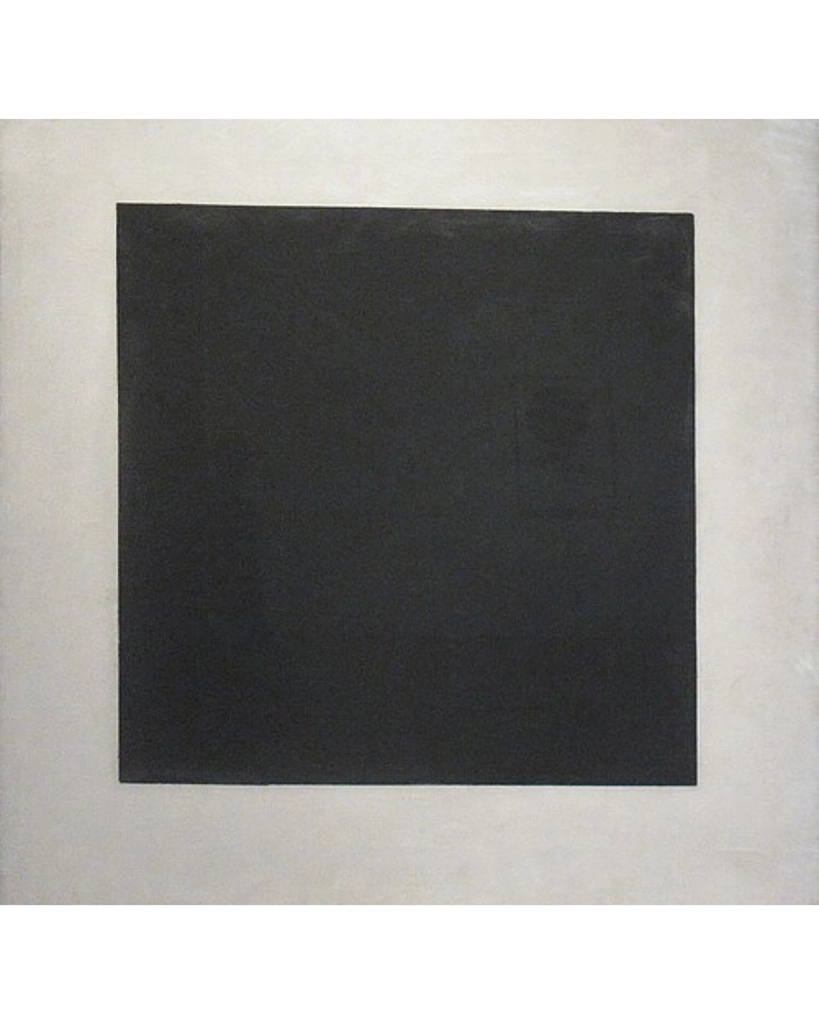
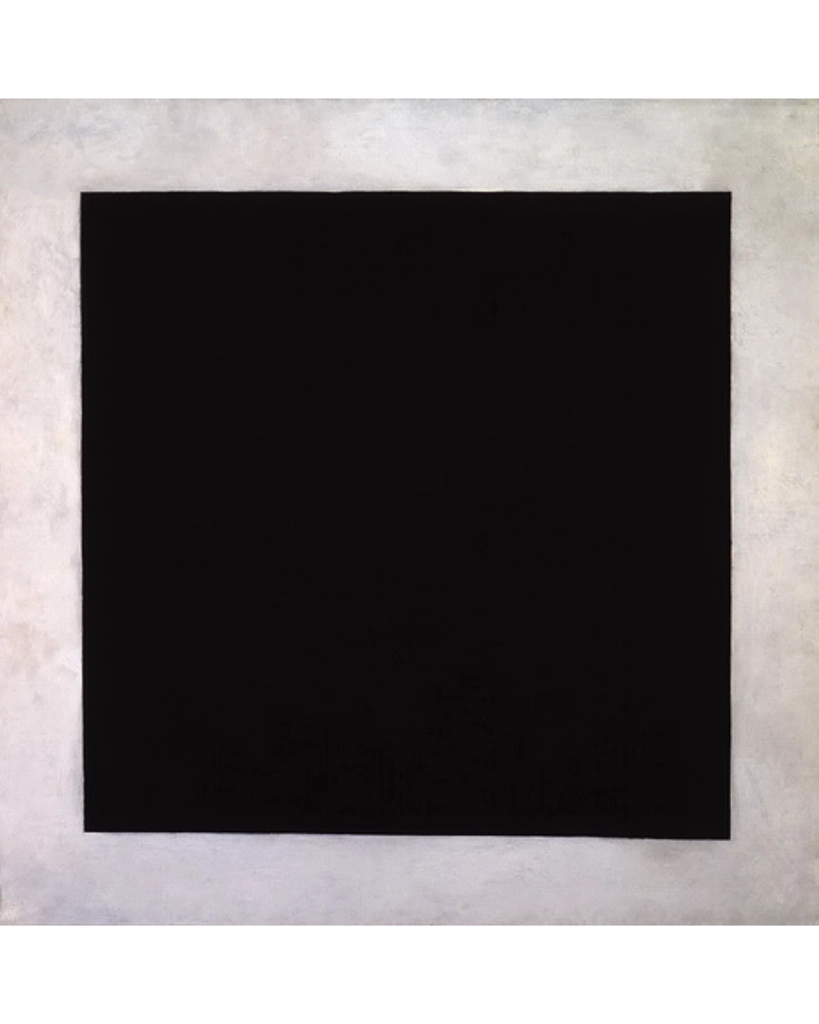
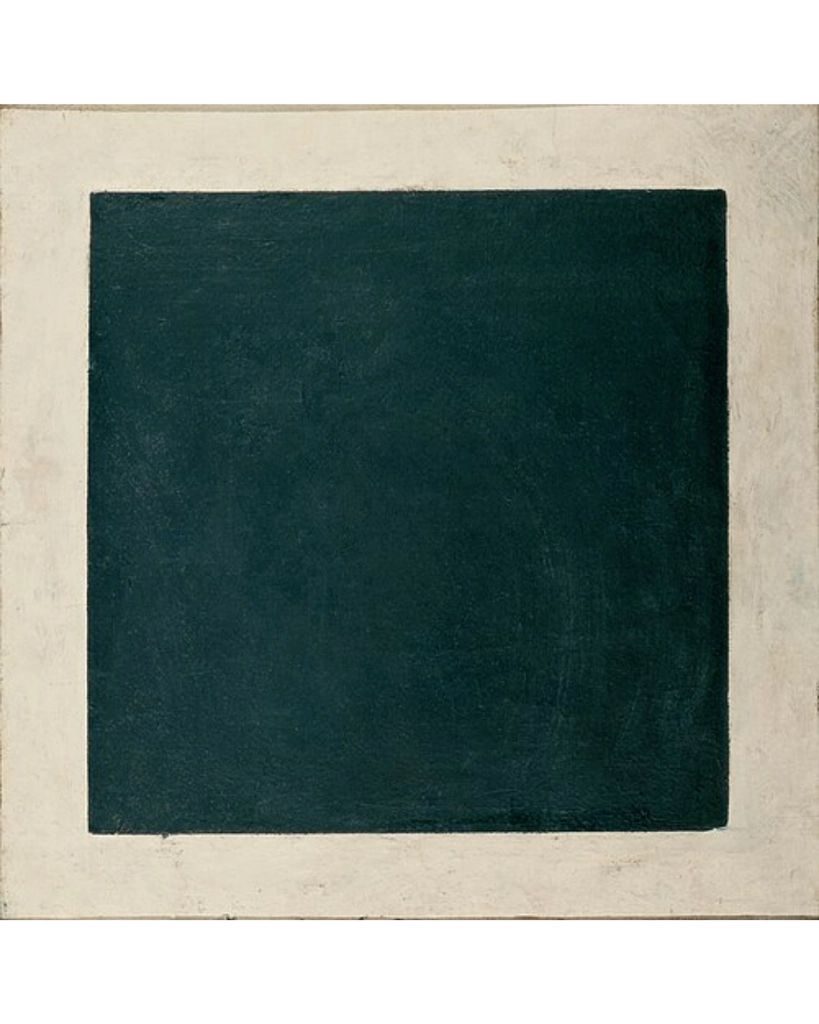
Then came Kazimir Malevich with Black Square, one of the most aggressively simple and spiritually dramatic gestures in modern art. In 1915, he placed a black square on a white field in the corner of a room, a position traditionally associated in Russian homes with religious icons. Subtle? Absolutely not. Effective? Unfortunately for everyone who loves polite painting, yes.
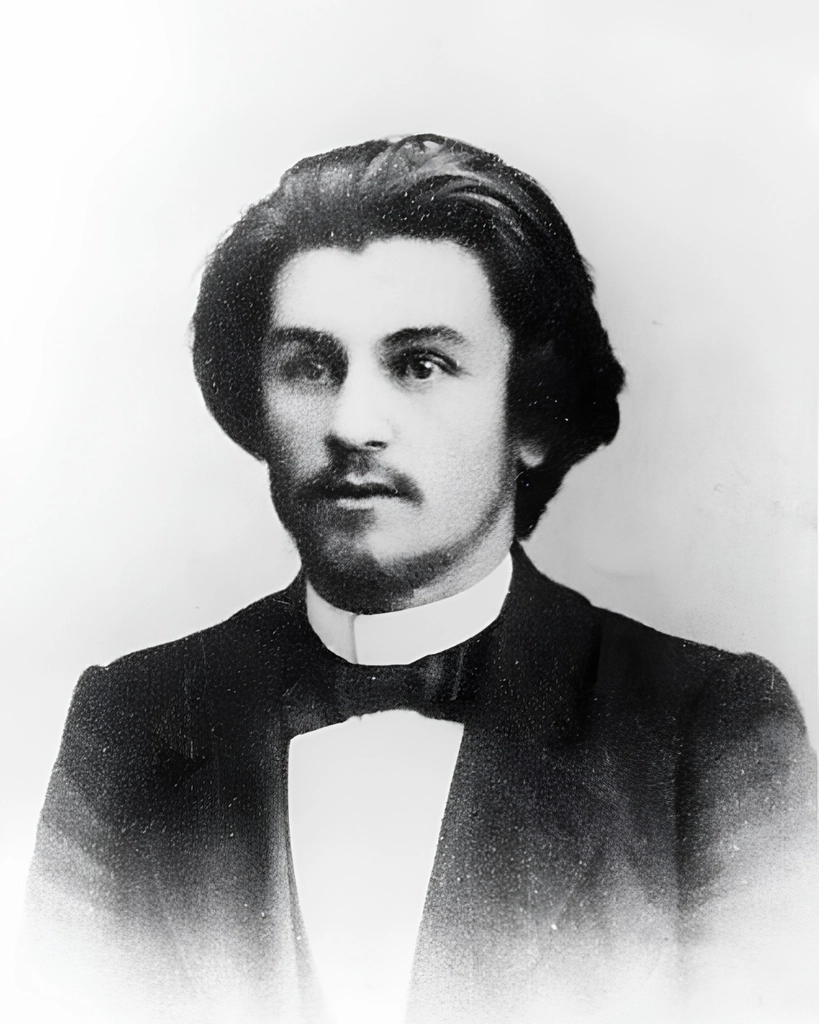
Malevich was not saying, “Look, I forgot to finish the painting.” He was declaring the death of old representation and proposing pure geometry as a new visual order. Suprematism stripped art down to shape, weight, balance and metaphysical force. The square became an icon against icons, a refusal disguised as an object.
Abstract art has always known that outrage is often just recognition arriving in an ugly coat.
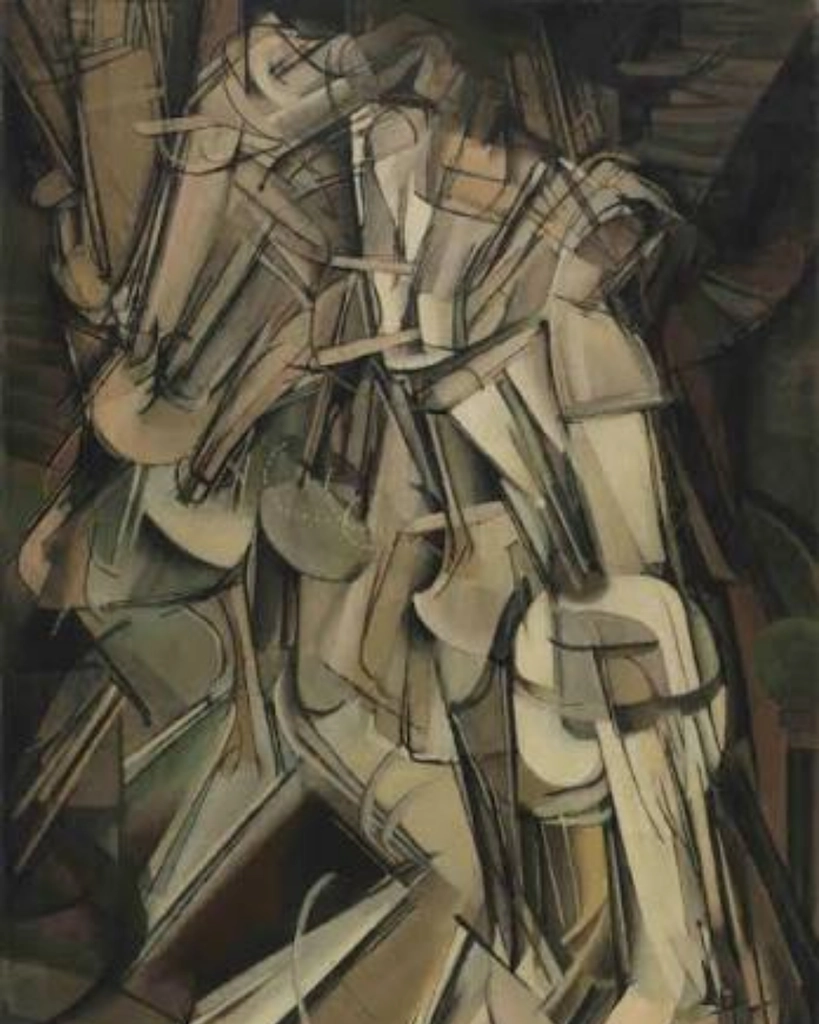
When modern abstraction reached American audiences through events such as the 1913 Armory Show, the reaction was deliciously hysterical. European modernism arrived in New York and promptly disturbed a public still attached to realism, portraiture and landscape. Marcel Duchamp’s Nude Descending a Staircase became a particular object of confusion, because apparently a nude was acceptable only when it stayed still and behaved.
The outrage was predictable. New art often enters culture as an insult before becoming a postcard. First the public mocks it. Then museums acquire it. Then luxury apartments hang it. Then someone writes a catalog essay about its radicality beside a canapé tray. This is the life cycle of modern taste.
The Armory Show effectively imported modernism into the American consciousness overnight. It proved that abstraction did not need universal love to be powerful. Confusion was part of the mechanism. To be confused by a new visual language is not failure. It is the first honest stage of learning to read it.
After World War II, the center of the art world shifted from Paris to New York, and Abstract Expressionism became the loud, unstable, myth-hungry language of American modernity. Jackson Pollock turned the canvas into an arena. Mark Rothko turned color into a chapel. Willem de Kooning made painting feel like a fight between the body and the brush.
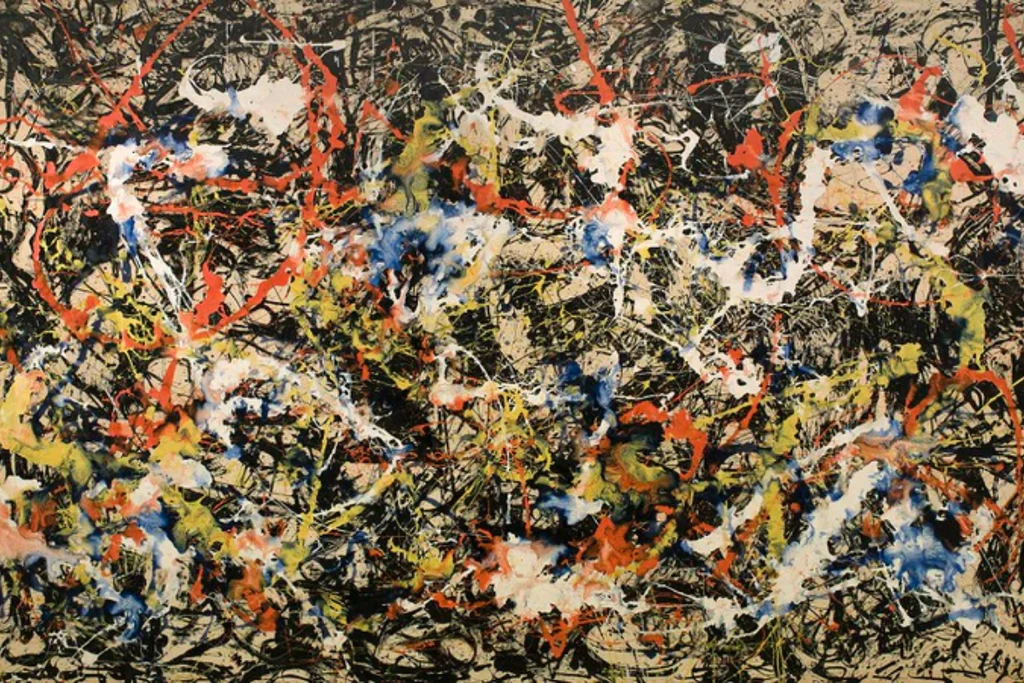
This was abstraction as performance, trauma, ego and existential weather. The canvas no longer behaved like a window. It became an event. Pollock’s action painting was not merely splatter, despite what every smug dinner guest has been repeating since 1952. It was a choreography of control and accident, rhythm and release. The gesture became evidence that something had happened.
Rothko moved in the opposite direction, though his paintings are no less intense. His floating fields of color appear simple only from a distance. Stand before them long enough and they begin to behave less like rectangles and more like emotional weather systems. They darken, breathe, expand, press forward. The viewer is not looking at a red painting. The viewer is being slowly absorbed by red.
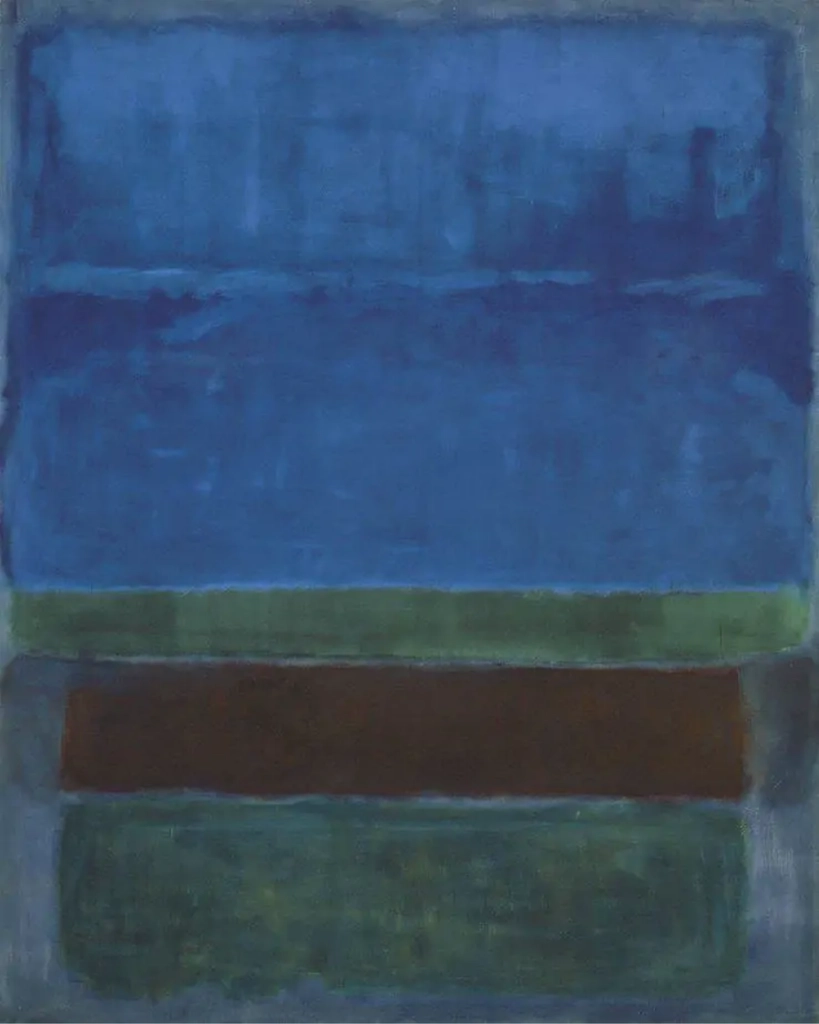
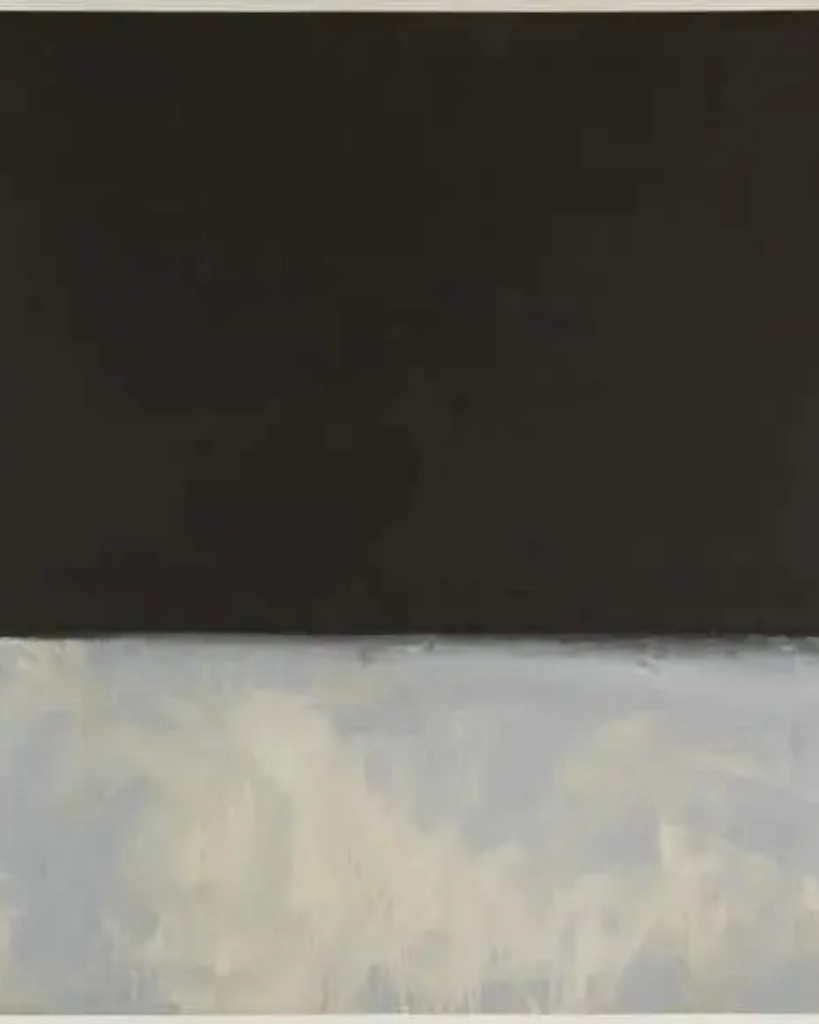
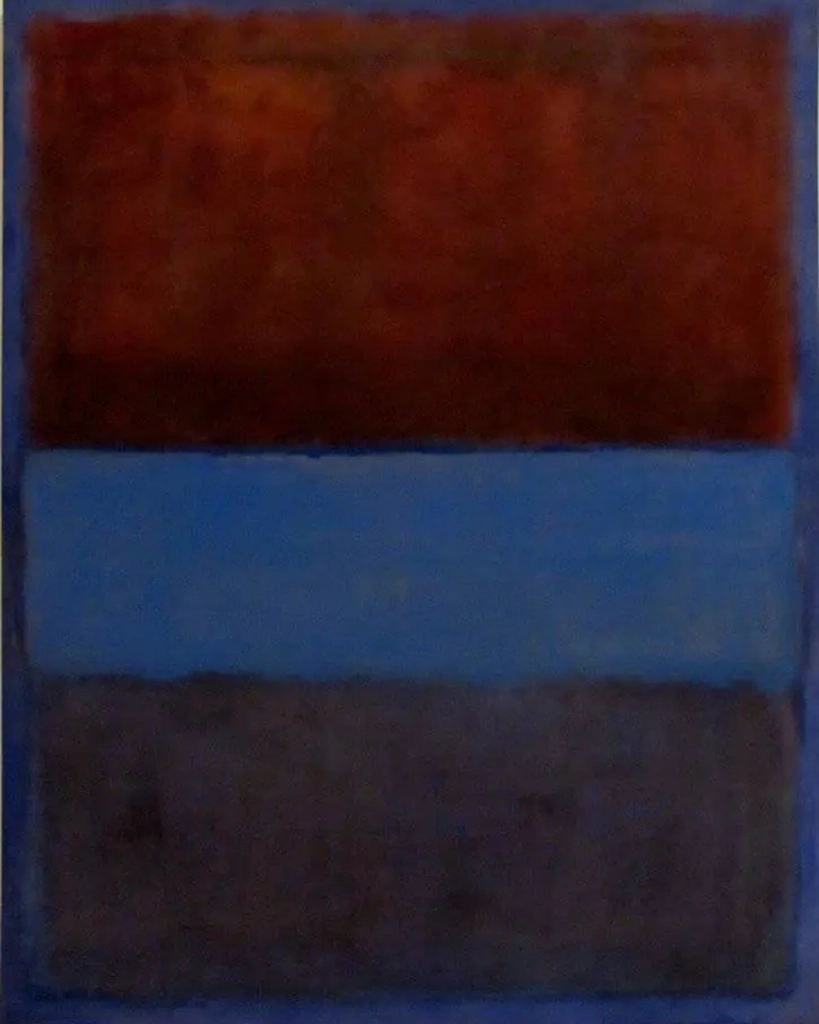
The great joke is that abstraction was supposed to be meaningless, yet everyone has spent a century having extremely strong feelings about it.
No history of abstract art is complete without one of its strangest plot twists. During the Cold War, Abstract Expressionism became useful as cultural propaganda. Through the Congress for Cultural Freedom and related networks, American institutions promoted abstraction abroad as evidence of intellectual freedom, individualism and creative openness against Soviet Socialist Realism.
The irony is almost too perfect. Many of the artists associated with the movement leaned left politically and would probably have been thrilled to know they were being used as soft-power weapons by the very establishment they distrusted. Nothing says artistic freedom like covert geopolitical branding.
Still, the strategy worked. Exhibitions such as The New American Painting helped cement New York as the new center of the global art world. Abstract Expressionism became not only a style, but an ideological export. A Pollock drip could apparently say, “democracy,” “freedom,” “individual genius” and “please ignore our foreign policy complications,” all at once.
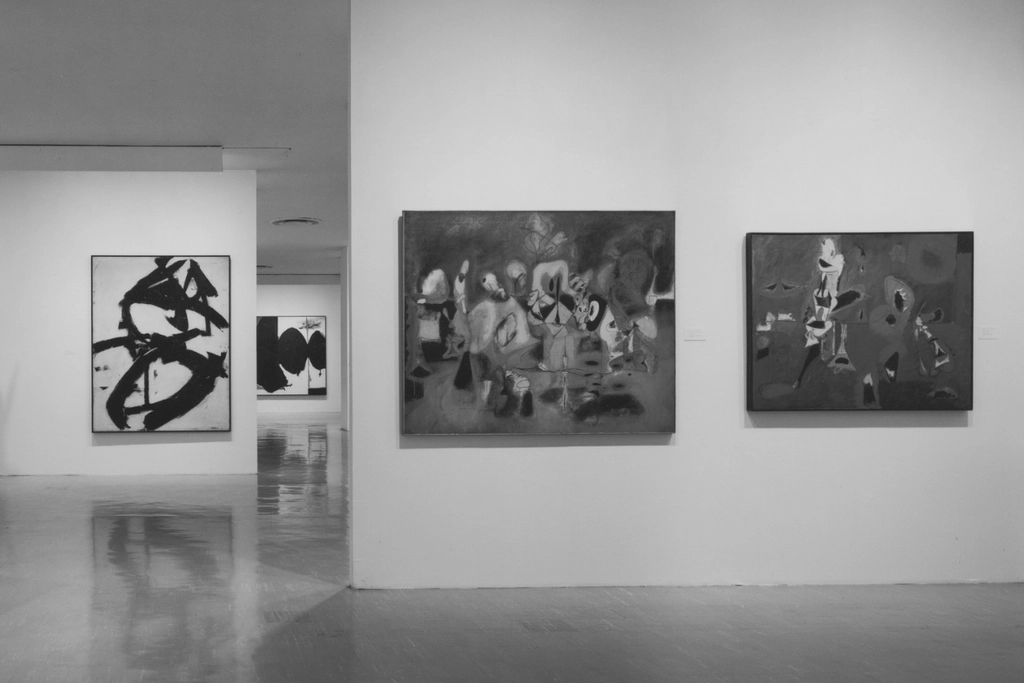
This is where abstract art becomes fascinating beyond aesthetics. It reveals how even the most anti-literal art can be recruited into literal power.
The most persistent criticism of abstract art remains the idea that it requires no skill. The logic goes like this: If I cannot immediately identify the subject, the artist must be incompetent. This is convenient because it lets the viewer feel superior without doing any work.
But most major abstractionists knew exactly how to draw, paint, compose and structure. Mondrian’s grids did not emerge from laziness. They emerged from reduction. Picasso could draw conventionally before he began dismantling faces like a genius with a grudge. Kandinsky’s freedom depended on musical order. Af Klint’s symbols came from an elaborate spiritual language. Malevich’s square was simple because it wanted to be absolute, not because he ran out of ideas.
Abstraction is not the absence of skill. It is the refusal to use skill for reassurance.
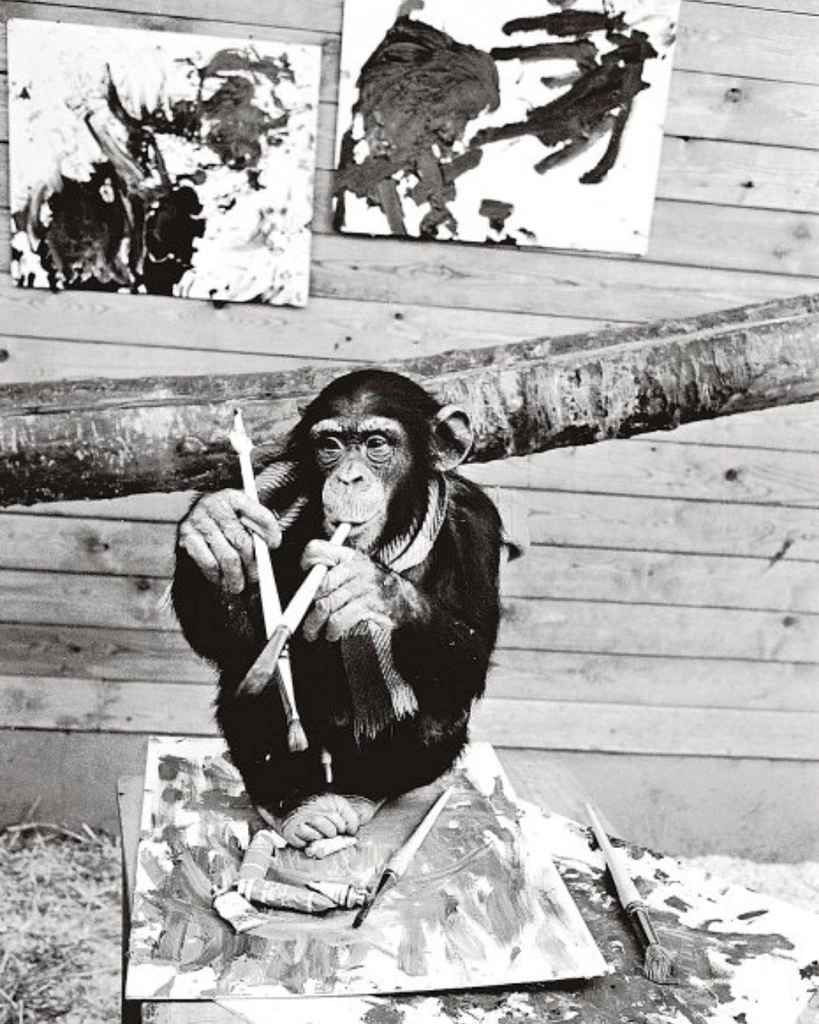
Of course, the art world has also invited its own ridicule. The story of Pierre Brassau, the chimpanzee whose paintings were exhibited as a prank in 1960s Sweden, remains a useful little humiliation. Some critics praised the work before discovering the artist was not a mysterious genius but a zoo animal with paint access.
Does that prove abstract art is fake? Not exactly. It proves critics can be ridiculous, which hardly required a chimpanzee but was generous of him to assist.
The great scandal of abstract art was never that artists stopped painting recognizable objects. The scandal was that they exposed how much of “good taste” depends on obedience. People like art that tells them where to stand, what to admire and how to feel cultured while doing it. Abstraction refuses to be so helpful.
It can be spiritual, political, musical, decorative, intellectual, fraudulent, profound, silly, sublime and marketable, sometimes in the same room before lunch. That is its power. It does not offer one stable meaning. It behaves like modern life itself: fragmented, charged, unstable, full of signals that cannot always be translated.
“My kid could do that” remains the perfect accidental tribute. The phrase admits that abstraction returns art to something primal: gesture, instinct, rhythm, color, play. But the masters of abstraction did not stop there. They turned those primal elements into systems, temples, scandals, propaganda, meditations and revolutions.