MENU
Close





The Armory Show, which took place at the 69th Regiment Armory of New York from February 12 to March 15, 1913, marked a seismic turning point in the history of American art.
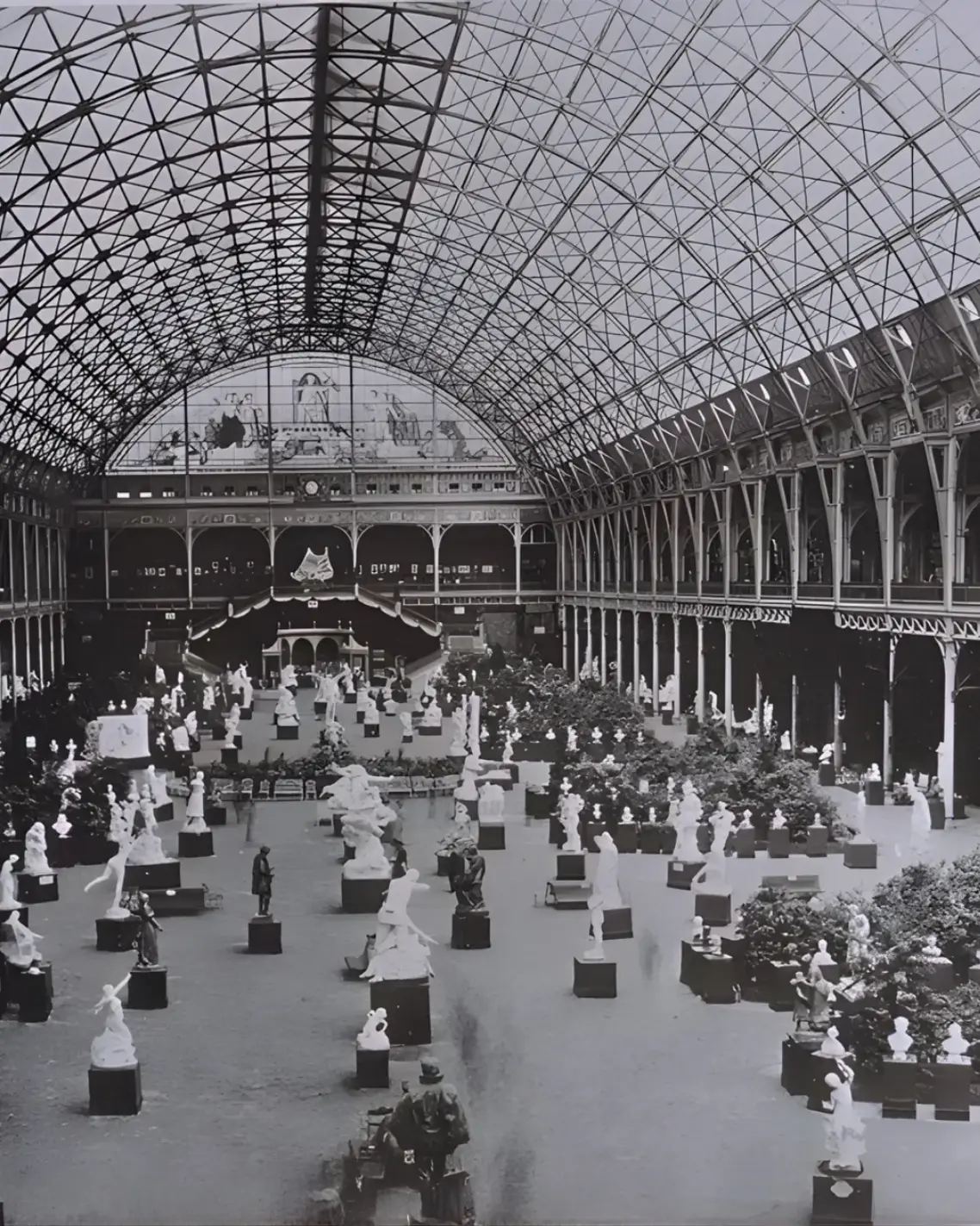
The Armory Show, which took place at the 69th Regiment Armory of New York from February 12 to March 15, 1913, marked a seismic turning point in the history of American art.
February 17, 2026


Before its arrival, the cultural establishment in the United States remained firmly under the influence of the National Academy of Design, where idealized realism and classical composition continued to dominate. Beauty was equated with harmony, technical polish, and softened form, even as European artists had already begun dismantling those ideals in favor of experimentation, fragmentation, and abstraction.
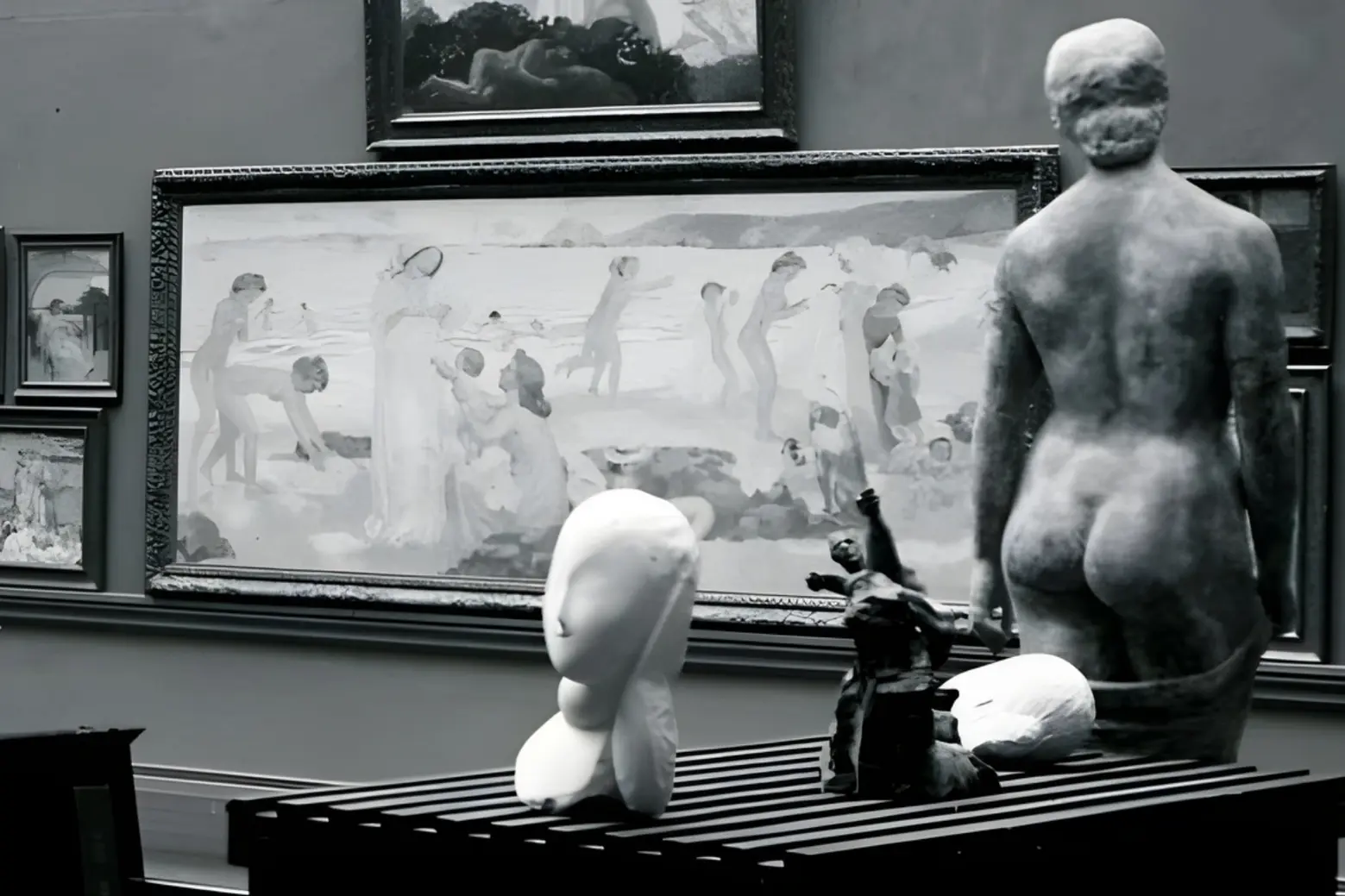
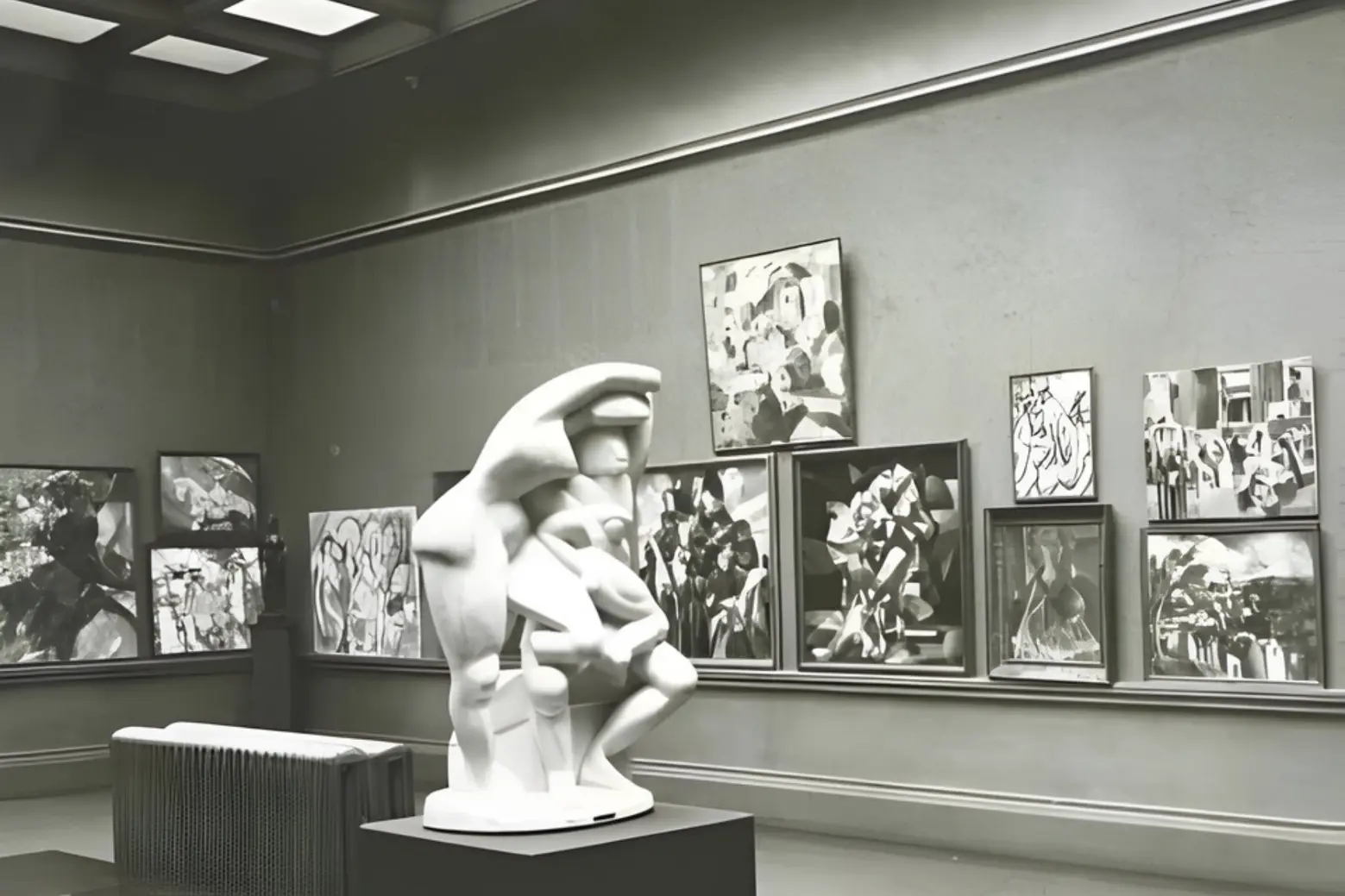
This growing disconnect sparked frustration among a younger generation of American artists. In 1911, four New York painters began meeting to discuss how American art might escape academic stagnation. Their conversations led to the formation of the Association of American Painters and Sculptors, a group openly opposed to conservative standards. Two years later, they organized what was officially titled the International Exhibition of Modern Art - soon known simply as the Armory Show, staged inside New York’s 69th Regiment Armory.
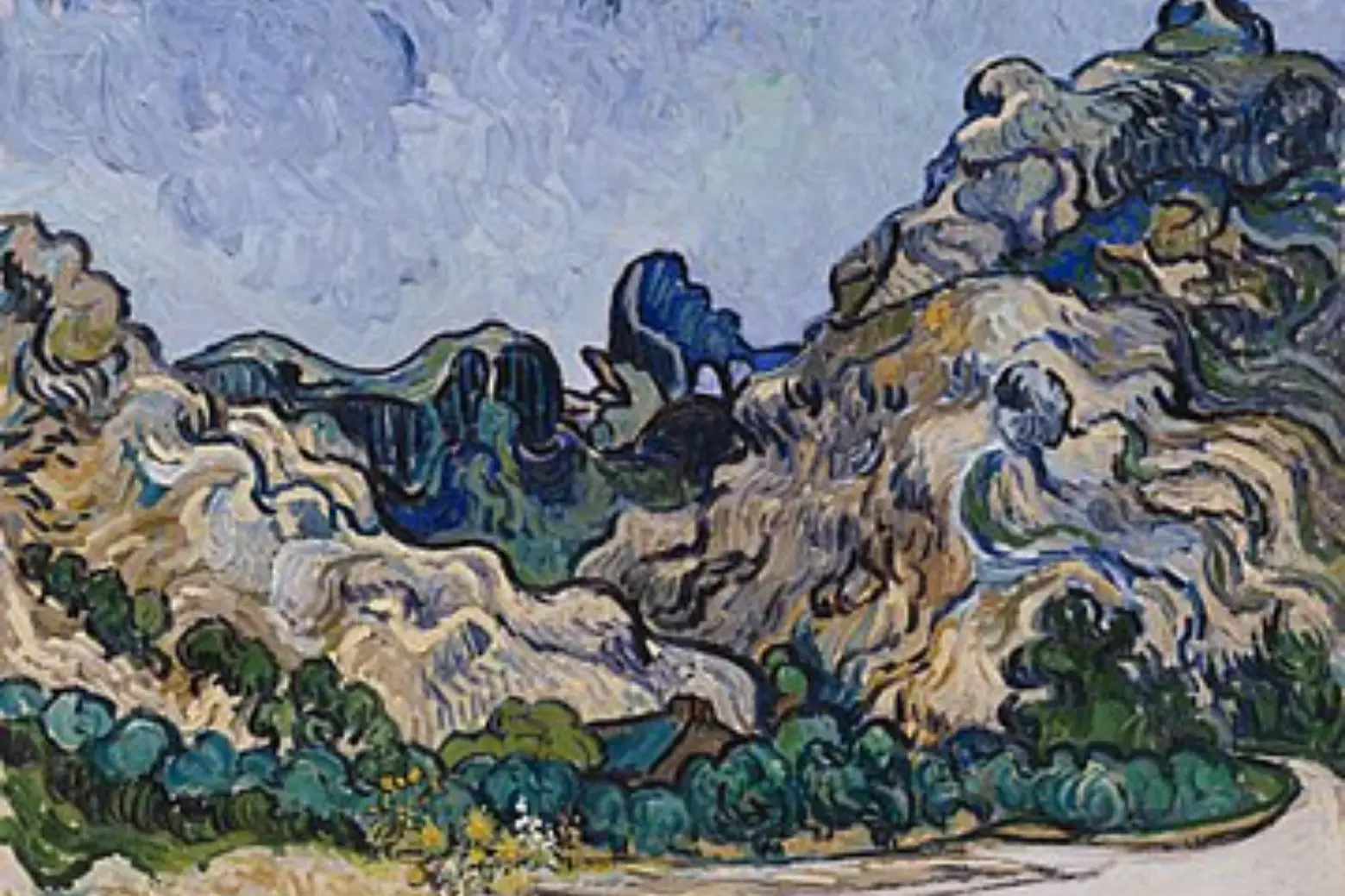
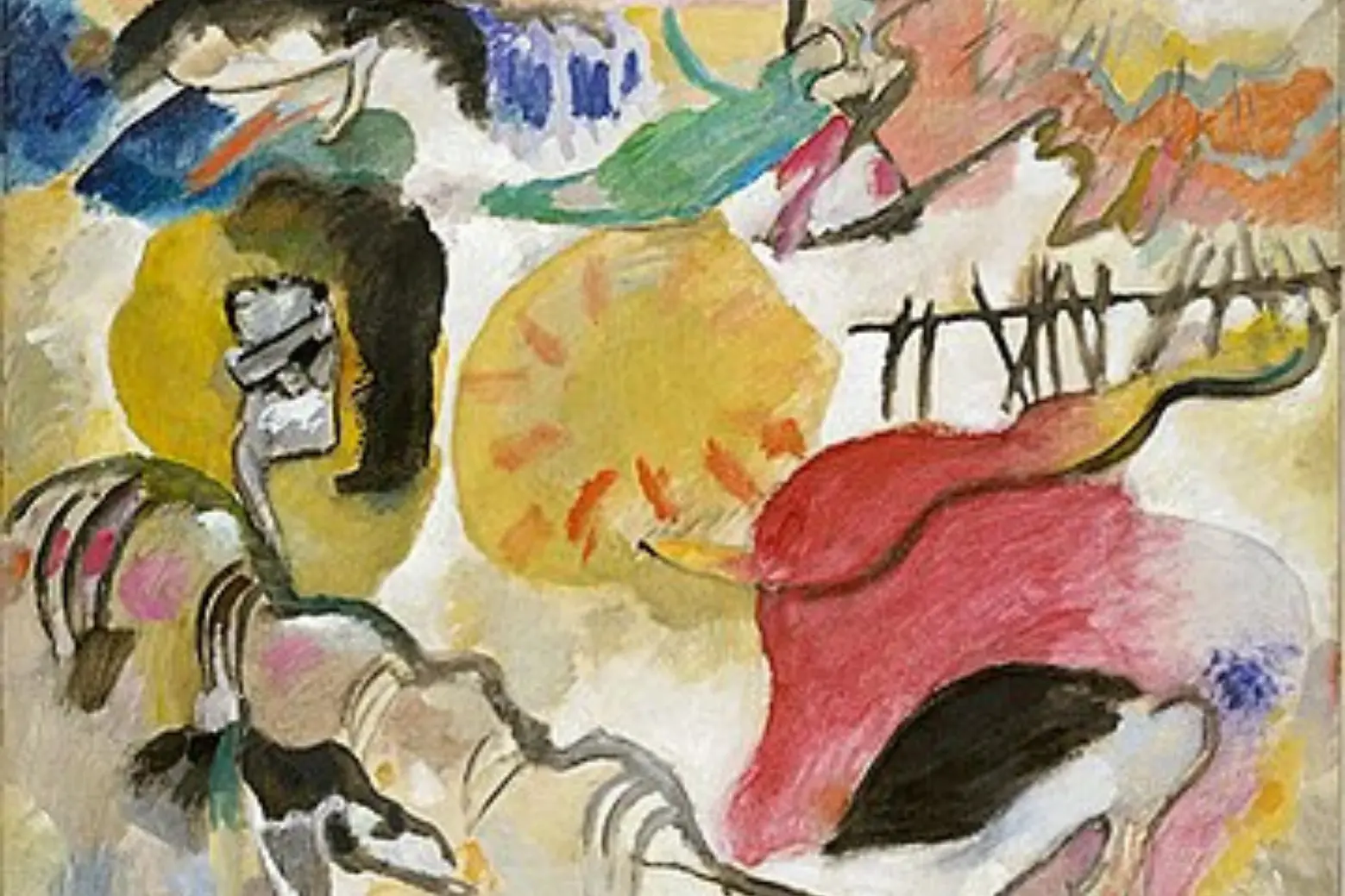
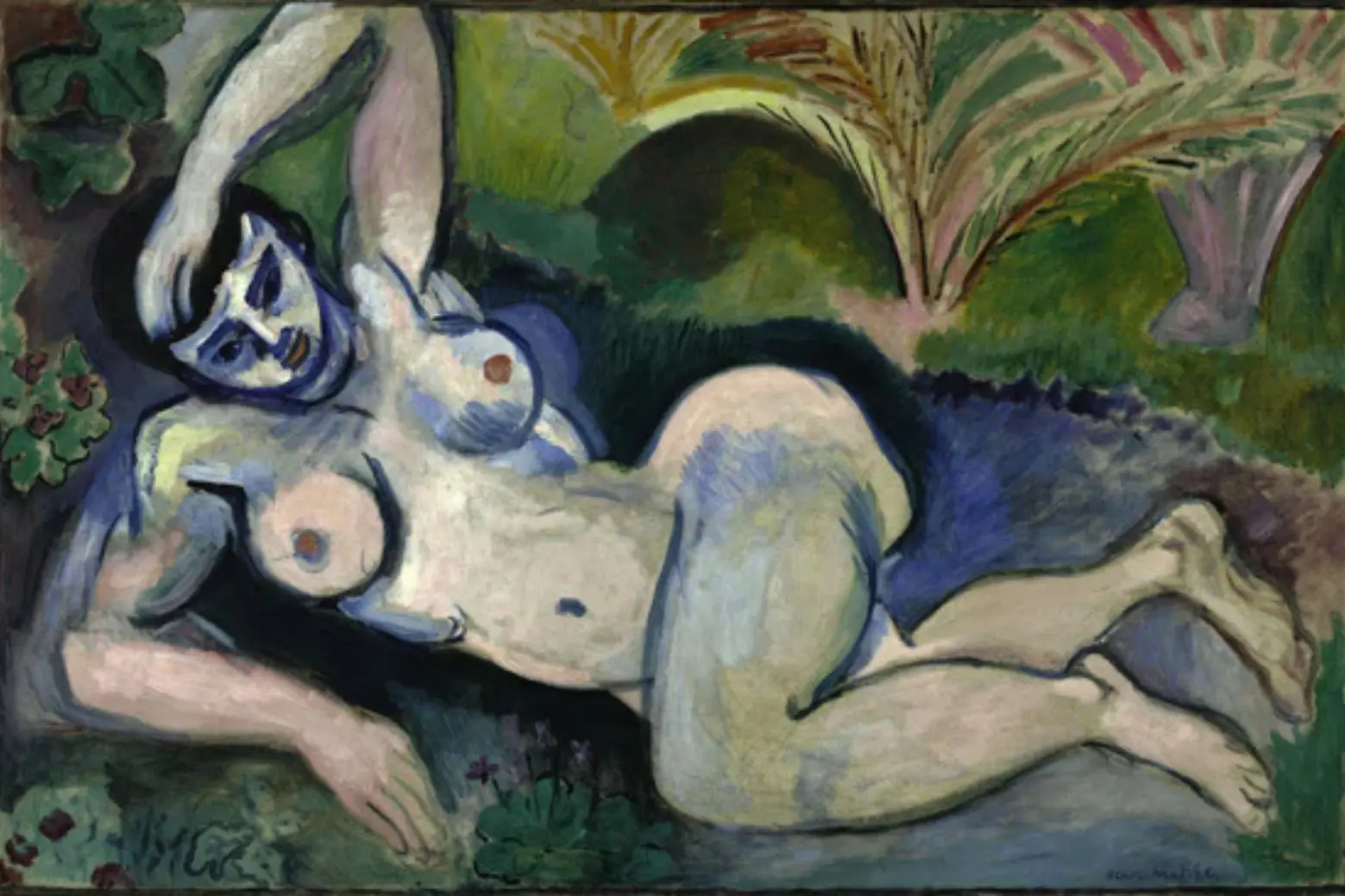
The scale of the exhibition was unprecedented. More than twelve hundred works by over three hundred artists filled the cavernous space. Although roughly two-thirds of the works were American, including paintings by Edward Hopper, who sold his first piece at the show, it was the European contingent that shocked the public. Works by Paul Cézanne, Henri Matisse, Pablo Picasso, Vincent van Gogh, Paul Gauguin, and especially Marcel Duchamp, confronted viewers with a radically new visual language.
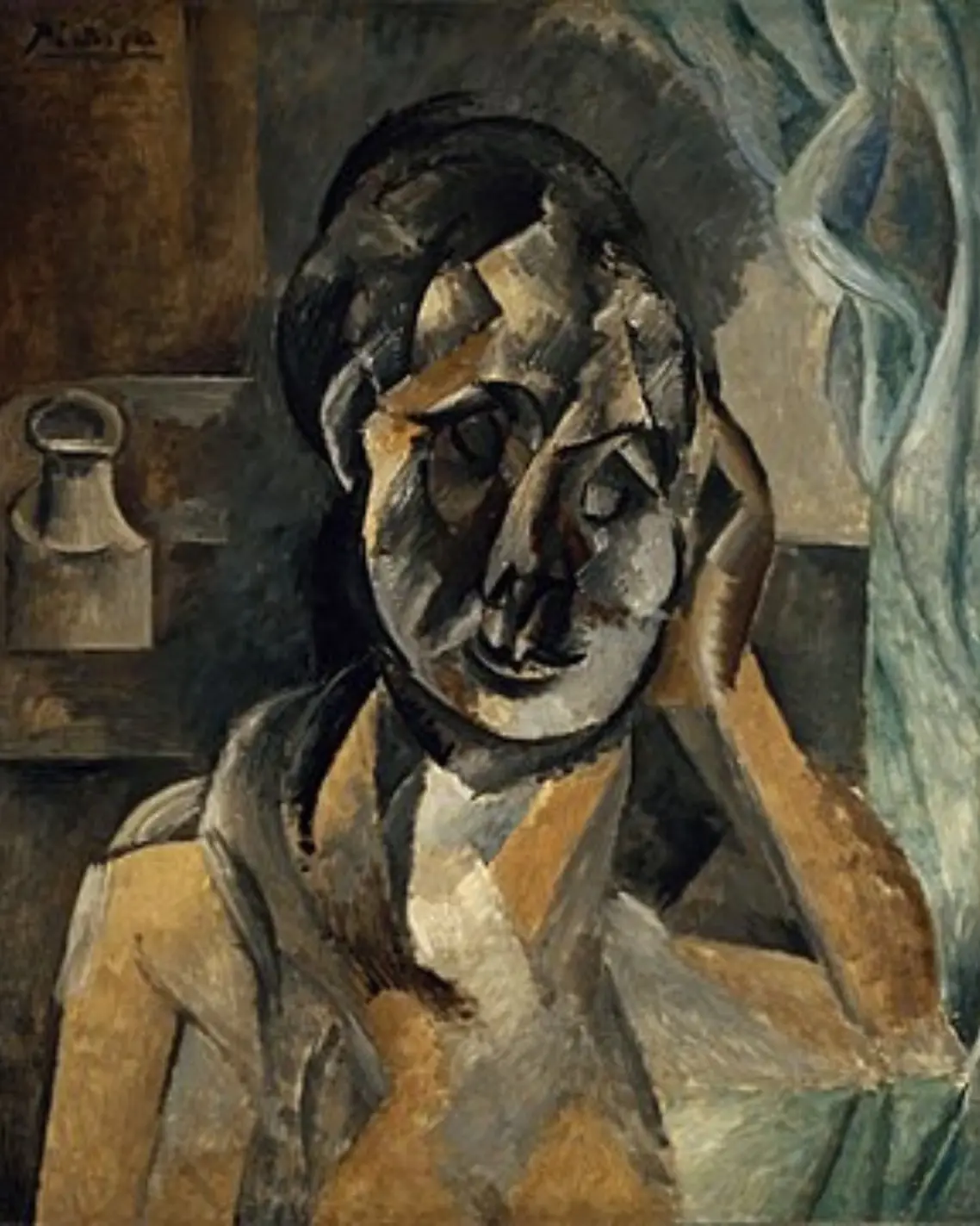
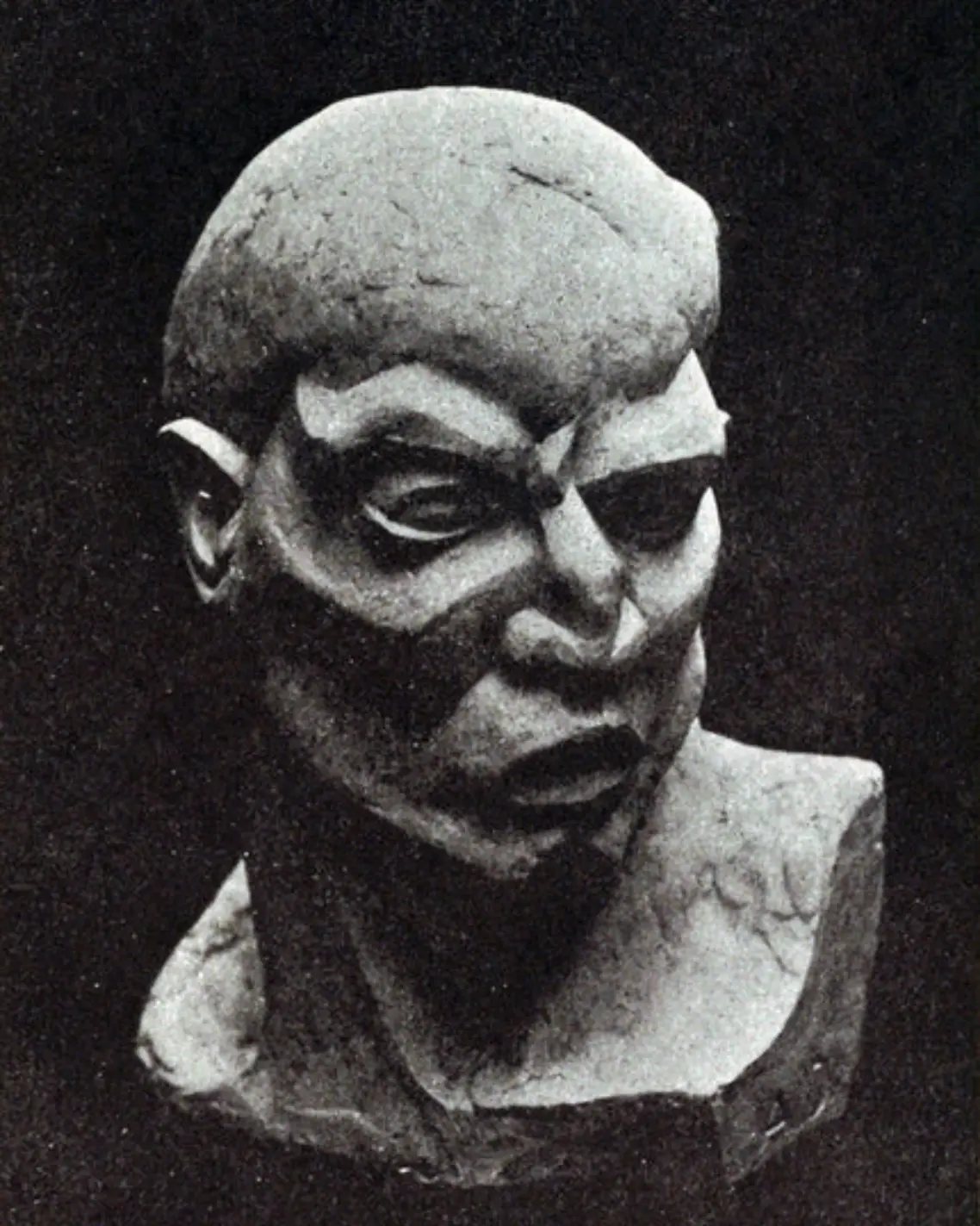
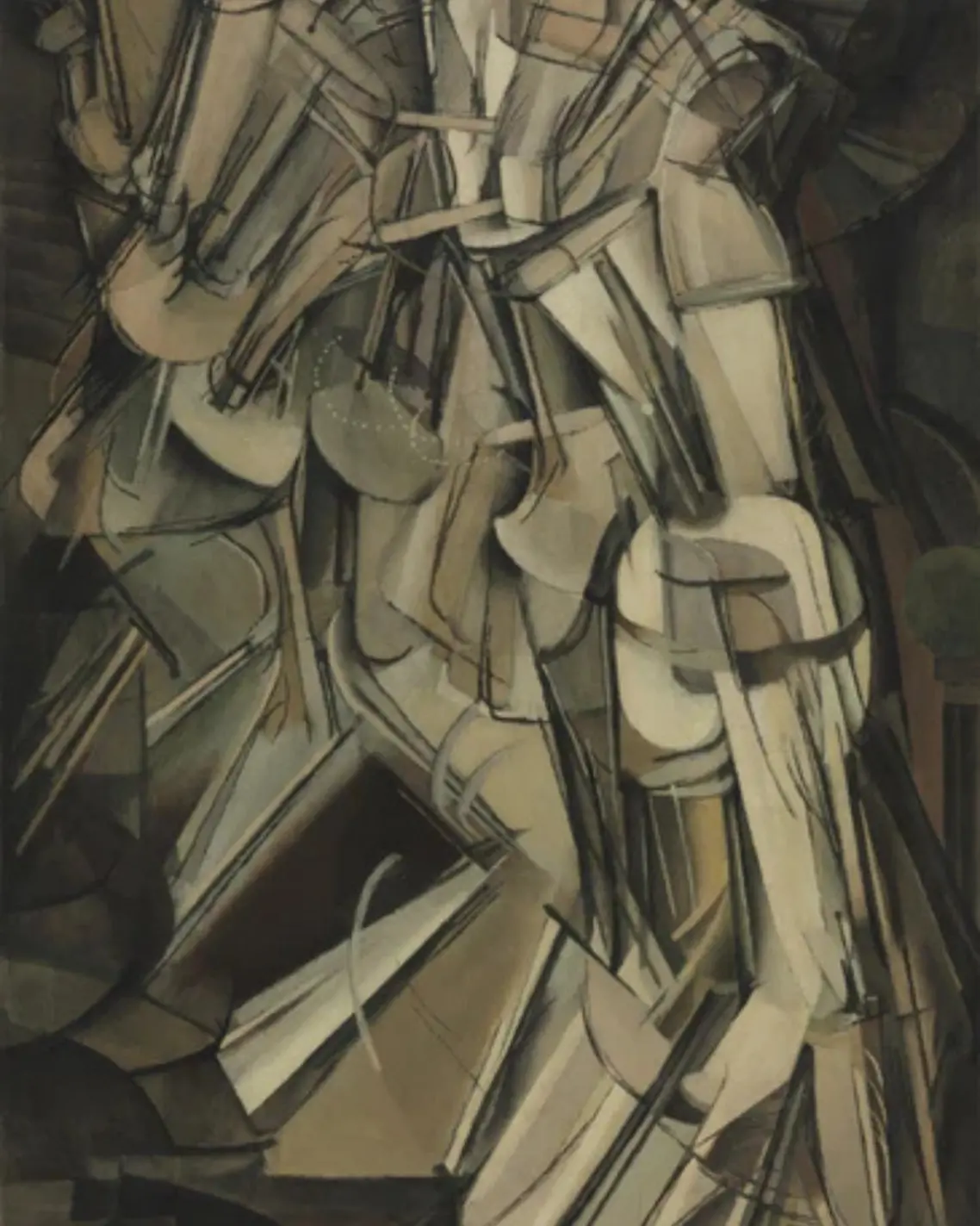
Cubism provoked the loudest backlash. Its fractured perspectives and rejection of traditional spatial logic bewildered audiences accustomed to Old Master paintings by Rembrandt or Titian. Duchamp’s Nude Descending a Staircase became a lightning rod for ridicule and debate, yet it also forced viewers to reconsider what painting could represent.
In retrospect, the Armory Show is widely recognized as the moment modernism entered American consciousness. Its influence reshaped collecting practices and directly contributed to the founding of institutions such as the Museum of Modern Art and the Whitney Museum of American Art. More fundamentally, the exhibition legitimized a radical idea: that art did not need to be beautiful to be meaningful, and that disruption itself could be a form of cultural progress.