Can you do luxury art collecting in a one-bedroom apartment? Yes, actually.
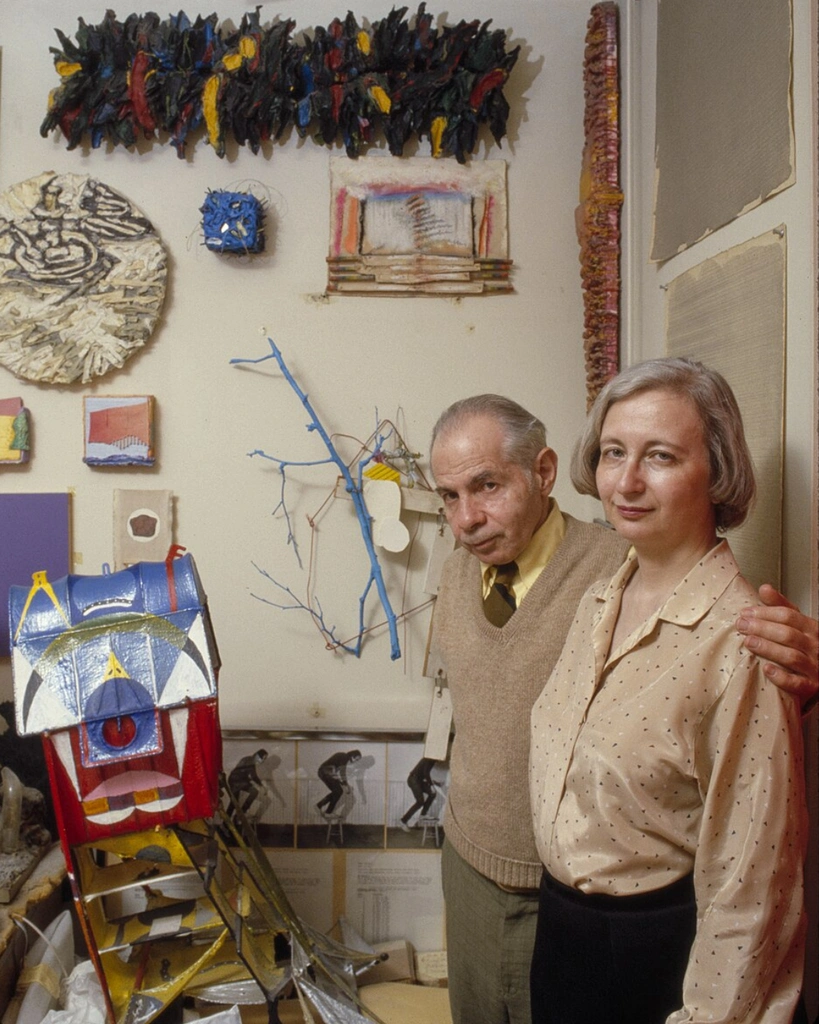
The Vogel Collection, Luxury Art Collecting On A Budget
Can you do luxury art collecting in a one-bedroom apartment? Yes, actually.
June 9, 2026


The mythology of luxury art collecting usually begins in rooms the public rarely enters: the private preview before a Christie’s evening sale, the back office of a blue-chip gallery, the freeport vault where paintings wait in darkness, the family collection quietly advised by bankers, lawyers and art consultants.
The Vogels were not heirs, financiers, industrialists or social operators. Herbert was a high-school dropout who worked nights as a clerk for the U.S. Postal Service. Dorothy was a reference librarian at the Brooklyn Public Library. They lived in a rent-controlled one-bedroom apartment in Manhattan, surrounded by cats, turtles and eventually thousands of works of art. Their collection did not begin with a strategy deck. It began with obsession, thrift, looking and the pure taste.
One-Bedroom Private Museum
The Vogels married in 1962 and built their collecting life around an almost monastic system. They lived on Herbert’s modest salary and used Dorothy’s income to buy contemporary art. This division was not glamorous, but it was devastatingly effective. It turned the household into a collecting machine, one where every purchase came from sacrifice rather than surplus.
Their apartment created the second rule. Since they refused to use external storage, every artwork had to be small enough to fit inside their home. It also had to be portable enough to be carried on the subway or in a taxi. In practical terms, this pushed them toward drawings, sketches, maquettes, works on paper and small-scale sculptures. In curatorial terms, it gave the collection its intellectual density.
This is the paradox: Limitation made them sharper. A billionaire can buy scale. The Vogels had to buy concentration. They could not depend on monumental presence, so they trained themselves to read structure, line, concept, material and intent. Their apartment became a pressure chamber of thought. Every acquisition had to earn its place physically, financially and emotionally.
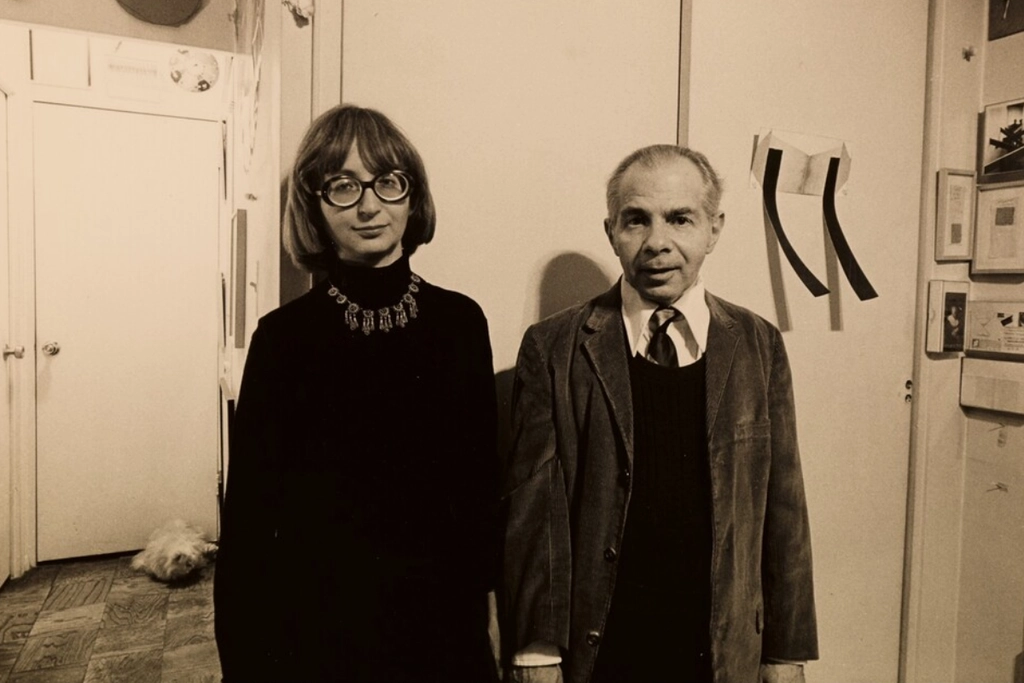
There is a lesson here for luxury art collecting now, especially in a market obsessed with spectacle. Bigger is not always deeper. More expensive is not always more important. The Vogels understood that a small work can contain an entire movement if the collector knows where to look.
The Avant-Garde As A Private Relationship
The Vogels did not collect what had already become fashionable. They collected what was still forming. In the 1960s and 1970s, as Abstract Expressionism gave way to Minimalism, Post-Minimalism and Conceptual Art, they became familiar figures in SoHo’s lofts and studios. They bought directly from artists, often before gallery representation had stabilized value. Sometimes they paid in small monthly installments. They were not merely consumers of art; they were part of its social weather.
Their eye moved toward artists who challenged comfort. Sol LeWitt’s conceptual structures and wall-drawing plans appealed to a mind willing to see the artwork beyond conventional objecthood. Richard Tuttle’s fragile, understated forms demanded a collector who could understand delicacy as force. Lynda Benglis brought organic tactility and material rebellion. Robert Mangold and Jo Baer sharpened painting into systems, planes and conceptual restraint.
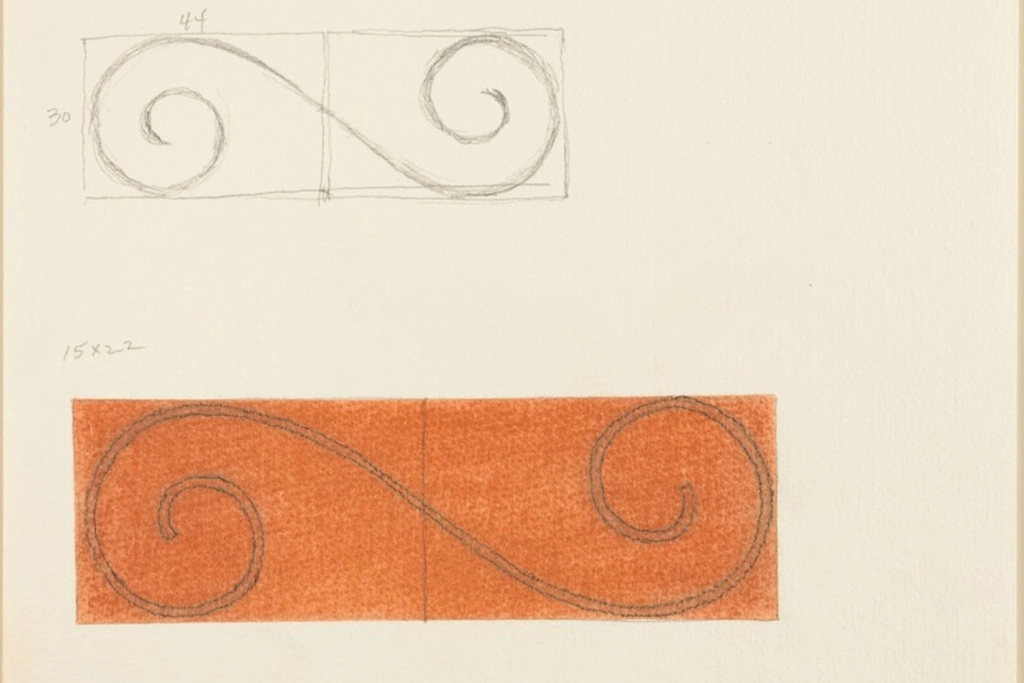
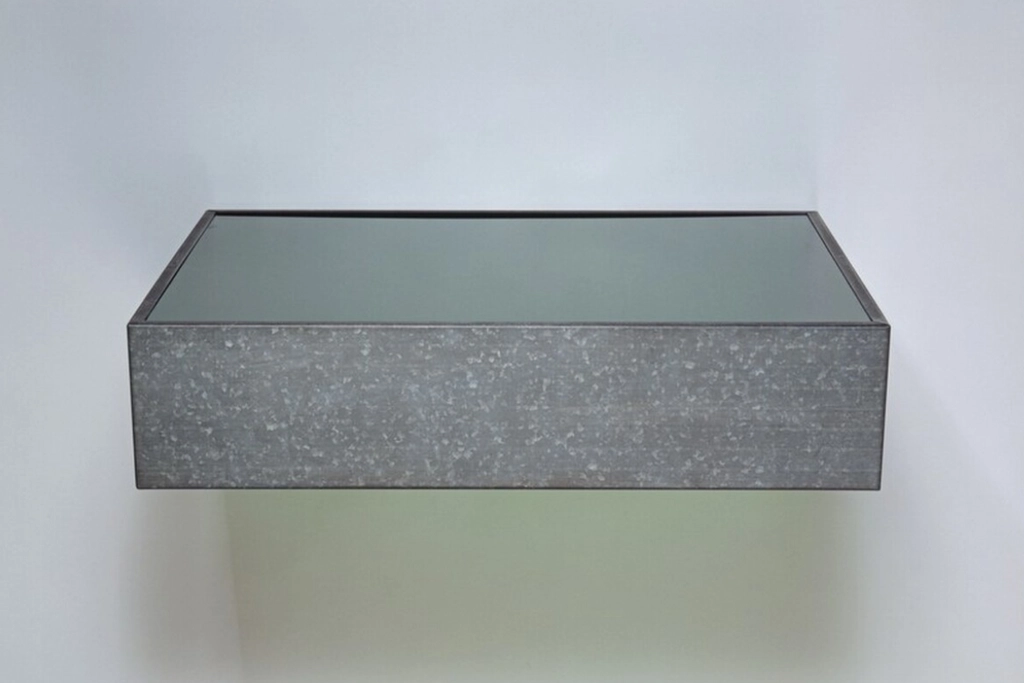
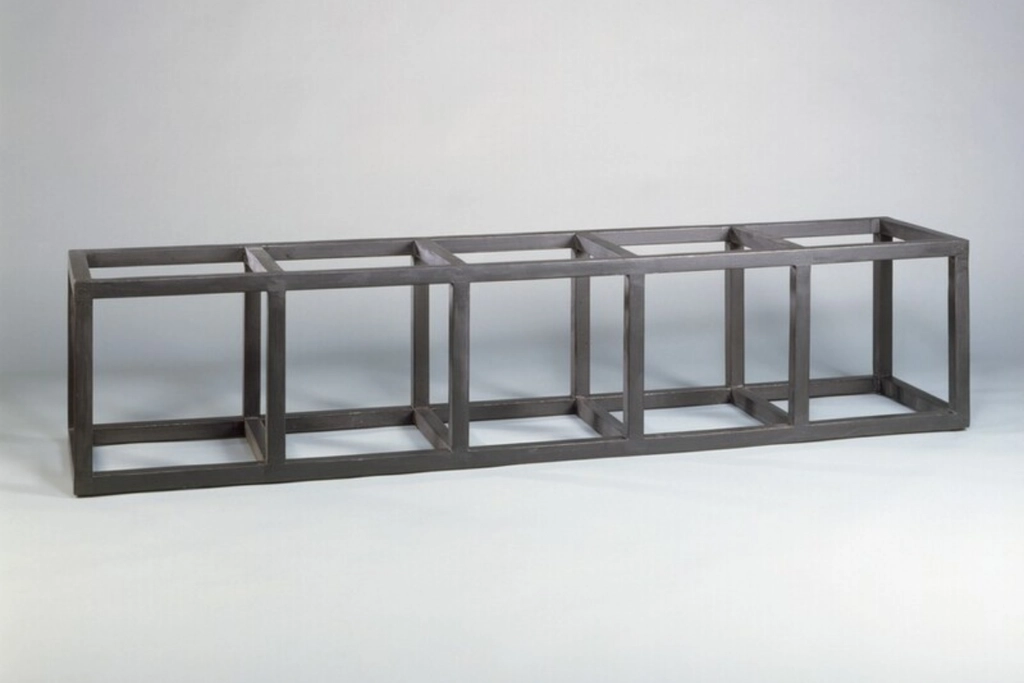
None of this was easy art in the decorative sense. Much of it seemed too cold, too modest, too theoretical or too strange for mainstream collectors. That is precisely why the Vogels mattered. They were willing to inhabit the uncomfortable interval between creation and consensus. They collected the moment before validation arrived.
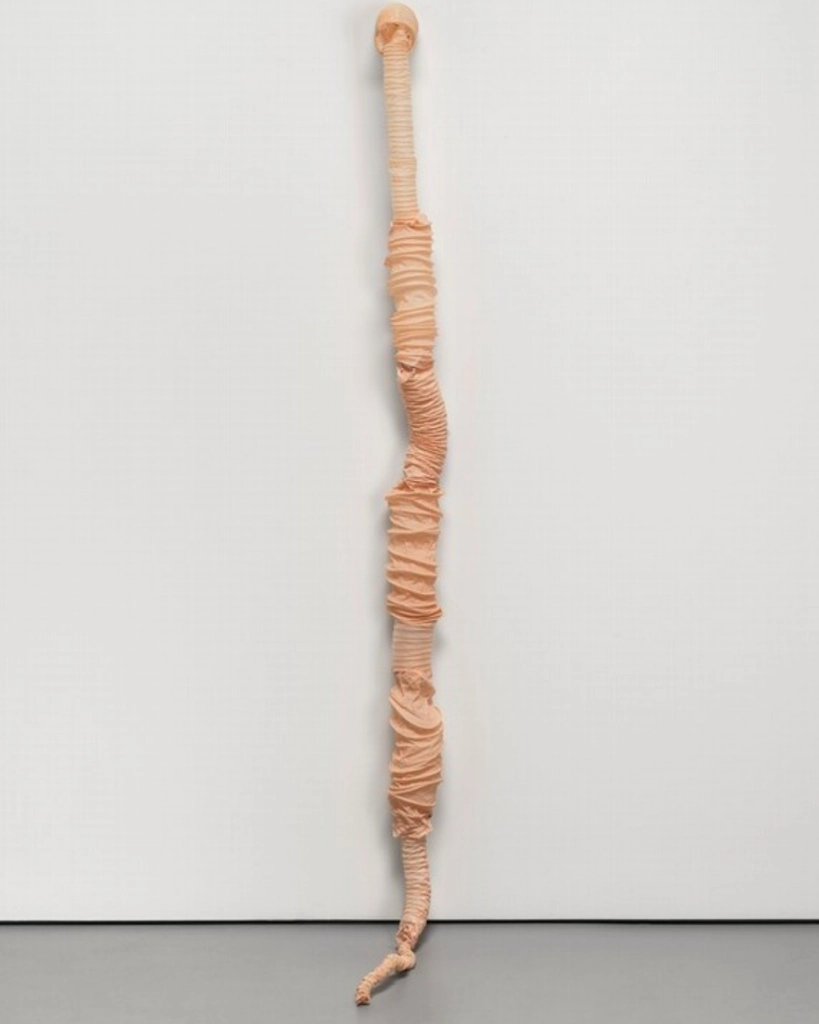
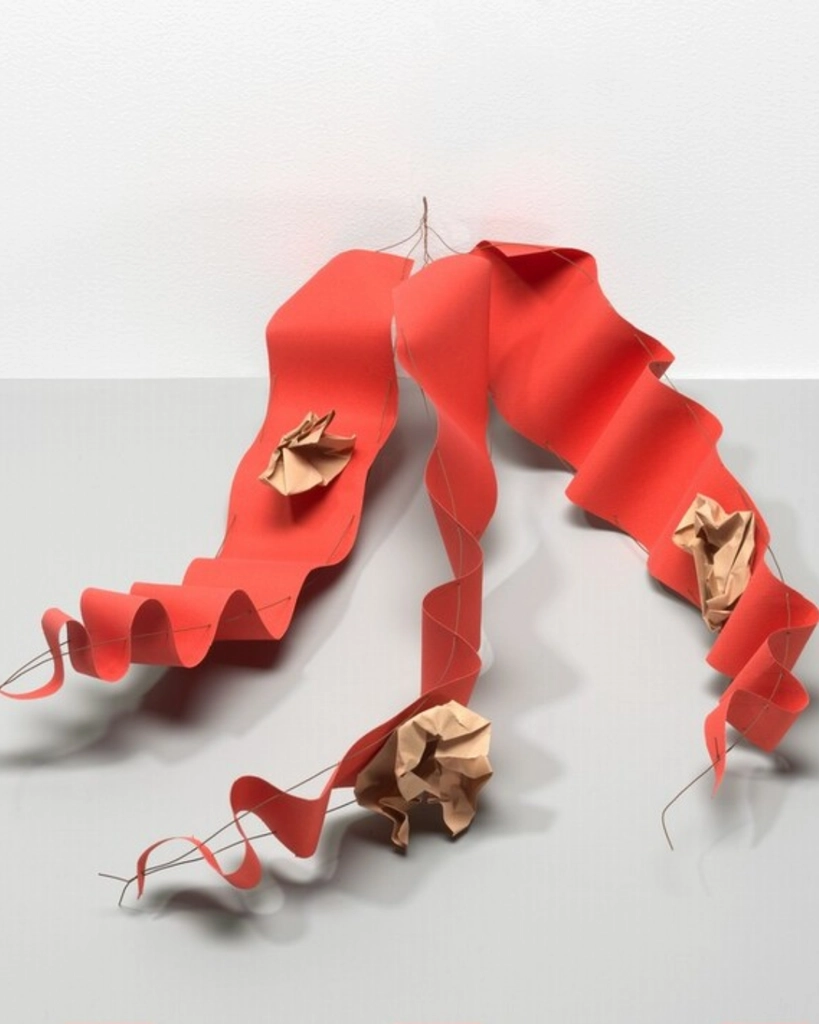
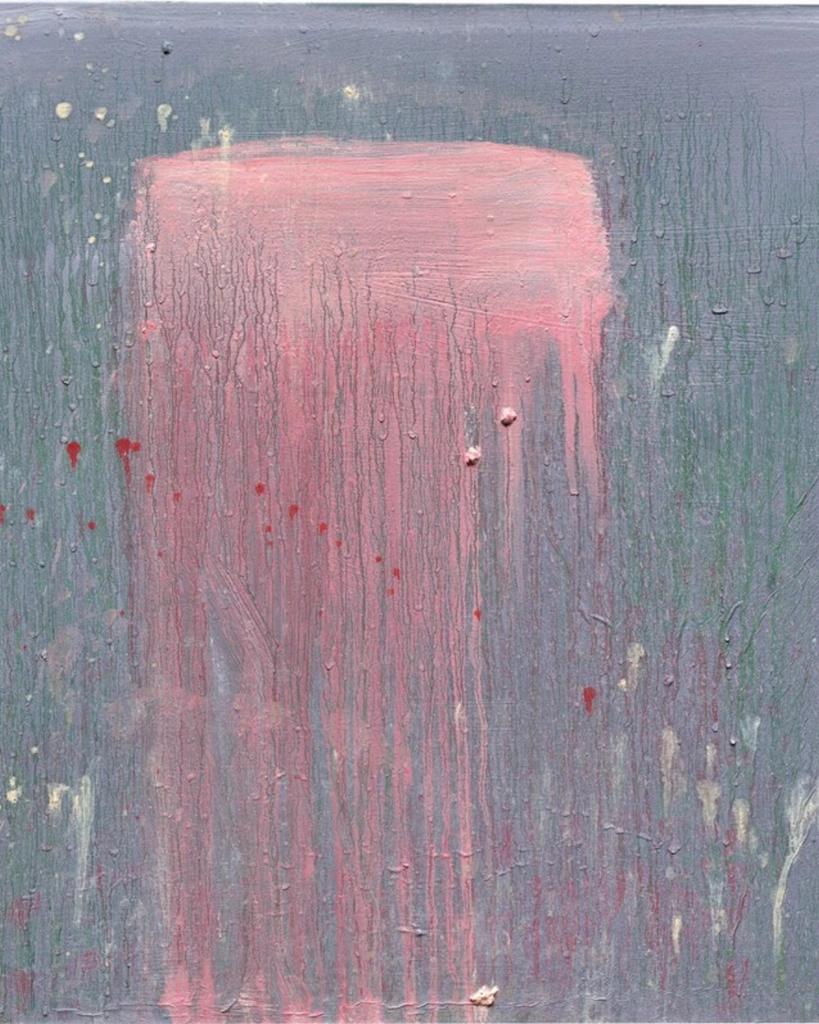
This is where luxury becomes something richer than possession. True luxury art collecting is not the ability to buy a masterpiece after the museum has approved it. It is the nerve to live with work that has not yet been translated into status.
The Apartment That Became An Archive
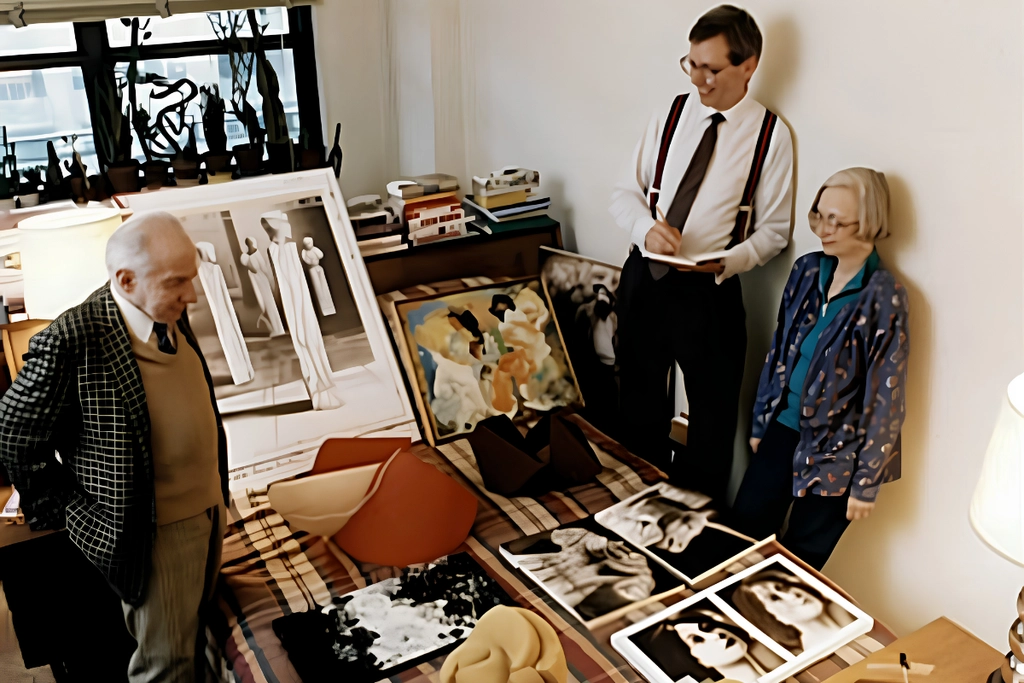
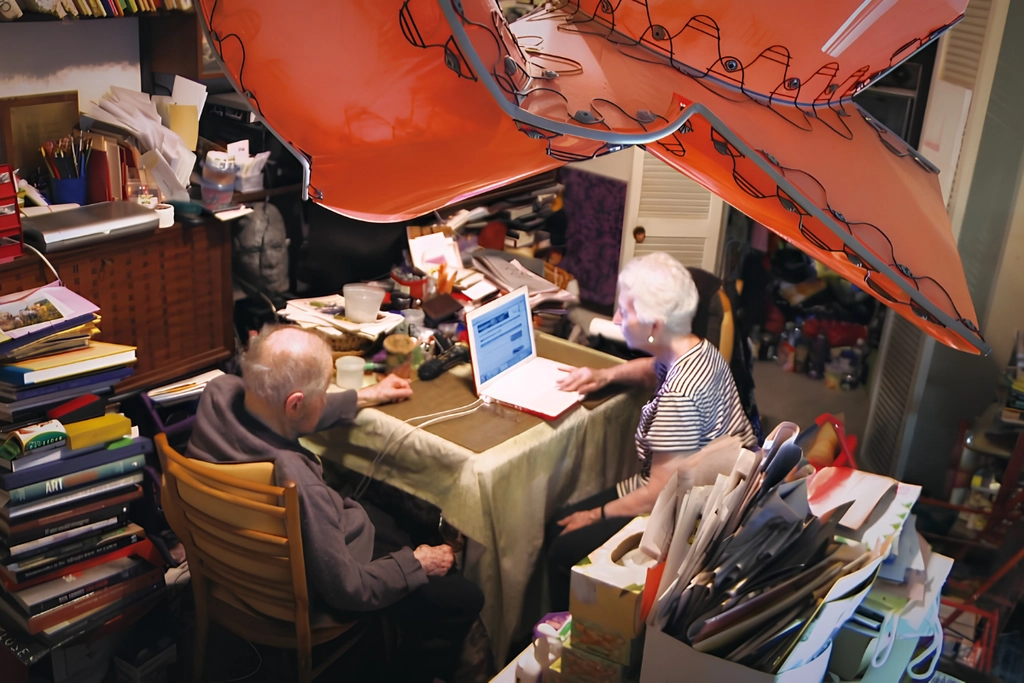
At its peak, the Vogel apartment became almost mythic in its density. Works were stacked under the bed, placed in hallways, stored in corners and even gathered in the bathroom. Their private home became a living archive of American post-war experimentation, a domestic museum without white walls or institutional distance.
This image is powerful because it reverses the usual relationship between luxury and space. Wealth often displays art through emptiness, with the isolated painting, the vast room, the silence around the object. The Vogels displayed art through proximity. Their collection was not separated from daily life. It pressed against furniture, the animals, the body, the routine.
That closeness gave the collection a different charge. These works were not trophies arranged to impress dinner guests. They were companions, provocations and intellectual commitments. The Vogels lived among the questions their artists were asking. They did not collect from a distance. They collected from inside the argument.
For today’s art market, this is almost scandalous. In an era when artworks can disappear into freeports, private storage and investment vehicles, the Vogel Collection reminds us that art gains meaning through contact. A collection is not only an asset class. It is a relationship over time.
The Anti-Speculative Gesture
By the late 1980s, the Vogel Collection had grown to around 4,784 works and was conservatively valued in the tens of millions. This is the point where most market stories would turn toward auction, profit and dispersal. The Vogels did something far more radical. They refused to sell.
Their decision was not naïve. It was curatorial. They saw the collection as a unified historical narrative, not a pile of liquid assets. Selling would have transformed decades of vision into market fragments. Keeping it together preserved the argument.
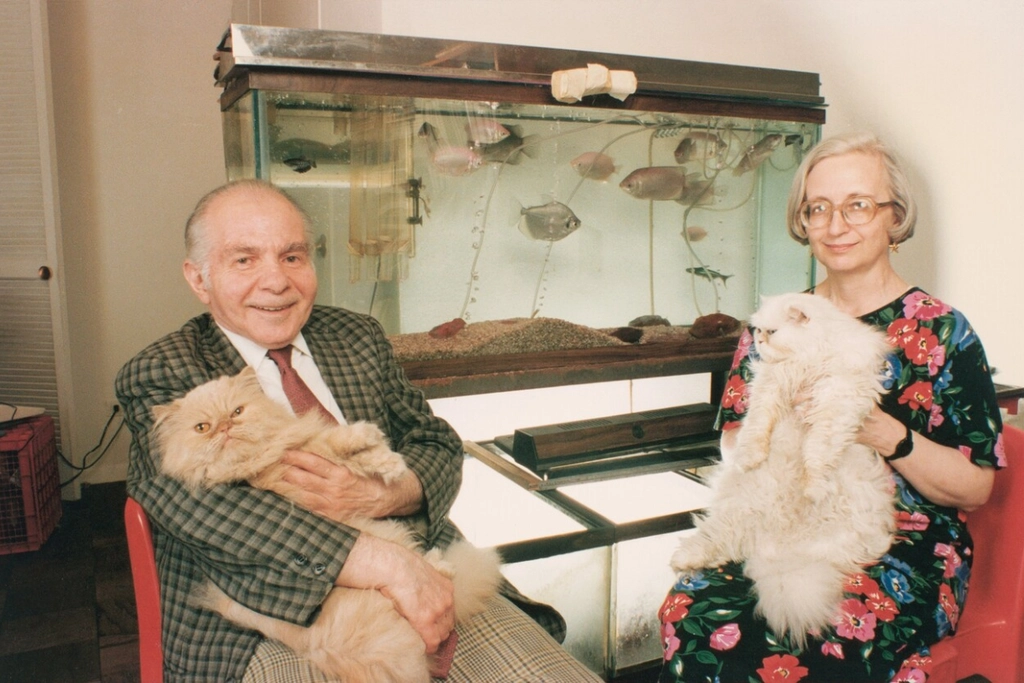
In 1992, they donated the collection to the National Gallery of Art in Washington, D.C. The gesture was astonishing because it rejected the most seductive promise of collecting: monetization. After decades of sacrifice, the Vogels could have cashed out. Instead, they transferred private conviction into public memory.
This is the rarest form of luxury art collecting: the moment ownership becomes stewardship. It is easy to buy art for status. It is harder to preserve art for history.
Fifty Works For Fifty States
The collection was too large for a single institution to absorb fully. In 2008, the National Gallery of Art and the Vogels launched The Dorothy and Herbert Vogel Collection: Fifty Works for Fifty States, a national distribution project that selected 2,500 works from the archive. Fifty works were gifted to one institution in each U.S. state, bringing major examples of Conceptual, Minimalist and Post-Minimalist art to museums and university galleries far beyond the usual centers of art-world power.
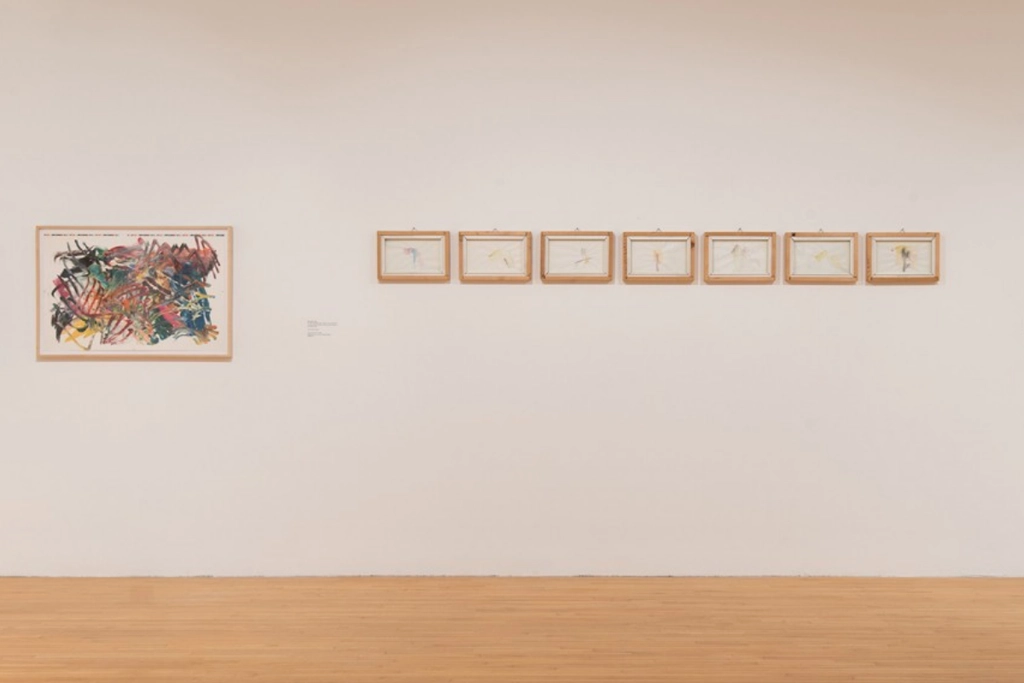
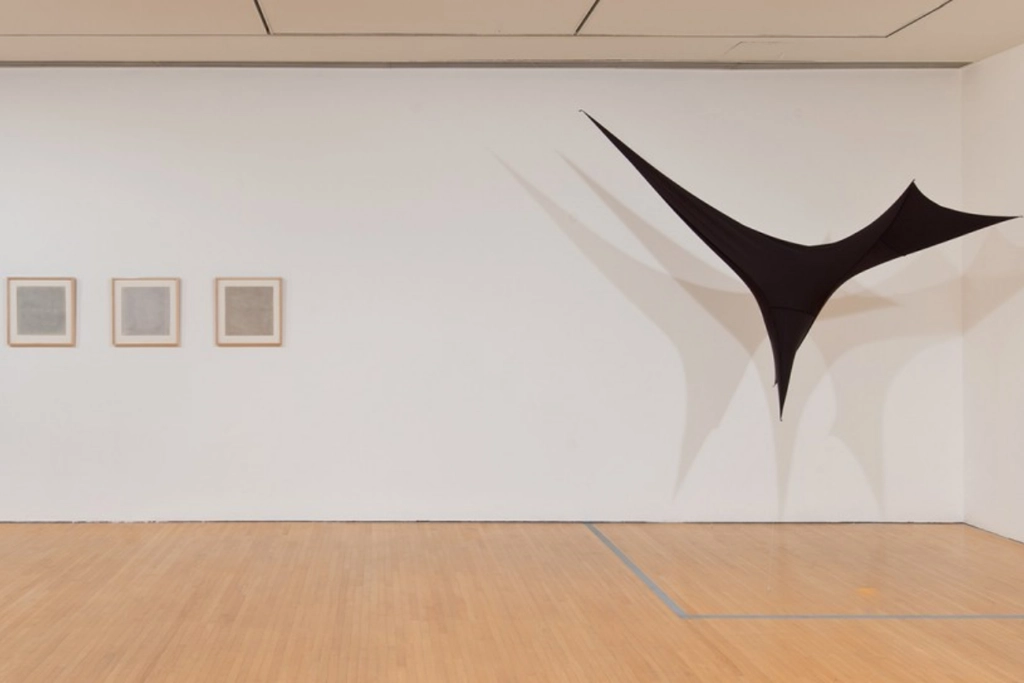
This final chapter matters because it completes the ethical arc of the collection. The Vogels had collected through intimacy, but they distributed through democracy. They turned private taste into public access. Regional institutions that may never have had the acquisition budgets to build such holdings suddenly became part of the story.
That act also complicates the meaning of luxury. Luxury is often treated as exclusivity, but the Vogel legacy suggests another possibility: luxury as cultural abundance, shared with precision. The value of the collection was not diminished by distribution. It was expanded.
When Luxury Art Collecting Actually Requires Taste
The Vogel Collection proves that collecting is a form of authorship. Dorothy and Herbert wrote a version of post-war American art history through accumulation, attention and loyalty. Their collection had a point of view. It had intellectual stakes. It had moral pressure.
For contemporary collectors, their story is both inspiring and uncomfortable. It strips away excuses. One does not need billionaire wealth to develop an eye. One does need consistency, humility, research, patience and the willingness to be wrong before the world catches up. The Vogels were not powerful because they had everything. They were powerful because they knew what to ignore.
Luxury art collecting, at its highest level, is not the purchase of prestige after prestige has already been manufactured. It is the act of recognizing value before value becomes obvious. It is the discipline of living with difficulty. It is the refusal to let the market do all the seeing for you.
Dorothy and Herbert Vogel turned a one-bedroom apartment into one of the most important luxury art collecting stories of the 20th century. They proved that taste can become infrastructure, intimacy can become legacy and a private obsession can redraw the public map of art. In the end, the luxury was never the money. The luxury was the eye.