MENU
Close





From Sprout World’s plantable pencil to Patagonia’s repaired jackets, Lush’s returned packaging and sneakers designed to be remade, a new generation of sustainable products is asking a sharper question: where does a product go after the consumer no longer needs it?
From Sprout World’s plantable pencil to Patagonia’s repaired jackets, Lush’s returned packaging and sneakers designed to be remade, a new generation of sustainable products is asking a sharper question: where does a product go after the consumer no longer needs it?
July 3, 2026


Some sustainable products do not begin with a grand manifesto. They begin with something small, ordinary, almost forgettable — like a pencil.
Sprout World turned that pencil into a symbol. While it is long enough, it writes, sketches, marks, studies and records. When it becomes too short to hold, it does not have to end in the trash. The user can plant the seed capsule at the end of the pencil into soil, water it, wait for the capsule to dissolve and watch a new sprout emerge. From a writing tool, the pencil enters a second life: as herbs, flowers or vegetables.

What makes Sprout memorable is not only the product itself, but the image it creates. A pencil is made to wear down. Yet at the very moment when it seems to have lost its value, it begins another cycle. That image captures one of the most important questions in sustainable design today: the challenge is no longer only how a product is made, but how it leaves the consumer’s life.
For years, sustainability has often been discussed through big, technical language: carbon footprint, supply chain, ESG, circular economy, net zero. These terms matter, but they can feel distant from everyday life. Sprout does the opposite. It brings sustainability back to a simple action: when you are done with it, do not simply throw it away. Plant it.
The strength of Sprout lies in its ability to turn an abstract idea into a physical gesture. Consumers are not only told about regeneration; they can see it happen in a small pot of soil. The pencil is no longer a disposable object in the traditional sense. It becomes a story with a beginning, an ending and then an unexpected continuation.

That is why Sprout moves beyond the category of stationery. It works as a “green messenger” because the product itself carries the message. A small object can remind people that a product’s life should not end the moment its first function is completed.
Sprout also offers a simple model for how sustainable products can be designed around continuation rather than disposal. The pencil is not only made to be used; it is made to leave differently. Its final act is not waste, but transformation.
From that pencil, the same question begins to spread across other industries. Fashion, beauty, furniture, sportswear, packaging and technology are all confronting the same issue: after a product has fulfilled its first purpose, what can it become?
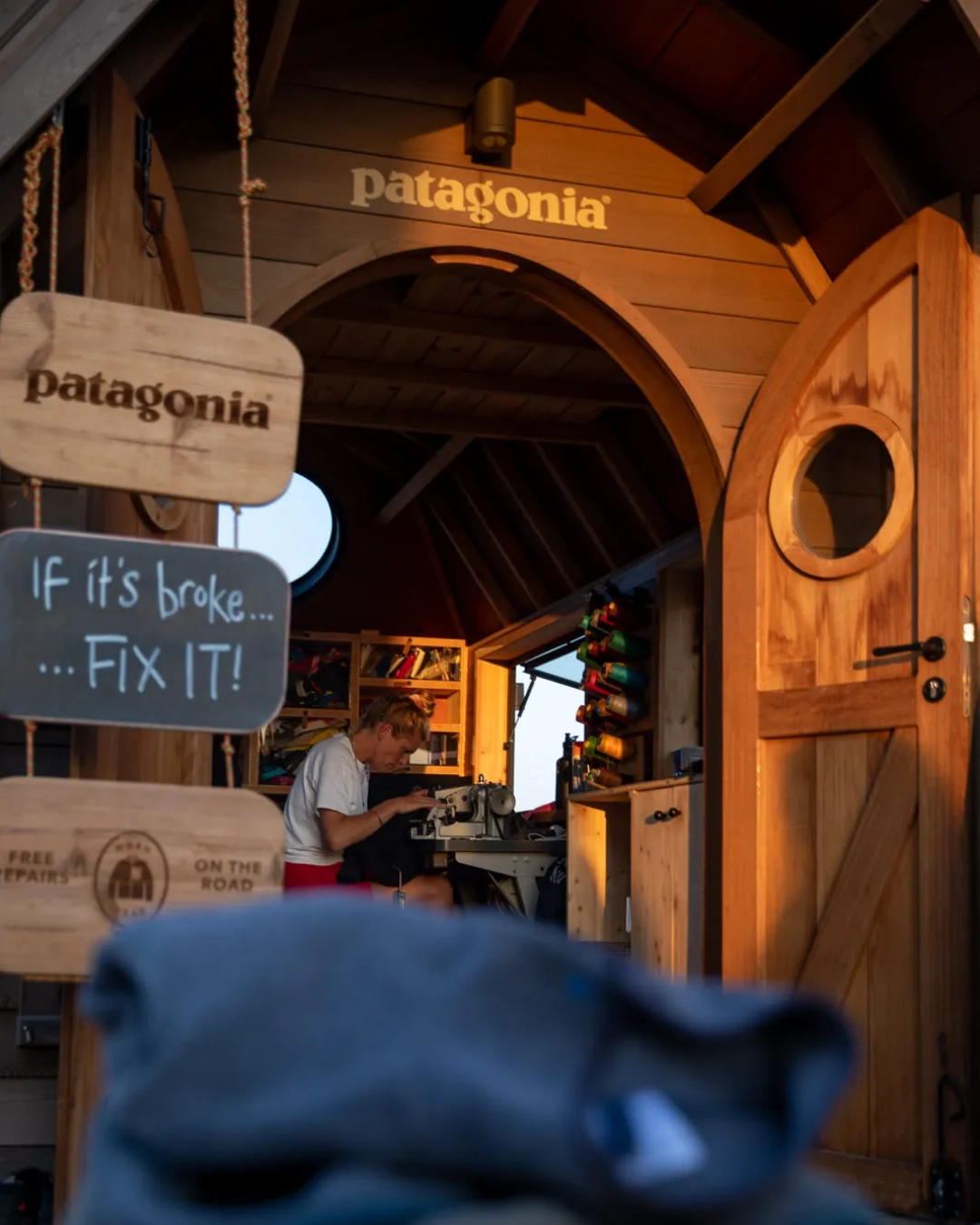
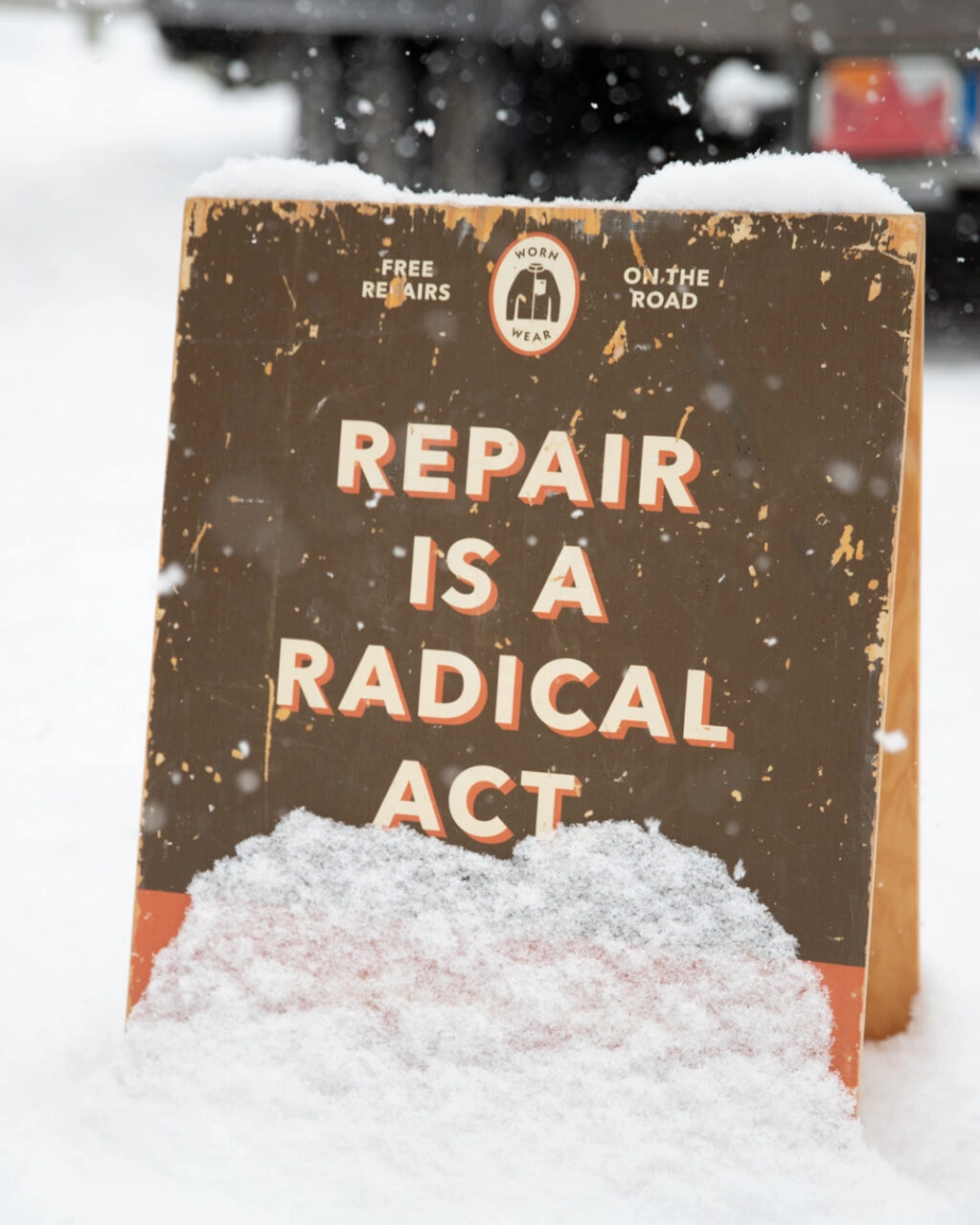
In fashion, the most sustainable answer is not always a new “green” material. Sometimes, it is keeping what already exists in use for longer. This is the logic behind Patagonia Worn Wear, a programme that allows customers to buy, repair and trade used Patagonia products. The brand has long argued that one of the best things people can do for the planet is to keep products in use: buy less, repair more and pass items on when they are no longer needed.
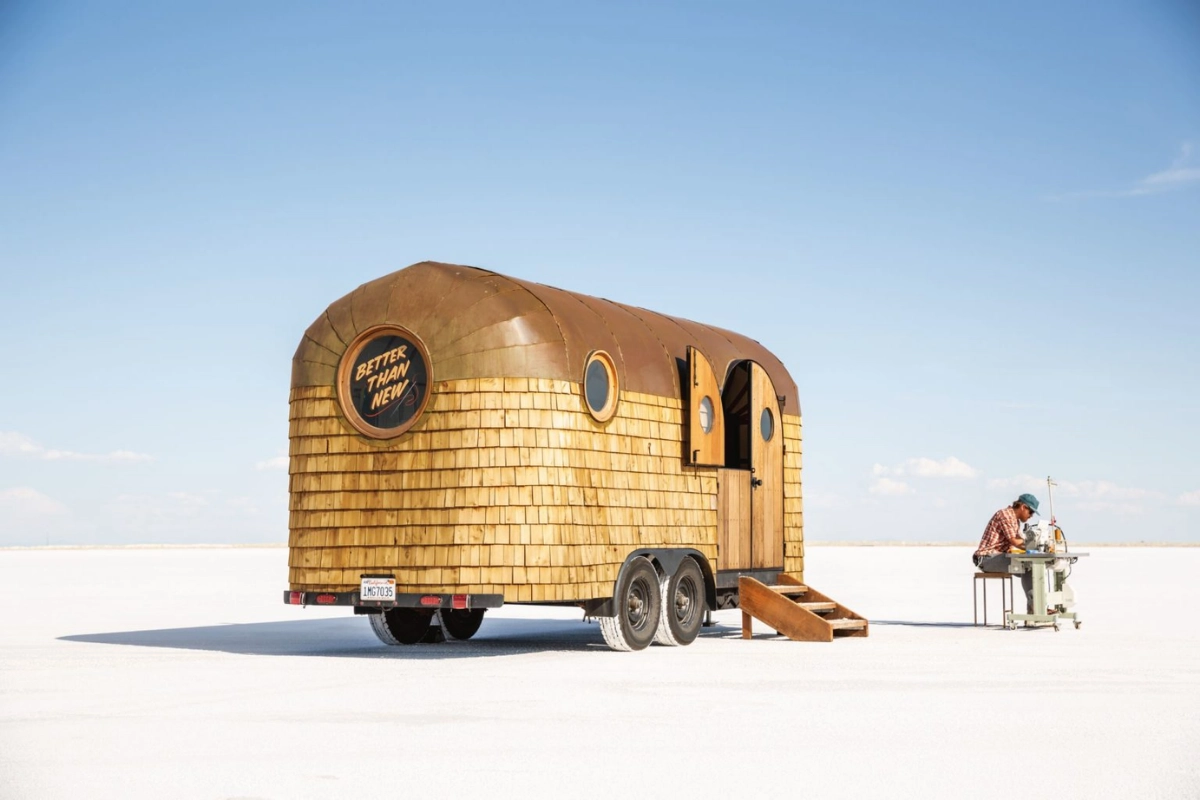
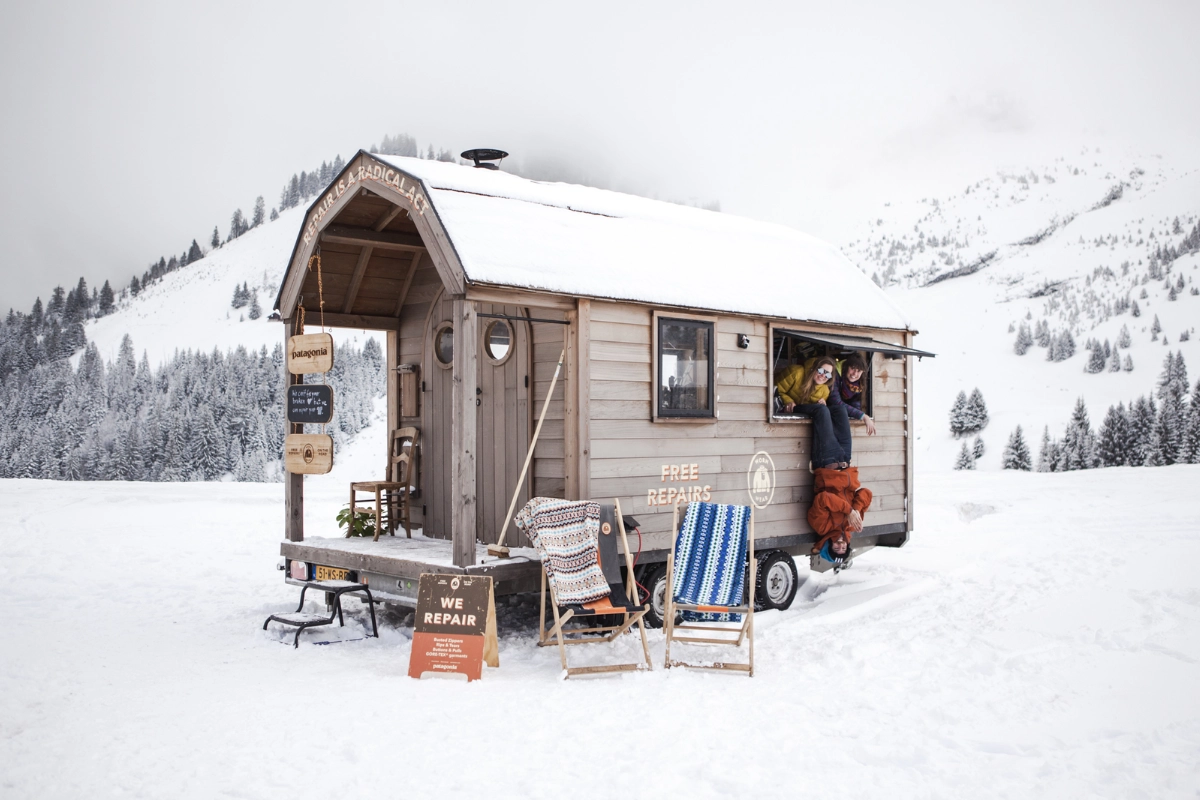
Here, the idea of a second life is not as poetic as a pencil growing into a plant. It is more practical: a jacket repaired, a pair of trousers patched, an old garment finding a new wearer. But that practicality is exactly what makes it important. Fashion does not suffer from a lack of new products. It suffers from a lack of systems that keep old products valuable.
Patagonia makes consumers reconsider what “finished” really means. A jacket does not end simply because its first owner no longer wears it. It can be repaired, resold, exchanged or carried into another person’s life. In that sense, the product does not die. It changes hands, changes context and gathers another story.
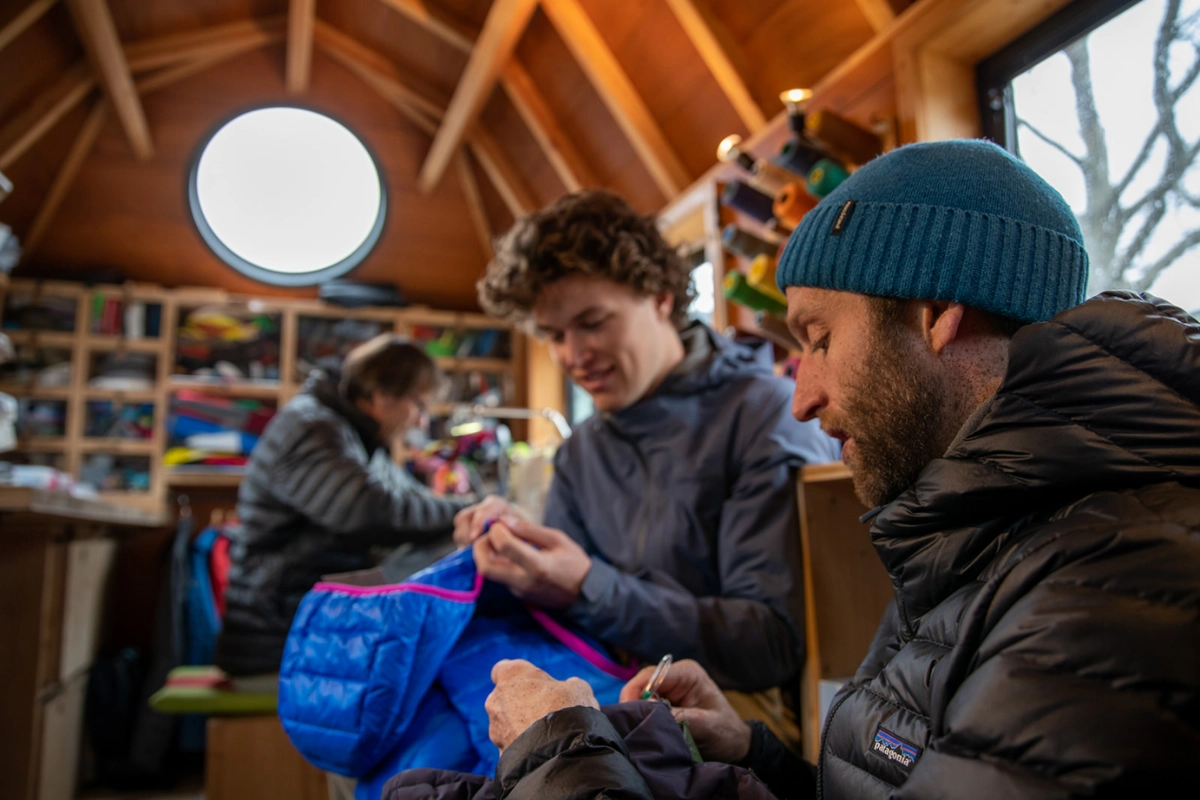
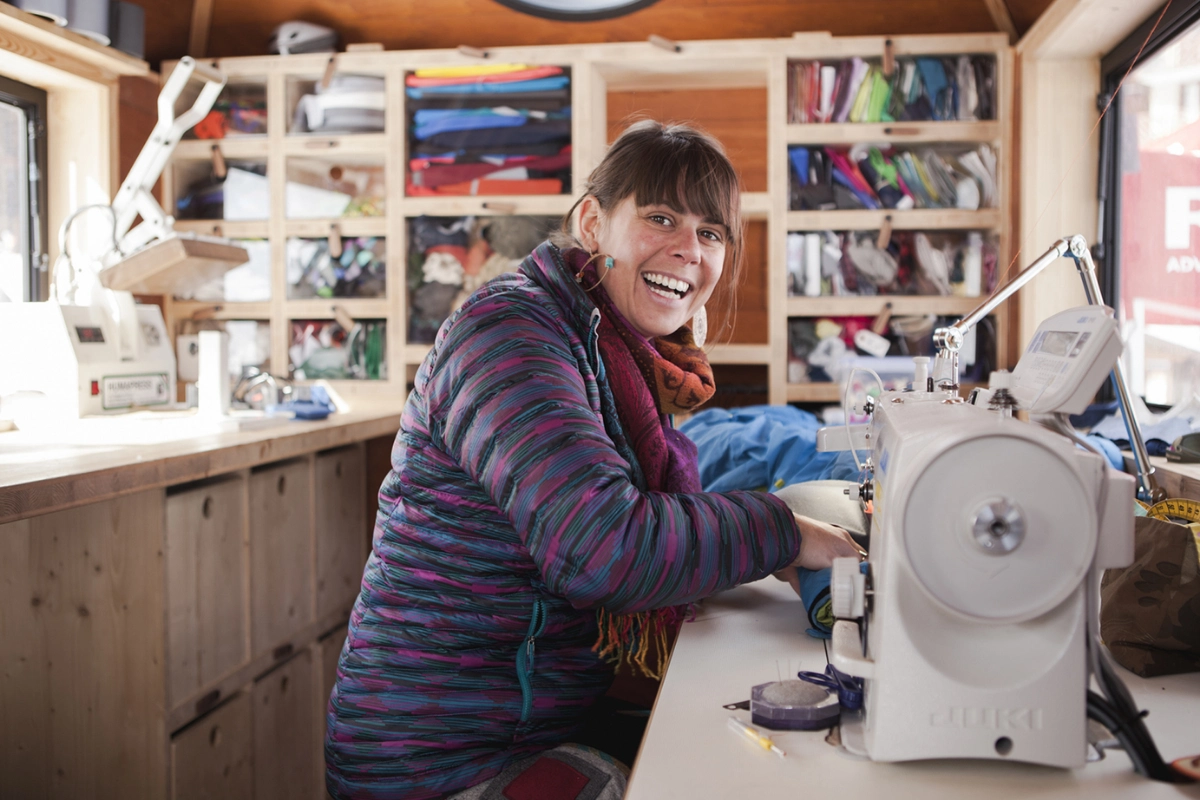
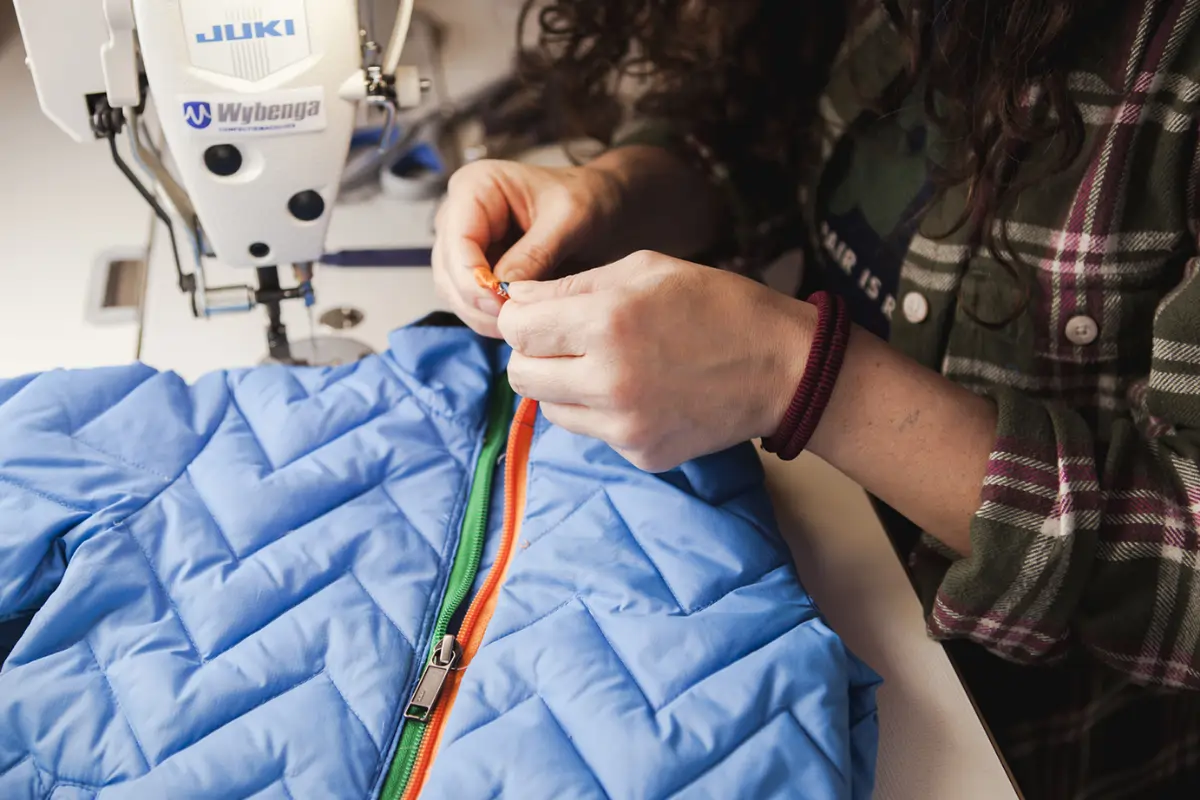
This also changes the role of the brand. The brand no longer exists only at the beginning of the product’s life, when the item is sold. It returns at the end, where the product needs repair, recovery or a chance to continue. For sustainable products to become more than a marketing claim, brands must take responsibility not only for launch, but for afterlife.
In beauty, the after-use problem appears most clearly through packaging. A cream can be absorbed into the skin. A shampoo can be washed away. A lipstick can be used up. But the jar, bottle, cap and tube often remain long after the product itself has disappeared.
Lush Bring It Back is a useful example because it invites customers to return eligible packaging to stores. Depending on the market, customers may receive a discount or exchange a certain number of empty containers for products such as a fresh face mask. The idea is simple: packaging should not disappear from the consumer’s sight and become someone else’s problem. It should find its way back into the system.
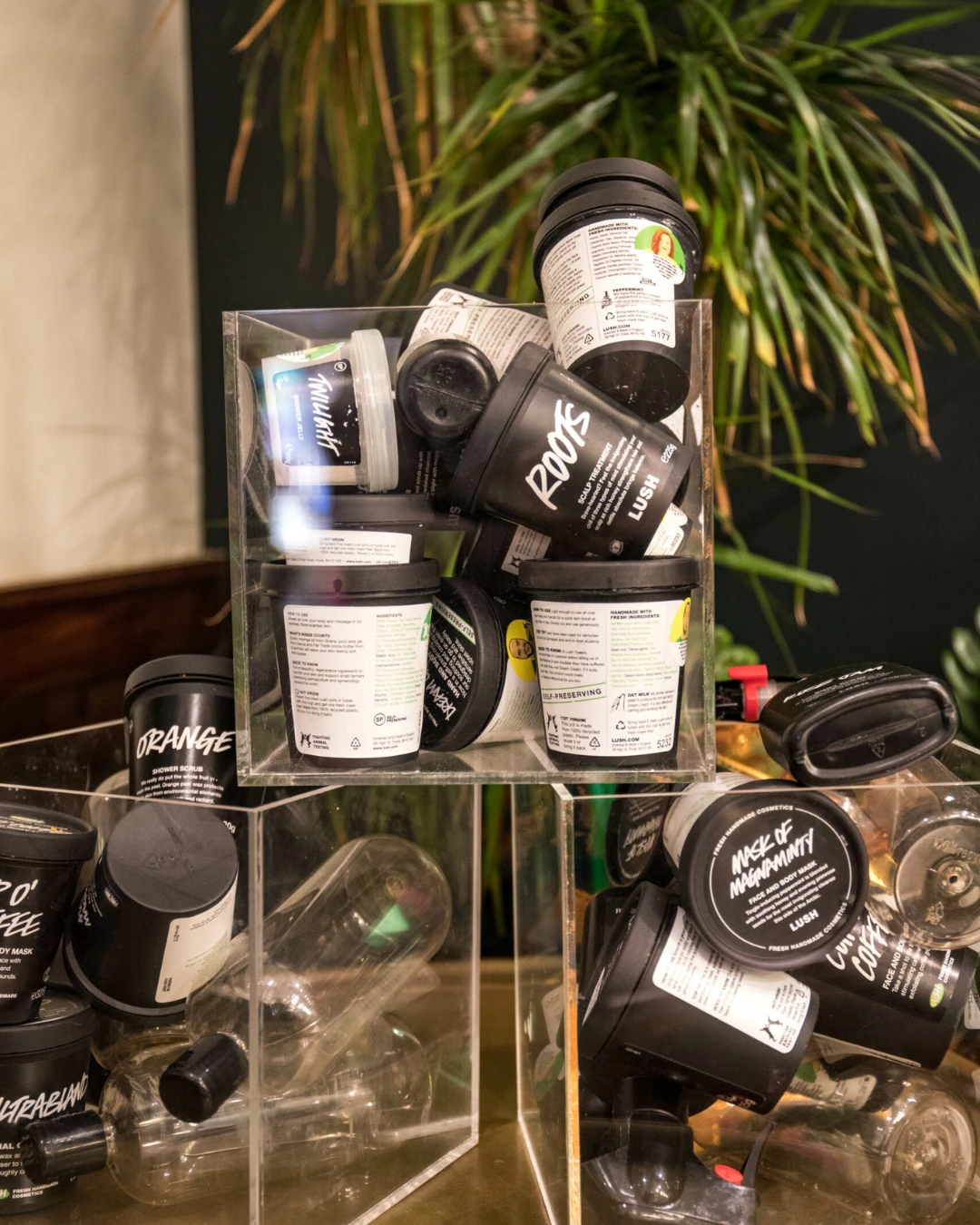
The most interesting word here is “back”. Packaging is no longer treated as the leftover part of the beauty experience. It is invited to return. An empty pot is not the end of the story; it becomes material for another product cycle.
Another approach can be seen in Loop by TerraCycle, a reuse platform that treats packaging as something durable rather than disposable. Instead of owning the package forever, consumers effectively borrow it: they use the product inside, return the container, and allow it to be cleaned, refilled and used again.
In both cases, the problem is no longer simply how to make packaging prettier, lighter or more recyclable. The real question is how to prevent packaging from becoming an empty shell after only a few weeks of use.
Not every product needs to live forever. Some objects are created for a very short task: takeaway containers, temporary wrapping, food-service packaging, e-commerce fillers. Their function may last minutes or hours, yet the materials used to make them can remain in the environment for decades.
Notpla takes a different route. The company develops plastic-free, biodegradable packaging made from seaweed, a fast-growing resource that can absorb carbon and does not require farmland in the same way many agricultural materials do. Its work focuses on replacing single-use plastic across food service, e-commerce and other temporary packaging applications.
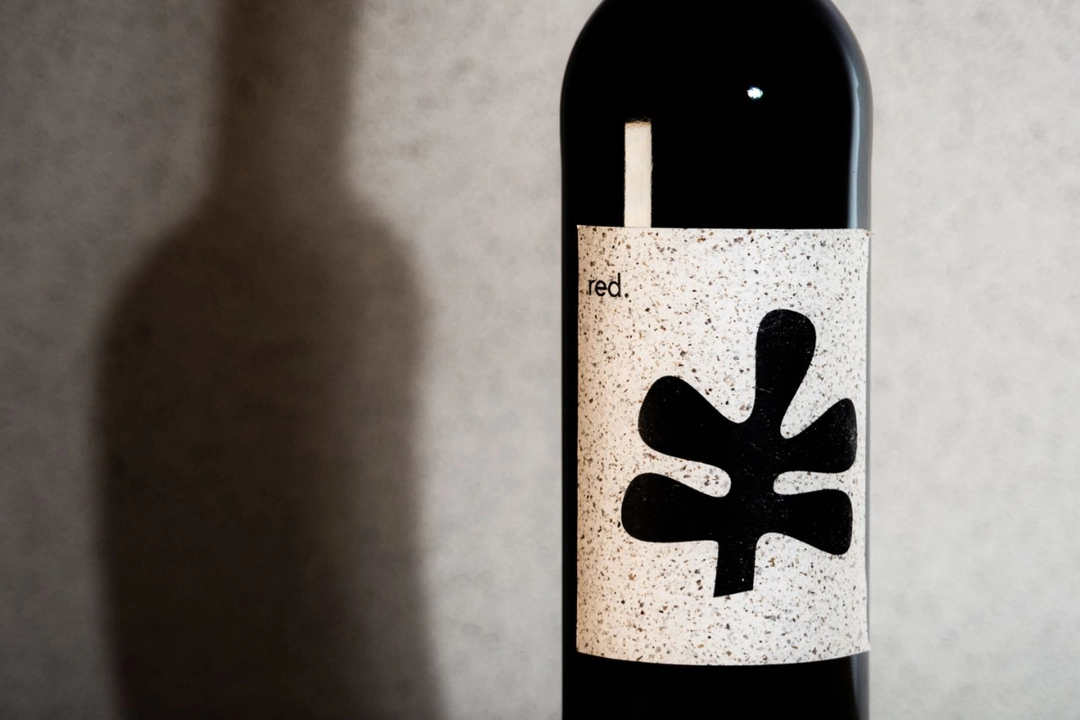
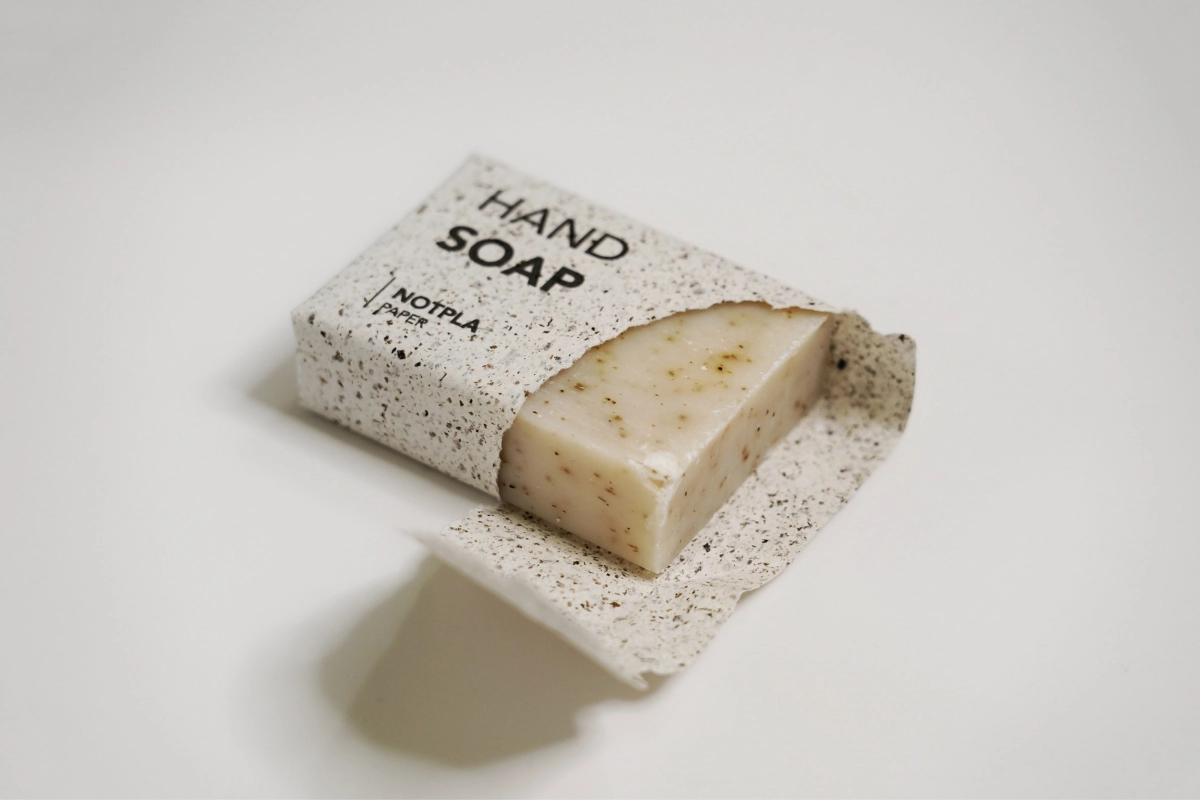
If Sprout represents a product continuing its life by growing, Notpla represents a product leaving more gently. It does not try to become permanent. It understands that some things should exist only long enough to complete their task, then break down without leaving a long trail of waste behind.
This is an important idea in sustainable product design. Not every product needs to be preserved. Some products need to return to a system. Others need to disappear responsibly.
In footwear, the question of what happens after use becomes even more complicated. A running shoe is usually made from many layers: foam, rubber, textile, plastic, glue, laces and lining. Once these materials are bonded together, recycling becomes difficult.
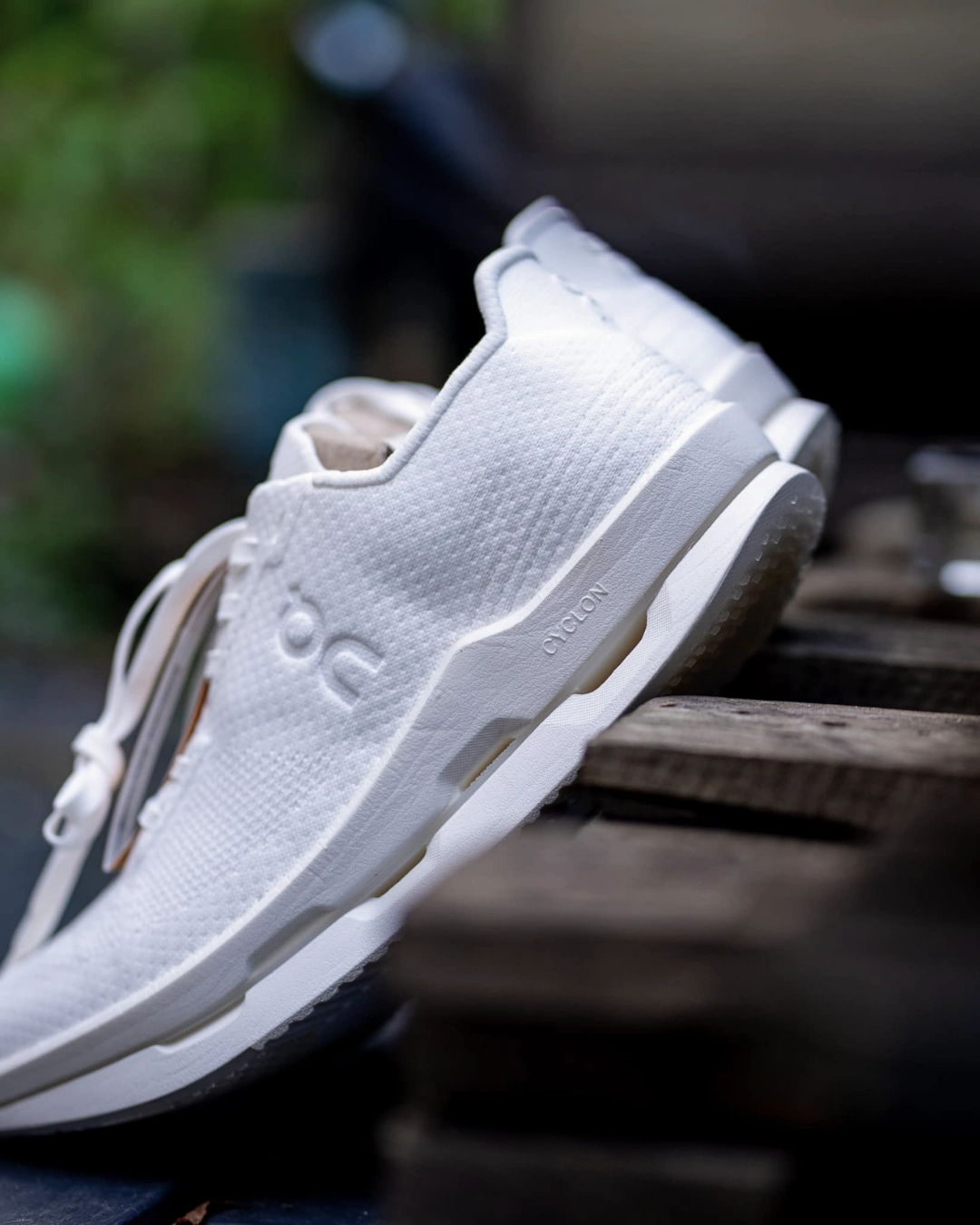
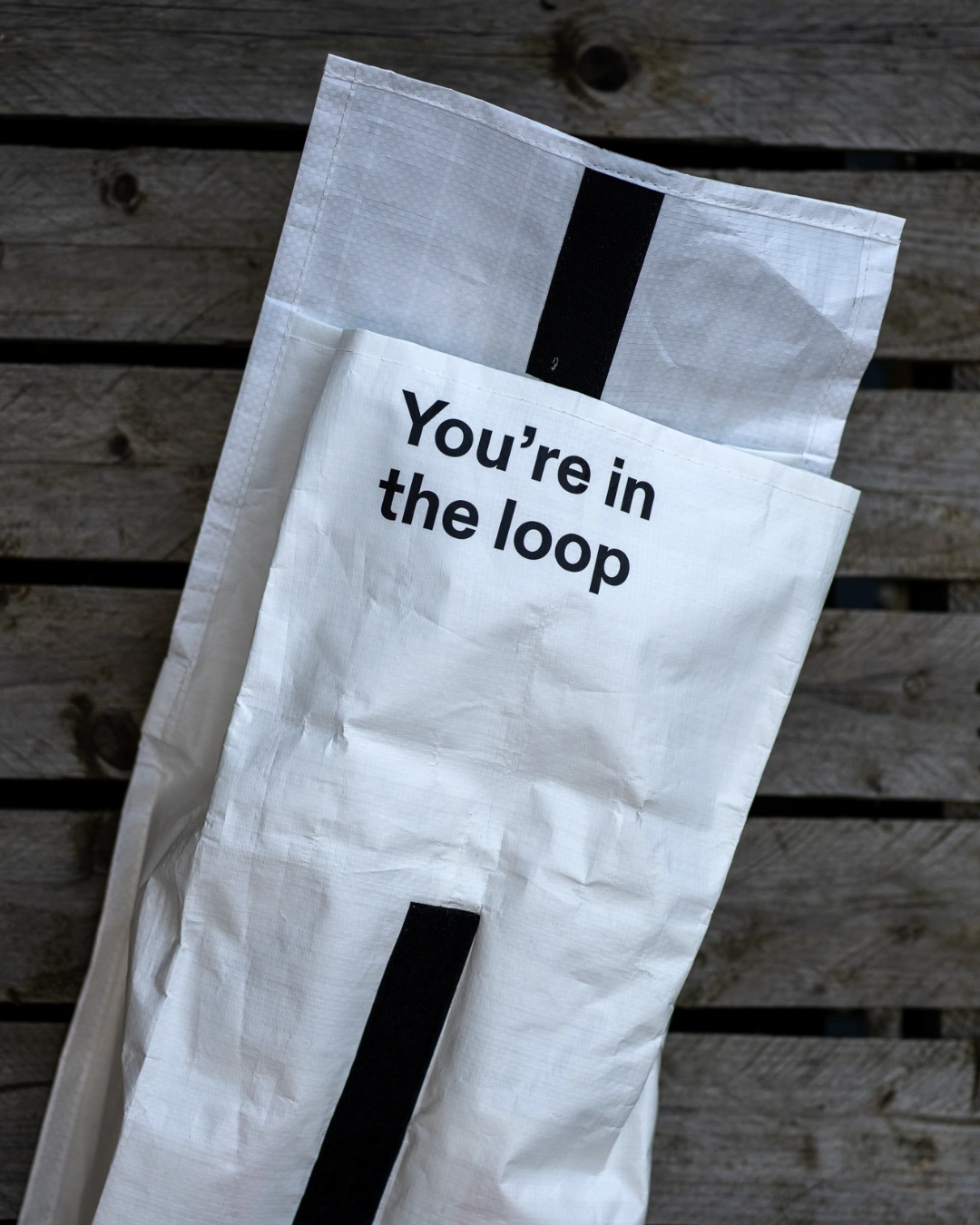
That is why programmes such as On Cyclon and adidas Made To Be Remade matter. On’s Cyclon programme began with Cloudneo, a shoe designed with circularity in mind, and has since expanded into resale, trade-in and services that aim to keep products “in motion” beyond their first finish line.
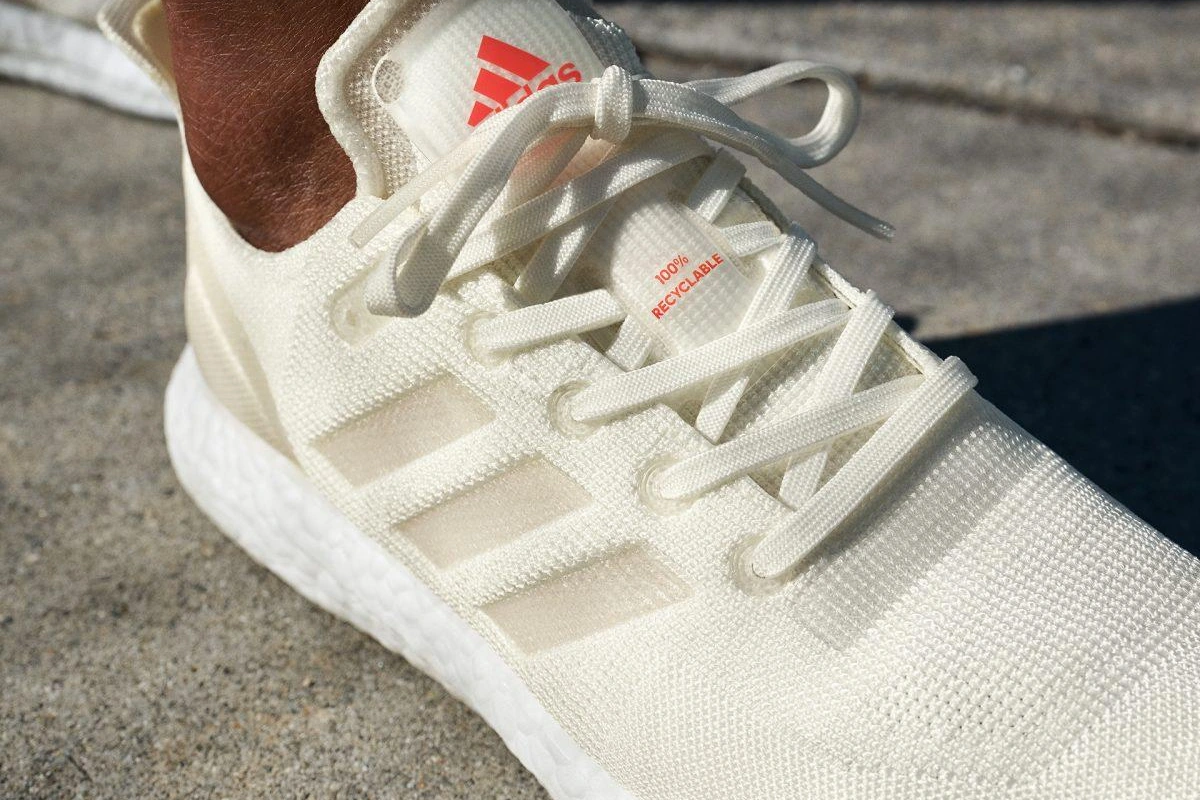
Adidas’s Made To Be Remade initiative follows a similar logic. It grew from Futurecraft.Loop, a mono-material running shoe designed around circular principles, and developed into commercial products created with an end-of-life solution in mind.
These cases represent an important shift: design does not begin with the first sketch. It begins with the final question. When the shoe wears out, how will it be taken apart? When the runner is finished with it, where will the material go? When the first life ends, does the brand have a system ready to receive it?
This is design backwards. Sustainable products do not only need to be born better. They need a smarter exit.
With furniture, the after-use problem becomes physically larger. A chair, table or cabinet takes up space, is difficult to move and is not always easy to process when discarded. IKEA addresses this through Buy Back & Resell programmes, where customers can return selected used IKEA furniture in exchange for store credit. Items in good condition can then be resold through secondhand or As-Is areas.
In this case, a product does not need to become a new material to become more sustainable. Sometimes, the best outcome is for it to keep doing exactly what it was made to do. A chair remains a chair, only in another room, with another owner.

In technology, the question is even harder. Electronic devices contain plastics, metals, components and materials that are difficult to separate. Once discarded, they become e-waste: a form of waste that contains valuable resources but also carries environmental risks. Dell offers a strong example through its work with closed-loop materials, including recovered plastics, rare-earth magnets and aluminium in selected products.
Dell does not offer the poetic image of a pencil becoming a plant. But the logic is connected. What can a product become after it leaves the desk, the hand or the home? If the answer is not simply “e-waste”, but plastic, metal or components that can re-enter production, then the product’s life has been rewritten.
What connects these cases is not a shared material, industry or aesthetic. It is a shared question. Sprout asks what a pencil can become when it can no longer write. Patagonia asks where a jacket goes when its first owner stops wearing it. Lush and Loop ask what packaging does after the product inside is finished. Notpla asks whether an object used for minutes really needs to last for decades. On and adidas ask whether a shoe can be designed to return from the very beginning. IKEA and Dell ask how large, complex or difficult products can still find their way back into use or production.
From one small pencil, the story opens into a much larger issue. The sustainable products of the future will not only be judged at the moment they are created, by their materials, process or brand promise. They will also be judged at the moment they leave the consumer’s life.
A truly intelligent product does not only know how it is born. It knows how to continue, return, pass into another person’s hands, or disappear without leaving a burden behind. Perhaps that is the next frontier of sustainable product design: not just making better products, but creating more responsible lifecycles for everything we bring into the world.