MENU
Close





How to turn public property into private investment? By spraying graffiti onto $5,000 handbags.
How to turn public property into private investment? By spraying graffiti onto $5,000 handbags.
June 15, 2026


Imagine, if you will, the serene, dust-mote-filled air of a Parisian atelier that has more history than some countries. A seamstress, with her fingers calloused from decades of silk-handling, skillfully works a technique that is passed down reverently like family heirloom. The atelier is a cathedral of heritage. Now, contrast that with the sharp, toxic hiss of frantic spray-painting found in a junky-filled alleyway at 3:00 AM. Where do these worlds collide?
For the longest time, these two worlds were separated by an impenetrable wall of class and aesthetics. But today, that wall hasn’t just been breached; it has been tagged, sprayed over, and turned into a billboard. We are witnessing a fundamental shift in luxury strategy. This is no longer merely "co-branding" for a quick quarterly bump. This is a deliberate, ironic, and highly calculated act of self-vandalism. By “defacing” their own sacred symbols, legacy brands are proving they are not relics of the past, but living, breathing cultural engines.
There is something deeply poetic about a brand that sells status to 0.01% deciding they need to "borrow" some credibility from the sidewalk, isn't there?
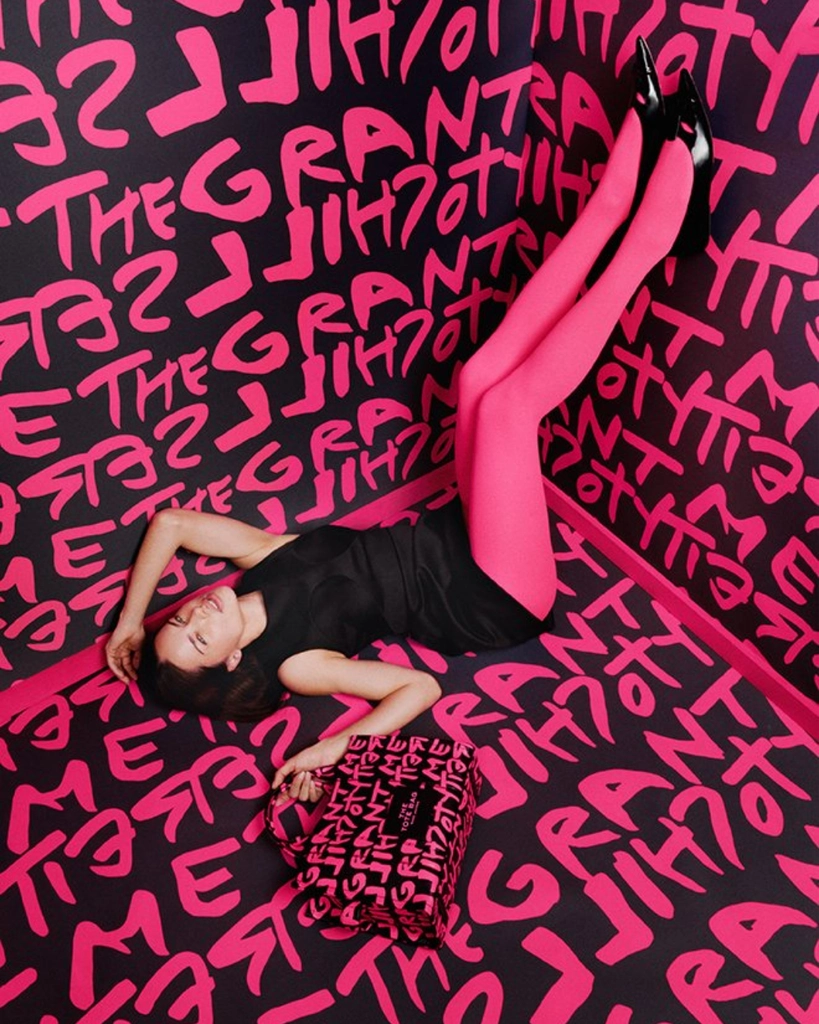
History often credits the 2001 collaboration between Louis Vuitton and Stephen Sprouse as the moment the seal was broken. Before this, "art-fashion" pairings — think Dalí and Schiaparelli, were refined, polite, and distinctly "fine art."
Stephen Sprouse changed the game by doing the unthinkable. He took the LV Monogram and "graffiti-tagged" it. That act of disruption obliterated the prestige barrier. It signaled to the world that luxury was no longer afraid of its own shadow. It proved that "deface-ment" could be a luxury value proposition, transforming a brand risk into a coveted aesthetic of rebellion.
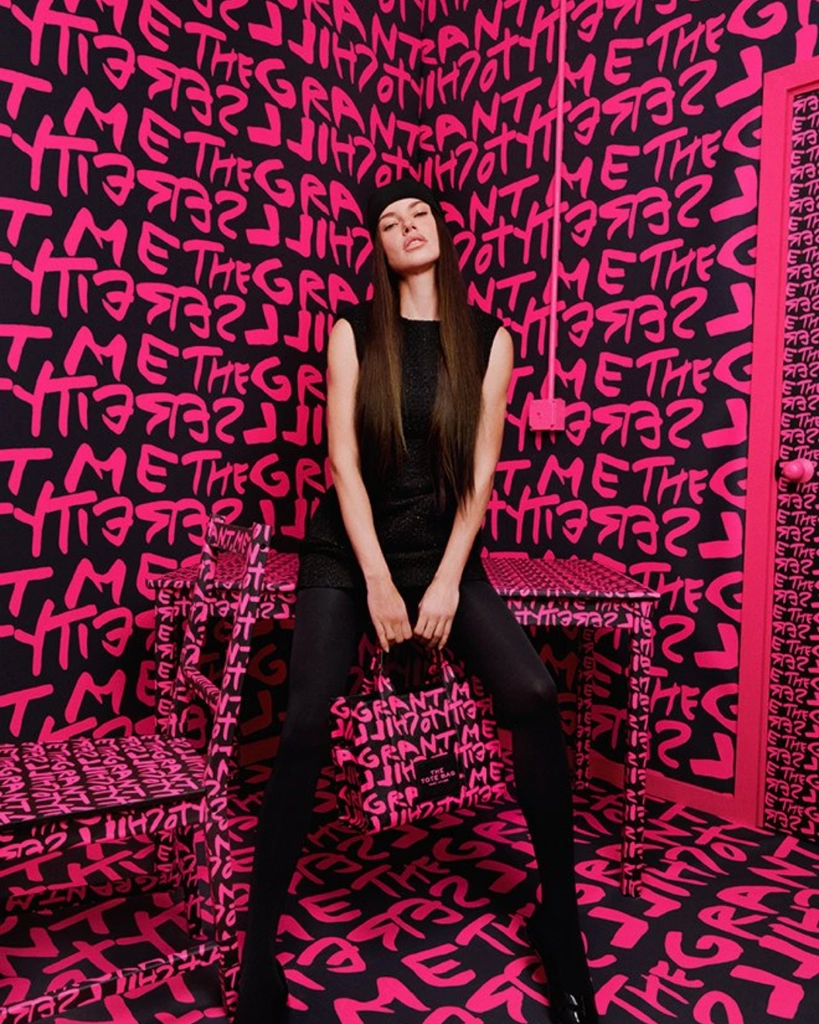
Now, why would multi-billion dollar luxury houses court the aesthetic of those who, realistically, would be spray-painting their store windows?
Because they are terrified of becoming irrelevant, that's why.
To remain the arbiter of "cool" for Millennials and Gen Z, they need to borrow the aura of spontaneity and counter-culture resistance that their corporate marketing departments could never manufacture in a boardroom. Nothing screams "I’m in touch with the pulse of the urban youth" quite like slapping a graffiti-style print on a piece of leather tanned in an Italian factory that’s older than most countries.
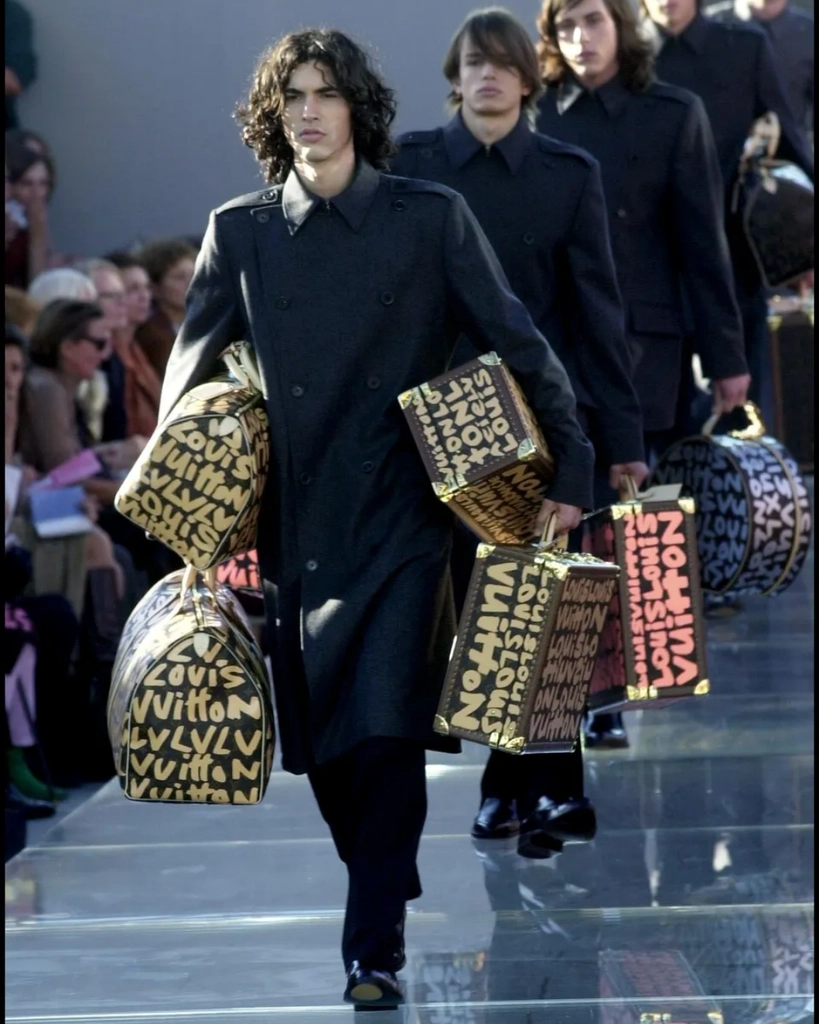
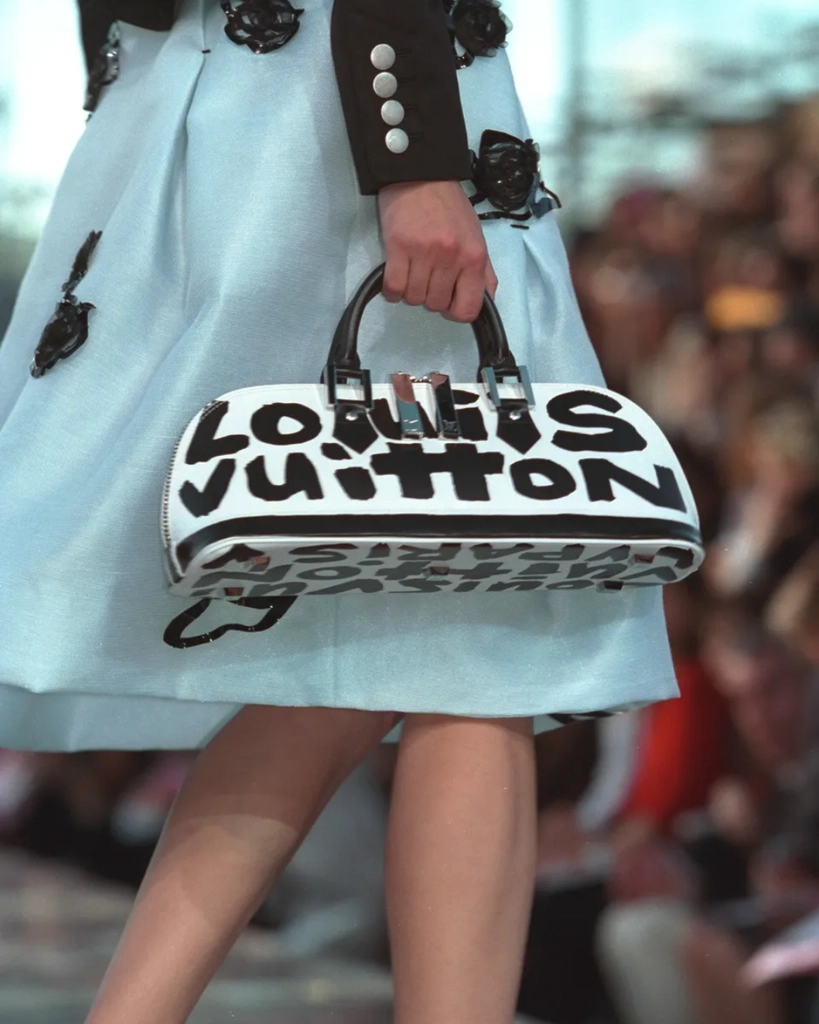
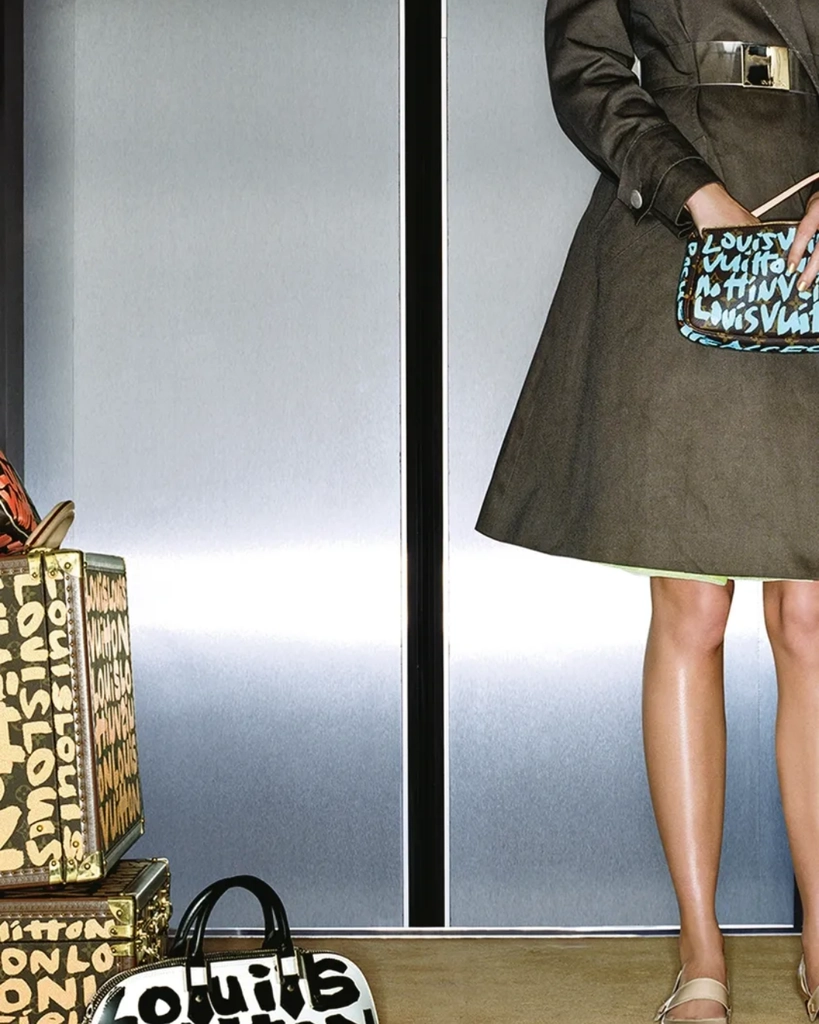
This association provides a paradoxical legitimization. It helps the brand distance itself from the perception of being purely mercantile. By positioning themselves as patrons of the arts, these houses rebrand their commercial output as "stewardship of creativity." It’s the ultimate act of cultural strip-mining: Taking something that was born from poverty, social rage, or just someone being bored with a paint can, and charging a month’s rent for it. But hey, as long as it’s limited edition, right?
The relationship between street artists and luxury brands comes in fifty shades. Some are fruitful partnerships, some follow the enemies-to-lovers plotline, and some end up in court.
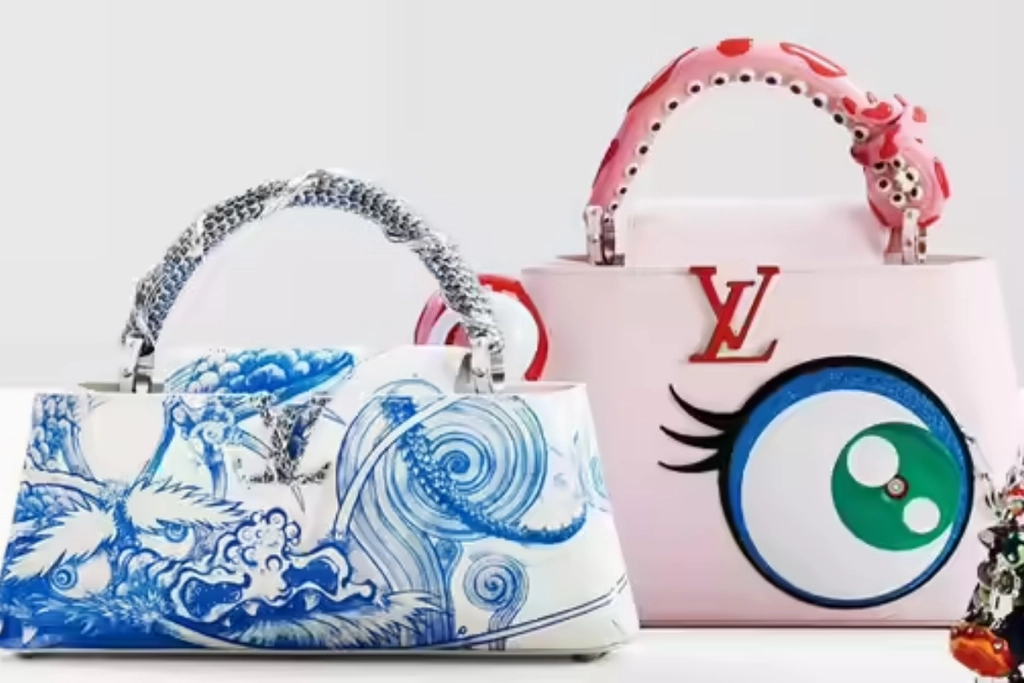
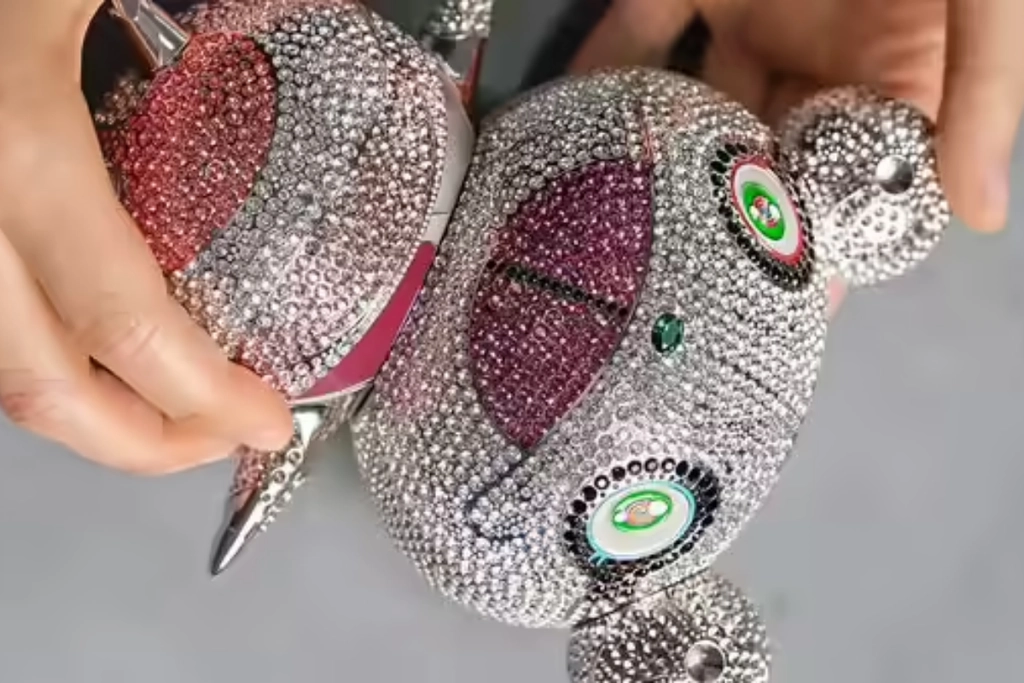
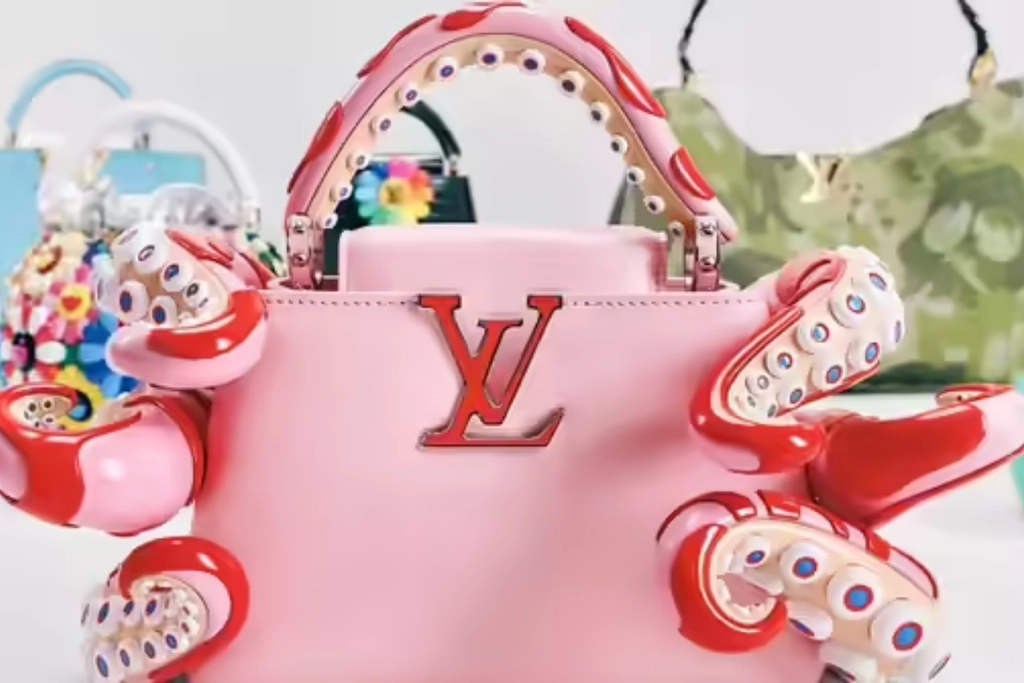
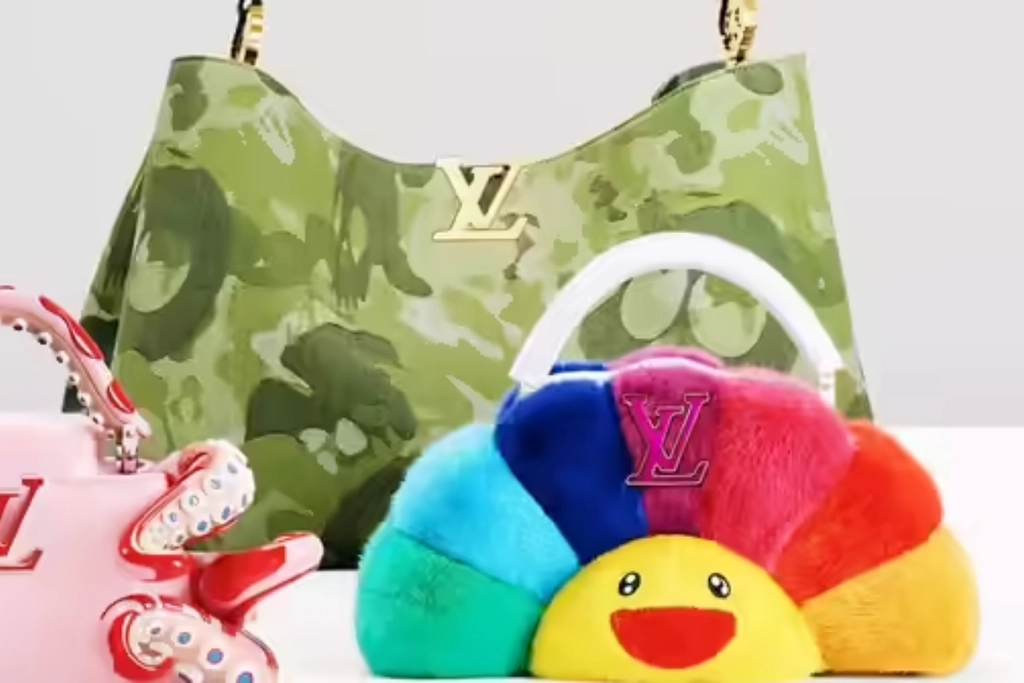
The Louis Vuitton x Takashi Murakami partnership (2003–2015) remains the benchmark for long-term integration. Takashi Murakami’s "Superflat" aesthetic — vibrant, cartoonish, and deeply subversive, reimagined LV’s classic branding for a pop-culture-obsessed generation. The "Multicolore Monogram" became a cultural phenomenon. Purchased firsthand by the elite, some limited editions trickled down into the secondary market, where they commanded premiums of 500%.
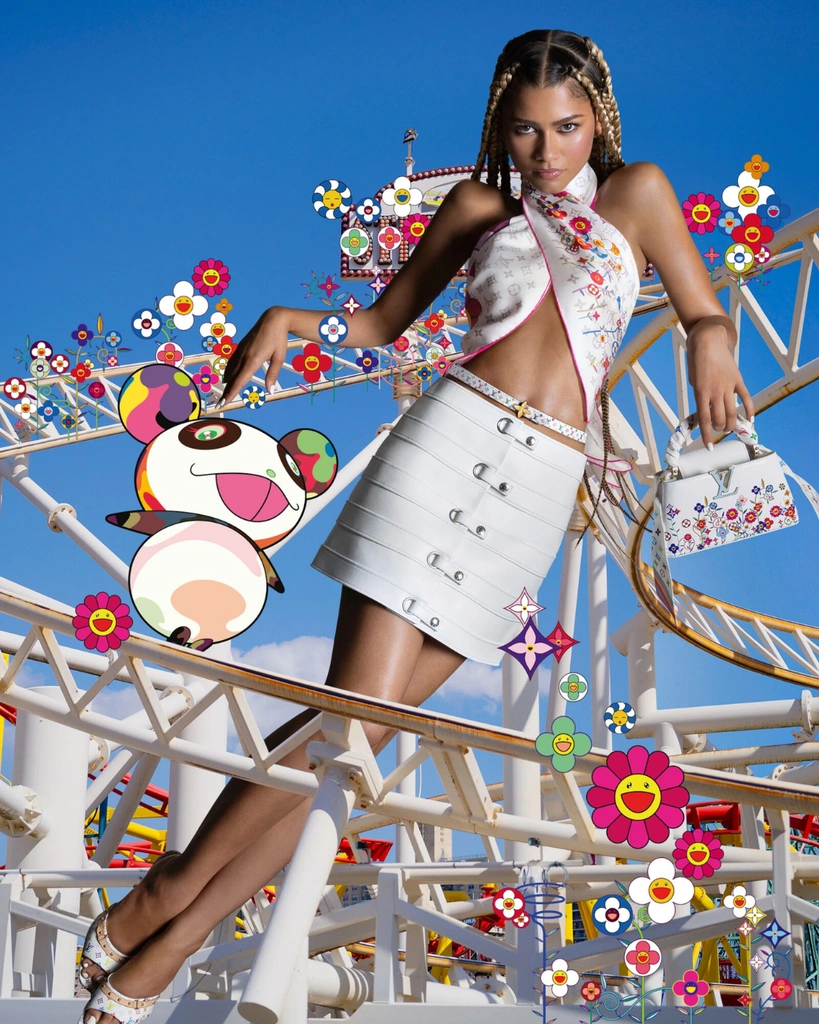
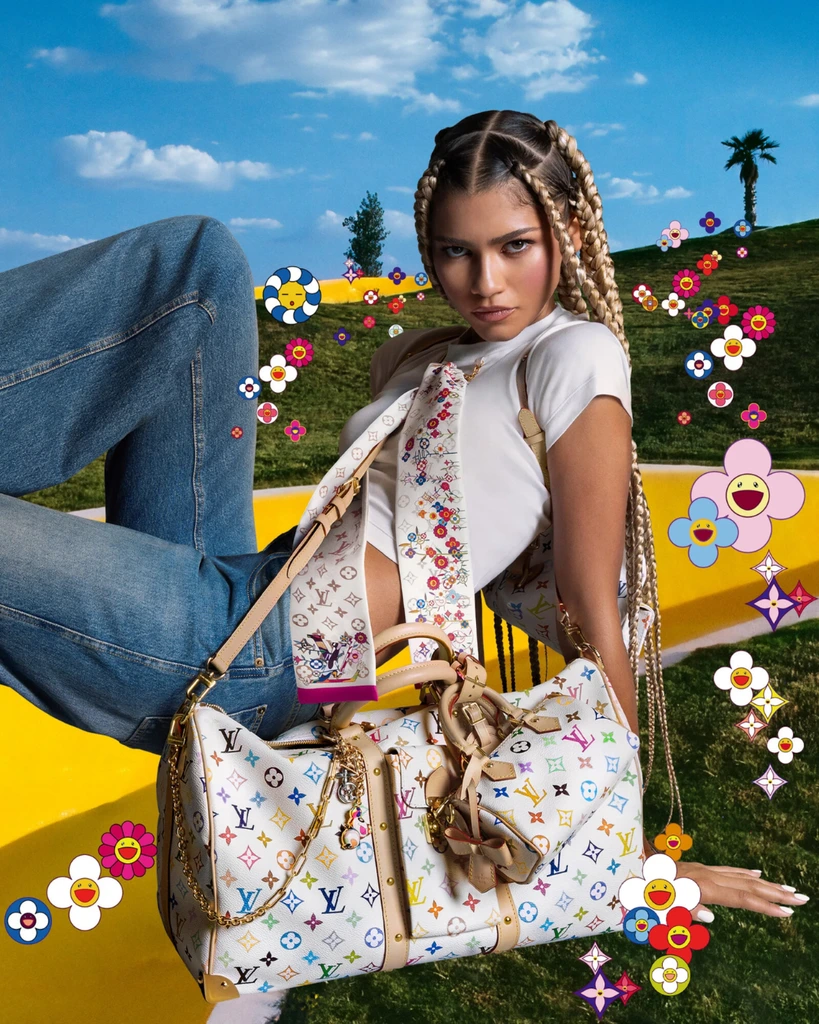
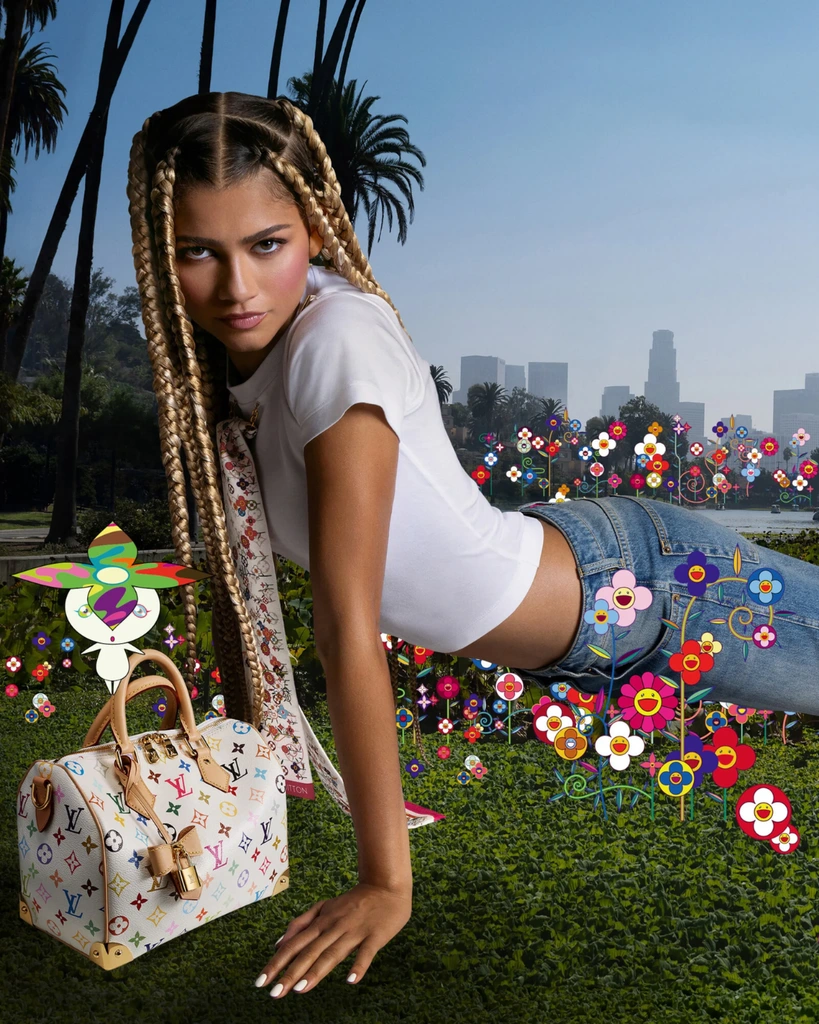
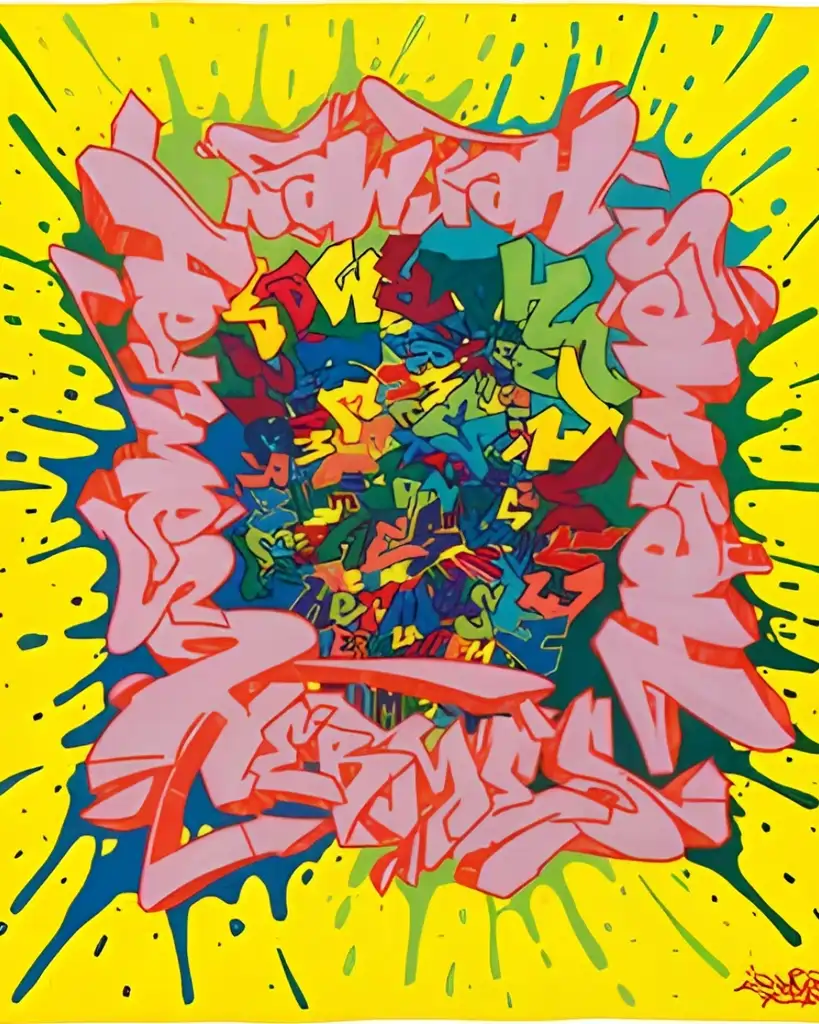
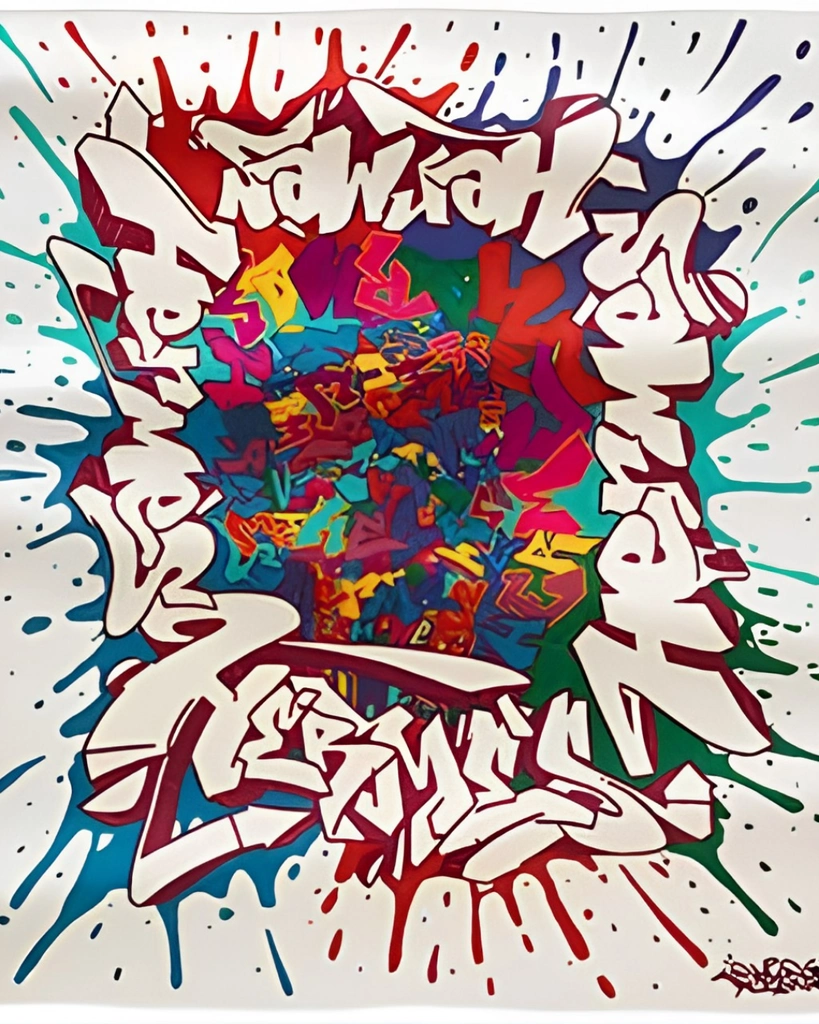
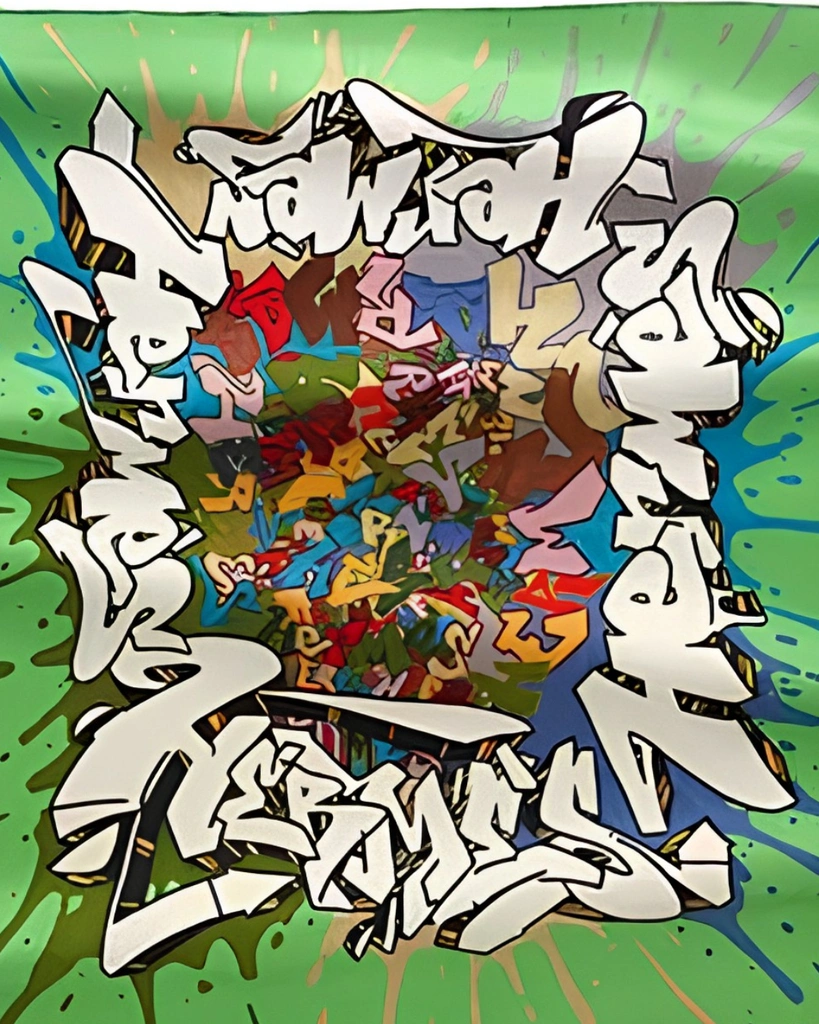
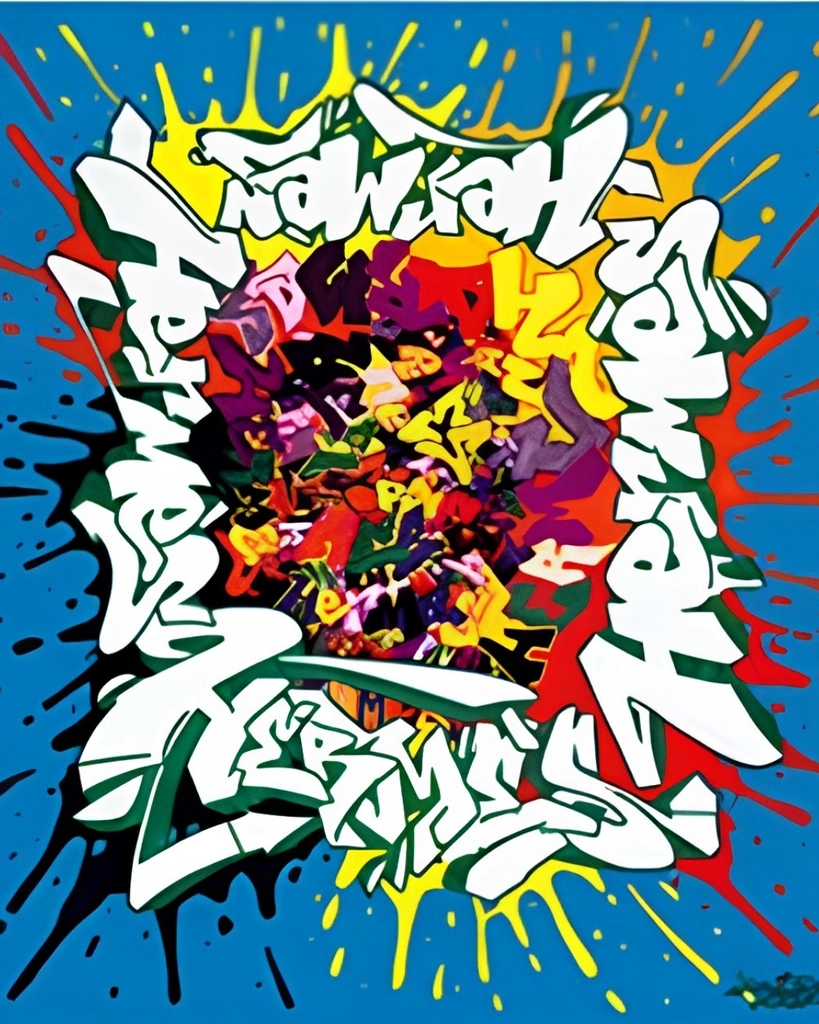
Hermès, perhaps the most formal and protected house in existence, shocked the industry in 2011 by opening up to graffiti artist Cyril Kongo. By bringing raw, aerosol-art aesthetics to their iconic, traditional silk scarves, they proved that even the most rigid heritage houses could embrace the "vandal" spirit without losing their gravitas. Hermès is not the only one charmed by the artist. In 2026, Rolls-Royce collaborated with Cyril Kongo, by letting the Black Badge Cullinan become Cyril's canvas.
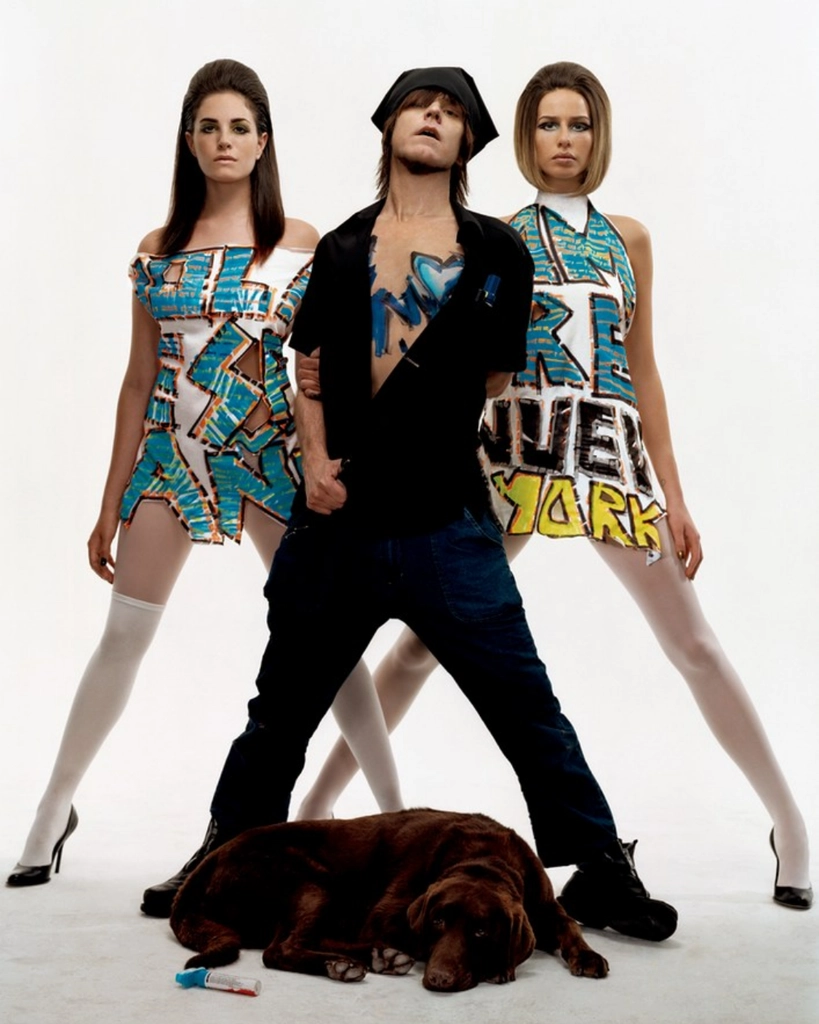
The enemies-to-lovers pipeline is strong in Gucci's "partnership" with "GucciGhost" (Trevor Andrew). For years, Andrew had obsessively defaced the house’s sacred double-G logo with his own raw, ironic tags. While his work isn’t overtly negative or mocking, it presents the imagery associated with the luxury lifestyle landmark (such as the signature double “G” motif) with a decidedly deconstructed, downtown sensibility.
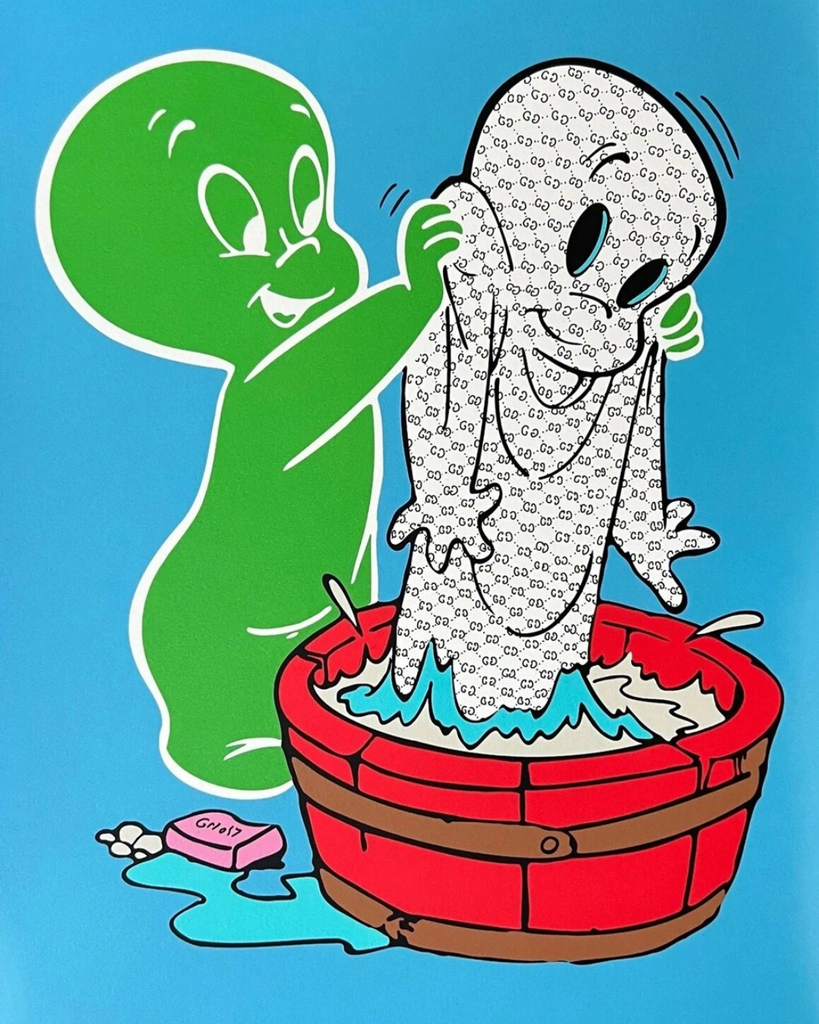
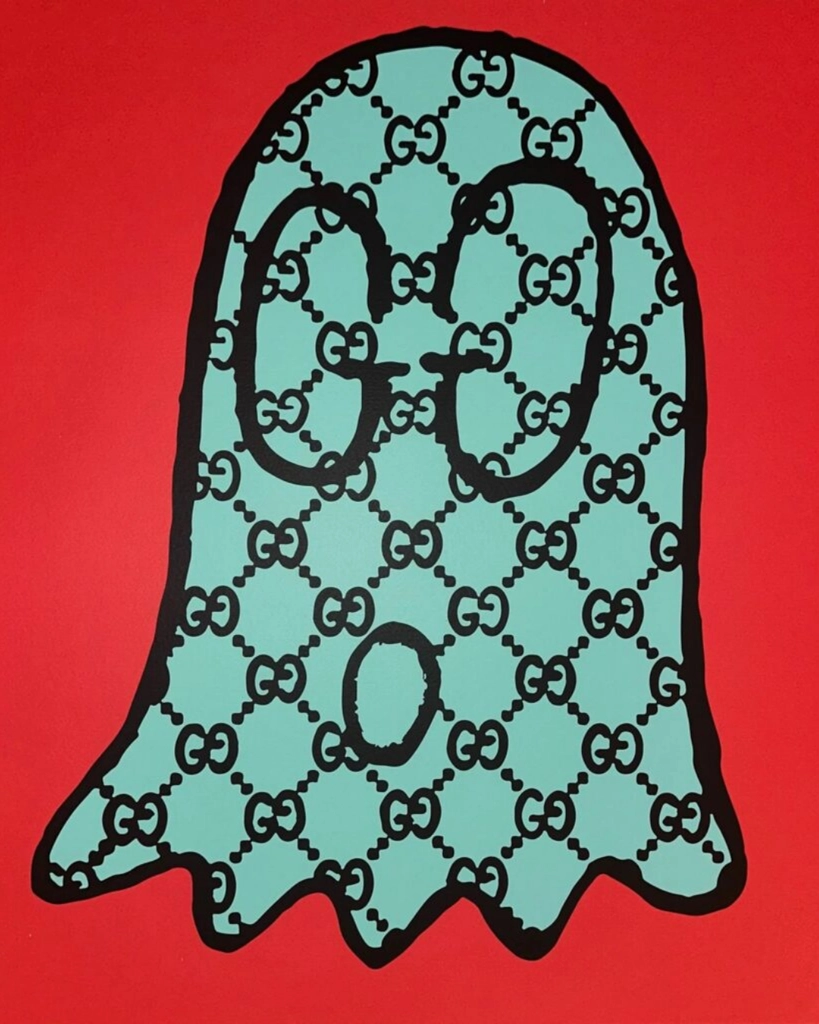
Instead of giving Andrew the legal department treatment, Gucci proposed a creative marriage.
“I saw the way Trevor was using the symbol of the company and I thought it was quite genius,” said Gucci creative director Alessandro Michele.
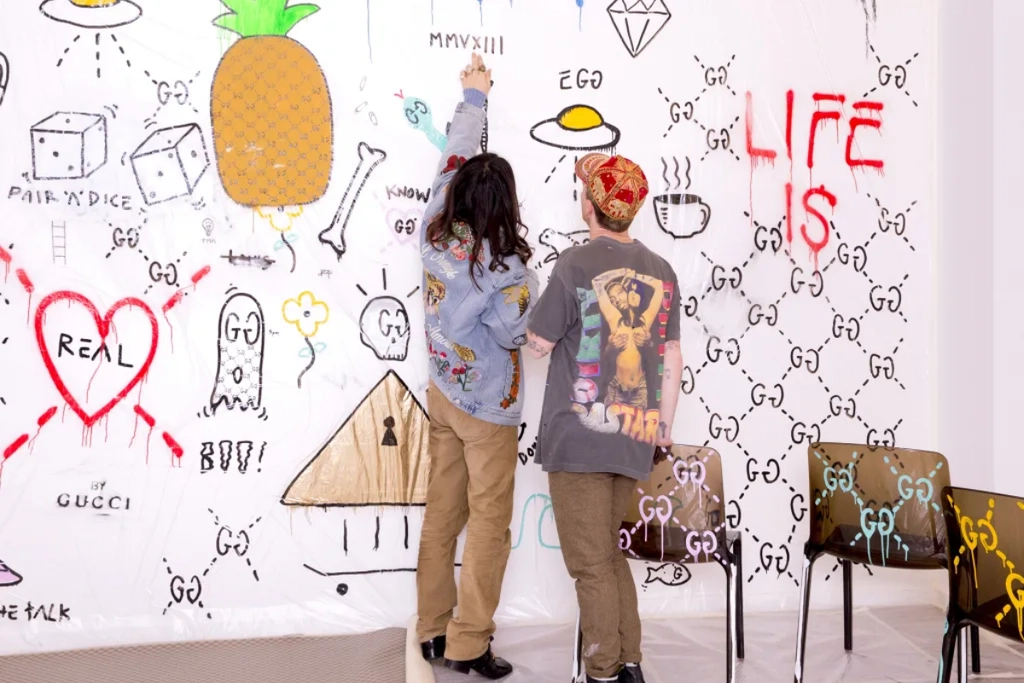
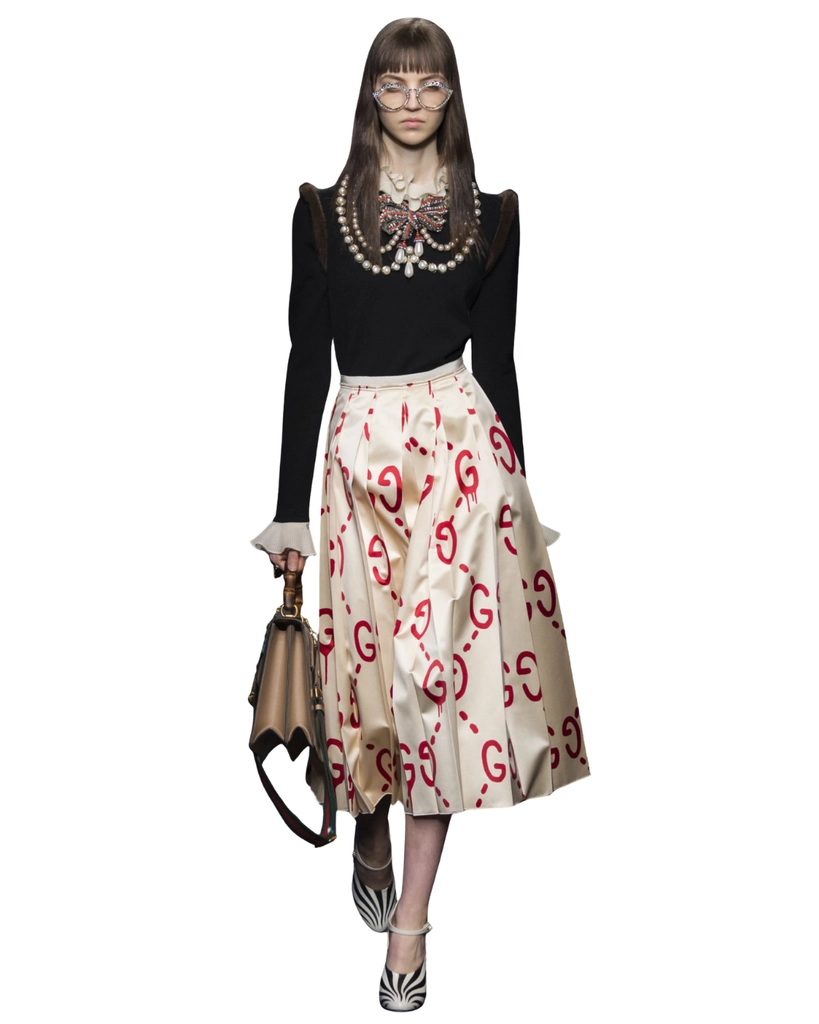
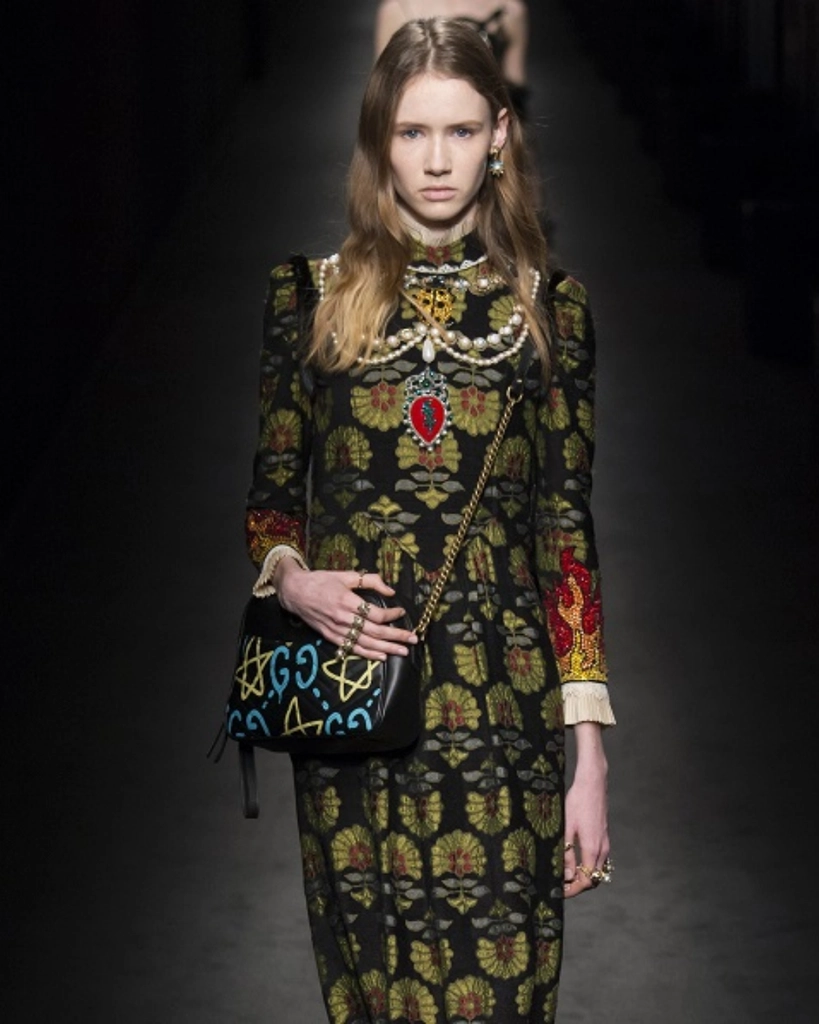
Surprisingly, the higher-ups at Gucci were on board with the collaboration from the get-go, with CEO Marco Bizzarri stating that he was “quite in love” with the collaboration. It was the biggest plot twist: Gucci took the very person who had been actively trying to undermine their exclusivity and elevated him to the role of visionary, the h. It was a collision where the brand finally admitted that they needed the rebel’s touch more than the rebel needed their permission.
No conversation about graffiti is complete without Basquiat. Coach’s 2020 partnership with the estate of Jean-Michel Basquiat was a masterstroke of historical alignment. By applying those famous raw, neo-expressionist crowns to leather goods, they reclaimed the energy of 1980s New York, turning a commercial product into a wearable tribute to an art-world martyr.
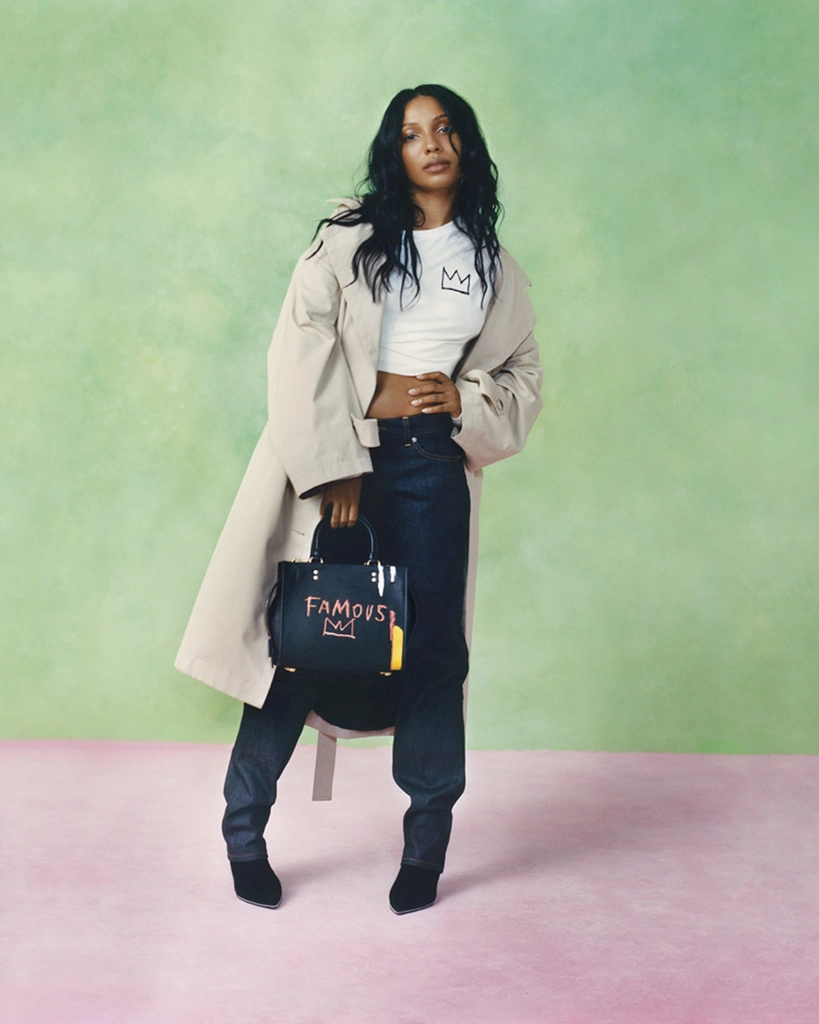
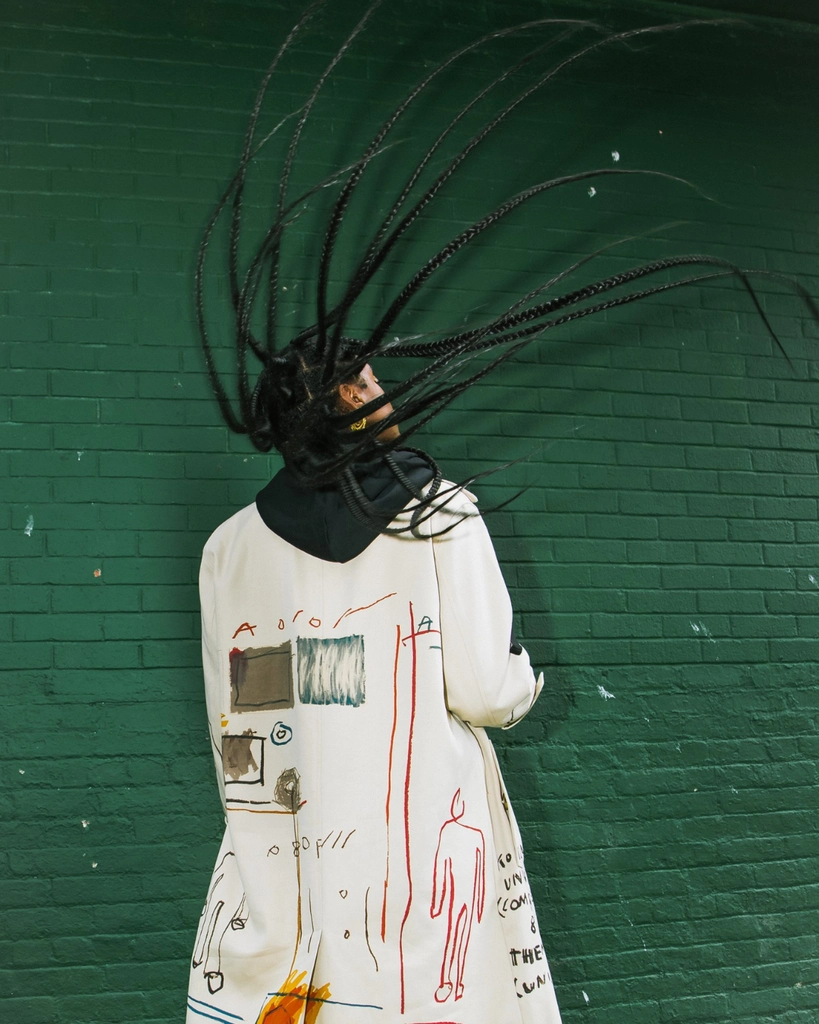
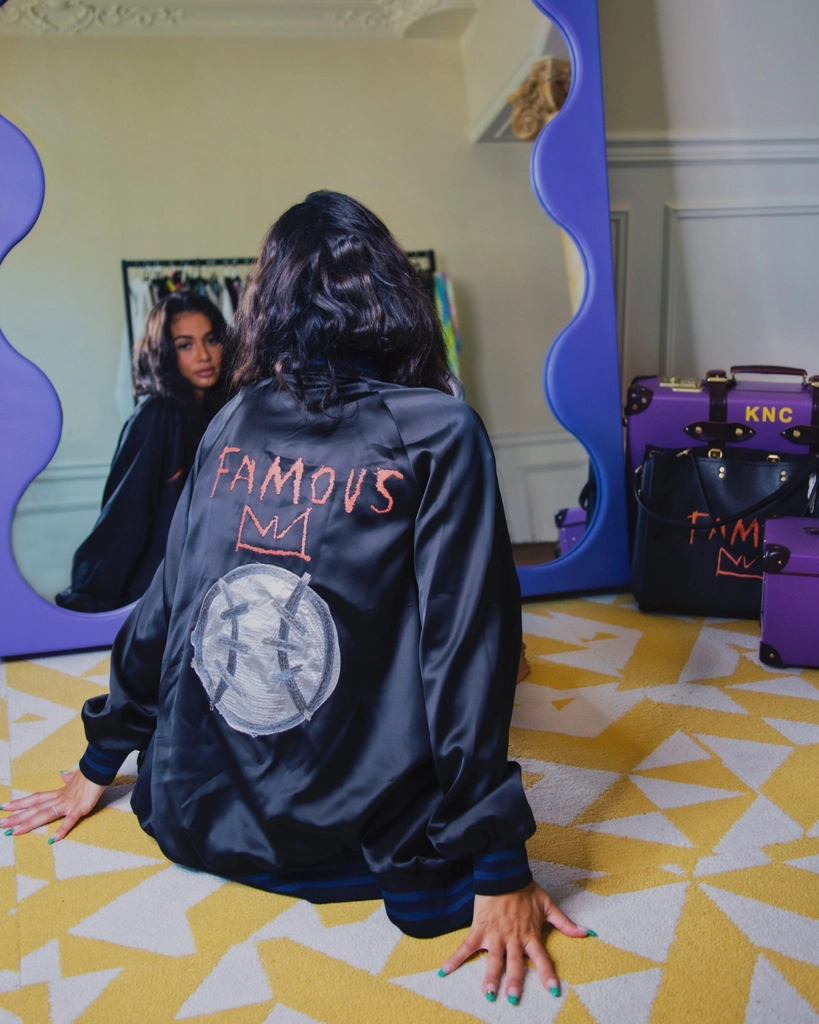
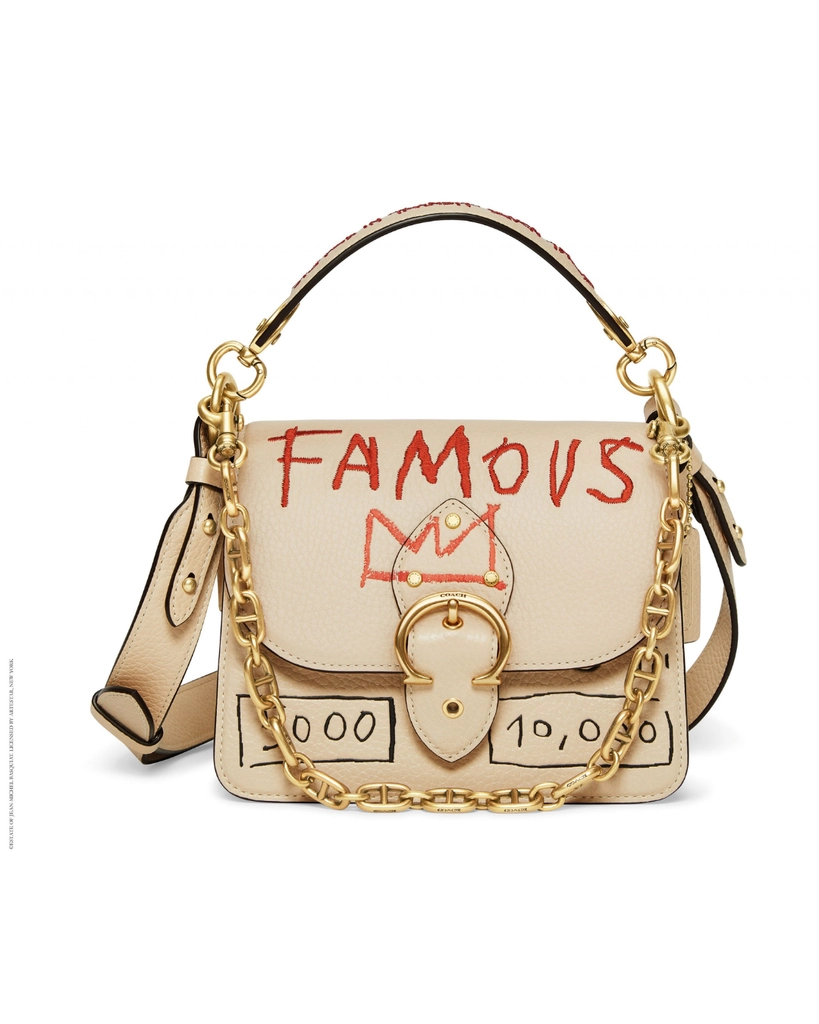
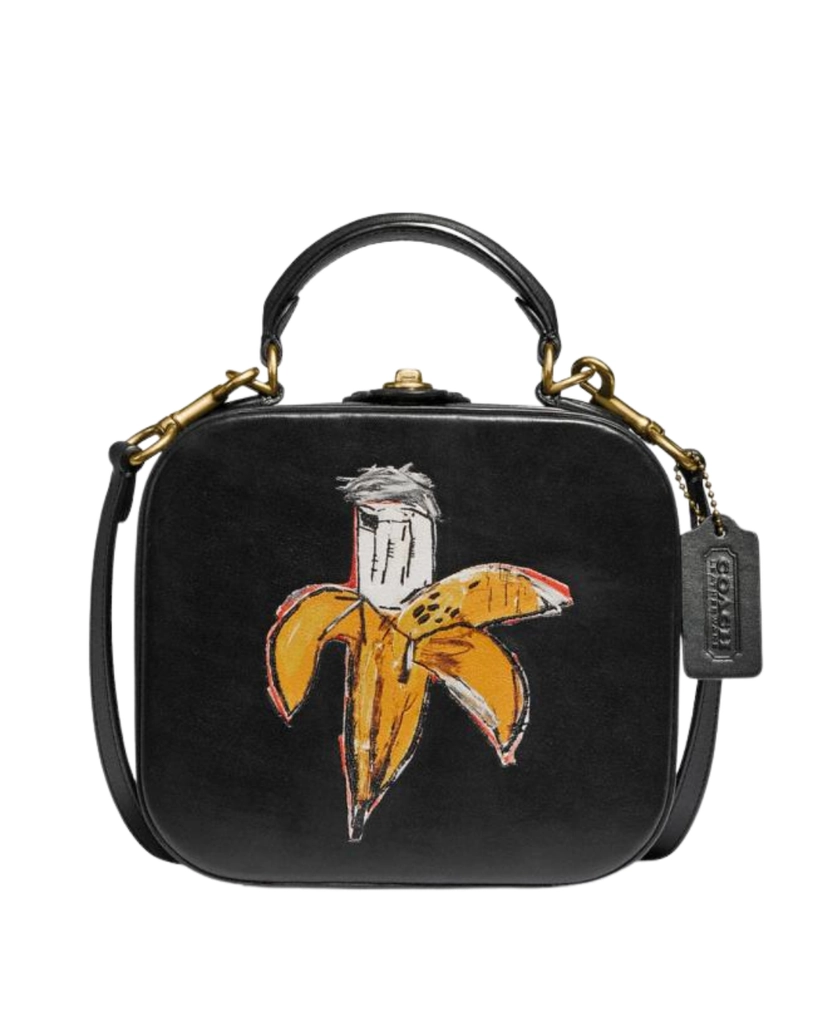
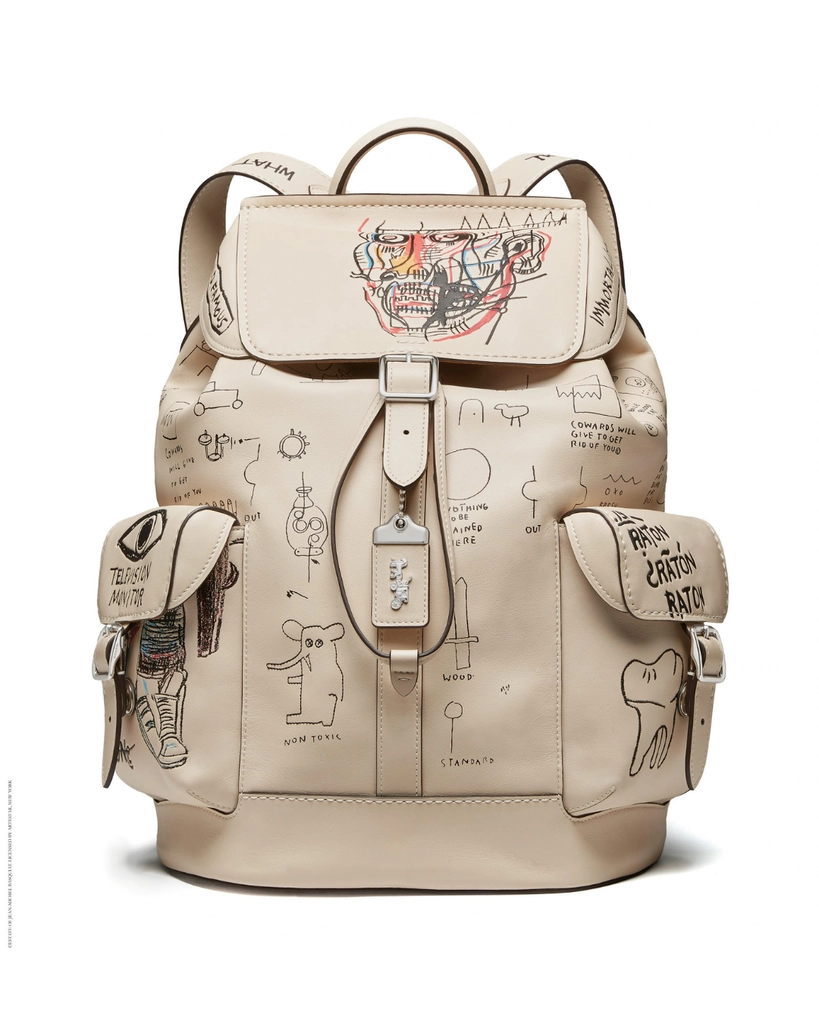
Not all feuds between graffiti artists and luxury labels result in the same heartwarming reconciliation moment as Gucci and GucciGhost.
Another artbuster, Kidult, remains the PR and cleaning nightmare for the big brands. A polarizing figure, even in the graffiti scene, Kidult's graffiti generates massive media coverage, yet he rarely explains his motives. Much like Banksy, his style is divisive due to his technique: He loads fire extinguishers with paint, allowing him to create large-scale, high-impact tags in seconds.
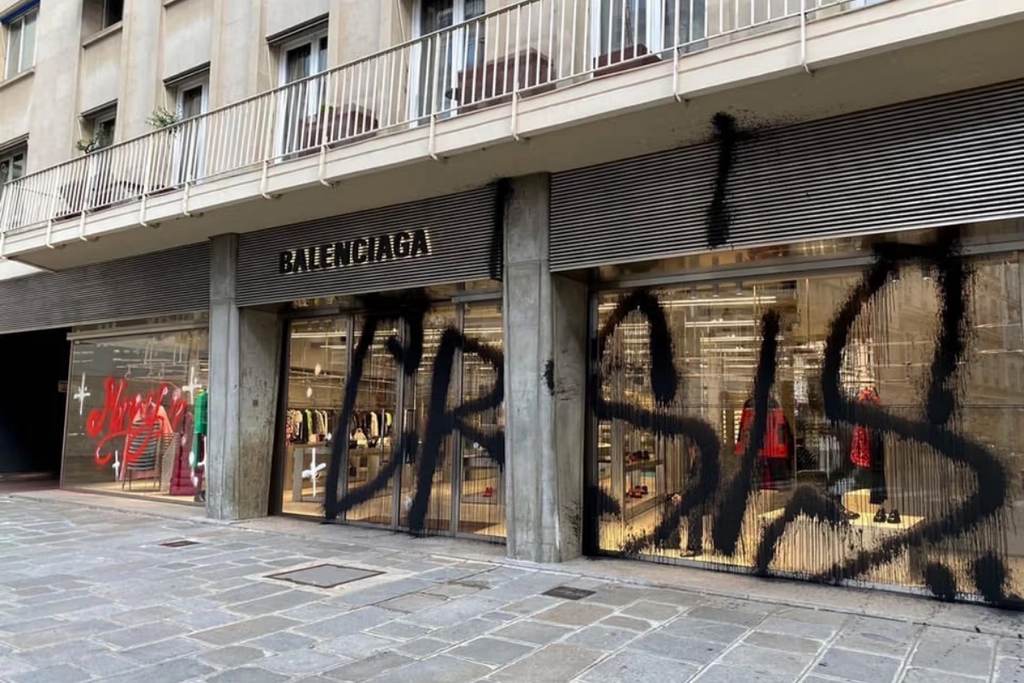
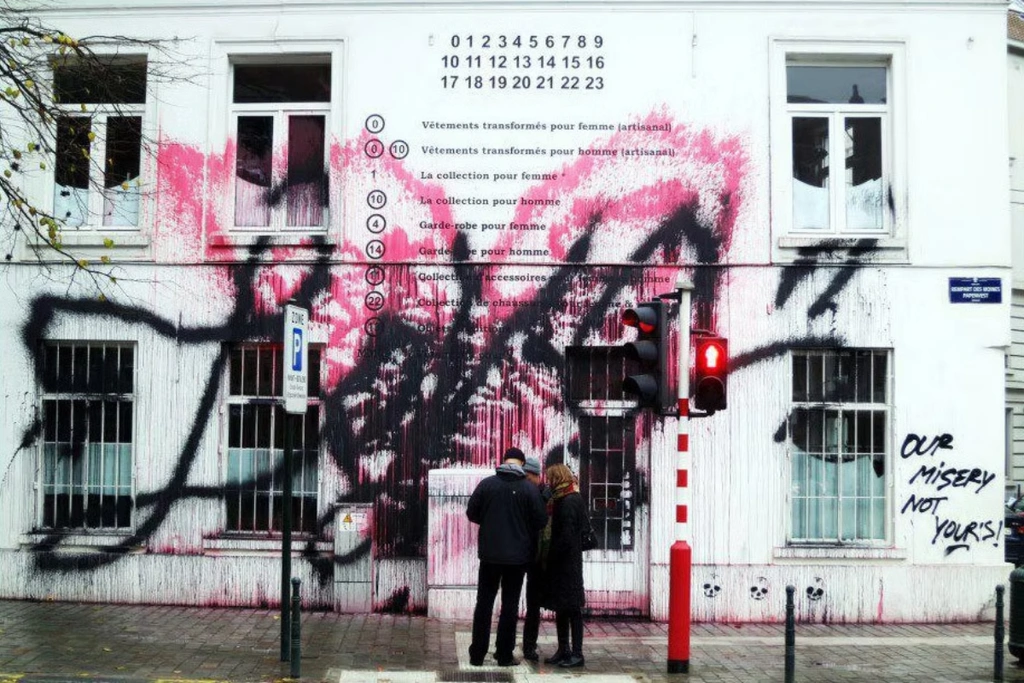
In a Highsnobiety article tracing his career, Alec Banks notes that Kidult’s campaign began around 2011. He targeted the JC/DC store after taking offense to designer Jean-Charles de Castelbajac’s use of graffiti for profit. He then continued his streak across Paris, tagging high-profile locations including Louis Vuitton, Hermès, Kenzo, YSL, and Agnes B.
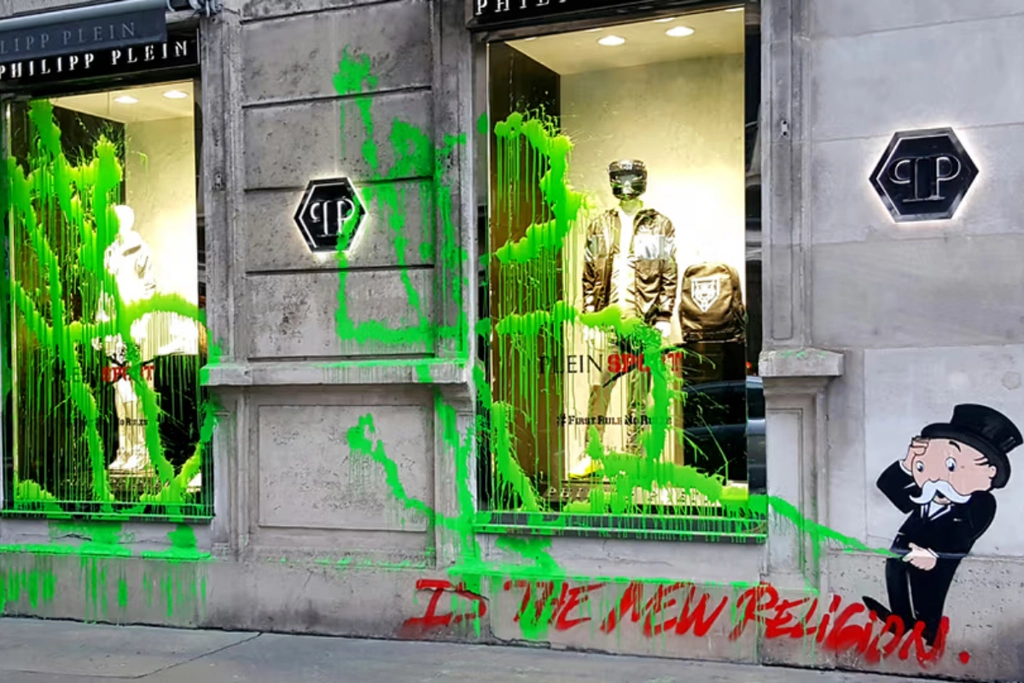
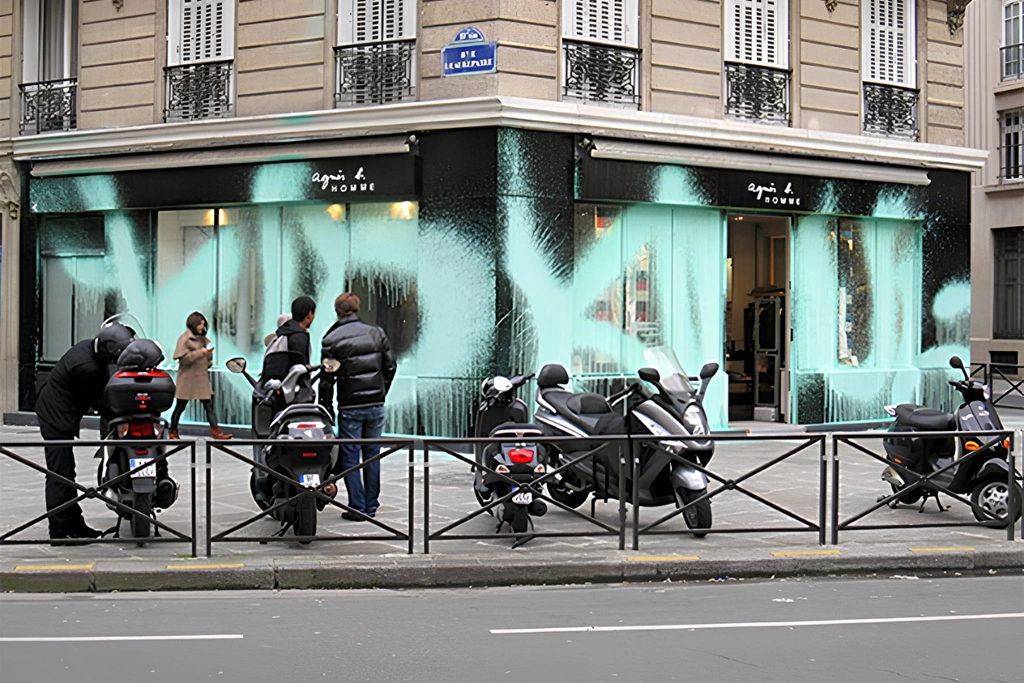
Though known as a nuisance to couture houses, Kidult made waves in streetwear circles when he defaced the Supreme store in NYC. He intended to see if the brand — which built its identity on "street credibility", would recognize the irony of his protest.
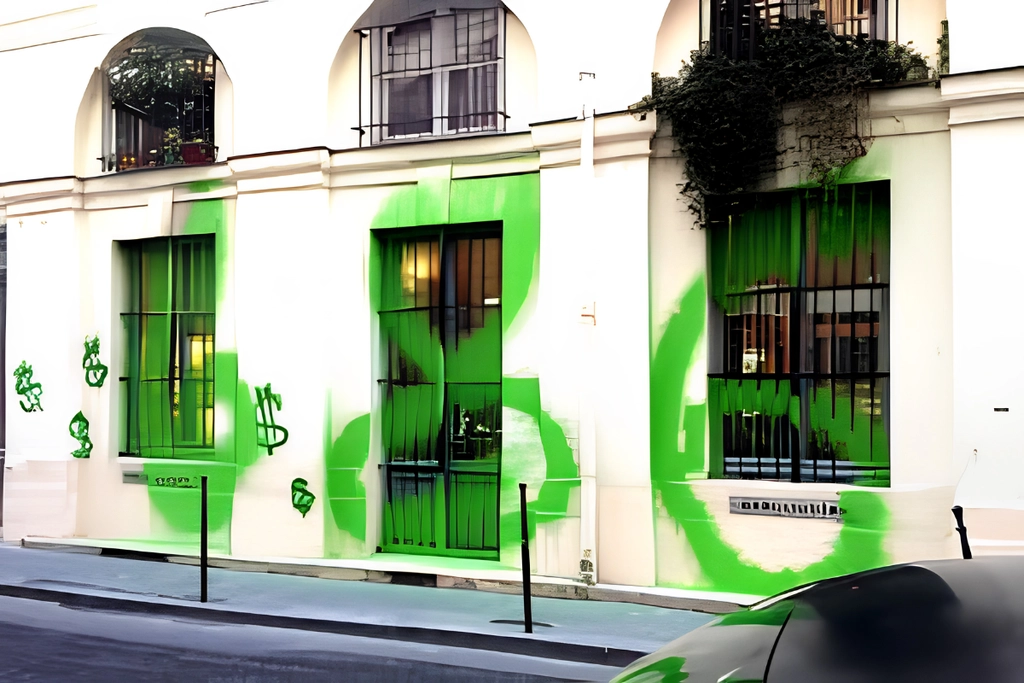
One of his most famous moments involved bombing the Marc Jacobs SoHo store with the word "ART." The piece was later co-opted by Marc Jacobs, who attempted a Gucci-GucciGhost moment by releasing t-shirts featuring the phrase "Art By Art Jaco$$" for $686. In a defiant response, Kidult tagged the Marc Jacobs store in Paris with the number "686."
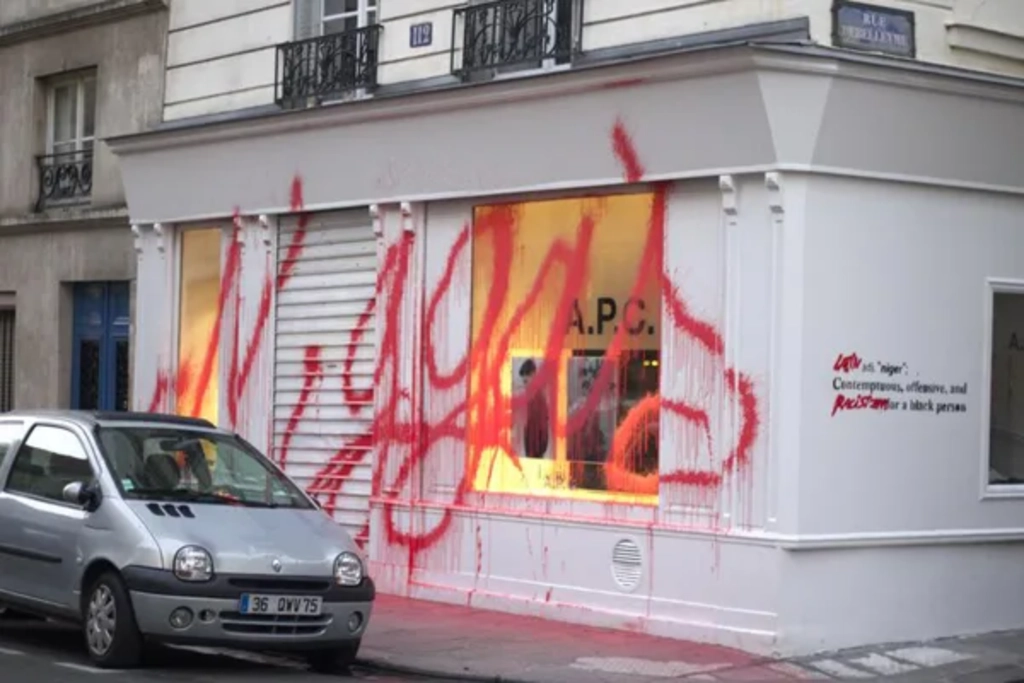
Kidult also drew significant media attention in 2015 when he tagged an A.P.C. store. He wrote the n-word on the storefront in direct protest of A.P.C. founder Jean Touitou, who had used the racial slur in a presentation titled "Last Ni##@$ IN PARIS."
This is not even the worst case of luxury industry's flirtation with street culture ending in disaster.
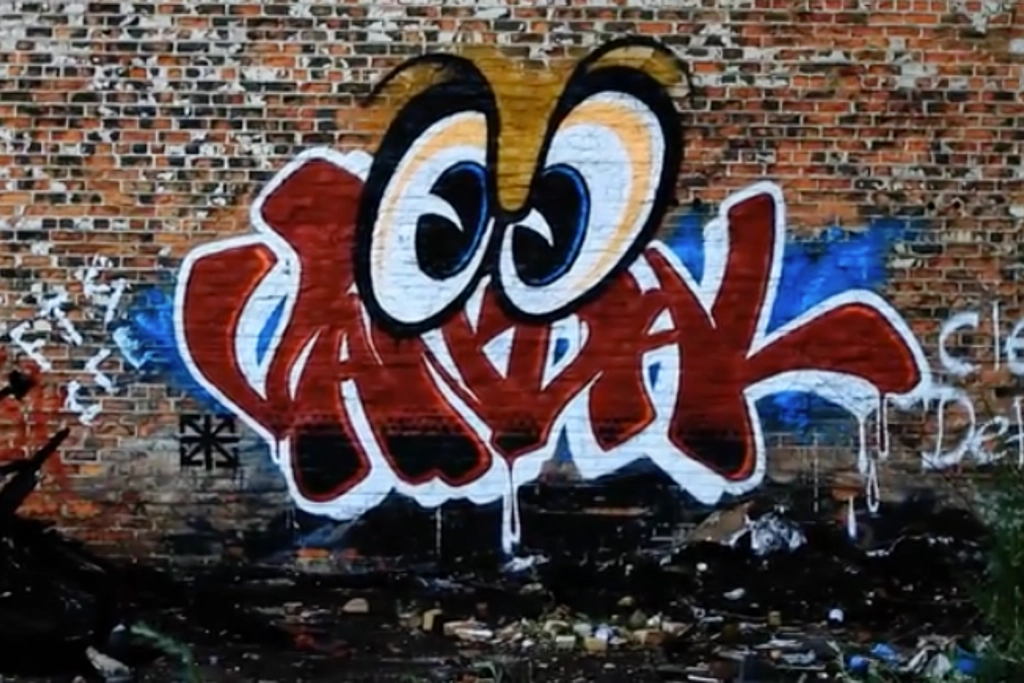
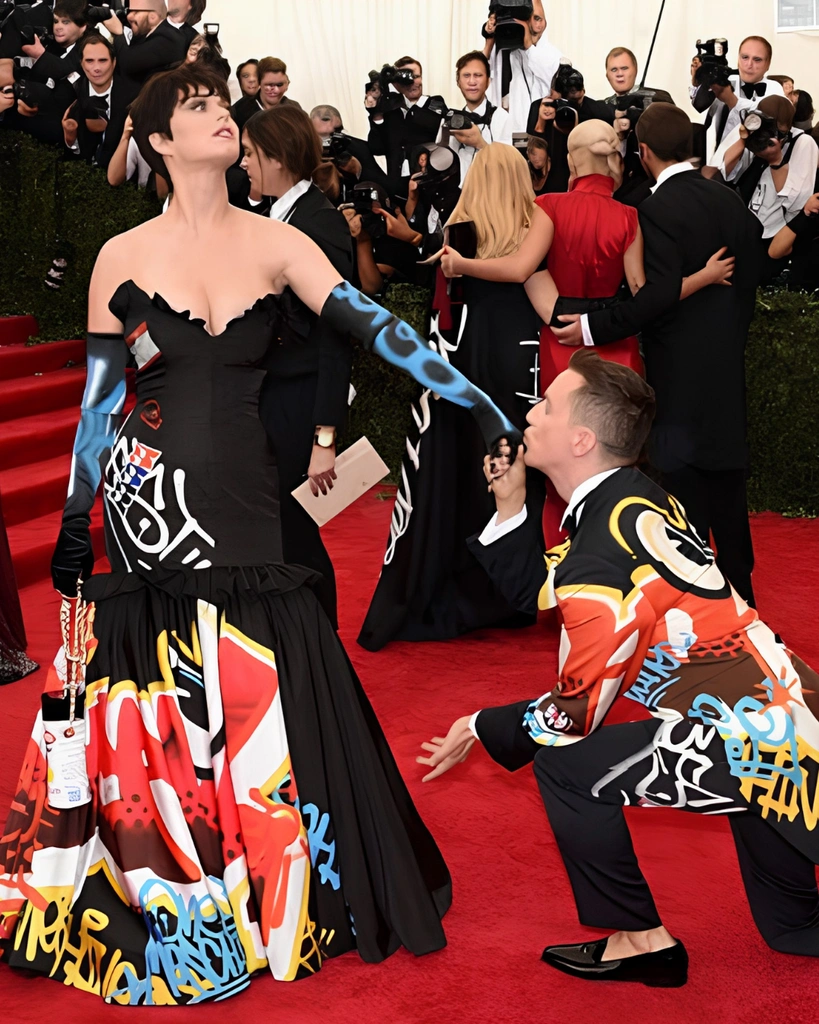
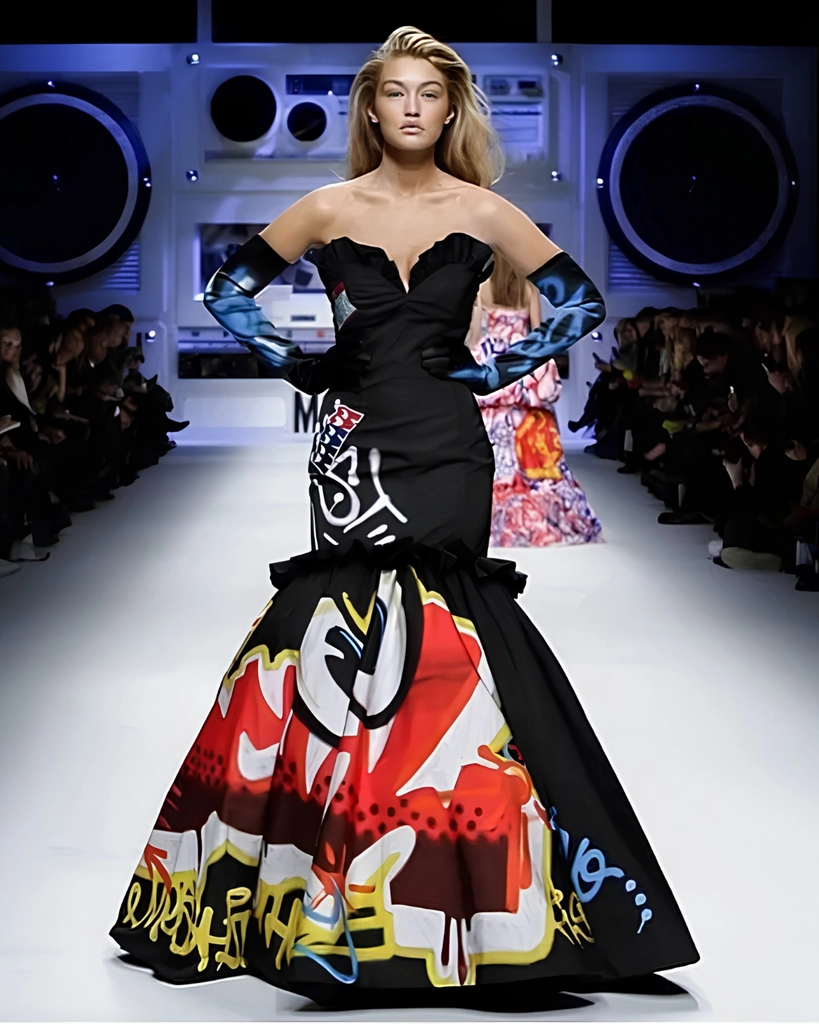
In the 2015 legal battle between Moschino and Detroit artist Rime, creative director Jeremy Scott was sued for using imagery nearly identical to Rime’s mural, Vandal Eyes, on high-fashion pieces — famously paraded by Katy Perry at the Met Gala, the resulting lawsuit exposed a jagged hypocritical edge. Moschino argued that because the mural was painted without a permit, the artist lacked standing to claim copyright.
This theme of corporate exploitation returned to the spotlight in 2025, when UK artists DISA, SNOK, and RENNEE sued Vivienne Westwood for allegedly pillaging their tags to manufacture a synthetic "air of urban cool." While the 2026 dismissal of the Westwood case left the specifics of a potential settlement shrouded in silence, these disputes serve as a stark reminder of the underlying friction between heritage houses seeking to buy "authenticity" and the artists who find their labor commodified, yet legally delegitimized, by the very brands desperate to borrow their bite.
Betting on luxury and street culture getting along is risky, but the prize is worth it. The Louis Vuitton x Takashi Murakami collaboration generated over $300 million in its first year alone. On the other end, graffiti artists are also winning this gamble.
Consider the legend of David Choe, who, in 2005, was hired to paint murals at the first Facebook office in Palo Alto. He was given a choice: $60,000 in cash or an equivalent amount in stock. Despite his view that the startup was "ridiculous and pointless," he took the gamble. That single decision turned a standard office painting gig into a $200 million payday when the company went public.
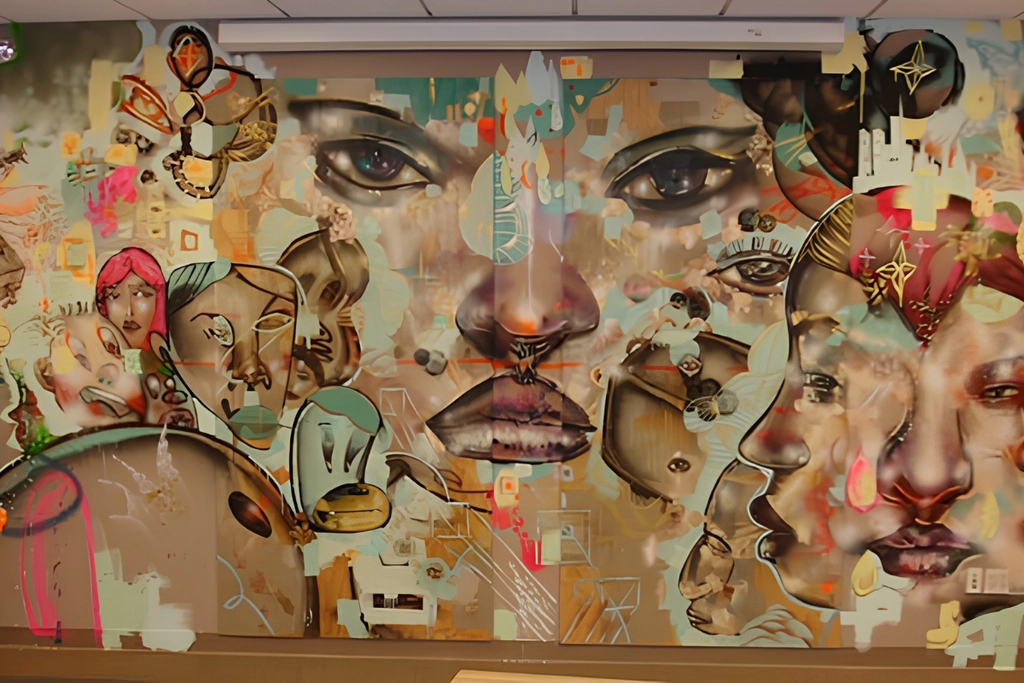
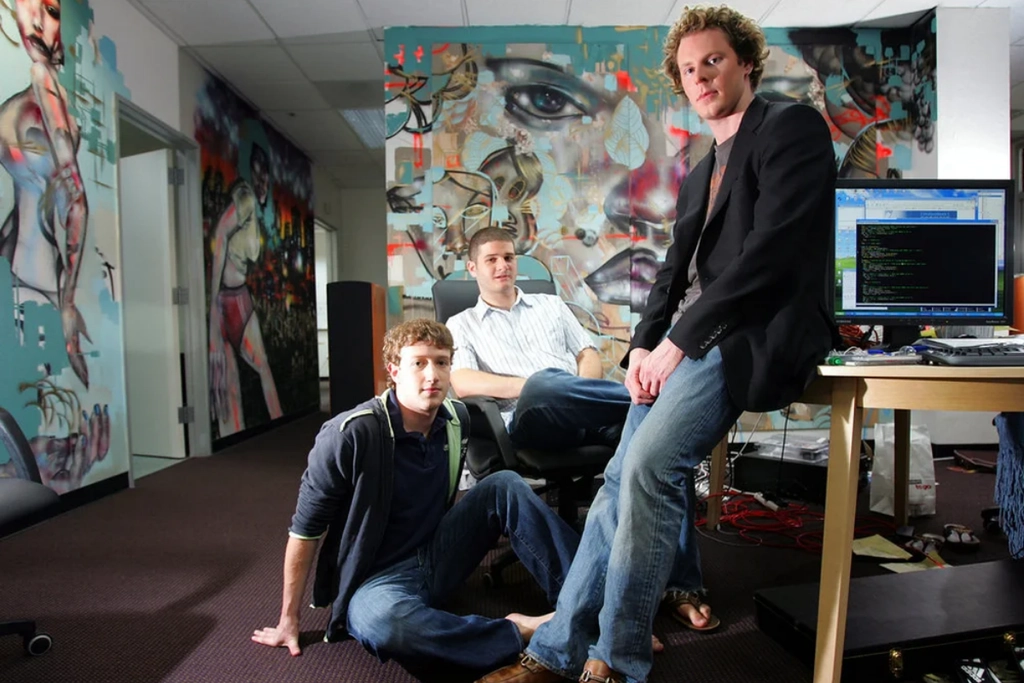
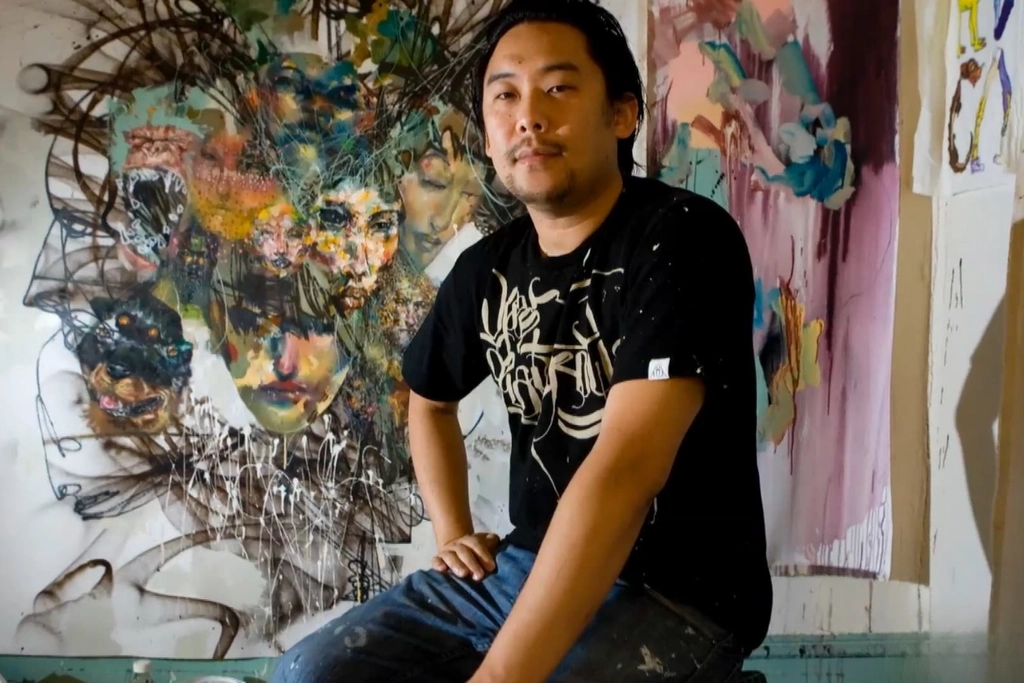
This is the exact momentum luxury brands want to capture: The "lightning in a bottle" energy, the feeling of participating in the making of history, the idea that art is a high-stakes investment, not just a purchase.
But where do we draw the line between genuine cultural contribution and a hollow money-making opportunity?
The consumer of today is a sophisticated "connoisseur" of authenticity. They aren't just buying a logo; they are buying entry into a cultural club. Logo defacement works because it satisfies a primal urge for subversion within a safe, high-end container. It allows the consumer to feel like an agent of change, a "rebel" who carries their protest in a dust bag.
Yet, there is a lingering irony. When a brand pays millions to replicate the look of "illegal" street art, illegality is stripped away. The "street" is effectively house-broken. Is it still graffiti if it has a retail price tag and an authentication card?
The luxury of the future will not be defined by how pristine the leather is or how quiet the atelier remains. It will be defined by agility and cultural literacy. The brands that survive will be the ones that can effectively "vandalize" themselves, proving that they are willing to burn their own past to light the way toward a more dynamic, inclusive, and — paradoxically, exclusive future.
But as these subcultures are sucked into the vortex of institutionalized high fashion, a final, nagging question remains: Where does the next frontier of "authenticity" hide? If the street is now the boardroom, where will the next generation of rebels go to find a canvas that hasn't already been bought, branded, and sold?
The question is everywhere. I asked myself, as I walked past by the graffiti on the walls, and saw a $6,000 LV handbag behind the glass window display.