MENU
Close





Betye Saar - the pioneering assemblage artist of the Black Arts Movement - died in her sleep on July 26, four days before her 100th birthday.
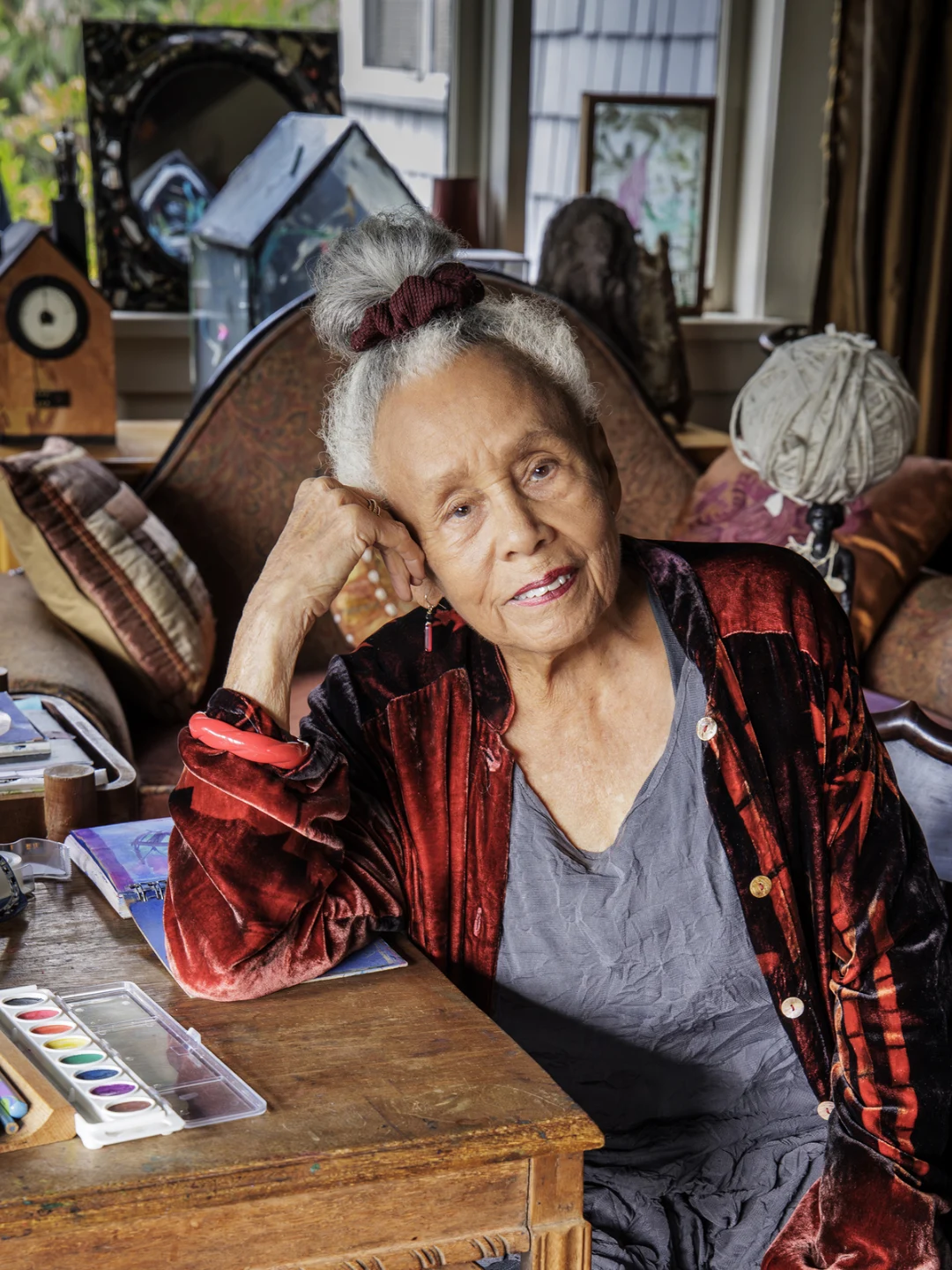
Betye Saar - the pioneering assemblage artist of the Black Arts Movement - died in her sleep on July 26, four days before her 100th birthday.
August 1, 2026


One of the greatest legacies Betye Saar has left behind is her assemblages. For decades, she has searched for used materials from garage sales, flea markets and junk piles, then repurposing them to convey profound messages. “My work has to do with recycling,” said Saar, “Each item I collect has a certain energy from its previous function that carries over into its new use.” Through the hands of the talented artist, dolls, ephemera, furniture and other found objects came together, forming works that embody Black spirituality, explore the history of race and confront brutal stereotypes.
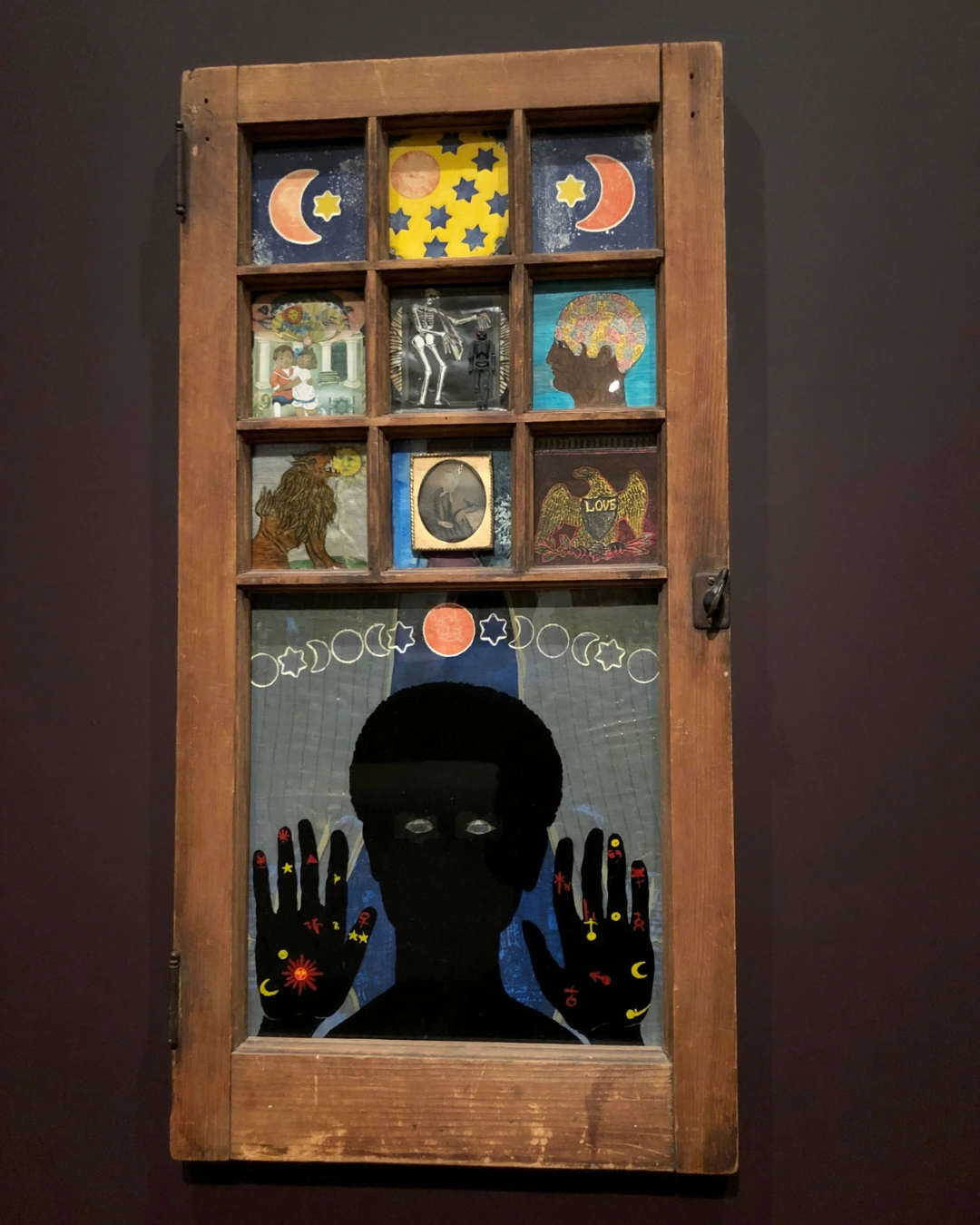
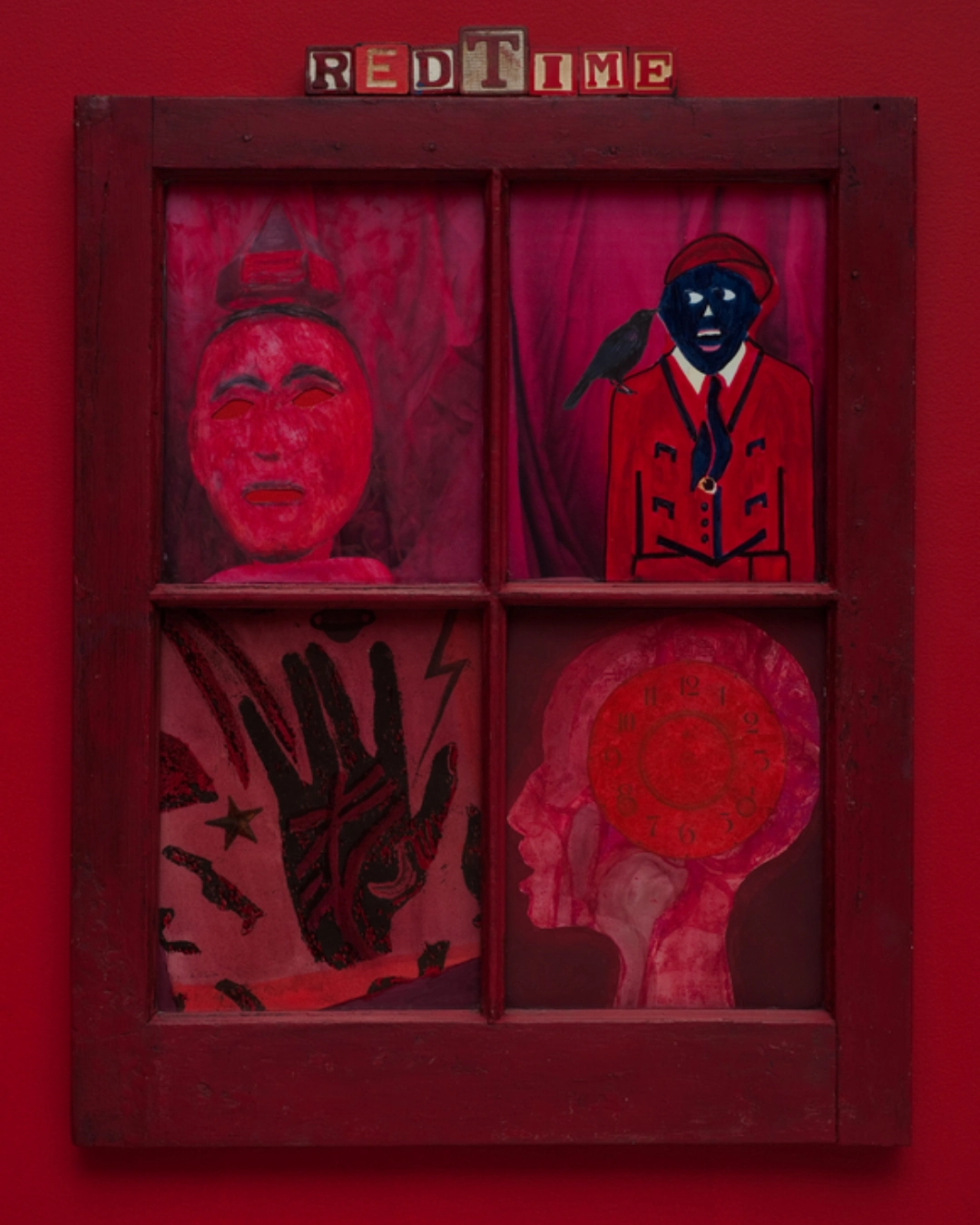
Betye Saar’s assemblages were inspired by Watt Towers - a monumental architectural sculpture that Simon Rodia constructed by his hands. Those “strange castles” made from wire mesh, broken tile, pottery pieces, steel rods and other found objects ignited Saar’s passion for repurposed materials. Another souce of inspiration that she encountered was a major exhibition of Joseph Cornell’s work at the Pasadena Art Museum in 1967. His surrealist-tinged, memento-laden boxes captivated Saar, and it was these powerful emotions that drove her to begin creating her own “magical little worlds.”
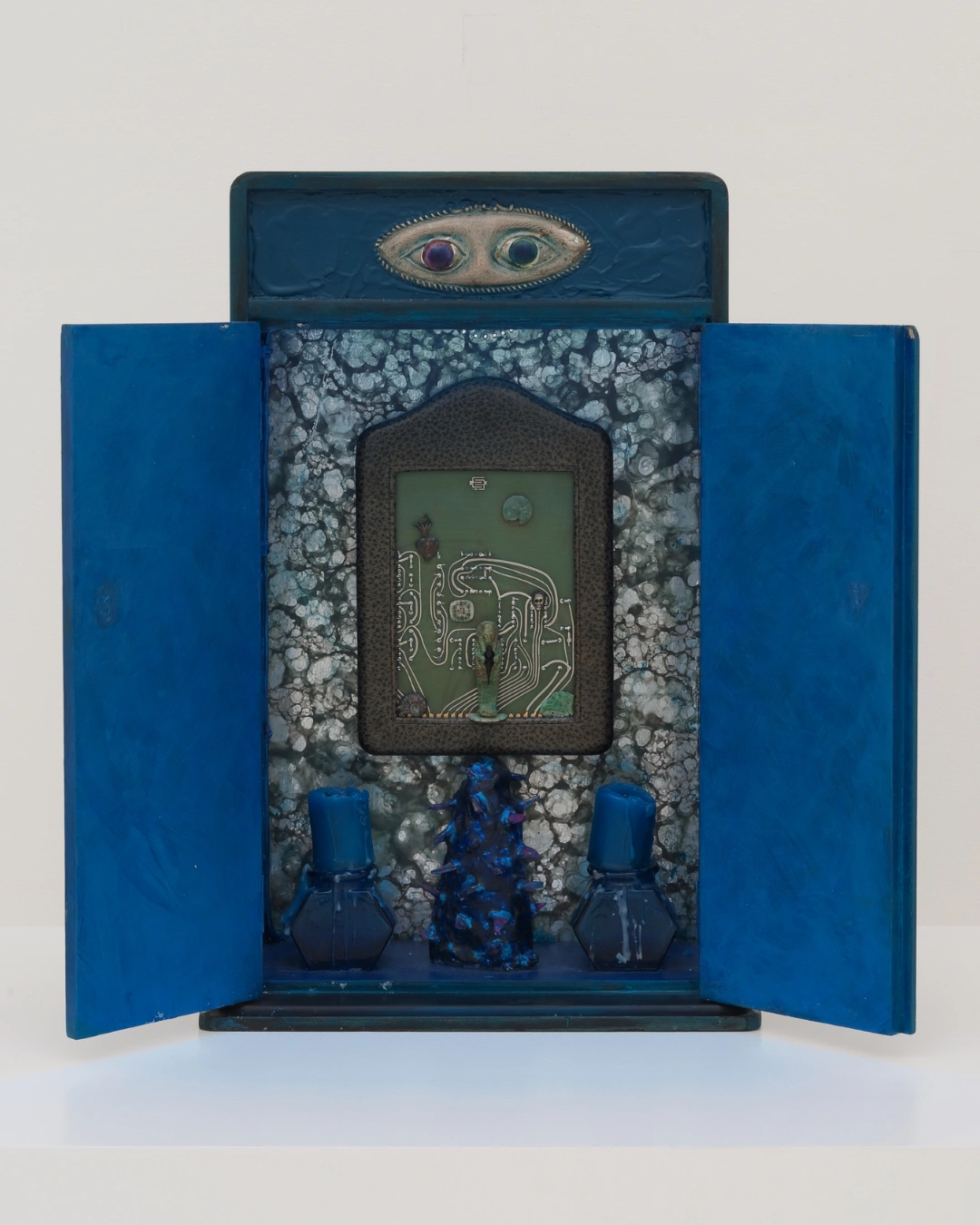
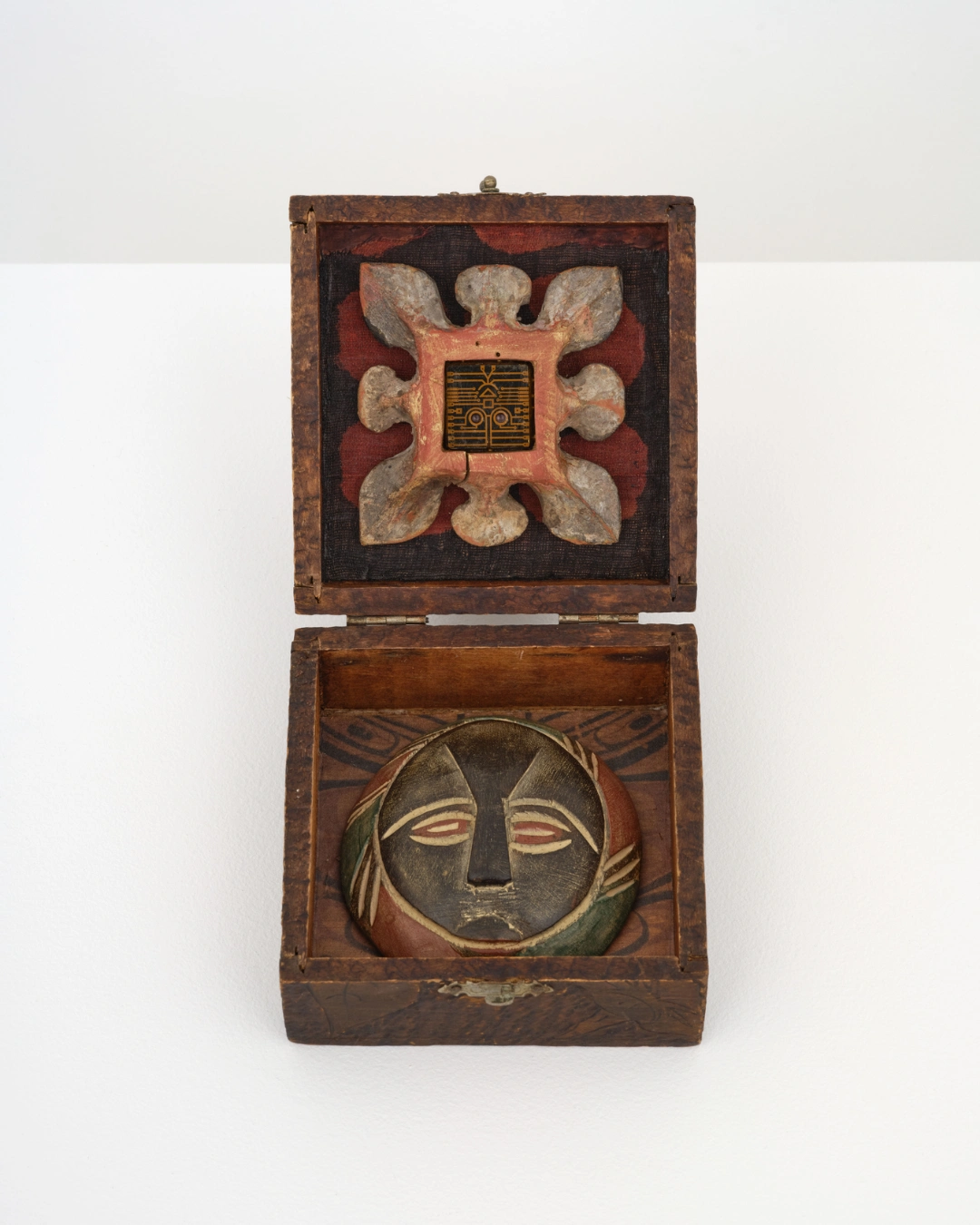
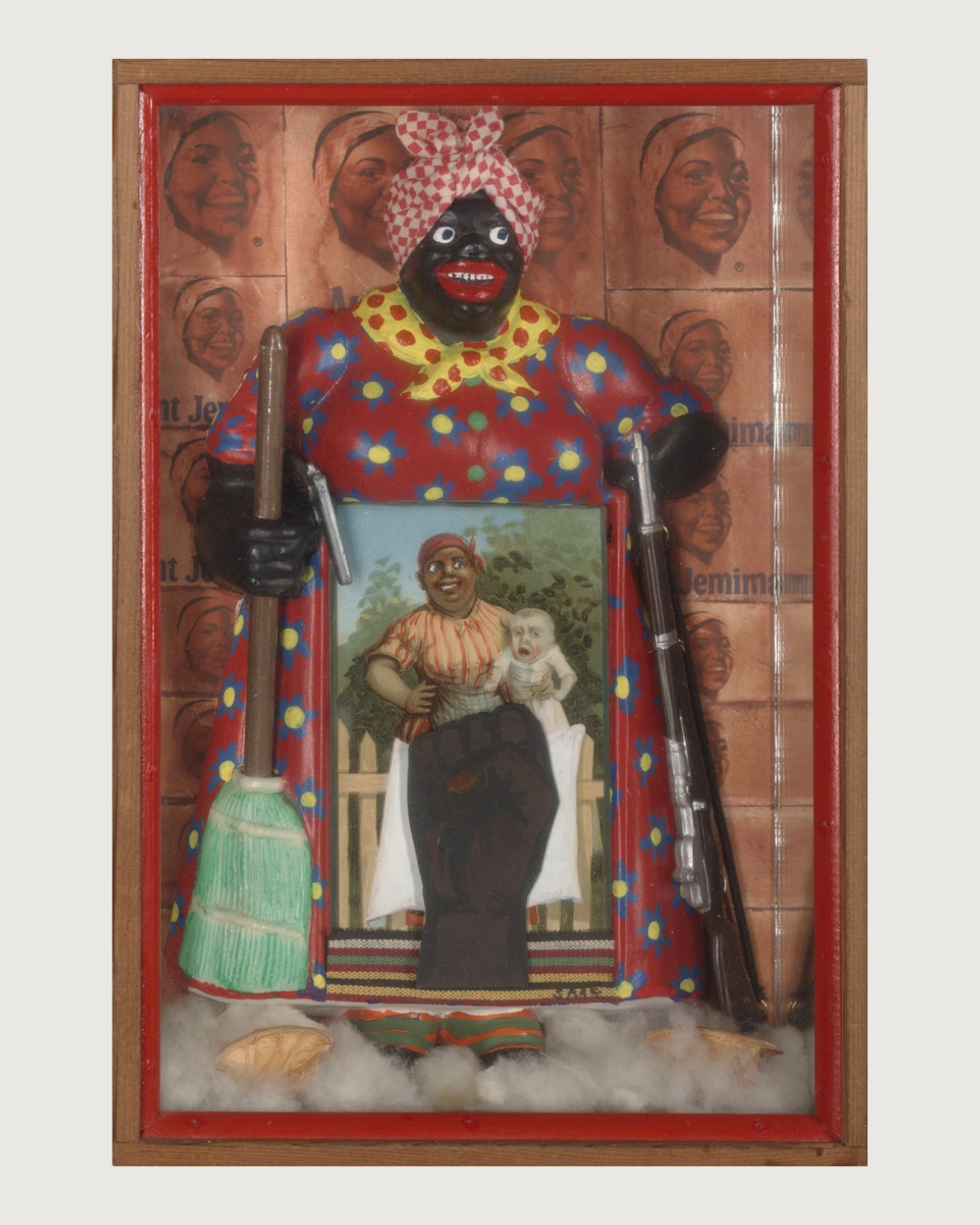
Betye Saar is best known for Liberation of Aunt Jemima (1972) - a piece of art that challenged stereotypes about Black women. Here, Aunt Jemima - a figure once associated with "mammy" images - was instead armed with a rifle in her left hand and a grenade between her right arm and chest. This served as a symbol of empowerment, transforming the Black woman from a domestic servant into a warrior fighting against racism and sexism. Decades later, this work was acknowledged by activist Angela Davis, who noted that it helped spark the Black women’s movement.
Through her works, Betye Saar demonstrated that art holds immense power. It preserved the memories and cultures of marginalized communities. It boldly challenges racial stereotypes. And above all, it redefined the true identities of historically oppressed groups. Betye Saar’s legacy encompassed not only her exceptional artworks but also an enduring commitment to fighting for what is right and demanding justice for Black people.