MENU
Close





Inclusive wellness is no longer a soft promise attached to spa menus and quiet villas. As luxury wellness retreats move beyond detox clichés, the new measure of care is not how rarefied a retreat feels, but who is allowed to feel safe, seen, and restored inside it.
Inclusive wellness is no longer a soft promise attached to spa menus and quiet villas. As luxury wellness retreats move beyond detox clichés, the new measure of care is not how rarefied a retreat feels, but who is allowed to feel safe, seen, and restored inside it.
June 30, 2026


Wellness - once an ancient, holistic pursuit of human connection, has been commodified, whitewashed, and aggressively gatekept, leaving many feeling alienated in the very spaces designed for their restoration. From the systemic exclusion of women of colour to the lack of infrastructure for neurodivergent travellers and larger-bodied individuals, the traditional wellness industry often feels like a closed, elitist door. However, a powerful, necessary shift is underway. By prioritising radical inclusivity, travel brands and visionary founders are finally reclaiming the transformative potential of wellness, ensuring that true luxury — the luxury of being well, is accessible to all.
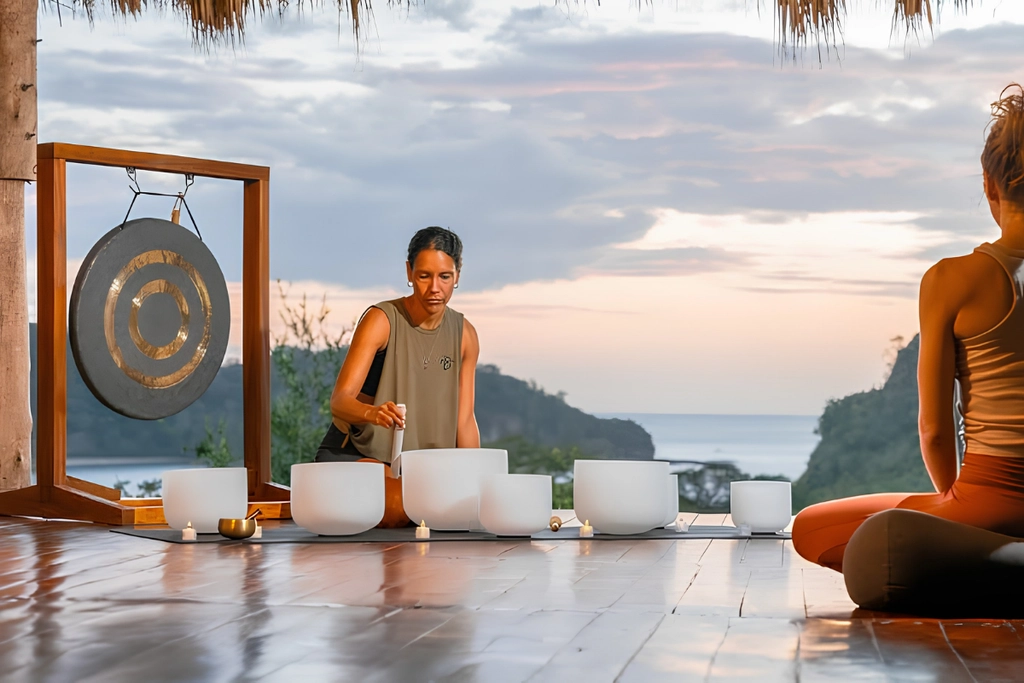
Wellness is a loaded word. Depending on who you ask, it can conjure up an eye-roll or launch you into an enthusiastic, rapid-fire conversation about the benefits of lymphatic drainage, earthing, and sound baths. For some, it is the shorthand for a Gwyneth Paltrow-esque fad - a landscape of vulva-scented candles, expensive supplements, and crystals that promise enlightenment but deliver only a lighter wallet. For others, the concept is far more grounded; they date its roots back to the ancient practice of Ayurveda, originating in 3,000 BC, viewing it as a fundamental human practice to connect with our bodies and environments.
With many of us tailoring our hard-earned time off to the pursuit of wellness, it has gradually become the core of travel in 2026. Often, I have swapped the frantic energy of city breaks for digital detox cabin retreats or the bracing shock of cold-water experiences. The goal is simple: I want to return from my travels feeling in tune with my body and genuinely relaxed, as opposed to returning more exhausted and depleted than when I left. From wild swimming in the deep, silent lochs of Scotland to receiving traditional acupuncture in Kerala, connecting with my physical self has become just as vital as the food, sightseeing, or adrenaline-seeking that historically defined my itineraries.
I am not alone in this pivot. The global travel network Virtuoso reports that 97% of their advisors find that clients are now actively seeking wellness experiences that provide a buffer from the daily stresses of life. Furthermore, 63% of those clients are specifically prioritising outdoor and nature-focused retreats, seeking to re-anchor themselves in the natural world.
As ancient customs and lifestyles have morphed into fashionable, highly marketable trends, much of modern Western wellness has been whitewashed, commercialised, and manipulated into a performative farce. We see TikTok influencers selling gua sha tools as a solution to "double chins," aesthetic doctors framing invasive filler procedures as "empowering," and cryo chambers pushed as a one-time miracle weight-loss treatment.
It has become a "get-out-of-jail-free" card for those pushing narrow, capitalist, and deeply Euro-centric beauty standards. For far too many, wellness feels like a closed door that only welcomes the rich, the thin, the white, the able-bodied, the cisgender, and the neurotypical.
Callie Thorpe, an intentional travel influencer, has felt this exclusion acutely throughout her career. “There have absolutely been times when I’ve felt unwelcome in wellness spaces, typically traditional gym settings or organised classes,” she shares. “I think the perception of well-being is very narrow. I’ve had rude experiences from trainers in the past and been a victim of verbal abuse by men.”
Thorpe recalls a particularly harrowing moment when she was walking to her local gym in Putney. “A group of guys shouted, ‘Go to the gym. I felt like shouting, ‘I LITERALLY AM’.”
The hypocrisy is glaring. Activewear brands frequently face immense public criticism merely for having extended sizes or using larger bodies in their advertising campaigns. “Society demands that people should be health-conscious but in the same breath say that those very people don’t deserve activewear or representation, which begs the question: is this really about health and wellness at all?” Thorpe notes.
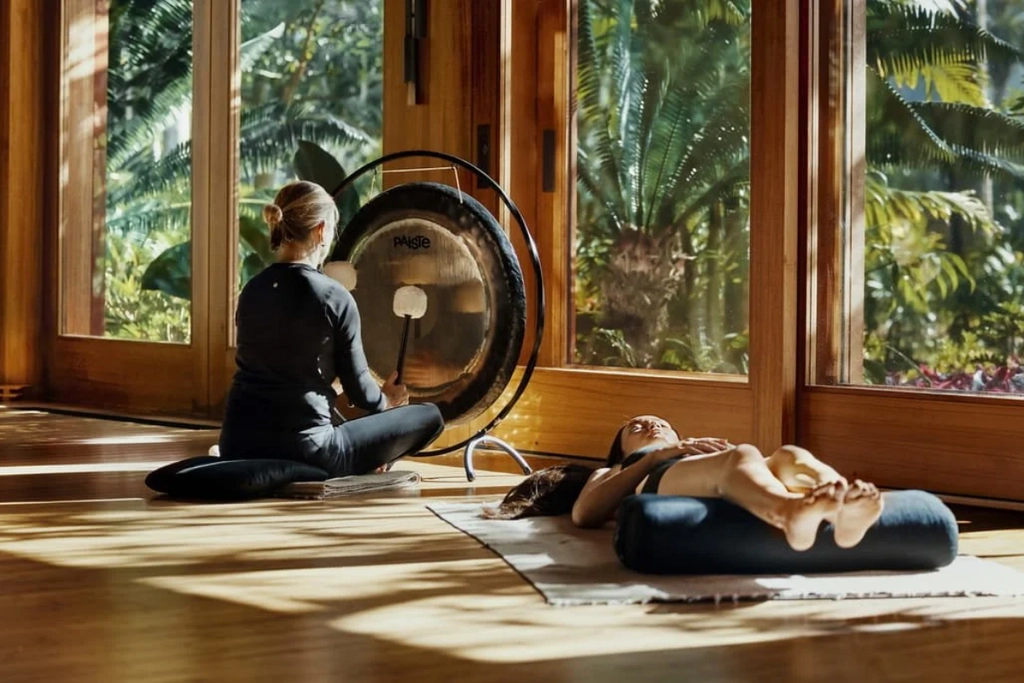
Thankfully, the tide is turning, and the travel industry is positioned at the vanguard of this shift. As a direct rejection of how exclusionary the wellness industry has become, individuals have taken matters into their own hands, creating safe, intentional spaces where they don't have to apologise for their existence.
Dr Stacie CC Graham felt a profound, personal push to start OYA Retreats, an immersive experience designed to support Black women and women of colour. Her motivation stemmed from years of attending spiritual and wellness events only to find that she was consistently the only Black woman in the room. “It wasn’t until I went to India that I experienced being in such an environment surrounded by non-white people. When I am the only one, I am 'othered' in ways that make it impossible for me to actually relax into the offering, whether by just showing up as my full self, to experience a breakthrough, or to leave feeling well,” she explains.
The data supports her experience. In the UK and Europe, there is a systemic lack of representation in holistic spaces. Dr Graham notes that when she attends a yoga class, teachers often assume she is a beginner. When she visits a meditation retreat, facilitators and participants often gawk at her or ask invasive questions, as if she were a representative for her entire race. “It’s very challenging,” she says.
In response, retreats like OYA Retreats are targeting these systemic failures. Through virtual programmes and in-person weekend retreats, they offer holistic events that focus on inclusive yoga, sound healing, and journaling. Similarly, Tameika G and Whitney Gee founded Whole Experience, offering inclusive wellness across the globe, from South Africa to Thailand. Their philosophy is refreshing: sessions can be skipped, modified, or opted out of entirely if they do not "speak to you." If a more spiritual path is preferred, the global platform OMNoire provides retreats from Arizona to Bali, specifically for women of colour.
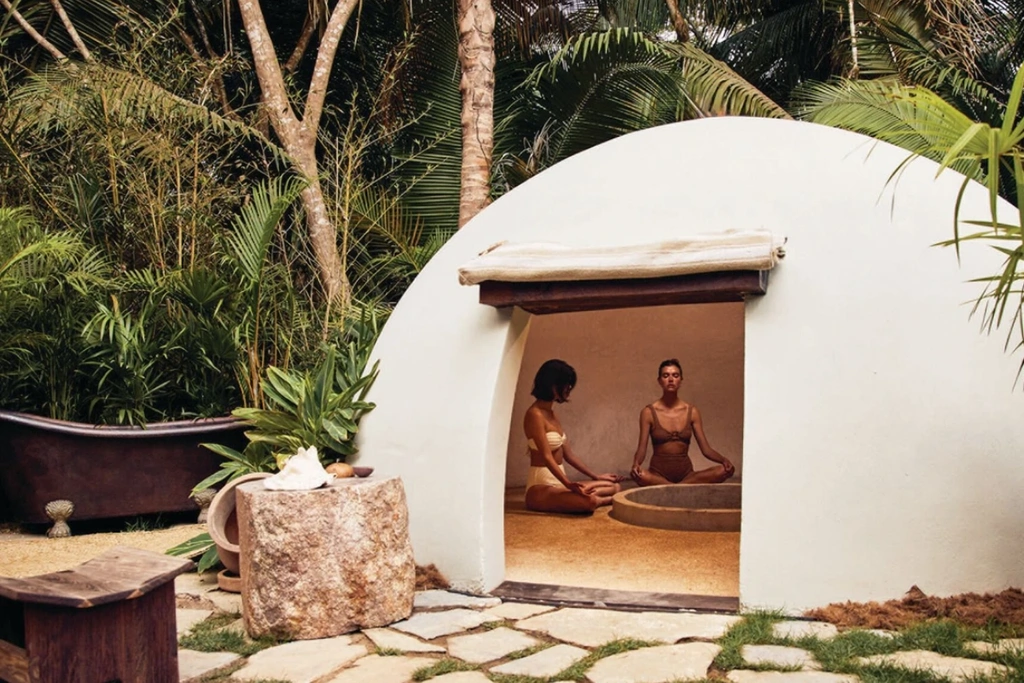
Beyond race and body size, the wellness industry is only just beginning to acknowledge the needs of neurodivergent individuals. For those who are neurodivergent, the sensory overload of travel—let alone the often-intense environments of wellness retreats—can be overwhelming.
Kelley Colihan Robertson, founder of Avolve Wellness, launched a retreat in Costa Rica specifically for neurodivergent families, inspired by her own experience raising an autistic son. “I created these spaces because I saw how underserved these folks were,” Robertson says. “Most in the wellness area are not trained in how to serve the neurodiverse population.”
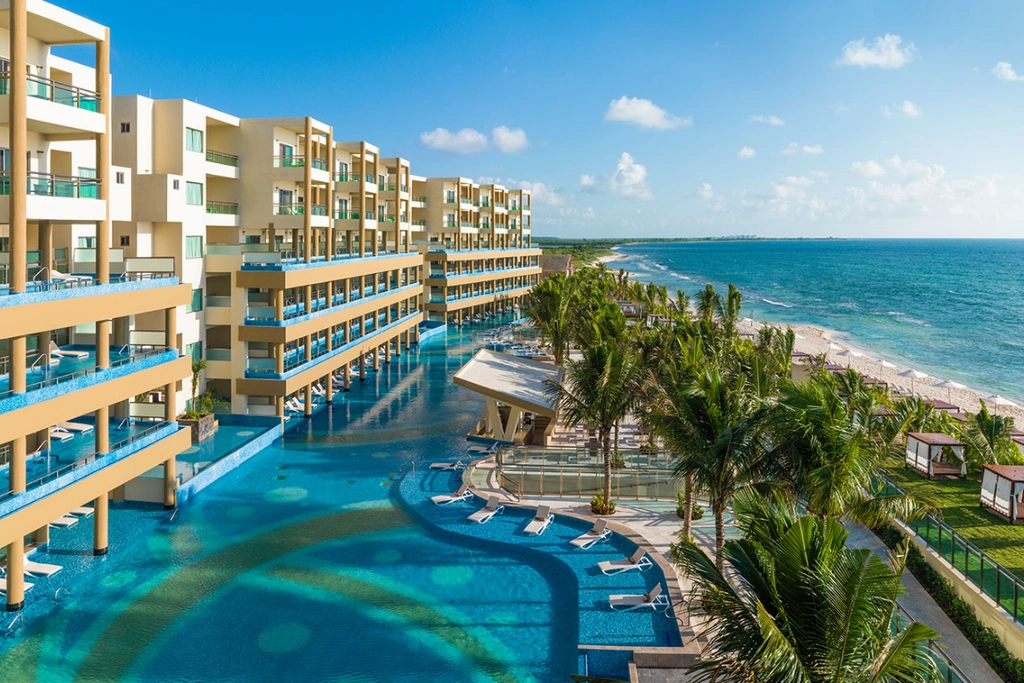
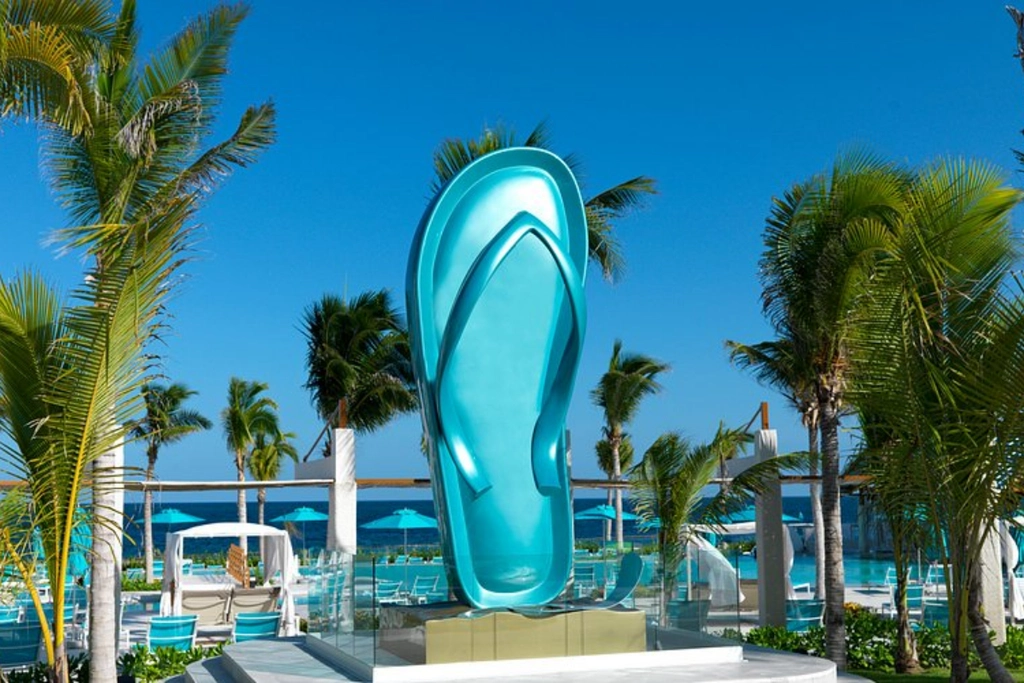
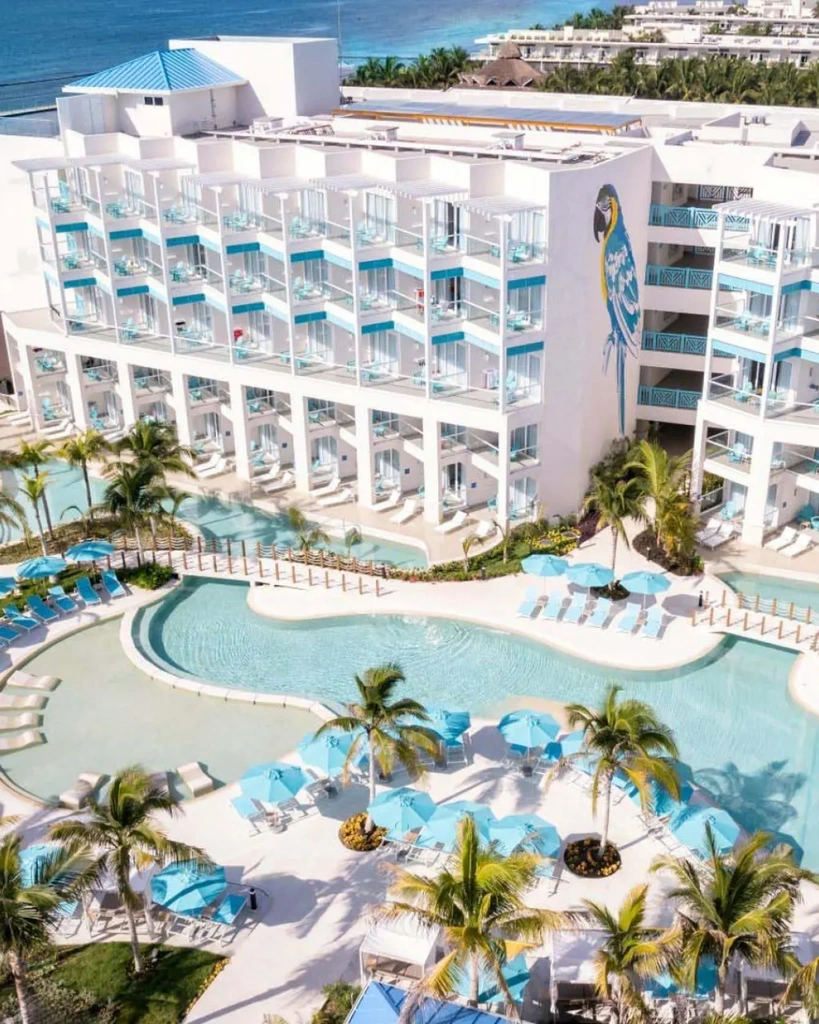
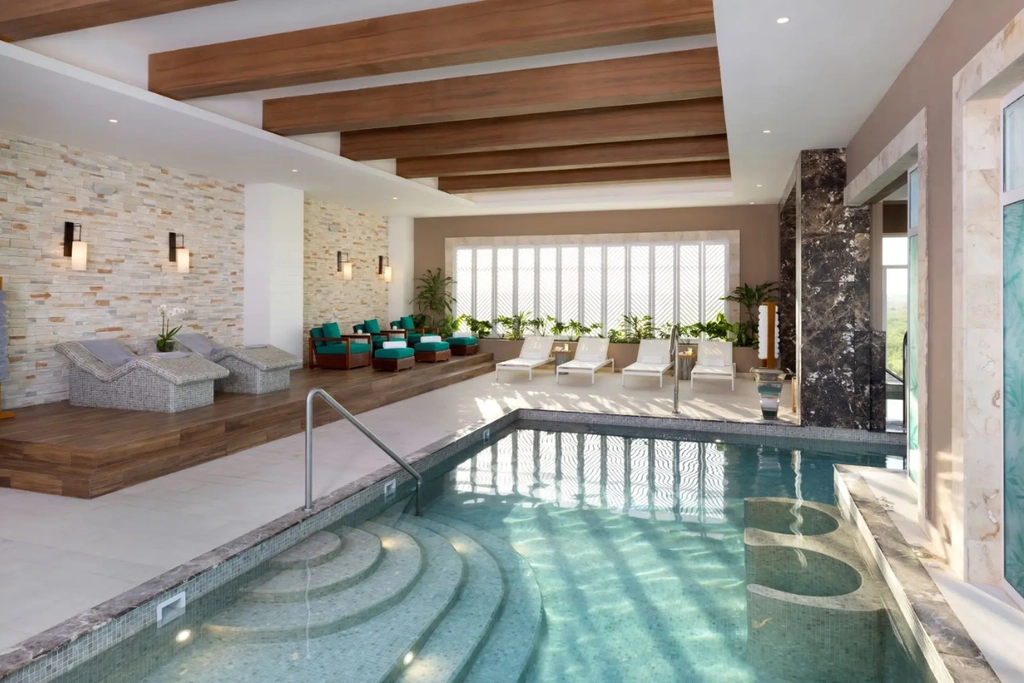
Bigger corporate entities are finally starting to pivot, too. Karisma Hotels & Resorts has introduced the ‘Autism Double-Checked’ certification for select resorts. At properties like the St. Somewhere Spa at Margaritaville Island Reserve, staff are trained to provide a tailored experience, including personalised service adjustments and a heightened awareness of personal space. By creating environments that are sensory-friendly and predictable, these resorts are proving that luxury and accessibility are not mutually exclusive.
We cannot discuss the future of wellness without acknowledging the financial reality. The UK has been grappling with a cost-of-living crisis since late 2021, and the economic outlook remains tight for many. However, the demand for wellness has not waned; it has intensified. According to Mintel’s 2024 UK Wellness Travel Market Report, 72 per cent of those who describe their financial situation as "tight" still show interest in wellness holidays.
This is likely a symptom of a society where public services are stripped thin and the NHS is under immense strain; people are turning to holistic, non-traditional methods because they feel they have no other choice for self-care. For those with limited disposable income, viewing a wellness retreat as a proactive, long-term health investment rather than a "quick fix" is a growing trend.
On a personal level, my own wellness needs are complex. I have psoriasis, a chronic condition that makes many standard spa treatments inappropriate due to potential inflammation, and my body type often means I face the physical exclusion of ill-fitting robes and unstable equipment. These intersections make it hard to feel accepted in a "one-size-fits-all" wellness culture.
But there is optimism. “I think more and more people are being open about their experiences than ever before, and that allows others to be empathetic and understanding,” Thorpe says. “This is why it’s so important to have diverse voices behind teams who can share their experiences and make sure they are represented.”
As we look toward the future, the goal is clear: Inclusive wellness that moves away from the performative and toward the personal. By integrating diverse perspectives, training staff in neurodiversity, and actively rejecting narrow beauty standards, the travel industry can finally offer the one thing wellness was always meant to provide: a sanctuary where everyone, regardless of their background, body, or brain, can truly be well.