MENU
Close





Art collecting begins with desire, then deepens into instinct, research, and the thrill of pursuit. From the storied walls of the Medici to the sleek digital catalogs of today, building a collection has always been shaped by discernment, cultural curiosity, and the seductive drama of discovery. In this world, every acquisition carries a narrative, and often the story behind the work proves just as irresistible as the artwork itself.
Art collecting begins with desire, then deepens into instinct, research, and the thrill of pursuit. From the storied walls of the Medici to the sleek digital catalogs of today, building a collection has always been shaped by discernment, cultural curiosity, and the seductive drama of discovery. In this world, every acquisition carries a narrative, and often the story behind the work proves just as irresistible as the artwork itself.
March 17, 2026


Art collecting may carry an aura of luxury, yet in practice it is far more accessible and widely enjoyed than many imagine. Collectors begin at every level, from acquiring affordable prints, photographs, and emerging artists’ works to gradually building more significant collections over time. What draws people in is rarely price alone, but the pleasure of living with art, supporting creativity, and forming a personal connection to culture. In that sense, art collecting belongs as much to curiosity and passion as it does to prestige.
Before Vincent van Gogh became a legend, his genius moved through the world in near silence. During his lifetime, only one painting is widely recognized as having been officially sold at public exhibition: The Red Vineyard, bought in 1890 for 400 francs by Anna Boch, the Belgian painter, collector, and only female member of Les XX.
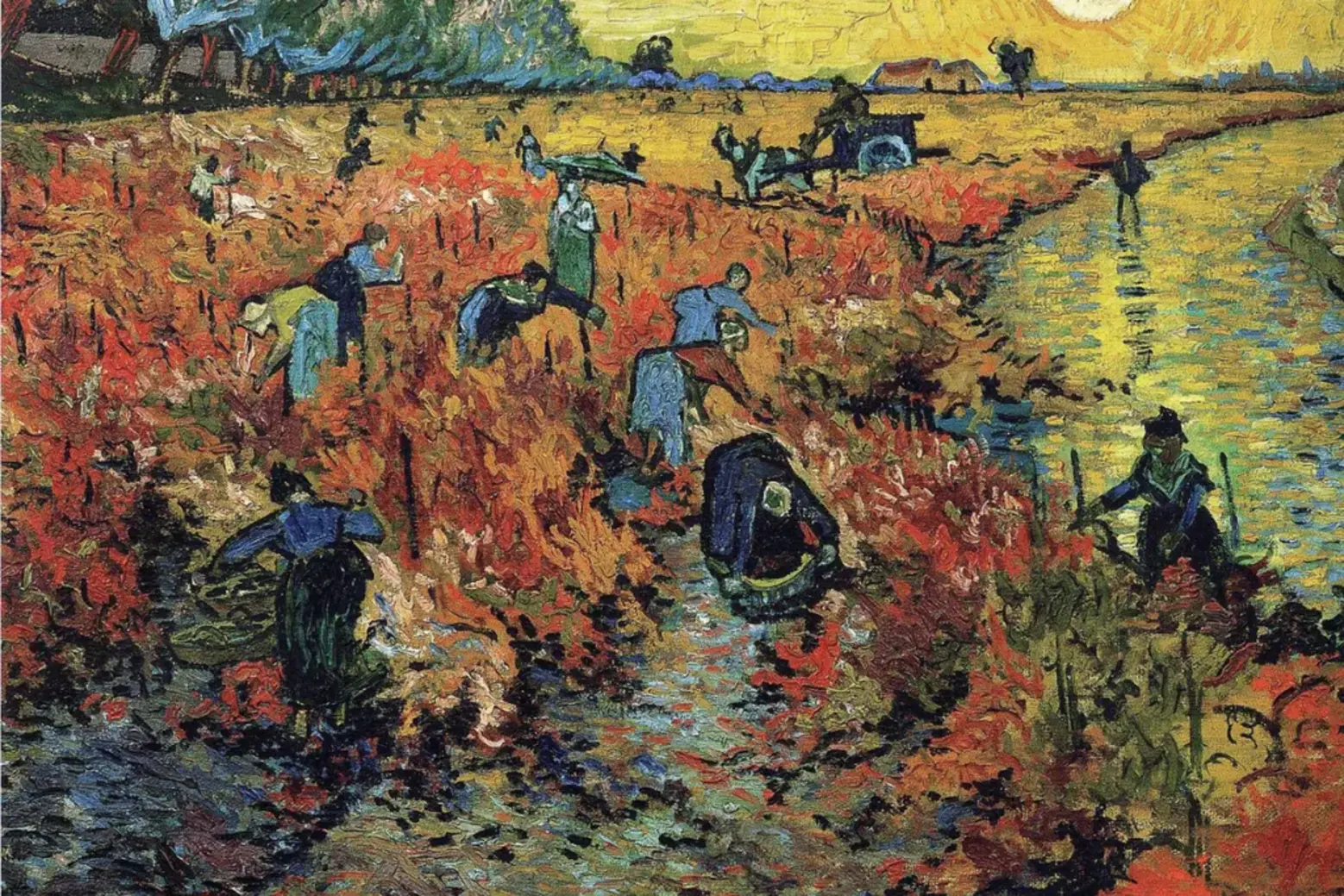
She saw what the market had yet to understand, lived with the work in her Brussels home for sixteen years, then later sold it for 10,000 francs and reinvested in younger and contemporary artists. Her story captures the true spirit of art collecting: It begins with vision, deepens through curiosity, and reaches its highest form in patronage. To collect art is to do more than acquire beauty; it is to recognize talent early, sustain creativity, and help shape culture itself. That is why collecting holds such power.
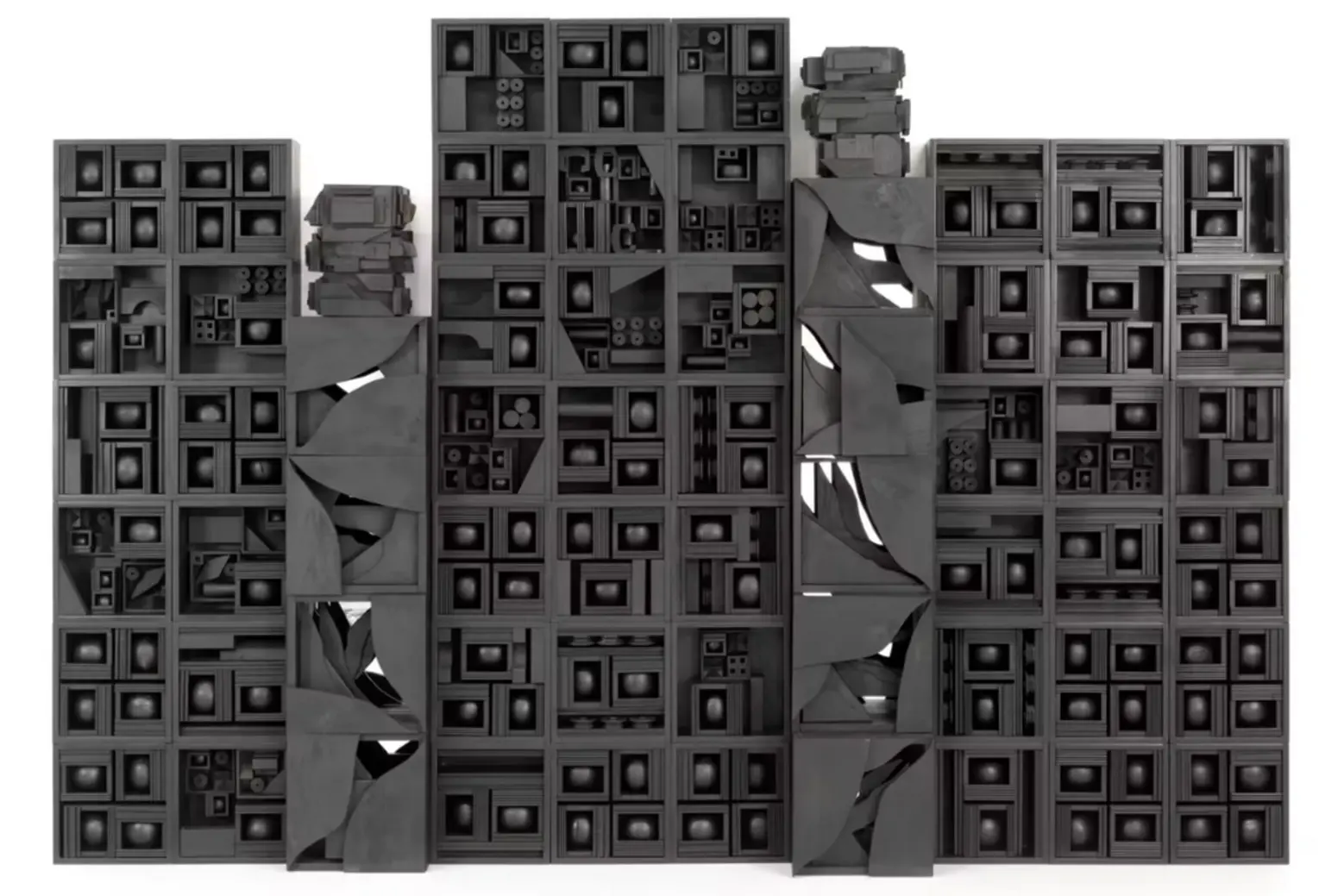
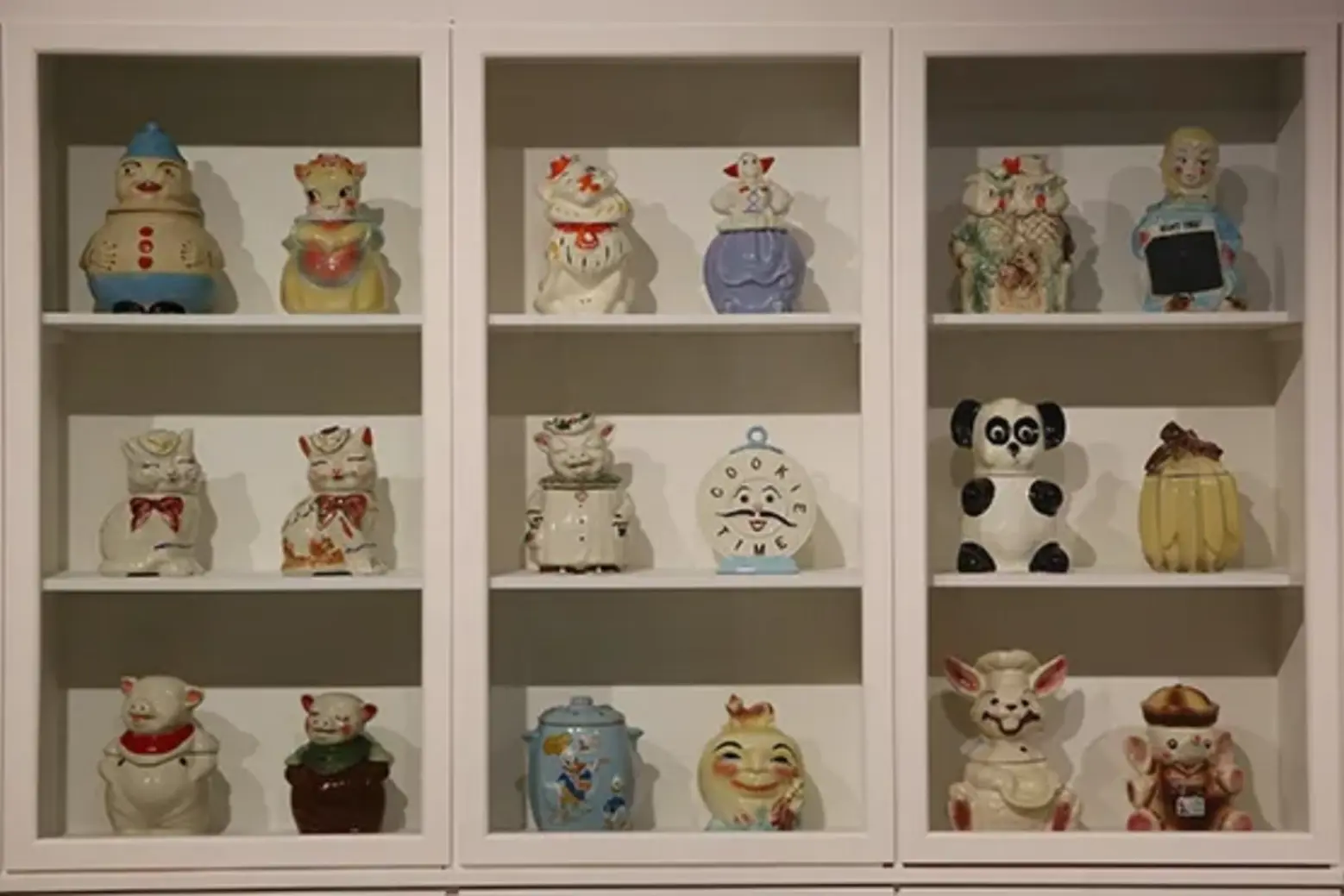
Once a work enters your life, it gathers memory, meaning, and emotional weight far beyond its price. Artists have long understood this impulse. Andy Warhol collected cookie jars and takeout menus, while Louise Nevelson gathered discarded fragments that later informed her sculpture. Anna Boch’s example remains a compelling invitation: collect with instinct, and become part of culture’s future. Let the story of Anna Boch inspire you to become a patron or even better: A culture-shaper.
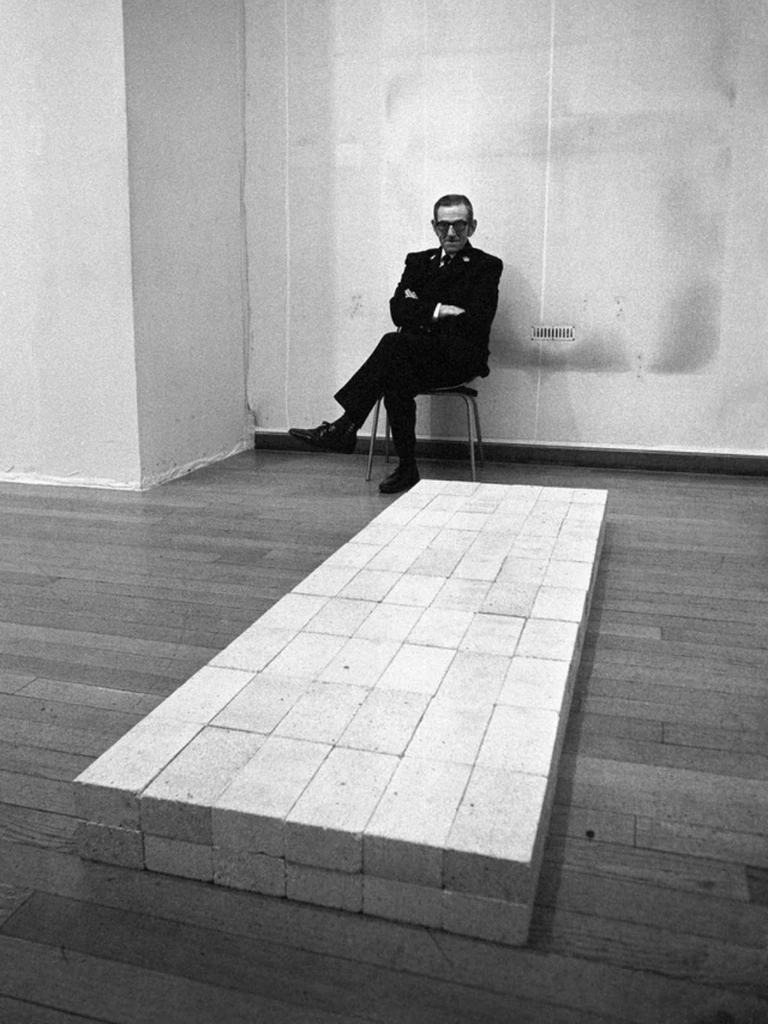
For art collecting beginners, the best entry point is rarely a price bracket or a trend report. It is the artwork that makes you slow down. In museums, visitors often spend only 27 seconds with each work, moving quickly from one visual impression to the next. Collectors operate differently. They practice slow looking. They return, observe, and let the work reveal itself over time. If you are learning how to start art collecting, begin with the piece that makes you stay longer than expected. That pause is often the beginning of taste.
Over time, this habit teaches you what your eye naturally seeks out. For art collecting beginners, aesthetic identity forms gradually through repeated looking. A strong collection grows from this kind of visual honesty.
One of the most enduring principles in how to start art collecting is the “eyes, not ears” rule. Collect with your eyes, your mind, and your emotional intelligence before collecting with market gossip. The art world has always had its whispers, its fashionable names, its sudden waves of enthusiasm. Yet the most memorable collections carry the distinct fingerprint of the collector rather than the mood swings of the market.
This becomes especially important in luxury art collecting, where visibility and prestige can sometimes overshadow intimacy and conviction. The strongest collectors develop an eye that can hold both beauty and rigor at once. They trust what moves them, then deepen that instinct with research. Art collecting beginners often assume expertise comes first and instinct arrives later. In reality, the two evolve together.
Another essential step in how to start art collecting is becoming fluent in material. A painting, a bronze, a photograph, a ceramic work, a textile, an architectural model, or a limited-edition design object each carries its own language, conservation needs, and collecting logic. Art collecting beginners often focus first on image and subject, which is natural, yet true connoisseurship deepens when you begin to understand surface, process, and structure.
Material knowledge matters profoundly in both traditional and luxury art collecting. The condition becomes part of the story. If a piece has been restored, that restoration should be handled by specialists. Integrity of material protects both beauty and long-term significance.
If beauty draws you in, provenance teaches you how to protect your collection. Provenance is the documented history of ownership, and in serious collecting it functions like pedigree. For art collecting beginners, provenance may sound technical, yet it is one of the most elegant forms of due diligence. It tells you where the work has been, who has owned it, which gallery handled it, and whether its history is clear and credible.
This is especially vital in luxury art collecting, where major collectors and institutions scrutinize every detail. Any gap in provenance deserves close attention, particularly for works with ownership histories touching the years 1933 to 1945. A strong provenance gives a work intellectual depth, legal security, and cultural legitimacy. In many cases, provenance is part of what transforms an object into a serious collectible.
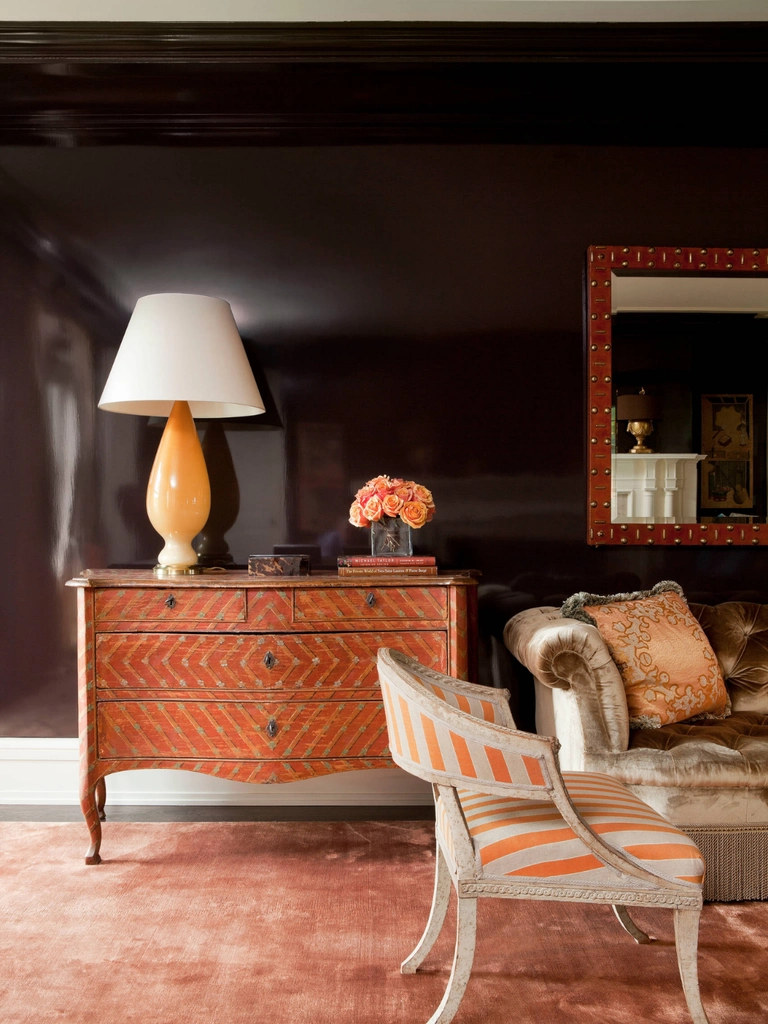
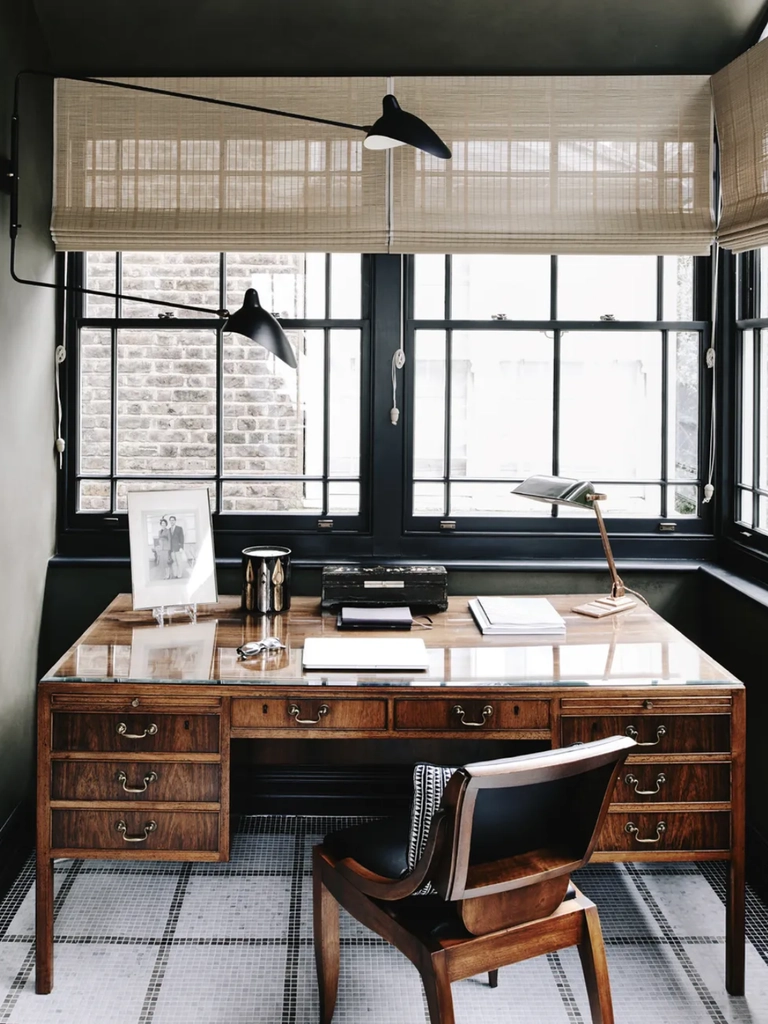
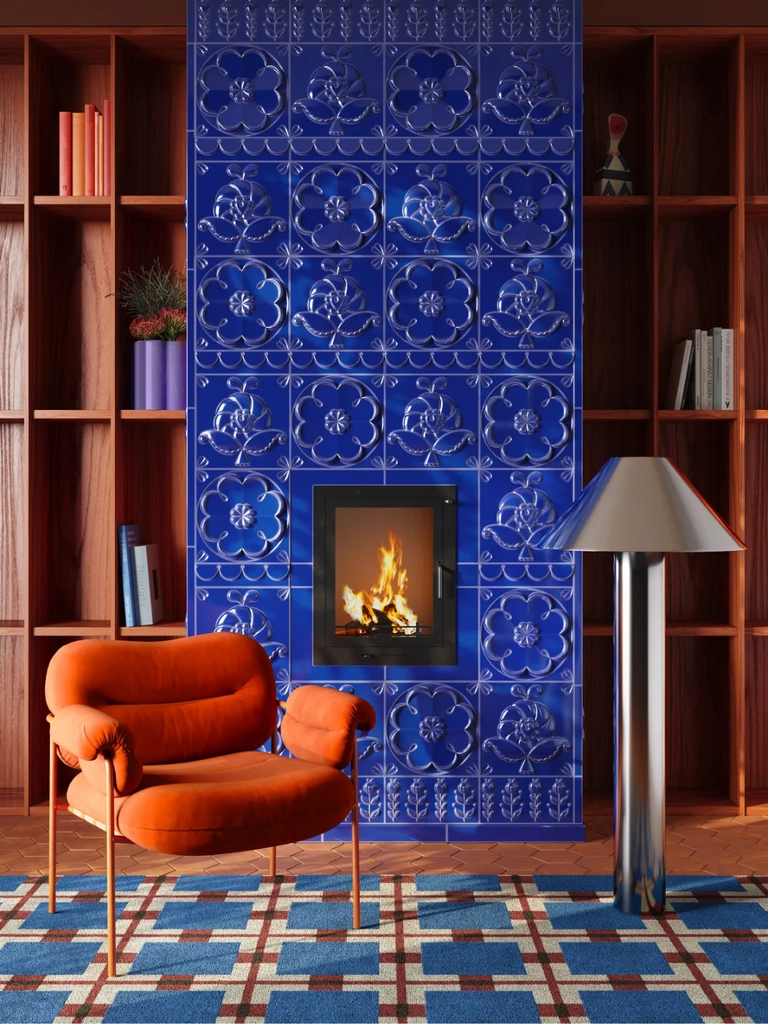
Some of the most compelling collections today move beyond painting and embrace a wider ecosystem of objects. For art collecting beginners, this can be liberating. How to start art collecting does not always mean starting with a canvas. Functional art, sculptural furniture, artist-designed editions, rare design pieces, gemological objects, and limited-edition digital works can all become meaningful entry points.
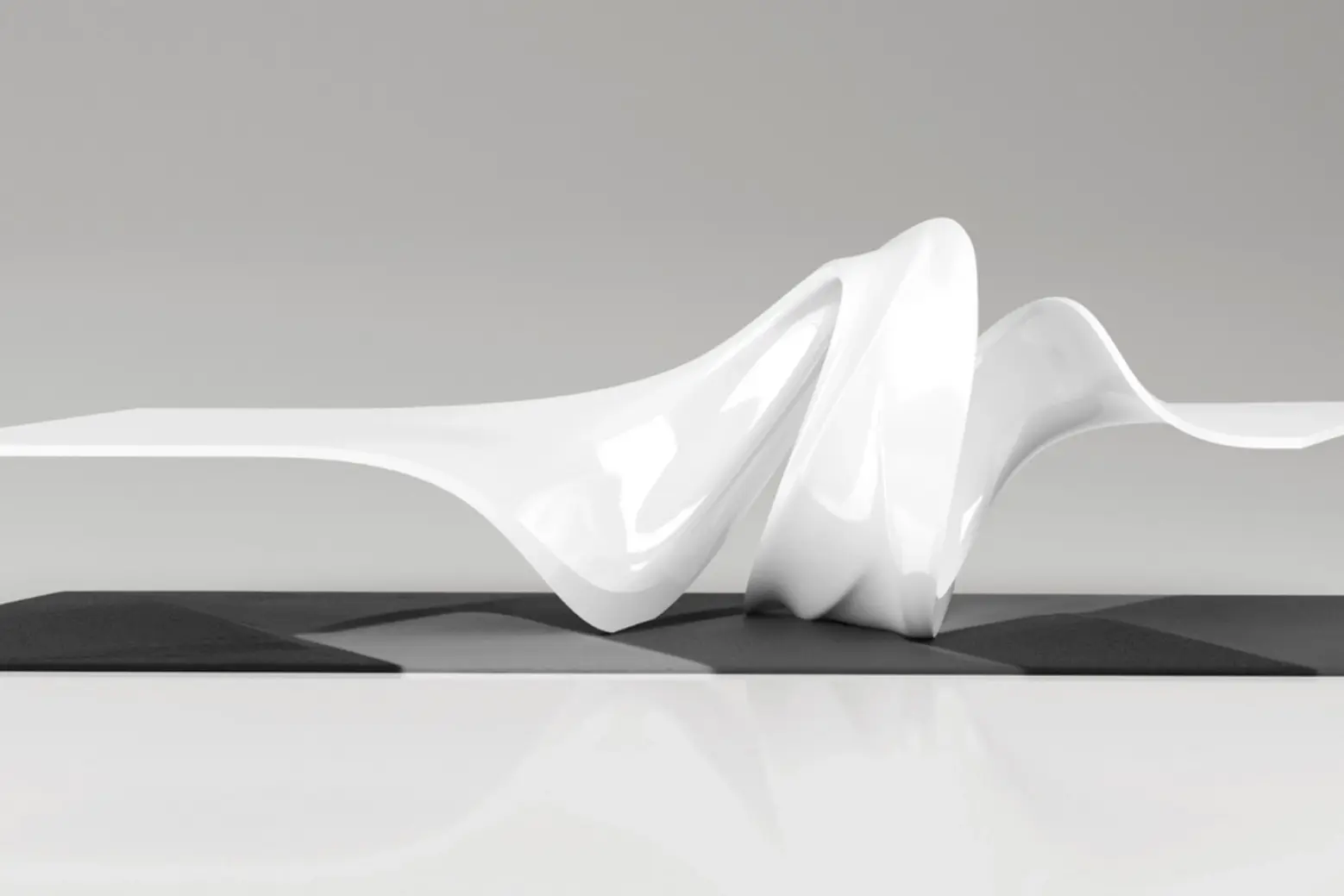
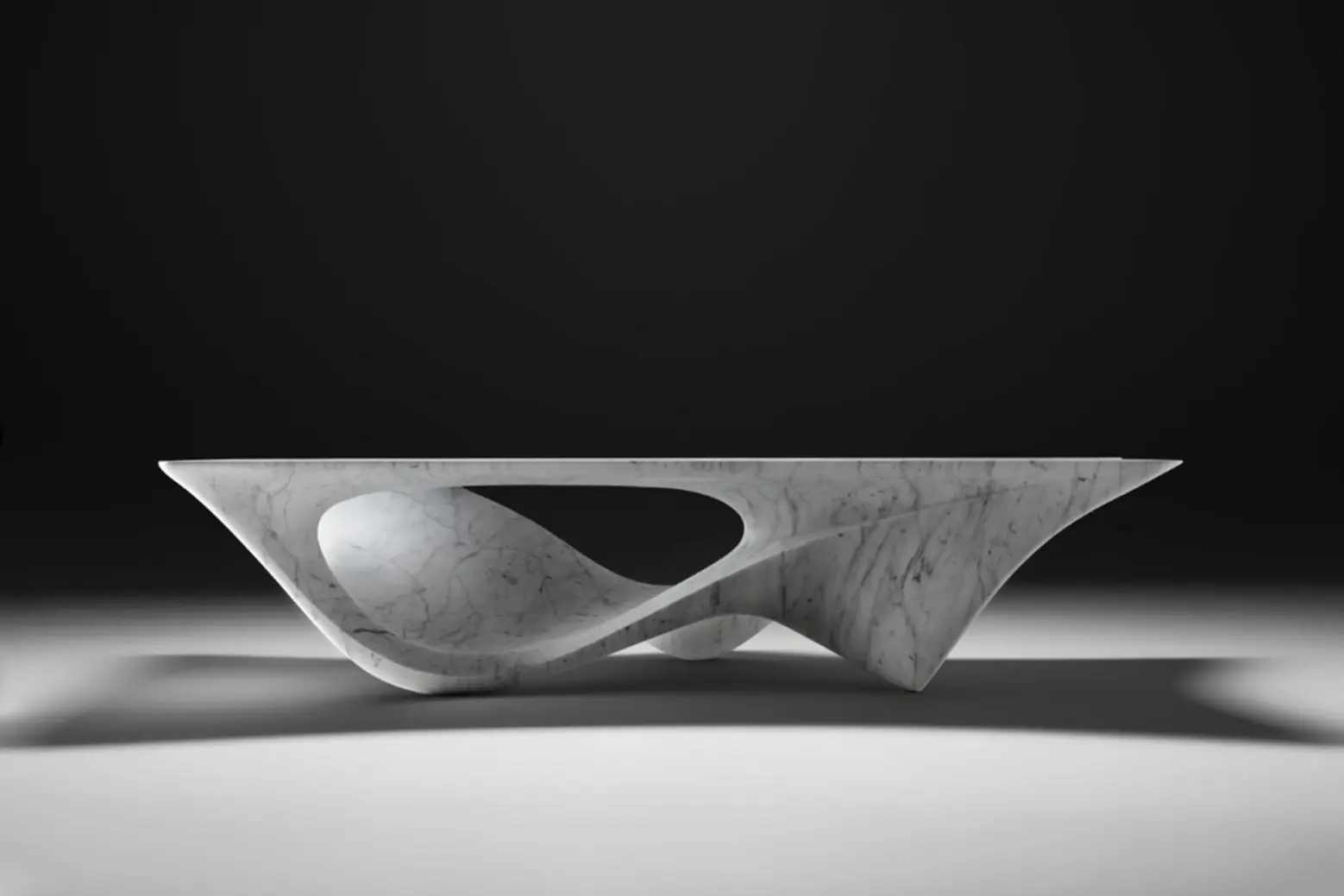
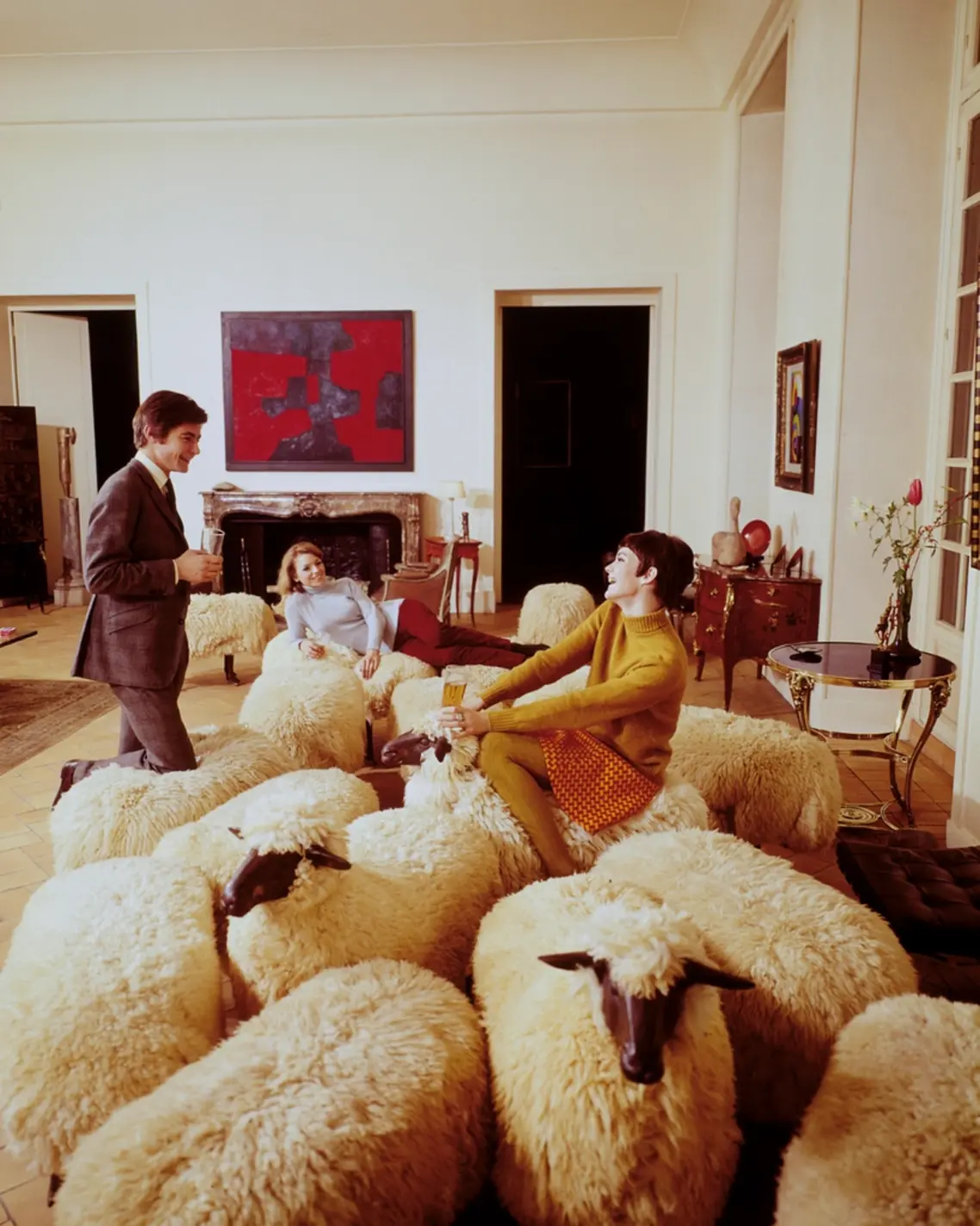
This is where luxury art collecting becomes especially interesting. A Zaha Hadid table, a Claude Lalanne sheep, an artist-designed wine label, or a small-edition sculptural object allows the collector to live within art rather than merely hang it on a wall. These pieces transform a home into a curated environment. They also offer a lower entry point into blue-chip names, especially when compared with large primary-market paintings or monumental sculpture.
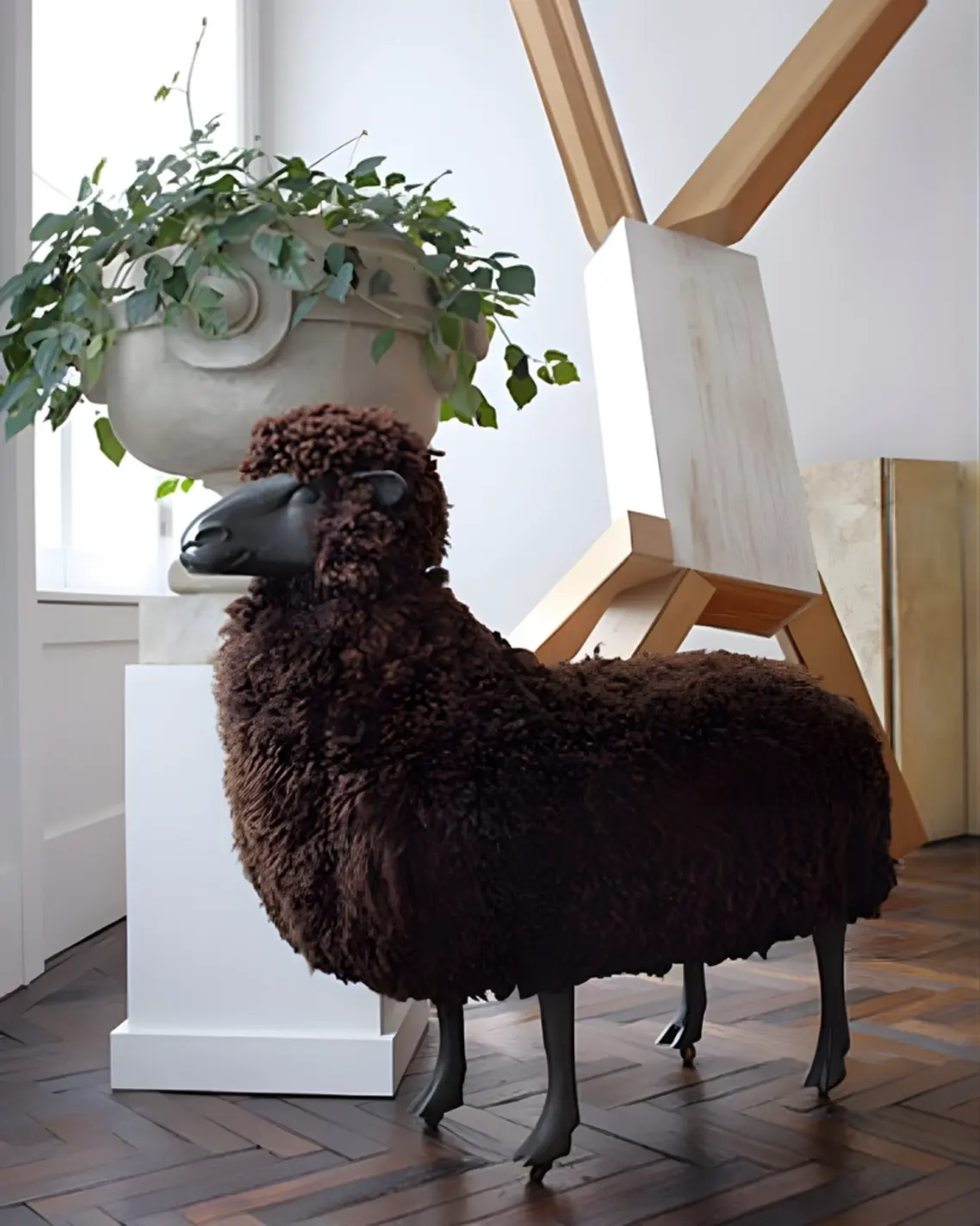
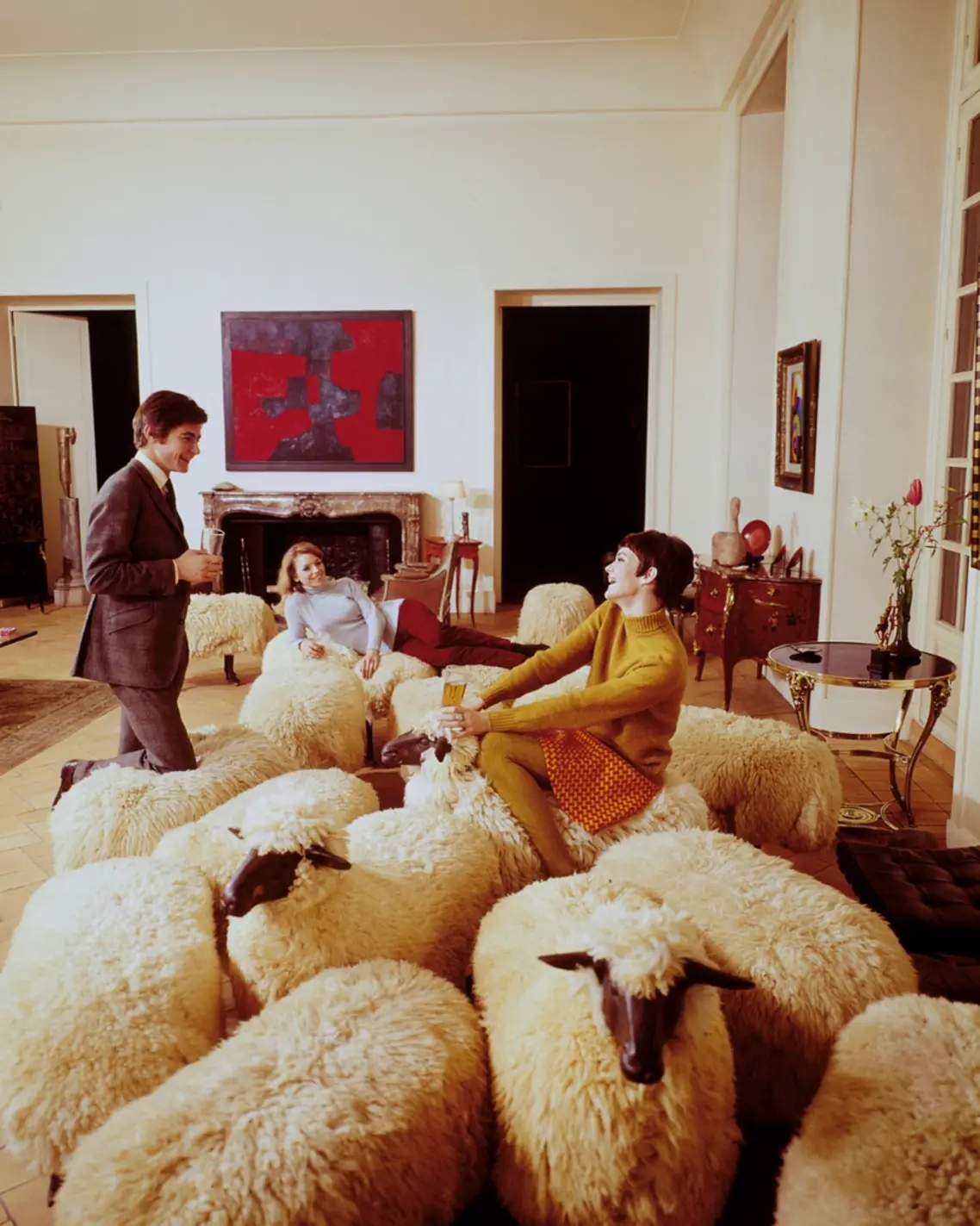
For art collecting beginners, one of the clearest technical lessons is edition size. Scarcity shapes value. A unique work carries one kind of presence. A limited edition, especially something like an edition of 8 plus artist proofs, often holds strong collectible appeal in sculpture and design. Open editions may still be visually delightful, though they occupy a different category and typically function more as décor than collectible art.
Documentation matters just as much. In collectible design and functional art, look for signatures, foundry marks, gallery records, certificates of authenticity, and a clear paper trail. In luxury art collecting, these details are never secondary. They are part of the object’s authority.
A sophisticated collector does not collect in isolation. They move through exhibitions, fairs, biennials, studio visits, gallery openings, auctions, and museum programs. Cultural events are where the eye sharpens and context deepens. For art collecting beginners, attending cultural events offers something invaluable: repeated exposure to quality.
Use cultural events as a living classroom. Compare how works behave under gallery lighting versus museum display. Notice how curators build dialogue between objects. Observe what kinds of collectors gather around certain artists or mediums. A thoughtful cutural events calender 2026 can become one of your most useful collecting tools. When your cutural events calender 2026 includes fairs, museum retrospectives, design weeks, and auction previews, you begin to build a collecting rhythm rather than a series of isolated purchases.
For art collecting beginners, cultural events also reduce intimidation. The more frequently you attend cultural events, the more natural the language and rituals of the art world begin to feel. Your cutural events calender 2026 can function as both education and inspiration.
Many curators encourage a balanced approach: build a collection with a clear center, then allow room for risk. A strong collection may be 90 percent cohesive fine art and 10 percent wildcard objects. That smaller portion can include collectible design, rare materials, sculptural furniture, architectural models, or unusual pieces that break the expected rhythm of the collection.
For art collecting beginners, this is an especially elegant strategy. It keeps the collection alive. A themed core builds identity, while a small percentage of surprises keeps the eye agile. In luxury art collecting, these wildcards often become the conversation pieces, the works that reveal the collector’s wit and range.
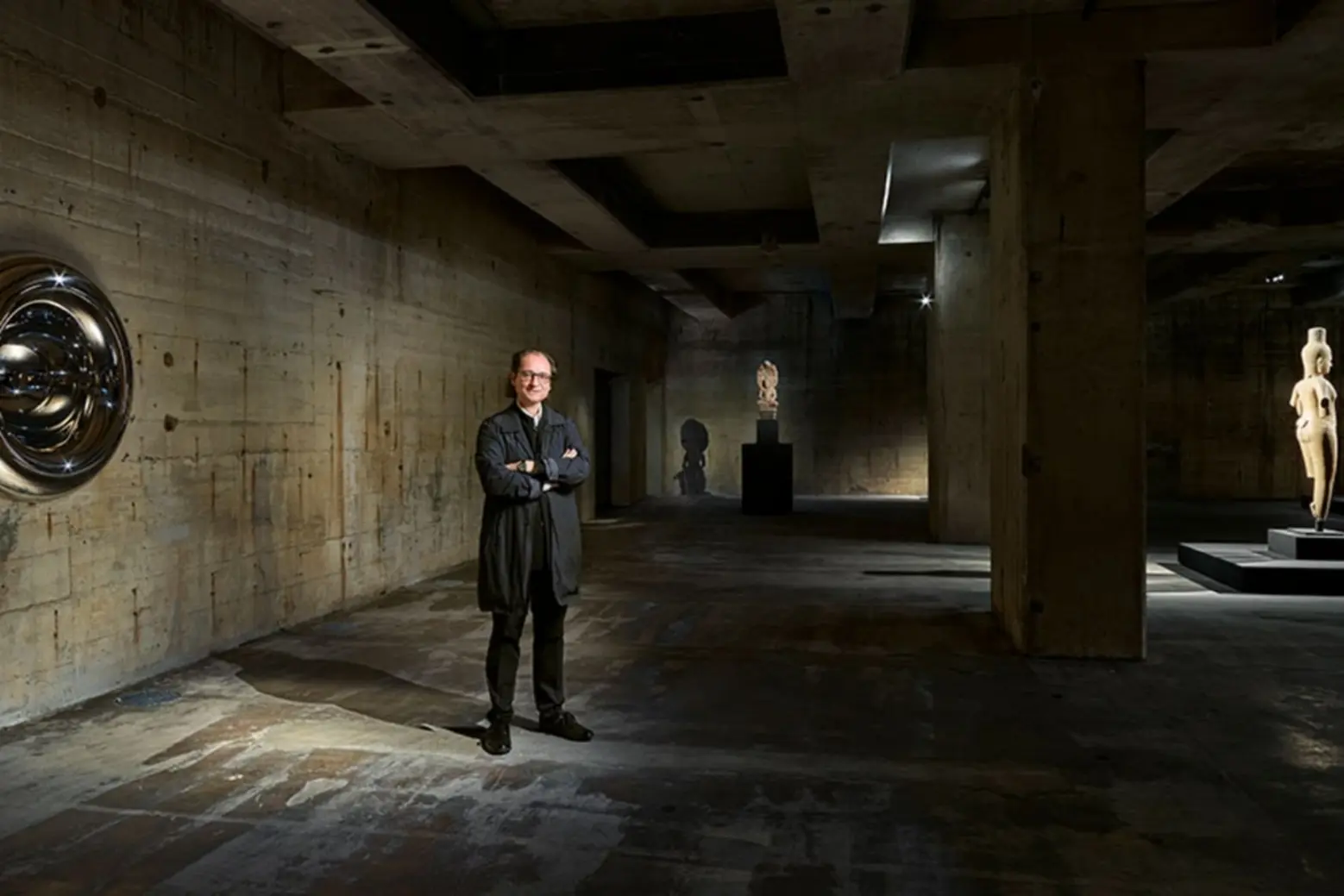
At its best, art collecting is cultural participation, a way of saying this vision matters. Anna Boch’s story still resonates because she collected with instinct and turned that instinct into patronage. Her example shows that art collecting begins with clarity of eye and depth of feeling.
For art collecting beginners, the lesson is simple: Start with the work that stops you. Train your eye through cultural events, study provenance, materials, editions, and condition, and leave room for surprise. Whether your path leads to intimate acquisitions or luxury art collecting, a great collection reflects attention, curiosity, and cultural conviction.