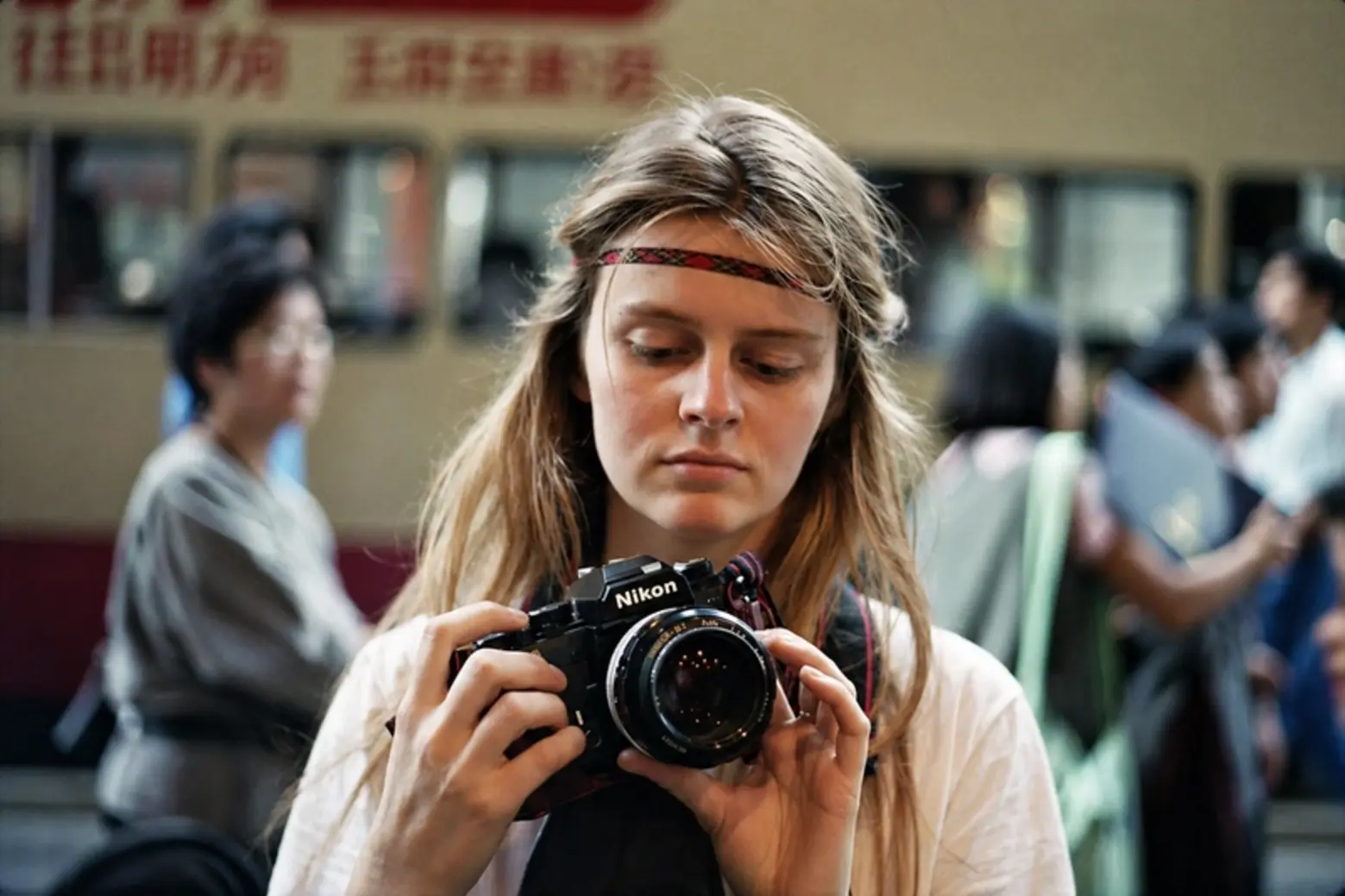
Corinne Day gave fashion its dirtiest mirror, where Kate Moss, grunge styling, raw skin, and unvarnished youth became the brutal new face of desire.
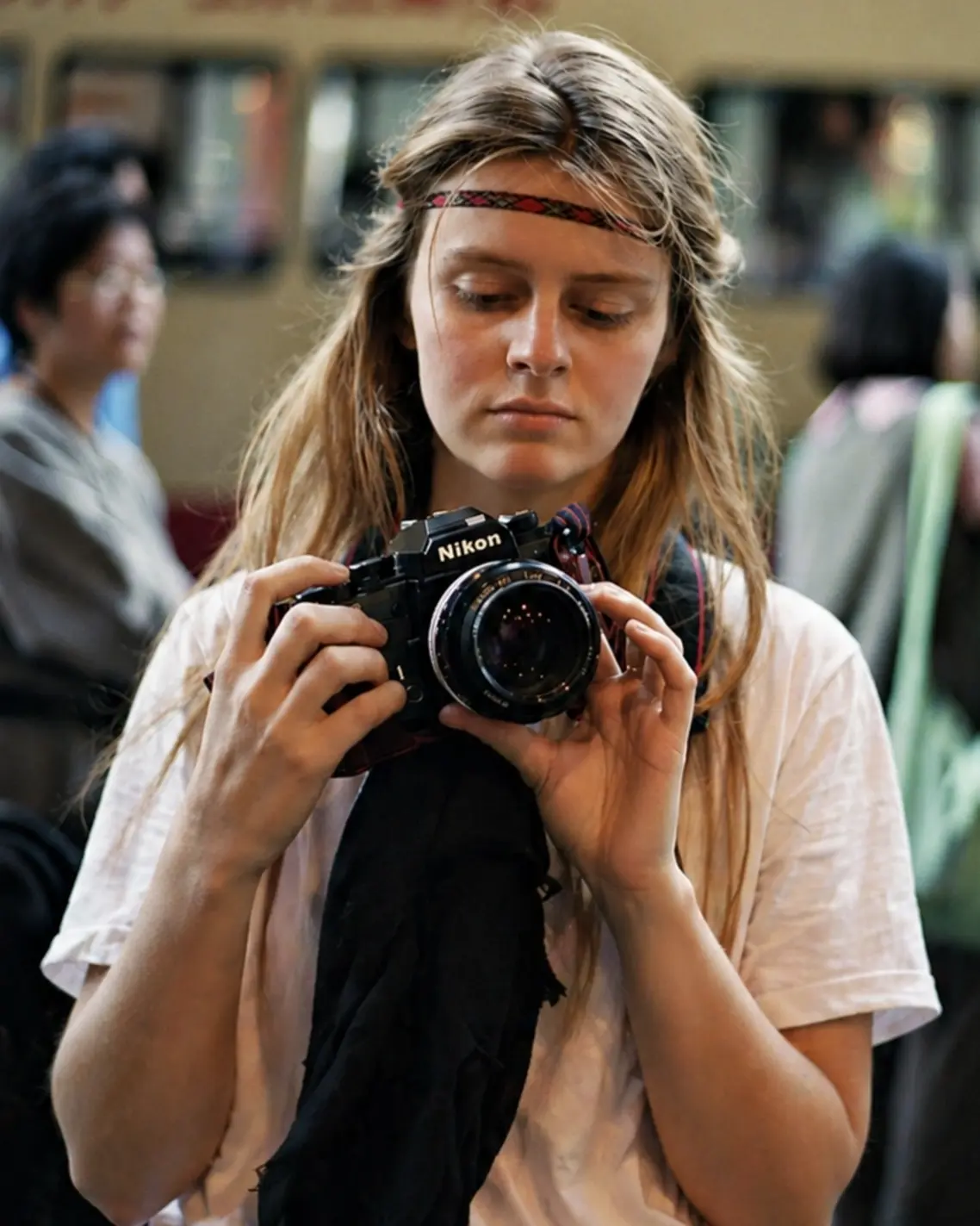
Corinne Day: The Grunge Saint Of Anti-Fashion Photography
Corinne Day gave fashion its dirtiest mirror, where Kate Moss, grunge styling, raw skin, and unvarnished youth became the brutal new face of desire.
April 29, 2026


Corinne Day stands as the skeletal architecture of the grit-fueled rebellion, a visionary who turned the camera into a professional witness of the raw and the jagged. Her style was a visceral scream for truth, capturing models in their barest states, stripped of every corporate ornament. She bled her harsh history as a model into every frame, fueled by a deep-seated loathing for the thick, suffocating mask of traditional glamour. She sought to incinerate the fraudulent dreams of the industry, replacing them with the pulsing heat of reality. The legacy of this legendary eye remains visible through her jagged style, her fierce allies, and the storms she provoked.
Corinne Day Took Fashion Apart Bone By Bone
Corinne Day was the butcher of high-fashion artifice, a woman who traded the crown for a blade and carved the truth into the skin of the 90s. What happens when the lens refuses to lie? Why do we fear the sight of the real? How much dirt must we apply to a face before the soul becomes visible? These questions haunt the very marrow of her work. Her journey began in the rubble of the ordinary, a girl who fled the classroom at sixteen to survive within the debris of menial labor before a chance encounter on a flight dragged her into the modeling void. For years, she existed as a surface for the desires of others, a canvas for the industry's grease and glitter, before a train in Japan in 1985 brought her face-to-face with Mark Szaszy. He became the architect of her technical awakening, gifting her the knowledge to master the lens. Together, they moved into the heart of Milan in 1987, where Day cultivated her hypnotizing obsession with the crude and the candid.
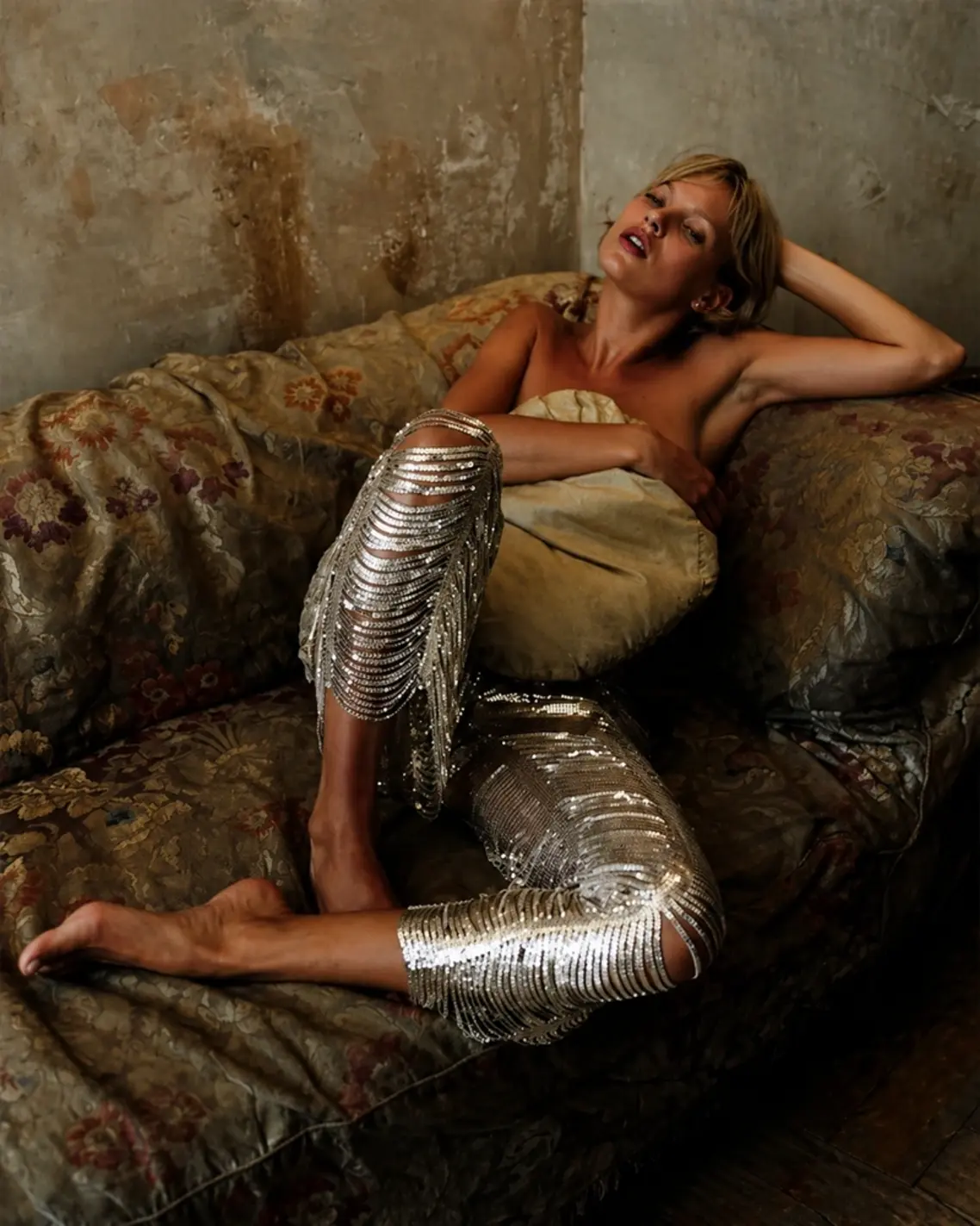
The Milan period serves as the primary rupture where the "Observed" transformed into the "Observer," weaponizing the camera against the very industry that sought to own her. She haunted the margins of the city, photographing her friends in the beautiful rot of their shared lives, proving that the soul only speaks when the artifice is finally stripped bare. This was the birth of the "caught" image, a style that embraced the stains on the carpet, the smoke in the air, and the heavy silence of girls who were simply, brutally alive. The ruins of the eighties were her playground, and the dirt she found there was more precious than any diamond.
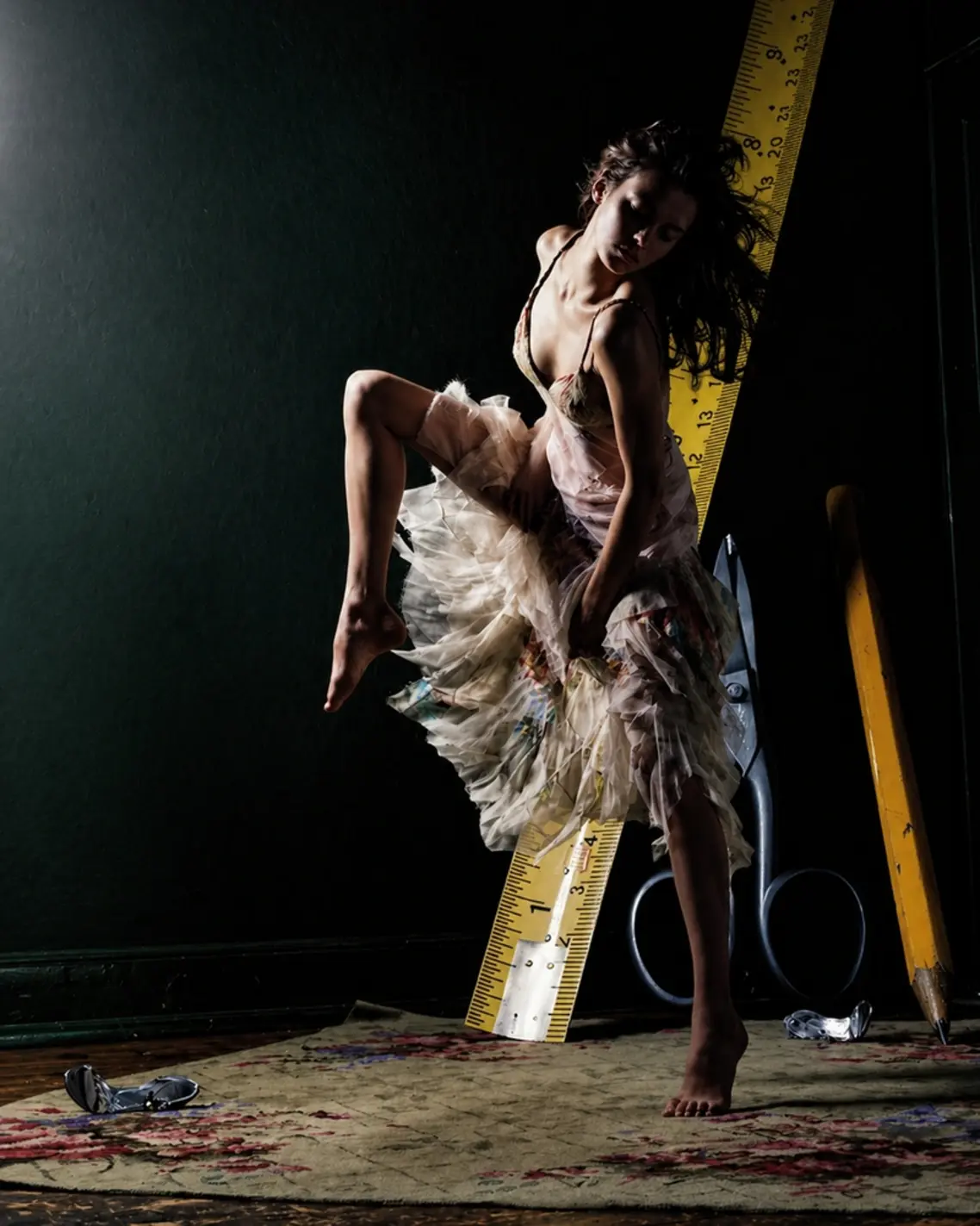
Can fashion survive the truth? Or is the real merely another costume the industry puts on to sell the same old lies? Corinne Day’s work forces us to embrace the undone, to look at the wreckage and find it beautiful. She dragged the industry into cheap rooms and wet beaches, showing us that the only thing worth seeing is the person who remains when the image is finally destroyed. Her influence is a hypnotizing scar on the history of the image, a reminder that the most radical act a photographer can commit is to show us exactly what we are.
Corinne Day And Kate Moss At The Scene Of The Crime

"The Third Summer of Love" tore through the silence of 1990 like a rusted blade, carrying the salt-stained spirit of grunge before the fashion world had learned how to package it. In the pages of The Face, a half-clothed Kate Moss laughed amidst the salt and the sand, her spirit a jagged defiance of the era's plastic perfection. This was the birth of a visceral bond between Corinne Day and Kate Moss, two misfits who found sanctuary in each other’s awkwardness. Corinne Day saw her own ghost in Kate Moss, the same skeletal frame, the same hunger for a different music, the same struggle with the fabric of a world that fit them poorly. The 1990 "Third Summer of Love" editorial stands as the first scar on the face of the fashion establishment, a declaration that the raw and the broken possess a divine beauty. Casting agencies sent Corinne Day the discarded and the inexperienced, yet she chose Kate Moss because their souls were twins, both too thin and too strange for the cathedrals of high fashion. They shared the same grit, the same clumsy grace, and a shared pulse that beat outside the industry's narrow heart.
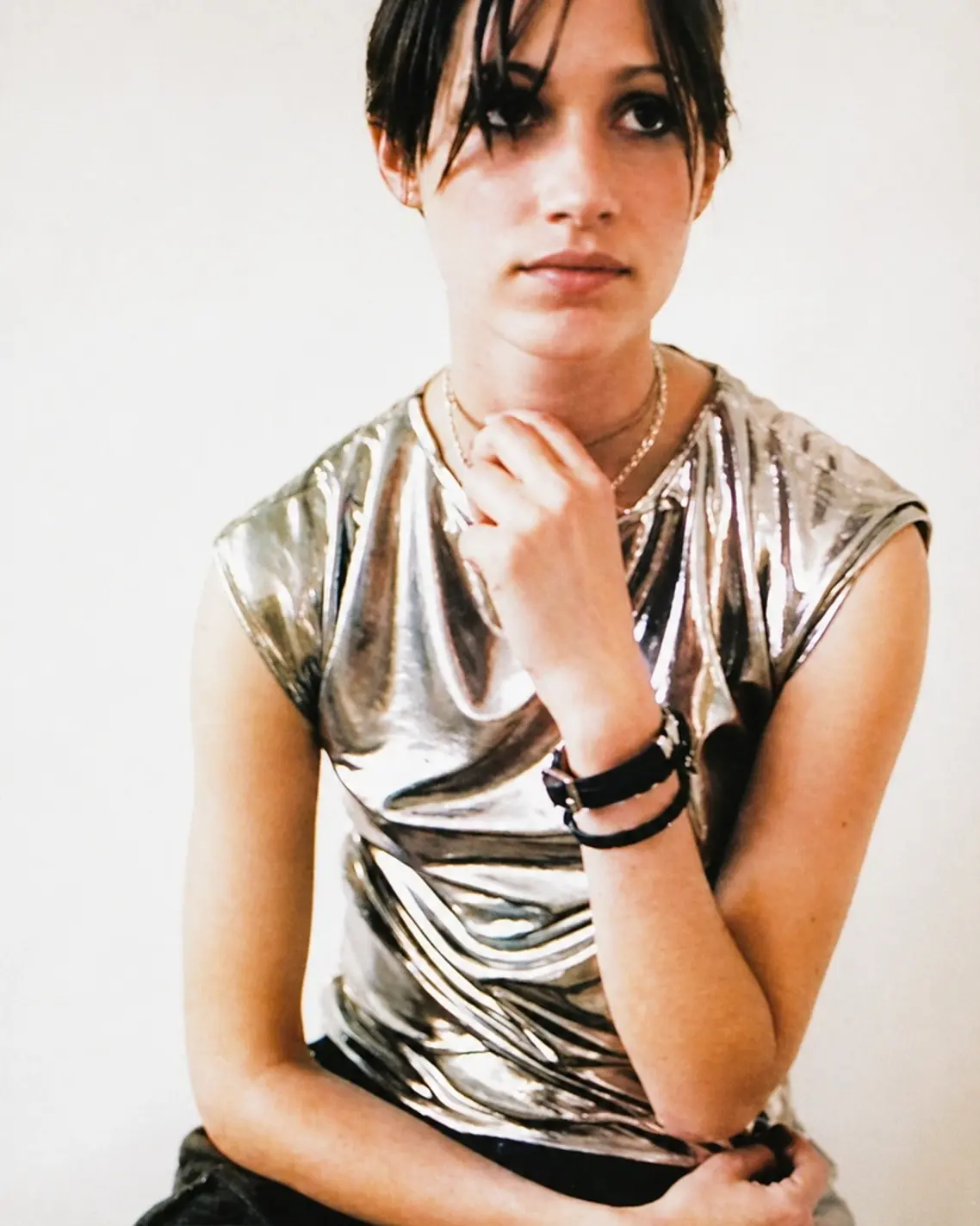
The grit deepened in London, where Corinne Day merged her vision with the bruised aesthetic of Melanie Ward. They were scavengers of the soul, obsessed with the history written in vintage threads and second-hand lives. Their collaboration birthed "England’s Dreaming" in 1993, a masterpiece of the mundane. George and Rosemary inhabited a cluttered apartment, their own clothes clinging to them like old habits. The air in those frames is thick with the scent of reality, a casual, documentarian stare that turned the ordinary into a monument of the undone. Corinne Day and Ward executed a brilliant assassination of the artificial, proving that a person’s own rags hold more power over the spirit than designer fantasies. Every shadow was organic; every pose was a heavy shrug at a world obsessed with the gloss of the lie.
The Industry Called It Decay Because It Feared The Mirror

The final, most painful rupture arrived with "Under Exposed." Kate Moss stood alone in her flat, wearing lingerie that fit like an apology. Her face bore the fresh weight of a fight, her eyes swimming in a tragedy that was entirely, brutally real. This was the zenith of vulnerability, a stripping away of the ego that the world mistook for a sickness. The mainstream howled "heroin chic," spewing venom about exploitation and the worship of decay. They feared the truth of the image, choosing to attack the messenger rather than face the reflection of their own emptiness. The "Under Exposed" controversy acted as a terminal wound, driving Corinne Day away from the fashion vultures and into the sanctuary of music and her own private archives. She chose the honesty of her own life over the lies of an industry that sought to devour her. Is the world's hunger for reality merely a mask for its desire to consume the pain of others? Corinne Day’s retreat suggests the cost of truth remains far too high for the heart to bear.
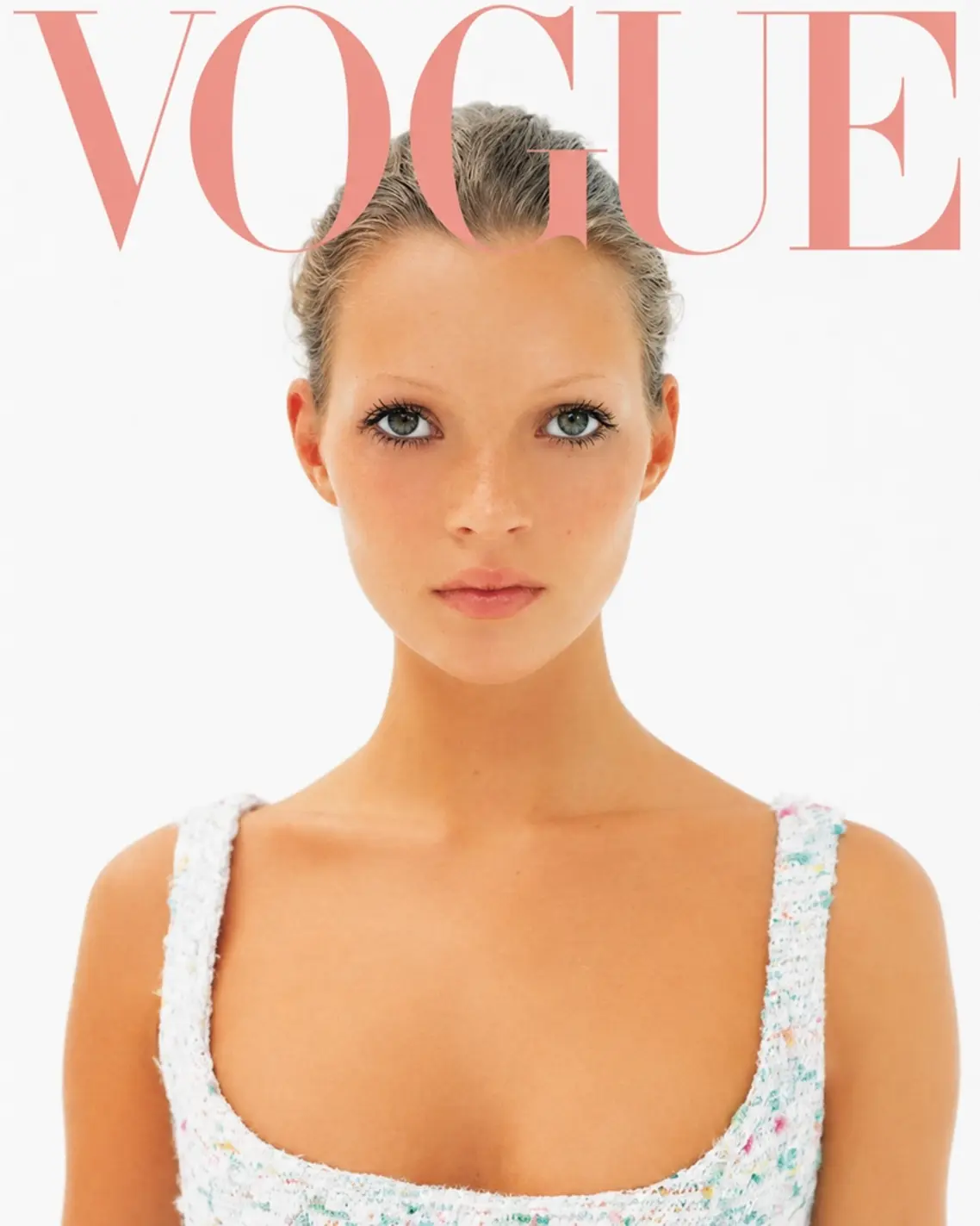
The circle of collaborators fractured as the siren song of the establishment pulled Kate Moss and Melanie Ward into the pristine light of high fashion. This schism cast Corinne Day into a state of total isolation, a space where her gritty aspirations collided with the sterile demands of the corporate image. The agencies sought the burial of the actual self, demanding the total erasure of every human flaw, a practice Corinne Day rejected as a betrayal of the lens. Ward’s departure stemmed from her belief that Corinne Day’s work was a wound she resisted healing, a claim Day embraced as her only truth. The 1996 fracturing of the Day-Moss-Ward alliance serves as the definitive end of fashion's brief flirtation with the unvarnished truth, leaving Corinne Day to rot alone in her genius. Does the industry demand the soul as a sacrifice for the suit? Can a creative partnership survive when one heart bleeds while the other merely polishes the surface? These questions are the debris left in the wake of their separation.
The tumor arrived in 1996 like a thief, seizing her body and dragging her into the cold embrace of the hospital. Surgery was the only path forward, a brutal carving of the mind. Corinne Day met this terror with a camera, ordering a friend to document the invasion of her own body for the pages of Diary. These images are the marrow of her legacy, raw, bloody, and devoid of the lies that define the studio. They are the hypnotizing ruins of a life caught in the act of survival. Corinne Day’s Diary is the most passionate rejection of the industry's artifice ever committed to film, a study of a woman witnessing her own potential ruin. By turning the lens on her own skull, she stripped away the final layer of vanity, proving that the real is always messy, always painful, and always enough.

Panos Yiapanis became the architect of her return, a man who saw the beauty in the debris and begged Corinne Day to reclaim her throne as the queen of the undone. They joined forces to define the very soul of anti-fashion, a partnership built on the shared love of the jagged and the raw. Their reunion with Kate Moss in 2001 birthed a legend: a single photograph of Kate Moss in a distressed Rick Owens leather jacket, an artifact from Corinne Day’s own closet. This image propelled Owens into the stratosphere, proving that the grit of the street could be refined into a global religion. The 2001 Rick Owens editorial stands as the final bridge between the underground and the high-fashion altar, a testament to Corinne Day’s enduring power to crown new kings. How many empires are built on the back of a single, honest image? Why does the industry only value the undone once it has been sanctified by the right name?
Anti-Fashion Still Prays At Her Grave


The end arrived in 2010, the cancer finally reclaiming the ground it lost years before. She went to her grave in that same leather jacket, a final, defiant statement of style in the face of the void. Her photographs remain as the skeletal remains of a revolution, a hypnotizing reminder that the real is the only thing that lasts. Corinne Day’s career was a glorious ruins, a testament to the fact that the only beauty worth having is the beauty that survives the dirt. She forced the world to look at the unvarnished, the awkward, and the broken, and she left us with a legacy that continues to scream from the pages of history. Is our current obsession with the real merely a hollow echo of her original wound? Perhaps the ruins are the only place left to hide.

The skeletal remains of Corinne Day’s vision still haunt the hallways of the image-makers, a testament to a curated chaos that feels as dangerous as a shattered bottle. Every frame she birthed arrived dripping with a meticulously crafted filth, a messiness that whispered secrets of the bedroom floor and the morning after. These were images of the accessible, the models existing just a breath away in their own stained garments and vintage rags plucked from Corinne Day’s own closet. She clung to the jagged edges of intimacy, a choice that ignited a firestorm within the high-walled fortresses of the casting giants who demanded the lie of perfection. The rejection of the studio polish became her greatest weapon, turning the model's own home into a sanctuary where the soul could finally breathe outside the suffocating grip of the corporate gaze. How many layers of skin must we strip back before the truth begins to scream? Does the industry fear the mirror because it reveals the vacancy behind the gloss? The evaluation is searing: Corinne Day was the only photographer brave enough to let the dust settle on the lens.

The elite, trembling in their ivory towers, labeled her work pornographic and exploitative during the fever dream of the heroin chic era, failing to see that the rot they witnessed was a pre-existing condition of their own making. Corinne Day was the scavenger of a truth she had lived; her eye was a fierce retribution for every photographer who had once erased her own face during her years as a model. She acted as the executioner of the 80s facade, peeling away the greasepaint to expose the raw tragedy of youth caught in the gears of a hungry machine. The discomfort felt by the masses was merely the realization of their own complicity in the consumption of the fragile. Corinne Day acted as a mirror-bearer for an industry that preferred to eat its young in the dark, forcing the viewer to choke on the reality of the vulnerability they so eagerly bought and sold. These images remained a constant presence, a product of a system seeking younger flesh to feed its ever-growing hunger.
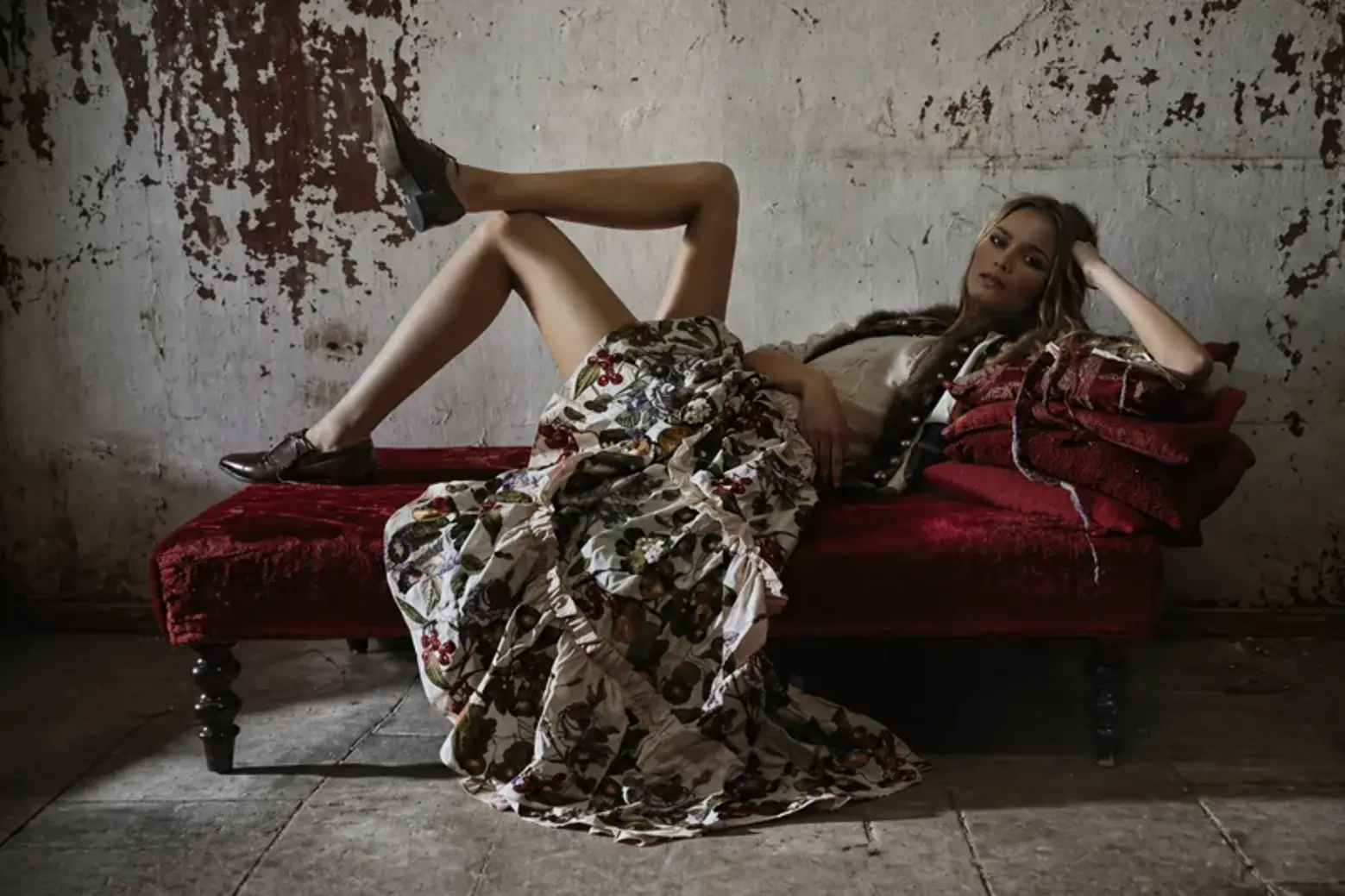
Today, her legacy stands as a lighthouse of grit in a vast, plastic ocean. As the world retreats into the safety of the airbrushed mask and the digital filter, her work remains a vital, pulsing artery of the real. Corinne Day was the architect of the anti-fashion soul, a woman who found the divine in the dirt and the holy in the wreckage. Her ghost remains a necessary shock to the system, a reminder that the most radical act is to show the world its own scars. The immortality of her imagery lies in its refusal to heal, serving as a permanent wound on the history of fashion that demands our constant, unblinking gaze. Will we ever be brave enough to embrace the ruins again, or are we doomed to drown in the shallow waters of the artificial? Her photos continue to shine, a beacon of harsh, beautiful truth in a sea of manufactured dreams.