MENU
Close





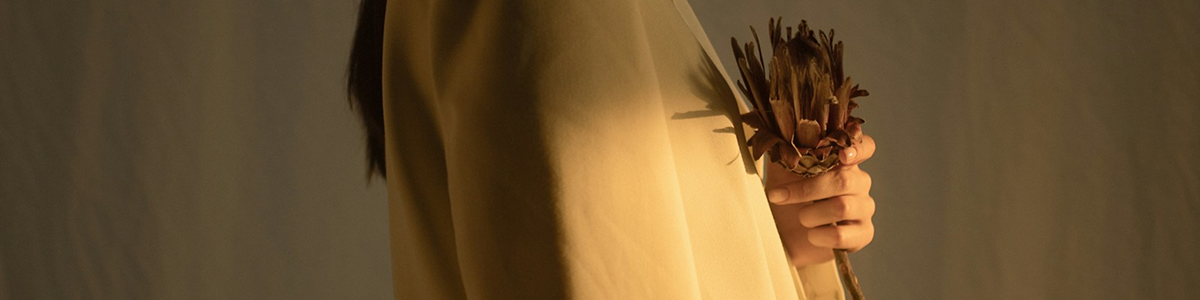
A woman pauses before the door, one hand near her collar, the other holding a silence no one in the room has earned yet. 40s style lives in that charged little pause, where elegance is never fully explained and every line of the body seems to be keeping a secret.

A woman pauses before the door, one hand near her collar, the other holding a silence no one in the room has earned yet. 40s style lives in that charged little pause, where elegance is never fully explained and every line of the body seems to be keeping a secret.
July 8, 2026
Advertisement
Advertisement



40s style begins with a woman holding her shape against a changing world. Her shoulder is sharp, her waist is disciplined, her beauty carried with quiet control. Around her, fabric is rationed, cities are rearranged, and daily life asks for practicality at every turn. Still, elegance survives in the cut of a jacket, the line of a skirt, the tilt of a hat, and the polished certainty of a red lip.
The decade altered fashion’s posture, asking clothing to carry women through movement, work, travel, and the suspended hours of wartime life while still guarding a private appetite for glamour. Simplicity gained tension through cut and proportion; a plain dress could hold drama in the way it traced the body, while a suit could turn practicality into authority through the firmness of its line. Within this restrained vocabulary, a tilted hat, a shaped shoulder, or a waist drawn neatly into place gave composure its visual force.
Before Dior’s swelling skirts and postwar fantasy arrived, 40s style had already taught elegance how to stand its ground. It created a wardrobe shaped by pressure, yet touched by cinema; built for real life, yet alert to romance. That is the lasting seduction of the decade: a woman dressed with economy, moving through the world as if every seam knew how to protect her poise.
40s style refers to the dominant womenswear language of the 1940s, especially the period between wartime utility dressing and the postwar return of couture glamour. Its core silhouette was disciplined and readable: padded or squared shoulders, a controlled waist, knee-length skirts, shirtwaist dresses, tailored skirt suits, compact hats, practical shoes, and a clean line that made the body look alert.
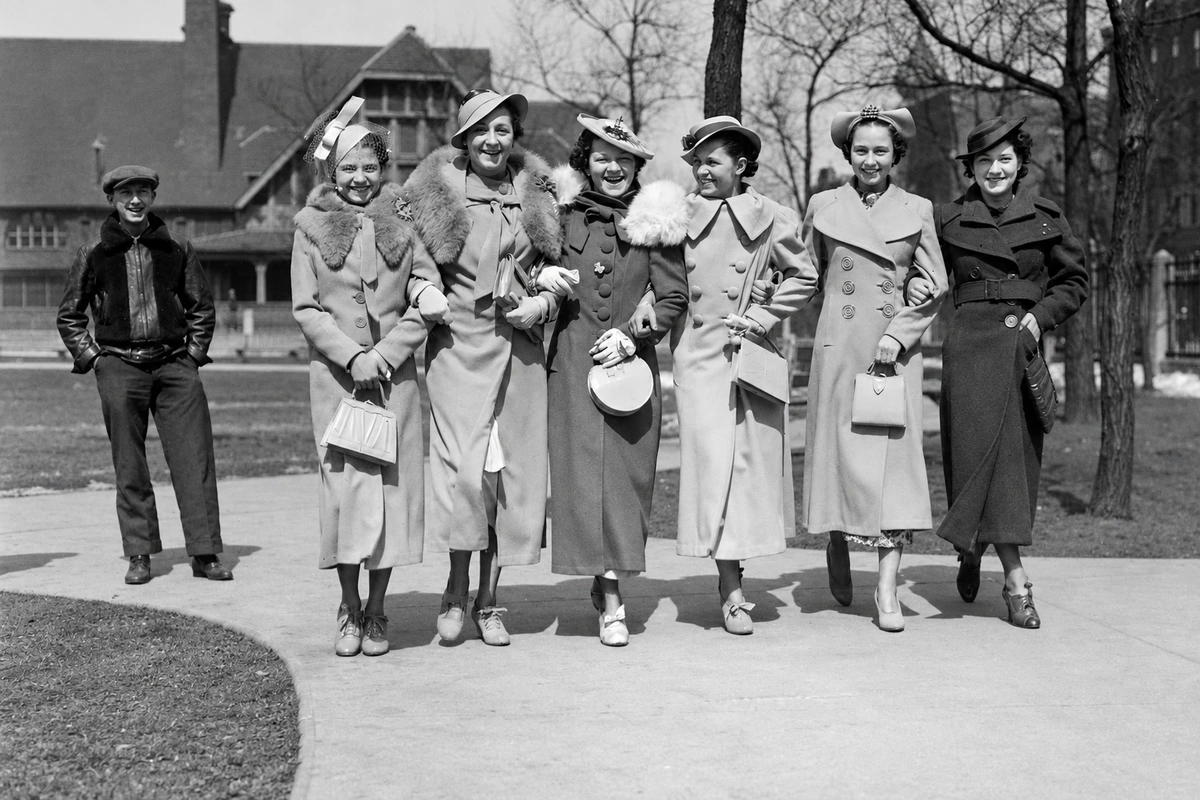
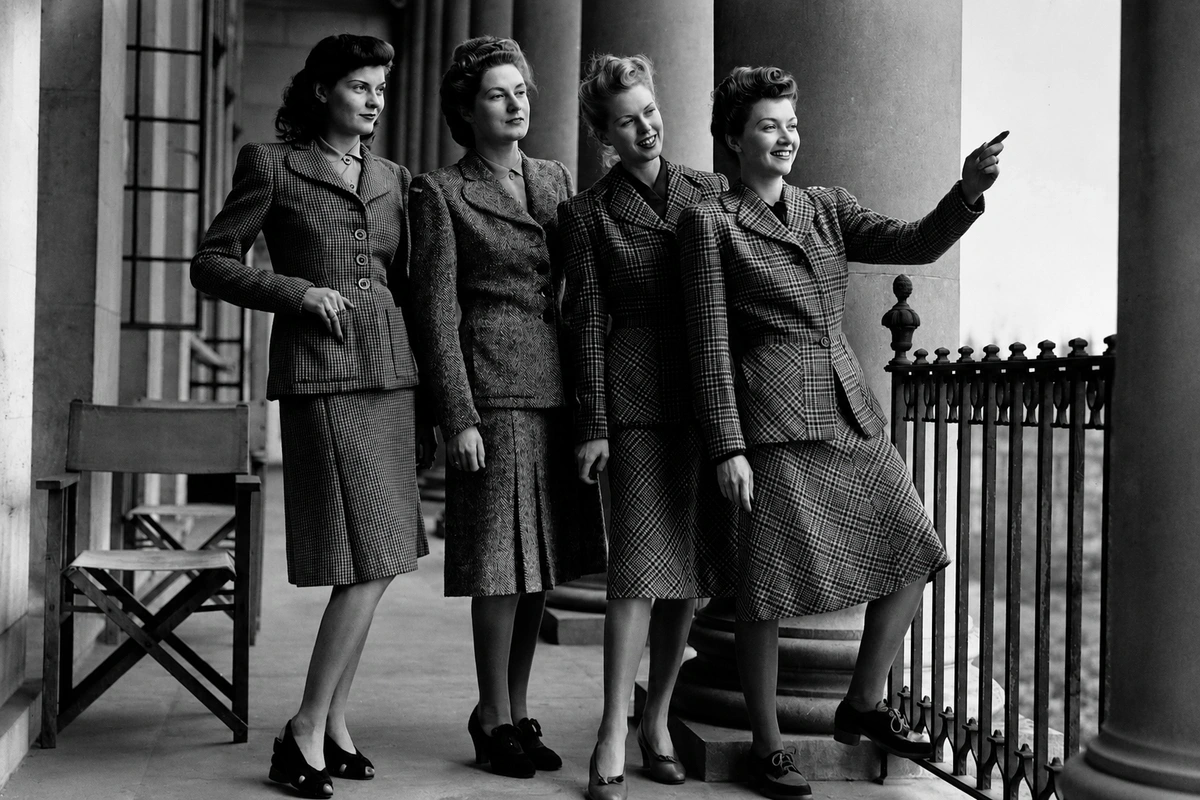
40s style took shape inside a world suddenly forced to measure cloth, labor, and desire with unusual precision. In Britain, clothes rationing began on June 1, 1941 and continued until 1949, turning every garment into an exercise in restraint.The British Utility Clothing Scheme, recognized through the CC41 mark, gave that restraint a formal language, while the military presence of the decade sharpened fashion’s shoulders, pockets, belts, and sense of command. Designers such as Hardy Amies, Digby Morton, Charles Frederick Worth, and Edward Molyneux brought proportion, polish, and quiet elegance into clothing made under strict limits. What emerged was a wardrobe built for necessity, yet still capable of making the economy look composed.
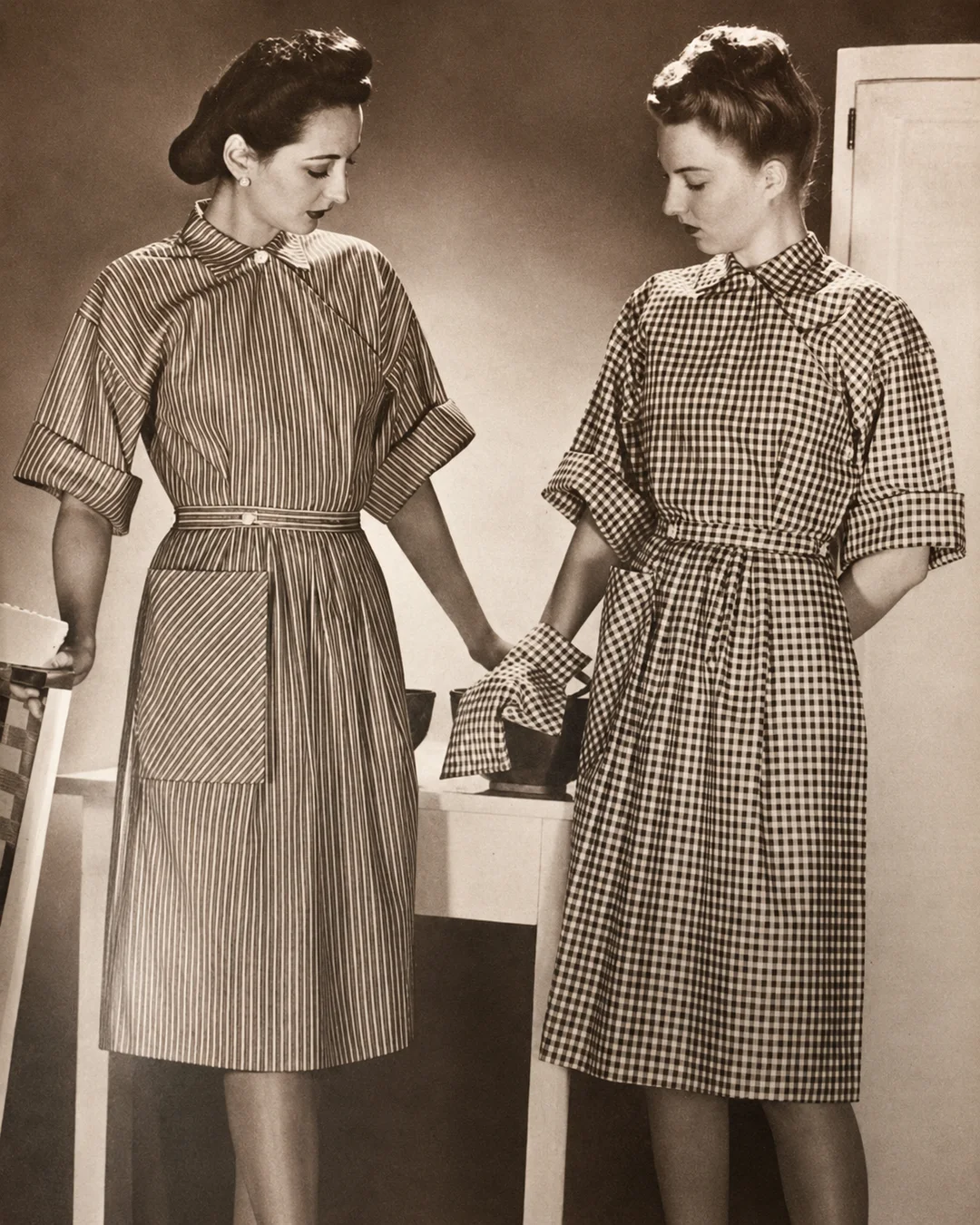
In America, the story moved through another route. Paris was cut off during the Occupation, so American designers gained new cultural weight. Claire McCardell became one of the key pioneers of 40s style, proving that practicality could carry taste, wit, and independence. Her “Pop-over” dress turned utility into modern ease, making American sportswear feel intelligent, direct, and alive to women’s real lives.
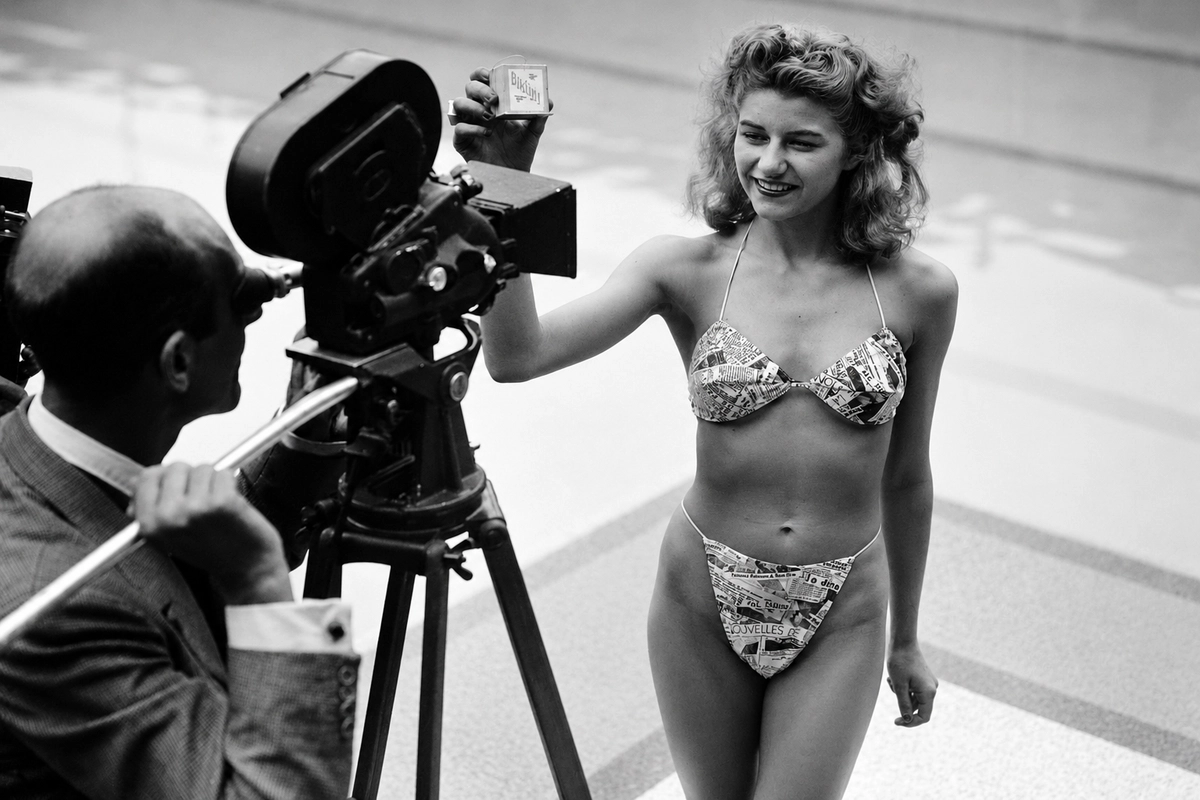
The decade also gave modern fashion one of its smallest yet most explosive inventions: the bikini. In 1946, French designer Jacques Heim introduced a tiny two-piece swimsuit called the Atome, while Louis Réard soon presented the even smaller bikini at Piscine Molitor in Paris, naming it after Bikini Atoll, the site of recent atomic tests. Within the wider story of 40s style, the bikini revealed another side of the decade’s tension: a world still shaped by restraint suddenly producing a garment built from shock, sun, skin, and modern daring. If the skirt suit gave women a public posture, the modern bikini gave postwar fashion a new vocabulary of exposure, leisure, and provocation.
After that flash of postwar daring, Paris began to speak again through fabric, even when fabric itself remained scarce. Théâtre de la Mode turned that scarcity into poetry, placing the work of major couturiers on miniature mannequins and sending them from one city to another like small ambassadors of French elegance.
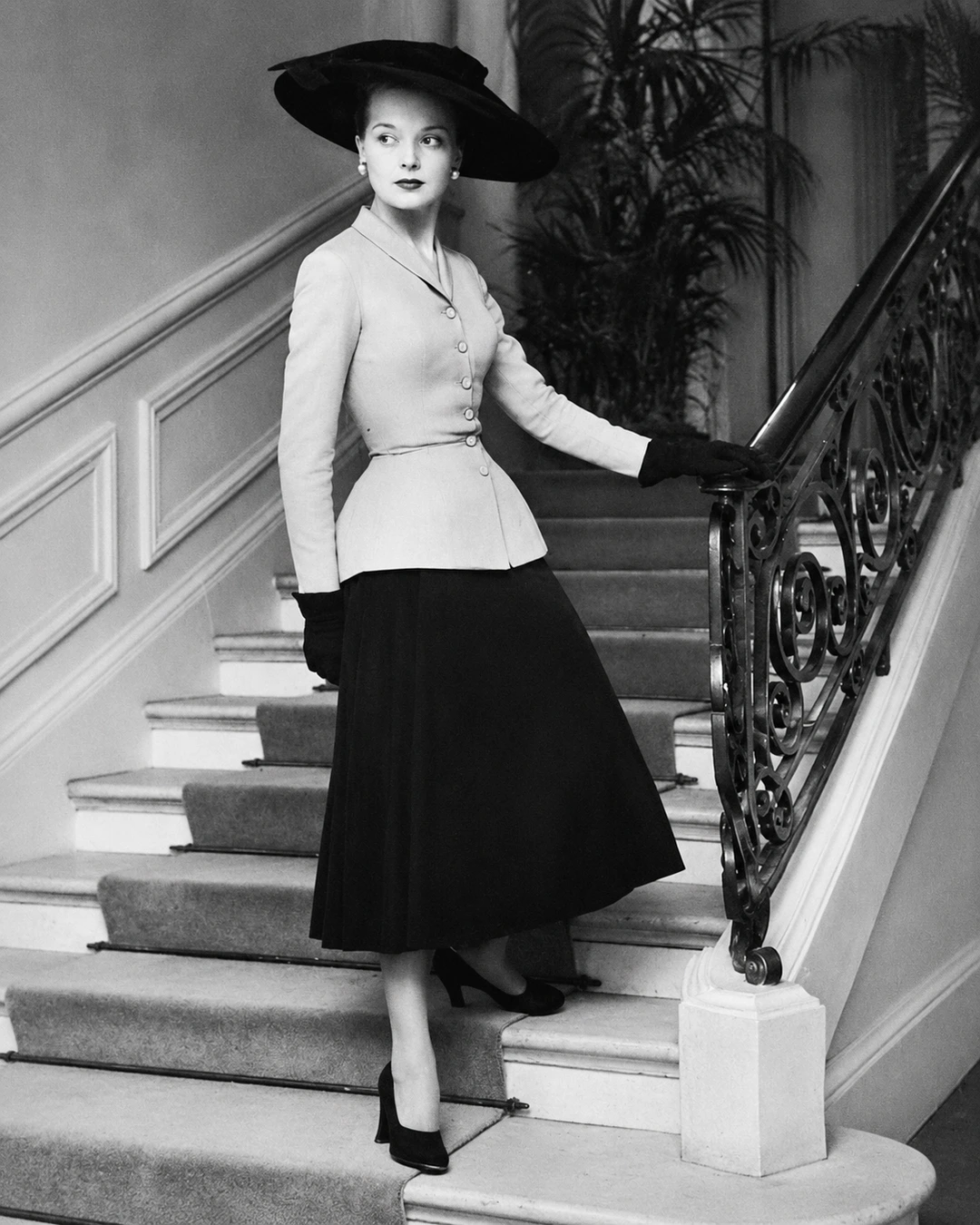
Two years later, Christian Dior changed the emotional temperature of the decade. His debut collection, soon named the New Look by Carmel Snow, gave women rounded shoulders, a cinched waist, and skirts that opened with postwar generosity. After years of measured cloth and disciplined lines, the body was allowed to bloom again. Still, the memory of 40s style remained close to the surface, held in the waist, sharpened through the shoulder, and preserved in the controlled drama of shape.
40s style announces itself before the woman even turns around. The shoulder arrives first, sharpened and slightly squared, giving the body a line of command that feels borrowed from uniforms but softened by glamour. Beneath it, the waist is drawn into focus with a belt, a seam, or a jacket cut close enough to suggest discipline. The skirt usually stops below the knee, moving with control instead of sweeping, as if every inch of fabric has been asked to behave beautifully.
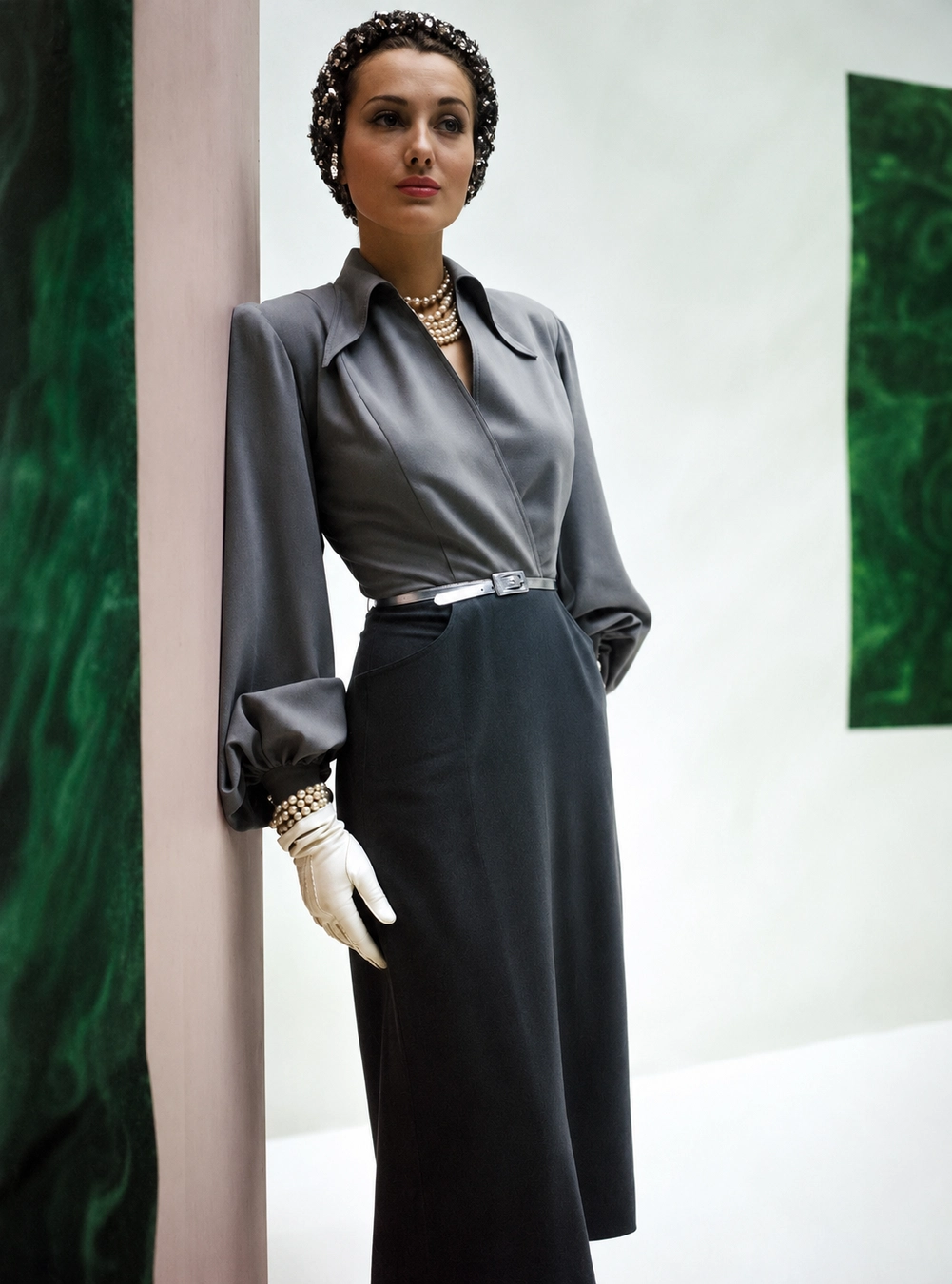

The silhouette speaks through small, exact decisions. A shirtwaist dress gives the day its rhythm through a neat collar, a buttoned front, and a waist placed with almost comic certainty, while the skirt suit brings a sharper public attitude, the kind of polish that can walk from work to the street without changing its expression. Utility details slip into the look with surprising charm: pockets sit like punctuation, lapels sharpen the face, compact sleeves keep the line brisk, and a slight peplum can turn a practical jacket into something with flirtation in its bones.
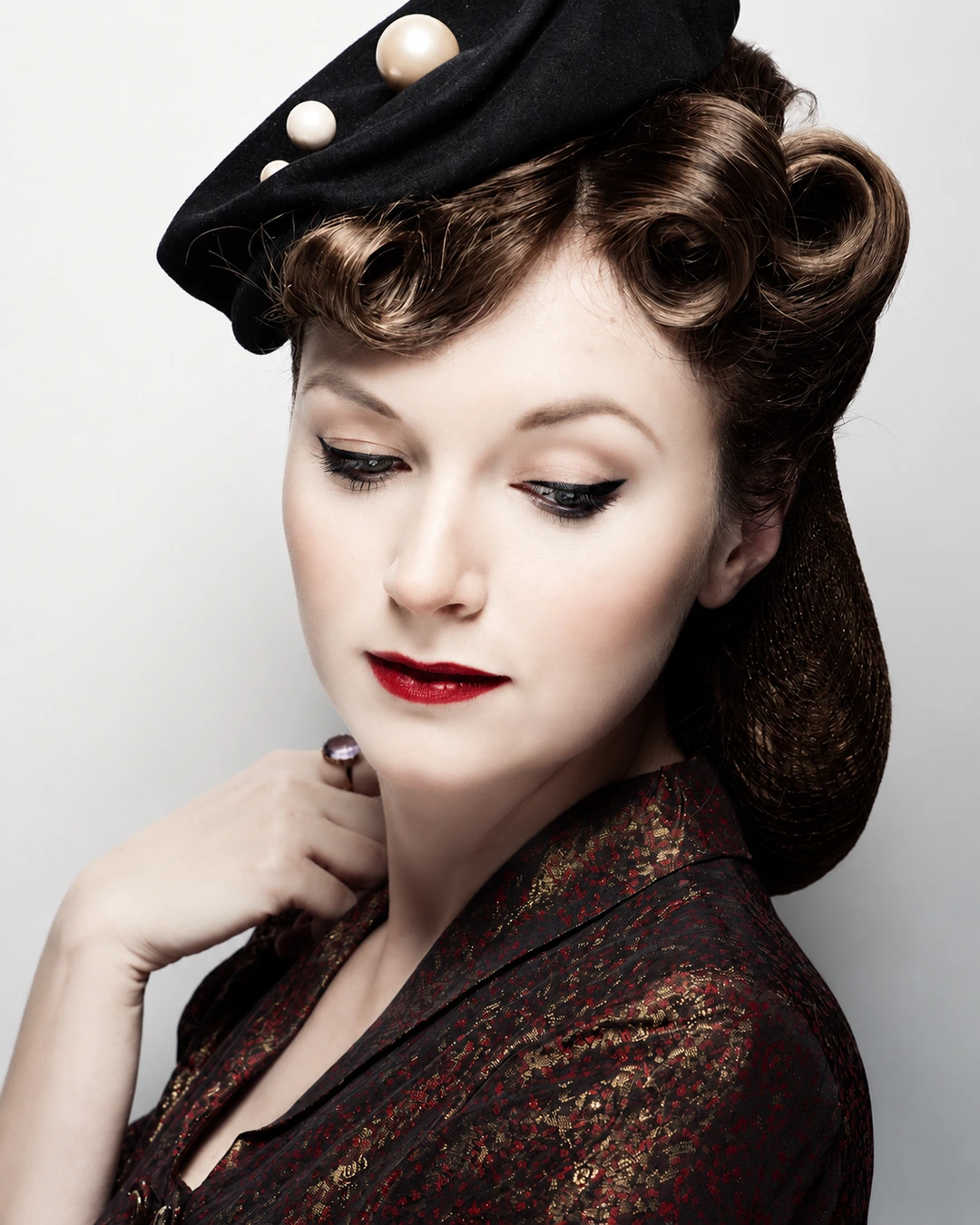
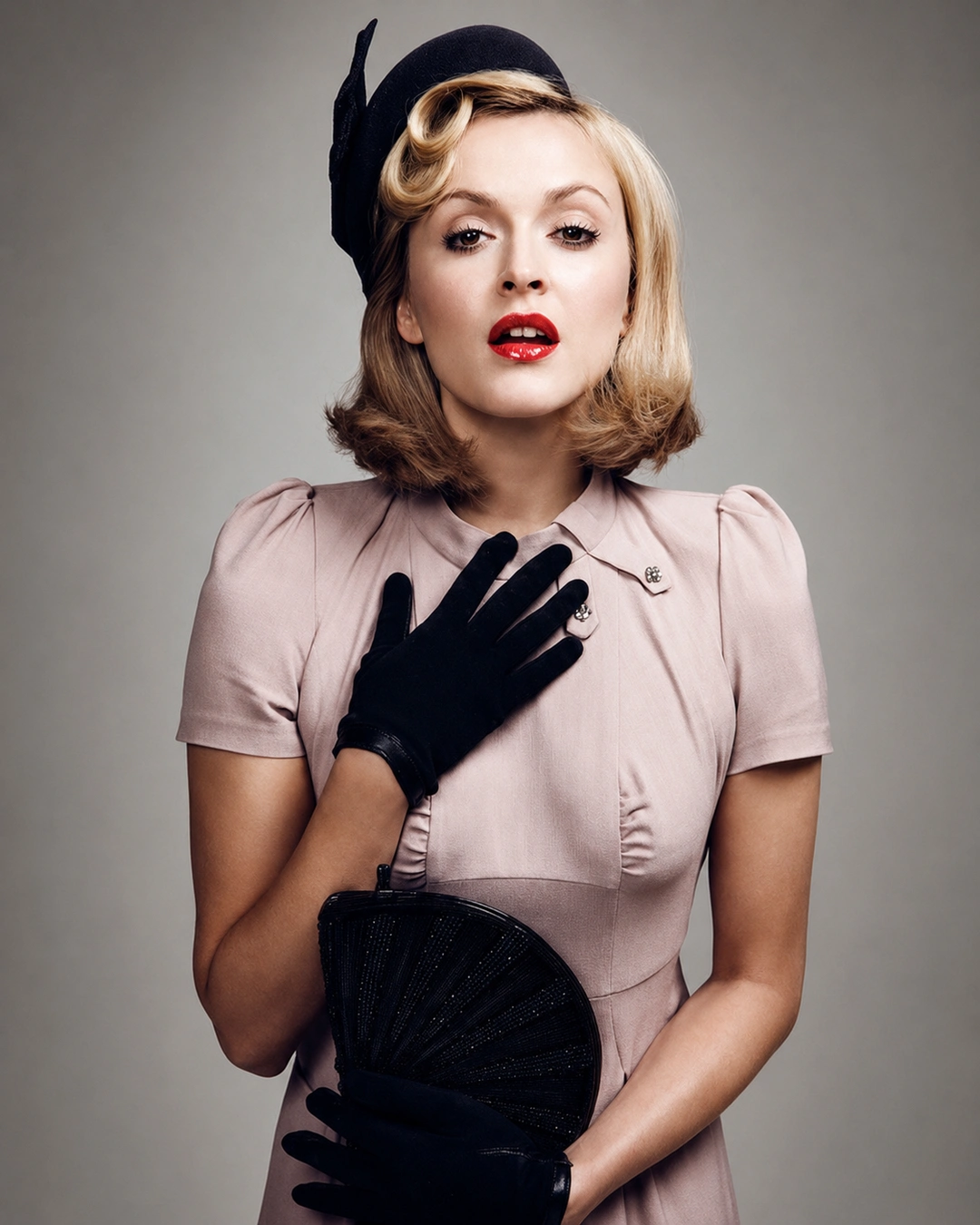
Its signatures gather around the body like finishing gestures, never behaving as decoration alone. A small hat tilted off-center changes the mood before a word is spoken; a turban turns resourcefulness into theatre; a snood keeps the hair in order while waved hair and a red lip lets cinema enter quietly through the side door. Gloves, sturdy heels, and a compact bag complete the posture with polish and purpose, giving the 40s style its particular character: mannered, alert, and just dangerous enough to make restraint look alive.
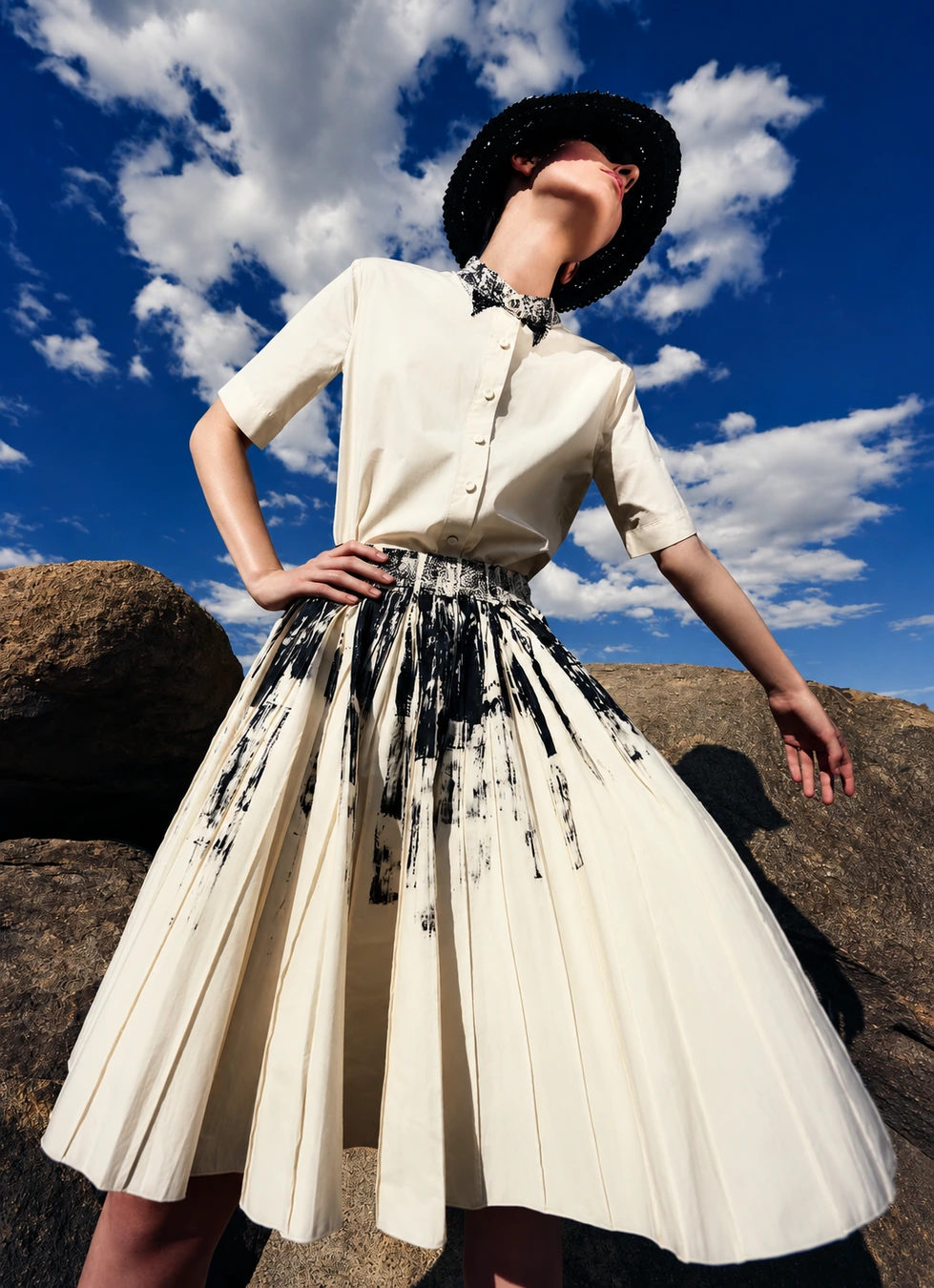
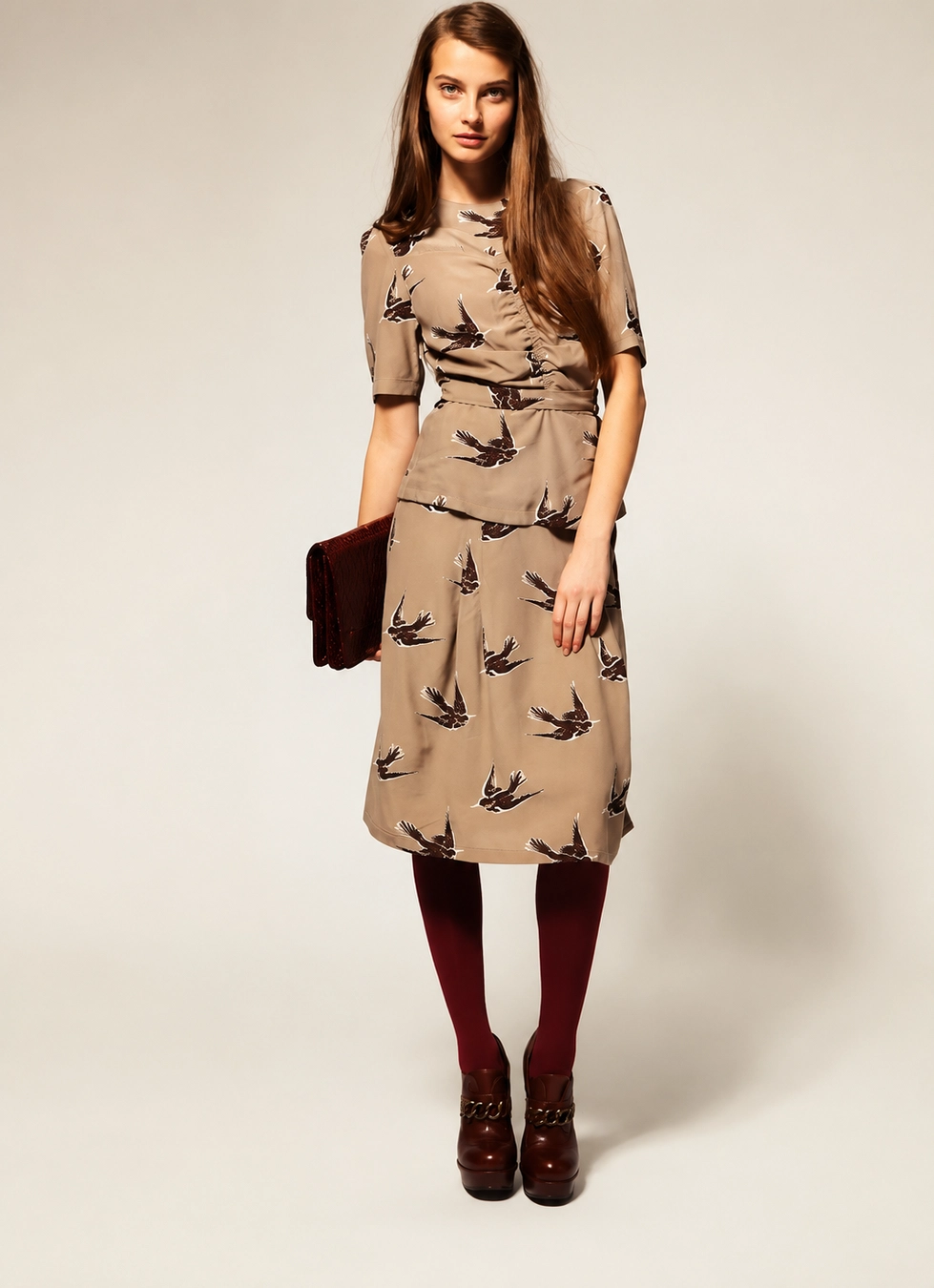
What makes the silhouette seductive is its balance of control and suggestion. The body is shaped, never overwhelmed. The shoulder speaks with authority; the waist answers with precision. A dress may seem modest at first glance, then reveal its charm through a curved seam, a neat row of buttons, or the way rayon crepe moves under light. 40s style knows how to make a narrow skirt, a clever hat, and a well-placed belt look like a full conversation.
40s style carries the mood of a woman who has learned to make grace portable. She can fold it into a glove, hide it beneath the brim of a small hat, press it into the red curve of a lip, and carry it through a room as if elegance were something kept warm inside the body. The world around her may be loud with departure, sirens, letters, ration books, and waiting, but her image remains composed, almost cinematic in its stillness.
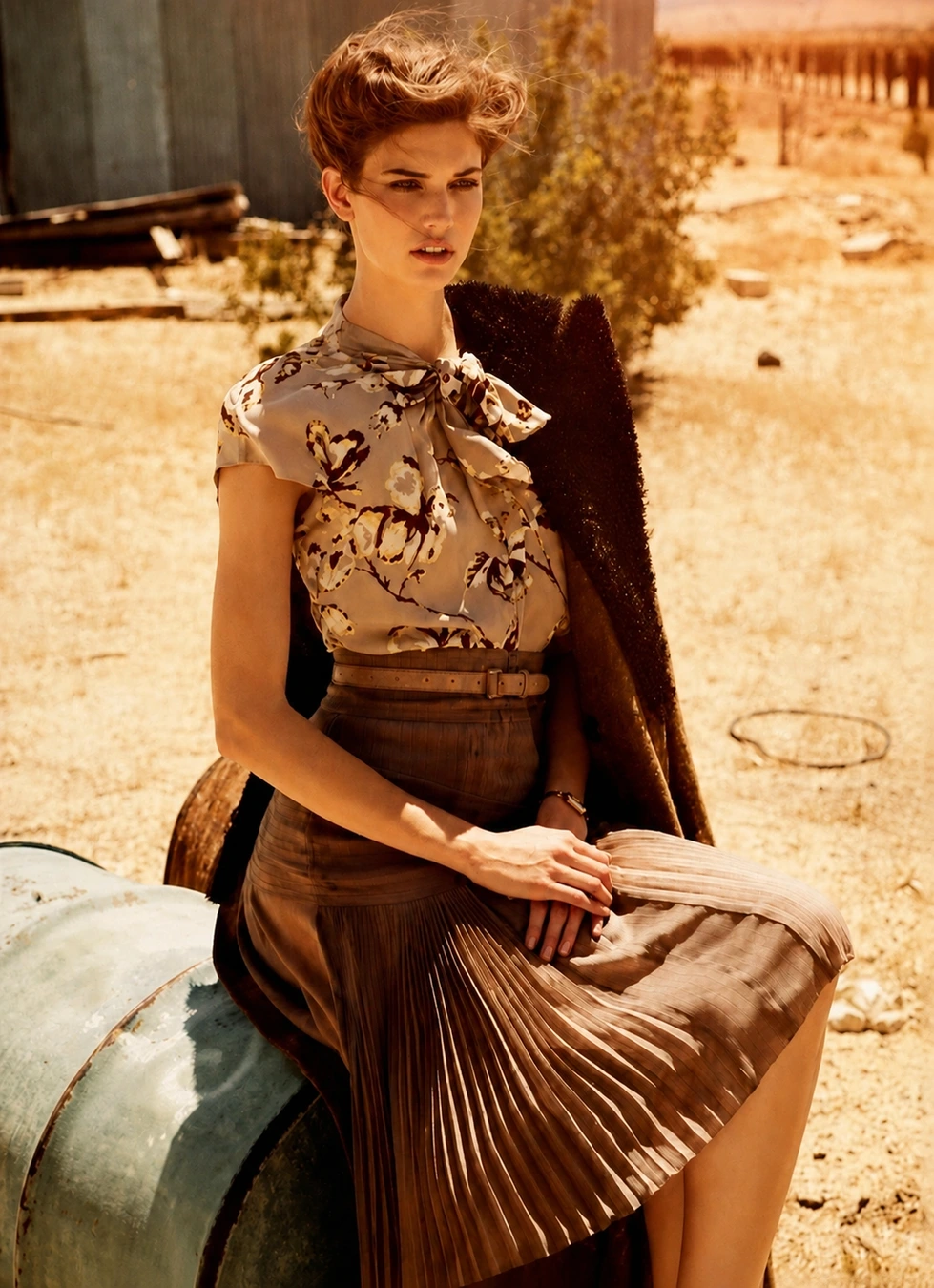
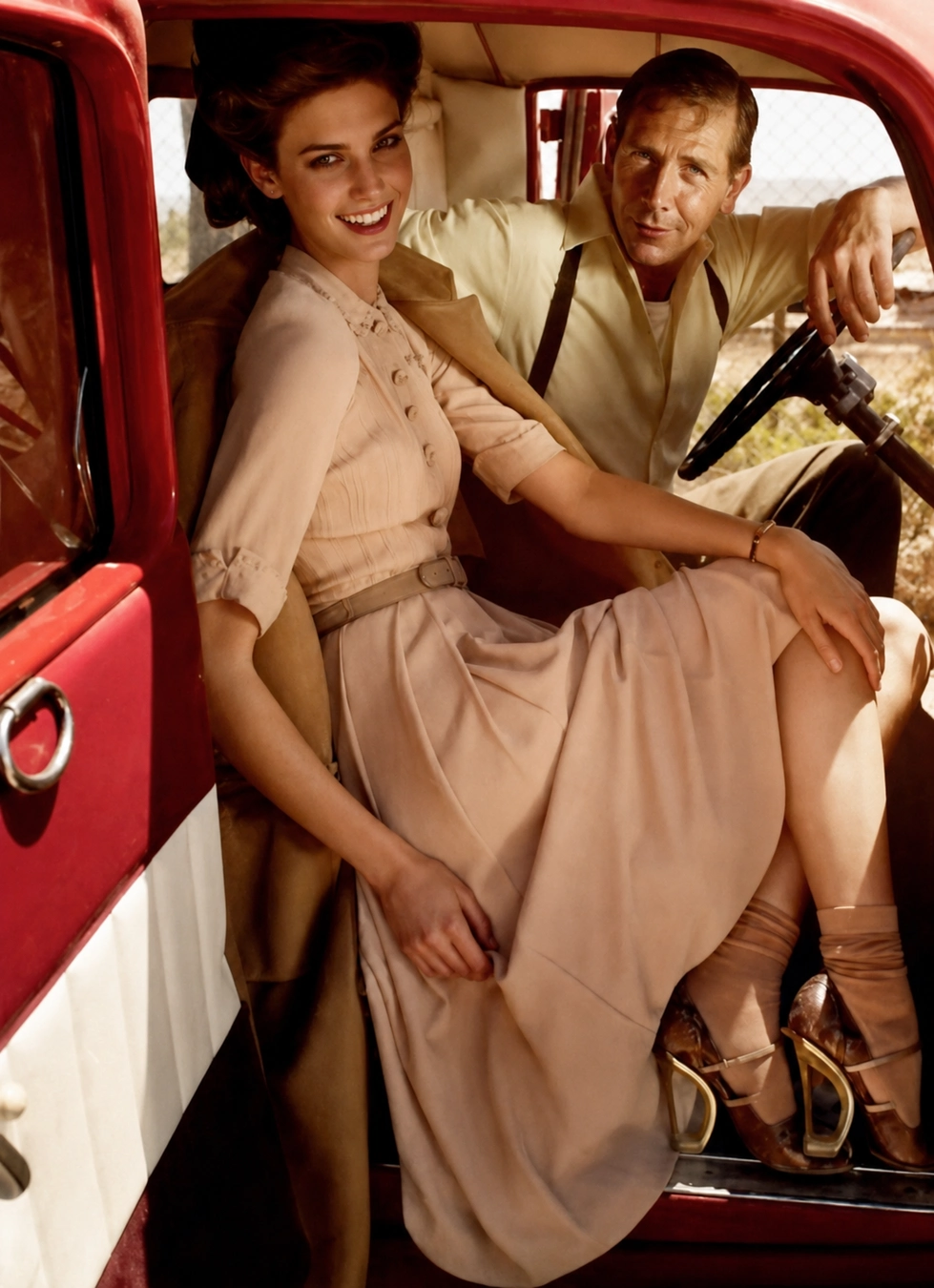
Her beauty has a charged quietness. It never spills too far, never asks for the whole room at once. 40s style knows how to turn limitations into allure, as if scarcity had taught glamour to become more precise.
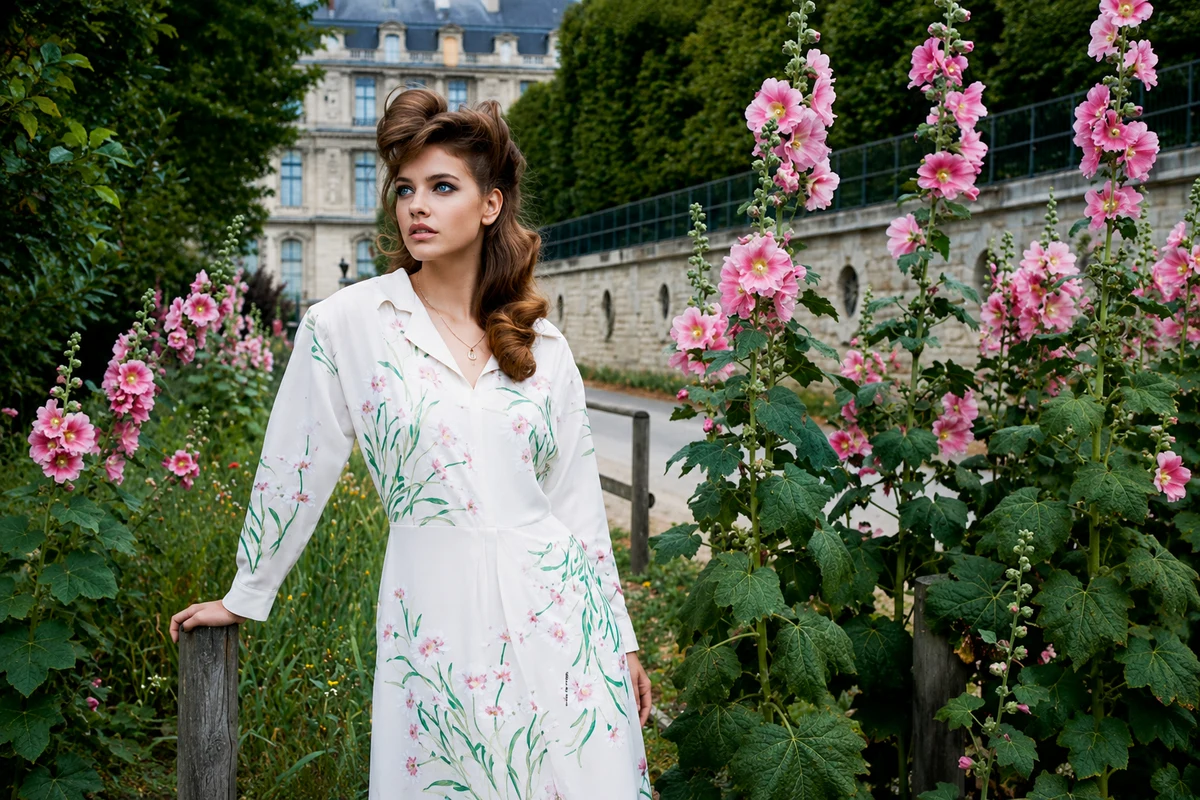
The woman that lives inside 40s style seems to belong equally to train platforms, dim staircases, office corridors, hotel lobbies, and dance halls after dark. She arrives with a life already in motion, carrying secrecy without heaviness and discipline without coldness. Her elegance has edges, but also pulse; it can look proper from a distance, then reveal a flash of danger when the light changes.
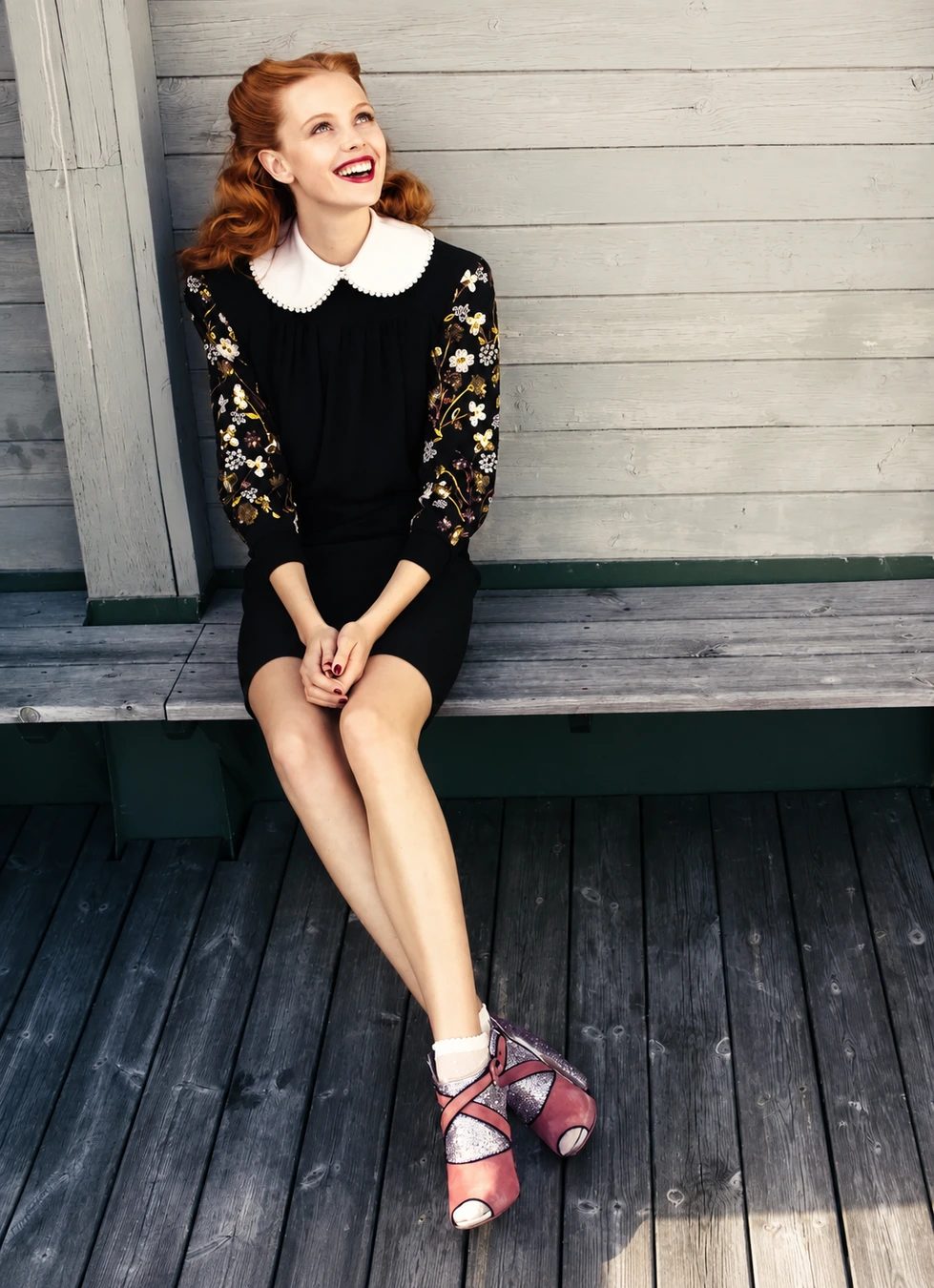
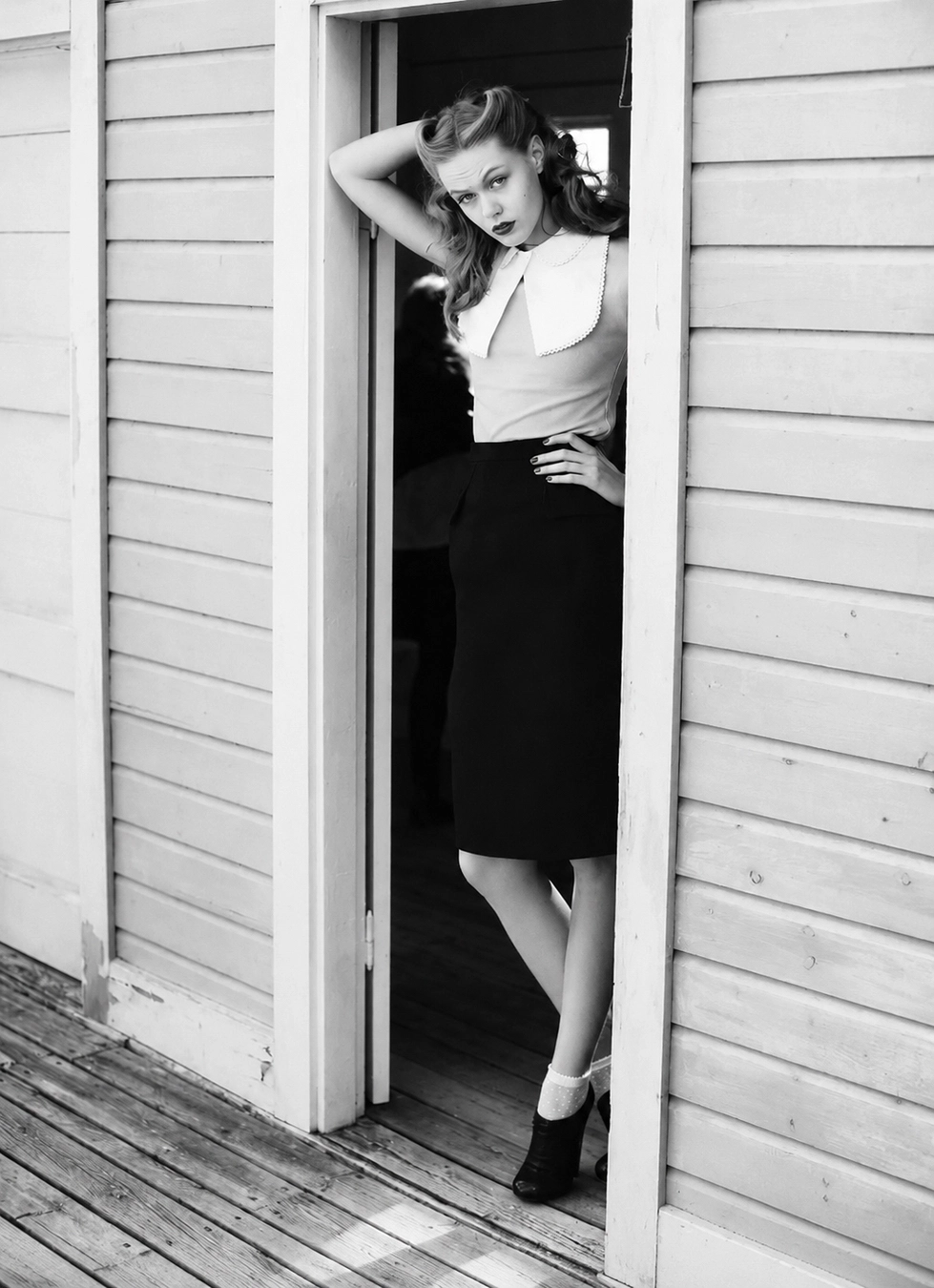
40s style is a way of imagining beauty as survival with polish, romance with a straight spine, softness kept alive inside structure. It teaches fashion that glamour can live in a narrowed gesture, that mystery can gather around a practical coat, and that a woman can move through uncertainty with her outline intact.
A sharpened shoulder can change the whole temperature of a look. Across contemporary fashion, 40s style often returns through a waist held firmly in place, a skirt kept close to the body, and a face polished with cinematic intent. The reference works best when it arrives as an attitude: composed, alert, slightly secretive.
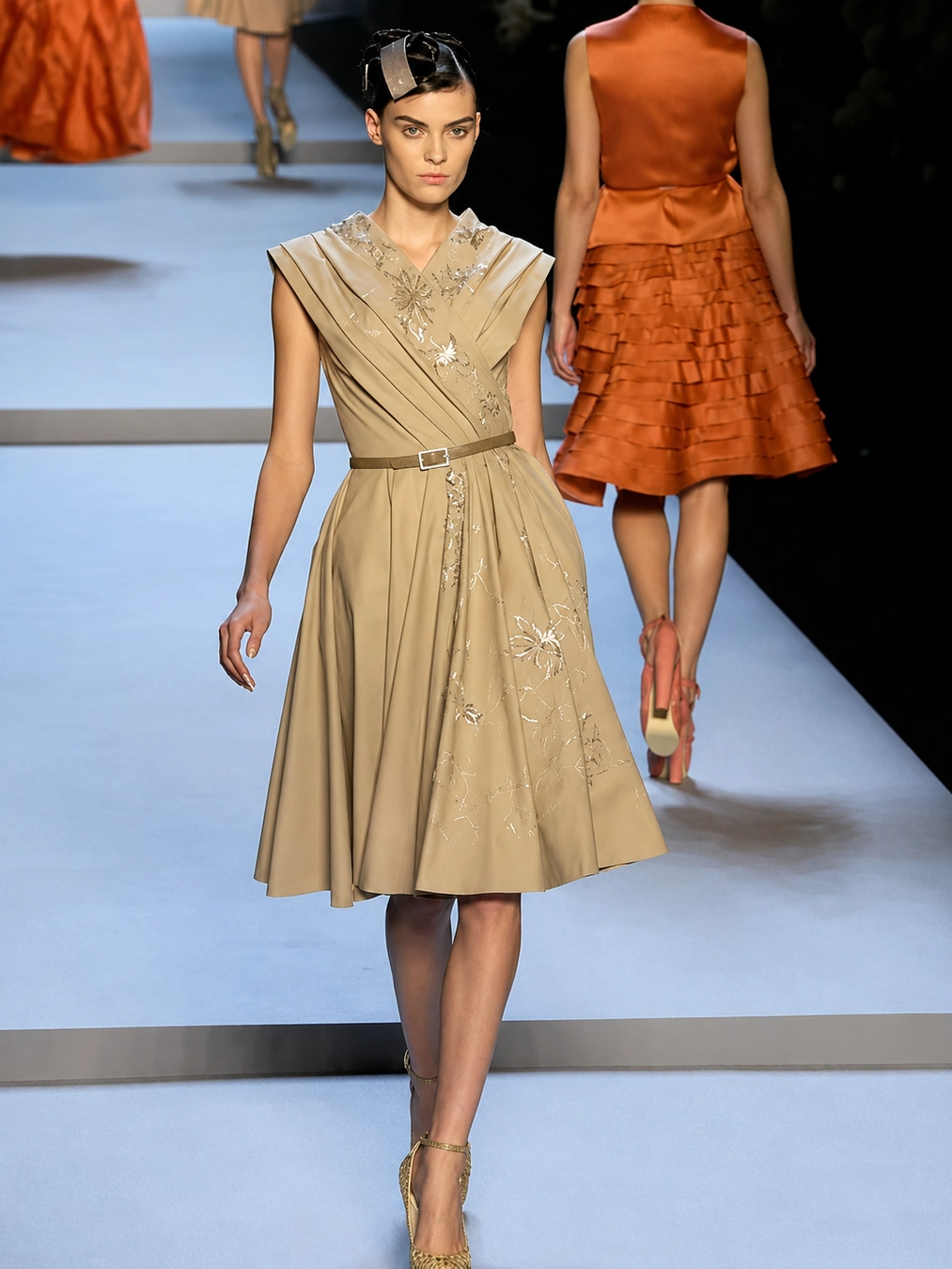
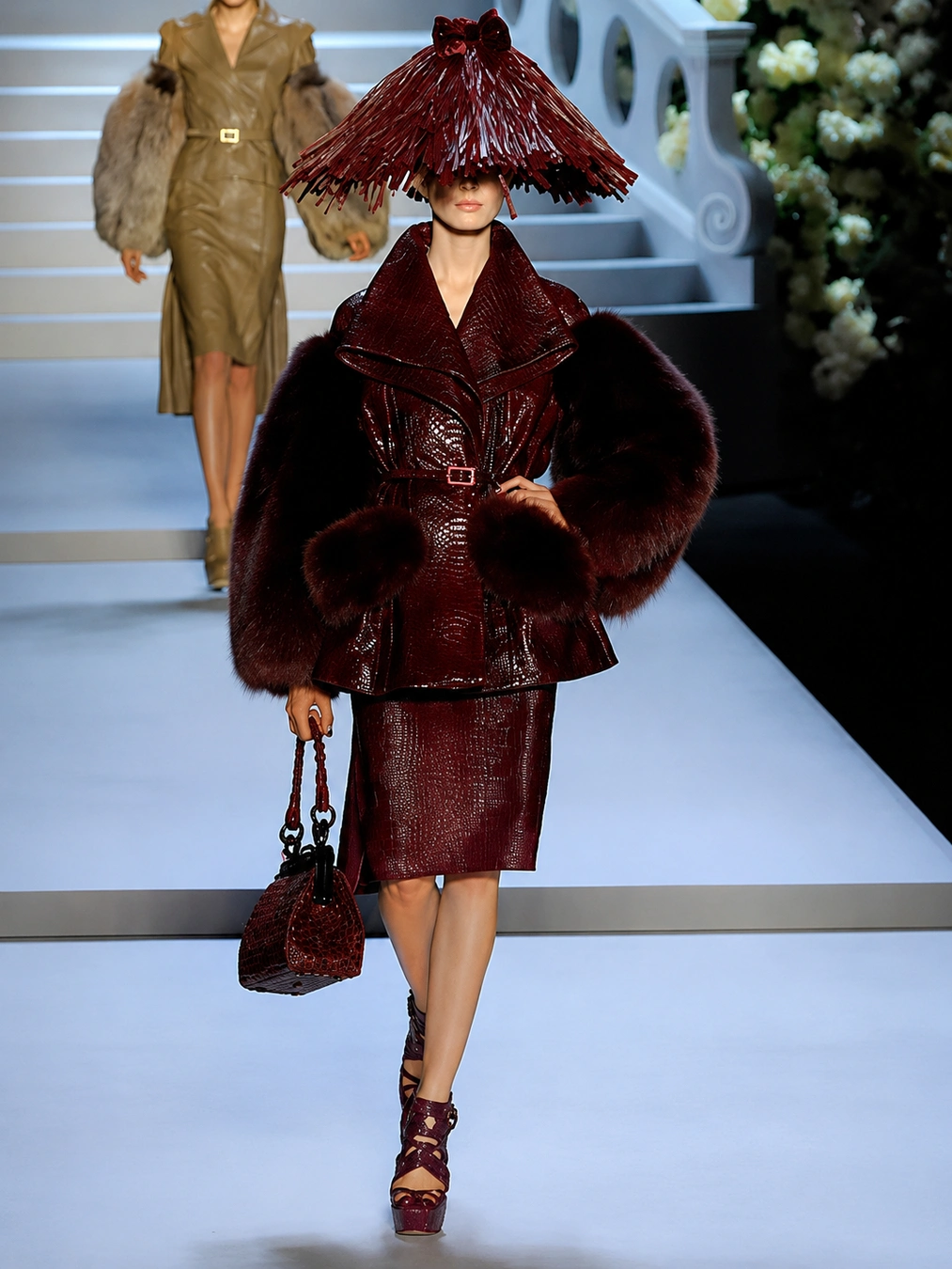
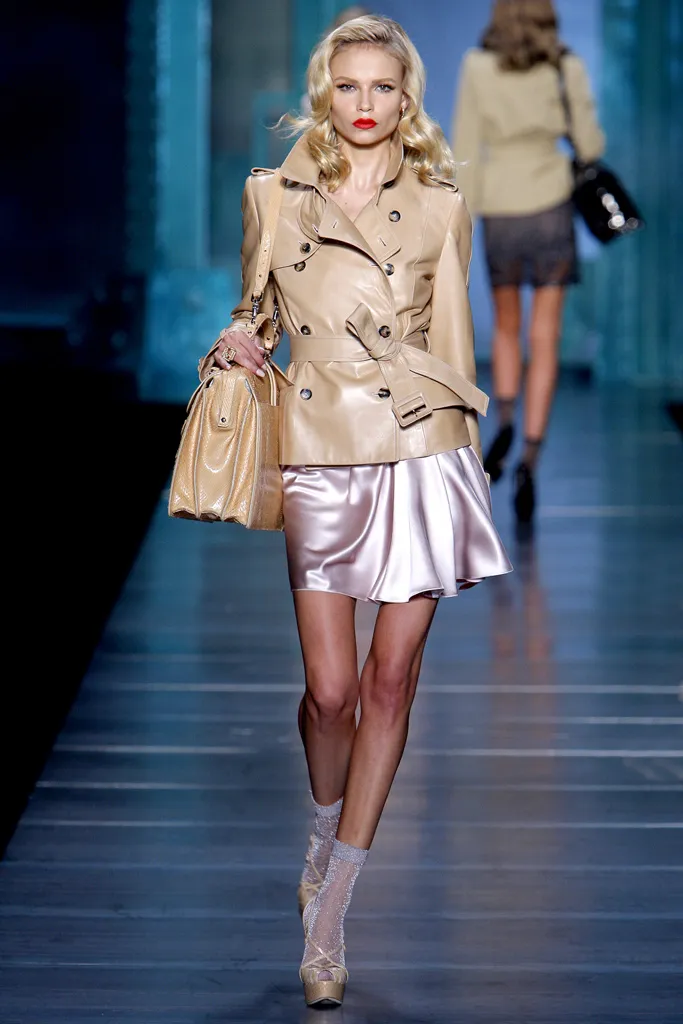
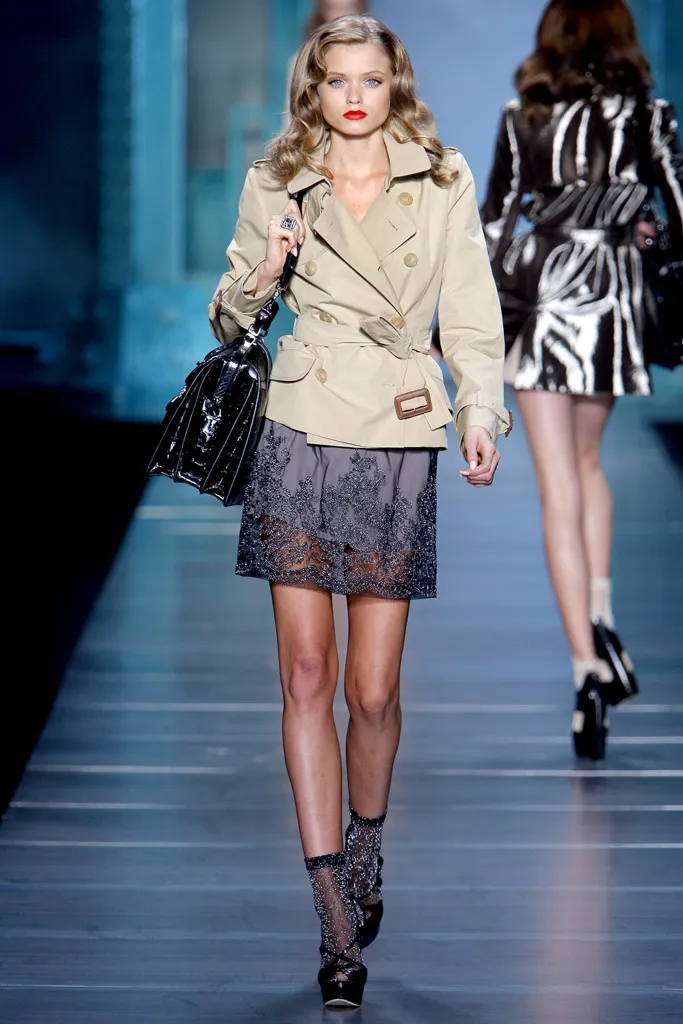
A cinched jacket steps into the light with the mood of a film still. At Christian Dior, 40s style leans into screen-siren drama, where satin, trench-like structure, sculpted shoulders, and a dangerous red lip make the woman look as though she has walked out of a noir hotel corridor with a plot already unfolding.
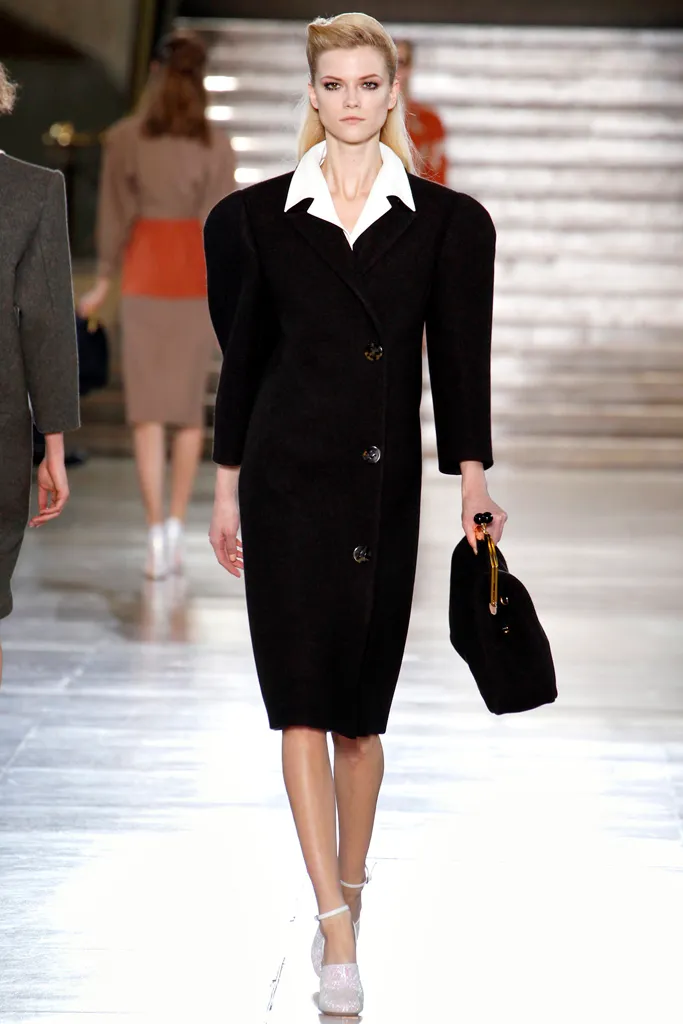
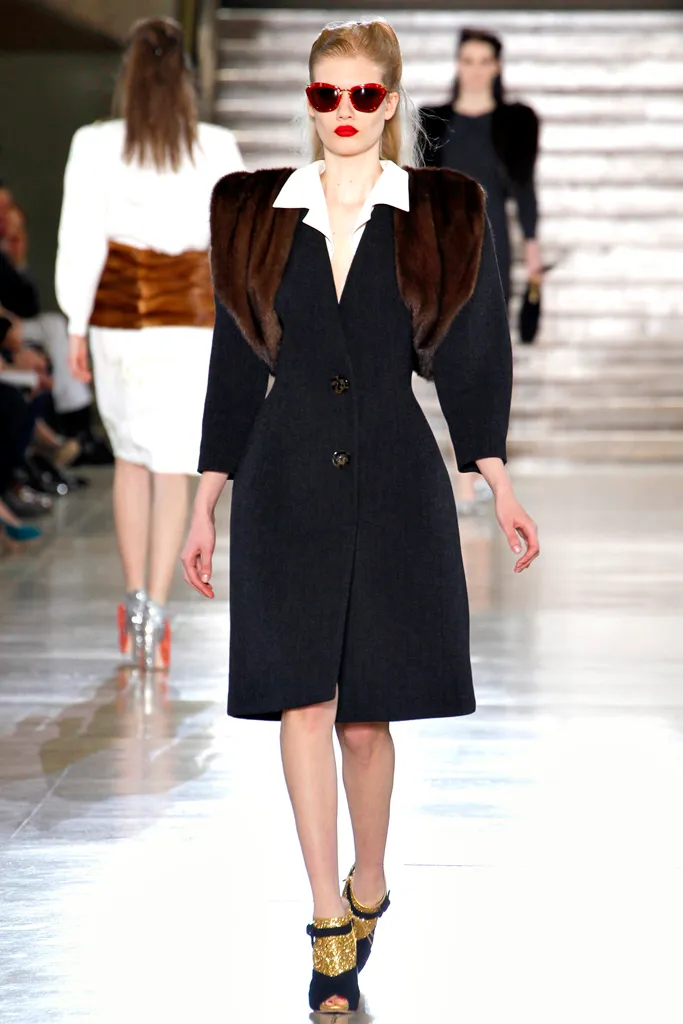
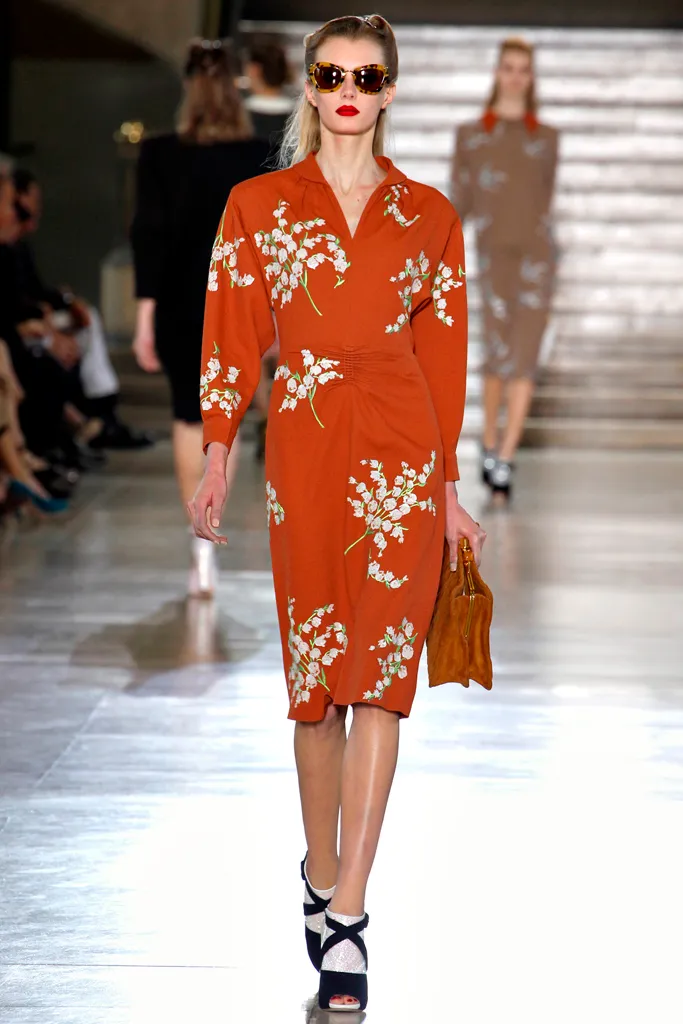
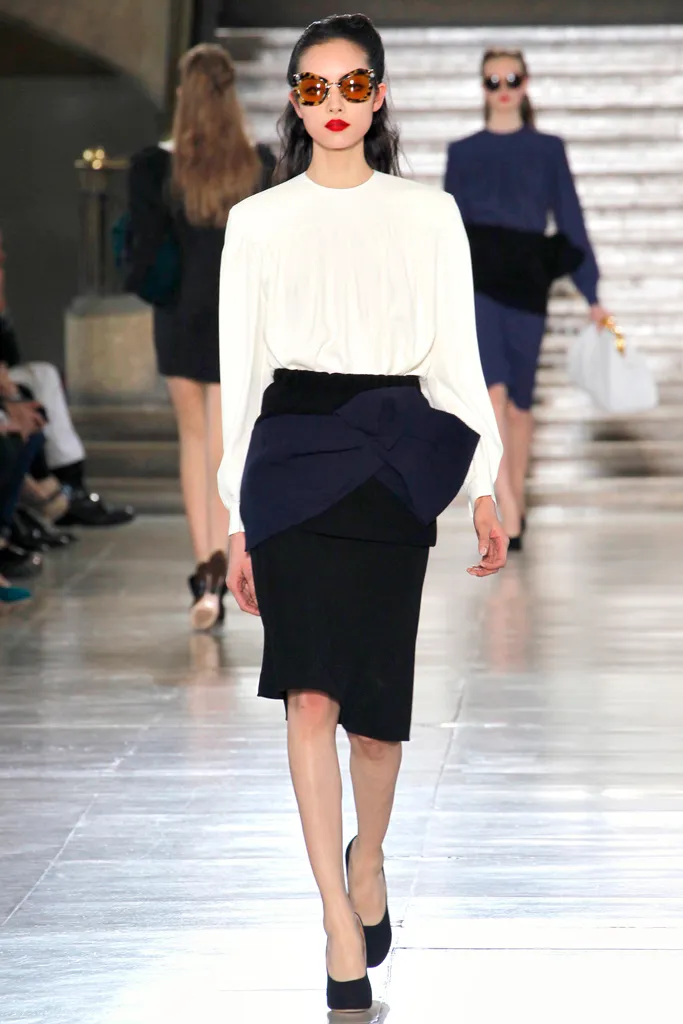
Miu Miu gives the decade a slyer rhythm. The line stays neat, but the mood becomes younger and more mischievous, with retro florals, compact shapes, and polished beauty turning 40s style into something clever, girlish, and faintly suspicious in the best way.
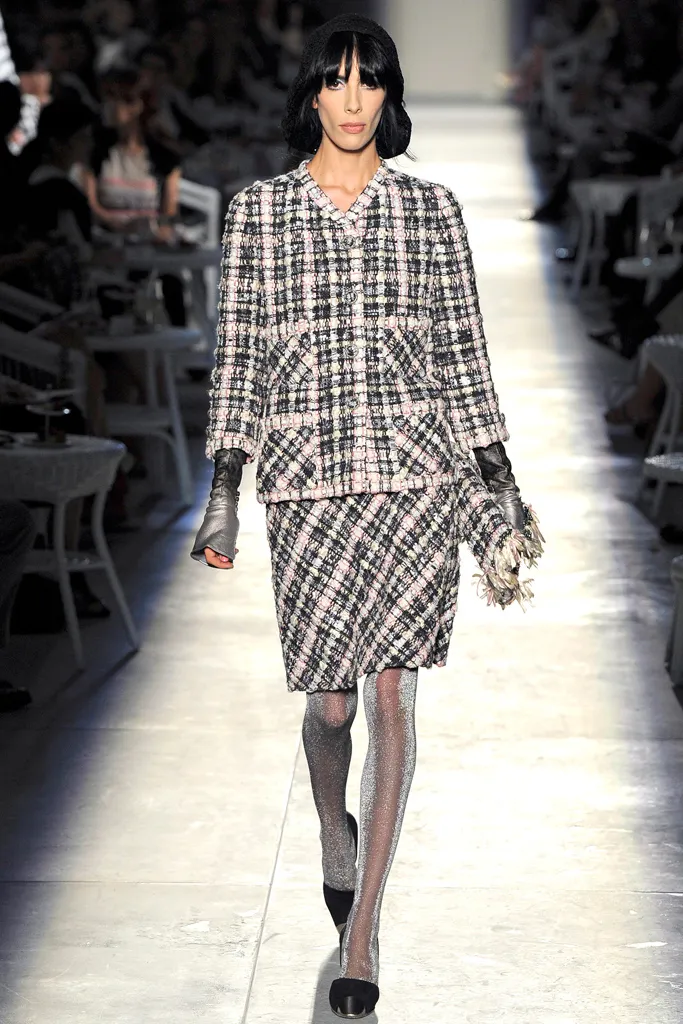

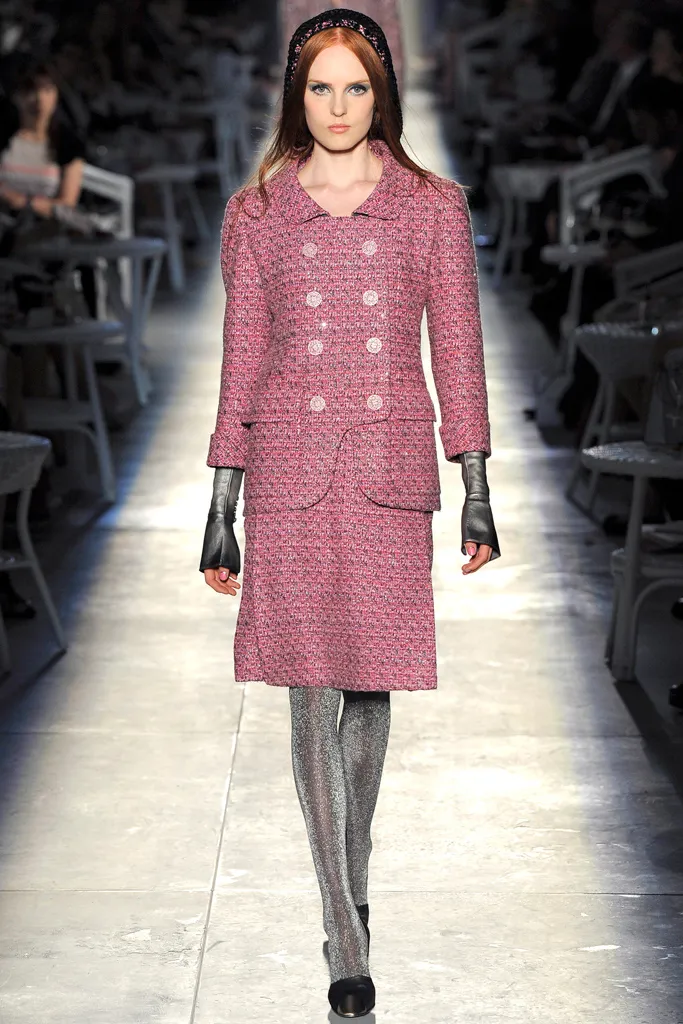
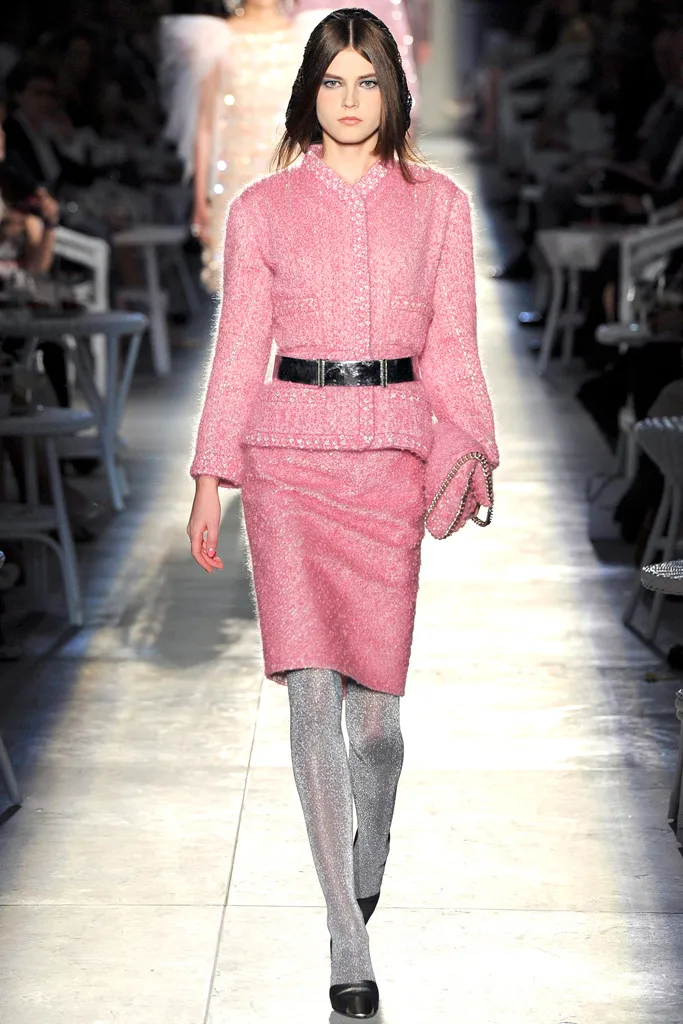
Grey, silver, and dusty pink soften the decade’s severity at Chanel. The broad shoulder, swingy coat, glove, and snood-like hair carry the memory of wartime womanhood, while couture surface work gives 40s style a quieter, more ceremonial kind of elegance.
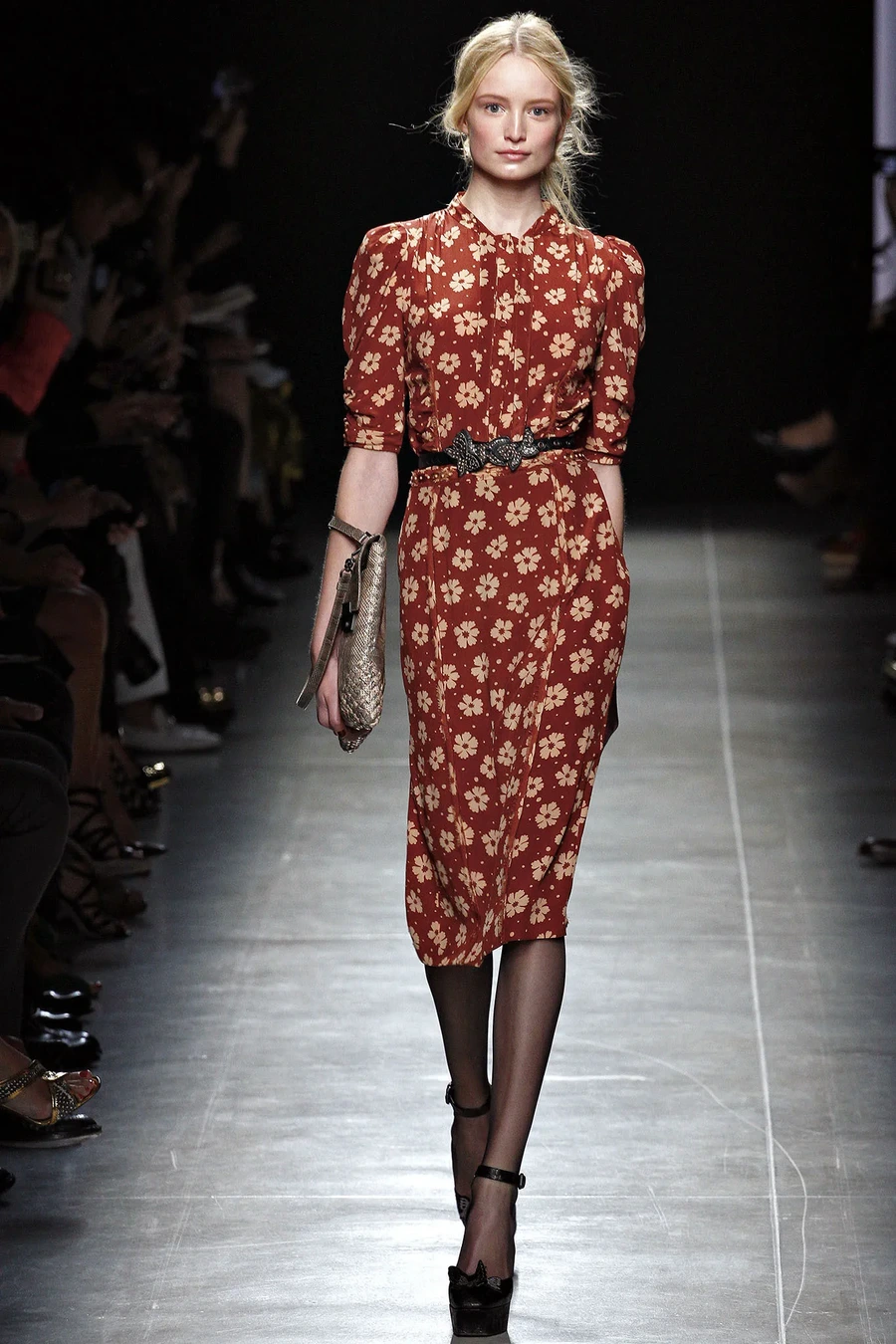
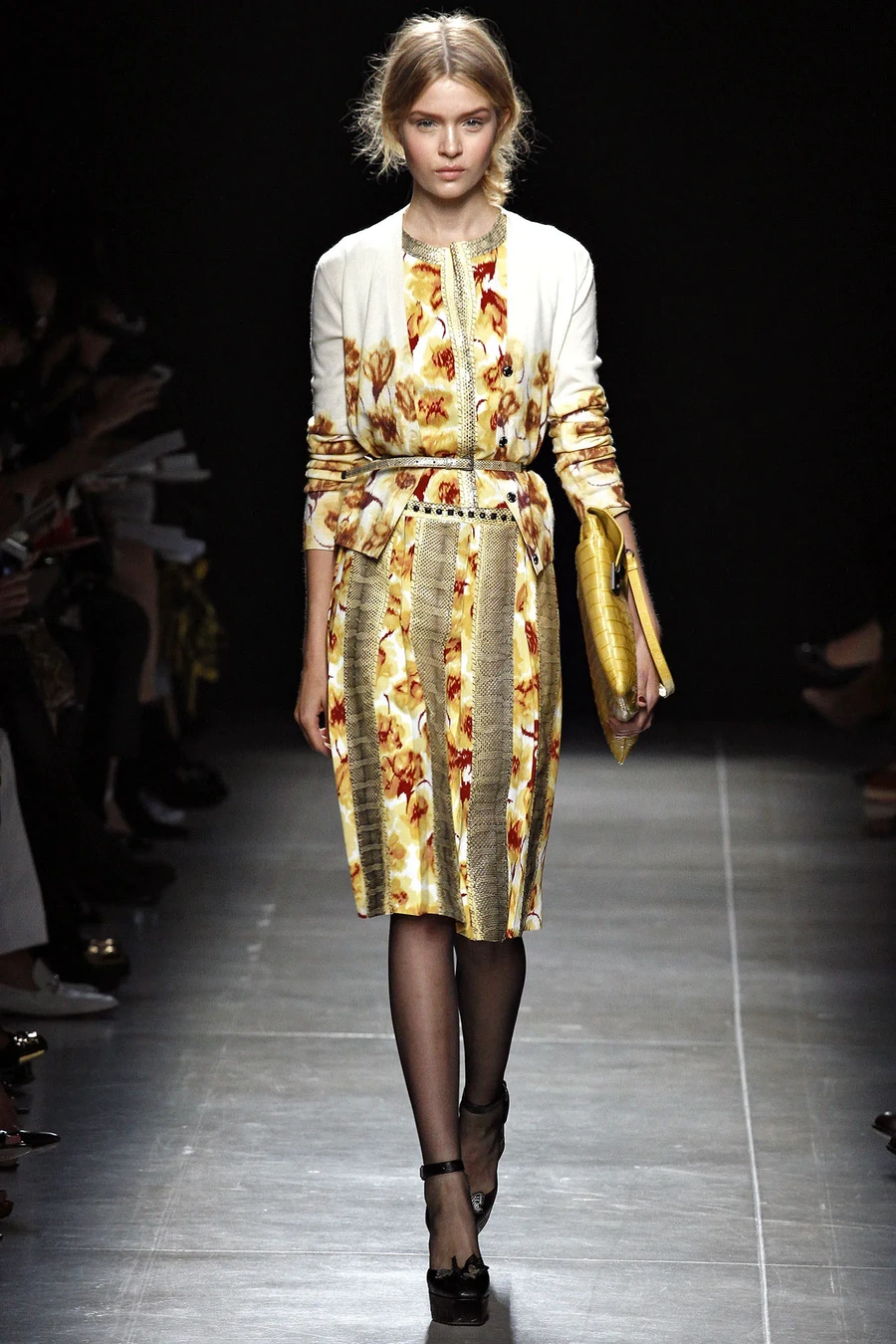
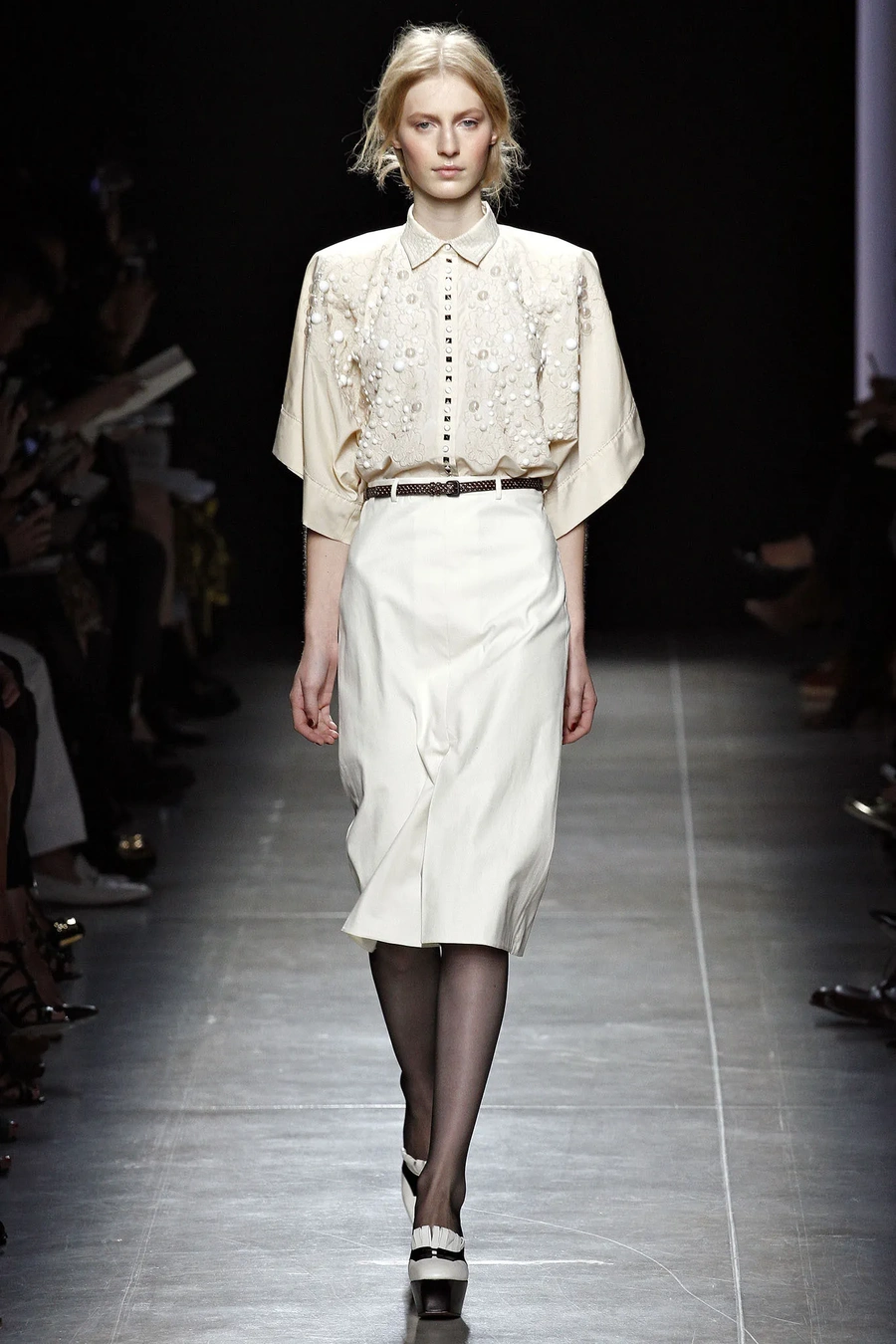
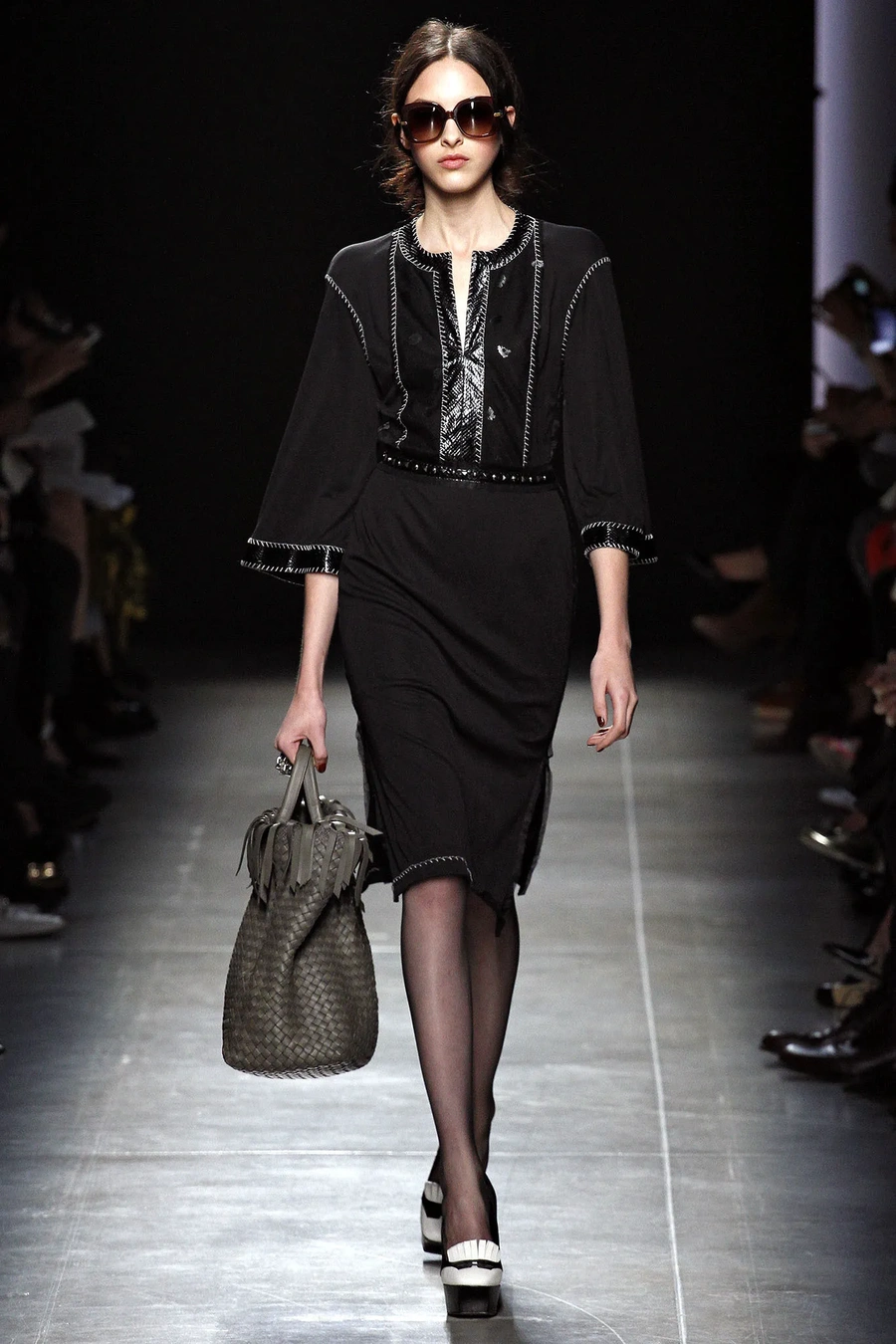
At Bottega Veneta, 40s style appears through disciplined proportion, slender frocks, controlled shoulders, and fabric that follows the body with intelligence, letting construction carry glamour. A dress can whisper the decade more effectively than a costume ever could.
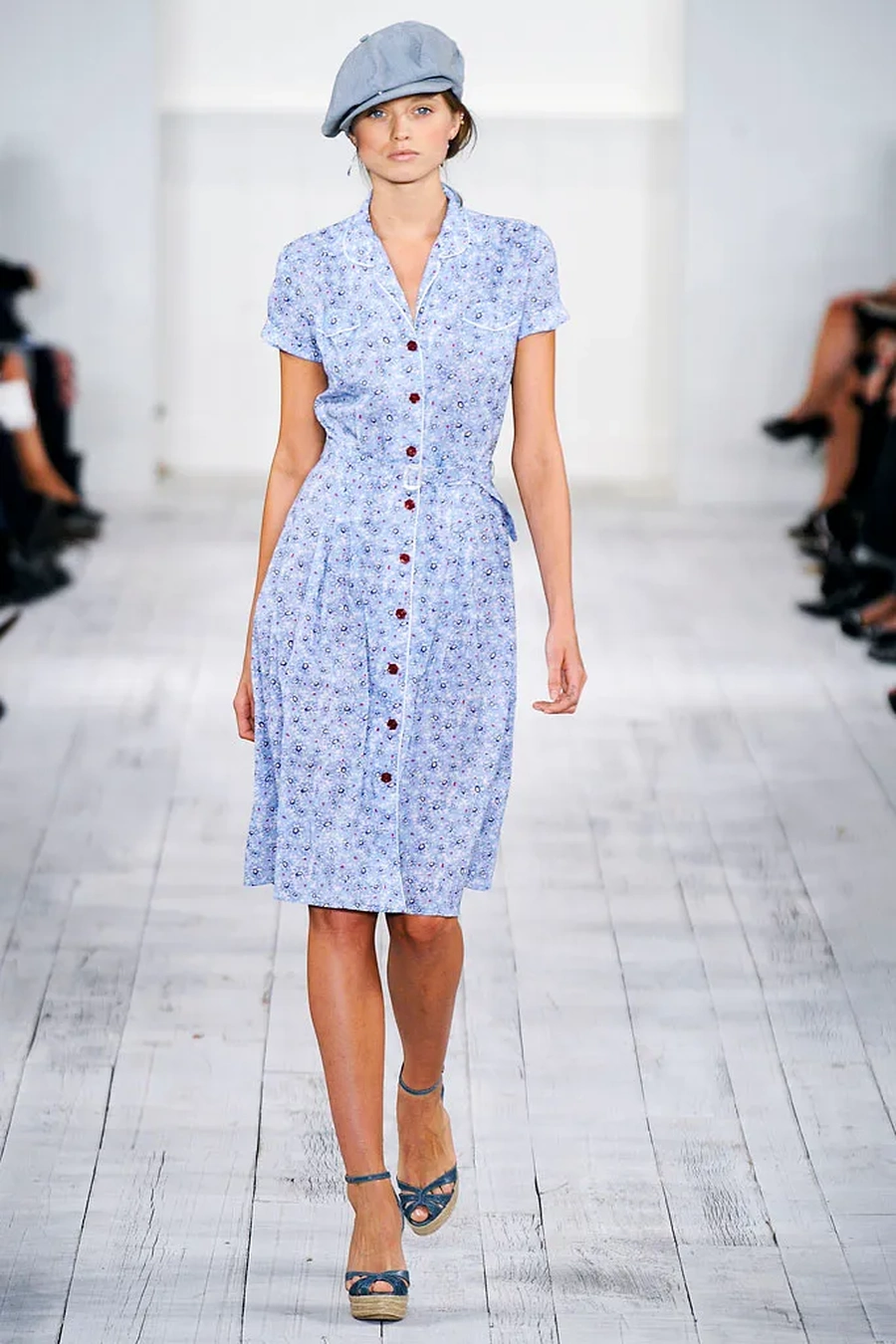
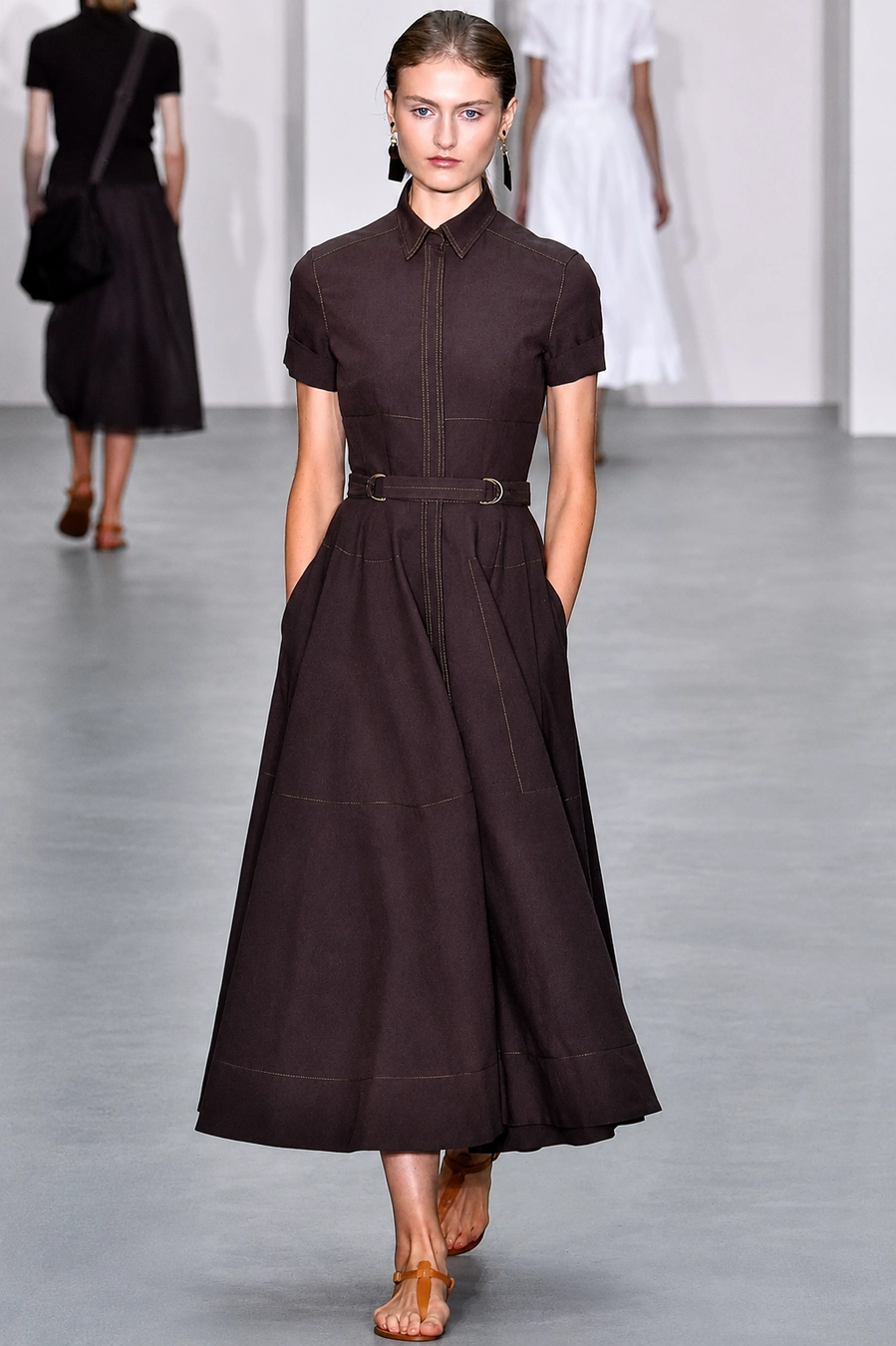
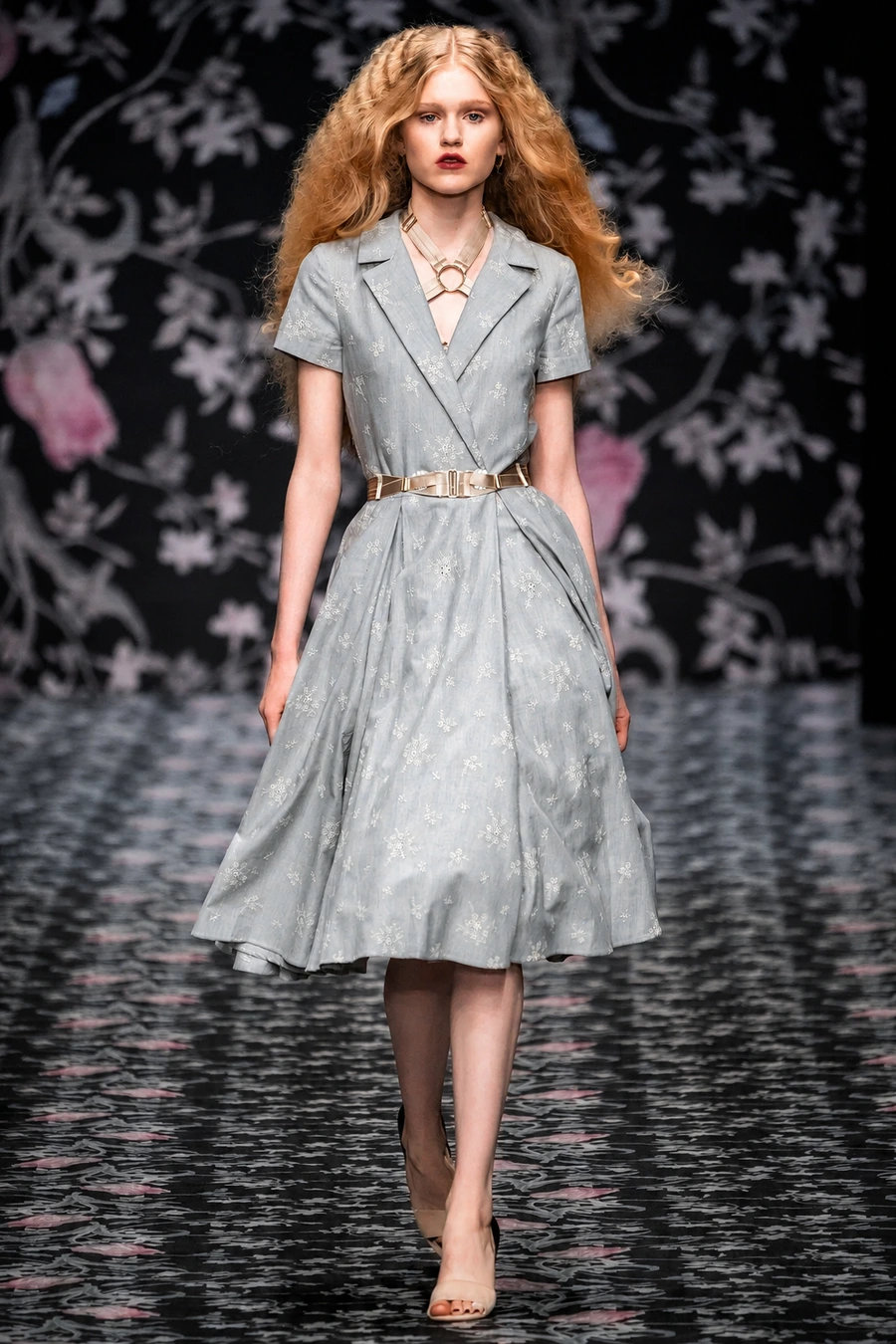
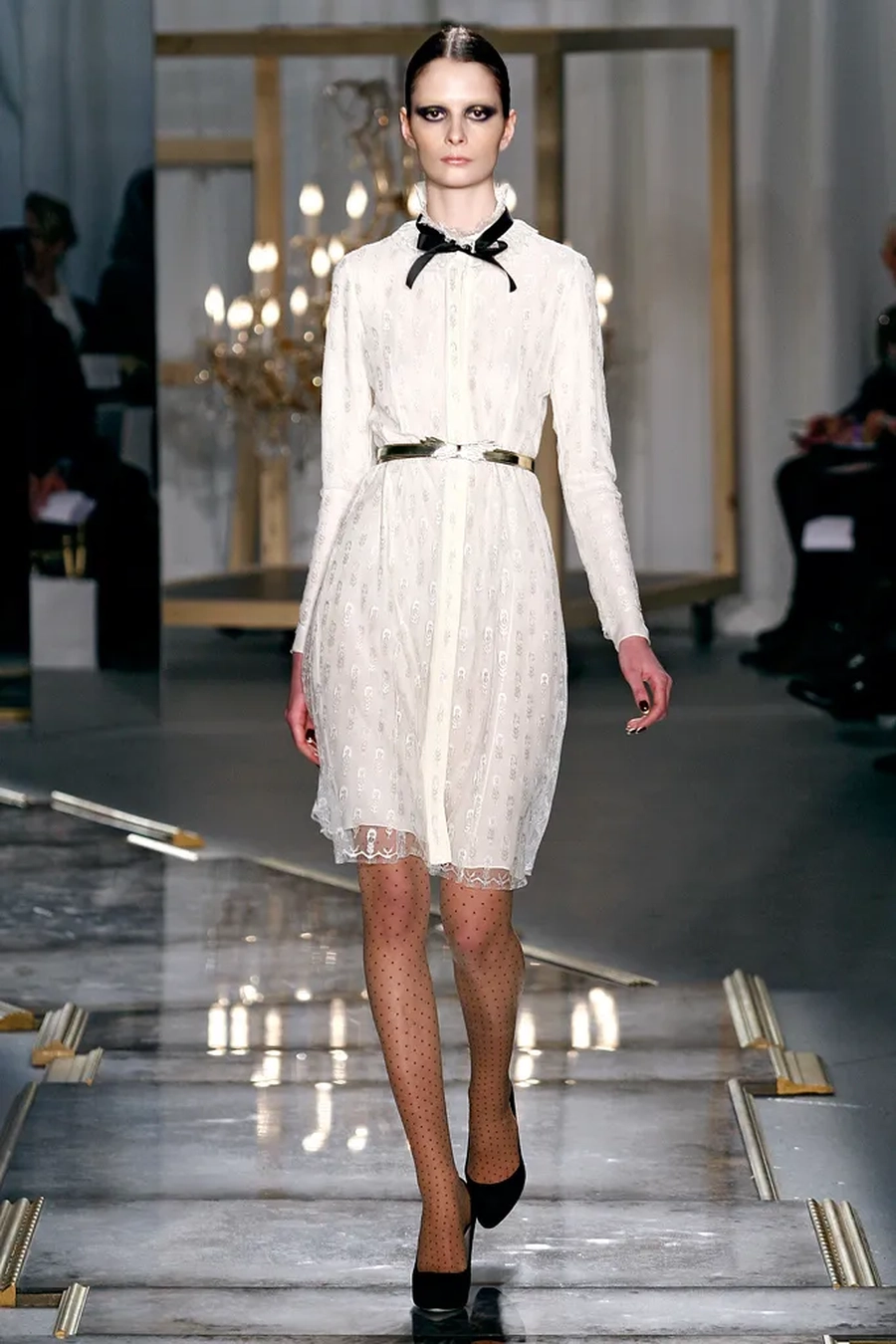
The mood often lingers in fragments. A belted coat, a strict shoulder, a compact hat, a narrow skirt, or a polished day dress can carry the decade without announcing it too loudly, as if 40s style had slipped into contemporary fashion through posture. Its presence stays quiet, but the effect is unmistakable: a woman made sharper by restraint, calmer by structure, and more mysterious by everything left unsaid.
Cinema gives 40s style another kind of afterlife, softer around the edges and easier to enter through mood. On screen, the decade can become sunlit romance or polished danger, shifting from cotton dresses and curled hair to satin gowns, veiled hats, and a waistline held with quiet intention.
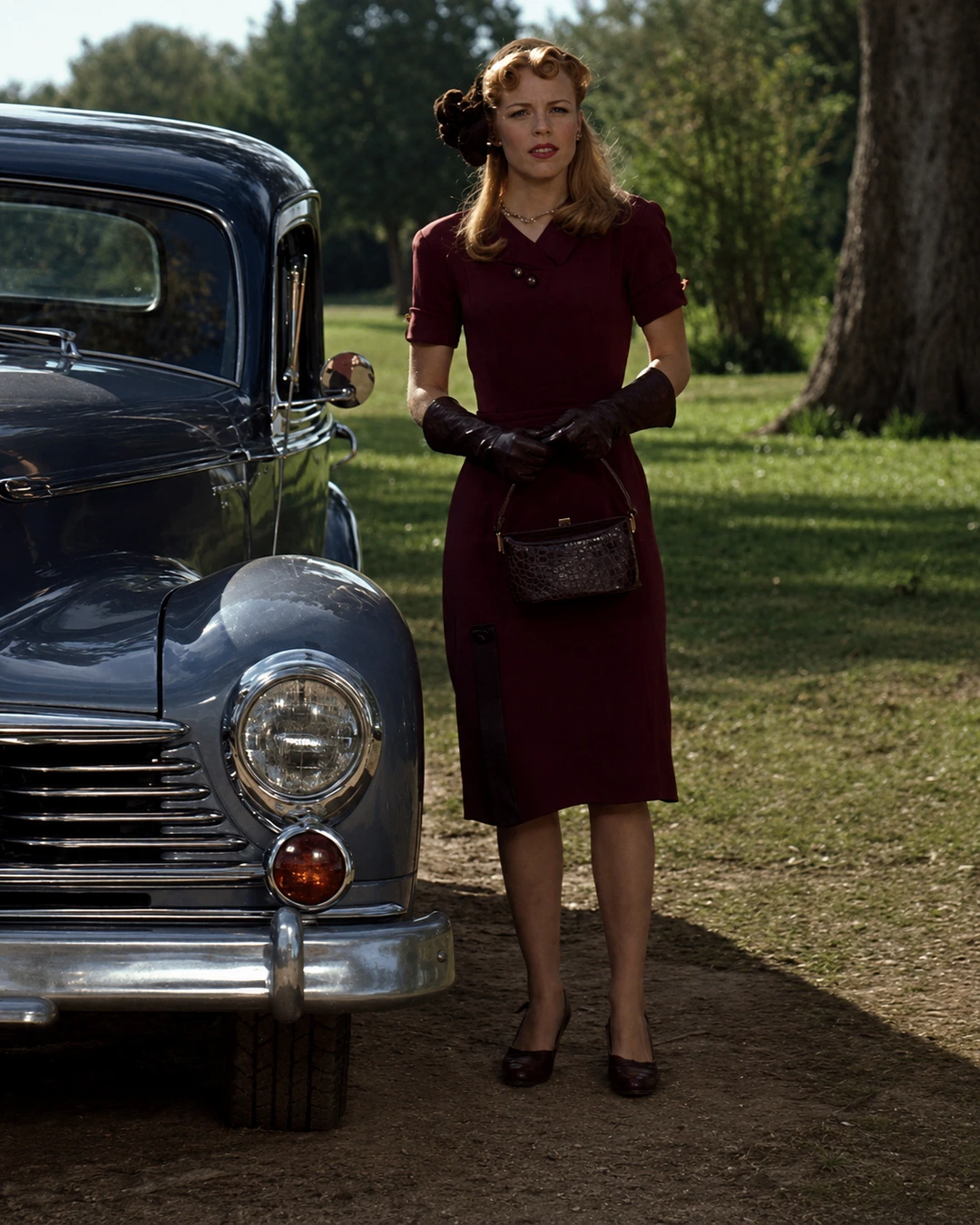
The Notebook gives 40s style its romantic daylight. Through Allie Hamilton, the decade appears in floral dresses, fitted cardigans, high-waisted trousers, curled hair, and summer fabrics that seem made for porch light, lake air, and handwritten letters. Her wardrobe avoids heavy wartime severity, leaning into softness and youthful polish while still keeping the era’s clear sense of proportion close to the body.

Allied brings 40s style into a darker, more dangerous register. Marion Cotillard’s wardrobe moves through satin gowns, veiled hats, tailored suits, and red-lipped restraint with the calm precision of a woman who treats glamour like strategy. Every drape, waistline, and controlled gesture seems to hide another story beneath the surface, turning the decade into a language of secrecy and screen-siren command.
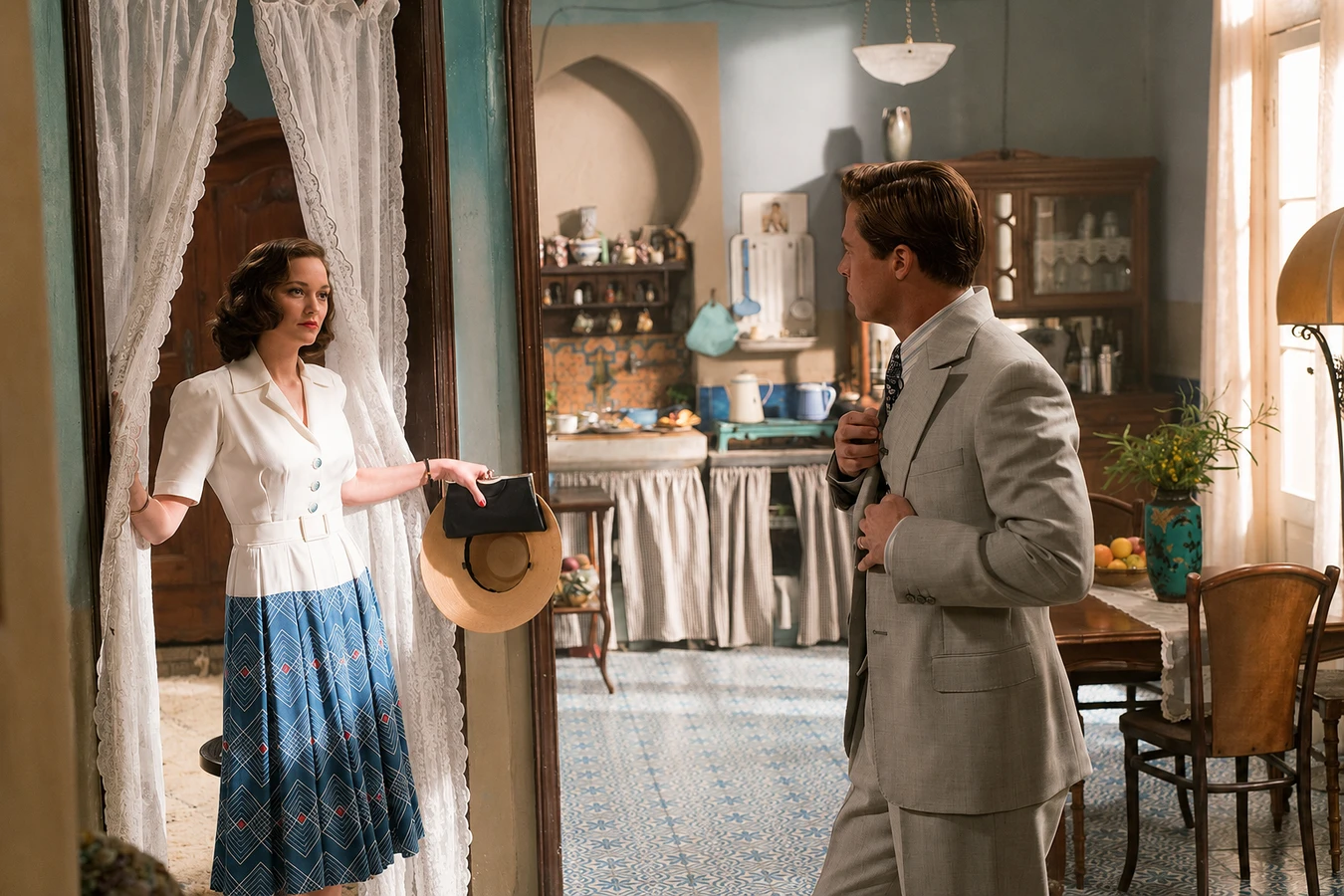
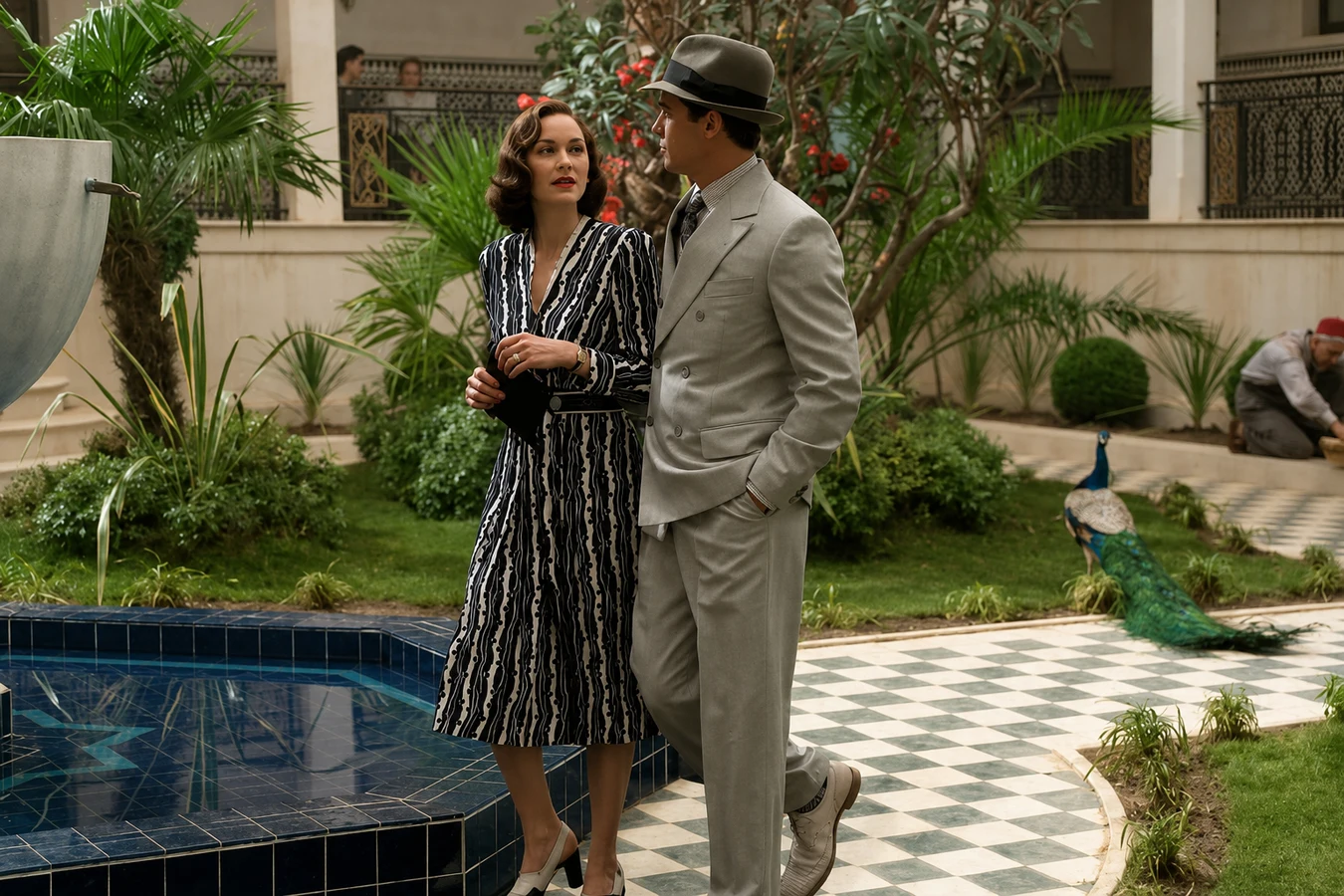
Together, the two films show how easily 40s style can move between tenderness and tension. One gives the decade sunlight; the other gives it shadow, yet both keep the same unmistakable shape: composed, feminine, and quietly cinematic.
40s style leaves fashion with an image that refuses to loosen its grip. A woman moves through the decade with her shoulder set, her waist held, her gaze steady, and her elegance sharpened by everything the world tried to take away. Scarcity may have shaped the cloth, but it also gave the silhouette its nerve.
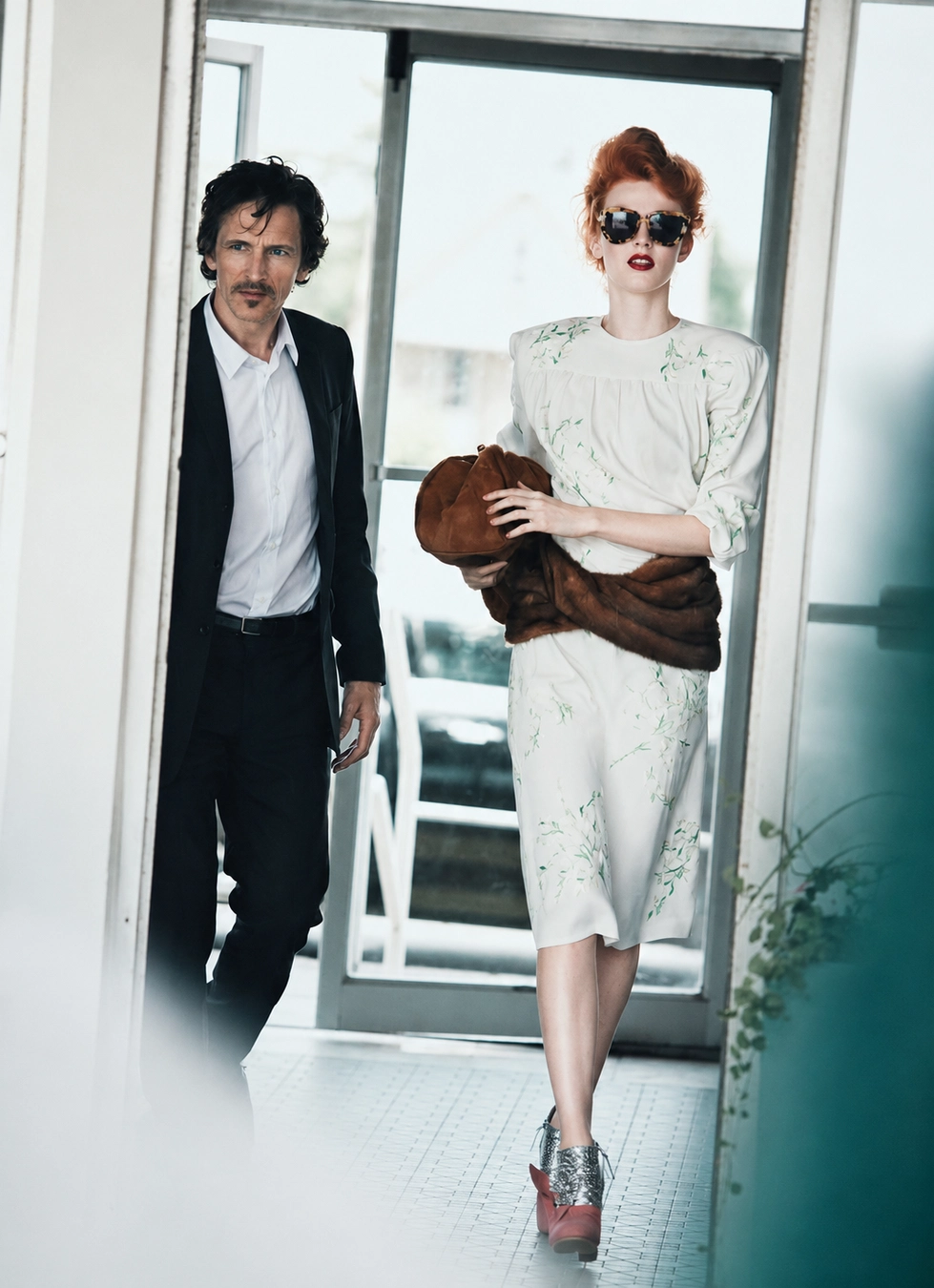
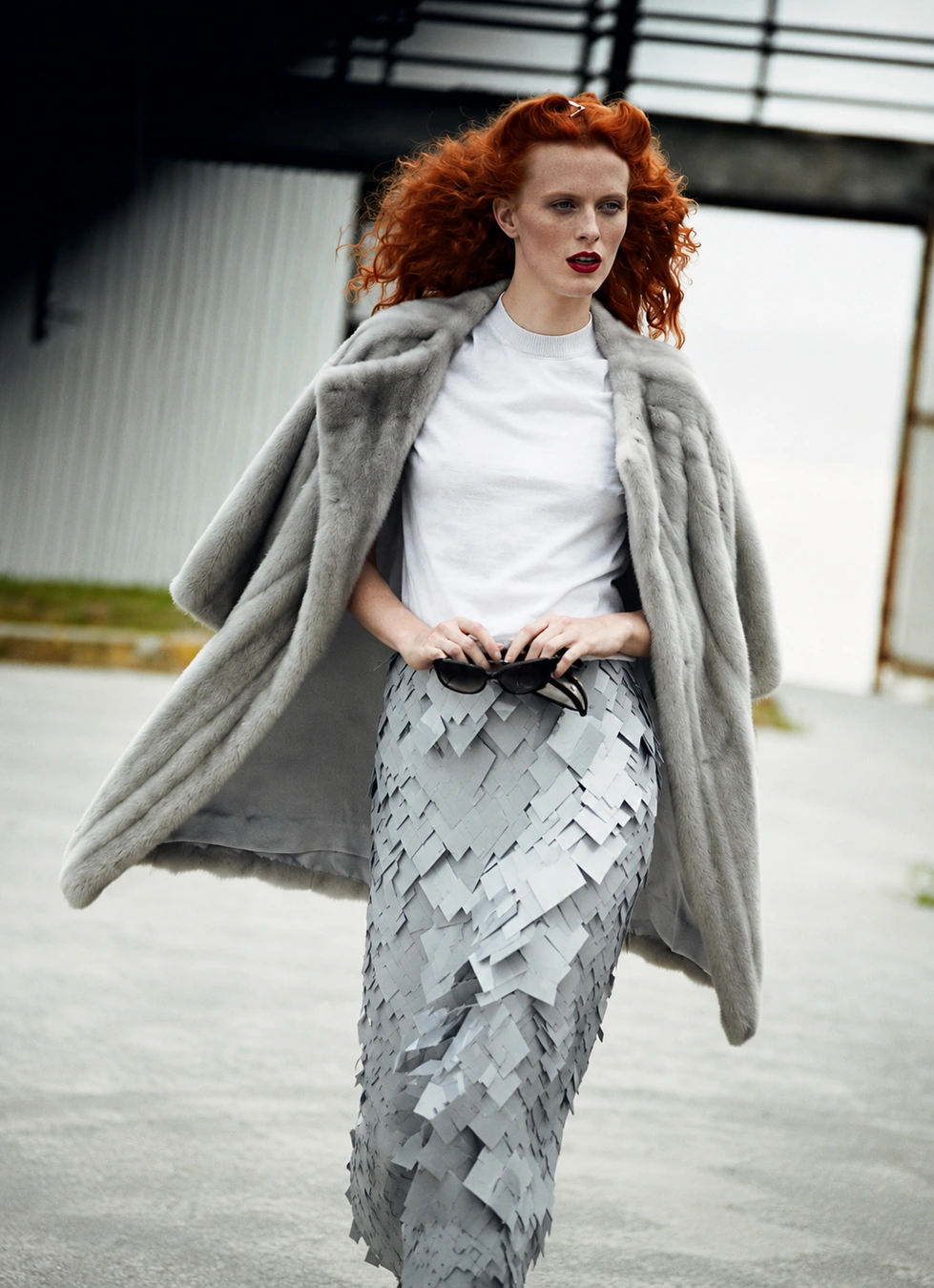
Its legacy survives in the strange magnetism of restraint. A belted jacket, a tilted hat, a narrow skirt, a red lip, a dress cut close to the body under evening light with each detail carrying the same quiet command. 40s style lets glamour stand straighter, speak lower, and stay longer in the room.
40s style endures as elegance with a spine. Its beauty comes from pressure held with grace, from a woman moving through uncertainty while keeping her outline sharp against the world. Even when cloth was rationed and glamour had to speak more quietly, the style kept its charge, proving that composure can be as seductive as excess when every line knows exactly where to stand.
Advertisement