MENU
Close





The line bends, and the body changes mood. Curved line carries that small disruption, where softness gains direction and femininity appears like a motion still unfolding.
The line bends, and the body changes mood. Curved line carries that small disruption, where softness gains direction and femininity appears like a motion still unfolding.
July 1, 2026
Advertisement
Advertisement
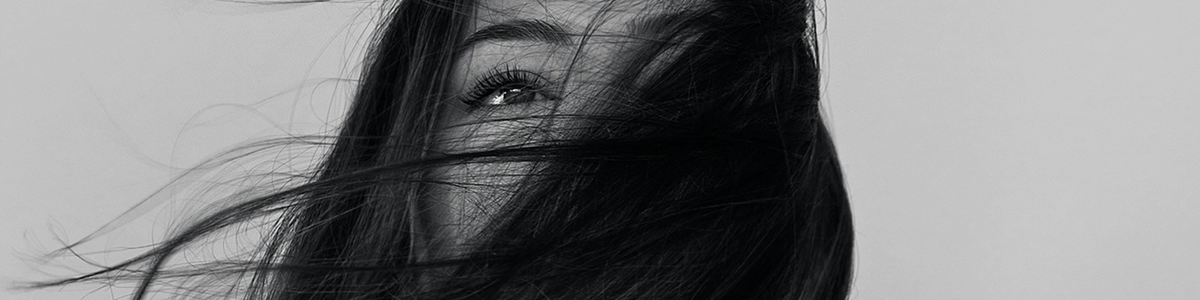


A straight line can discipline a garment, but a curve knows how to seduce it. It slips from shoulder to waist with a private rhythm, bends through the hip as if remembering the body before the pattern was drawn, then disappears into a hem that seems to keep moving after the wearer has stopped. The eye follows because the line has already taken control.
Curved line carries softness with a pulse underneath it. A skirt may bloom in a circular sweep, a neckline may fall into a quiet shadow, and a seam may travel across the torso like a hand moving through air.
The intimacy lies in this kind of construction, where curved lines echo the body’s natural rhythm and give it room to live inside the fabric that is somehow shaping femininity as presence and perhaps self-possession. The body becomes a landscape of arcs and soft turns, held by cloth that follows without surrendering its own design.
The drama of the curved line shouts at its refusal to stay still. It lets the eye wander around the figure, slows the gaze into a circular path, and turns a garment into something almost breathing. Softness here has tension, beauty has direction, and every curve seems to carry the memory of a woman moving before anyone could frame her.
A curved line is shaped by lines that bend around the body with visible softness and direction. Its form can appear through a rounded hem, a draped neckline, a circular skirt, an S-shaped seam, or a waistline that curves across the figure with deliberate ease. The curve becomes the garment’s main movement, guiding the eye through the body in a slow, continuous rhythm.
Fashion has always returned to this kind of line whenever it wants the body to appear more fluid, more alive, and more closely connected to the movement of cloth. The curve may soften the shoulder, open through the skirt, fall across the collarbone, or carve an hourglass shape with quiet precision. In each case, the silhouette carries a sense of femininity shaped through flow, where the garment seems drawn around the woman with instinct as much as design.
Madeleine Vionnet gave this language one of its most influential modern forms through the bias cut, allowing fabric to fall diagonally across the body and follow its natural arcs with liquid control. Her dresses made the curve look intelligent, intimate, and almost inevitable, as if the cloth had discovered a softer way to speak to the figure. From there, the curved line became a fashion tool for sensuality without excess, using cuts and gravity to create motion.
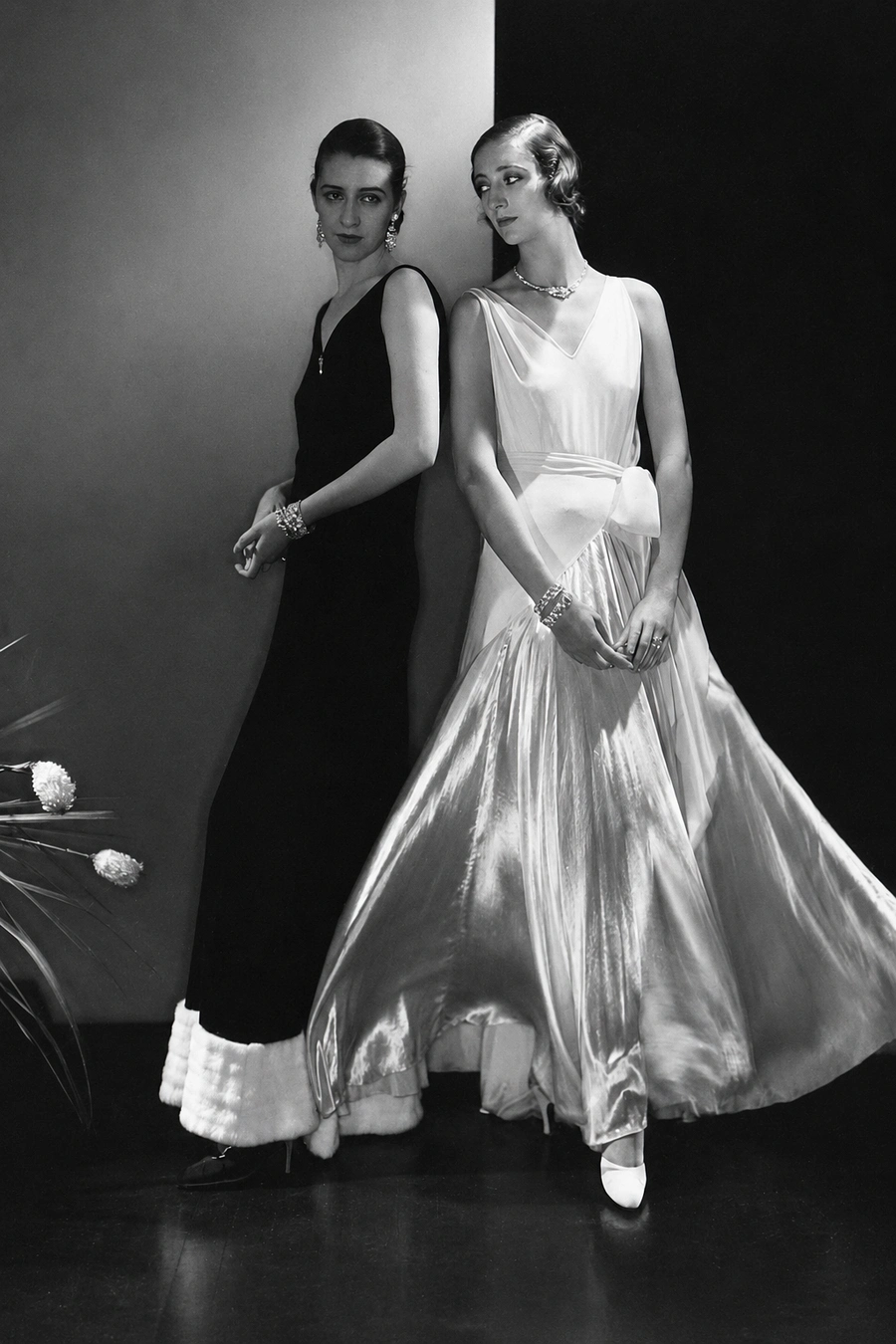
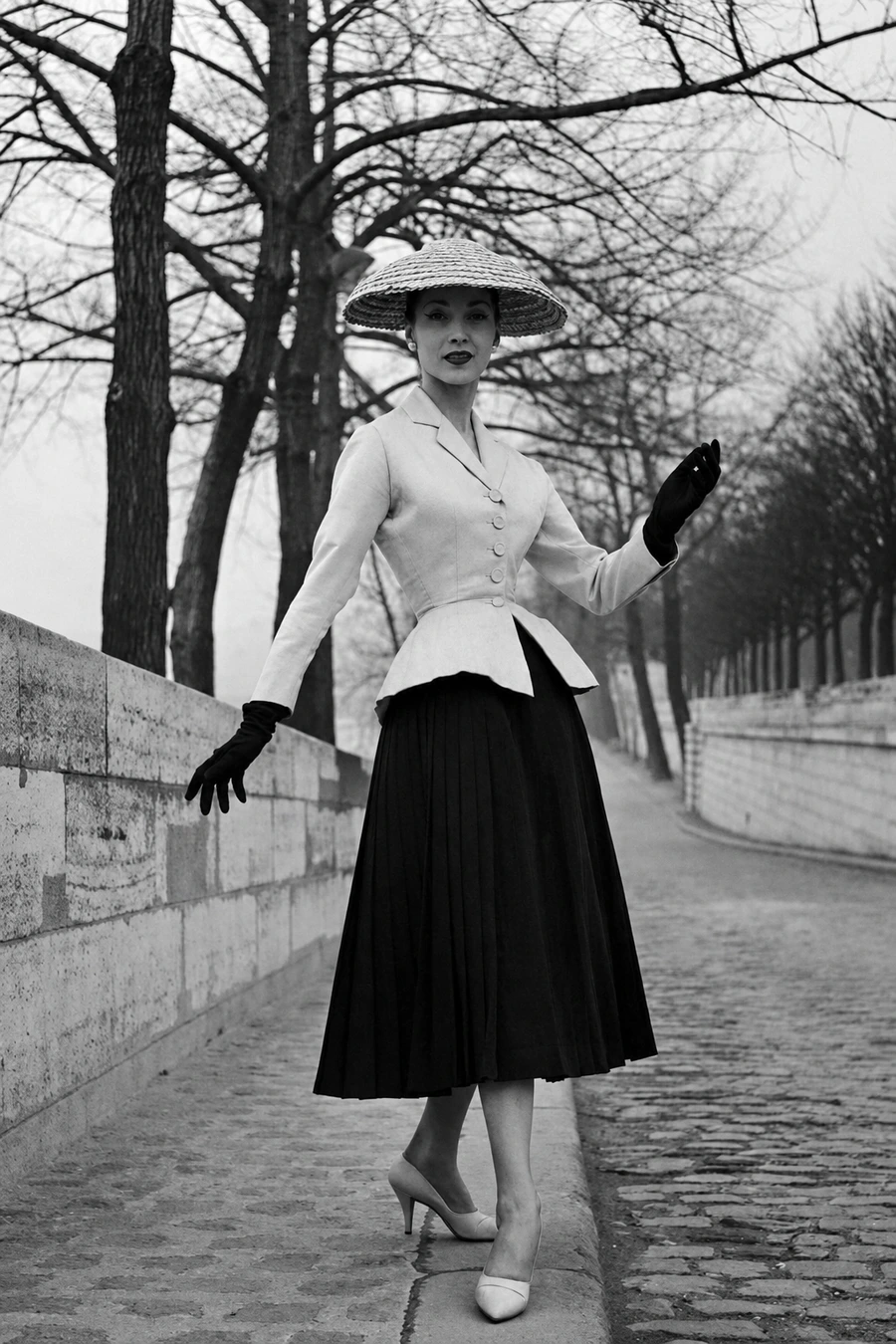
By mid-century, the curve gained a more sculptural force. Charles James built gowns around hidden arcs, swelling volumes, and inward turns, giving softness a dramatic architecture. Christian Dior then brought the curved line into fashion’s most famous postwar silhouette with the New Look, where the waist drew inward and the skirt opened outward in a gesture of ceremony, romance, and renewal.
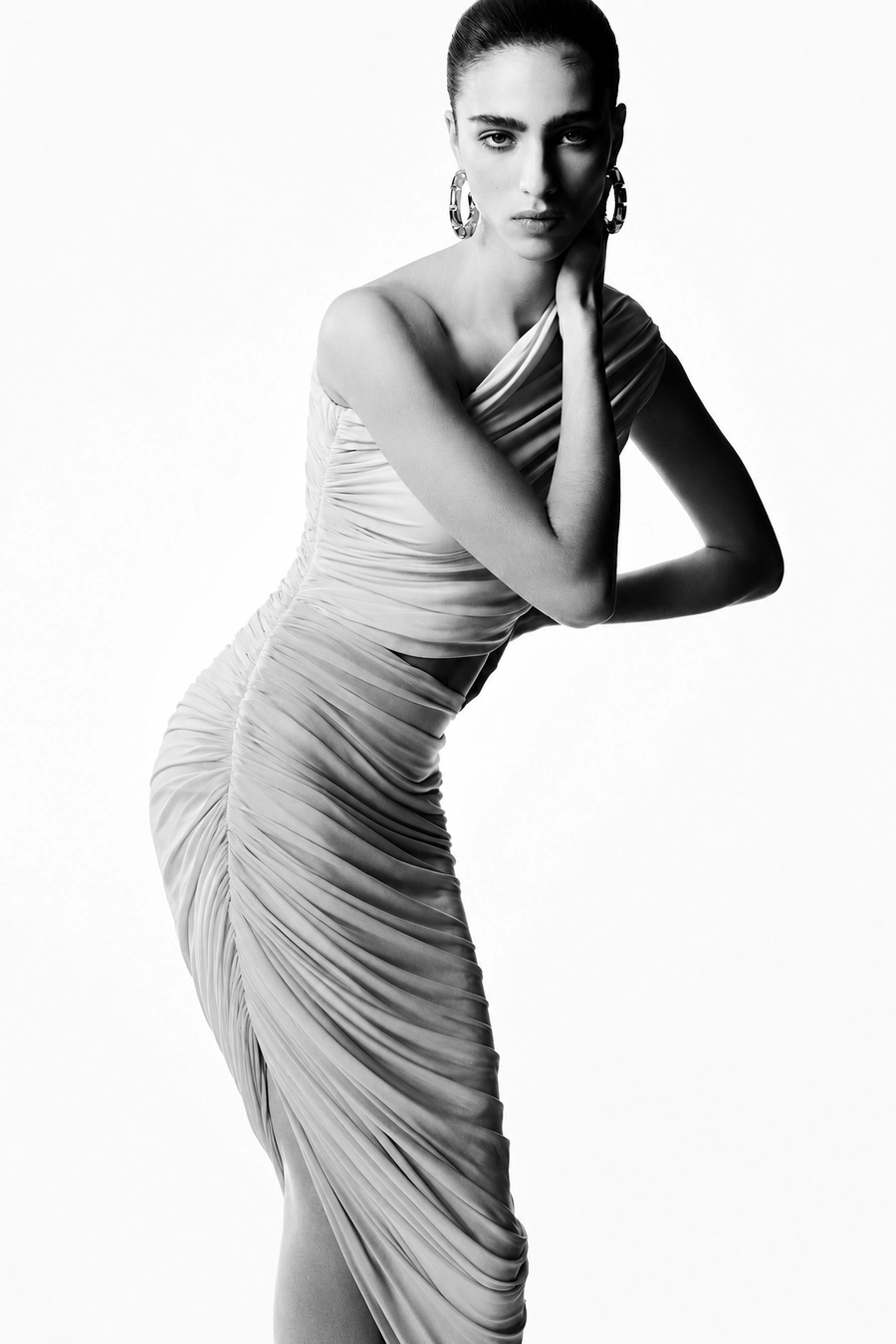
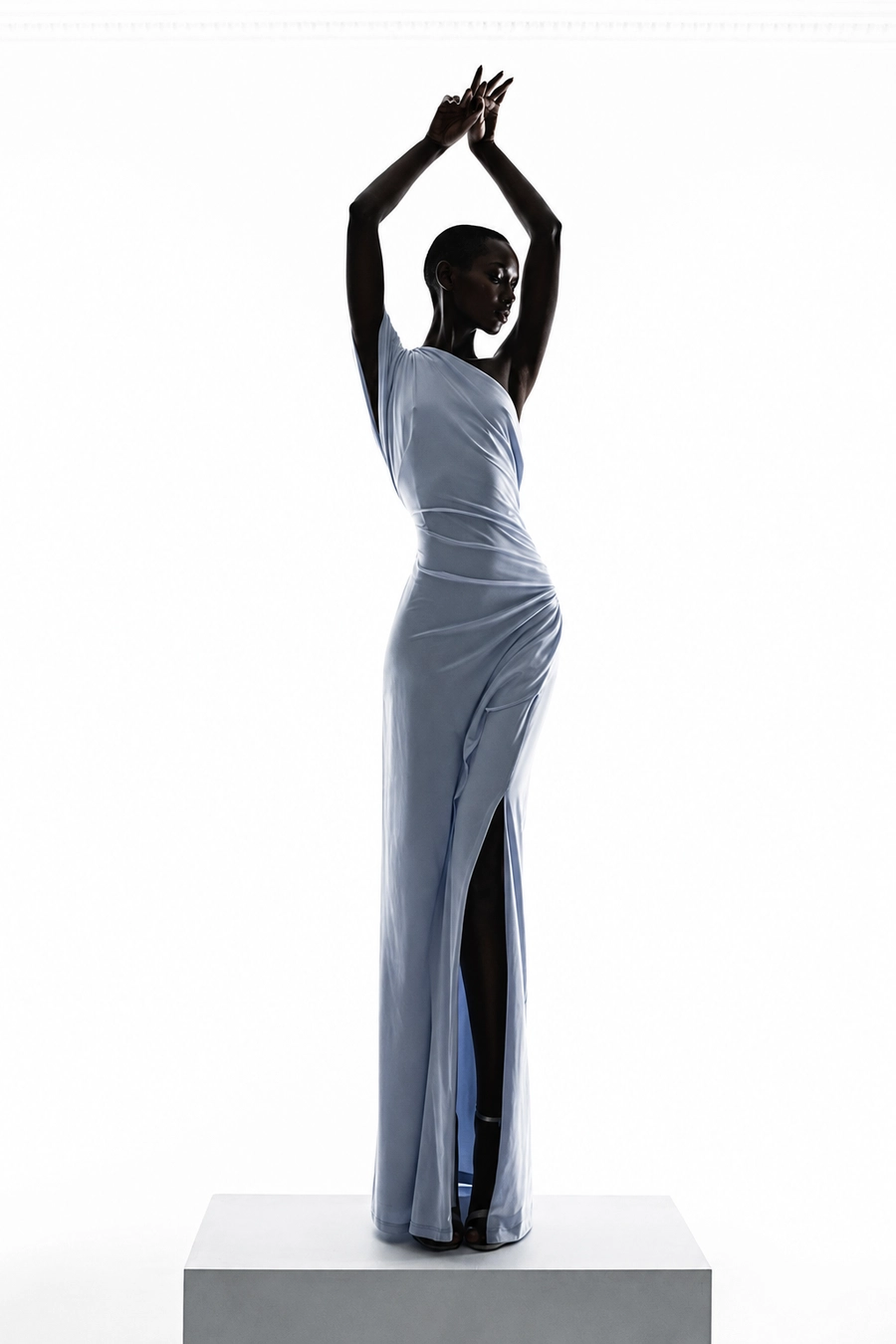
The curved line carries all of these histories inside its shape. It can be gentle through a circular skirt, sensual through a bias-cut dress, dramatic through couture volume, or nostalgic through an hourglass line. What connects them is the same visual instinct: a garment that lets the eye move around the body, following a curve that seems to continue even after the woman has left the frame.
Once the curve becomes the garment’s main gesture, construction has to make softness behave with intention. On pattern paper, that softness is already technical: a line must be angled, widened, released, or carved so the fabric can move around the body with a sense of natural ease. The beauty may look effortless from the outside, yet the curve only appears alive when the cut has already given it a path to follow.
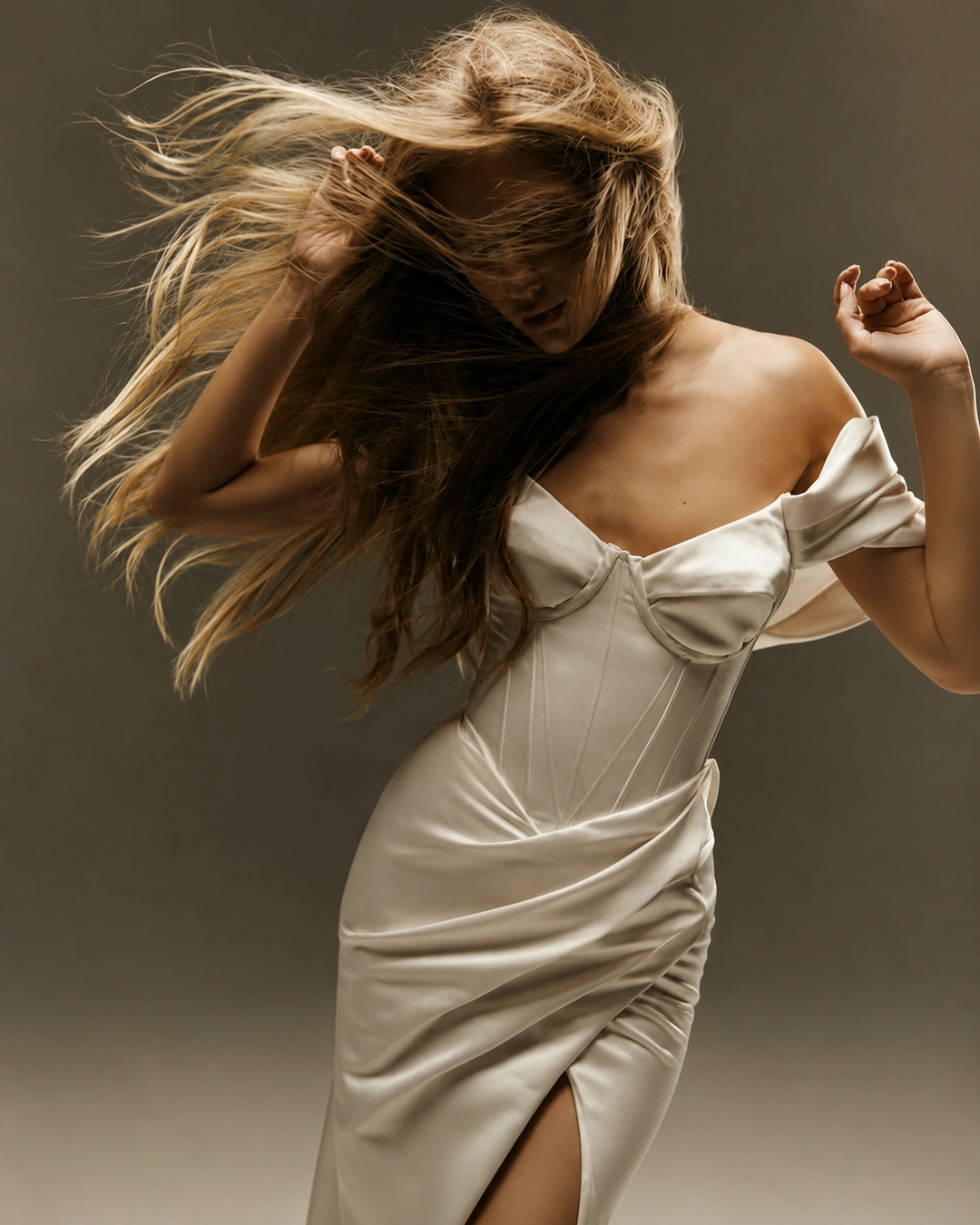
Circular cutting gives the curved line its most generous release. Fabric opened from a central point can turn the lower body into a quiet orbit, allowing the skirt to swing outward, return inward, and leave the hem moving in soft waves around the legs. The waist keeps the garment anchored, while the fabric below it carries a fuller rhythm, letting femininity appear through motion instead of decoration.
From that wider movement, the curve can draw itself closer to the skin through draping. A neckline that falls in a soft arc changes the entire mood of the upper body, because fabric begins to gather shadow, weight, and intimacy around the collarbone. Across the torso, curved folds can pull the eye through a slower path, shaping the figure with the grace of cloth guided by gravity and touch at once.
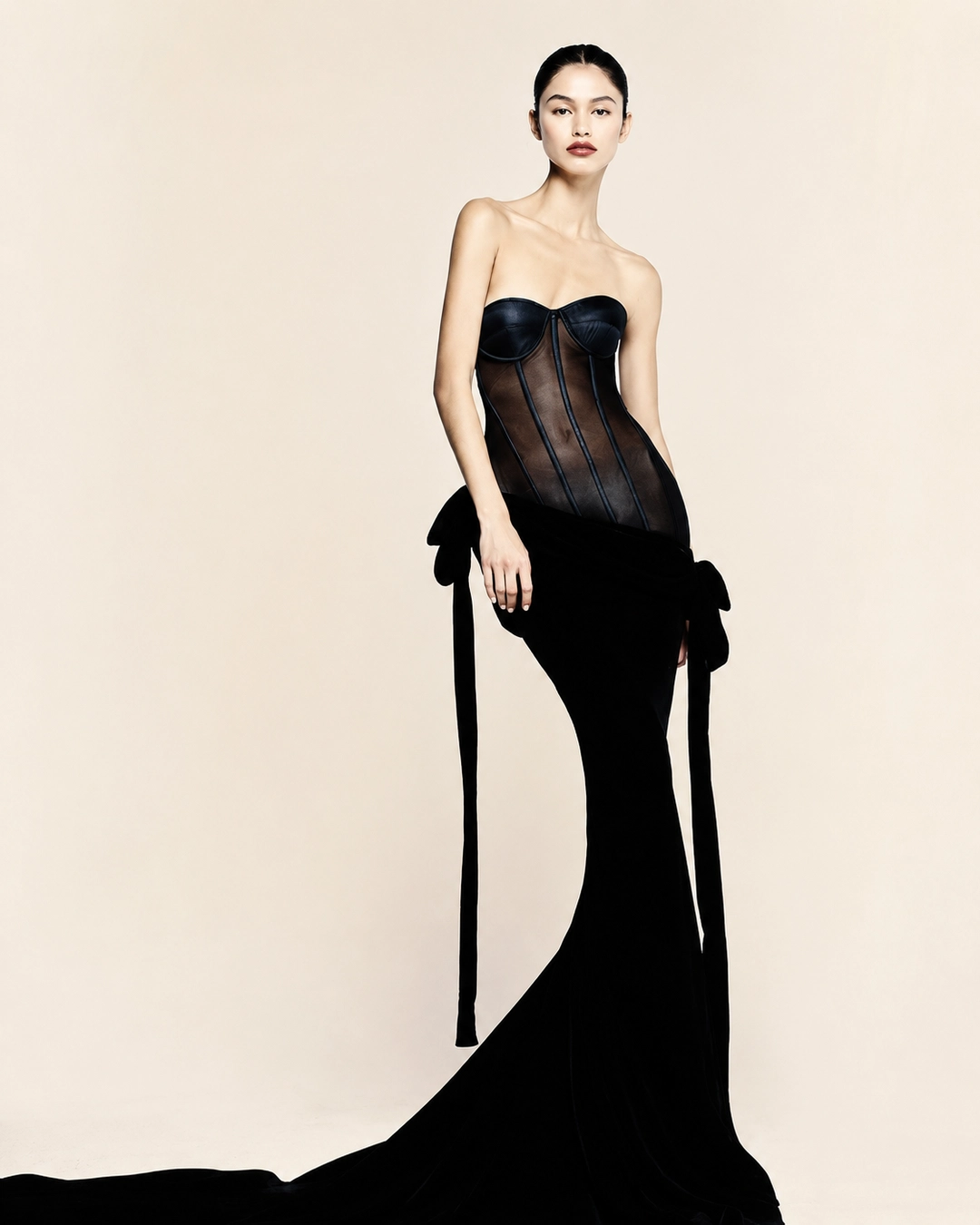
Seams make the curve more deliberate. An S-shaped seam can tilt the body into a gentle rhythm, while a curved waistline can draw attention inward without making the silhouette feel forced. The line may travel across the shoulder, dip through the waist, or bend around the hip, yet its purpose stays the same: to guide the eye through the body as if the garment were sketching movement directly onto the figure.
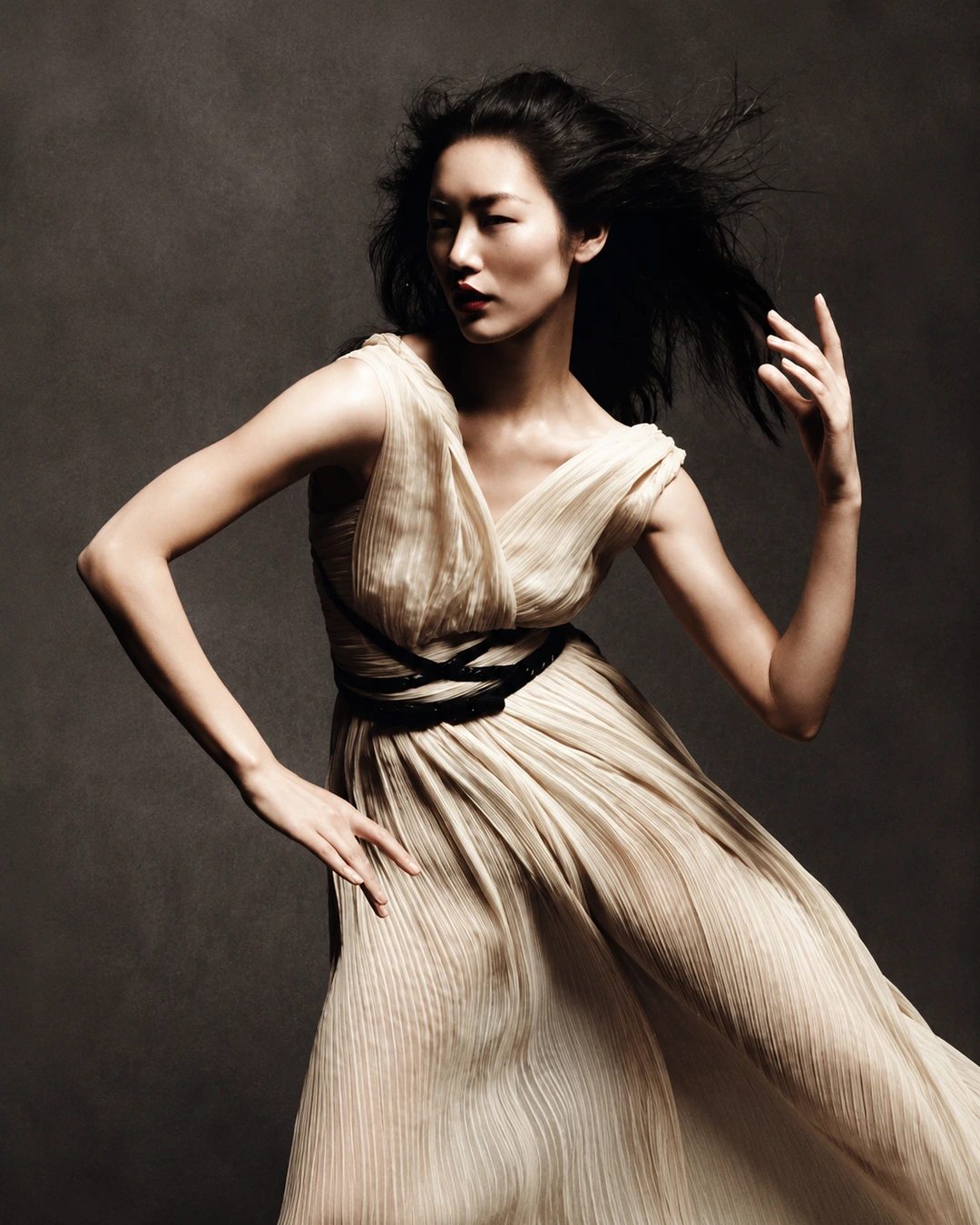
Edges finish the thought. A rounded hem softens the final outline of a dress, while a petal-like panel or scalloped finish can make the garment appear lighter at the border, as though the fabric is still opening. These details work best when they belong to the same motion as the cut, allowing the curve to continue from neckline to seam to hem without breaking the visual flow.
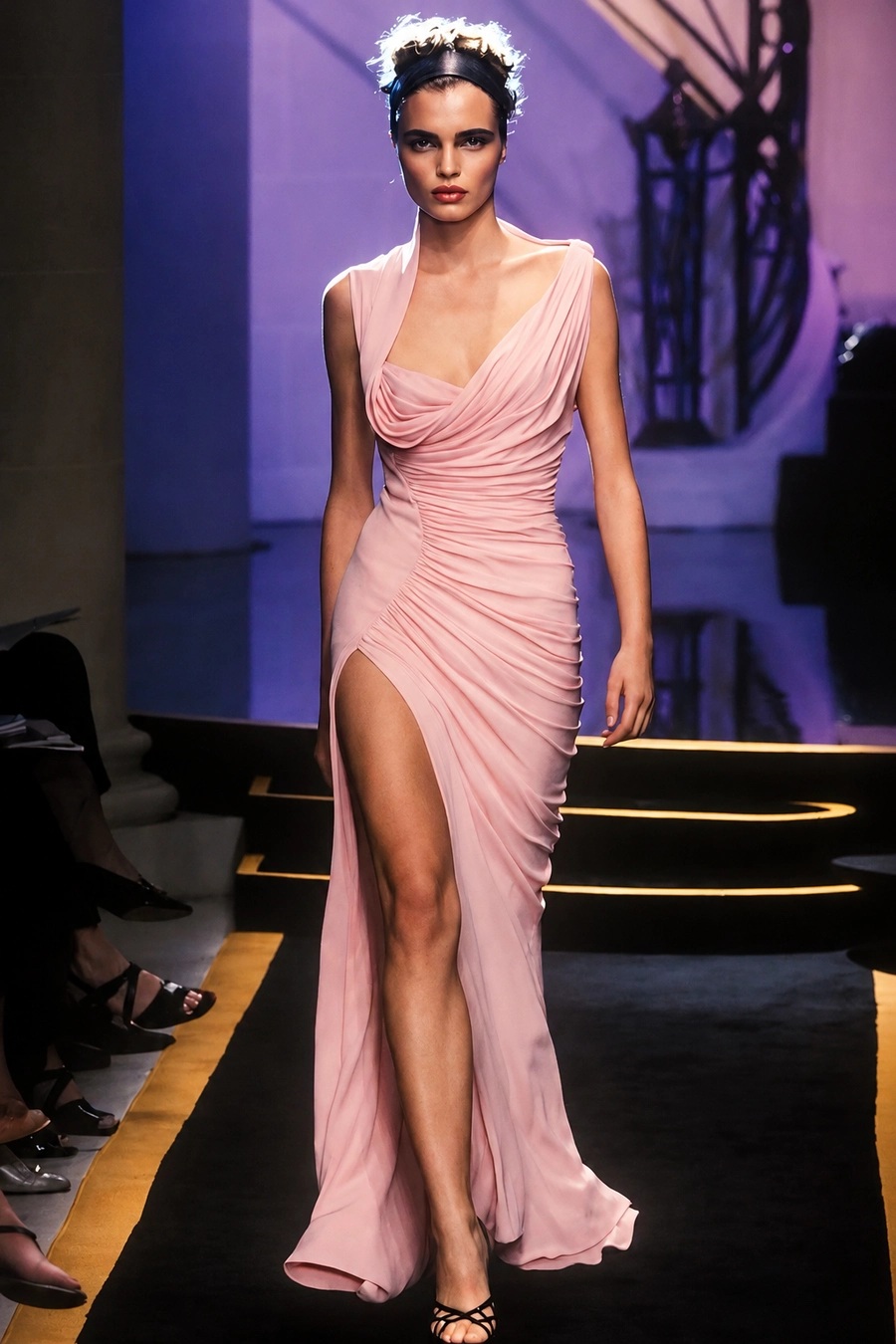
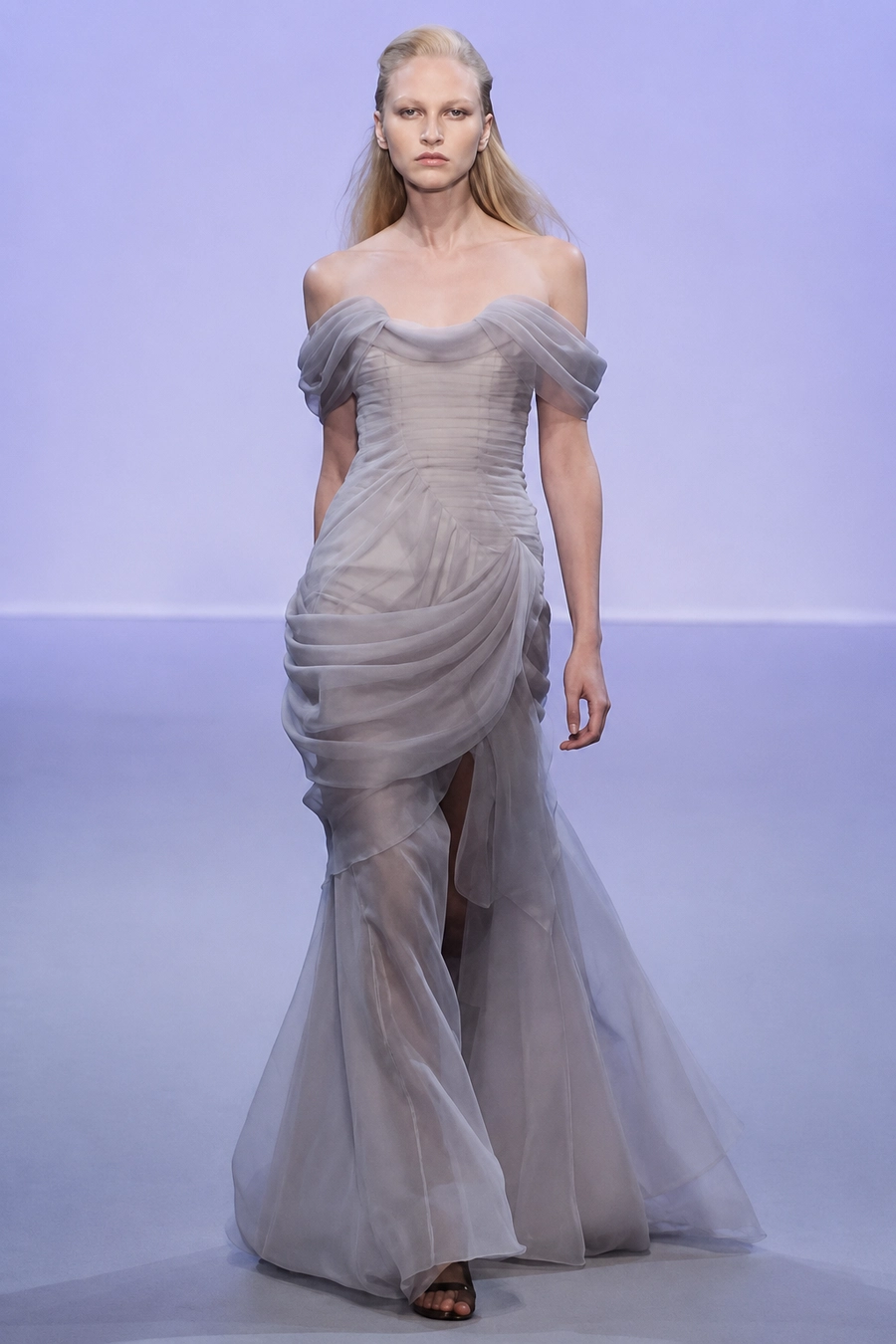
At its most refined, curved line turns construction into a kind of choreography. The fabric does not simply cover the body; it travels with it, circles it, softens it, and leaves the eye following a movement that seems to continue after the wearer has passed.
Curved line belongs to the moment a woman stops looking framed and begins looking drawn by motion itself. Around her, fabric loses the mood of obedience; it rounds, dips, swells, and slips into a rhythm that seems to come from somewhere beneath the skin. The line moves as if it has heard the body first, then chosen to follow with a softer kind of danger.
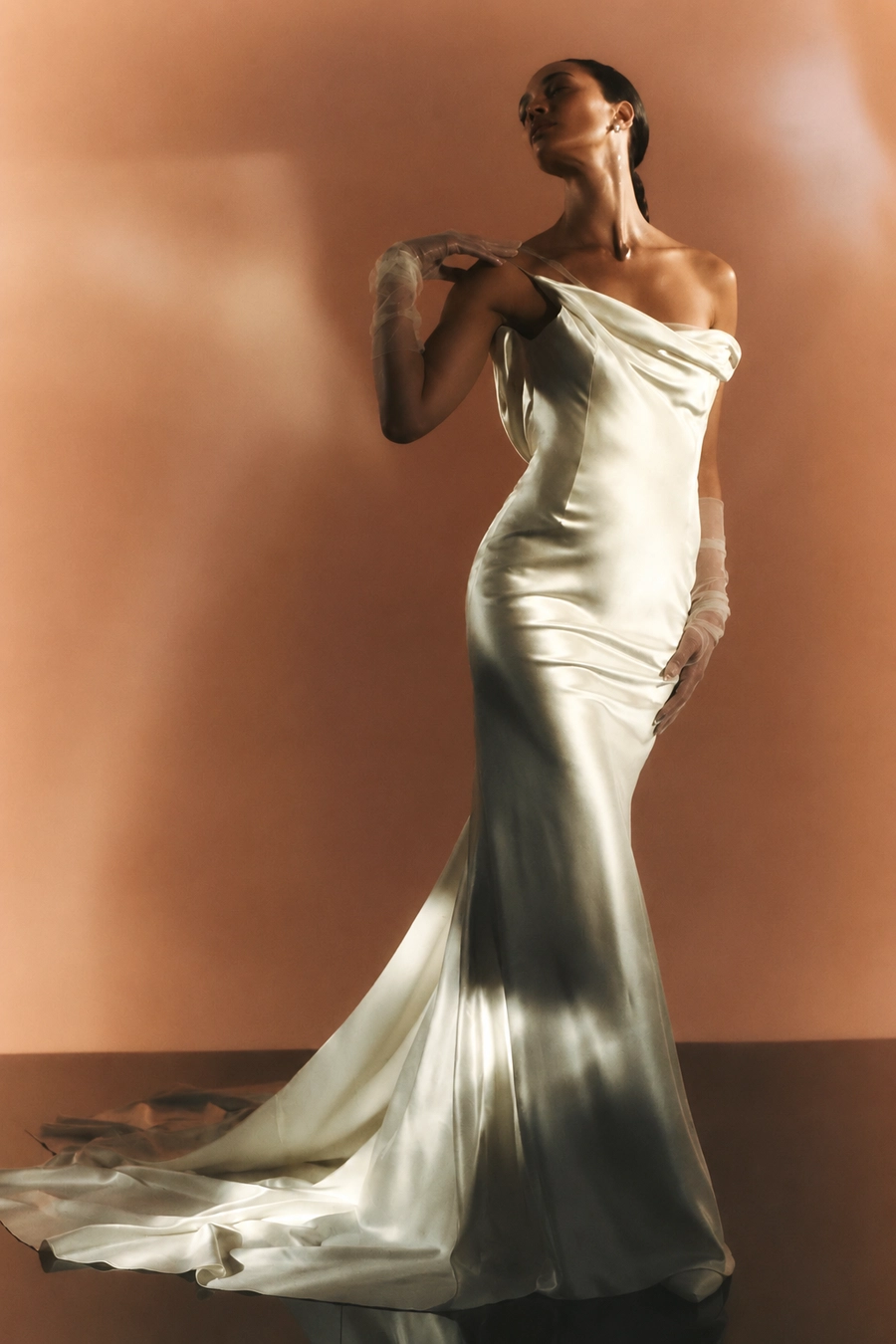
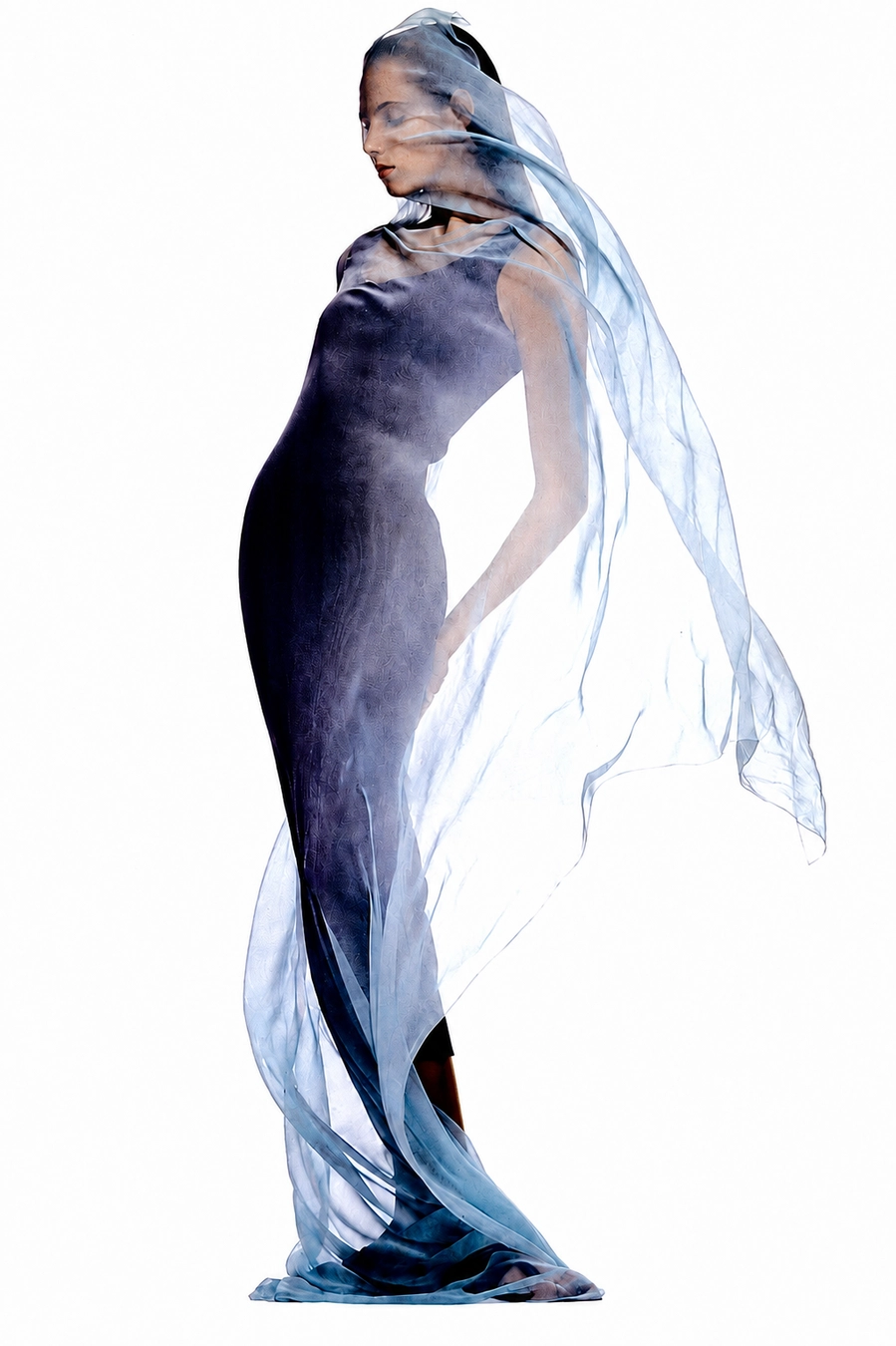
In this silhouette, femininity becomes fluid without becoming fragile. A curve can whisper across the shoulder, disappear into the waist, then return to the hem like a thought refusing to end, leaving the eye caught inside its slow orbit. There is romance here, but it has a pulse; there is delicacy, but it knows how to command a room without sharpening its voice.
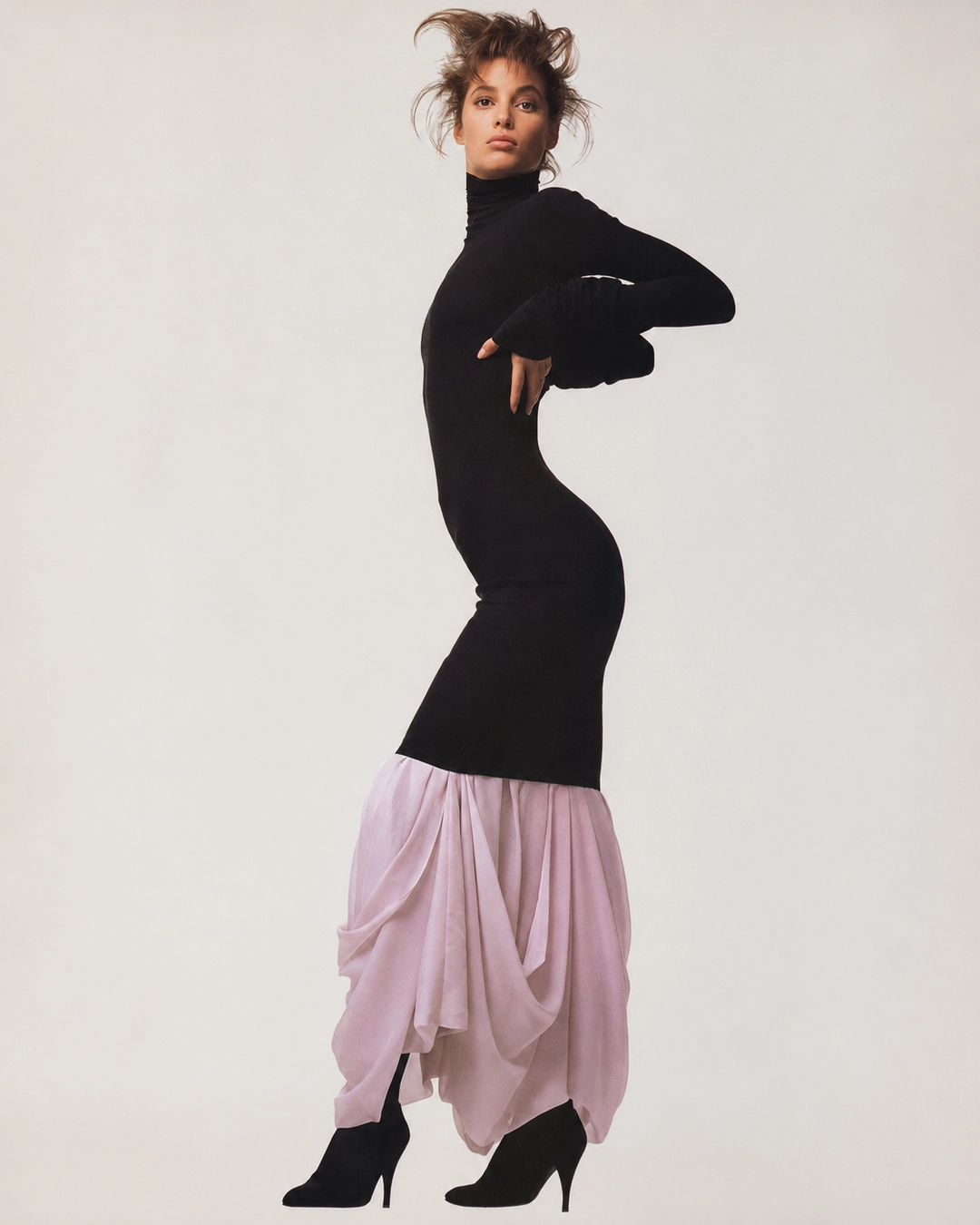
The curved line turns softness into a private force, one that bends around the figure and makes stillness look temporary. The woman inside it seems less dressed than set in motion, as if the garment has borrowed the shape of water, breath, and memory to draw her again. Every curve leaves a trace behind her, a quiet proof that grace can move like instinct and still cut through the air.
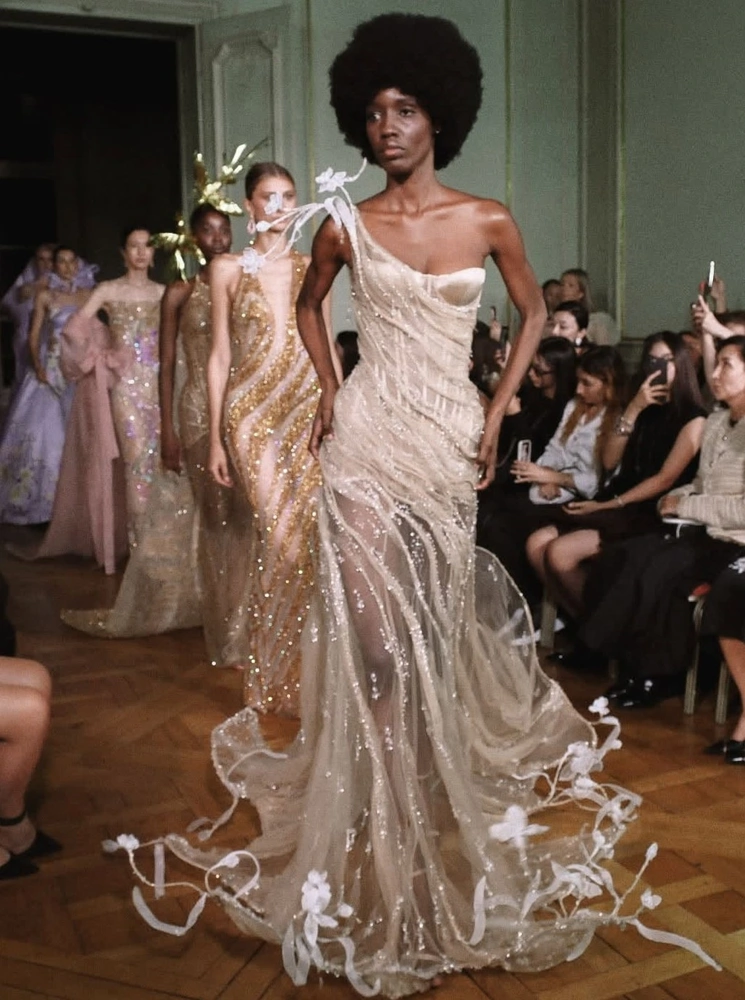
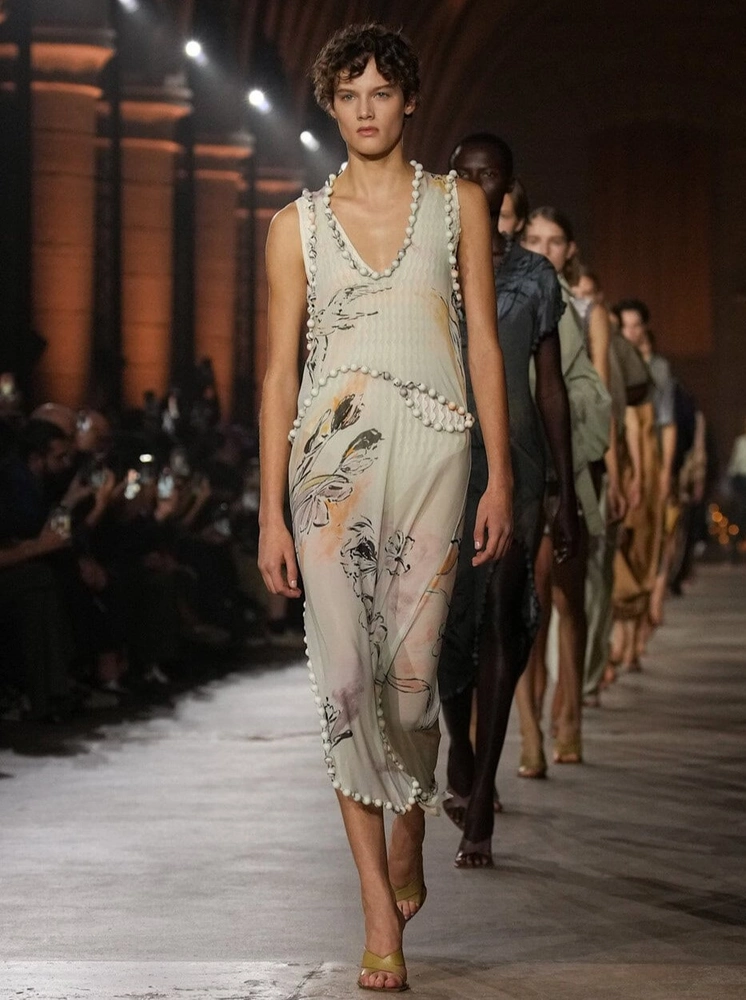
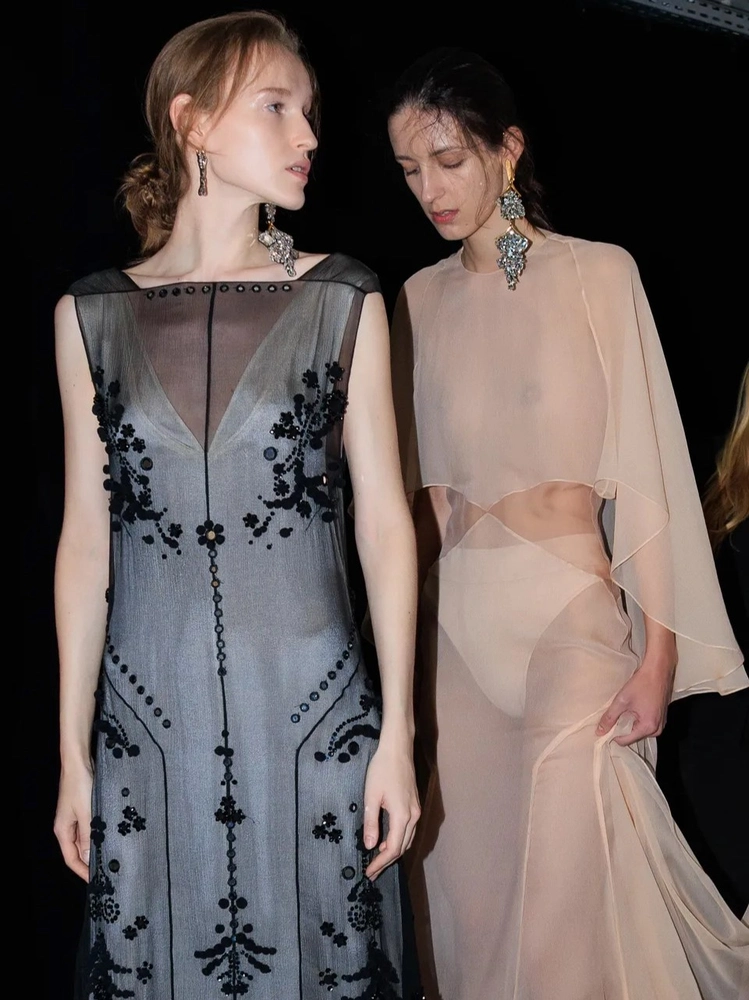
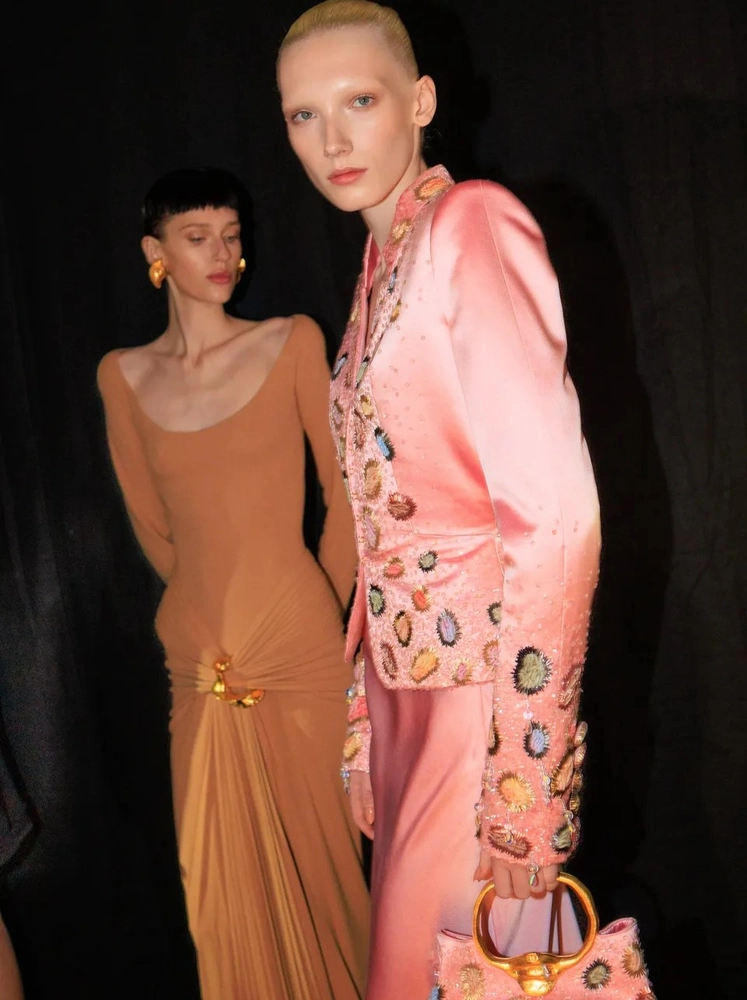
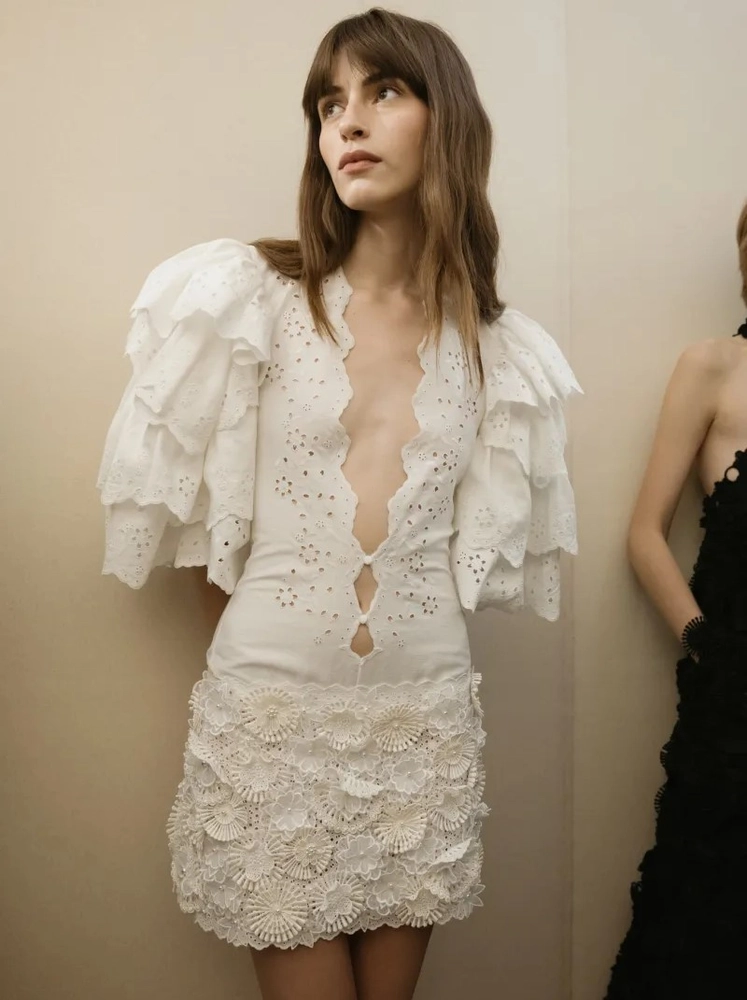
Under runway light, the curved line becomes easiest to read when the garment lets the eye travel in arcs: around the waist, across the shoulder, through the hip, into a rounded hem, or along a drape that seems to continue after the body has moved. The strongest examples let it shape the whole mood of the look, turning softness into structure and femininity into motion.
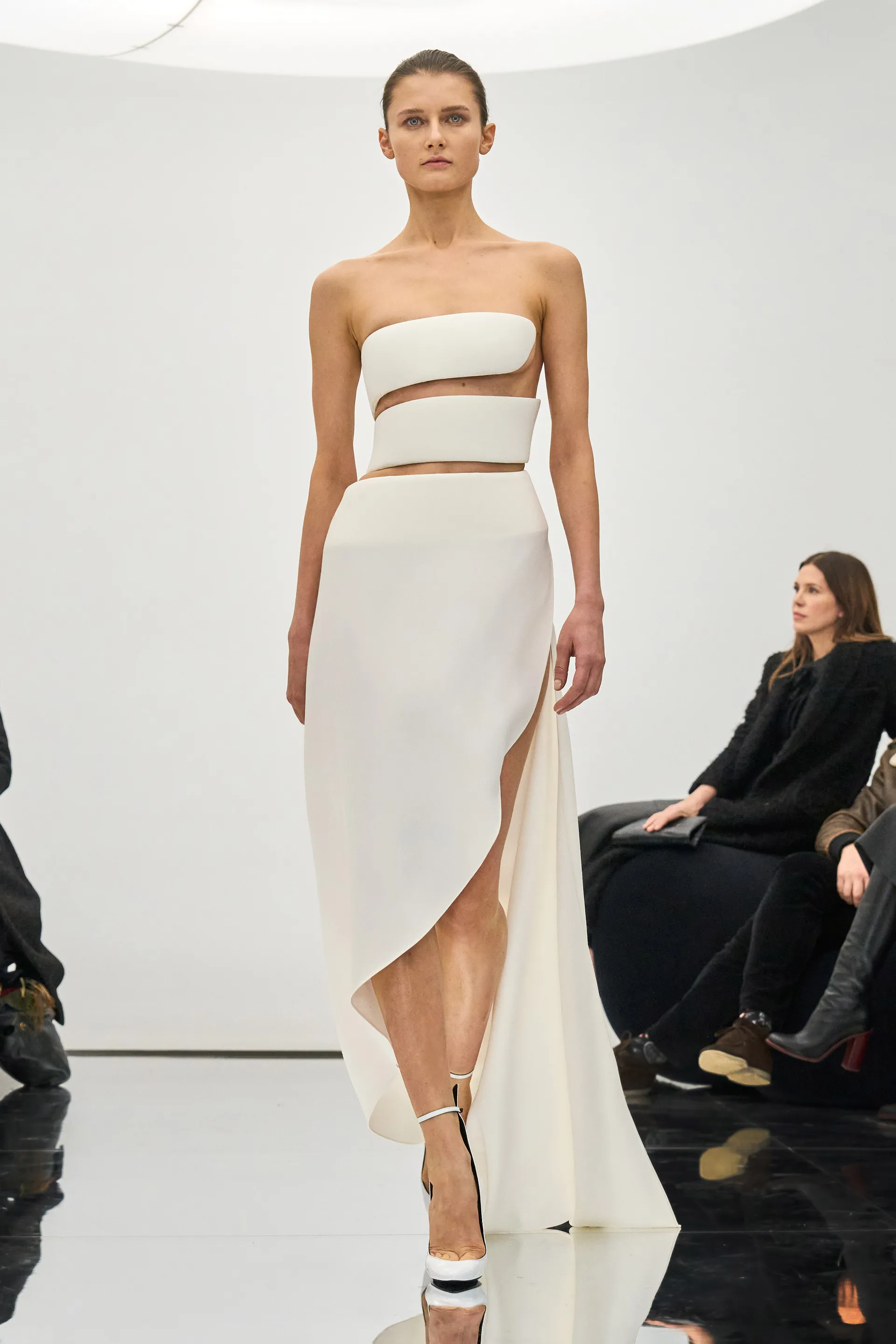
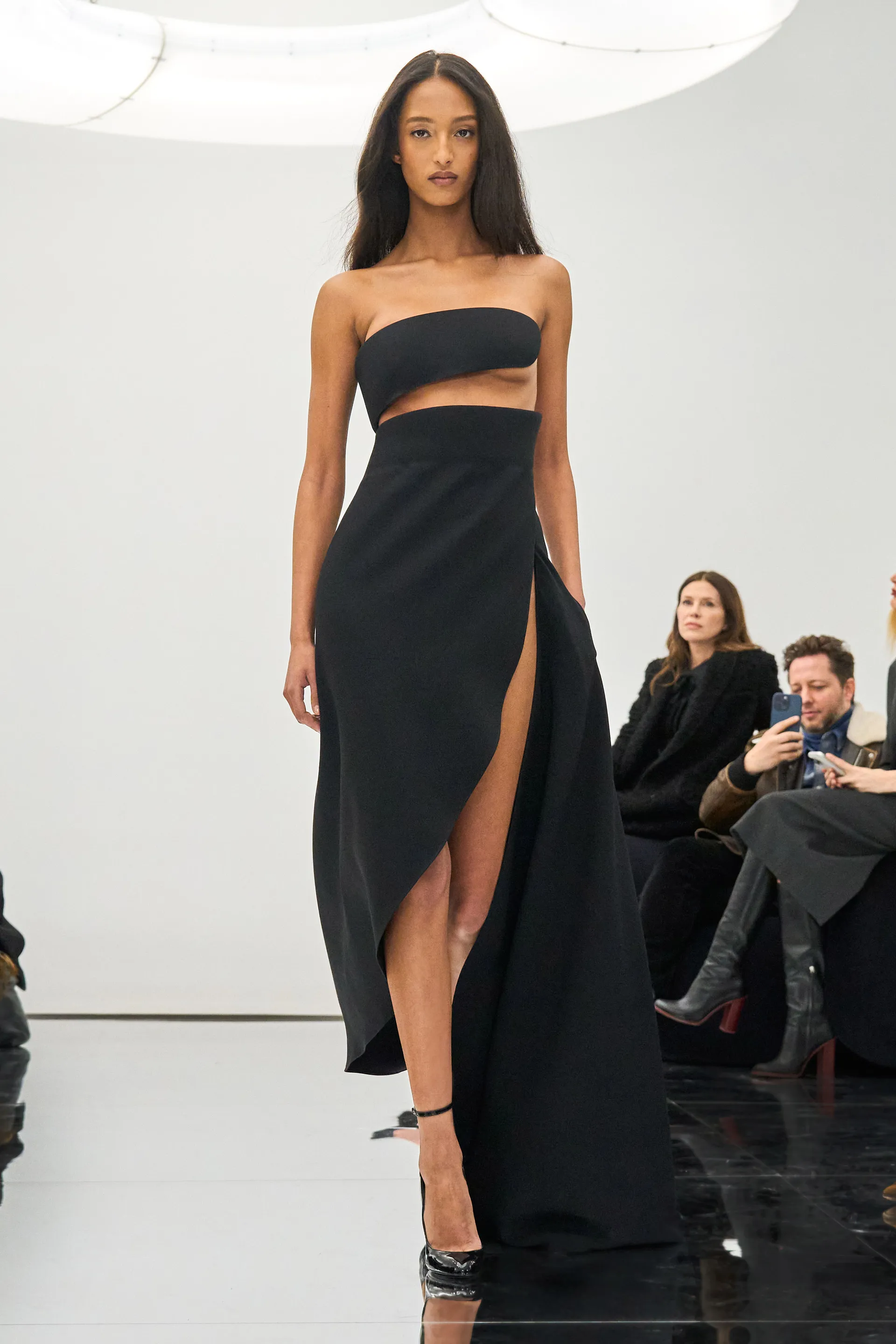
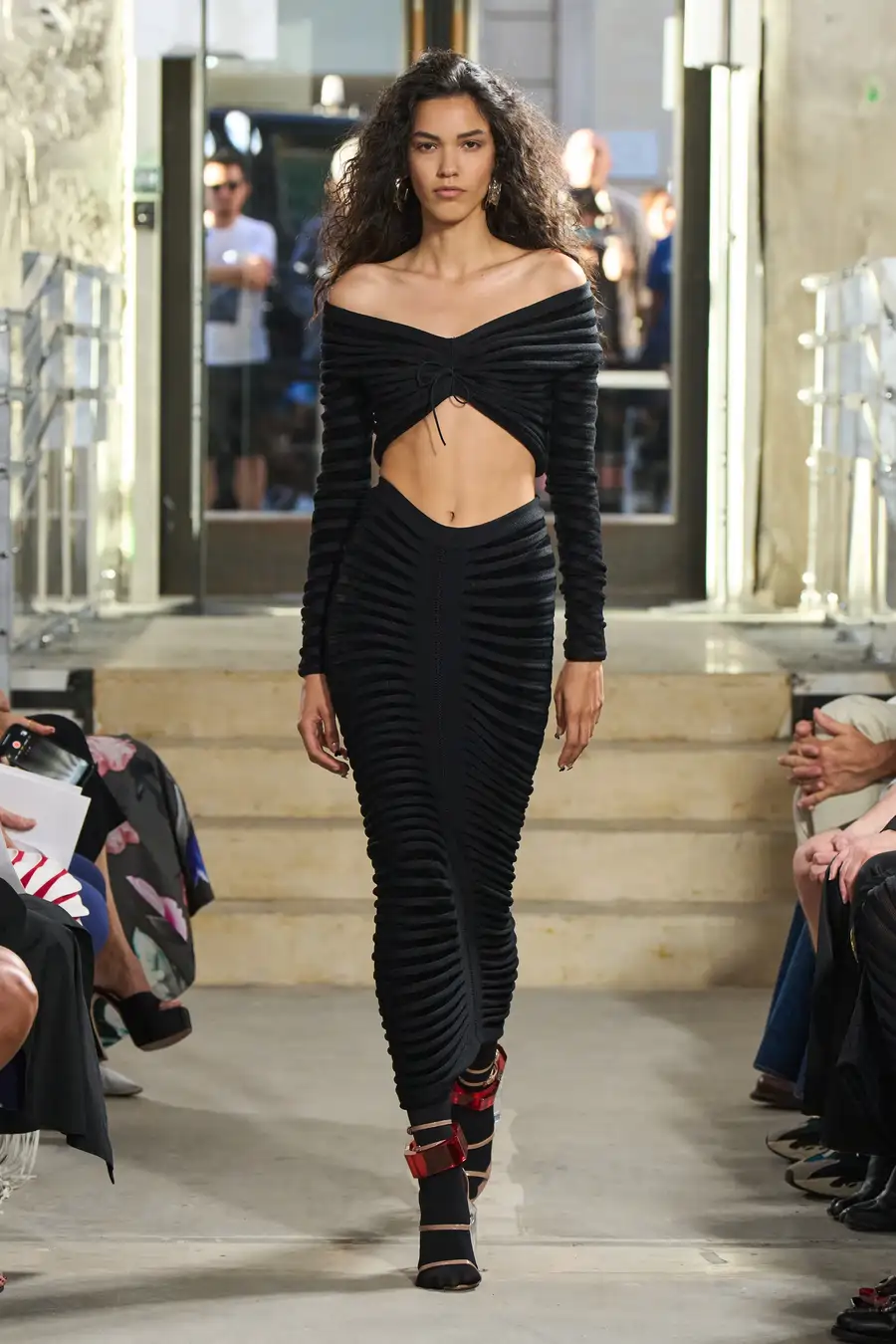
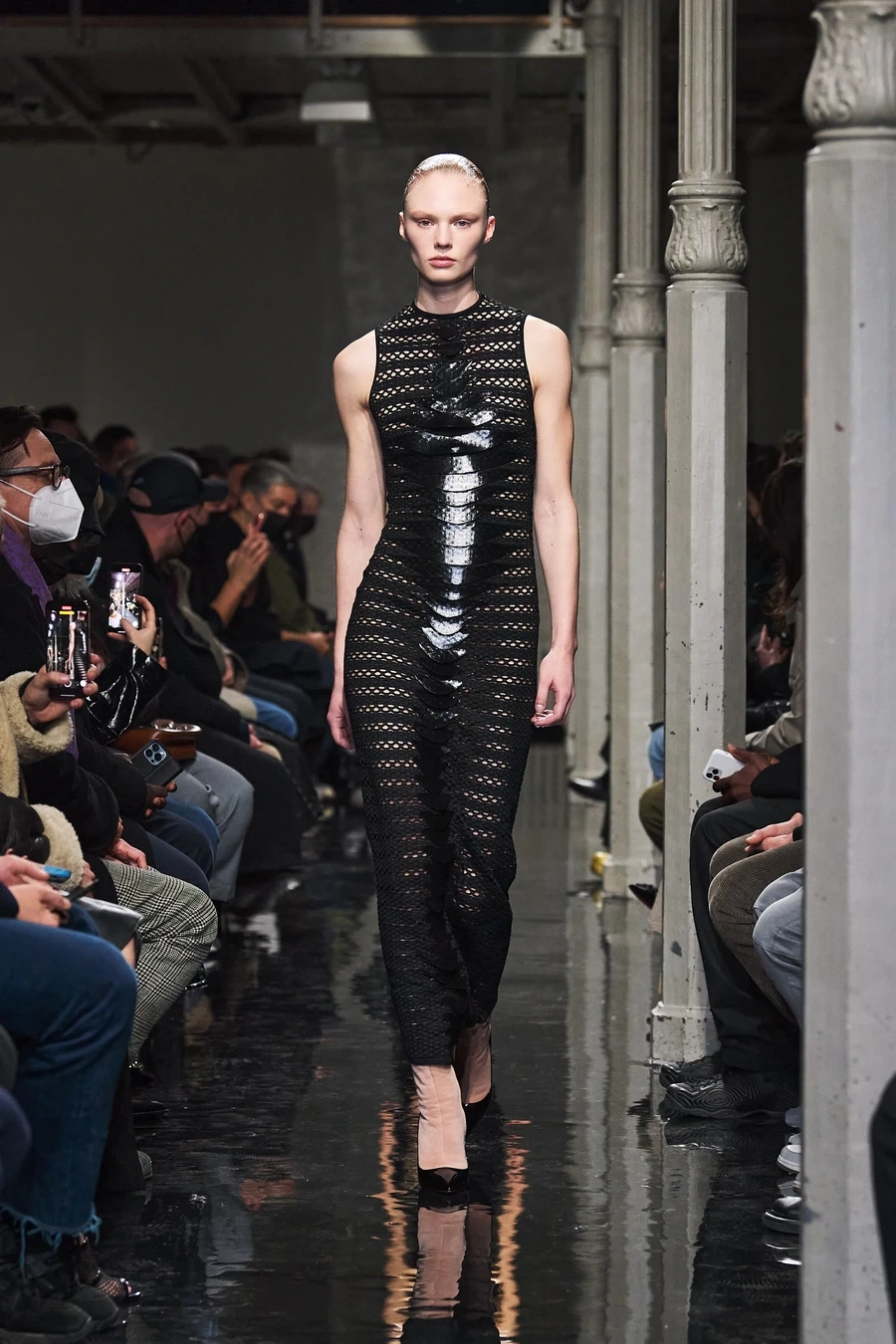
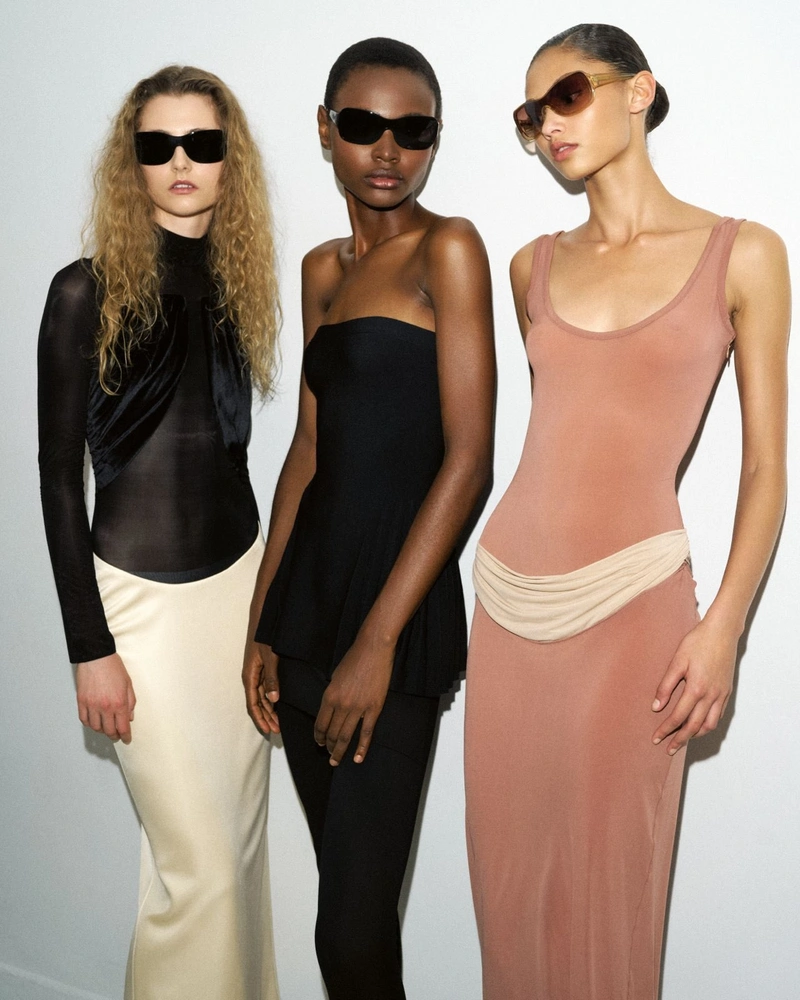
At Alaïa, the curve stays close to the body with a sculptural intimacy, as if the garment is drawing the figure from within. Cut-outs bend around the torso, taut surfaces follow the waist and hip, and sheer or ribbed constructions turn the body into a continuous line, sensual, and controlled without making the curve feel hard.
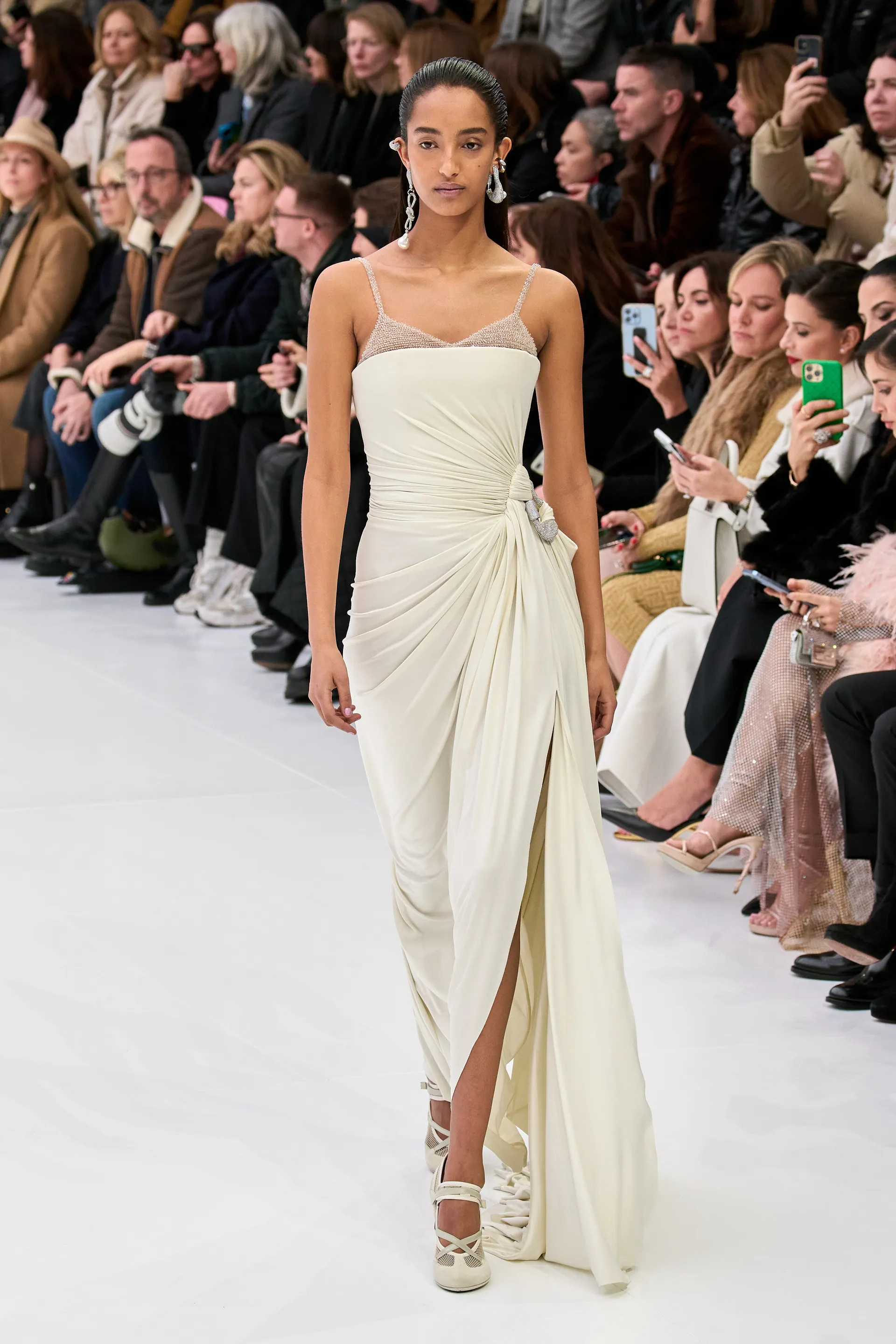
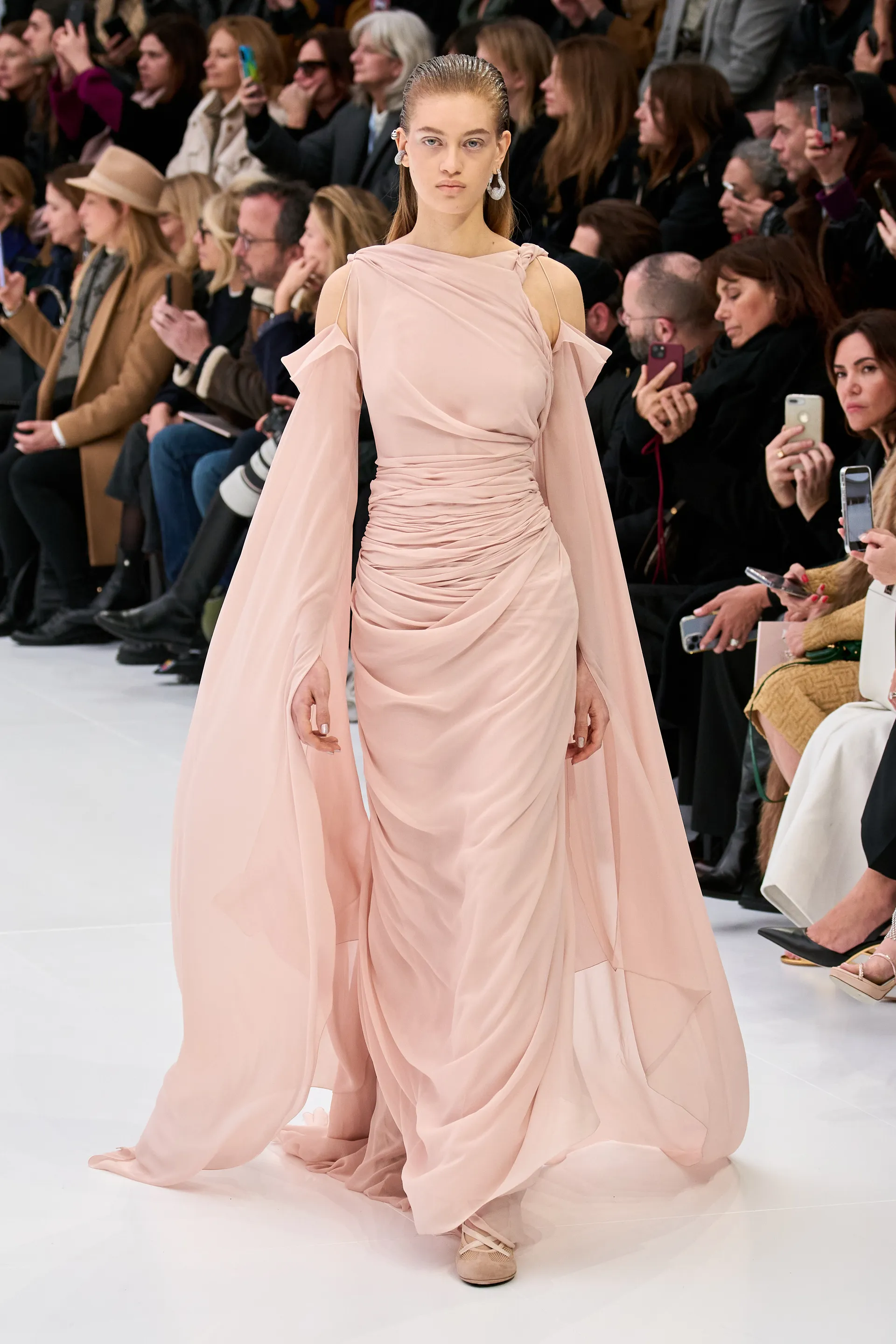
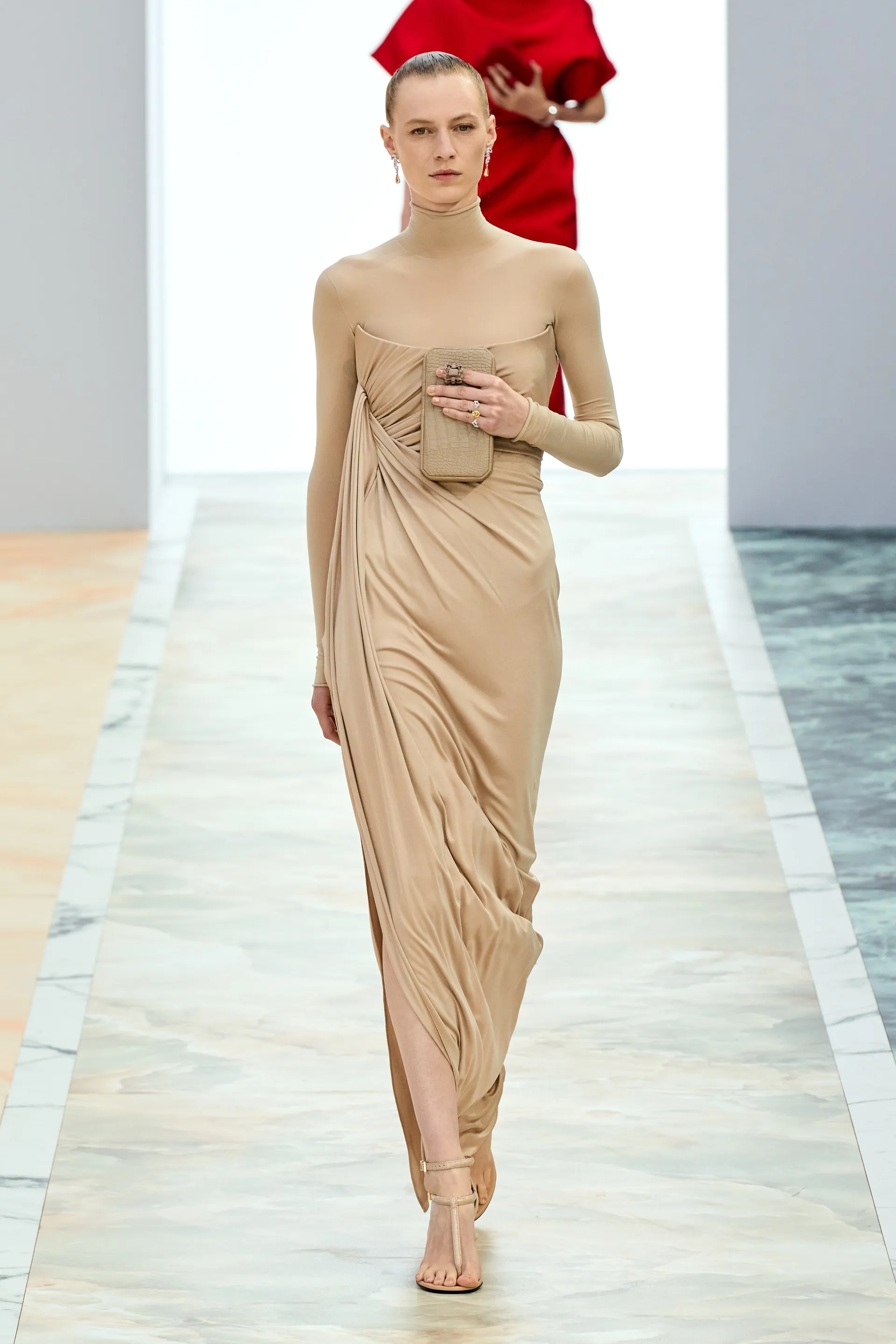
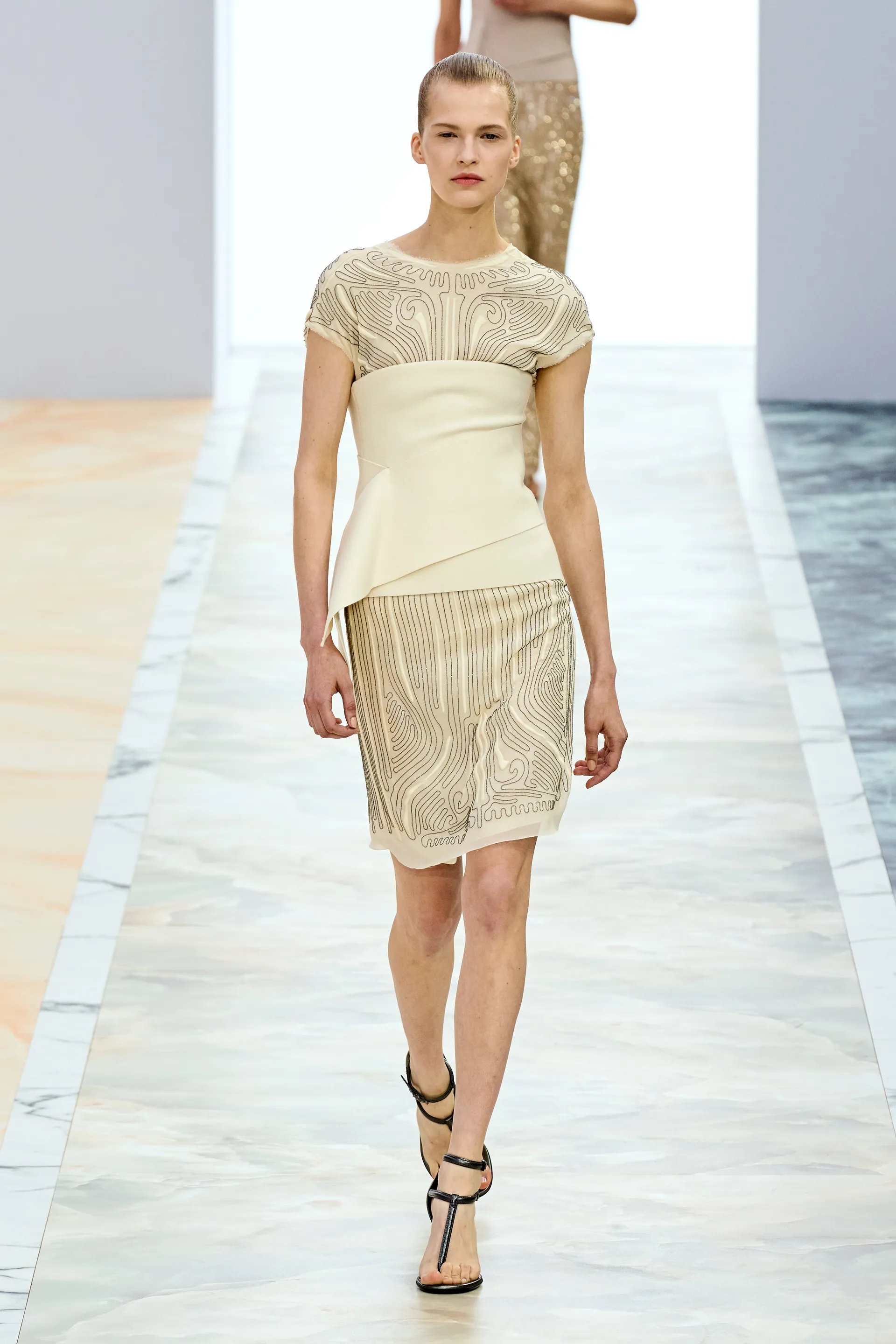
Fendi gives the curved line a quieter couture precision, where drape, fold, and surface move around the body with measured ease. The curve appears through gathered cloth, rounded openings, and gentle volume, allowing femininity to feel polished, fluid, and almost suspended in place.
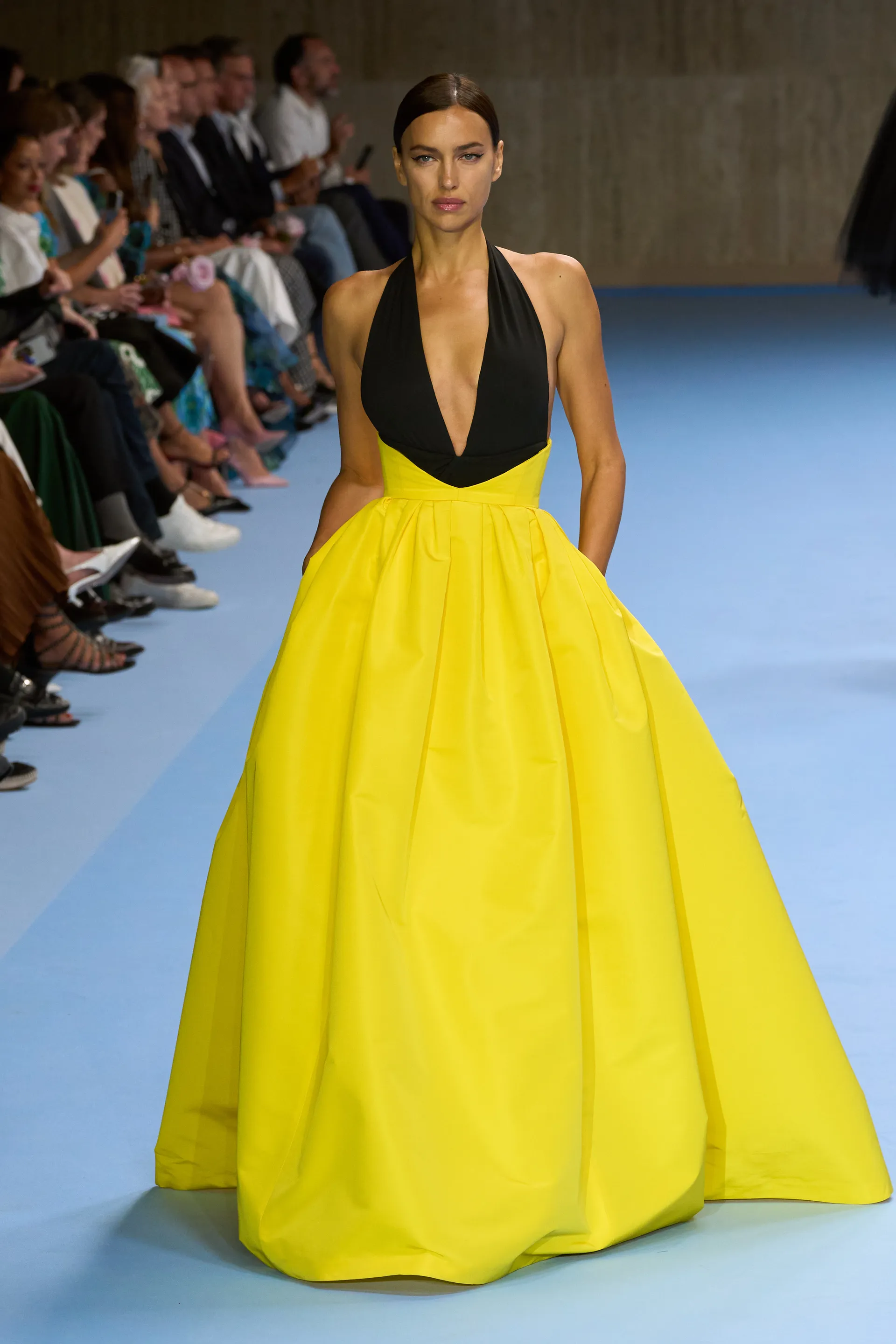
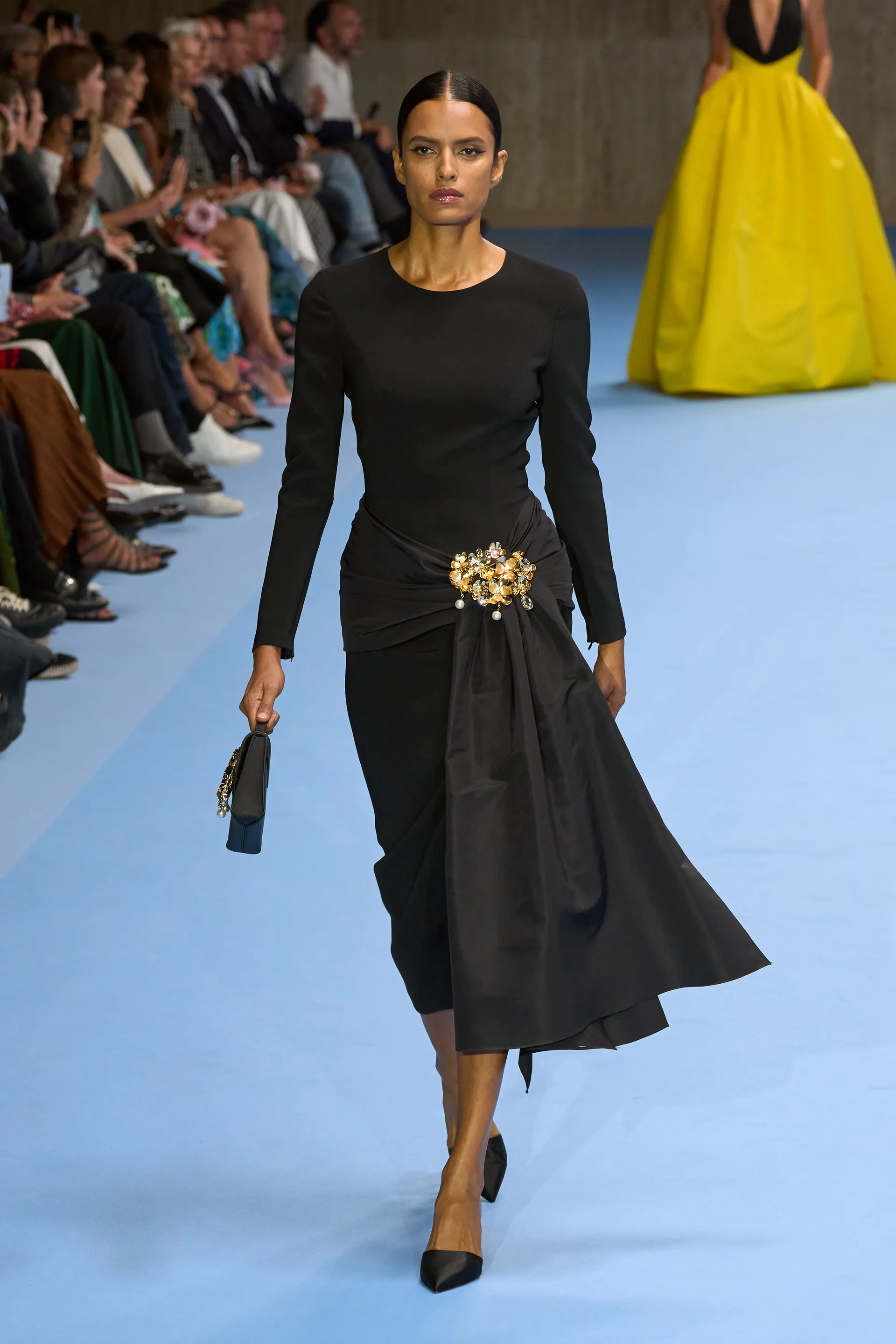
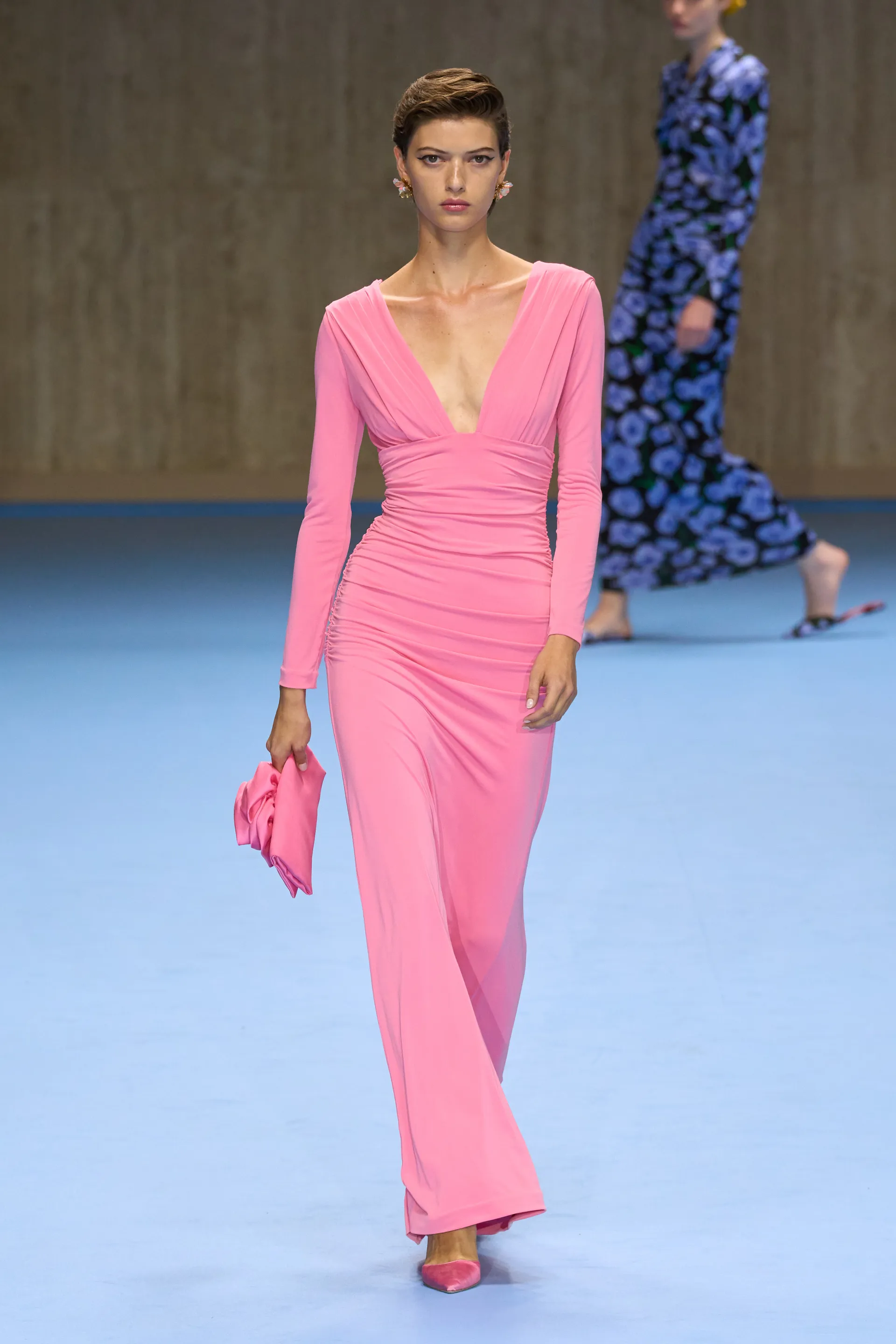
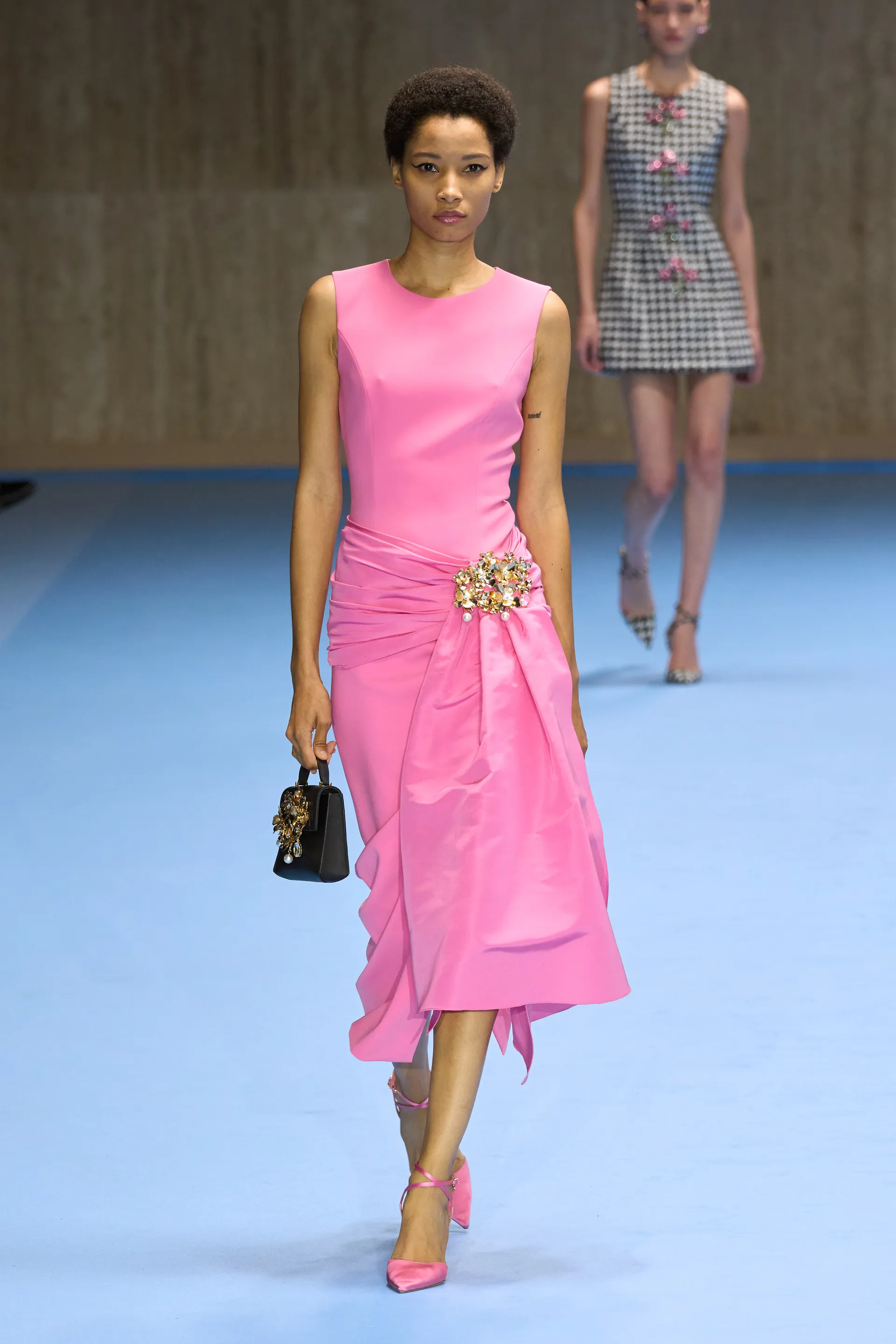
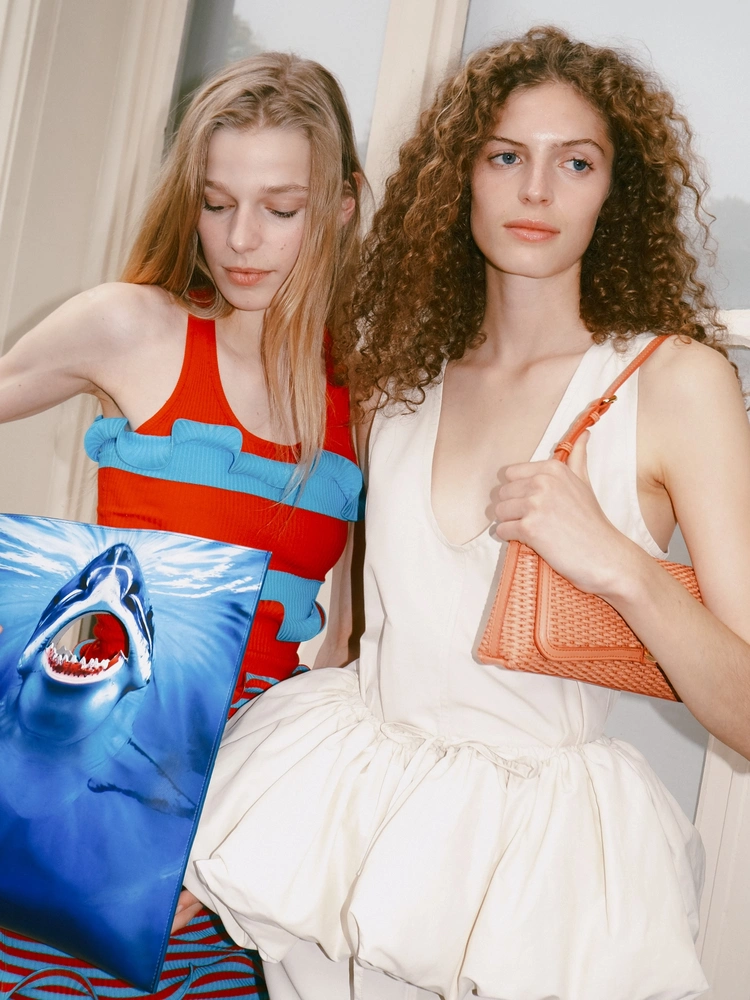
Carolina Herrera brings the curve into a language of bright romance and graceful volume. Full skirts, petal-like shapes, and rounded hems turn the silhouette into something open and celebratory, where softness feels vivid, elegant, and clearly drawn through form.
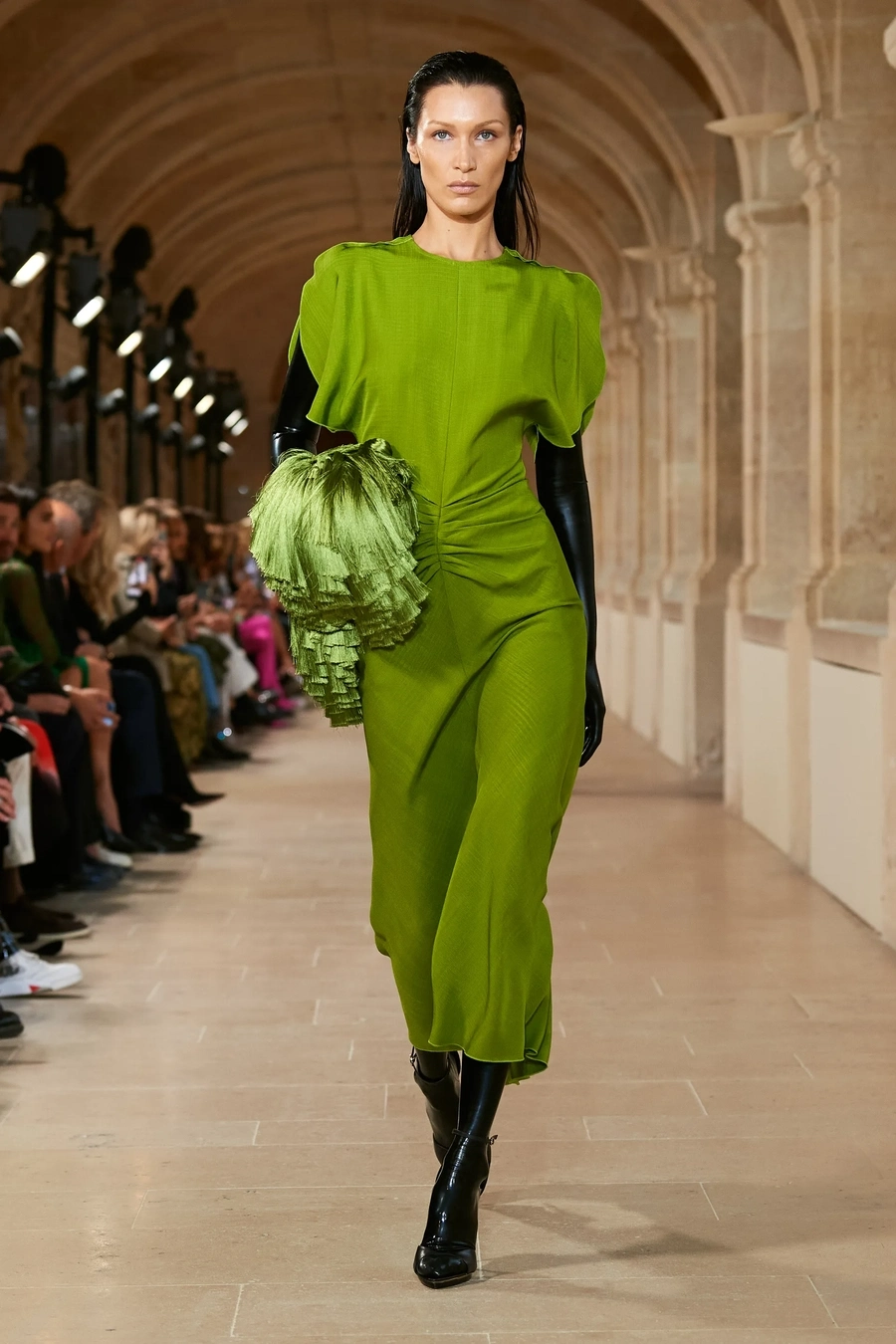
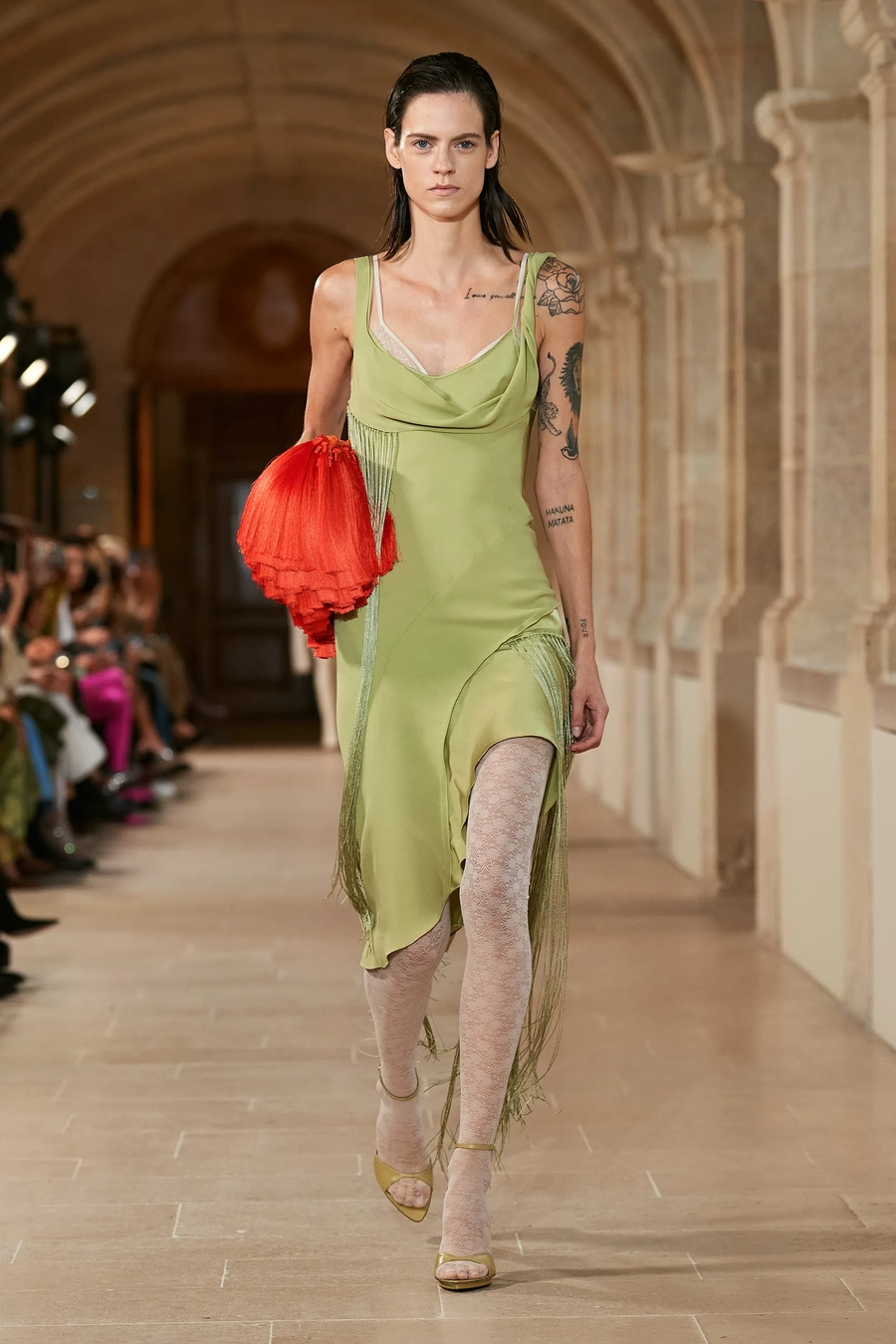
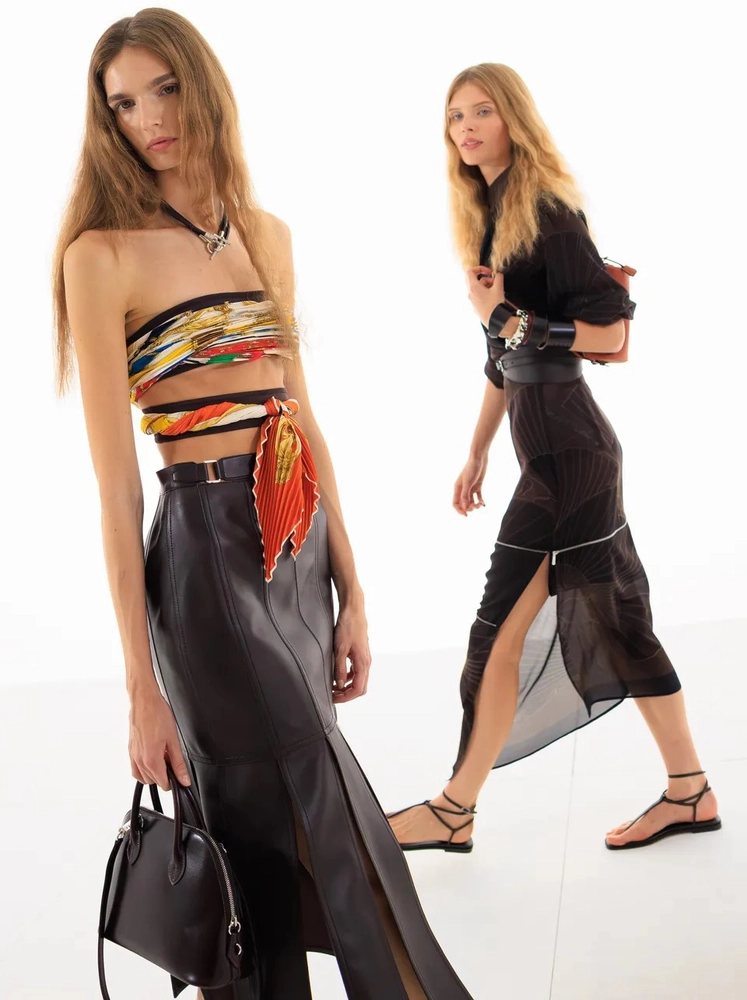
Victoria Beckham approaches the curve with a cleaner, more modern sensuality. Her silhouettes often let one curved line do the work: a draped neckline falling across the body, a waist detail bending the eye inward, or a fluid skirt that moves with restrained softness.
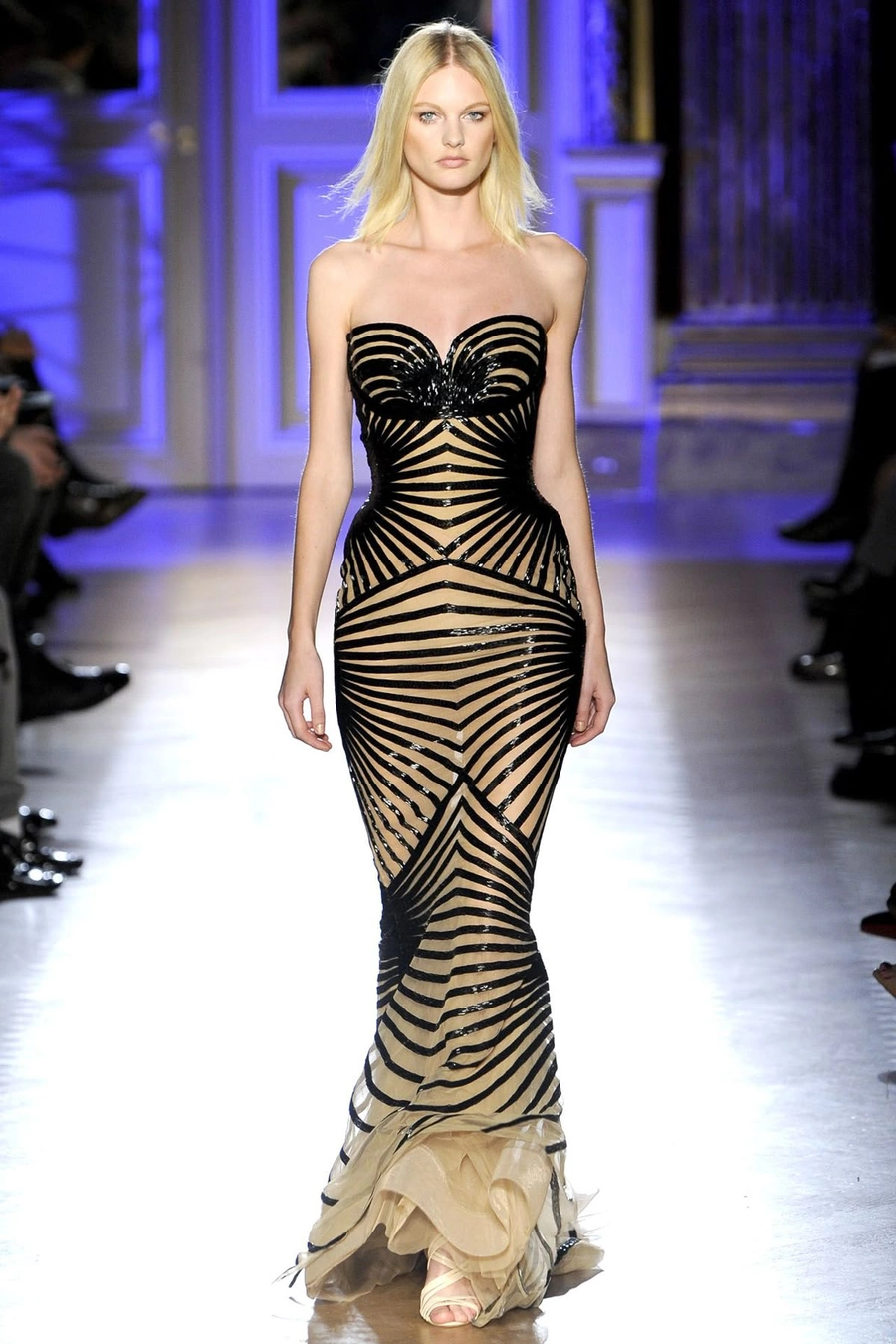
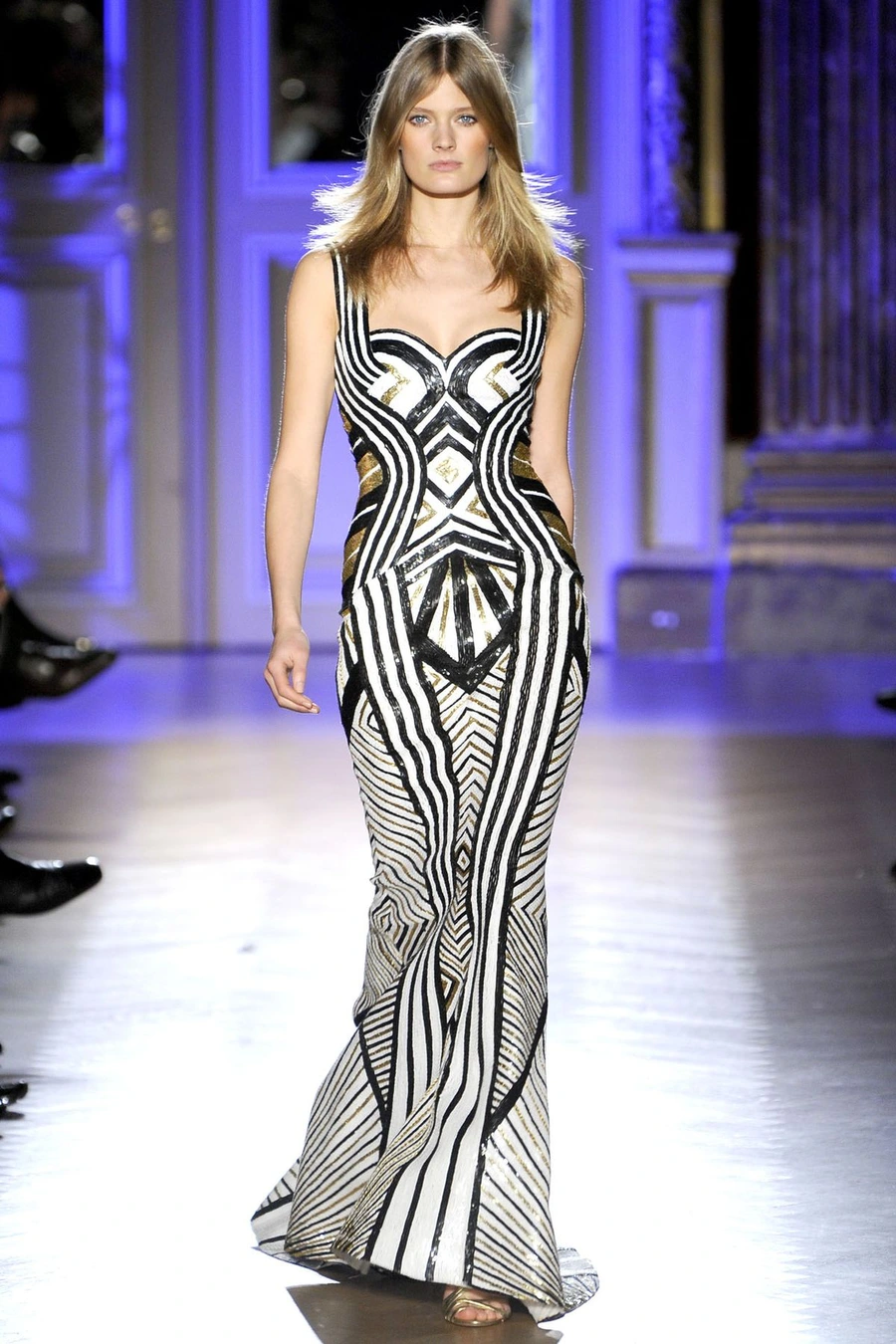
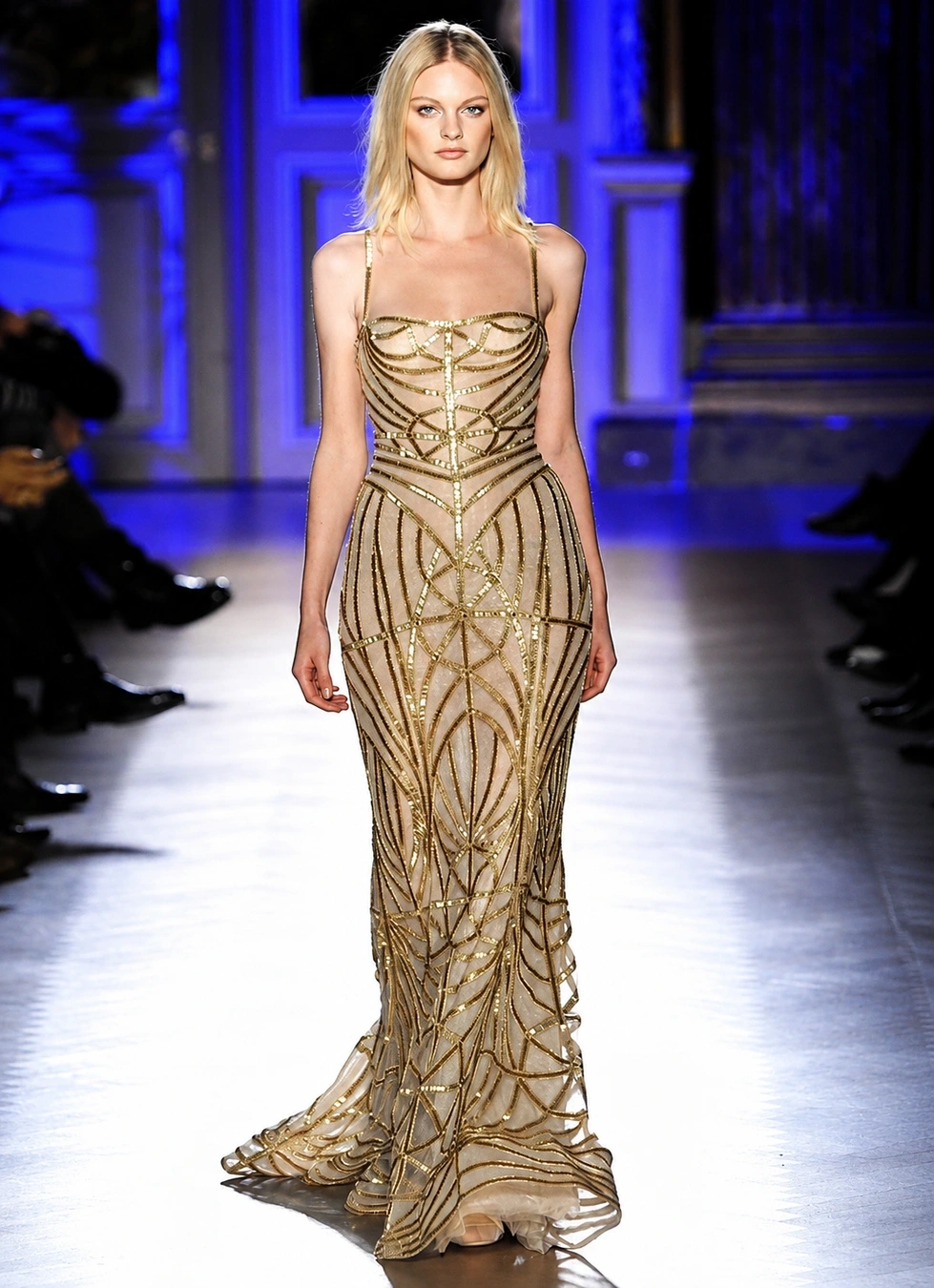
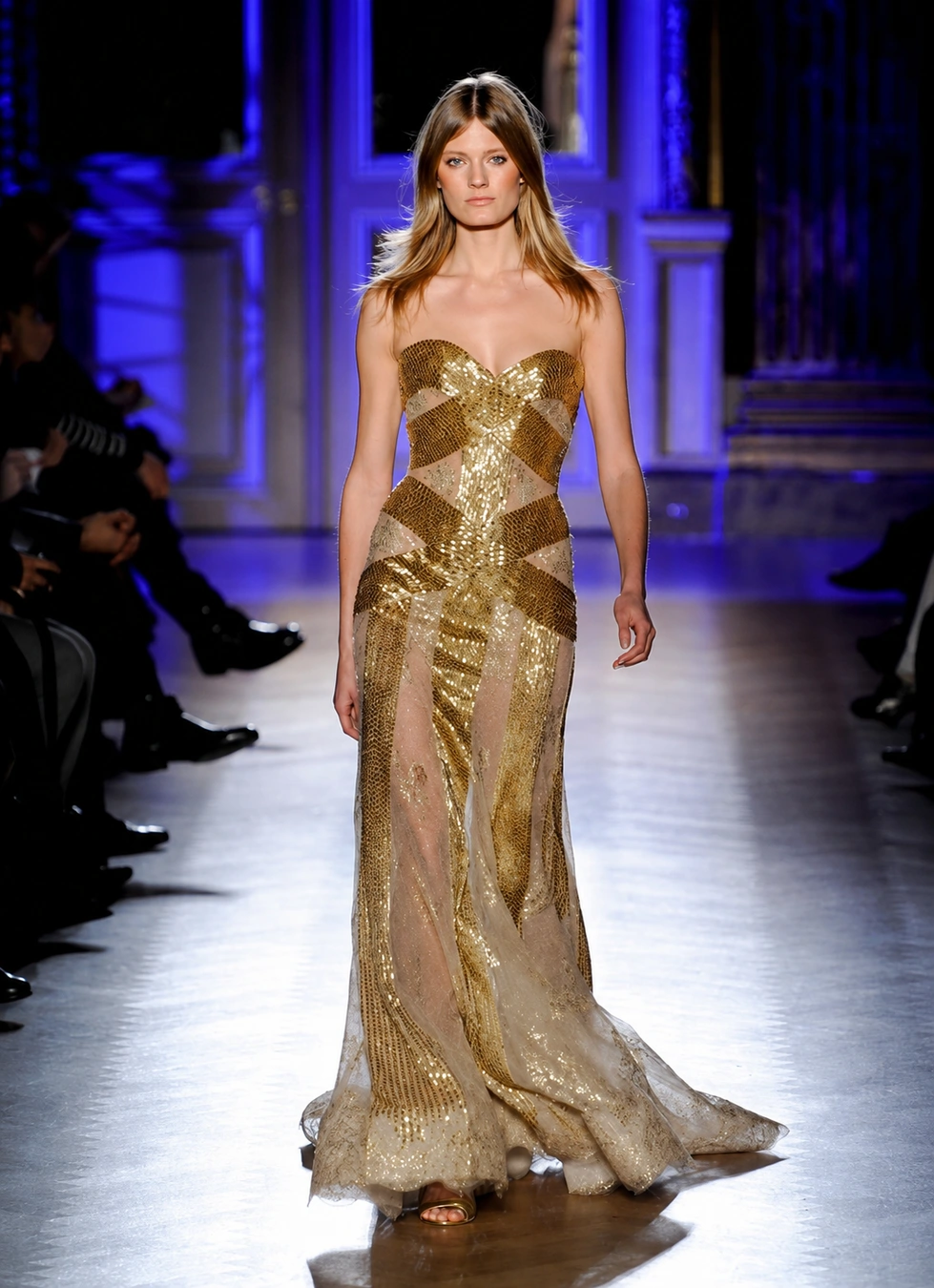
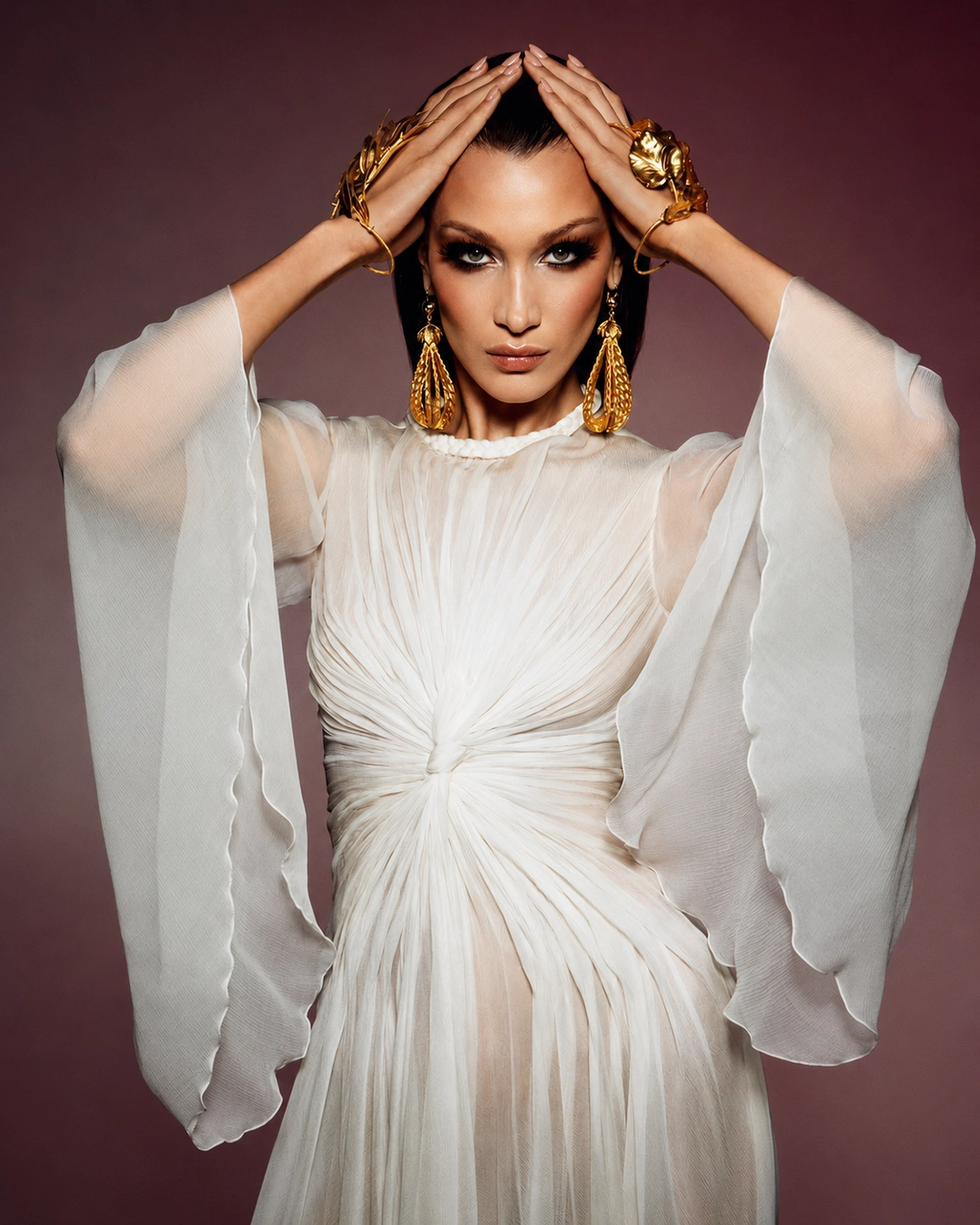
Zuhair Murad gives the curved line a more luminous evening language, where draped chiffon, curved necklines, and sweeping hems turn softness into glamour. The body is traced through fluid arcs and delicate surface work, allowing the silhouette to appear feminine, polished, and quietly cinematic.
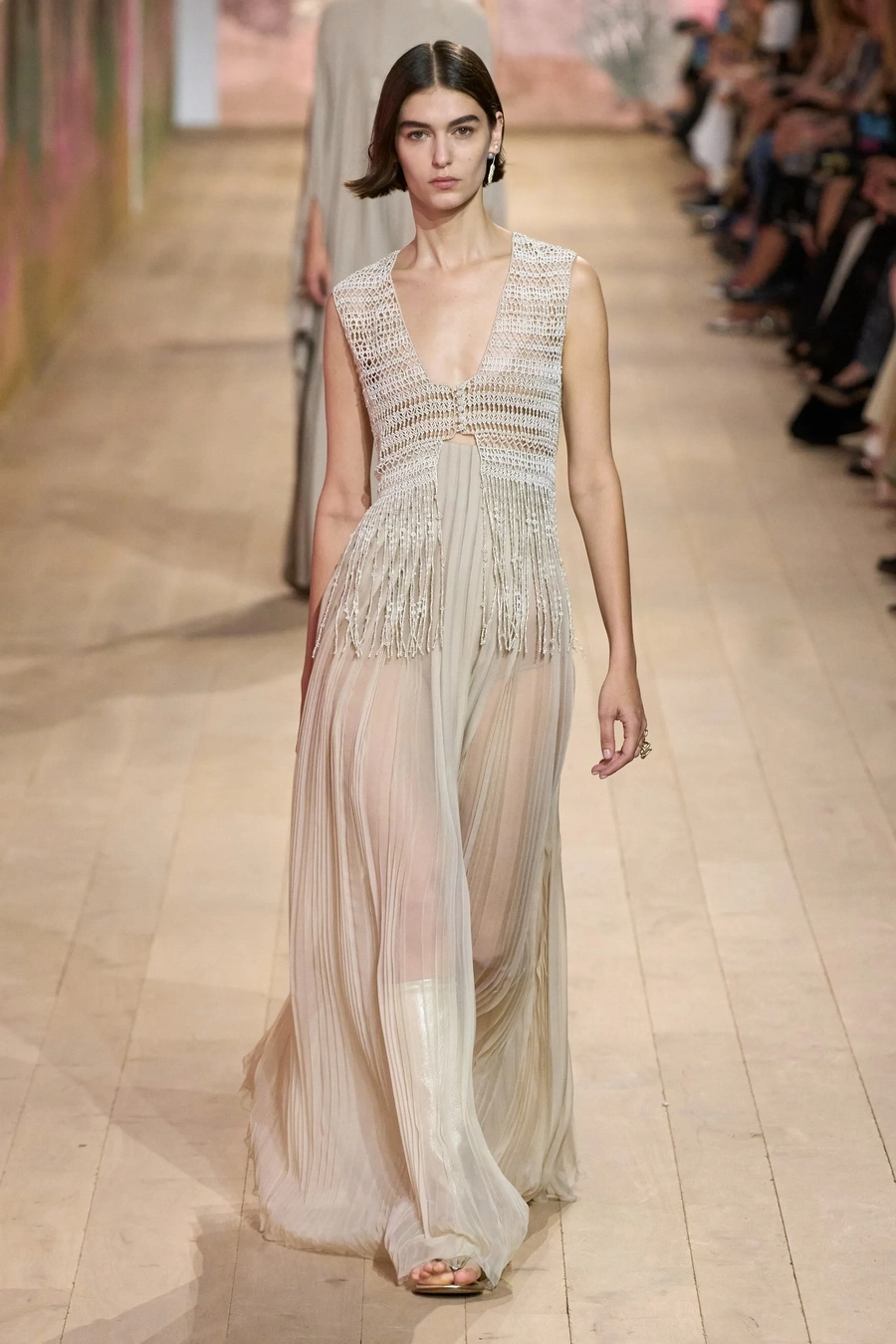
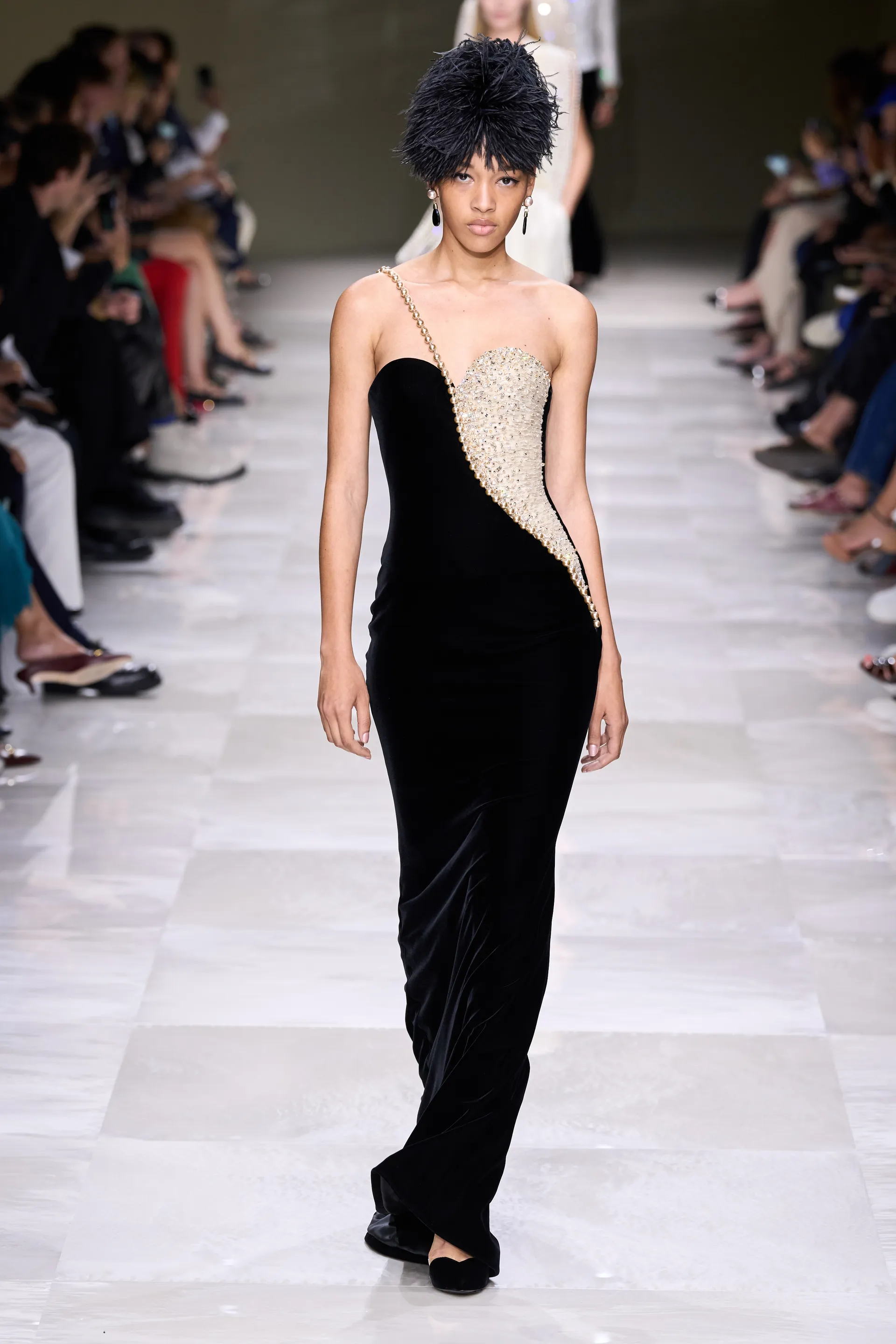
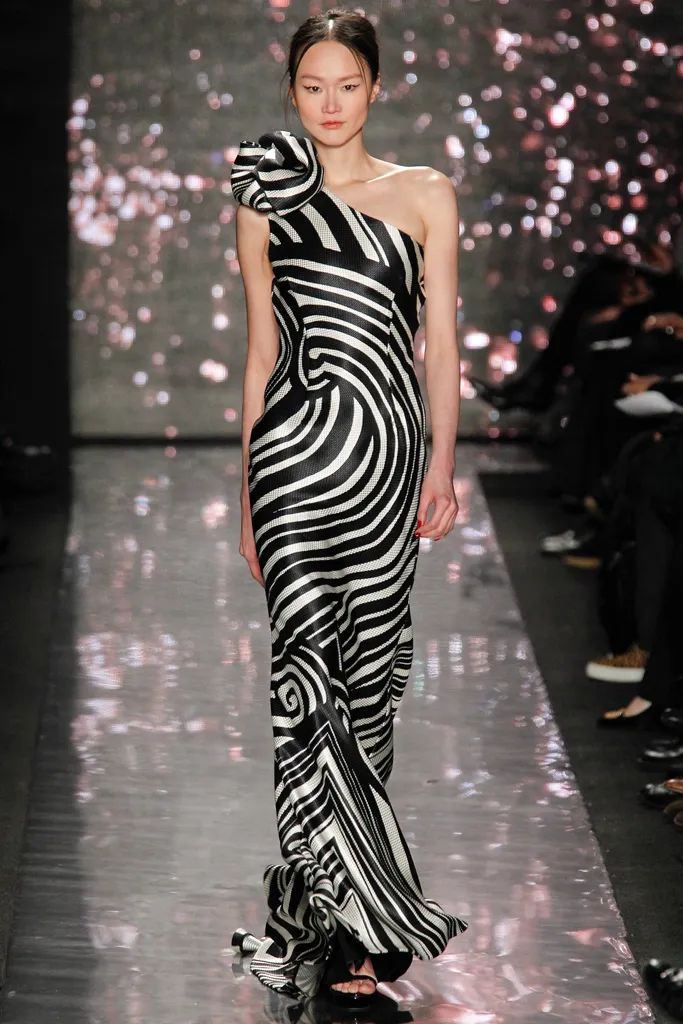
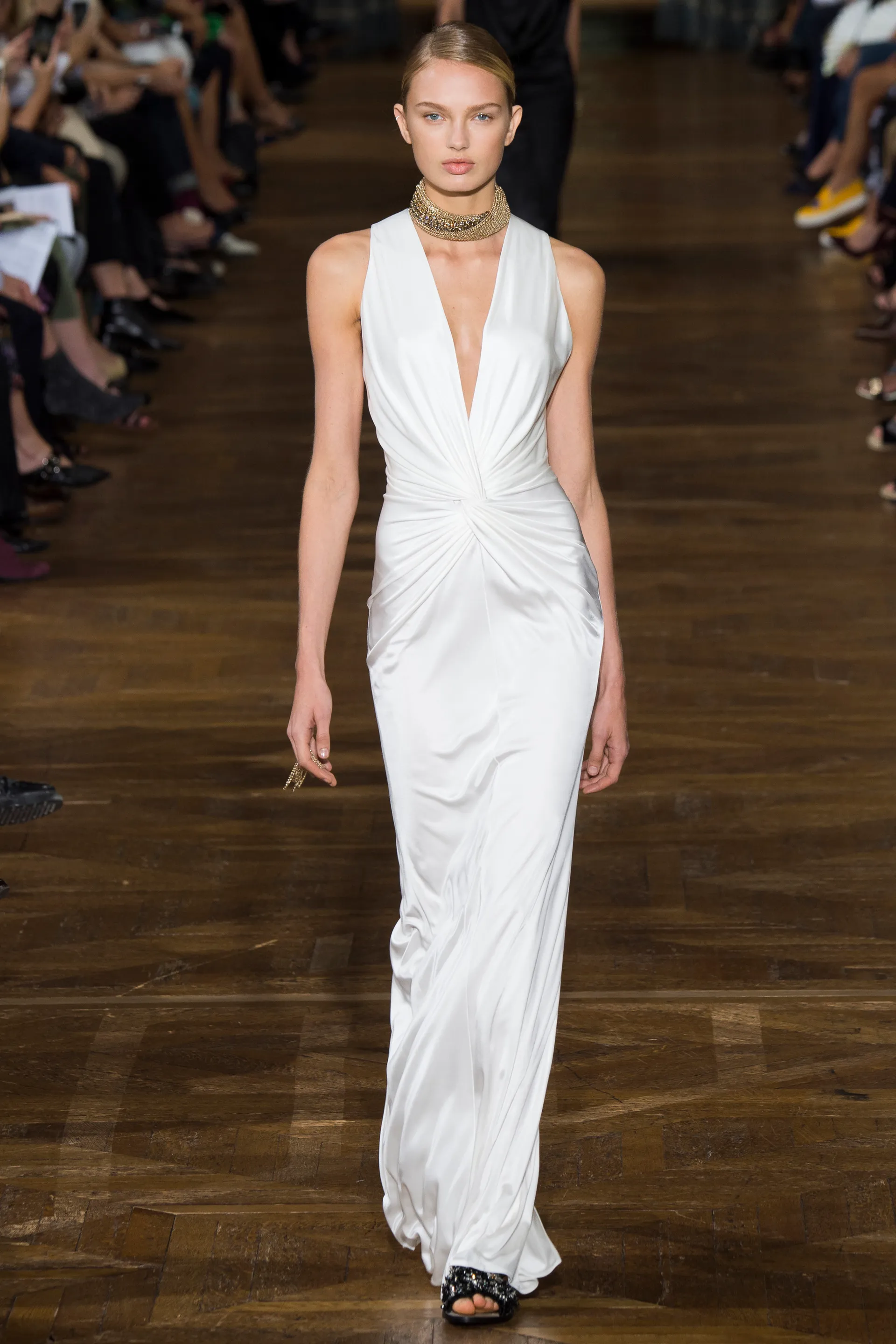
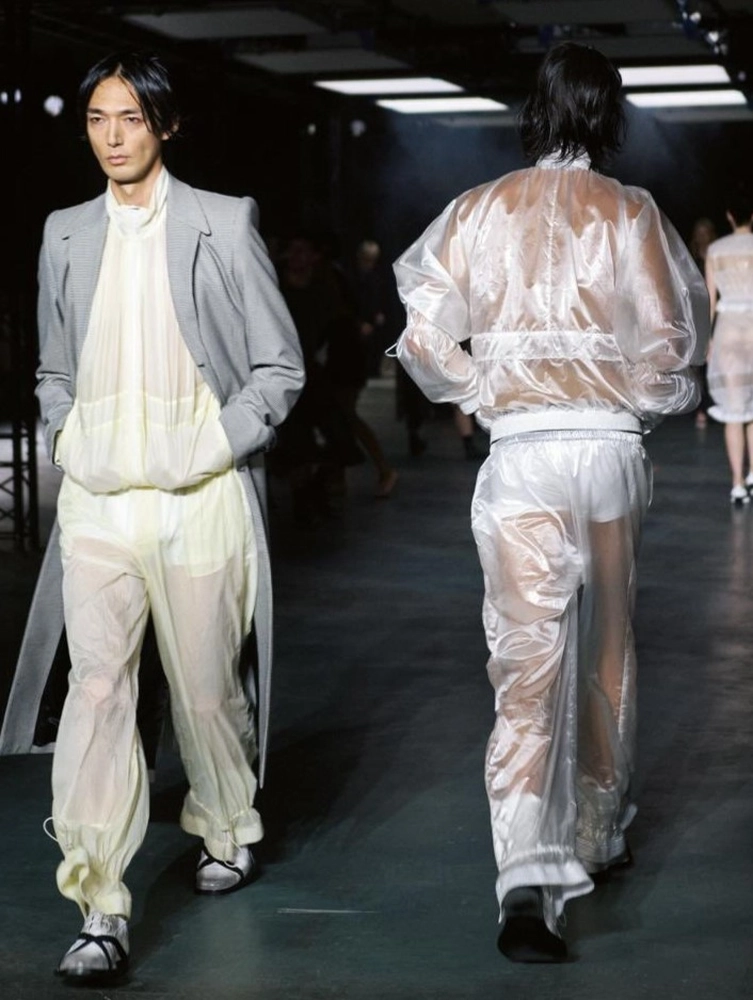
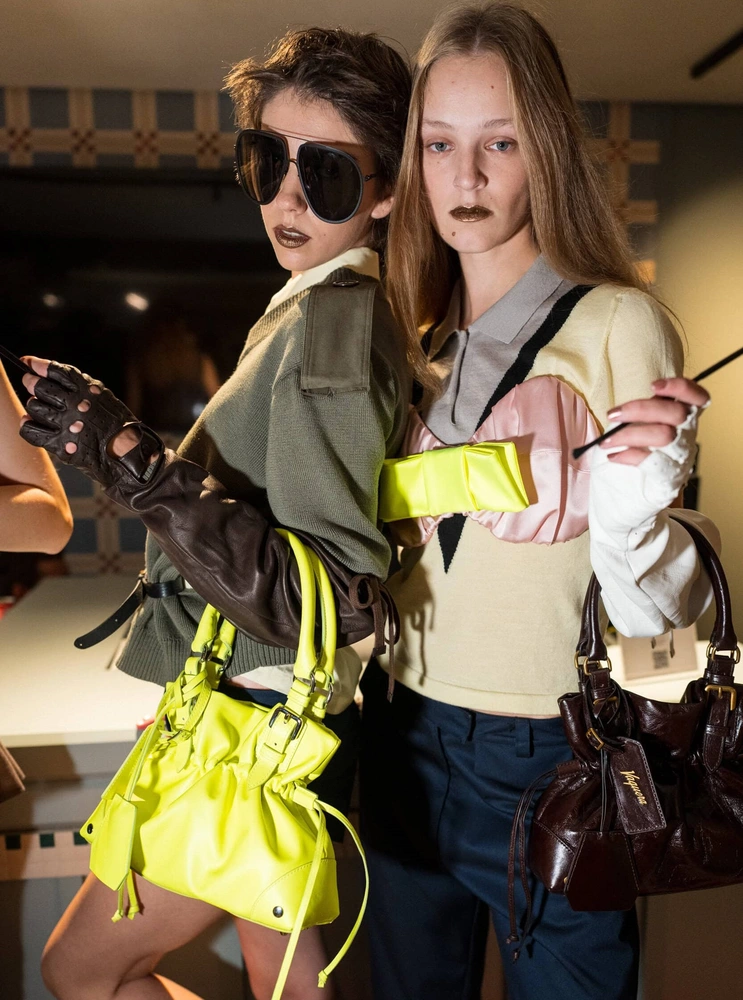
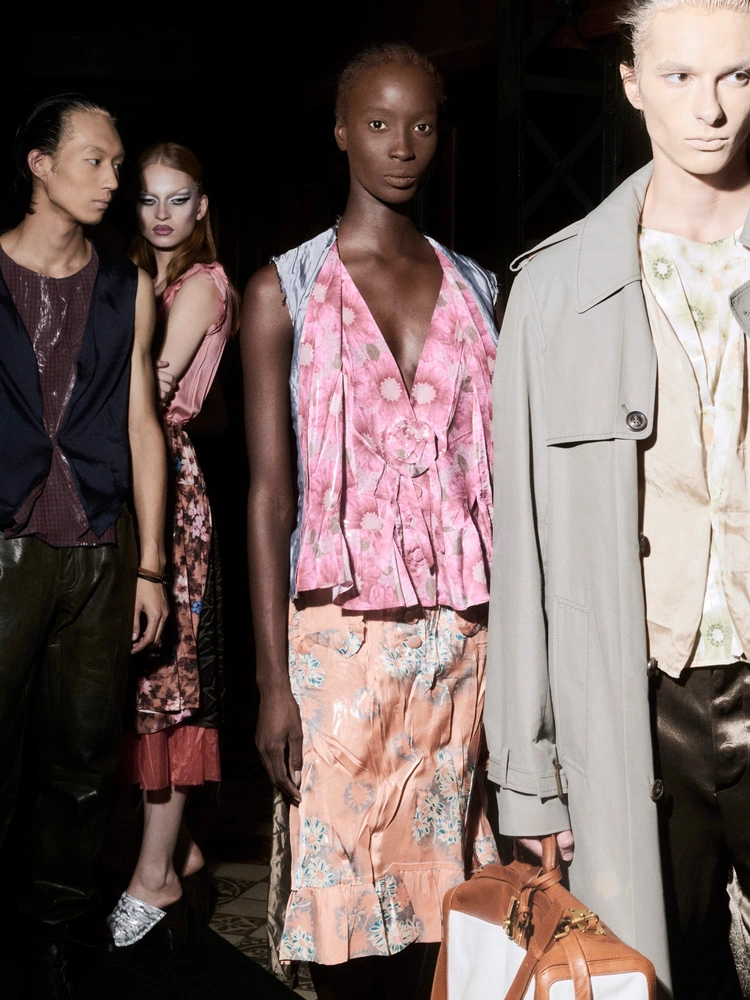
Across other runways, the same visual language appears whenever designers let softness become the main architecture of a look. What remains consistent is the way the curved line keeps the eye moving on a continuous path, allowing fashion to shape femininity through flow, volume, and graceful tension.
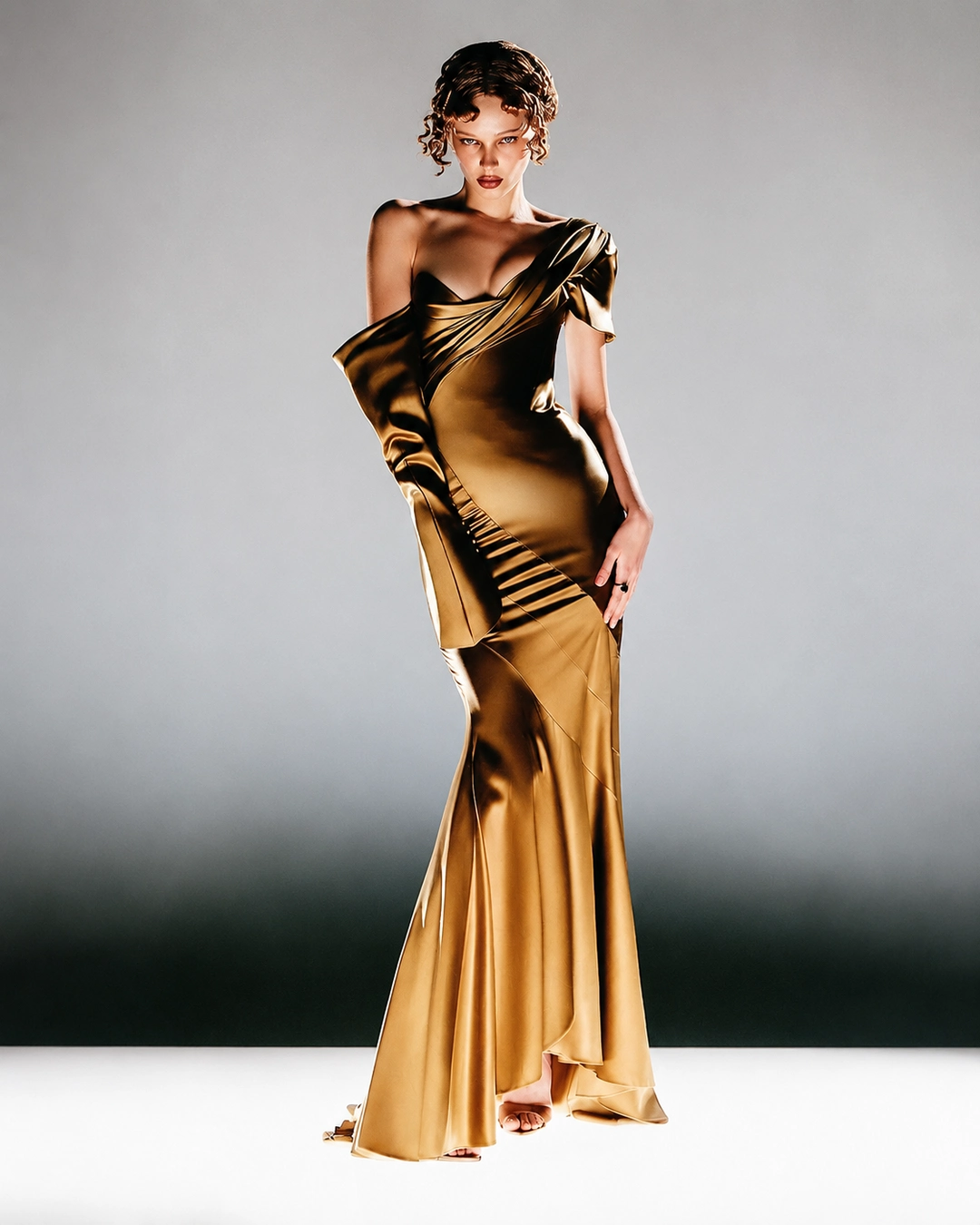
Some silhouettes end at the hem.
The curved line lingers after that point, leaving the eye inside a softer rhythm. It gives fabric the memory of movement, as if the garment has already turned before the body begins to move.
A curve can make softness feel deliberate. It can turn a neckline into a gesture, a skirt into a slow orbit, a seam into something almost intimate.
What remains is not just shape, but trace. A line bending through the body, then staying in the air for one quiet second longer.
Advertisement