MENU
Close





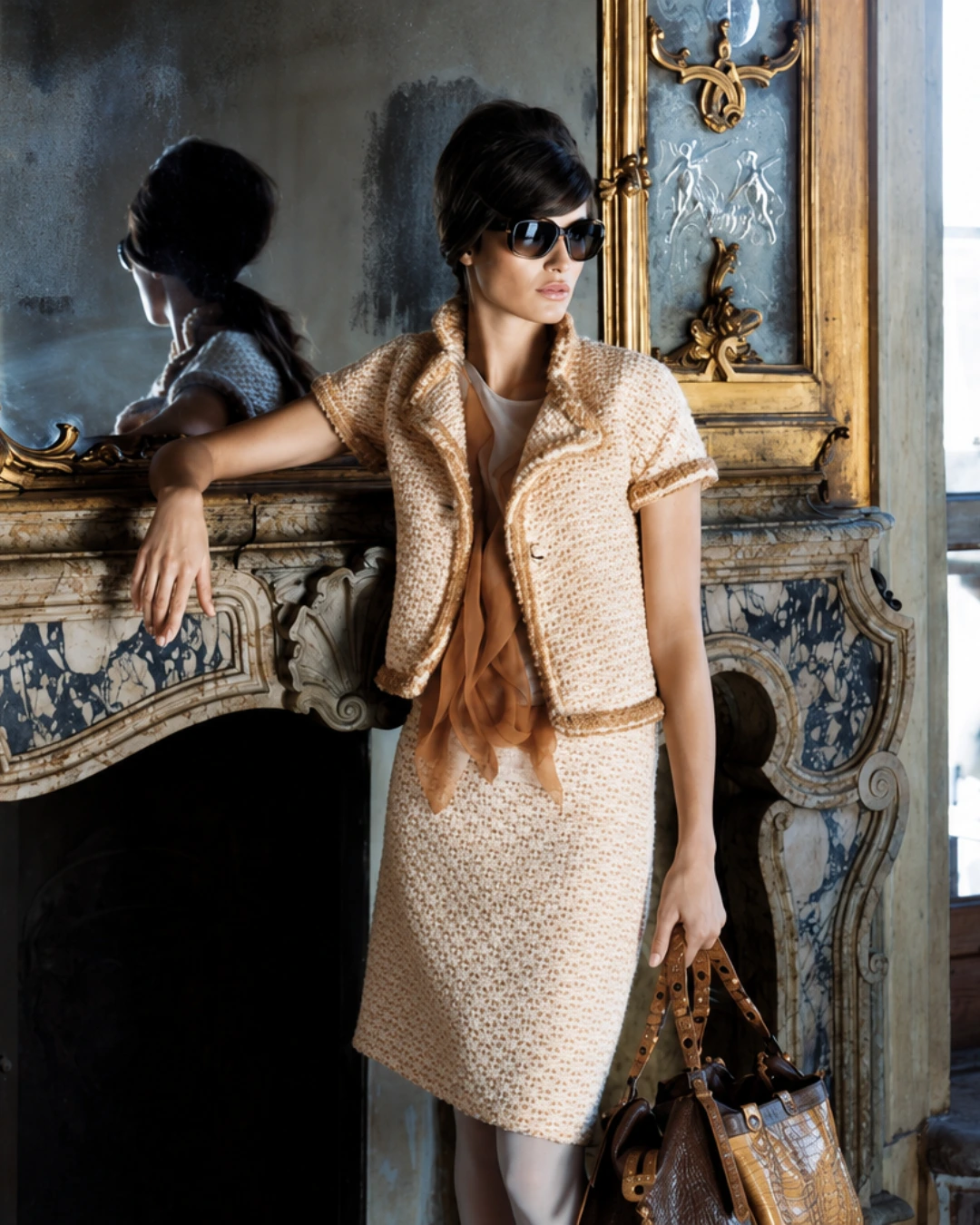
What kind of elegance makes the world look closer while keeping everyone at a distance? Jackie style answered with a softness that never fully opened, an image polished enough for history and private enough to remain unread.
What kind of elegance makes the world look closer while keeping everyone at a distance? Jackie style answered with a softness that never fully opened, an image polished enough for history and private enough to remain unread.
June 23, 2026
Advertisement
Advertisement


Washington in the early 1960s had its own theatre of looking: marble corridors, motorcades, state dinners, television lights, and the restless flash of a country learning to watch itself in real time. Into that glare came a woman whose clothes seemed to understand silence better than spectacle, moving through public rooms with the calm precision of someone already aware that every gesture could become an image.
Her presence carried a rare kind of control. A pale suit could soften the room while closing it off; a neat neckline could frame the face without offering too much intimacy, and a hat placed just so could make the whole appearance feel sealed, almost ceremonial. That quiet yet never fragile effect was built from proportion, restraint, and the strange authority of a surface that revealed only what it chose.
Jackie style took shape as a language of visibility held under discipline. It projects public life to look graceful while still keeping something private just beyond the frame, turning polish into protection and elegance into a form of distance. In every composed appearance, there was a sense of a woman seen by everyone and still preserved from view.
Jackie style took shape at the point where private taste entered the machinery of public image. In 1960, John F. Kennedy’s presidential campaign gathered speed, Jacqueline Kennedy’s wardrobe had already begun to carry the outline of a new American elegance: younger, cleaner, more cultured, and more visually disciplined than the political wives who had come before her.
Oleg Cassini became one of the key architects of this language, translating her attraction to French couture into a wardrobe that could survive American scrutiny. Jackie admired the refinement of Paris, especially the quiet authority of houses such as Chanel, Givenchy, Balenciaga, and Dior, yet her public position required a version of elegance that could feel diplomatic rather than indulgent. Cassini helped shape that balance through suits with clean shoulders, coats with architectural calm, evening dresses that carried colour like a diplomatic gesture.
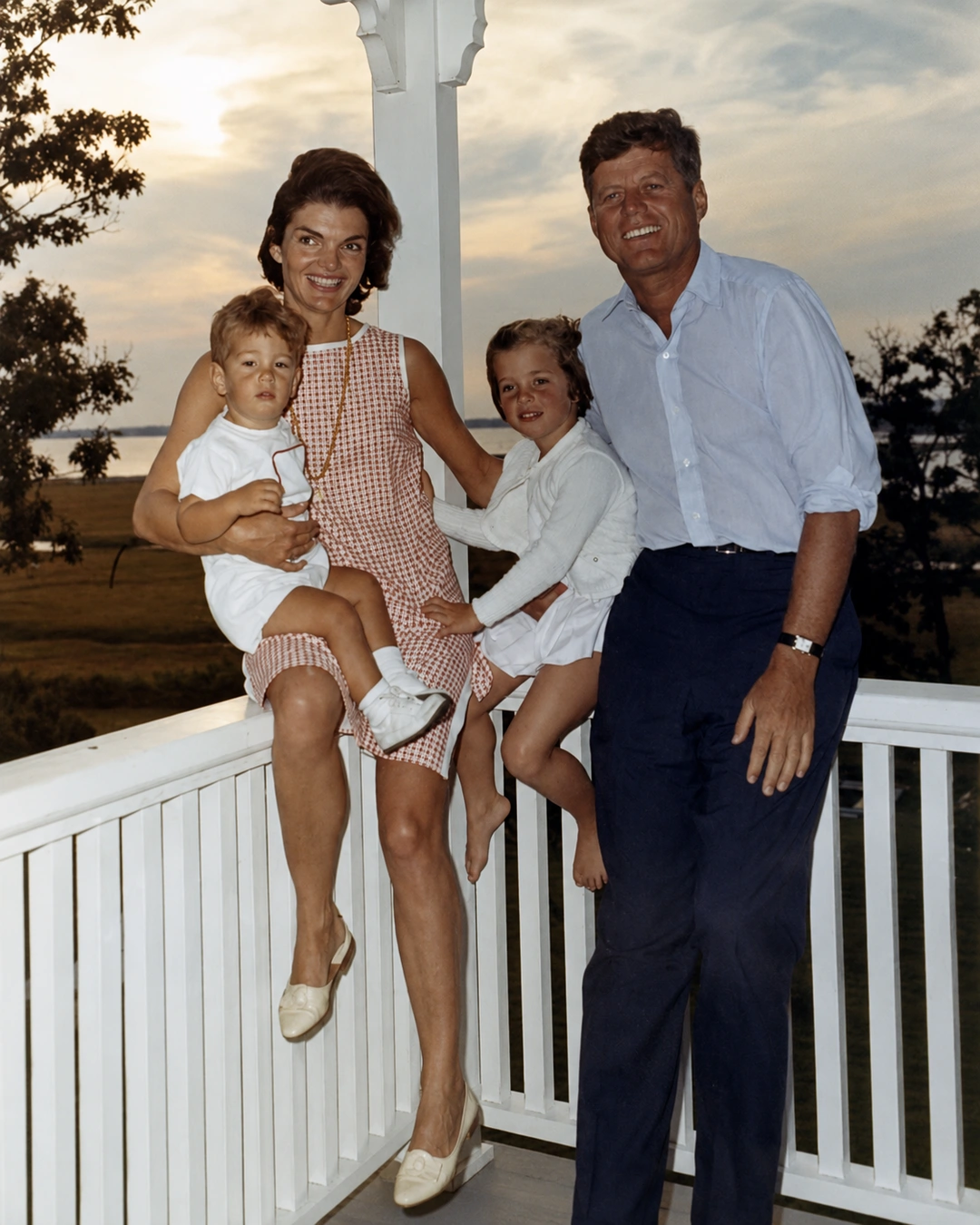
A sunnier variation of Jackie style appeared through Lilly Pulitzer, especially after Jacqueline Kennedy wore one of her shift dresses for Life in 1962. The moment gave her image a Palm Beach brightness, letting the same clean silhouette move out of ceremony and into leisure without losing its composed ease.
Inside the White House, that image acquired its most ceremonial frame. Jacqueline Kennedy approached the residence as a cultural stage, restoring its rooms, collecting historic furniture, and presenting American power through art, history, and taste.
From this point, Jackie style reads as a complete system of control, where every silhouette worked toward the same composed public image. The pillbox hat closes the image with exactness, the jacket sits away from the body with architectural calm, the hemline holds its ceremonial line, and the colour reads clearly through the press photograph.
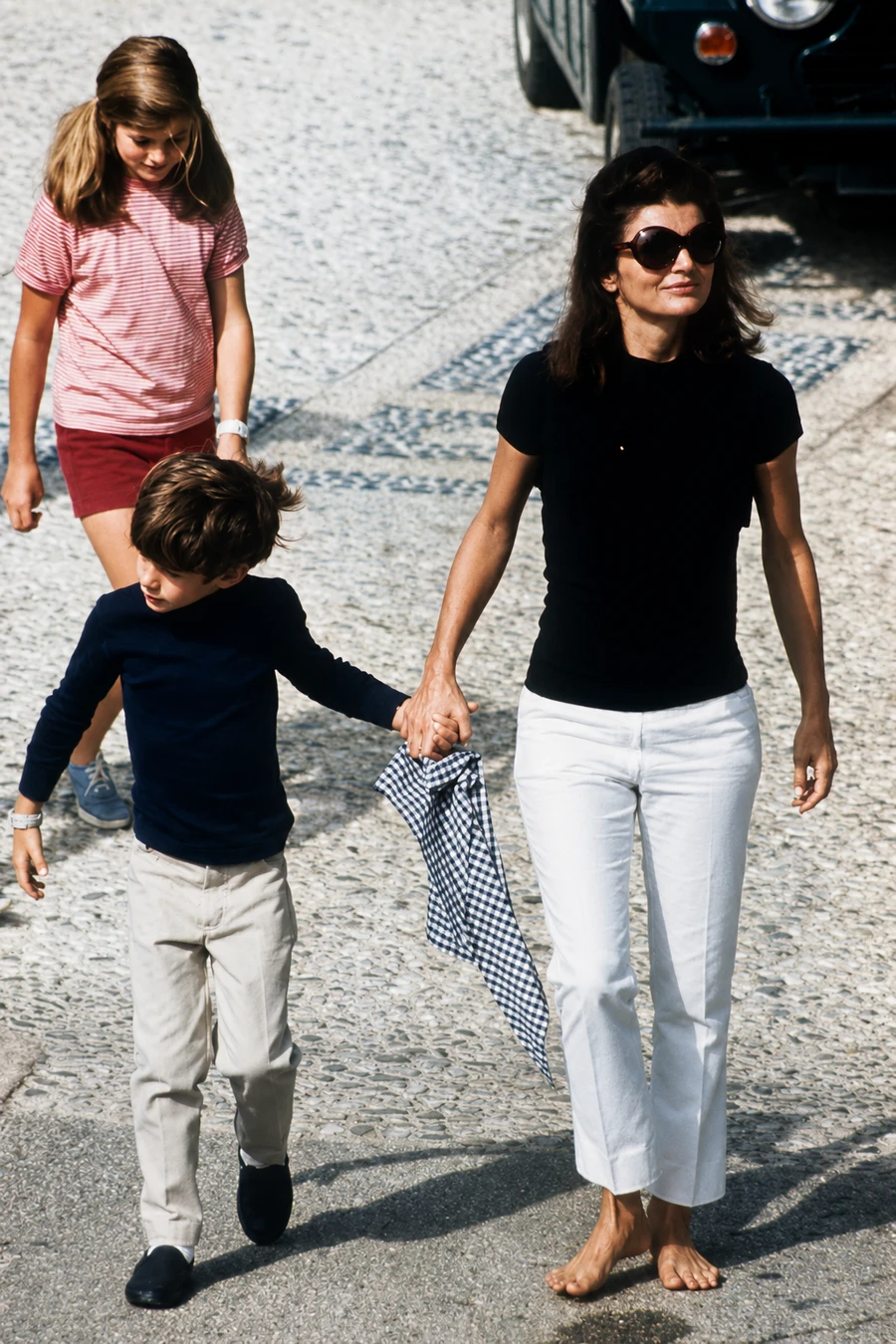
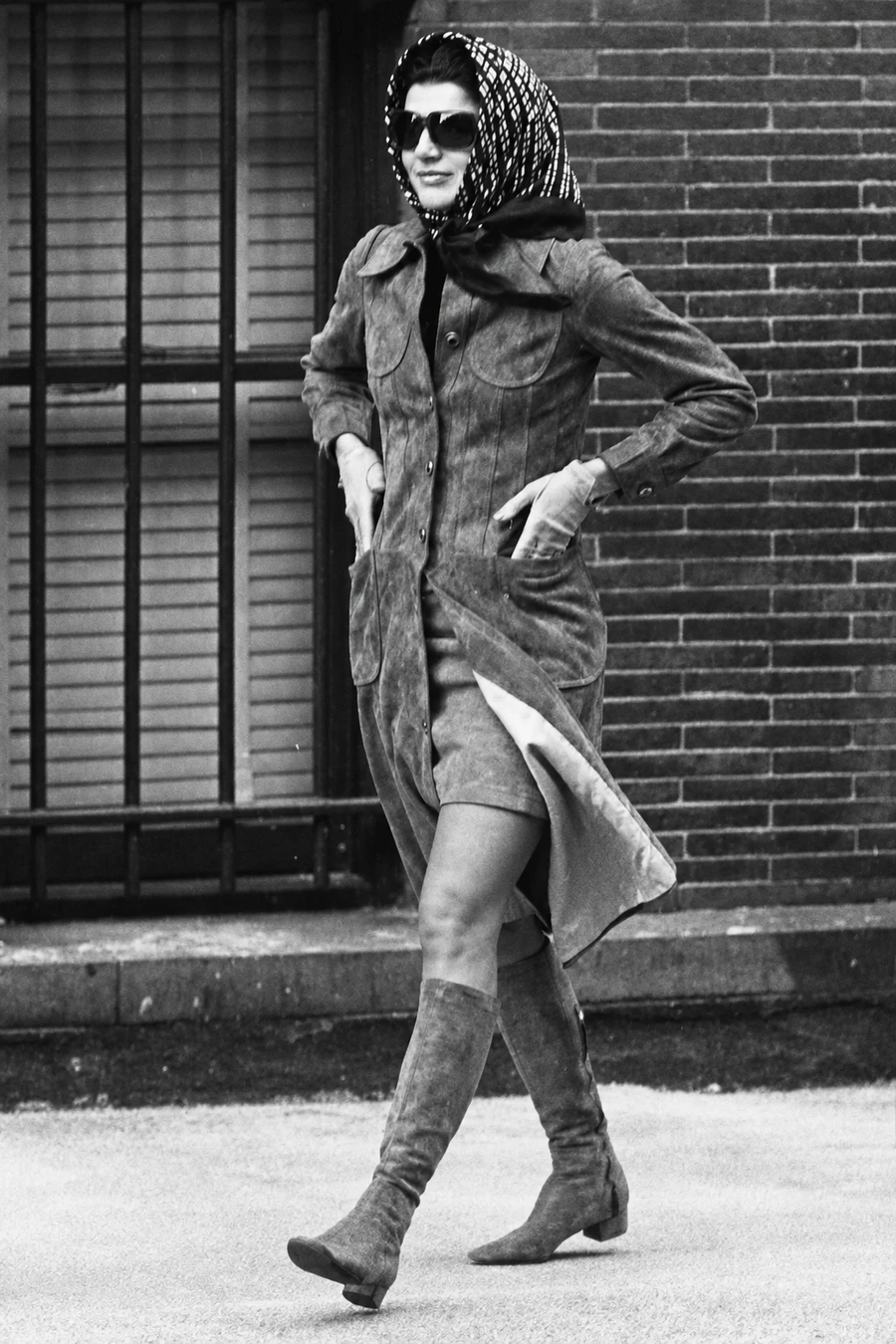
The years after the White House shifted the image into a looser, darker register. As Jackie Kennedy became Jackie O, headscarves, wide-leg trousers, black turtlenecks, sandals, and oversized sunglasses gave her elegance a more private rhythm, one shaped by travel, retreat, and a sharper refusal of access. The central instinct stayed intact: the surface composed, the body protected, the world allowed to look only so far. Jackie style endured through that edited presence, where every public appearance carried the elegance of something already remembered.
In Jackie style, a garment carries the calm of something prepared long before the door opens. It belongs to a room where the flowers have already been arranged, the chairs placed at the correct angle, and the light allowed to fall only where it should. Clothes enter her image with that same hush: a jacket holding the upper body like a composed frame, a dress moving with the quiet confidence of good manners, a coat settling around the figure as if public life itself required softer architecture.
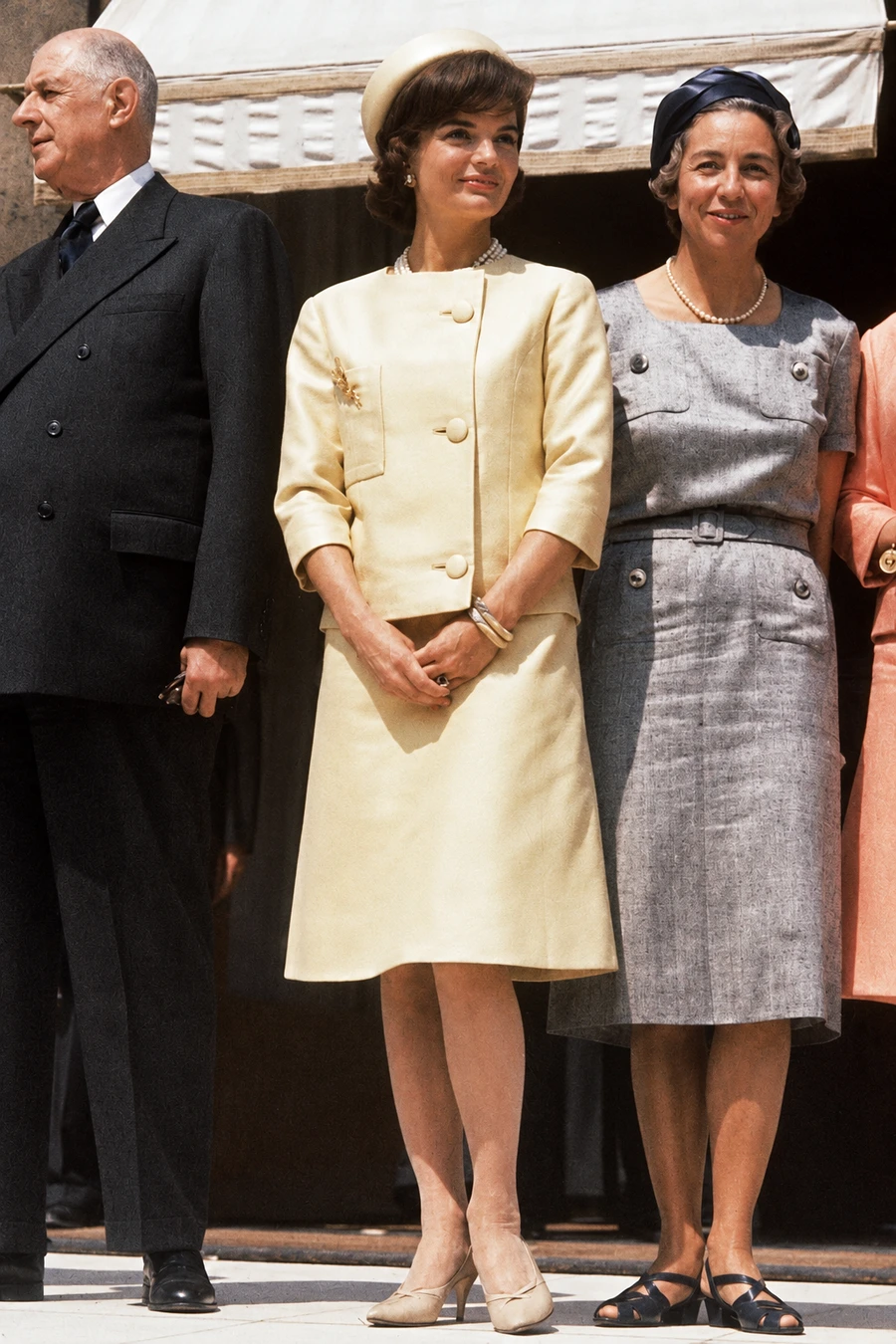
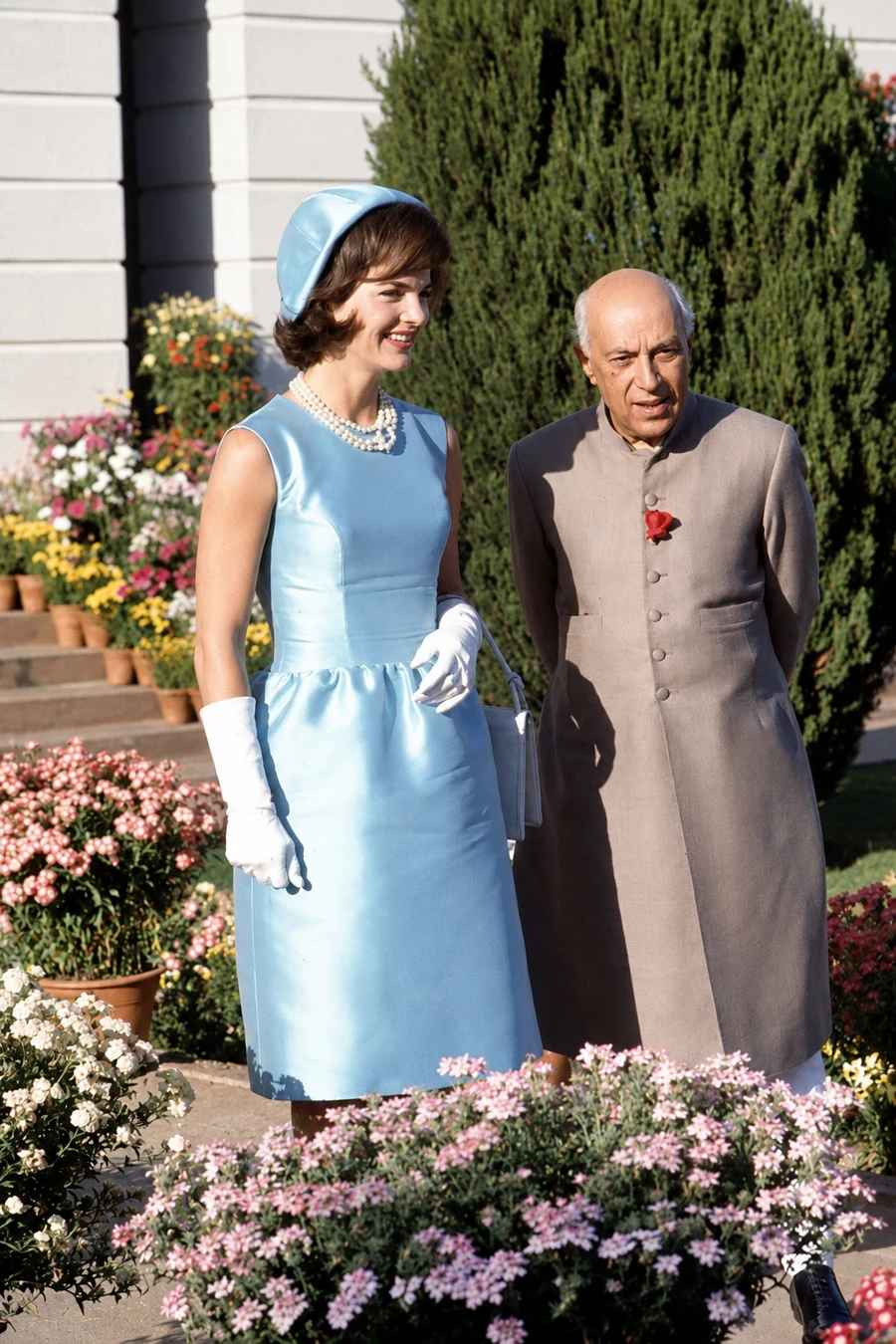
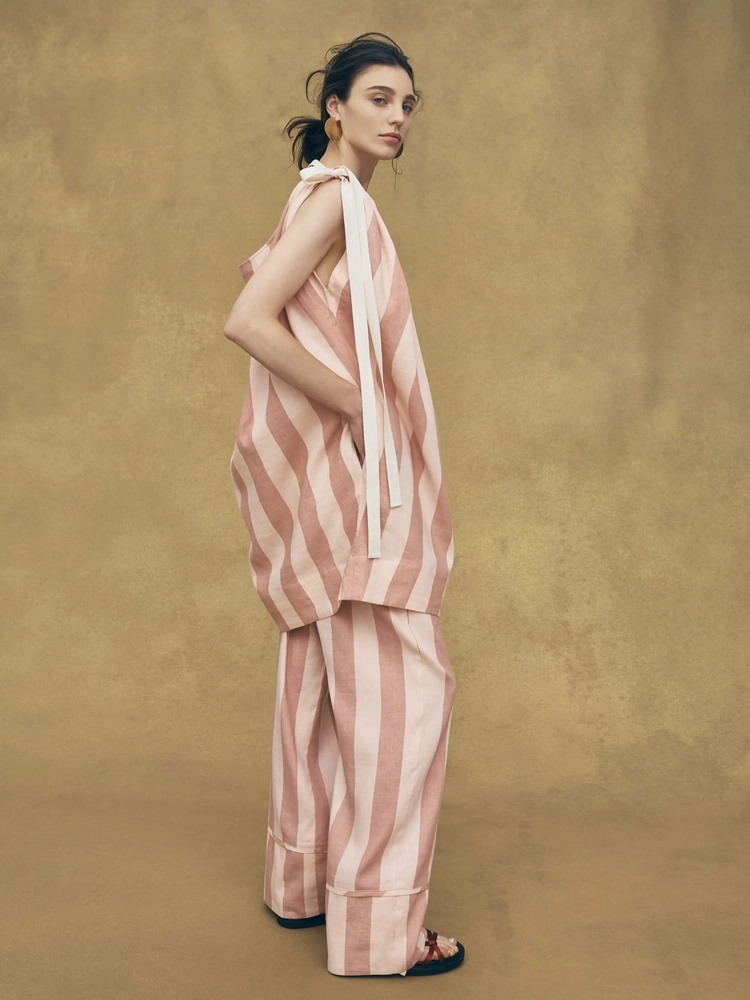
The line moves with a rare sense of composure, keeping the body visible while giving it a carefully measured distance from the world. Around the shoulders, the shape remains neat and self-possessed; through the waist and skirt, it opens into the quiet ease of an A-line dress, allowing the figure to breathe without losing its ceremonial clarity. Necklines stay clean, sleeves often stop just before the wrist, and the whole silhouette seems designed to frame posture. In Jackie style, elegance emerges from the space held around the figure, where every proportion seems to protect the woman from being read too easily.
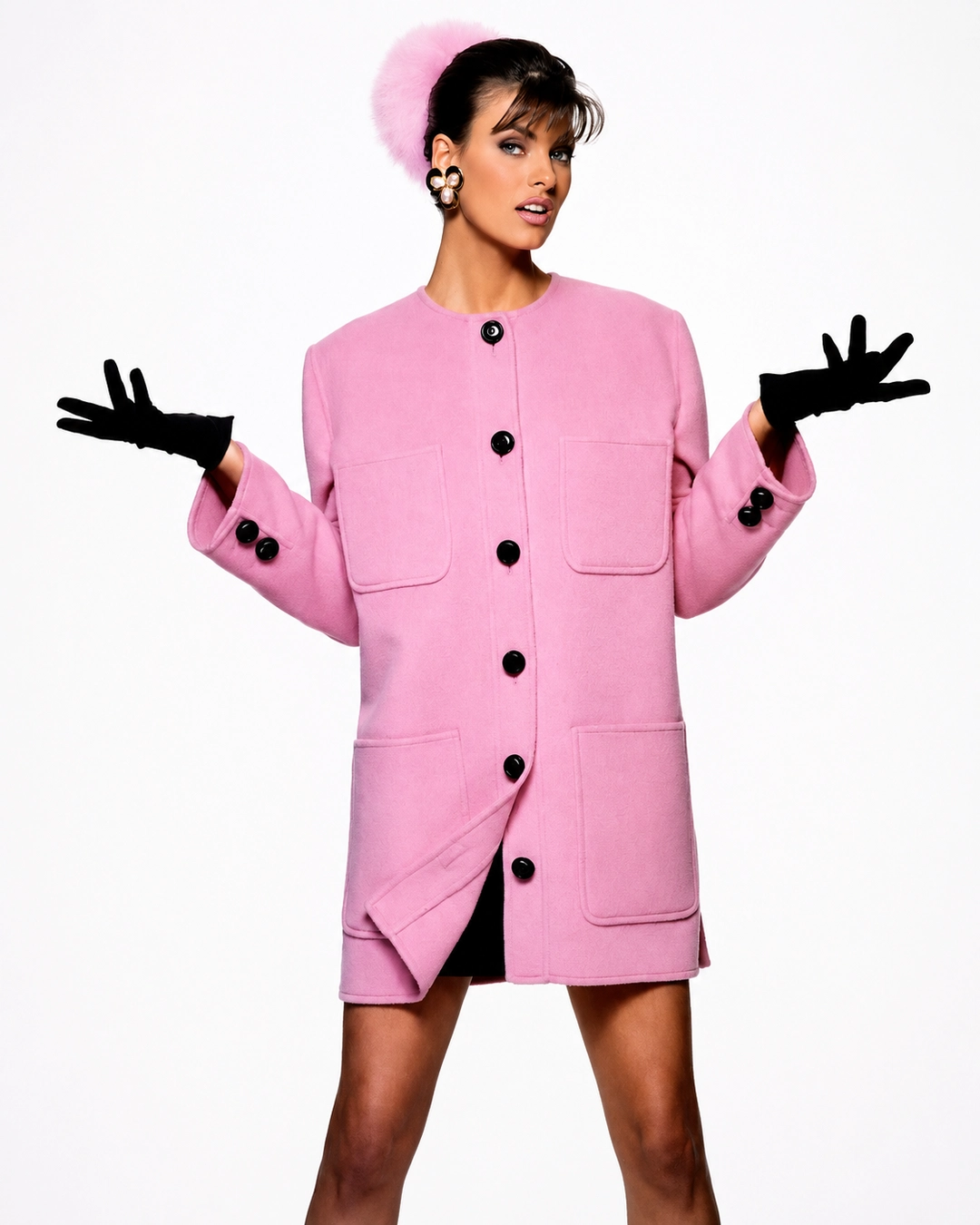
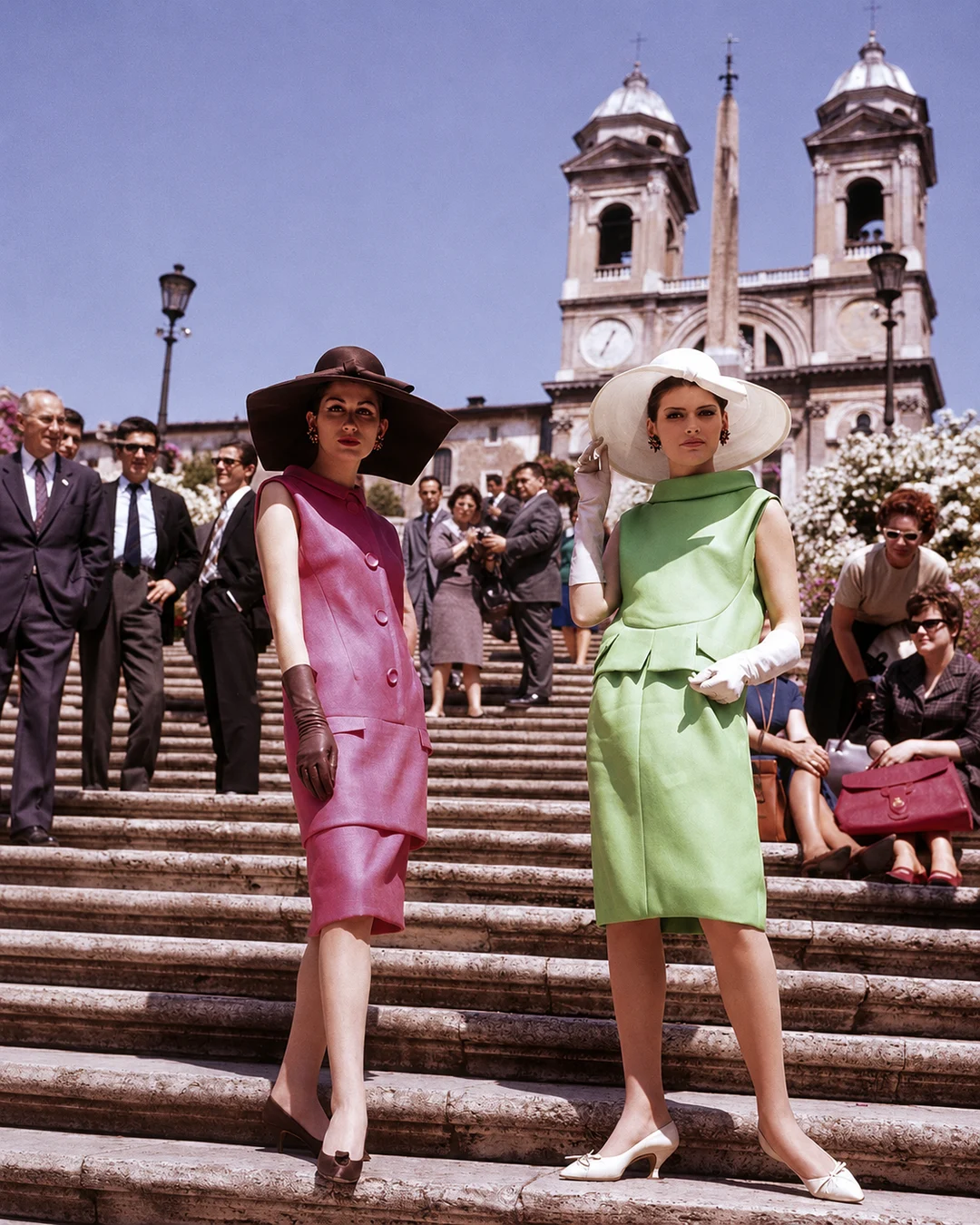
Colour moves through Jackie style with the sensitivity of weather. A pale suit can make an appearance feel touched by morning light, while a darker surface can gather privacy around the body with the quietness of a closed door. The palette works through atmosphere instead of display, turning softness into composure and composure into an image that feels carefully kept. Even the most delicate shade carries a certain formality, as if tenderness itself has been pressed, lined, and prepared for the camera.
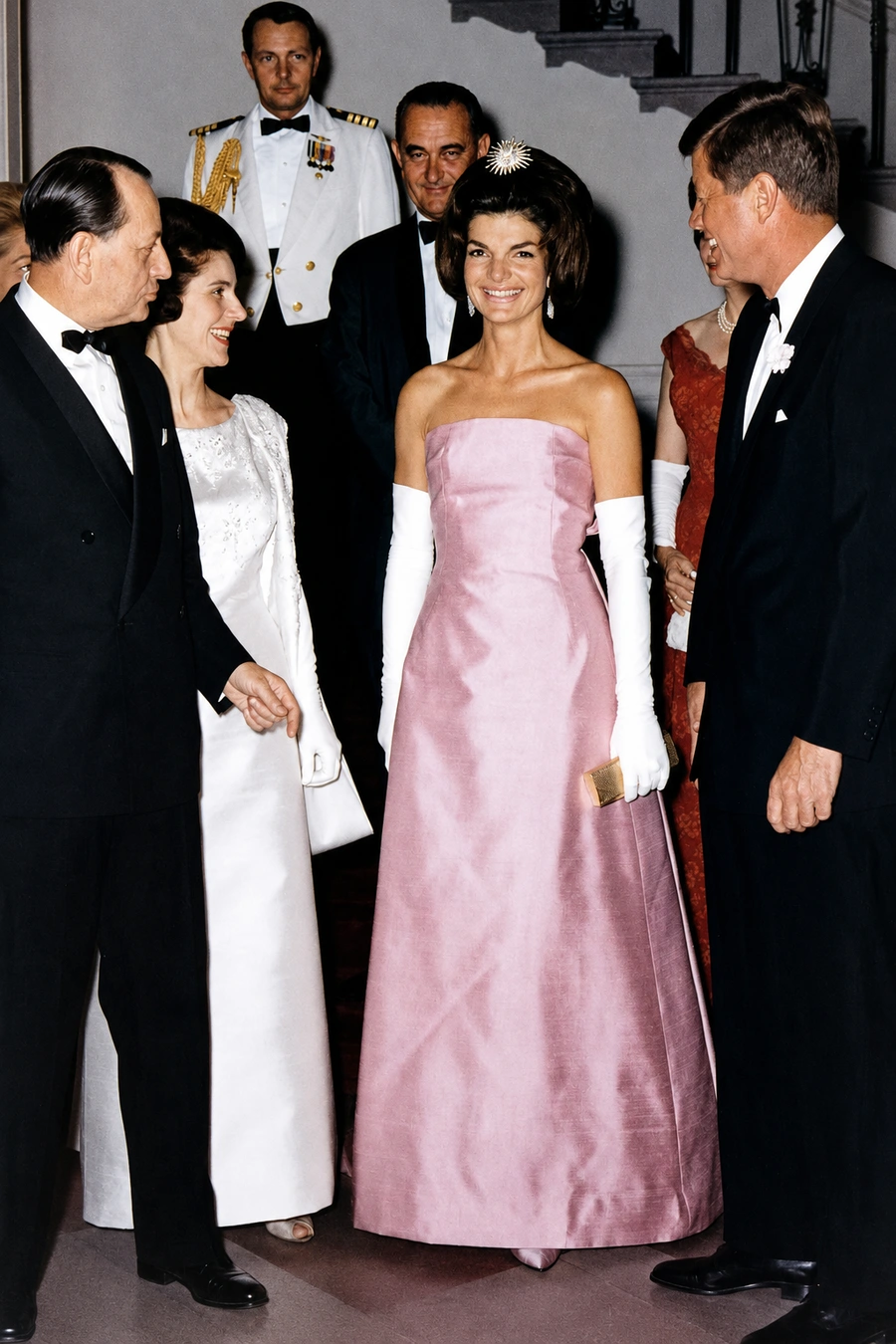
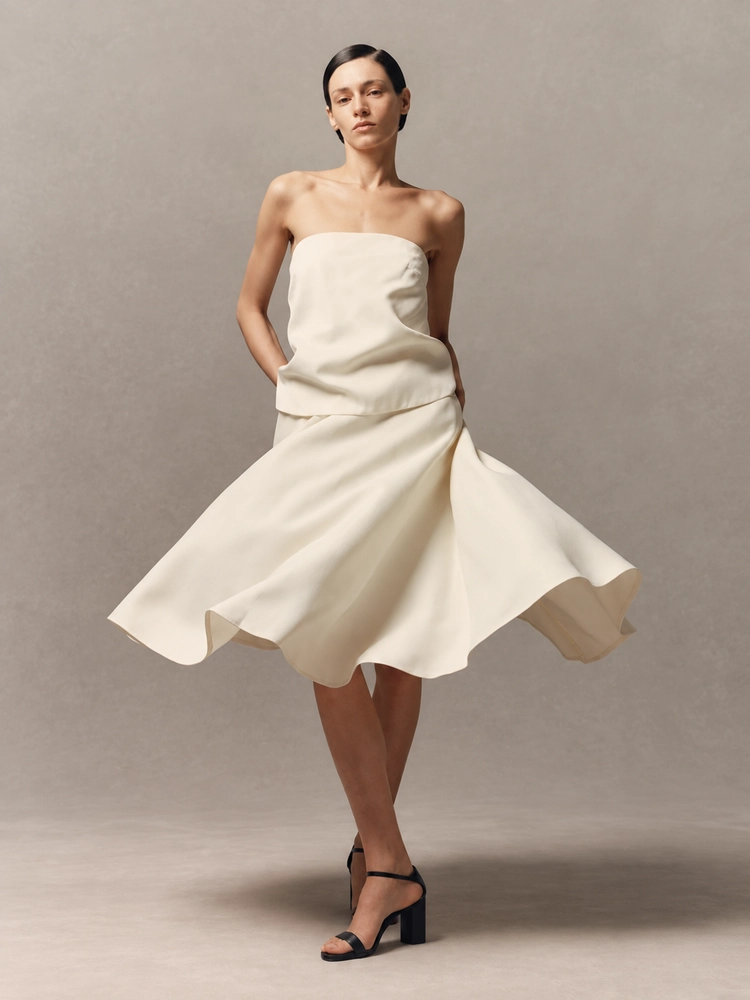
Fabric presents its quiet authority through surfaces that know how to hold a shape without hardening the woman inside it. The cloth needs enough structure to keep the line clean under public light, yet enough softness to let the image breathe: wool crepe with its disciplined fall, silk with its muted glow, bouclé with a gentle texture that reads polished rather than ornate. Across these materials, the style finds its most graceful balance, where elegance appears carefully kept but never frozen.
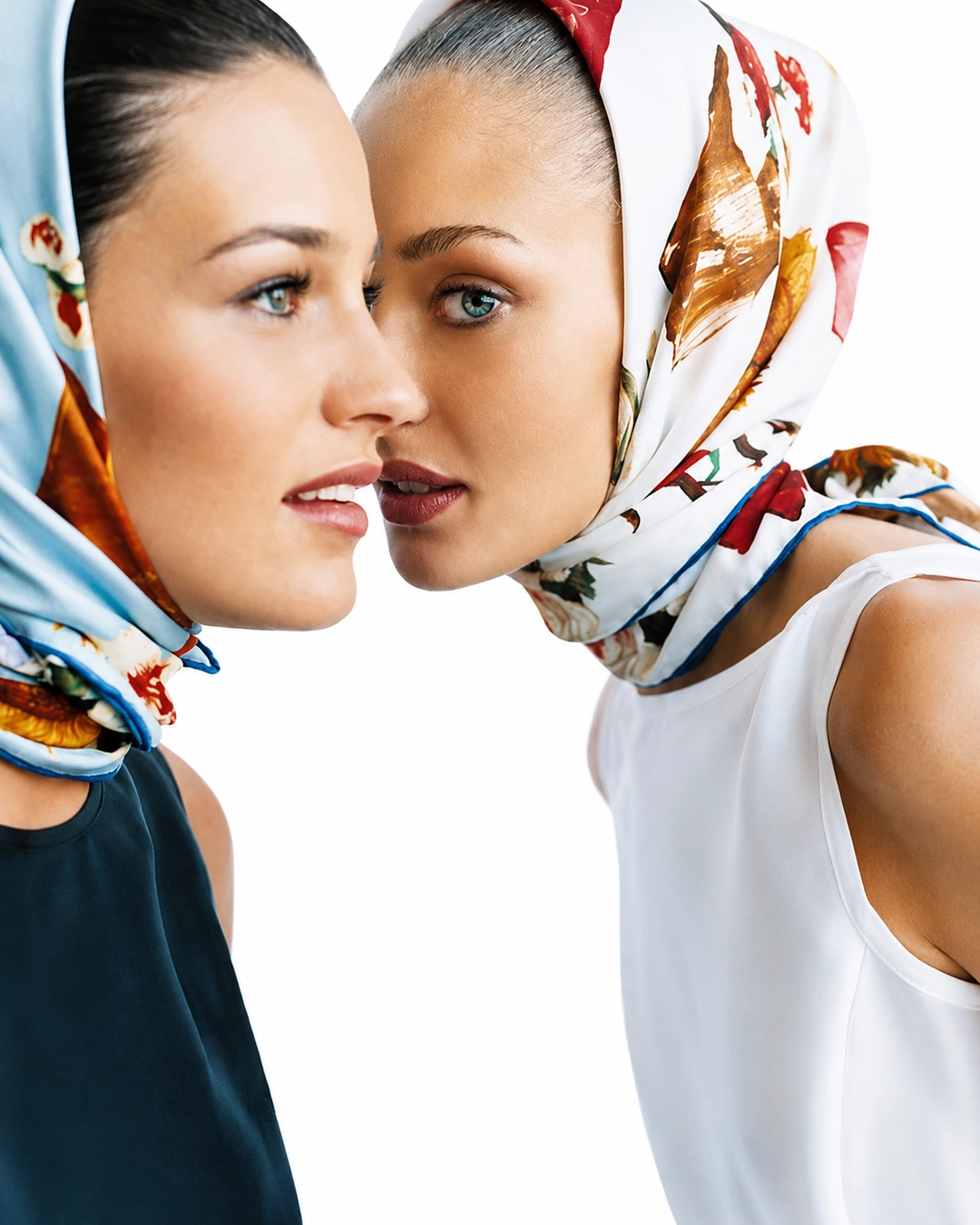
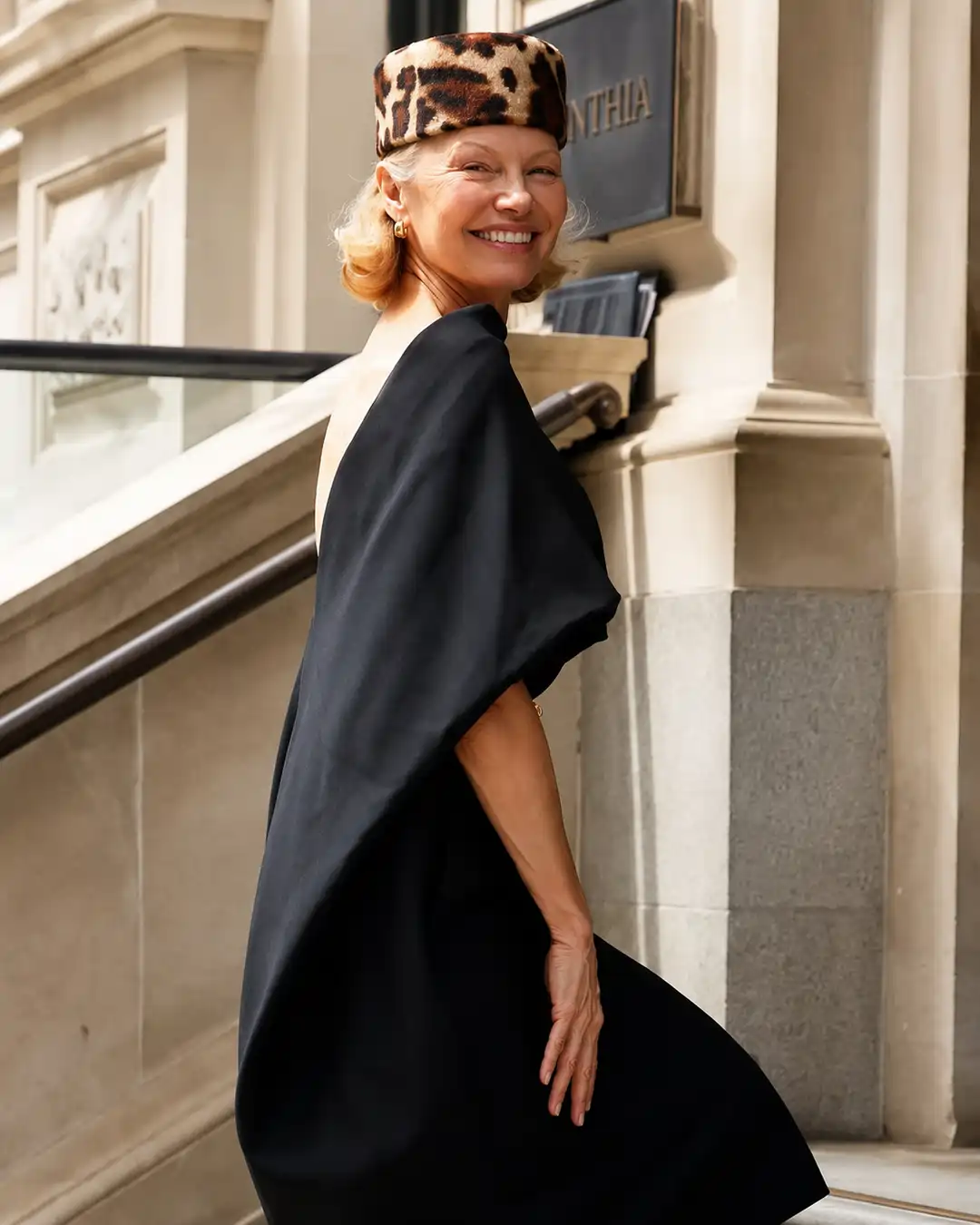
Accessories move like small acts of framing, each one narrowing the image with delicacy. The pillbox hat settles the face into a composed silhouette, pearls bring a controlled light to the throat, and gloves extend the sleeve into a gesture of touch held back. Later, scarves and oversized sunglasses shifted the same language into a more private key, allowing Jackie style to travel beyond ceremony and gather around her like a portable shade.
The everlasting beauty of Jackie style lies in this carefully held tension: clothes that appear soft while protecting themselves, silhouettes that look simple while carrying rituals, and details so composed they begin to feel almost emotional. It is elegance with a closed door inside it, soft in outline and impossible to fully enter.
Around Jackie style, silence behaves almost like architecture. It gathers in the polished hallway before a door opens, settles across the pale surface of a suit, and follows the small turn of a face as the camera waits for permission to come closer. The image is graceful, though its grace carries the quiet discipline of something carefully guarded, like a room lit for guests while the most private door remains closed.
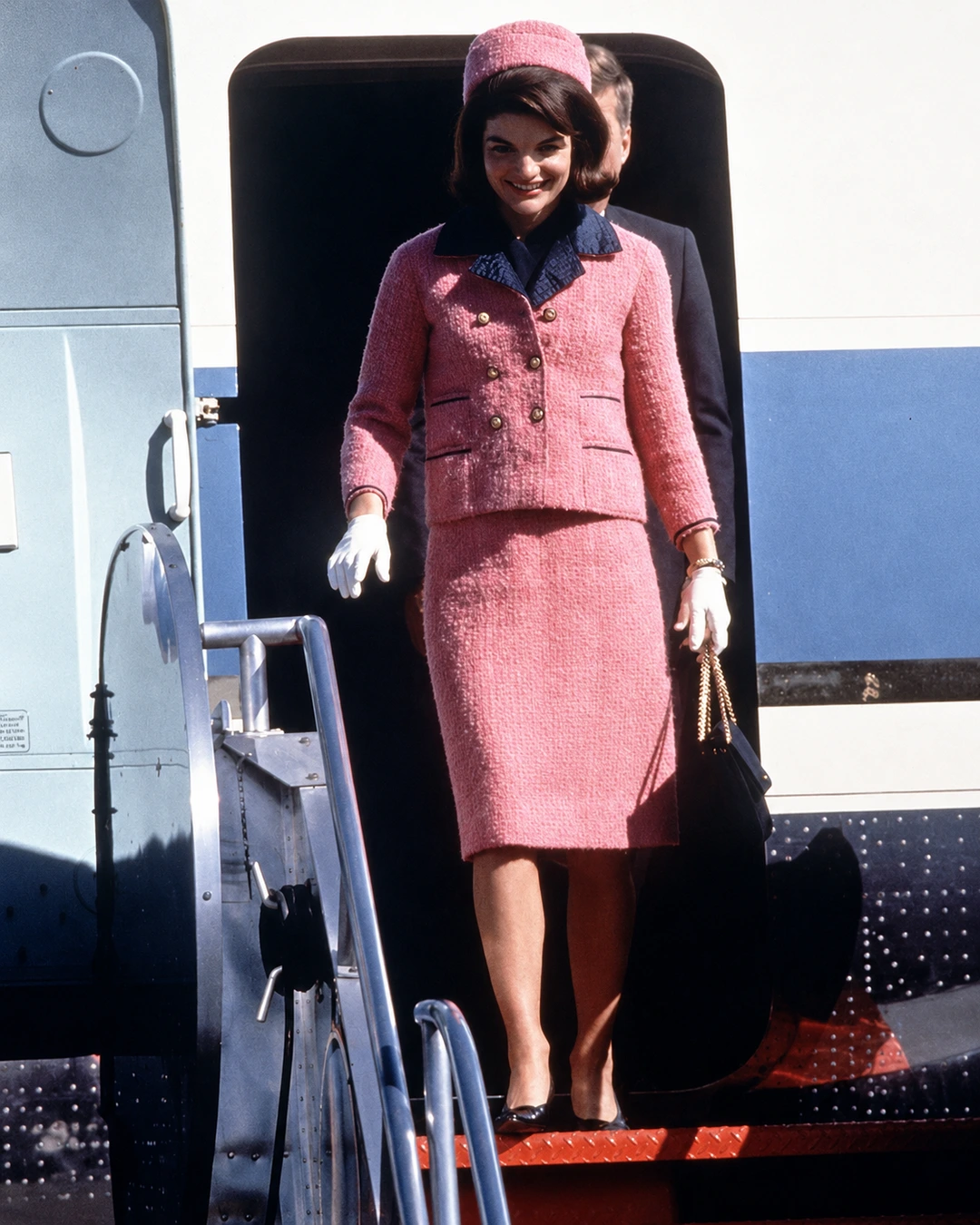
Beneath that elegance, distance moves like a second lining, hidden inside the pale suit, the lowered gaze, and the silence around each public gesture. In the White House years, that distance looked ceremonial, carried through soft colour, neat shoulders, and the careful etiquette of public life; later, as Jackie O, it grew darker and more private, passing through headscarves, dark glasses, sunlit streets, and the guarded rhythm of a woman followed by the world. The clothes changed their climate, yet the spell remained: she could be photographed endlessly and still keep the most important part of herself elsewhere.
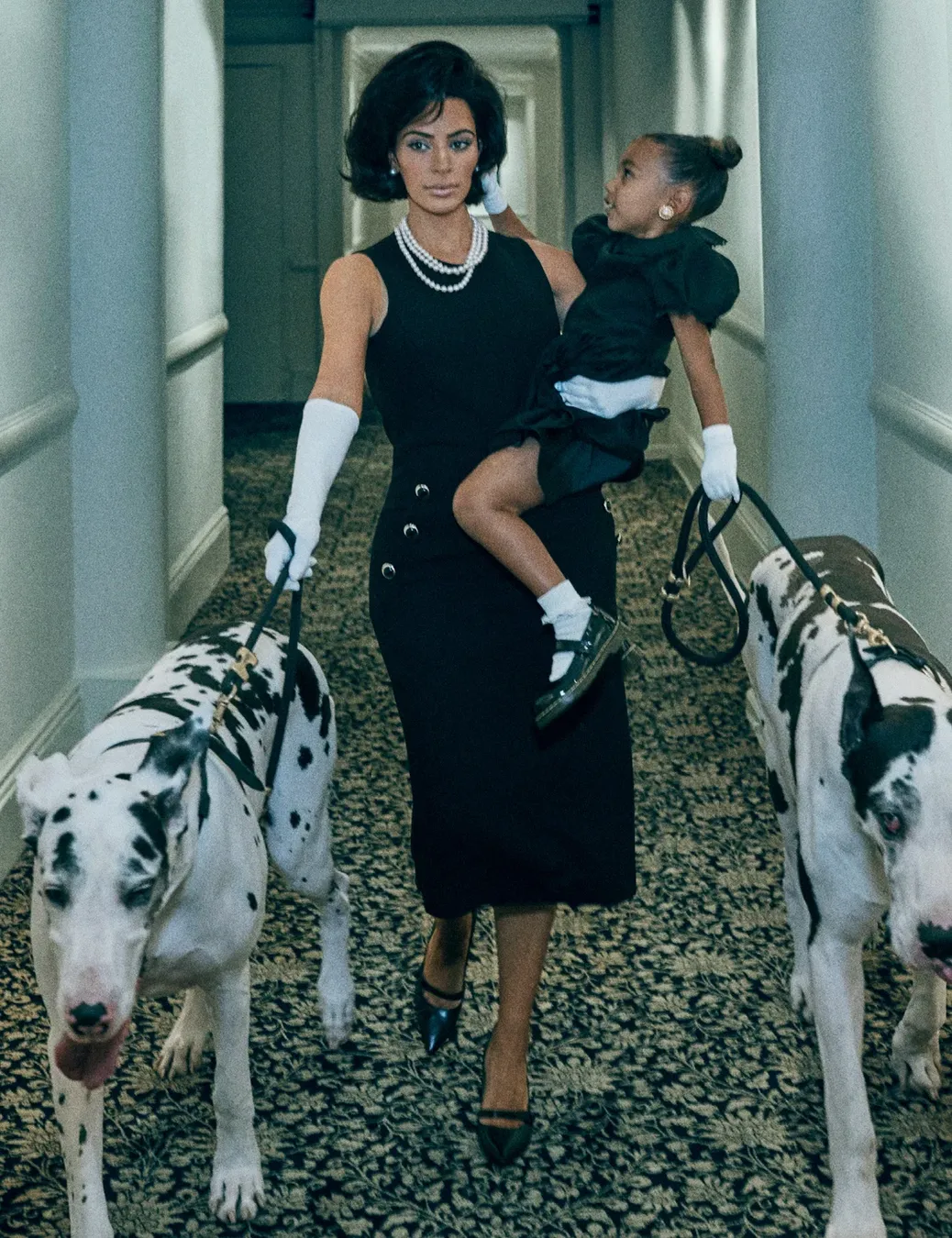
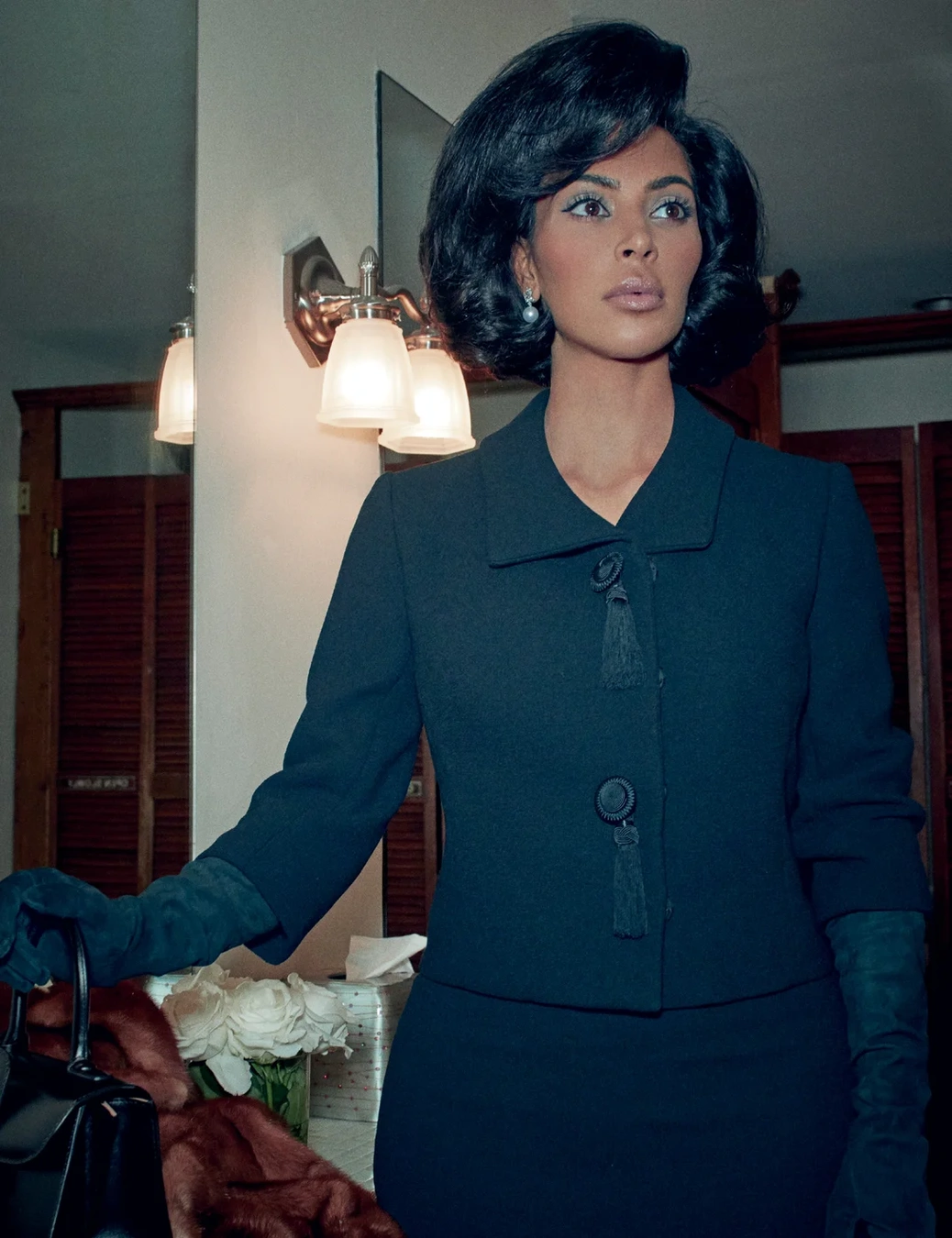
Jackie style keeps its beauty in the breath before the door opens, in the instant where the image offers itself to the world and still keeps one room unlit. A sleeve ending just above the wrist, a neckline opening with exact restraint, a scarf drawn close to the face, or a pair of sunglasses catching the sky can all create the same sensation: the woman is radiant and carefully protected by the image surrounding her. Her elegance never begs for closeness; it lets the gaze approach, then teaches it to stop.
Its quiet ache comes from the woman behind the image, polished by history, followed by cameras, and still carrying private weather no photograph could fully hold. Every polished appearance seems to contain two lives at once: the woman the world could recognize instantly, and the woman moving silently behind that recognition.
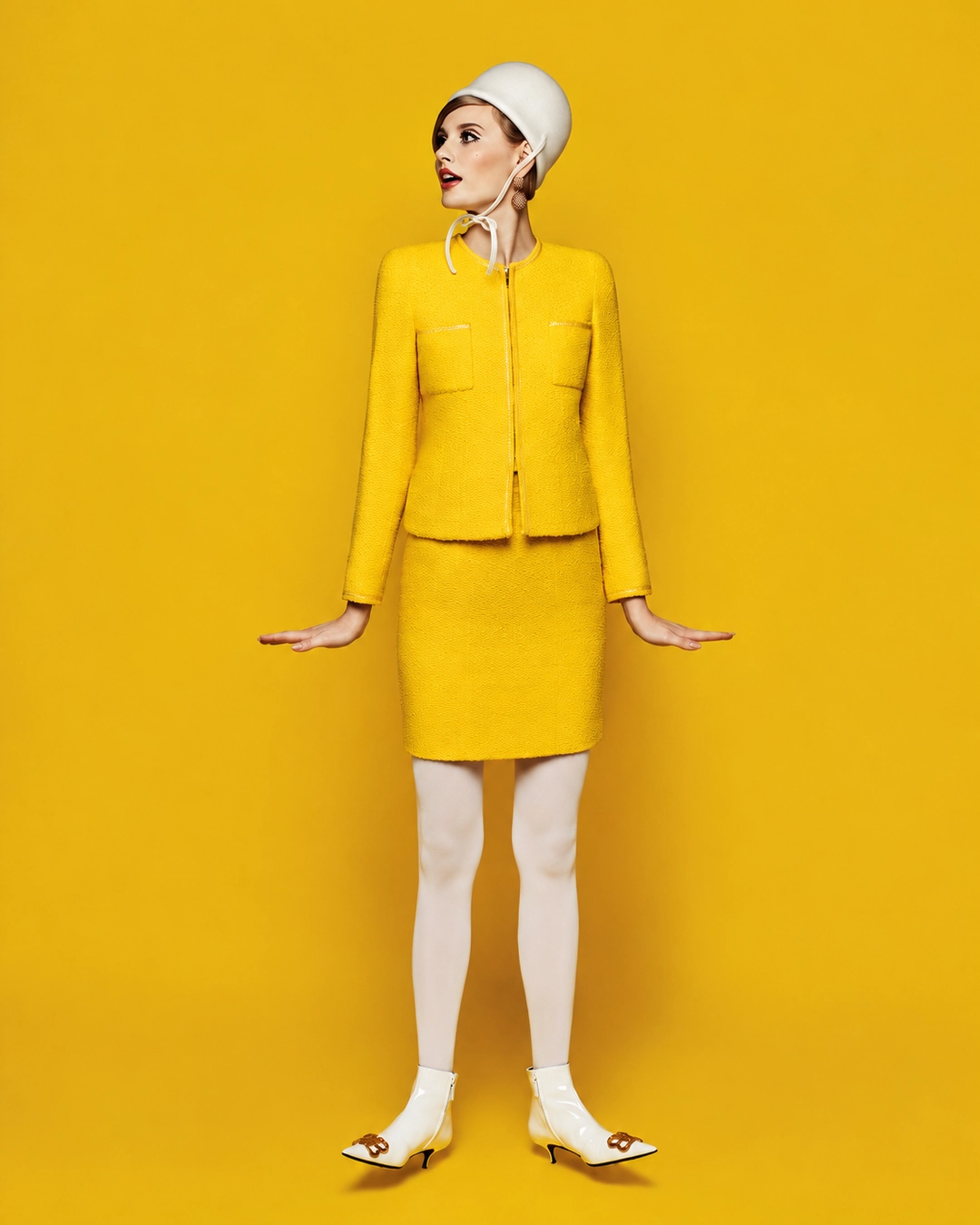
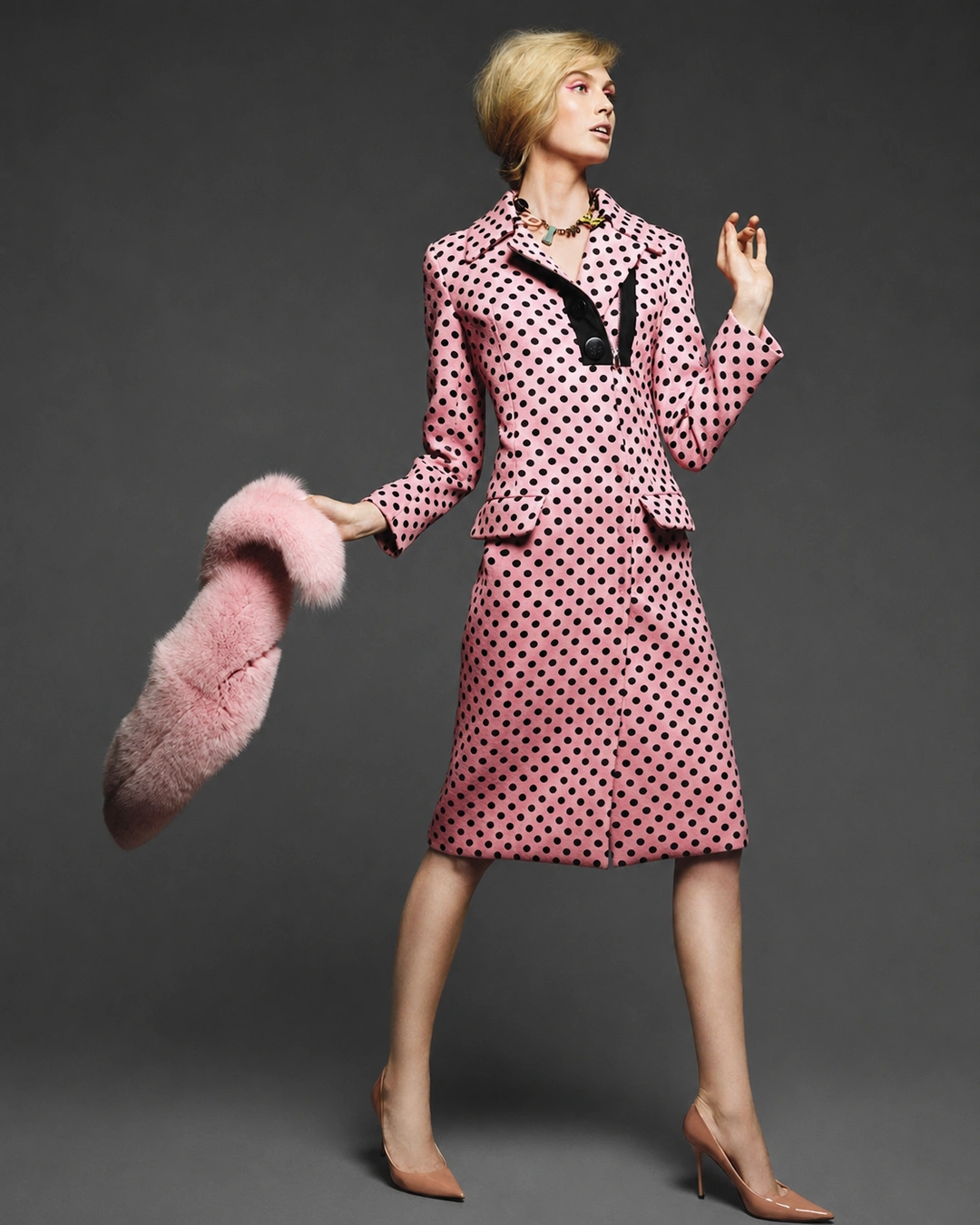
In Jackie style, beauty becomes a veil softly drawn between the woman and the world. It lets the camera believe it has captured everything, while the woman in the frame keeps drifting further inward. That elegance stays haunting because it never truly opens, a style remembered as a controlled breath behind glass.
Every few seasons, fashion returns to Jackie style as if returning to a photograph it has never fully understood. The image is familiar, yet never finished: a woman shaped by public grace, private distance, and the kind of elegance that seems to carry history without letting history touch the skin too closely.
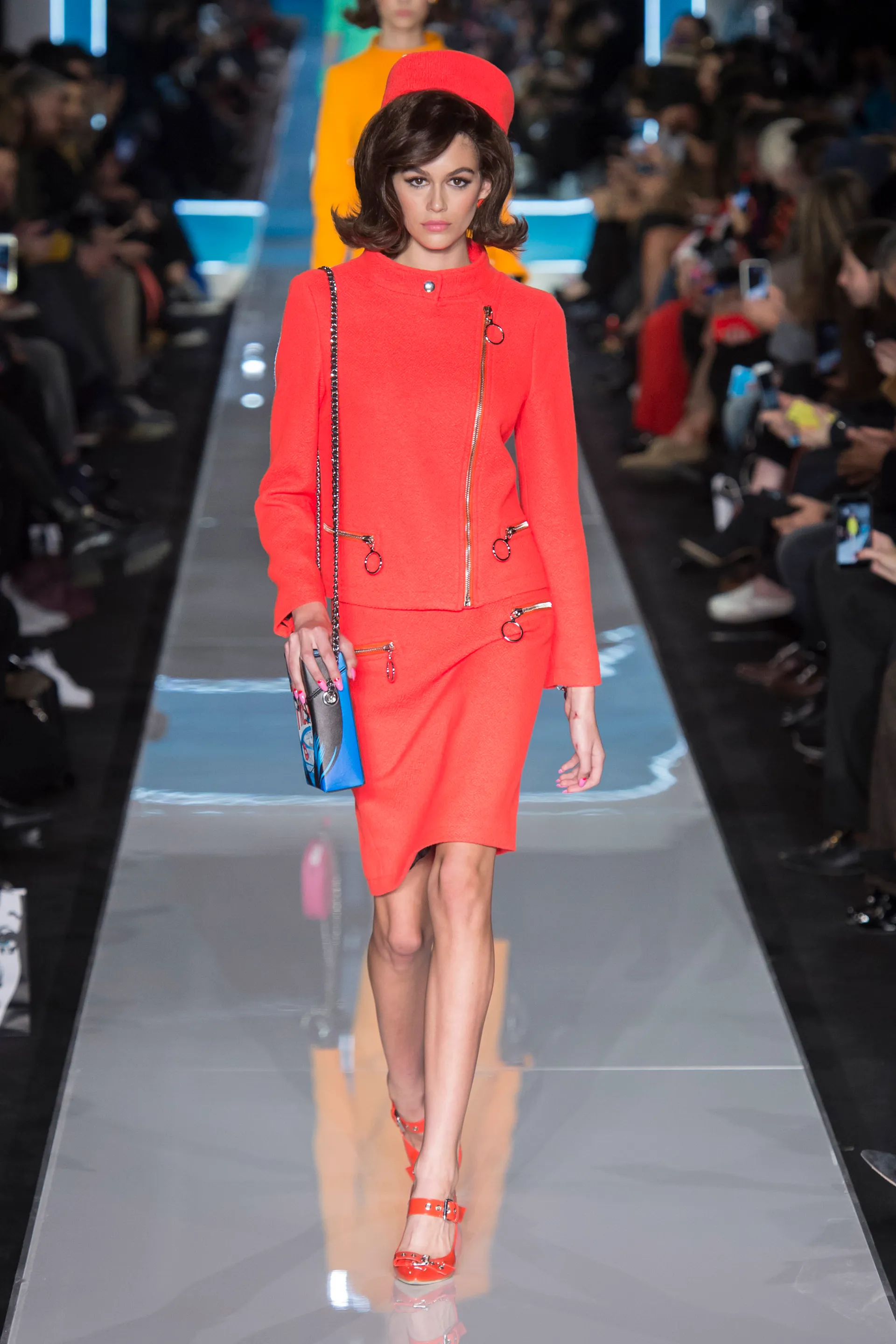
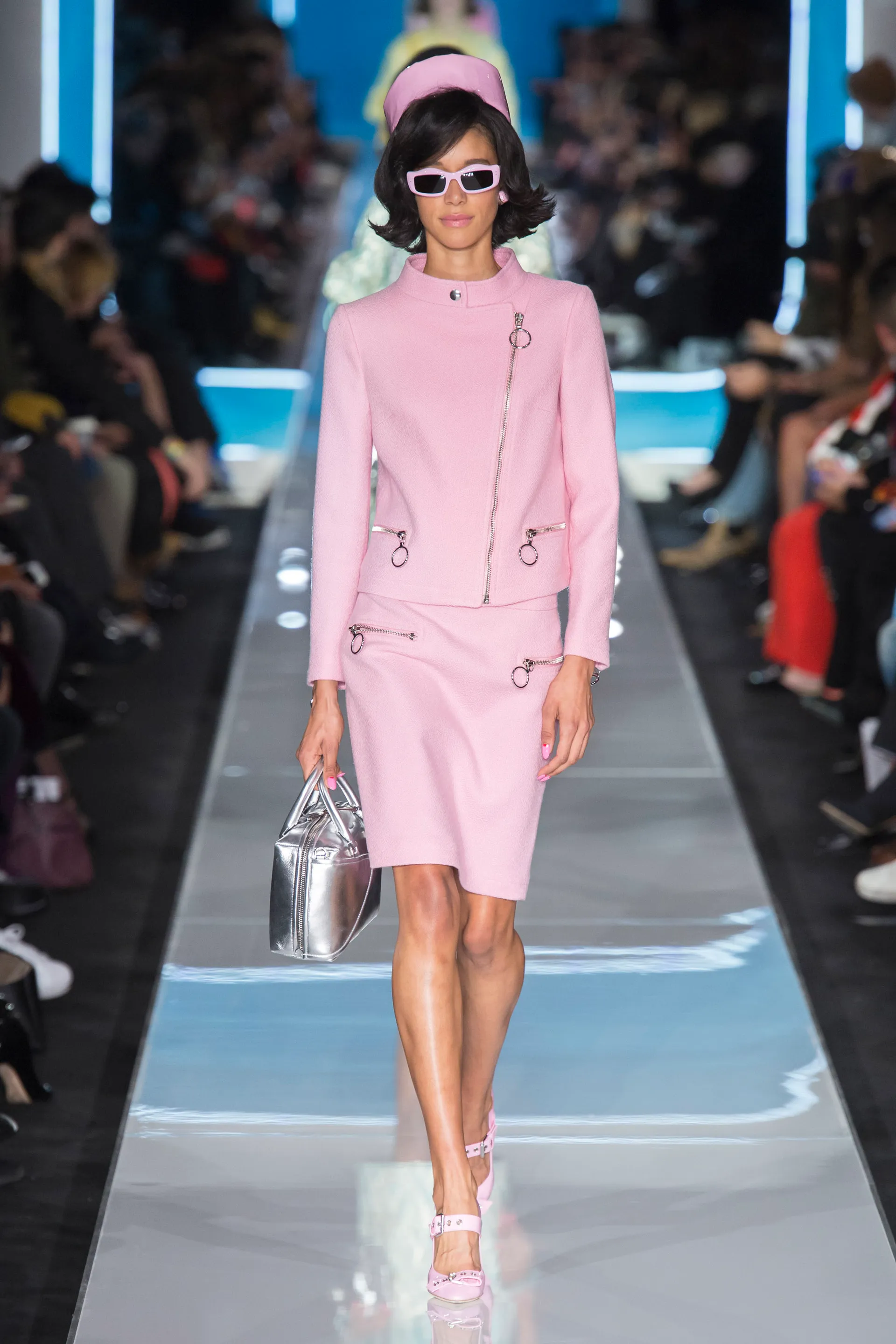
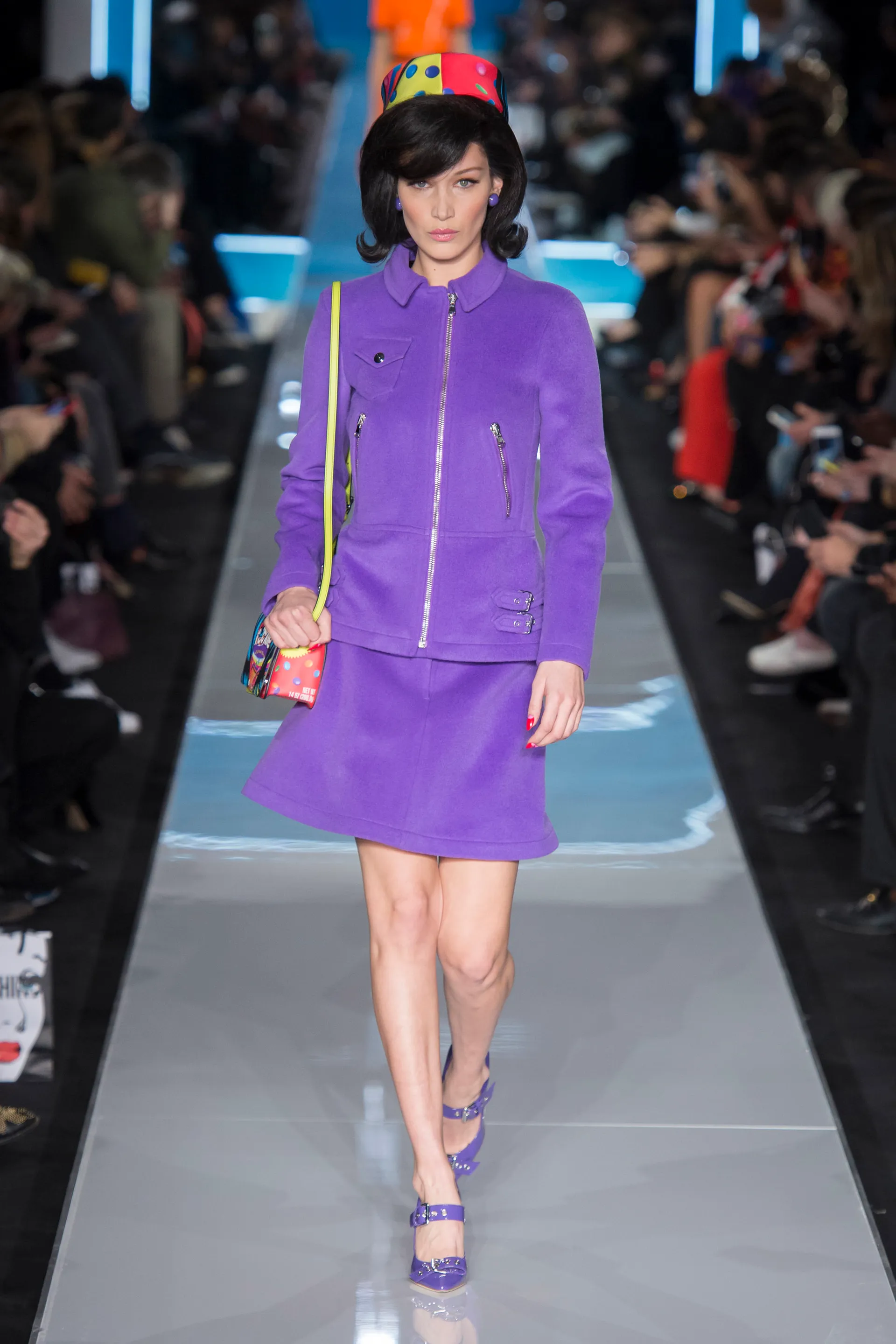
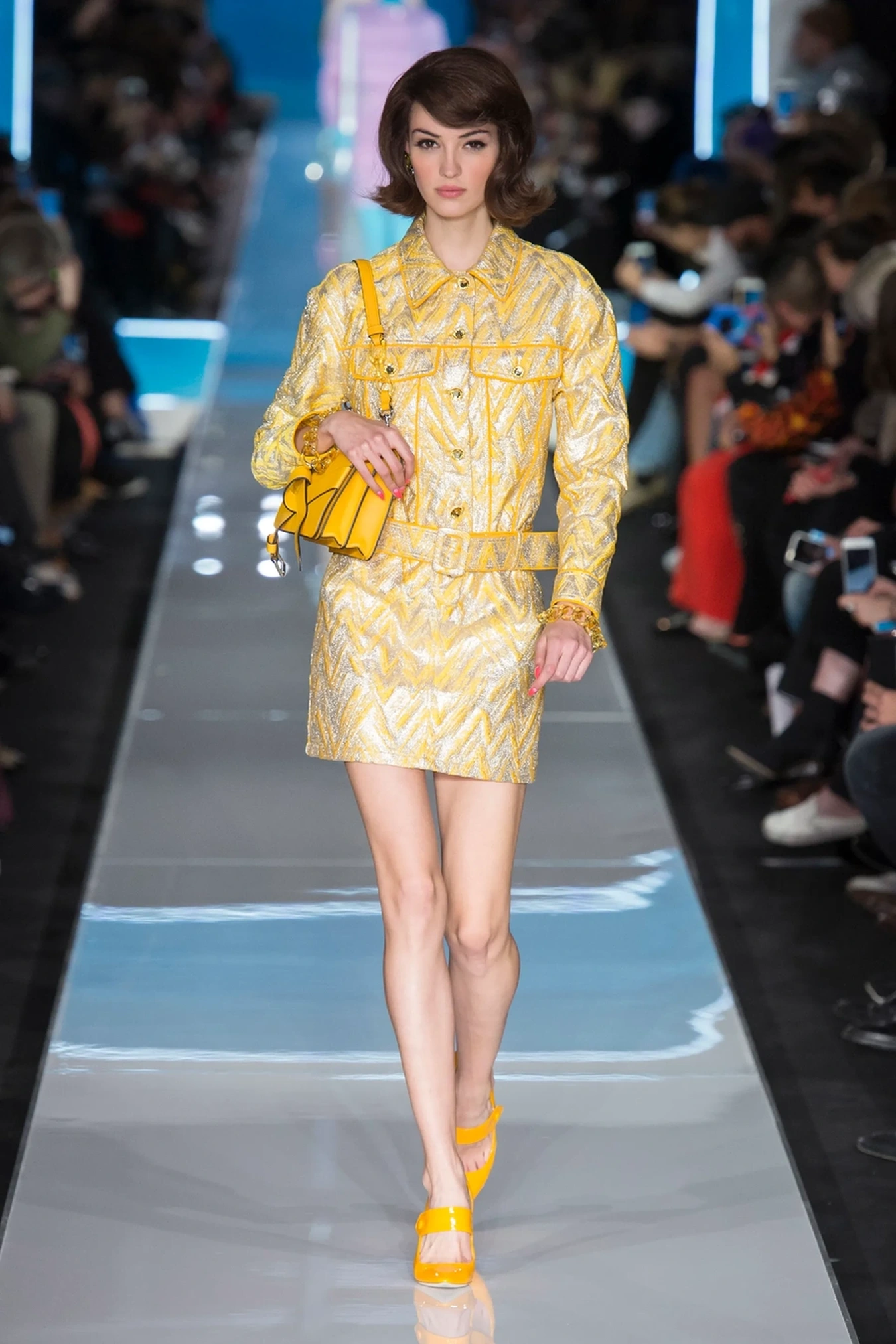
Moschino approaches that image through theatrical clarity, amplifying the codes until the public woman becomes almost cinematic in her brightness. Its contribution lies in making the Jackie silhouette instantly readable again, treating her polish as performance and reminding us that ceremony itself can contain a strange kind of drama.
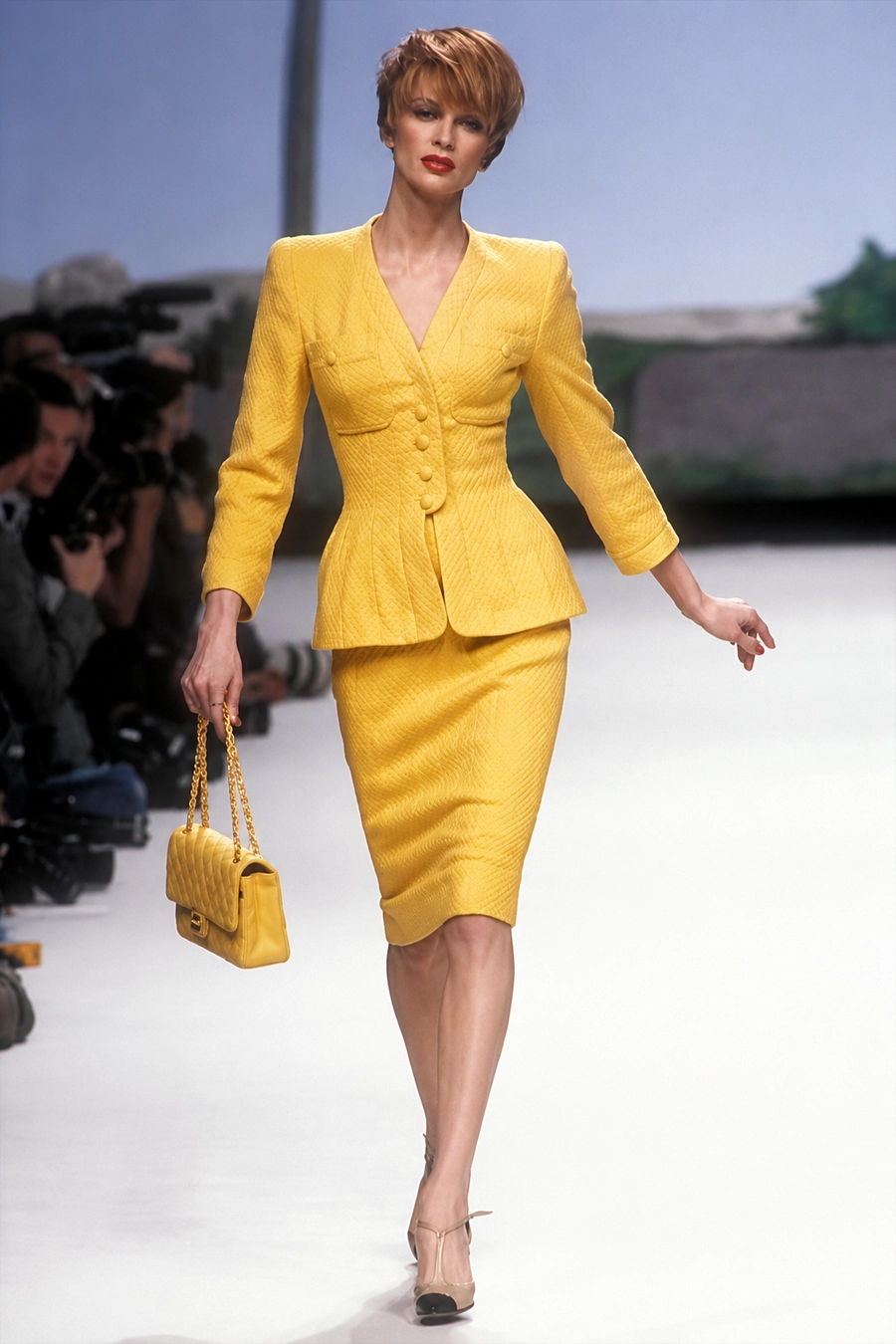
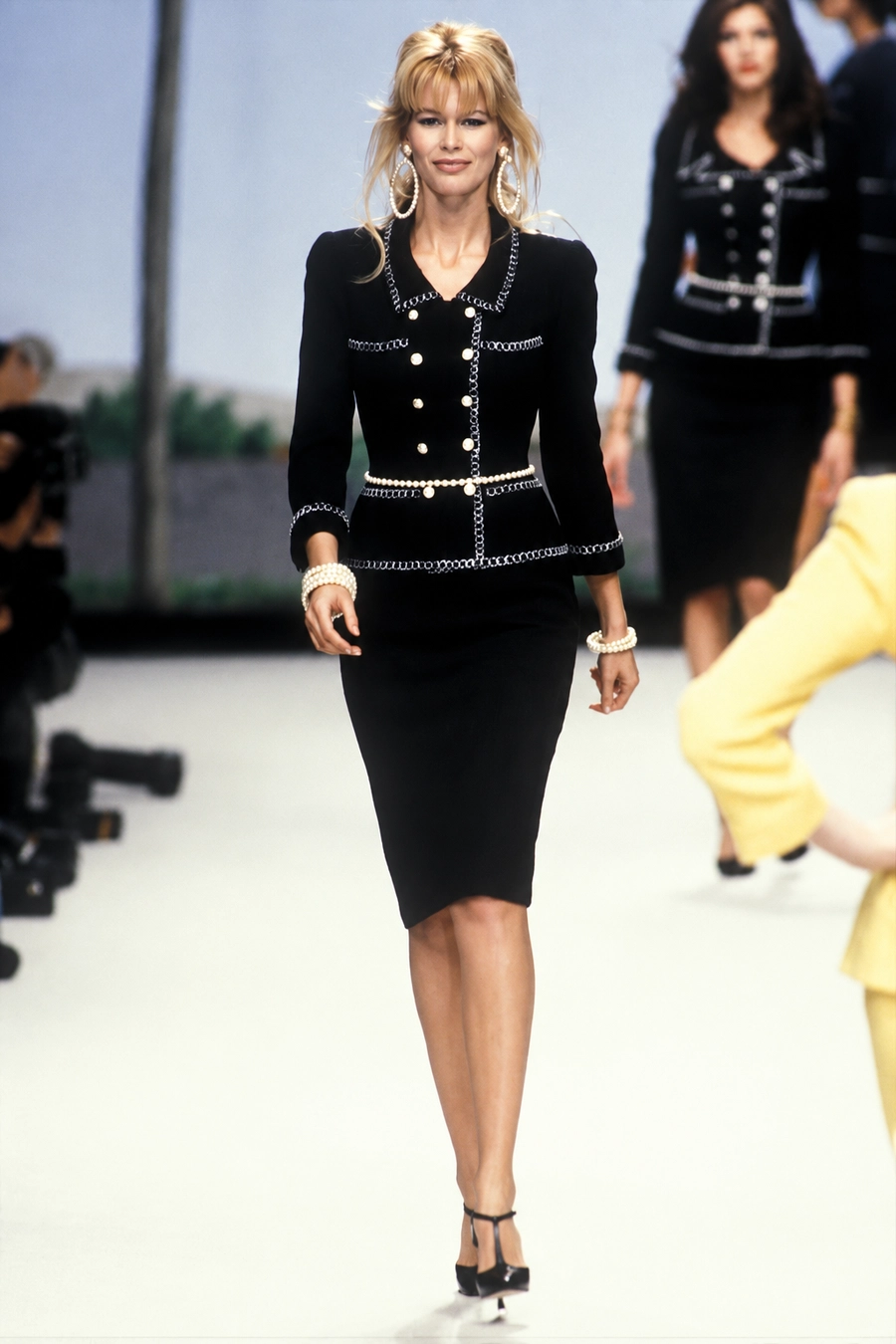
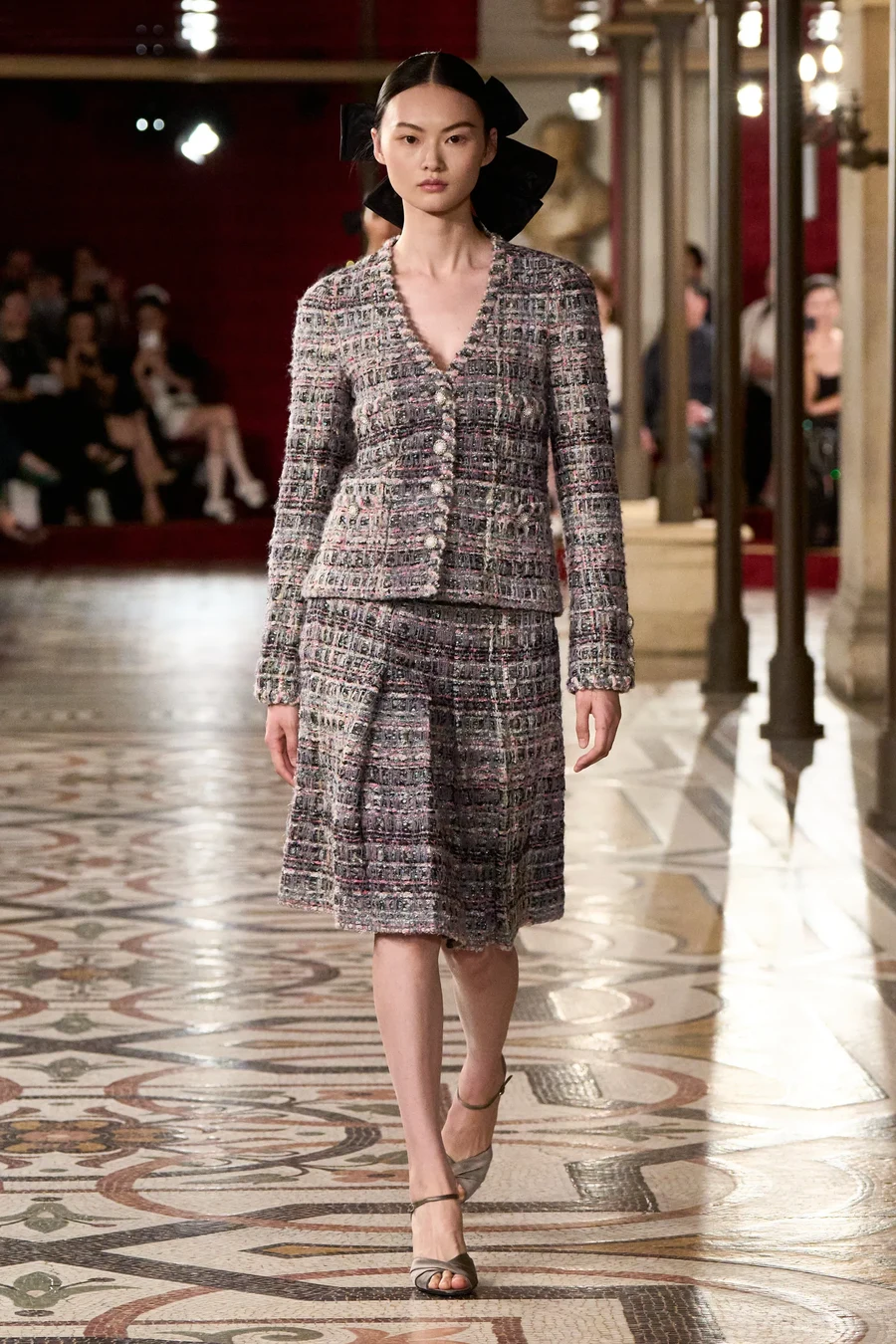
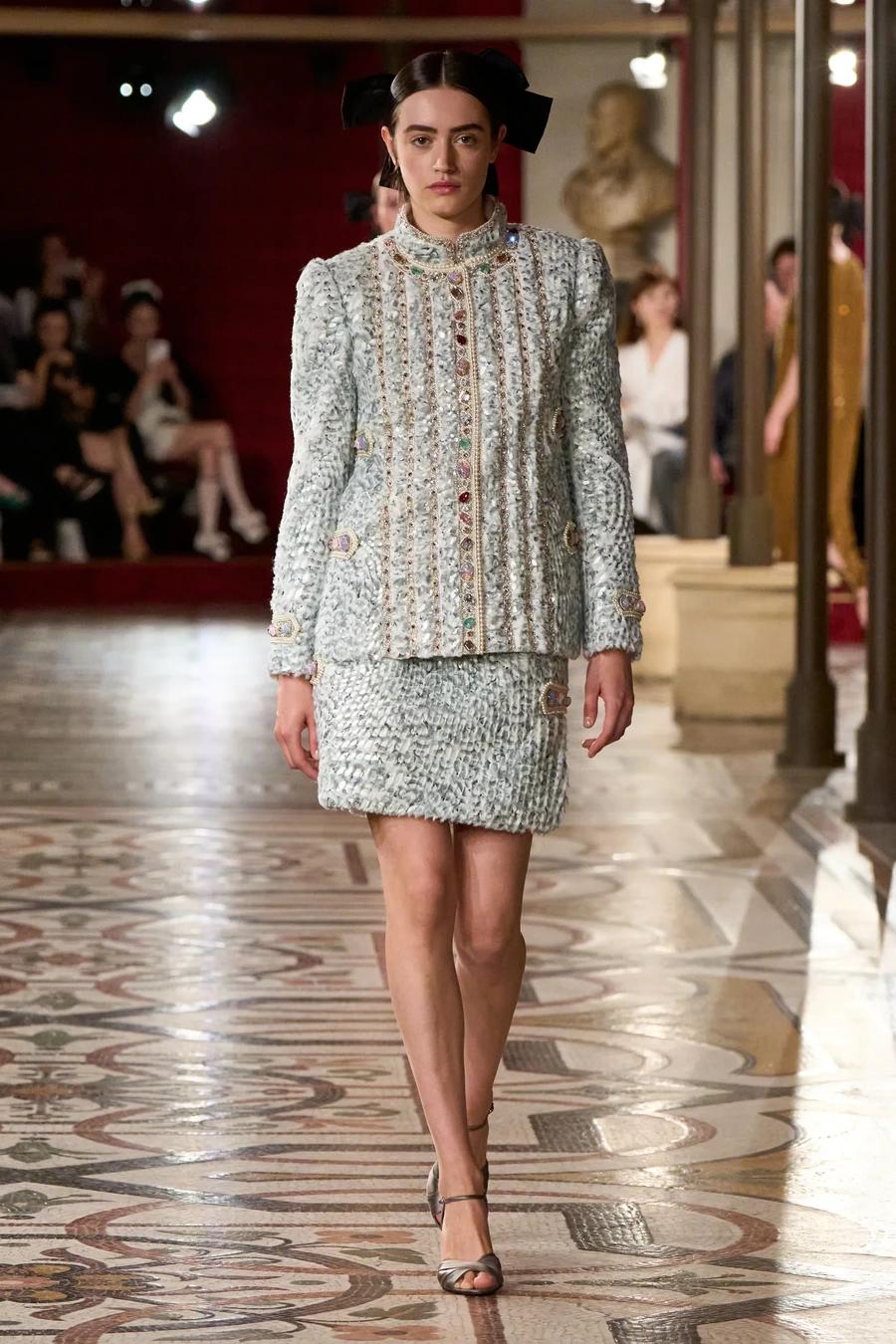
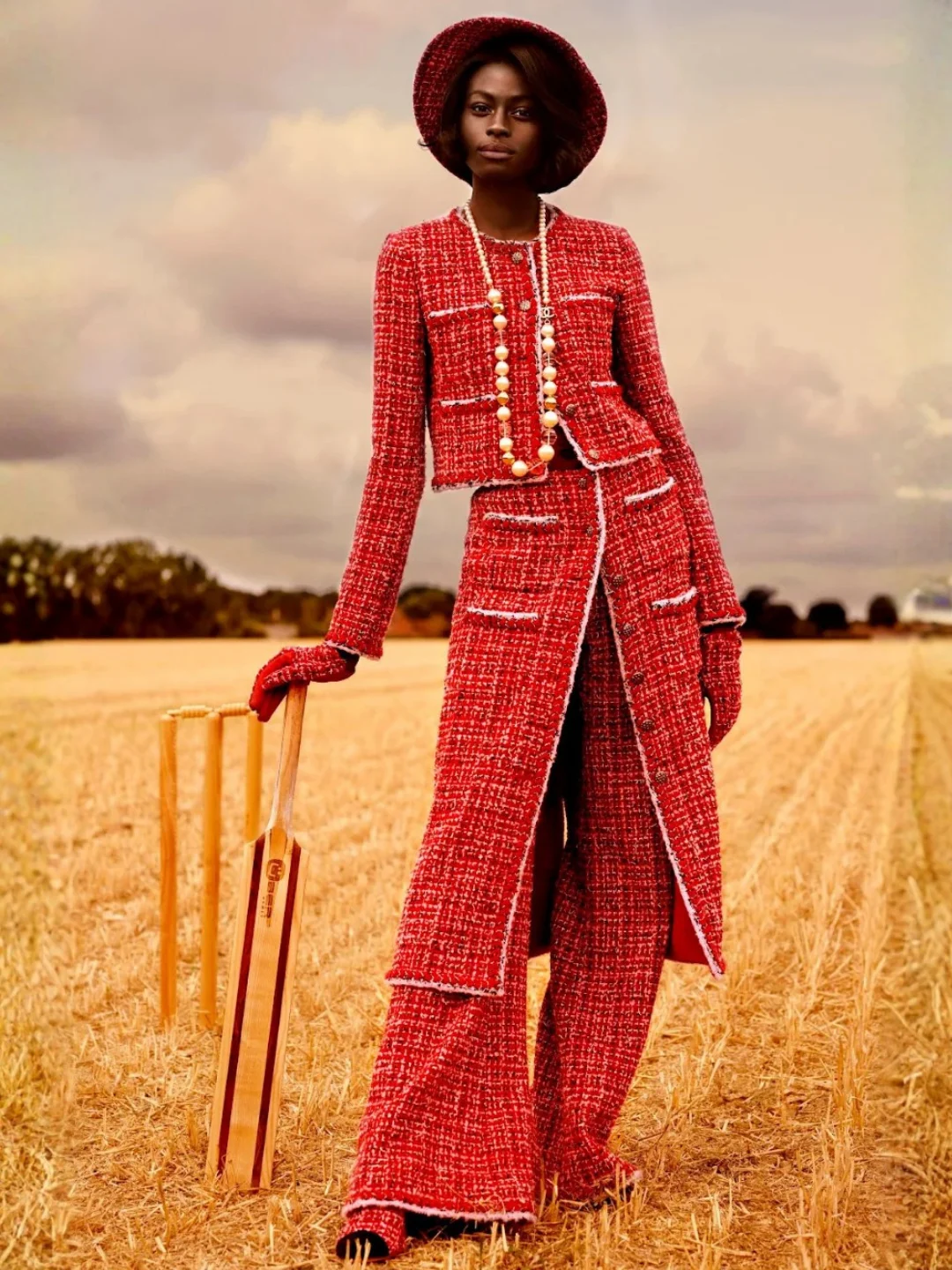
Chanel gives Jackie style its most enduring language of structure. Through tweed, proportion, and the quiet authority of a suit, the house turns elegance into architecture, allowing the body to appear protected by craft, surface, and the memory of an image already sealed into fashion history.
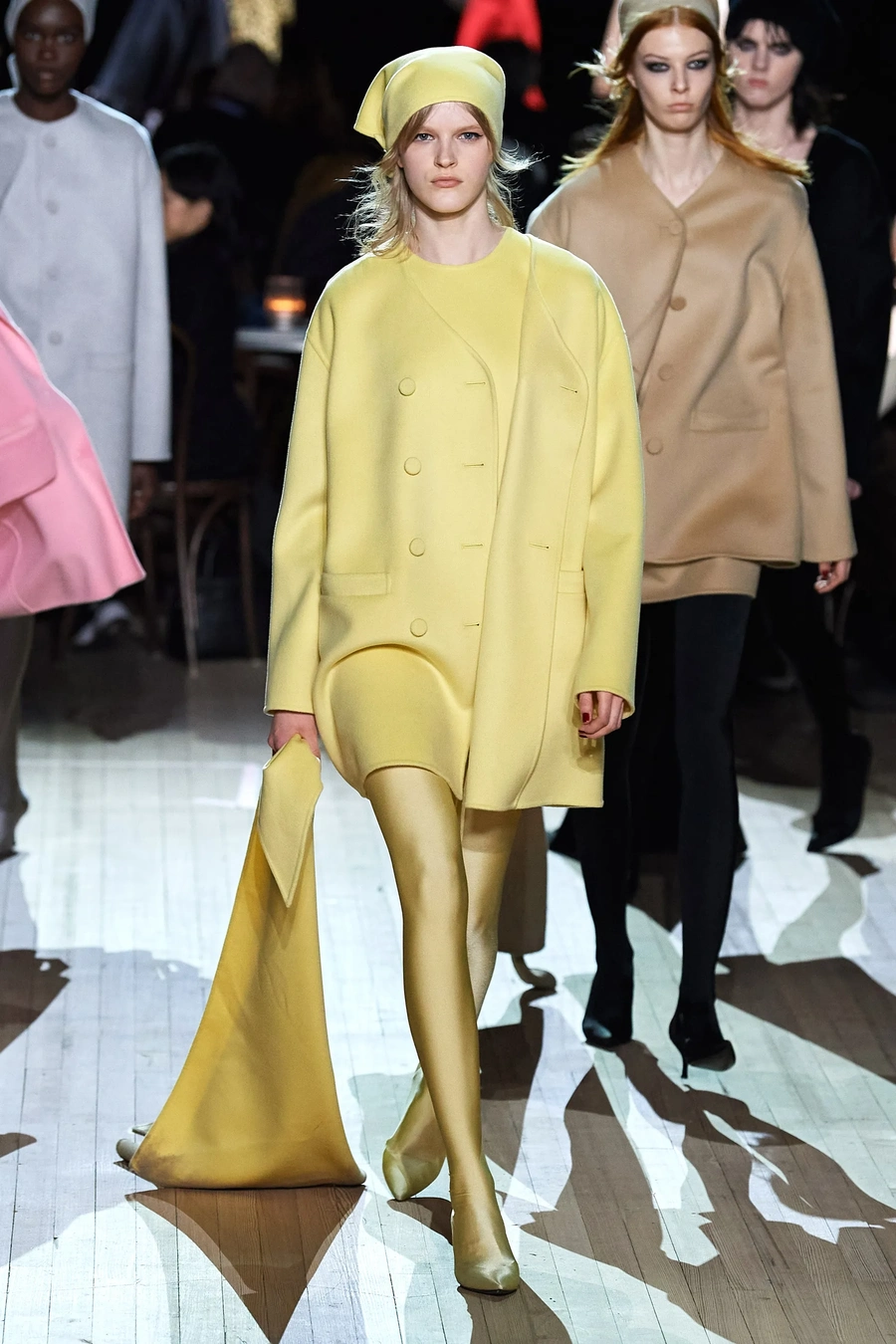
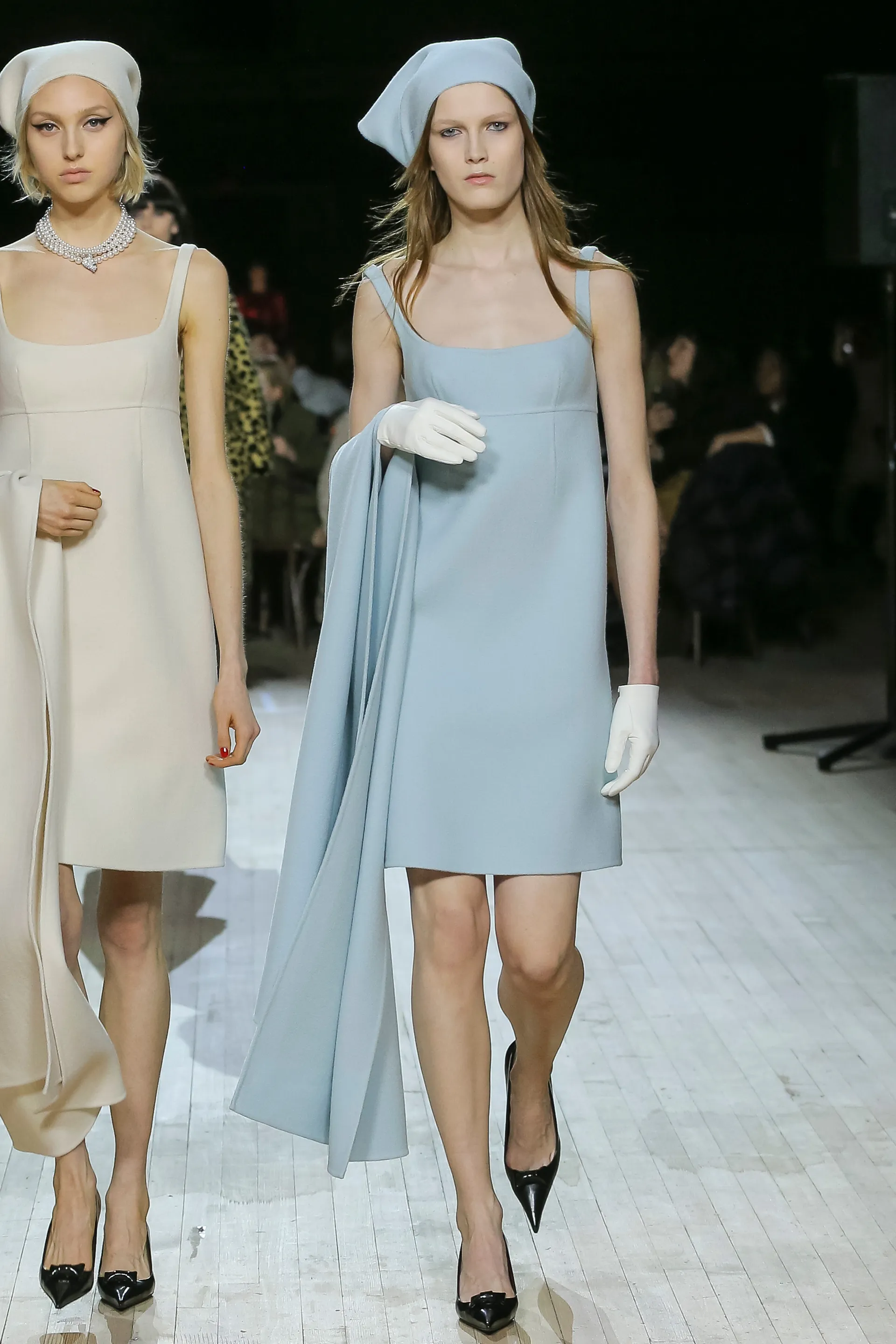
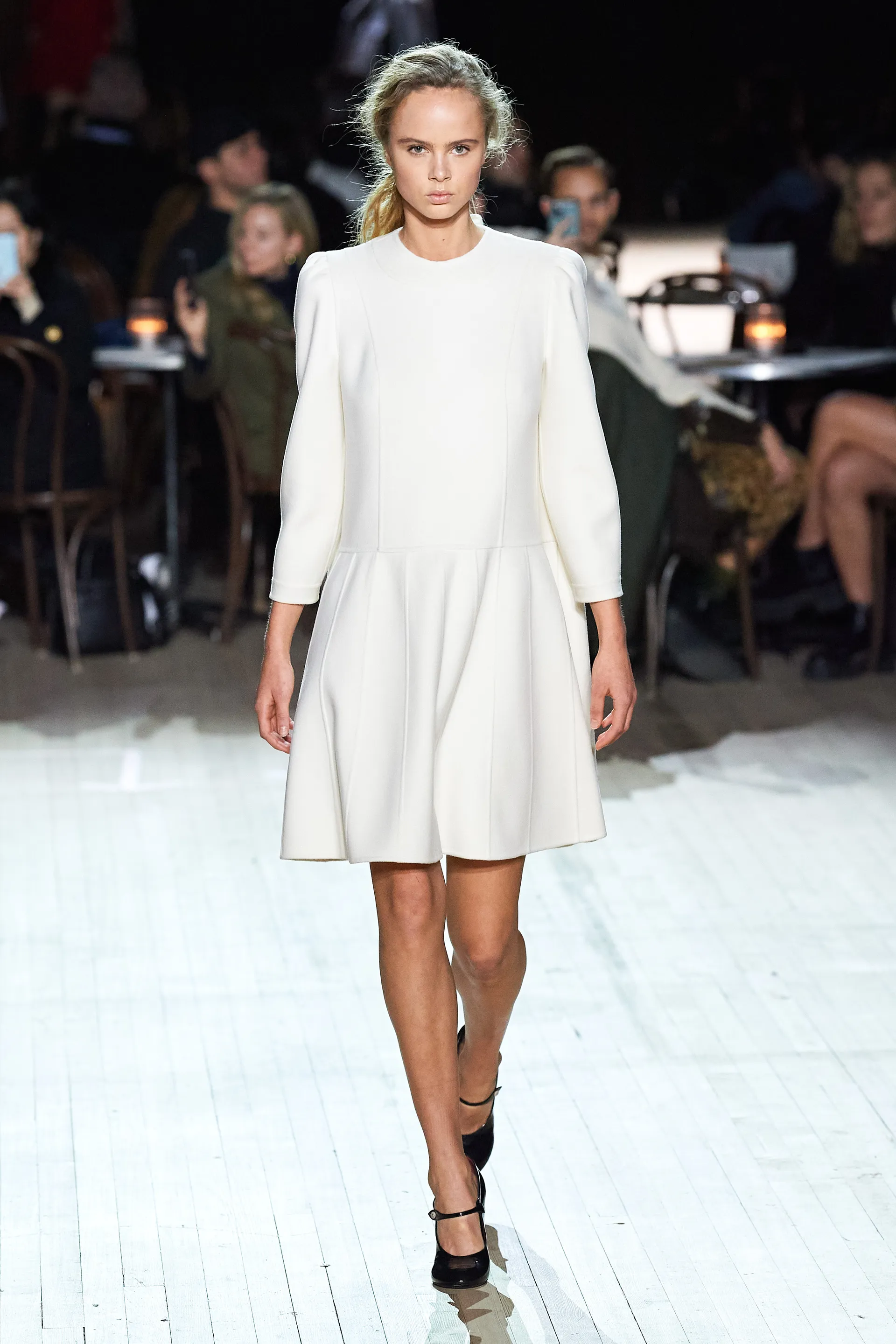
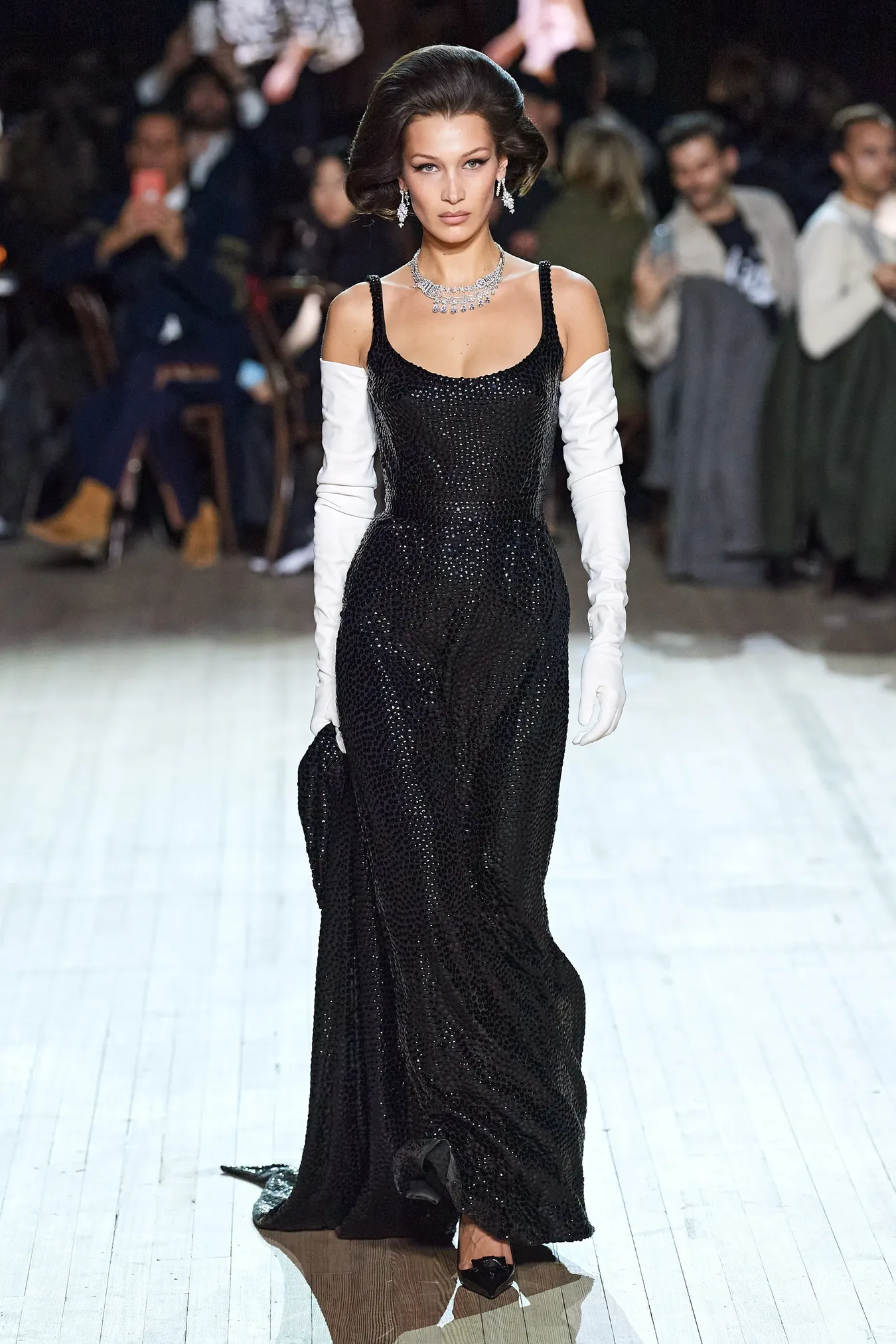
Marc Jacobs softens the reference into a more fragile 1960s dream. His Jackie is seen through the blur of pale interiors, young modernity, and the delicate uncertainty of a decade still learning how to dress the future.
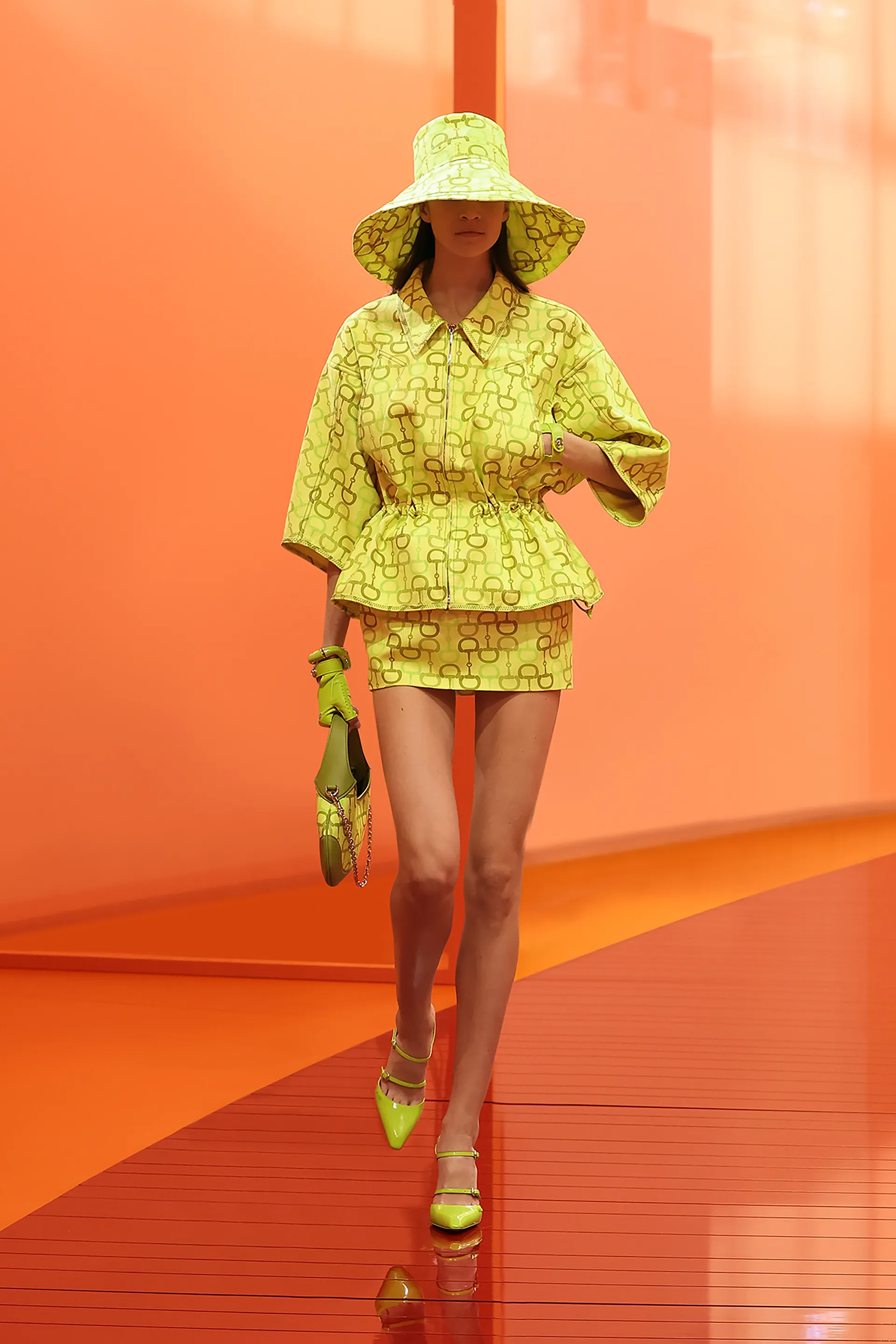
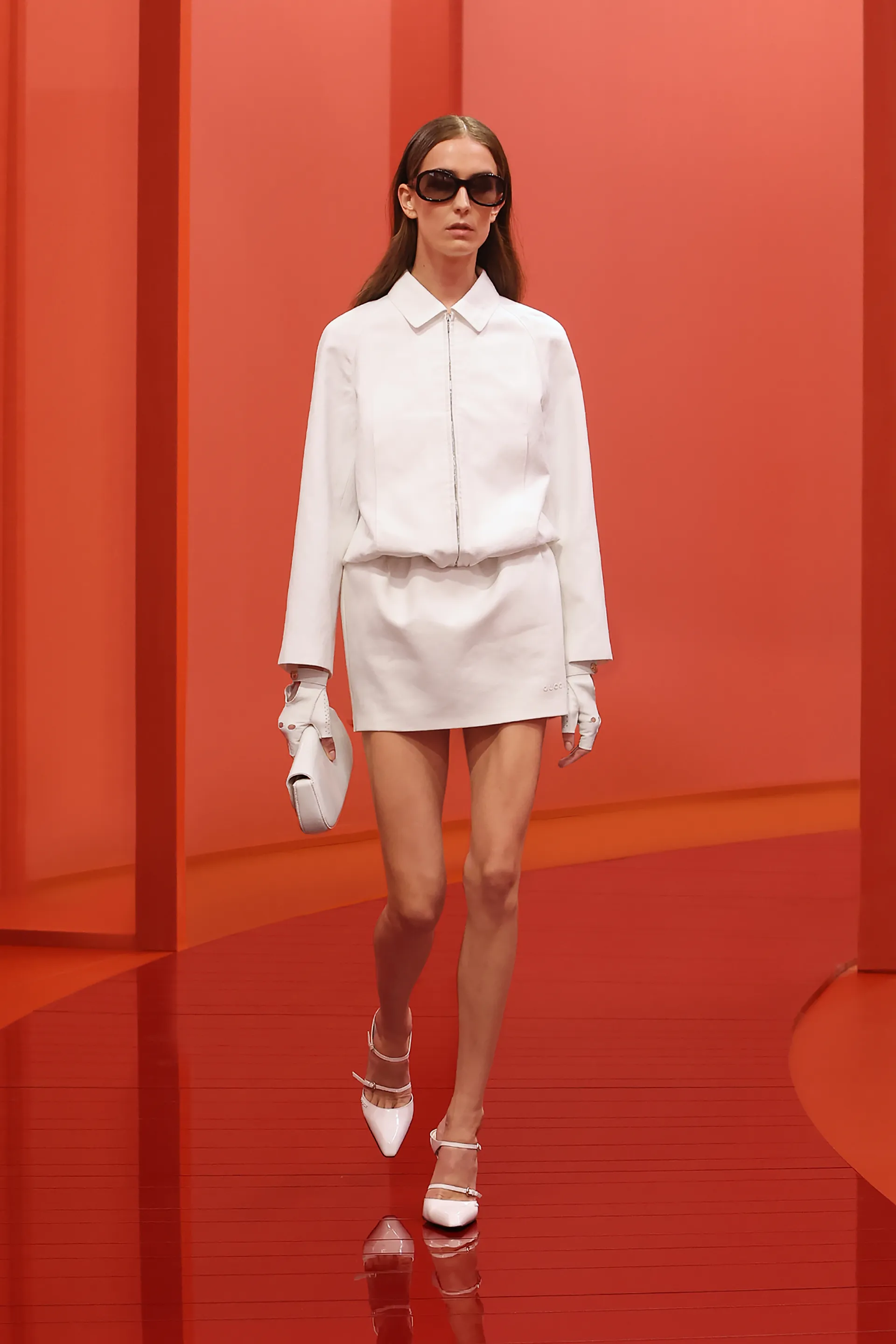
Gucci carries the style toward a warmer, more wandering register, closer to the Jackie O mythology of travel, privacy, and sunlit escape. In that world, elegance loosens without losing its guard, moving away from official rooms and into a life watched from afar.
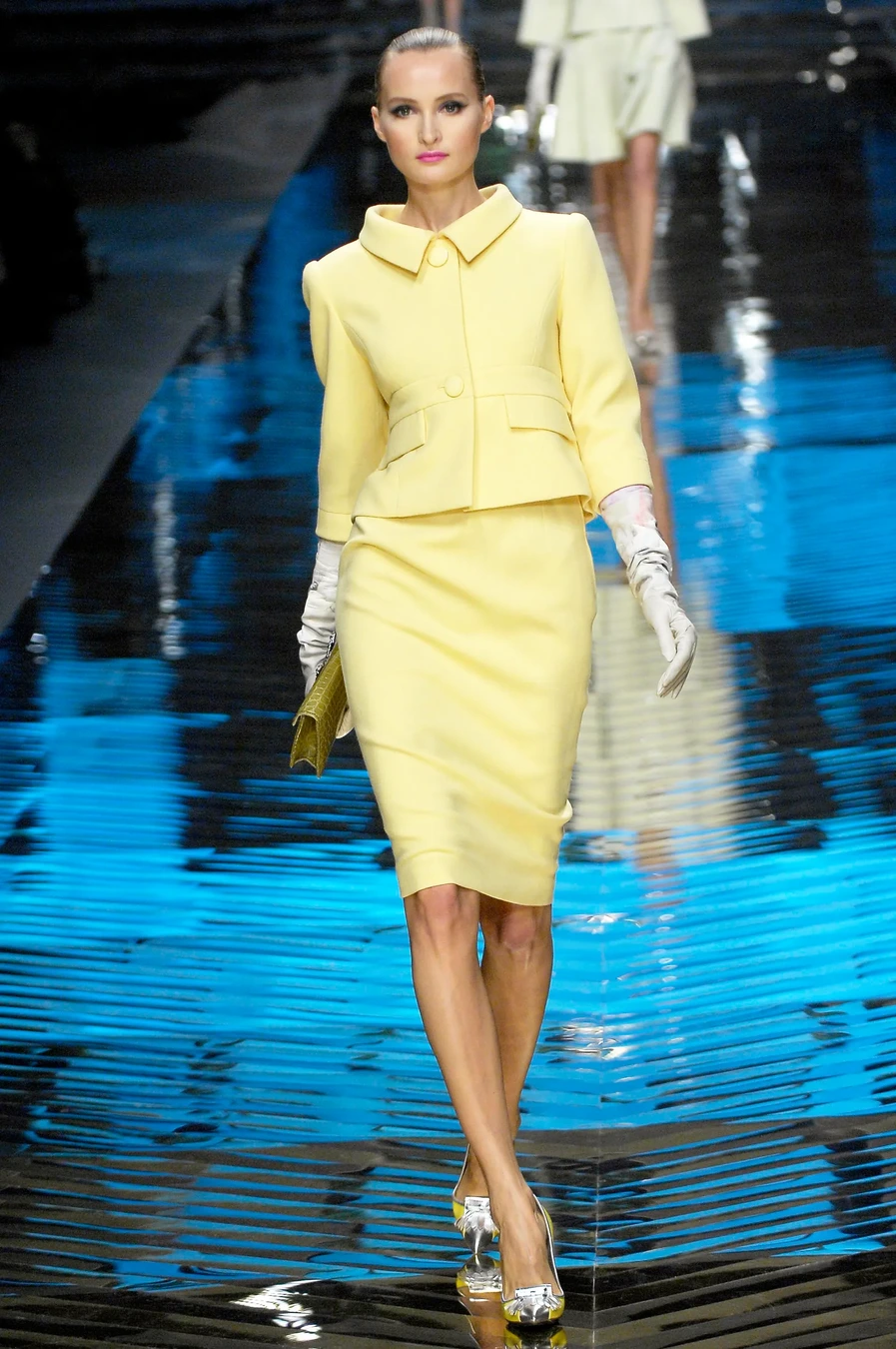
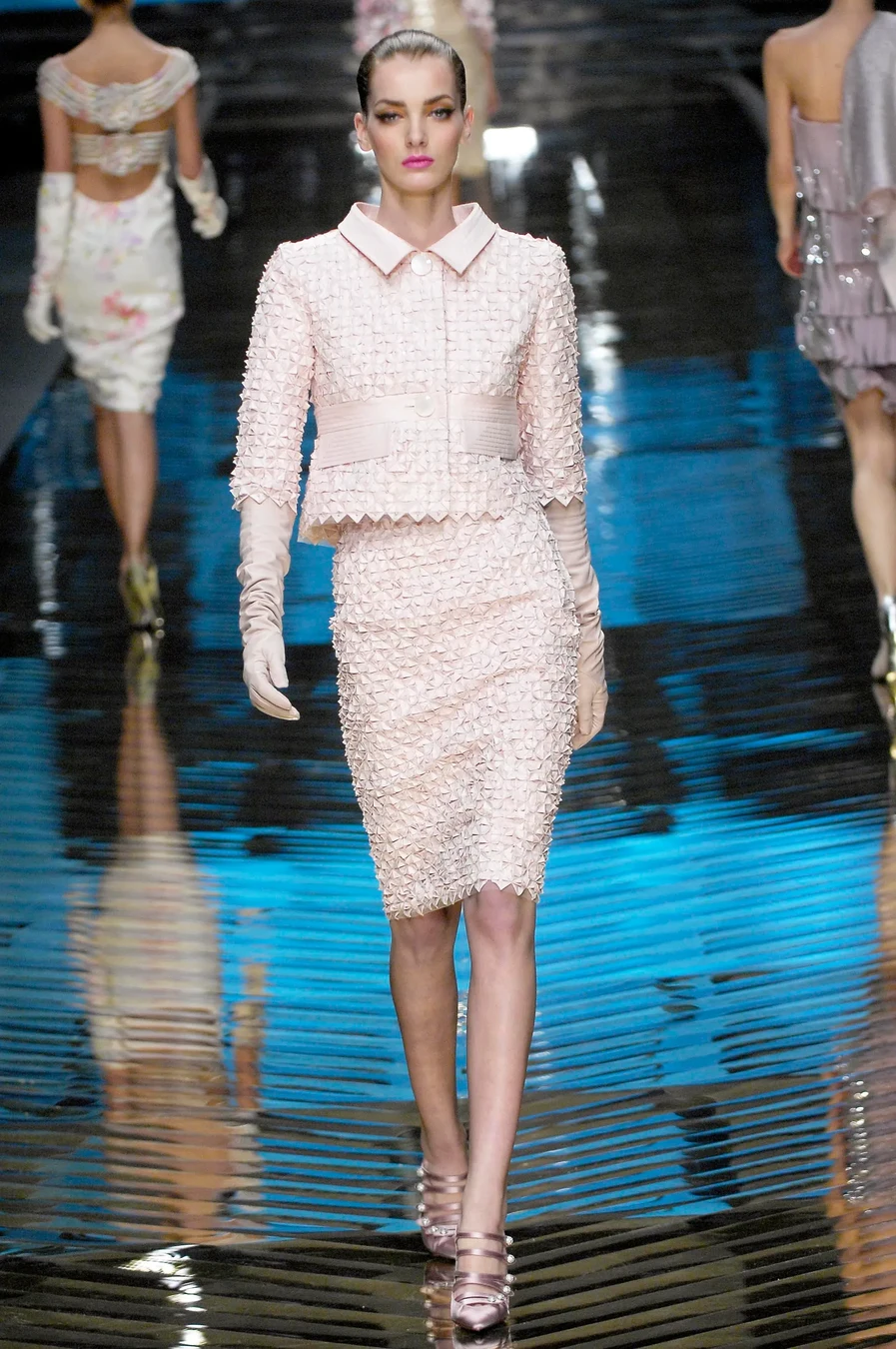
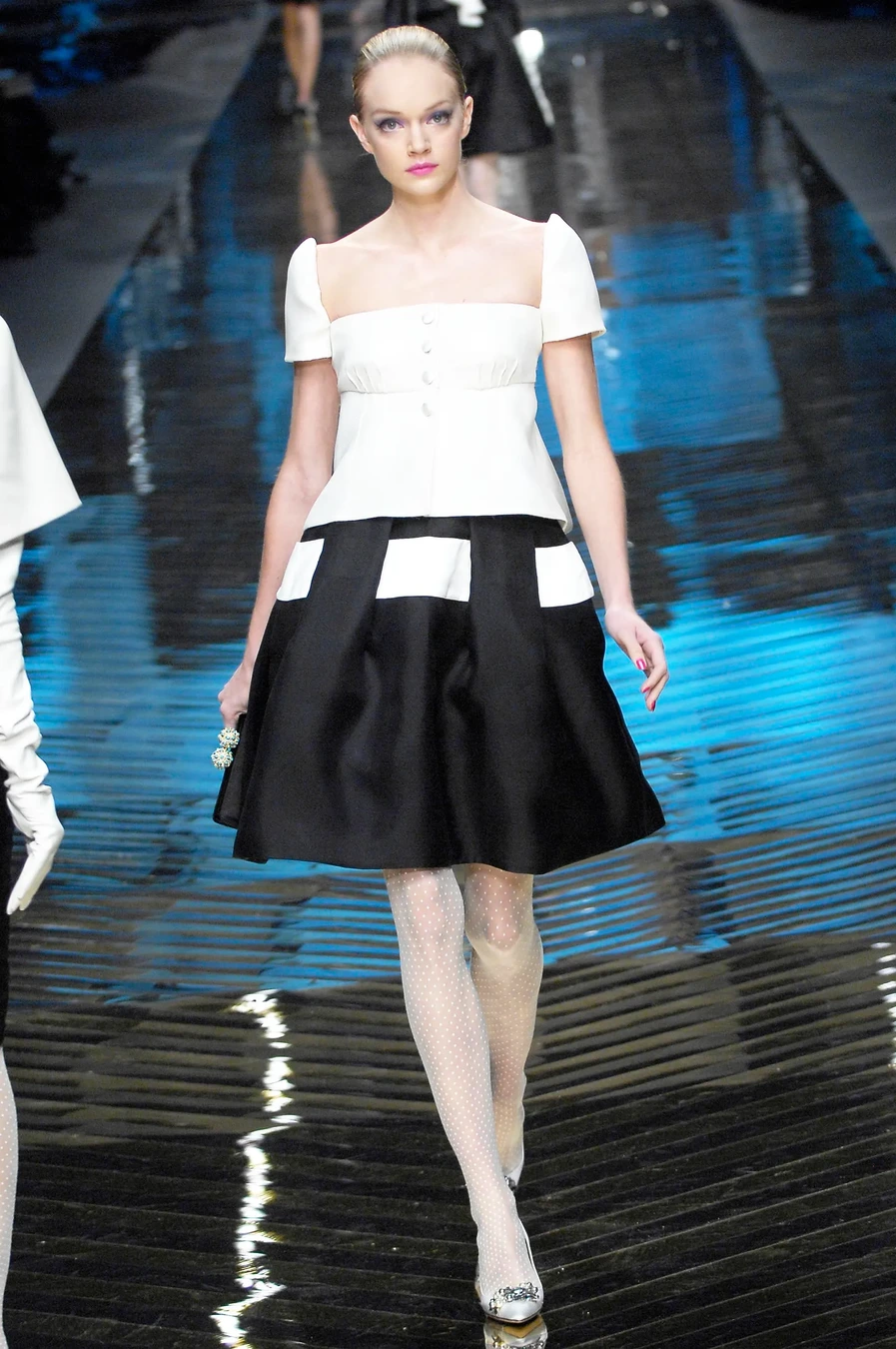
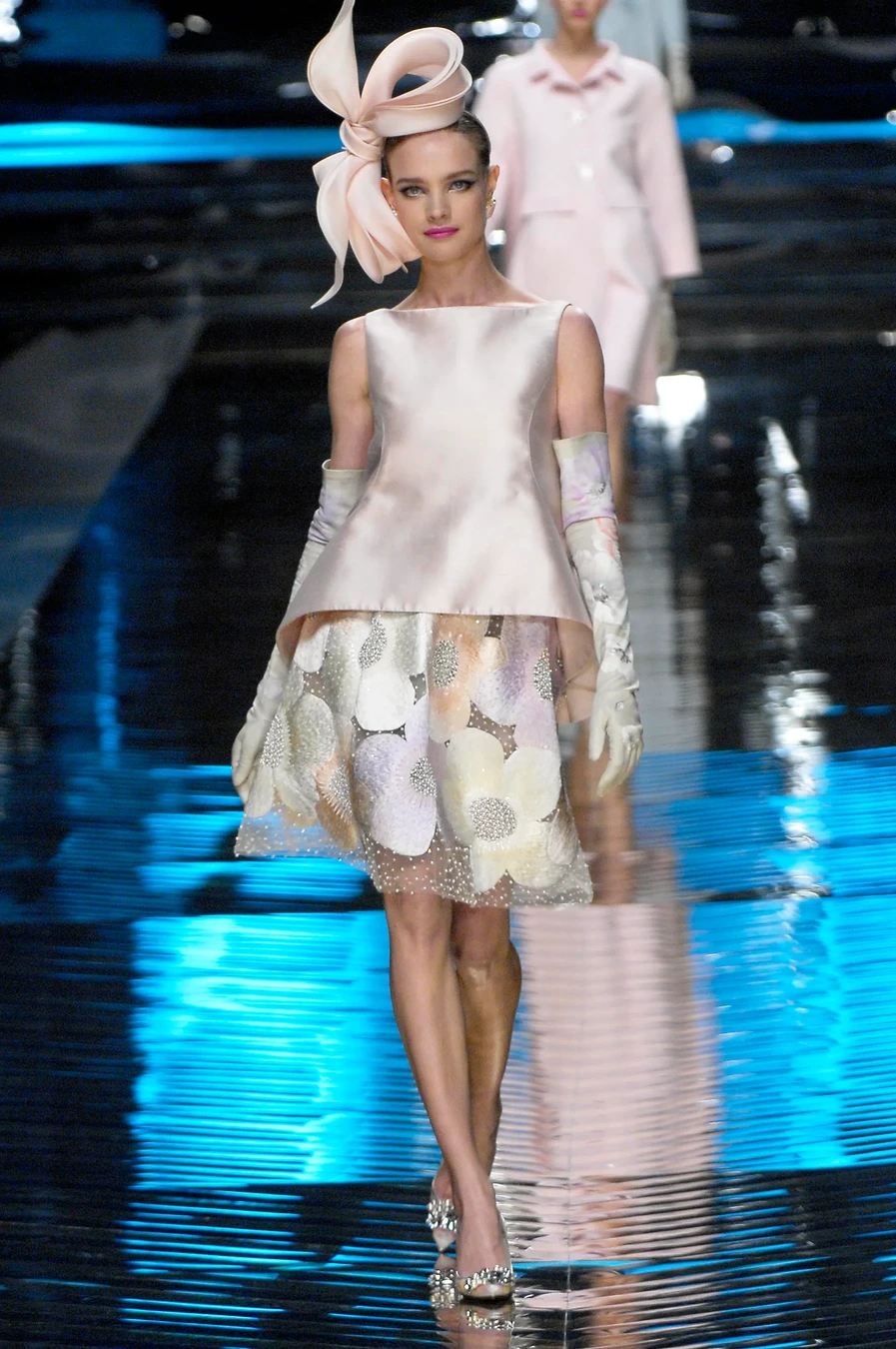
Valentino gives Jackie style a Roman afterglow, where refinement settles around the body like an old-world secret kept in soft light. The house understands the later myth of Jackie O as something softer than ceremony yet still deeply protected, an elegance wrapped in privacy, memory, and a sense of distance made beautiful.
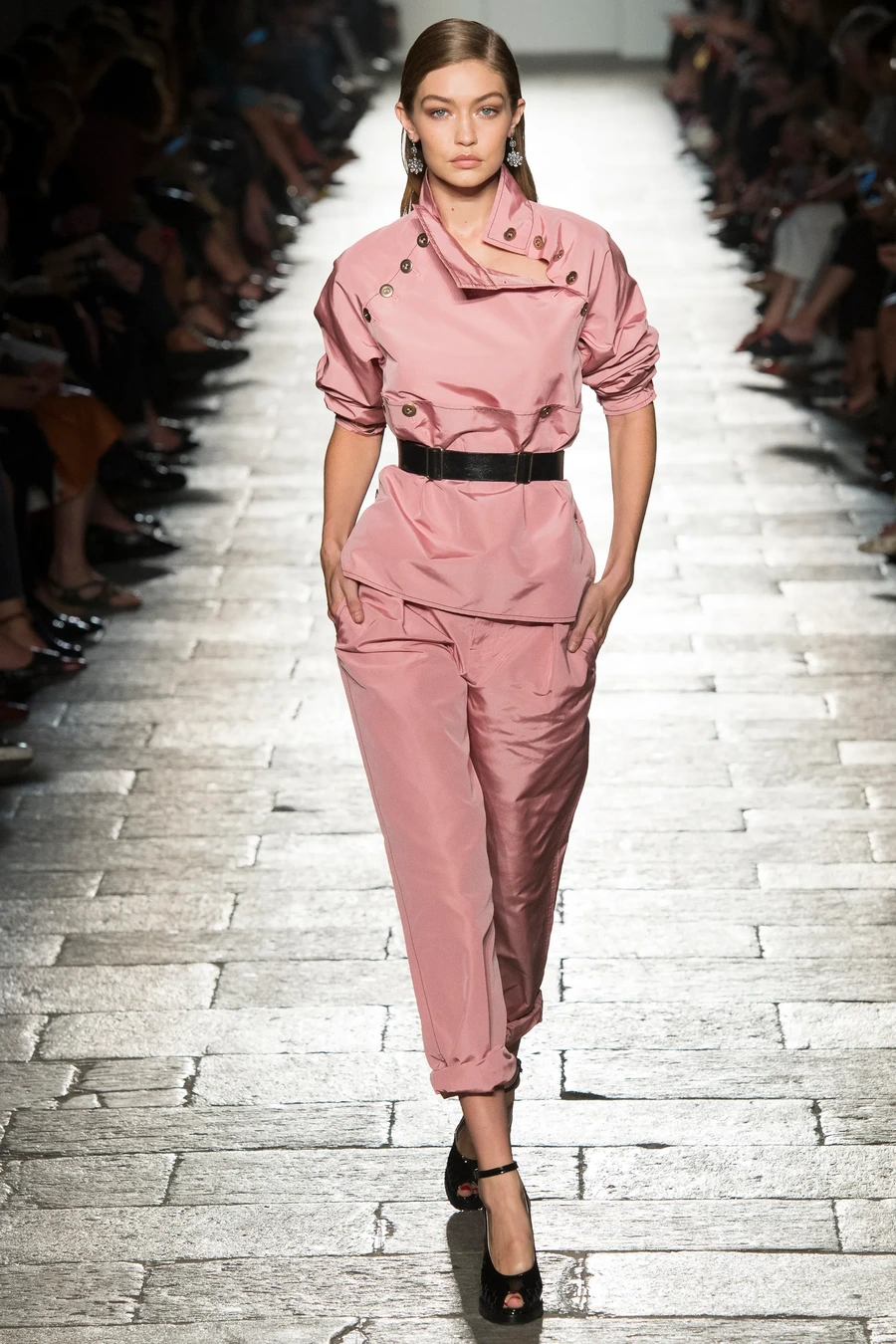
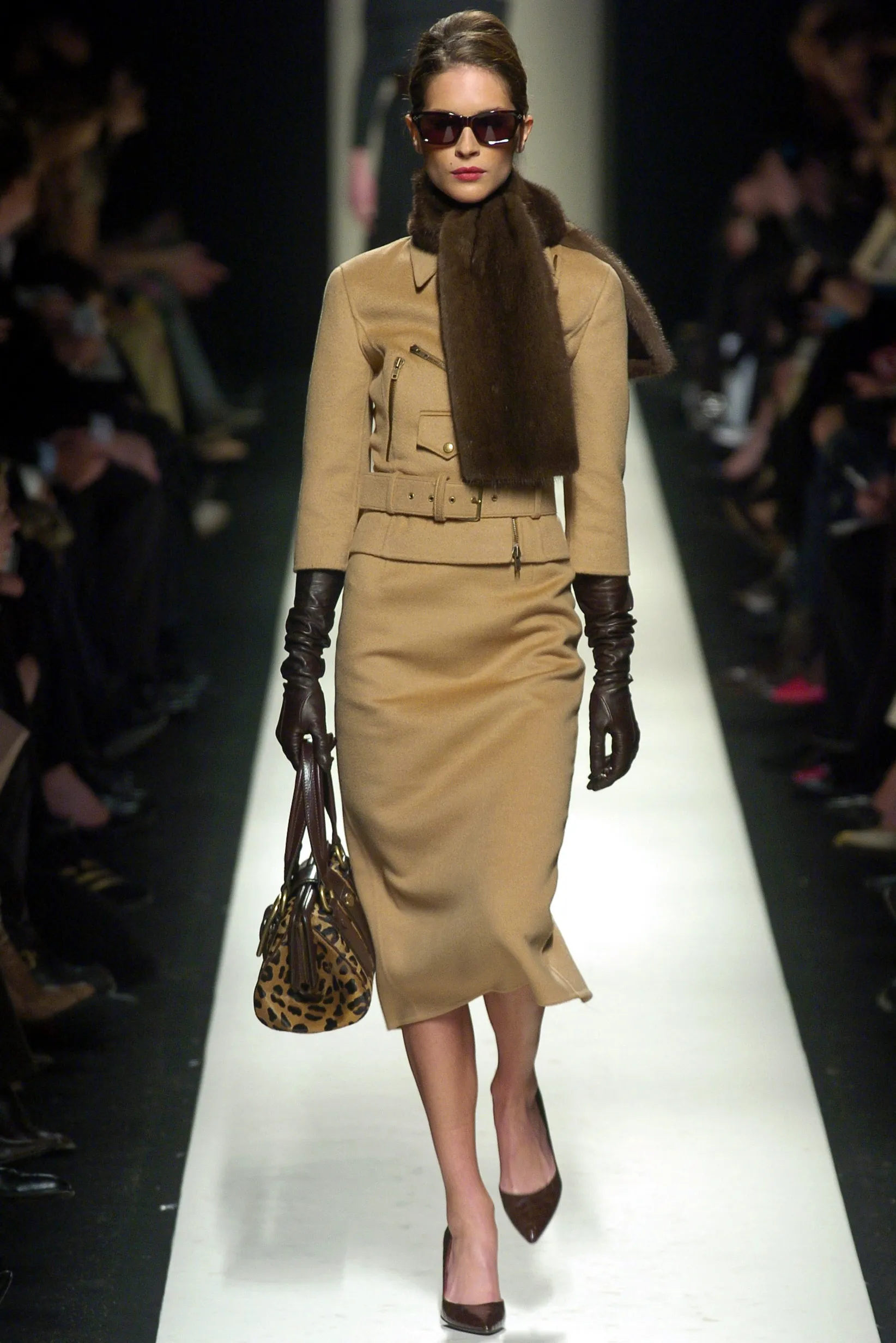
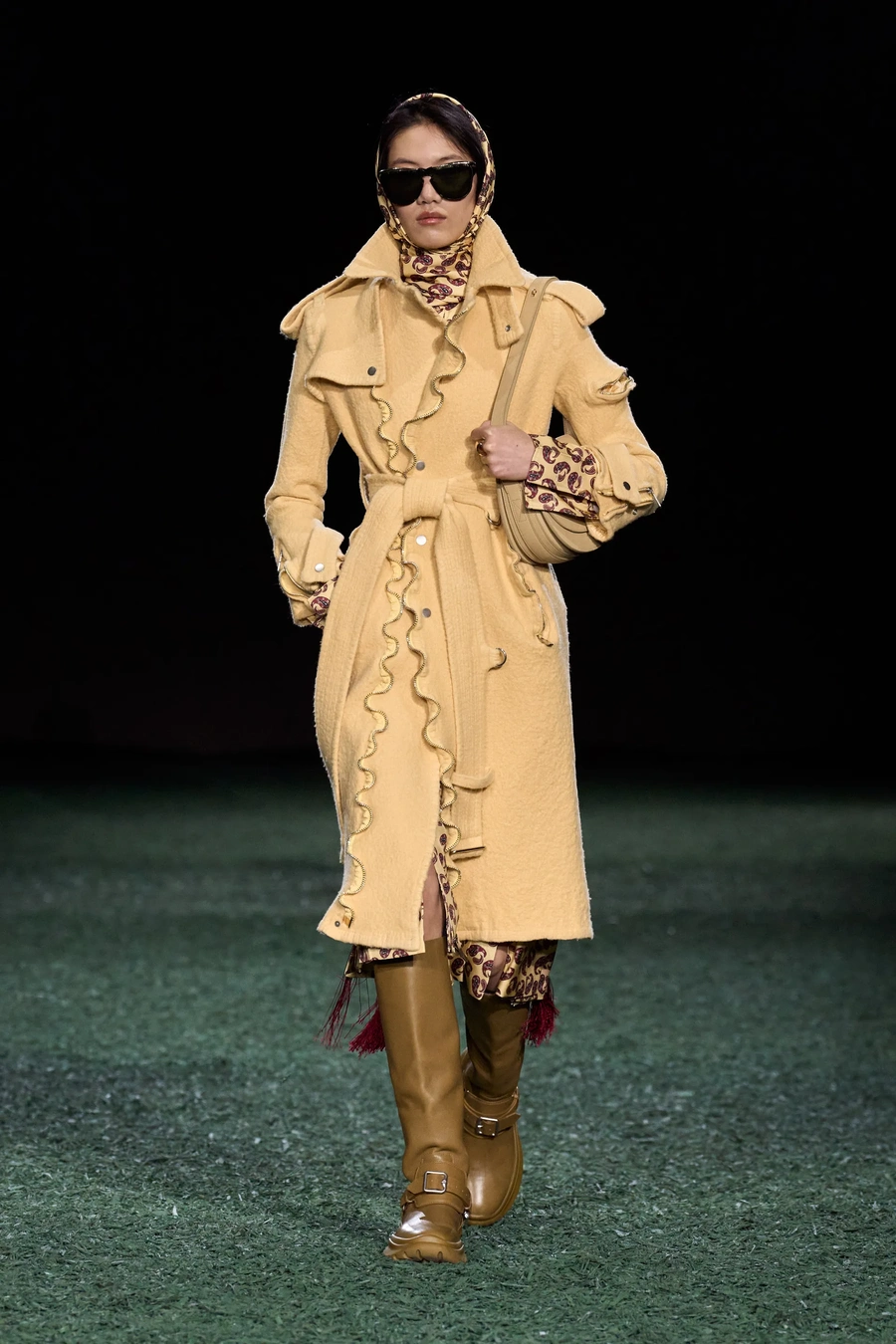
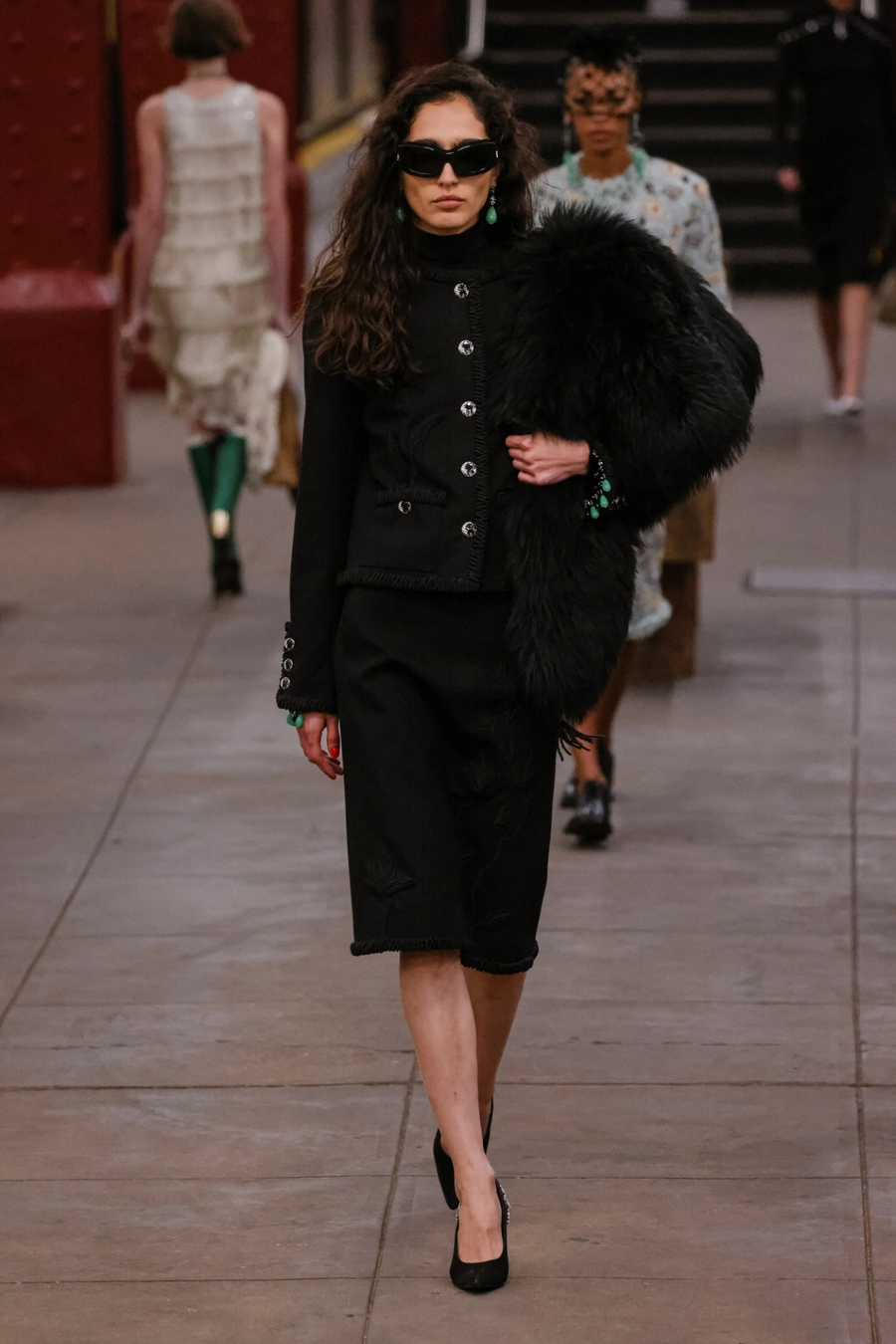
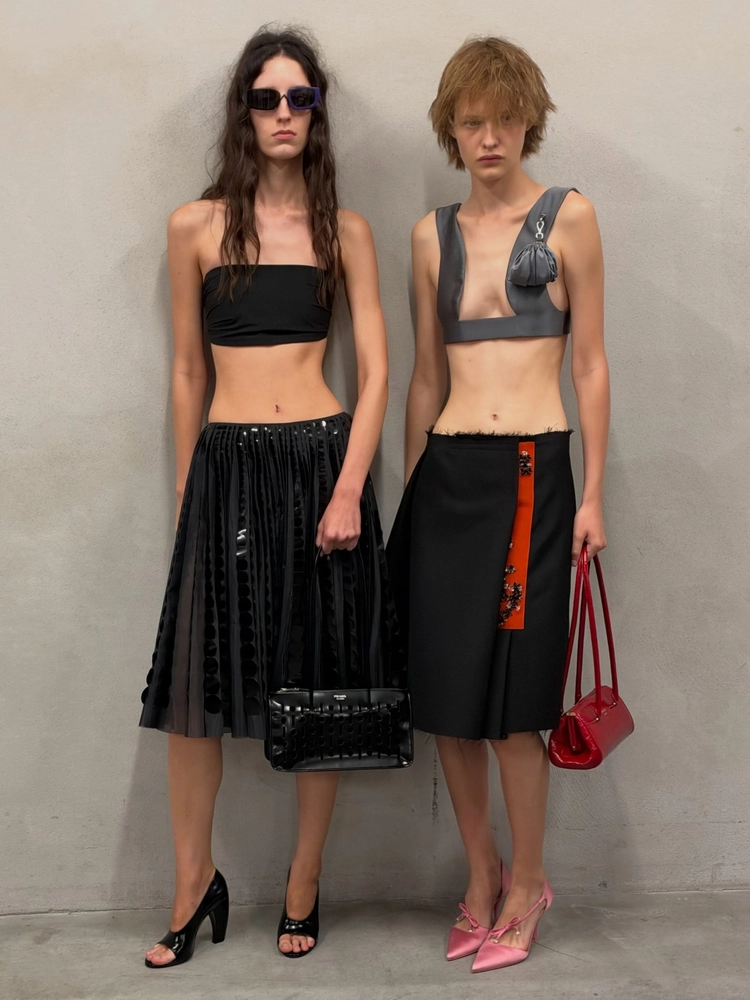
Beyond these houses, the same shadow keeps reappearing wherever fashion searches for a woman who can be visible without seeming available. A clean coat, a softened suit, a covered gaze, or a silhouette held with quiet discipline can all summon Jackie O's image as a recurring dream of grace under observation.
On screen, Jackie style becomes a question of distance as much as costume. The camera returns to the suit, the pillbox, the lowered gaze, and the polished surface because each detail seems to carry a life that history could only partially frame. What appears first as clothing slowly becomes an atmosphere around the woman, a way for the image to hold itself together under pressure.
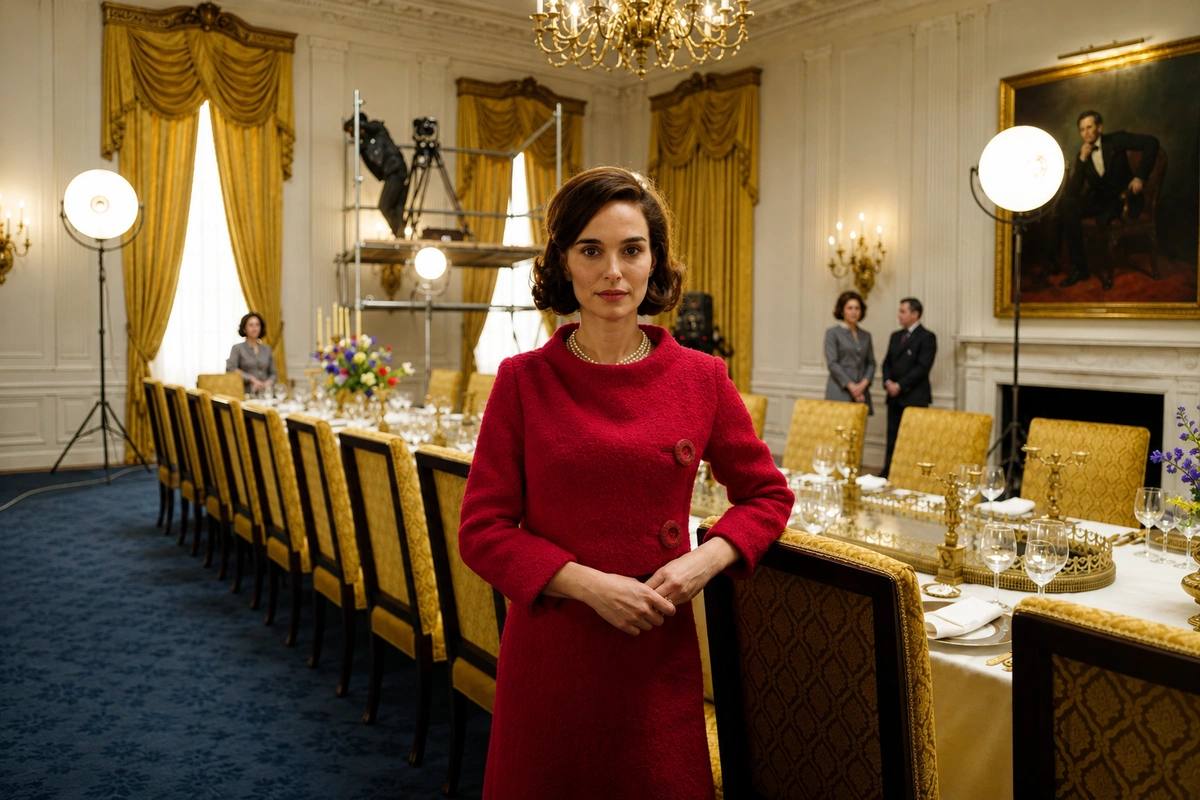
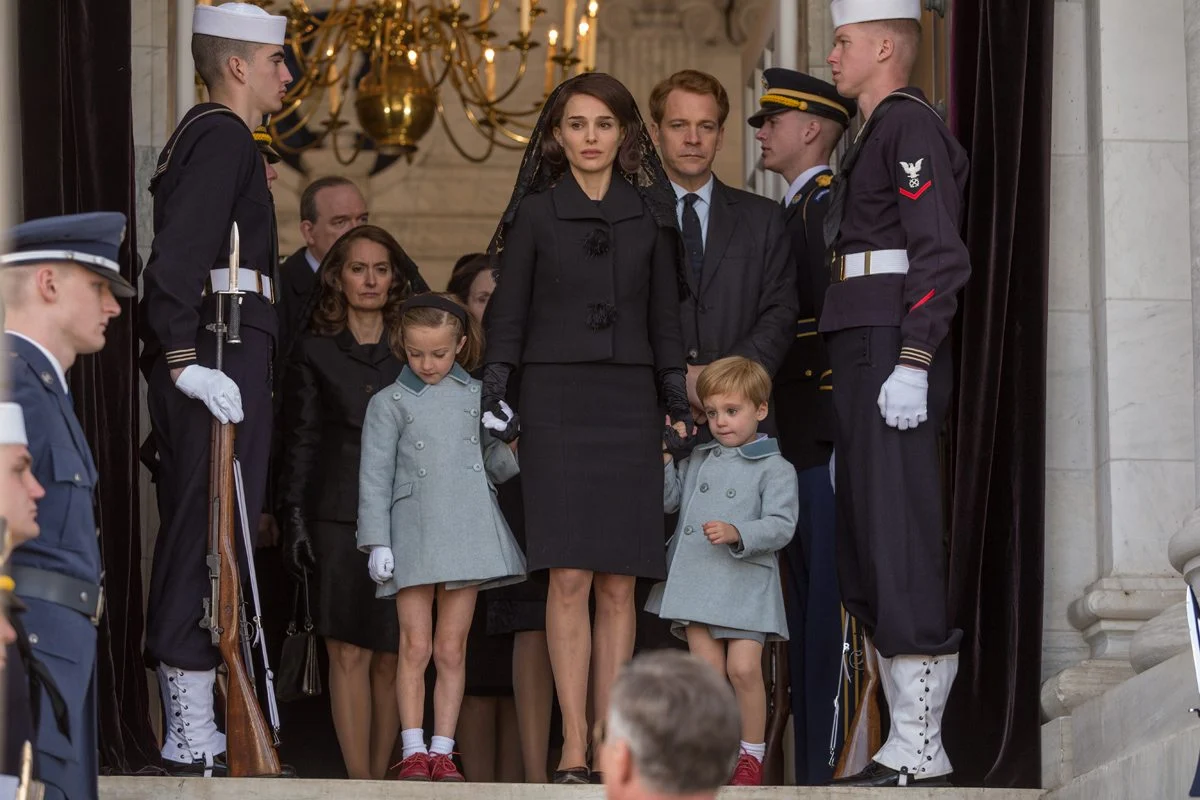
In Jackie, Natalie Portman’s wardrobe carries the tension of a woman moving through public grief with every seam under observation. The familiar codes become heavier here, touched by mourning, memory, and the brutal stillness of ceremonial life after rupture. A suit no longer reads as mere polish; it becomes a fragile structure around a person trying to remain visible while protecting the last private pieces of herself.
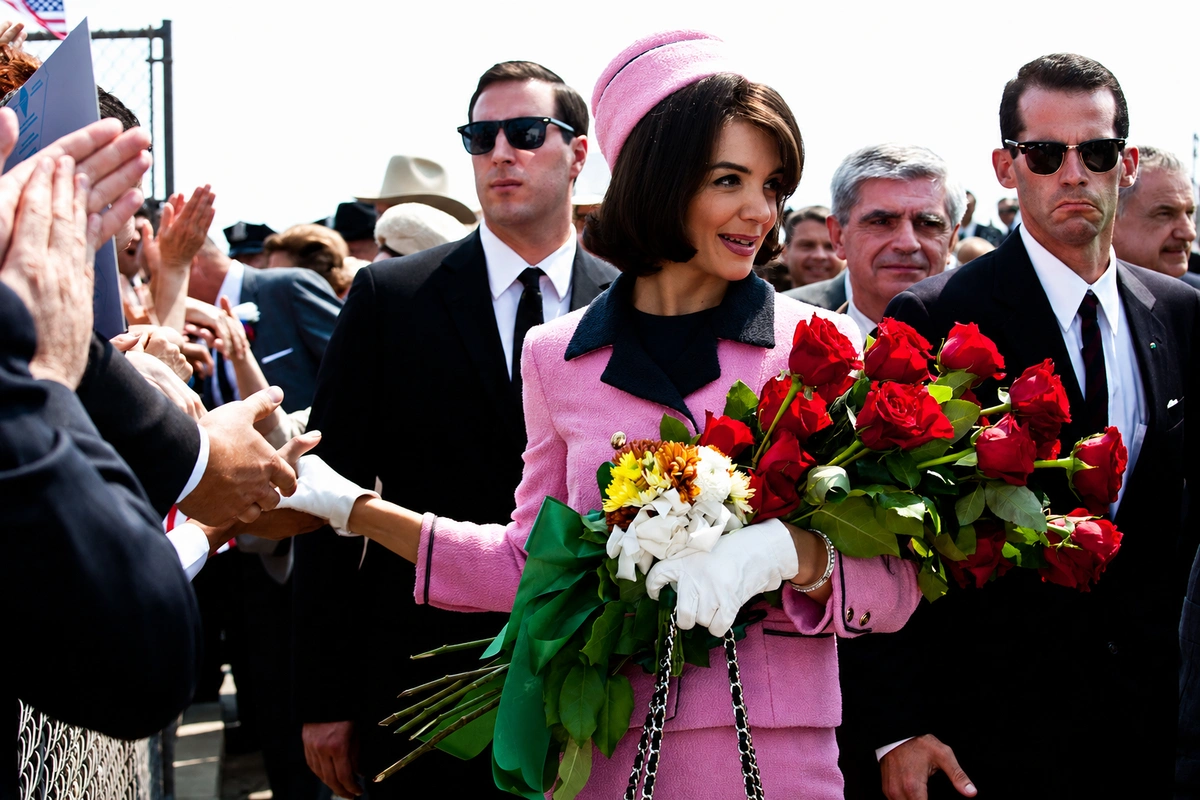
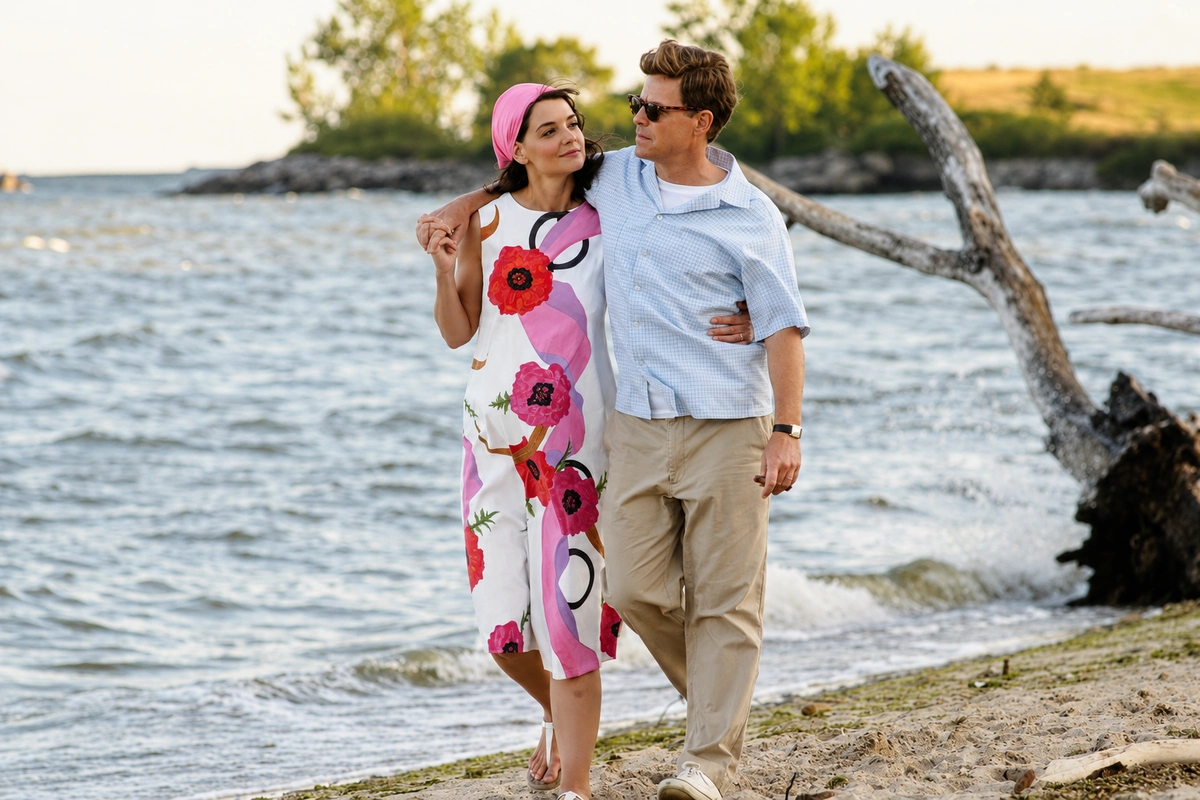
In The Kennedys, the style appears through a broader portrait of White House image-making, where elegance is shaped by family, duty, television, and the soft choreography of public life. The clothes help rebuild a woman whose presence had to be legible from across a room and mysterious from up close, giving Jackie style its familiar mixture of grace, composure, and guarded light.
Together, these screen versions show how difficult the Jackie image remains to fully capture. The wardrobe can be recreated, the silhouette can return, and the gestures can be studied, yet something always slips behind the surface, leaving Jackie style suspended between history and apparition.
Long after the flash fades, Jackie style remains as an image of elegance held under extraordinary pressure. It stays on the pale surface of a suit, in the shadow behind a pair of sunglasses, in the way a woman can cross a public room with every eye upon her and still carry some inner chamber no photograph can enter.
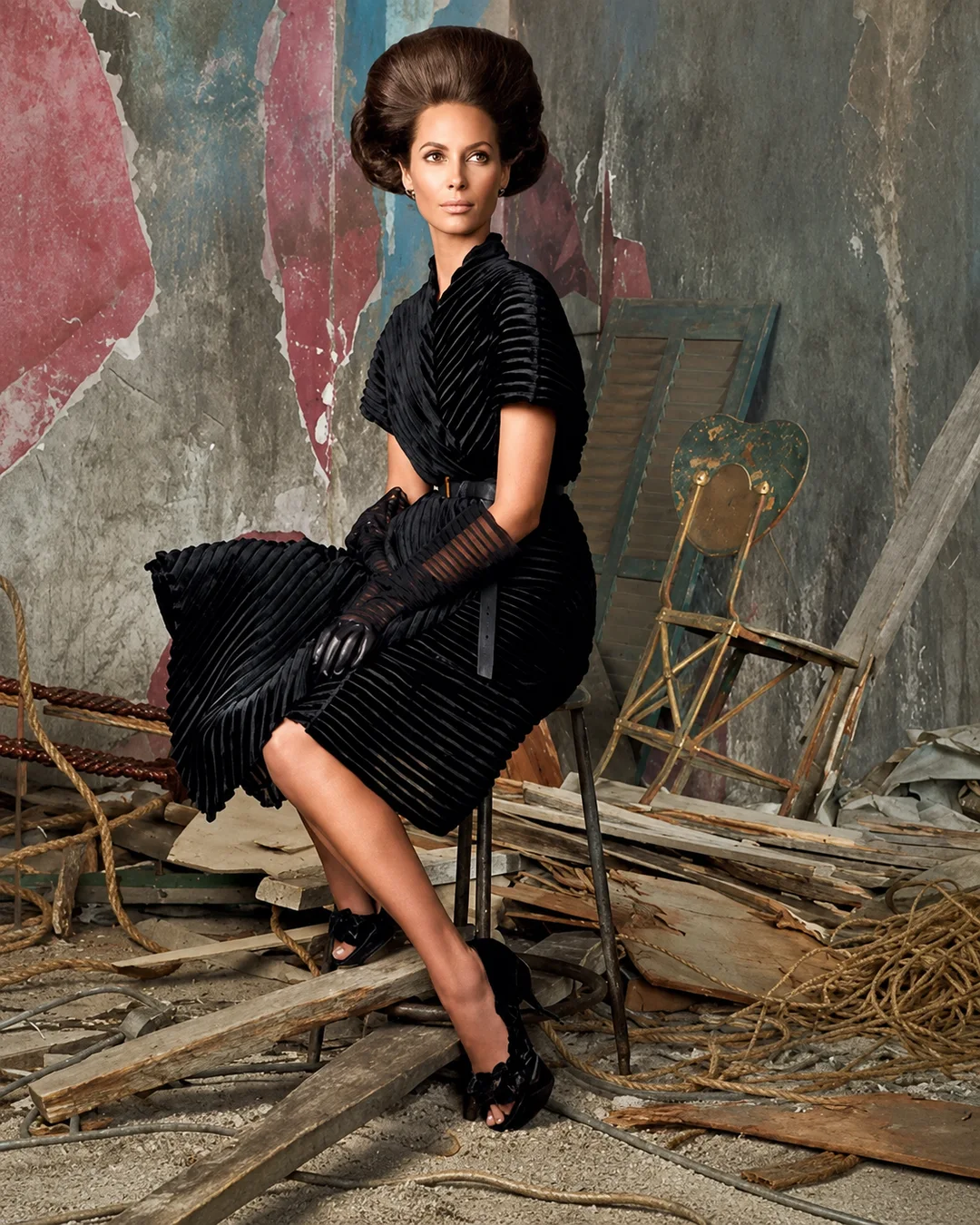
Its beauty survives through that controlled hush. The clothes seem simple at first, yet each line carries the memory of ceremony, travel, grief, and guarded grace, as if the wardrobe had learned to protect the woman while allowing the world to remember her. A perfect sleeve, a softened colour, a scarf drawn close to the face: these gestures continue to feel intimate because they never give themselves away completely.
In the end, Jackie style is the elegance of being seen without being surrendered. It leaves behind a woman framed by history and preserved by distance, walking just beyond the reach of the camera, composed in the light, private in the afterimage, and unforgettable in the silence she chose to keep.
Advertisement