MENU
Close





Two monumental museums in Abu Dhabi and Tashkent are redefining how nations tell their histories through architecture.
Two monumental museums in Abu Dhabi and Tashkent are redefining how nations tell their histories through architecture.
June 26, 2026


In the twenty-first century, a museum can no longer be understood only as a place where history is stored. The most ambitious cultural institutions today are designed to perform history, stage identity, and make national memory visible through architecture.
Museums As National Memory
In Abu Dhabi and Tashkent, two monumental projects have entered this national conversation with unusual force: Zayed National Museum in the United Arab Emirates and the Center for Islamic Civilization in Uzbekistan.
Both museums are rooted in heritage, yet neither relies on nostalgia alone. Each turns the past into a spatial, technological, and emotional experience. Zayed National Museum rises from Saadiyat Cultural District with five falcon-like steel towers, transforming the values of the UAE’s founding father, Sheikh Zayed bin Sultan Al Nahyan, into a building that breathes with the desert. The Center for Islamic Civilization in Uzbekistan stands in Tashkent as a vast cultural and academic complex, using Central Asian architectural memory, Islamic scholarship, manuscripts, digital archives, and immersive technology to frame Uzbekistan as a historic center of intellectual exchange.
Together, they reveal a new museum model: one in which architecture becomes biography, climate strategy becomes cultural symbolism, and heritage is presented not as a closed chapter but as a living national resource.
Zayed National Museum is, above all, an architectural tribute to Sheikh Zayed bin Sultan Al Nahyan, the founding father of the United Arab Emirates. Located in the heart of Abu Dhabi’s Saadiyat Cultural District, the museum sits within one of the world’s most carefully constructed cultural landscapes, near institutions dedicated to art, natural history, interfaith dialogue, and global exchange. Yet its role is distinct. It is not simply another landmark in a museum district. It is the national museum of the UAE, a place designed to trace the formation of a country through archaeology, ecology, leadership, movement, trade, and memory.
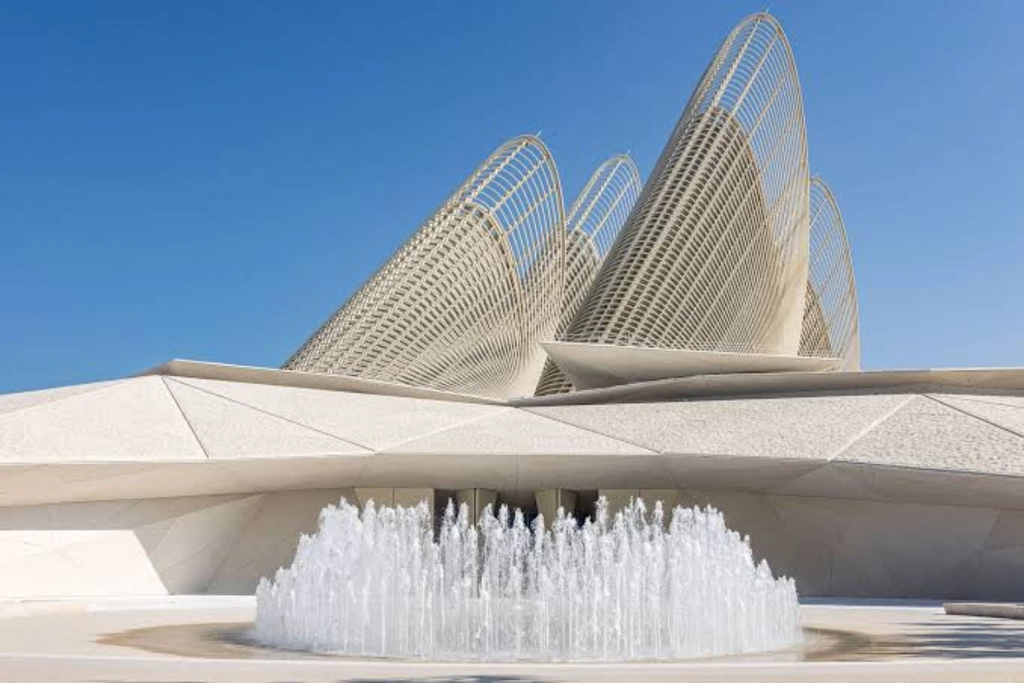
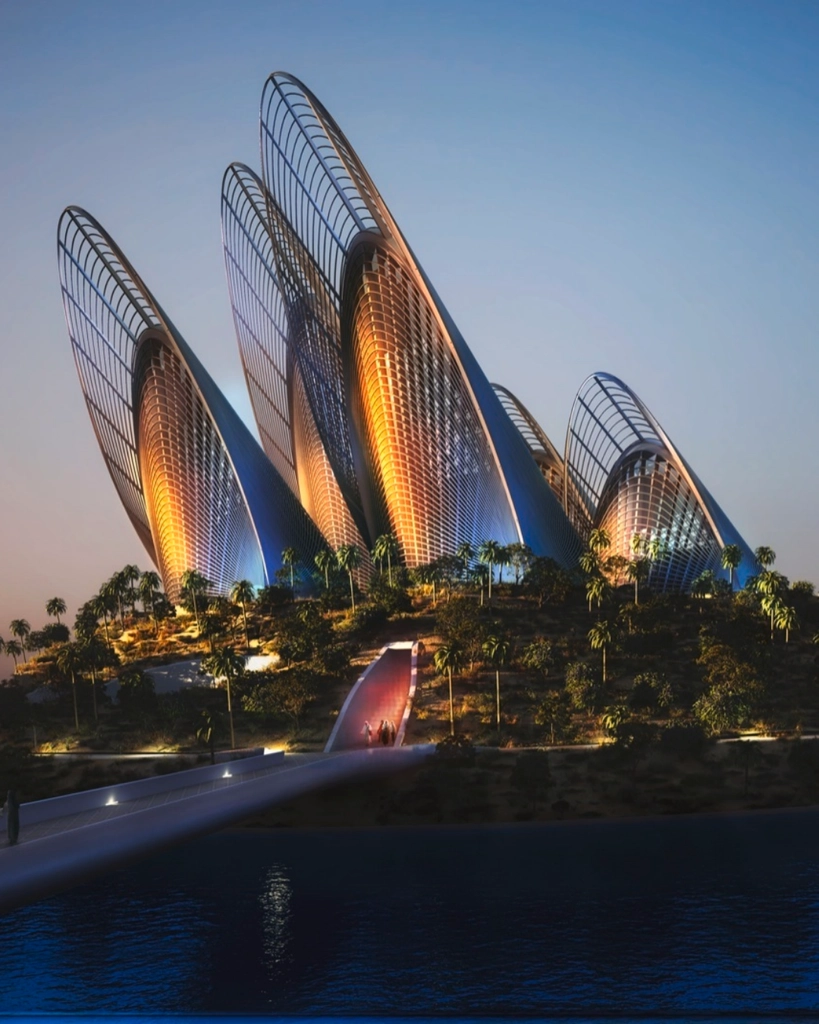
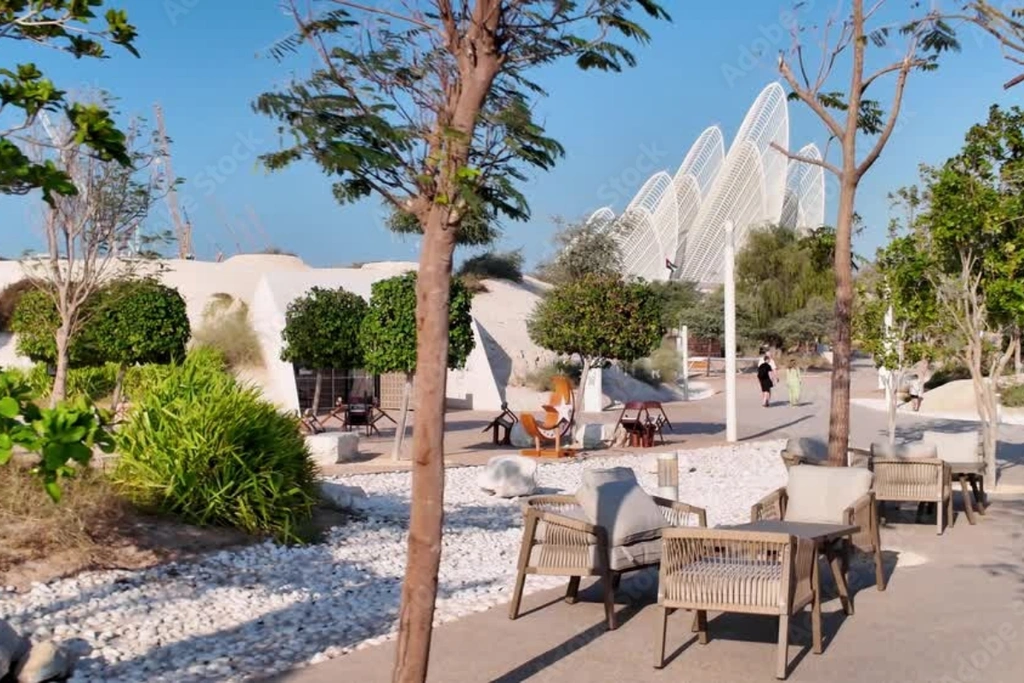
Designed by Foster + Partners, the museum is immediately recognizable by its five soaring steel towers. Their form evokes the wings of a falcon, one of the UAE’s most powerful cultural symbols and a direct reference to Sheikh Zayed’s lifelong passion for falconry. From a distance, the towers read as an image of ascent: bird, sail, plume, wind, and desert spirit gathered into a single silhouette. They give the museum an almost ceremonial presence, as though the building is not placed on the island but rising out of it.
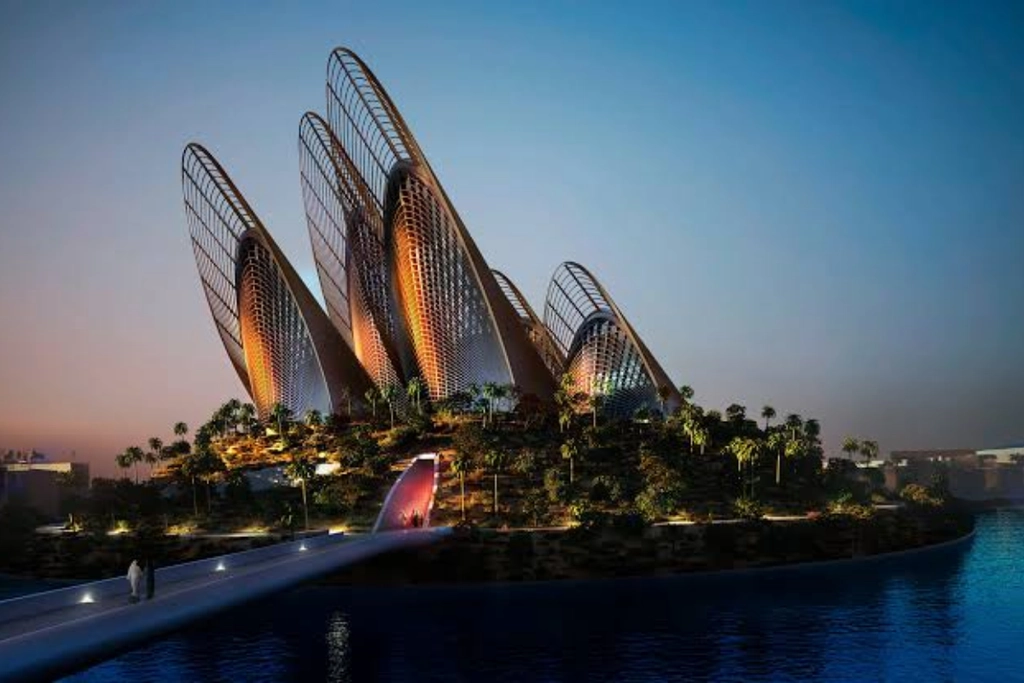
Their beauty, however, is inseparable from function. The towers operate as solar thermal chimneys, drawing hot air upward and out of the building while cooler air is pulled through underground systems into the public spaces below. This bioclimatic engineering gives the museum one of its strongest conceptual gestures: a contemporary interpretation of the region’s traditional barjeel, or wind tower. Instead of treating sustainability as an invisible technical layer, the building turns environmental intelligence into architectural drama.
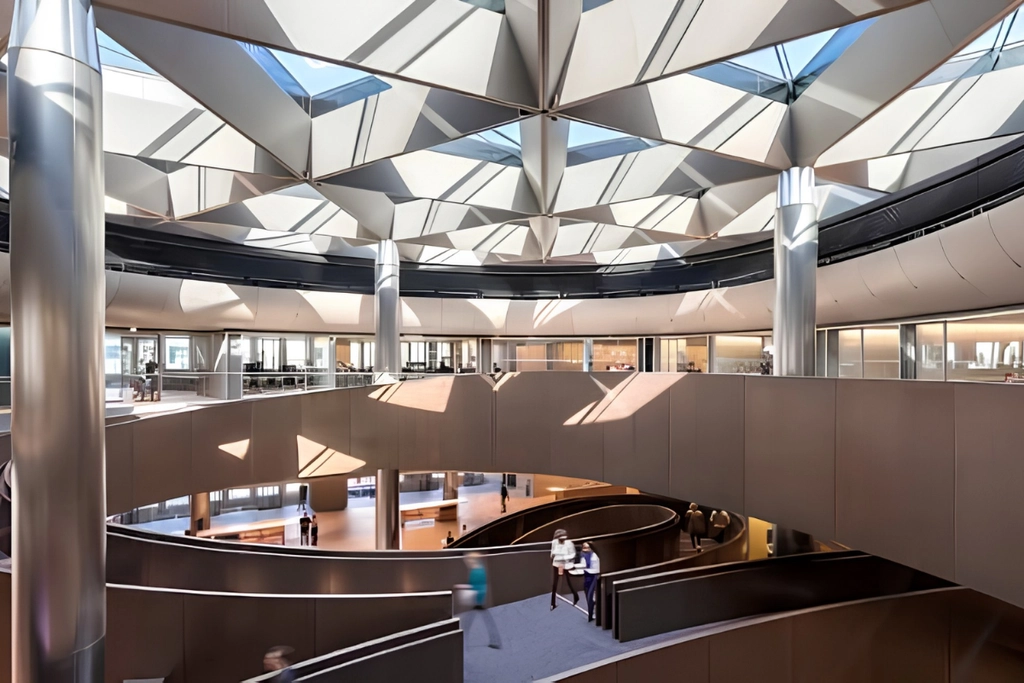
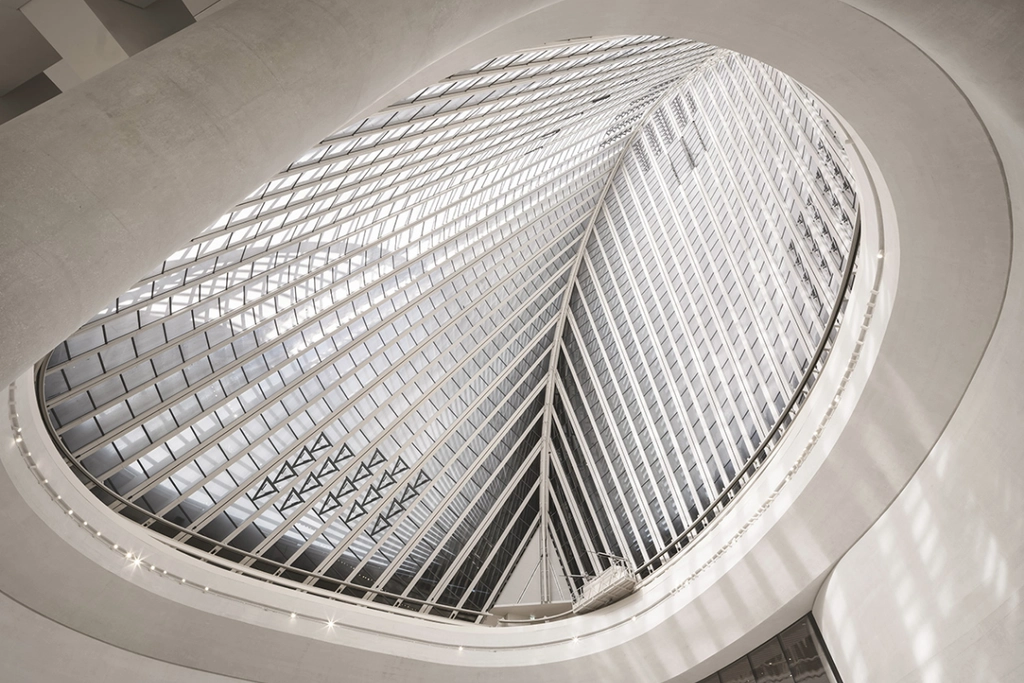
This relationship between climate and culture continues in the museum’s earth-sheltered form. The galleries are embedded within a landscaped mound, whose faceted surfaces echo the rugged topographies of the UAE. In practical terms, this provides insulation from the intense desert sun and helps protect both visitors and fragile historical materials. Symbolically, it suggests that the nation’s history is held within the land itself. The museum does not float above its environment; it enters it, using the ground as a protective memory chamber.
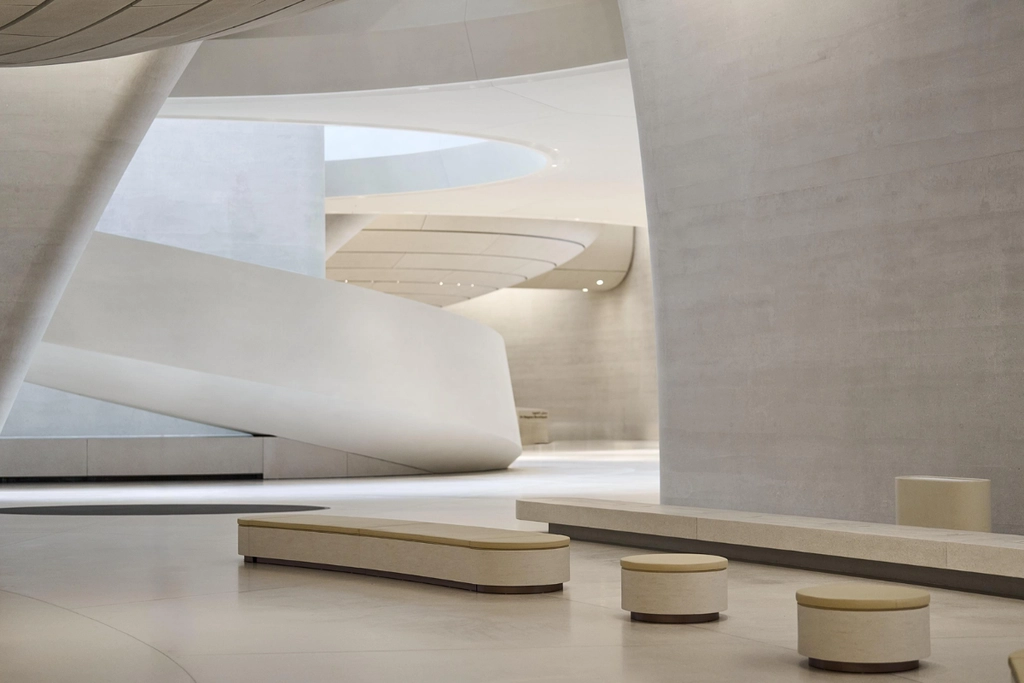
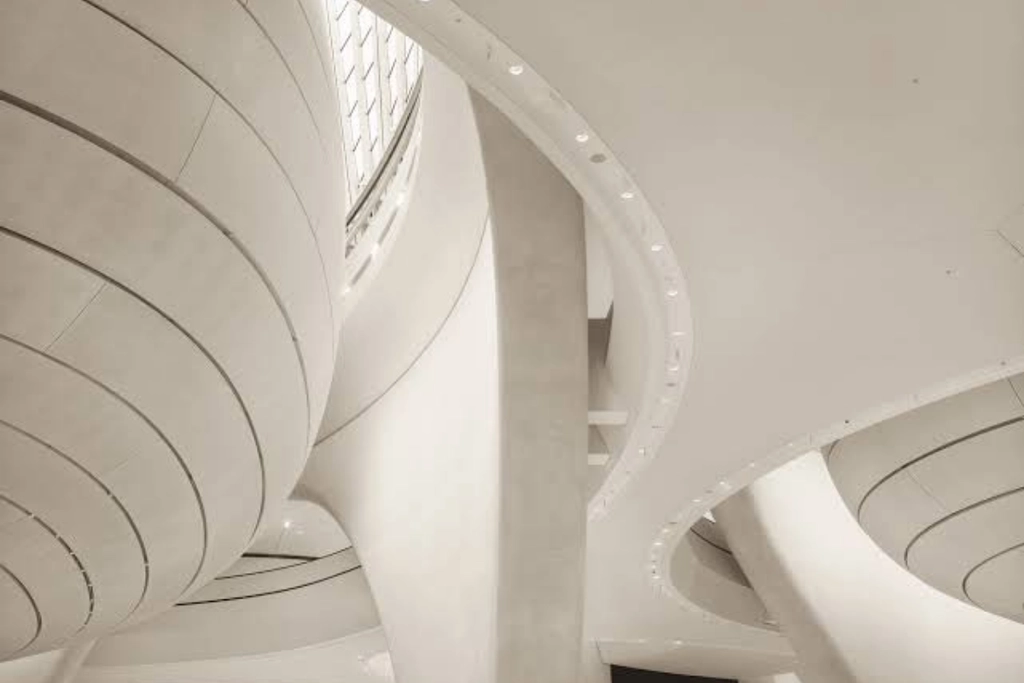
Visitors approach through Al Masar Garden, a 600-meter outdoor gallery that connects the museum to the Saadiyat coastline. This is one of the project’s most poetic ideas, because the museum begins before the museum. The garden stages the landscapes that shaped Sheikh Zayed’s vision: desert, oasis, coast, and cultivated settlement. It turns arrival into a walk through environmental memory, allowing visitors to encounter native plants, irrigation references, sculptural moments, and the idea that national history is inseparable from land and water.
Inside, the atrium known as Al Liwan becomes the museum’s civic heart. Four of the six permanent galleries are suspended above the floor as capsule-like volumes, creating an experience that feels both monumental and intimate. These hanging galleries use controlled environments to protect sensitive artifacts, while electrochromic glass roofs adjust their transparency according to external light levels. The technology is subtle but meaningful. It suggests that history needs light, but also protection; visibility, but also care.
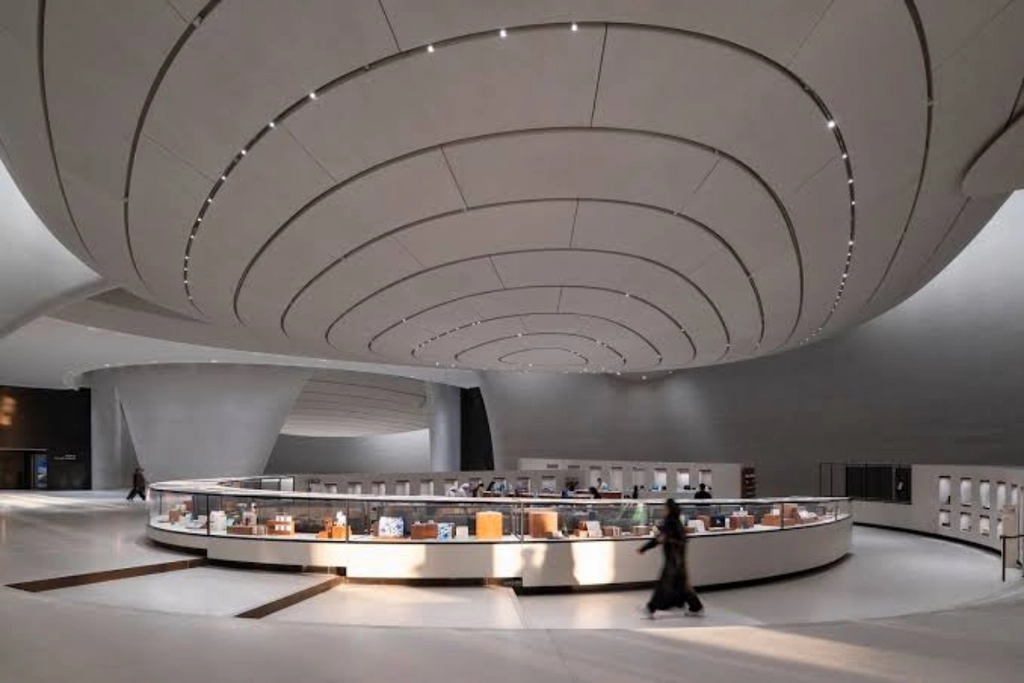
The collection spans more than 300,000 years of human history, from early habitation and ancient trade to the formation of the modern UAE. Among its highlights are a Bronze Age boat replica built using traditional techniques and the 1966 Chrysler Newport associated with Sheikh Zayed’s journeys across the desert. These objects show the museum’s range. It can move from deep archaeology to personal memory, from maritime exchange to political leadership, from ancient craft to modern statehood.
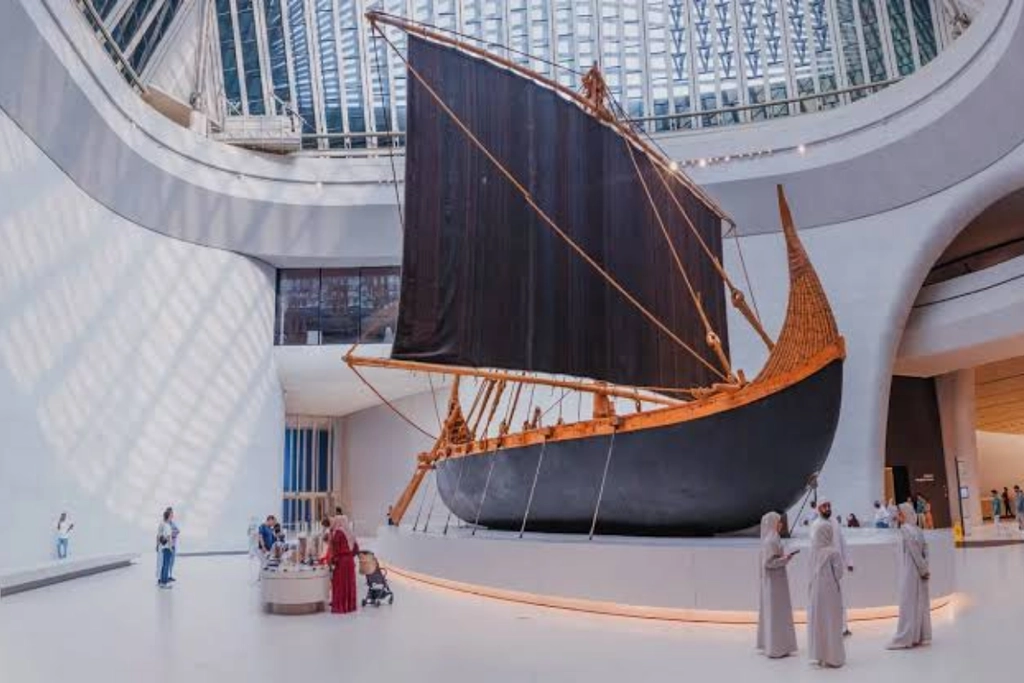
What makes Zayed National Museum especially powerful is its ability to turn biography into national architecture without reducing either to sentimentality. Sheikh Zayed appears not only as a historical figure, but as an organizing principle: a leader connected to land, mobility, conservation, diplomacy, and social transformation. The building itself seems to extend those values. Its falcon towers speak of cultural identity; its passive cooling system speaks of environmental knowledge; its garden speaks of landscape; its galleries speak of preservation.
If Zayed National Museum uses architecture to narrate the making of a modern nation, the Center for Islamic Civilization in Uzbekistan uses scale, scholarship, and symbolism to reposition a region within the global history of knowledge. Located in Tashkent’s Almazar district, the center is a monumental cultural, scientific, and educational complex dedicated to Islamic heritage, Central Asian scholarship, and the intellectual legacy of Uzbekistan.
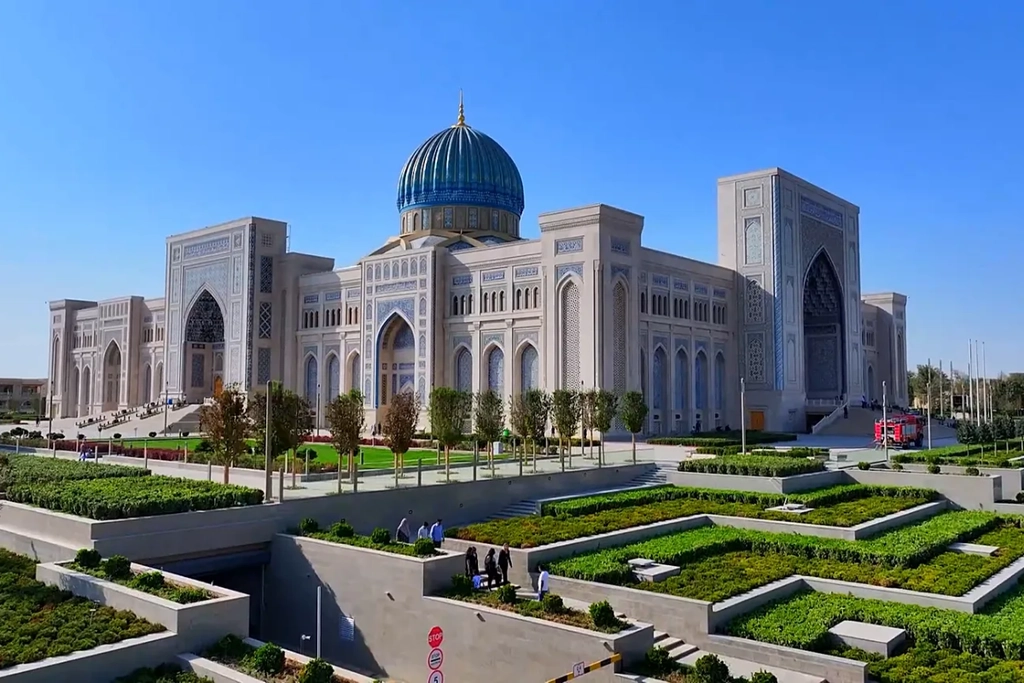
The complex covers 10 hectares, with a building area exceeding 40,000 square meters. Its architecture synthesizes traditional Central Asian forms with contemporary museum infrastructure. At its center rises a 65-meter-high dome, functioning as both architectural anchor and spiritual image. Around it, four 34-meter-tall portals reference the regional diversity of Uzbek architectural history. The east draws from the Ulugbek Madrasah in Samarkand; the west from the religious monuments of Bukhara; the north from Khiva, Shakhrisabz, and Karakalpakstan; and the south from Kokand, Tashkent, and Termez.
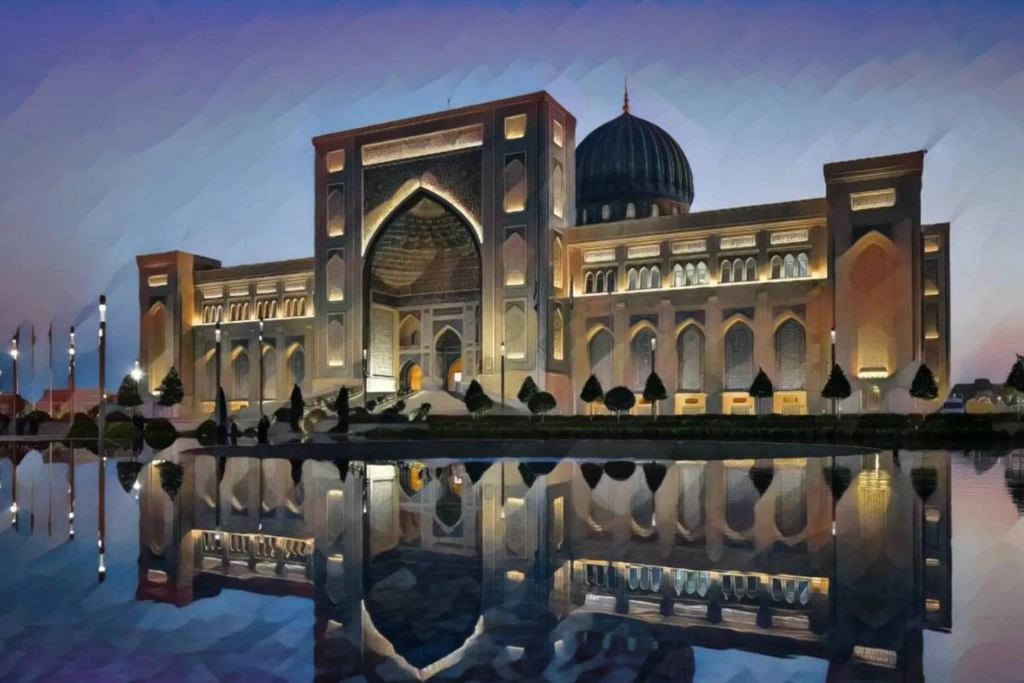
This geographic symbolism matters. The building does not present Uzbekistan’s heritage as a single frozen style. Instead, it gathers multiple regional identities into one monumental composition. It treats the nation as a crossroads of cities, schools, dynasties, crafts, and intellectual traditions. Through its portals, the center becomes a map of cultural memory.
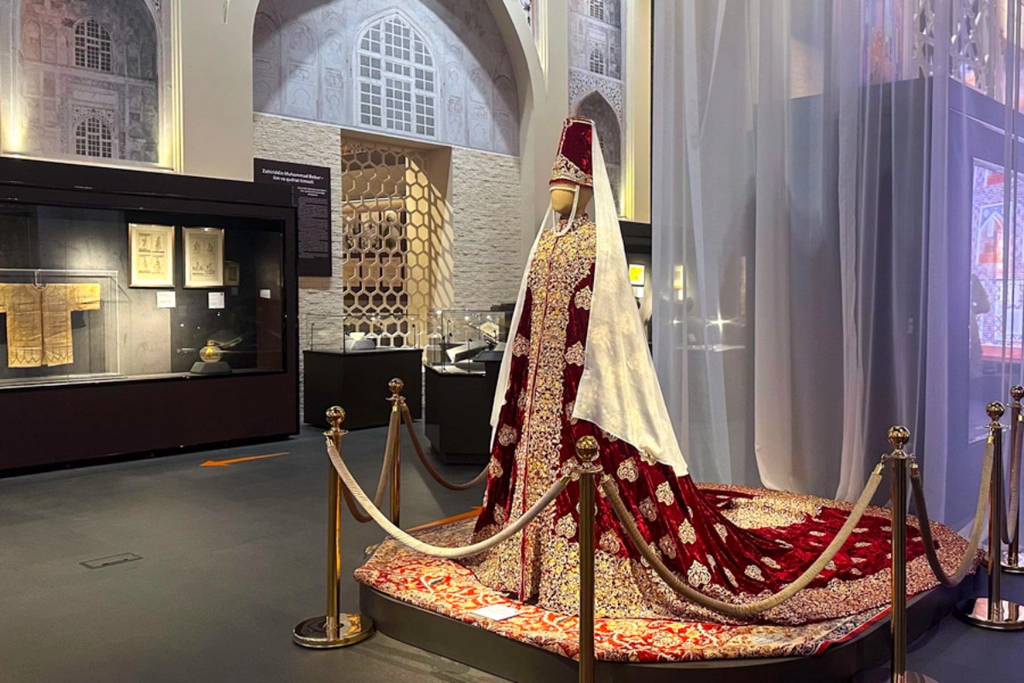
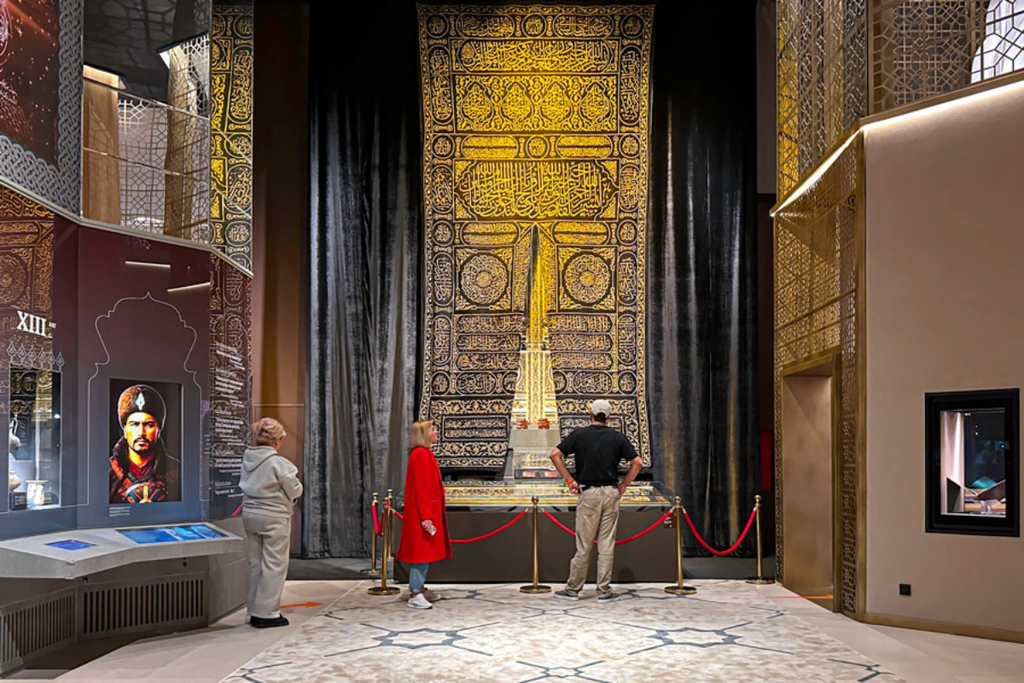
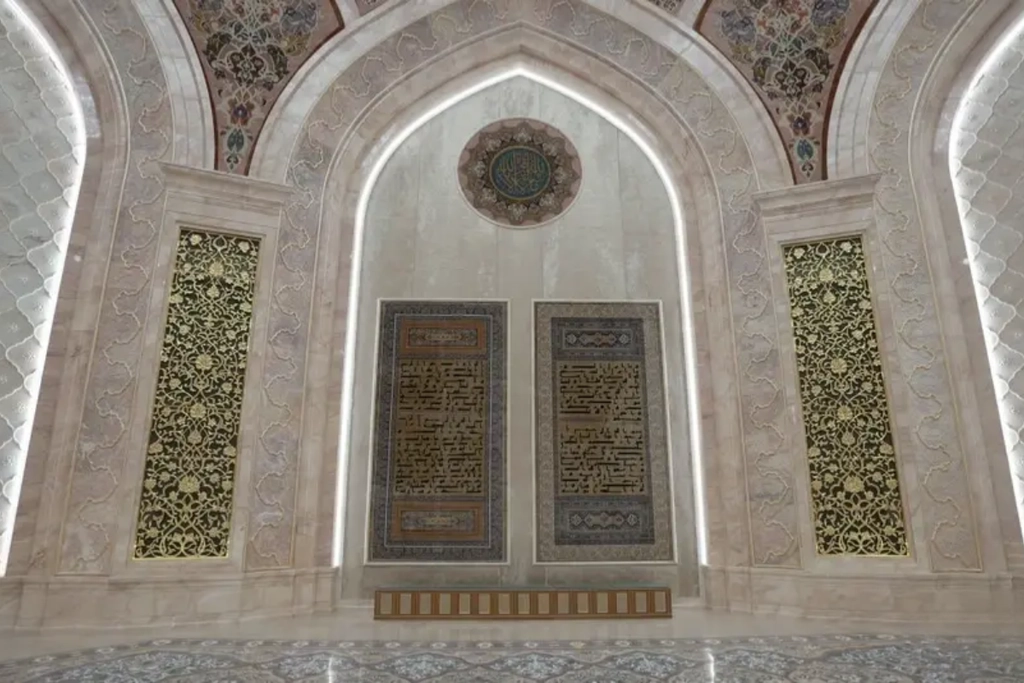
The artisanal dimension deepens this effect. Interiors enriched with ganch carving, woodwork, miniature painting, and calligraphic art connect the museum to living craft traditions. These details are not ornamental afterthoughts. They are part of the building’s argument: that Islamic civilization in Central Asia was never only textual or theological, but also architectural, material, scientific, poetic, and artistic.
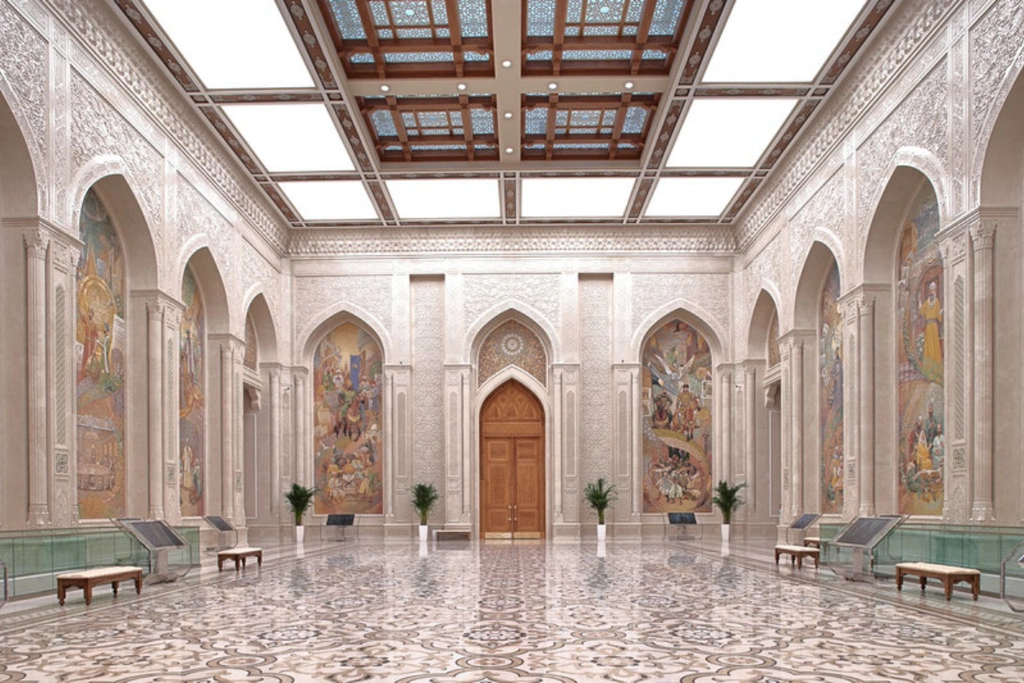
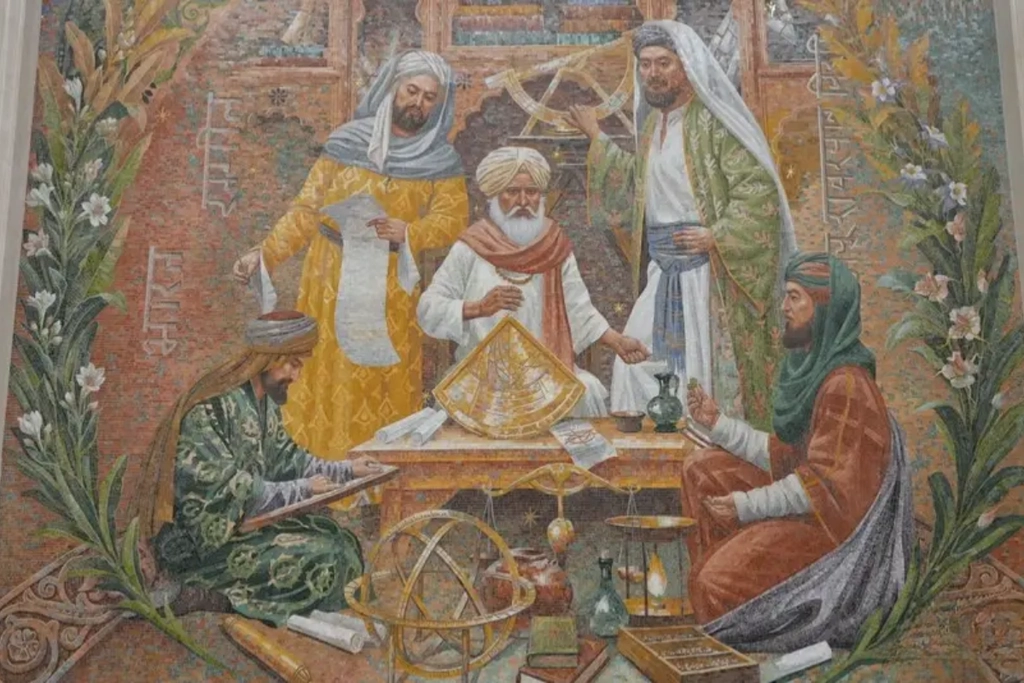
At the heart of the center’s symbolic program is the Qur’an Hall, designed to house the Samarkand Kufic Qur’an, one of the most significant manuscripts associated with Islamic history. Around this spiritual and scholarly center, the institution expands into a much broader cultural platform. Its holdings include tens of thousands of historical items and a vast digital archive, while its research infrastructure includes restoration laboratories, library facilities, conference spaces, and educational areas for younger audiences.
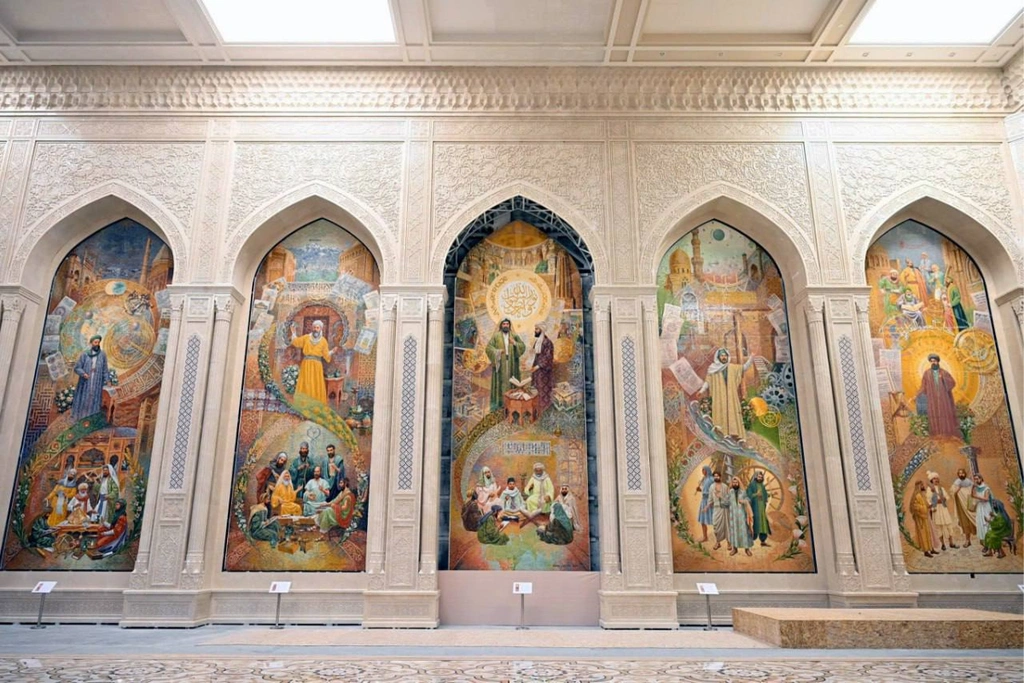
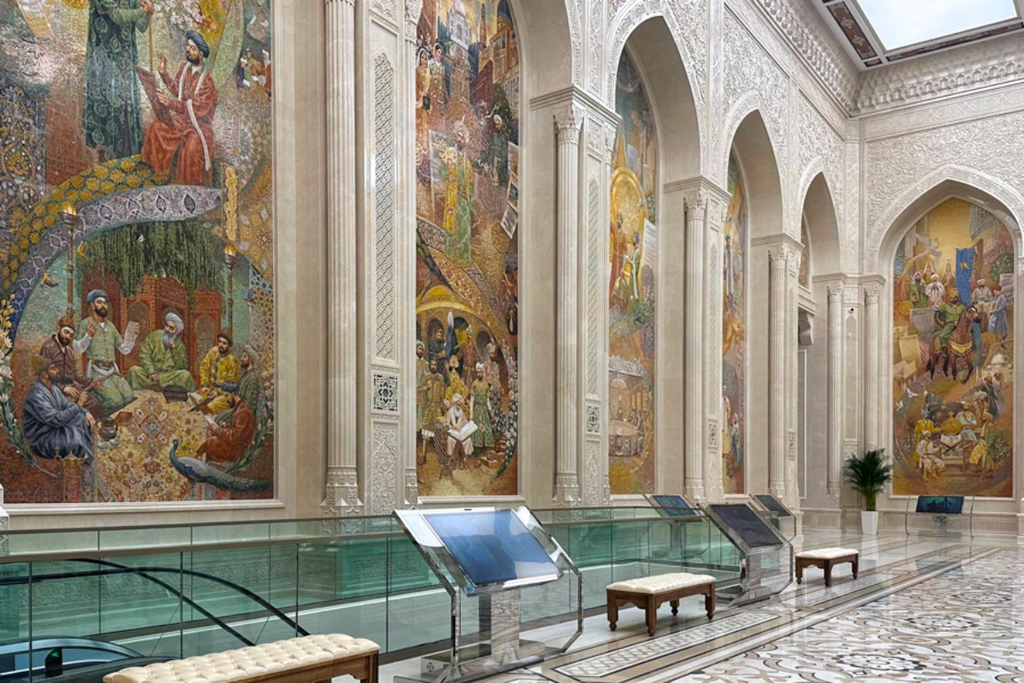
The museum’s technological ambitions are equally striking. The Hall of Honor includes AI-driven and interactive presentations that allow visitors to encounter historical scholars and thinkers through digital forms. This use of technology is not simply a spectacle. It reflects a larger ambition to make intellectual history accessible, especially to younger visitors who may encounter medieval science, theology, philosophy, astronomy, mathematics, and literature through immersive interfaces rather than conventional display cases.
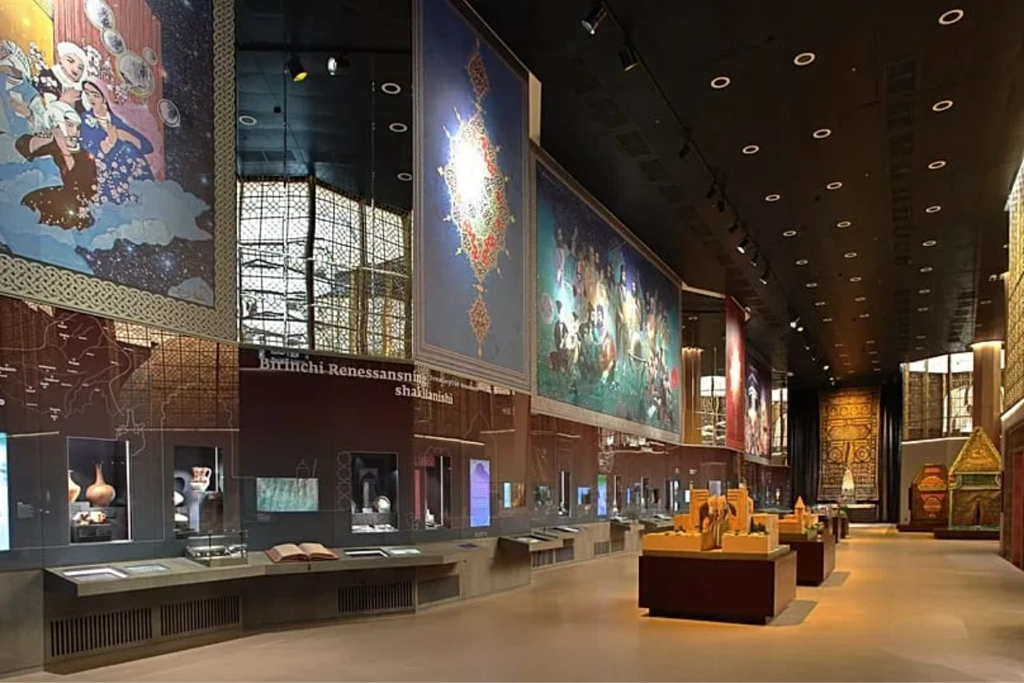
The Center for Islamic Civilization also carries a strong diplomatic and cultural message. Its development has involved the return and consolidation of manuscripts, artifacts, and archival materials, positioning the institution as both a museum and a national project of reclamation. In this sense, the center does not only display heritage; it gathers it back, studies it, digitizes it, and reintroduces it to public consciousness.
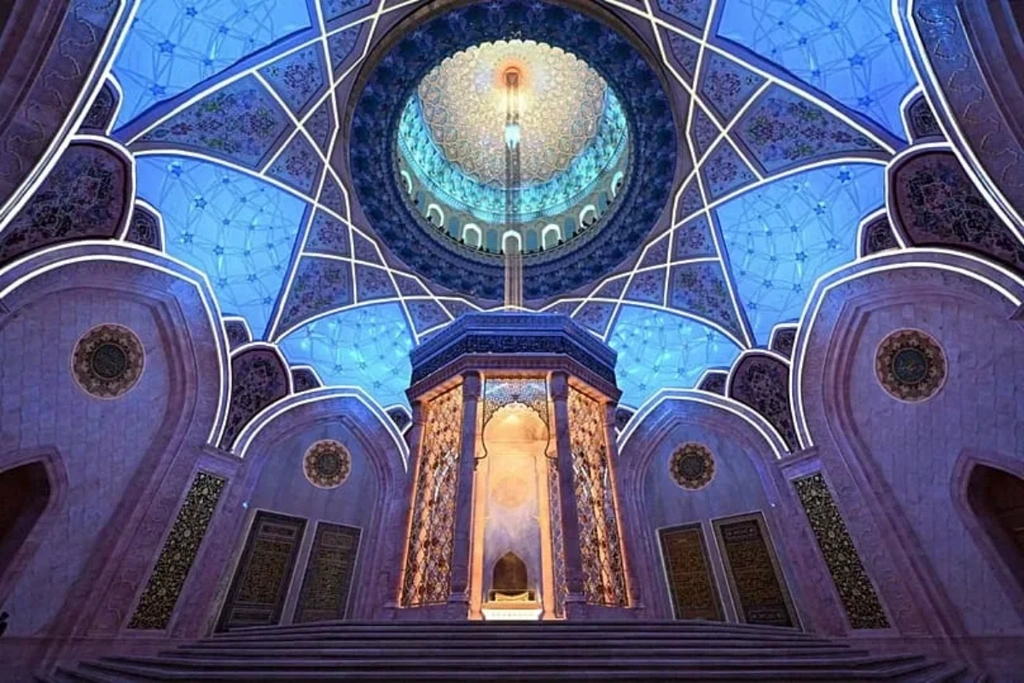
Like Zayed National Museum, the Uzbek center is less a static museum than a declaration of cultural continuity. It frames the past as a source of future legitimacy, education, and soft power. Its value is not measured only by ticket sales or visitor numbers, but by academic exchange, national identity, international recognition, and the ability to make a younger generation see inheritance as something active.
Seen together, these two museums show how cultural architecture is entering a more ambitious phase. Zayed National Museum turns environmental intelligence into a national story, using falcon-wing towers and earth-sheltered galleries to connect the UAE’s founding vision to land, memory, and sustainability. The Center for Islamic Civilization in Uzbekistan turns scholarship into monumentality, using domes, portals, manuscripts, and immersive technology to place Central Asia at the center of Islamic intellectual history.
Both projects understand that heritage must now compete for attention in a world shaped by images, digital platforms, and accelerated tourism. Yet neither museum responds by flattening history into entertainment. Instead, they enlarge the museum experience. They make arrival part of the story. They make architecture part of the archive. They make preservation visible. They turn craft, climate, scholarship, and technology into instruments of cultural narration.
Their difference is also revealing. Abu Dhabi’s museum is aerodynamic, environmental, and biographical, built around the figure of Sheikh Zayed and the emergence of the UAE. Tashkent’s center is domed, portal-framed, scholarly, and civilizational, built around the long intellectual history of Islam in Central Asia. One rises like a falcon from a landscaped mound; the other gathers regional memory beneath a monumental dome. One speaks through wind and light; the other through manuscript, ornament, and archive.