MENU
Close





When a famous woman’s body becomes sharper, smaller, and more expensive to maintain, are we looking at beauty evolution, or the quiet violence of extreme thinness dressed as discipline?
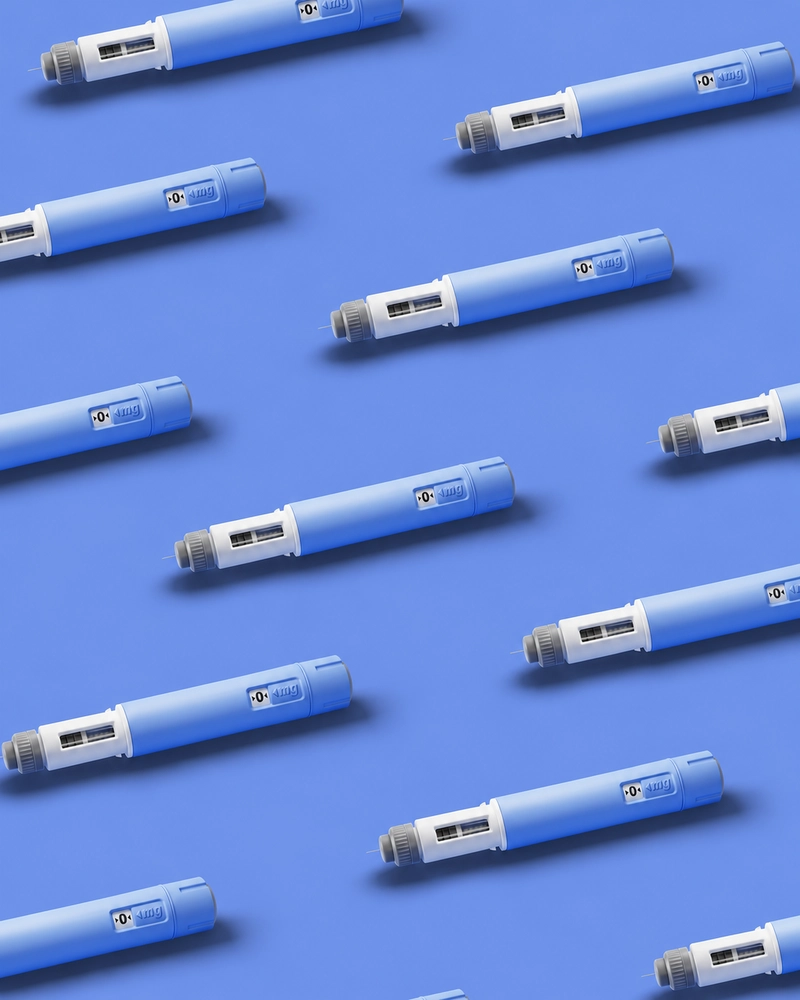
When a famous woman’s body becomes sharper, smaller, and more expensive to maintain, are we looking at beauty evolution, or the quiet violence of extreme thinness dressed as discipline?
June 22, 2026
Advertisement

Advertisement



The visual landscape of modern celebrity culture has recently undergone a jarring, undeniable shift. Even a cursory glance at recent red-carpet coverage or curated social media feeds reveals a striking resurgence of a specific aesthetic: razor-sharp shoulder blades, prominent collarbones, and deeply hollowed cheeks. There is a vast, systematic shrinkage occurring among the most visible women in Hollywood, fundamentally altering contemporary beauty standards. Some of the most celebrated figures in the public eye have transitioned from merely slender to gravely gaunt, presenting a silhouette that raises profound questions about health, aging, and the modern beauty industrial complex. This is the new visual language of extreme thinness.
What makes this particular iteration of extreme thinness so uniquely troubling is its demographic target. The most prominent faces of this phenomenon are not the young starlets of the early 2000s, but revered, established women in their fifties, sixties, and beyond. In an era that claims to champion "aging gracefully" and "longevity," the visual evidence suggests a contradictory mandate: to shrink, to disappear, and to sacrifice biological robustness at the altar of high fashion and aesthetic conformity.
This is not a trend existing in a vacuum. It is a highly profitable ecosystem sustained by powerful corporate entities across the pharmaceutical, fashion, aesthetic, and wellness industries. By examining the distinct brands and conglomerates driving this movement, a clearer, and far more analytical, picture emerges regarding how extreme thinness has been rebranded as a triumph of aging, when clinically, it represents the exact opposite.
To understand the sudden proliferation of extreme thinness in Hollywood, one must first look to the pharmaceutical sector, specifically to brands like Novo Nordisk (creator of Ozempic and Wegovy) and Eli Lilly (creator of Mounjaro and Zepbound). Originally developed as revolutionary treatments for type 2 diabetes and clinical obesity, GLP-1 receptor agonists have been rapidly co-opted by the elite as the ultimate tool for aesthetic modification. These medications have effectively removed the biological friction of extreme weight loss, allowing women of normal or already-low body weight to achieve shockingly low Body Mass Indexes (BMIs) with unprecedented speed.
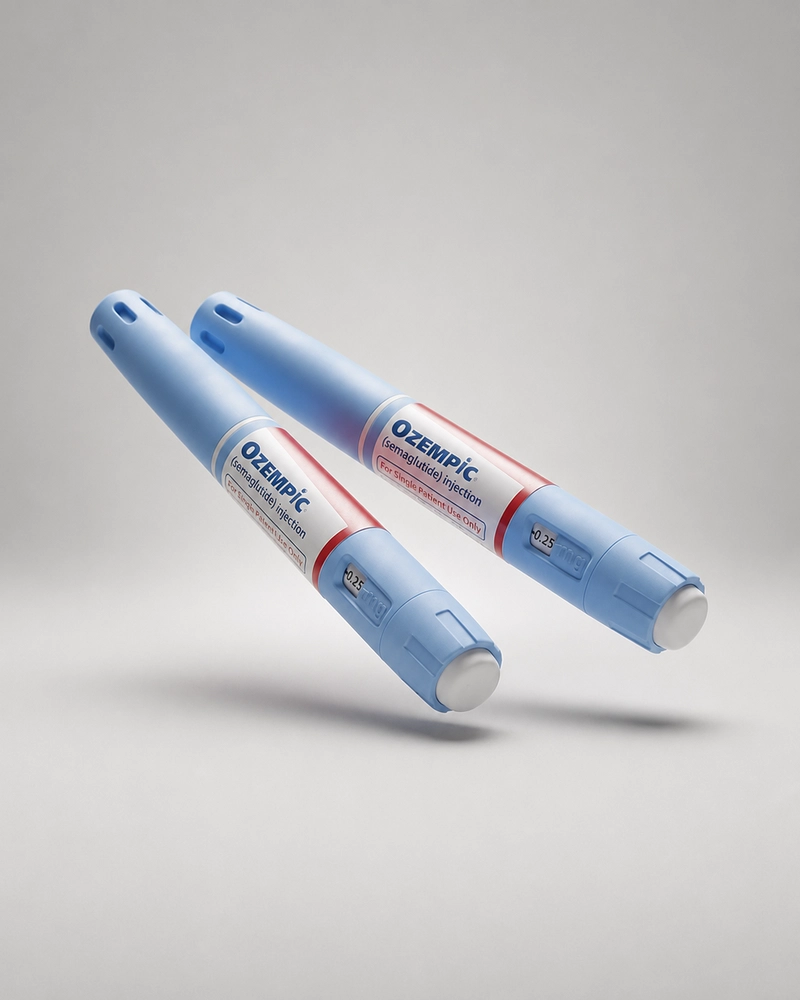
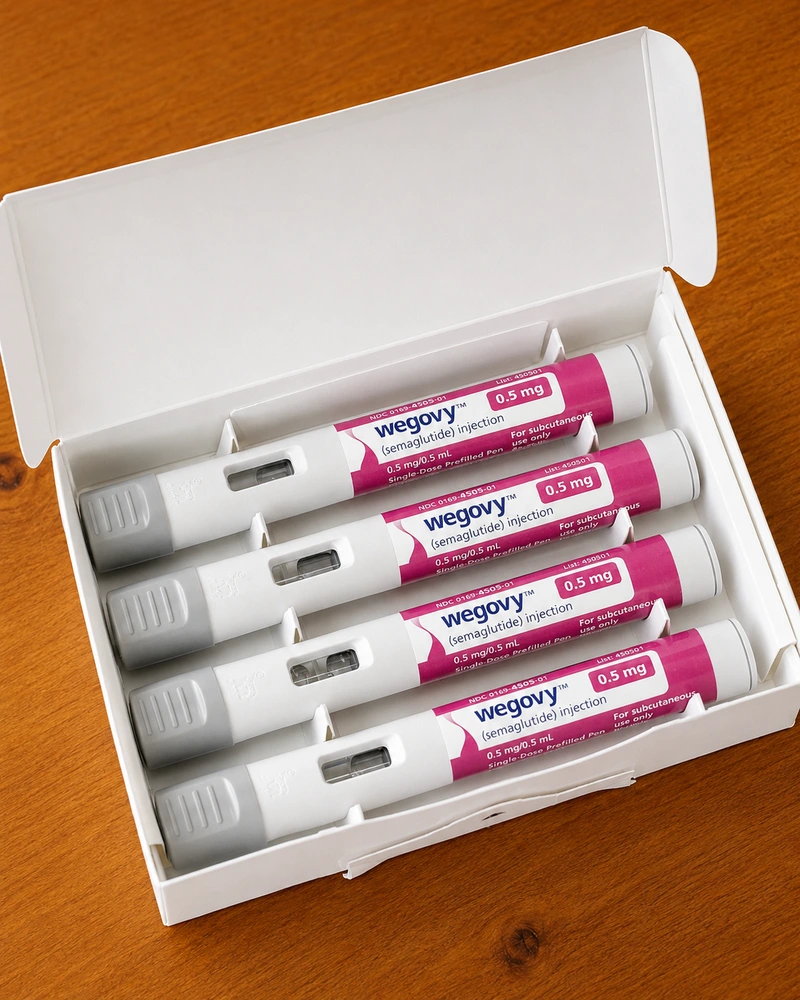
While the efficacy of these drugs for metabolic health is well-documented, their off-label use for vanity weight loss introduces a cascade of biological risks, particularly for women over fifty. True longevity is anchored in physical resilience, yet the mechanism of rapid, chemically induced weight loss is fundamentally antithetical to this goal. Clinical studies evaluating GLP-1 weight composition reveal that anywhere from thirty to forty percent of the weight lost on these medications can be lean muscle mass.
For older women, this side effect is nothing short of disastrous. The natural aging process already predisposes individuals to sarcopenia (the age-related loss of skeletal muscle mass and function). When this is accelerated by profound caloric deficit, the result is a frail, weakened physical state. Furthermore, the menopausal transition is characterized by a sharp decline in estrogen, which historically results in up to a twenty percent loss of bone density within the first five to seven years of menopause. Combining natural hormonal bone depletion with the severe nutritional deficits required to maintain a sub-18.5 BMI creates a perfect storm for osteoporosis and a heightened risk of devastating fractures.
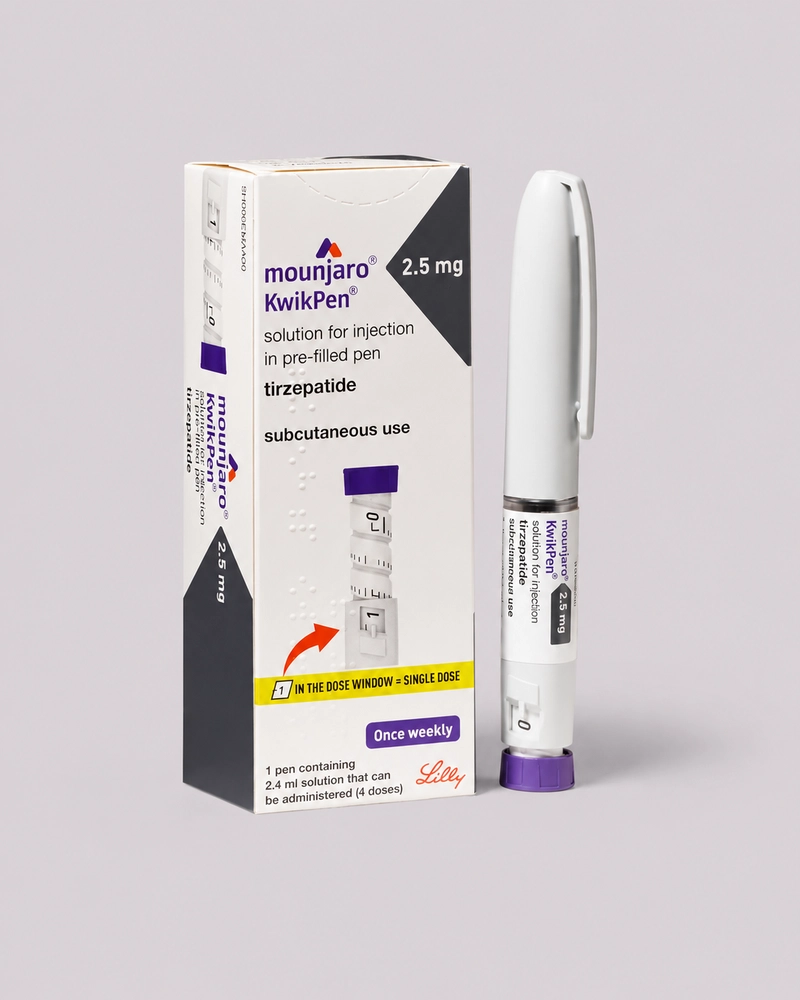
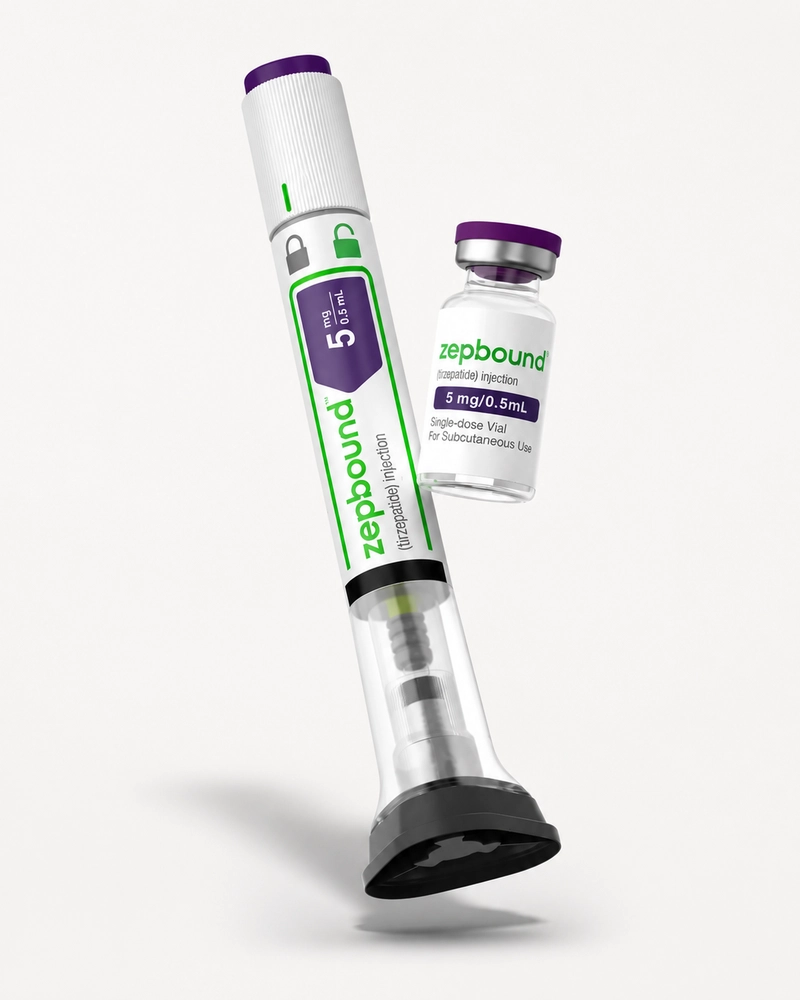
Therefore, when the public praises a visibly skeletal sixty-year-old Demi Moore for "aging like fine wine," there is a profound disconnect from physiological reality. Aging well is fundamentally reliant on building and maintaining physical strength, healthy nutrition, and skeletal integrity. By providing a pharmacological shortcut to starvation, these pharmaceutical giants have inadvertently become the architects of a frailty epidemic masquerading as elite beauty, powered by the normalization of extreme thinness.
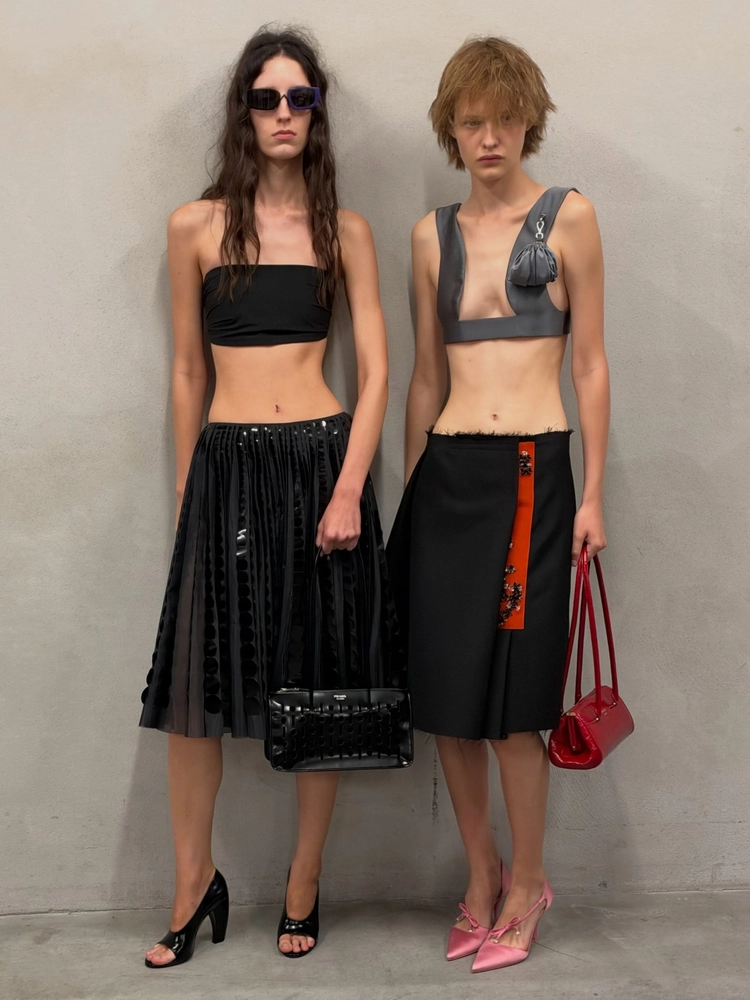
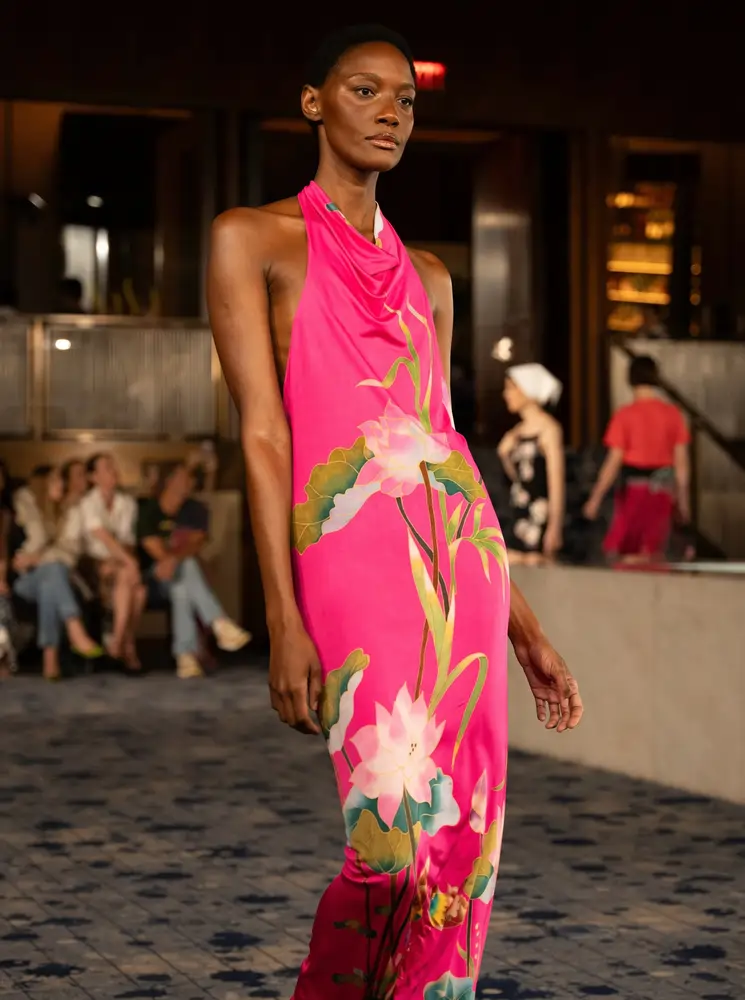
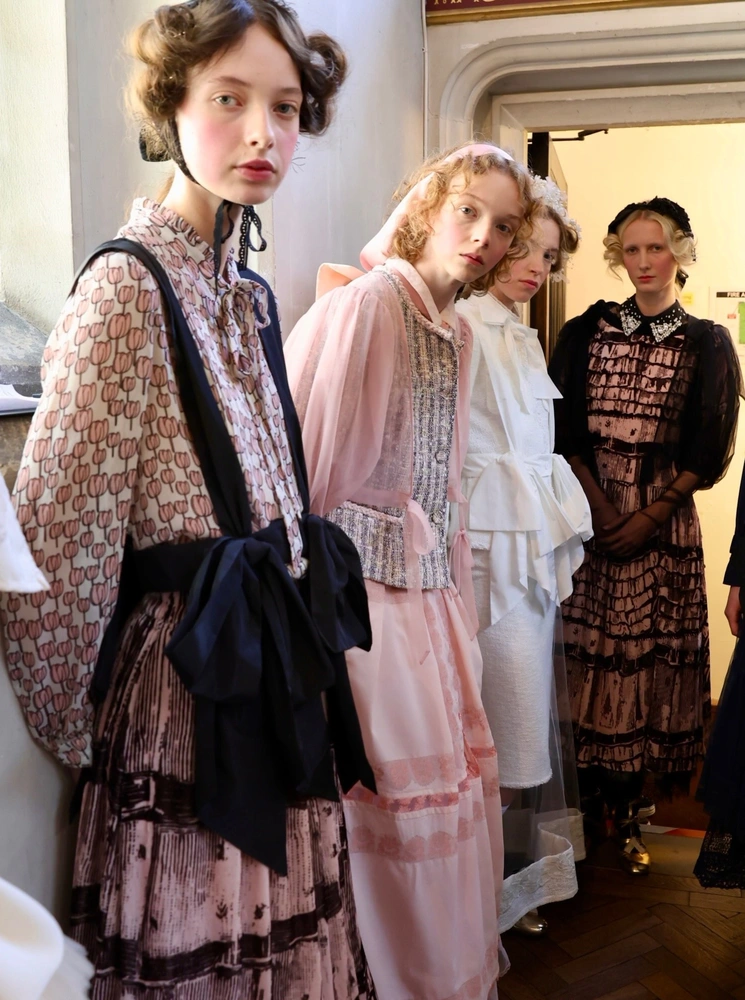
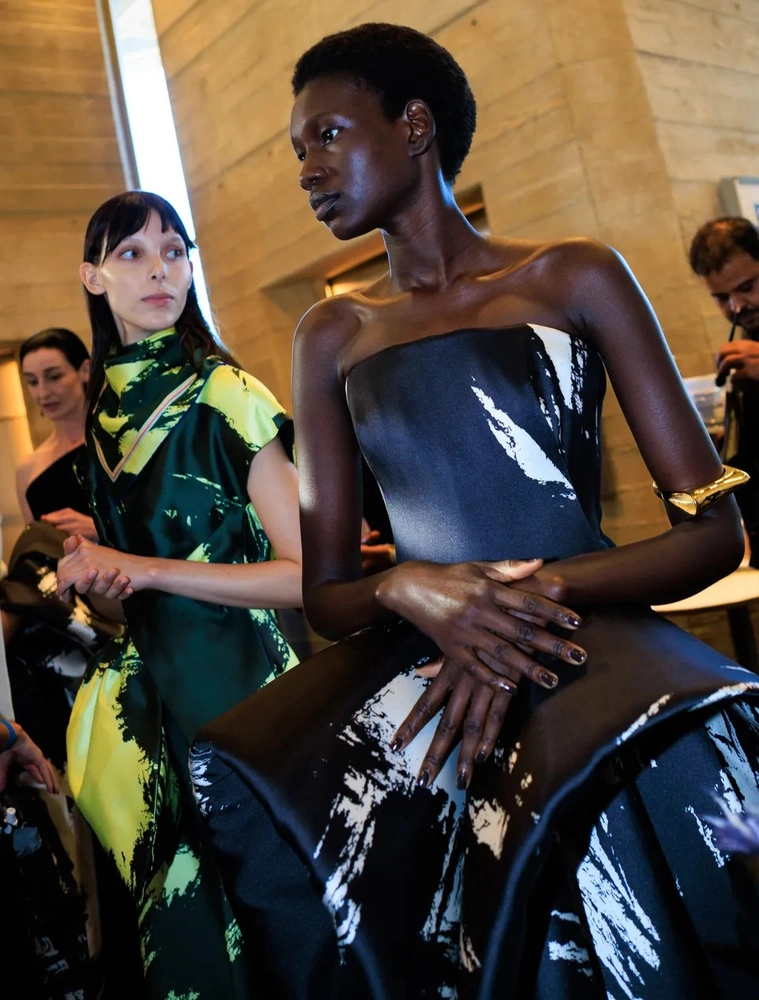
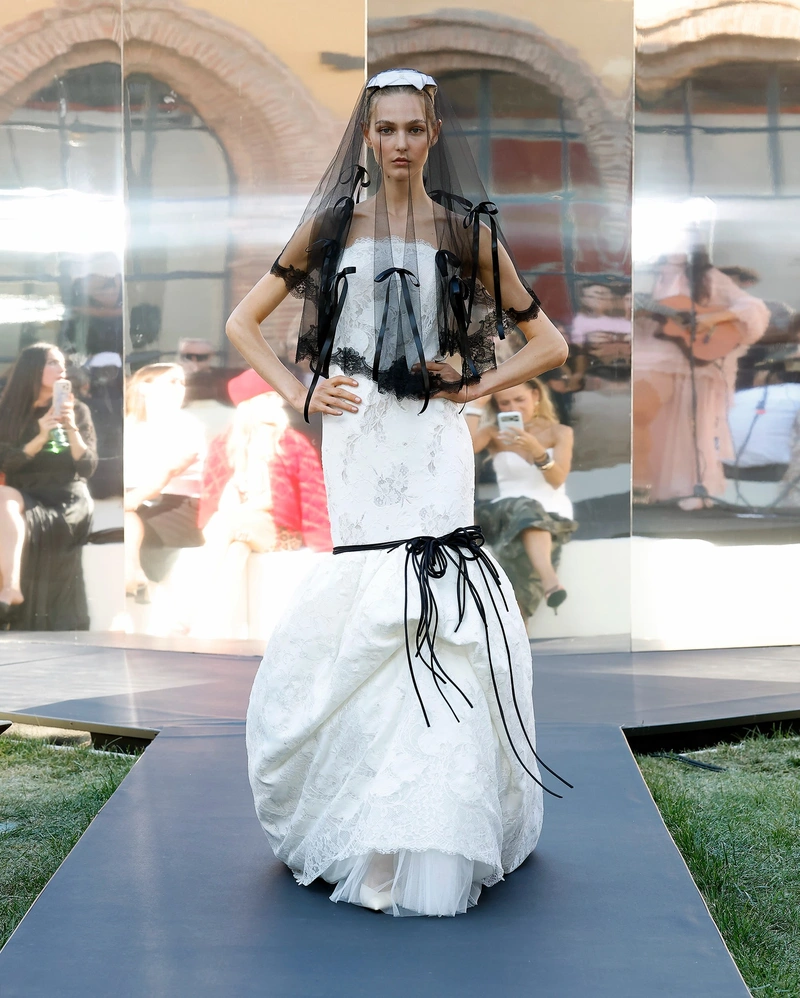
The pharmaceutical ability to become dangerously thin would not be so highly leveraged if the fashion industry did not continually reward the aesthetic. The major European luxury conglomerates, most notably Kering (Gucci, Saint Laurent, Balenciaga) and LVMH (Dior, Givenchy, Celine), hold immense power in dictating the visual parameters of female worth. Despite years of performative diversity initiatives and promises of body inclusivity, the undeniable reality of the recent runway seasons is a stark regression to "Heroin Chic" and the glorification of the emaciated frame.
The disconnect between the fashion elite and the reality of the female body was recently highlighted by cinematic icon Meryl Streep. While discussing the fashion landscape in the context of the upcoming The Devil Wears Prada sequel, observations were made regarding the alarmingly skeletal nature of modern models, prompting direct interventions to ensure the film's casting did not perpetuate this dangerous standard.
Yet, for women in the public eye who rely on luxury fashion house sponsorships and red-carpet dressing to maintain their cultural relevance, the pressure to conform to these sample sizes is absolute. The garments produced by these conglomerates are frequently cut for the underdeveloped bodies of adolescent models. When luxury brands select ambassadors in their fifties and sixties, the implicit agreement is that the older woman must whittle her body down to fit the adolescent garment.
This creates a devastating psychological and physical pressure cooker. Studies have increasingly indicated that eating disorders among women over fifty are experiencing a sharp upward trajectory. The physical and emotional stressors of perimenopause and menopause, fluctuating hormones, natural metabolic slowdown, changing family dynamics, already increase vulnerability to psychological distress. When the cultural arbiters of glamour decree that elegance requires a twenty-four-inch waist at age sixty, the drive to engage in extreme, restrictive behaviors becomes overwhelming. The luxury fashion sector, by refusing to adapt its tailoring to the mature female form, actively incentivizes the destruction of that form and reinforces extreme thinness as a visual requirement.
The pursuit of extreme thinness in mid-life creates a secondary, highly lucrative crisis: the rapid aging of the face. It is a well-documented dermatological truth that after the age of forty, a certain degree of facial adipose tissue (fat) is the most effective, natural anti-aging mechanism available. Extreme weight loss accelerates facial hollowing, emphasizing sunken eyes, prominent nasolabial folds, and the depletion of the buccal and malar fat pads. Furthermore, an excessively low BMI compromises the skin's architectural integrity, leading to dermatoporosis, a state of chronic skin fragility, thinning, and increased susceptibility to tearing and bruising.
This biological reality gives rise to the third pillar of this aesthetic ecosystem: the medical aesthetics and dermal filler industry, largely dominated by pharmaceutical giants like Allergan Aesthetics (the makers of Botox, Juvéderm, and SkinMedica) and Galderma (Restylane, Sculptra). The phenomenon colloquially known as "Ozempic Face" has become a windfall for cosmetic dermatologists and plastic surgeons.

There is a profound, almost tragic irony in the modern celebrity beauty regimen: women are utilizing expensive pharmaceutical interventions to strip their bodies of fat, only to turn to another set of pharmaceutical interventions to inject synthetic volume back into their depleted faces. The American Academy of Facial Plastic and Reconstructive Surgery (AAFPRS) has reported significant spikes in demand for facial fat grafting, liquid facelifts, and biostimulatory injectables directly linked to the rapid weight loss trend.
By holding up gaunt celebrities as the zenith of aging gracefully, society ignores the massive, expensive aesthetic scaffolding required to make extreme thinness look palatable on a mature face. The consumer is sold the illusion of the razor-thin silhouette, but is rarely privy to the rigorous, clinical maintenance required to prevent the face from reflecting the body's internal starvation. This creates a brilliant, self-sustaining economy for brands like Allergan, as the pursuit of the bodily ideal guarantees the destruction of the facial ideal, ensuring a lifetime of clinical intervention.
Finally, the normalization of the gaunt aesthetic is heavily facilitated by the modern wellness industry, pioneered and popularized by lifestyle brands like Goop. Over the past decade, the concept of "dieting" has fallen out of favor, replaced by the far more insidious language of "wellness," "detoxing," and "longevity." This semantic shift allows extreme caloric restriction and bodily manipulation to be marketed as higher-level health optimization.
Wellness brands frequently commodify the anxieties of mid-life women, repackaging restrictive eating paradigms, such as extreme intermittent fasting, bone broth cleanses, and elimination diets, as sophisticated protocols for extending one's lifespan. However, the scientific data heavily contradicts the wellness industry's assertion that extreme thinness equates to a longer, healthier life.

Extensive epidemiological research, including guidelines established by the Centers for Disease Control and Prevention (CDC), reveals a nuanced reality regarding body weight and aging. While a highly elevated BMI carries known health risks, an unhealthily low BMI (under 18.5) is associated with a significantly increased risk of all-cause mortality, surpassing even the risks associated with mild obesity in older populations. Furthermore, extreme thinness in later life is closely correlated with an increased risk of cognitive decline, including Alzheimer’s disease and vascular dementia. The brain, heavily reliant on fats and consistent energy, suffers profoundly under the constraints of chronic caloric restriction.
Yet, wellness brands continue to present the hyper-slender, perfectly optimized celebrity as the ultimate goal of mid-life health. This creates a deeply confusing landscape for the average woman. Studies note that over fifty percent of women of "normal" weight report increased dissatisfaction with their bodies in their fifties compared to their younger years. The sociocultural pressures to remain youthful and hyper-slender, combined with the natural weight shifts of menopause, leave women highly susceptible to the messaging of the wellness industrial complex. When starvation is elegantly packaged as a "cellular reset" or a "longevity protocol," the devastating health consequences are easily obscured behind beautiful branding.
The current fixation on the incredibly shrinking celebrity is not merely a superficial fashion trend; it is a profound public health concern wrapped in luxury packaging. When society applauds extreme thinness in women over fifty as a sign of discipline or successful aging, it is actively cheering for biological deterioration. True longevity and graceful aging are not defined by the ability to fit into a couture sample size or the visibility of one's ribcage. They are defined by robustness, mobility, and the physical strength required to navigate the later stages of life with independence and vitality. There will naturally come a time in deep old age when unintended weight loss and physical frailty become unavoidable realities. To intentionally induce this state decades early, driven by the profit margins of pharmaceutical companies, fashion conglomerates, aesthetic clinics, and wellness brands, is a tragic misallocation of female energy and health.
Advertisement