MENU
Close





An archive can preserve almost everything except the instinct that once made its contents feel radical. At Fall 2026 Couture, can couture heritage remain alive when a new designer has to inherit the past and still invent what comes next?
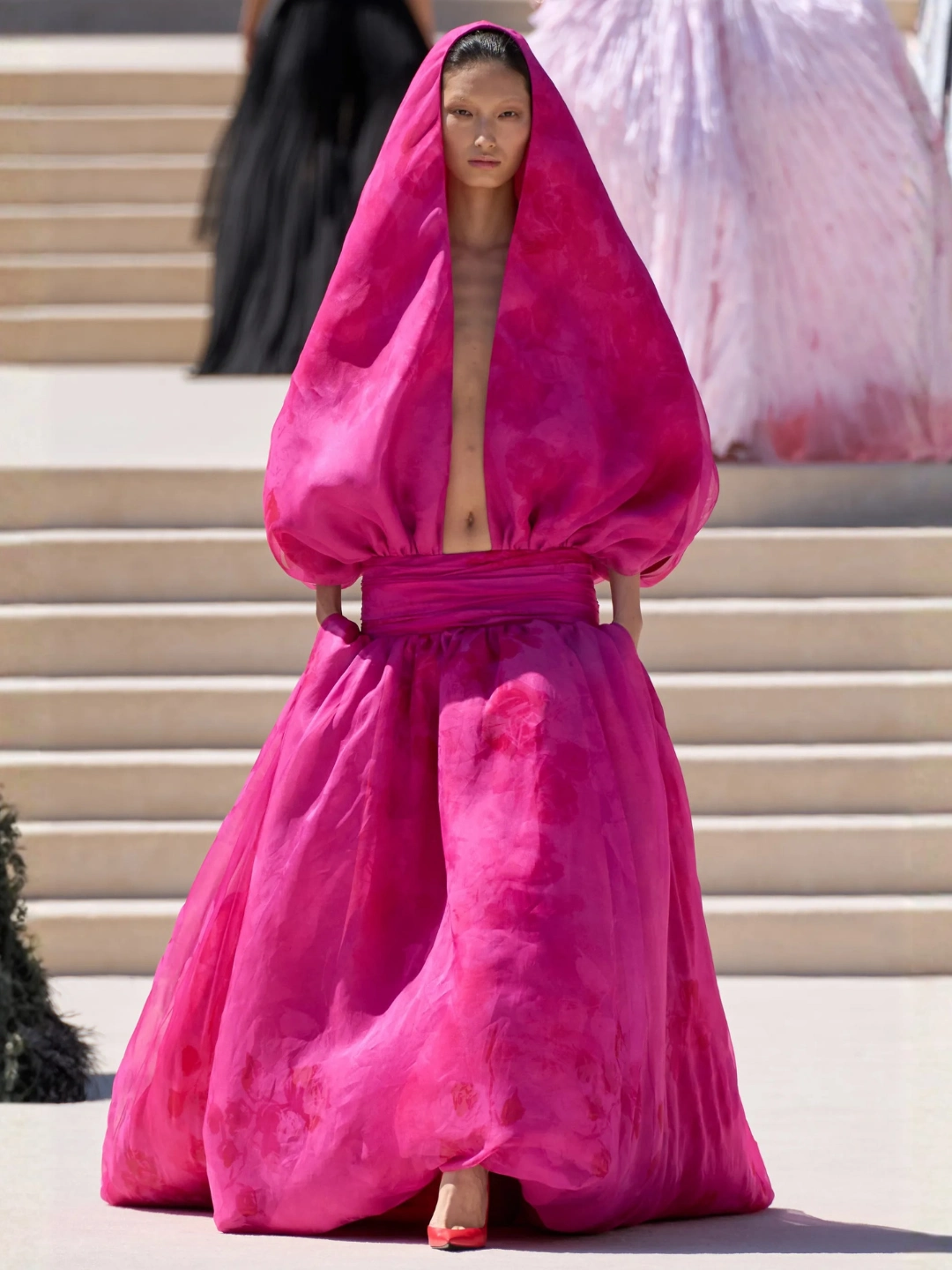
An archive can preserve almost everything except the instinct that once made its contents feel radical. At Fall 2026 Couture, can couture heritage remain alive when a new designer has to inherit the past and still invent what comes next?
August 24, 2026
Advertisement

Advertisement



The temptation to look backward comes easily in couture. Its ateliers preserve techniques that outlive individual creative directors, while certain silhouettes have accumulated enough recognition to function almost like signatures. Chanel tweed, Dior’s architectural relationship with the body, Cristóbal Balenciaga’s volumes and Elsa Schiaparelli’s Surrealism can identify a house before a logo ever appears.
Recognition, however, gives an archive only part of its creative power. Historic forms can return with exquisite fidelity, motifs can be revived and celebrated garments can be reconstructed through exceptional craftsmanship. Couture heritage becomes more productive when those references begin generating new decisions. Fall/Winter 2026 offered several compelling examples of designers taking codes, methods and creative instincts apart to discover what could still be spoken through them.
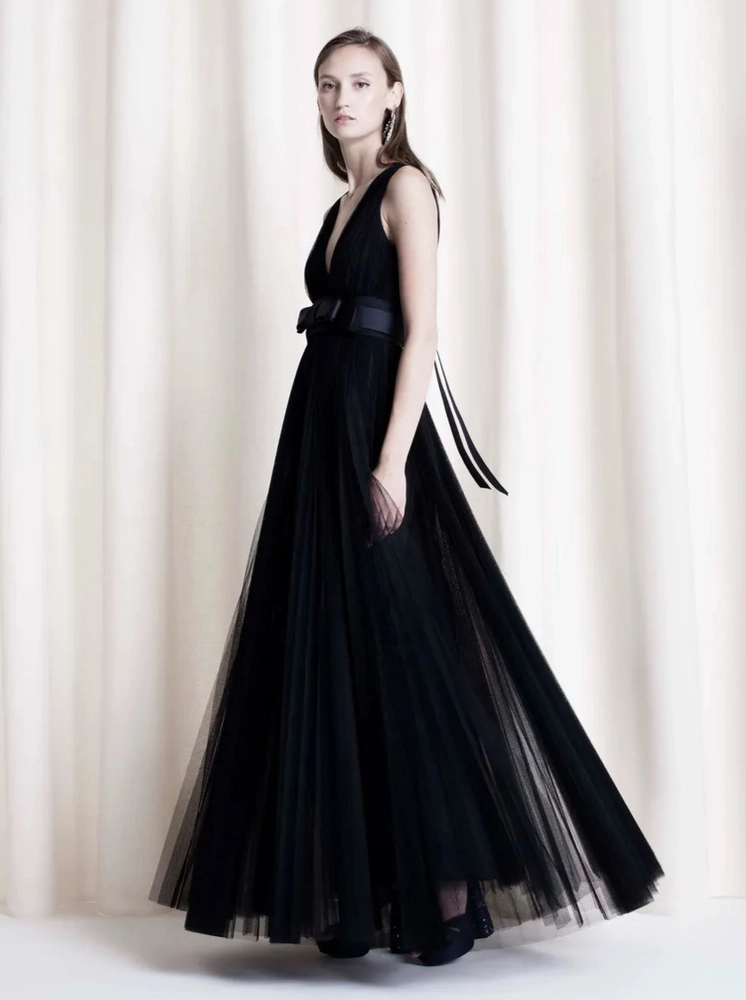
A piece of tweed carries unusual weight at Chanel. Decades of repetition have transformed the material into an almost automatic signal of the maison, giving Matthieu Blazy a deceptively difficult problem. Every familiar code already arrives with its own completed image.
His Fall 2026 Couture collection allowed those codes to change state. Tweed could take on the casual familiarity of denim, raffia acquired the dryness of straw, while beige moved through oat, camel and warmer natural tones. Personal details pushed the idea further, with initials and handwritten traces appearing inside garments as though couture had absorbed evidence of an actual life.
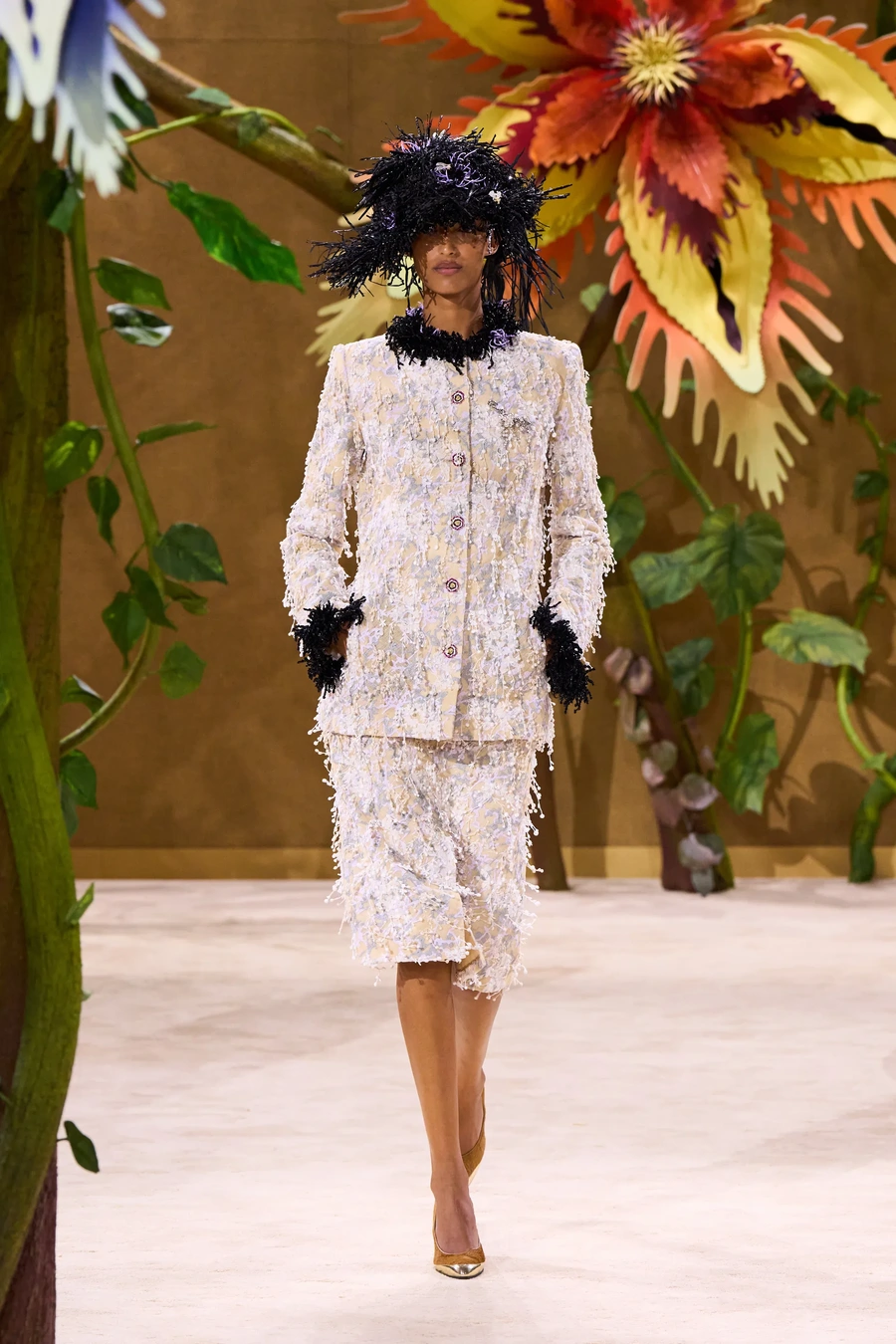
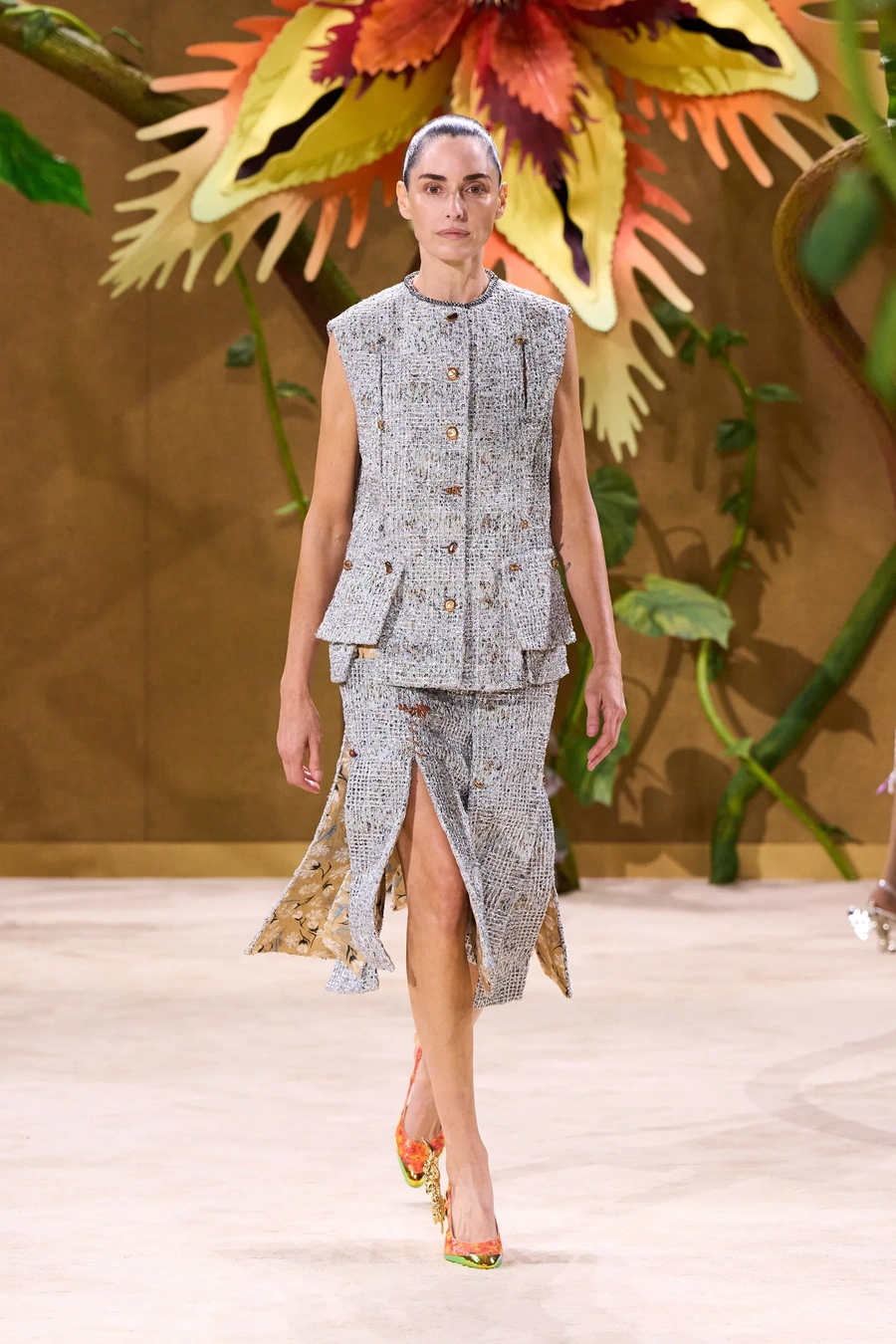
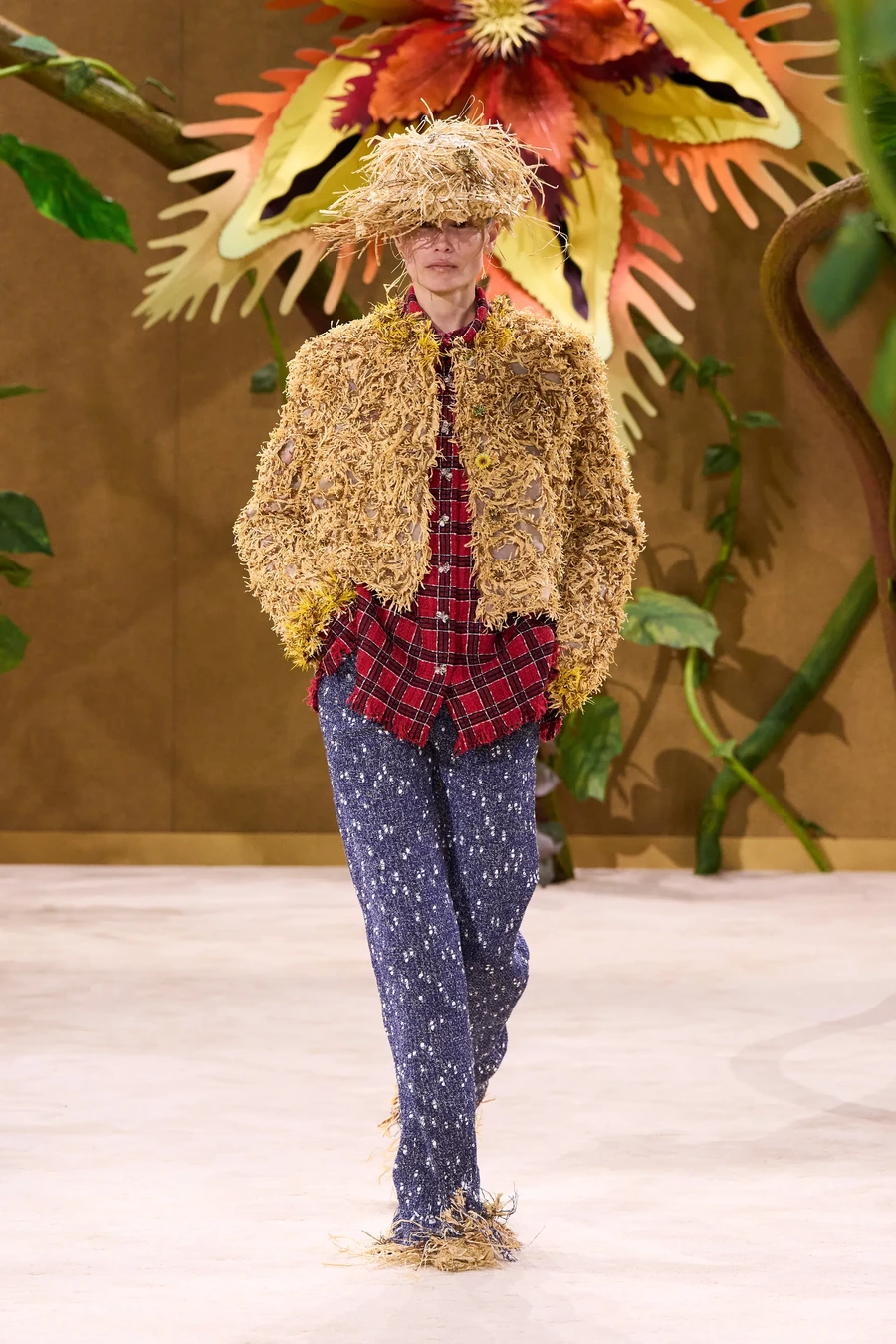
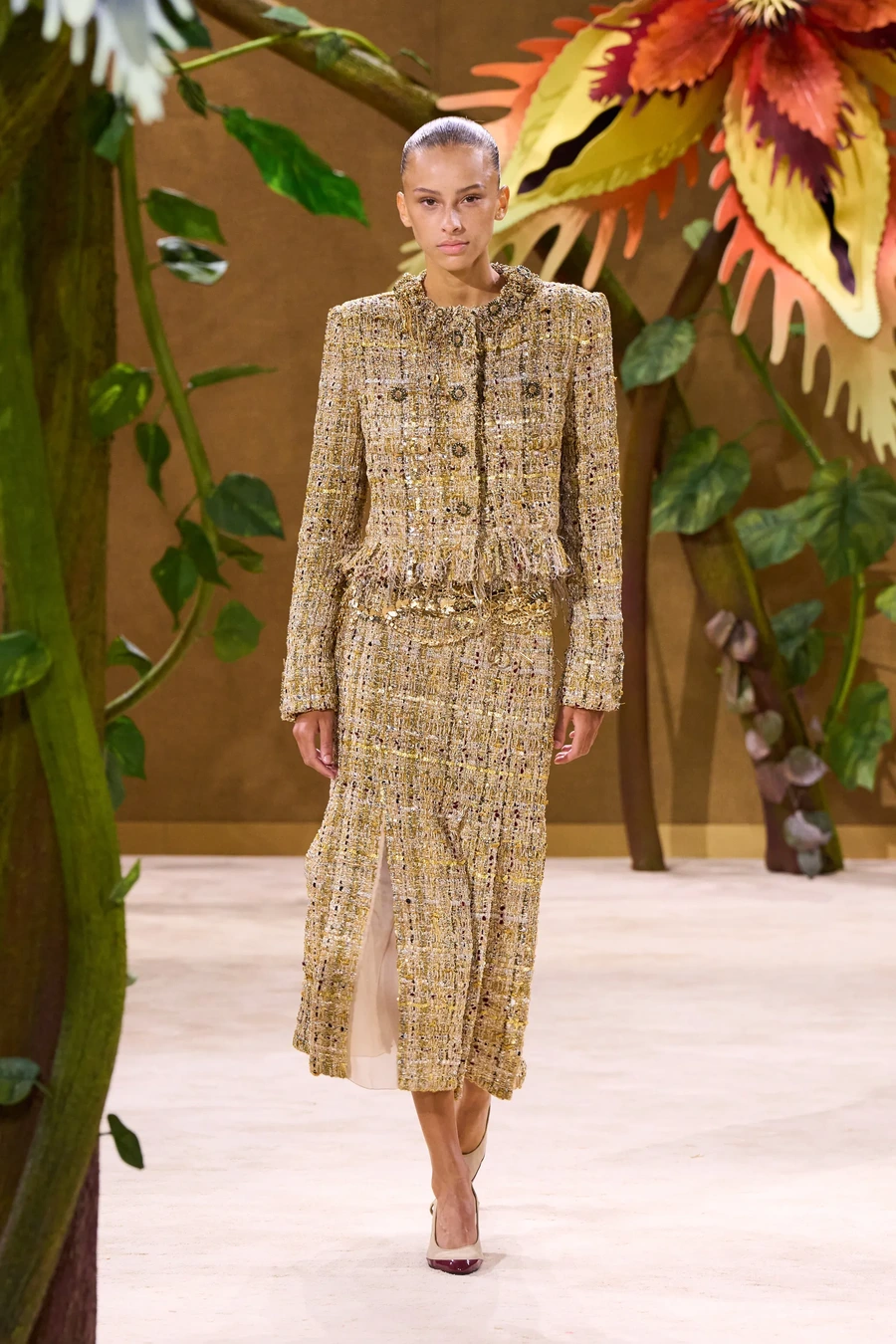
That sense of inhabitation has gradually become central to Blazy’s Chanel. Elaborate craft remains embedded throughout the clothes, though the finished pieces rarely treat technical difficulty as their entire purpose. The woman inside them can move, carry things and leave something of herself behind. Gabrielle Chanel survives through an attitude toward dressing alongside the more visible vocabulary of tailoring, texture and colour.
The distinction gives couture heritage room to breathe. Blazy treats Chanel’s codes almost like habits developed over time, allowing tweed, familiar proportions and established material relationships to evolve through use. Recognition becomes the beginning of the conversation.
Jonathan Anderson approaches Dior from another direction. His work increasingly suggests that one of the house’s deepest inheritances may exist beneath any single famous silhouette.
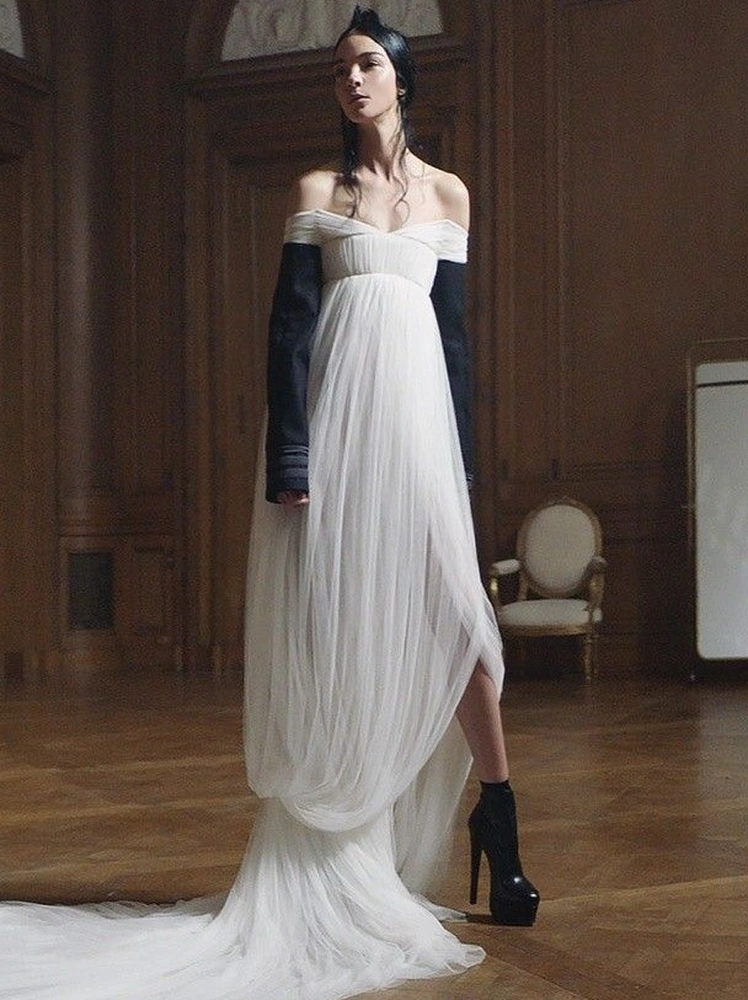
Dior possesses an archive filled with objects powerful enough to dominate a contemporary collection. The Bar jacket alone carries enormous visual recognition. Anderson steadily loosened that gravitational pull. Historic construction enters his work through altered proportions, pleating, knotting, draping and moulding, allowing familiar references to become increasingly difficult to isolate from the new structures surrounding them.
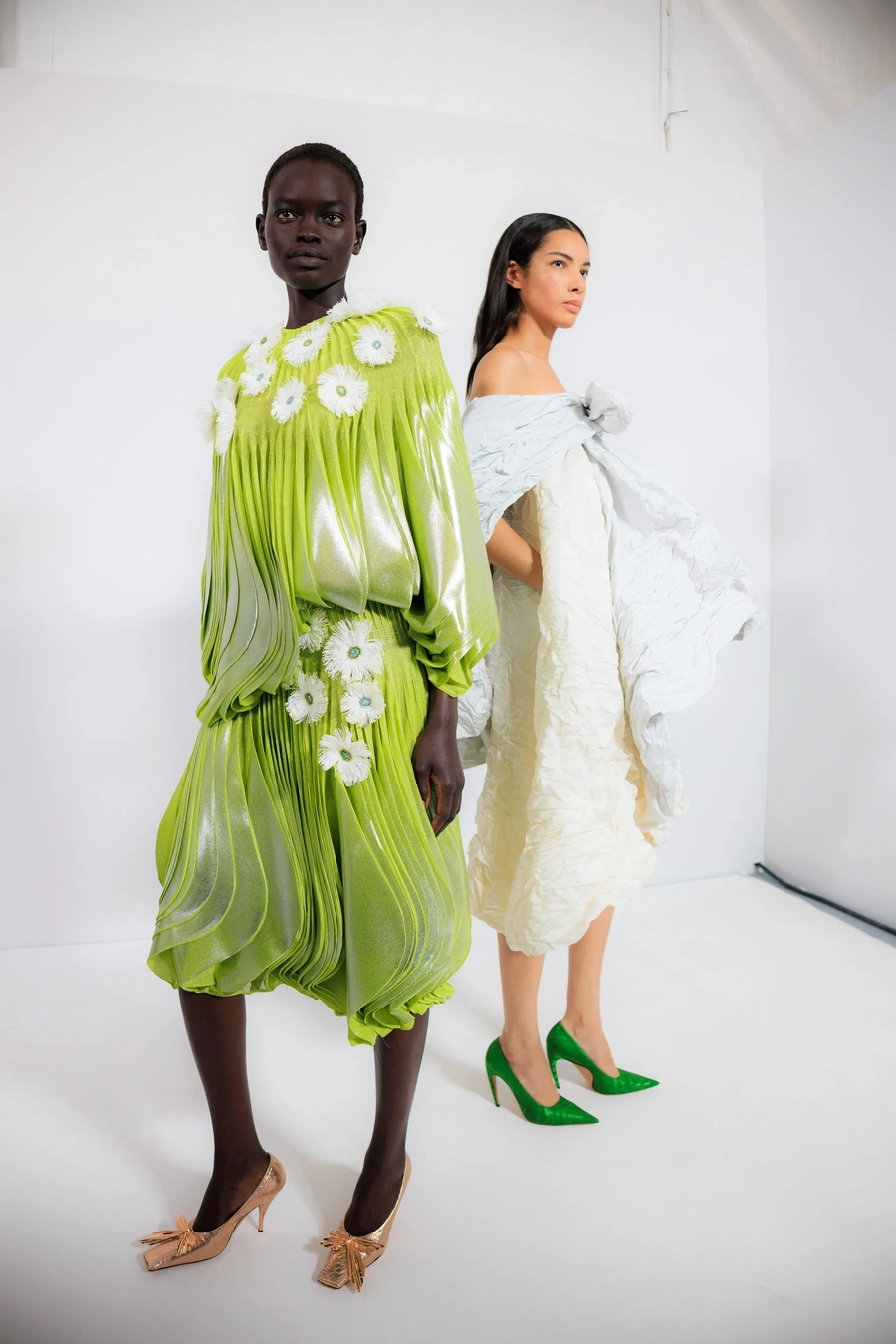
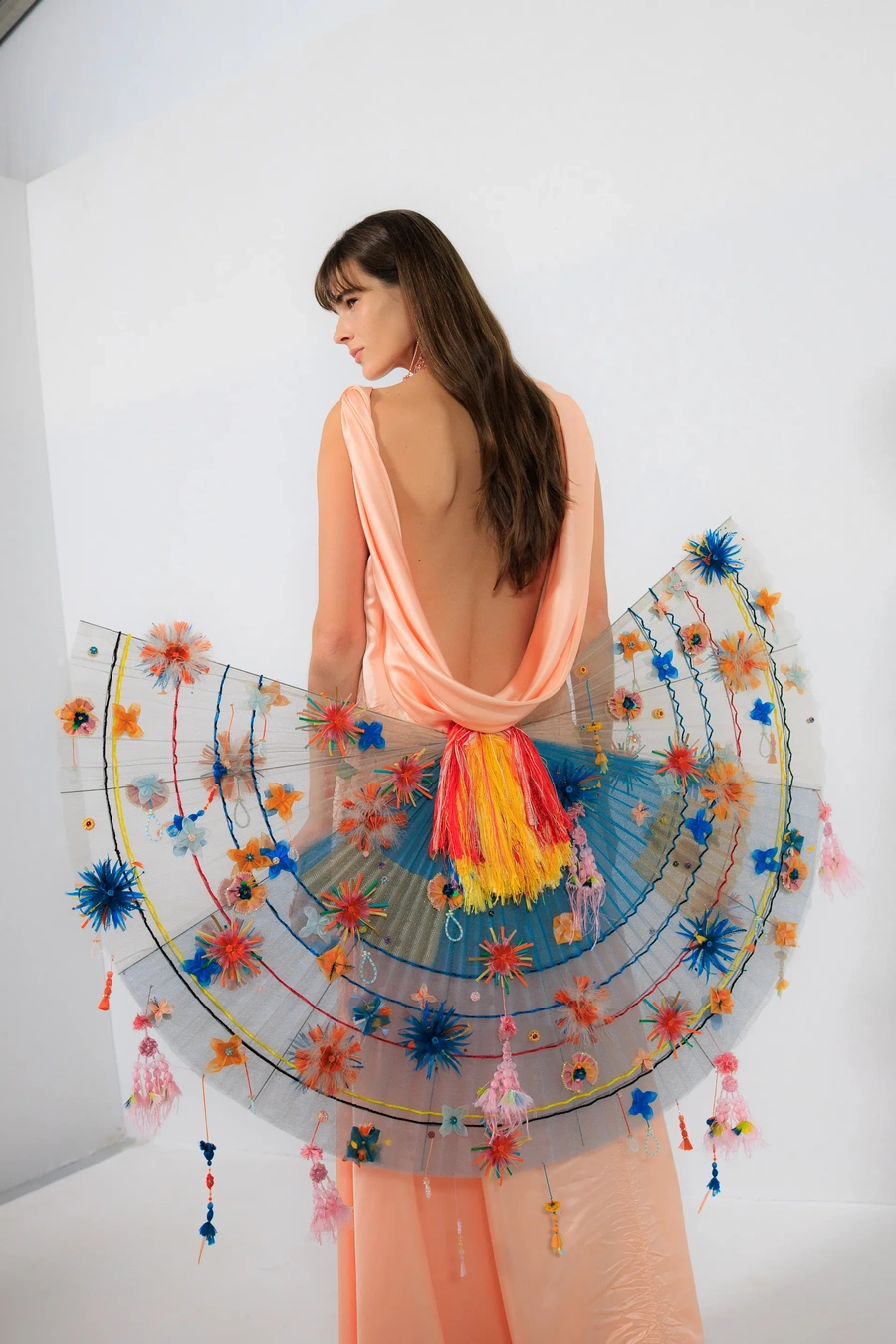
Dior Fall 2026 Couture extended that interest in transformation. Flat material moved toward three-dimensional form, surfaces shifted character through handwork, and the atelier operated almost like a laboratory where an established vocabulary could be physically tested before reaching its final expression.
A broader definition of Dior begins to emerge through that process. Christian Dior’s legacy extends beyond the preservation of one waistline or one jacket. His work reconsidered how fabric could construct an image around the body. Anderson appears increasingly interested in inheriting that transformative instinct itself, using the atelier as a place where material can continuously acquire another identity.
The fashion archive therefore becomes less a catalogue of answers and more a record of how earlier answers were discovered.
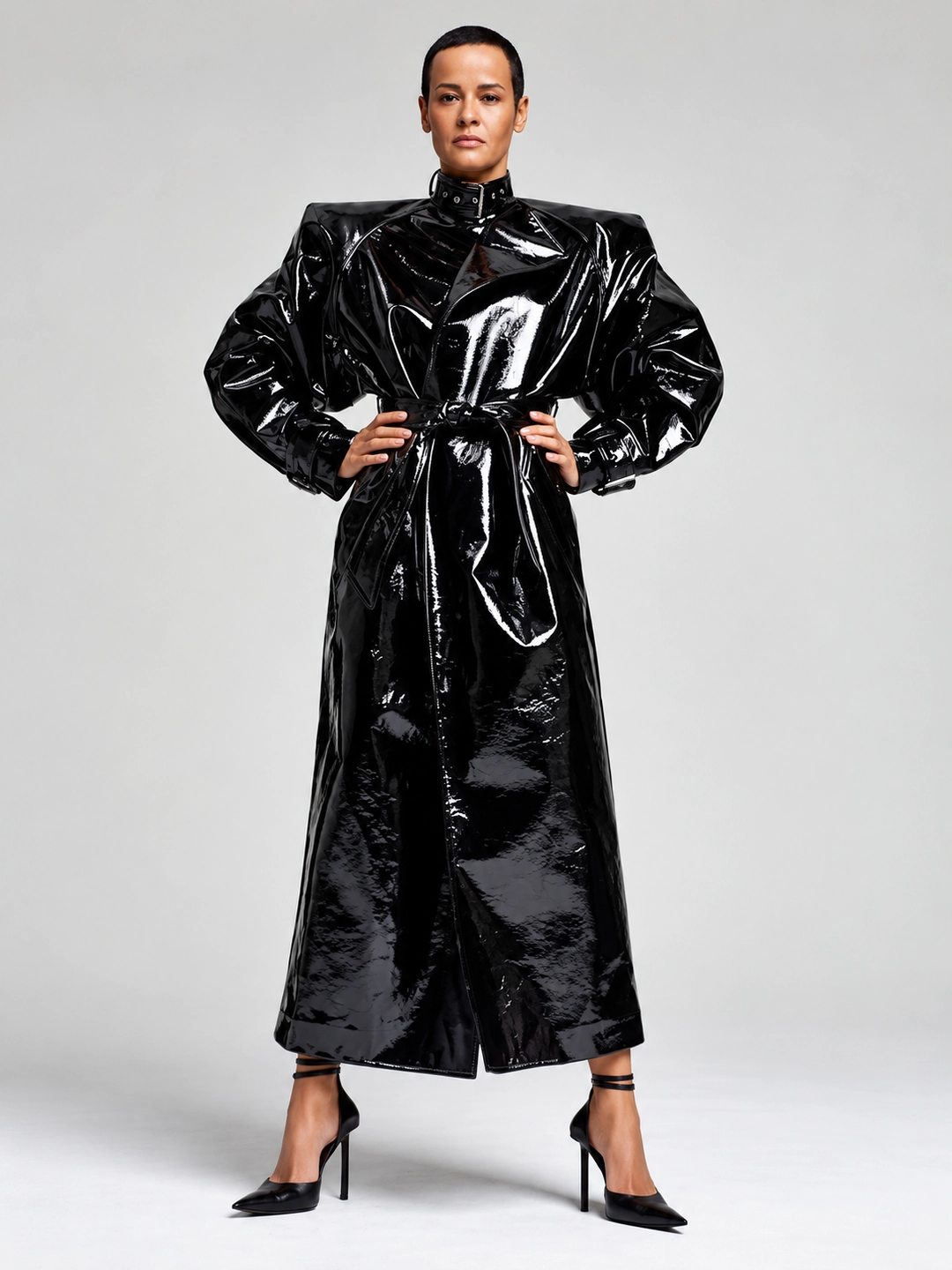
Cristóbal Balenciaga left behind forms so distinctive that quotation would be easy. The cocoon, sack, trapeze and volumes suspended away from the body remain embedded in the visual language of the house, offering Pierpaolo Piccioli a substantial vocabulary before he draws a single line.
His first couture collection for Balenciaga suggests that the more productive inheritance lies beneath those recognisable shapes.
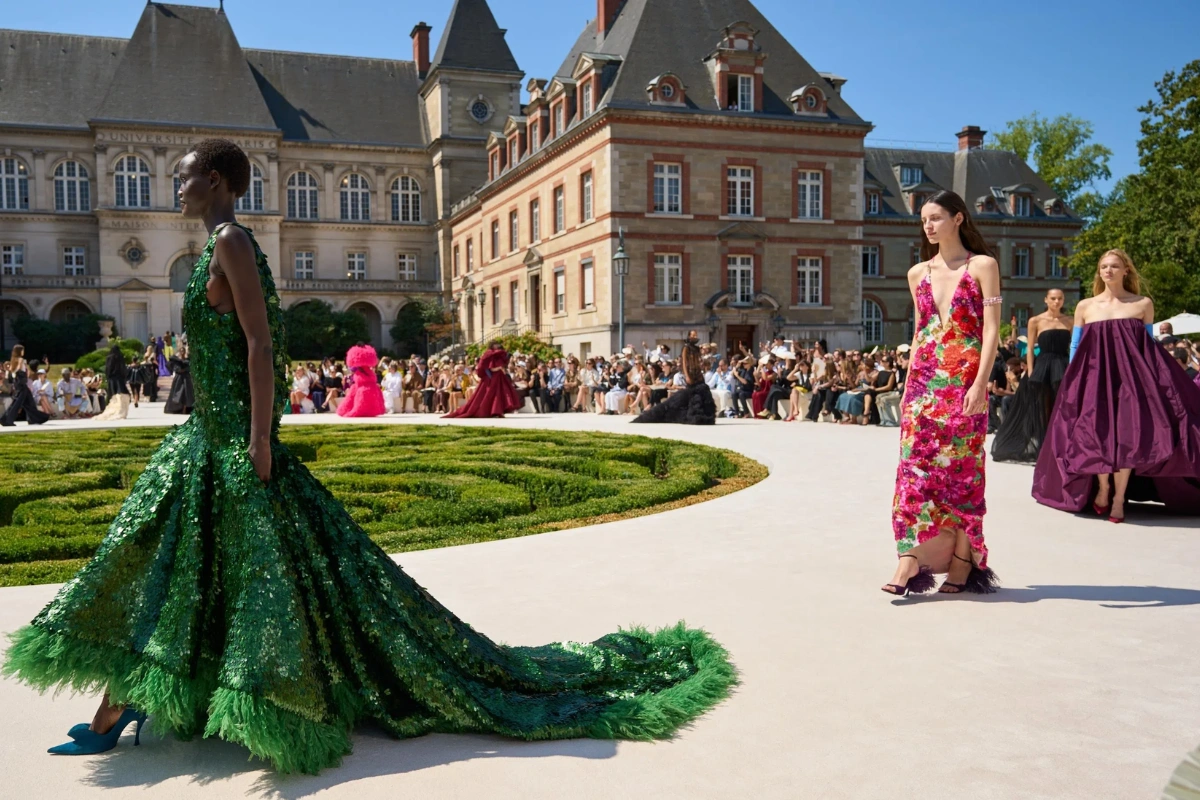
Cristóbal worked through the relationship between cut, fabric and body with almost architectural concentration. Space itself became active. Garments could hover around the torso, release the waist or build volume behind the wearer while maintaining extraordinary precision. The famous silhouette was ultimately the visible result of a deeper method of thinking.
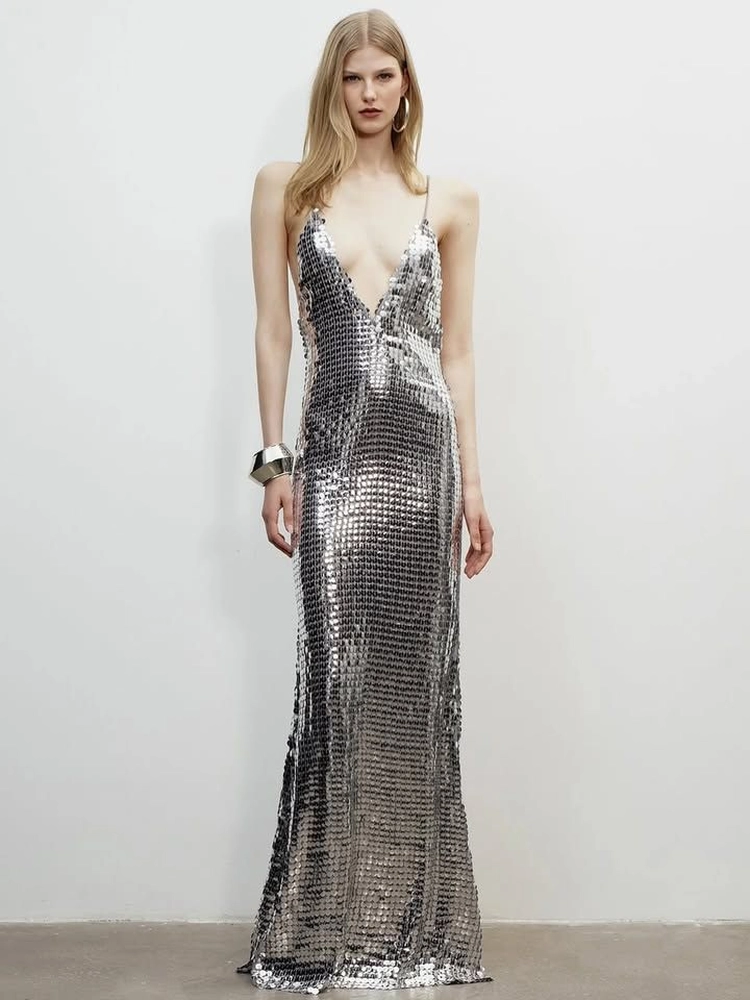
Piccioli has increasingly returned to that method, and Fall/Winter 2026 brought contemporary technology into the equation. Three-dimensional scans of real bodies and their postures informed internal structures. Material experimentation developed alongside traditional atelier expertise, while engineered surfaces and structural leather explored new relationships between architecture, weight and visual lightness.
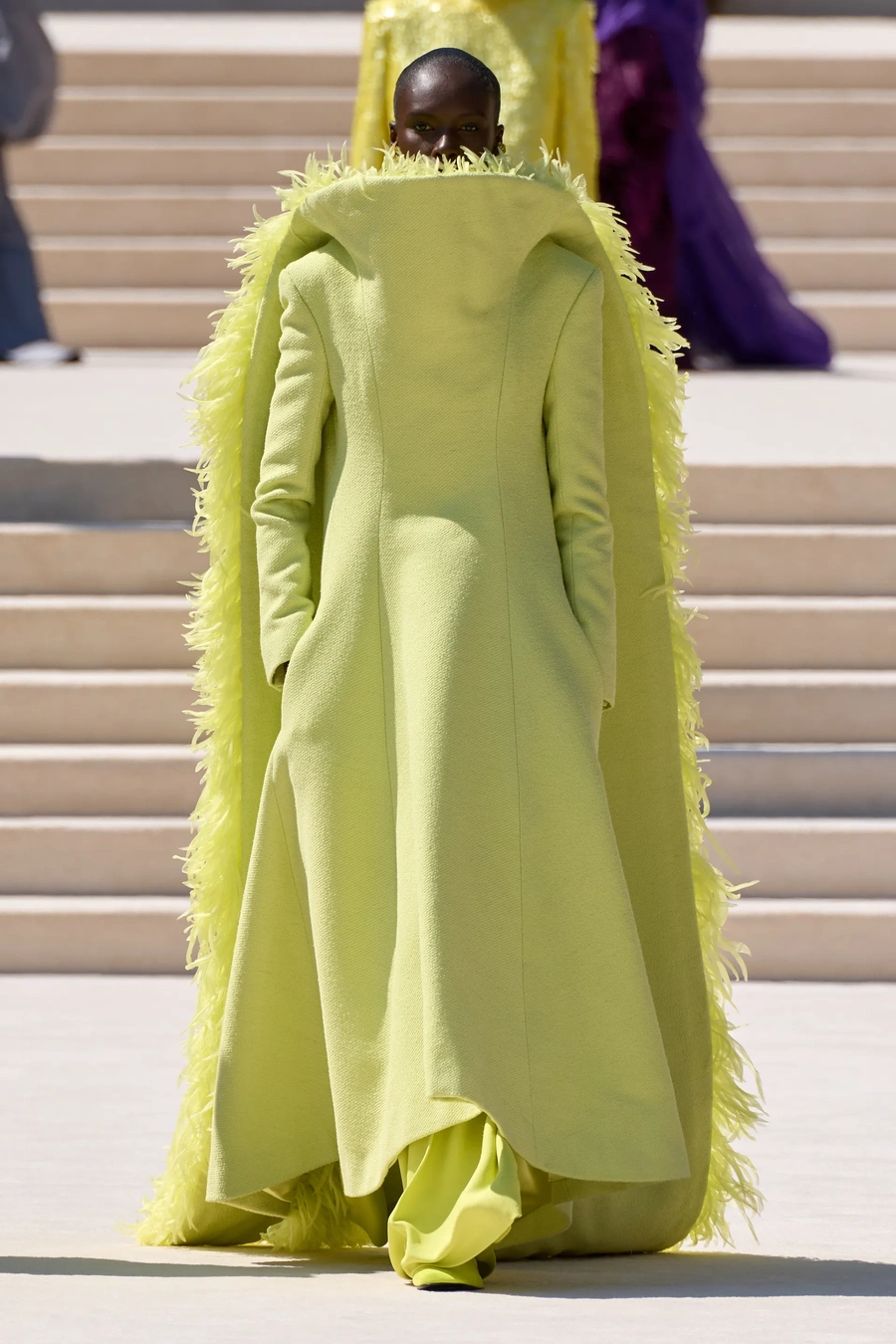
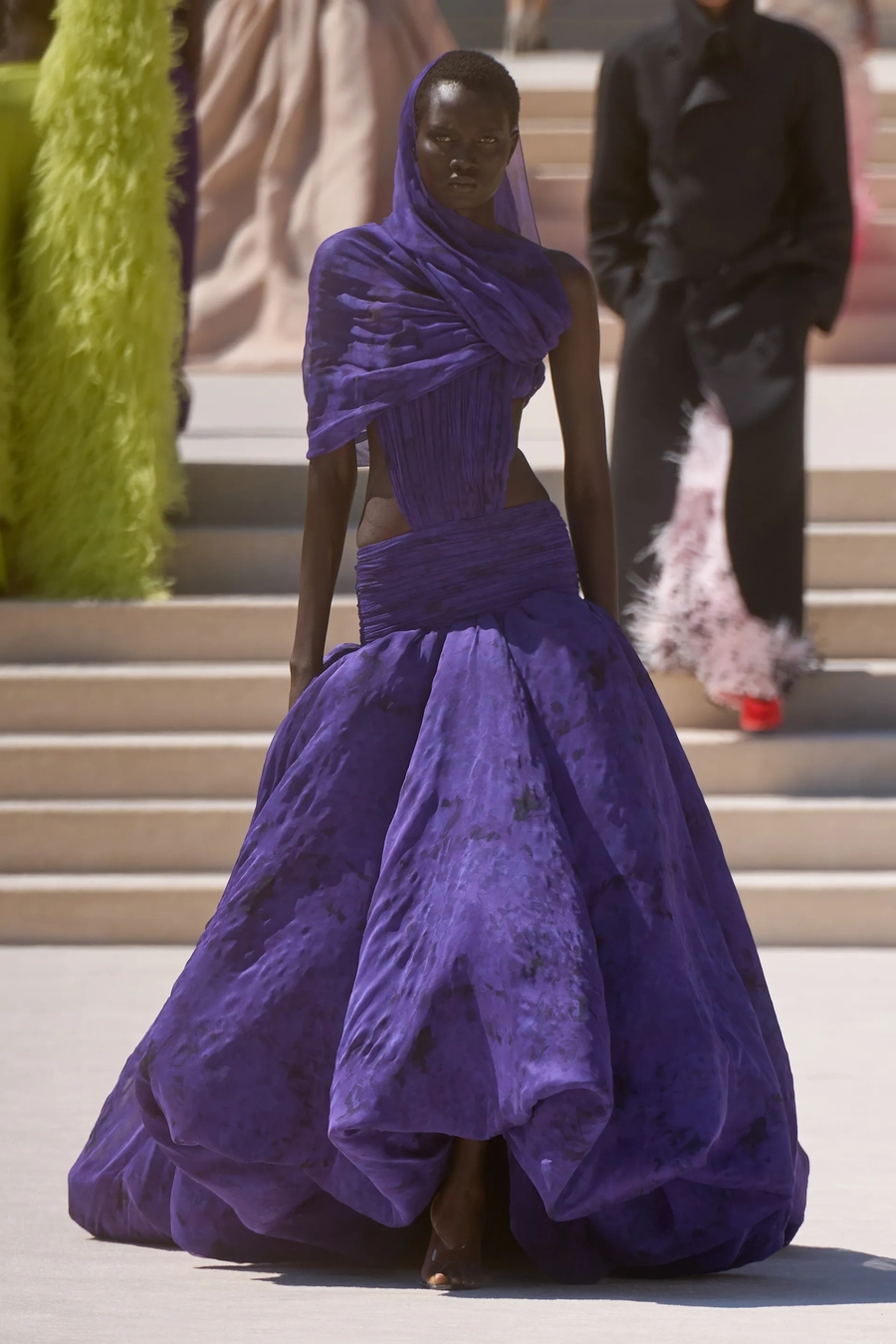
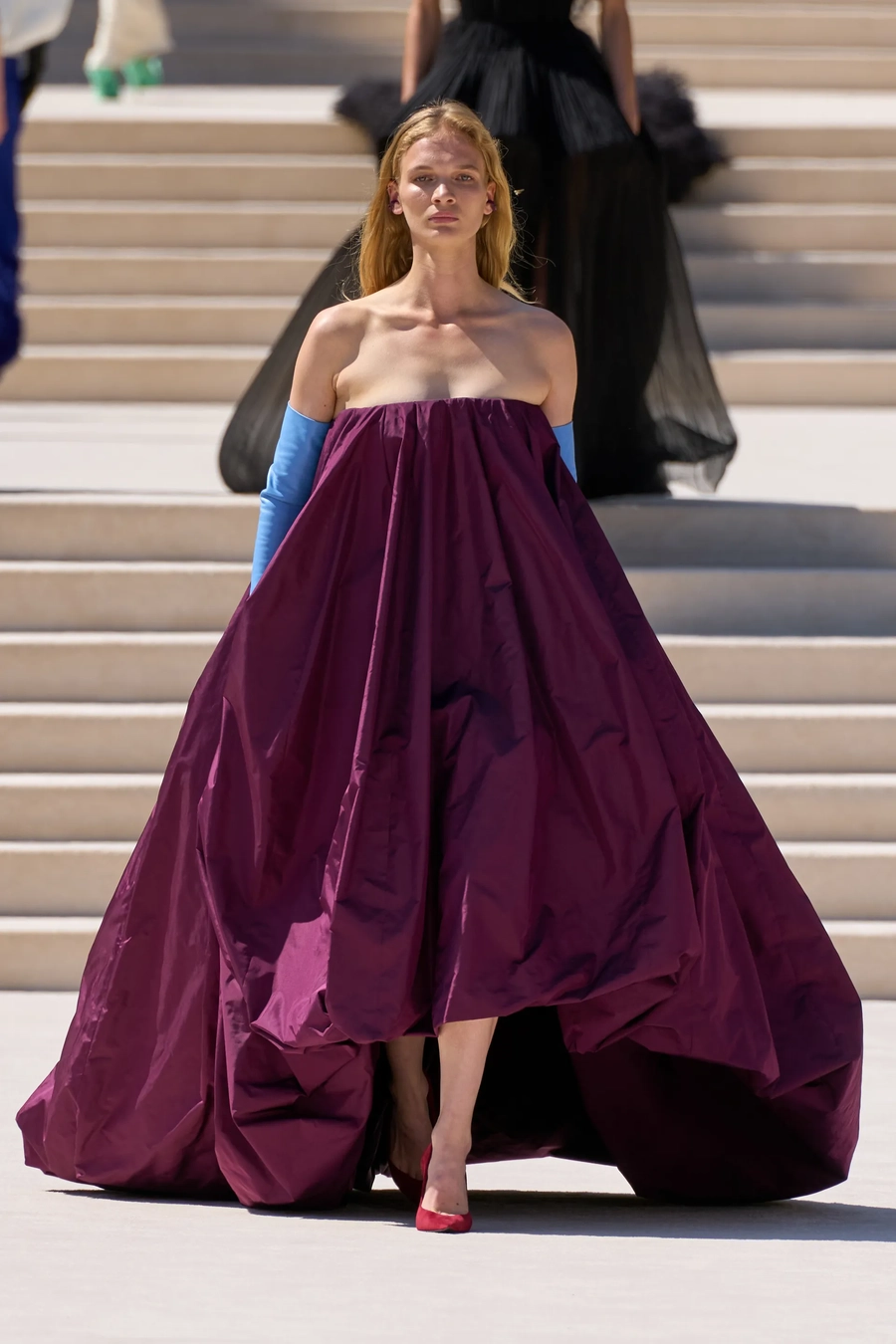
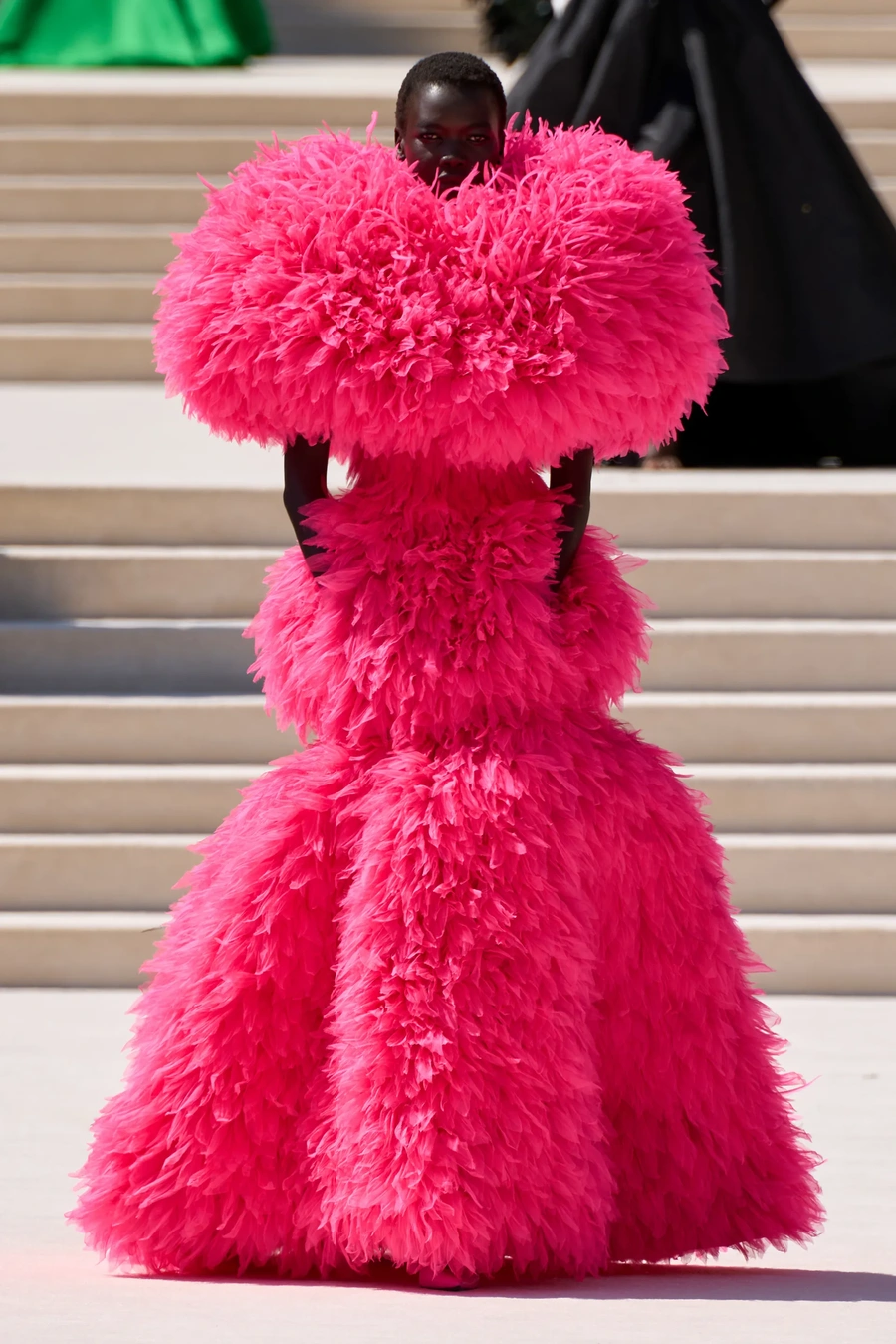
The finished garment therefore has little obligation to reproduce a particular Cristóbal Balenciaga look.
That distance is precisely what gives the relationship depth. Piccioli can inherit the founder’s fascination with volume and surrounding space, then ask how the same questions might be approached with tools unavailable in the twentieth century. New technologies become relevant because the original inquiry remains relevant.
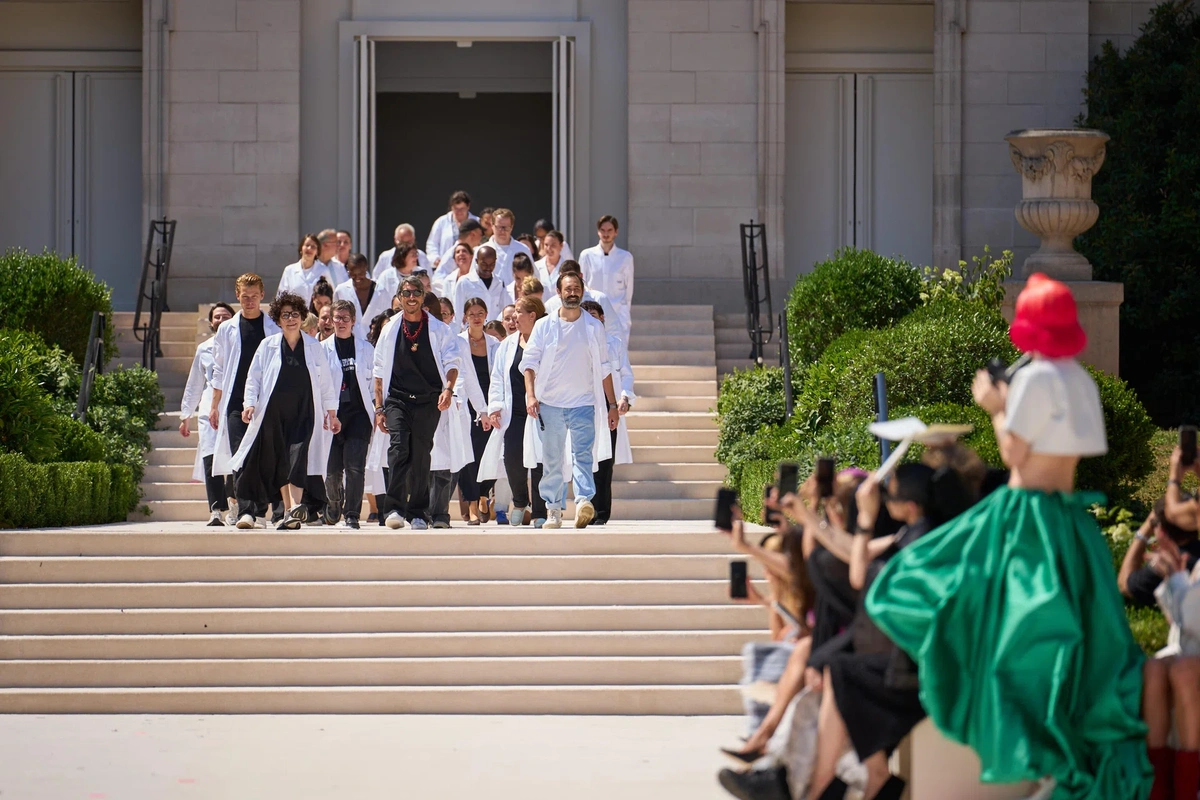
Here, couture heritage operates through methodology. Cocooning, architectural volume and distance from the body continue to recur, yet their repetition increasingly signals the formation of a creative system instead of a succession of archival quotations. Piccioli’s own sensitivity to colour, softness and couture adds another layer, allowing Cristóbal’s principles to pass through a different temperament.
The most faithful continuation of an archive may sometimes involve leaving its famous results behind and returning to the questions that produced them.
A lobster, keyhole or anatomical body part can identify Schiaparelli within seconds. Elsa Schiaparelli created such a vivid universe that her legacy carries a particular complication: once Surrealism becomes an established house code, even strangeness can become familiar.
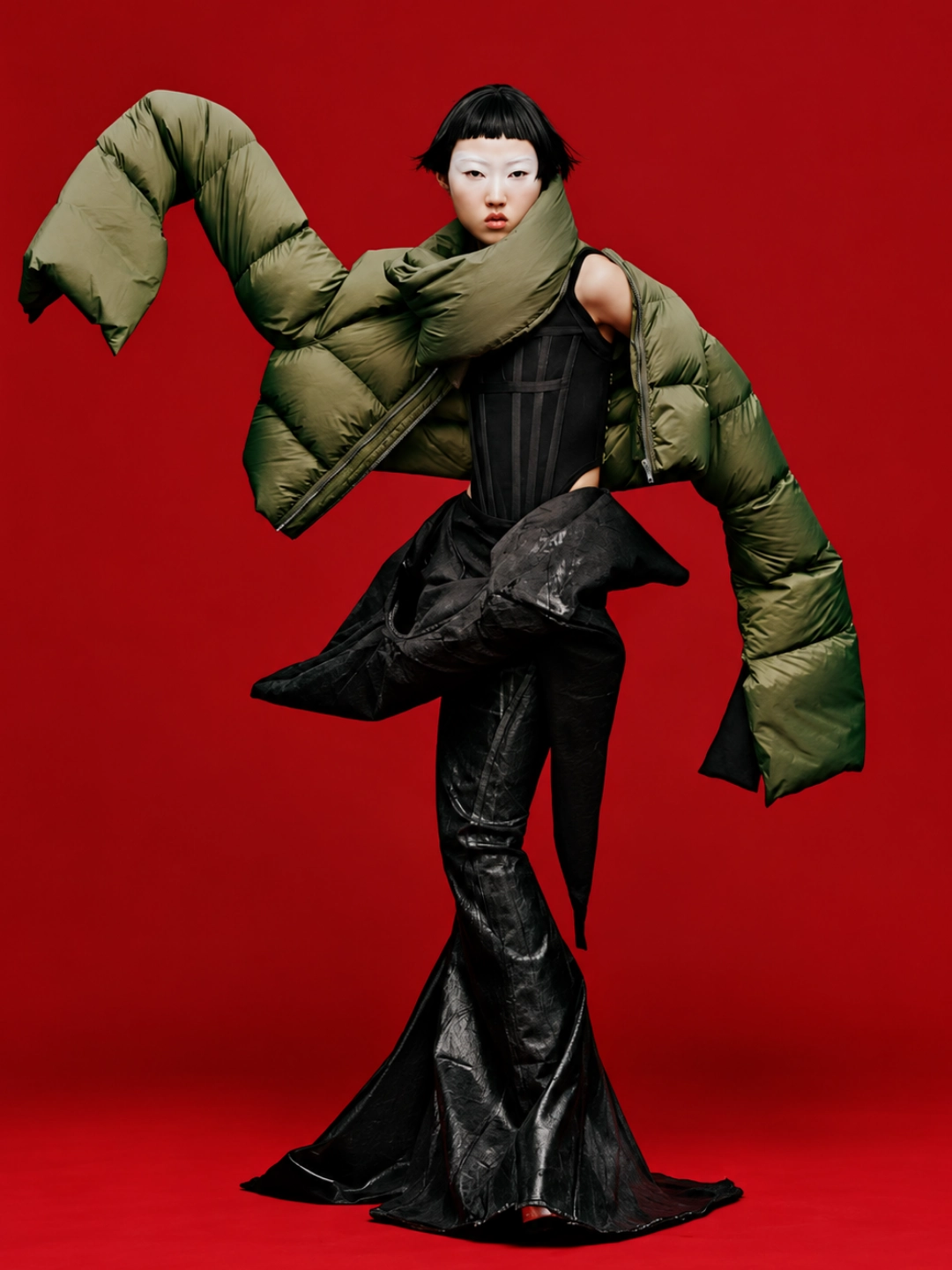
Daniel Roseberry encountered that tension while developing Schiaparelli Fall 2026 Couture. The creative process initially circled around the possibility of recovering a formula that had already proved successful. References accumulated, expectations tightened and the pursuit of another powerful result began to reveal the limits of repeating conditions that had previously worked.
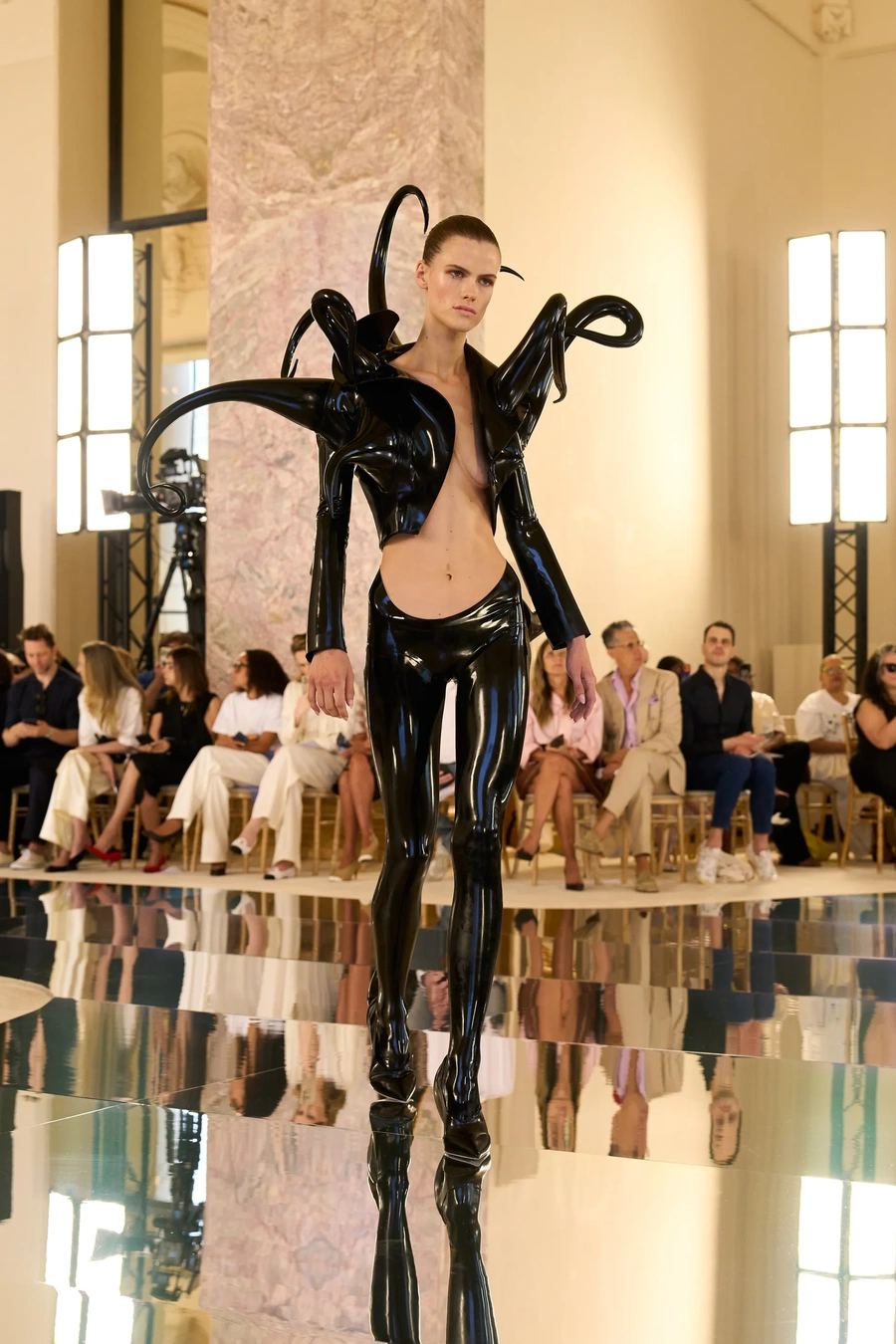
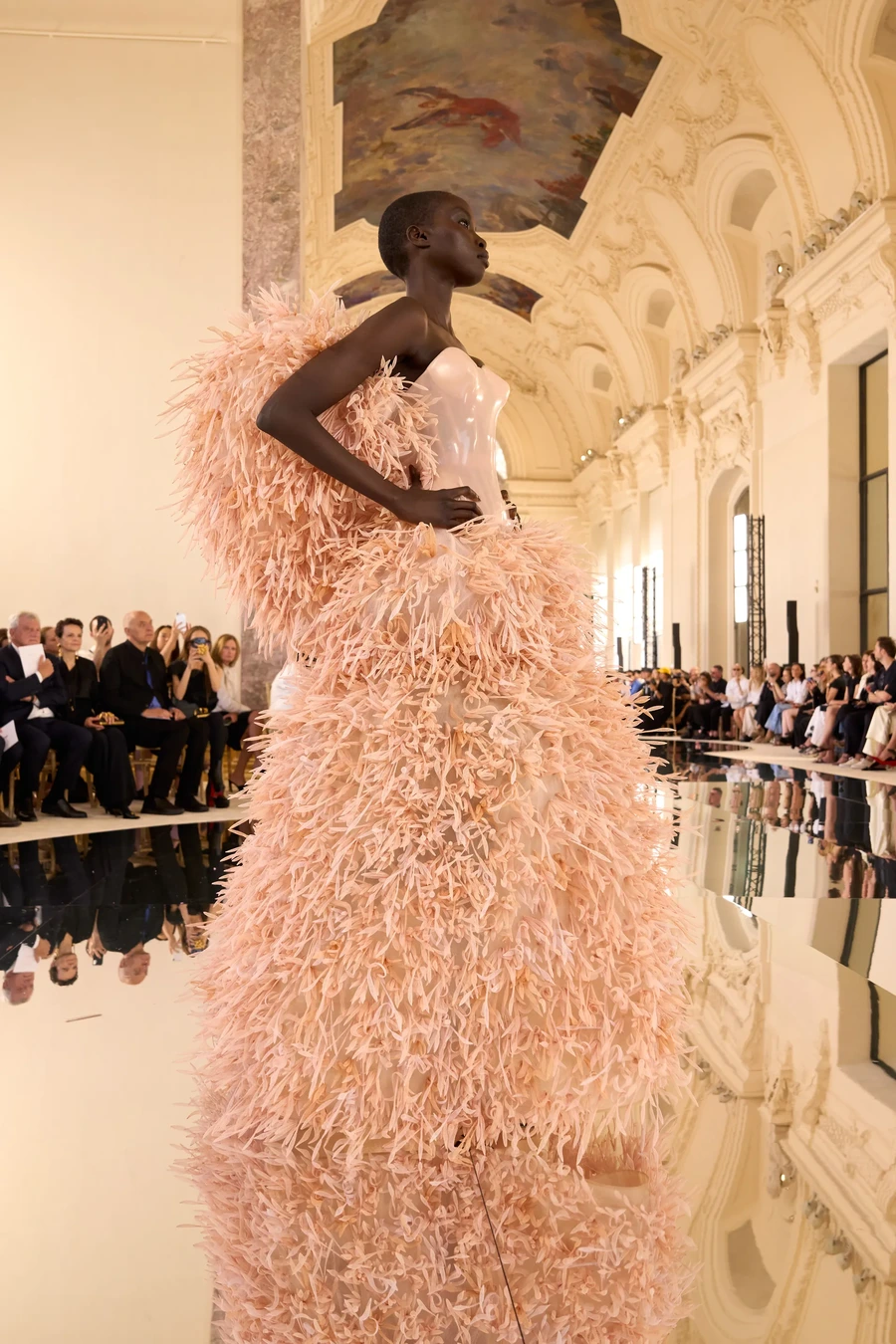
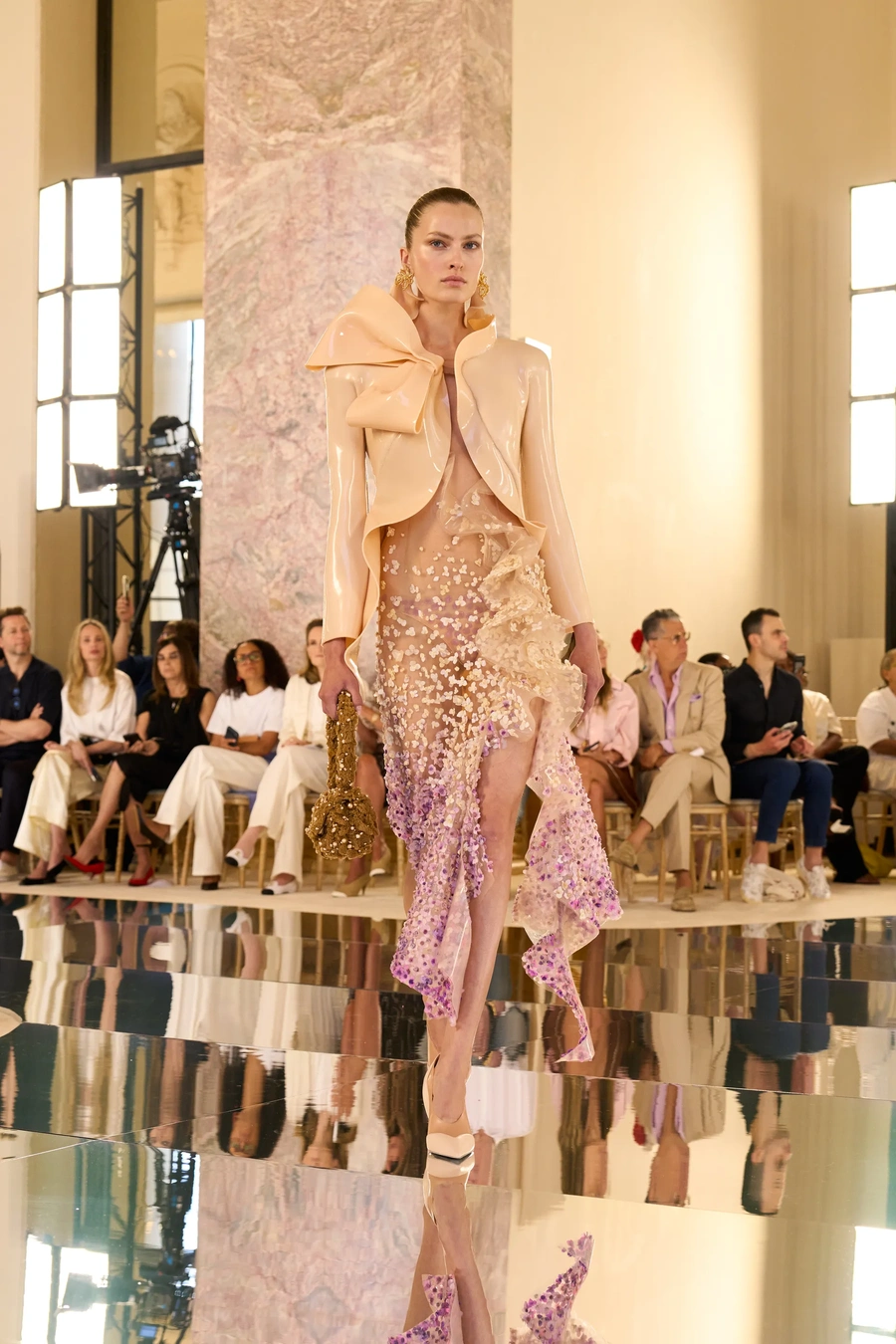
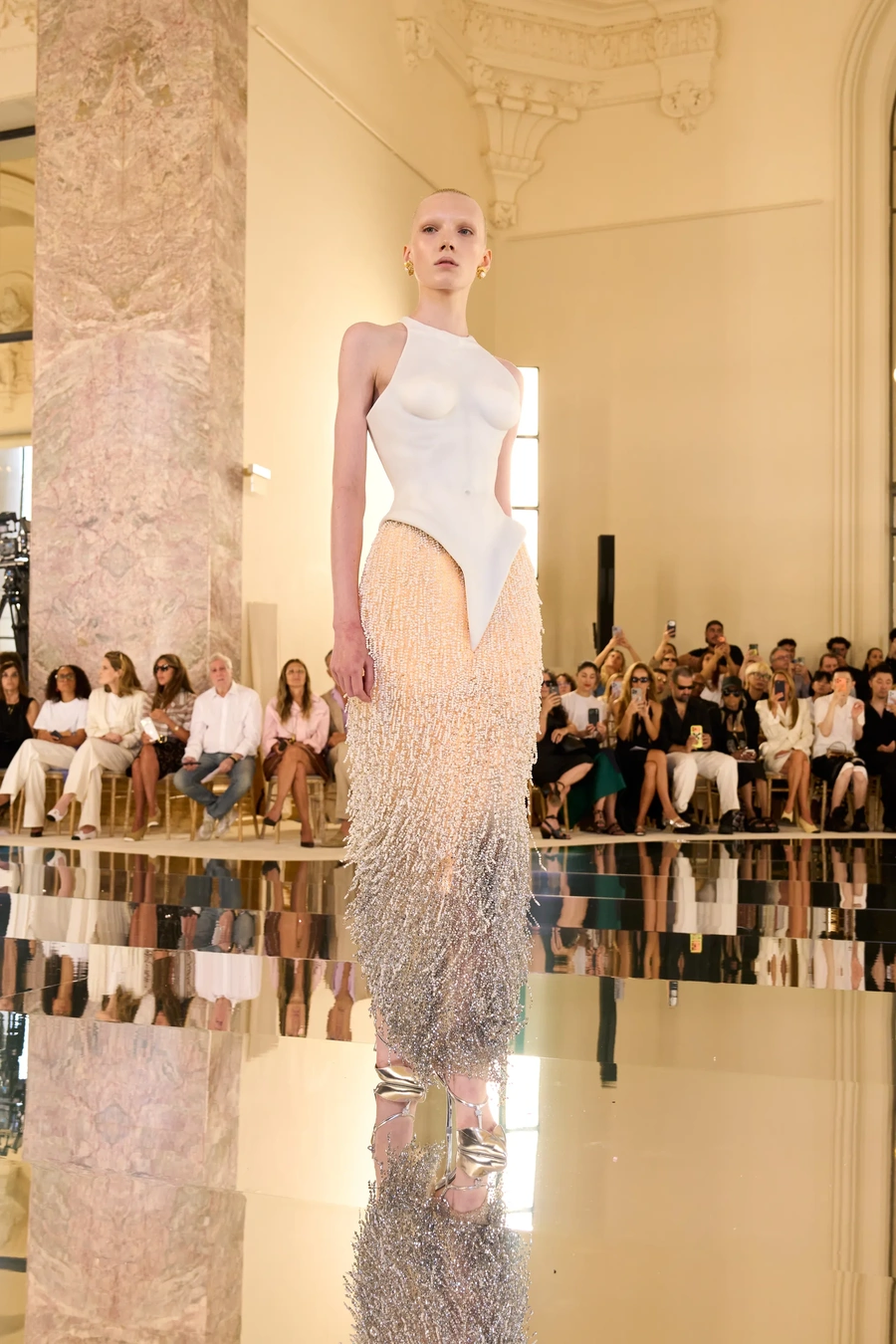
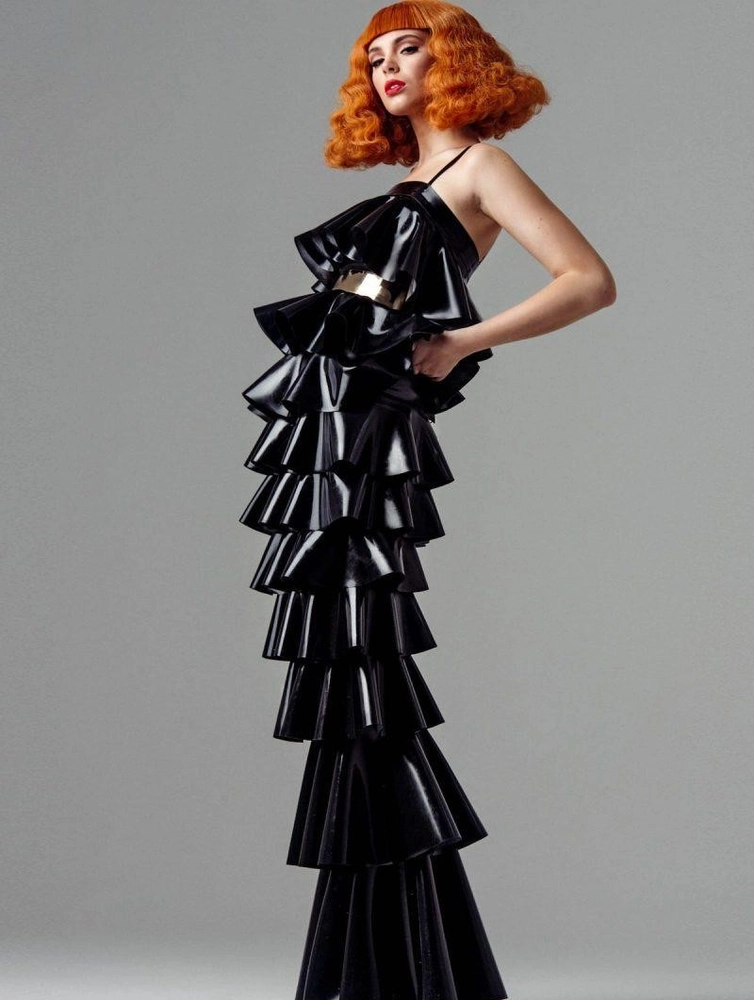
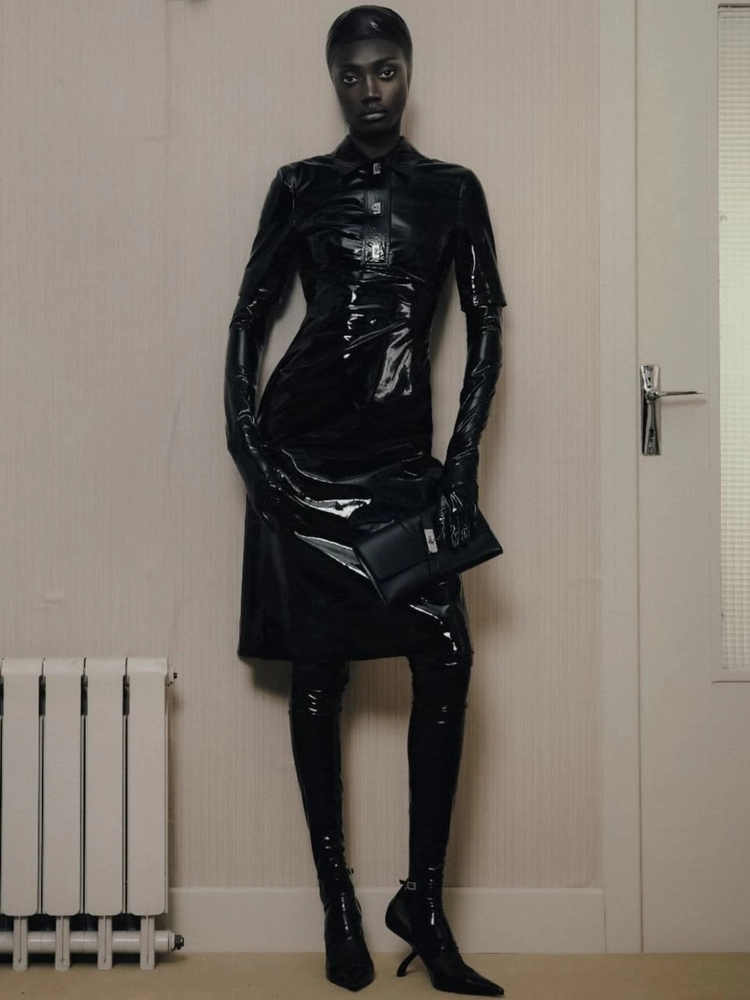
Latex, silicone and unconventional surface treatments entered dialogue with traditional couture technique. Paint became a physical material. Synthetic textures appeared beside meticulous handwork. Even a reference as recognisable as the historic Shocking perfume bottle could be translated through illuminated amber silicone, allowing familiarity to survive inside an entirely different material experience.
The shift exposes another possibility for couture heritage. Elsa Schiaparelli’s legacy cannot be reduced to a catalogue of lobsters, bodies, keyholes and shocking pink. Those objects emerged from contradiction, accident and a willingness to destabilise the familiar. Preserving only the objects would retain the evidence of that instinct while gradually weakening the instinct itself.
Roseberry’s strongest connection to Schiaparelli appears when he permits the codes to become unstable.
Surrealism needs something that still behaves strangely. Once every irrational gesture becomes expected, provocation risks becoming decoration. New materials give Roseberry another way to create uncertainty, allowing an object to resist immediate classification before its historical connection becomes visible.
Respecting an archive can therefore involve disobeying its most recognisable expressions.
The four houses arrive at that conclusion through radically different routes. Chanel keeps familiar codes close while changing the way they inhabit everyday life. Dior moves beneath the icon and into the transformative logic of the atelier. Balenciaga recovers the architectural questions behind Cristóbal’s most famous silhouettes. Schiaparelli preserves Elsa’s disruptive instinct by refusing to let Surrealism settle into a predictable formula.
An archive supplies vocabulary, but vocabulary acquires meaning through new sentences. Couture houses carry an unusual responsibility to preserve knowledge, technique and identity across generations. Creative directors inherit an equally difficult task: deciding which parts deserve preservation as objects and which can remain alive only through transformation.
Fall/Winter 2026 makes that distinction increasingly visible. The most compelling acts of inheritance occur when a historic code creates another possibility, an established technique produces an unfamiliar result or a question first asked decades ago receives a contemporary answer.
A living archive survives through what it can still generate, and that continuing capacity for reinvention may be the most valuable form of couture heritage.
Advertisement