MENU
Close





Jasmine is far more exotic than its delicate petals suggest. In these niche perfumes, the flower mutates through different notes until every familiar edge disappears.
Jasmine is far more exotic than its delicate petals suggest. In these niche perfumes, the flower mutates through different notes until every familiar edge disappears.
September 17, 2026
Advertisement

Advertisement



Push the jasmine flower far enough, and the sweetness starts turning fleshy, animalic, humid, smoky, even faintly rotten. Perfumers know exactly where that door leads.
These eight bottles follow jasmine through different fantasies. Some use enormous quantities of the flower itself; others amplify the indoles and animalic shadows already hiding inside it. Consider this jasmine after midnight, when the garden gate has been left open, and something suspicious has wandered in.
Liz Moores originally created Anubis as a personal signature scent, long before it had a name or a commercial destiny. Once the composition was complete, she realized her long fascination with Ancient Egypt had quietly infiltrated the formula. Materials associated with ancient ritual and mummification were already sitting inside it, and Anubis, the Egyptian god linked with the afterlife and embalming, suddenly made perfect sense.
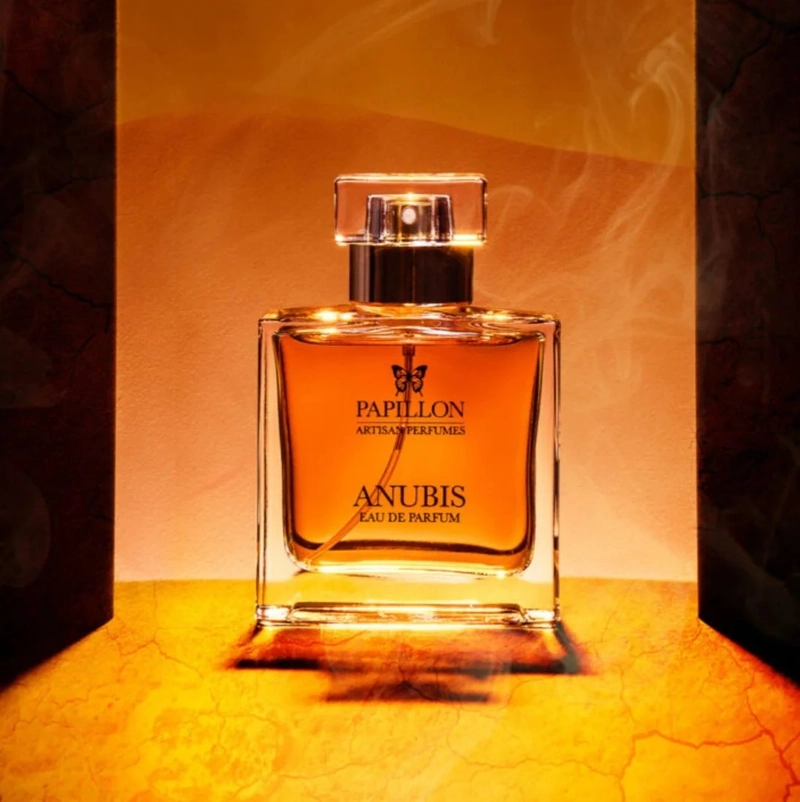
Egyptian jasmine glows through suede, frankincense, sandalwood and labdanum, with saffron, immortelle, and pink lotus cutting through the darkness. Moores describes the perfume’s transformation from private sketch to final fragrance as considerable, and that evolution feels built into the smell itself. Jasmine appears almost embalmed in smoke and leather, glowing warmly beneath layers of resin.
Russian Adam announced the idea behind Forbidden Flower years before its 2024 release, describing an obsession with aromas he considered “skunky and funky yet very beautiful.” His early sketch involved natural civet, skunk, and hemp-flower oil surrounding an unusual floral material. The finished fragrance places skunk oil and hemp flower around jasmine sambac, night-blooming jasmine, Indian sandalwood, and a thick trail of spices, woods, and resins.
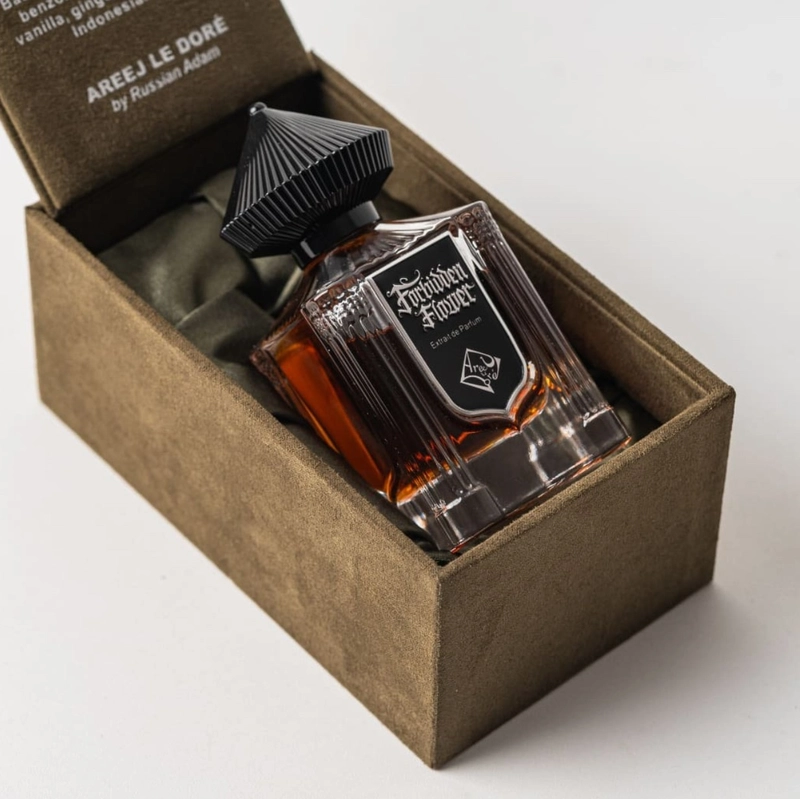
The making process became wonderfully obsessive. Russian Adam reportedly sampled several jars of skunk material before choosing one with the oily sweetness needed for the composition. Jasmine then gives the pungent greenery a narcotic floral center, while grapefruit, turmeric, ginger, coriander, patchouli, and benzoin keep pulling the perfume between brightness and bodily funk.
David Seth Moltz does something wonderfully cinematic with jasmine: he drops it into the Yucatán jungle and leaves the whole ecosystem around it.
Water, passion flower, and bergamot create humidity first. Yucatán jasmine and sambac emerge through clove, then snake plant, vetiver, and copal pull the perfume toward wet vegetation and ritual smoke. Moltz’s own image includes cenotes, crocodiles, shaded temples, and orange limestone ruins swallowed by vines.
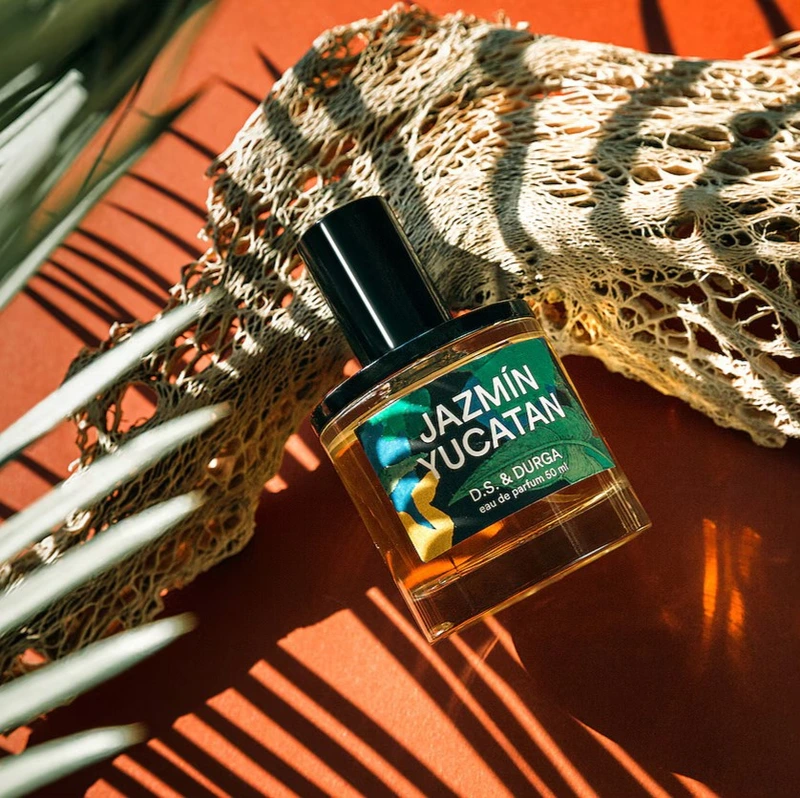
The perfumer remembers encountering jasmine there as intensely fruity and intoxicating. In the house’s liner notes, its animalic floral smell is likened to suddenly seeing the pattern of a jaguar appear among miles of green vegetation. Copal adds another layer of place: the resin has centuries of ceremonial history in Mesoamerica.
Manuel Cross came to perfume through an unusual route: 25 years as a chef, including work with Wolfgang Puck. His fragrance obsession grew after a favorite cologne was discontinued in 2005, eventually turning the hobby into Rogue Perfumery.
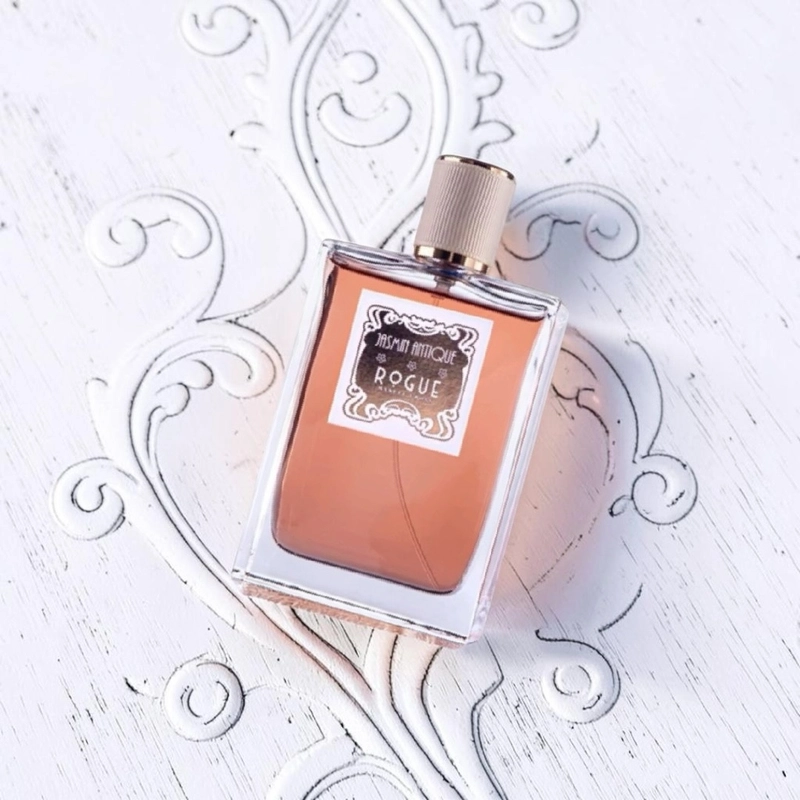
Jasmin Antique came directly from his own Southern California garden. During hot July nights, jasmine poured through open windows and filled his home. Cross wanted that same overwhelming volume in a bottle, so he studied headspace analyses of living flowers and used what he calls a “nearly ruinous amount of jasmine absolute.”
Musk, clove, and vanilla surround the flower while its green, fruity, creamy, and indolic facets remain deliberately loud. That indolic quality matters: jasmine naturally contains aromatic molecules capable of suggesting ripe fruit, warm skin, and animalic funk alongside petals.
Serge Lutens gave himself an almost absurdly beautiful challenge: take white jasmine and make it “as black as a panther.” Sarrasins, created with Christopher Sheldrake and released in 2007, pushes jasmine through carnation, musk, and darker animalic shadows until the flower seems stained purple-black.
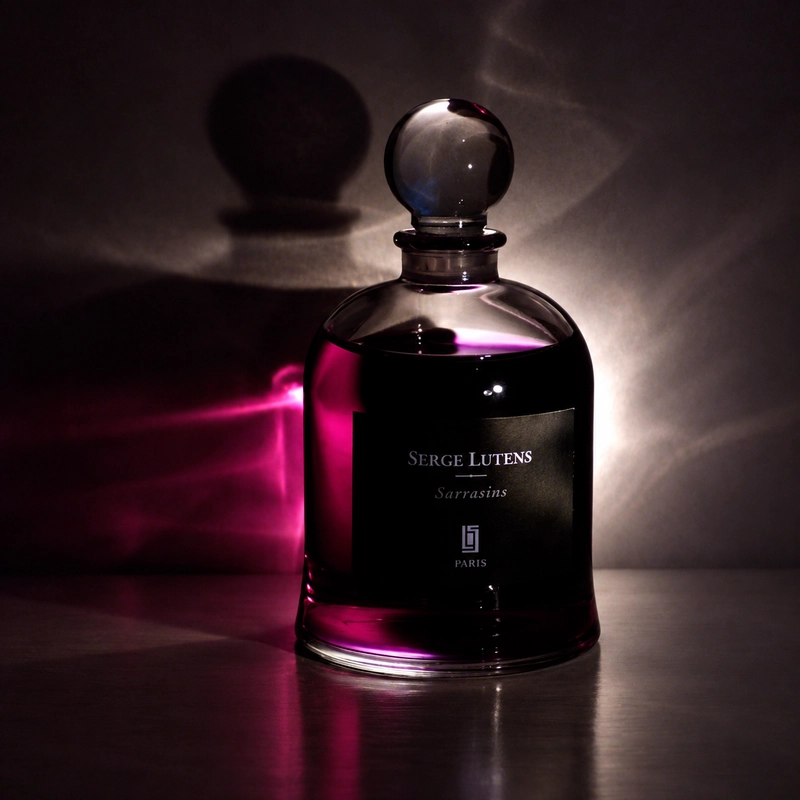
The name reaches into Lutens’ imagined history of the Saracens, fear, desire and secret encounters. He describes the perfume as something applied at night in “Moorish silence,” with the atmosphere of a gilded ritual. The deep violet liquid makes the transformation visual too.
Jérôme Di Marino found the spark for Jasmine Freak while visiting a David Bowie exhibition in Stockholm. Bowie’s relationship with transformation, gender, and self-invention pushed him toward a fragrance built around freedom of expression.
That explains why this jasmine refuses to sit still. Mango, blackcurrant, black pepper, and sweet orange crash into Egyptian jasmine, Indian tuberose, and Bourbon ylang-ylang before musk and cashmere wood pull everything toward warm skin.
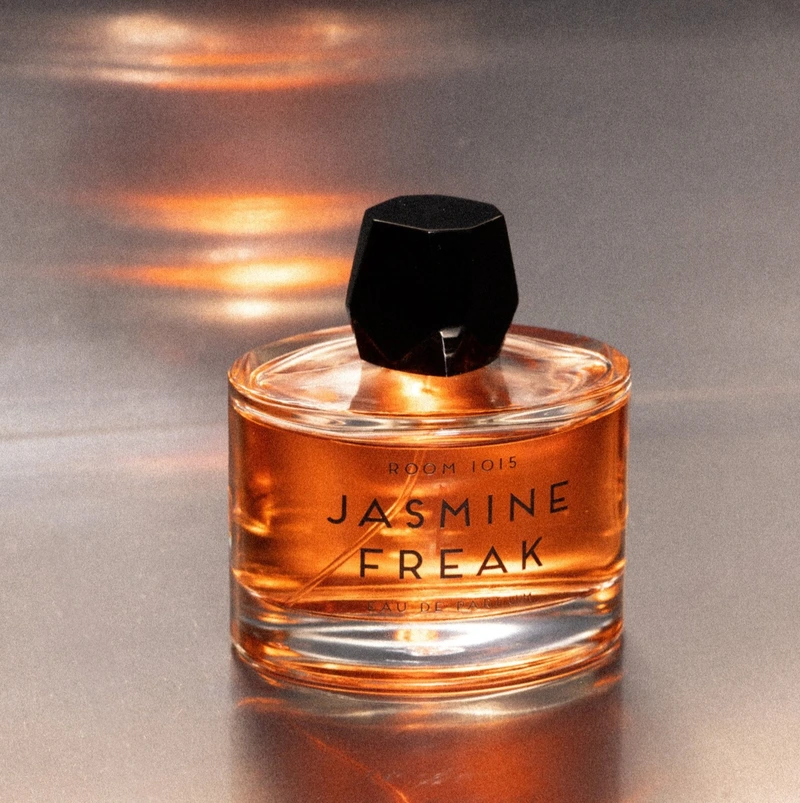
Room 1015 itself carries rock mythology in its name, referencing the infamous Continental Hyatt House on Sunset Boulevard, where rock musicians built an entire legend around parties and hotel-room chaos.
Fathom V turns jasmine into something almost aquatic in the darkest possible sense.
Founder Leo Crabtree took the name from Shakespeare’s The Tempest and his childhood fascination with nautical charts, where depth is measured in fathoms. He wanted the fragrance to explore what sits below the water and the constant idea of sea change. Perfumer Julie Marlowe translated that concept through juniper, blackcurrant, and green leaves, followed by lily, jasmine, and cumin over vetiver, moss, salt, and Atlas cedar.
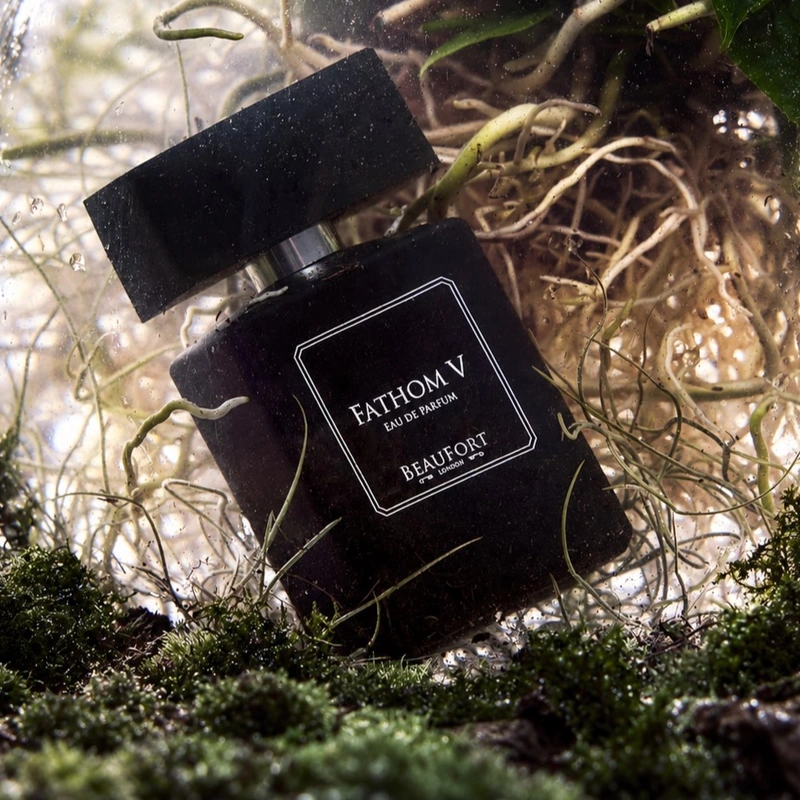
The jasmine here grows in wet earth. Salt and moss keep dragging the white flowers downward, while cumin adds warmth that can read almost bodily against the watery setting.
For Fathom V’s tenth anniversary, BeauFort created a Director’s Cut edition with 150% greater oil inclusion than the original version, pushing the composition deeper into its mineral, floral underworld.
Portrayal Woman takes jasmine into a smoky 1920s fantasy.
Created by Annick Ménardo and Pierre Negrin, the 2019 fragrance was conceived around cultural liberation. The structure is strikingly concise: jasmine above a Craven A tobacco accord and vanilla, with elemi resin giving the base its green, balsamic gleam. Amouage currently lists a 25% perfume-oil concentration and a six-week ageing process divided between maceration and maturation.
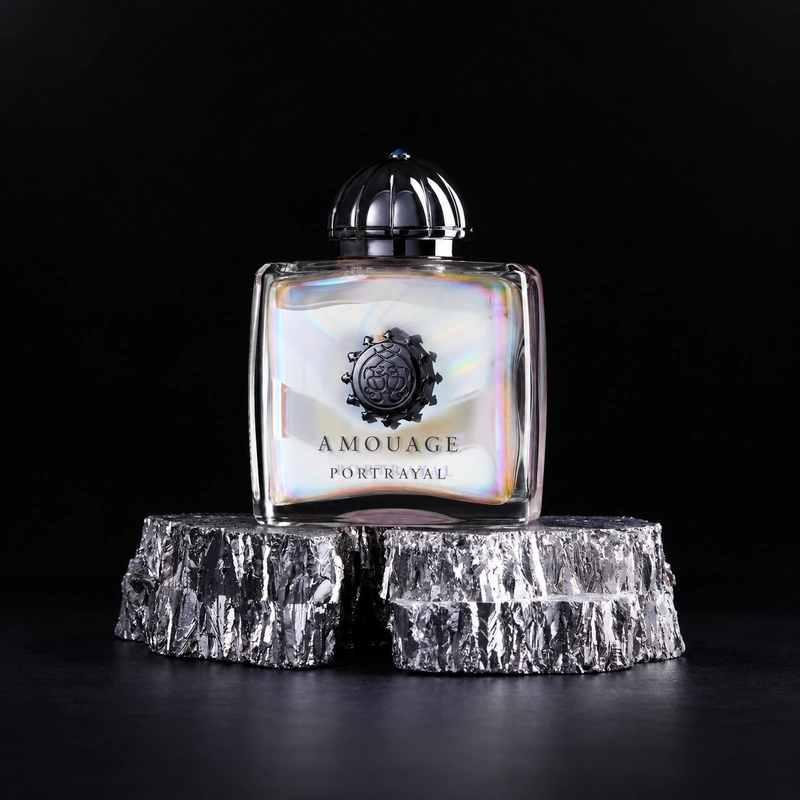
The Craven A reference is beautifully specific. The Britishcigarette brand launched in 1921, exactly the era Portrayal evokes, and its advertising later prominently featured glamorous women smoking.
By morning, jasmine may still look white in the garden. On skin, these bottles have already taken it somewhere else entirely: underground, underwater, behind the club, through the jungle, into the tomb. Spray carefully. Some flowers clearly have plans for the evening.
Advertisement