MENU
Close





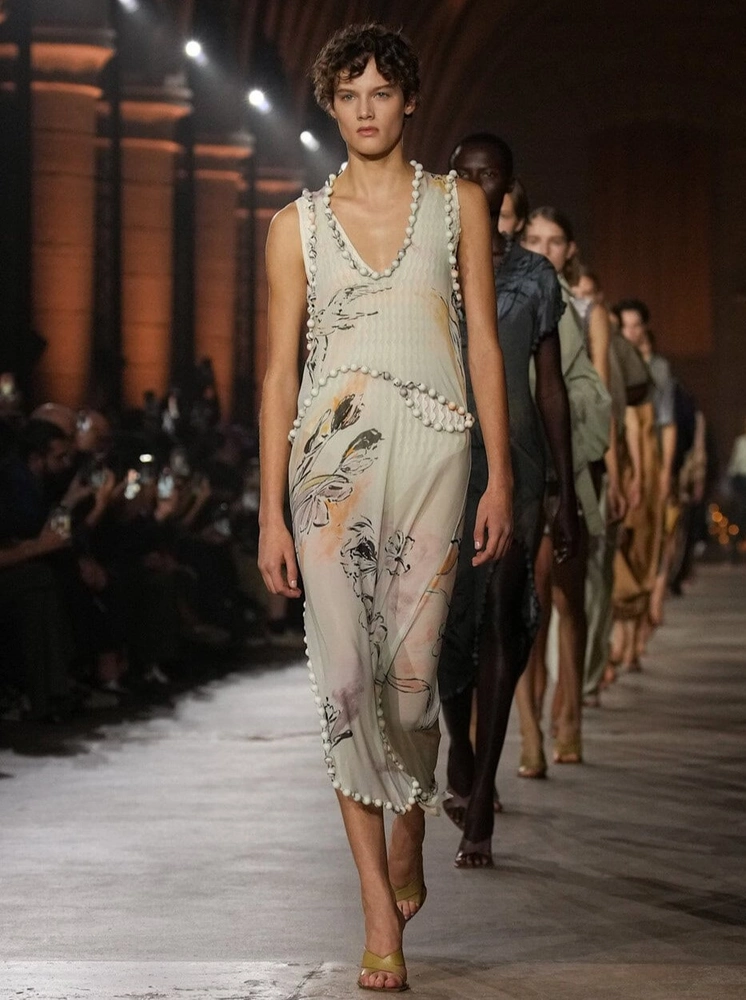
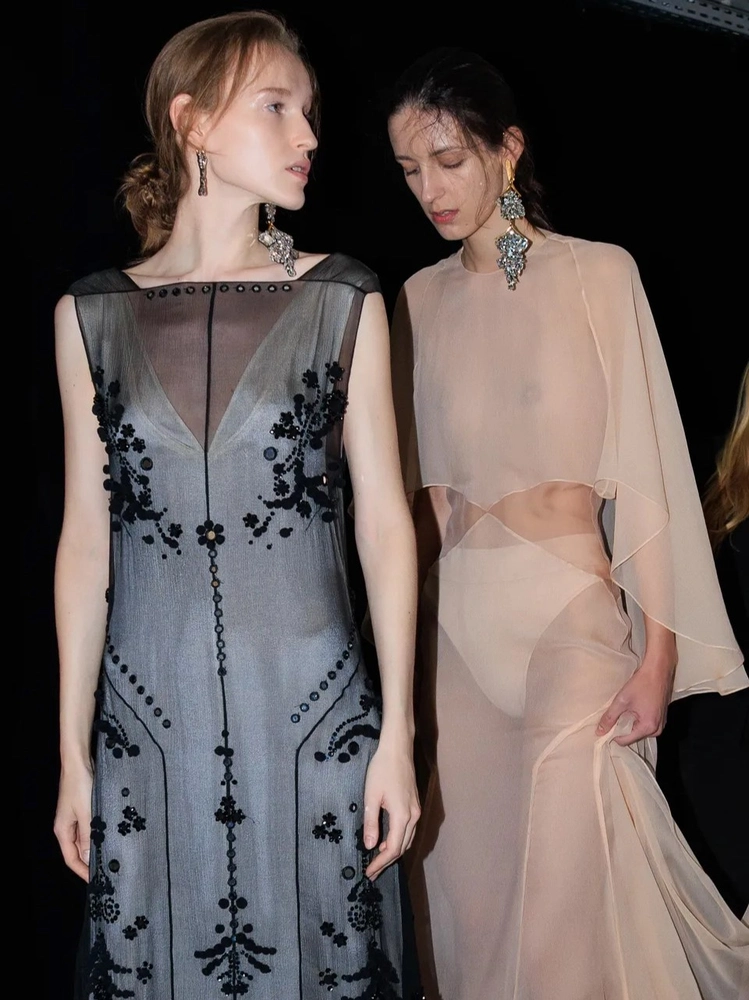
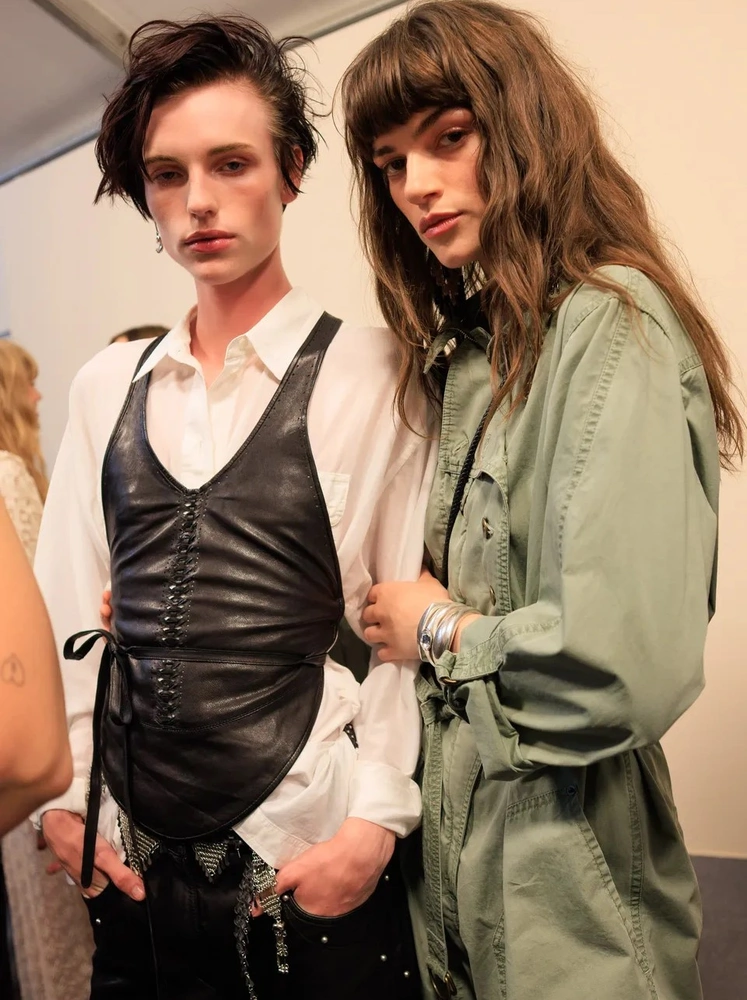
Schiaparelli SS27 goes clear in more ways than one. Daniel Roseberry strips the house back to sharper, more wearable ideas while testing how much identity can survive once spectacle stops carrying the room.
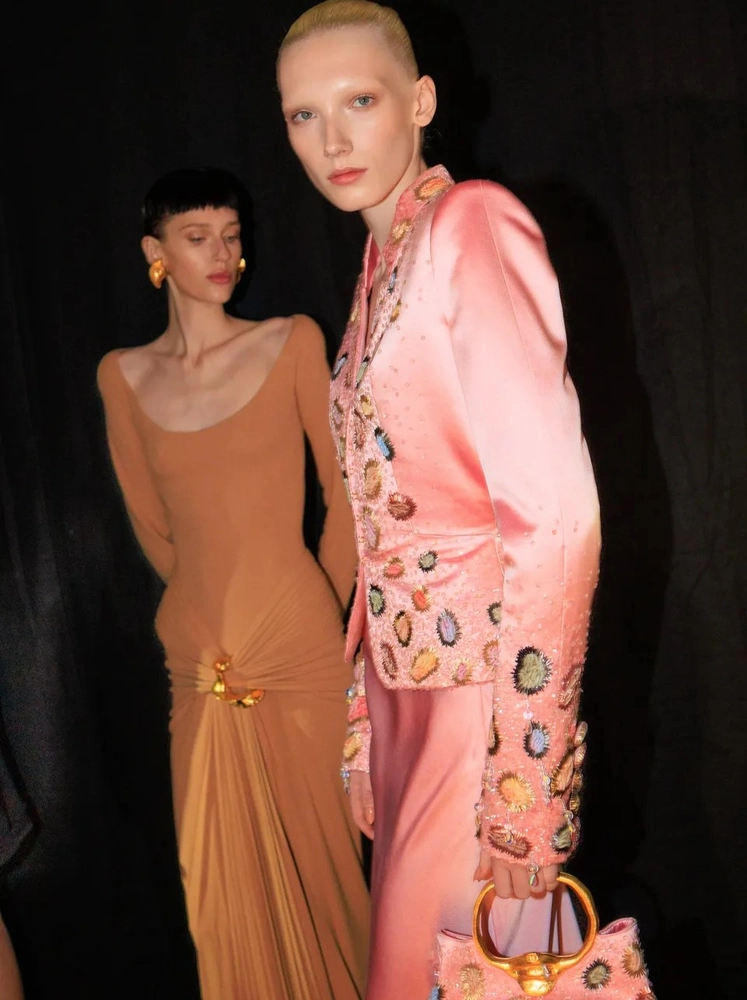
Schiaparelli SS27 goes clear in more ways than one. Daniel Roseberry strips the house back to sharper, more wearable ideas while testing how much identity can survive once spectacle stops carrying the room.
October 1, 2026
Advertisement

Advertisement



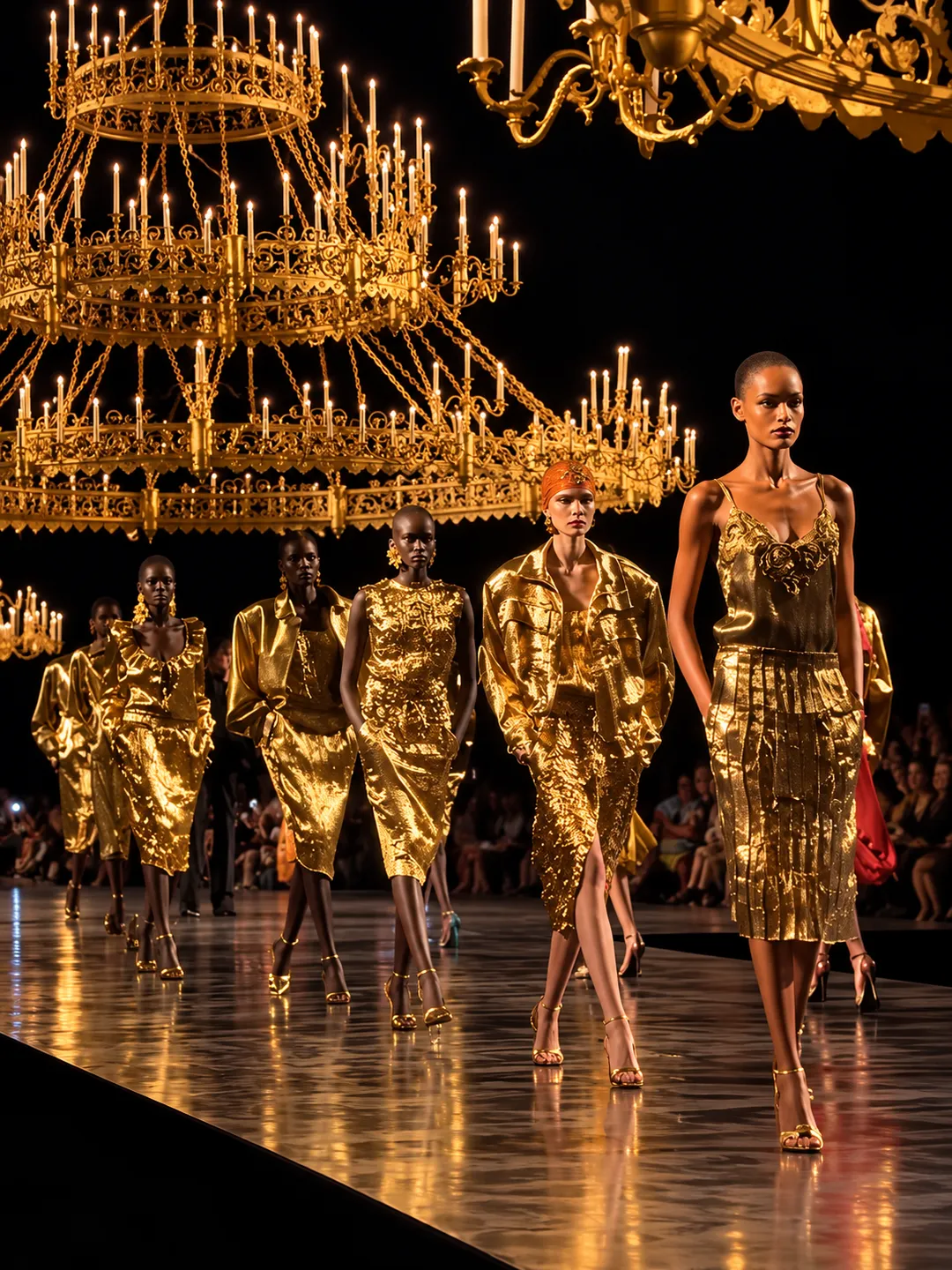
Few houses have spent the past seven years mastering attention as effectively as Schiaparelli. Daniel Roseberry has given fashion gilded anatomy, trompe-l’oeil bodies, impossible couture volumes and celebrity moments engineered with the visual authority of monuments. Spring/Summer 2027 arrives under the title Going Clear, staged beneath the Louvre with chandeliers, nightclub tables and Barbra Streisand singing Cry Me a River, yet its real drama happens at considerably closer range.
Roseberry spent part of the summer away from social media, driving along the American East Coast, and returned interested in clarity of silhouette. The resulting Schiaparelli collection treats ready-to-wear as the concentration of couture into pieces capable of building an actual wardrobe.
Ready-to-wear has been one of Roseberry’s most revealing problems at Schiaparelli. Couture arrived with an obvious mandate: fantasy, craft, sculpture and the accumulated mythology of Elsa Schiaparelli. Ready-to-wear required another kind of precision. Roseberry initially felt pressure to establish a separate identity for the category; SS27 abandons that anxiety and lets couture feed directly into everyday dressing. Clients, he says, increasingly ask for condensed versions of couture ideas they already desire.
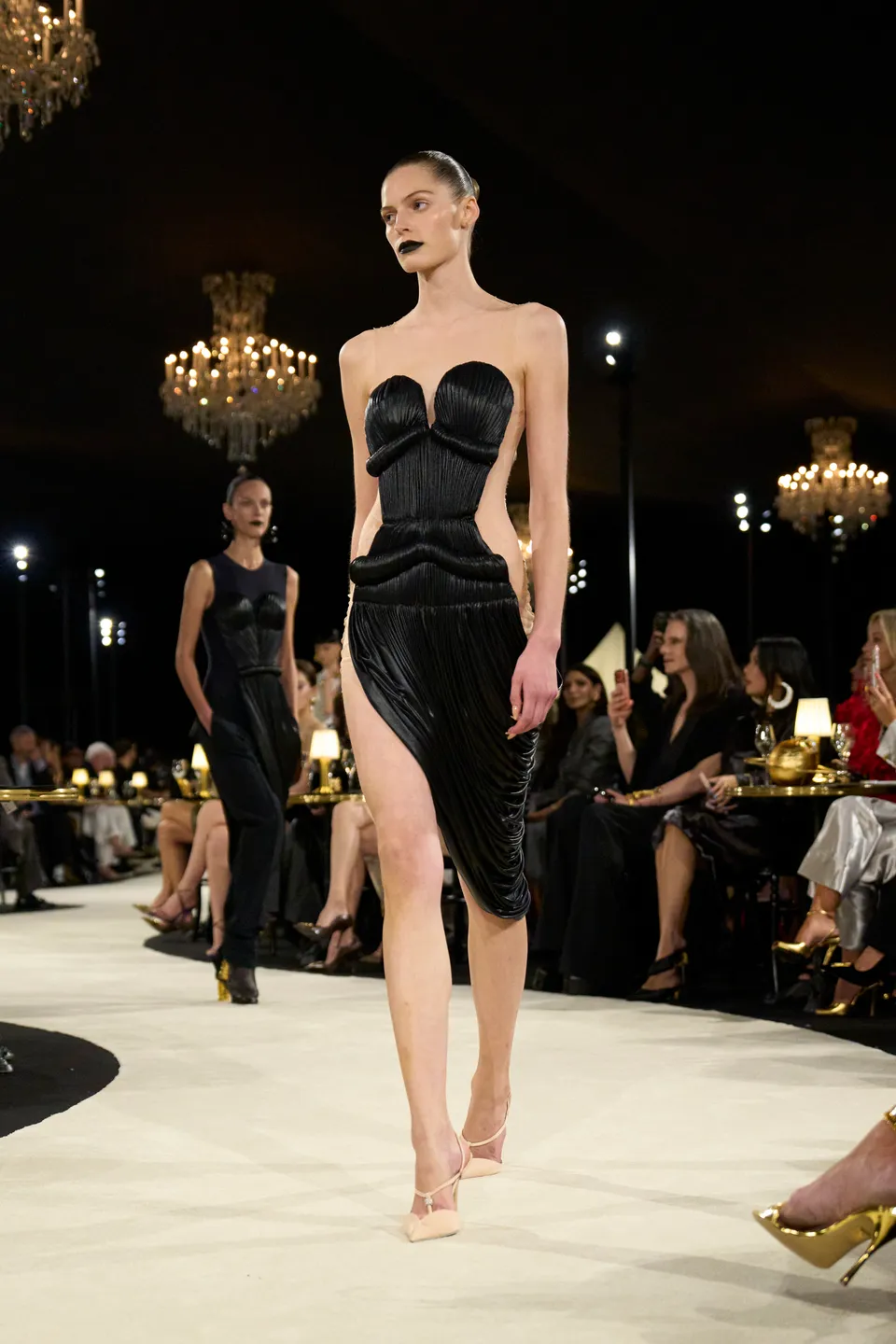
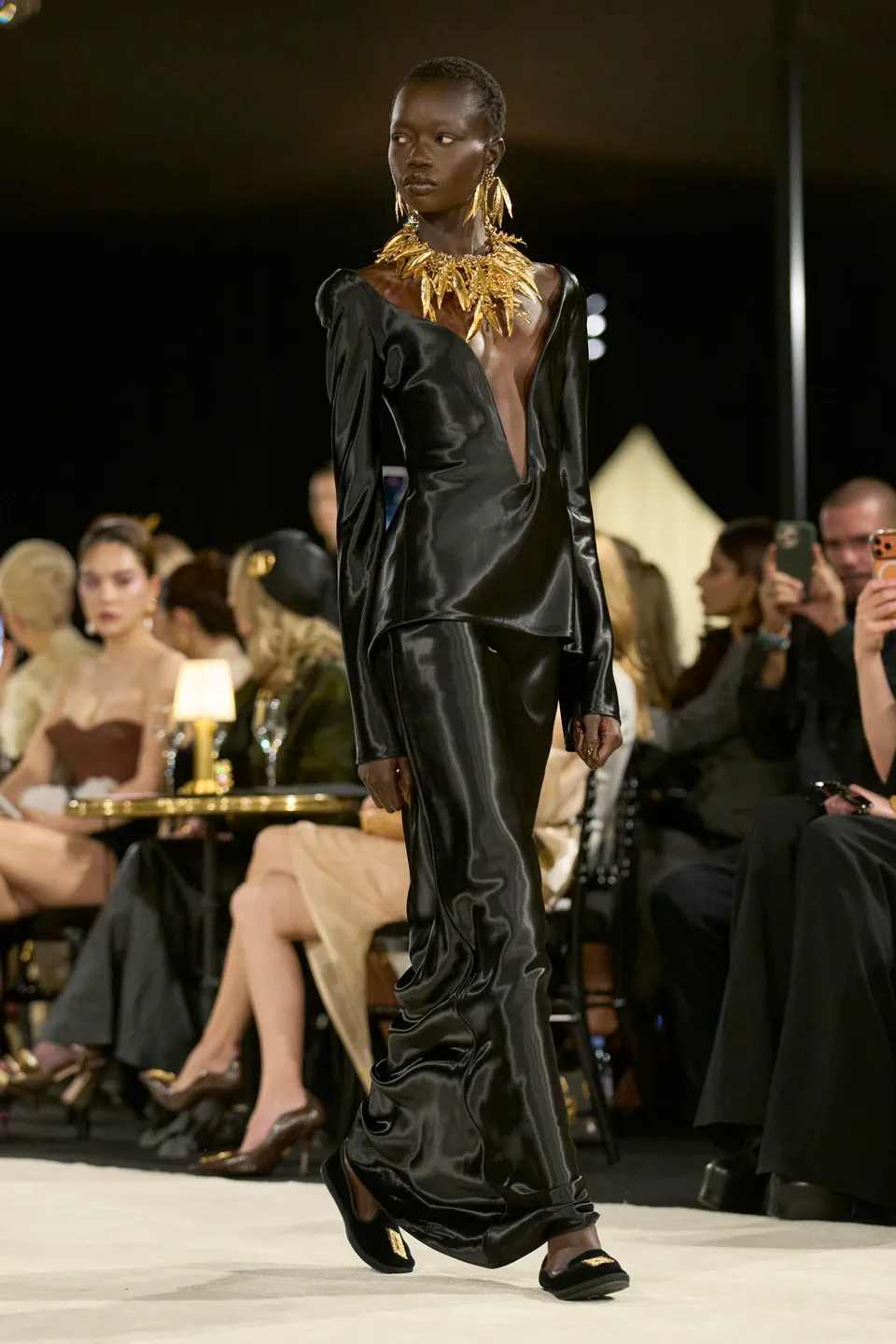
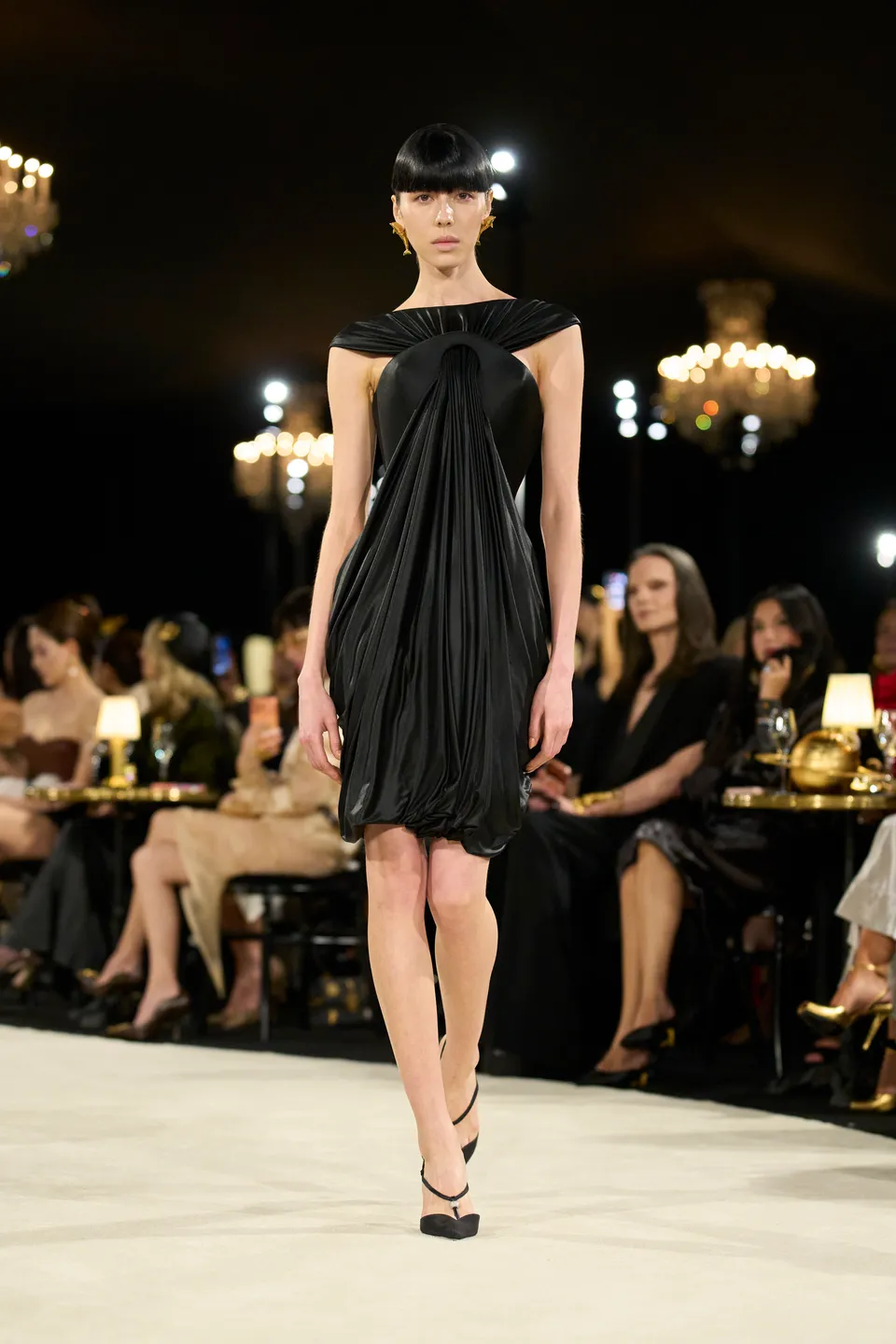
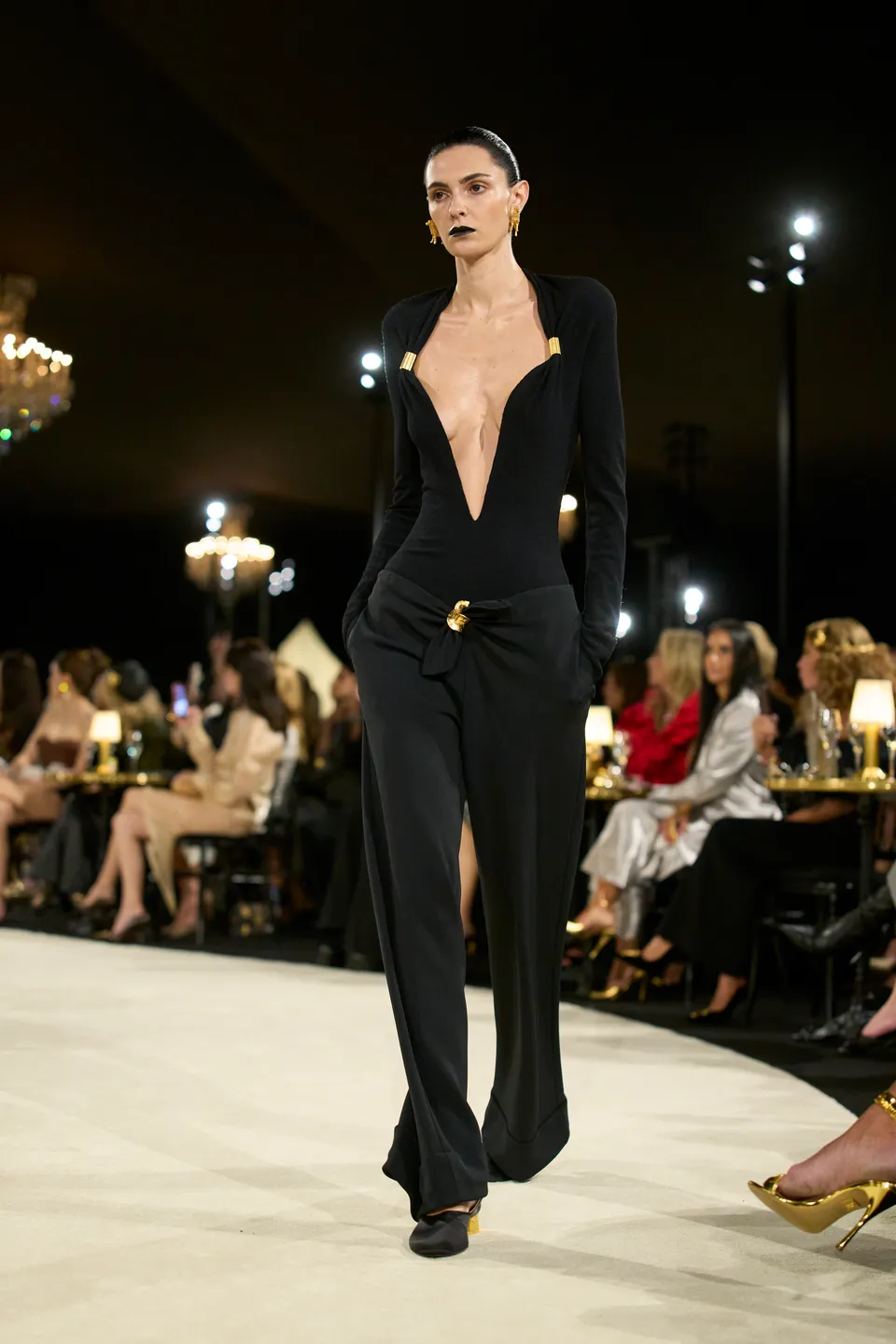
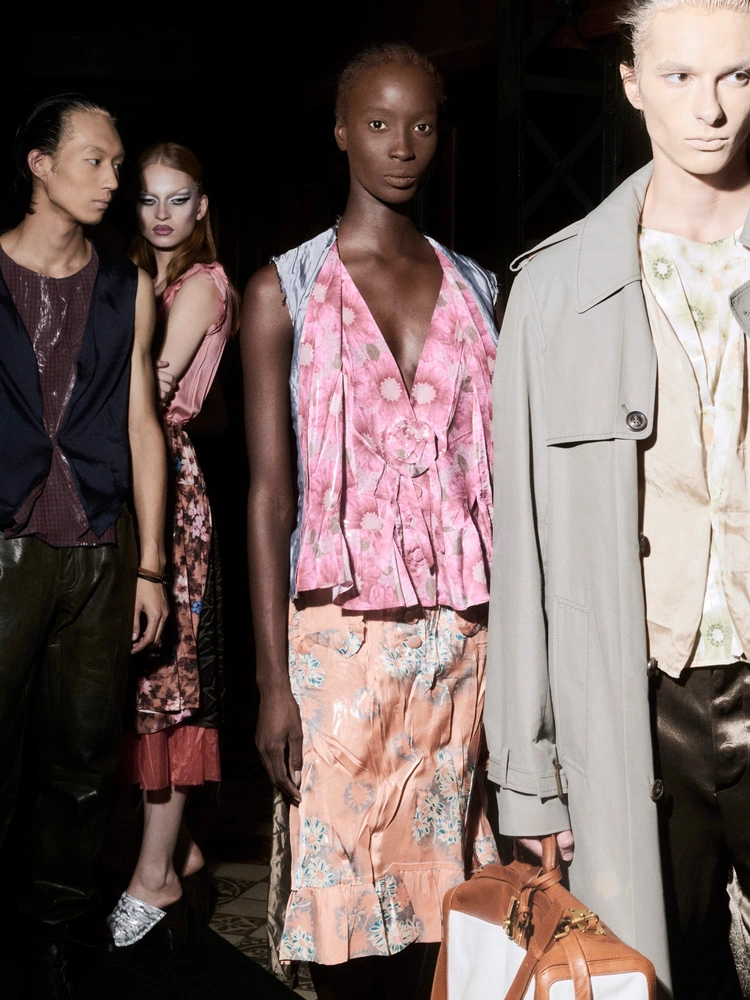
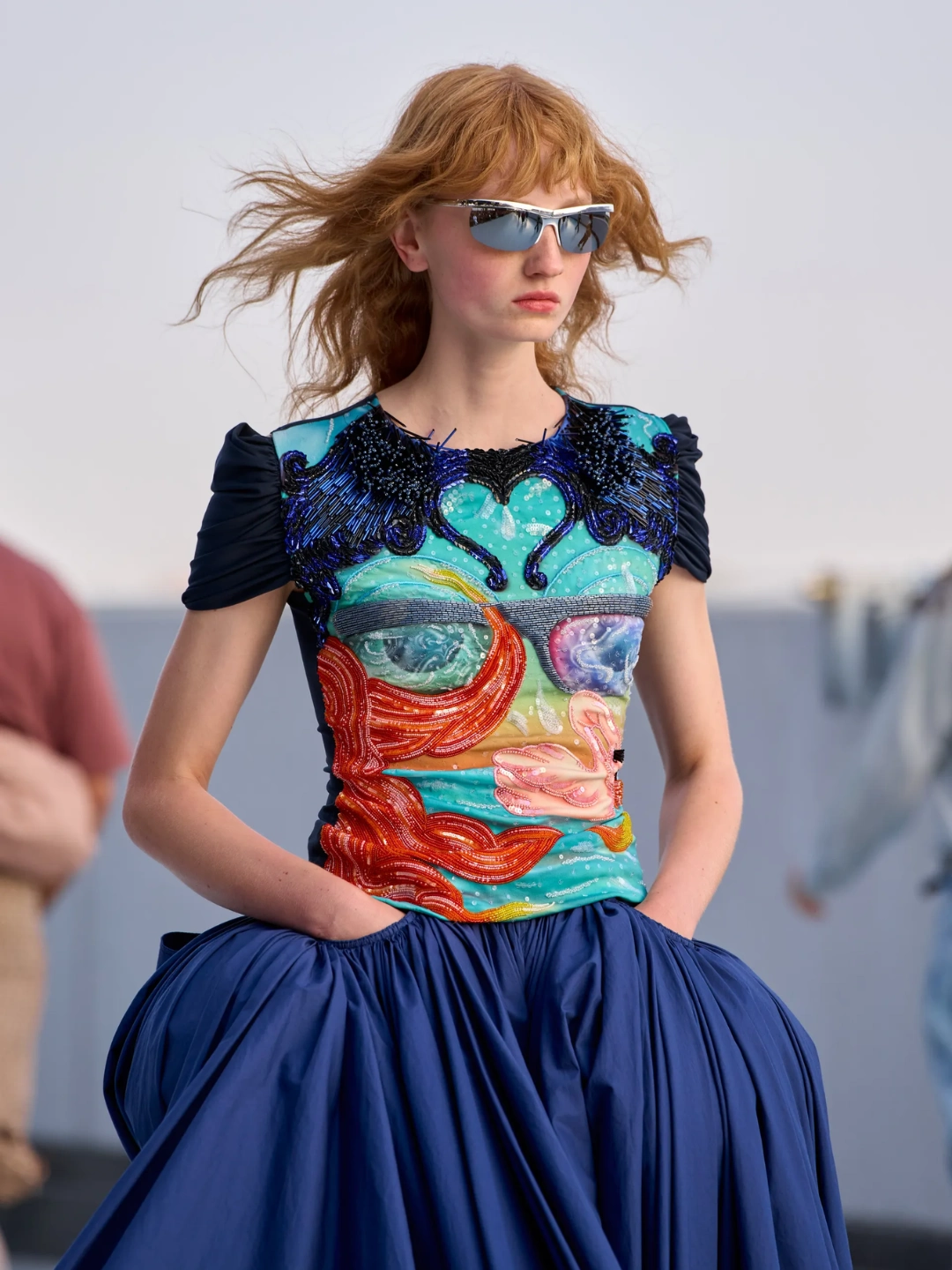
That decision produces an unusually coherent proposition. Necklines migrate from gowns into tops. Sculptural bodices become separates. Couture embroidery settles onto jackets. Knitwear carries shapes previously associated with elaborate evening pieces. Stretch cocktail dresses translate Roseberry’s hourglass silhouettes into pieces whose impact comes through line and proportion.
He calls the result “choose-your-own-adventure dressing,” an apt description for a house gradually teaching its customer how to assemble Schiaparelli instead of waiting for one complete fantasy to arrive fully formed.
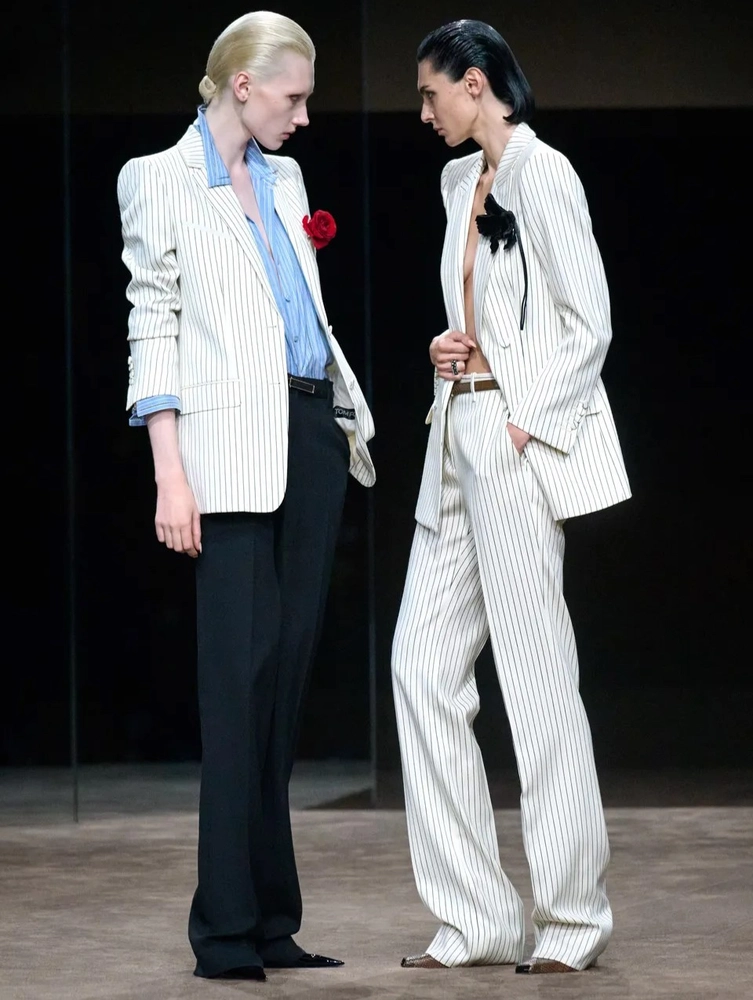
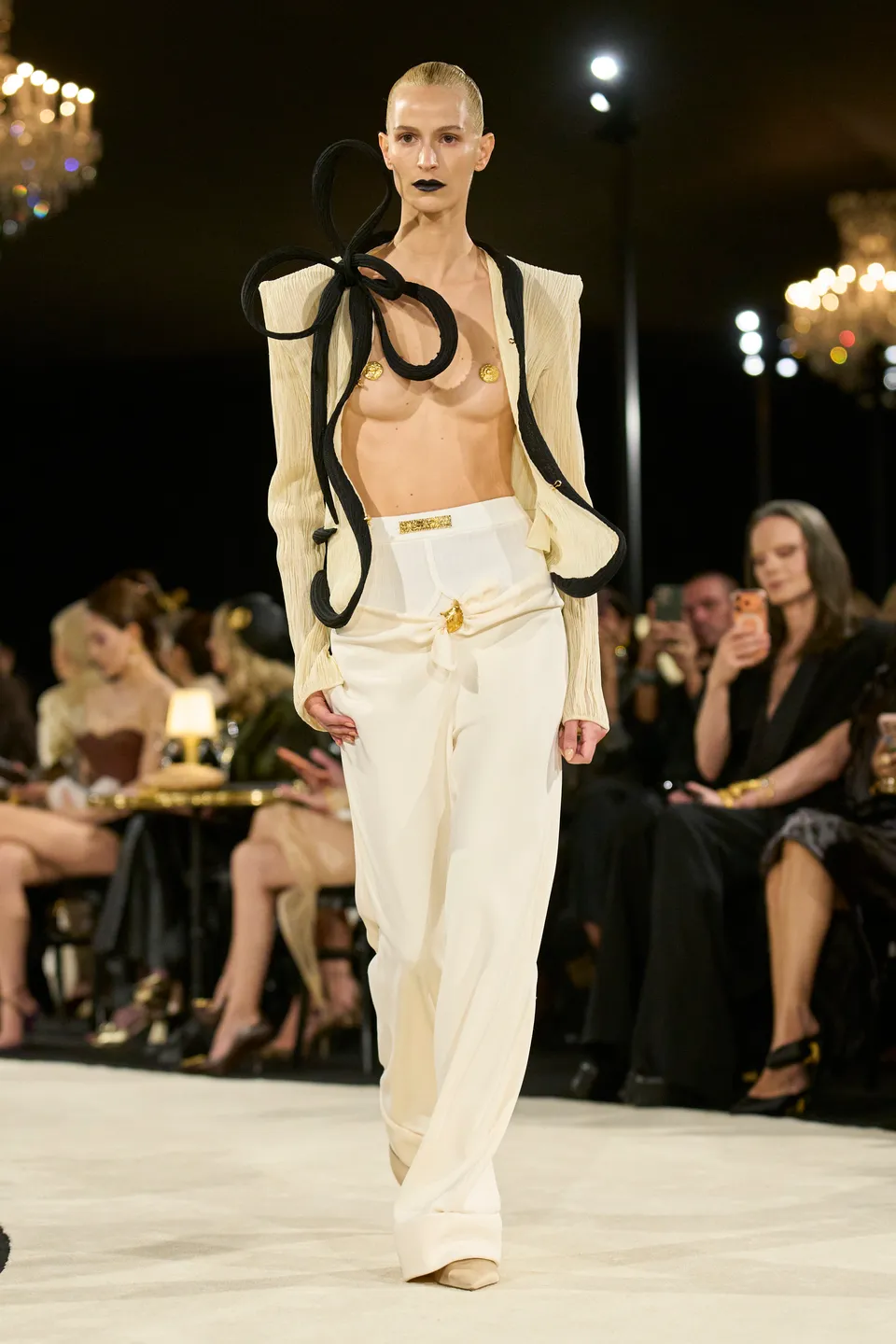
The collection’s clearest protagonist is the Schiap jacket.
Roseberry returns to Elsa Schiaparelli’s famous approach to evening dressing, where the jacket became the visible event. Historical versions carried surrealist embroidery and collaborations with artists including Jean Cocteau and Salvador Dalí, while the lower half of an ensemble often remained restrained because dinner guests spent much of the evening seated behind a table.
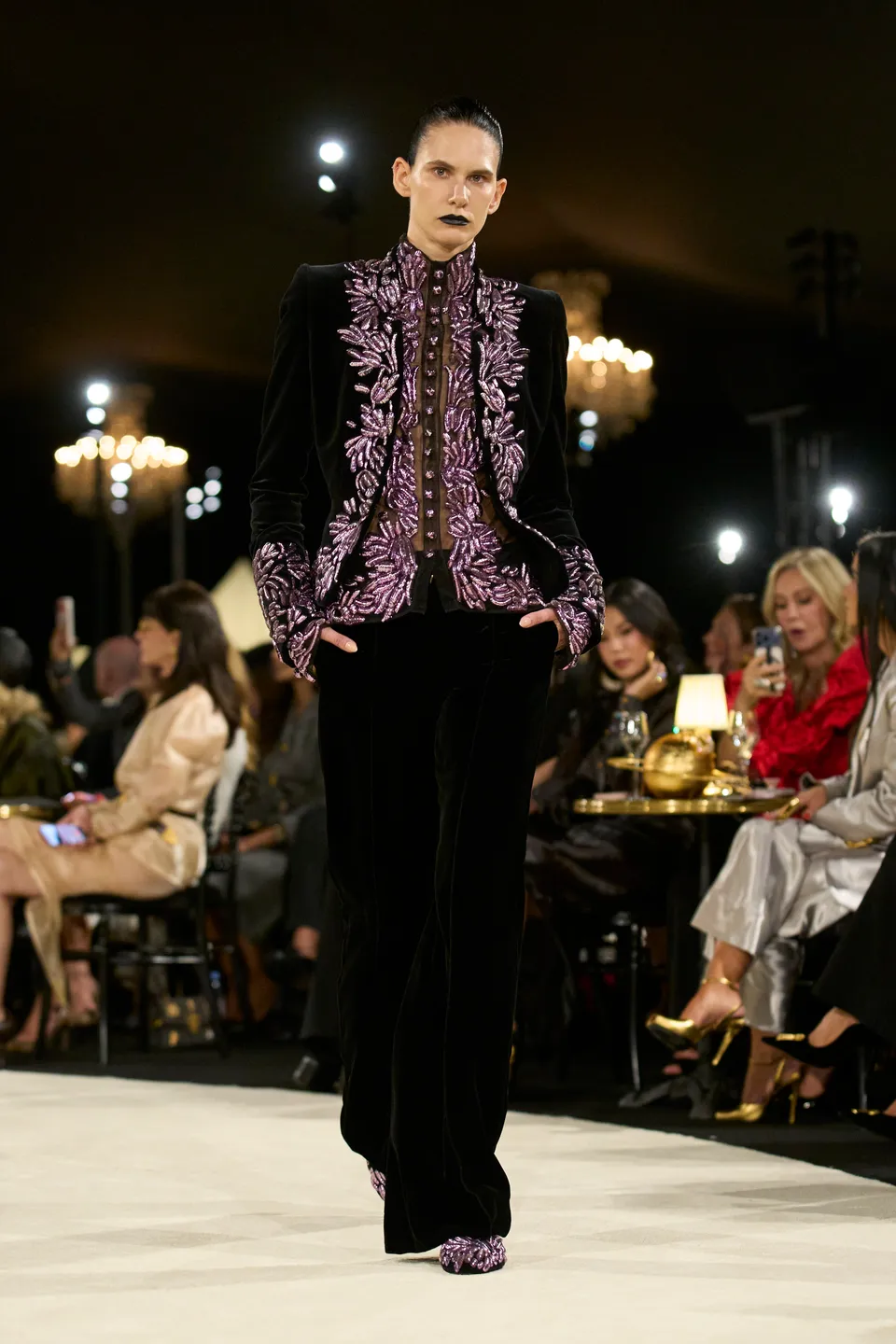
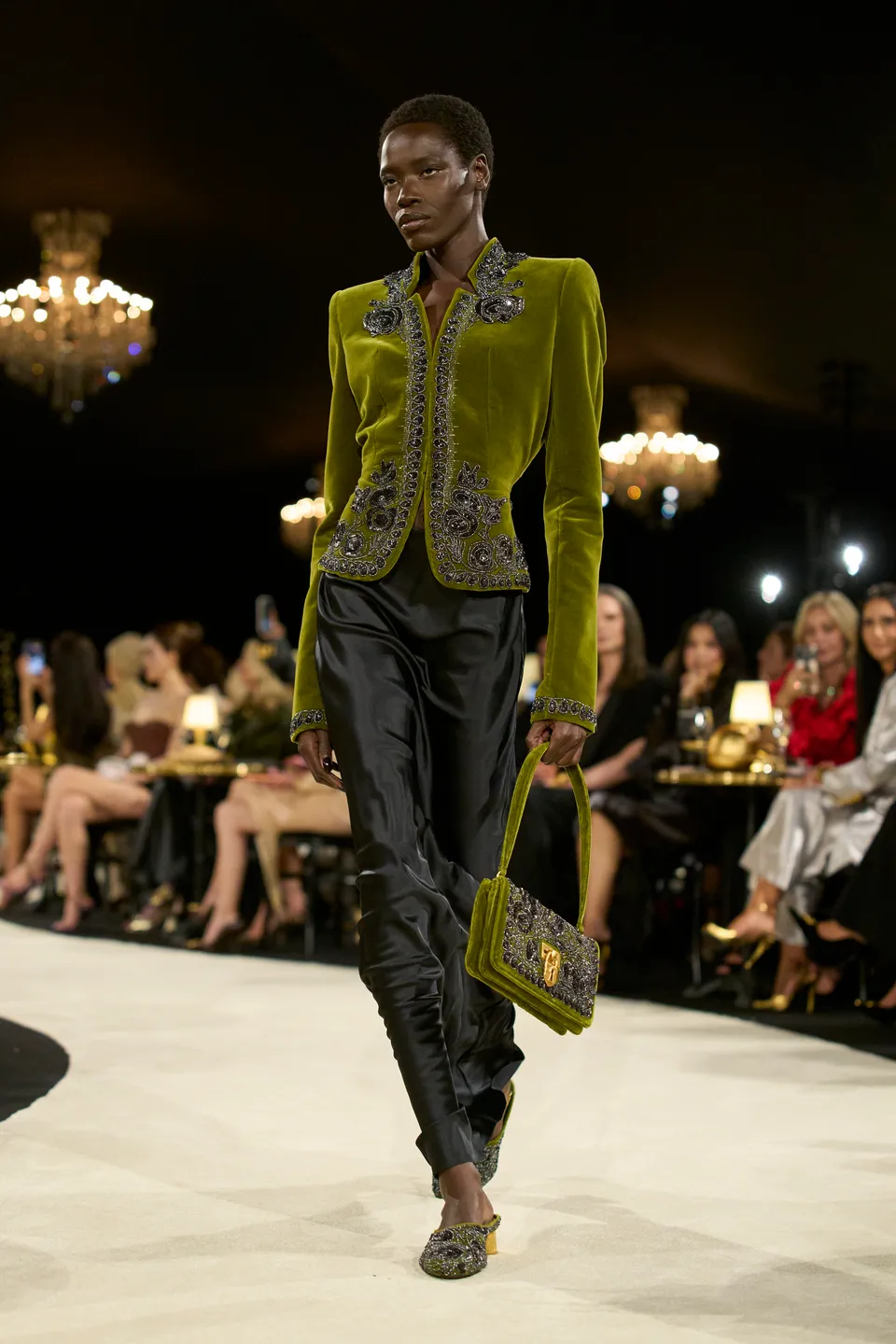
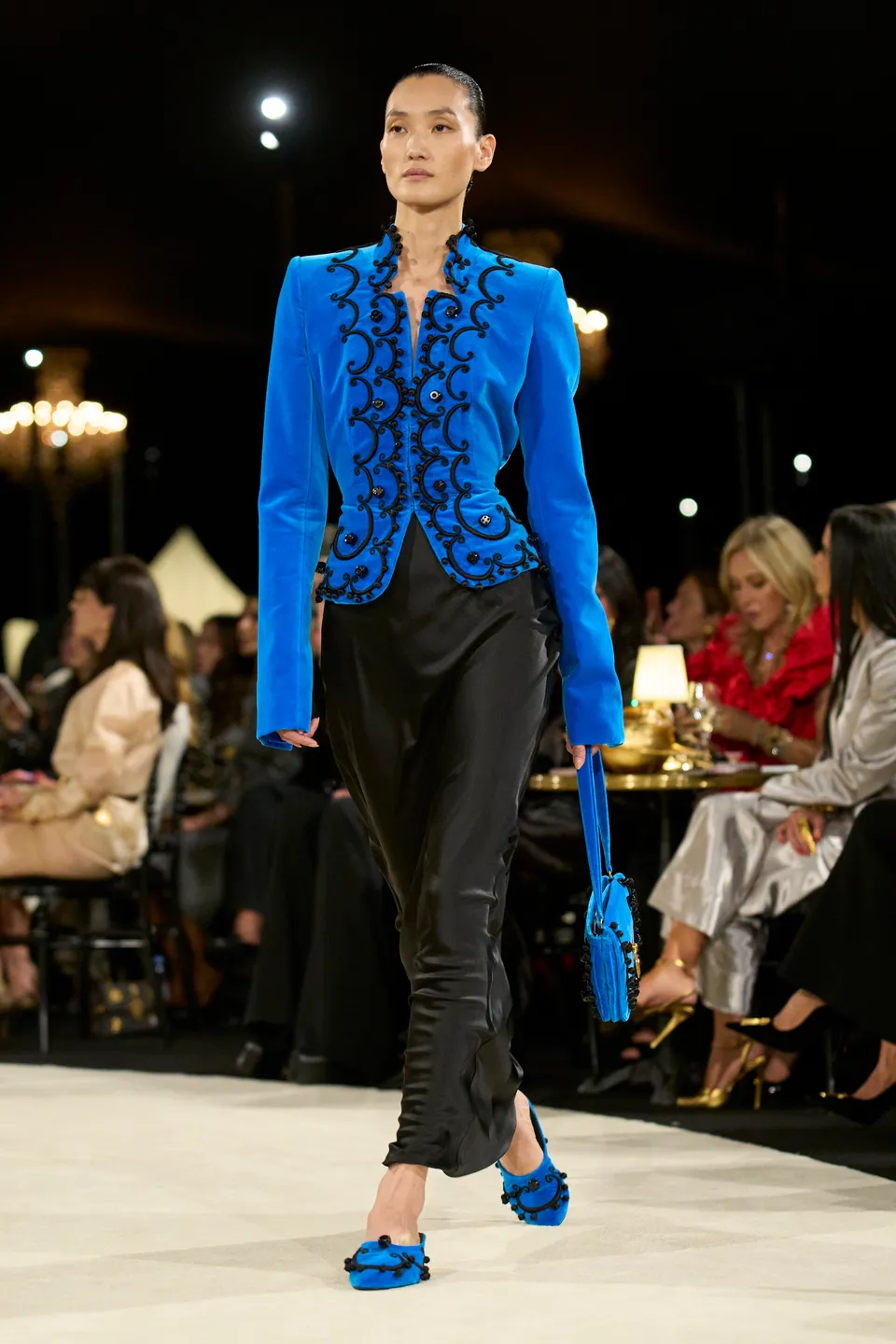
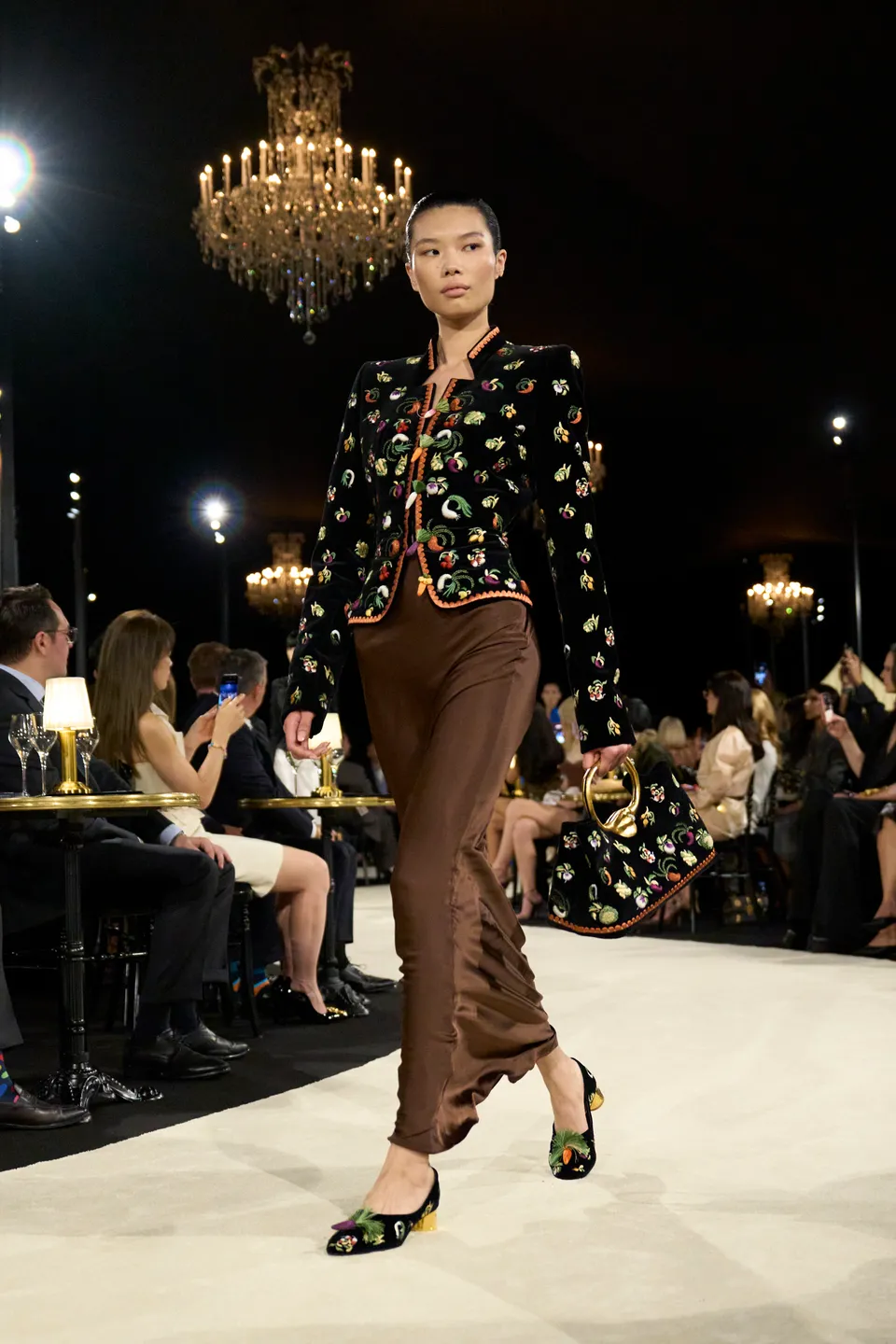
SS27 develops roughly eight variations around that premise.
Velvet carries scrolling black embroidery. Pink satin gains jewel-like embellishment. Vegetable motifs and intricate surfaces push attention toward the torso, while trousers and skirts supply clean foundations underneath.
The format suits contemporary Schiaparelli remarkably well because the jacket can carry recognizable fantasy while functioning as a repeatable product. It gives Roseberry room for embroidery, surrealist hardware and dramatic proportion within a category that can return season after season.
One of the smartest developments in Schiaparelli SS27 comes from taking famous complete looks apart.
Bella Hadid’s relationship with the house offers a useful clue. Client interest in adapting red-carpet ideas into separate pieces helped reinforce Roseberry’s belief that couture language could travel through modular dressing. SS27 responds with bodices, skirts, knits and jackets carrying fragments of shapes that previously appeared as singular evening statements.
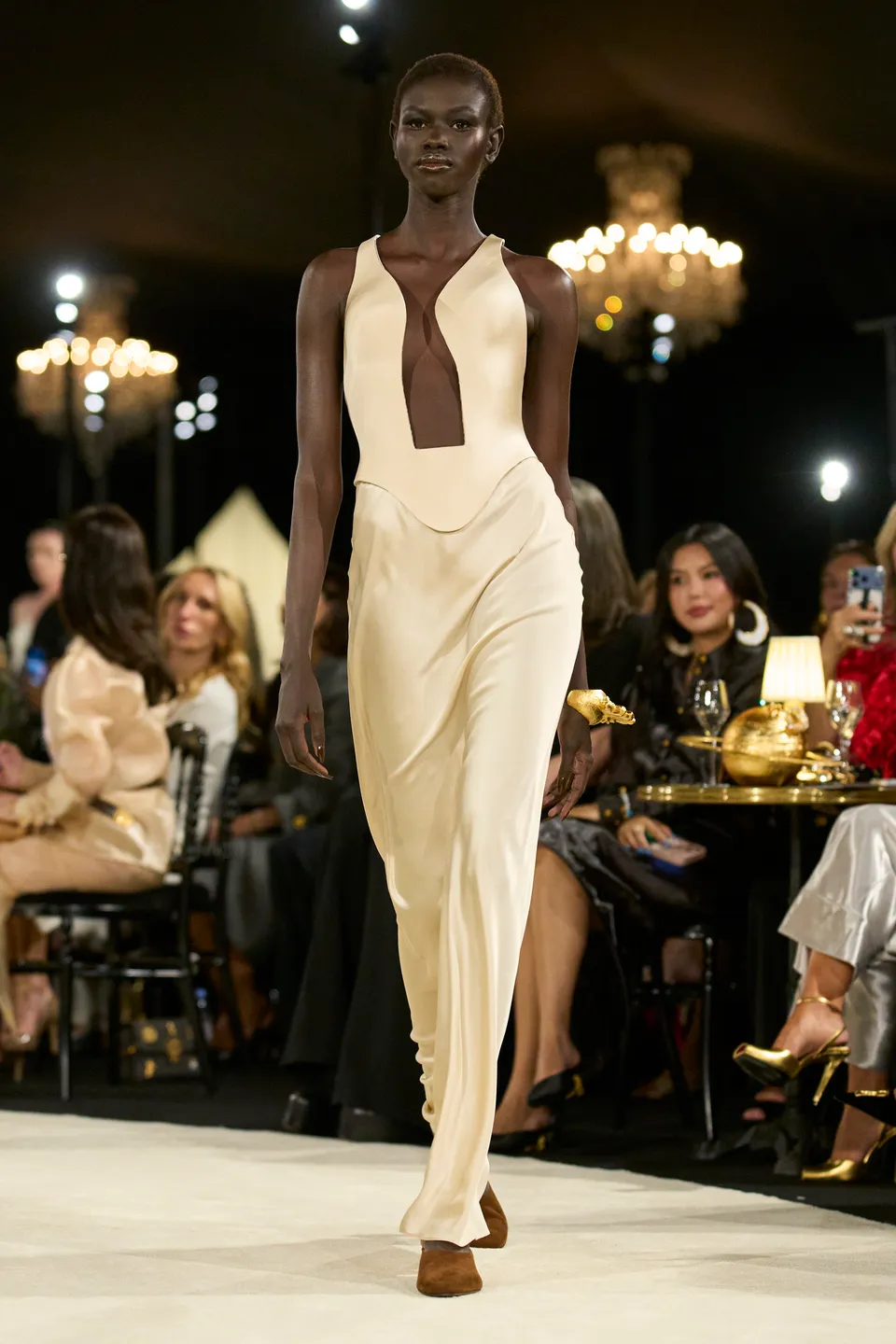
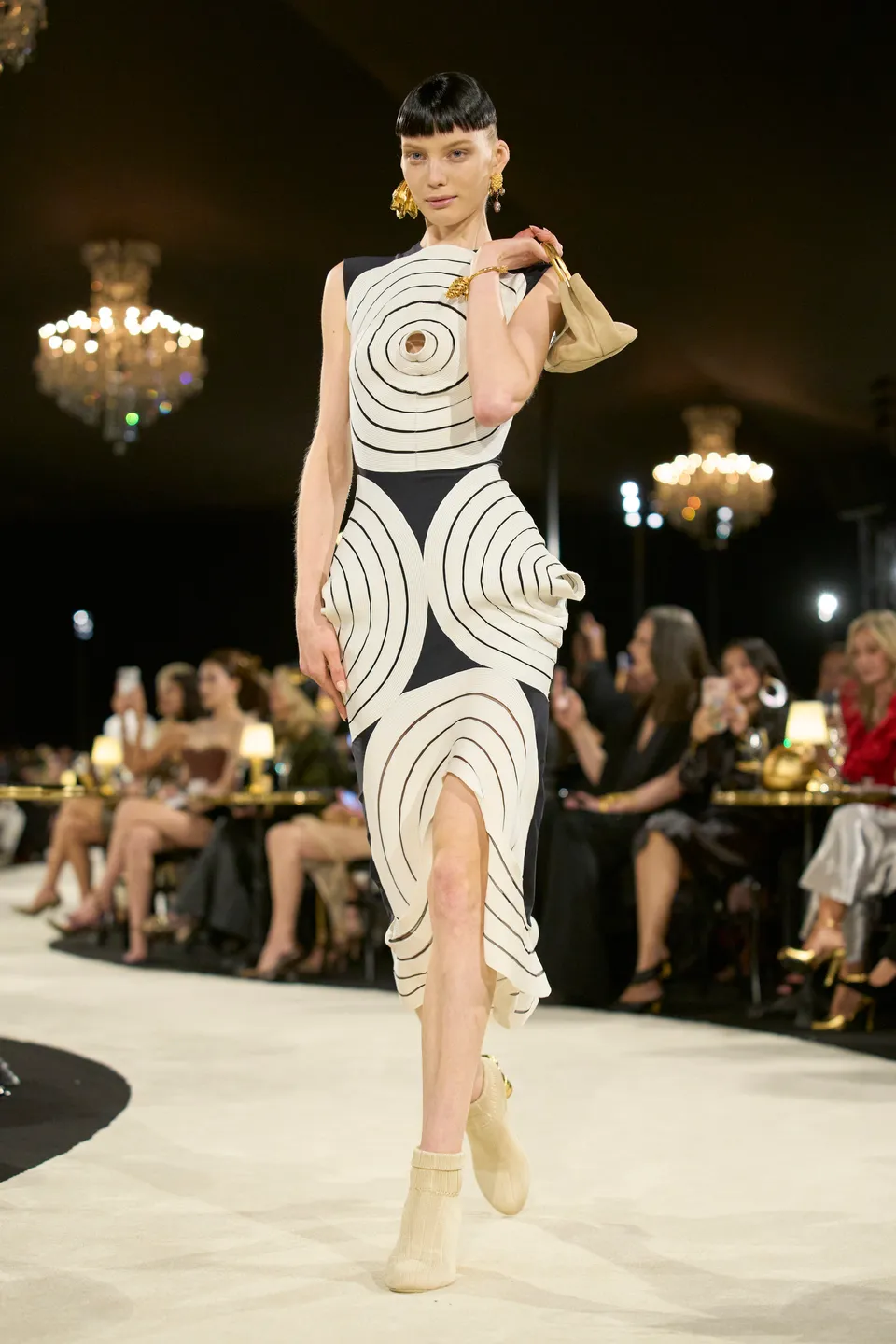
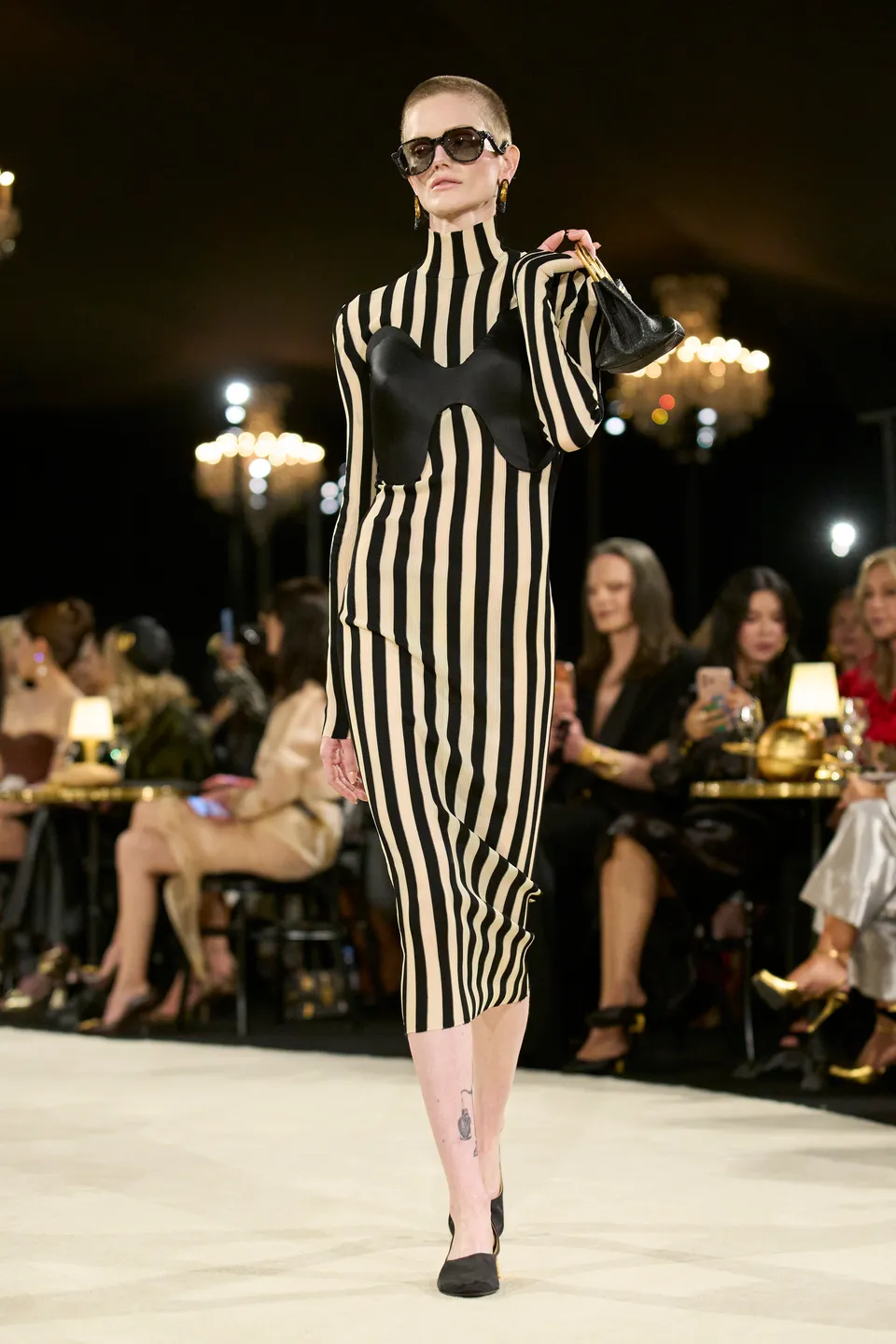
Texas, sportswear and a practical instinct for separates sit underneath the Frenchness of Schiaparelli, creating garments with couture posture and American wardrobe logic. His recent marathon training also enters indirectly through his interest in an “aerodynamic” silhouette, particularly in dresses sculpted tightly along the body.
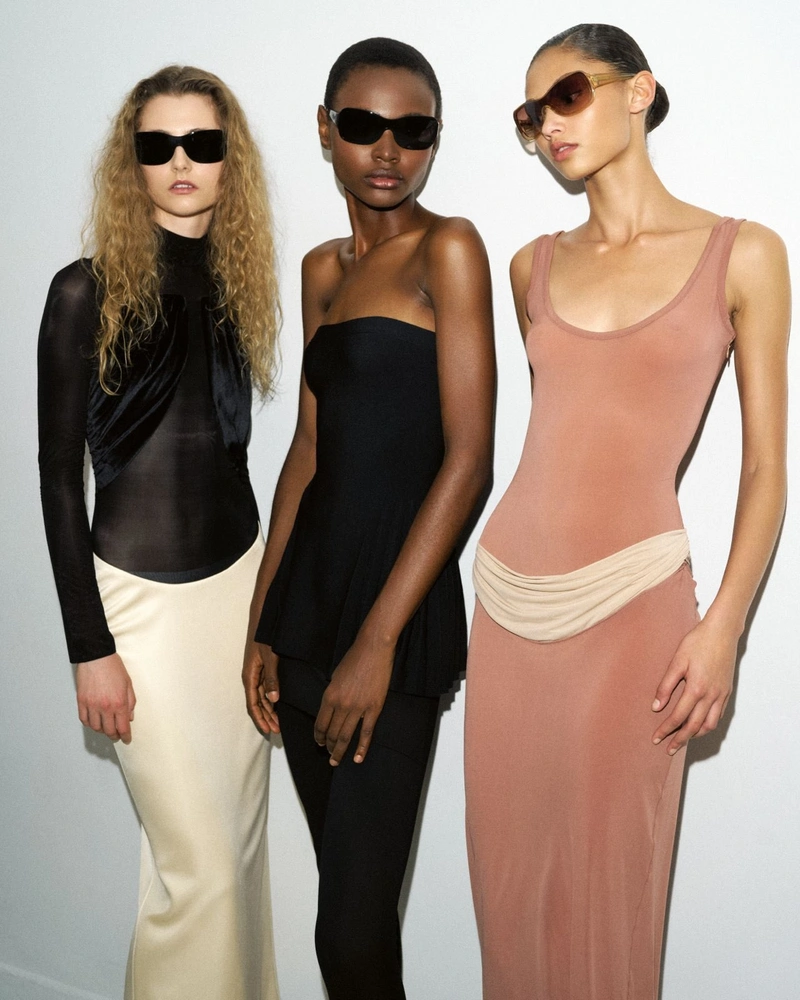
A clean black cocktail dress can therefore sit comfortably beside a breastplate-derived top. The house’s surrealism survives through construction and anatomy while the wardrobe becomes easier to compose.
Clarity hardly means anatomical peace. Roseberry continues to treat the body as a surface open to editing. Padded spinal details travel down fitted dresses. Gold-foiled nipples interrupt sleek silhouettes. Décolletage appears framed, concealed and reshaped. Molded bodices exaggerate an hourglass before sharp peplums kick outward.
The difference lies in concentration. That discipline gives SS27 some of its strongest clothes. Roseberry’s previous ready-to-wear occasionally stacked gold hardware, surrealism, embroidery and bodily distortion until every garment seemed determined to prove its house membership immediately. Here, silhouette often gets the first word.
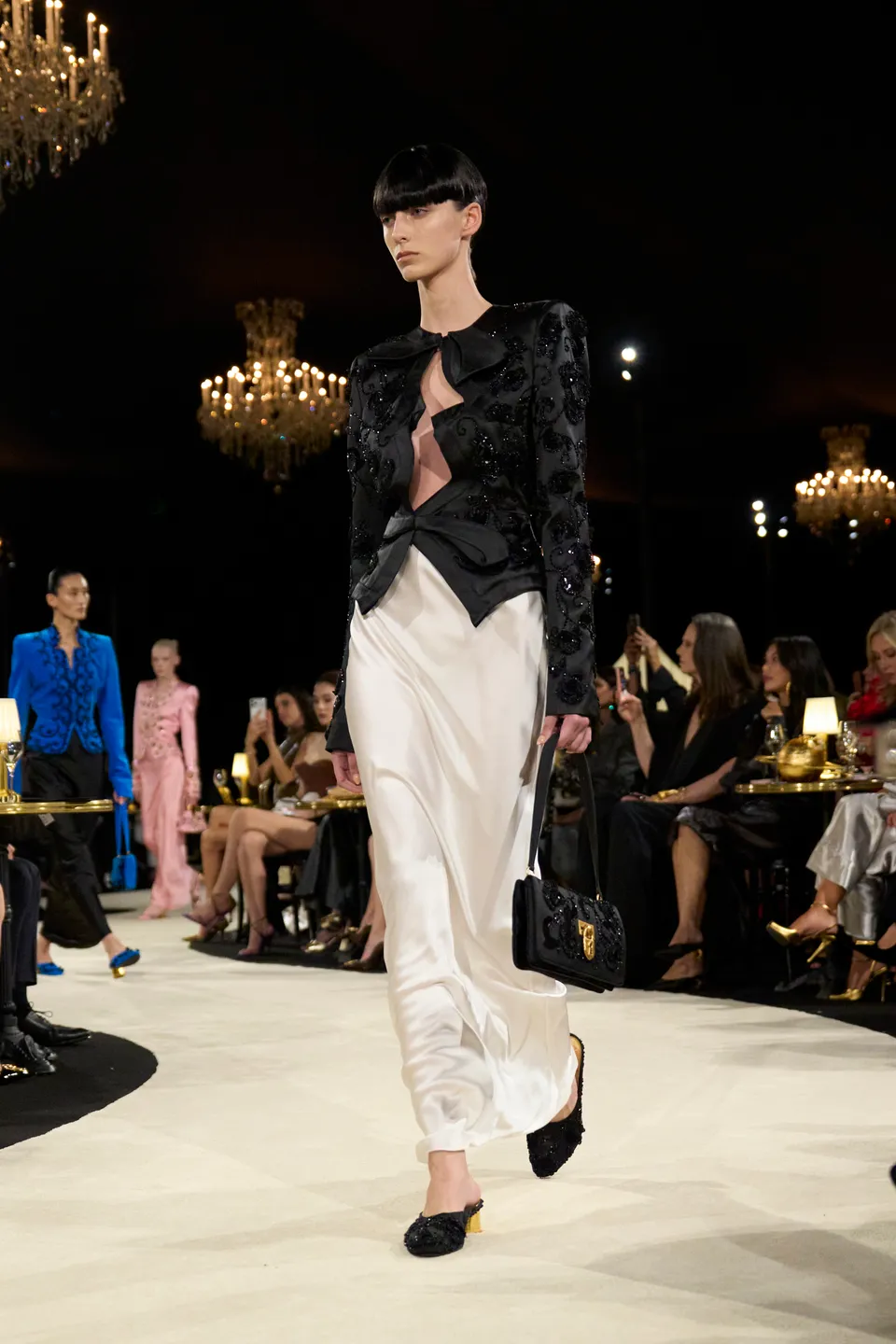
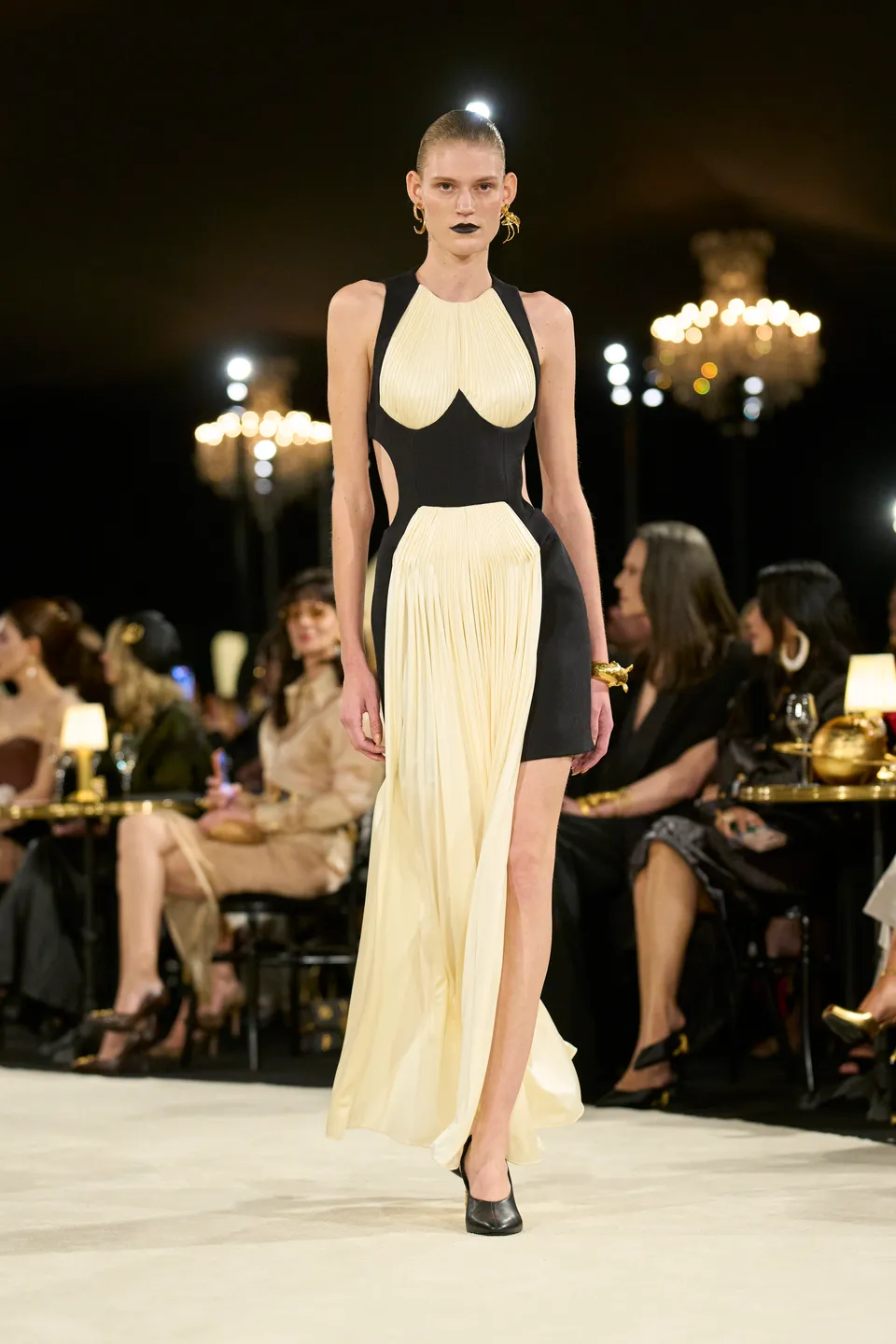
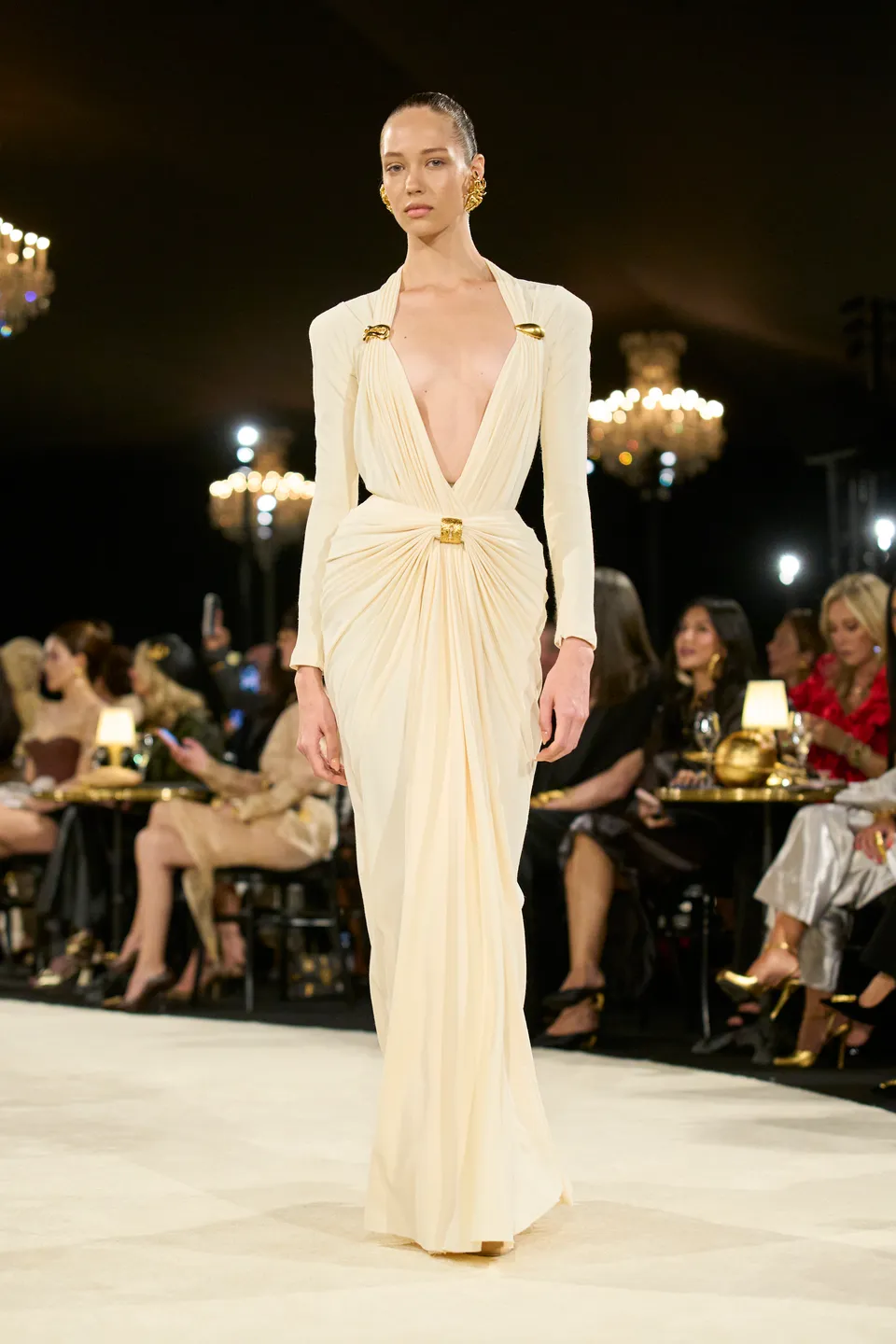
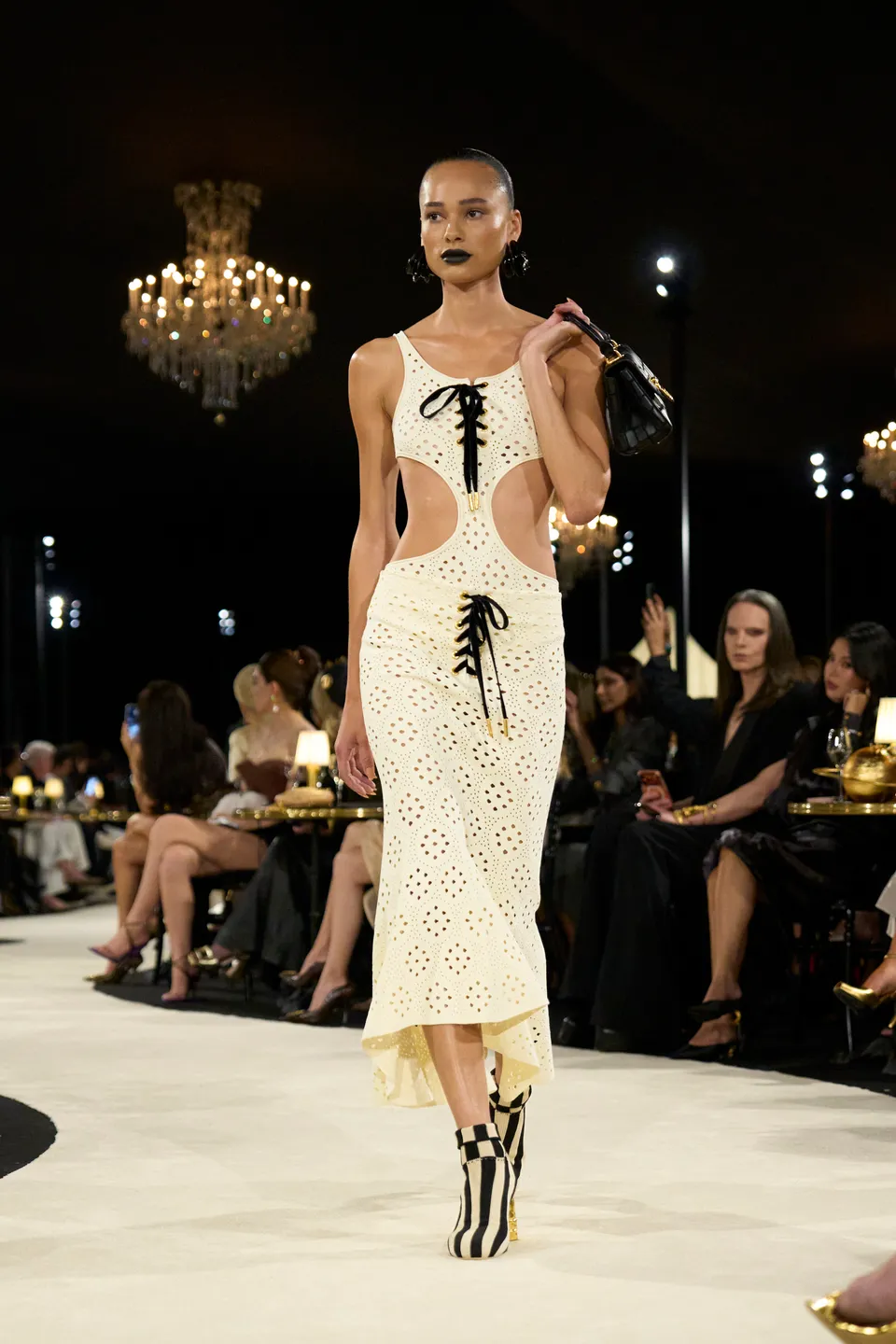
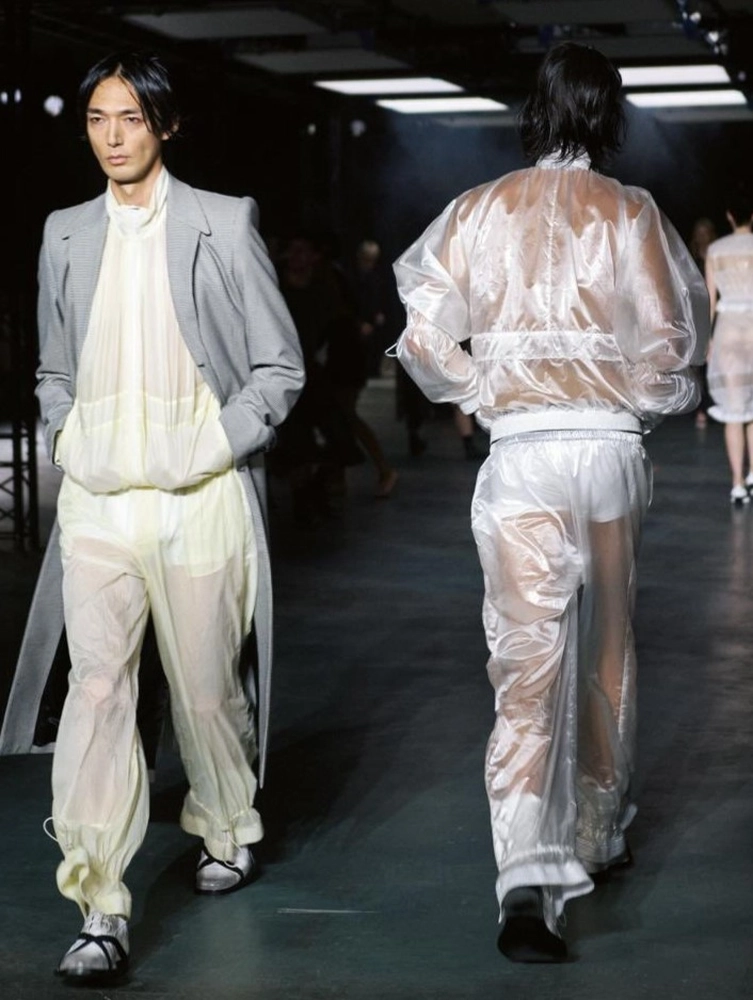
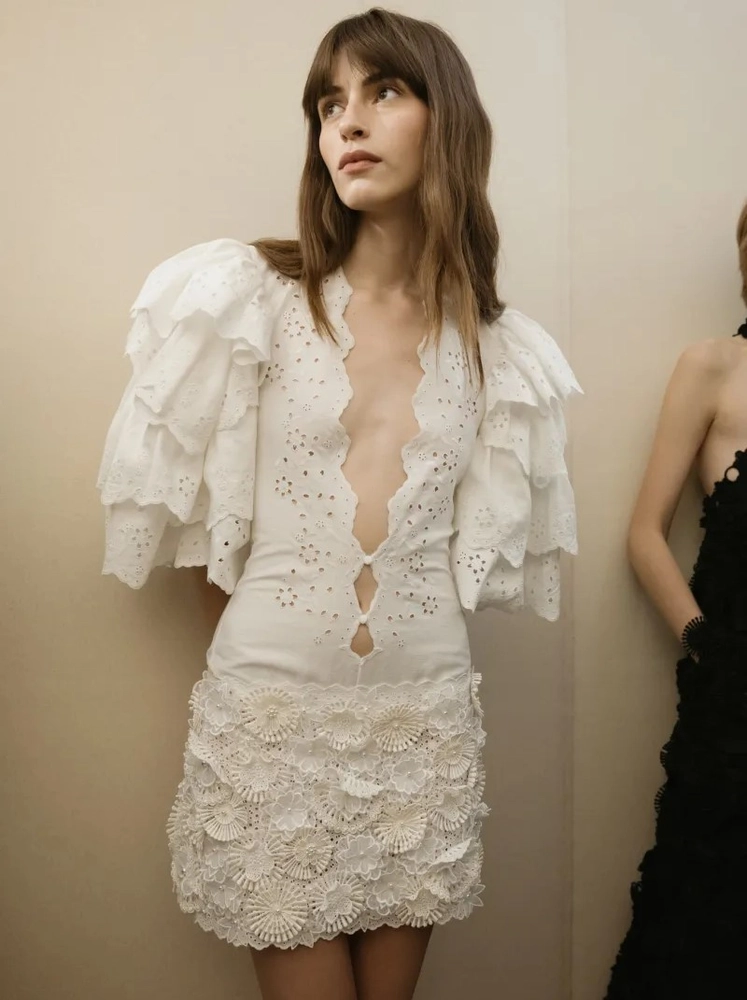
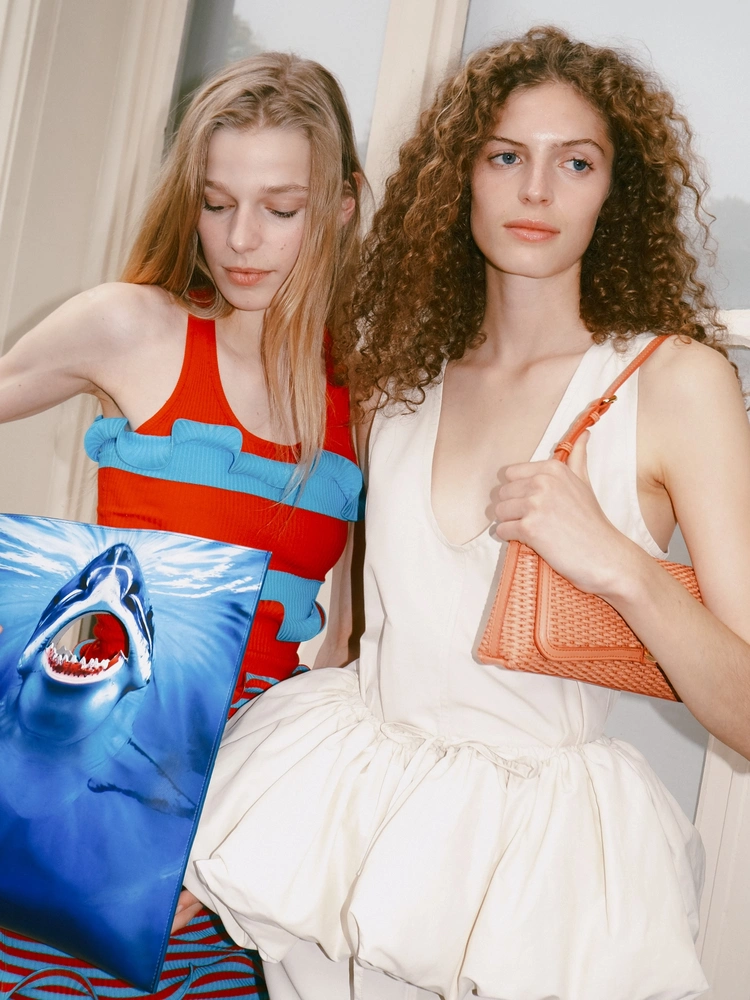
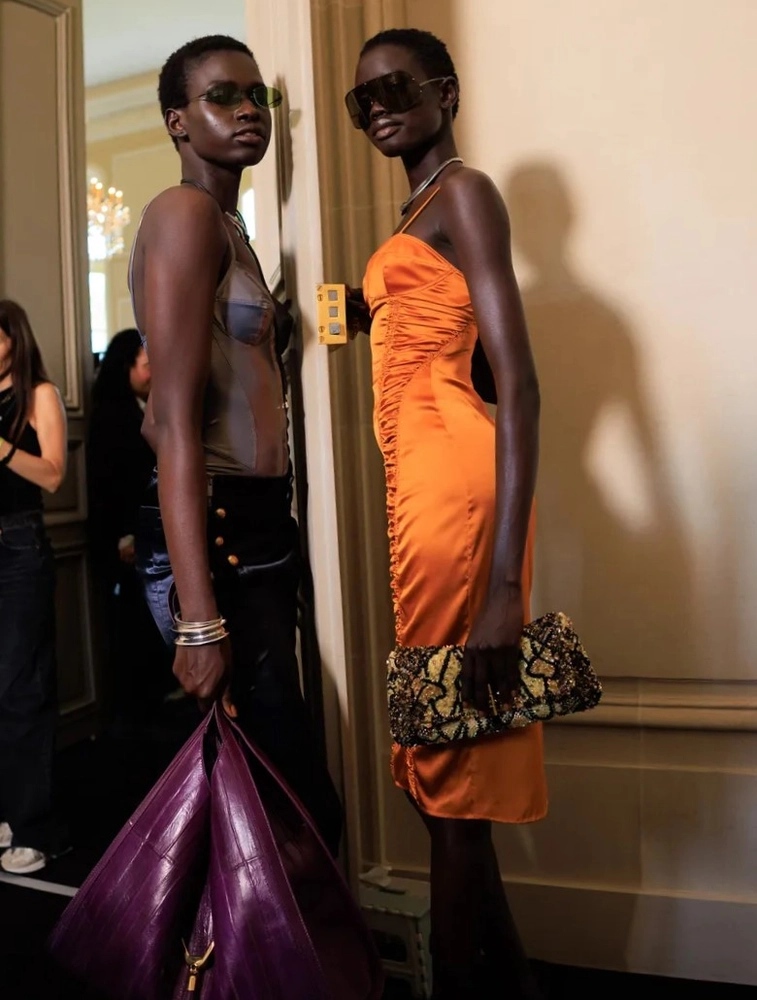
Black, ivory, bone and butter create a restrained base while archival kingfisher blue, moss and salmon punctuate the collection. Leather and linen are manipulated into ruffles; sheer viscose becomes a tree-bark knit derived from an Elsa-era textile idea; broderie anglaise migrates from couture technique into lighter wardrobe pieces.
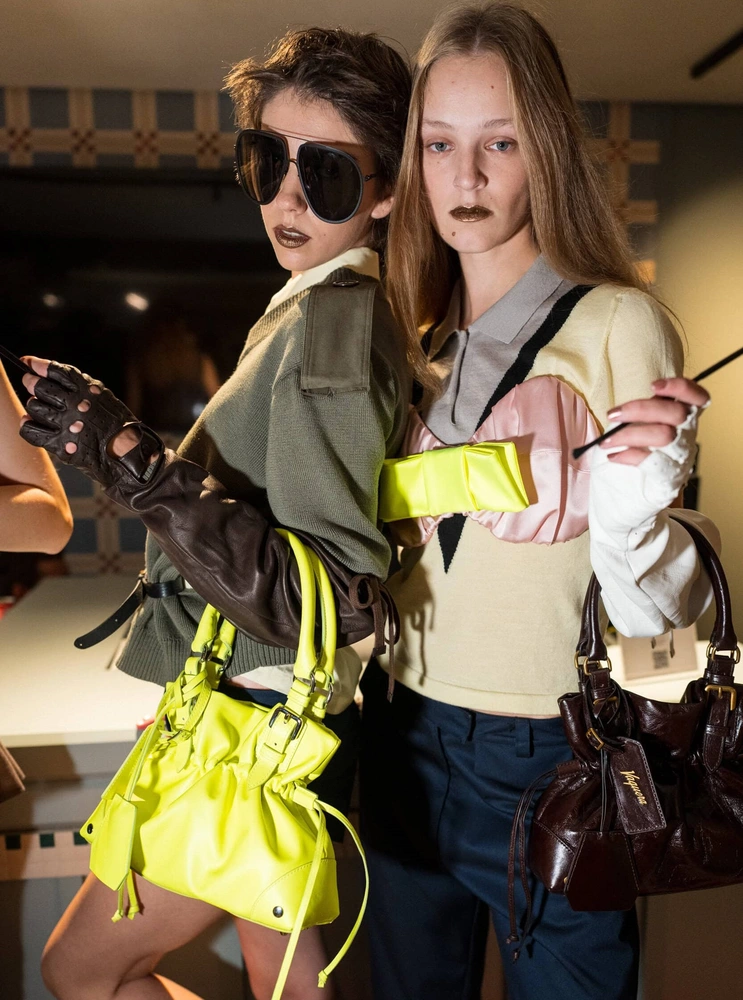
The Totem heel arrives at a lower height. Babouche shapes, knitted booties inspired by late-1930s Elsa footwear and ball-toe mules bring archive eccentricity into formats built for repeated wear. Bags continue to carry surrealist vocabulary through lip handles and anatomical hardware.
Roseberry has trained the audience exceptionally well. Recognition represents an extraordinary branding achievement, especially for a house revived from decades outside fashion’s commercial center.
It also creates a creative trap. Once surrealism becomes instantly identifiable, it begins behaving like a logo.
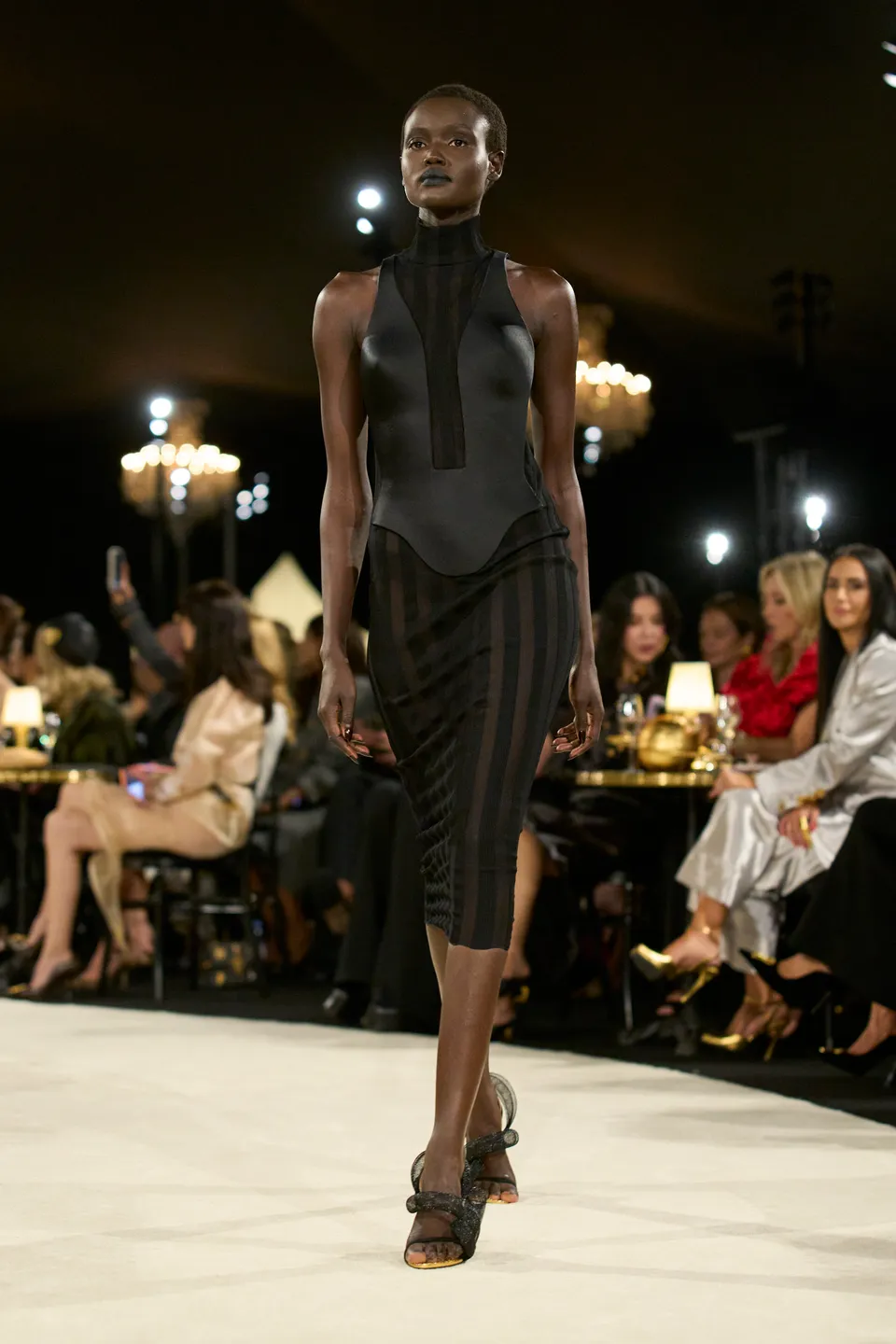
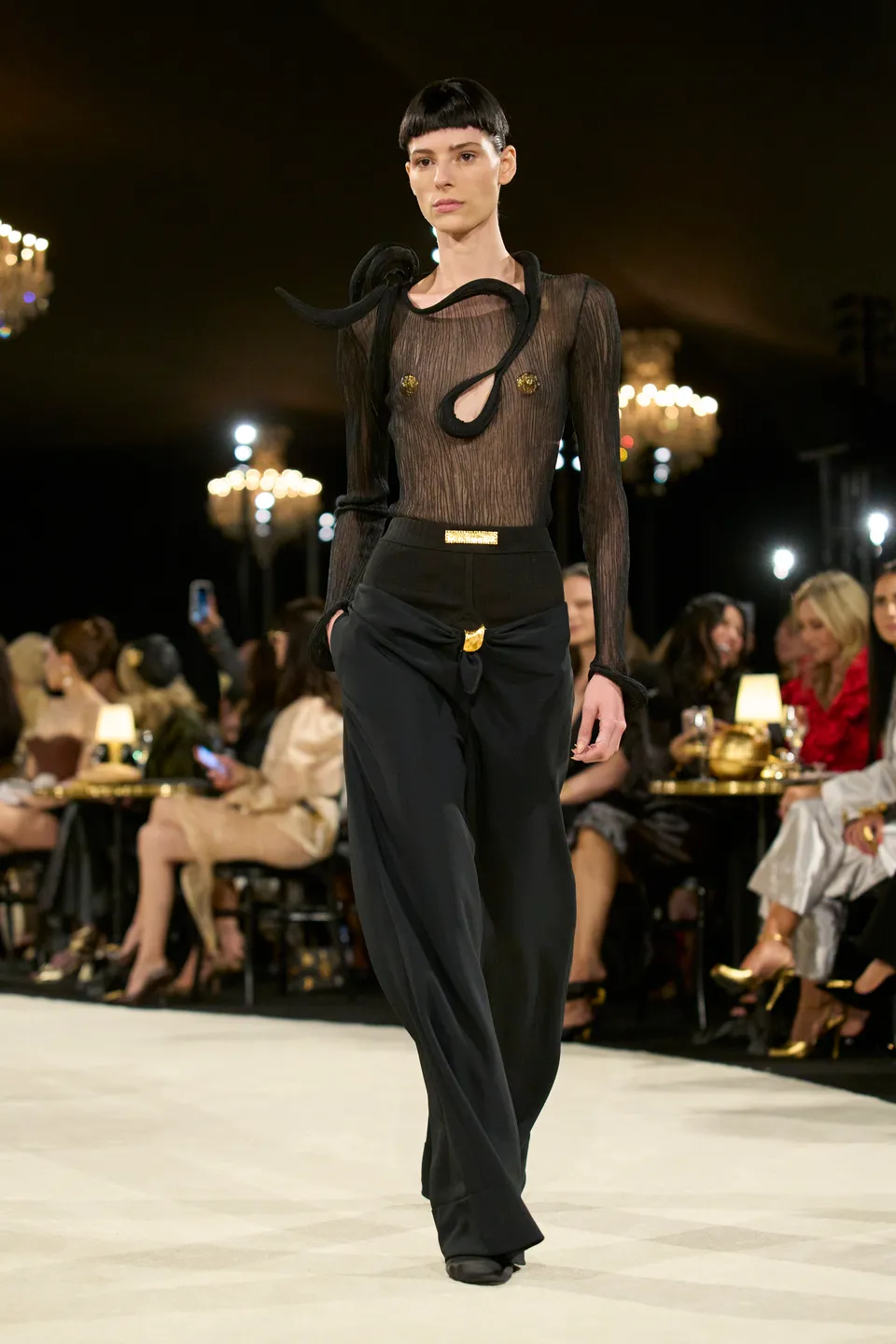
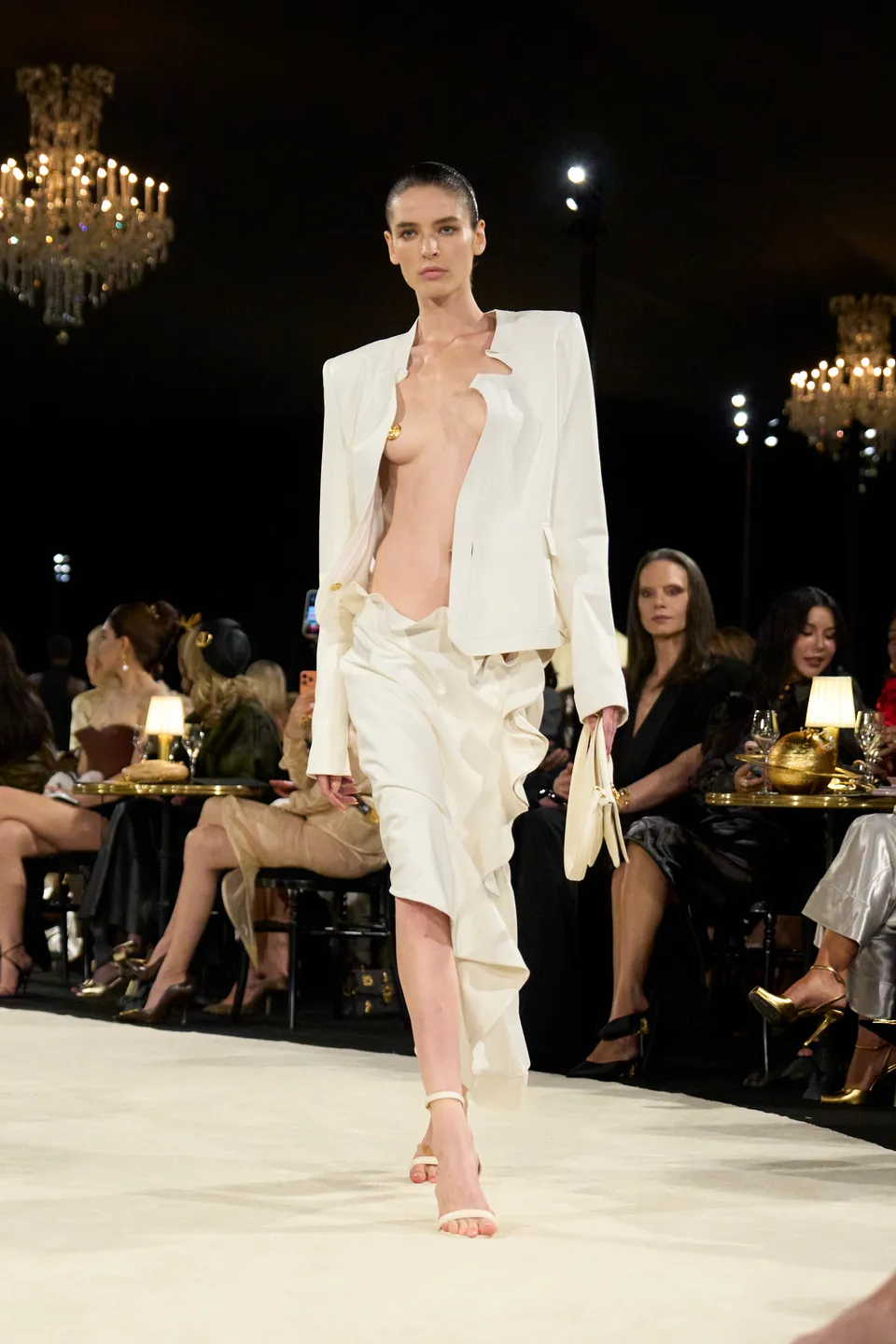
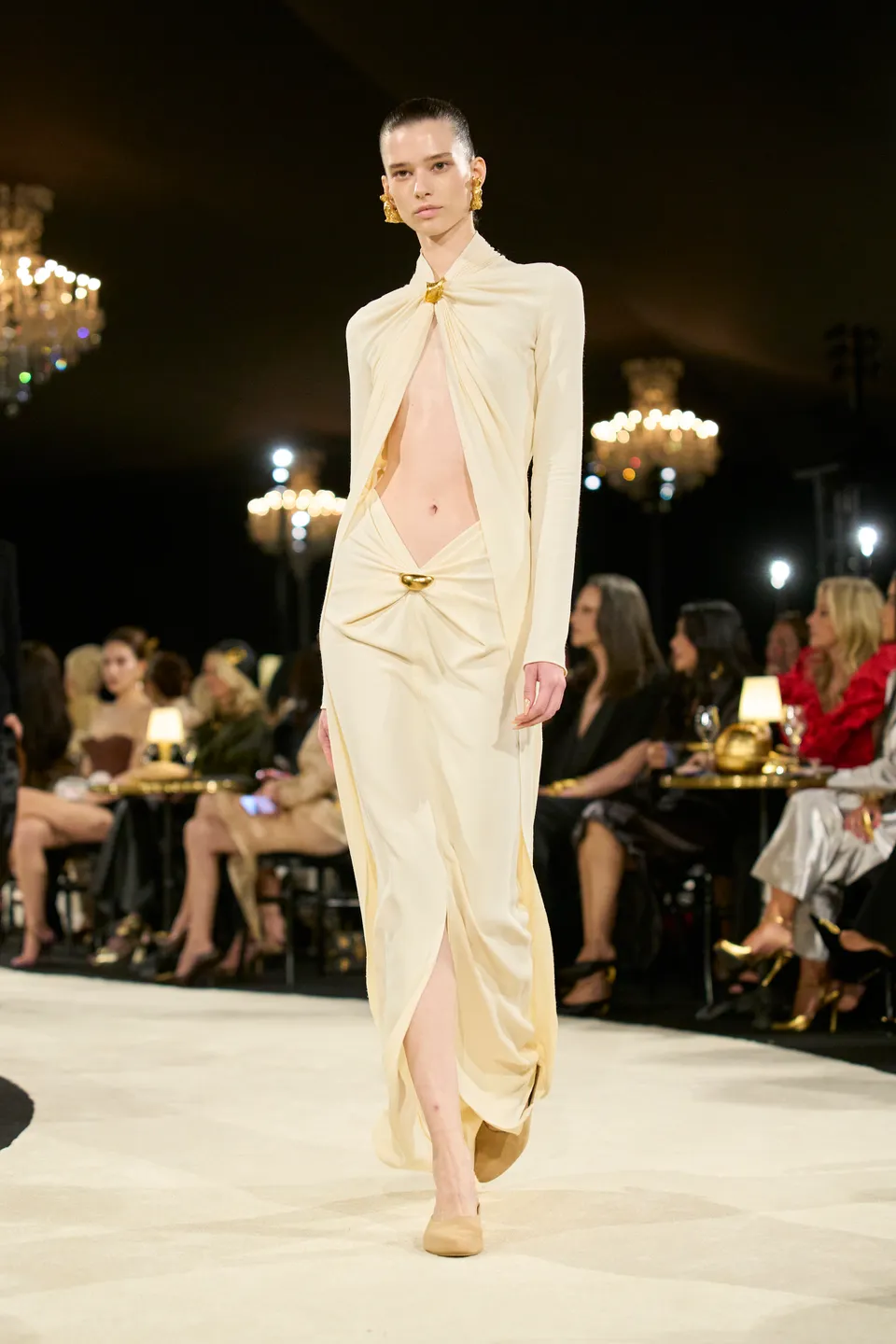
SS27 therefore becomes intriguing precisely where Roseberry suppresses the easiest signals and asks silhouette to carry the identity. Some of the season’s public reaction exposes this problem perfectly. Viewers accustomed to Roseberry at full theatrical intensity have called the collection safe, simple or surprisingly conventional, while others respond strongly to its precision.
That divided response reveals the price of successful spectacle: once an audience has been trained to expect shock, restraint itself can initially resemble absence.
The business opportunity underneath Going Clear is unusually precise. Schiaparelli already owns extraordinary cultural reach. Couture creates the mythology, celebrity dressing circulates it globally, and Roseberry has made the house one of contemporary fashion’s easiest names to recognize from a single image. Ready-to-wear now has a different assignment: turning admiration into repetition.
That shift may eventually prove more radical for Schiaparelli than another viral object.
A spectacular gown can make millions of people look at a house for thirty seconds. A jacket someone reaches for repeatedly creates a relationship. Roseberry has already mastered the first kind of desire. Schiaparelli SS27 begins studying the second. Going clear, in the end, may have little to do with becoming quieter. It is about finding out which ideas remain compelling once the spotlight stops doing part of the work.
Advertisement