MENU
Close





Luxury travel in the Gobi Desert is for people who have seen enough infinity pools to suspect the horizon did it better. Want to really feel the heat?
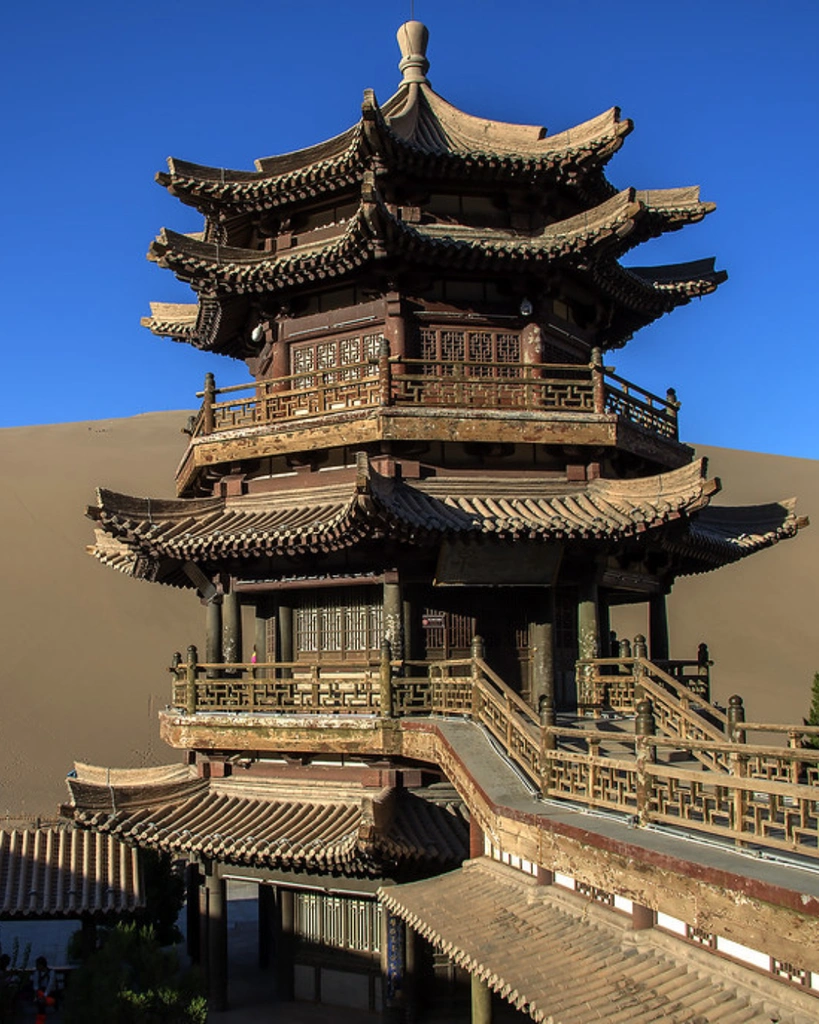
Luxury travel in the Gobi Desert is for people who have seen enough infinity pools to suspect the horizon did it better. Want to really feel the heat?
June 24, 2026


The Gobi Desert, stretching across southern Mongolia and northern China, has emerged as the definitive setting for this new paradigm of high-net-worth experiential travel. Far from a punishing void, the contemporary Gobi is a canvas for precision logistics, where chartered private wings bypass grueling overland crossings to connect travelers with museum-grade paleontological expeditions, nomadic partnerships, and zero-footprint eco-lodges. This deep dive unpacks the operational, economic, and philosophical infrastructure, making the Gobi Desert the world's premier destination for raw, uncompromised ultra-luxury.
The travelers chartering aircraft to the southern steppes of Mongolia do not fit the historical archetype of the resort-bound sunseeker. Instead, they represent a highly specific segment of Ultra-High-Net-Worth Individuals (UHNWIs) seeking what socio-economists define as "unprocessed luxury." For this demographic, opulent gold leaf finishings and Michelin-starred urban dining have lost their scarcity value. Scarcity is now found in pristine darkness free from light pollution, vast geographical expanses untouched by modern infrastructure, and ancestral human connections that remain unbroken by globalization.
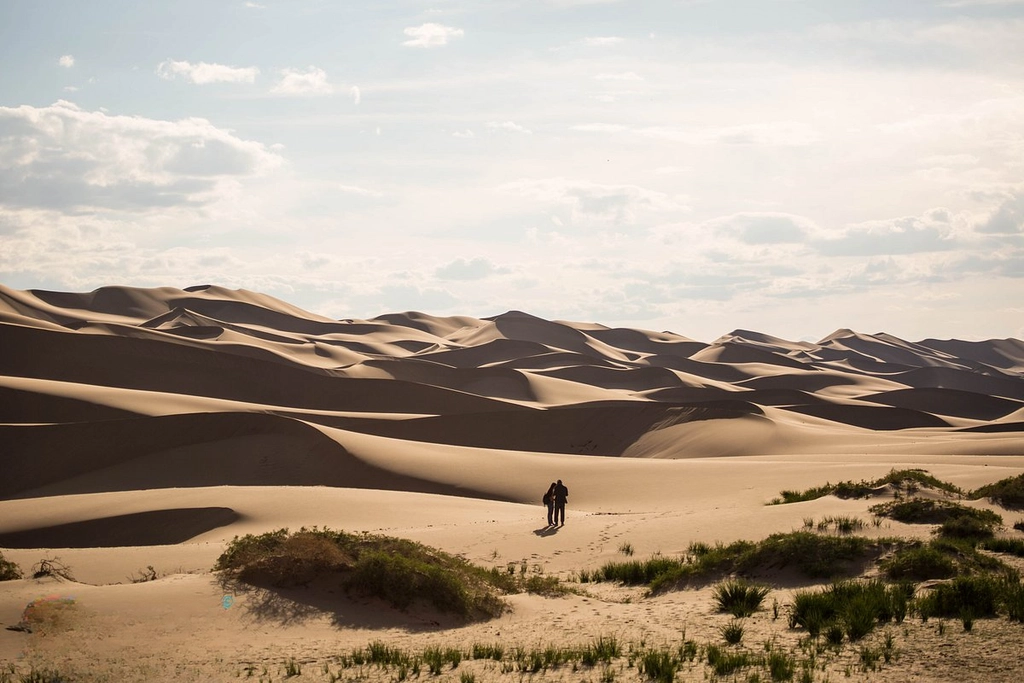
The Gobi Desert offers a psychological reset that traditional luxury enclaves cannot replicate. The barrier to entry is high, not merely financially, but logistically and culturally. This ensures that the destination remains inherently exclusive. The luxury here is found in the fluid translation of wild landscapes into spaces of profound security and comfort, allowing travelers to engage in extreme terrain without experiencing the friction of survivalism.
The primary operational bottleneck of the Gobi Desert has always been its geography. The distance from Mongolia’s capital, Ulaanbaatar, to the deep desert attractions like the Khongoryn Els sand dunes spans hundreds of kilometers of unpaved tracks, washboards, and shifting gravel riverbeds. A journey that takes twelve hours by grueling overland vehicle is compressed into a seamless, seventy-minute flight via specialized private aviation.
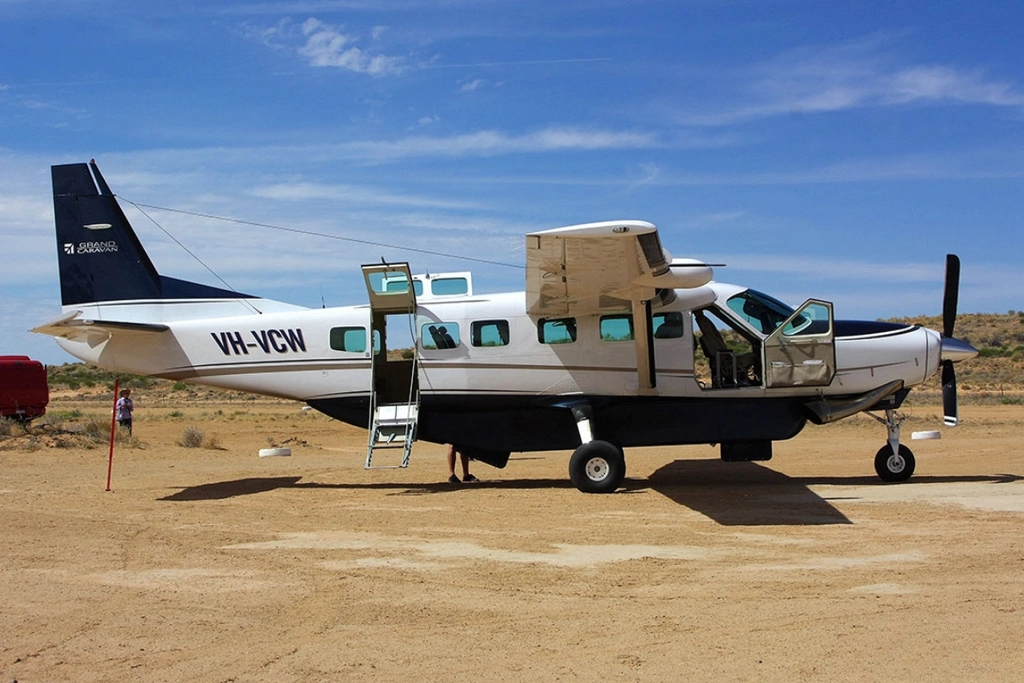
Luxury operators in the region maintain a dedicated private flight grid, deploying aircraft engineered for short-field performance on unpaved desert airstrips. The workhorses of this network are the Cessna Caravan 208B turboprop and twin-engine helicopters like the Eurocopter AS350 B3. The operational logic is built around micro-hops:
Upon touchdown at these remote coordinates, the logistical chain transfers guests immediately to a waiting convoy of private, air-conditioned Toyota Land Cruiser 300 Series vehicles. These vehicles are modified with heavy-duty desert suspension arrays and integrated satellite communication terminals, ensuring continuous connectivity and safety across areas with zero cellular reception.

Accommodations within the Gobi luxury ecosystem balance architectural heritage with invisible engineering. The undisputed pioneer of this balance is Three Camel Lodge, an eco-lodge designed entirely in accordance with the aesthetic principles of traditional Mongolian architecture and Buddhist geometry. The central lodge structures were erected without utilizing a single metal nail, relying instead on intricate interlocking wood joinery.
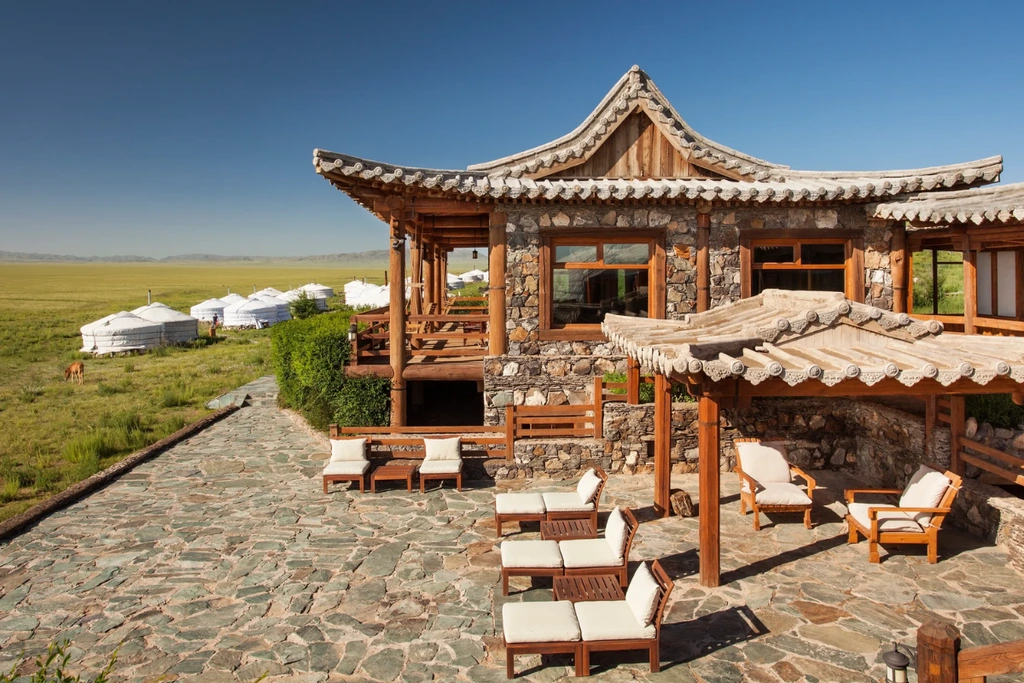
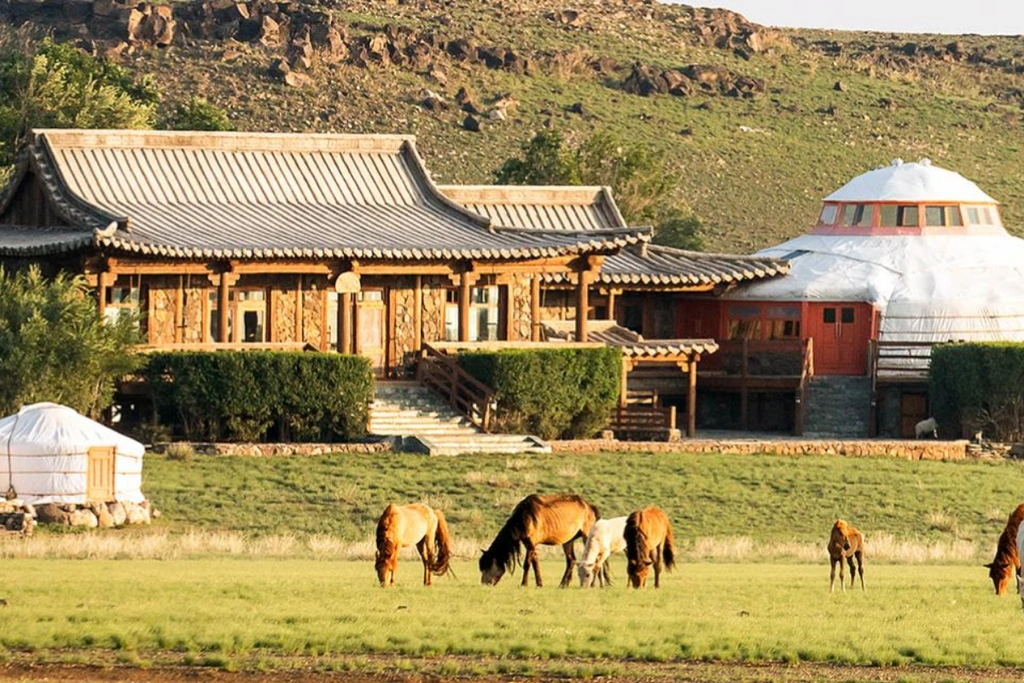
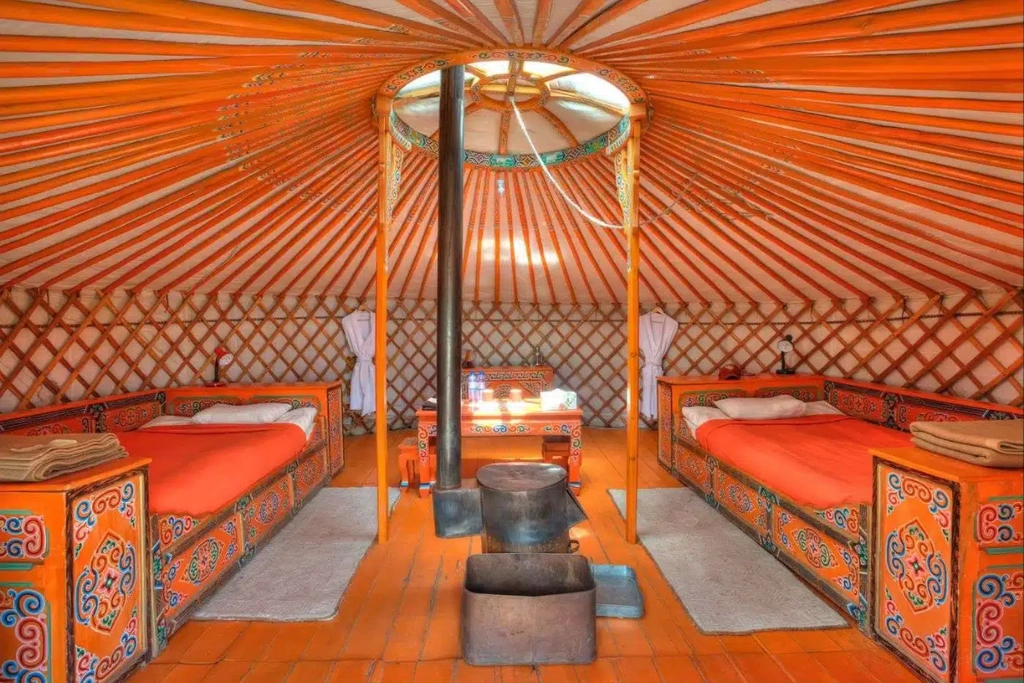
The guest accommodations — known as luxury gers (the circular felt-and-wood dwellings used by nomadic herders for millennia), are heavily customized for the UHNW traveler. While the exterior preserves the low-profile, wind-resistant aerodynamic shape refined over thousands of years, the interiors feature hand-painted wooden lattices, custom-carved king-size beds, and wood-burning stoves tended to discreetly by private lodge staff. Crucially, each luxury ger is equipped with a fully plumbed, en-suite stone bathroom featuring high-pressure hot water — a remarkable structural and engineering feat in an arid, deep-desert basin.
“The triumph of Gobi luxury design is its invisibility. The guest experiences the absolute comfort of an urban five-star suite, yet the structure stands as an eco-certified, low-impact pavilion that can be dismantled without leaving a scar on the desert floor.”
Beyond permanent lodges, the frontier of Gobi luxury lies in ultra-premium mobile glamping outposts. When clients wish to explore the deepest recesses of the Khongoryn Els or the remote canyons of the southern rim, operators deploy advance logistics teams to erect temporary luxury villages. These camps utilize advanced geodesic domes or custom canvas gers featuring modular flooring, private chemical showers, and pop-up culinary field kitchens managed by private chefs flown in from the capital.
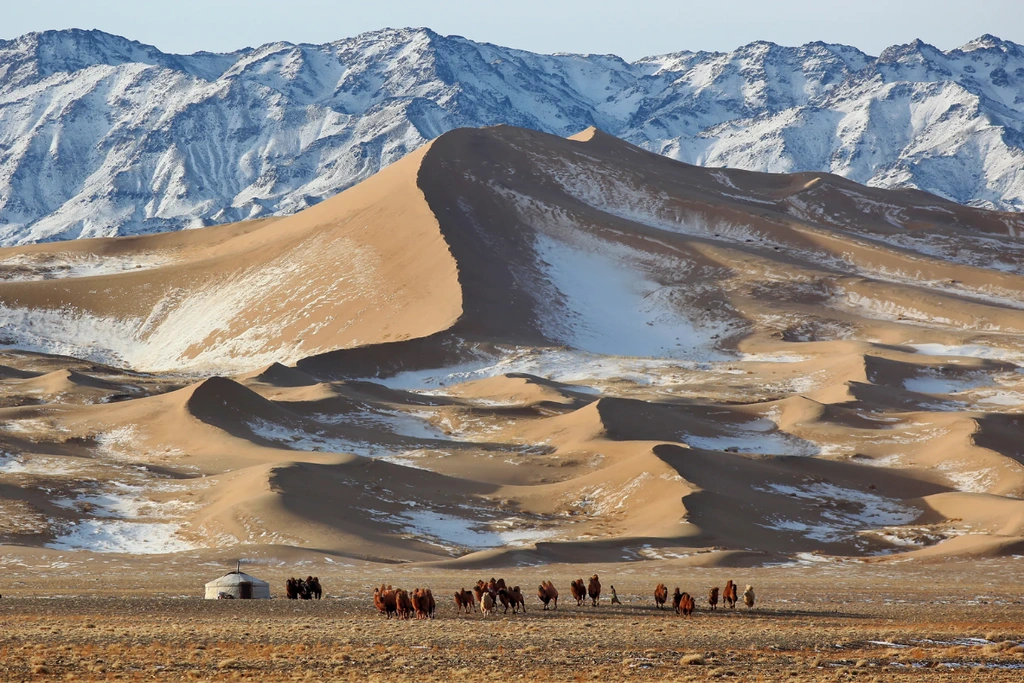
Itineraries in the Gobi are designed to offer unparalleled exclusivity, transforming sight-seeing into active intellectual discovery. The experiences are anchored by three core geographic anomalies, each elevated by private VIP access:
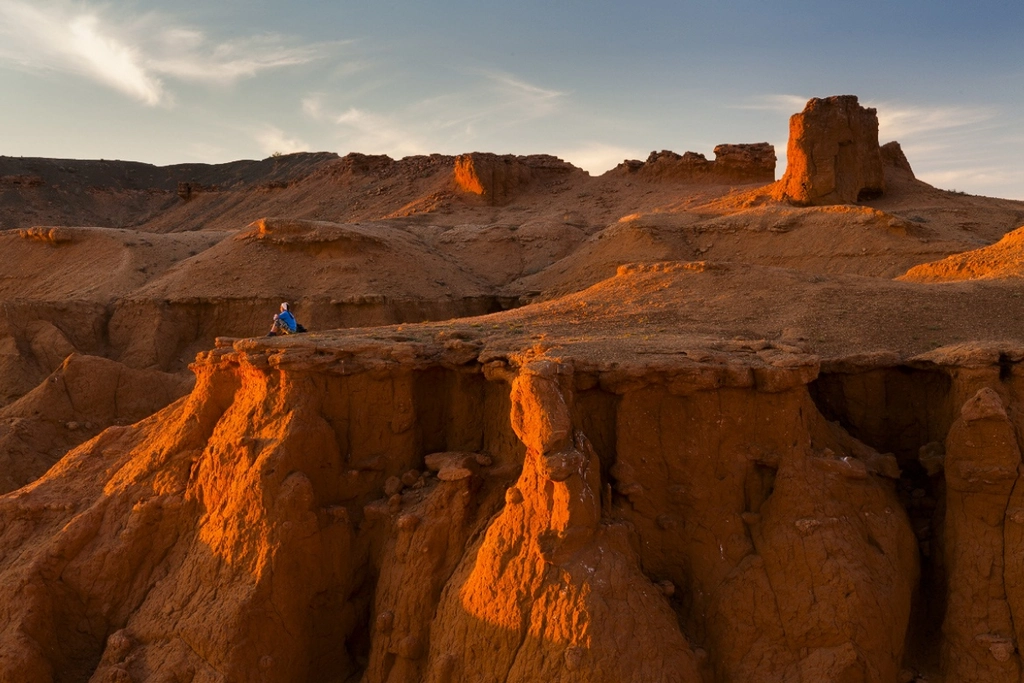
Historically famous as the site where American explorer Roy Chapman Andrews discovered the first recognized fossilized dinosaur eggs in the 1920s, Bayanzag is a dramatic formation of iron-rich red sandstone. While standard tourists visit via public overlooks during peak daylight, luxury travelers are accompanied by senior paleontologists from the Mongolian Academy of Sciences. These experts guide guests through active, off-limits excavation layers. As dusk falls, a private popup champagne lounge is established on an isolated plateau, allowing guests to watch the sandstone cliffs turn into a brilliant, fiery crimson in complete isolation.
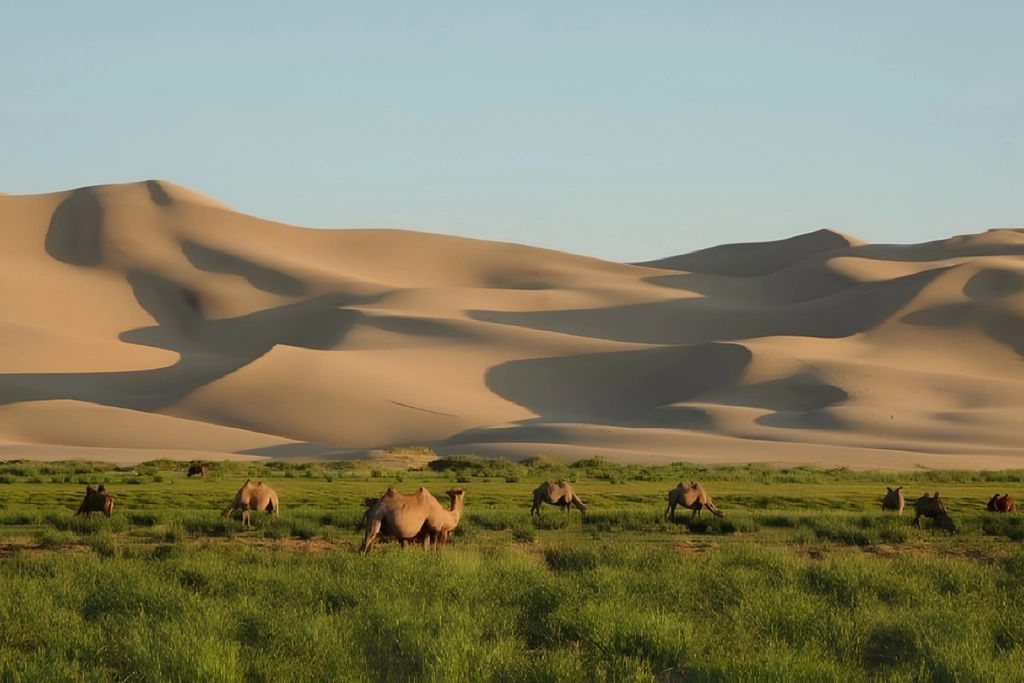
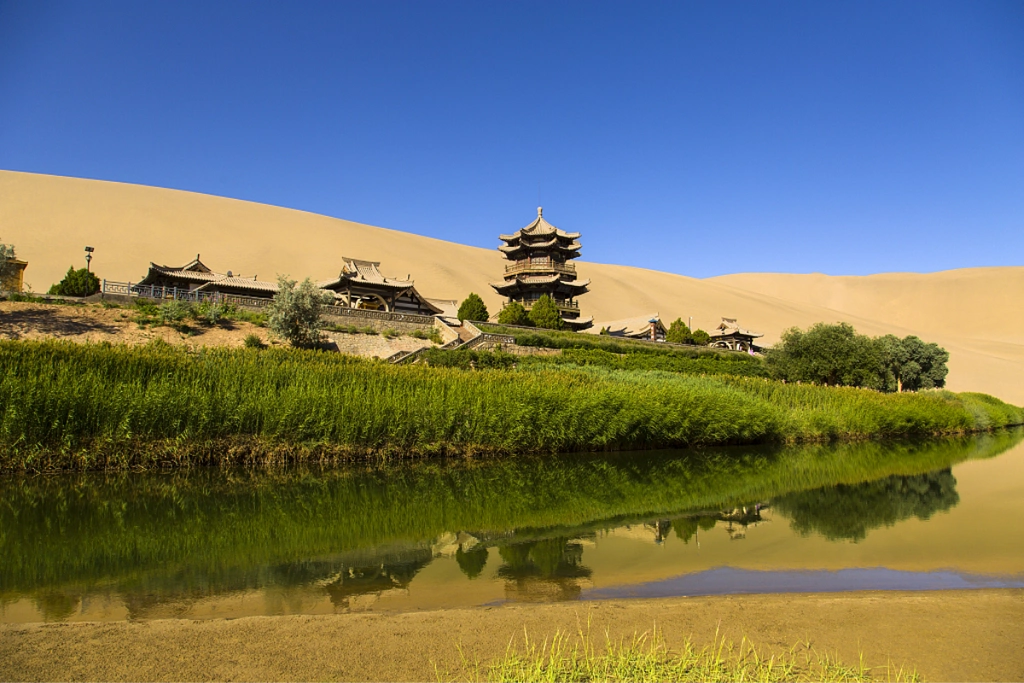
These massive sand dunes stretch for over 100 kilometers, rising up to 300 meters from the desert floor. The luxury experience here bypasses traditional routes, bringing guests via private aircraft to the quietest flanks of the dunes. Guests ascend the ridges via private camel treks on two-humped Bactrian camels, guided by generational nomadic herders. At the crest, the shifting sands produce a distinct, low-frequency acoustic phenomenon—the "singing" of the dunes. The physical dynamic governing this acoustic emission can be expressed by the relation:
where f represents the resonant frequency of the auditory drone, v is the shear velocity of the cascading sand layer, d is the average grain diameter, and θ represents the angle of repose of the slip face. This natural symphony is experienced without the intrusion of external tourist groups.
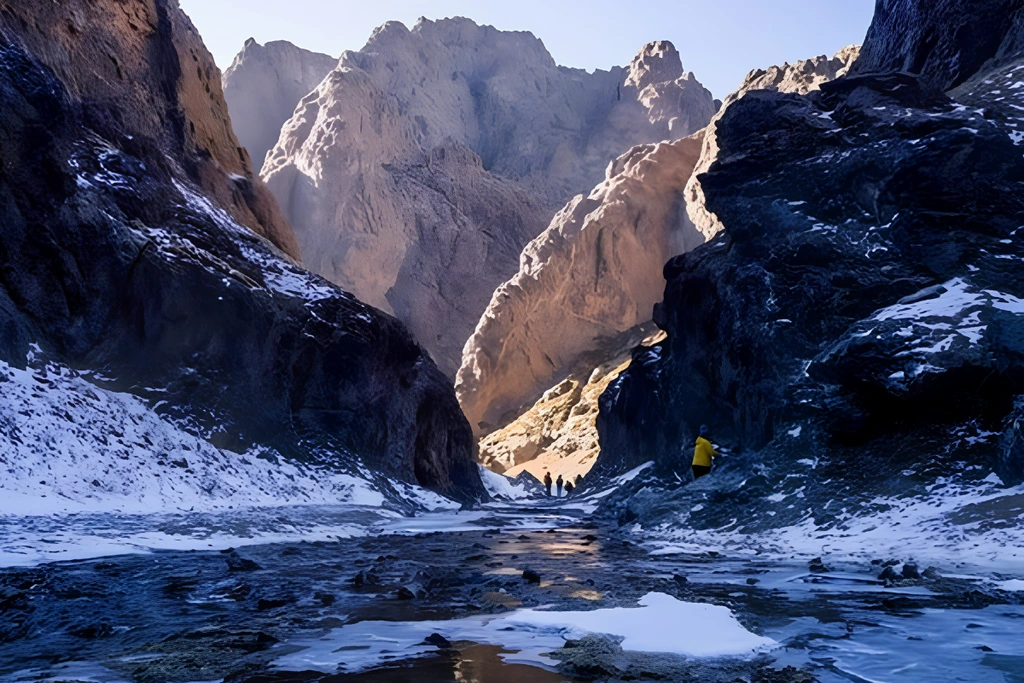
Located within the Gurvan Saikhan Mountains, Yolyn Am is a deep, narrow rock gorge famous for holding a massive field of thick ice throughout the summer months. Luxury travelers enter the canyon at sunrise via private horseback or guided treks, long before public access begins. This timing ensures absolute stillness, providing optimal opportunities to spot rare local wildlife, including Argali mountain sheep, Siberian ibex, and the elusive snow leopard.
The luxury ecosystem of the Gobi Desert cannot survive as an extractive economy. The environment is highly vulnerable to desertification, and water scarcity is a constant operational challenge. Consequently, true high-end travel operators integrate strict conservation and community investment into their business models.
Water stewardship requires advanced gray-water filtration loops. Waste water from luxury showers is treated on-site using organic filtration fields, ensuring that the local water table—the sole life source for native nomadic herders and their livestock—remains unpolluted and stable. Energy grids are heavily reliant on localized solar and wind micro-arrays, eliminating the need for noisy, polluting diesel generators that disturb wildlife and shatter the desert’s famous silence.
Furthermore, high-end tourism acts as a direct economic shield for local communities. Properties like Three Camel Lodge operate with 100% Mongolian staffing, investing significantly in hospitality training, English-language education, and healthcare for staff families.
A key example of this integration is the Mongolian Bankhar Dog Project. Luxury operators fund the breeding and training of the Bankhar, an indigenous flock-protection dog. By providing these traditional guardians to nomadic herders, the project mitigates human-wildlife conflict. The dogs protect livestock from apex predators like wolves and snow leopards without the need for lethal force, directly preserving the Gobi's delicate ecological balance.
The true value of luxury traveling in the Gobi Desert lies in its seamless marriage of opposites. It is a travel experience where rugged, unyielding geography meets refined hospitality, and where ancient nomadic traditions are protected by cutting-edge sustainability practices. By leveraging private aviation to bridge vast distances and offering unmatched access to scientific and cultural authorities, the Gobi transforms isolation into the ultimate luxury asset. For the modern traveler who has seen everything, the endless horizons and profound silence of the Gobi offer something entirely new: an authentic encounter with the untamed world, enjoyed in complete comfort.