The summer fantasy is moving north, where pale evenings linger over lochs, Atlantic wind reaches empty beaches and a waterproof jacket has become more desirable than another week beneath an unforgiving sun. Coolcationing is now the cool vacationing!
The summer fantasy is moving north, where pale evenings linger over lochs, Atlantic wind reaches empty beaches and a waterproof jacket has become more desirable than another week beneath an unforgiving sun. Coolcationing is now the cool vacationing!
July 9, 2026


Discerning travellers seeking refugees from the sun are finding scenery, comfort and shade on the green hills of Scotland. Coolcationing in Scotland in 2026 combines coastal air, mountains, forests, lochs, islands and historic cities within a territory already connected to major international markets. Scotland is being repositioned from an unreliable substitute for southern sunshine into a deliberate summer choice.
The appeal begins with thermal comfort, though “cool” should never be confused with meteorological certainty. Scottish weather can change rapidly, bringing wind, rain and sharp temperature shifts within one day. Coolcationing requires waterproof layers and realistic expectations. Its luxury comes from physical freedom, not guaranteed sunshine.
Northern Scotland’s average maximum temperature during summer 2025 was 17.28°C, with a seasonal mean of 13.56°C. Even during the warmer summer of 2026, Scotland remained closer to its seasonal norm than England and Wales, running approximately 0.9°C above average through mid-July. These figures offer a dramatically different proposition from southern regions repeatedly experiencing severe heat stress.
Cool air changes the structure of a holiday. A long walk can continue beyond noon. A castle visit does not need to be scheduled around dangerous afternoon temperatures. Kayaking, cycling and hiking become central activities instead of brief excursions fitted around the swimming pool. Sleeping with an open window becomes possible again.
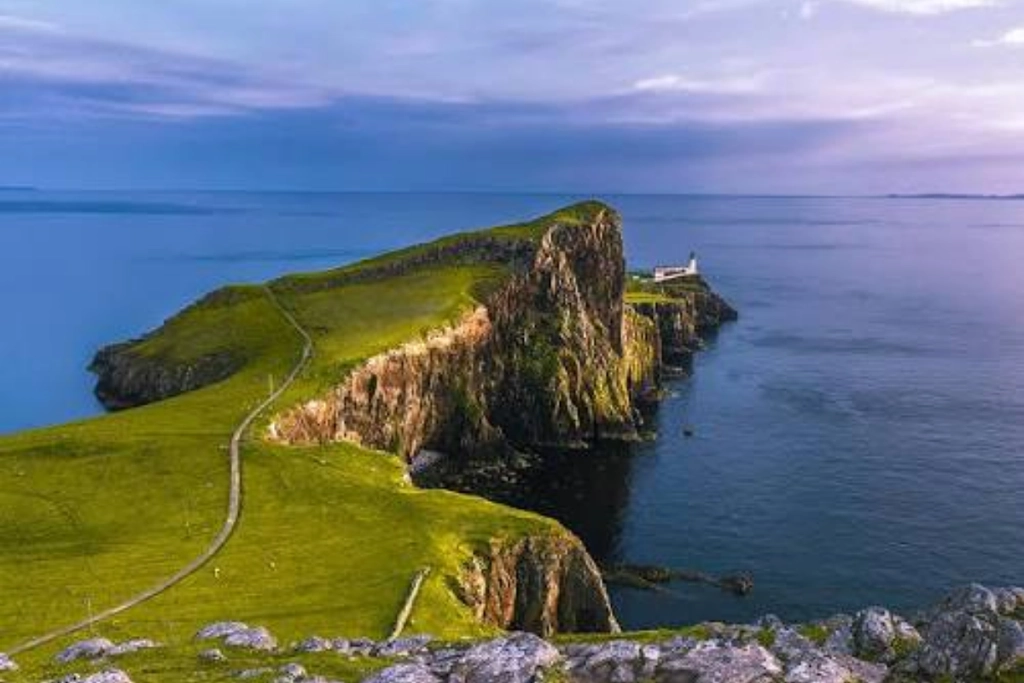
This transition also alters the visual codes of aspirational travel. Linen beside a Mediterranean pool once represented effortless summer privilege. The new image contains technical outerwear, mist, cold-water swimming, private cabins and breakfast after an early coastal walk. Comfort is measured through access to nature and the ability to remain active.
Scotland’s high latitude strengthens the proposition. Summer can deliver up to 18 hours of daylight, extending the practical travelling day without extending exposure to oppressive midday heat. The evening becomes usable territory: golf can continue late, ferries cross water beneath a pale sky, and dinner may begin while the landscape still appears fully illuminated.
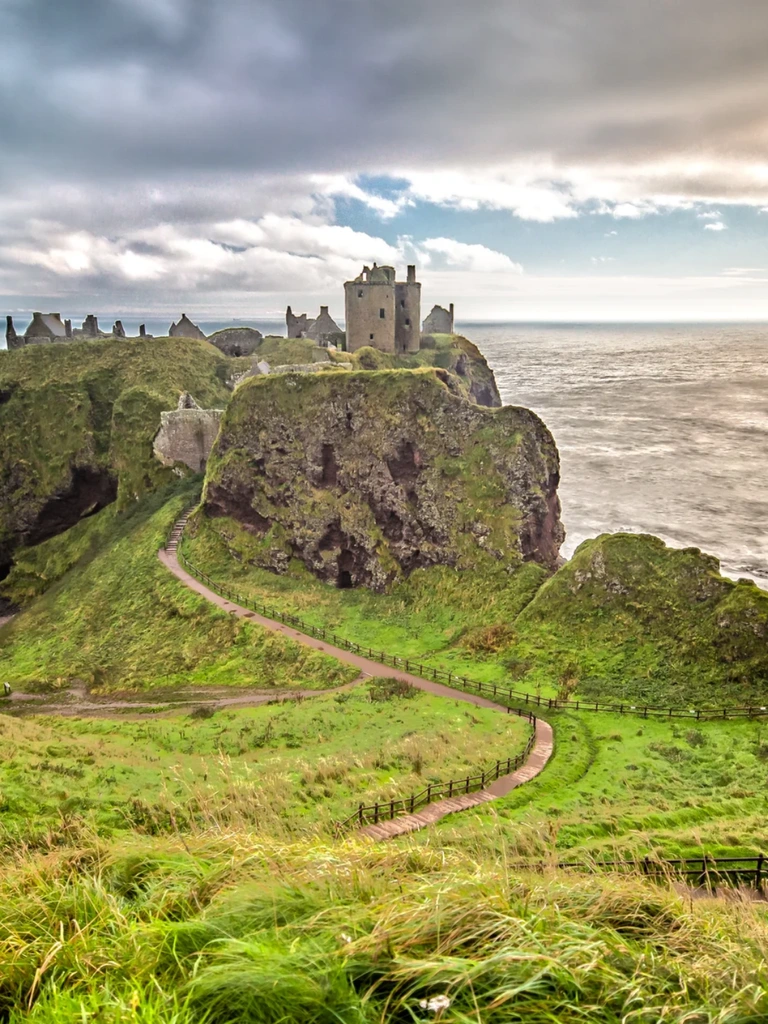
Aberdeenshire presents the most convincing alternative to the conventional European coastal drive. Maritime air reaches a coastline of fishing towns, cliffs and beaches, while the interior contains estates, woodland and one of Scotland’s richest concentrations of castles. Dunnottar rises from a rock above the North Sea, giving the region a form of drama produced through exposure and weather instead of heat.
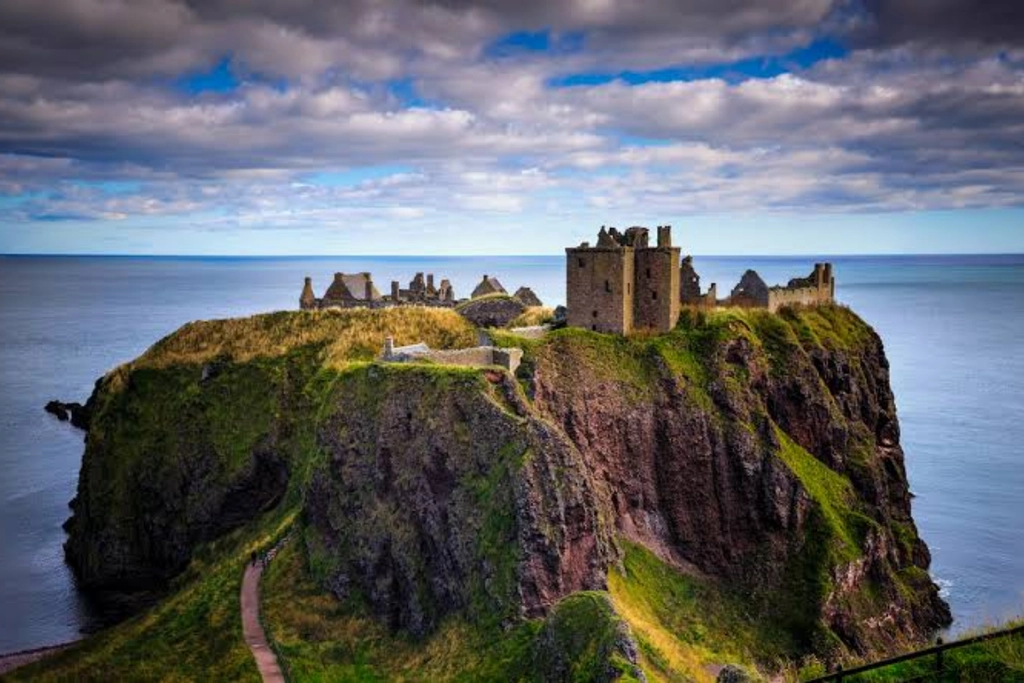
Its relative distance from the busiest Highland circuit also creates room for a slower itinerary. The traveller can move between Stonehaven, castle gardens, whisky country and coastal paths without turning the entire trip into a race between social-media landmarks. Aberdeenshire sells space, history and sea air, three assets becoming more precious as southern resorts grow hotter and northern honeypots grow busier.


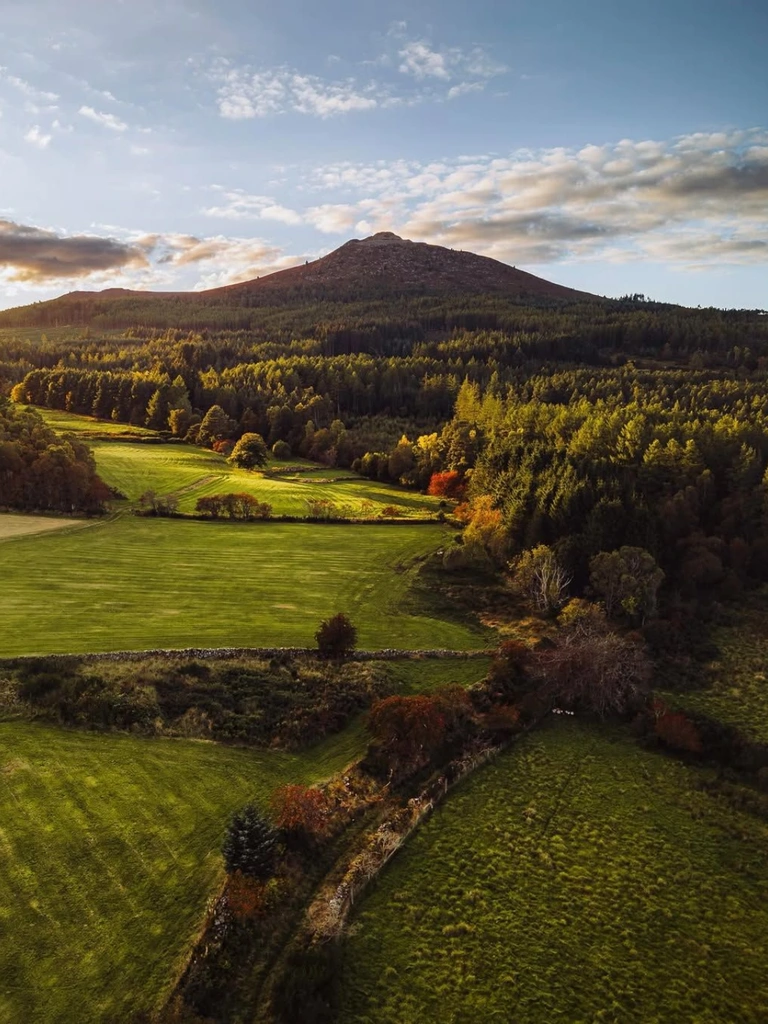
The Cairngorms offer a more active interpretation of coolcationing in Scotland. The national park combines mountains, forests, rivers, lochs, wildlife areas and villages across an expansive inland landscape. Visitors can hike, cycle, paddle on Loch Morlich or move through woodland without the severe thermal pressure associated with summer activity farther south.
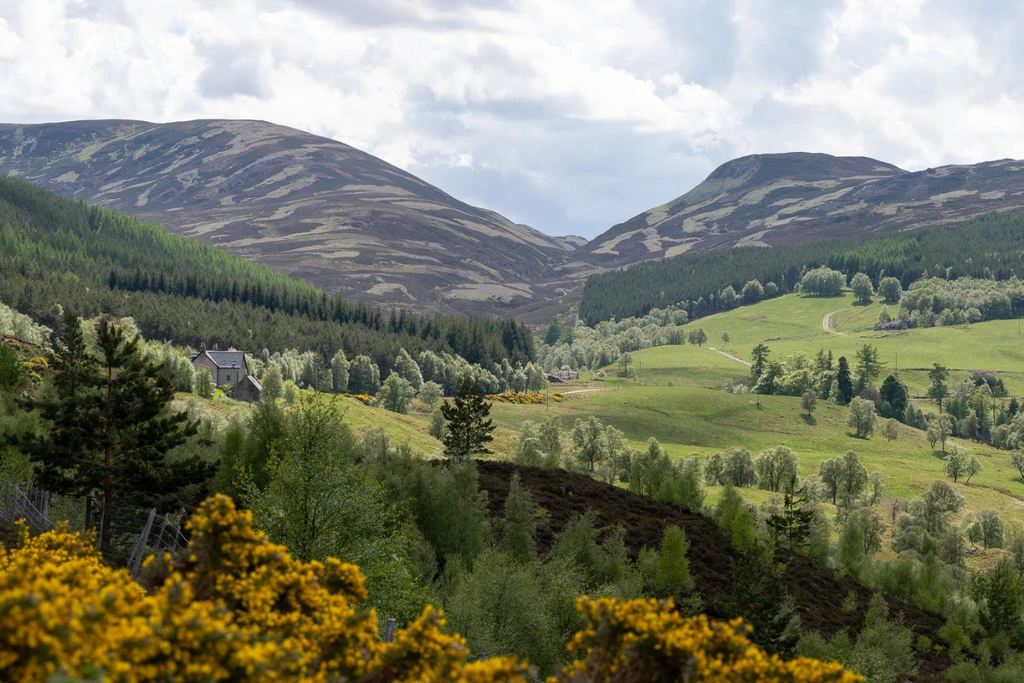
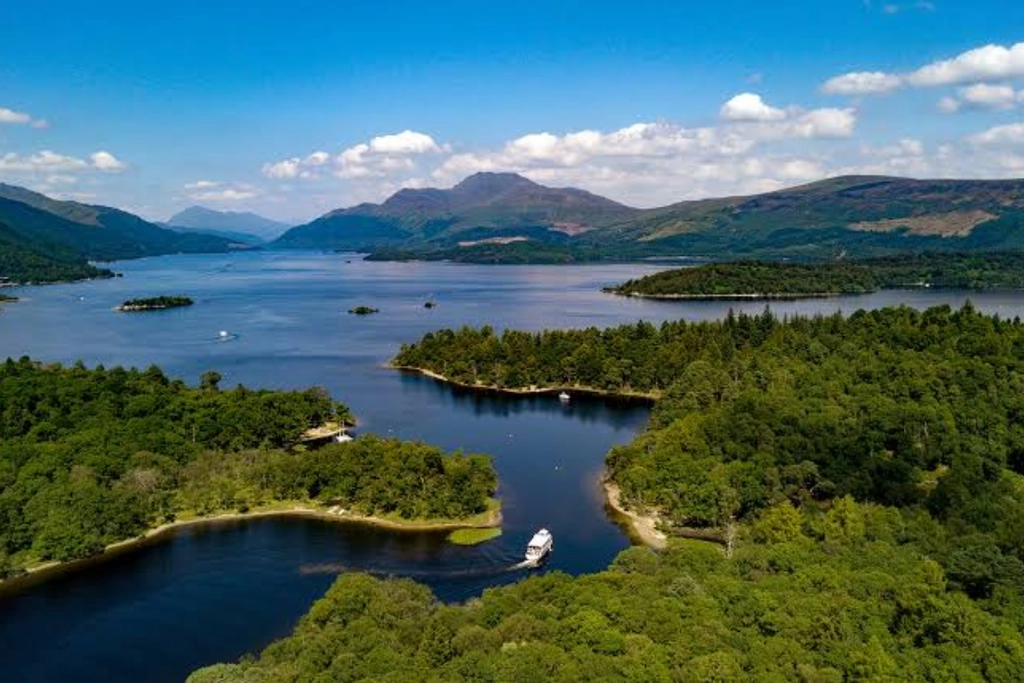
Loch Lomond and the Trossachs provide the easiest introduction. Regular rail connections from Glasgow place lochside paths, forests and hill walks within reach of an urban stay. The region can therefore serve travellers who desire nature without committing to remote roads, ferry timetables or a fully rural itinerary.
The Outer Hebrides offer the trend’s most visually disruptive image. White sand and turquoise water reproduce the colour palette of a tropical holiday, while Atlantic wind, cool air and rapidly changing skies reject its climate. These islands add wildlife, archaeology and a living Gaelic culture, protecting them from being reduced to “the Maldives of the north,” a comparison that sells their beaches while flattening their identity.
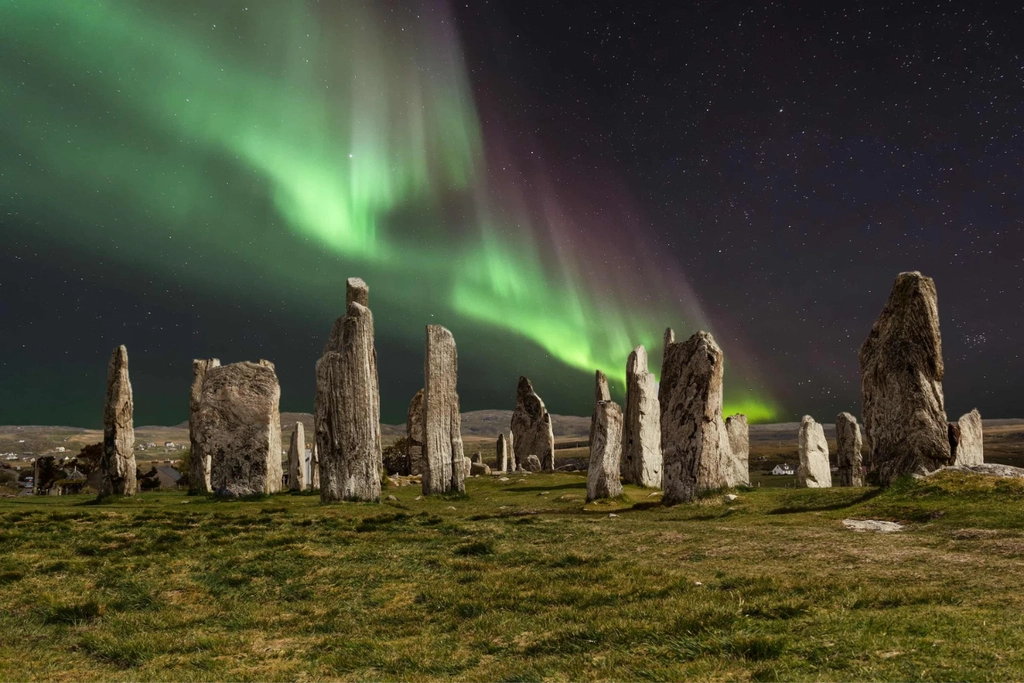
Scotland turns the coolcation into a form of slow luxury, where mist, sea air and long northern evenings become part of the experience.
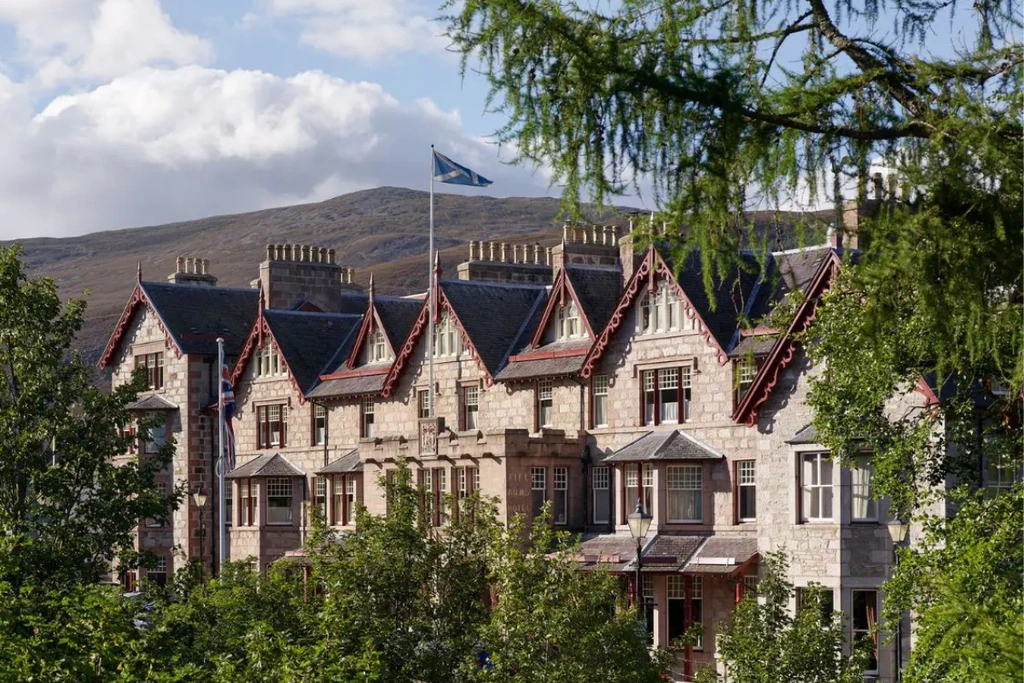
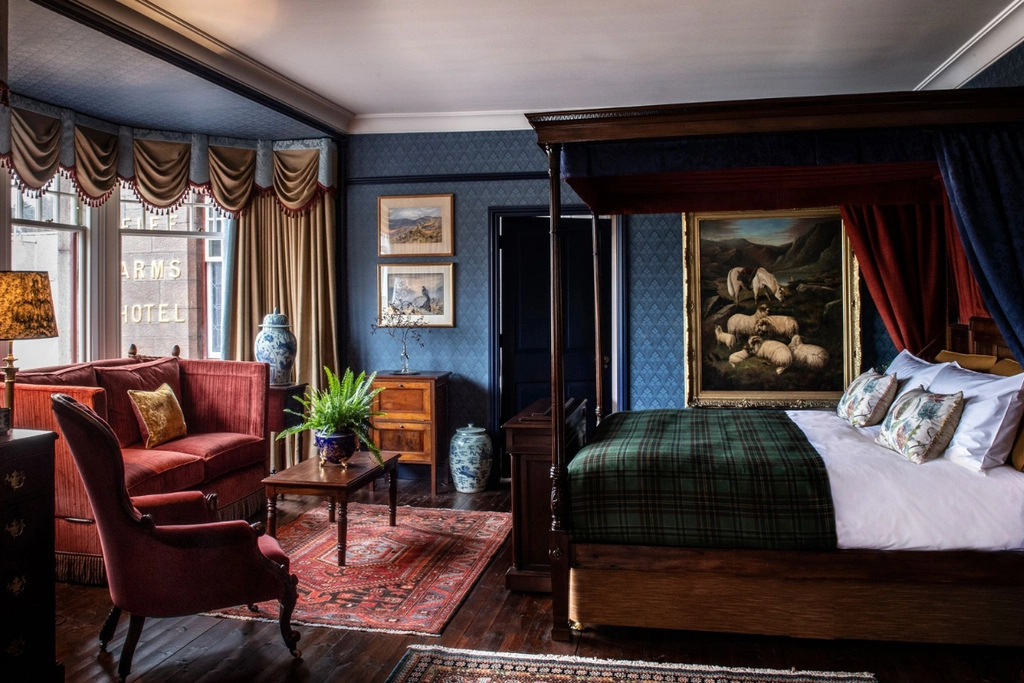
In Braemar, The Fife Arms offers an art-filled retreat surrounded by the Cairngorms, pairing mountain walks with richly layered interiors and fireside comfort.
Farther west, The Torridon is ideal for travellers drawn to lochs, remote roads and outdoor adventure, while still expecting refined dining and polished service.
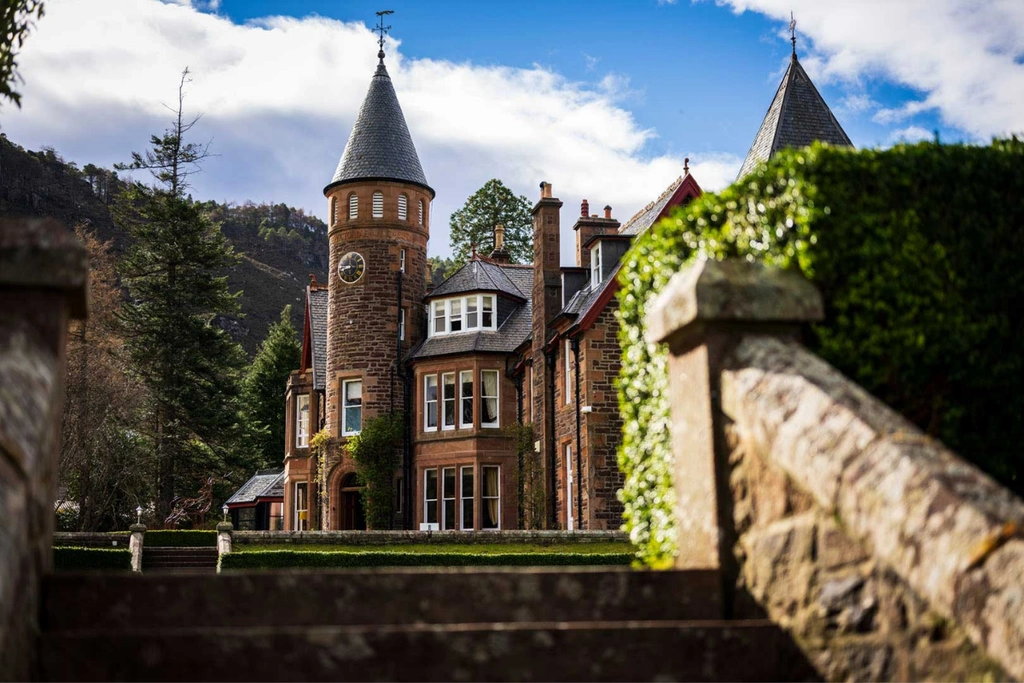
On the Ayrshire coast, Glenapp Castle provides a gentler escape, combining sea views, woodland walks and elegant country-house interiors.
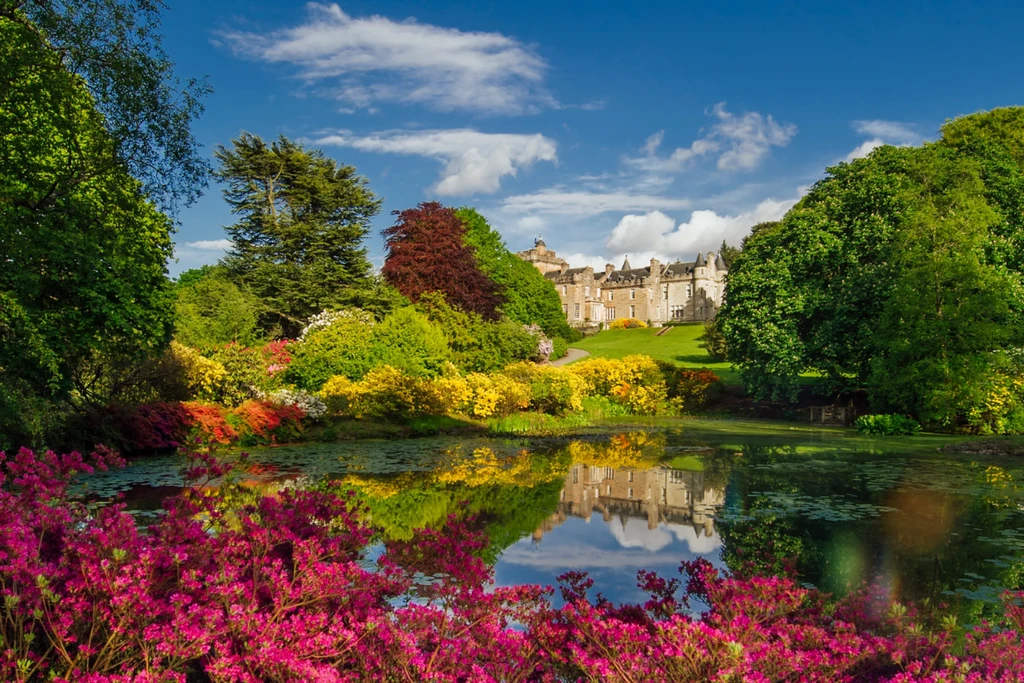
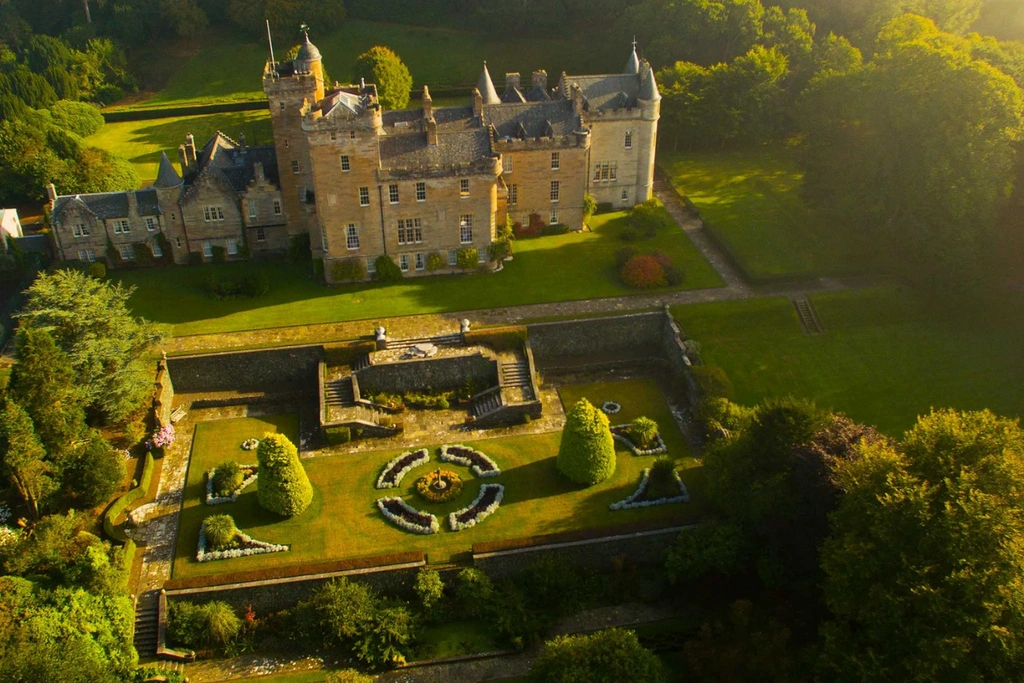
Together, these hotels show how Scotland’s cooler climate can become a luxury in itself. Cloud gives the landscape drama, rain encourages slower afternoons, and fresh air makes hiking, kayaking and coastal drives far more comfortable than in southern Europe’s summer heat. A well-planned Scottish coolcation should leave space for late breakfasts, breezy walks, long dinners and quiet evenings beside the fire.
Coolcationing in Scotland offers a landscape that remains active after the photograph has been taken. The wind is part of the experience. Rain changes the colour of stone, clouds lower itself across a mountain, and late daylight encourages one more walk before dinner. The destination asks the traveller to participate instead of merely reclining beneath predictable weather.
The trend will test Scotland’s infrastructure, housing, transport and environmental management. It will also expose the difference between valuable tourism and simple volume. A successful coolcation economy must protect the quality that made the country desirable: space, local life, ecological depth and the possibility of encountering a landscape without consuming it.