MENU
Close





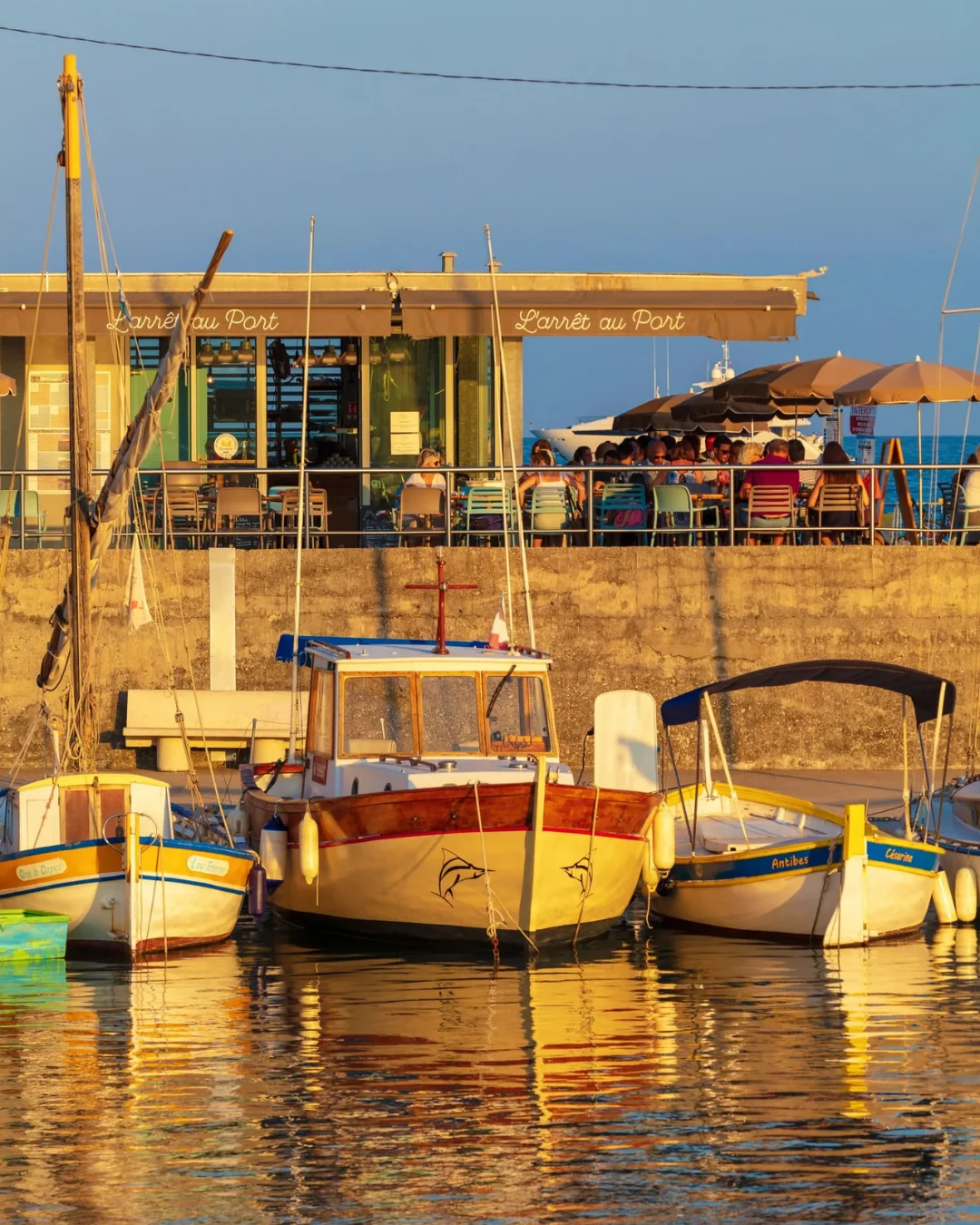
Discover the Côte d’Azur in its quieter season, from Nice and Cannes to Saint-Tropez, Hôtel Byblos, Pampelonne Beach and the slow luxury of Riviera light.
Discover the Côte d’Azur in its quieter season, from Nice and Cannes to Saint-Tropez, Hôtel Byblos, Pampelonne Beach and the slow luxury of Riviera light.
July 3, 2026


Some coastlines are not simply seen; they are felt on the skin. The Côte d’Azur is one of them: a shimmering blue ribbon between the olive-strewn hills of Provence, the porcelain-clear waters of the Mediterranean and a sky so high and blue it seems to dissolve every lingering thought. Beauty here does not shout. It rests in the powder-pink façades of Menton, in the baroque curves of Nice, in the flash of sunlight along the hull of a yacht in Cannes, and in a Saint-Tropez afternoon, when the sea breeze slips over terracotta rooftops like an old whispered secret.
Côte d’Azur France frames the region through a roll call of names that have long since become legend — Nice, Cannes, Antibes, Grasse, Saint-Tropez, Monaco, Menton — together forming a symphony of culture, art, festivals and Mediterranean nature.
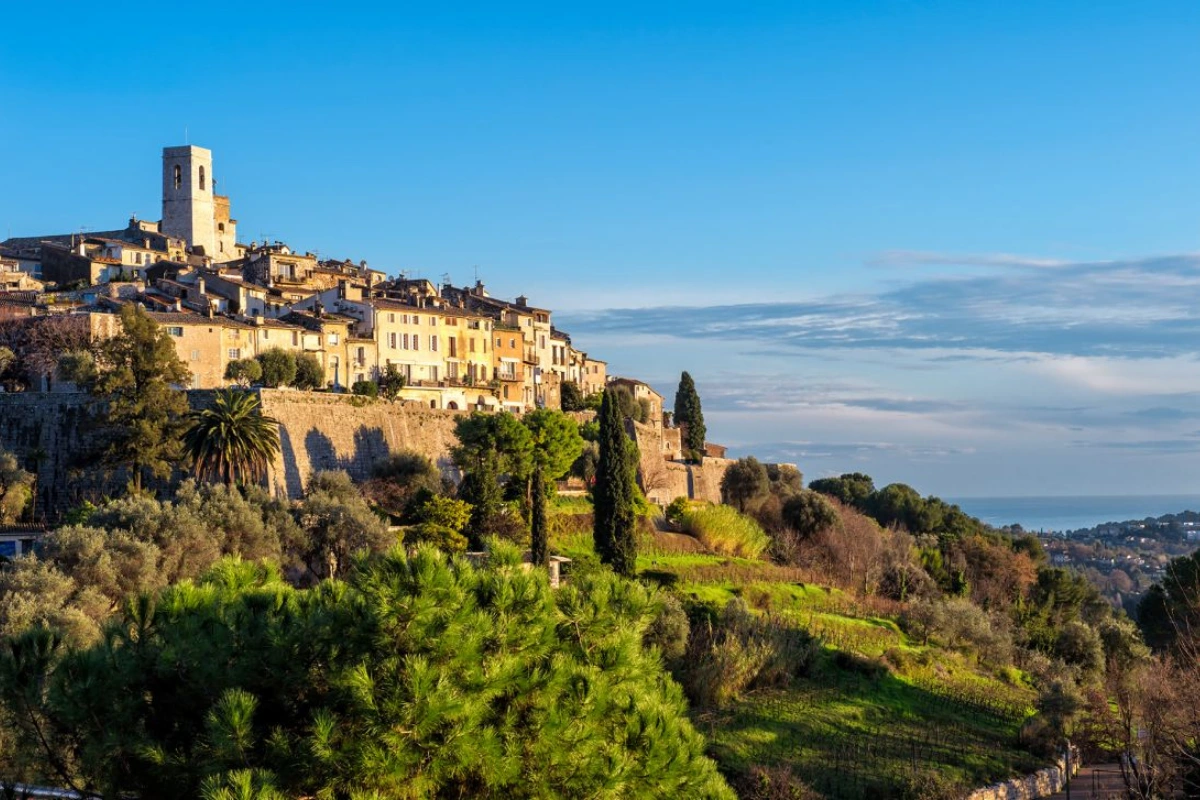
And yet the Riviera is not necessarily at its most beautiful when it is at its busiest. Summer brings the theatre of oversized sunglasses, convertible cars, long lunches by the sea and champagne corks released into the heat. But summer also narrows the roads, fills the beaches and turns every desirable table into a reservation made months in advance.
So the secret to experiencing the Côte d’Azur like an insider is not to chase the high season, but to arrive just off beat: in April, May, September or October. The sun is still soft, the sea still blue, the grand hotels still open with their practiced grace — but the Riviera no longer feels the need to perform. It returns to the version people loved before it became an icon: quieter, deeper, and sometimes complete with nothing more than a chilled glass of white wine at a terrace table.
A journey along the Riviera should begin in Nice, not merely as a gateway but as the beating heart of the Côte d’Azur. Arriving from a grey, cold London, one understands almost immediately why Nice has always felt like the recovery of a lost summer. The light here is distinct: not harsh, but translucent, falling over the sea, the palms, the blue chairs of the Promenade des Anglais and the narrow lanes of Vieux Nice, where every ochre wall and green shutter seems to hold a trace of Italy.
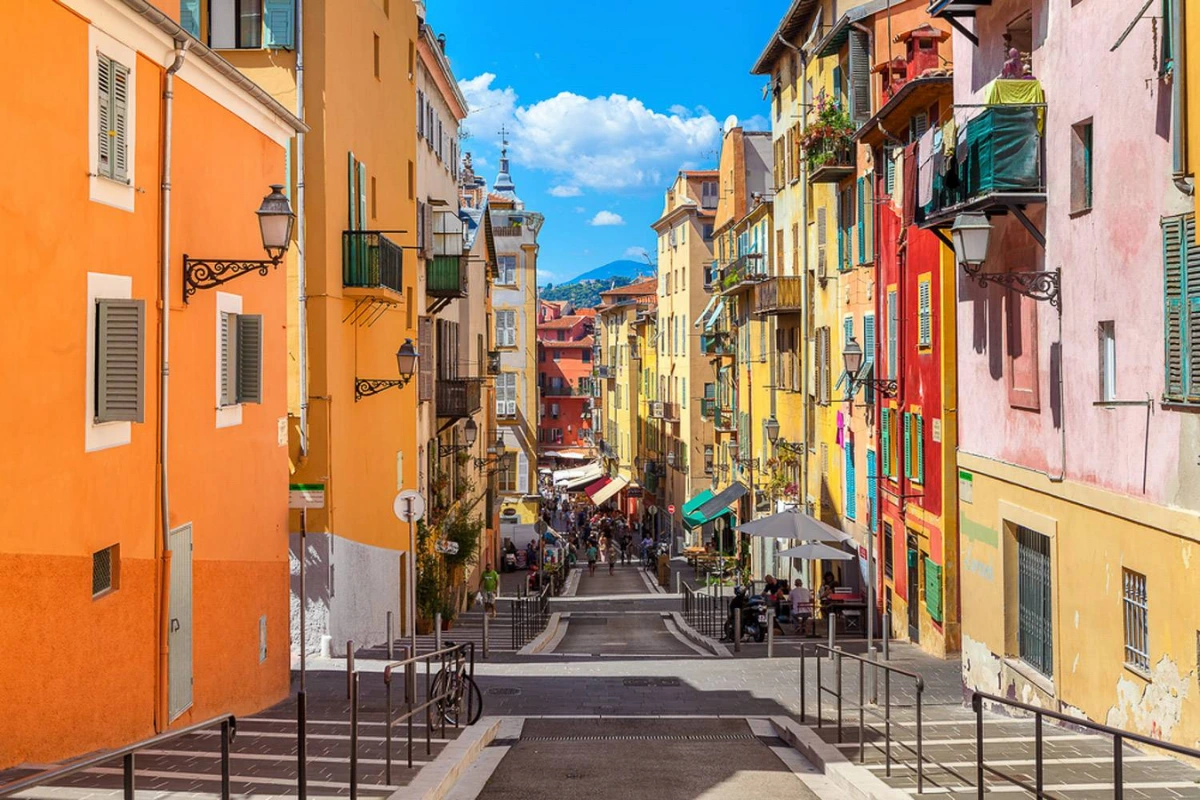
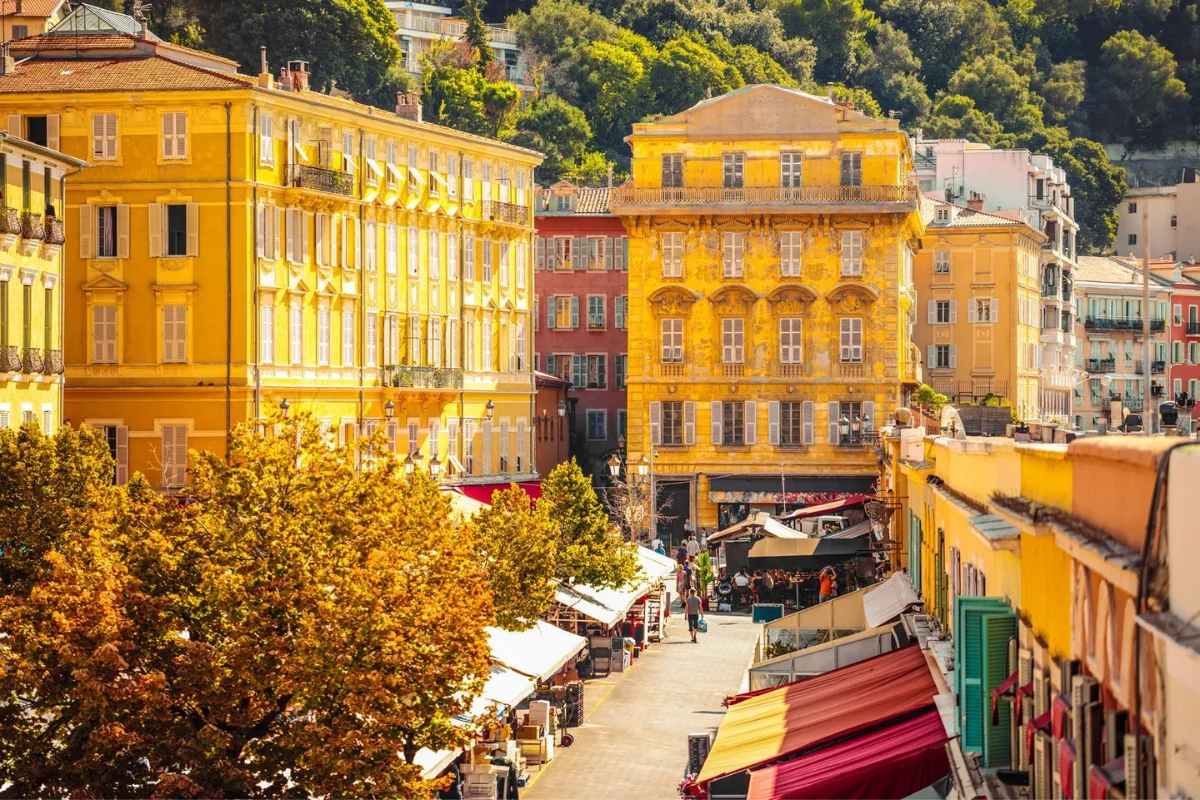
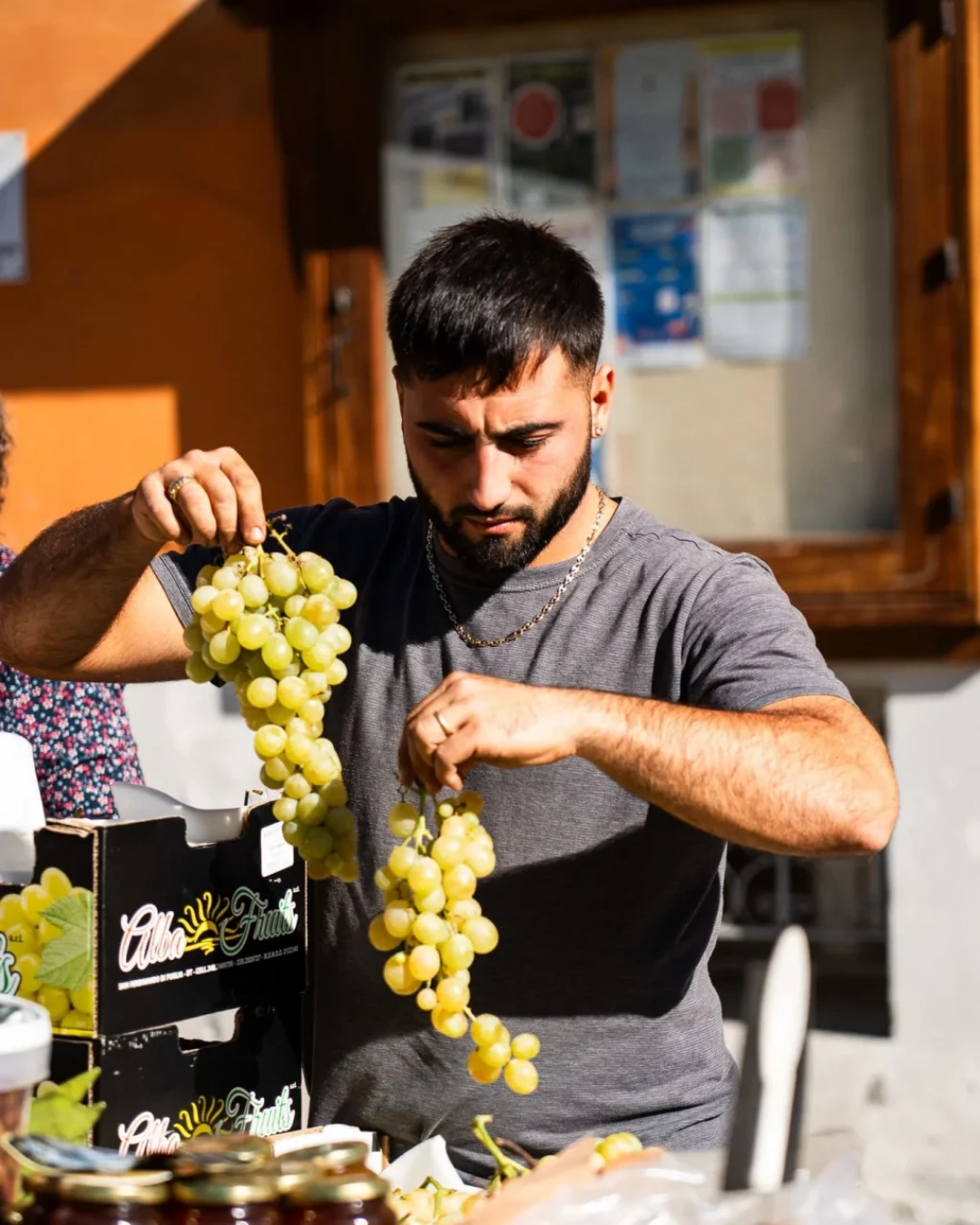
Nice does not need to be demonstrative to seduce. It has the confidence of a city that knows exactly what it is: elegant in the French manner, relaxed in the Italian one, urban enough to feel alive yet close enough to the water that every morning begins with the sound of waves. You pass small bakeries, market stalls piled with tomatoes, olives, basil and flowers, then look up at a mint-green window frame and suddenly see the entire Riviera contained within it — sun, salt and old architecture in perfect balance.
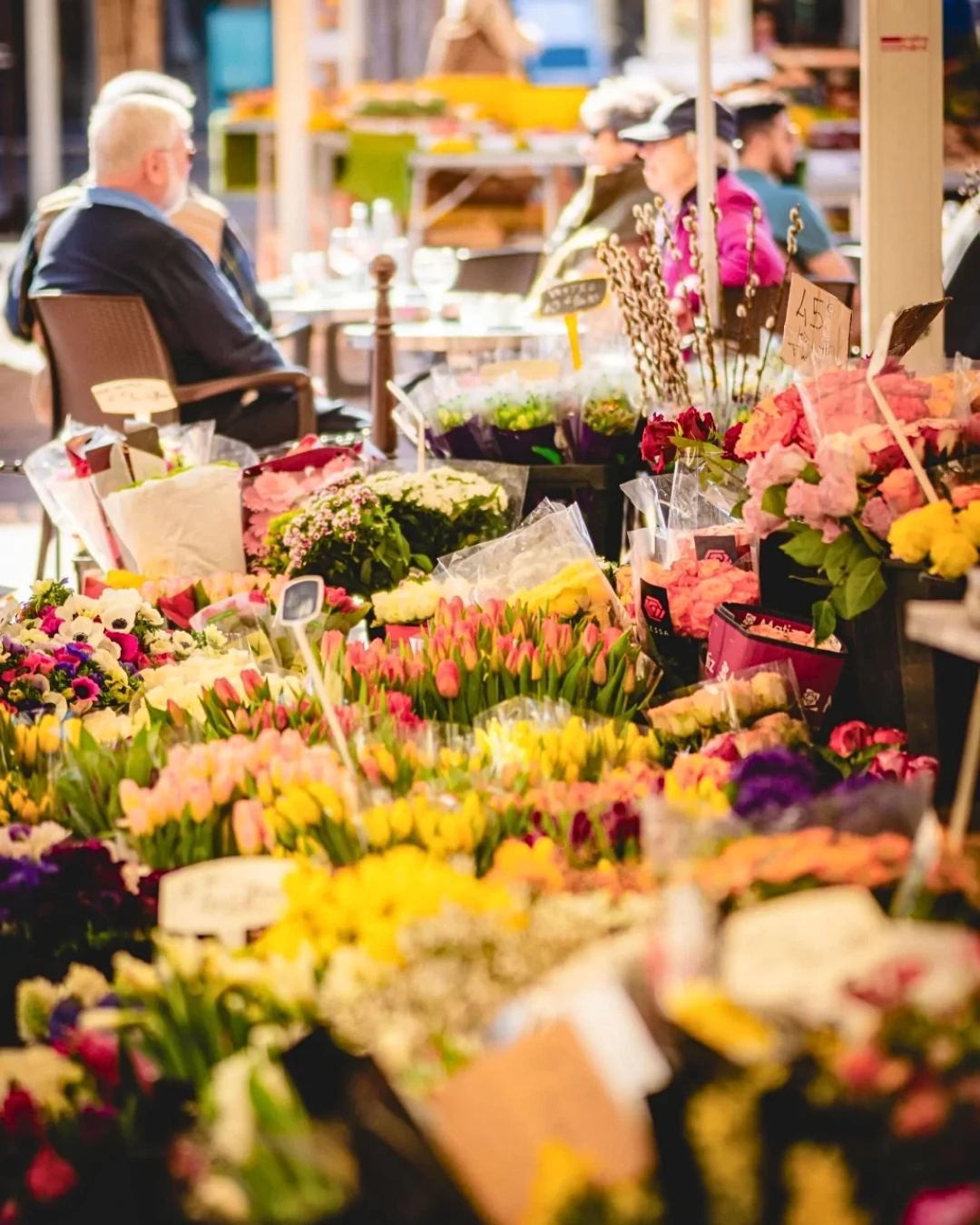
It is also the ideal base from which to plan a journey across the coast. Here, you can browse luxury boutiques, admire the Belle Époque and baroque architecture that lines the historic heart of the city, and taste the first hints of Italian influence in the region’s cuisine and way of life.
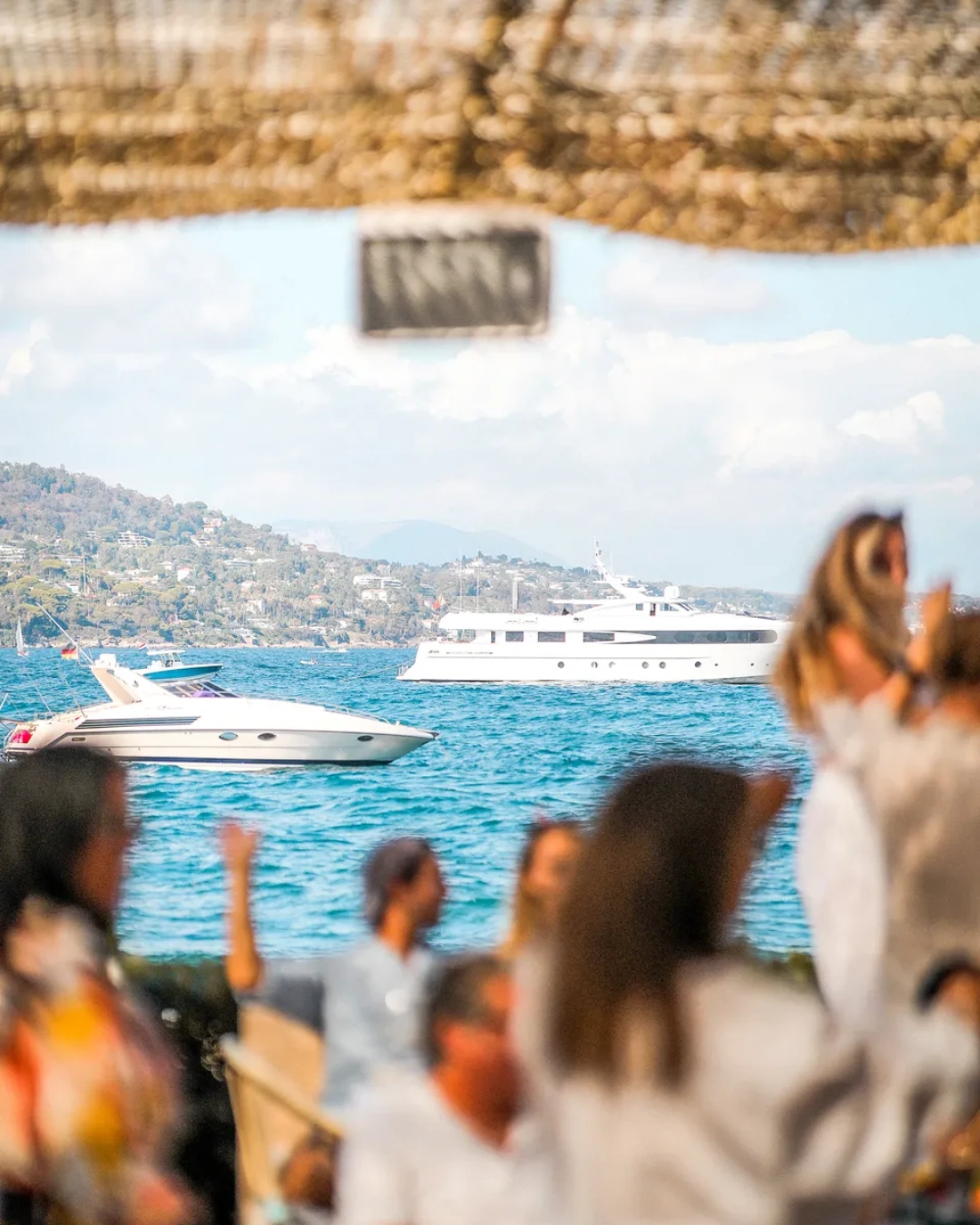
If Nice is morning, Cannes is noon — glossier, more polished, but still languid in that unmistakably Mediterranean way. La Croisette stretches along the seafront like a runway that needs no stage. Grand hotels face the water. Yachts rest in the harbour yet somehow seem in motion, as though they have paused only briefly between parties.
Cannes is, of course, inseparable from cinema, red carpets and camera flashes, but its most seductive luxury often lies away from the photographed moment. It can be found in a lunch taken slowly: a plate of mussels just briny enough, crisp bread, a glass of champagne so cold the flute clouds with condensation. Beyond it, the Bay of Cannes opens like a sheet of blue silk, drawing the eye westward towards small villages, harbours and the winding coastal road to Saint-Tropez.
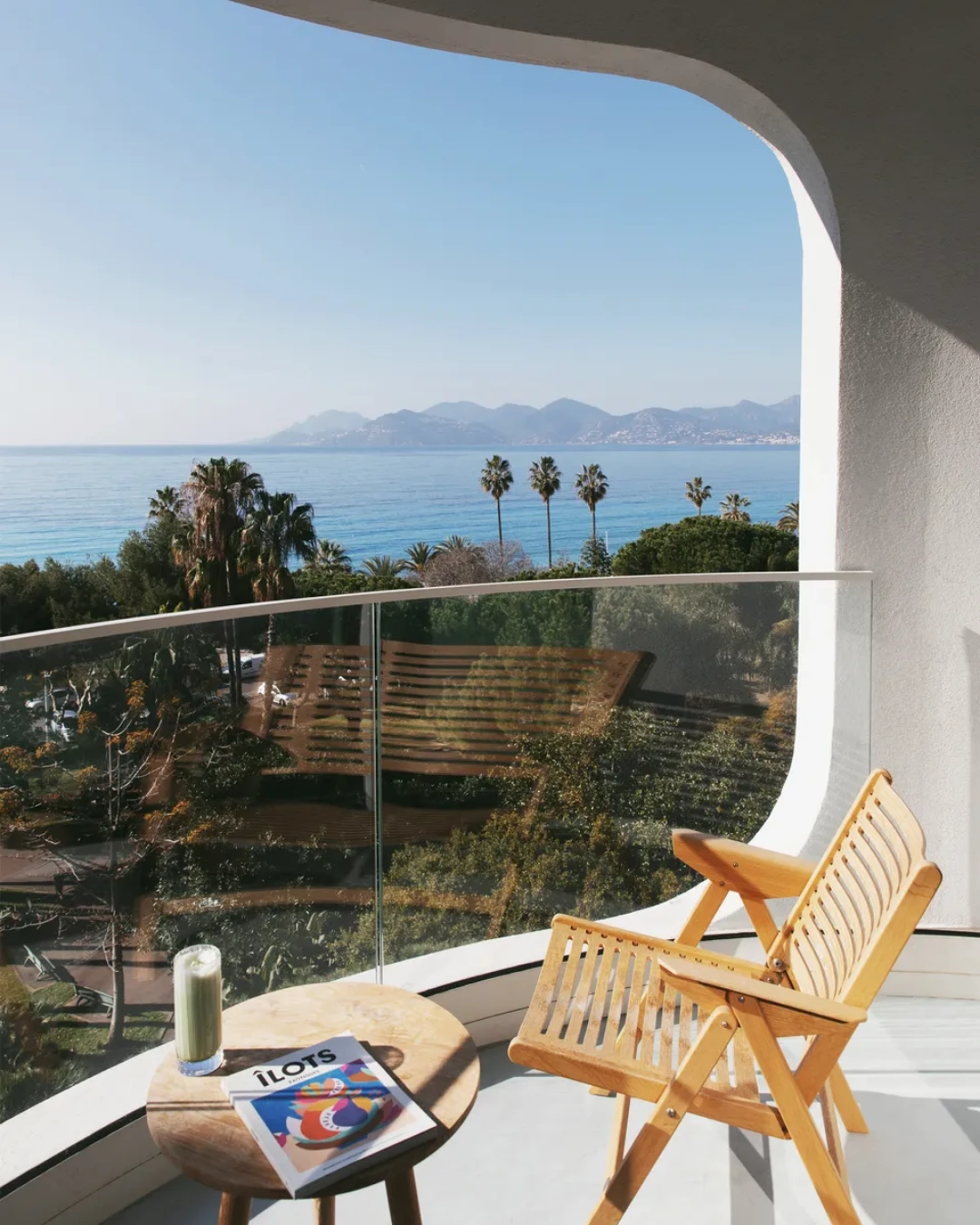
The region’s event calendar — from the Cannes Film Festival to the Monaco Grand Prix and the Cannes Yachting Festival — is central to the Riviera’s enduring allure. But between those high-gloss occasions, Cannes reveals something softer: the pleasure of a long table, a bright sea and an afternoon with nowhere urgent to be.
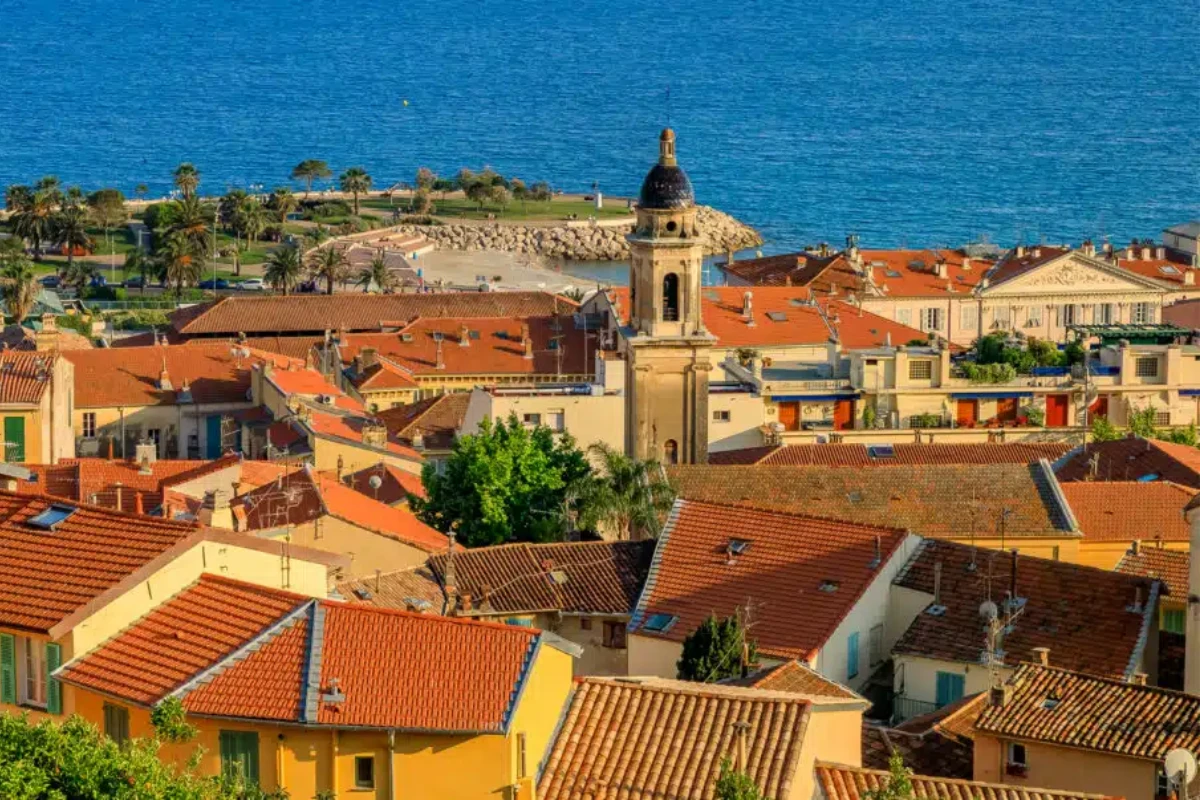
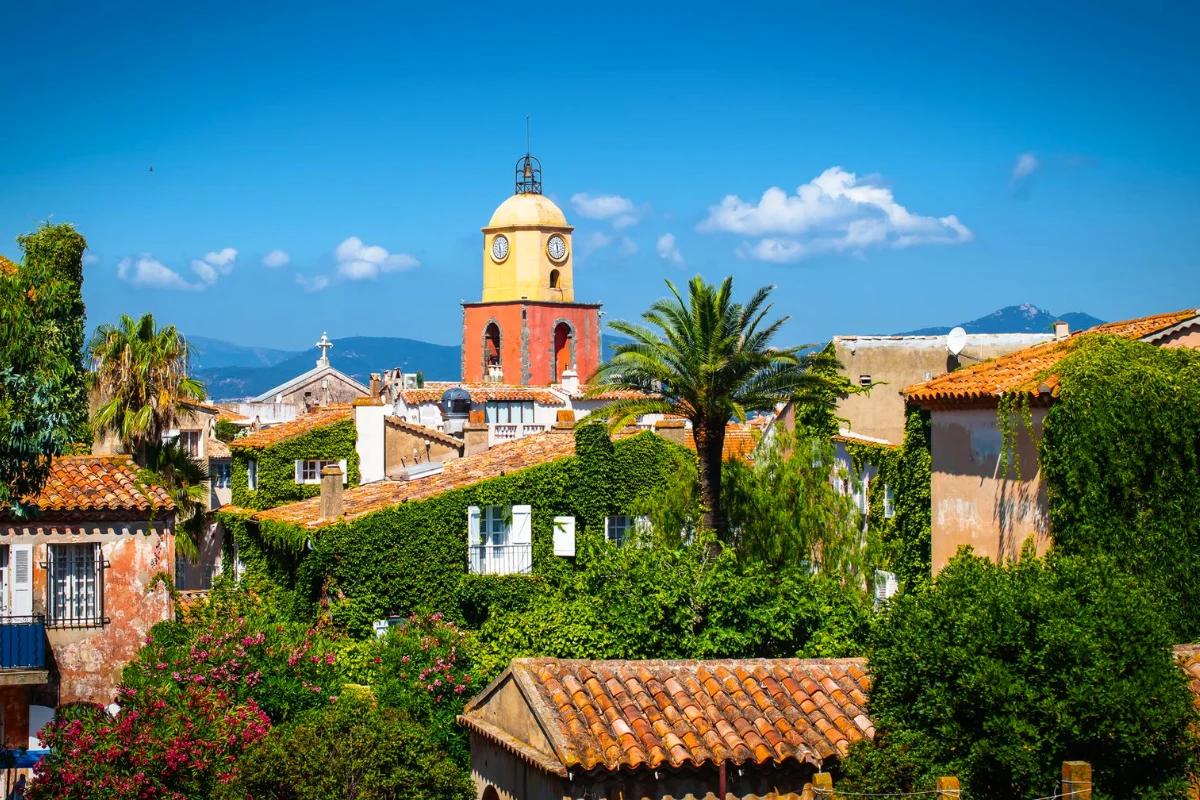
Saint-Tropez was once a fishing village. Today, that sentence can feel almost unbelievable, especially when one looks at the yachts moored along the old port, the softly lit boutiques and the dinner tables discreetly held for guests who need no introduction. Yet beneath the glamour, Saint-Tropez still keeps something elemental: terracotta rooftops, the old bell tower, narrow lanes and a light so cinematic that even shadows seem to have been composed.
Cinema, more precisely, is part of the Saint-Tropez myth. In 1956, Roger Vadim’s And God Created Woman turned Brigitte Bardot into an international star; scenes from the film were shot around La Ponche and Pampelonne. From then on, Saint-Tropez was no longer just a place on the map. It became a state of mind: free, sun-browned, faintly rebellious, and forever shaped by the feeling of a summer that refuses to end.
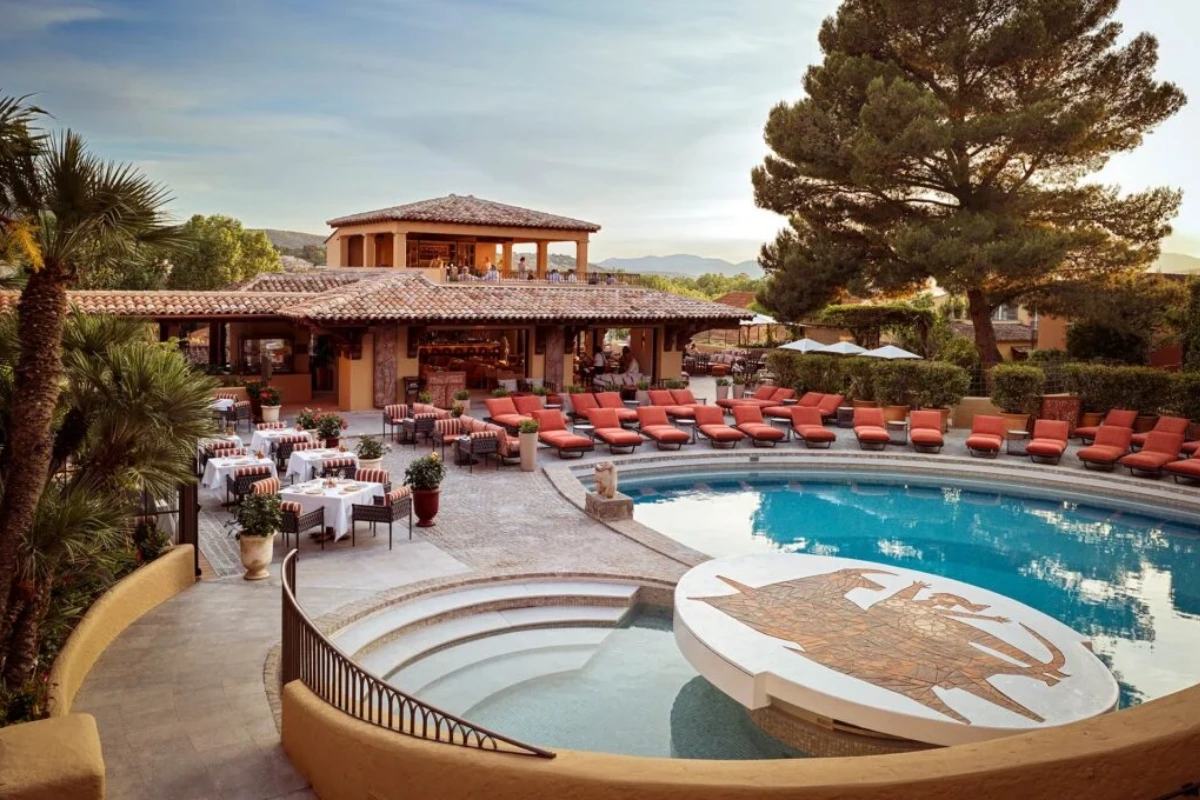
In the heart of Saint-Tropez, Hôtel Byblos feels less like a single hotel than a private village. Buildings in shades of terracotta, butter yellow and soft rose gather around the pool; stone pathways open onto courtyards, greenery, mosaics and pockets of shade. Byblos does not possess the cool detachment of some luxury hotels. It is warm, theatrical, faintly Eastern, unmistakably Riviera — and saturated with legend.
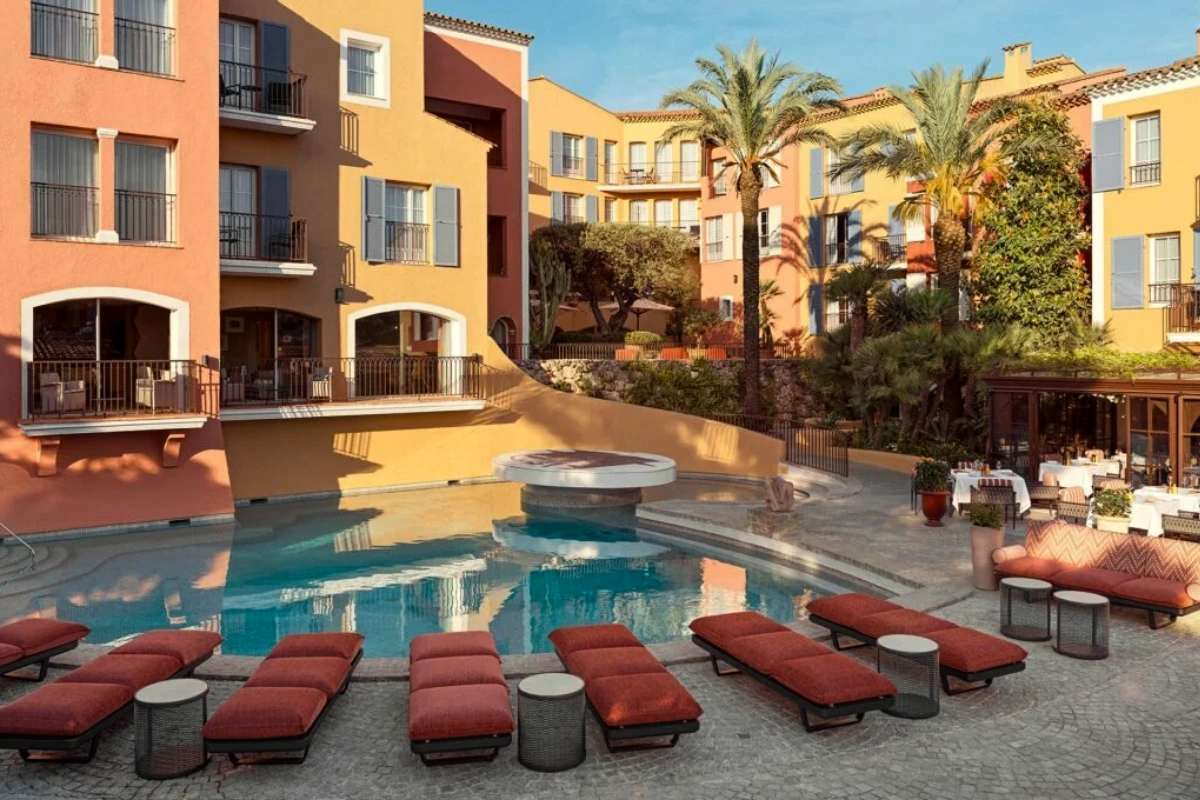
According to the hotel’s official history, in 1960 the Lebanese businessman Jean-Prosper Gay-Para dreamed of creating “a palace worthy of the Thousand and One Nights” for Brigitte Bardot. Construction began in May 1965, and Byblos opened on 27 May 1967 with three days of festivities attended by more than 700 guests. Mireille Darc and Brigitte Bardot are remembered as two special godmothers of the opening.
The love story may not have unfolded exactly as Gay-Para imagined, but the hotel found its destiny. Just a few months after the opening, Les Caves du Roy was born in July 1967. In September of that same year, Byblos was sold to entrepreneur Sylvain Floirat, beginning the next chapter of the Floirat family’s story in Saint-Tropez. In 2001, Antoine Chevanne, great-grandson of Sylvain Floirat, took over Byblos and Groupe Floirat, continuing a family narrative still told through service, design and memory.
Today, Byblos remains one of the French Riviera’s most iconic addresses. The hotel currently presents itself with 86 rooms and suites, alongside experiences including the Sisley spa, swimming pool, rooftop views over the Bay of Saint-Tropez, Il Giardino, B. Lounge, Skybar and Byblos Beach Ramatuelle.
What makes Byblos compelling is that no space seems designed to feel like a standard hotel room. Colour here has its own personality: deep sea blue, honey yellow, brick red, coral pink — shades that evoke silk scarves, handmade ceramics, Provençal rooftops and a spritz at sunset.
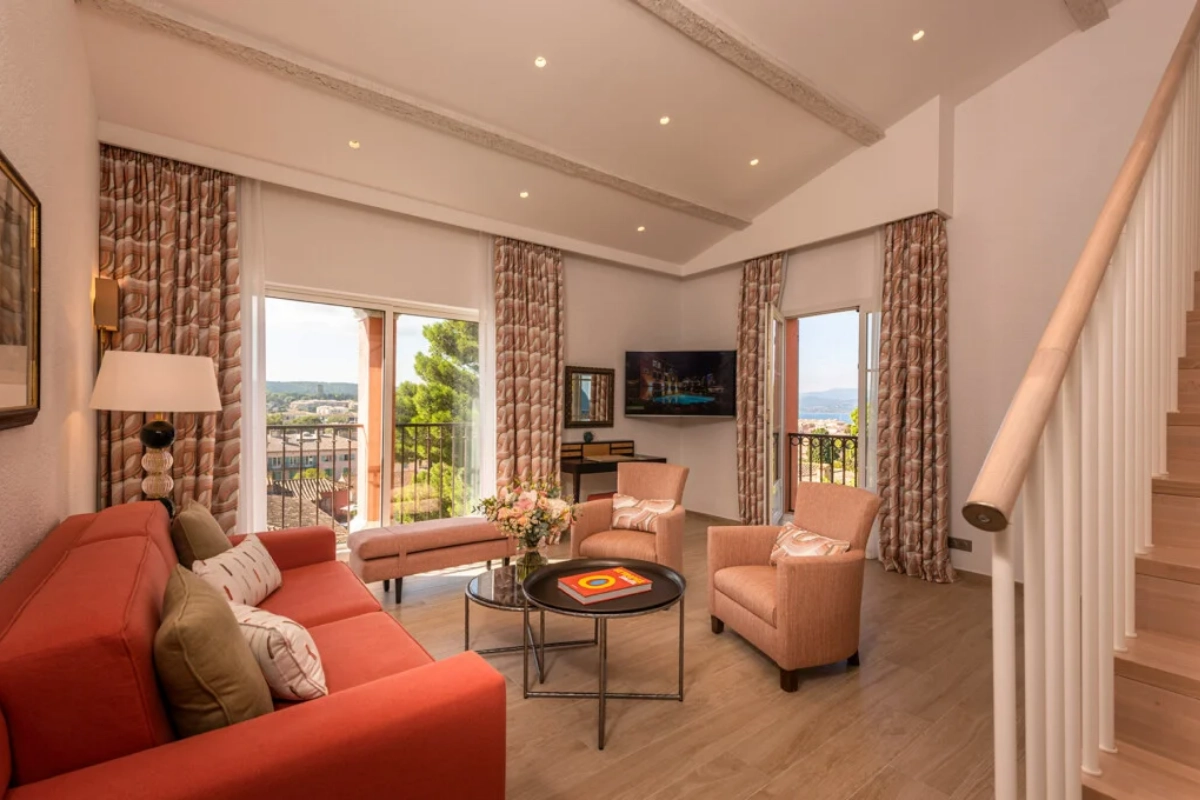
The luxury at Byblos is not in a flawless gloss. It is in the sense that someone has considered every detail: a vase placed exactly where the light falls, a floral chair that keeps a room from feeling too serious, a balcony overlooking the pool where the afternoon passes slowly to the faint chime of glasses. This is luxury that does not need to raise its voice.
On the Riviera, a meal is not just a meal; it is a way of measuring time. At Byblos, that rhythm begins at Il Giardino, the Italian restaurant beside the pool, conceived as a green, garden-like setting under a pergola inspired by Italy, with Executive Chef Nicola Canuti at the helm.
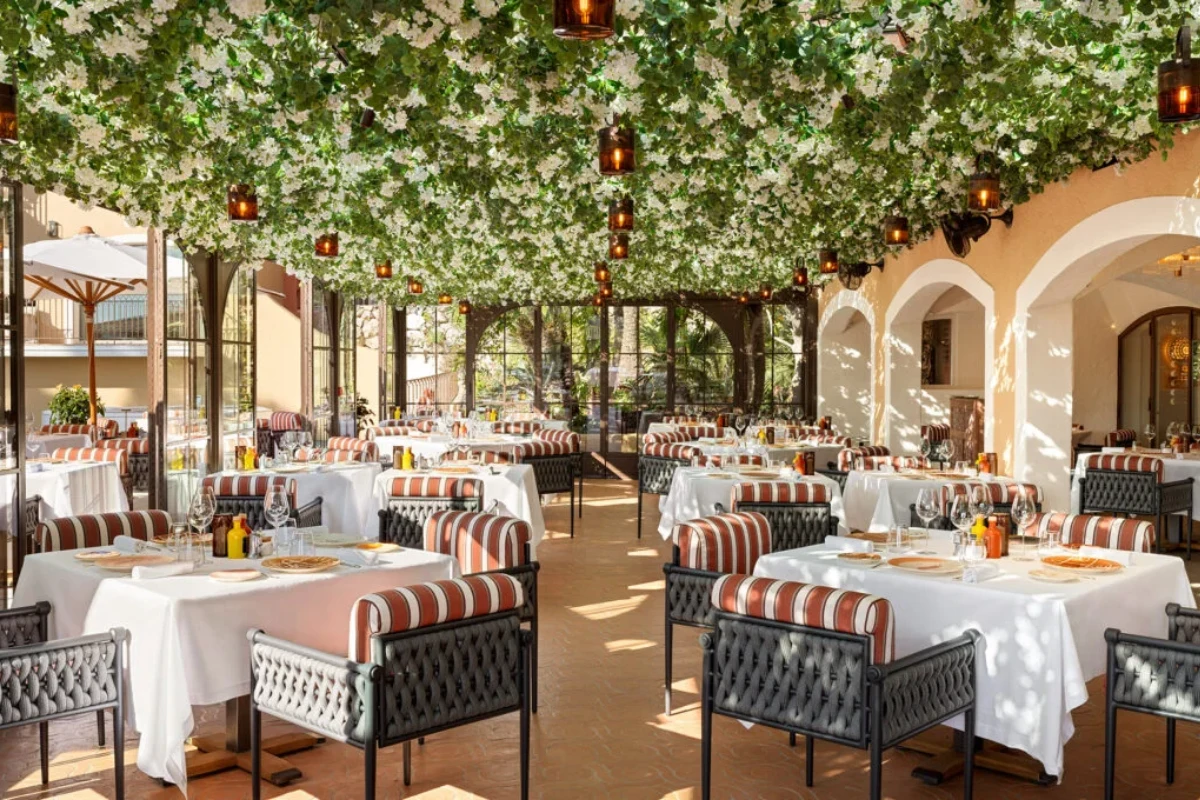
What gives the kitchen more depth than a beautiful menu alone is the hotel’s vegetable garden. Byblos has developed a 300-square-metre agroecological garden, home to dozens of varieties of vegetables, fruit and aromatic flowers grown according to permaculture principles. As a result, a plate of pasta, a sprig of basil or a seasonal vegetable dish no longer feels like an accessory to luxury, but part of its foundation.
In the evening, B. Lounge takes on the mood of fading light over the pool. By day, it is a place for a glass of rosé or a light lunch. At sunset, it shifts into aperitif mode: crafted cocktails, champagne, small plates to share and the sense that every conversation could last a little longer.
It is impossible to speak of Byblos without mentioning Les Caves du Roy. Some nightclubs are famous for their music, some for their guests, and some become legendary because they manage to preserve an era. Les Caves du Roy belongs to the third category. Illuminated palm trees, a hint of Eastern fantasy, music that continues until almost dawn — together they sustain a very Saint-Tropez kind of magic: glamorous but never stiff, famous but still faintly mischievous.
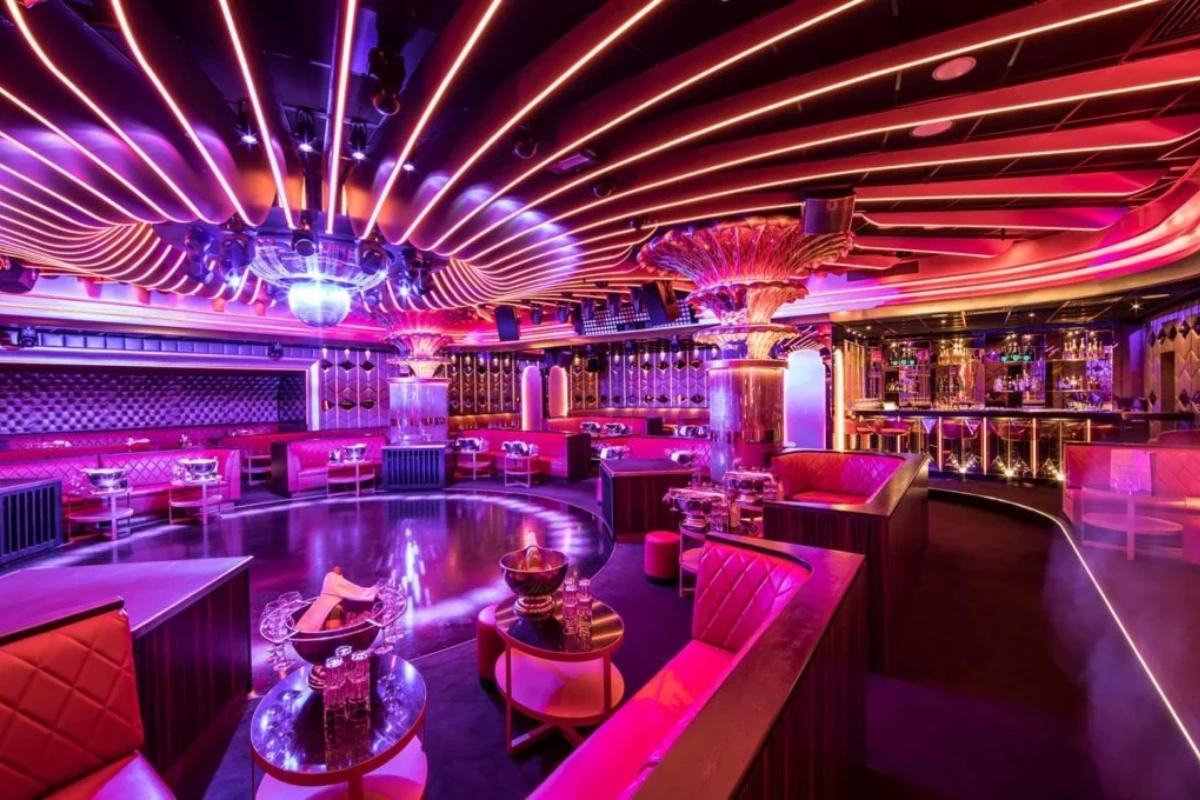
The most alluring thing about a Saint-Tropez night is not who appears, but the sensation that everyone is inside a film scene that has not yet finished. A cocktail. A familiar track. A pair of high heels crossing stone. A taxi waiting outside the hotel gate. Then, the next morning, everything returns to the clear blue of the pool, as though the night before were only a beautiful streak of light.
By day, Byblos changes register. The place that glowed under night lights becomes a retreat above the rhythm of Saint-Tropez village. Spa by Sisley offers a quieter kind of indulgence: hammam, sauna, water rituals, massages and treatments designed to draw the body back into itself.
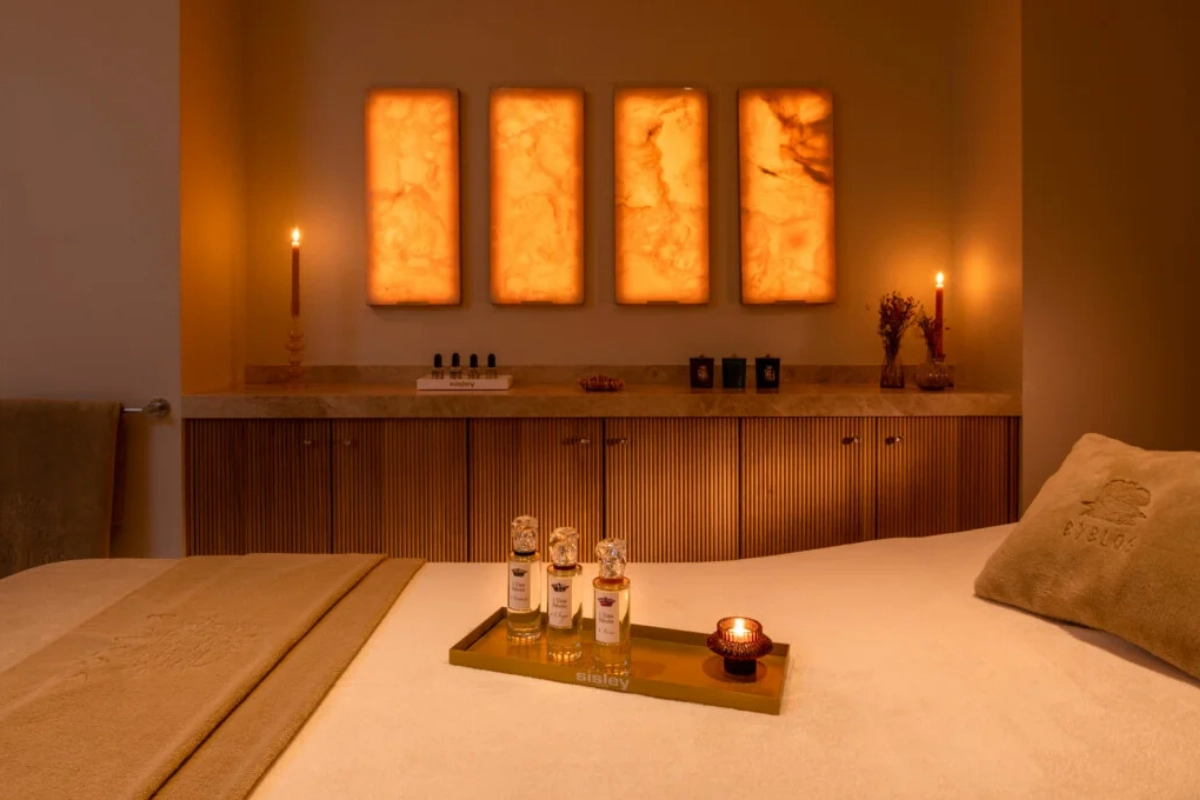
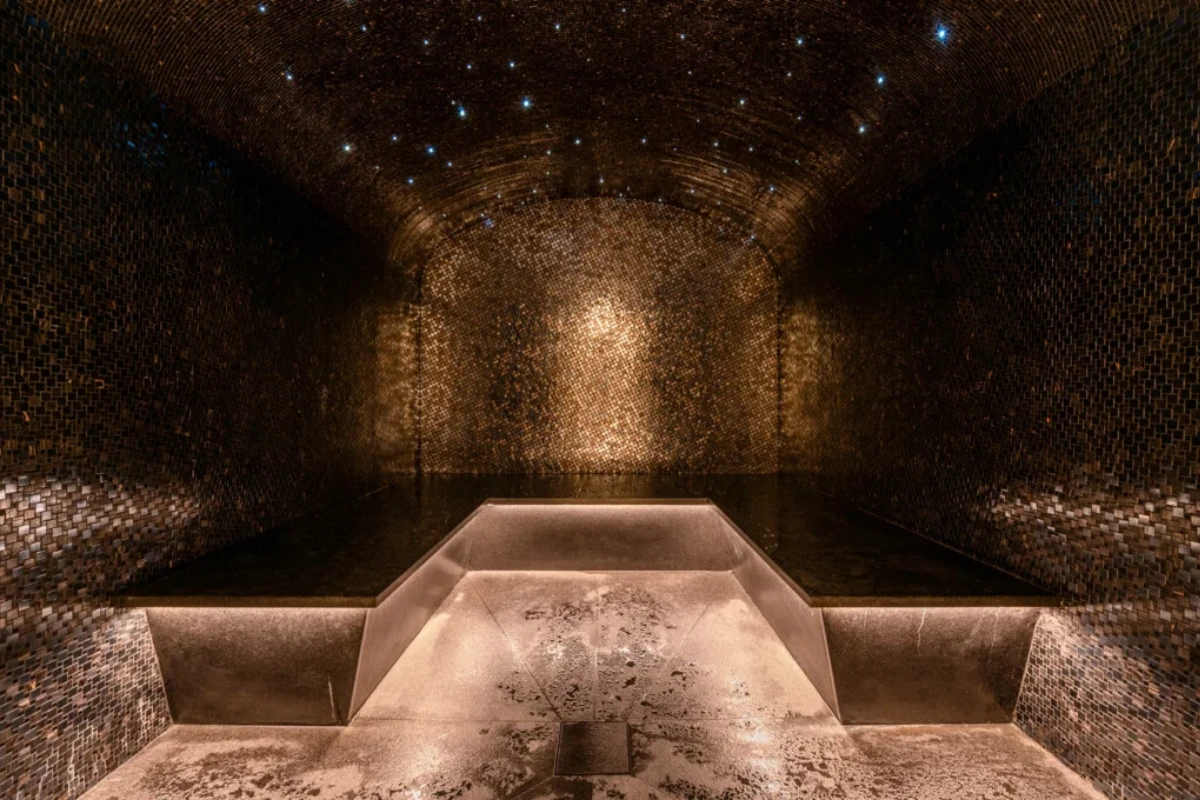
Here, luxury is the permission to disappear for an hour. No phone, no car horns, no appointments. Only essential oils, cool stone, dark wood, the sound of water and the sensation of the body remembering that rest, too, is an art.
A true Saint-Tropez day should end — or begin — at Pampelonne. Byblos Beach Ramatuelle sits on this legendary stretch of sand, where the water is clear, the beach pale and the parasols form their own Riviera rhythm.
Lunch here tastes of sea salt, olive oil and sunlight. You lie back on a lounger, listening to the waves beat steadily like breath, opening your eyes now and then to catch the white streak of a boat on the horizon. A cocktail arrives in a chilled glass. A plate of light seafood is set down. Everything unfolds slowly, but never sleepily; elegantly, but without effort.
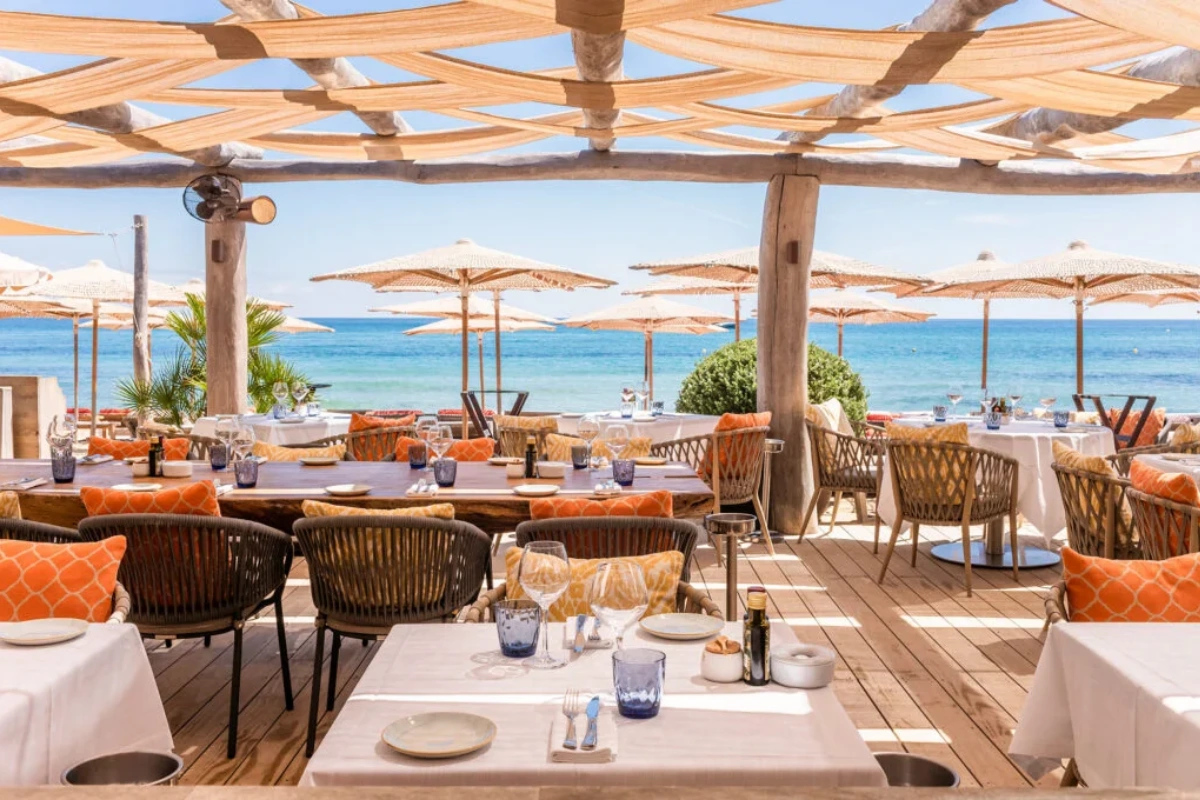
And then, at some point, without needing to be told, you stand up, cross the warm sand and step into the blue water — just to remember that sometimes the entire meaning of travel is contained in one simple moment.
The Côte d’Azur does not need further advertisement. It already has Grace Kelly in Monaco, Bardot in Saint-Tropez, the red carpet of Cannes, yachts like floating cities and the kind of light that has made painters, filmmakers and writers reluctant to leave. But the deepest beauty of the Riviera appears when you stop chasing its symbols.
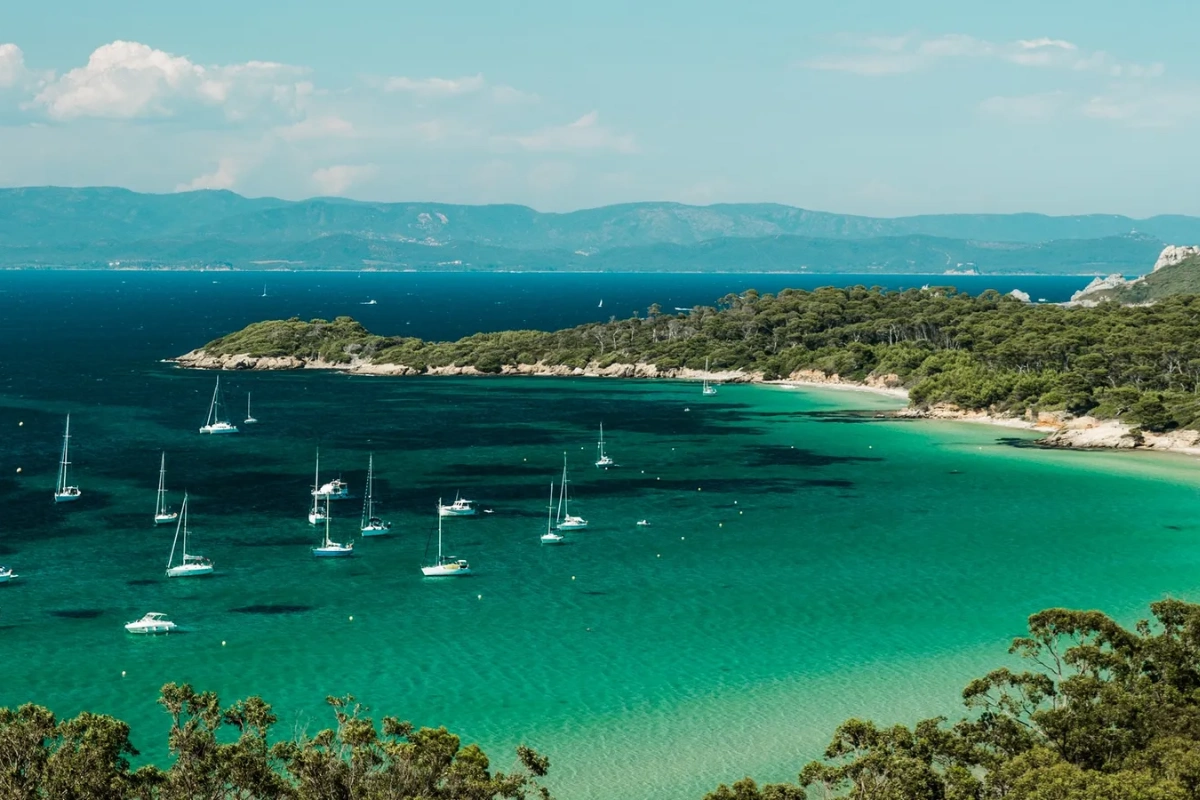
Come when the best tables are easier to book. When there is space on the beach between two loungers. When hotel staff have time to tell you an old story. When Nice wakes to the sound of a broom outside a bakery, Cannes glitters without feeling crowded, and Saint-Tropez is still quiet enough for the church bells to fall over the rooftops.
That is the Côte d’Azur worth remembering: not the Riviera of crowds, but the Riviera of light — soft, golden light falling over the sea, the wine glass, the linen shoulder, and the feeling that life, for a few rare days, has found exactly the right rhythm.