MENU
Close





With the August total solar eclipse and continued interest in aurora travel, Iceland is becoming one of the year’s most coveted luxury escapes.
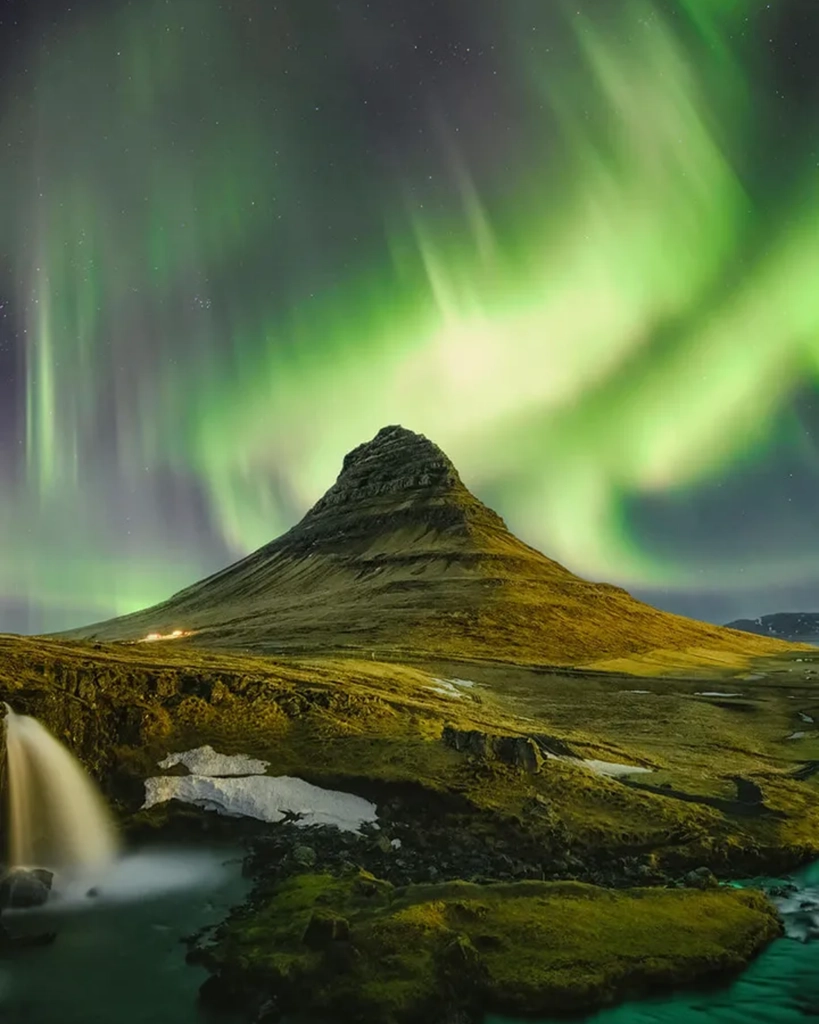
With the August total solar eclipse and continued interest in aurora travel, Iceland is becoming one of the year’s most coveted luxury escapes.
June 23, 2026


Luxury travel in Iceland has always been shaped by a beautiful contradiction: the island feels ancient and untamed, yet it has become one of the most sophisticated destinations for high-end travellers seeking privacy, design, and elemental drama.
The year carries a particular charge. On August 12, 2026, a total solar eclipse will be visible in Iceland, with the path of totality crossing areas including the Westfjords, Snæfellsnes Peninsula, and Reykjanes Peninsula. Visit Iceland has already framed the event as a rare opportunity to experience the eclipse against one of the world’s most cinematic landscapes. At the same time, aurora travel remains highly desirable in the wake of Solar Cycle 25’s maximum phase, which NASA and NOAA announced in 2024 as a period of heightened solar activity. For travellers, the message is simple: Iceland in 2026 will be spectacular, but it will also be crowded at the top end. The best rooms, guides, flight windows, and private experiences need to be secured months in advance.
The great appeal of luxury travel in Iceland is that it does not try to soften the country too much. The island’s power comes from its rawness: black sand beaches, lava fields, geothermal steam, volcanic ridges, glaciers, waterfalls, moss-covered stone, and winter skies that can shift from black to green in a matter of minutes. True luxury here is not excess decoration. It is the ability to experience these landscapes without being rushed, crowded, or over-explained.
That is why private guiding has become central to the market. A luxury itinerary in Iceland is about moving through the country at a controlled pace, with someone who understands road conditions, weather changes, geological context, hidden viewpoints, and the ethics of fragile terrain. Instead of joining a bus at sunrise, guests may leave later, arrive through a quieter route, eat in a private setting, or reach a glacier tongue with a specialist who can read the ice as both landscape and warning.
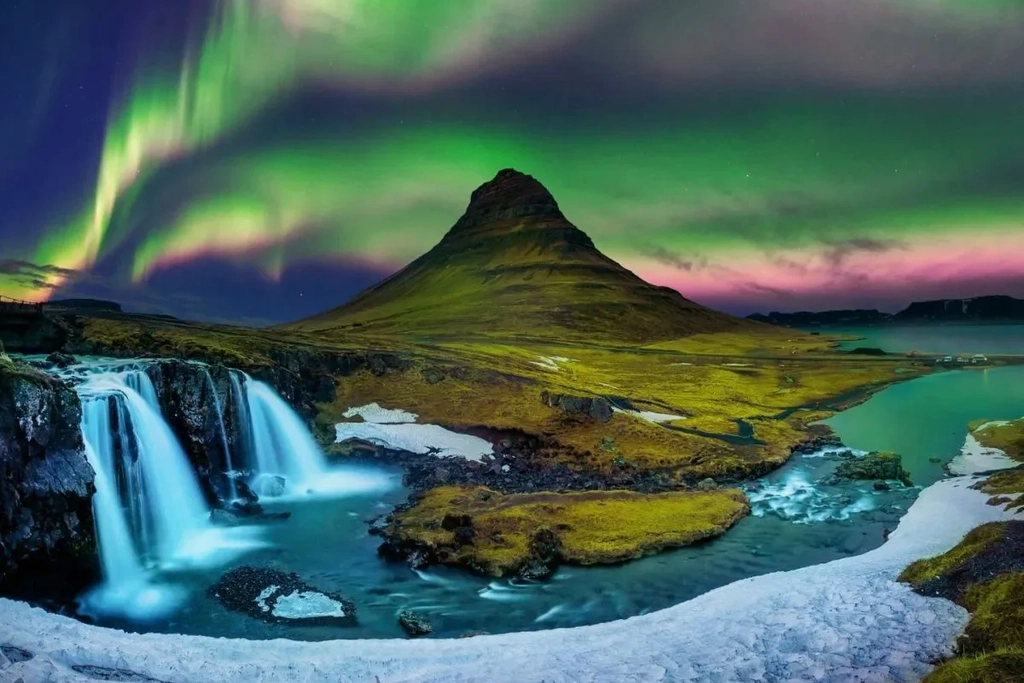
This is especially important because Iceland’s beauty is highly sensitive to timing. A famous waterfall can feel overwhelmed at midday and almost sacred in the low light of morning. A black beach can be dangerous without local knowledge. A glacier can appear serene while conditions change quickly. A Northern Lights chase can be disappointing without patience, but extraordinary with a guide who understands cloud cover, solar activity, and where to escape light pollution.
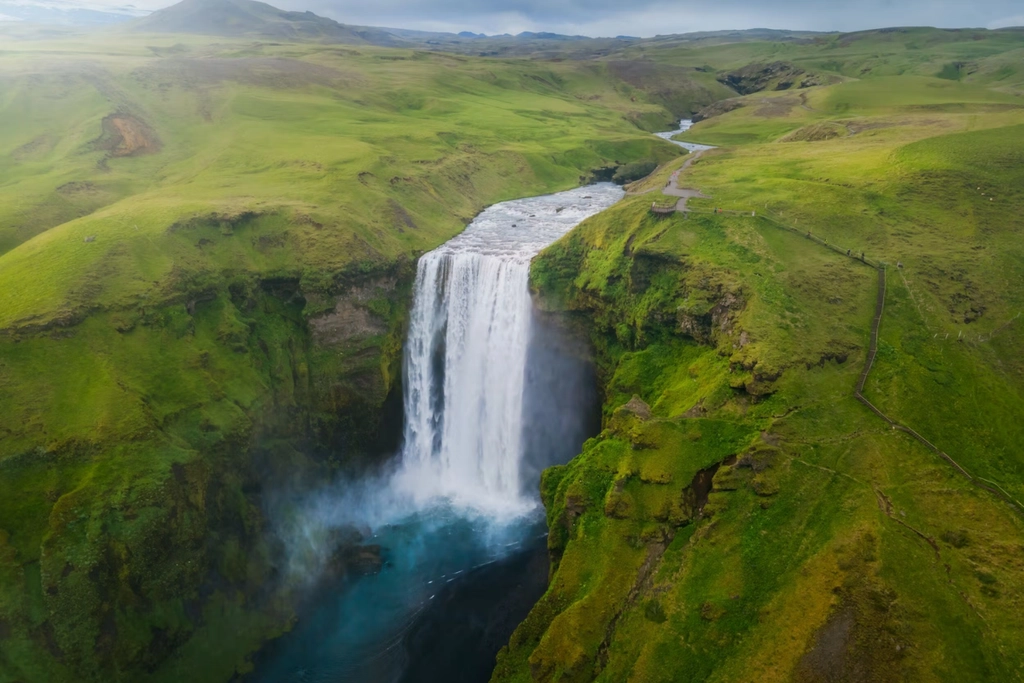
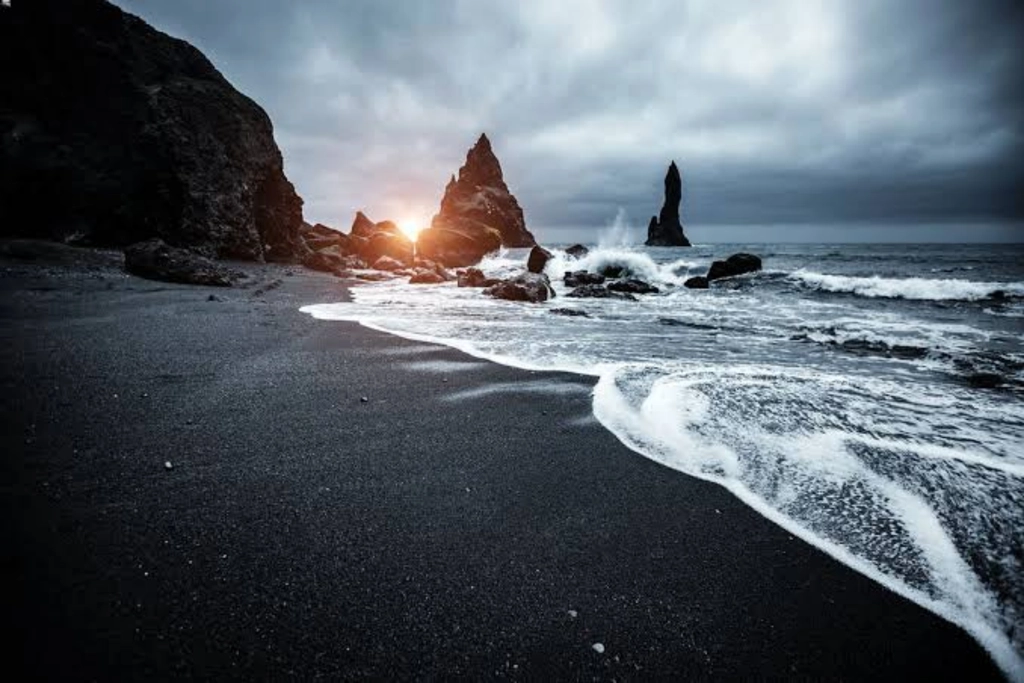
In this sense, luxury travel in Iceland is less about insulation and more about interpretation. The traveller still feels the wind, the cold, the scale, and the uncertainty. The difference is that every encounter is framed by safety, comfort, and expertise.
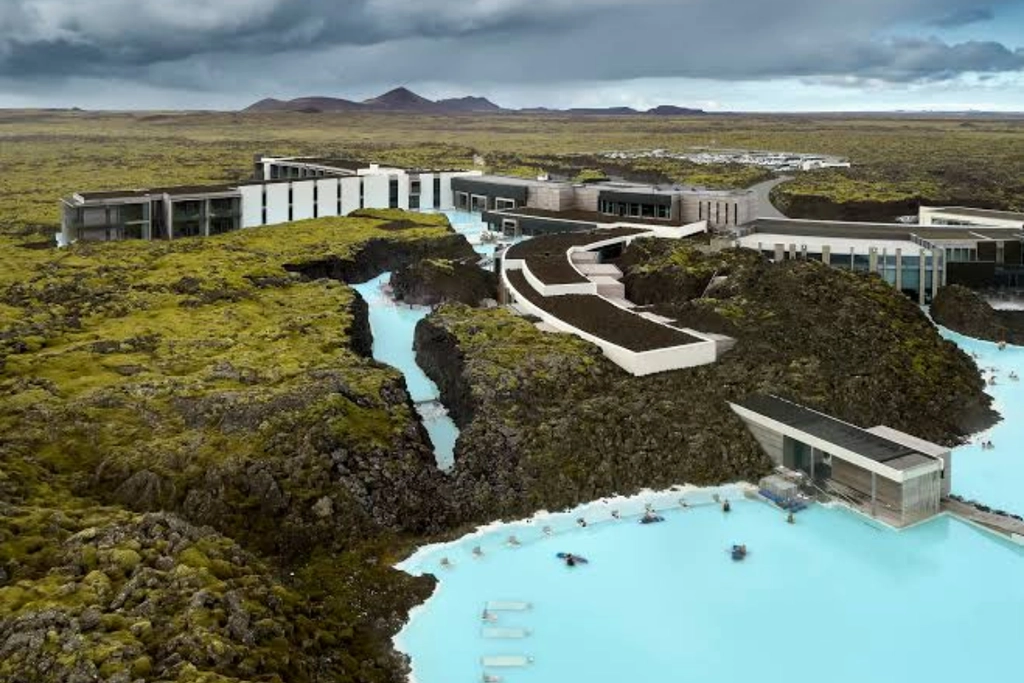
Iceland’s luxury hotel scene is strongest when architecture listens to the landscape. The Retreat at Blue Lagoon remains one of the clearest examples. Its spa is built into an 800-year-old lava field, creating a setting where design, geothermal seawater, volcanic texture, and ritualized wellness become inseparable.
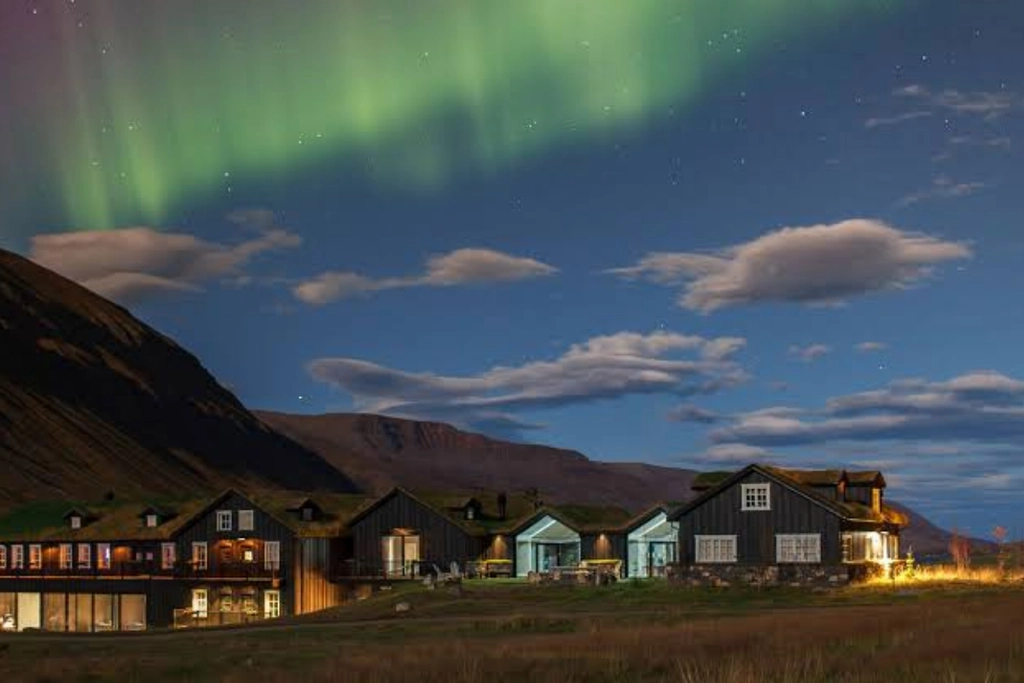
For adventure luxury, Deplar Farm in northern Iceland offers a very different mood. Set in the remote Fljót Valley on the Troll Peninsula, the property is a former sheep farm transformed into a high-end lodge with living roofs, floor-to-ceiling windows, mountain views, a geothermal pool, and access to activities such as heli-skiing, fly fishing, and horseback riding. It is a retreat for travellers who want Iceland to feel distant, cinematic, and almost private.
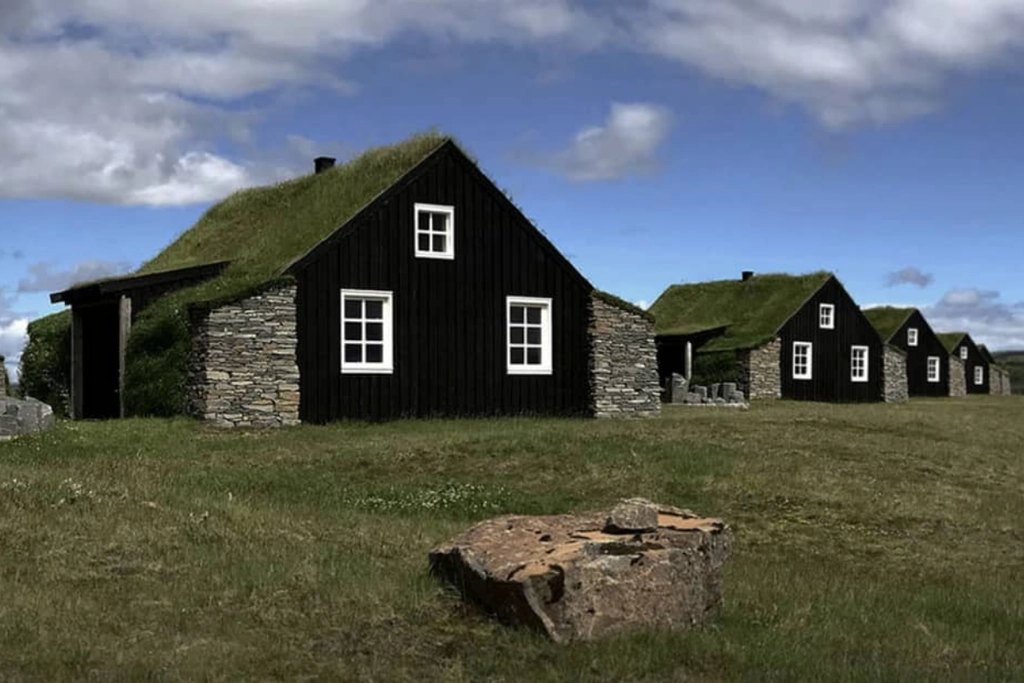
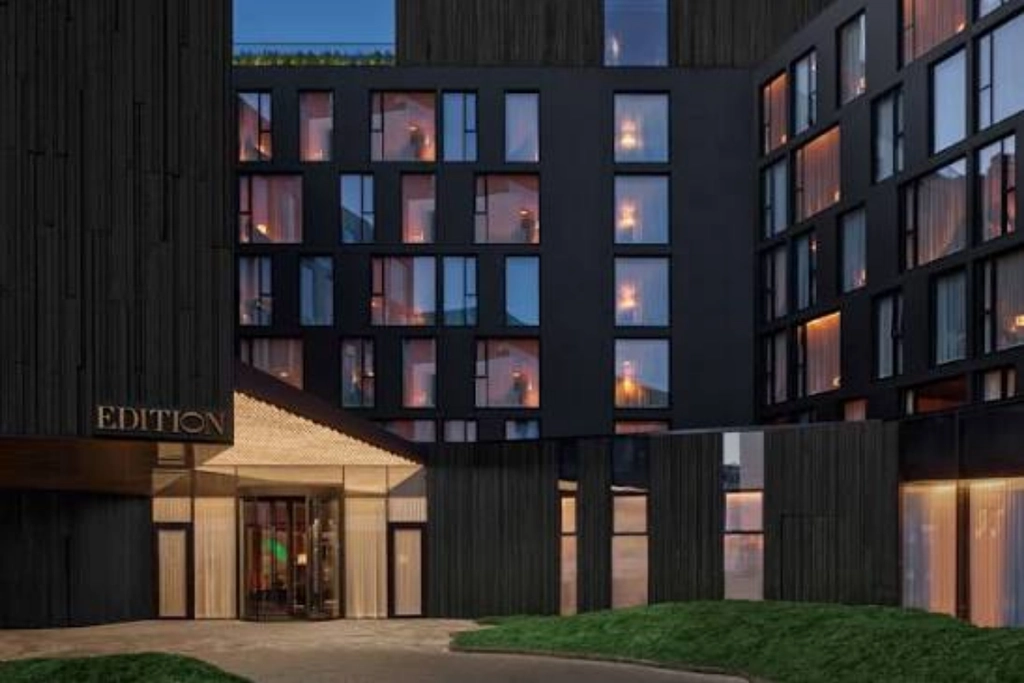
Torfhús Retreat appeals to those drawn to architecture and cultural atmosphere, with Viking-inspired turf houses and private geothermal hot pools that turn the stay into something intimate and story-driven. In Reykjavík, The Reykjavik EDITION offers urban luxury for travellers who want refined design, dining, nightlife, and harbour views before or after a wilderness itinerary. Hotel Rangá, meanwhile, remains a strong choice for aurora-focused travel, especially for guests who want countryside access and stargazing rather than capital-city polish.
The most desirable activities in Iceland now revolve around access. Helicopter expeditions offer the highest form of freedom, allowing guests to reach glacial peaks, volcanic landscapes, remote valleys, or Highland locations that would otherwise require long, difficult travel. The point is speed, and more importantly, perspective.
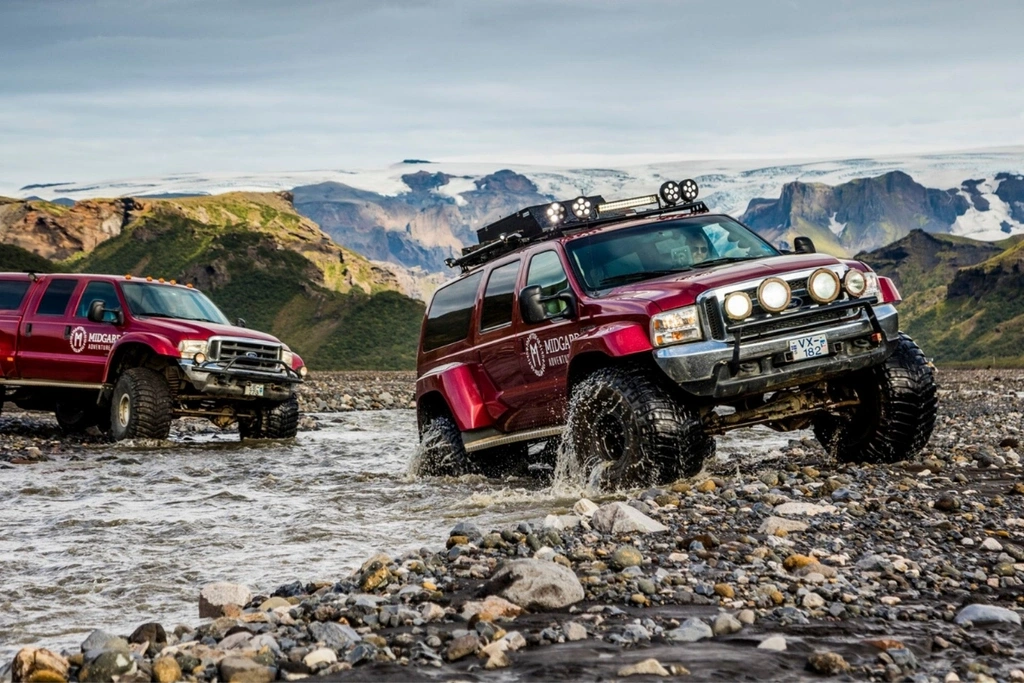
Super Jeep tours are the grounded equivalent. Custom-modified 4x4s allow private access to rugged areas such as Landmannalaugar, Þórsmörk, and the Highlands, depending on season and road conditions. For luxury travellers, the appeal is flexibility: a private vehicle can pause for photography, adjust around weather, avoid the busiest windows, and turn a difficult route into a guided expedition rather than a logistical headache.
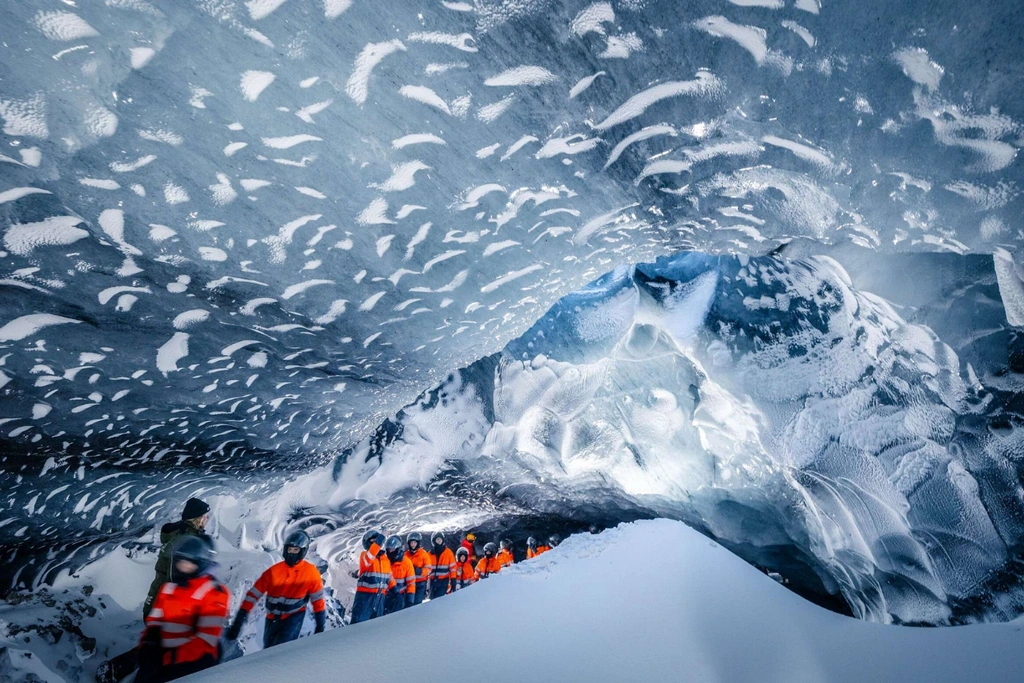
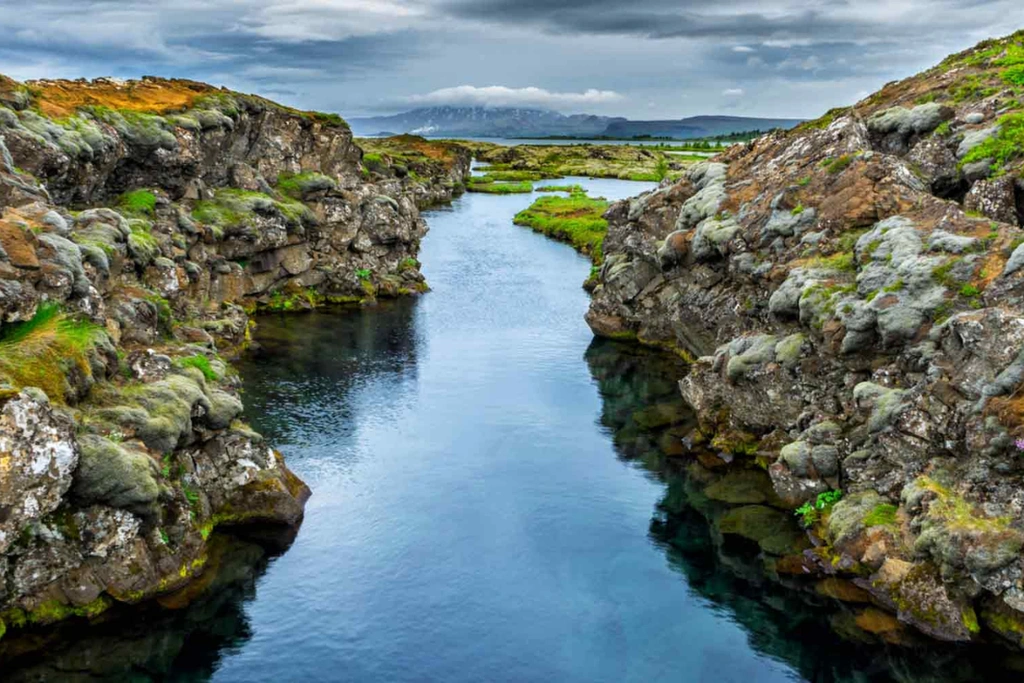
Private glacier and ice cave tours offer another level of intimacy. Iceland’s blue ice caves can be astonishing, but the most memorable experiences depend on expert supervision, safety briefings, small-group access, and respect for changing ice conditions. The same is true of Silfra, the famous fissure in Þingvellir National Park where travellers can snorkel or dive in clear water between the North American and Eurasian tectonic plates. Specialist operators describe Silfra as a place where visitors can experience unusually clear glacial water between two continents.
Luxury whale watching is also evolving beyond the crowded boat model. Private charters from places such as Húsavík or Akureyri allow travellers to see humpback whales, seabirds, and coastal landscapes with more space and less noise. Professional photography is another rising layer of Icelandic luxury. Many guests now hire guide-photographers for the Northern Lights, glaciers, waterfalls, or black sand beaches, not only to return with polished images but to remain more present during the journey.
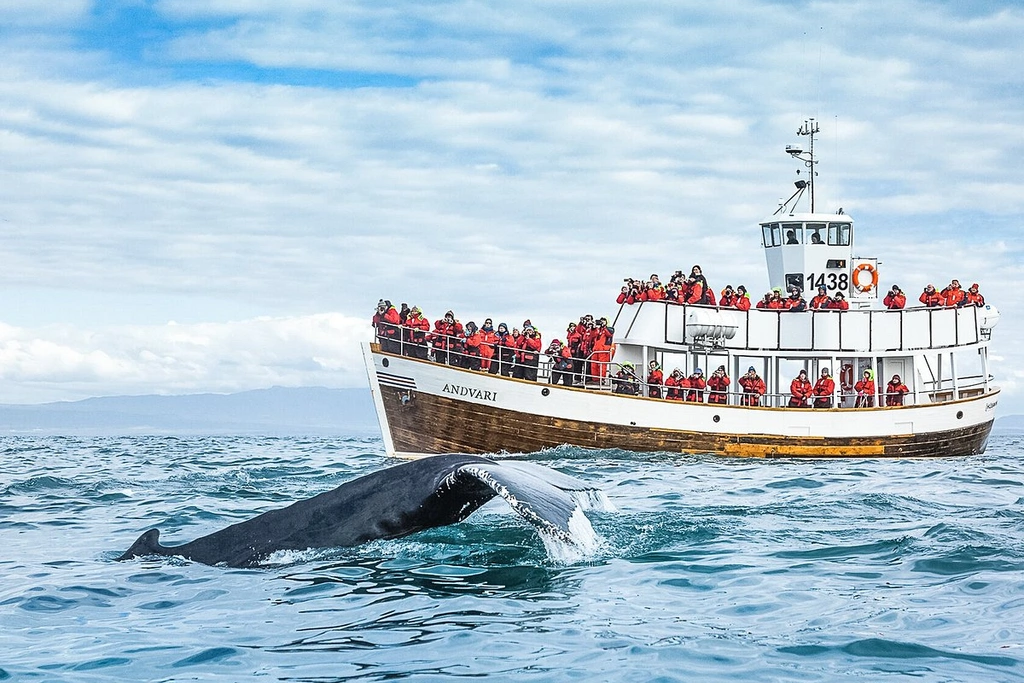
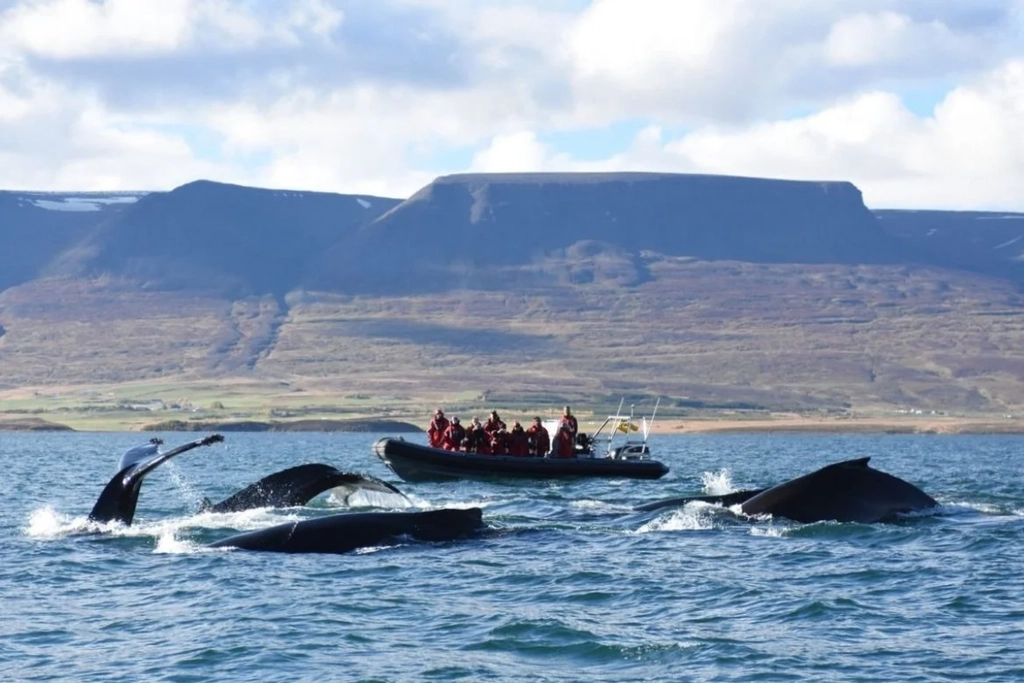
Luxury travel in Iceland is expensive because it is logistically demanding. A mid-range luxury itinerary of five to seven days can easily sit around $7,000 to $12,000 per person, while ultra-bespoke seven-to-ten-day trips involving private guides, helicopter transfers, remote lodges, and exclusive experiences can rise from $20,000 to $45,000 or more per person. The exact cost depends heavily on season, routing, room category, vehicle type, aircraft use, and how privately the trip is structured.
The most important rule is to plan early. For Northern Lights season, usually from late September through early April, the strongest countryside hotels and private guides can fill quickly. For August 2026, the solar eclipse will create its own pressure on availability, especially in western Iceland and areas along the totality path. Waiting until the last minute may still produce a trip, but it will rarely produce the most elegant version of the trip.
Beyond the logistics, Iceland also rewards travellers who pay attention to culture. The country’s folklore around Huldufólk, or hidden people, remains part of its imaginative landscape, often discussed in connection with rocks, lava fields, and local respect for nature. The Icelandic horse is another cultural symbol, celebrated for its extra gaits, including the smooth tölt and flying pace. Horses of Iceland notes that most Icelandic horses offer two additional gaits beyond walk, trot, and canter/gallop.
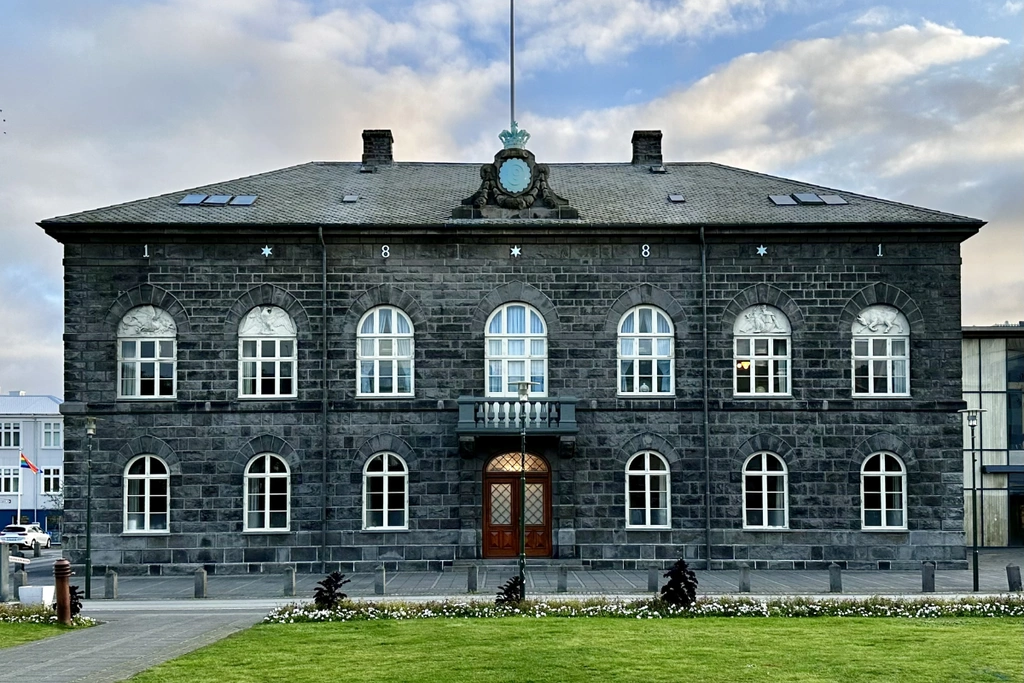
Þingvellir adds political and historical depth. The Althing, Iceland’s parliament, was founded at Þingvellir in 930, making it one of the world’s oldest parliamentary institutions. Iceland’s modern identity is also inseparable from geothermal energy and sustainability. According to the Government of Iceland, about 85% of the country’s total primary energy supply comes from domestically produced renewable energy sources.
In 2026, Iceland will attract eclipse chasers, aurora hunters, design travellers, adventure collectors, spa loyalists, and those simply searching for a place where the world still feels unfinished. The true luxury will not be a suite, a helicopter, or a private hot pool, although all three may be part of the journey. The true luxury will be the feeling of standing before a glacier, a lava field, or a darkening eclipse sky and realizing that the island has not been arranged for you. It has only allowed you in.