MENU
Close





Most houses begin luxury brand history with a sketch, a workshop or a signature motif. Graff begins further underground.
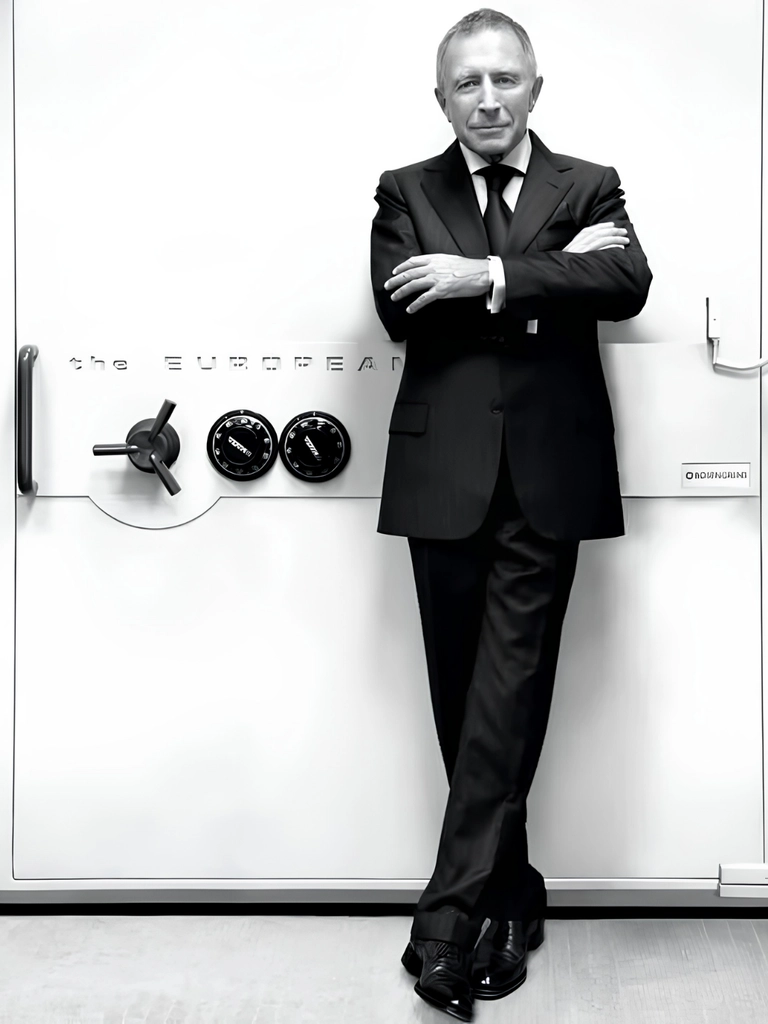


Laurence Graff was 15 when his mother took him to his first apprenticeship in London’s Hatton Garden. His employer reportedly told her that “the sky’s the limit,” then dismissed the teenager only months later, believing he would never make the grade. By 18, Graff had entered business with another jeweller repairing Victorian pieces. In 1960, he established Graff Diamonds. Two years later, the company had opened its first two London retail boutiques.
Its founder was trained at the bench, yet his defining talent was never craftsmanship alone. He understood the commercial architecture surrounding gemstones: who owned them, who could cut them, where they could be sold and which clients possessed the appetite for exceptional size.
An early episode became almost a miniature business manifesto. Graff persuaded a dealer to advance him 33 small diamonds. He could have produced 33 conventional rings. He placed every stone onto a single ring, creating what he remembered as a “big flash of diamonds.” It sold immediately, and another order followed.
Already, Graff was thinking in concentration. More diamonds. More impact. More rarity contained in one object.
By 1967, aged 29, he was travelling internationally with his jewellery, presenting pieces directly to wealthy clients in palaces, private residences and yachts. In 1973, Graff became the first jeweller to receive the Queen’s Award for Industry and Export; the company would eventually receive five Queen’s Awards.
Many chapters of luxury brand history revolve around designers teaching customers to recognize a shape. Graff built recognition differently. He taught a rarefied clientele to associate one name with the possibility of obtaining stones that other jewellers simply could not offer.
That distinction still defines the house.
A butterfly can be copied. A spiral can be referenced. Access to a 1,109-carat rough diamond is harder to imitate.
This is where Graff’s business model becomes inseparable from its aesthetic.
The company describes itself as overseeing every stage in the diamond journey—from sourcing rough stones to cutting, polishing, mounting and ultimately selling the finished jewel. Its procurement and polishing division, Safdico, operates within that system and is subject to De Beers Best Practice Principles as a Sightholder. Graff also says it has cultivated relationships with significant African diamond sources for decades and that every diamond it sells is traceable to vetted sources.
This matters because a monumental diamond cannot simply be ordered like fabric.
The raw material itself determines what designers can make.
Graff’s Design Director has explained that the process often begins with the available stones: the team does not necessarily invent a jewel and then search for diamonds to match it. The diamonds dictate the composition.
At Graff, nature has already made the first creative decision billions of years earlier.
The company’s job is to recognize the opportunity hidden inside the rough.
Modern technology assists that process. Large stones can undergo extensive analysis and three-dimensional modelling before cutting begins. Yet the final decisions still depend on highly specialized human judgment. Safdico master cutter Philippe Furcage has described major coloured diamonds as individual “research projects,” with exceptional stones sometimes requiring a year or longer at the polishing stage.
That creates a fascinating contradiction at the centre of Graff.
The company is vertically integrated and technologically sophisticated, yet its most important decisions still involve gambling on a geological object whose final potential remains partly unknowable.
A rough diamond can be worth millions before anyone knows exactly what it will become.
Graff built an empire around being comfortable with that risk.
Nothing explains Graff better than the Lesedi La Rona.
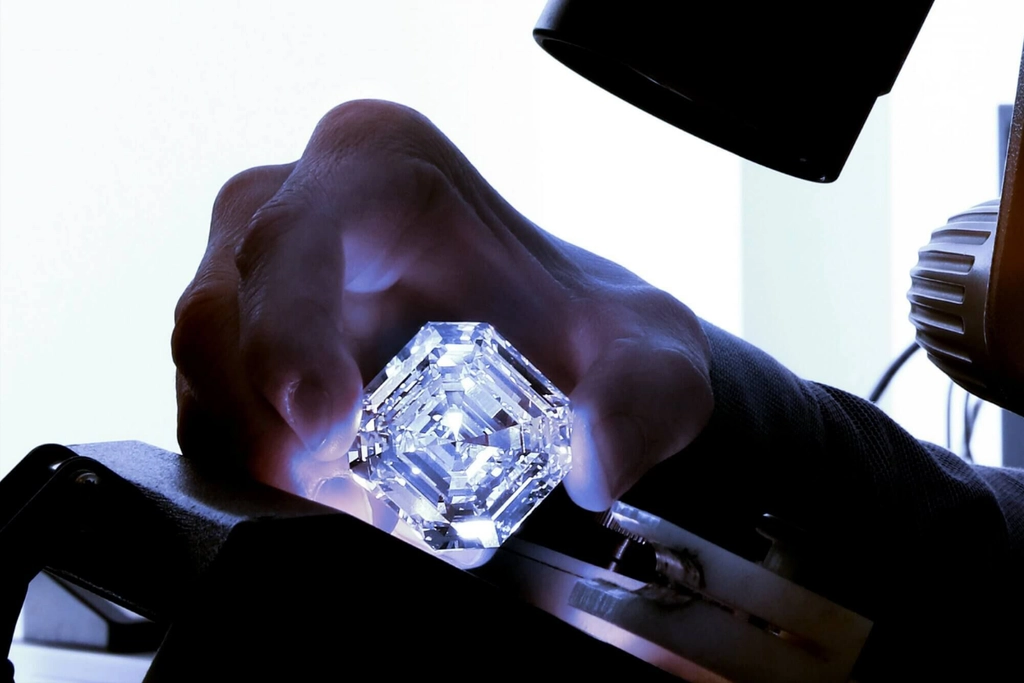
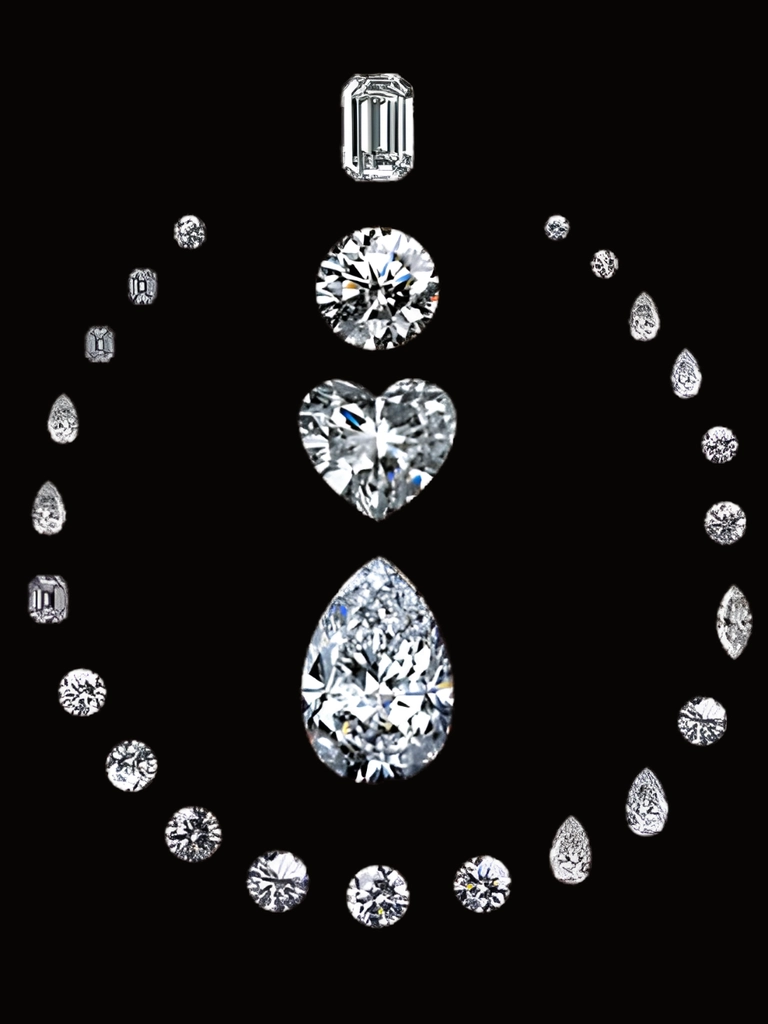
Discovered in Botswana, the rough weighed 1,109 carats. Graff eventually transformed it into the 302.37-carat Graff Lesedi La Rona, which the house and GIA identify as the world’s largest square emerald-cut diamond and the largest diamond of its combination of highest colour and clarity ever certified by GIA. The process required more than 18 months, while 66 additional diamonds were recovered from the same rough.
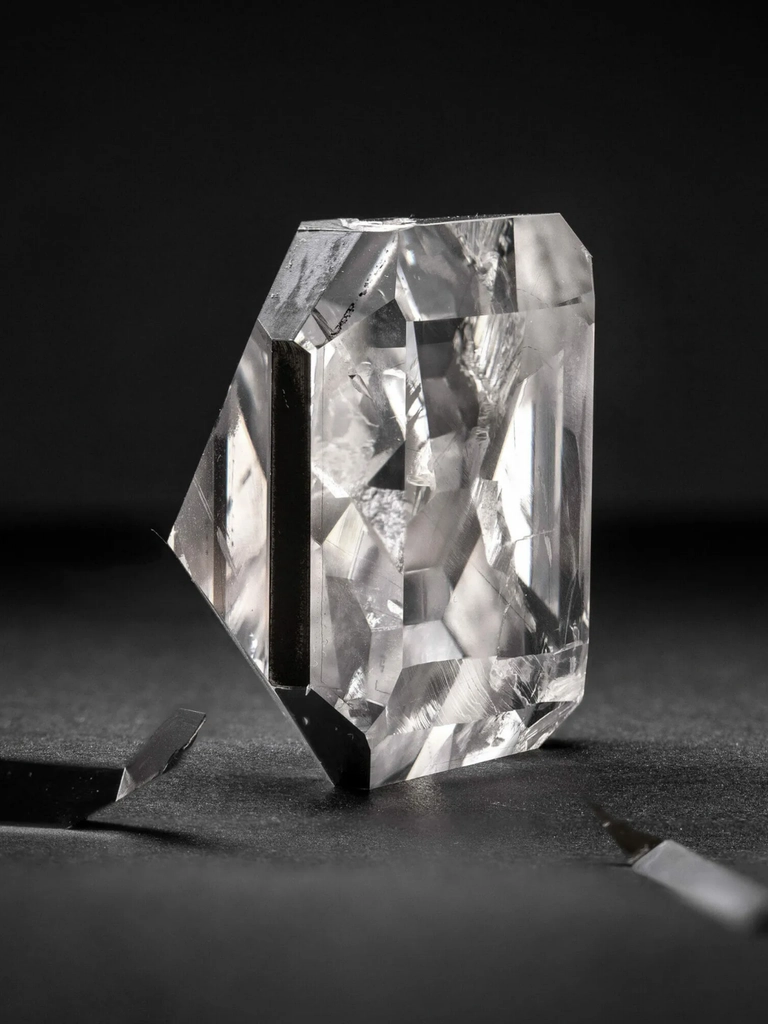
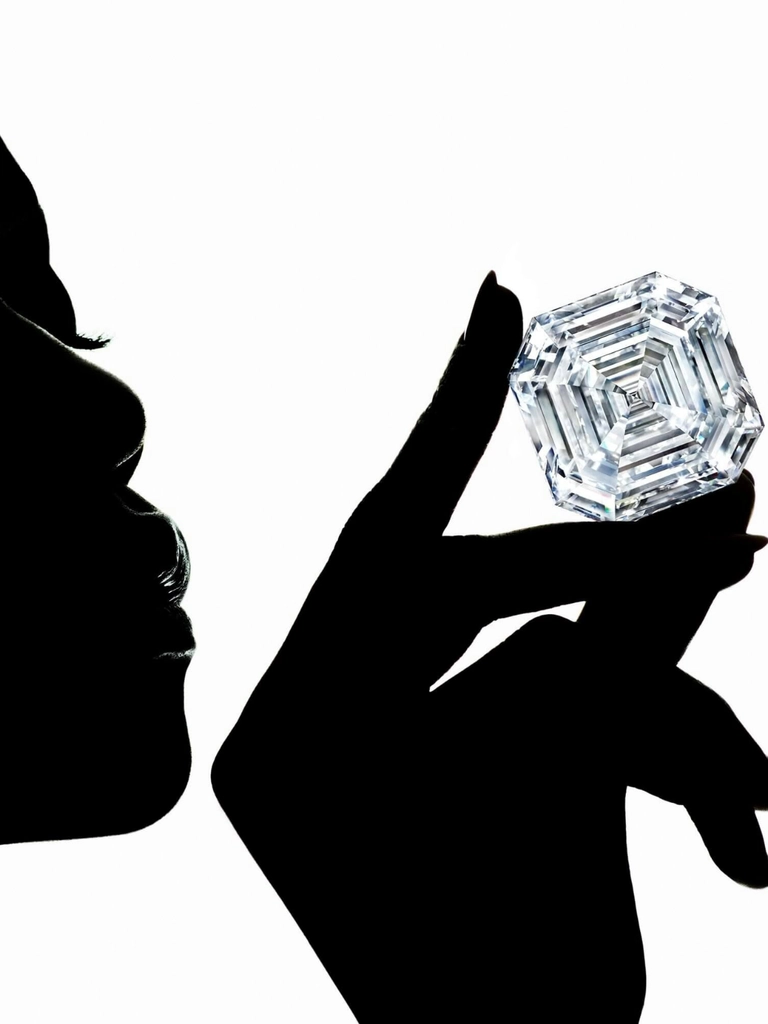
A cutter begins with more than 1,100 carats and ends with a 302-carat principal diamond. The objective therefore cannot simply be to preserve maximum weight. The objective is to discover the most valuable, beautiful and structurally viable stones hidden within that mass.
In high jewellery, destruction can be part of creation.
Graff has repeatedly demonstrated an appetite for making that decision, even when history itself becomes part of the material being cut.
When Laurence Graff acquired the historic Wittelsbach Blue in 2008, the diamond weighed 35.56 carats and carried centuries of European royal provenance. He subsequently had it recut. The resulting 31.06-carat Wittelsbach-Graff was graded Fancy Deep Blue and Internally Flawless by GIA.
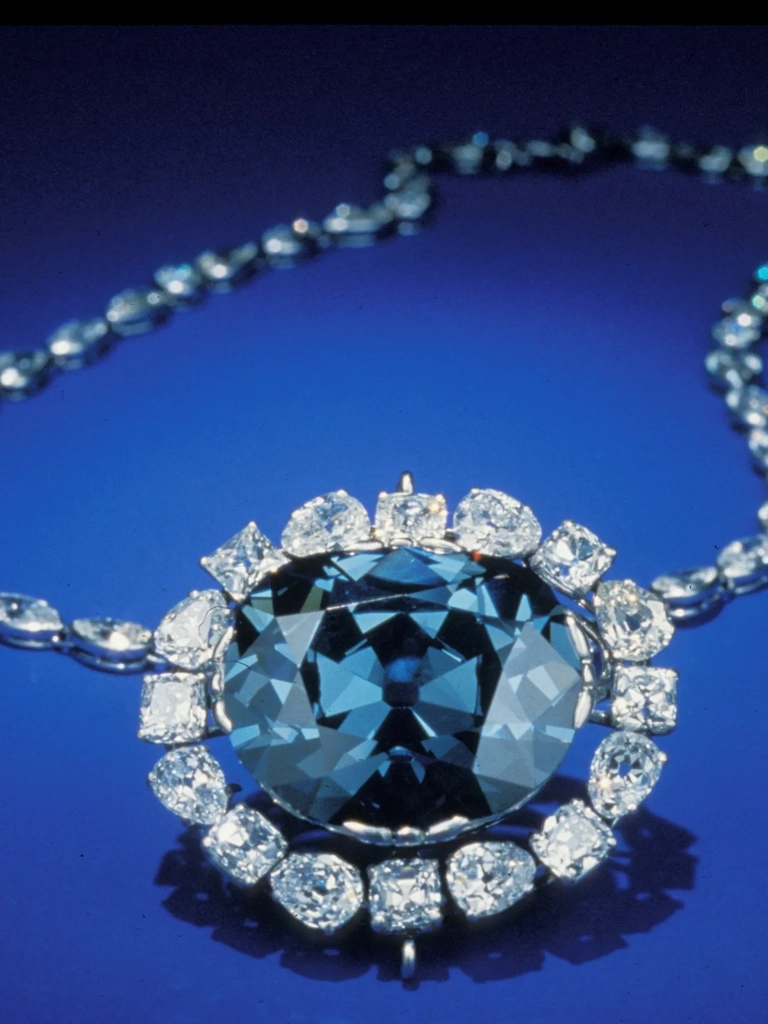
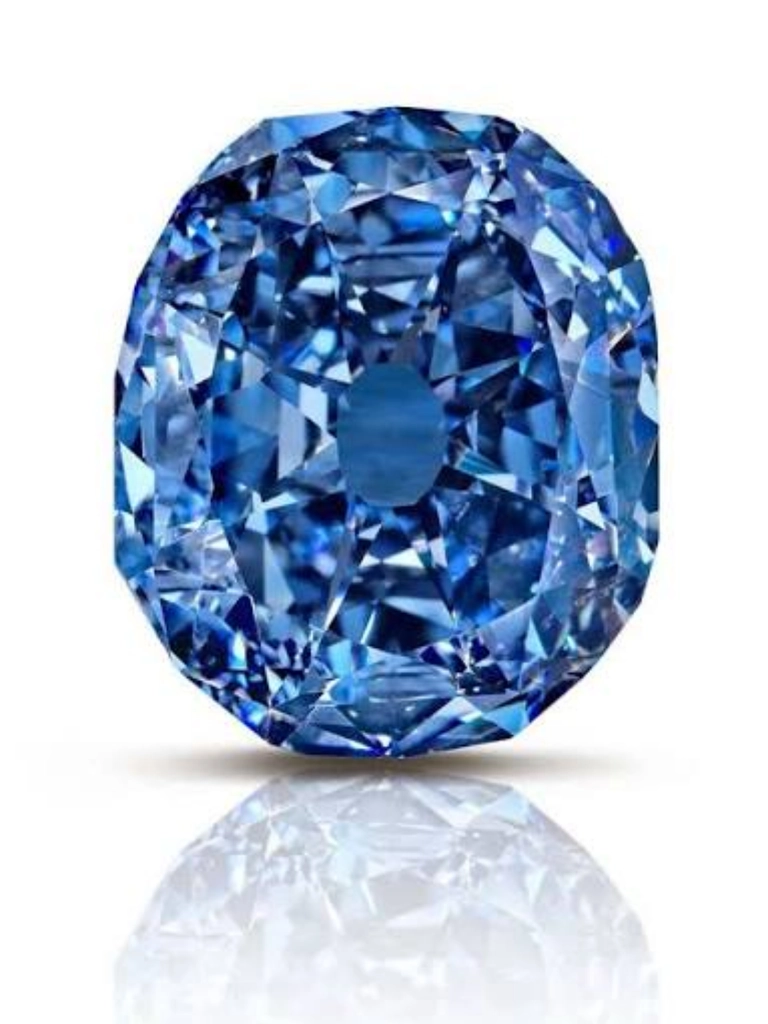
The decision became controversial because improving the gemological object required altering the historical object. For an archivist, a chip acquired over centuries may constitute evidence. For Graff, a flaw may constitute unrealized beauty.
What should take priority: historic integrity or optical perfection?
The Wittelsbach-Graff suggests that Laurence Graff’s answer was clear. He treated even one of history’s great diamonds as something capable of further improvement.
Few moments capture his personality — or the house’s luxury brand history —more precisely.
The list becomes almost absurd.
In 2006, Graff acquired the 603-carat Lesotho Promise rough, which was subsequently divided into 26 D-colour Flawless diamonds totalling 223.35 carats.
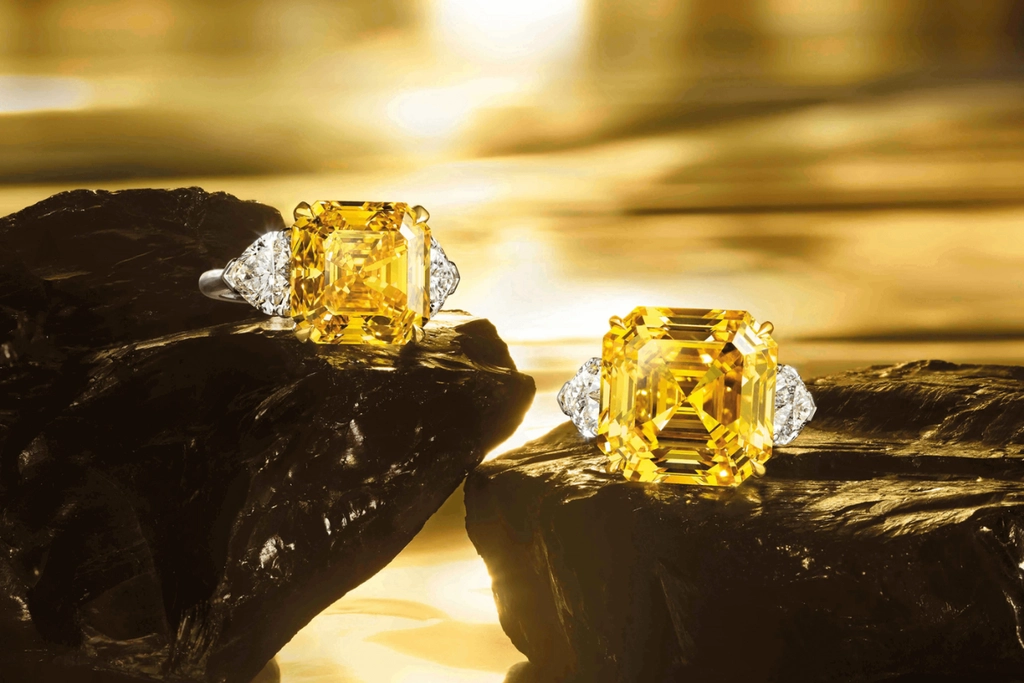
The Delaire Sunrise, at 118.08 carats, became the world’s largest Fancy Vivid Yellow square emerald-cut diamond. Graff has spent decades championing yellow diamonds and developing cutting approaches intended to intensify their colour.
Then came the Graff Pink. Laurence Graff purchased the 24.78-carat Fancy Intense pink diamond at auction in 2010 for approximately US$46 million. After recutting, it emerged at 23.88 carats with Natural Fancy Vivid Pink colour and Internally Flawless clarity.
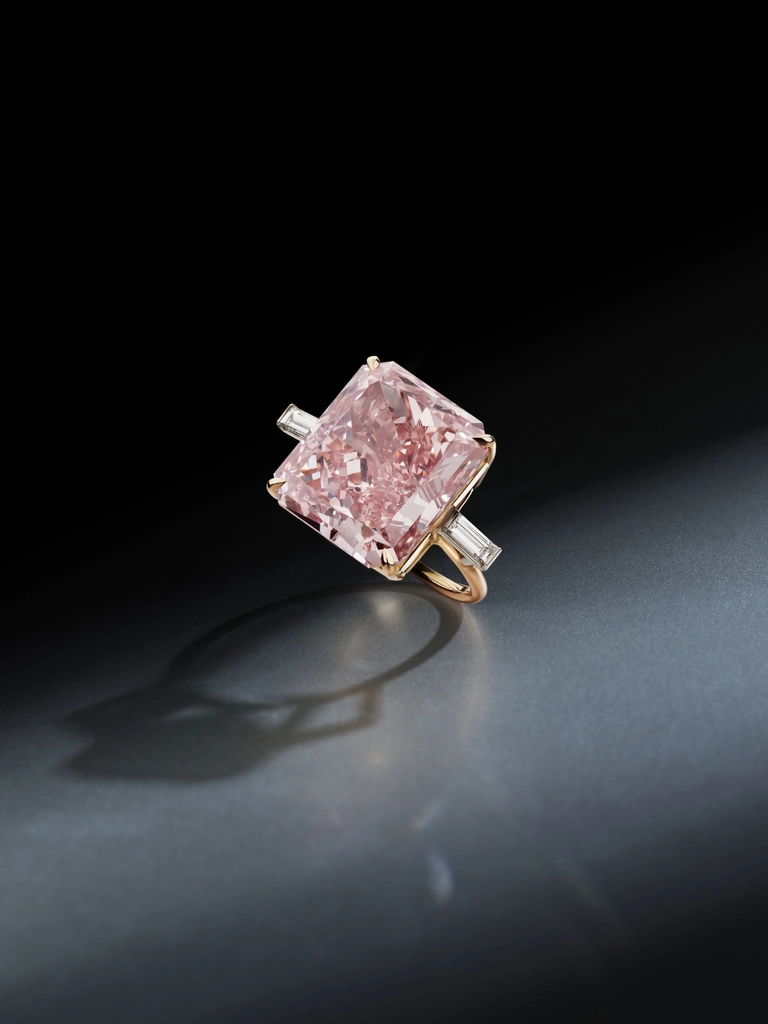
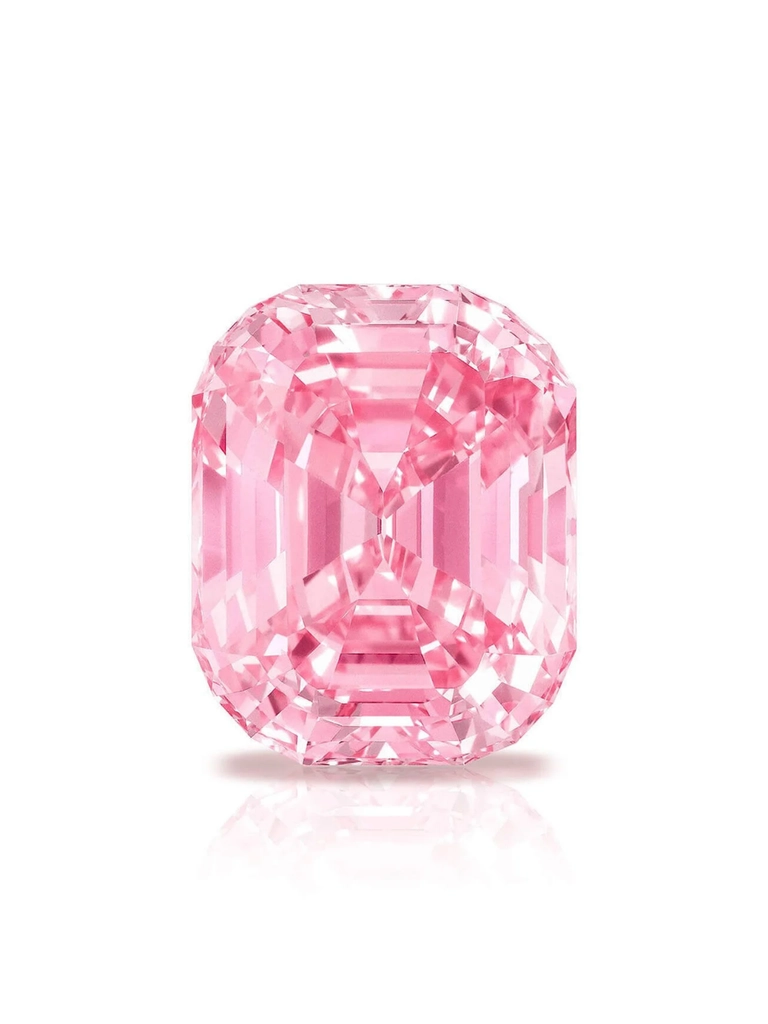
Again, weight was sacrificed for quality.
That repeated behavior tells us Graff’s relationship with stones is more aggressive than simple stewardship. The house acquires geological rarity and then actively intervenes in how history will remember it.
This is why calling Graff a jeweller only describes part of the enterprise.
Graff is also a diamond editor.
A rough stone contains multiple possible futures. The company decides which one deserves to exist.
The mounting then deliberately retreats. In many High Jewellery pieces, platinum, claws and structures are minimized so stones appear almost unsupported. Necklaces often build crescendos of graduating diamonds; earrings fall in cascades; emeralds, rubies and sapphires become concentrated fields of colour.
The jewel exists to organize rarity.
Graff’s most powerful pieces consequently resist overdesign. When the central diamond has already taken billions of years to make, decoration can become interference.
There is, however, an obvious commercial limitation to building a global house around once-in-a-generation gemstones.
You cannot scale the Lesedi La Rona.
Graff’s contemporary collections therefore perform another job: translating gemstone authority into repeatable design codes.
Butterfly converts marquise, pear and pavé diamonds into recognizable wings. Spiral wraps gold and diamonds into continuous movement. Bridal collections including Icon and Promise package Graff’s diamond expertise into standardized settings. Laurence Graff Signature goes further by carving 18K gold itself into faceted surfaces inspired by a diamond’s architecture.
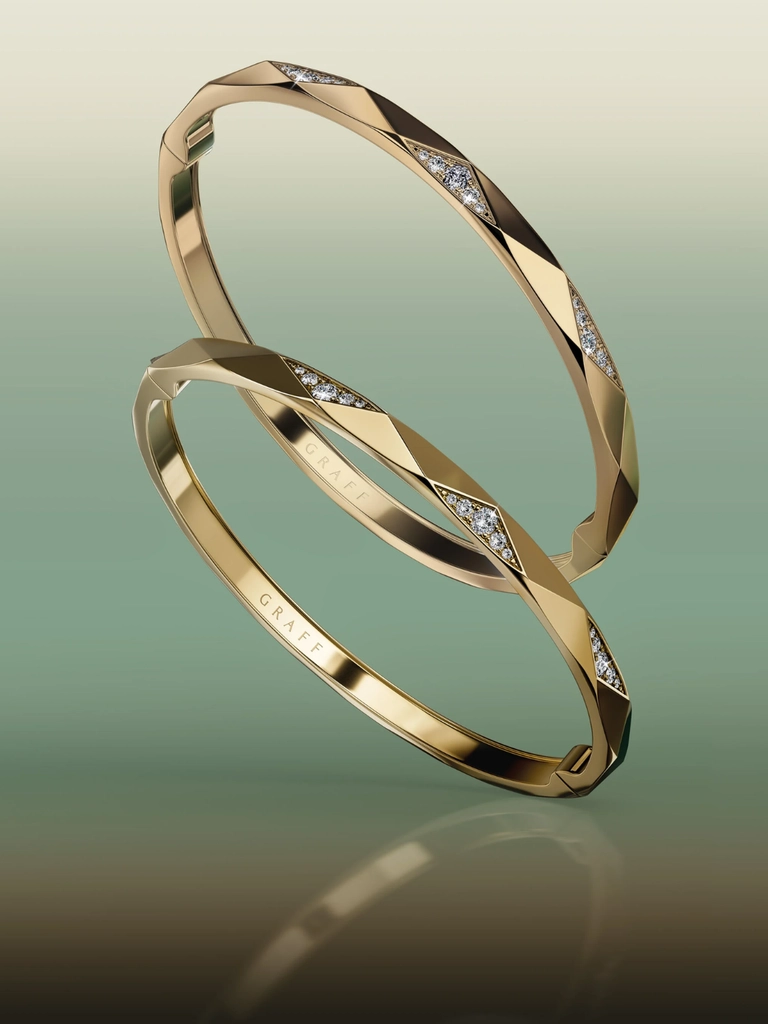
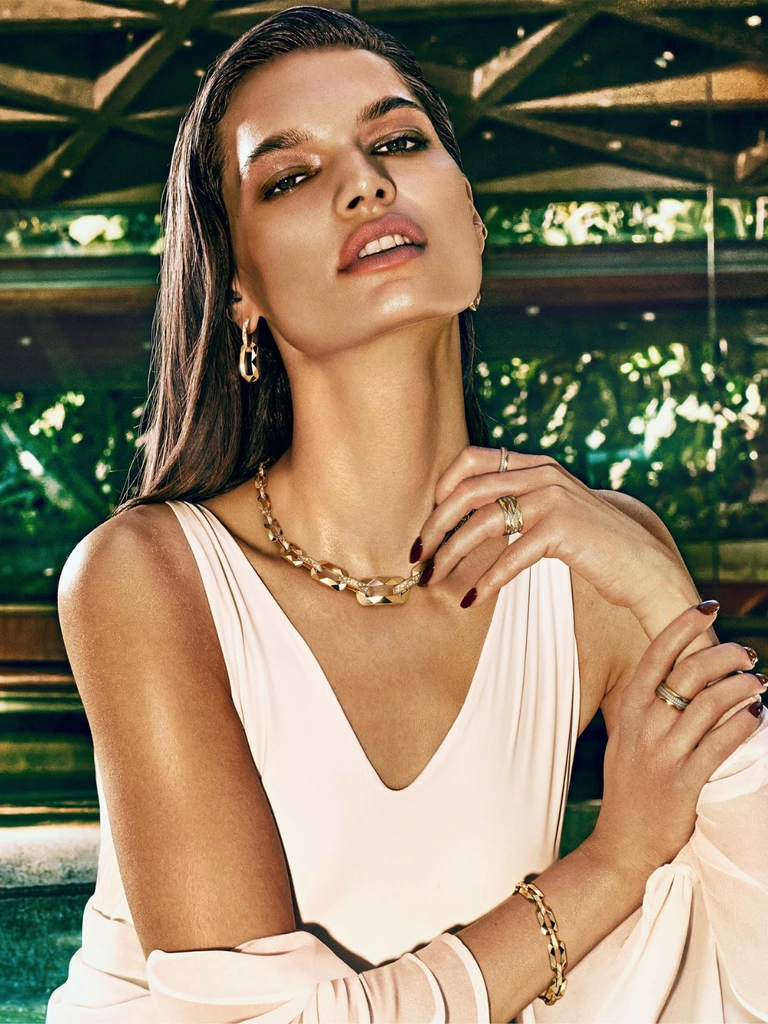
The strategy creates an important bridge within the brand.
Someone may first encounter Graff through a relatively restrained ring, pendant or bangle, while the mythology surrounding that object still leads back to 300-carat diamonds.
The everyday jewel borrows prestige from the impossible jewel.
This is one of luxury’s oldest commercial mechanisms, yet Graff executes it with unusual clarity because its hierarchy is so extreme. At one end sits a stackable gold band. At the other is a diamond that has become part of gemological history.
Both carry the same surname.
Graff has also preserved something increasingly unusual among major jewellery houses: family control.
Laurence Graff remains Chairman, while his son François Graff serves as CEO. The company itself describes Graff as a family business, with client relationships passing into a second generation alongside management. Its retail network has expanded from London to more than 70 boutiques worldwide, while the first boutique outside Britain opened at Monaco’s Hôtel de Paris in 2000.
The family universe extends beyond jewellery.
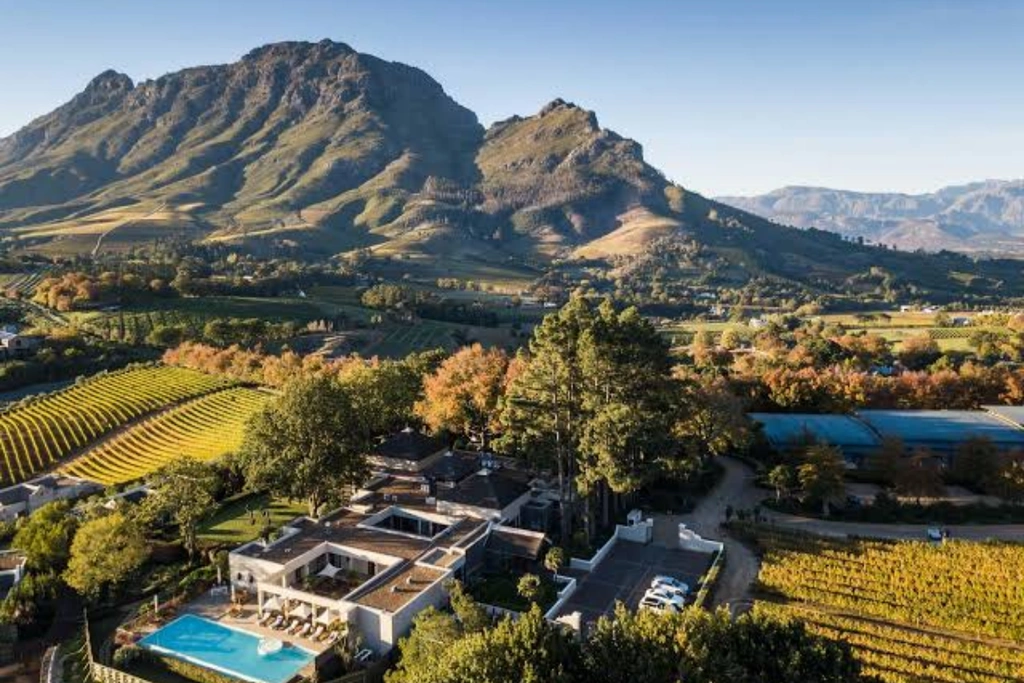
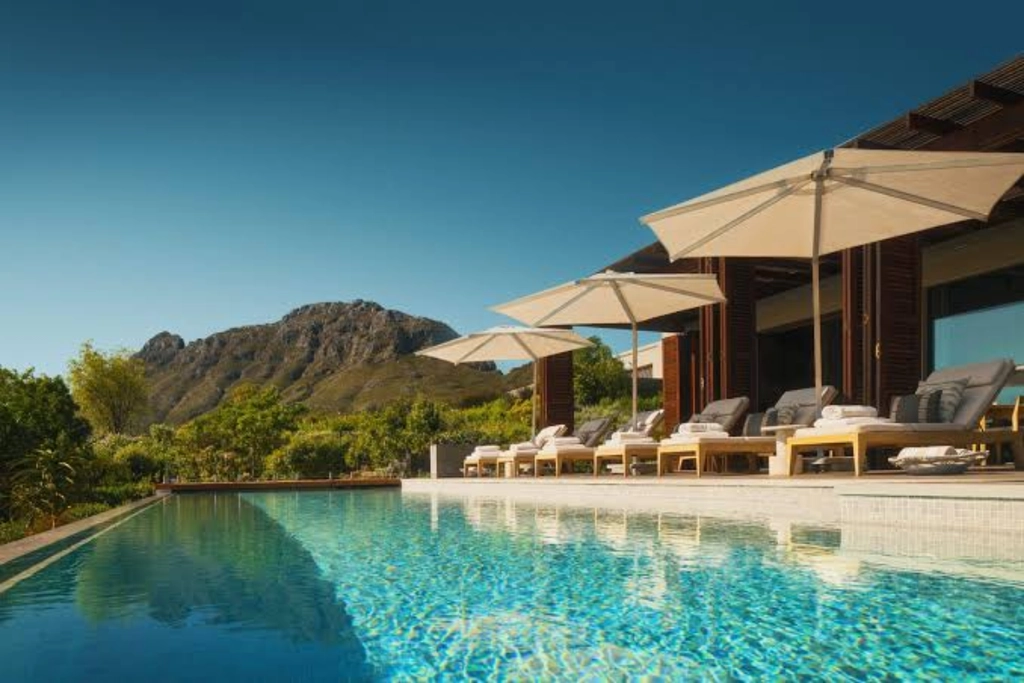
At Delaire Graff Estate in Stellenbosch, South Africa, vineyards, hospitality, gastronomy and art converge around Laurence Graff’s personal collecting instincts. More than 400 artworks and sculptures selected from his collection are displayed across the estate.
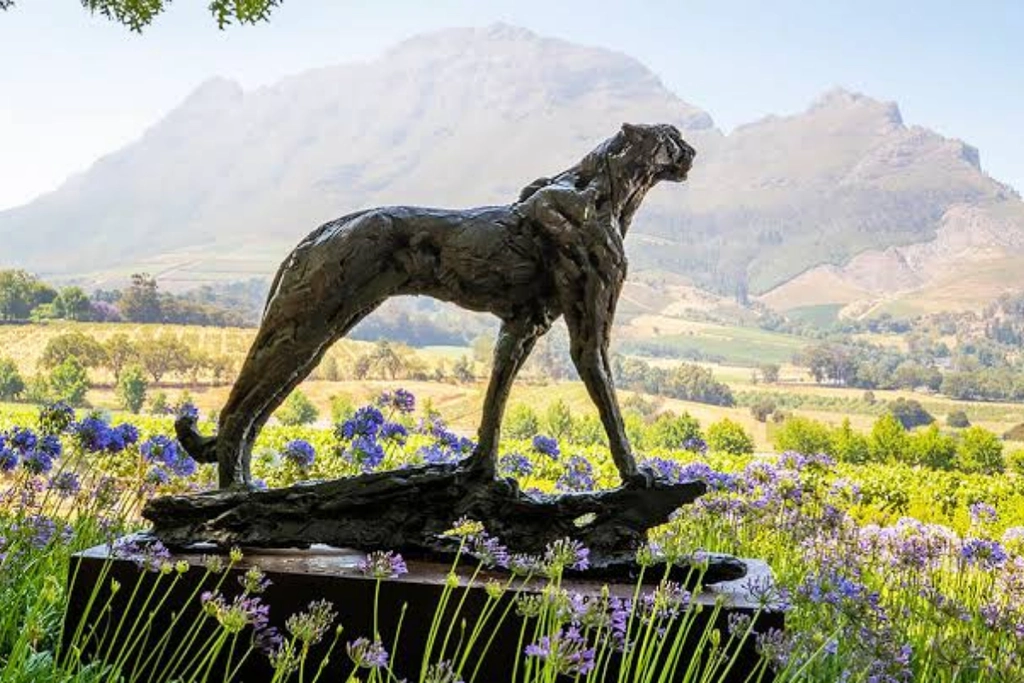
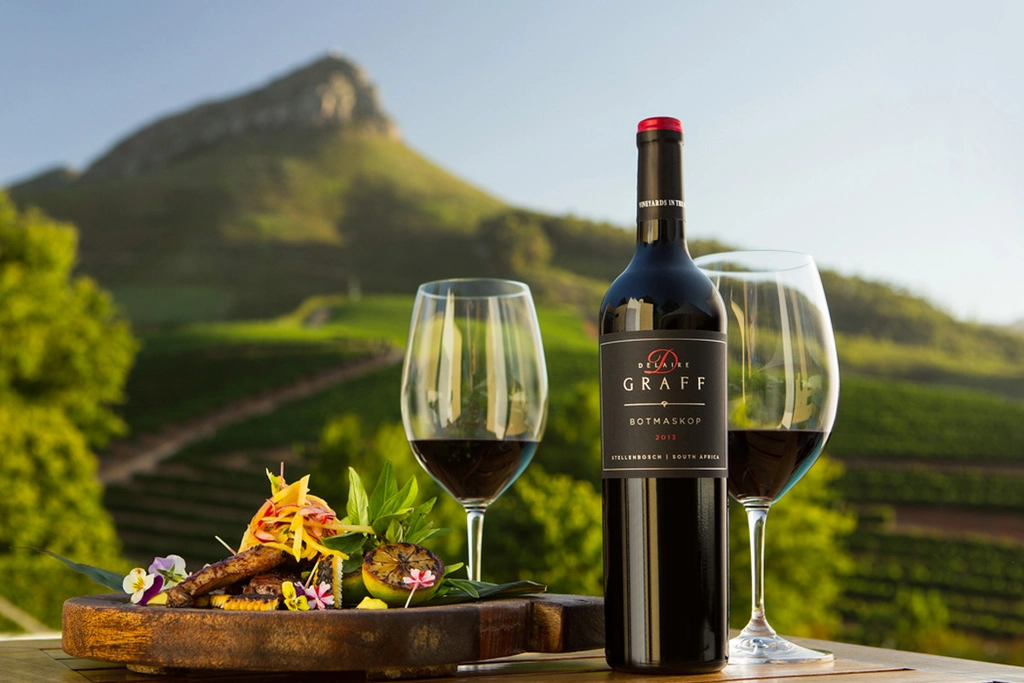
Diamonds, wine and art all share an economic characteristic Graff understands exceptionally well: scarcity becomes dramatically more valuable once taste, provenance and narrative are attached to it.
That may ultimately be the central lesson in Graff’s luxury brand history.